16 Pasta Cooking Tips That Actually Help
Perfect pasta is not an accident, it is a handful of small, smart choices stacked together. With a few reliable habits, you will nail the texture, the flavor, and the sauciness every single time.
These tips cut through the noise and focus on what actually changes your results. Grab a pot, some salt, and let us make better pasta tonight.
1. Salt the water like you mean it
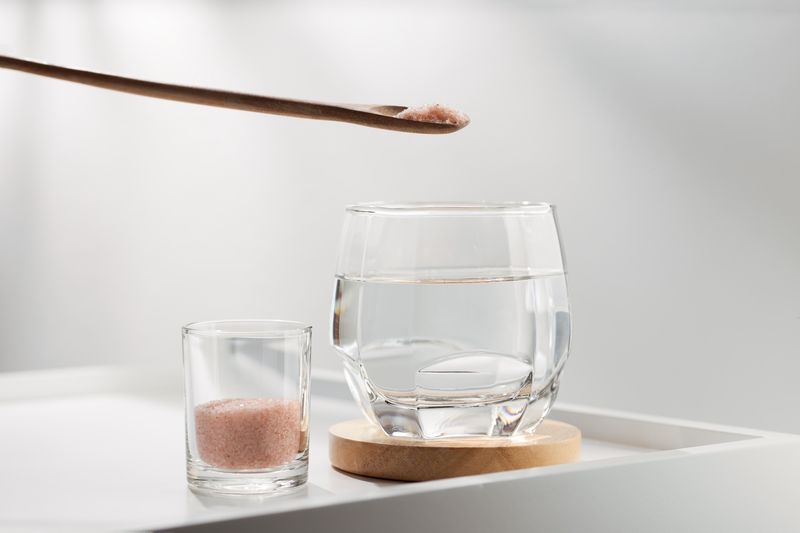
Season the water until it tastes pleasantly like the sea. This is your only real chance to get salt into the pasta itself, not just on the surface.
When the noodles are seasoned from within, even a simple sauce tastes fuller.
Use kosher or sea salt for predictable salinity and dissolve it before adding pasta. Do not fear the amount, because most stays in the water.
You will notice a big difference in flavor and need less finishing salt later.
2. Use a big pot with lots of water
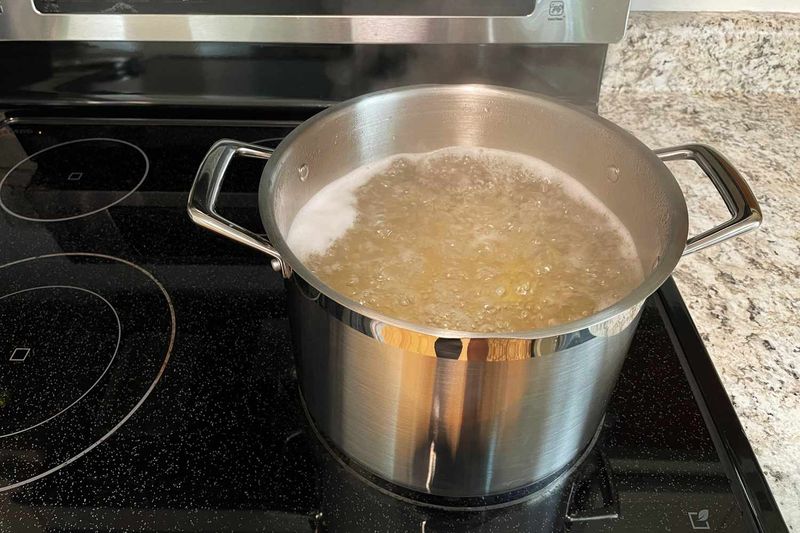
A big pot with ample water keeps the temperature steady when you add pasta. That stability helps strands or shapes cook evenly instead of clumping.
More water also gives starch somewhere to disperse, reducing stickiness.
Fill the pot high enough for a rolling boil to continue after the pasta goes in. Crowding leads to gummy surfaces and undercooked centers.
If the pot is small, cook in batches instead. Space and water volume are secret weapons for perfect texture.
3. Wait for a true rolling boil
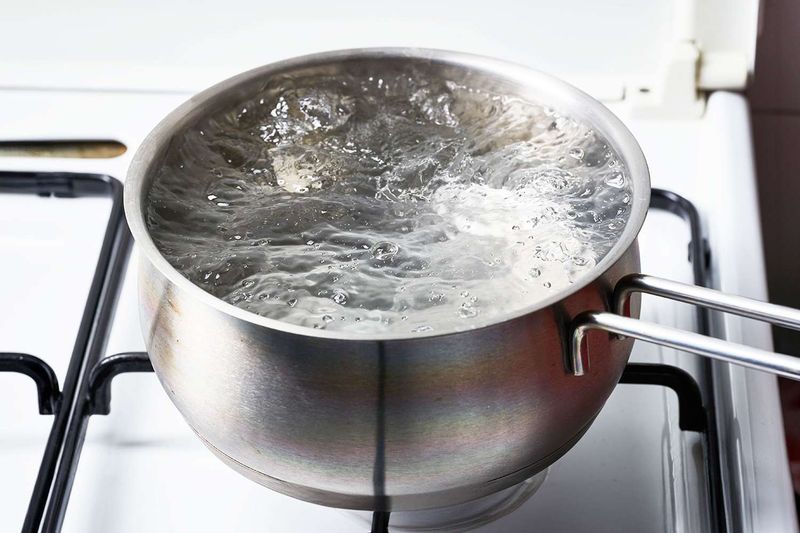
A true rolling boil looks fierce, with vigorous bubbles that do not stop when you stir. That energy prevents noodles from settling and sticking to each other or the bottom.
It also ensures heat penetrates quickly for even doneness.
Impatient starts cause mushy outsides and firm centers. Hold back and let the water really roar before adding pasta.
You will gain control over texture and timing, and you will need fewer frantic stirs to keep things separate.
4. Stir right after adding pasta
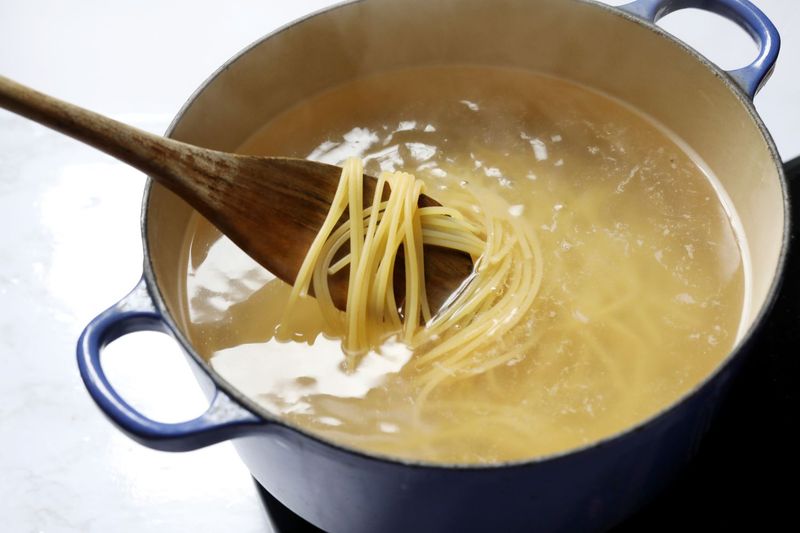
The first 30 seconds decide whether pasta sticks. Stir immediately after the noodles hit the water, sweeping the bottom to free anything that tries to settle.
A few deliberate stirs now save you constant fuss later.
Return to stir once or twice during the first couple minutes. After that, the rolling boil will do most of the work.
This small habit prevents clumps, protects delicate shapes, and makes straining far less stressful.
5. Do not add oil to the water
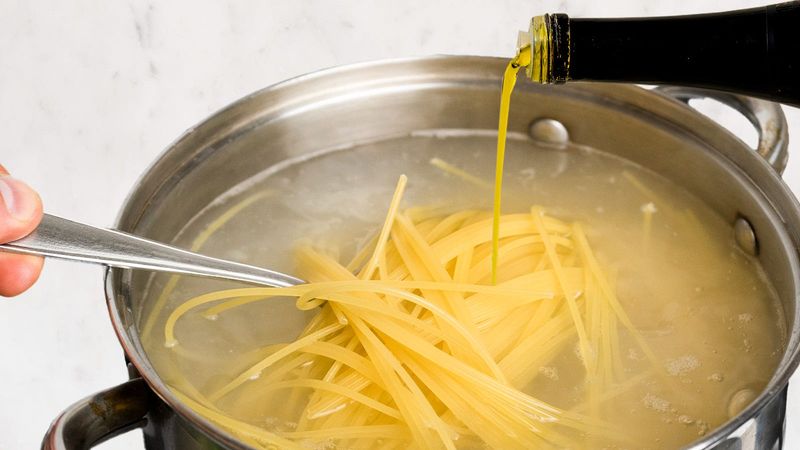
Oil floats on top and does not stop sticking the way people think. Worse, it can coat the pasta when you drain, making sauce slide off instead of clinging.
Save your good olive oil for finishing where it adds aroma and shine.
If sticking worries you, fix the real causes: not enough water, a weak boil, or skipping that initial stir. Those solve the problem without sabotaging sauce adhesion.
Your sauces will taste richer and bind beautifully.
6. Start checking early
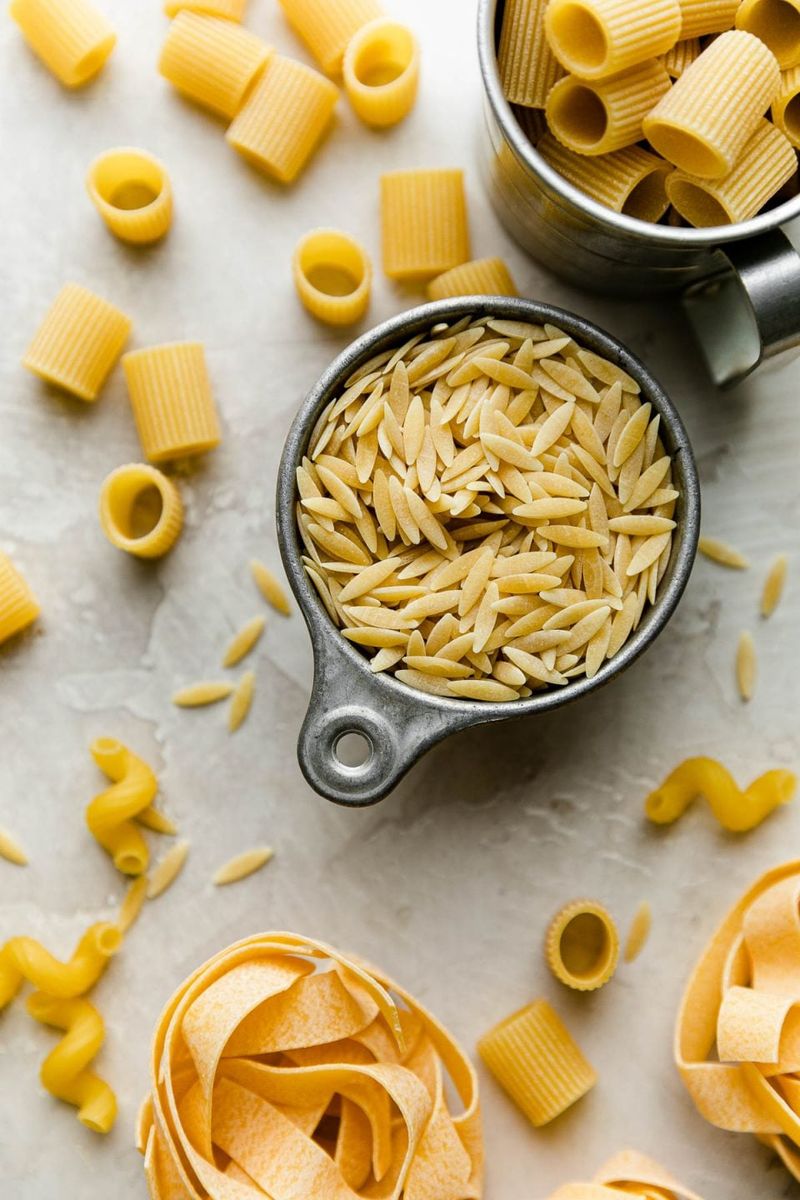
Box times are guidelines, not guarantees. Start tasting one to two minutes earlier than the label suggests.
You are aiming for your exact preferred bite, and that window can be surprisingly short.
Use tongs to pull a piece, bite, and feel the center. If it is just shy, check again in 30 seconds.
Staying alert prevents overcooked noodles and lets you sync perfectly with the sauce waiting in the pan.
7. Pull it at al dente
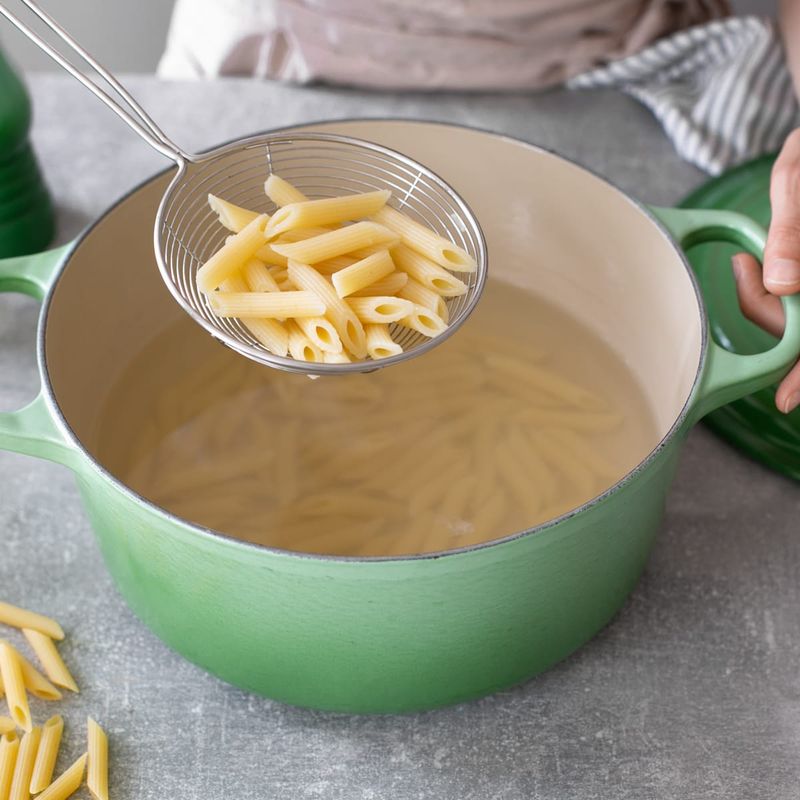
Al dente means tender with a pleasant bite. If the pasta will finish in sauce or bake, pull it slightly early.
Residual heat and simmering will carry it to perfect texture without turning soft.
Taste for a thin core that offers gentle resistance, not a chalky center. Move quickly from pot to pan so momentum continues.
This timing trick protects texture and keeps sauces lively instead of stodgy.
8. Save pasta water every time
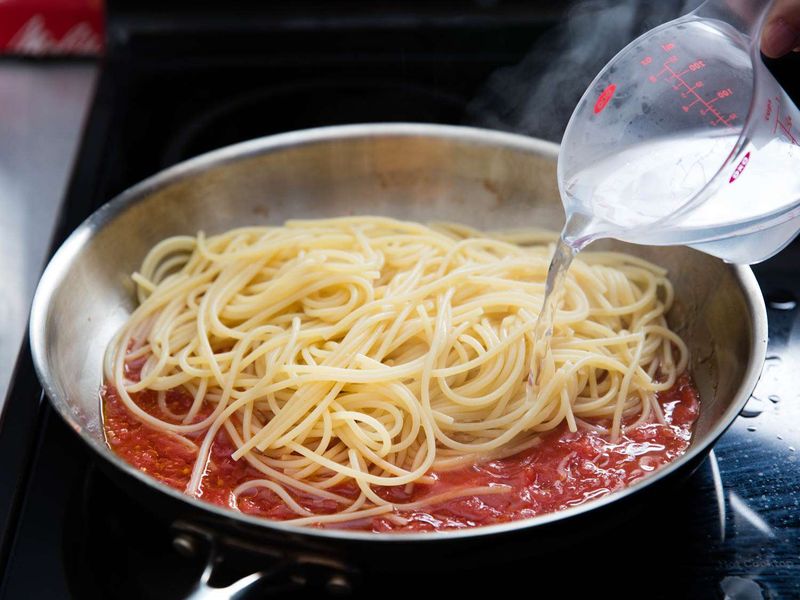
Before draining, dip a mug or ladle into the pot and save that cloudy liquid. The starch acts like gentle glue, helping sauce coat each piece.
It also loosens too-thick sauce without watering down flavor.
Add splashes while tossing until the sauce turns glossy and silky. This trick rescues dry mixes and creates restaurant-style emulsion.
You will use less cream and butter while getting better cling and shine.
9. Do not rinse pasta (almost always)
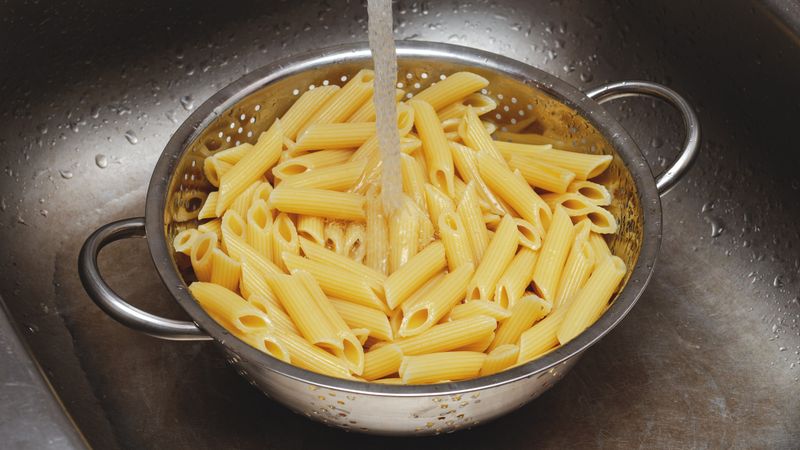
Rinsing washes away the surface starch that helps sauce stick. Unless you are making a cold pasta salad, skip the rinse and go straight into sauce.
Hot, starchy noodles grab flavor immediately.
For salads, a quick rinse cools pasta and stops cooking, which keeps shapes bouncy. Otherwise, keep that precious starch.
Your dinners will taste fuller and the sauce will cling beautifully without extra thickeners.
10. Warm your sauce before the pasta is done
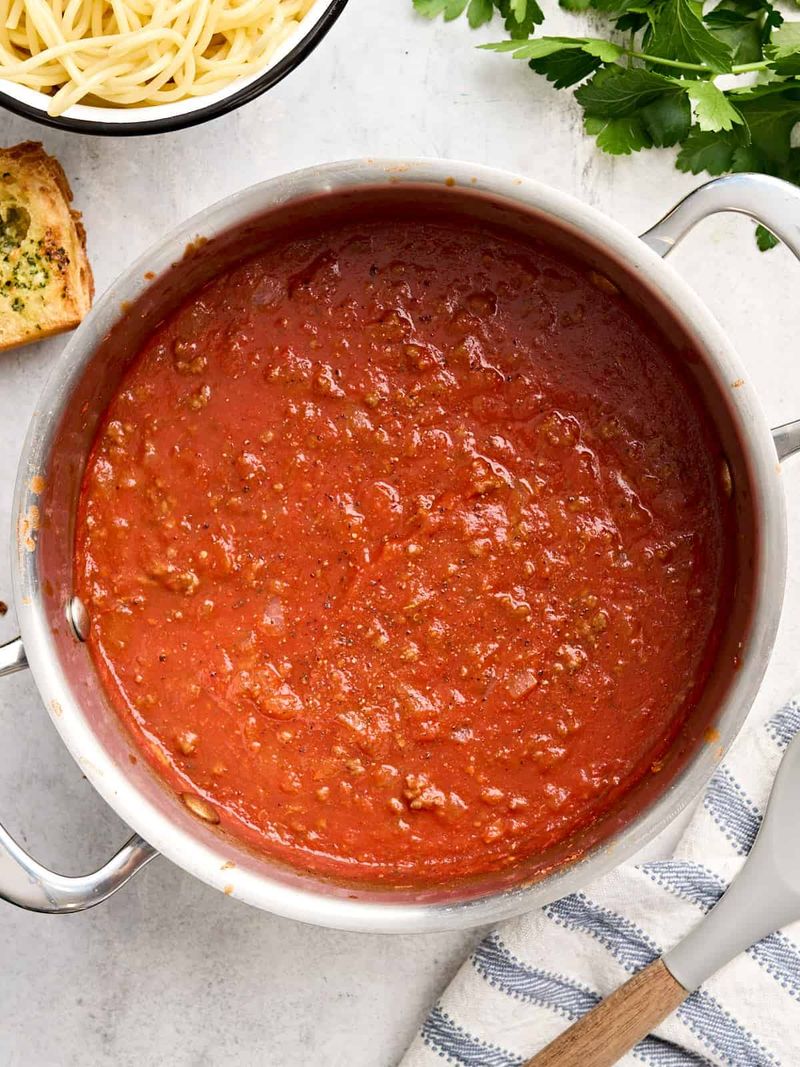
Cold sauce on hot pasta is a momentum killer. Have your sauce hot and ready before draining.
That way you can toss immediately and keep the pasta’s surface primed to absorb flavor.
Let the sauce reach a gentle simmer, then hold low. When the pasta hits the pan, everything blends fast without clumps.
Timing this step means better flavor transfer, less sticking, and a smoother finish.
11. Finish pasta in the sauce
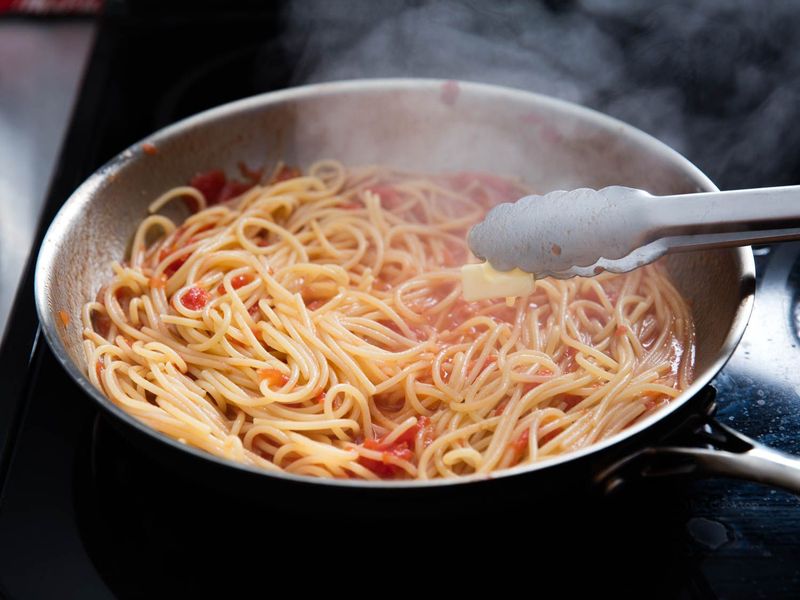
Do not just pour sauce on top. Toss pasta in the pan with sauce for a minute so heat, starch, and fat emulsify together.
That contact lets noodles absorb flavor instead of wearing it like a coat.
Add reserved pasta water as needed, shaking and tossing. Watch for a shiny, lightly creamy look, even without cream.
This step ties everything together and makes the dish taste complete.
12. Use the right pan for finishing
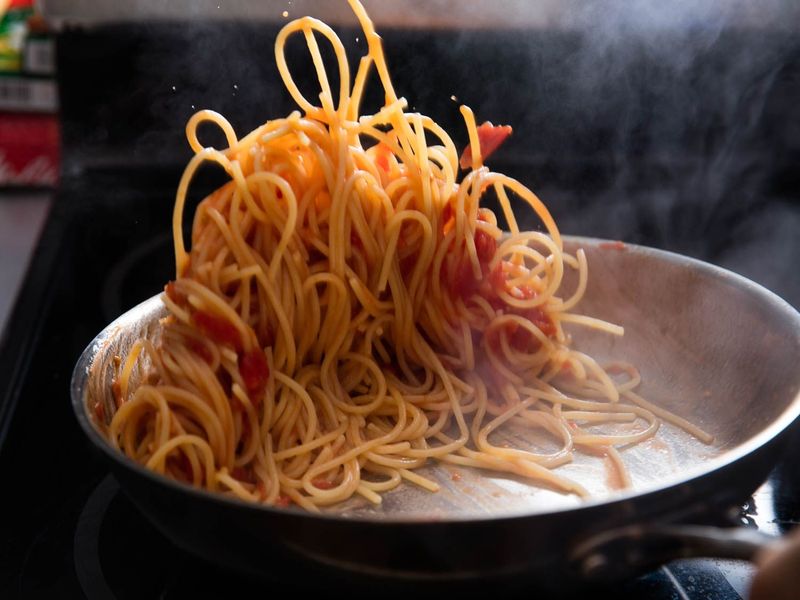
A wide sauté pan gives you room to toss without breaking delicate shapes or showering the stovetop. Surface area helps sauce reduce quickly and coat evenly.
Crowded skillets stew pasta instead of glazing it.
If you only have a small pan, finish in batches. For long noodles, tongs plus a wide pan make swirling easy.
Consider a deep sauté or rondeau as a versatile workhorse for pasta nights.
13. Add cheese off the heat
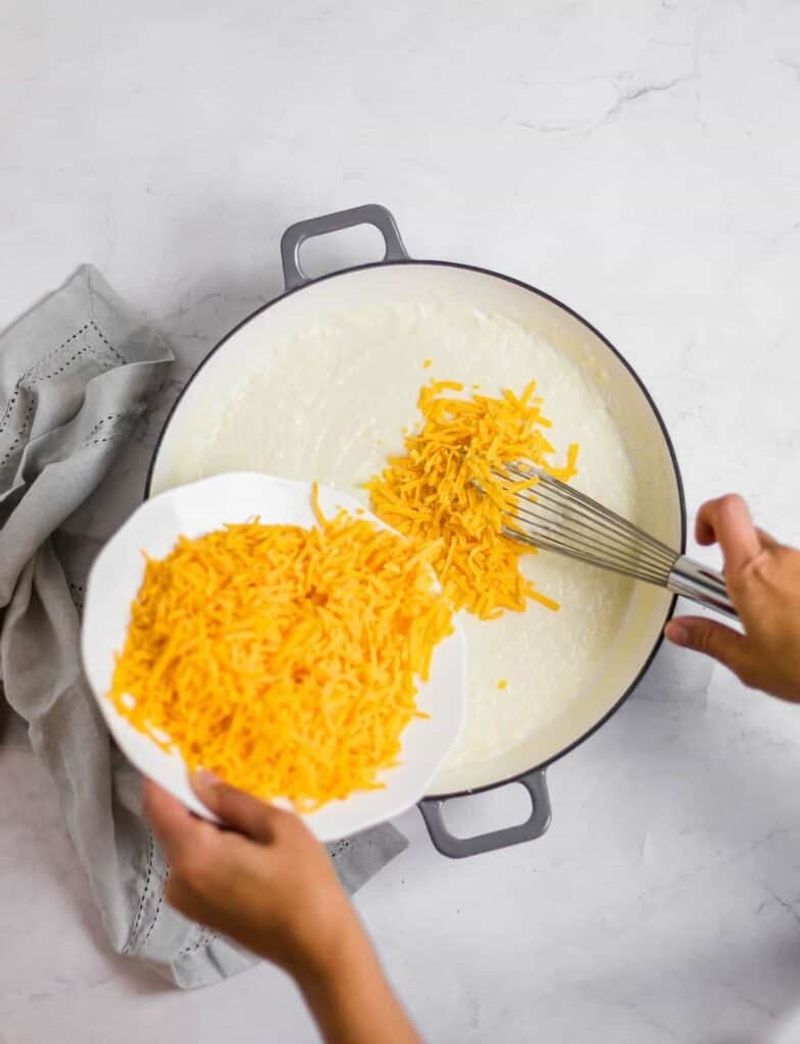
Cheese can clump or turn stringy if the pan is ripping hot. Slide it off the burner, then shower in finely grated Parmesan while tossing.
Gentle heat melts evenly and creates a smooth, glossy finish.
Use microplaned cheese so it dissolves quickly. Add in stages, with small splashes of pasta water to keep things fluid.
This approach builds body and savor without grease breaks or gummy bits.
14. Be careful with cream sauces on high heat
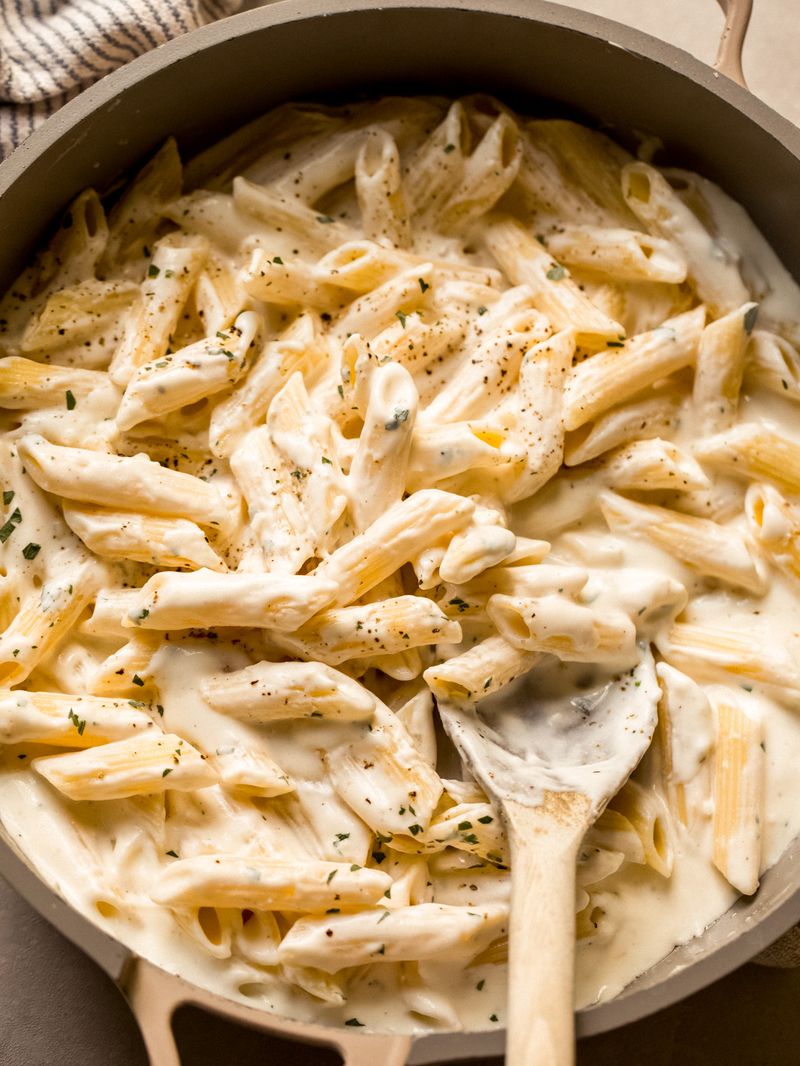
Heavy boiling can split cream and make sauces grainy. Keep the heat at a gentle simmer and whisk occasionally.
Use pasta water to thin slowly, so starch stabilizes the emulsion without dulling flavor.
If the sauce tightens, lower heat and add a splash of water, then toss. Patience keeps the texture velvet-smooth.
You will taste more dairy sweetness and less oily separation.
15. Do not overcrowd stuffed pasta
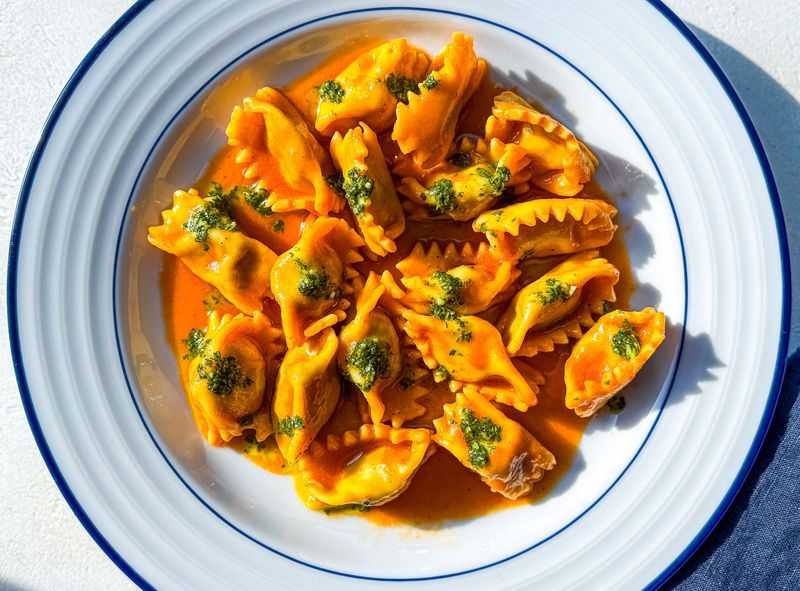
Ravioli and tortellini need space to move so they do not tear or fuse together. Use a wide pot and cook in batches if needed.
A crowded pot increases collisions that burst fillings and ruin dinner.
Keep the boil lively but not violent, and stir very gently right after adding. A spider skimmer is kinder than tongs for lifting.
Treat them delicately and you will plate intact, pillowy parcels.
16. Let pasta drain briefly, but do not let it sit
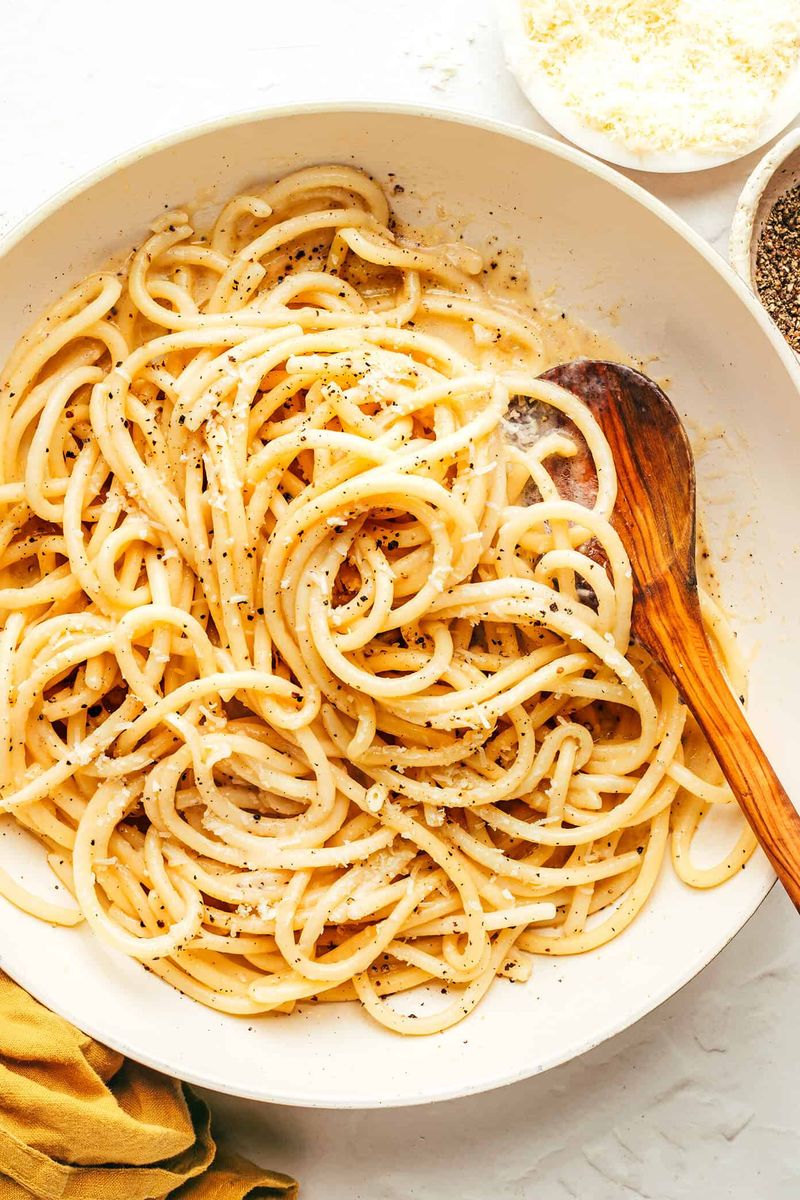
Drain, shake off excess water, and move straight to the sauce. Sitting in a colander turns pasta sticky as steam evaporates and starch glues strands together.
Speed keeps surfaces hot and receptive.
Place the colander over the pot to catch water in case you forgot to reserve some. Have the sauce ready so there is no pause.
This one habit prevents clumps and delivers a silky finish every time.