16 Traditional Japanese Sauces to Know and Use
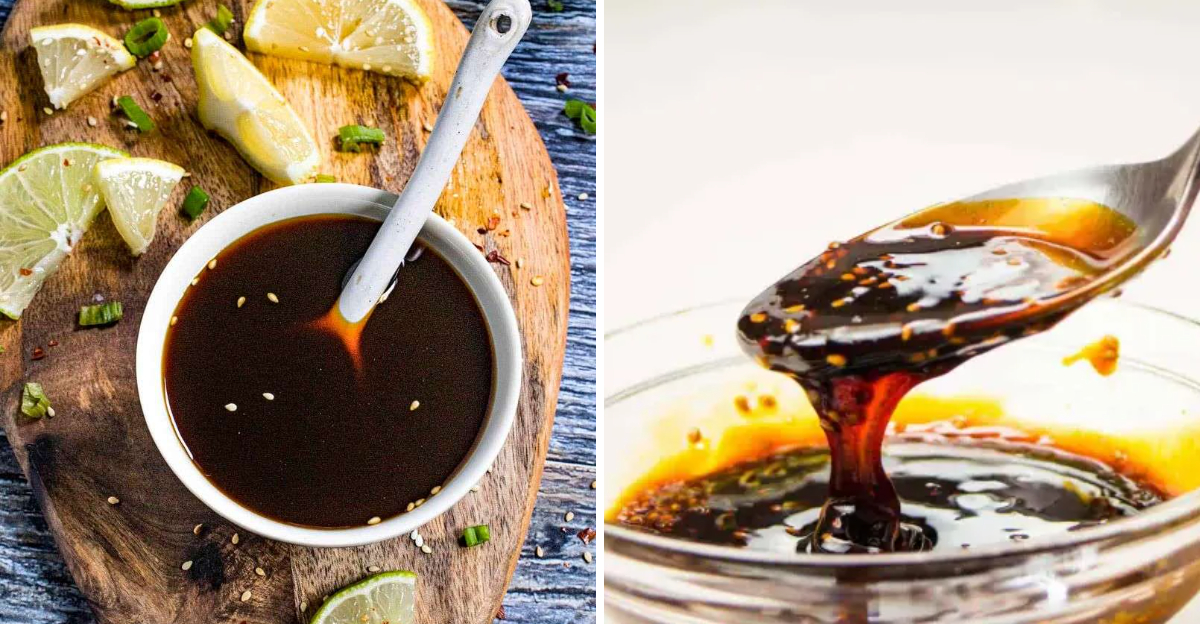
If your meals need more depth, Japanese sauces can change everything with just a spoonful. These pantry staples bring salt, sweetness, citrus, smoke, and deep umami into everyday cooking without much effort.
Once you know what each one does best, it becomes much easier to build flavor that tastes balanced and restaurant-worthy. Here are 16 traditional Japanese sauces and seasonings worth knowing, stocking, and using on repeat.
1. Shoyu
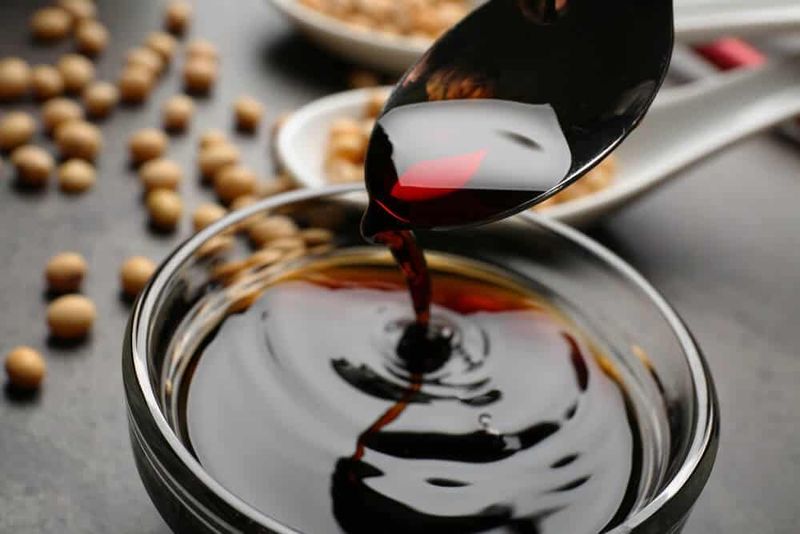
Shoyu is the sauce you will reach for constantly once Japanese cooking becomes part of your routine. It delivers salt, savory depth, and that unmistakable umami backbone that makes simple ingredients taste fuller and more satisfying.
Because it is balanced rather than harsh, it works as both a seasoning and a finishing touch.
You can use shoyu for dipping sushi, seasoning soups, marinating chicken, or building a quick stir-fry sauce. I love how a small splash can wake up rice, vegetables, noodles, and eggs without much effort.
Keep one good bottle nearby, and everyday meals start tasting far more intentional.
2. Tamari
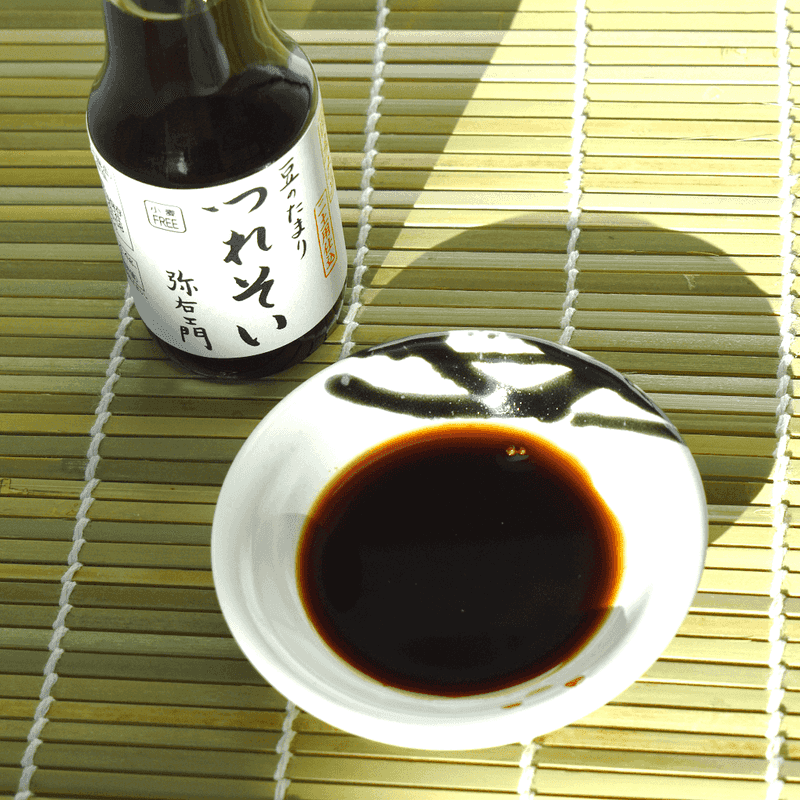
Tamari is a richer, darker cousin to standard soy sauce, and its flavor lands with deeper umami and less sharp saltiness. Many bottles are also gluten-free, which makes it especially useful if you want a Japanese pantry staple that suits more dietary needs.
Its texture often feels a little rounder and fuller on the palate.
You can use tamari as a dipping sauce for sashimi, a marinade for salmon, or a finishing splash over roasted mushrooms and tofu. I find it especially good when you want soy flavor with extra body and less distraction.
One drizzle can make simple food taste more polished and deeply savory.
3. Ponzu
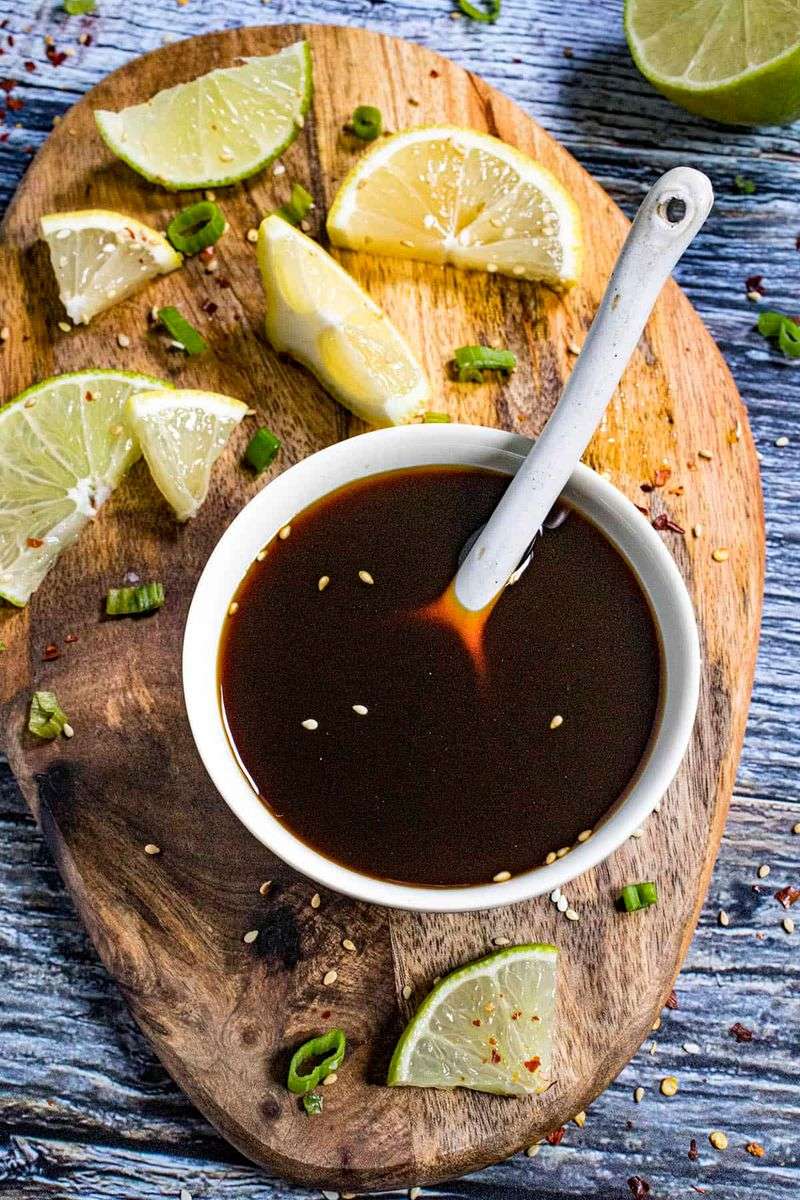
Ponzu brings a bright, citrusy lift that makes rich foods feel lighter and fresher right away. Built from soy sauce and Japanese citrus, it balances savory depth with a clean tang that cuts through fat beautifully.
That contrast is exactly why it feels so refreshing at the table.
You can serve ponzu with shabu-shabu, drizzle it over grilled fish, or toss it into salads for instant complexity. I also like it over cold tofu, steamed vegetables, and simple noodle bowls when they need sparkle.
If your meals ever taste heavy or flat, ponzu is the bottle that brings everything back into balance fast.
4. Tsuyu (Mentsuyu)
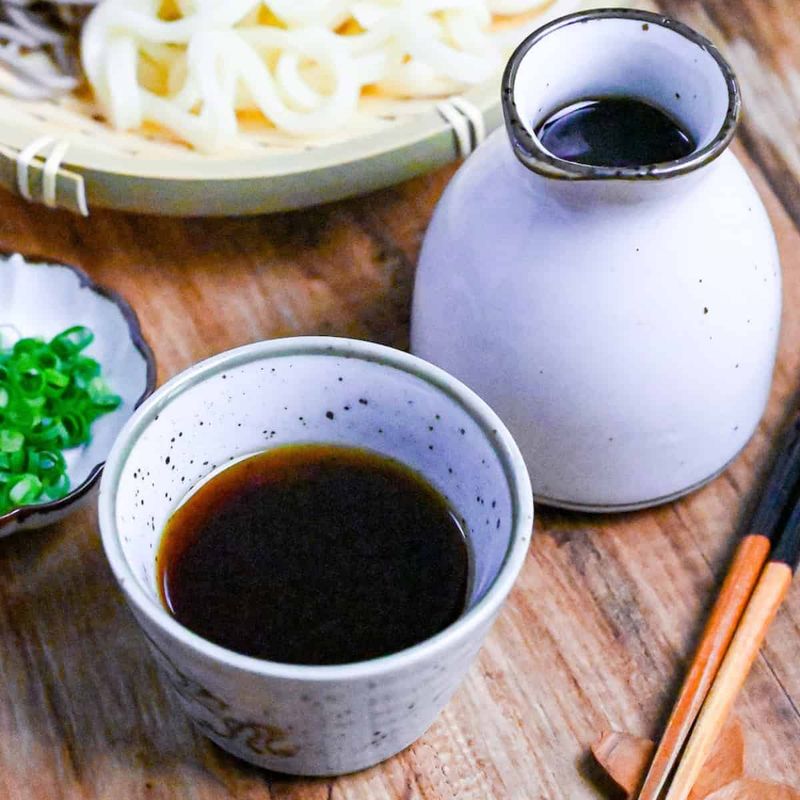
Tsuyu, often called mentsuyu, is a concentrated noodle sauce that combines dashi, soy sauce, and mirin into one extremely useful base. It tastes savory, lightly sweet, and deeply comforting, which is why it can do much more than season noodles.
Think of it as a shortcut to layered Japanese flavor.
You can dilute tsuyu for soba or udon dipping sauce, add it to broth, or season simmered vegetables and mushrooms with it. I like keeping a bottle around for fast lunches because it turns plain noodles into something satisfying in minutes.
When cooking feels rushed, tsuyu is one of the smartest pantry helpers you can have.
5. Dashi
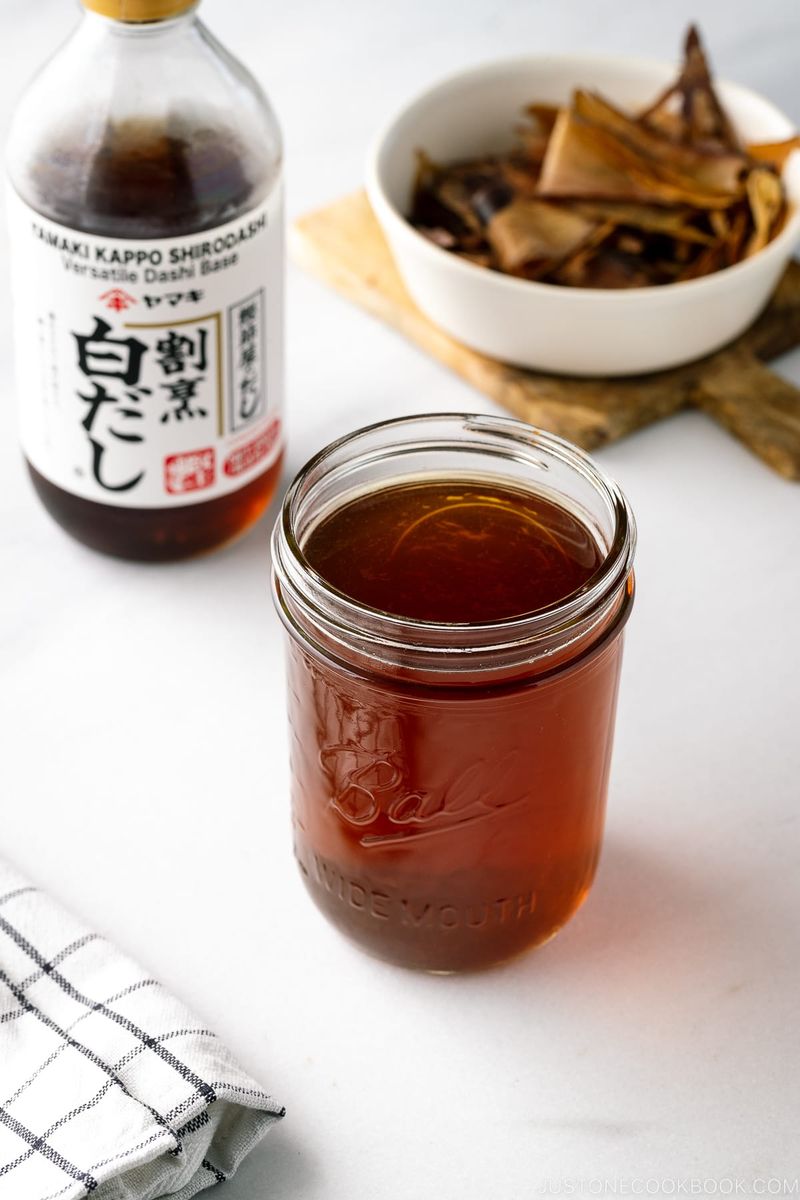
Dashi is technically a stock base, but it acts like the flavor foundation behind countless Japanese sauces and dishes. Made most often with kombu and bonito, it brings a gentle, savory umami that supports ingredients without overwhelming them.
That subtlety is what makes Japanese food taste so calm, clean, and layered.
You can use dashi in miso soup, egg dishes, simmered vegetables, and homemade sauces that need more depth. I think of it as the difference between food that tastes fine and food that tastes quietly excellent.
Once you start cooking with dashi regularly, you notice how much elegance can come from a broth that seems simple.
6. Miso
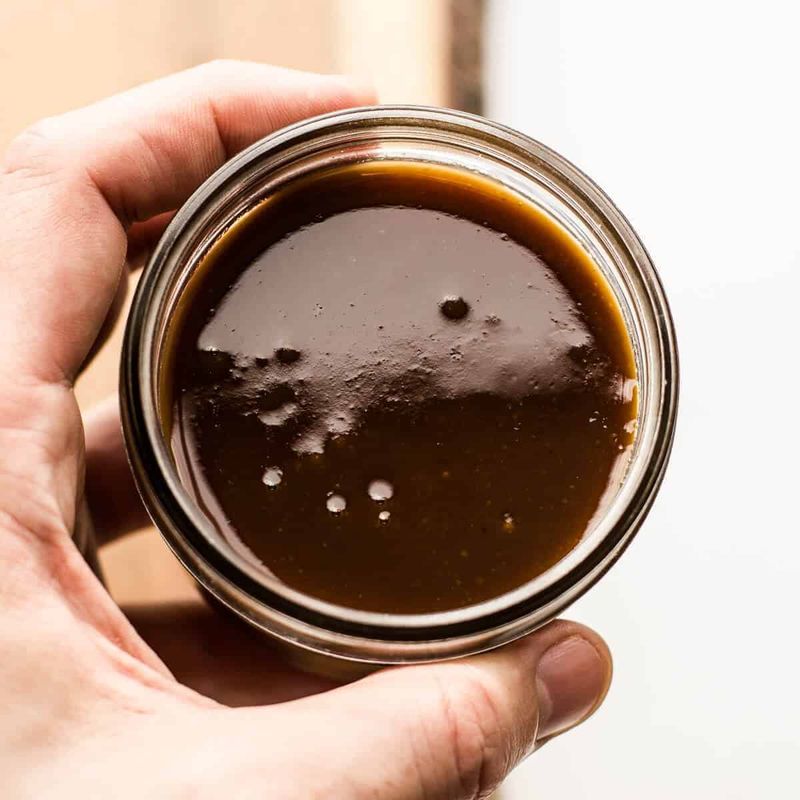
Miso is a fermented soybean paste that adds savory depth, mild sweetness, and complexity in one scoop. White miso tastes softer and sweeter, while red miso feels stronger and earthier, giving you options depending on the mood of the dish.
It is one of those ingredients that makes food taste richer without needing much else.
You can stir miso into soup, whisk it into dressings, or use it for marinades and glazes on salmon, eggplant, or tofu. I especially love how it caramelizes under heat and turns simple dinners into something deeply satisfying.
If you want bold flavor with very little effort, miso consistently delivers.
7. Mirin
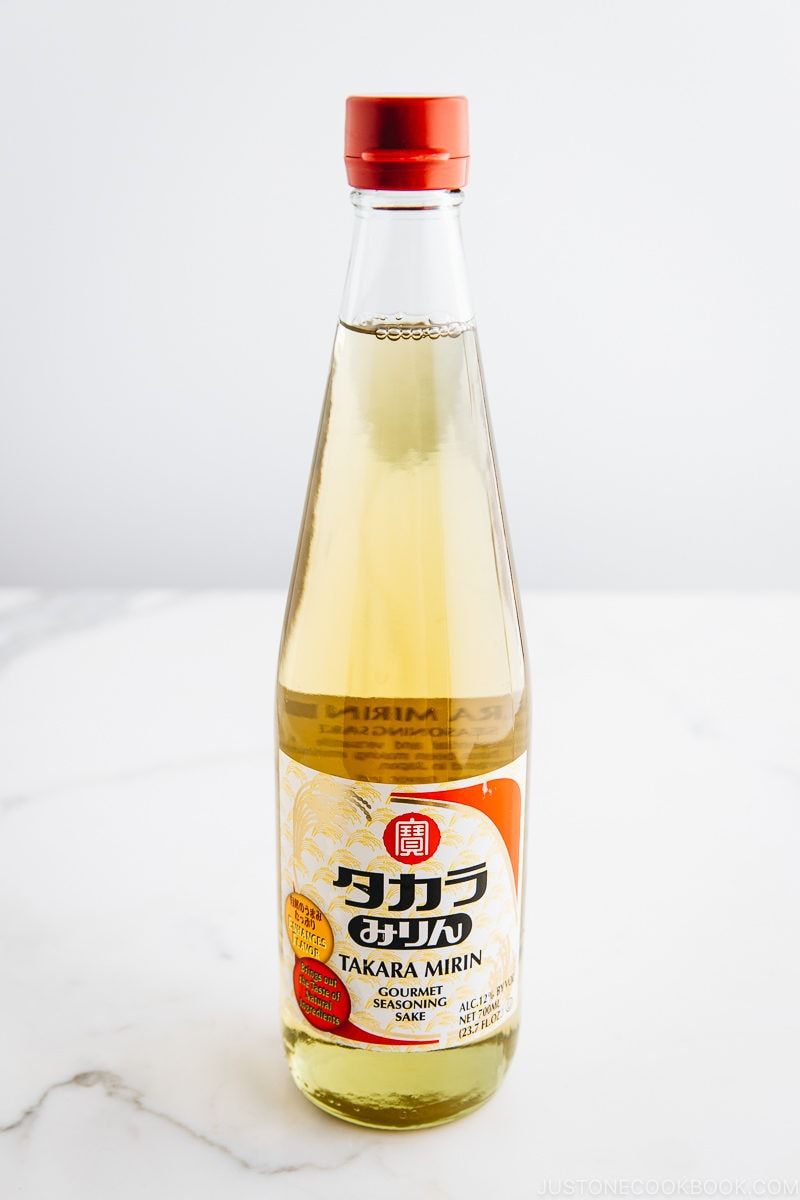
Mirin is a sweet rice wine that quietly improves Japanese cooking by adding gloss, balance, and gentle sweetness. Instead of making food sugary, it rounds off salty edges and helps sauces taste smooth and cohesive.
That is why so many classic Japanese recipes rely on it.
You can use mirin in teriyaki, noodle sauces, braises, and simmered dishes where soy sauce needs a softer counterpoint. I also like adding a splash to pan sauces because it gives vegetables, fish, and chicken a subtle shine and a more complete flavor.
When a dish tastes a little sharp or uneven, mirin often fixes it beautifully.
8. Sake (Cooking Sake)
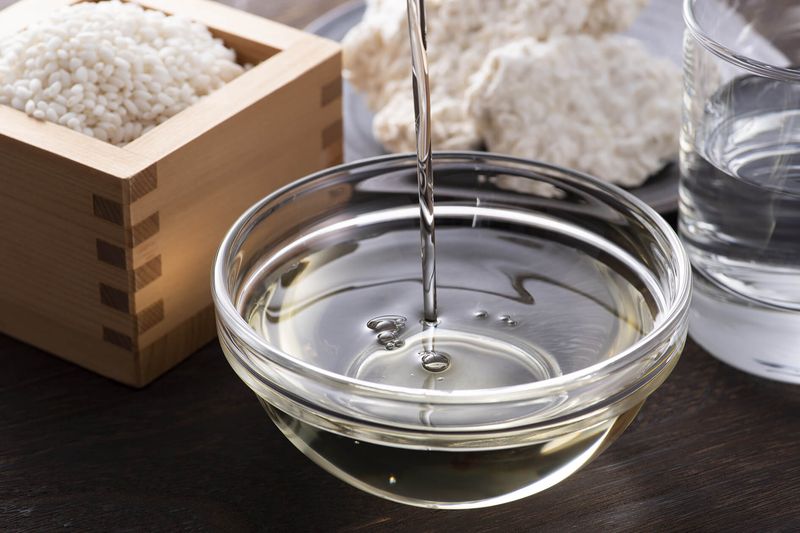
Cooking sake adds depth and helps remove strong odors from fish and meat, making it a quiet but important Japanese kitchen staple. Its flavor is subtle, but it improves marinades and sauces by bringing gentle aroma and a cleaner finish.
You may not always taste it directly, yet you notice when it is missing.
You can use cooking sake for steaming fish, braising chicken, marinating beef, or loosening pan sauces that need a little more nuance. I find it especially useful in dishes with seafood because it keeps flavors fresh instead of muddy.
For better texture, aroma, and balance, this bottle earns its place quickly.
9. Teriyaki Sauce
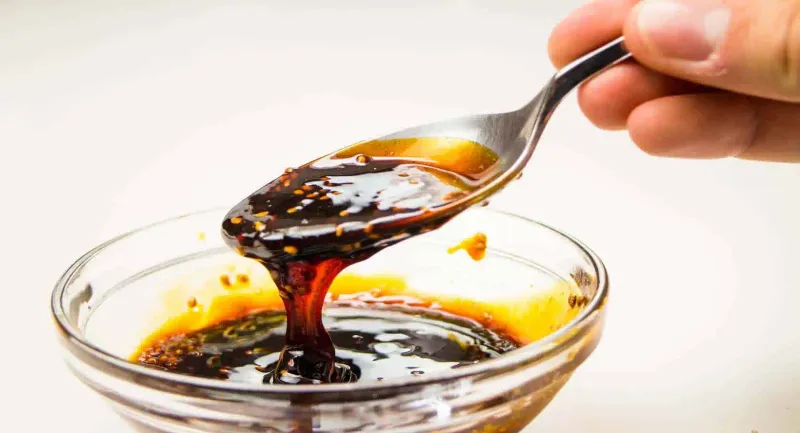
Teriyaki sauce is one of the easiest Japanese sauces to love because it is glossy, sweet-savory, and instantly comforting. Usually made from soy sauce, mirin, sugar, and sometimes sake, it reduces into a glaze that clings beautifully to whatever you cook.
The result feels bold, familiar, and deeply satisfying.
You can brush teriyaki onto chicken, salmon, tofu, or grilled vegetables for an easy weeknight dinner that still tastes special. I like how it creates shine, caramelization, and balanced flavor all at once.
When you need a crowd-pleasing sauce that works across proteins and vegetables, teriyaki is hard to beat.
10. Tare (Yakitori Tare)
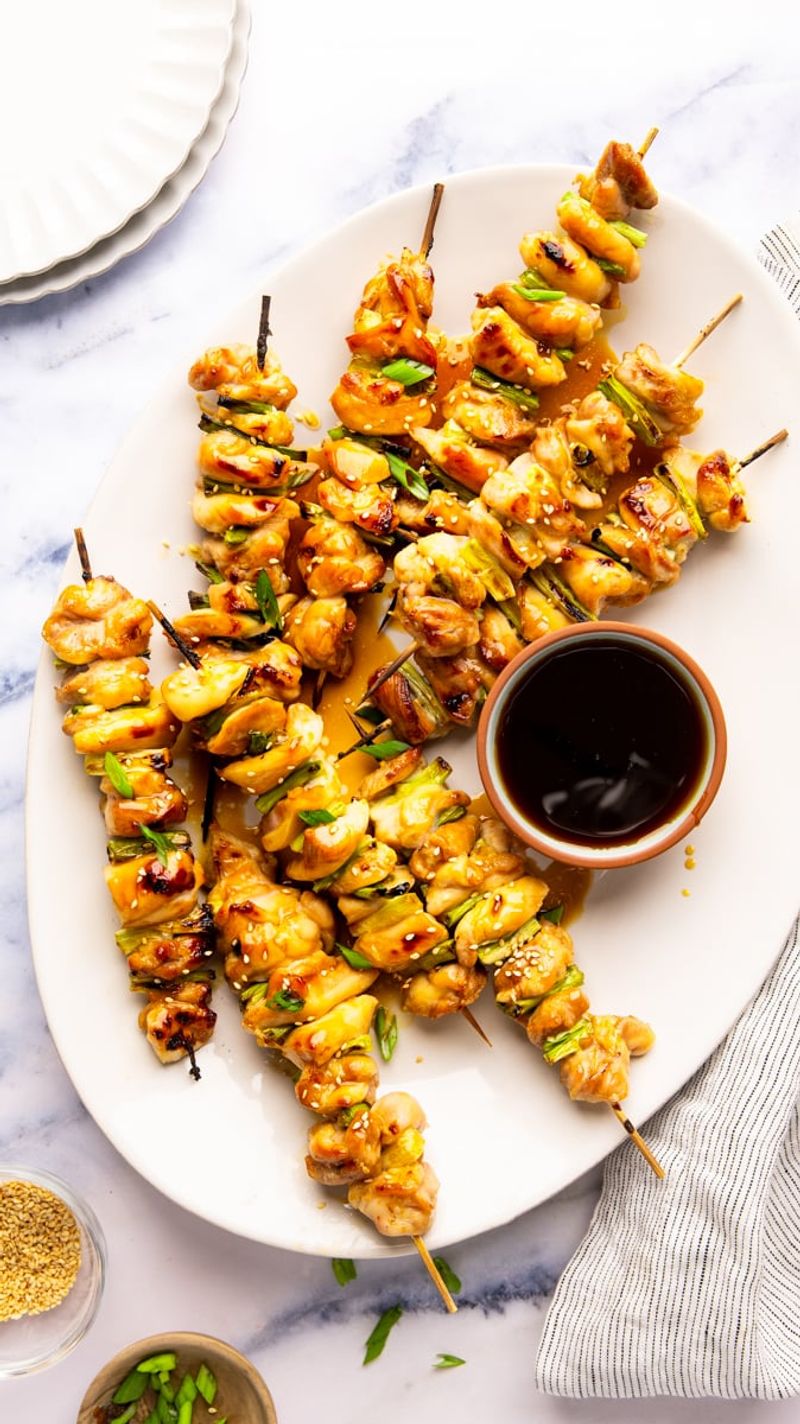
Tare is a thicker sweet-salty glaze, often built up over time, and it gives grilled foods a deep, almost smoky richness. In yakitori cooking, it is brushed onto skewers repeatedly so the flavor becomes glossy, layered, and slightly caramelized.
That repeated brushing is what makes each bite taste so memorable.
You can use tare on chicken skewers, grilled pork, meatballs, or vegetables that benefit from a richer finish than plain soy sauce offers. I love how it turns simple grilling into something that feels more special and more snackable.
If you enjoy sticky, savory glazes with depth, tare belongs on your list.
11. Tonkatsu Sauce
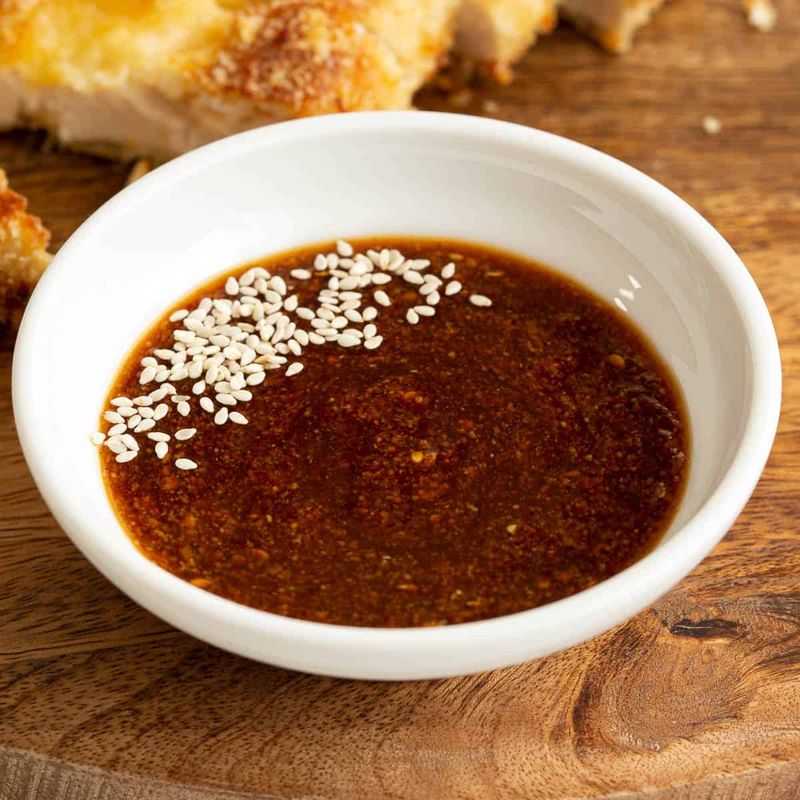
Tonkatsu sauce is thick, sweet-savory, and packed with the tangy depth that makes fried food taste complete. It is often compared to Worcestershire-style sauces, but it feels fruitier, rounder, and more concentrated.
That bold flavor is exactly why it pairs so well with crisp, golden dishes.
You can spoon tonkatsu sauce over breaded pork cutlets, croquettes, cabbage salads, or even sandwiches that need more personality. I also think it works surprisingly well as a dipping sauce for fries and crispy tofu.
When you want something rich, nostalgic, and incredibly satisfying, tonkatsu sauce brings instant comfort to the plate.
12. Okonomiyaki Sauce
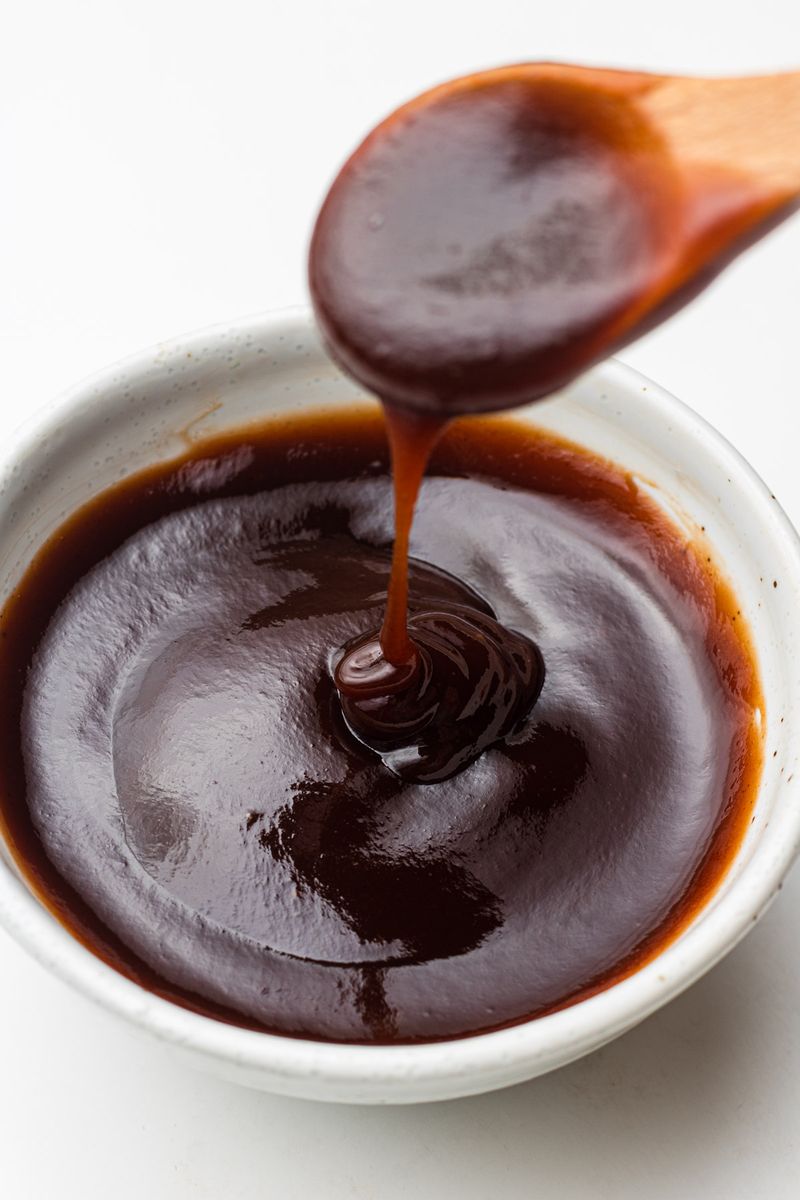
Okonomiyaki sauce is similar to tonkatsu sauce but usually tastes a little sweeter and more rounded. It has the rich, fruity, tangy profile that makes savory pancakes, noodles, and grilled foods feel complete and craveable.
Once you try it, plain okonomiyaki never really feels finished without it.
You can drizzle it over okonomiyaki, spoon it onto yakisoba, or brush it onto grilled foods that need a sweet-savory boost. I like its thicker texture because it sits beautifully on top instead of disappearing into the dish.
For bold comfort-food flavor with a little extra sweetness, this sauce is an easy favorite.
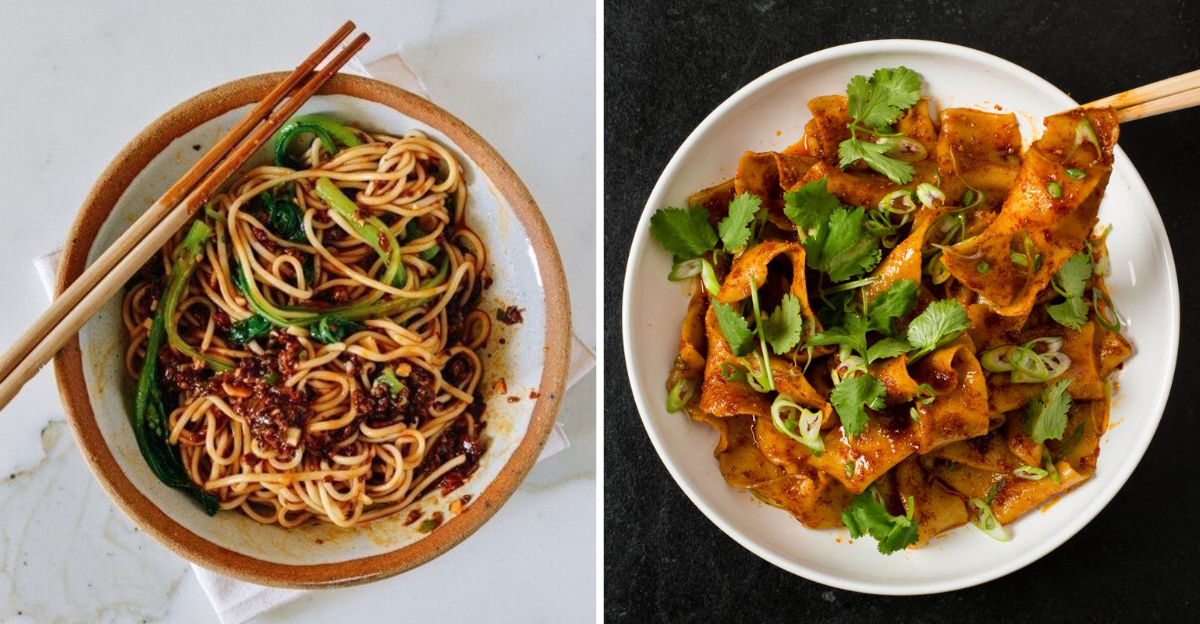
13. Yakisoba Sauce
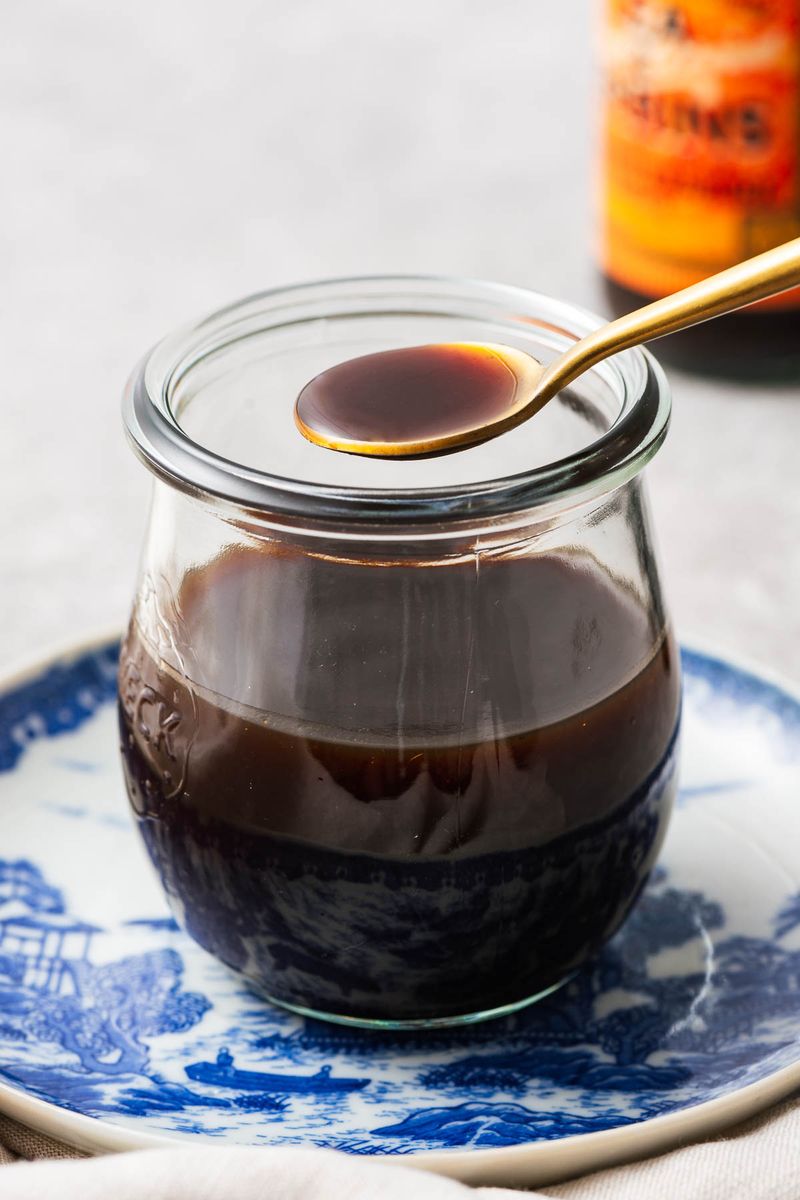
Yakisoba sauce is made for stir-fried noodles, but it is useful far beyond that one classic dish. It tastes sweet, savory, tangy, and slightly spiced, giving noodles and vegetables an instant street-food style flavor.
That bold profile makes weeknight cooking feel a lot more fun.
You can toss yakisoba sauce with noodles, use it in stir-fries, or even stir a little into fried rice for a quick flavor boost. I like how it clings to cabbage, onions, mushrooms, and pork without needing many extra ingredients.
When dinner needs to be fast but still exciting, yakisoba sauce is a smart shortcut.
14. Goma Dare
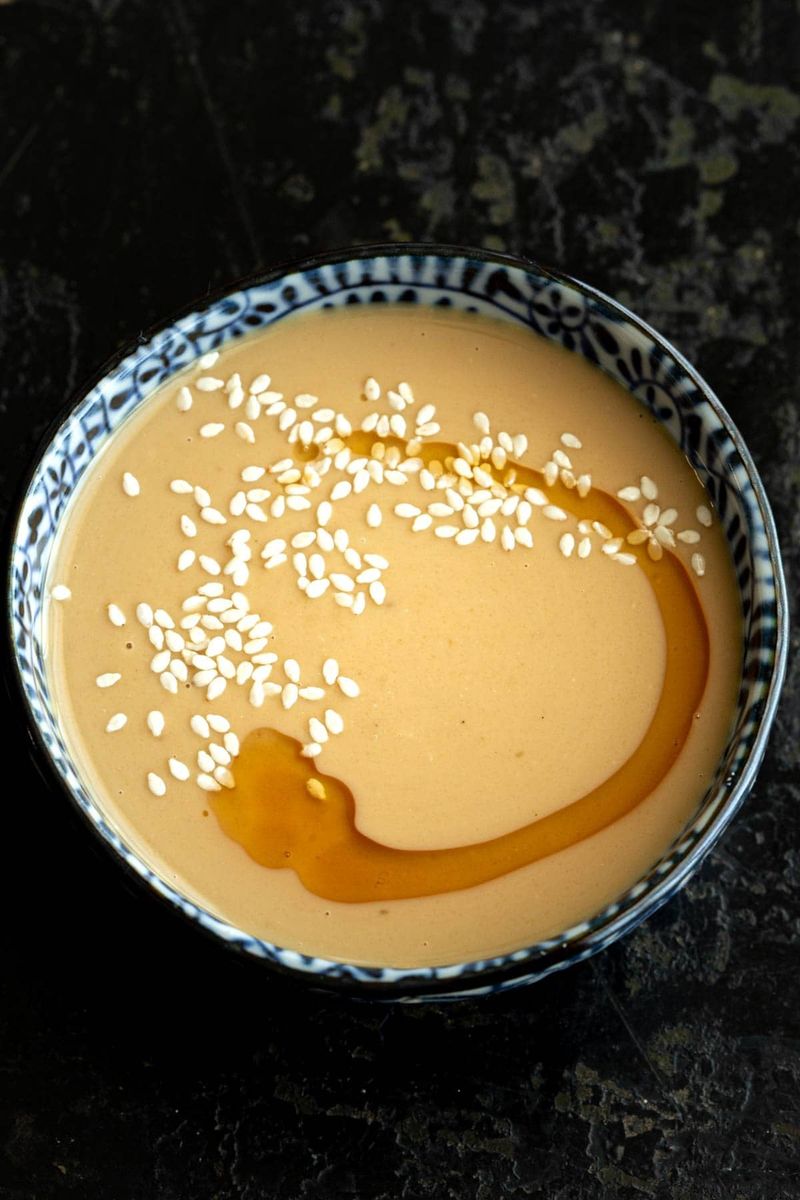
Goma dare is a creamy sesame sauce that brings nutty richness and a soft, comforting texture to the table. Compared with brighter dipping sauces like ponzu, it feels fuller and more mellow, coating ingredients in a smooth layer of savory flavor.
That creaminess makes it especially satisfying with simple foods.
You can serve goma dare with shabu-shabu, cold noodles, salads, or tofu when you want something richer but still balanced. I love how it turns plain vegetables into something worth lingering over.
If you enjoy sesame in any form, this sauce is an easy way to add depth, body, and gentle sweetness.
15. Shio Tare
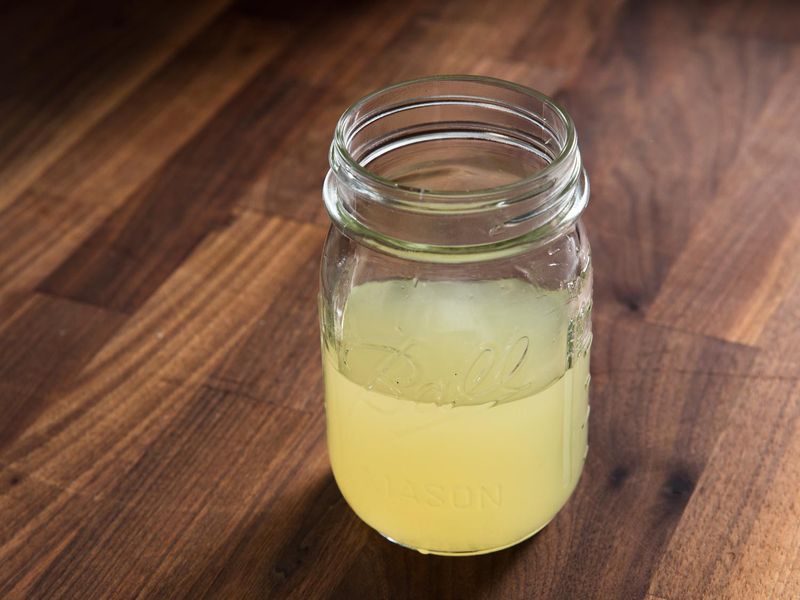
Shio tare is a salt-based tare that offers a lighter, cleaner alternative to darker soy-based sauces. Instead of sweetness and heavy glaze, it highlights the natural flavor of grilled chicken, seafood, and vegetables with a crisp savory finish.
That makes it especially appealing when you want clarity rather than richness.
You can brush or drizzle shio tare onto skewers, grilled fish, mushrooms, or seasonal vegetables for a fresh, savory lift. I like it when ingredients are already flavorful and do not need a thick coating to shine.
For simple grilling that tastes elegant and focused, shio tare is an excellent choice.
16. Karashi Sumiso
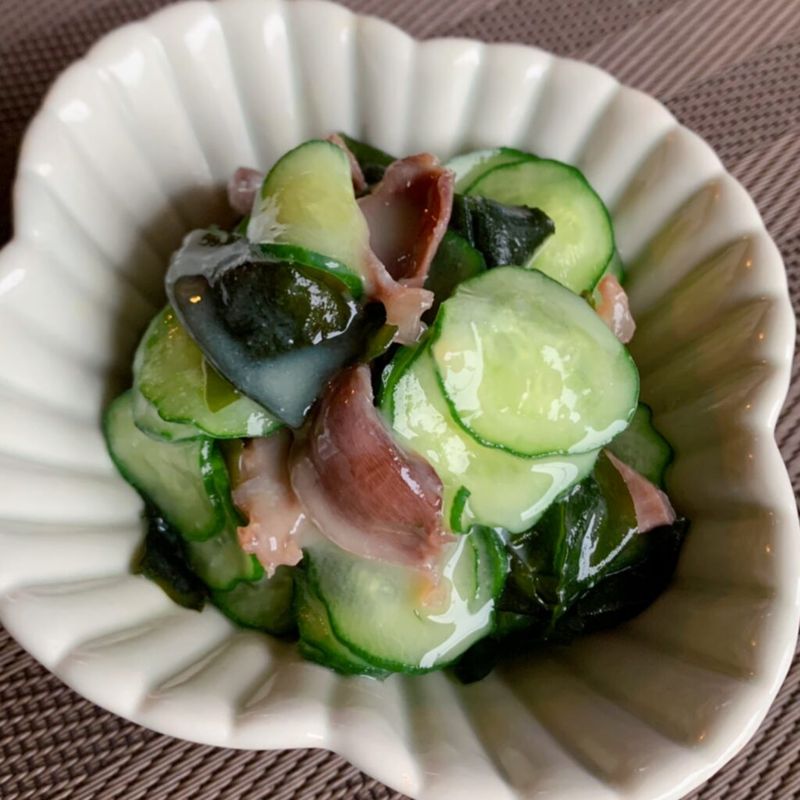
Karashi sumiso combines miso, mustard, and sweetness into a sauce that feels punchy, balanced, and surprisingly elegant. It has a creamy base, a gentle sweetness, and a sharp mustard note that wakes up milder ingredients beautifully.
That contrast makes it ideal for small side dishes and cold plates.
You can dress blanched vegetables, seafood, or chilled tofu with karashi sumiso when you want something more exciting than a plain vinaigrette. I especially like it with cucumbers and tender greens because the sauce brings instant character.
If you enjoy flavors that are savory, sweet, and lightly sharp, this one is worth learning.