16 Types Of Lobster And The Best Cooking Methods For Each
If lobster has ever felt intimidating, you are not alone. Different species behave differently under heat, and the right technique can turn good meat into something unforgettable.
This guide breaks down sixteen popular lobsters and exactly how to cook each one for peak sweetness and tenderness. Stick with me, and you will skip the guesswork and serve lobster like a pro.
1. American lobster (Maine or Canadian, clawed)
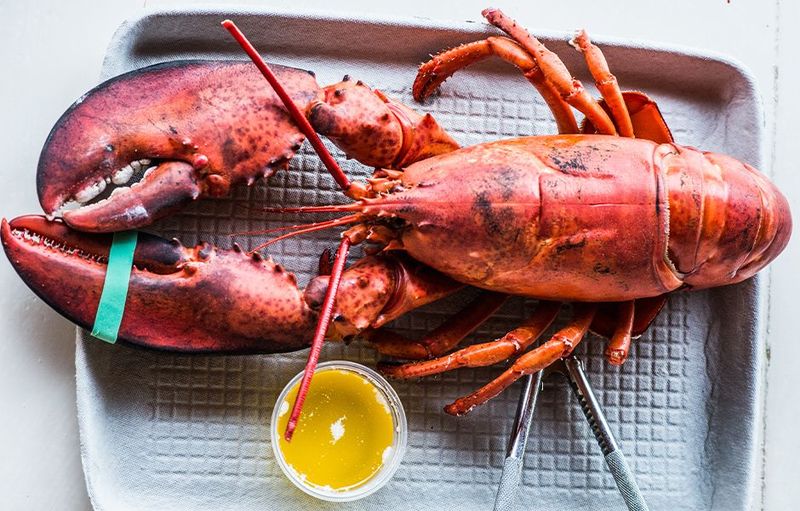
Steam the lobster whole until the shell glows red and the knuckle joints loosen. Crack the claws gently and pull the meat while it is still warm.
Finish with warm clarified butter so the sweetness blooms without washing away delicate flavor.
Steaming prevents waterlogging and keeps claw meat tender. It is the easiest way to dodge rubbery claws and stringy tails.
Serve simply with lemon, chives, and toasted rolls if you want to make rolls from the leftovers.
2. European lobster (clawed)
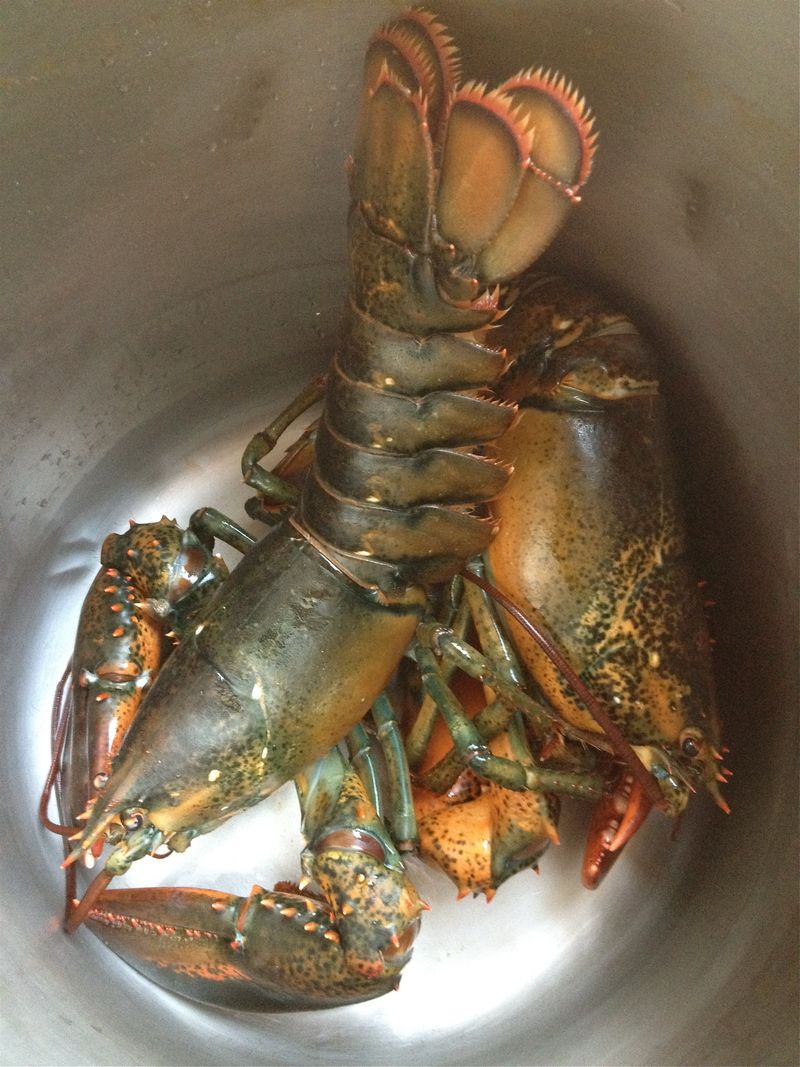
European lobster carries a refined, slightly mineral sweetness that rewards gentle handling. Poach the picked tail and claw meat slowly in foaming butter with thyme and a smashed garlic clove.
Keep the heat low so the butter barely whispers.
For drama, split the lobster lengthwise, brush with herb butter, and roast just until opaque. Roasting concentrates flavor while keeping the texture lush.
Finish with flaky salt and a squeeze of lemon so the sweetness stays front and center.
3. Canadian hard-shell lobster (seasonal, clawed)
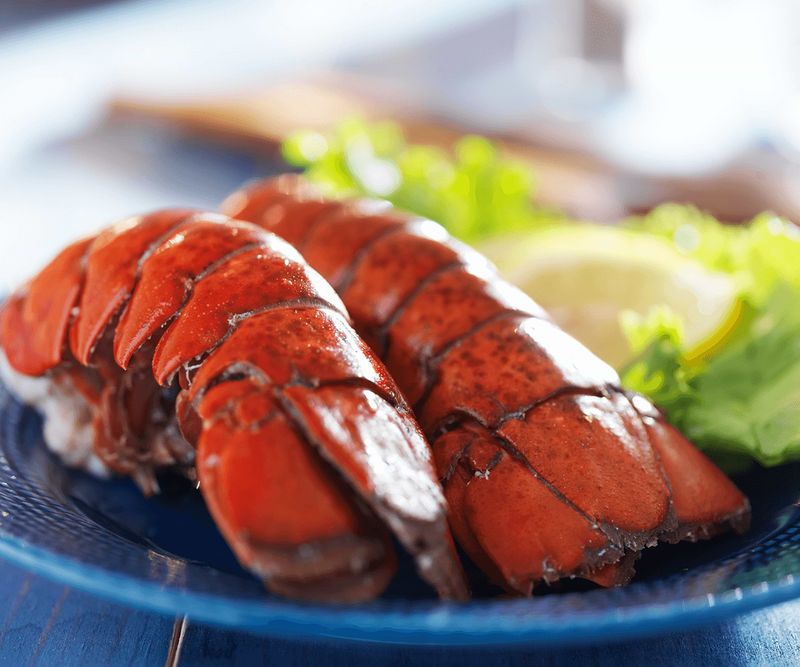
Hard-shell lobsters are packed with meat and can take a hotter finish. Steam until just shy of done, then quick-broil under garlic butter to blister the edges.
The broiler kiss adds nuttiness without drying out the dense flesh.
Pull the pan as soon as the butter browns and the meat turns opaque. Rest a minute to let juices settle.
Serve with crusty bread to mop the garlicky drippings and a crisp white wine to cut the richness.
4. Soft-shell American lobster (shedders)
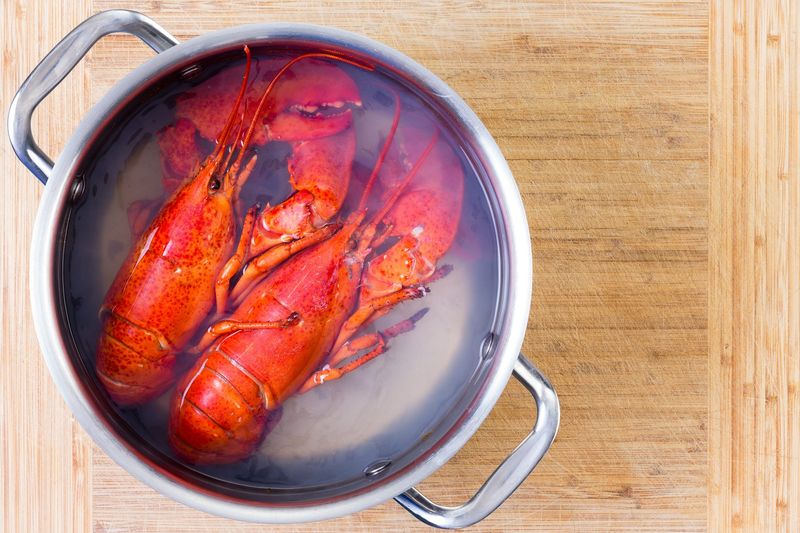
Soft-shell lobsters cook faster and taste extra delicate, so treat them kindly. Use gentle steam or a low simmer and pull them earlier than you expect.
The goal is just-set, juicy meat that slips from the shell without tearing.
Skip aggressive broiling or long boiling. Instead, warm clarified butter with lemon zest for dipping.
You will capture that fleeting, tender texture shedders are known for, perfect for a simple supper or buttered rolls.
5. Caribbean spiny lobster (often sold as Florida spiny)
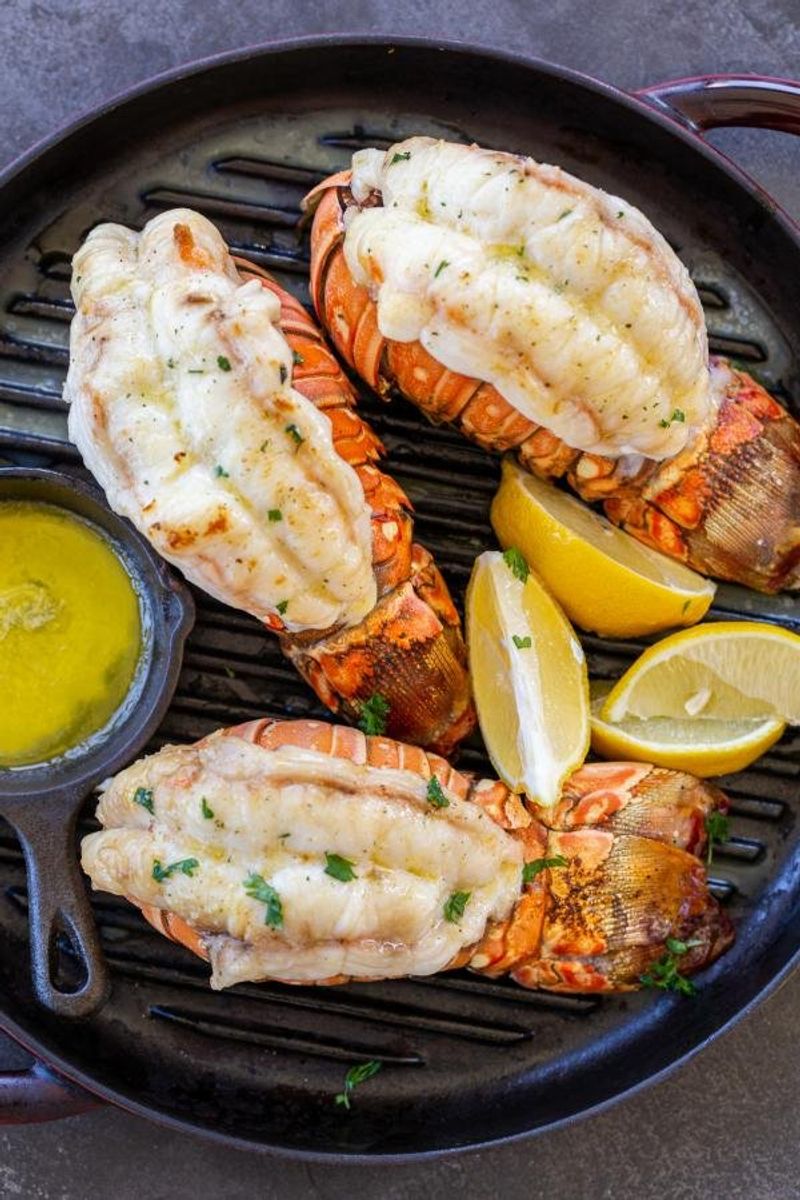
Spiny lobster tails thrive over high heat. Keep them shell-on, brush with butter or oil, and grill or broil until the meat just turns opaque and the edges char lightly.
The shell protects tenderness while smoke builds depth.
Season with garlic, chili, and lime for a bright finish. Serve in tacos or over coconut rice.
You will avoid that boiled, flat taste and instead get juicy, smoky sweetness in every bite.
6. California spiny lobster
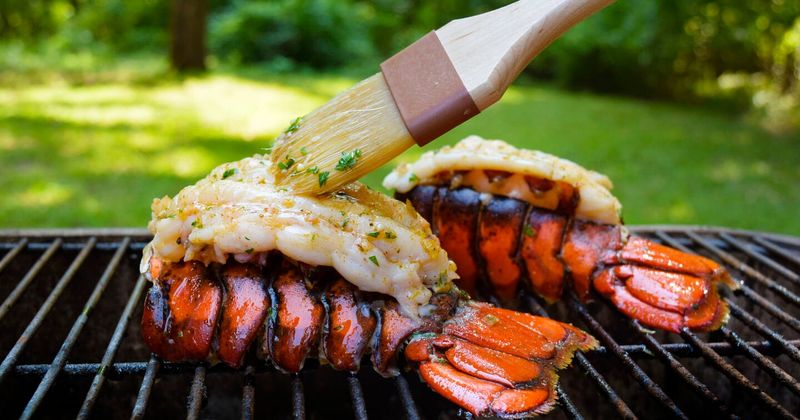
Split the tails lengthwise so the heat kisses the meat directly while the shell shields from flare-ups. Brush with citrus-chili butter as they grill, letting caramelization build.
Pull as soon as the center turns opaque and bounce returns.
The char amplifies sweetness and handles bold flavors well. Finish with more butter, cilantro, and a squeeze of orange-lime.
You will taste bright heat, smoke, and clean ocean all at once.
7. Mexican spiny lobster (Baja and Pacific)
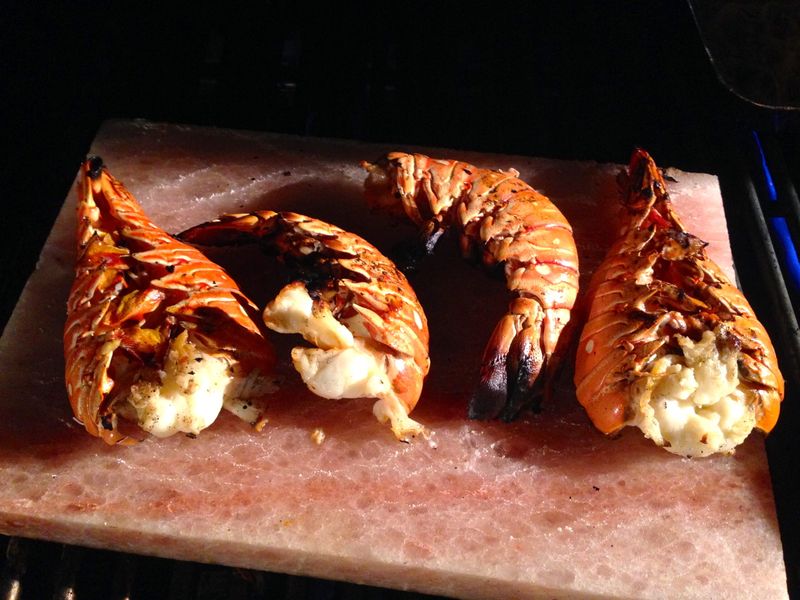
Mexican spiny lobster loves smoke, chiles, and lime. Grill shell-on tails, basting often so the surface stays juicy and glossy.
Alternatively, par-cook, then slice medallions and pan-sear quickly for browned edges with a tender center.
Season with ancho, chipotle, or guajillo, plus cilantro and lime zest. Serve with grilled corn and warm tortillas.
The bolder you go, the more the lobster stands out instead of disappearing under spice.
8. New Zealand rock lobster (Jasus edwardsii)
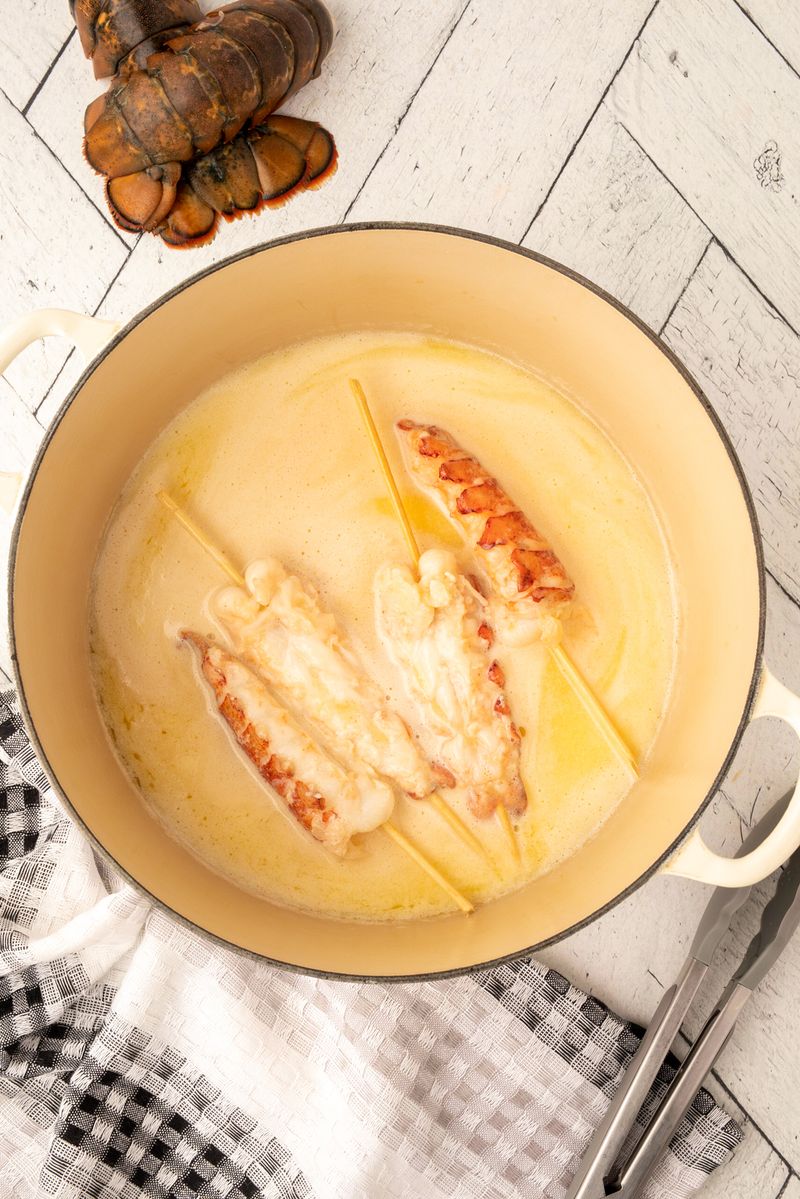
This species is naturally sweet with a pristine finish. Keep the heat low and butter-poach or pan-baste until the meat just firms and turns opaque.
Gentle cooking keeps it plush rather than springy.
Add a thread of lemon peel and a sprig of thyme to perfume the butter. Serve with crushed potatoes and peas.
You will taste focused sweetness and a silky texture that needs nothing more than salt.
9. Australian rock lobster
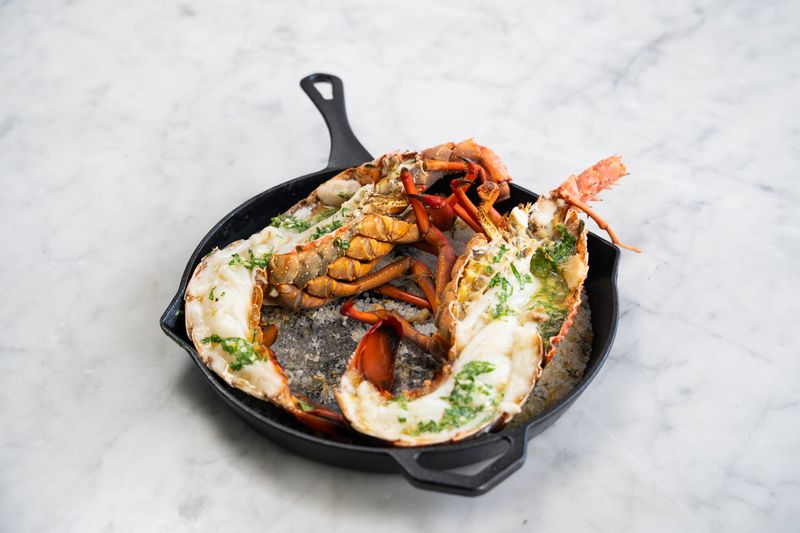
These meaty tails shine with intense heat. Grill split sides hot and fast to develop char while keeping the interior juicy.
Do not serve immediately though.
Rest the tails a few minutes so the juices redistribute and the texture relaxes. Finish with lemon butter and flaky salt.
The result is concentrated flavor without chewiness, perfect for backyard gatherings or a celebratory dinner.
10. South African rock lobster
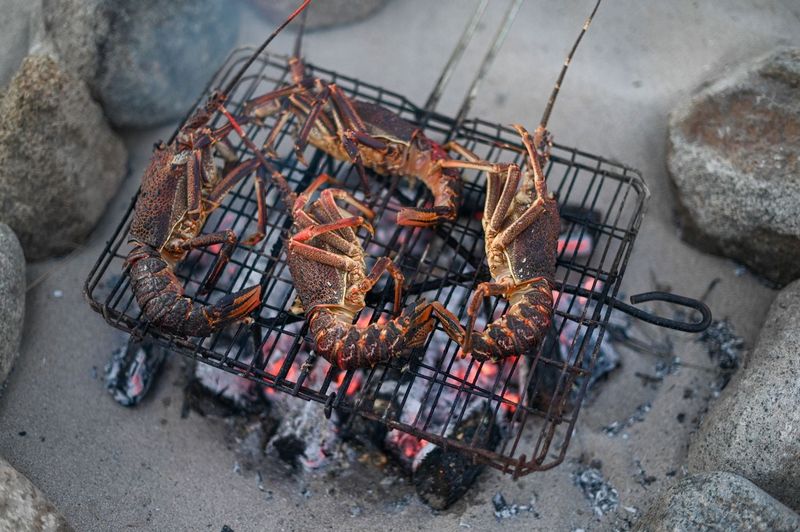
This lobster was born for the braai. Leave the shell on, brush with herb oil, and grill over live fire until the meat turns opaque and the edges char.
The shell protects while smoke weaves deep flavor.
Season with peri-peri or lemon-garlic. Serve with pap or a crisp salad.
You will get juicy meat with a satisfying smoky backbone that store-bought sauces cannot fake.
11. Indian spiny lobster (Panulirus homarus)
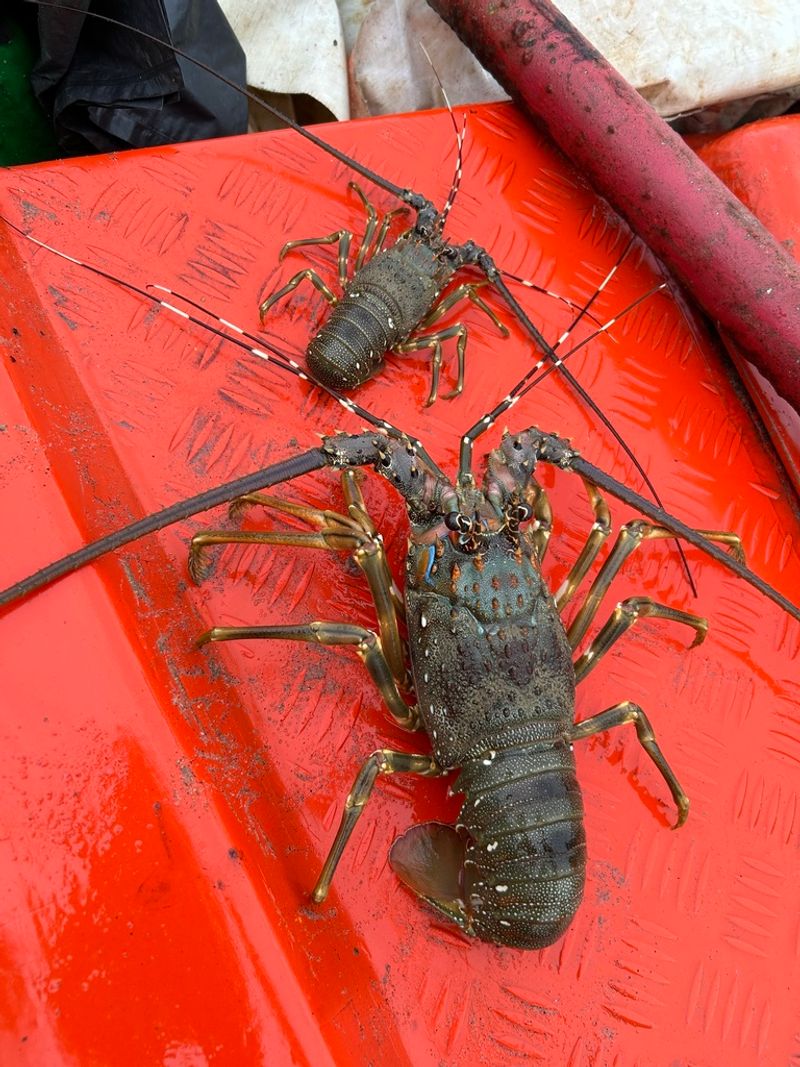
Indian spiny lobster holds its own in spice. Sear chunks quickly to build browned notes, then simmer briefly in a coconut-tomato masala scented with ginger, garlic, and curry leaves.
Keep the simmer short to prevent toughness.
Finish with lime juice and a drizzle of coconut oil. Serve with basmati or flaky parathas.
The spices lift the lobster without burying its sweetness, giving you a rich, restaurant-worthy curry at home.
12. Japanese spiny lobster (Ise-ebi)
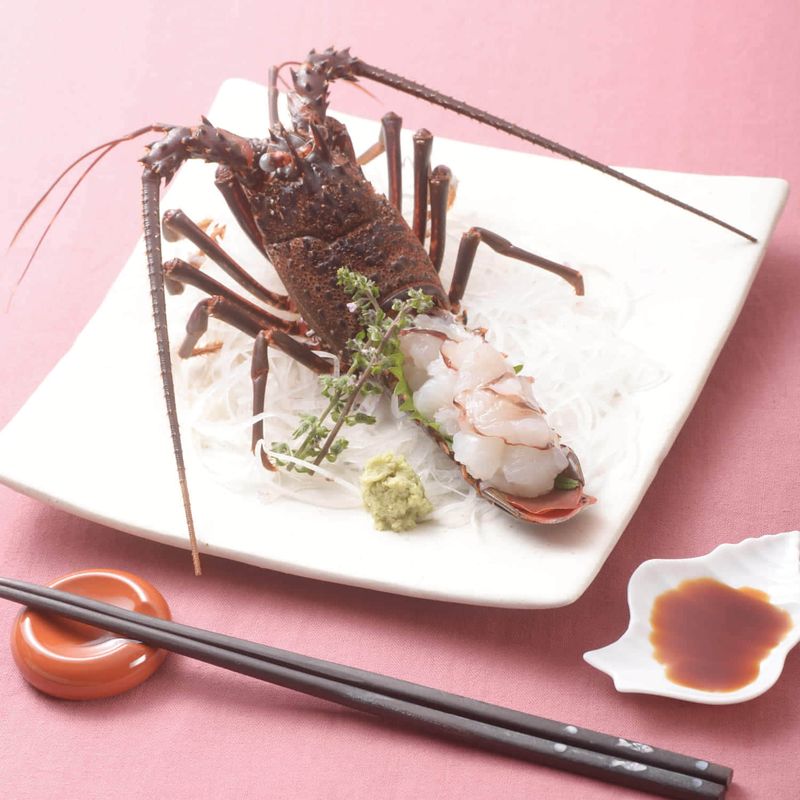
Ise-ebi is delicate and sweet, so fast cooking is key. Give it a quick kiss over a hot grill for light char or swish thin pieces through a bubbling kombu broth shabu-shabu style.
Pull as soon as it turns opaque.
Season minimally with sea salt, yuzu, or ponzu. Each bite stays tender and pristine.
You will taste ocean clarity rather than heavy seasoning.
13. Slipper lobster (sometimes called bug)
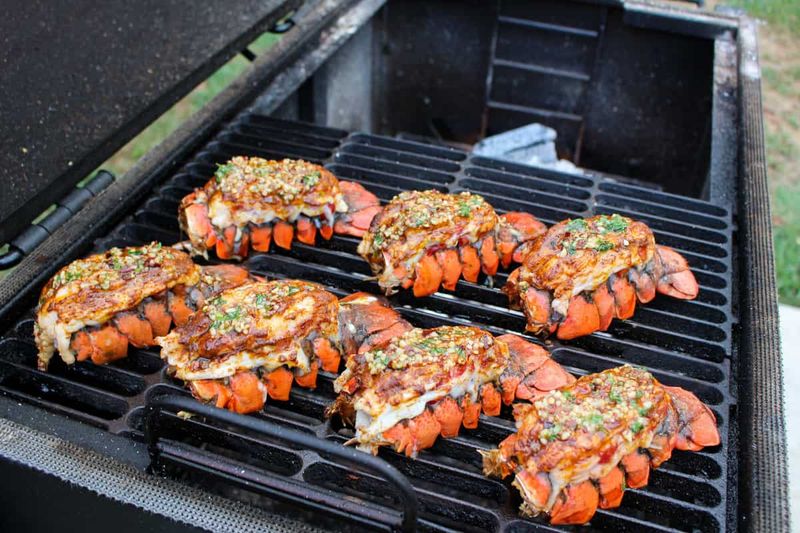
Slipper lobsters are flat, sweet, and quick to cook. Pat the tails dry, then pan-sear in garlic butter until lightly browned and just opaque.
High heat plus brevity keeps them juicy.
Alternatively, grill briefly shell-on for smoky edges. Finish with lemon and herbs so the sweetness pops.
Serve over buttered noodles or alongside a crisp salad for balance.
14. Moreton Bay bug and Balmain bug (slipper lobster group)
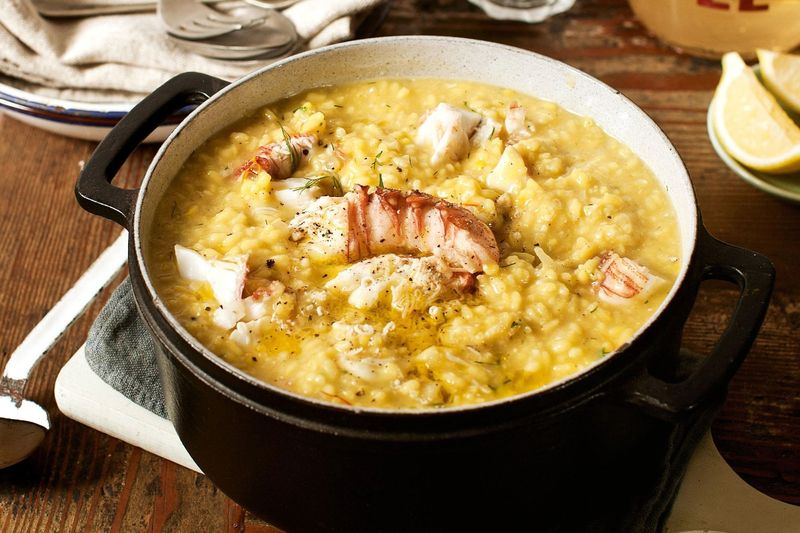
These Australian bugs love simplicity and heat. Grill or pan-sear the split halves until caramelized, then finish with lemon butter to brighten richness.
Keep cooking brief to preserve tenderness.
Add parsley, chili flakes, and a crack of pepper. Serve with grilled asparagus and crusty bread.
You get clean, buttery sweetness with just enough char to make it exciting.
15. Langoustine or Norway lobster (Nephrops)
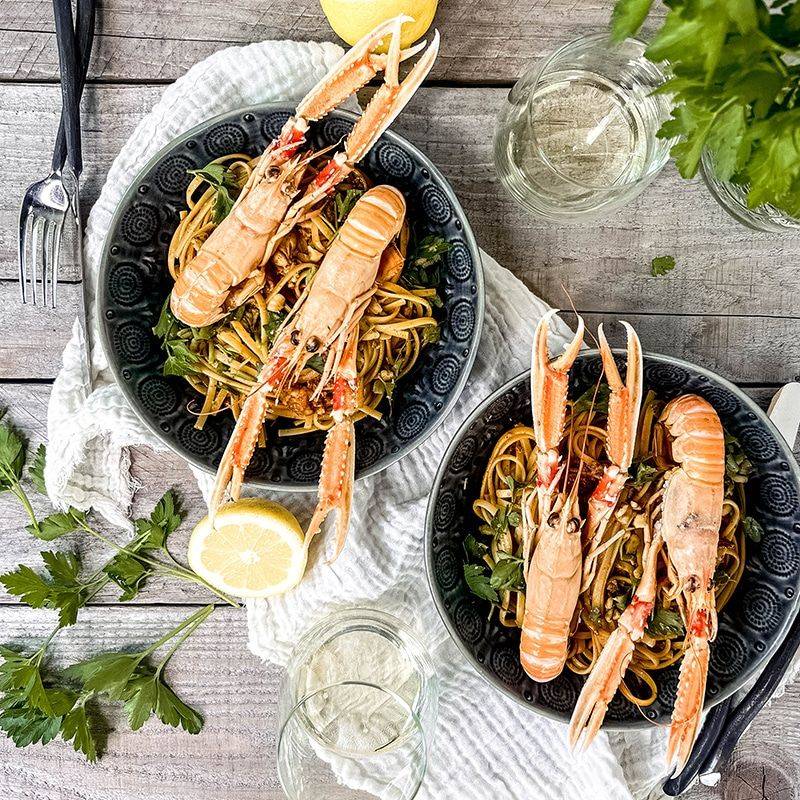
Think shrimp rules: fast and hot. Sauté or grill quickly until the shells blush and the meat just sets, then peel immediately while warm.
Overcooking turns them mealy, so move fast.
A dab of butter, garlic, and lemon is all you need. Serve with aioli and a chilled white.
You will capture their small, sweet charm without losing moisture.
16. Squat lobster
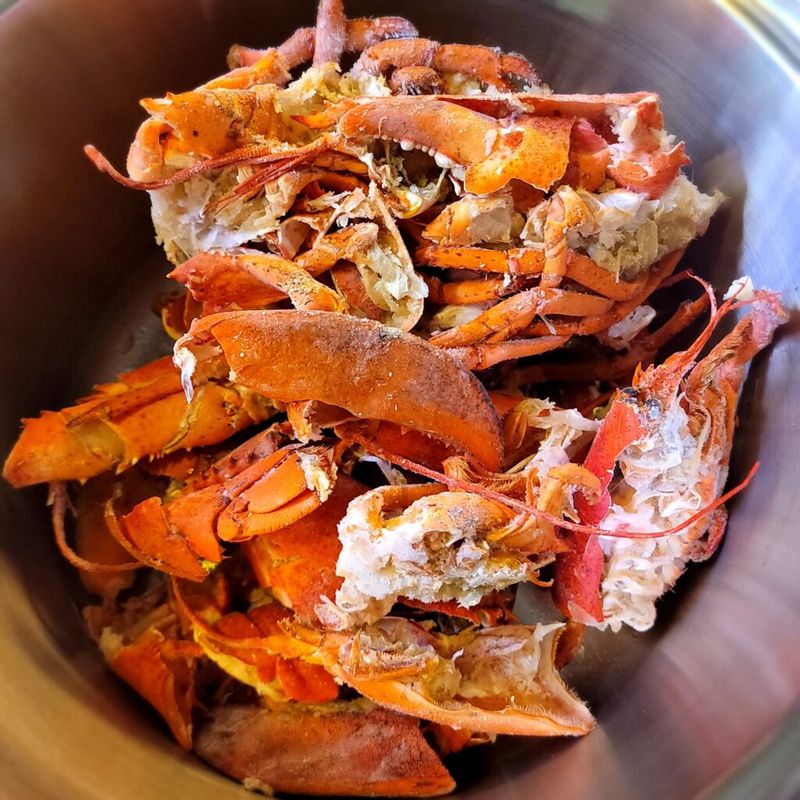
Squat lobsters punch way above their size in shell flavor. Roast the shells until mahogany and fragrant, then simmer into a rich stock for ramen, bisque, or sauces.
The roasting step builds deep savoriness.
If using the meat, poach briefly so it stays tender. Strain and reduce the broth to concentrate.
You will get an intensely savory base that makes even simple noodles feel luxurious.