17 Classic Lunch Meats Baby Boomers Rarely See Today
Remember when the deli counter felt like a mini field trip, with shiny slicers humming and clerks who knew your order by heart? Back then, mysterious loaves and boldly speckled slices were just part of lunch, no questions asked.
Today, many of those classics survive only in old-school shops or regional pockets, turning nostalgia into a scavenger hunt. Let’s revisit the flavors you rarely spot now, and the stories they still carry.
1. Olive loaf
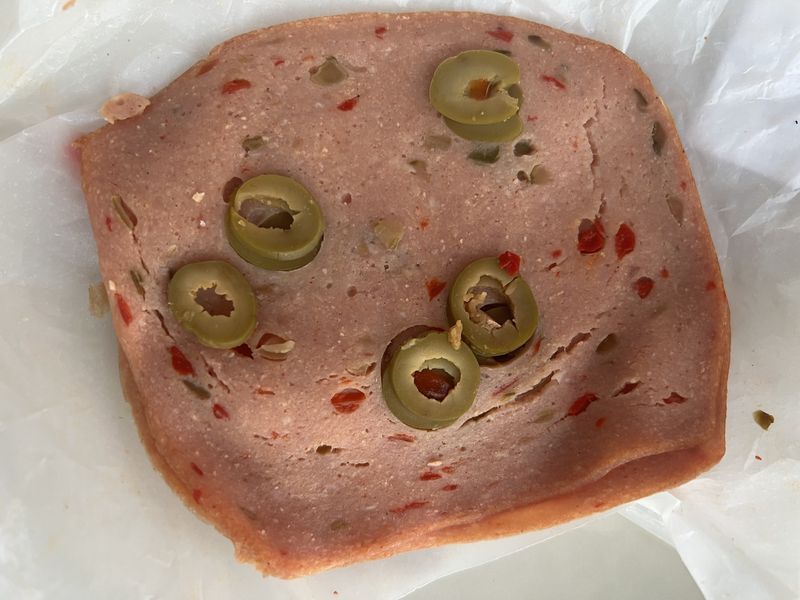
Olive loaf feels like a childhood memory pressed into a slice. You would see those green olive circles peeking through the pale bologna-style meat and know exactly what you were getting.
It was mild, salty, and oddly cheerful, perfect on soft white bread with a swipe of mayo.
These days, you have to hunt for it. Traditional delis might keep a small loaf for loyal regulars, but many supermarkets no longer bother.
If you find it, grab a few slices and toast your bread. The briny olive bite still wakes up an otherwise simple lunch.
2. Pimento loaf
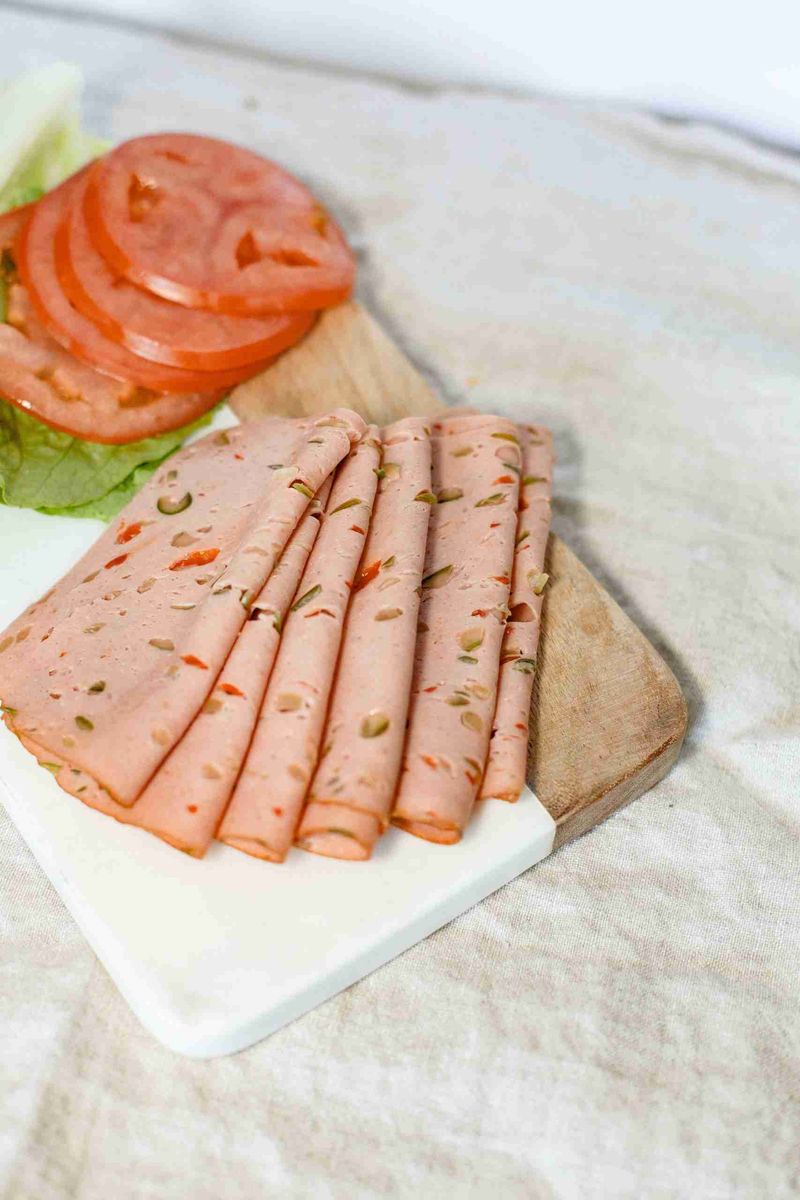
Pimento loaf sits in the same family as olive loaf, just swapping the briny green for sweet red. Those pimento flecks gave every sandwich a gentle pop of color.
You probably remember it paired with mustard, maybe a slice of American cheese, and that unmistakable deli-paper smell.
Finding it now can feel like a treasure hunt. Many counters trimmed their offerings to top sellers, and pimento loaf slipped down the list.
Check family-run shops or regional groceries. When you land it, keep toppings simple.
Let the soft, slightly peppery sweetness carry the bite, like it used to.
3. Head cheese
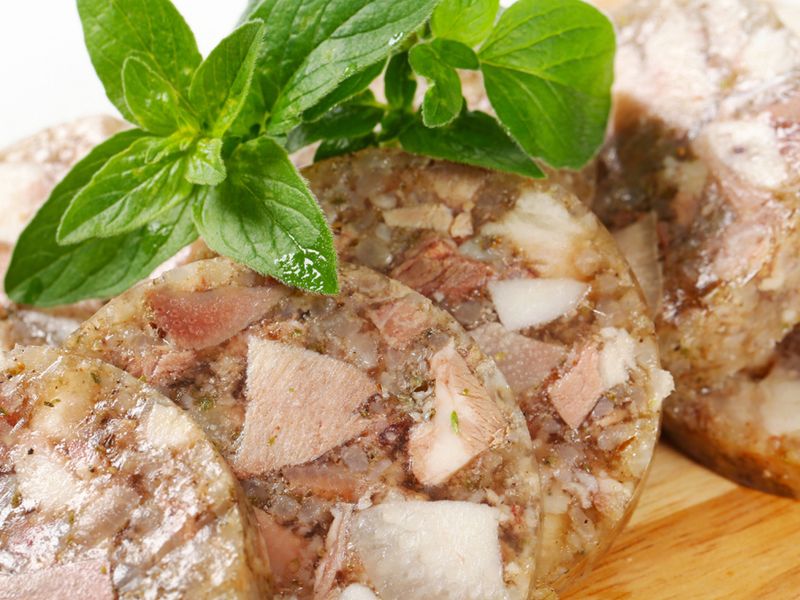
Head cheese is not cheese at all, and that confused plenty of kids at the counter. It is a jellied terrine, full of slow-cooked bits set in savory aspic.
You got texture, spice, and a whisper of vinegar, especially when served with mustard and onion.
It used to sit proudly in older delis, a testament to whole-animal thrift. Now it is niche, tucked into specialty cases for adventurous eaters.
If you see it, ask for a thin slice. Put it on rye with sharp mustard and a crunchy pickle.
Suddenly, the old-world appeal makes perfect sense.
4. Liverwurst (old-school sliced at the deli)
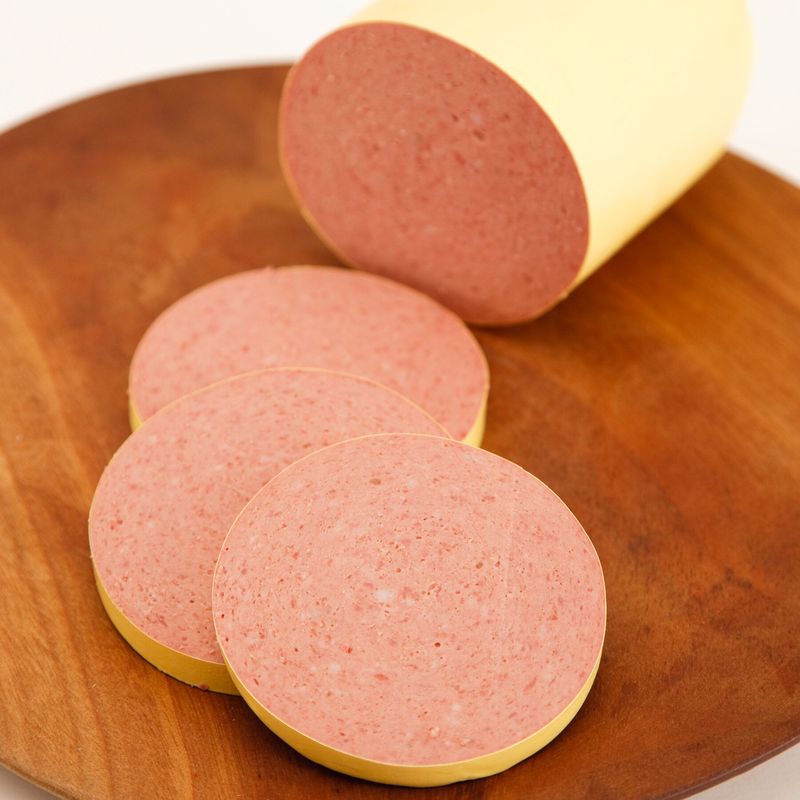
Liverwurst once came off a massive loaf, sliced to order as thin or thick as you liked. The flavor was rich, iron-kissed, and silky, begging for rye bread, mustard, and raw onion.
You felt grown-up eating it, even if your friends wrinkled their noses.
Prepackaged tubs and logs still exist, but that fresh-from-the-slicer magic is fading. Ask for it at a traditional counter and you might get a knowing smile.
Spread it, stack it, or pan-sear briefly for warmth. When the deli nails the spice blend, every bite tastes like a page from a family lunch memory.
5. Braunschweiger
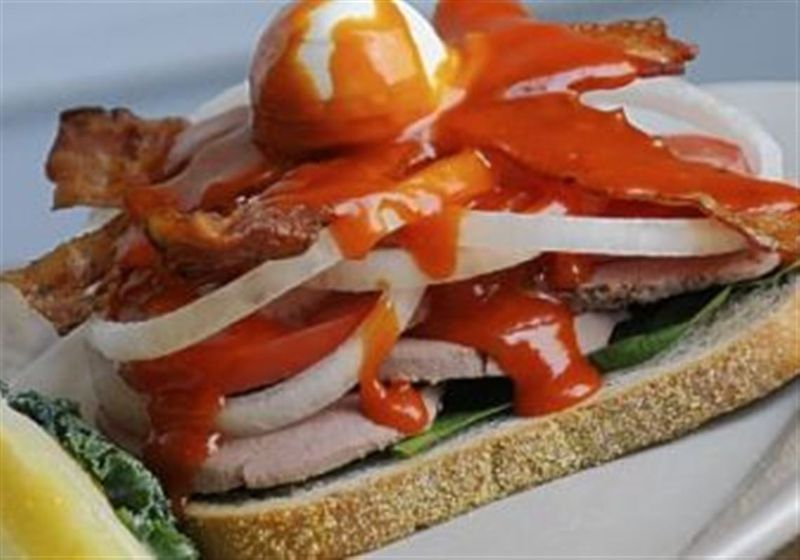
Braunschweiger is the spreadable cousin that many fridges once stocked without fail. It is smooth, deeply savory, and perfect for smearing on rye with mustard.
Add onion if you want an assertive bite that balances the creamy texture.
Today, it is more of a specialty item, living in the shadow of turkey slices and ham. Check German delis or regional markets that keep classic sausages alive.
A little goes a long way, so buy fresh and use quickly. When you crave comfort, braunschweiger delivers that familiar richness that feels like home and Sunday afternoons.
6. Pickle and pimento loaf
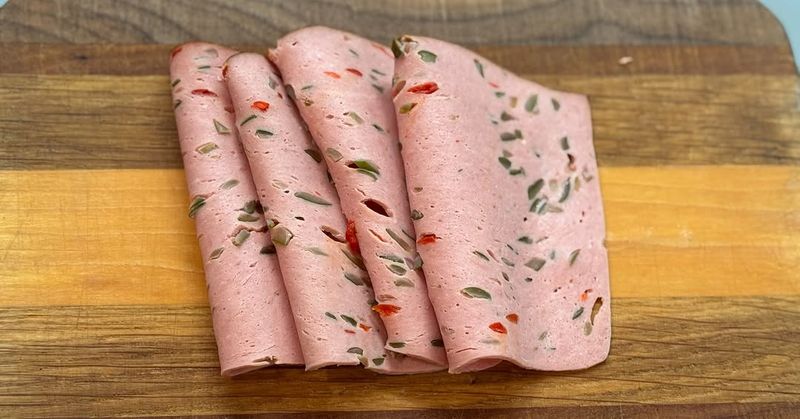
If olive loaf was playful, pickle and pimento loaf was the party guest. It mixed sweet red pimentos with tangy pickle bits, giving every bite a lively crunch.
On soft bread, you barely needed condiments. The loaf did the heavy lifting, brightening lunch without fuss.
Spotting it now depends on where you shop. Some Midwestern or Southern delis still carry it, but many supermarkets moved on.
Ask your counter to order it if you are determined. When you finally build that sandwich, you will remember why this quirky combo earned such devoted fans.
7. German bologna
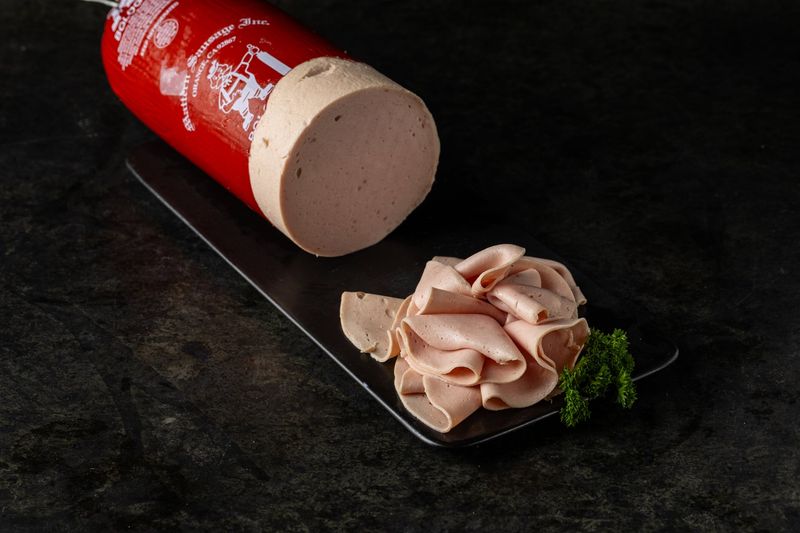
German bologna brought a deeper color and fuller flavor than the standard stuff. Sliced a bit thicker, it stood up to pan-frying for a crisp edge and juicy center.
Add mustard and a slice of Swiss, and lunch felt substantial without getting fancy.
While still around, it is not the default in many cases. You might need a European-style deli or a butcher who loves tradition.
Ask for a sample slice to check the spice profile. Frying a few rounds in a skillet unlocks the smoky, peppery notes that made German bologna such a sleeper hit.
8. Blood tongue (pickled tongue)
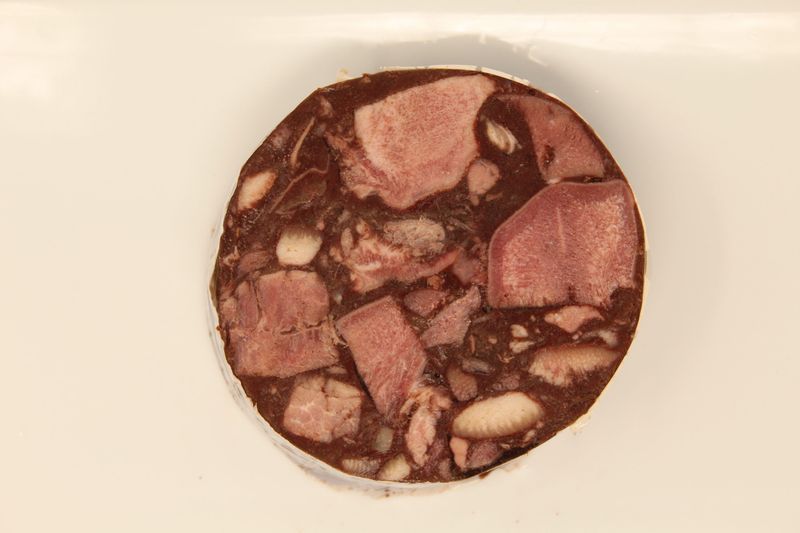
Blood tongue, sometimes called pickled tongue, is a serious throwback. It delivers robust, minerally flavor with a satisfying chew, especially thin-sliced.
Older delis served it without blinking, pairing it with mustard, onions, and sturdy bread.
Today, it mostly lives in specialty shops or cultural markets that honor classic charcuterie. If you are curious, ask for a sample and go thin to start.
The flavor rewards attention, not overload. With sharp mustard and a chilled pickle, you suddenly understand why past generations considered this a perfectly normal, even beloved, sandwich option.
9. Souse
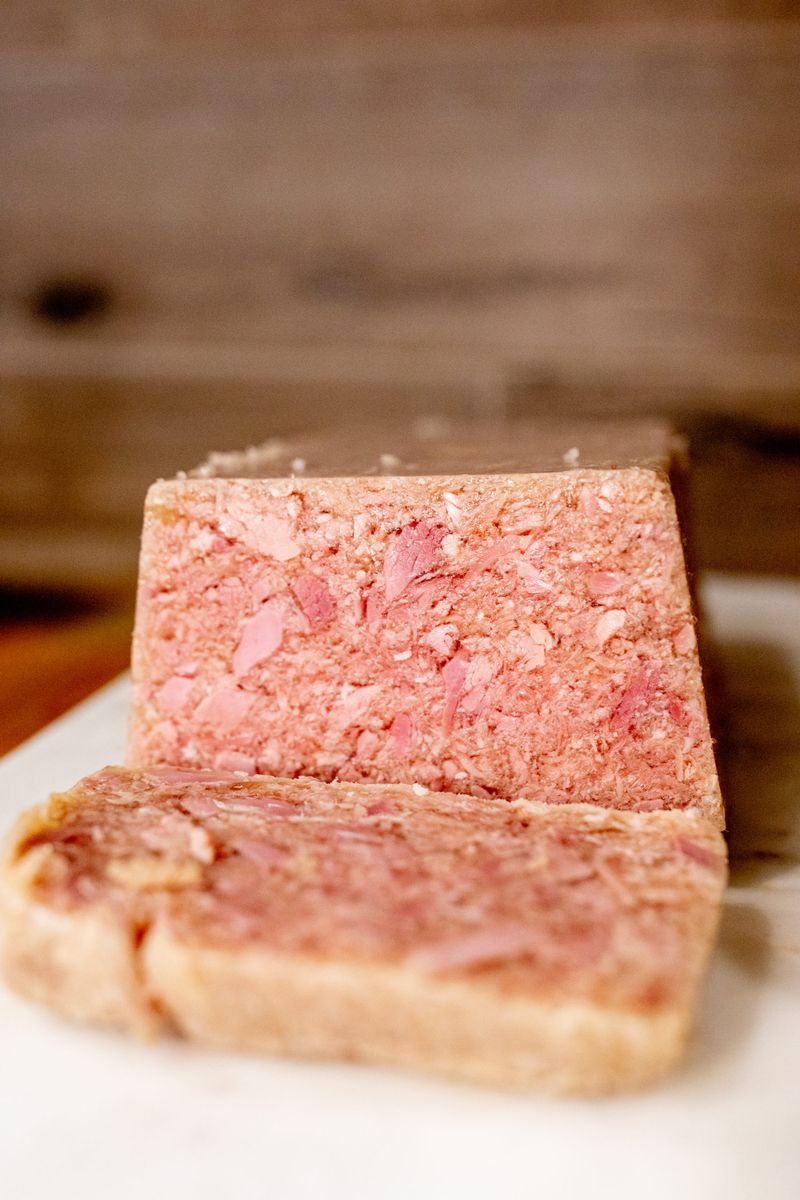
Souse is a cousin to head cheese with a tangy, pickled kick. You taste vinegar and spice first, then the tender bits held together in a savory gel.
Thin slices on crackers or tucked into a roll with hot sauce make an unexpectedly bright lunch.
It used to appear regularly in markets with strong Southern or Caribbean influences. Now it is a rarity outside those regions.
Ask small butchers or cultural grocers if they can source it. When you find good souse, its lively acidity wakes up your palate and turns simple bites into something memorable.
10. Bologna chub sliced fresh
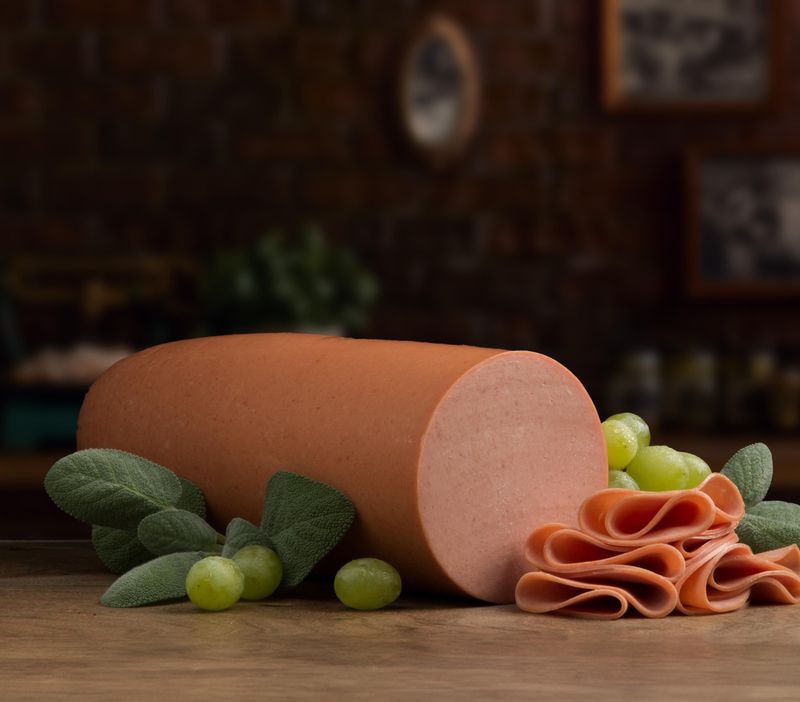
The big bologna chub was a deli counter showpiece. You watched the clerk peel the casing, set it on the slicer, and send perfect circles down like coins.
Fresh-cut bologna tastes softer and juicier than prepackaged, especially when folded into a fluffy stack.
Today, most people grab sealed packs and call it done. That fresh-sliced ritual is slipping away.
If your deli still offers it, ask for medium-thick cuts and fry a few. The edges crisp, the center steams, and suddenly that humble sandwich feels downright celebratory again.
11. Pressed ham (deli style)
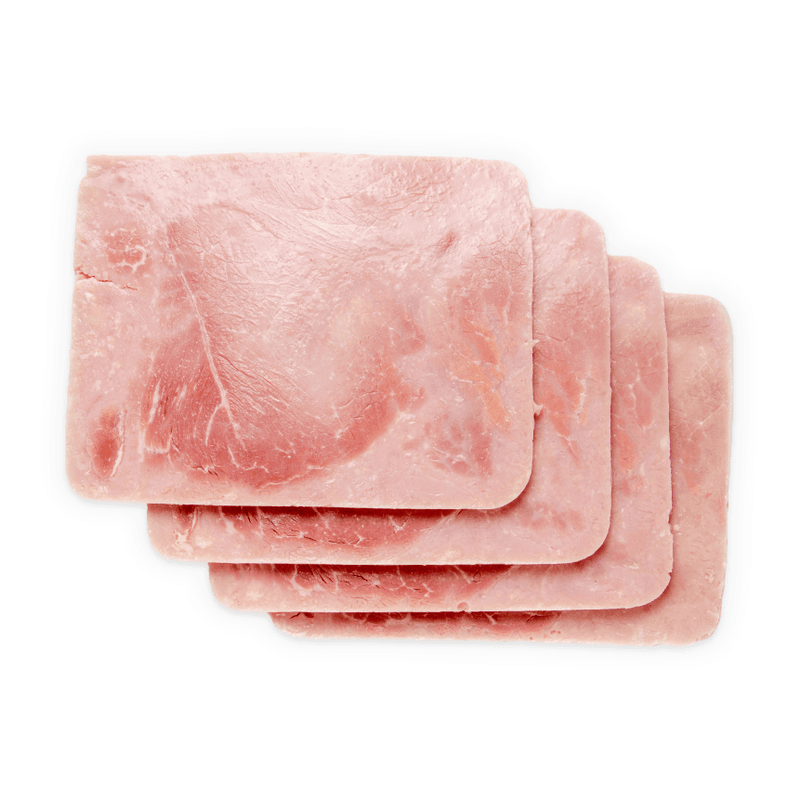
Pressed ham was the tidy, square-shouldered option that meant business. Uniform slices stacked cleanly on bread, ready for mustard or a sweet relish.
It was affordable, consistent, and totally at home in lunchboxes next to a thermos.
As tastes shifted toward rustic hams and carved roasts, pressed ham faded. Still, a few delis keep it for customers who want that old reliable texture.
Try it toasted with Swiss, pickles, and a swipe of Dijon. You get gentle salt, a whisper of smoke, and the kind of neat bite that never falls apart mid-lunch.
12. Cooked salami (sandwich slices)
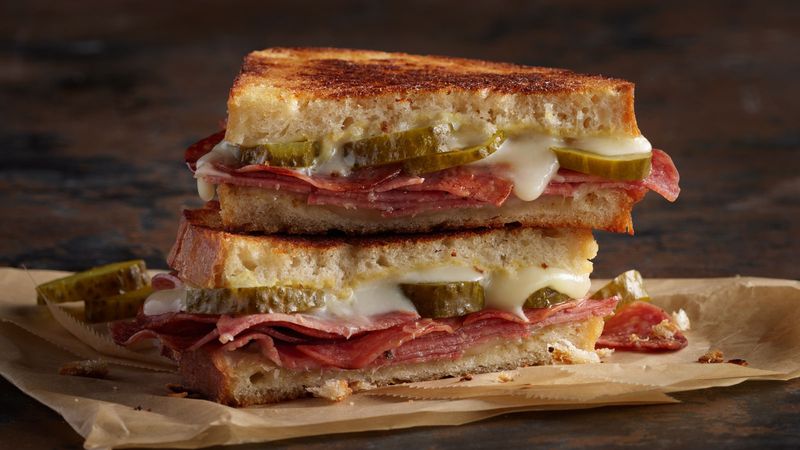
Cooked salami once showed up in everyday sandwiches, milder and moister than hard salami. It delivered gentle garlic, pepper, and a pleasant chew that played nice with cheese.
Thin slices made a tidy stack that fit perfectly on white or rye.
Now, many counters default to hard salami or genoa. Ask specifically for cooked salami and you might get a nod from the old-timers.
Try it with provolone, banana peppers, and oil and vinegar. The result is classic deli comfort that will not overpower your lunch, just round it out with familiar warmth.
13. Luncheon loaf (generic “luncheon meat”)
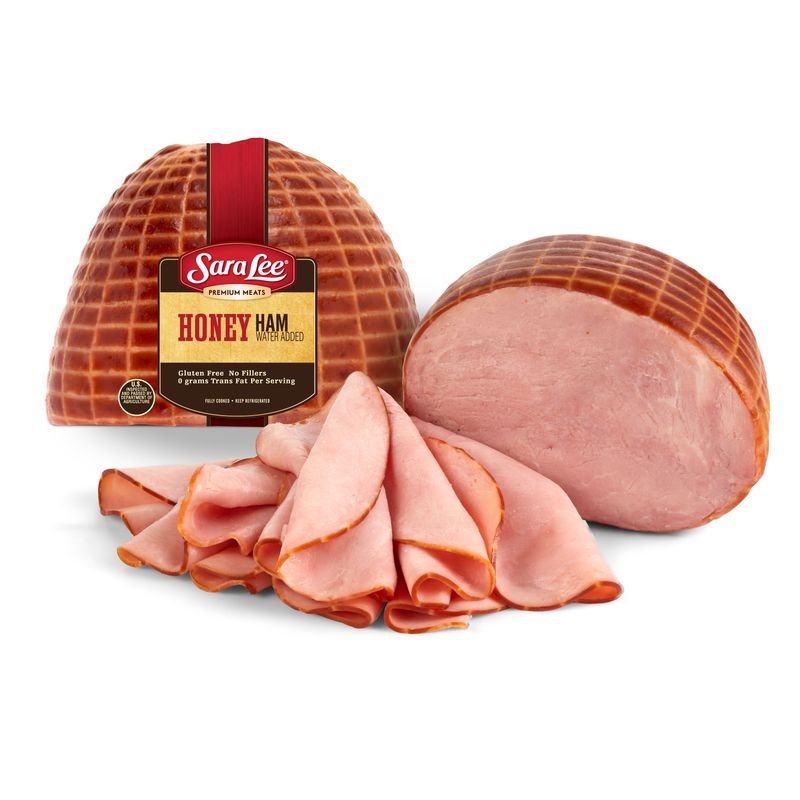
Generic luncheon loaf was the catch-all block that became tidy square slices. It tasted mild, slightly seasoned, and very dependable, especially for budget-friendly sandwiches.
You could dress it up with lettuce and tomato or keep it bare-bones with mayo on white.
As branding and premium options took over, the nameless loaf faded. Some independent delis still keep it for longtime customers.
If you see it, ask for thicker cuts and pan-grill briefly. The browning adds caramelized edges and a little drama, turning modest slices into a satisfying, crispy-edged throwback lunch.
14. Corned beef loaf
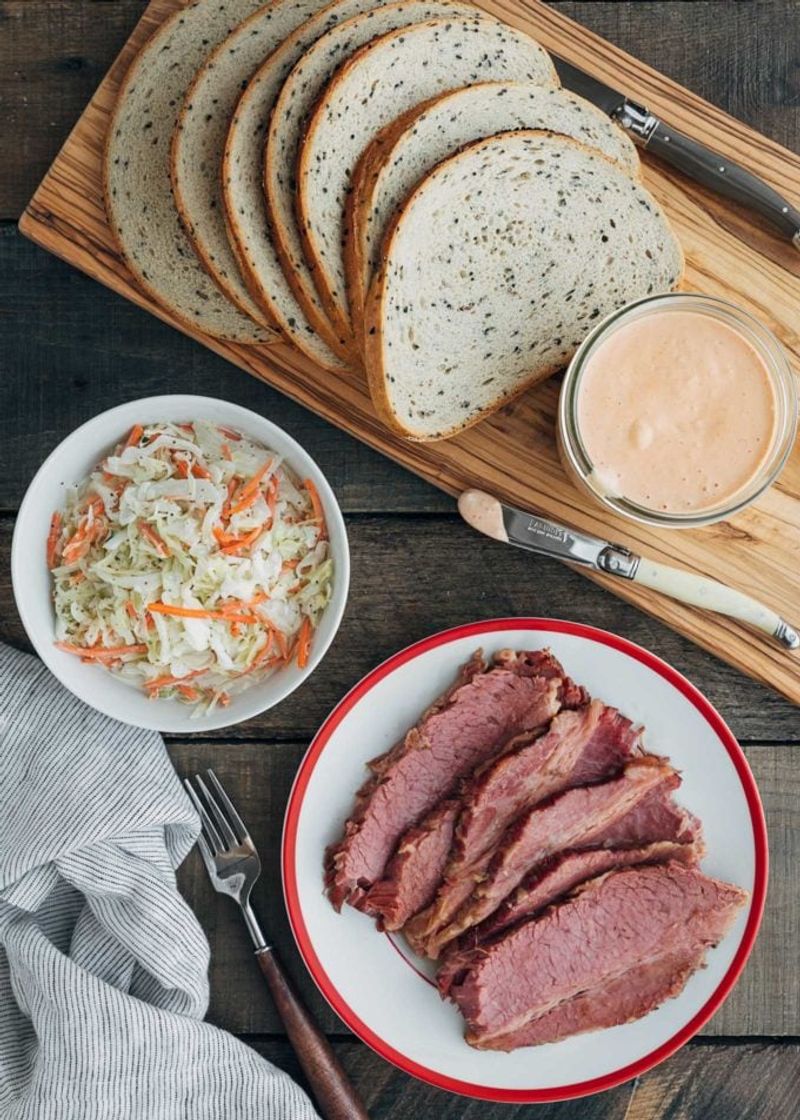
Corned beef loaf is not the hand-carved pile you picture from a deli stage. It is the uniform, sliceable block that promised consistent salt and spice in tidy layers.
On rye with mustard, it scratched the same itch, just with more predictability and less mess.
Finding it now is tougher. Many counters focus on traditional brisket slices instead.
If you spot the loaf, order thin slices and add Swiss and kraut for a quick Reuben shortcut. The flavor hits familiar notes with a smoother bite that feels unmistakably retro.
15. Veal loaf
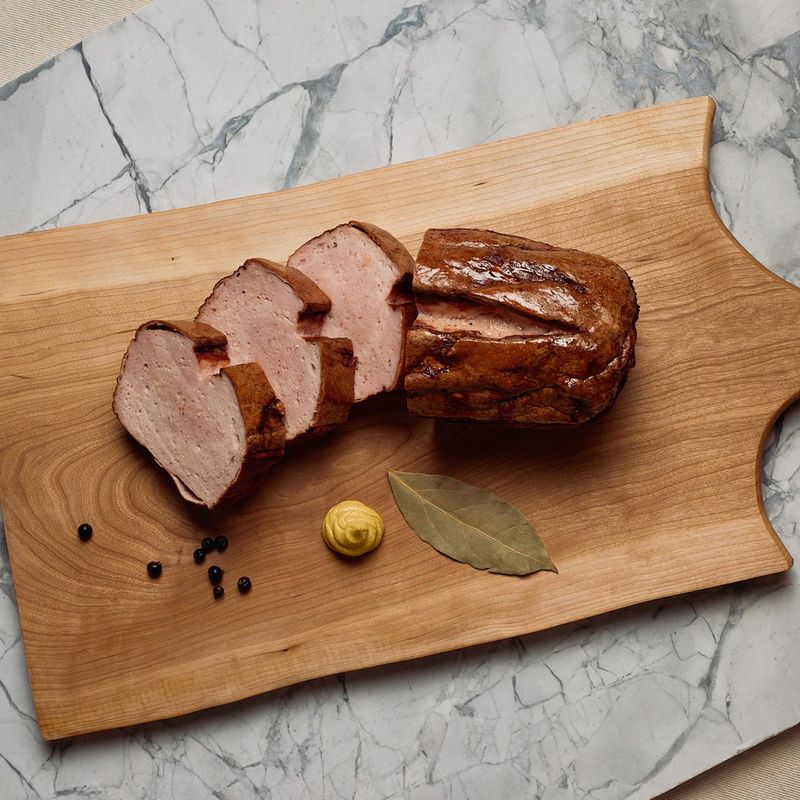
Veal loaf was the gentle one, mild and soft with a fine grind. It took on mustard or horseradish without a fight, perfect for anyone who preferred subtlety.
In sandwiches, it delivered comfort more than punch, like a quiet lunch break whispering be kind.
Today, sourcing veal loaf requires persistence and often a specialty deli. Ethical and market shifts nudged it off mainstream menus.
If you find it, keep toppings simple so the delicate flavor shows. A thin smear of Dijon, buttered rye, and crisp lettuce does the trick.
16. Tongue (sliced for sandwiches)
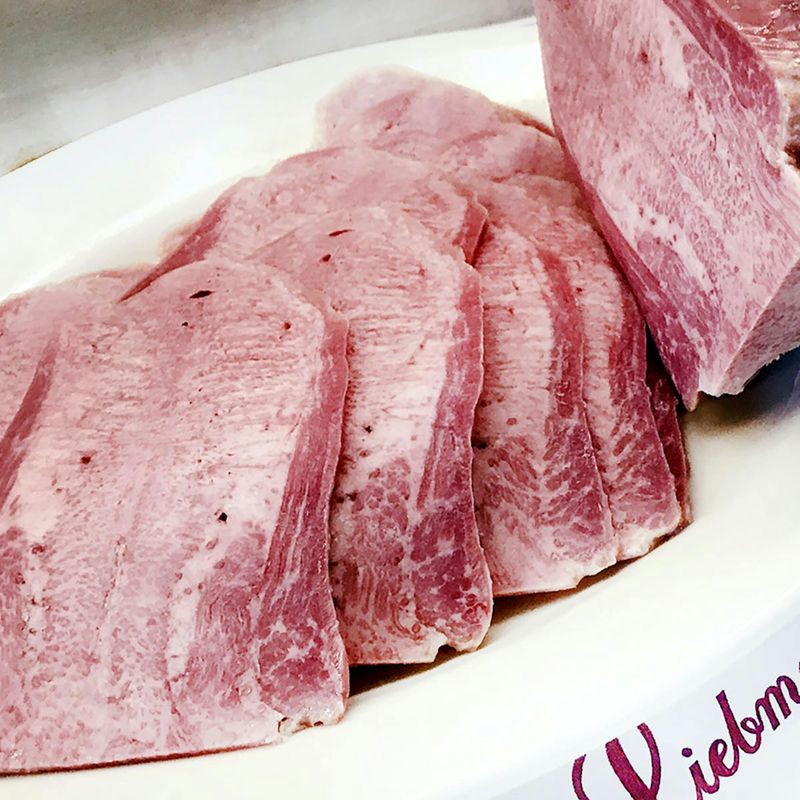
Beef tongue used to be an unremarkable order at traditional counters. Thin-sliced and tender, it carried pure beef flavor with a silky chew.
On rye with mustard and maybe a few pickled onions, it made a quietly perfect sandwich.
Now, tongue is mostly a specialty request. Some delis still honor it, but you often have to ask.
If you are new, go thin and keep toppings simple. The texture wins you over slowly, bite by bite, until you wonder why it ever left the mainstream rotation.
17. Spiced luncheon meats (the “mystery loaf” era)
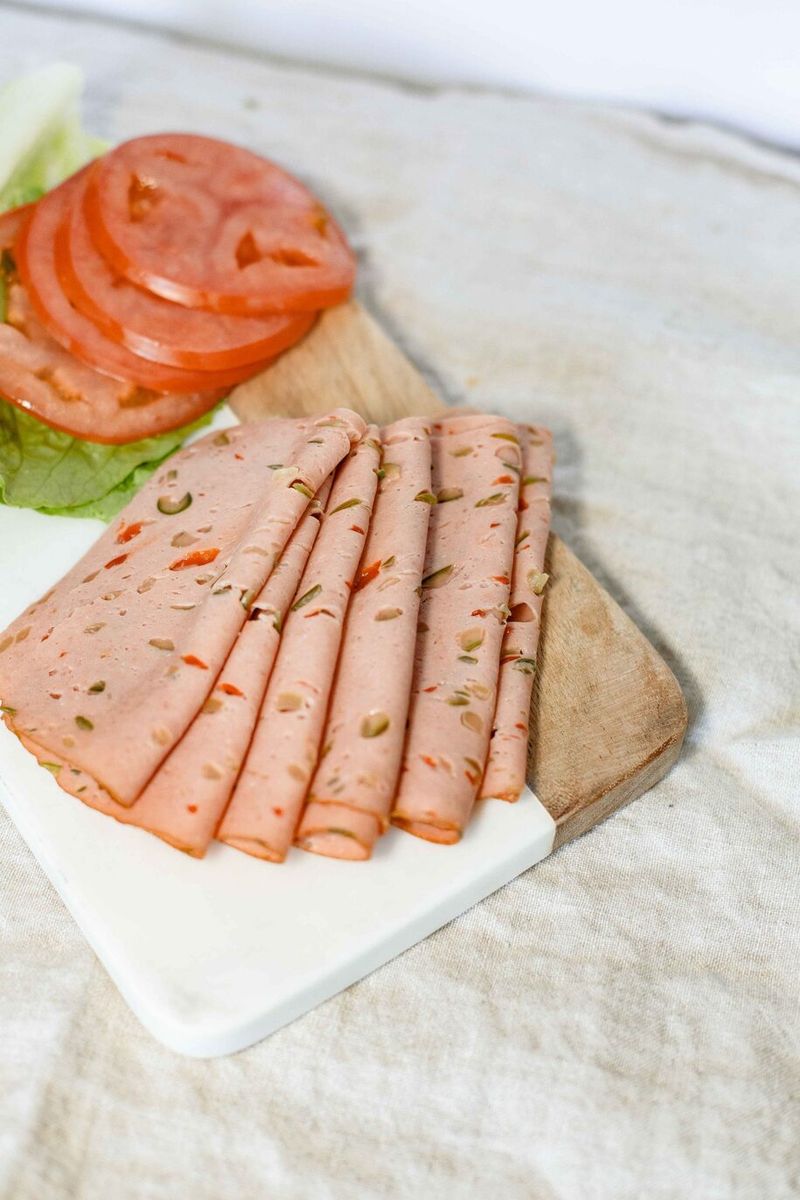
Spiced luncheon meats were the mysterious lineup that changed by region and week. You got pepper-flecked slices, garlic-forward blends, and paprika-tinted edges.
The thrill was in asking for a taste and discovering a new house favorite.
Standardization pushed many of these off the stage. Still, a few counters keep small-batch loaves for loyal regulars.
Ask to sample and listen for the slicer’s hum. Pair with provolone, shredded lettuce, and oil and vinegar for a classic bite that celebrates the era when variety lived right behind the glass.