17 Common Lasagna Mistakes To Avoid
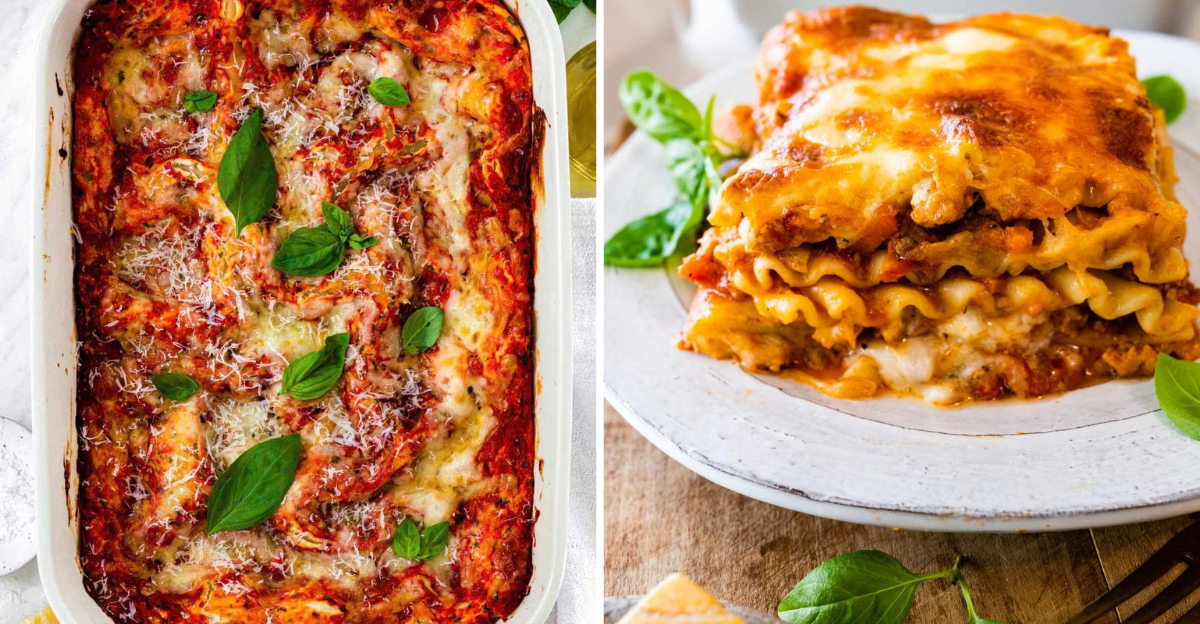
Lasagna is comfort food royalty, but it can turn disappointing fast if a few picky details get ignored. One small slip can make it watery, dry, bland, or a sloppy mess that will not slice cleanly.
The good news is every common issue has a fix you can use tonight. Follow these tips and you will plate neat, saucy, cheesy squares that taste as good as your kitchen smells.
1. Using sauce that’s too thin
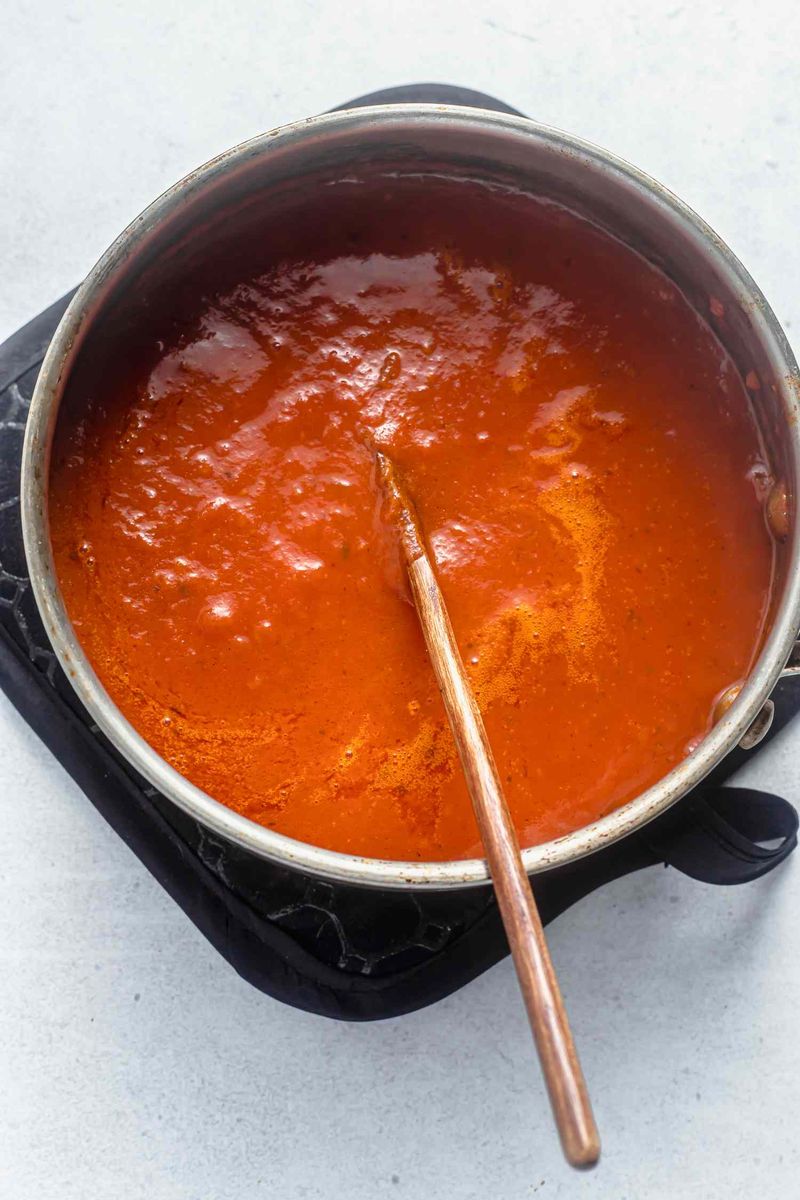
Thin sauce makes soupy lasagna. You want body, not liquid pooling between noodles.
Simmer your sauce until bubbles look thick and a spoon leaves tracks. Starting with a jar?
Let it burble on low until reduced and clingy. If it still seems loose, keep going five more minutes.
You should see slow, lava like movement inside.
Tomato paste boosts concentration. Meat sauces release water, so cook the pan nearly dry before adding tomatoes.
Avoid extra broth or wine that has not evaporated. Taste for salt, sweetness, and acidity so the sauce shines.
When uncertain, reduce a bit longer, then build.
2. Not draining cooked noodles well
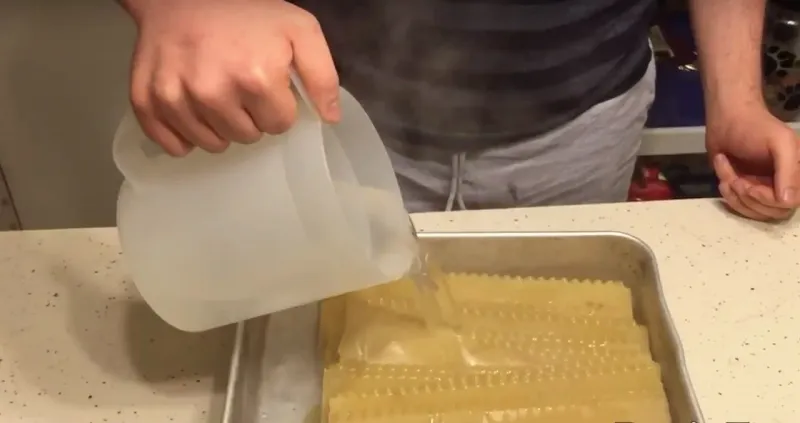
Wet noodles sneak extra water into the pan and dilute flavor. After boiling, drain thoroughly, then lay noodles flat on clean towels or parchment.
Pat gently so they are dry to the touch before layering. If they stick, swipe with a little sauce, not water.
Keep them in a single layer instead of stacking.
Cook noodles just shy of package time so they finish in the oven. Overcooked strands absorb less sauce and fall apart.
Salt the water well for better tasting pasta. If using no boil sheets, add slightly more sauce, but still avoid soupy layers.
Dry noodles, tidy slices.
3. Overloading with wet vegetables
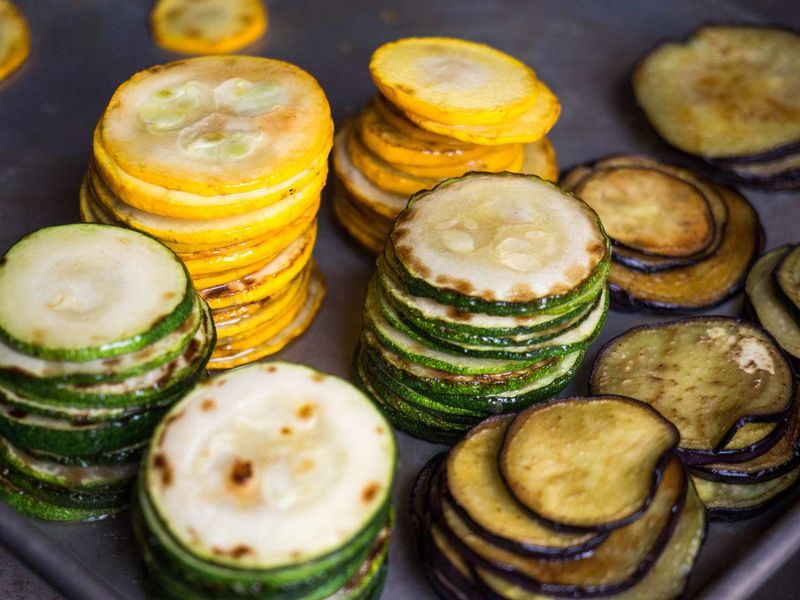
Vegetables are delicious, but they carry water that floods your layers. Sauté zucchini, mushrooms, and spinach until their juices evaporate and the pan looks almost dry.
Season as they cook, then drain in a colander if needed. For spinach, squeeze out excess moisture with towels.
Roasting sliced zucchini or mushrooms on sheet pans also concentrates flavor.
Fresh tomatoes need extra care. Seed them, chop, salt lightly, then drain before cooking into sauce.
Layer vegetables thinly so steam can escape. If you see pooling liquid, keep cooking.
Dry, well seasoned vegetables will give you bright, concentrated bites without turning everything soggy.
4. Skipping seasoning in every layer
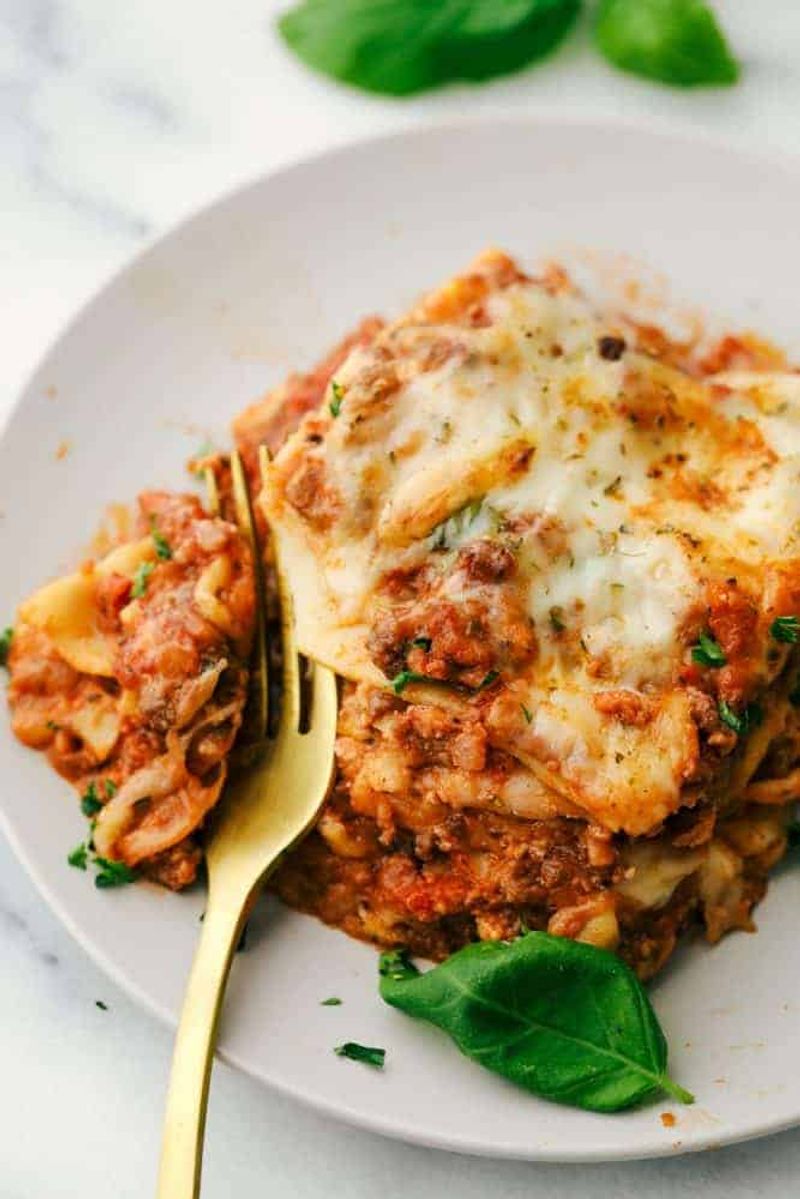
Seasoning only the sauce leaves the whole pan tasting flat. Taste and season each component on its own: the ricotta mixture, the meat, and the sauce.
Add salt, pepper, and a little grated Parmesan to ricotta so it does more than sit there. A pinch of nutmeg can warm dairy flavors nicely.
Browned meat needs salt as it cooks because it loses seasoning later in sauce. Balance acidity with a touch of sugar or butter.
Fresh basil is lovely at the end, while dried oregano thrives in simmering sauce. Layer flavorful parts, and the bites sing together.
5. Using low-fat ricotta
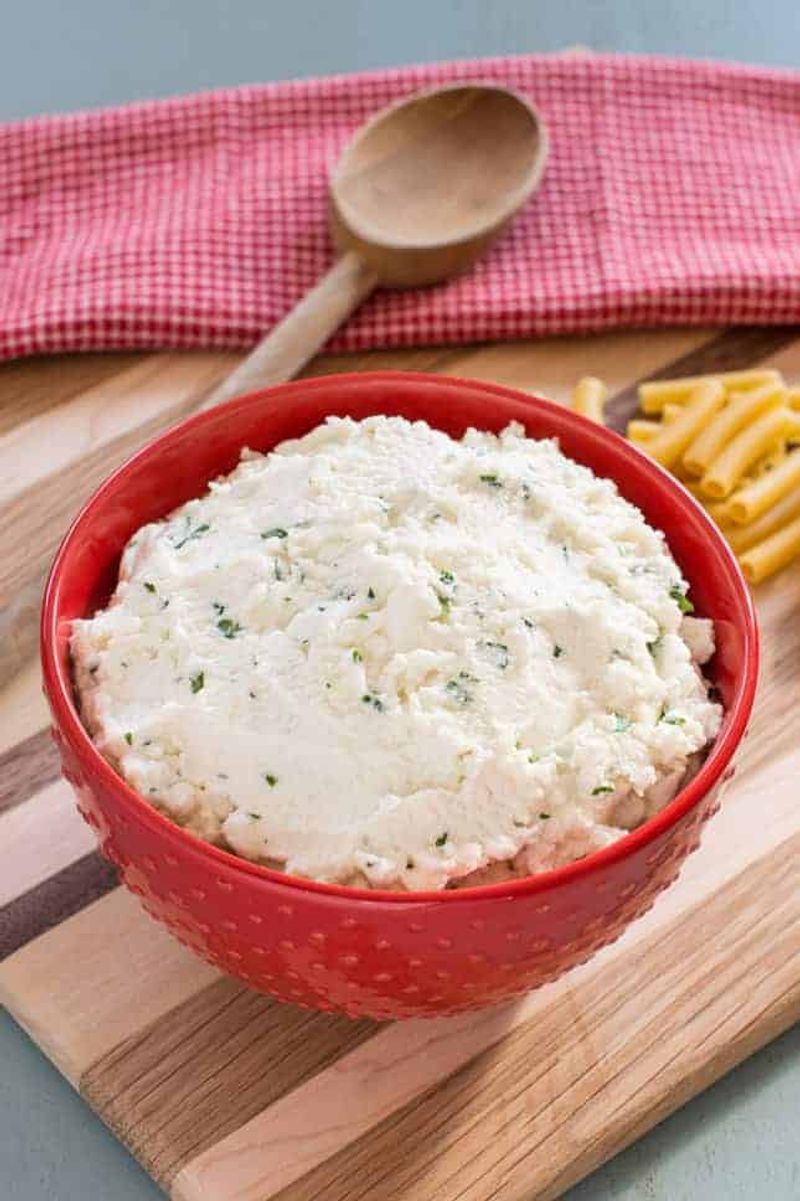
Low fat ricotta often turns grainy and thin, so the layer feels chalky instead of lush. Full fat ricotta brings creaminess and better binding.
Stir in grated Parmesan, salt, and pepper for savory depth. If the ricotta seems watery, drain it in cheesecloth or a fine sieve for thirty minutes.
Drier ricotta firms up beautifully.
To boost silkiness, whisk in a beaten egg and a splash of milk or cream. Avoid overmixing, which can loosen texture.
Spread the ricotta evenly, not too thick, so it sets gently. Rich, well seasoned ricotta transforms each forkful into a velvety moment.
6. Forgetting an egg in the ricotta mixture
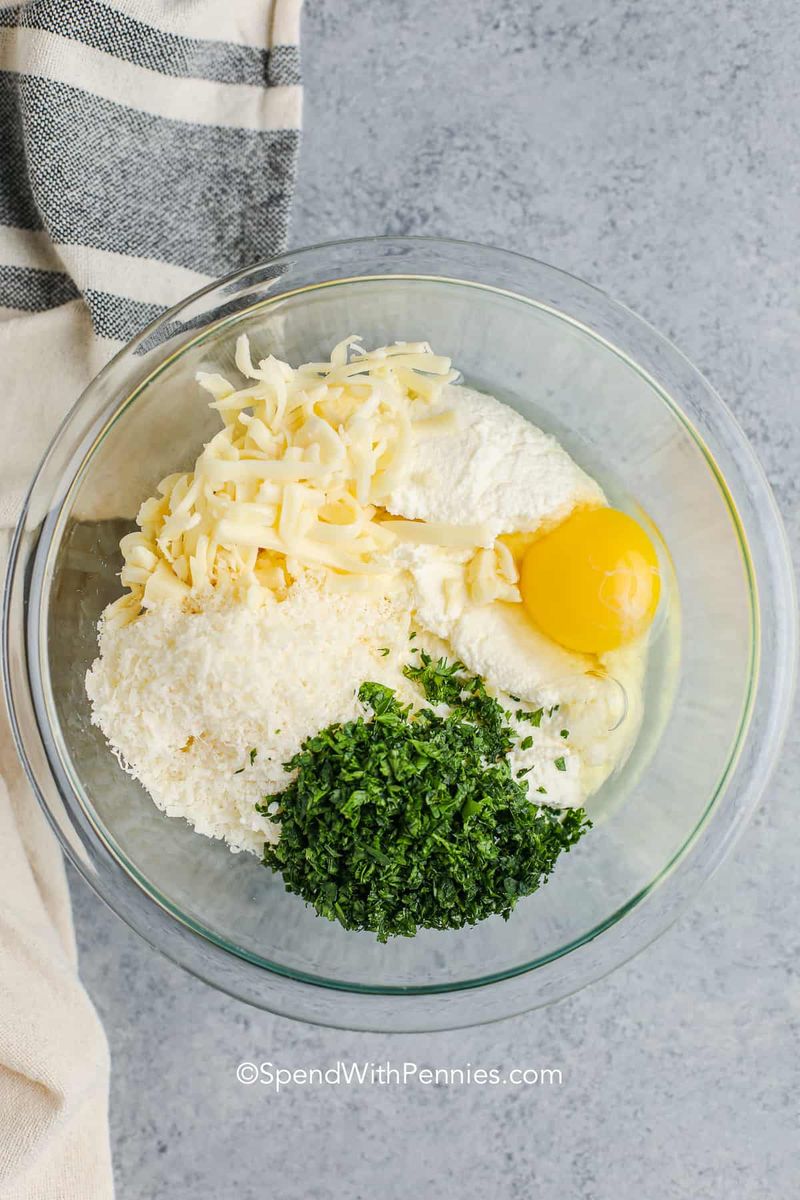
Egg in the ricotta mixture helps the layer set so slices hold together. Without it, the ricotta can slip and ooze out when you cut.
Whisk one beaten egg into about two cups of ricotta, along with Parmesan, salt, and pepper. For a larger batch, use two eggs.
The mixture should feel spreadable, not runny.
Combine gently so you do not knock out structure. If it seems too loose, add a bit more Parmesan.
A small pinch of nutmeg can be lovely. Spread in thin, even layers for better stability.
That little egg makes those clean, brag worthy slices possible.
7. Not enough cheese
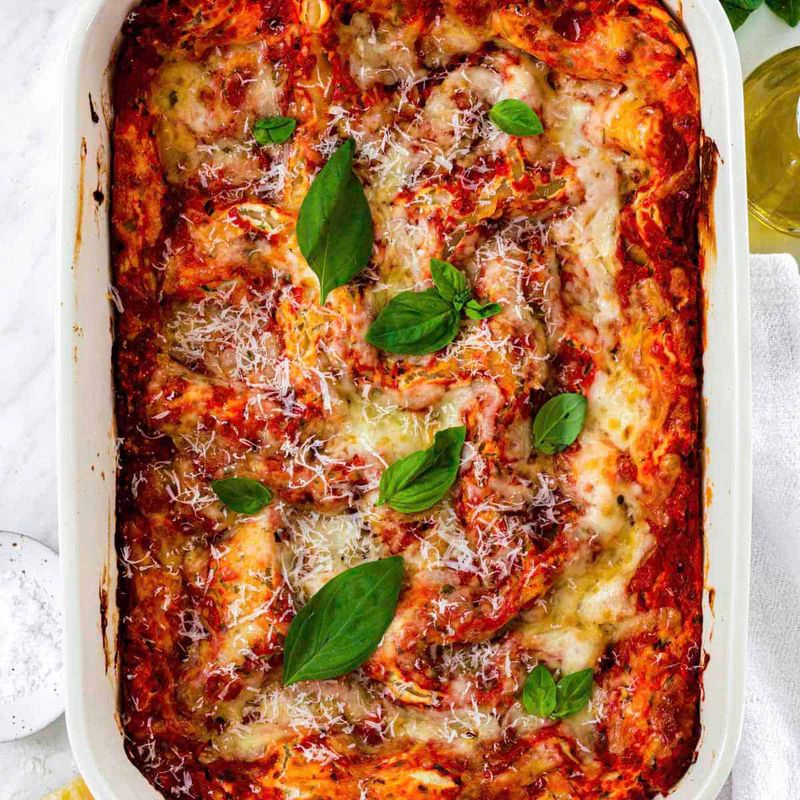
Lasagna should feel indulgent. Skimping on cheese makes it dry and stingy, so the textures never melt together.
Use a balance of low moisture mozzarella for stretch, Parmesan for savoriness, and ricotta for cream. Shred mozzarella yourself for better melting and fewer additives.
Distribute cheese evenly across the surface, reaching corners and edges.
Aim for moderate layers, not giant mounds. Too little cheese vanishes, but thoughtful amounts fuse noodles, sauce, and fillings into one cohesive bite.
Sprinkle a finishing dusting of Parmesan near the end for golden flavor. When you plate, you want strings, not regrets.
Be generous, not reckless.
8. Too much cheese on top too early
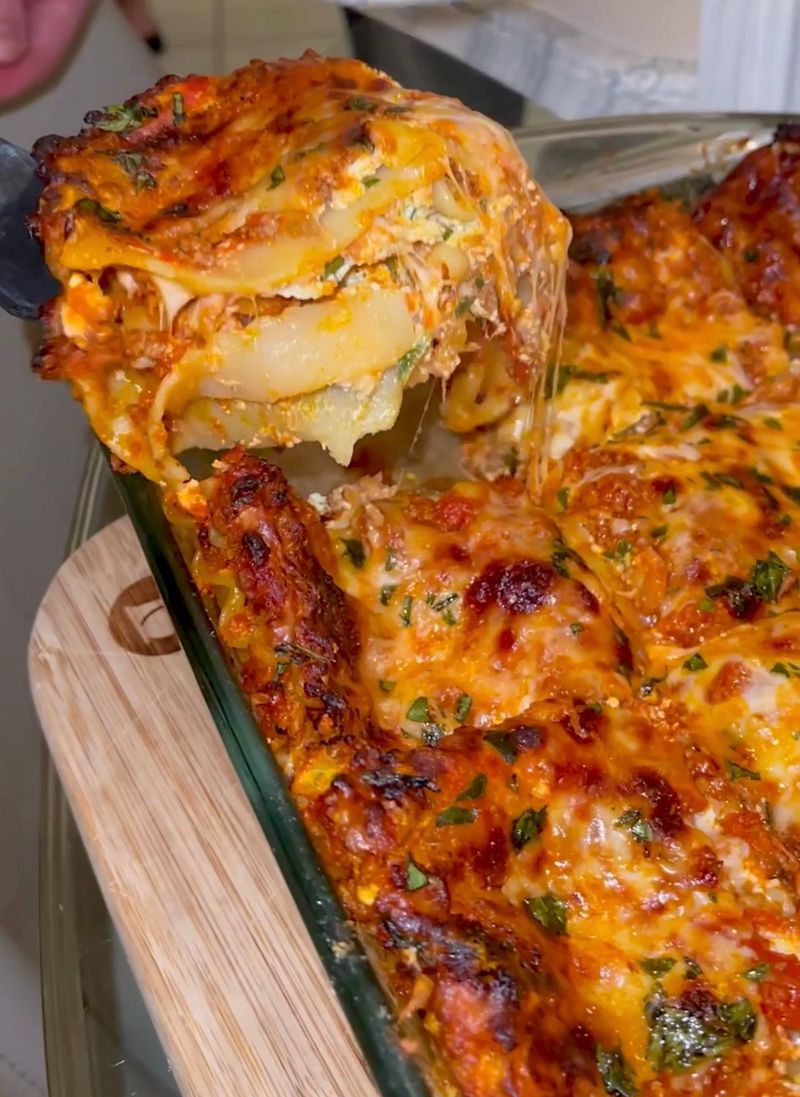
Cheese blasted on top from the start can dry out or harden before the center cooks. Cover the pan with foil for most of the bake to keep moisture in and heat even.
Remove the foil during the final stretch so the cheese melts, bubbles, and browns lightly. This timing gives you tender interior and glossy top.
Oil the underside of the foil or tent it so cheese does not stick. Add a final sprinkle of mozzarella and Parmesan after uncovering for perfect melt.
Watch closely near the end. Golden is delicious, dark brown tastes bitter.
Balance is everything.
9. Not letting it rest before slicing
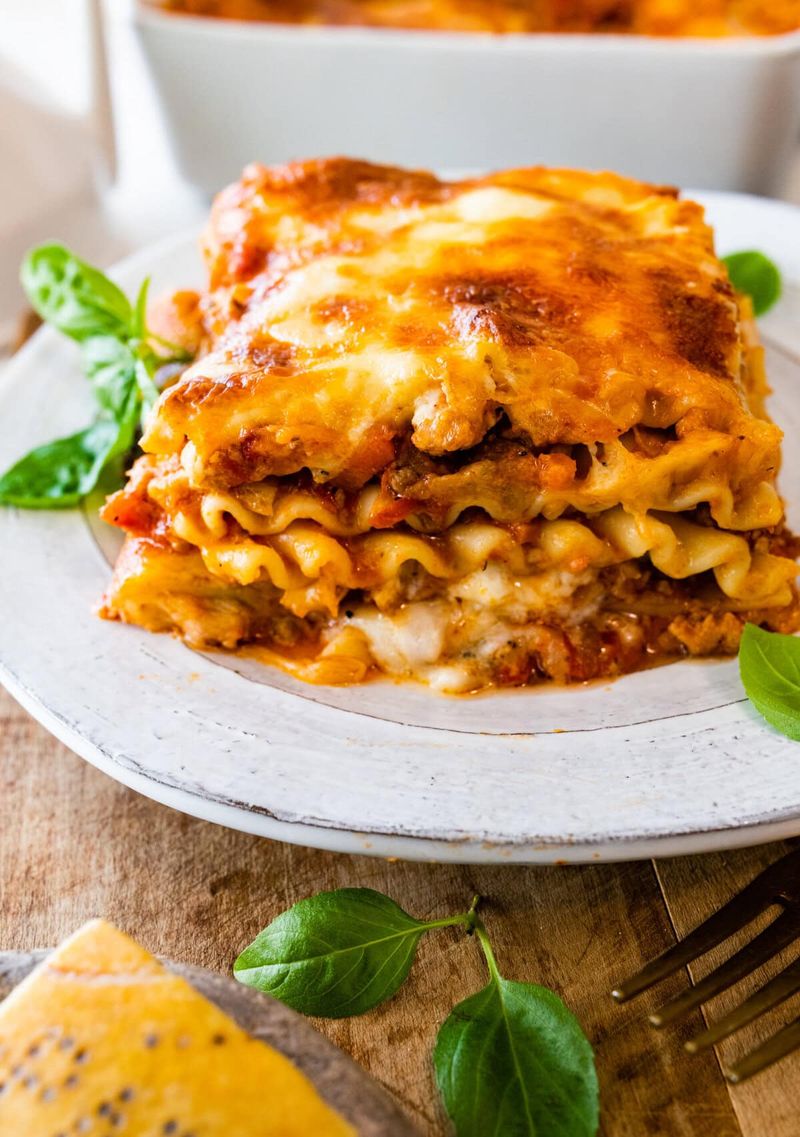
Cutting too soon turns beautiful layers into a slip and slide. The cheese needs time to set, and the sauce needs to thicken slightly.
Rest the lasagna at least 15 to 30 minutes before slicing. Tent with foil to retain heat without trapping steam.
You will still plate it warm, just stable.
Use a sharp knife and a spatula to lift neat squares. If you crave hotter servings, warm individual slices briefly after resting.
Patience pays off with cleaner edges and fewer regrets. Those tidy, photo worthy layers happen when you give the pan a breather.
10. Too many layers
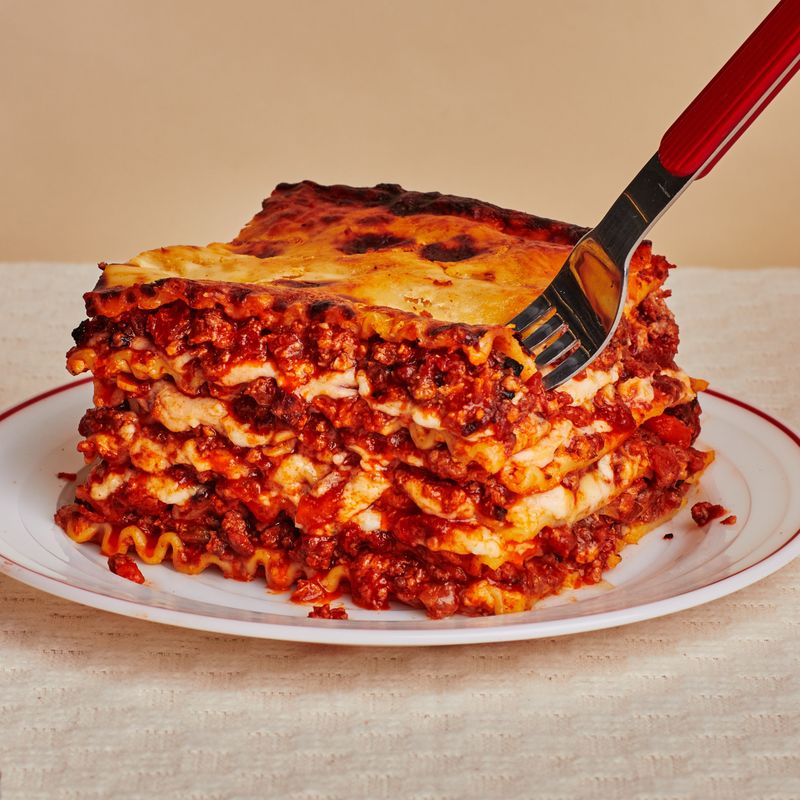
Stacking sky high sounds impressive, but too many layers turn unstable and soggy. Most home pans sing with three to four layers, sometimes five if fillings are thin.
Thicker stacks trap steam, preventing proper set. Keep components balanced and avoid skyscraper ambitions.
Your goal is harmony, not height.
Spread moderate amounts of sauce, cheese, and fillings so noodles can cook through and bind. Press gently after each layer to remove air pockets.
If you want more servings, use a larger pan, not extra layers. Controlled height gives cleaner slices and better texture in every bite.
11. Using too much filling per layer
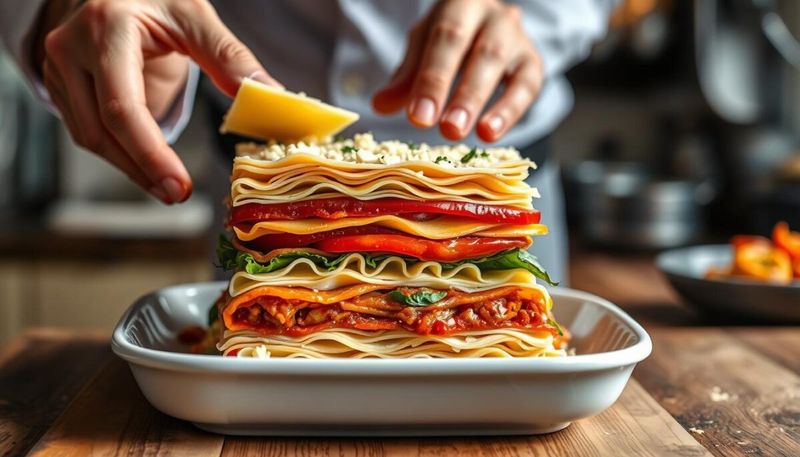
Thick, heavy layers look generous but backfire in the oven. They hold excess moisture, take longer to heat through, and struggle to set.
Aim for thin, even strata of sauce, ricotta, vegetables, and meat. You should see noodles peeking through, not buried under a mountain.
Use a ladle or scoop for consistent amounts.
Press lightly to level each layer so the structure stays uniform. If your pan overflows, you used too much.
Place a sheet pan underneath as insurance, but trim quantities next time. Even distribution brings balance, faster baking, and slices that lift cleanly without tearing apart.
12. Not enough sauce on the edges
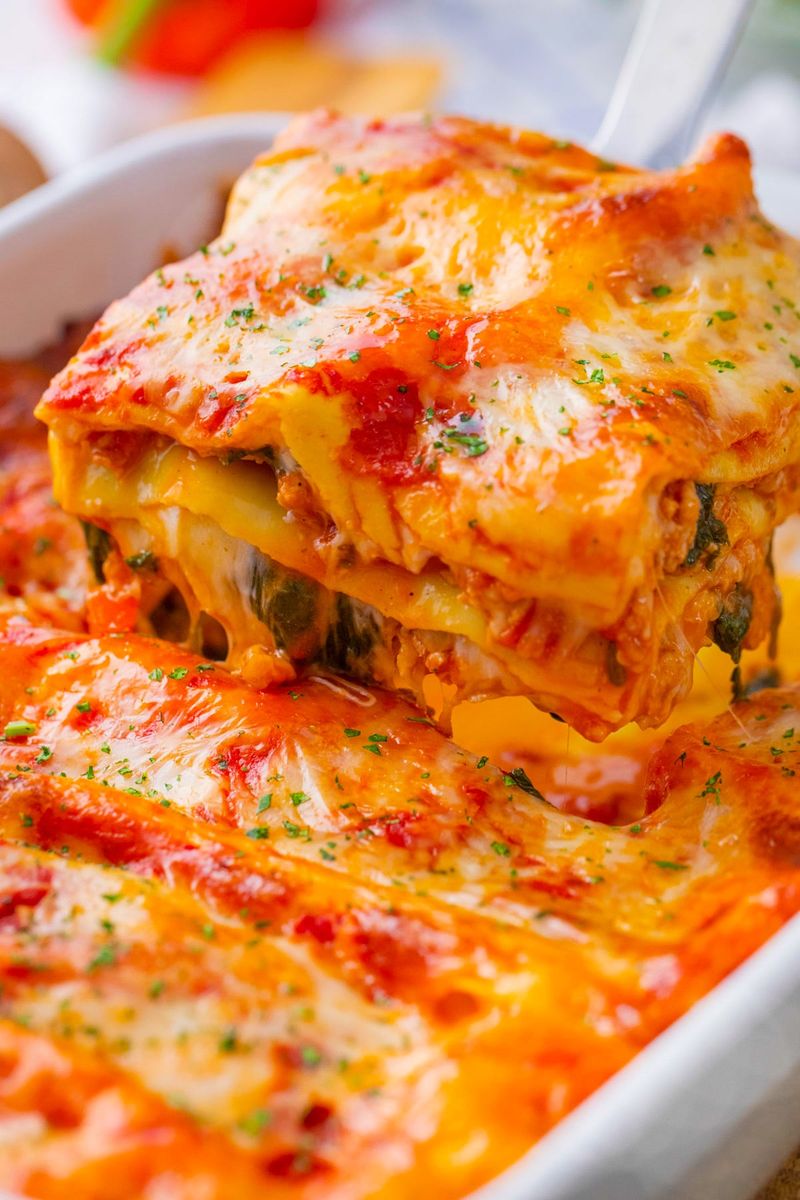
Dry, crunchy edges happen when noodles are not fully sauced. Drag a spoonful of sauce along the perimeter and into the corners every time you layer.
The noodles should be lightly coated on all sides, especially at the edges. This moisture helps them cook tender and fuse with the cheese.
Do a quick visual check before covering the pan. If you see exposed pasta, cover it with a little sauce.
Not a flood, just a protective coat. That small step prevents brittle edges and gives you evenly tender corners that people actually fight over.
13. Forgetting to cover during baking
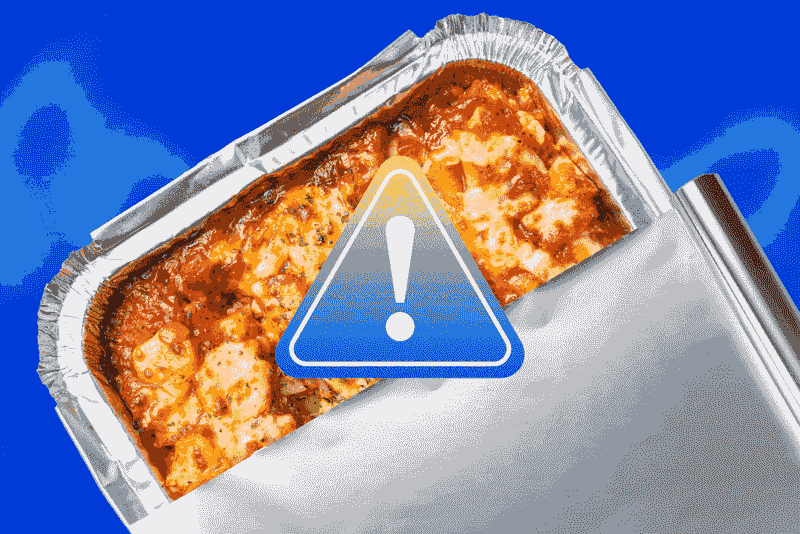
Skipping foil invites dryness and uneven cooking. Covering traps gentle steam so noodles soften and cheese melts smoothly.
Seal the pan, but tent slightly to prevent cheese sticking. Bake covered for most of the time, then uncover to brown.
This two stage approach protects moisture and builds color.
If your oven runs hot, double down on covering. Add a light oil rub to the foil underside or use parchment under foil as insurance.
Keep an eye on bubbling at the edges to judge doneness. Covered first, uncovered last is the calm, consistent path to tender layers.
14. Baking at too high a temperature
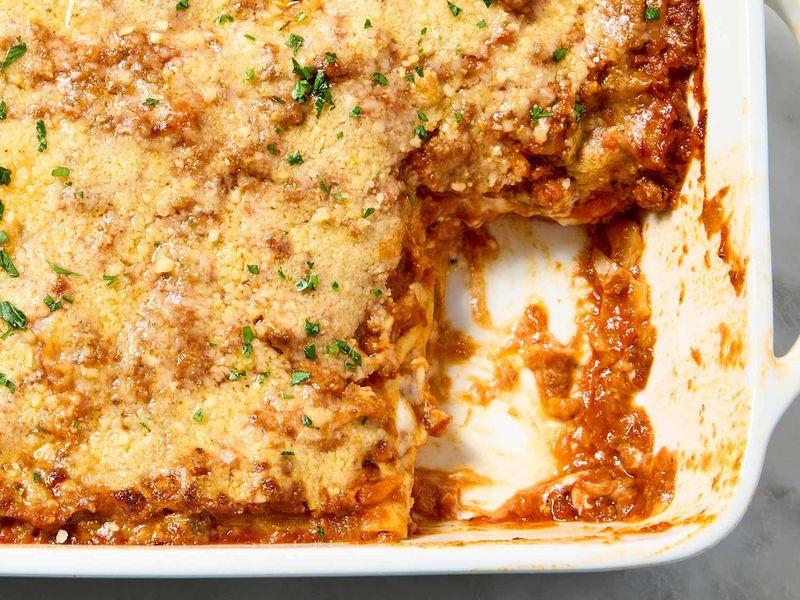
Cranking the heat scorches the top while the center stays cool. Moderate oven temperatures cook evenly and prevent dryness.
Aim for the middle rack at around 350 to 375 degrees, depending on your recipe. Cover first, then uncover to finish.
You want gentle bubbling, not furious boiling.
If you must bake faster, split the pan into two smaller dishes to reduce depth. Always use a thermometer if you are unsure about your oven’s honesty.
The goal is steady energy that melts cheese, softens noodles, and sets ricotta without burning. Slow and balanced beats hot and rushed.
15. Using fresh mozzarella without thinking
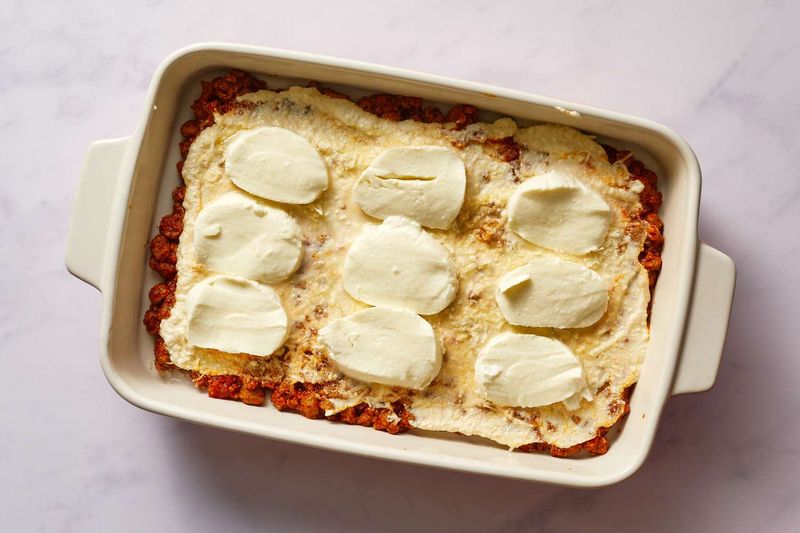
Fresh mozzarella is luscious but carries a lot of moisture. If you slice and toss it straight in, the lasagna can weep.
Drain slices on paper towels, then pat dry. Combine with low moisture mozzarella for better melt and structure.
Cut thinner slices so water has less impact.
Let fresh mozzarella sit in the fridge uncovered for a short time to dry the exterior. If it still seems wet, squeeze gently between towels.
Sprinkle a little Parmesan with it to encourage browning. With a bit of prep, you keep the milky flavor and lose the puddles.
16. Using too much sauce with no simmer time
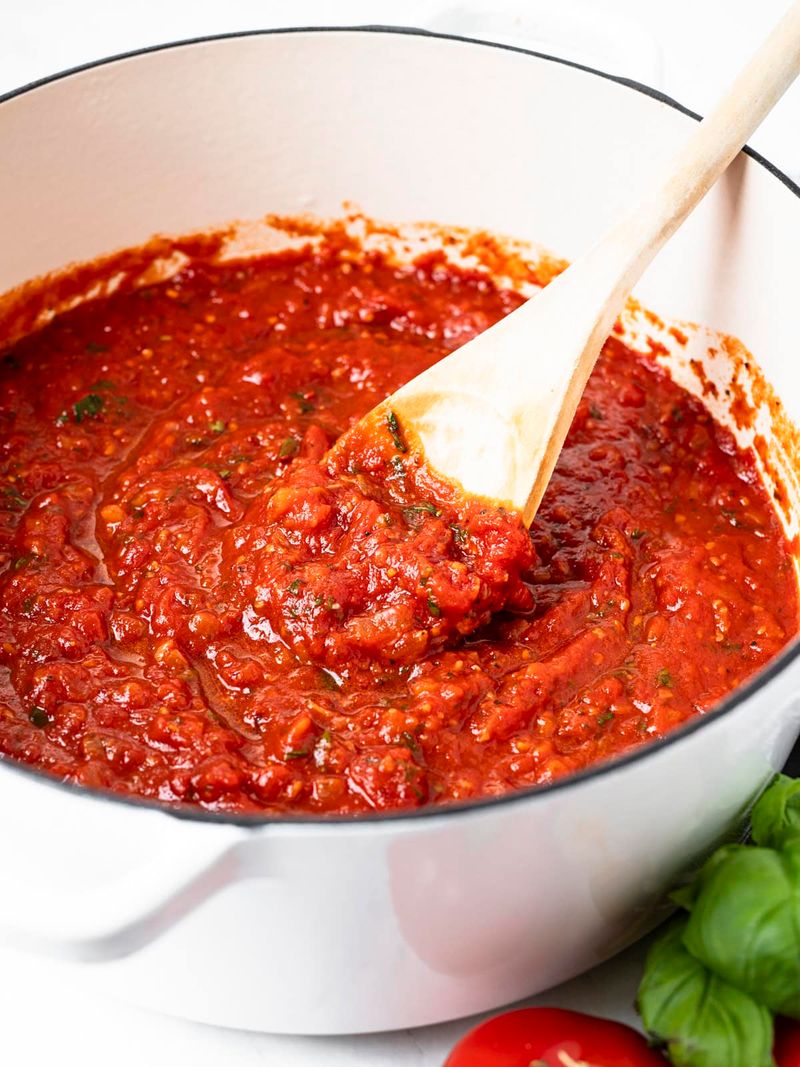
Even tasty sauce makes a watery lasagna if it has not reduced. Volume is not the solution; concentration is.
Simmer until the texture clings to a spoon and the surface burps slowly. A shorter pot helps evaporation.
Patience now equals tidy slices later.
Skim excess fat, then balance acidity and sweetness before layering. Add a spoon of tomato paste or a Parmesan rind to nudge richness.
If you overshoot and it gets too thick, thin with a splash of pasta water. Aim for scoopable, not sloshy.
Reduced sauce means flavor that stays where you place it.
17. Not tasting your components
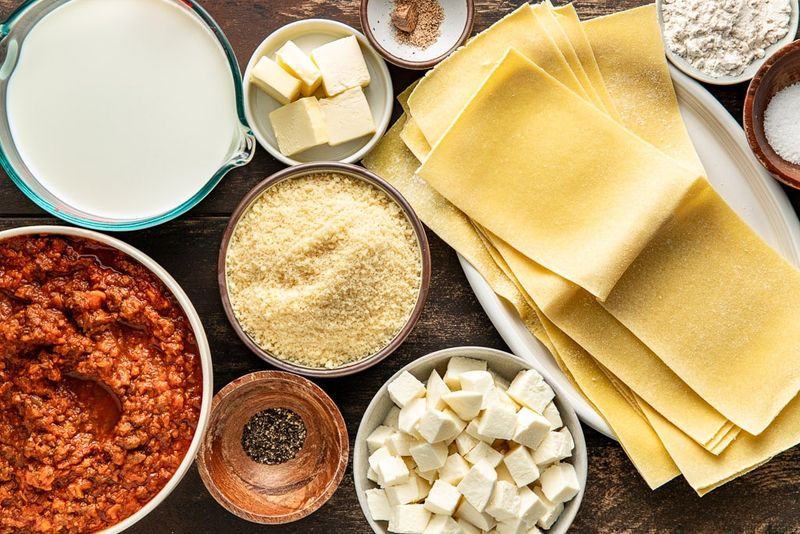
Lasagna hides blandness under layers, so each part must taste good alone. Taste the sauce.
Taste the ricotta mixture. Taste the meat.
Adjust salt, pepper, herbs, and acidity before assembling. Add a touch of chili flakes if you want warmth.
Little improvements stack into big flavor.
Remember that noodles and dairy mute seasoning. Aim a notch bolder than you would for plain pasta.
If your sauce tastes flat, add salt first, then consider sugar, vinegar, or butter. When every bowl on your counter is delicious, the final bake almost cannot lose.