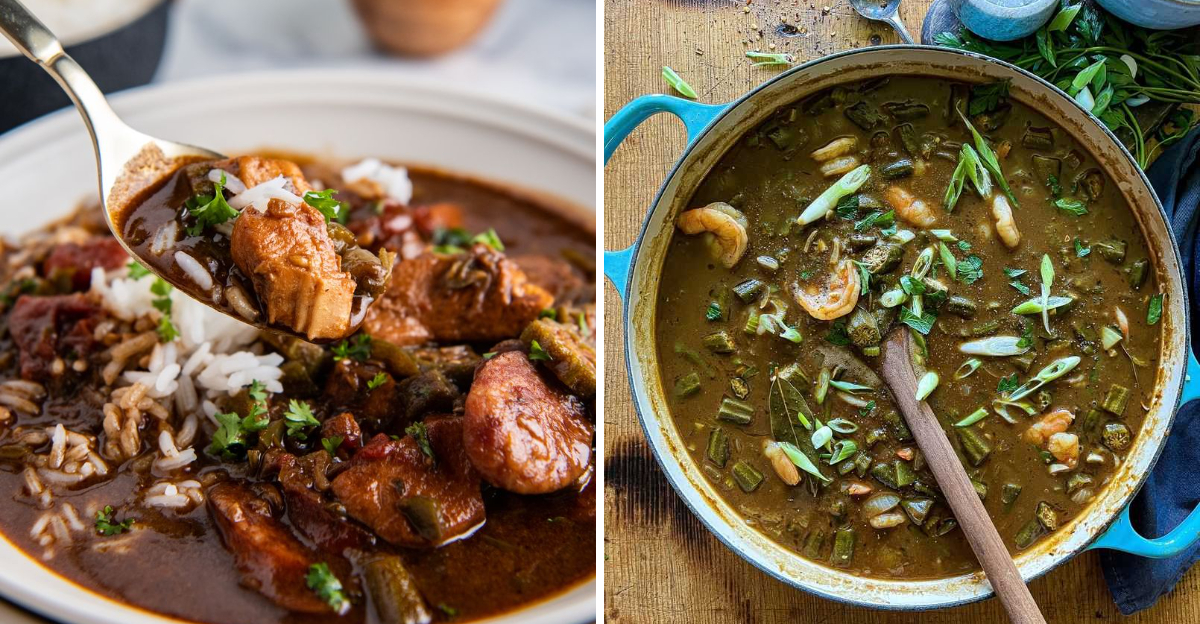
17 Dishes Reported To Have High Return Rates In Restaurants
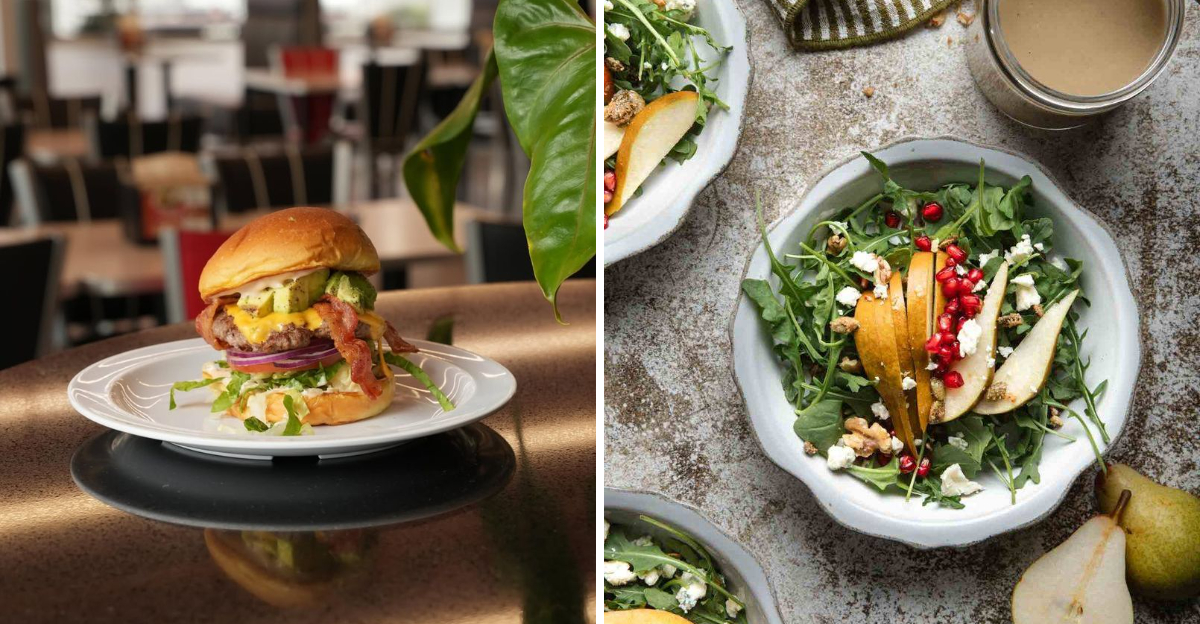
Ever wondered which dishes boomerang back to the kitchen most often and why? This list pulls back the curtain on the plates that spark the most “Sorry, can we fix this?” moments.
You will see where expectations clash with technique, texture, and heat levels. Use it to order smarter, communicate better, and avoid mealtime letdowns.
1. Steak (especially ribeye and filet)
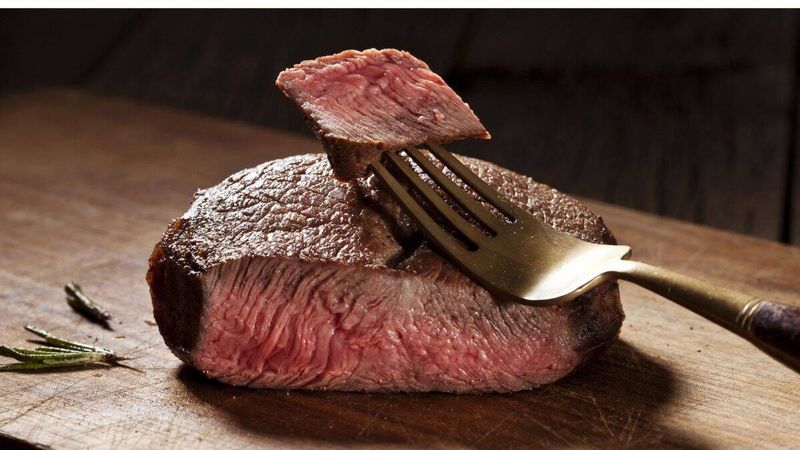
Steak is the ultimate expectation test. You might say medium, but your medium and the kitchen’s medium rarely match perfectly.
Carryover heat nudges doneness upward as it rests, so a just-right steak can arrive slightly more cooked by the time it hits your table.
Communicate your preference clearly, like medium with warm pink center, and consider the cut. Ribeye is fattier and forgiving, while filet cooks faster and can overcook quickly.
Ask if the kitchen rests steaks properly and serves hot plates.
When in doubt, order one doneness lower. It is easier to fix under than over.
2. Burgers
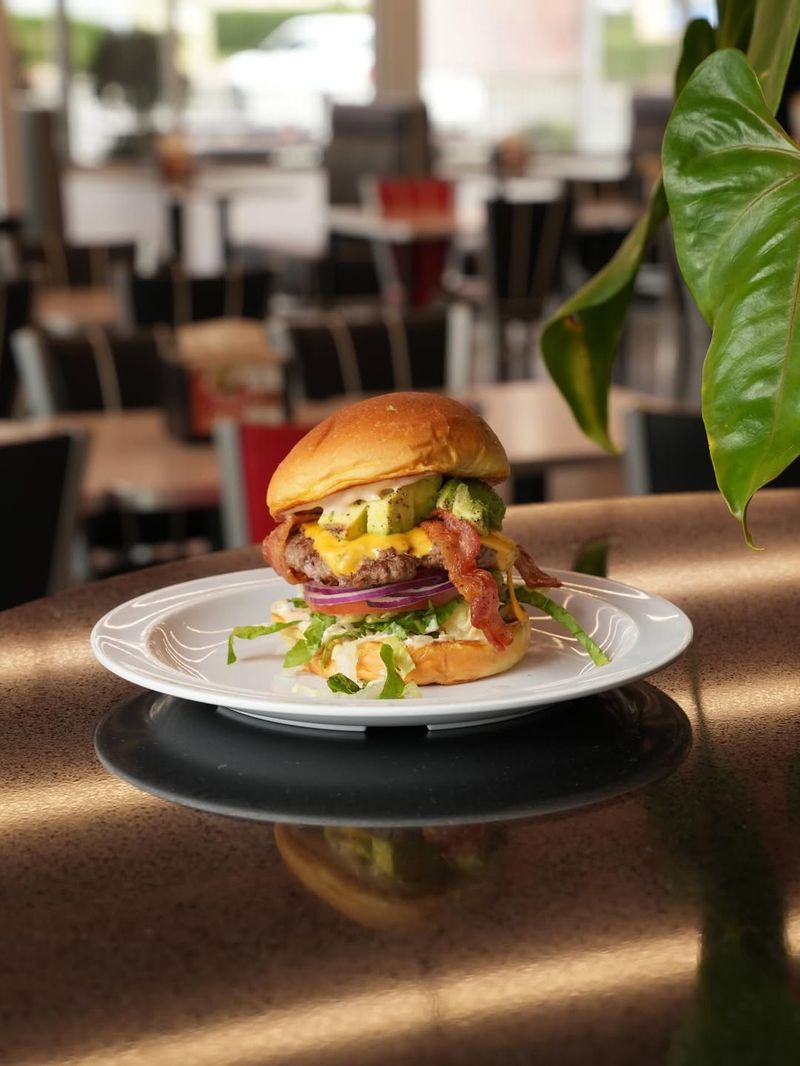
Burgers ride the line between juicy and too pink, and that is where returns happen. Thick patties continue cooking after leaving the flat-top, so a perfect medium at pickup might be medium-well by delivery.
Guests also vary wildly on safety comfort and texture preference.
Say exactly what you want: barely pink, no pink, or warm red throughout. Specify cheese melt and bun toast level too.
Thicker patties demand tighter timing and temp control.
If you are picky, ask for a thinner patty or smash-style. Faster cook time means fewer surprises and less carryover drift.
3. Eggs (any style)
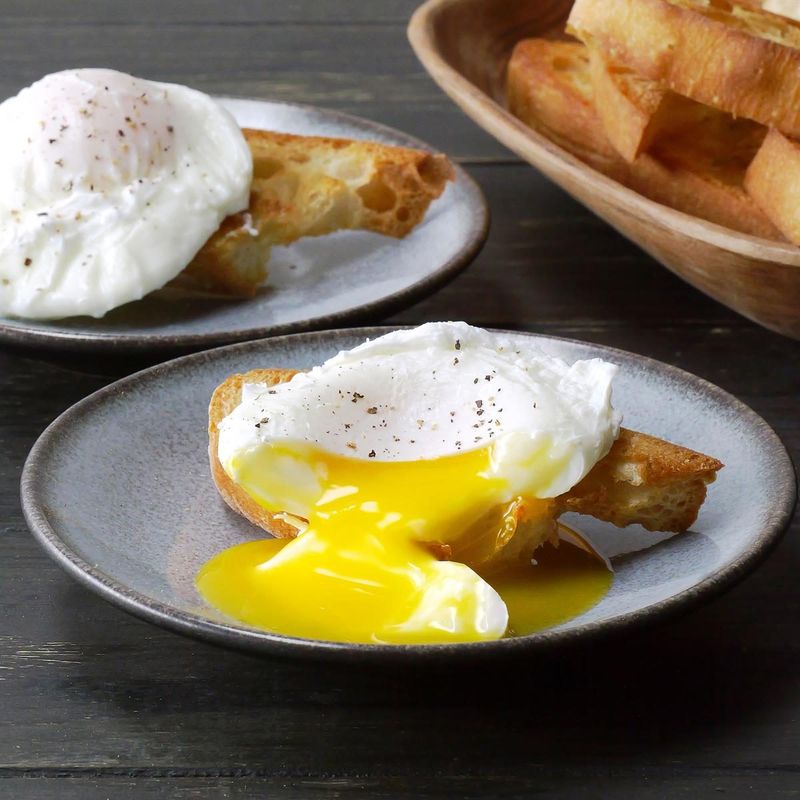
Eggs are precision on a plate. Over-easy becomes over-medium in seconds, poached yolks can set while waiting for pickup, and soft scramble shifts from custardy to dry with a minute too long.
Your perfect bite lives in a tiny timing window.
Be specific: jammy yolk, no run, or creamy ribbons for scramble. Ask for poached eggs dropped to order if the kitchen can accommodate.
Expect slight variance during rush.
If you dread returns, choose preparations with more leeway, like medium-boiled or classic over-medium. Communicate clearly, and you will dodge most disappointments.
4. Hollandaise-heavy brunch plates (Eggs Benedict, etc.)
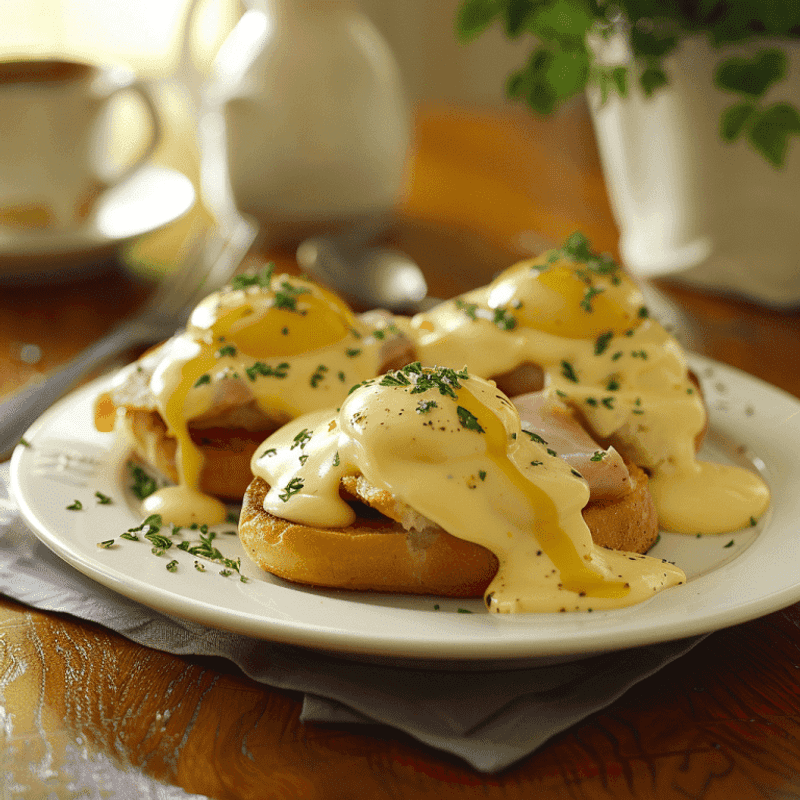
Hollandaise is glorious when fresh, but fragile. It can break, turn overly salty, or hit the table lukewarm if it sits during a brunch rush.
Many guests underestimate how rich it feels halfway through, leading to fatigue and second thoughts.
Ask if the sauce is made to order and confirm temperature. If richness is a concern, request half sauce on the side.
You will control the pour and intensity.
Consider lighter sides and acidity like a citrus salad to balance. When the sauce sings and stays warm, Benedict becomes brunch magic, not a return risk.
5. Fish specials
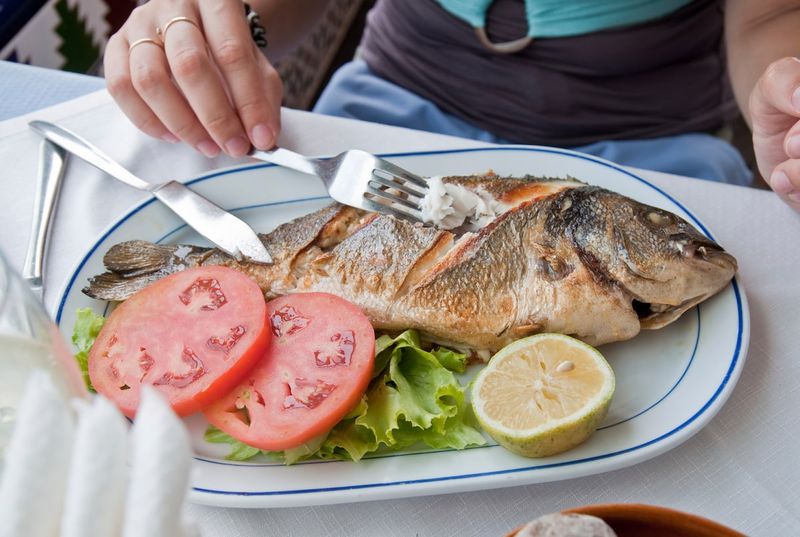
Fish specials tempt with freshness and seasonality, yet they are high-stakes. Overcooking dries delicate flakes fast, and any lingering “fishy” aroma triggers alarm.
Stray pin bones or mushy texture can send the plate right back, even when flavor is solid.
Ask how it is cooked and the target texture. Seek specifics: translucent to opaque transition, temp checks, and rest time.
Request sauce on the side if you fear overpowering.
Lean toward species that forgive slight overcooking, like salmon, rather than ultra-delicate filets. A squeeze of lemon brightens and masks minor flaws gracefully.
6. Mussels and clams
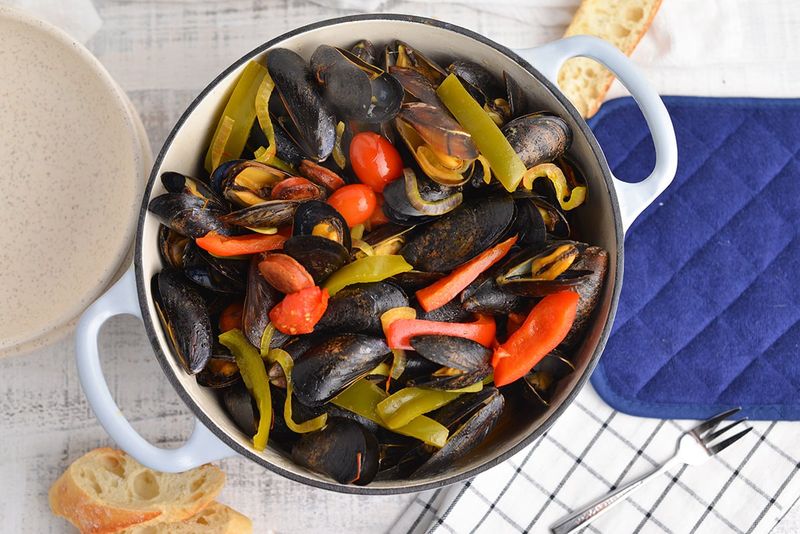
Shellfish bowls look dramatic, but a few closed shells can spook anyone. It is normal to discard those, yet guests sometimes fear spoilage.
Briny liquor in the bowl divides opinions too, especially if seasoning leans salty or the broth tastes assertively oceanic.
Ask about sourcing, purge practices, and whether shells are checked. Request extra bread to mellow salinity.
If worried, share the pot to sample first.
Expect some natural variance. Clear guidance from servers helps: closed shells stay closed, and that is fine.
With fresh product and balanced broth, returns fade.
7. Oysters (raw or baked)
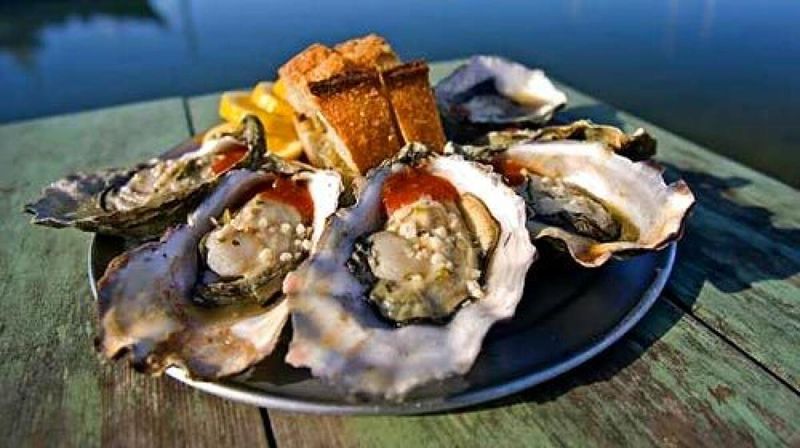
Oysters deliver ocean-forward flavor and a soft, slippery texture. That is the joy for fans and the surprise for newcomers.
Expectation mismatch drives returns, especially when someone imagines a firmer bite or mild taste but meets brine and minerality instead.
Ask which varieties are milder and request tasting notes. East coast brinier, west coast often sweeter, but always ask.
Try one first before committing to a dozen.
For comfort, start baked or chargrilled. Heat firms texture slightly and tames intensity.
Freshness, clean shuck, and chilled service matter enormously.
8. Risotto
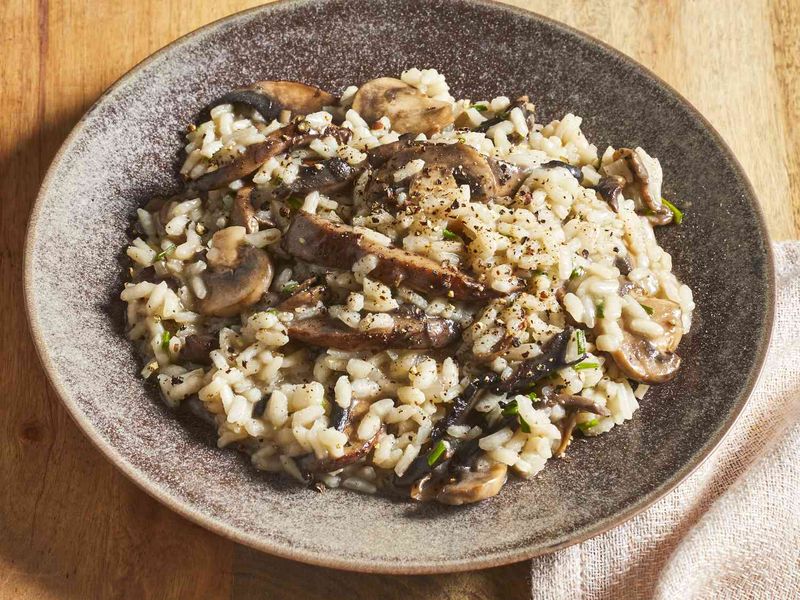
Proper risotto is creamy, loose, and spoonable, not a stiff rice mound. Guests sometimes expect drier grains and think creamy equals undercooked.
In truth, al dente cores plus emulsified starch create that flowing texture chefs prize, but it can read as wrong to some.
Ask the server to describe the texture beforehand. If you prefer firmer rice, say so.
Parmesan and butter richness can also feel heavy.
Consider sharing or pairing with acidity like a crisp salad. When expectations align, risotto lands perfectly cozy, not questionable.
9. Al dente pasta dishes
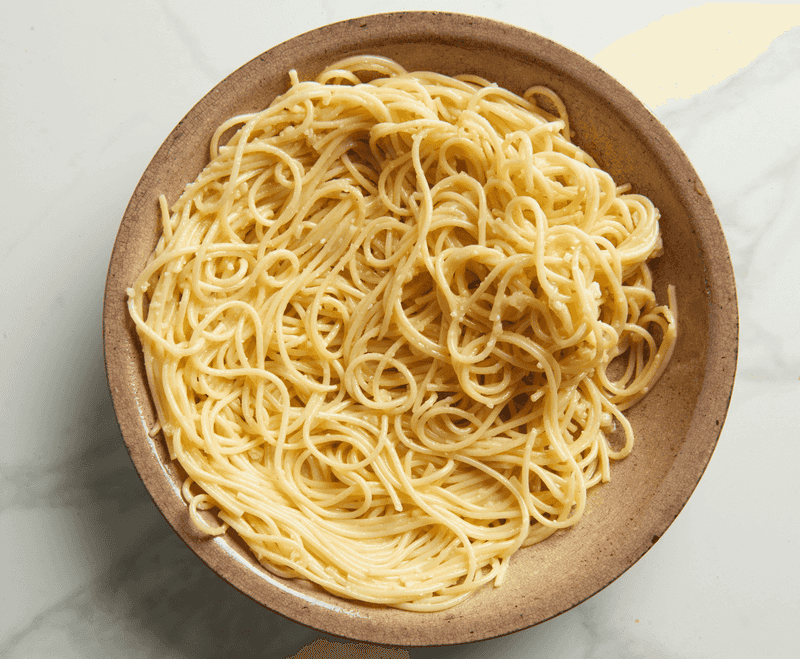
Al dente means tender with a slight bite, which some read as undercooked. That tiny resistance is intentional, helping sauce cling and flavors pop.
When guests expect soft noodles, the texture feels off and returns happen, especially with simple sauces that spotlight chew.
Confirm your preference: classic al dente or fully tender. Kitchens can push it a minute longer.
Salt and emulsion matter too for perceived doneness.
If sensitive to chew, choose fresh pasta styles. They naturally feel softer while staying structured.
Clear guidance spares everyone the redo.
10. Fried calamari
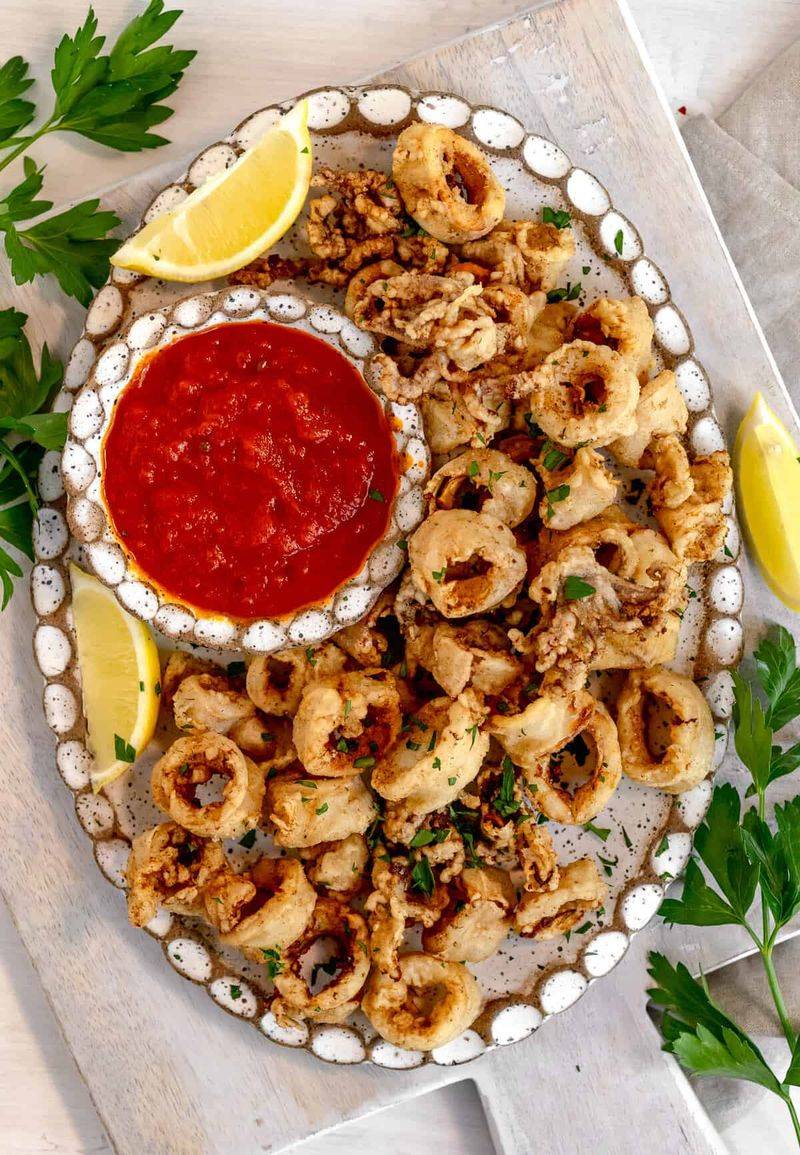
Calamari is a fry-cook tightrope. Over a few seconds, tender turns rubbery, and cool oil makes greasy coats.
If the basket waits in the window, steam softens crispness and chew toughens, prompting quick returns for texture sins.
Order during steady service when fryers run hot and turnover is brisk. Ask for tentacles mixed with rings for better texture contrast.
A squeeze of lemon cuts oiliness.
If you love crunch, request sauce on the side to protect crispness. Eat immediately.
Seconds matter for squid more than many fried bites.
11. Crab legs and whole-shell seafood
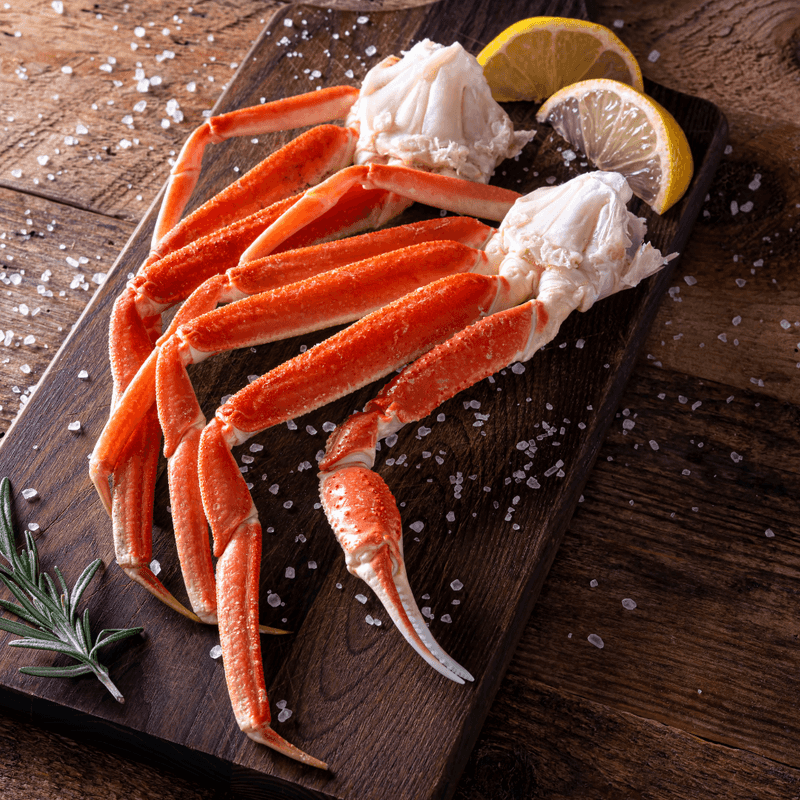
Whole-shell seafood is delicious but labor-intensive. Guests forget the work, then face cracking tools, splatter, and uneven yields.
Frustration can overshadow flavor, especially if shells resist or meat cools while you battle pieces apart.
Ask for pre-cracked segments or demonstration. Warm plates and extra napkins help the experience.
Share the platter so you can alternate cracking and eating.
Consider butter and lemon on the side to rewarm and refresh bites. If effort is a dealbreaker, choose lump crab entrees instead.
Same flavor, far less mess.
12. Spicy dishes (hot, extra hot, or challenge)
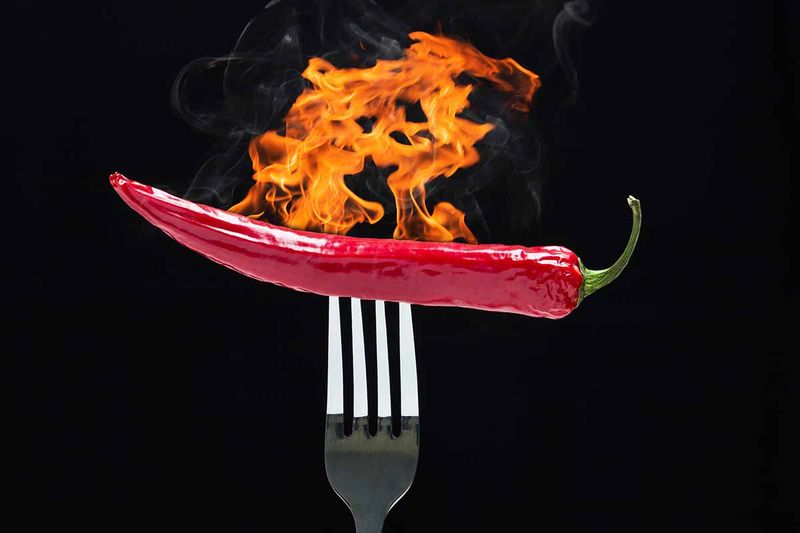
Heat tolerance is wildly personal. A menu’s medium might torch your palate, and challenge-level dishes are designed to push limits.
Adrenaline fades, tears arrive, and suddenly that bravado order becomes a return with regrets.
Ask for Scoville context or pepper types used. Request heat on the side via chili oil or sambal.
Start lower, then climb if you are comfortable.
Balance helps: dairy, rice, and acidity. If you love flavor more than burn, emphasize aromatic spices over raw heat.
Pride is not a palate cleanser.
13. Chef’s choice or tasting menu courses
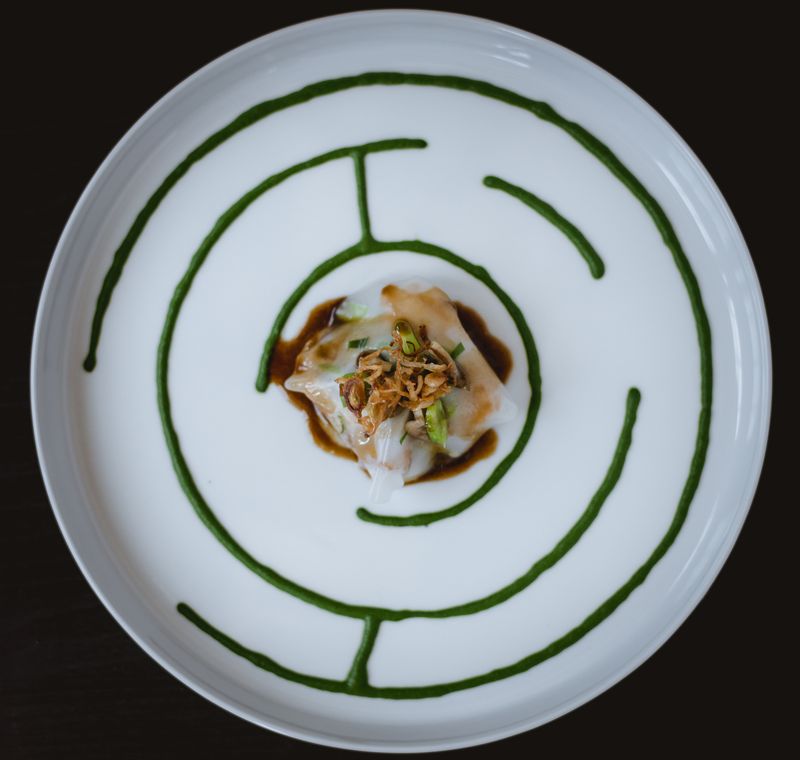
Tasting menus trade control for discovery. That is thrilling until a course lands with blue cheese, truffle, or liver you cannot stand.
Without substitutions clear upfront, one disliked ingredient can derail the experience and spark a return.
Communicate dislikes and allergies early, ideally in the reservation. Ask how flexible the kitchen is mid-service.
Some courses pivot easily, others cannot.
If you enjoy surprises, embrace a few stretches but set boundaries. Request smaller portions of questionable items.
Collaboration preserves the magic and prevents awkward send-backs.
14. Organ meats (liver, sweetbreads)
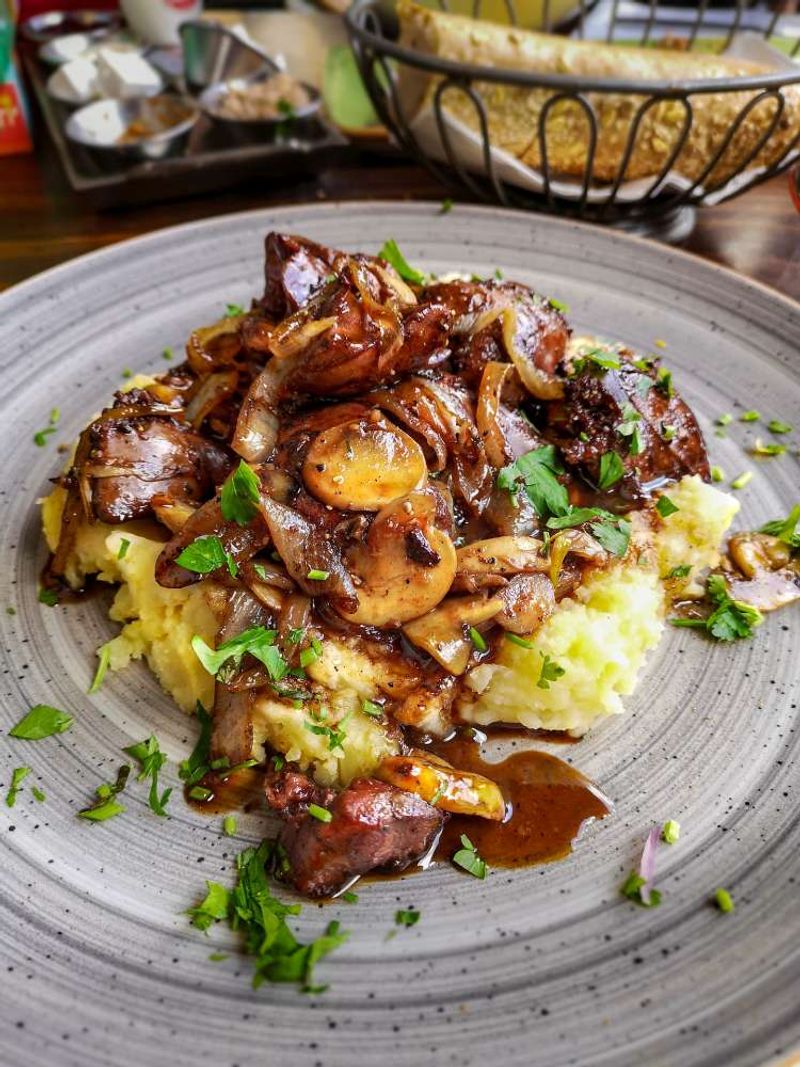
Organ meats bring bold flavors and unique textures. Even adventurous diners can hit a mental wall mid-bite, especially if metallic notes or custardy interiors surprise them.
Overcooking turns liver chalky, under-seasoning leaves funk front-and-center, and second thoughts lead to returns.
Ask the server about preparation and intensity. Sauces with acid, herbs, and capers help balance richness.
If new to offal, start with crispy sweetbreads.
Portion size matters. Smaller plates reduce commitment while you explore.
When cooked carefully and paired thoughtfully, offal becomes rewarding instead of daunting.
15. Rare or medium-rare poultry
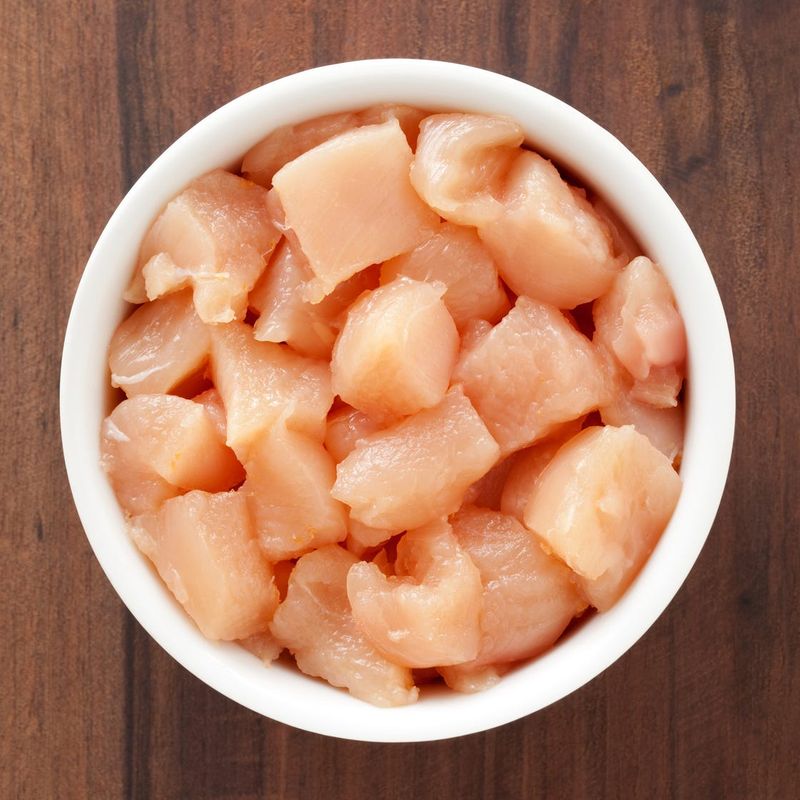
Poultry safety anxiety is real. Even when cooked to temp and rested, a hint of pink near the bone or juices can cause instant send-backs.
Dark meat and younger birds sometimes show color without being undercooked, but optics trump science tableside.
Ask for well-done if pink bothers you. Confirm finishing methods, like carryover roasting or sous vide with a sear.
A thermometer reading reassures but rarely arrives with your plate.
When in doubt, choose cuts less prone to blush, like thin cutlets. Peace of mind tastes better than worry.
16. Creamy dairy-heavy dishes
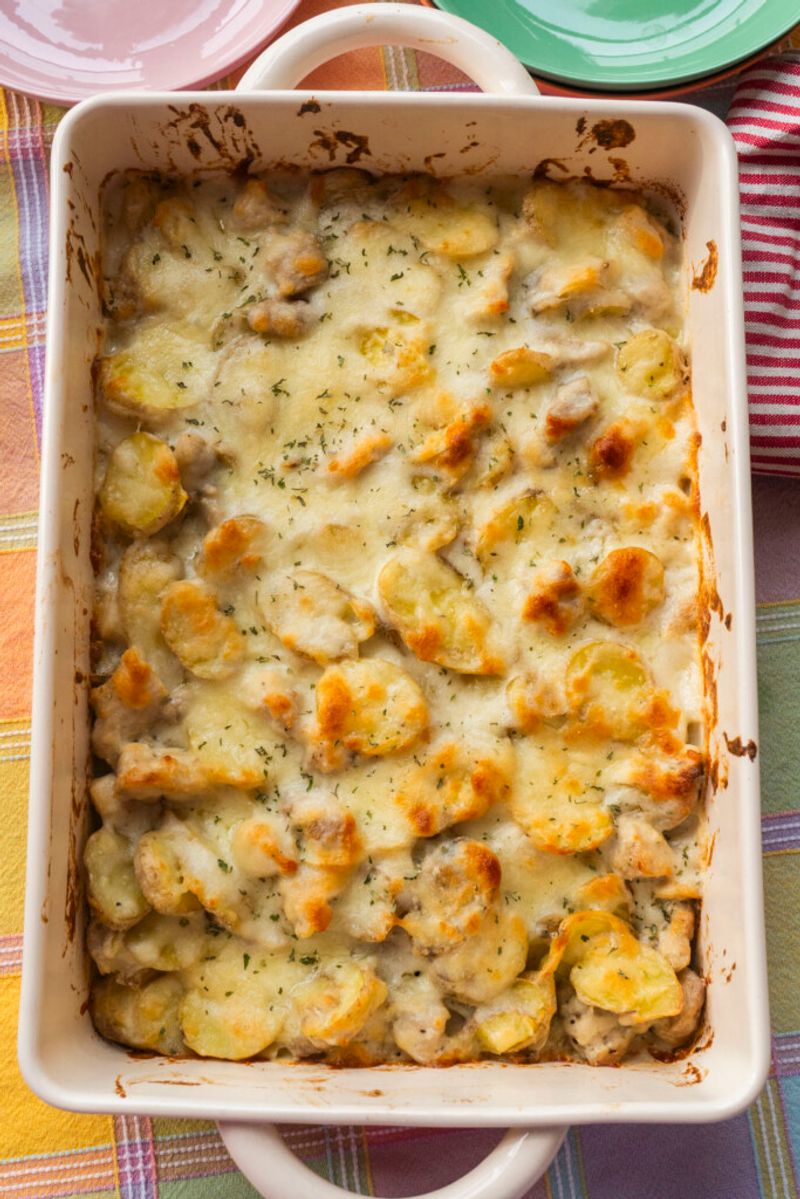
Alfredo, cream pastas, and rich casseroles start as comfort, then hit like a blanket. Midway through, the sauce can feel too heavy, salty, or cloying, and diners tap out.
Portions amplify that richness quickly, turning satisfaction into regret and returns.
Ask about portion size and balance. Request extra lemon, pepper, or herbs to brighten.
Consider splitting or pairing with a bitter green salad to cut the weight.
For a lighter route, choose olive oil-based sauces or add vegetables. Your palate will thank you, and leftovers will reheat kinder.
17. Salads with strong flavors
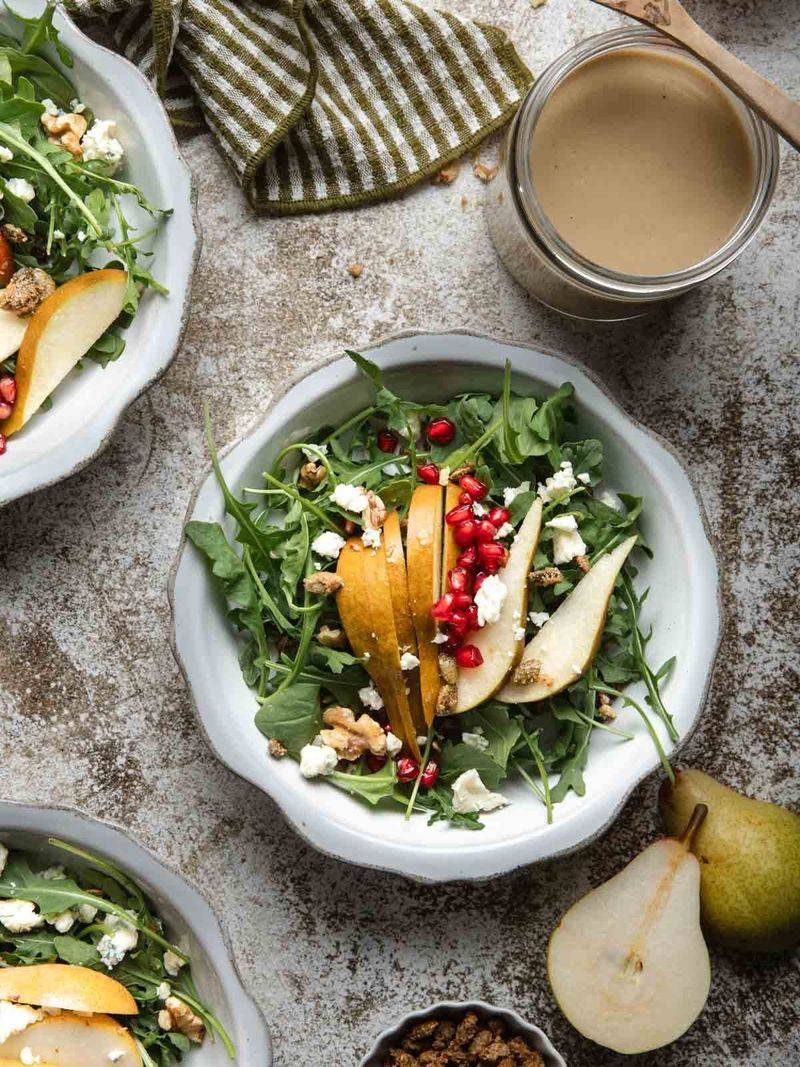
Strong salads surprise people expecting mild greens. Anchovy-forward dressings, blue cheese funk, and bitter chicories can shock at first bite.
The intensity reads salty, briny, or medicinal to some, leading to quick returns despite being made correctly.
Sample a small bite or request dressing on the side. Ask for milder greens or a lighter toss.
Citrus and sweet elements help balance.
If bitterness worries you, choose romaine over radicchio and go easy on blue cheese. Clarity with the server keeps your bowl bold yet enjoyable.