17 Filipino Recipes Passed Down Across Generations
Filipino food feels like a warm welcome, even on your very first bite. These dishes carry stories, little family tweaks, and that special care you can taste.
You will find comfort, brightness, and a balance that keeps you reaching for one more spoonful. Let these time-tested favorites guide you through kitchens where tradition still leads the way.
1. Chicken Adobo
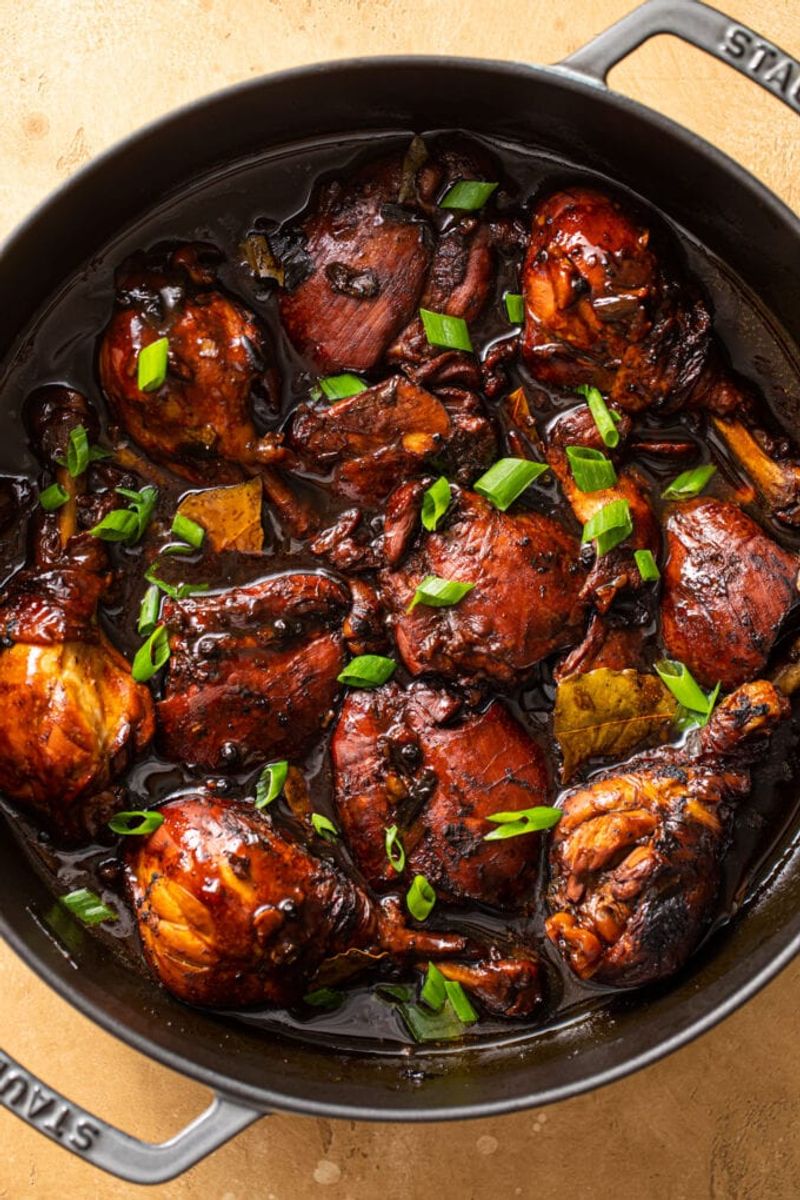
Chicken adobo is the dish you make when you want comfort without fuss. Vinegar and soy sauce mingle with garlic, bay leaves, and peppercorns, creating a savory-tangy glaze that clings to tender chicken.
The aroma alone feels like a hug after a long day.
You can tweak ratios to match your family’s memory of it, a little more vinegar for brightness or extra soy for depth. Some reduce the sauce until sticky, others keep it saucy for spooning over rice.
However you lean, it rewards patience and a gentle simmer.
Serve it with hot rice to catch every drop, maybe a side of achara for crunch. Simple moves, big feelings.
It never stops tasting like home.
2. Pork Adobo
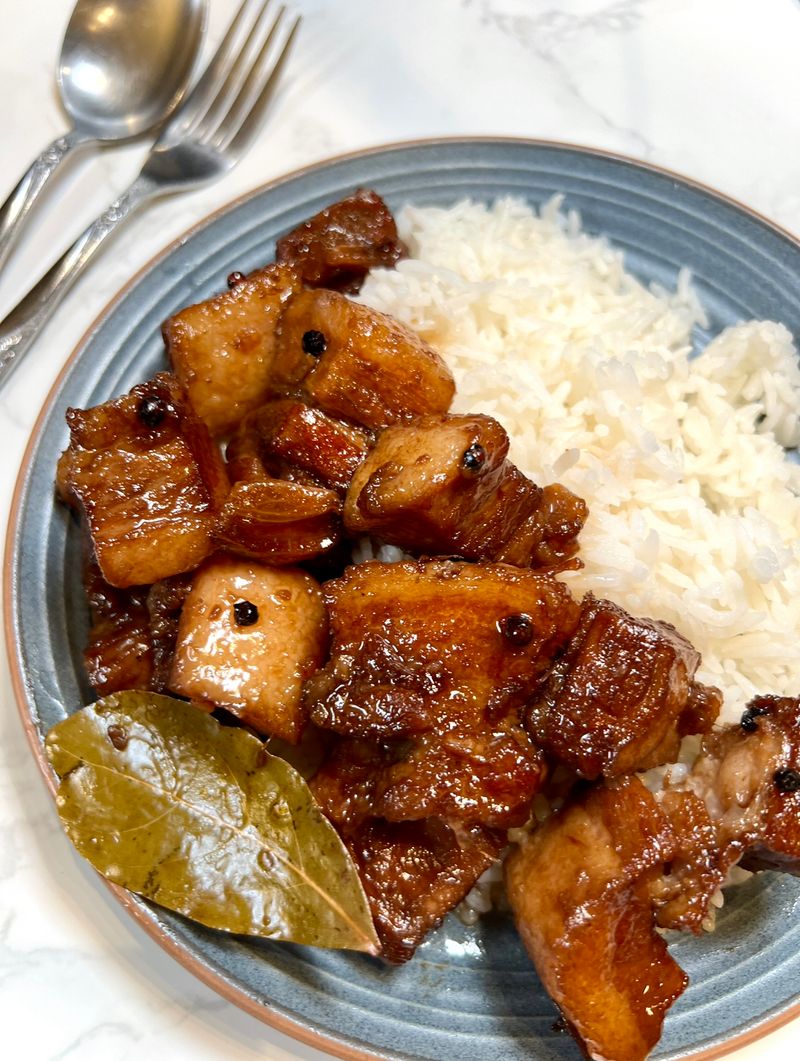
Pork adobo takes the beloved adobo base and turns up the richness. Pork shoulder or belly slowly bathes in vinegar, soy, garlic, bay leaves, and peppercorns until deeply savory.
The fat renders into the sauce, giving it roundness that makes every bite linger.
You can braise low and slow, then fry the pieces briefly for crispy edges. Some families add a pinch of brown sugar to balance acidity, or coconut milk for a creamy Bicol twist.
The result is familiar but undeniably indulgent.
Spoon it over rice and let the sauce sink in. A squeeze of calamansi cuts through perfectly.
It is the kind of hearty, crowd-pleasing dish that anchors celebrations and weeknights alike.
3. Sinigang Na Baboy
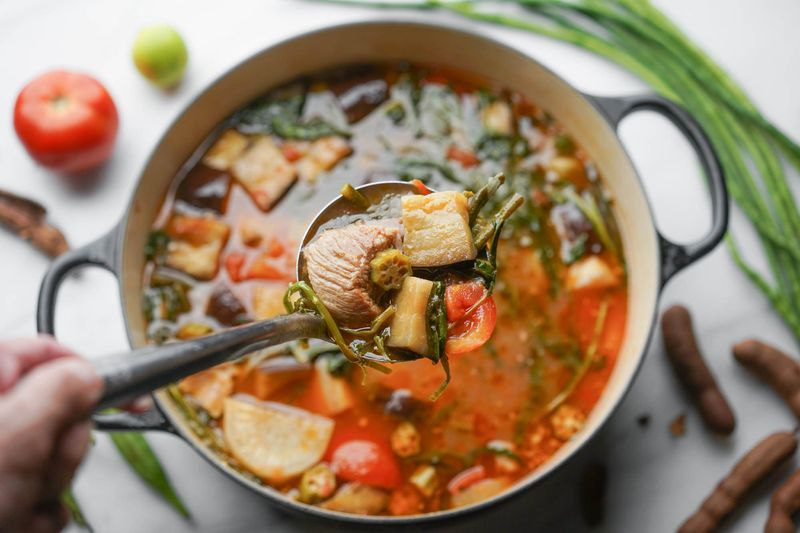
Sinigang na baboy is comfort wrapped in a sour hug. Tamarind leads the broth, making pork ribs, radish, eggplant, and kangkong taste clean and alive.
That signature asim wakes up the palate and resets your mood on rainy days.
You can dial tartness using fresh sampalok, sinigang mix, or green mangoes when in season. Tomatoes deepen the base, while long simmering turns pork tender.
Some add gabi to thicken the soup slightly and make it feel luxurious.
Serve steaming alongside rice so you can sip, bite, then sip again. A green chili can add gentle heat without stealing the show.
It is homey, bright, and endlessly slurpable.
4. Nilagang Baka
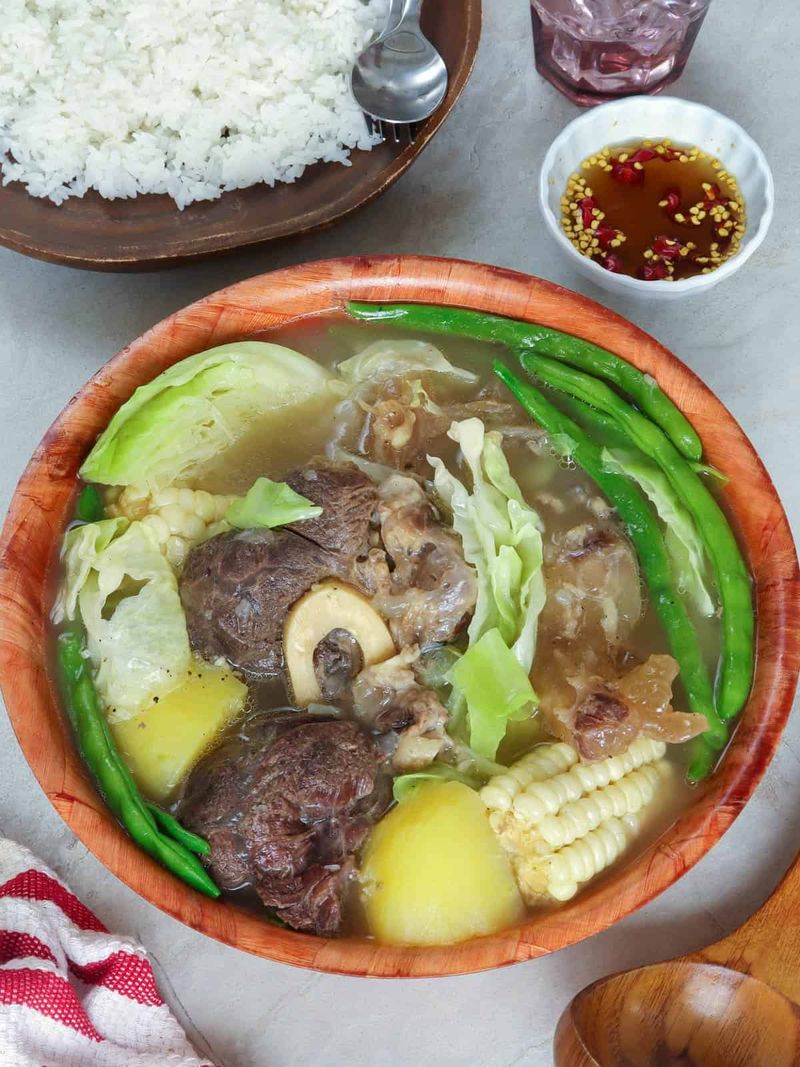
Nilagang baka is all about gentle clarity. Beef shanks simmer until the broth turns golden and soothing, then potatoes, corn, and cabbage join to round it out.
Every spoonful tastes straightforward and honest, like a quiet conversation at the table.
Keep the seasoning simple so the beef can shine: salt, whole peppercorns, maybe a touch of fish sauce. Skim the broth as it simmers for that clean finish.
Some add saba bananas for subtle sweetness that plays beautifully with the savory notes.
Serve with rice and patis with calamansi on the side. It is a bowl that invites second helpings.
Easy to make, even easier to love.
5. Tinola
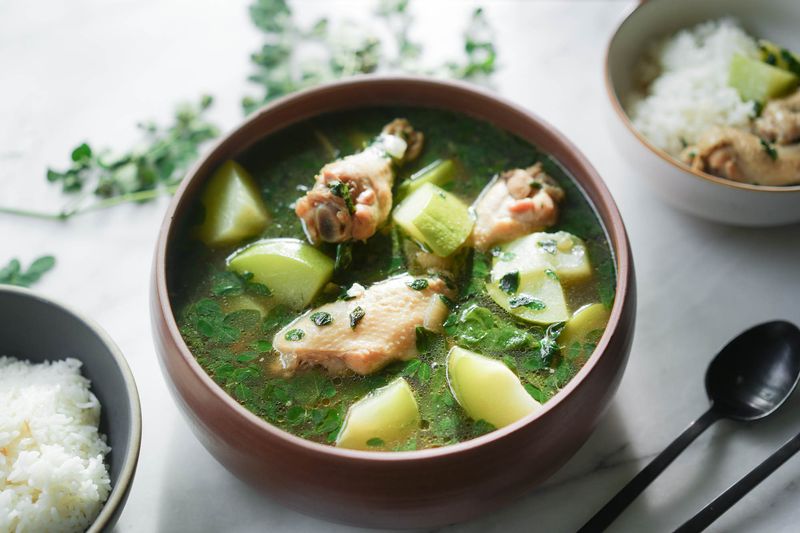
Tinola feels like a good night’s rest in a bowl. Ginger-scented broth surrounds tender chicken, green papaya or sayote, and handfuls of malunggay.
The flavors are light but deeply satisfying, ideal when you want nourishment without heaviness.
Start by sautéing garlic, onion, and ginger to bloom their perfume, then build with broth and chicken. Add papaya when the chicken is nearly tender so it stays pleasantly firm.
Finish with greens right before serving to keep them vibrant.
A squeeze of calamansi lifts everything. Pair with rice to soak up the fragrant broth.
It is perfect for quiet evenings, gentle recoveries, and easy family dinners that still feel special.
6. Kare-Kare
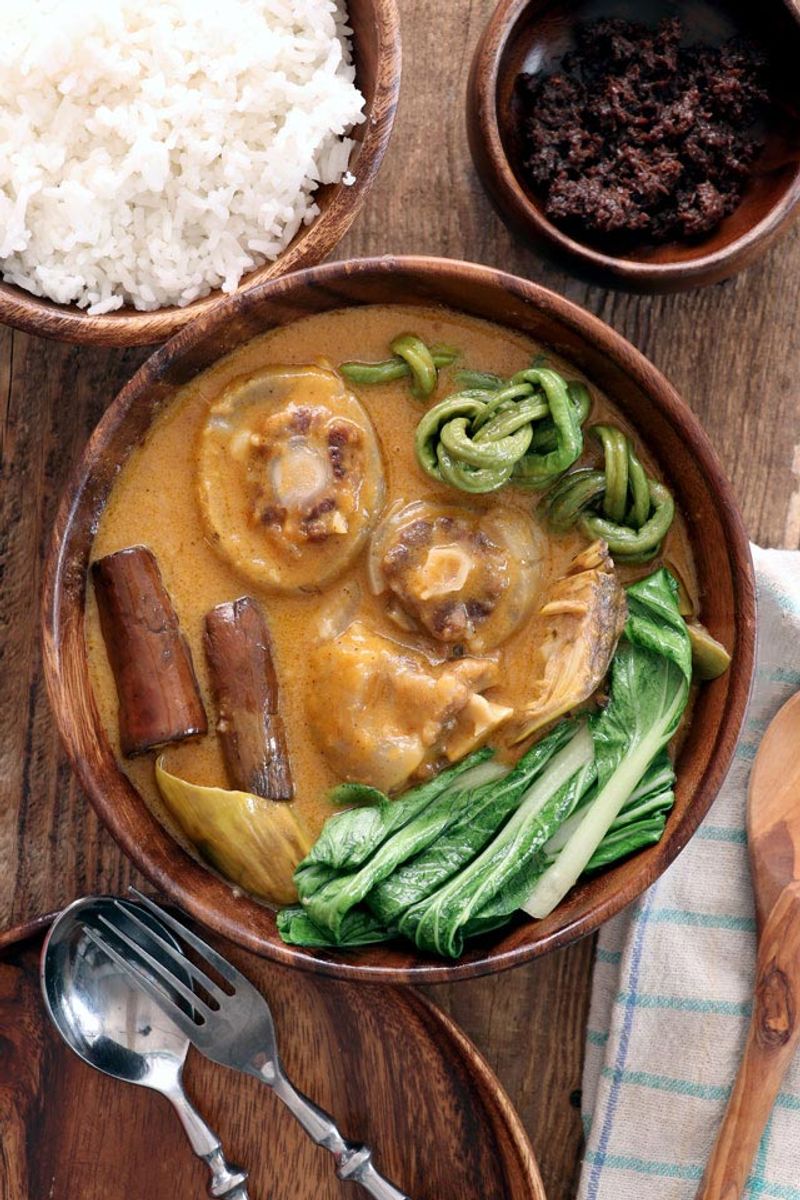
Kare-kare is a celebration of texture and sauce. Oxtail, tripe, or beef shank simmer until tender, then meet a velvety peanut gravy colored by annatto.
On the side, bagoong adds salty funk that turns every bite into a balanced story.
The trick is coaxing depth from roasted peanuts or peanut butter, plus patient simmering. Vegetables like long beans, eggplant, and pechay bring freshness and color.
Serve components separately so everyone can build perfect spoonfuls.
It is generous food meant for gatherings. Spoon sauce over rice, add meat, tuck in veggies, then dot with bagoong.
Each bite lands creamy, savory, and just a little sweet, inviting you back again.
7. Pinakbet
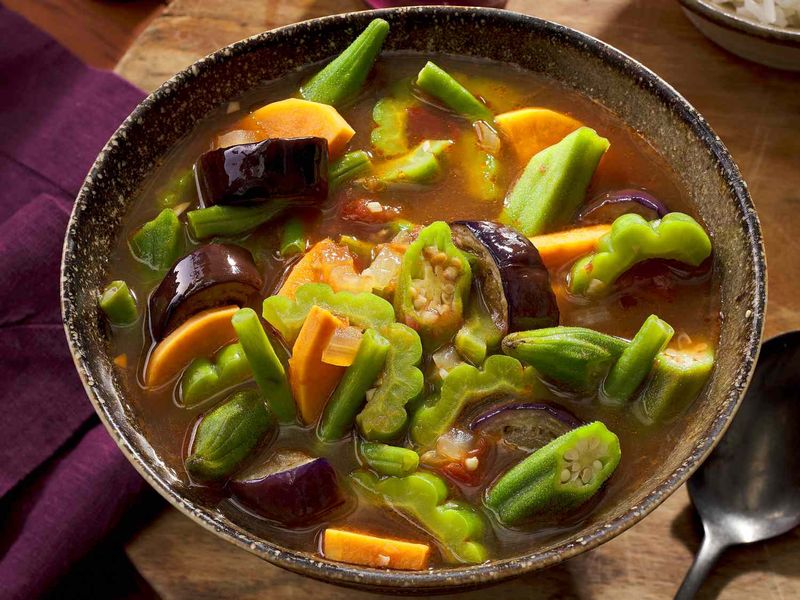
Pinakbet tastes like the garden speaking. Squash, eggplant, okra, and bitter melon simmer with tomatoes and bagoong, creating a savory, earthy medley.
Bitterness finds balance against sweetness from squash and umami from shrimp paste.
Cut vegetables evenly and do not over-stir so they hold their shapes. Some families add pork belly for richness, others keep it purely vegetable-forward.
Either way, it becomes a colorful platter that eats like comfort and virtue together.
Serve warm with rice, letting the sauce seep into grains. A little chili can lift the flavors without overshadowing the vegetables.
It is humble, nourishing, and proudly traditional, the kind of dish that tastes like homegrown wisdom.
8. Laing
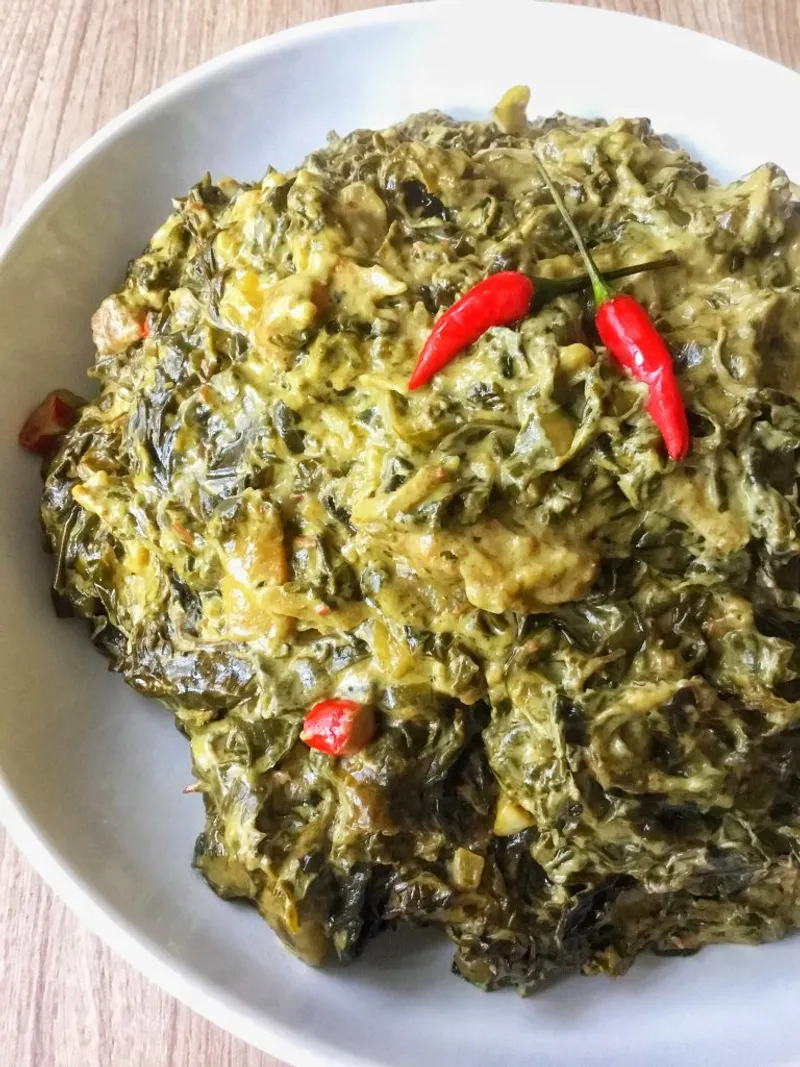
Laing wraps heat and cream in every bite. Dried taro leaves simmer gently in coconut milk with garlic, ginger, onions, and chilies.
The leaves soften into a silky tangle that carries spice and sweetness in equal measure.
Keep the pot gentle so the coconut milk does not split. Some add shrimp paste or dried fish for deeper savoriness, while others stir in small pork pieces.
You can finish with a drizzle of coconut cream for extra gloss and body.
It pairs beautifully with rice and something crunchy on the side. The flavor lingers, warm and comforting.
Laing turns simple pantry staples into something that feels slow, careful, and celebratory.
9. Bicol Express
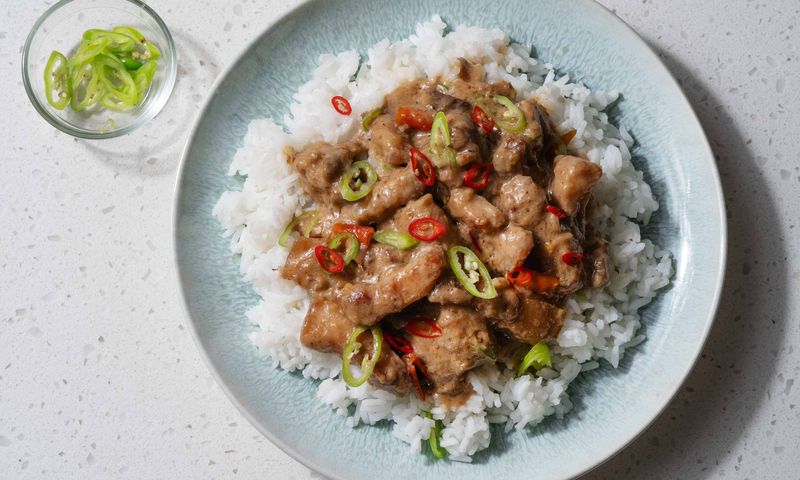
Bicol Express brings creamy fire to the table. Pork simmers in coconut milk with shrimp paste and a parade of chilies, building heat that feels playful rather than punishing.
You get richness first, then spice, then a pleasant echo.
Adjust the chili levels to your comfort and keep the simmer gentle. Some families finish with coconut cream to coat the pork luxuriously.
The shrimp paste seasons everything with deep, oceanic umami that makes rice absolutely necessary.
Serve with a cooling side like sliced cucumbers or tomatoes. A squeeze of calamansi brightens the final bite.
It is a dish that asks for seconds, and maybe a little extra rice for good measure.
10. Pancit Bihon
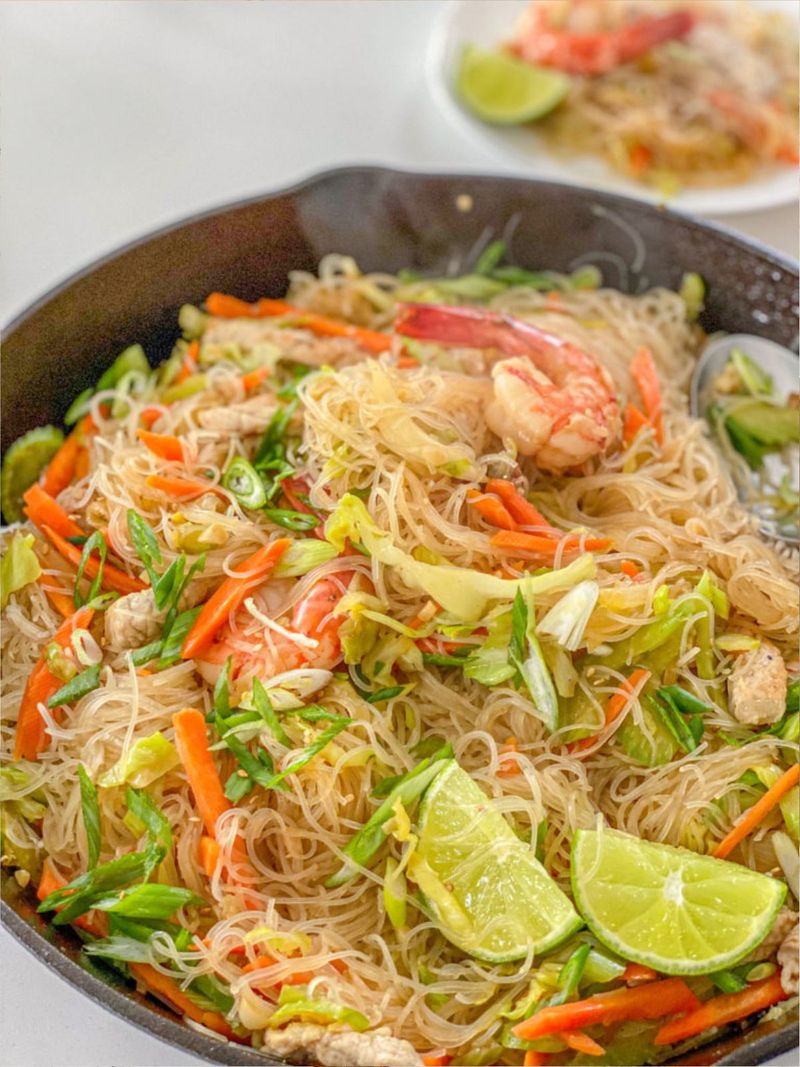
Pancit bihon is the go-to party noodle. Thin rice noodles soak up a savory broth, then mingle with chicken, shrimp, cabbage, carrots, and scallions.
It tastes light yet satisfying, perfect for feeding a crowd without weighing anyone down.
The secret is seasoning the stock well before the noodles drink it up. Keep a little bite in the vegetables for texture.
Finish with calamansi so every forkful pops with citrusy brightness.
Serve on a wide platter for easy sharing. You can swap proteins or go full veggie and it still sings.
There is a reason it shows up at birthdays and gatherings: it just makes people happy.
11. Pancit Canton
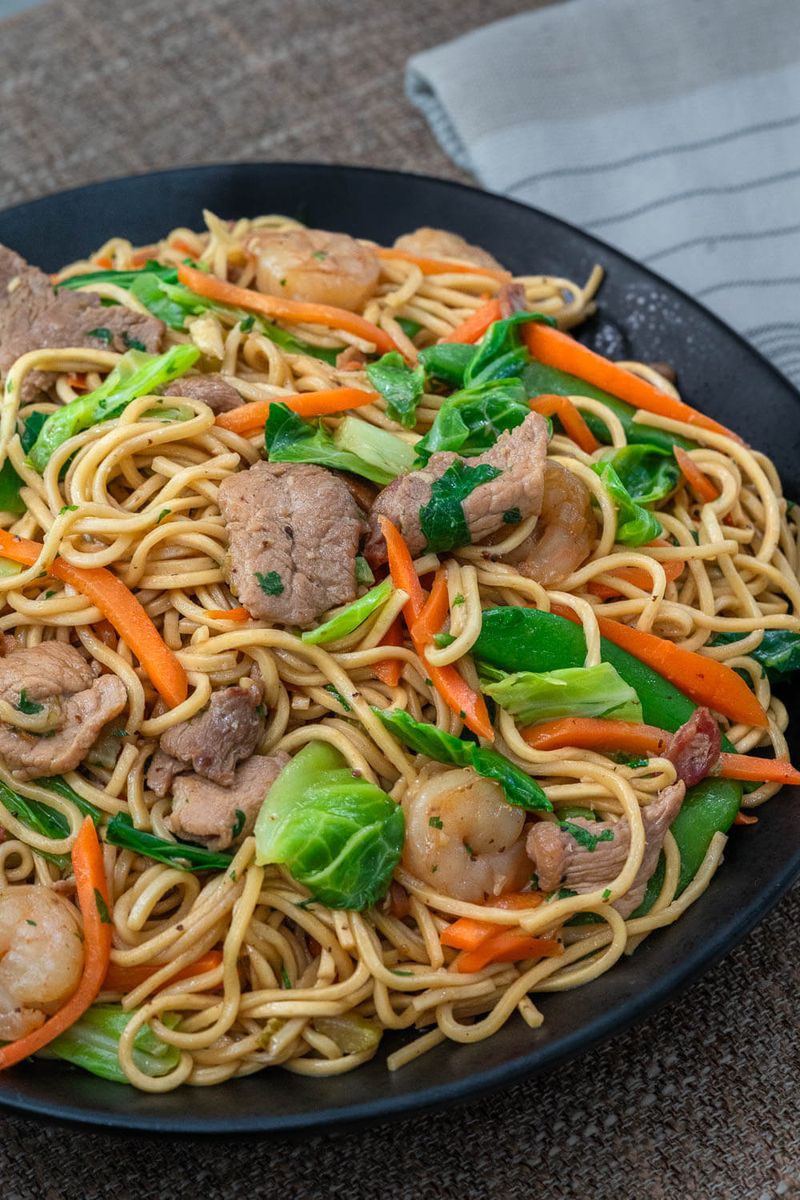
Pancit canton delivers big, wok-kissed flavor. Chewy egg noodles tangle with pork, shrimp, and crisp vegetables under a glossy soy-oyster sauce.
It is richer and bolder than bihon, with a savoriness that clings to every strand.
Get the wok hot so ingredients sear quickly and keep their snap. Toss confidently, adding stock only as needed to loosen.
A dash of sesame oil at the end gives aroma, while calamansi cuts through like a friendly cymbal crash.
Serve immediately so the noodles stay springy. Everyone has a favorite version, and yes, yours can be the right one.
It is weeknight quick but celebration worthy.
12. Lumpiang Shanghai

Lumpiang shanghai disappears fast, so make extra. Thin wrappers hug a seasoned pork filling with garlic, onion, carrots, and a touch of soy.
Fried until shatter-crisp, they practically beg for a dunk in sweet chili sauce or banana ketchup.
Keep the rolls tight so they cook evenly and do not leak. Freeze extras before frying to make gatherings easier.
Some families add water chestnuts for crunch or shrimp for sweetness, and both work beautifully.
Serve as a snack, appetizer, or star of the potluck table. They are friendly to picky eaters and adventurous ones alike.
Every bite is noisy, fun, and satisfyingly familiar.
13. Lumpiang Sariwa
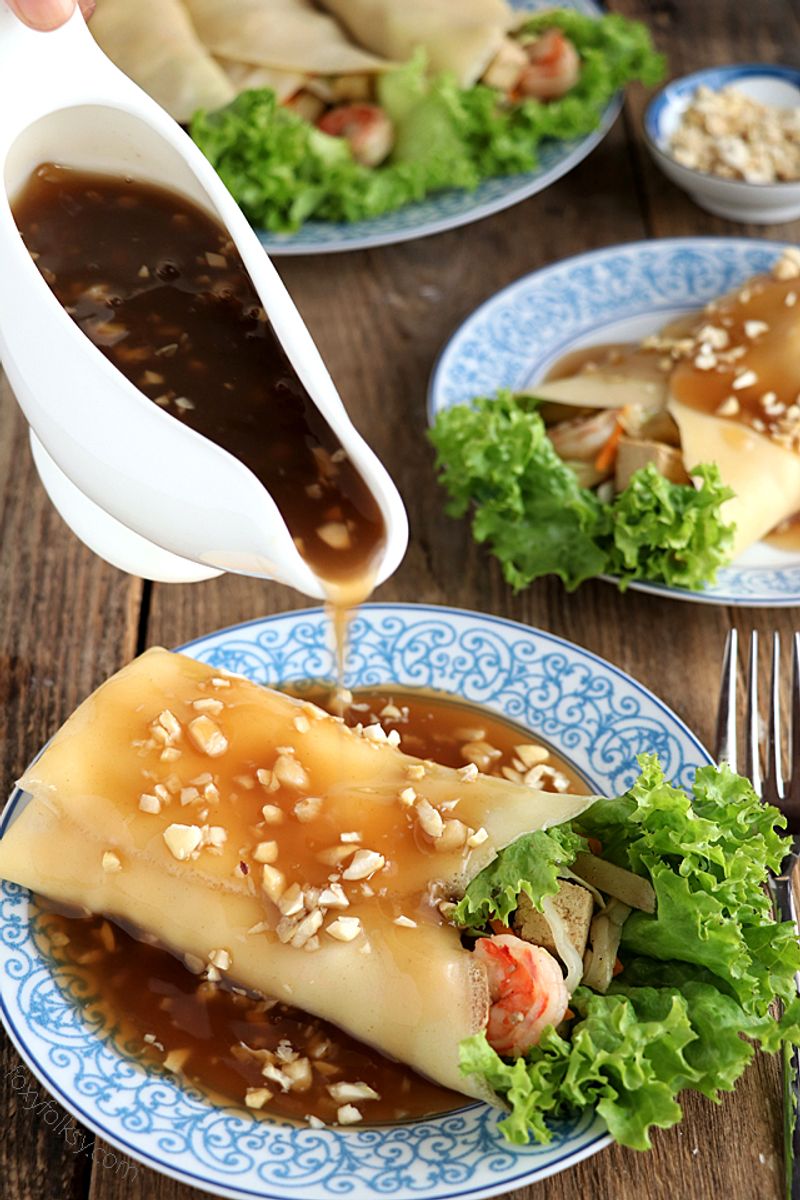
Lumpiang sariwa is the gentle cousin to the fried rolls. Soft crepe wrappers cradle sautéed vegetables, sometimes tofu or shrimp, then get blanketed in a sweet-savory peanut-garlic sauce.
Crushed peanuts on top add welcome crunch.
Cook the filling just until tender so it stays vibrant. The wrapper should be thin and flexible, more like a tender pancake than a tortilla.
Keep the sauce glossy and pourable so it coats without drowning.
Serve immediately for best texture. Lettuce leaves add freshness and help keep things tidy as you bite.
It feels special and homey at once, the kind of dish that turns a simple lunch into an occasion.
14. Arroz Caldo
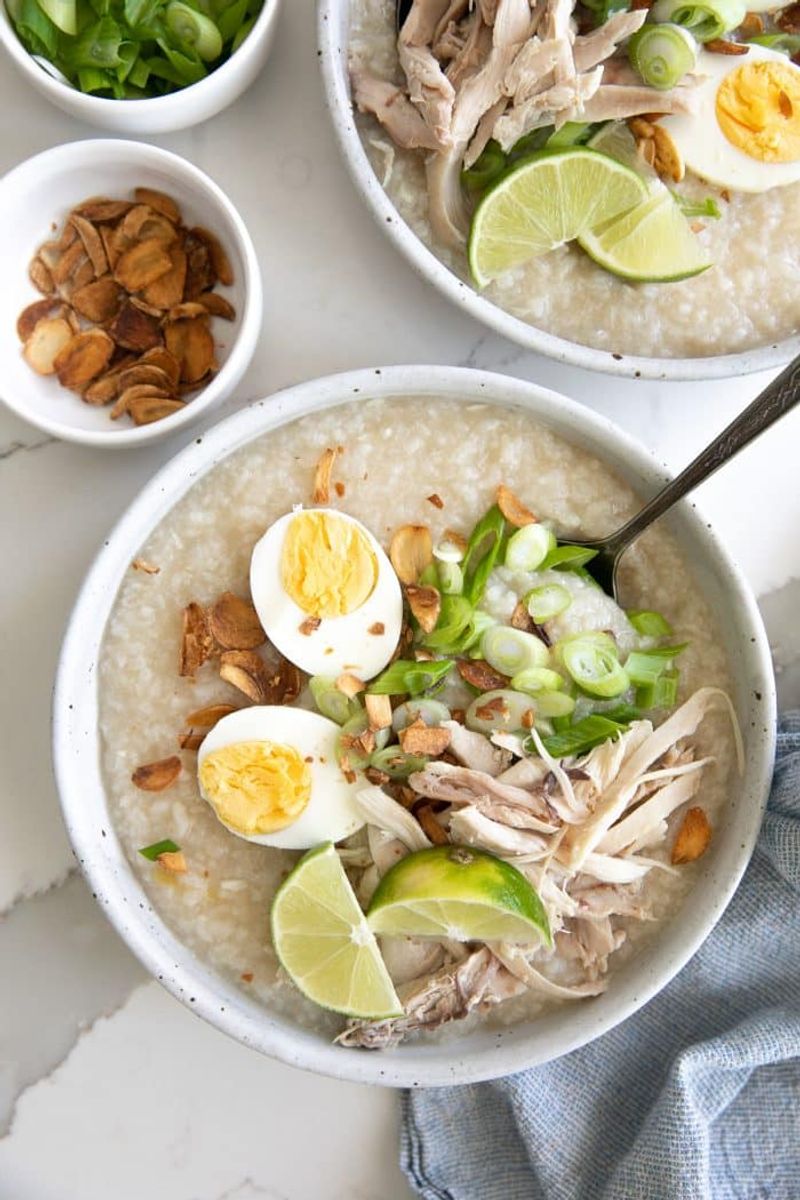
Arroz caldo is a hug disguised as porridge. Rice slowly breaks down in a gingery chicken broth, turning silky and soothing.
Fried garlic, scallions, and a soft egg make each spoonful layered and comforting.
Toast the rice briefly with aromatics before adding stock for deeper flavor. Stir often to prevent sticking and to coax that creamy body.
A squeeze of calamansi right before eating brightens the bowl perfectly.
It is ideal for chilly mornings, late nights, or when you need gentle fuel. Serve with extra patis on the side if you like.
Simple ingredients, patient cooking, and a finish that tastes like care.
15. Tapsilog
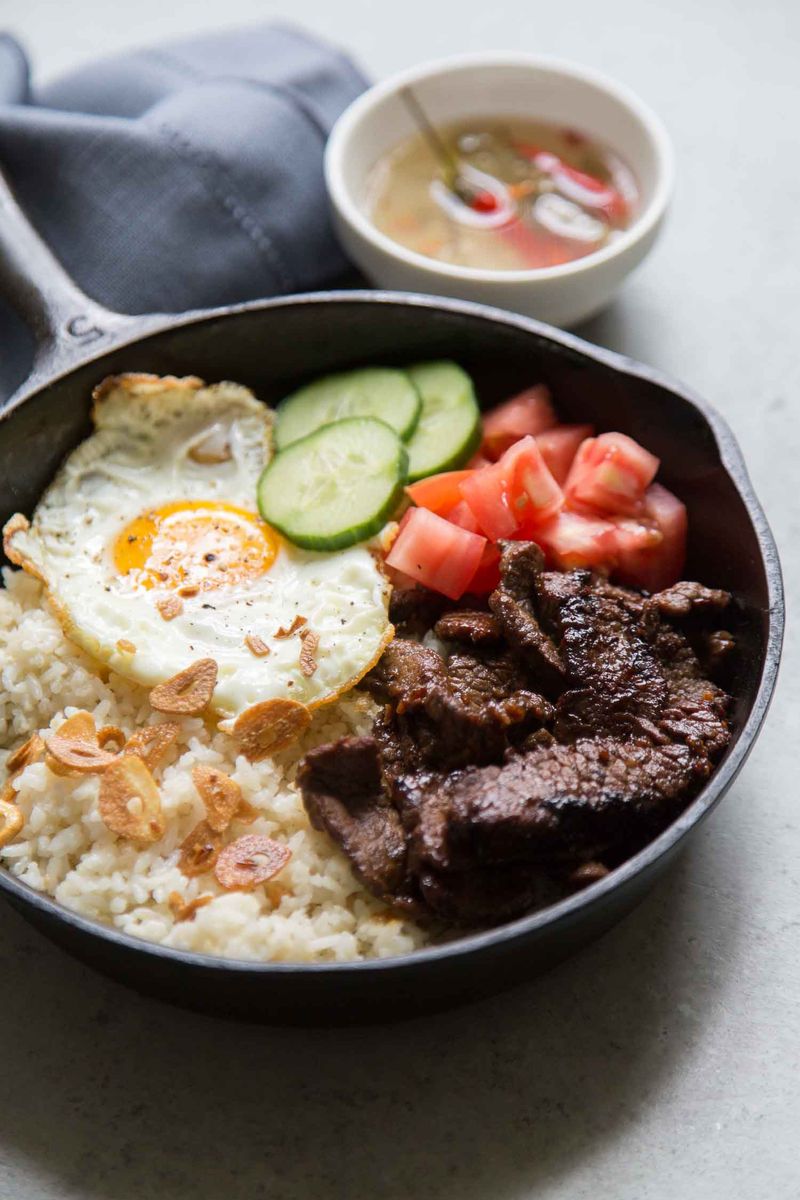
Tapsilog is breakfast that means business. Savory-sweet tapa sits beside garlicky sinangag and a runny fried egg.
Break the yolk, swipe beef through it, and you understand why mornings feel brighter.
Marinate the beef with soy, calamansi, garlic, sugar, and pepper until the flavor sinks deep. Pan-fry hot for caramelized edges.
The rice should be day-old for ideal texture, tossed quickly with lots of garlic.
Add tomatoes, atchara, or vinegar on the side for contrast. It is a full plate with balance and intention.
You leave the table satisfied, energized, and maybe plotting tomorrow’s repeat.
16. Lechon Kawali
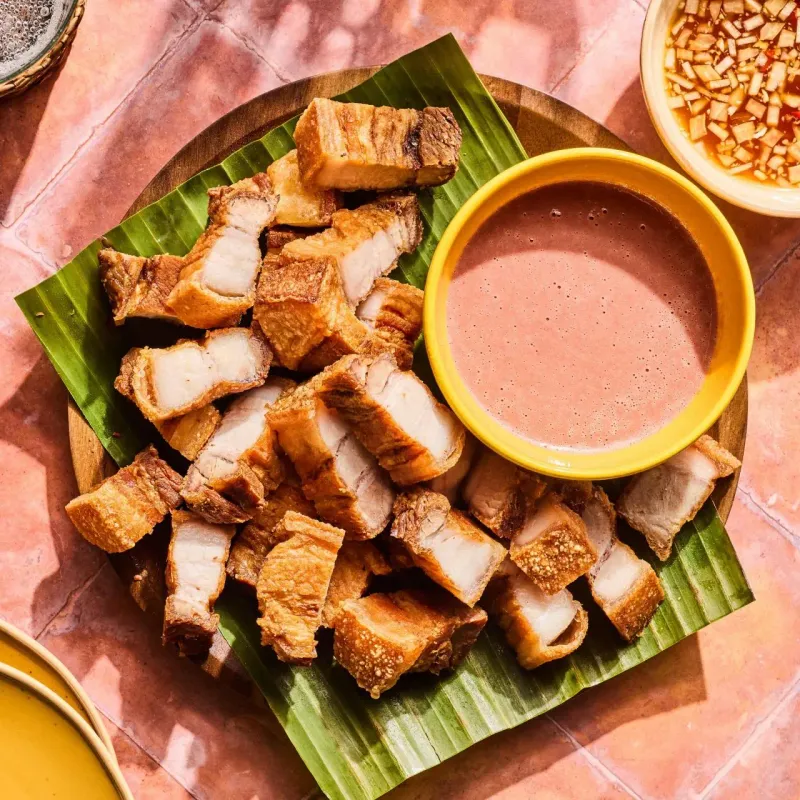
Lechon kawali is pure crispy joy. Pork belly is simmered until tender, dried thoroughly, then deep-fried until the skin turns audibly crackly.
Underneath, the meat stays juicy, a contrast that keeps you reaching.
Patience is everything: dry the pork well, control the oil temperature, and rest before slicing. Some air-dry in the fridge overnight for extra crunch.
Dips vary, from classic lechon sauce to spiced vinegar that cuts the richness.
Serve as a centerpiece with rice and a bright salad. The first bite is a small celebration.
It is hard to stop, so plan generously and invite help finishing the platter.
17. Halo-Halo
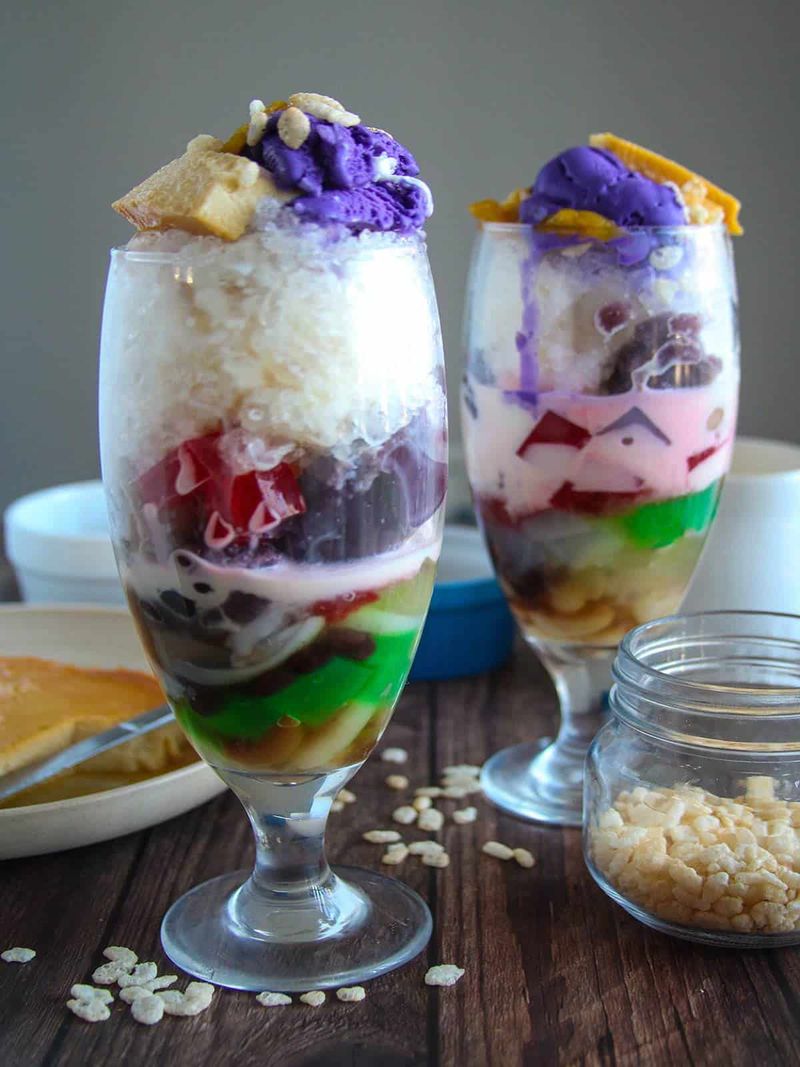
Halo-halo is dessert as a party. A tall glass packs sweet beans, jellies, preserved fruits, shaved ice, and evaporated milk.
A crown of ube ice cream and leche flan makes it impossible to resist.
Stir until the colors blur and every spoonful surprises. Texture is the thrill here: creamy, chewy, icy, and crunchy at once.
You set the pace, finding new combinations as you go.
Perfect on hot afternoons or anytime you want cheer in a glass. It is playful but grounded in tradition.
One sip of that milky ice and you understand why it is beloved everywhere.