17 Foods That Work Surprisingly Well On A Pizza Stone
Most people buy a pizza stone for one job, then leave a lot of crispy potential on the table. That slab of blazing hot ceramic can transform everyday foods with better browning, faster cooking, and way more texture.
If you love anything with dough, cheese, or a good crunch, this is where your oven starts pulling extra weight. Here are the foods that get a serious upgrade when you let the stone do its thing.
1. Frozen pizza
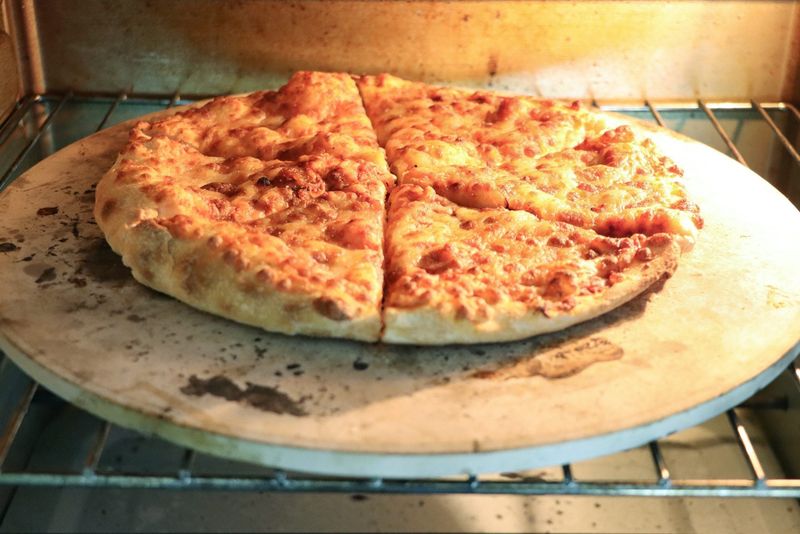
Frozen pizza is the obvious pizza stone win, but it still feels surprisingly dramatic the first time you try it. Instead of a soft, steamy underside, you get a crust that actually browns and crisps like it means business.
The stone’s stored heat hits the dough fast, so the base firms up before the toppings can overcook.
If you’ve ever been disappointed by floppy slices from a standard sheet pan, this is the easiest fix. You just preheat the stone well, slide the pizza on, and let that intense bottom heat do the heavy lifting.
The result tastes closer to takeout than freezer aisle compromise.
2. Reheating leftover pizza
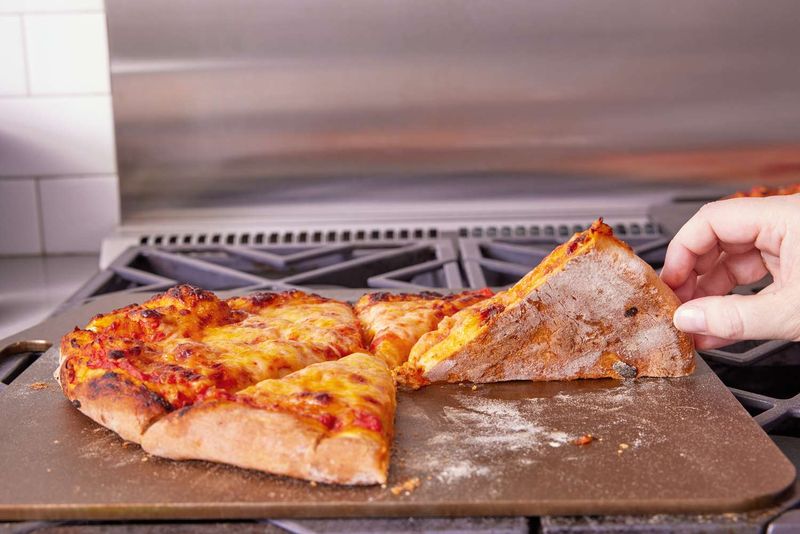
Leftover pizza might be the most underrated use for a pizza stone because it fixes the exact problem reheating usually creates. The crust comes back with real snap instead of turning limp, while the cheese melts smoothly without that microwave rubber effect.
You get a slice that tastes revived, not merely warmed.
I like this method when I want leftovers to feel intentional instead of sad. The stone reheats from below, so the base crisps as the top loosens and bubbles again.
Give it a few minutes in a hot oven, and yesterday’s pizza suddenly tastes like a fresh second chance.
3. Flatbreads and naan
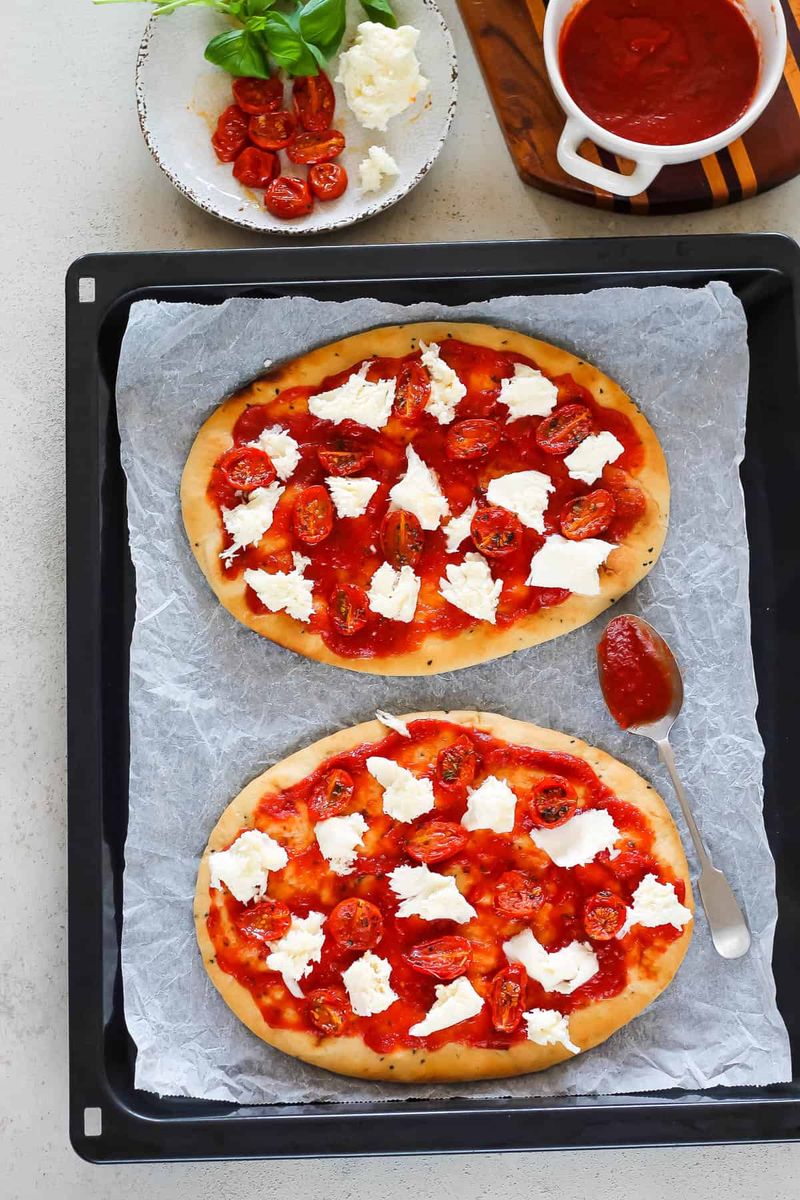
Flatbreads and naan absolutely love a pizza stone because they thrive on fast, aggressive heat. That hot surface creates those little blisters and toasted spots that make homemade versions taste much closer to restaurant bread.
Instead of drying out slowly on a pan, they puff and color quickly.
If you’ve been making naan that tastes good but looks a little pale, the stone changes that instantly. It mimics the intense bottom heat of a tandoor-style bake better than a basic baking sheet ever will.
You end up with bread that’s chewy, lightly smoky, and just crisp enough around the edges.
4. Tortillas
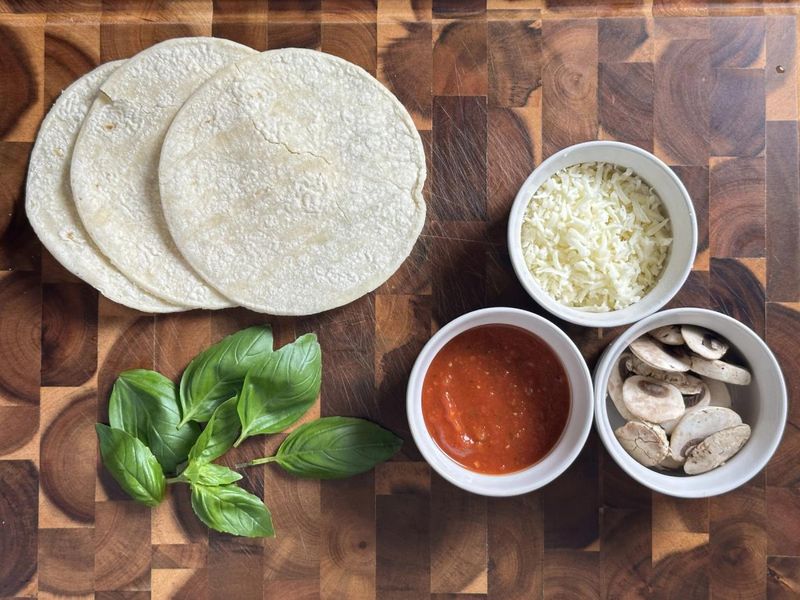
Tortillas seem simple, but a pizza stone makes them taste noticeably better with almost no extra effort. They warm evenly, pick up a few toasted spots, and become flexible without turning damp or leathery.
That subtle toast gives tacos and wraps a little more flavor before you even add fillings.
This works especially well when you’re serving a crowd and need several tortillas hot at once. Instead of juggling a skillet, you can cycle them through the oven quickly and keep the texture consistent.
The result is warm, slightly nutty, and a lot closer to the tortillas you’d hope for at a really good taco spot.
5. Quesadillas
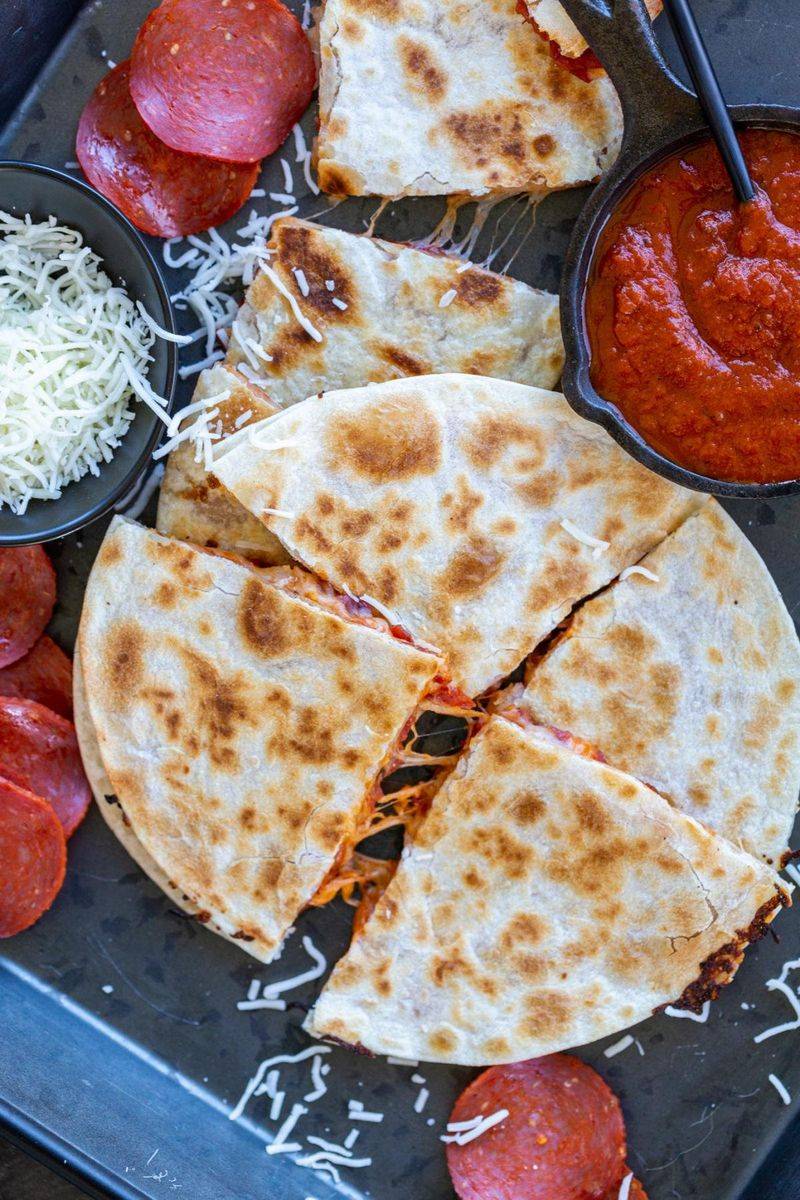
Quesadillas come out beautifully on a pizza stone because the tortilla gets crisp while the cheese melts steadily inside. You avoid the greasy, uneven browning that can happen in a skillet when one spot gets too hot.
The stone gives you a cleaner crunch and a more balanced melt.
If you like quesadillas with a little snap instead of a soft, oily finish, this method is worth trying. You can make them open-faced or folded, and the bottom still gets that satisfying toasted texture.
Slice them right away, and you’ll notice the tortilla stays crisp longer, which makes every bite feel more put together.
6. Grilled cheese
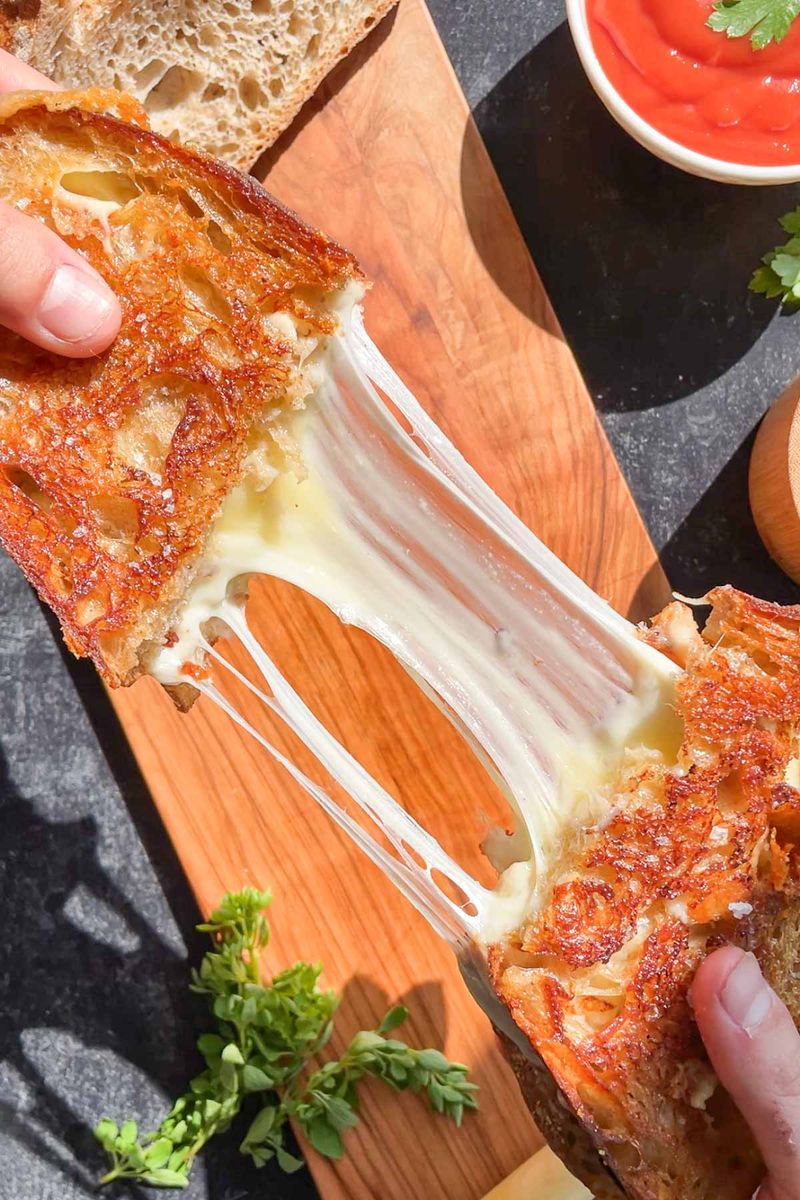
Grilled cheese on a pizza stone sounds unusual until you remember the best part is contrast between crisp bread and molten cheese. The stone crisps the bottom nicely, while the oven heat melts the cheese without scorching one side.
Open-faced versions work especially well and look beautifully bubbly on top.
If you want a more pressed style, you can top it with another pan for extra crunch. That gives you a golden exterior with a gooey center, minus the babysitting a stovetop sandwich usually demands.
It’s an easy trick when you want grilled cheese for more than one person without standing at the stove flipping sandwiches.
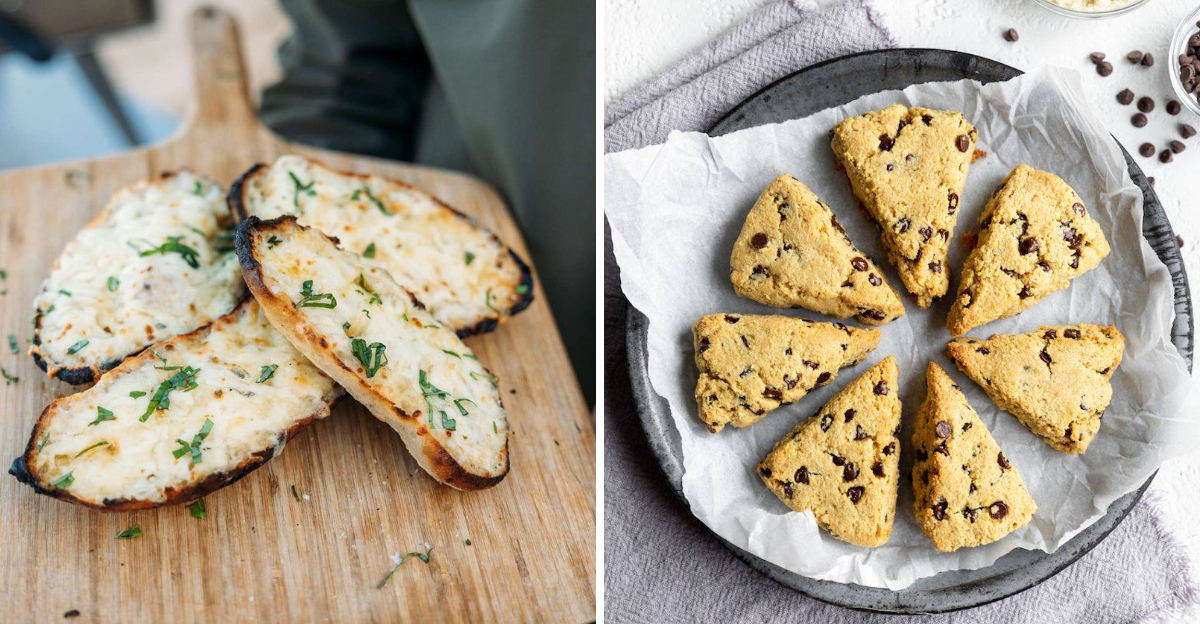
7. Garlic bread
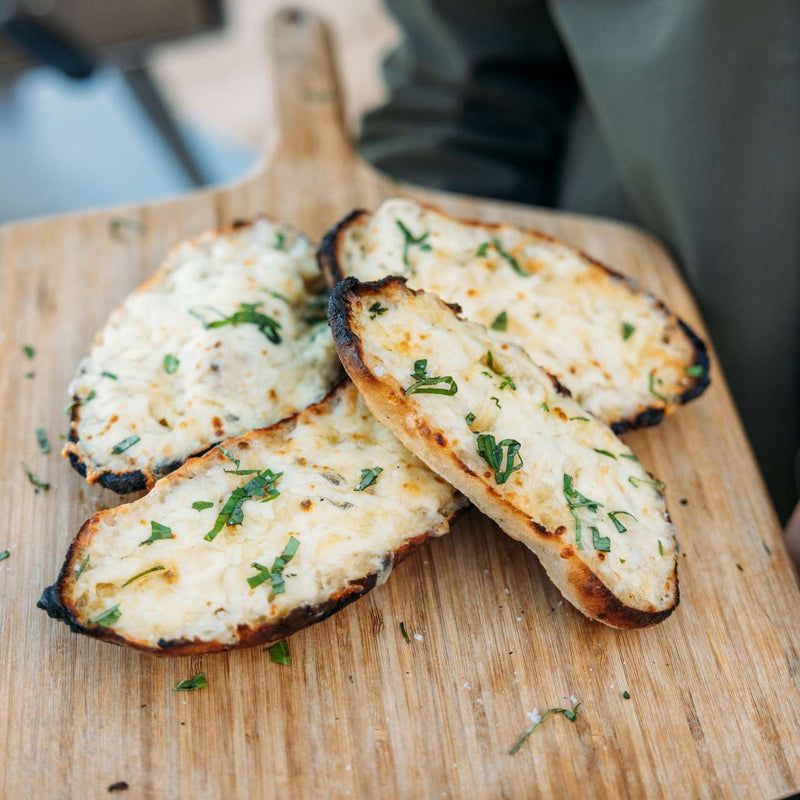
Garlic bread gets a major upgrade from a pizza stone because the bottom crisps before the center has a chance to go floppy. That means buttery, garlicky bread with structure instead of slices that sag the second you pick them up.
The top still browns nicely, but the base finally keeps up.
This is especially useful for thicker Italian bread or homemade loaves that can turn soft in the middle. The stone helps drive off excess moisture and gives each piece a more bakery-style finish.
When you bite in, you get crunch first, then that rich garlic butter flavor, which is exactly how good garlic bread should behave.
8. Homemade bread loaves
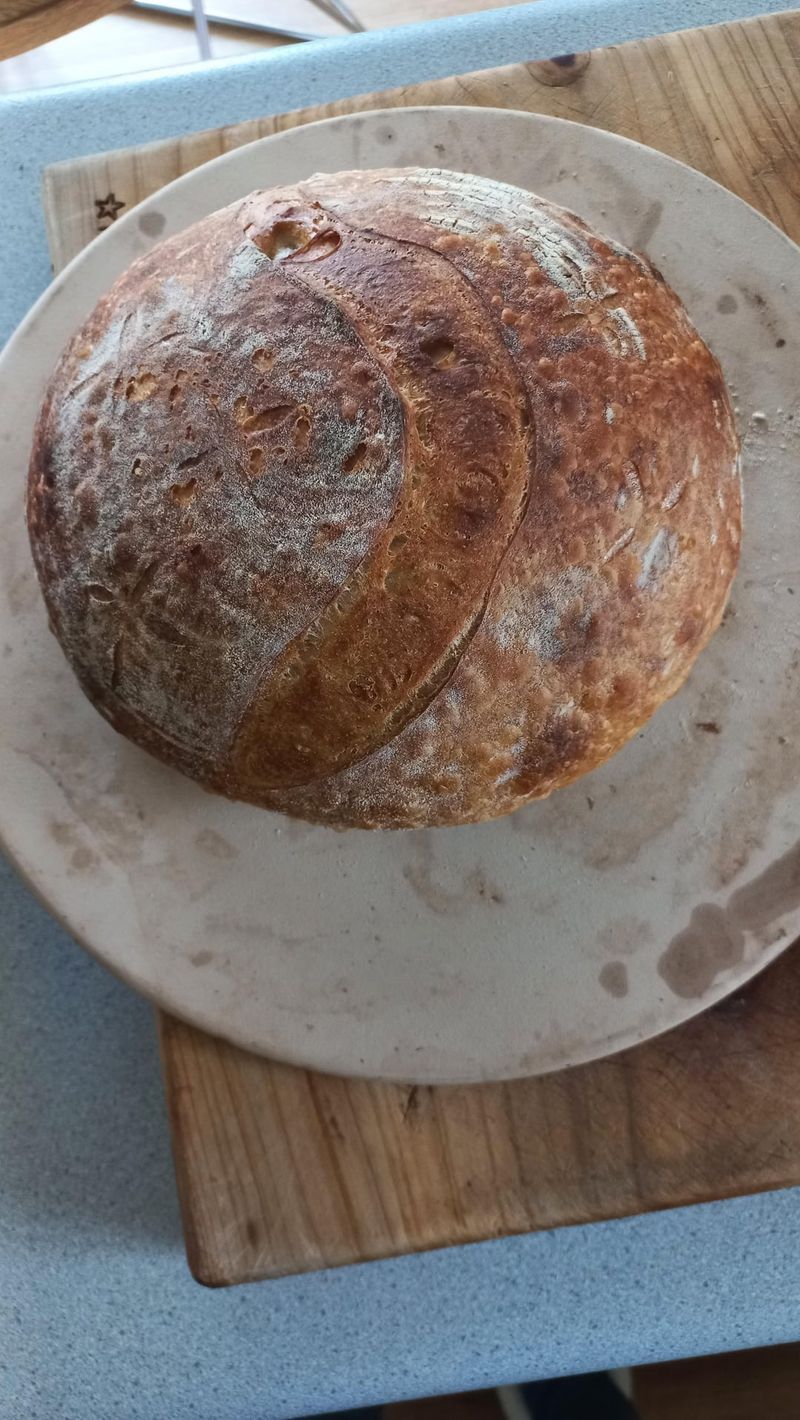
Homemade bread loaves benefit from a pizza stone because it mimics the deck of a bakery oven better than a thin metal pan. That stored heat helps create stronger oven spring, so your loaf rises with more confidence during the first crucial minutes.
You also get a deeper, more developed crust underneath.
If your breads sometimes bake up pale on the bottom or spread more than you’d like, the stone can help. It gives the dough a firm, hot landing spot that supports shape while encouraging better browning.
For rustic boules, bâtards, or even simple sandwich loaves, that extra heat makes the whole bake feel more professional.
9. Dinner rolls
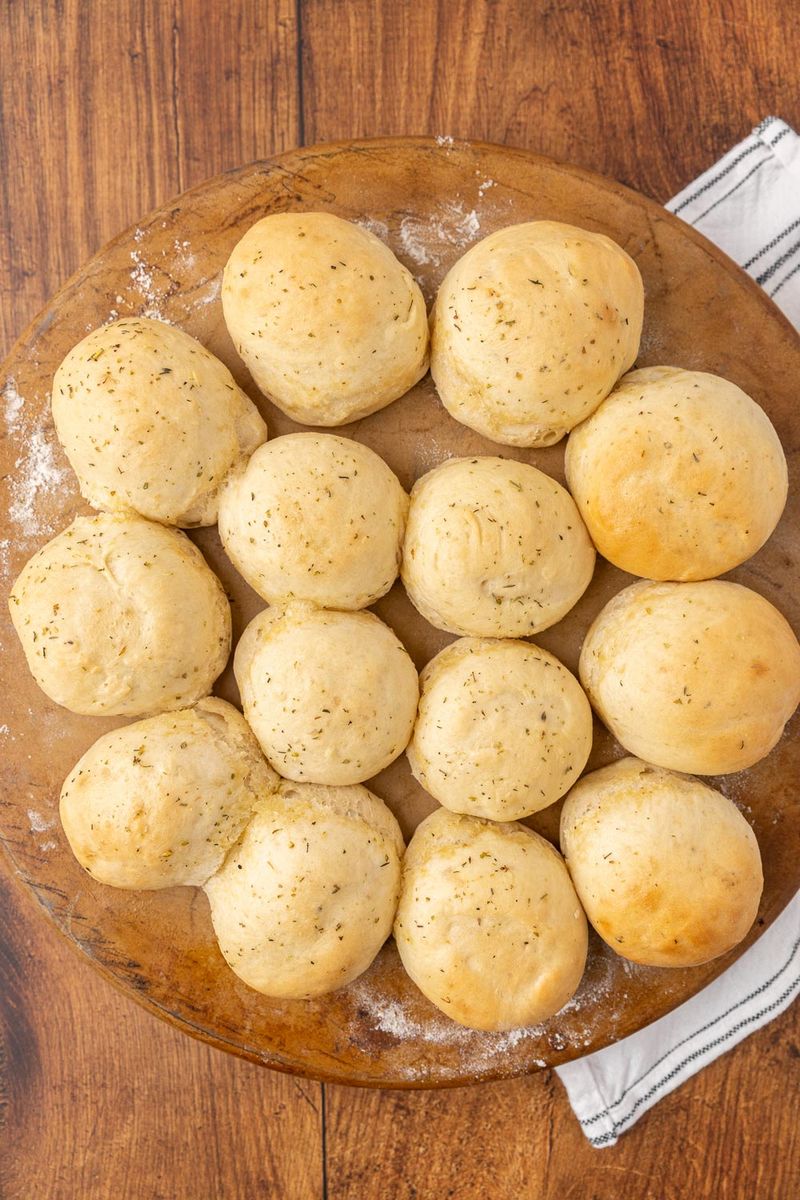
Dinner rolls come out especially nice on a pizza stone because they brown more evenly on the bottom while staying soft inside. That little bit of extra color adds flavor and keeps the rolls from feeling underbaked, especially when they’re packed close together.
Pull-apart styles benefit the most from that steady heat.
If you’ve ever made rolls that looked lovely on top but stayed pale underneath, this is the fix. The stone helps the pan heat more thoroughly, which supports better rise and a more balanced bake.
You still get fluffy centers, but now each roll has enough structure and color to taste as good as it looks.
10. Biscuits
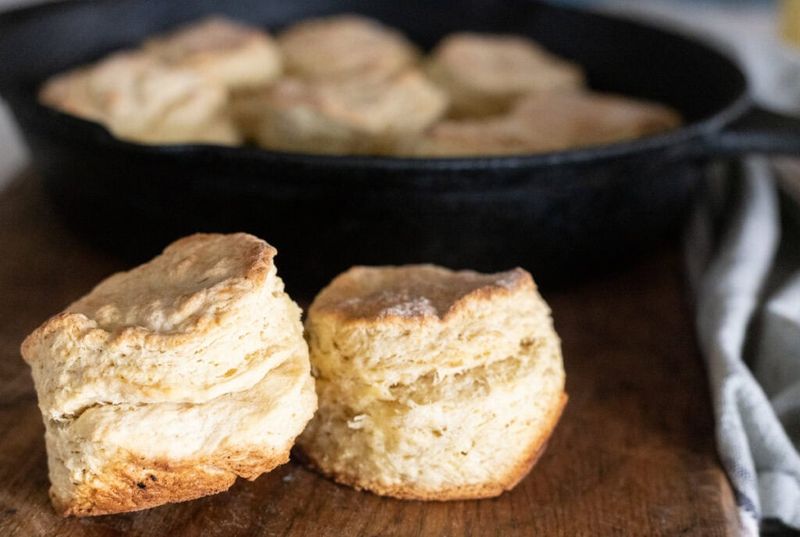
Biscuits, especially canned or drop biscuits, turn out better on a pizza stone because the bottoms finally get some real texture. Instead of staying pale and a little soft, they bake up with a light crispness that contrasts with the fluffy interior.
That balance makes even quick biscuits feel more homemade.
This is one of those small changes you notice immediately after the first bite. The stone’s heat reaches the dough fast, helping the biscuits set and lift before they spread too much.
Whether you’re serving them with breakfast or alongside dinner, that firmer golden base makes them feel more intentional and a lot more satisfying.
11. Scones
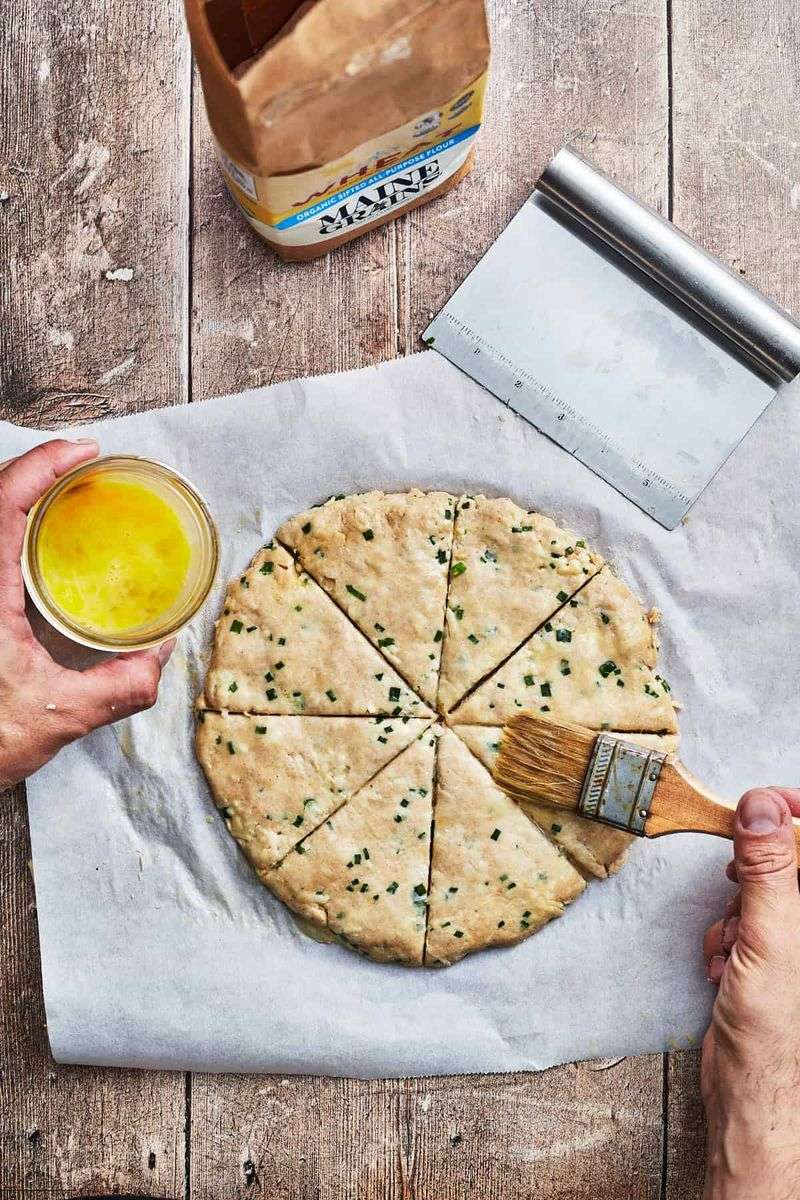
Scones can sometimes bake up a little dense or uneven, which is why a pizza stone is such a helpful surprise. The hot surface encourages a better rise and gives the bottoms a gentle crispness that keeps the texture from feeling heavy.
You still get tender centers, but the overall bake feels lighter.
I find this especially useful for fruit scones or richer versions with cream, since those can stay soft underneath. The stone helps everything set faster and brown more evenly without drying the pastry out.
Serve them warm, and you’ll notice the contrast right away: delicate crumb inside, lightly crisp base outside, and a more polished finish overall.
12. Cookies
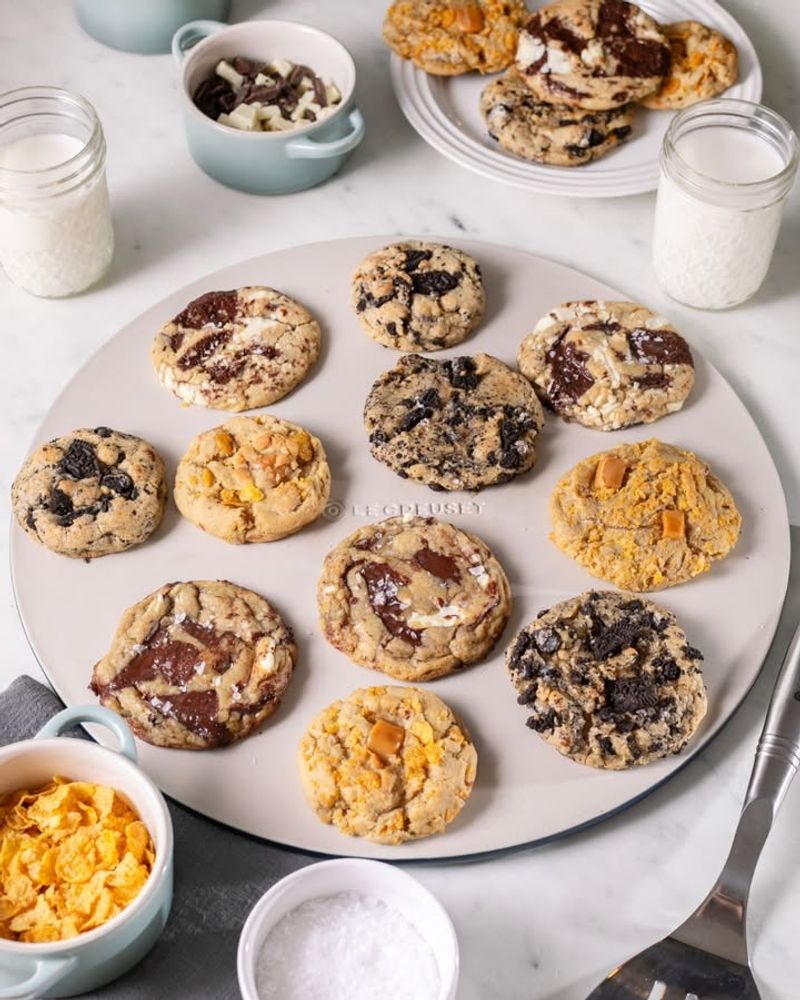
Cookies are a fun pizza stone experiment because the extra retained heat can improve texture in a way you really notice. You often get crisper edges, better spread control, and a slightly deeper bake on the bottoms.
It feels like a small bakery trick hiding in plain sight.
The only real caution is timing, because stone heat can speed up browning faster than you’d expect. I like to check a minute or two early, especially with chocolate chip or sugar cookies.
Once you learn the pace of your oven, the reward is cookies with more contrast between chewy centers and golden edges, which is exactly what many bakers chase.
13. Sheet-pan style nachos
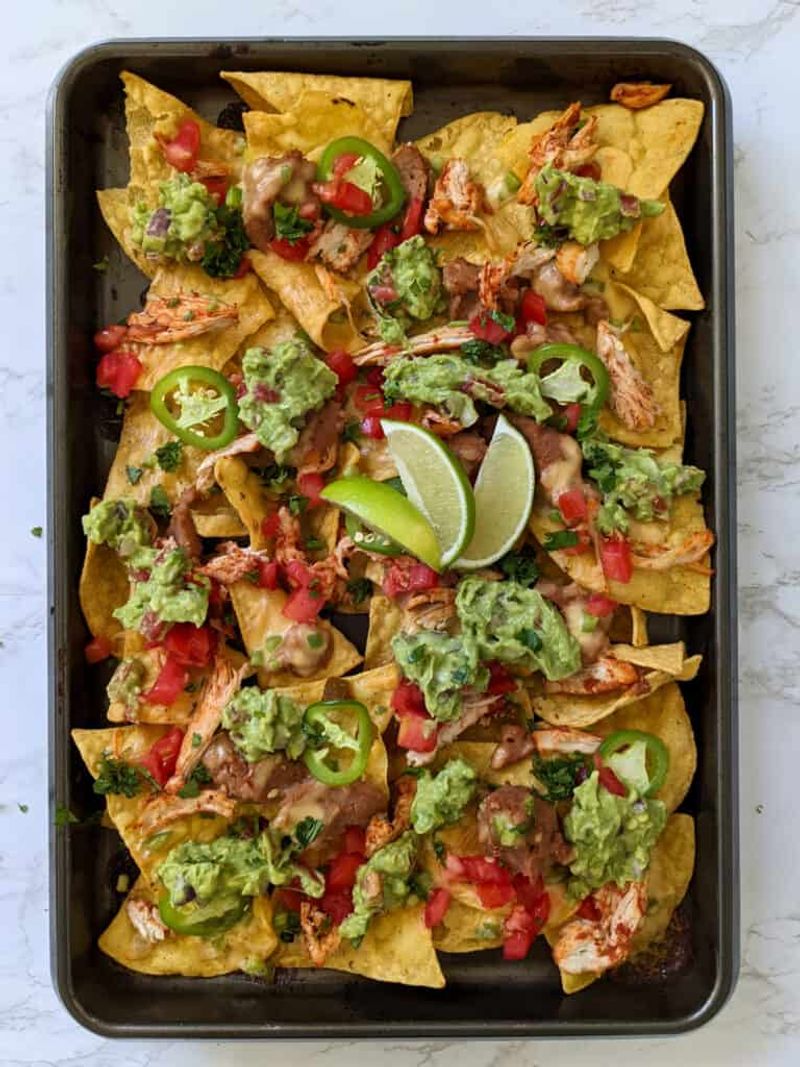
Sheet-pan style nachos work well with a pizza stone because the stone keeps the oven heat steady while the tray gets hotter faster. That means the cheese melts quickly, the toppings warm through, and the chips have a better chance of staying crisp.
You avoid that soggy middle zone nobody wants.
The key is putting the nachos on a metal pan or preheated cast iron, not directly on the stone. That setup uses the stone like a heat booster, creating stronger browning and better overall texture.
If you love nachos with bubbling cheese and still-crunchy chips, this simple trick makes a noticeable difference without changing the ingredients.
14. Roasted vegetables
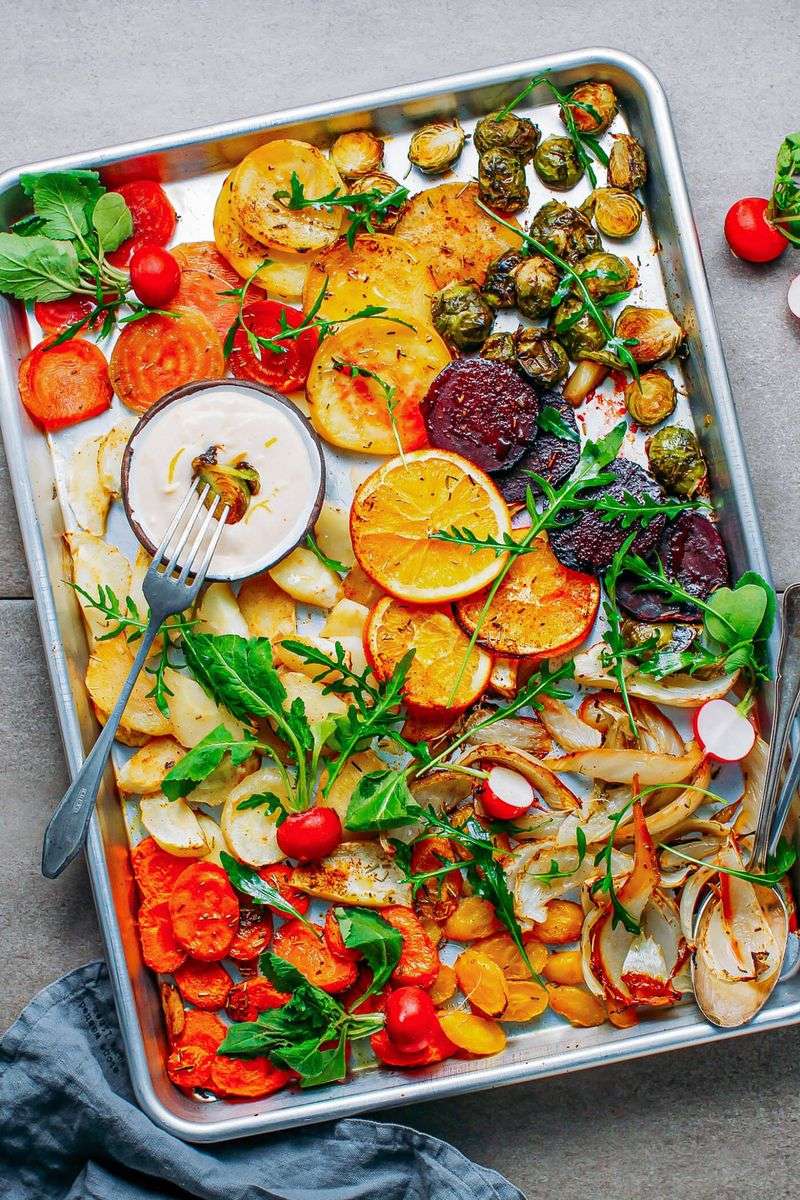
Roasted vegetables benefit from a pizza stone in a slightly indirect but very effective way. Set a sheet pan on the preheated stone, and the pan gets supercharged, which helps vegetables brown faster and caramelize more deeply.
That extra contact heat is amazing for broccoli, cauliflower, and Brussels sprouts.
If your vegetables often steam before they roast, this trick helps push them in the right direction. You get darker edges, more concentrated flavor, and less of that soft, waterlogged texture that can happen on a cooler pan.
It’s a smart move when you want vegetables that taste roasty and bold rather than merely cooked through.
15. Chicken wings
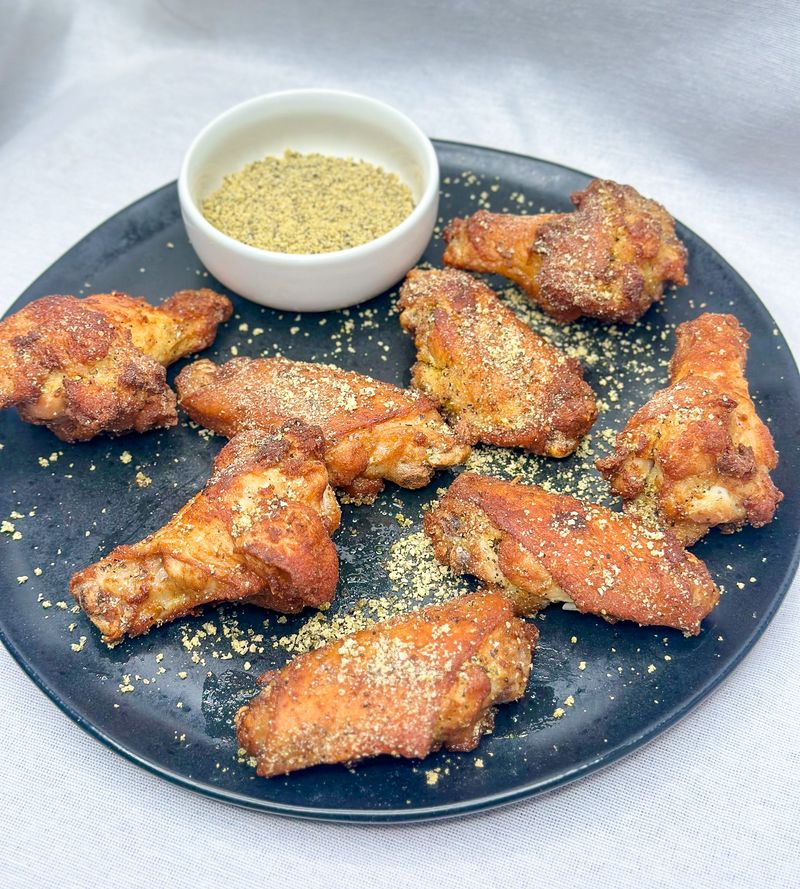
Chicken wings are another smart pizza stone use because the stone helps the oven maintain a more stable blast of heat. That consistency supports crisping, especially when the wings are set on a rack so the rendered fat can drip away.
You get skin that dries and browns instead of steaming in its own juices.
The stone is not touching the wings directly, but it still improves the environment around them. A hot, steady oven matters when you’re chasing crisp skin without frying, and this setup makes that easier.
If you season well and give the wings enough space, the result can be crunchy, juicy, and surprisingly close to a pub-style finish.
16. Pita chips or toasted baguette slices
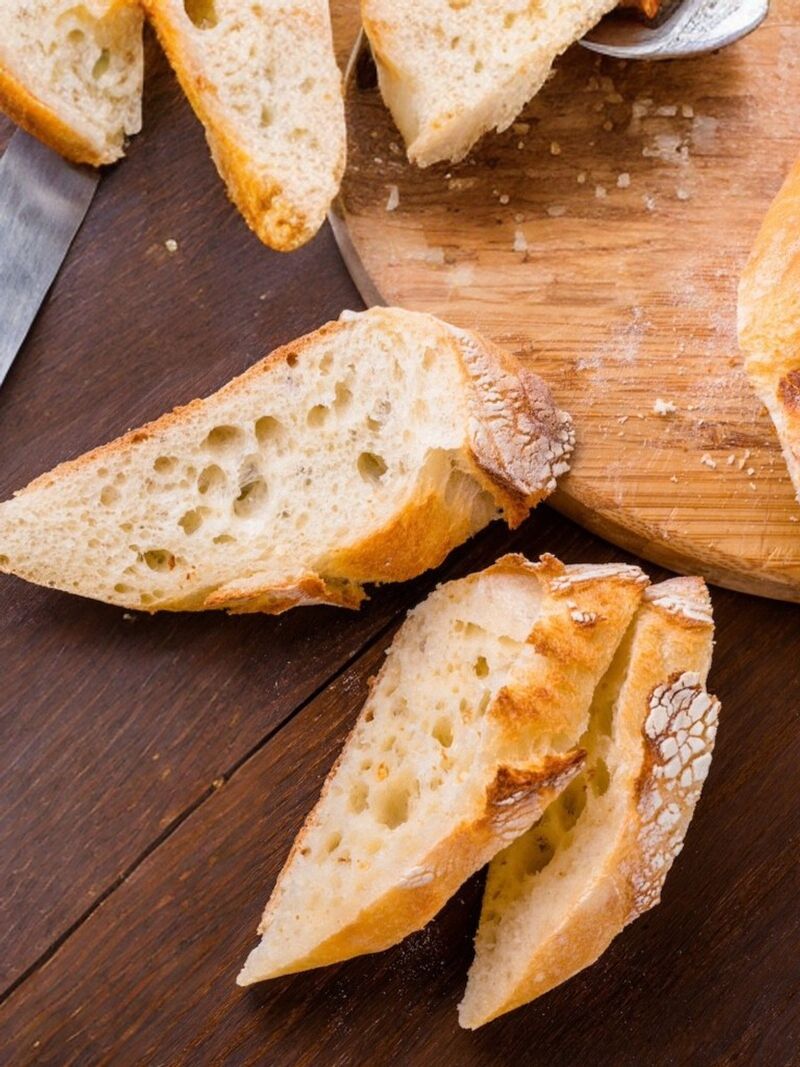
Pita chips and toasted baguette slices are perfect for a pizza stone because they need quick, even heat more than anything else. The stone helps them toast fast without leaving some pieces pale while others go too dark.
That consistency is ideal when you’re building crostini, snack boards, or a last-minute dip spread.
I like this method because it feels efficient and reliable, especially when guests are already on the way. A few minutes on a hot stone gives you crisp edges, good color, and a sturdier texture for toppings or scooping.
It turns basic bread into something that tastes deliberate, crunchy, and much more party-ready.
17. Calzones, stromboli, and hand pies
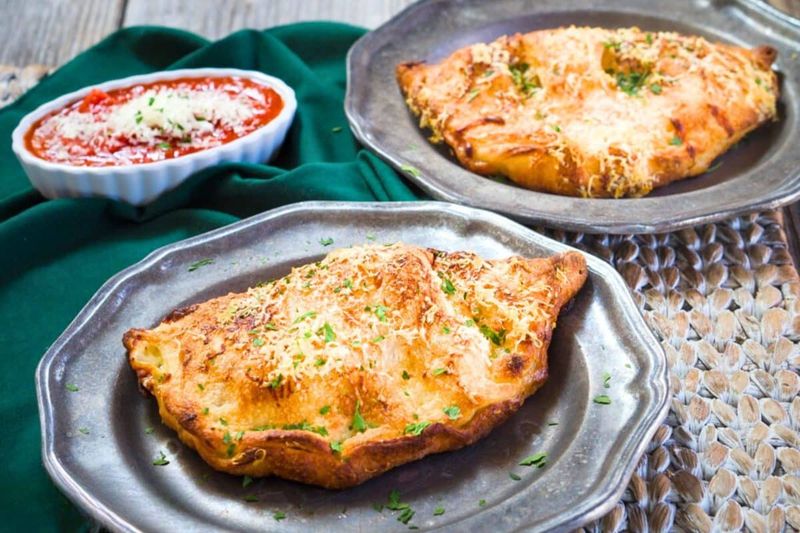
Calzones, stromboli, and hand pies all benefit from a pizza stone because sealed dough needs strong bottom heat to cook through properly. Without it, the exterior can brown while the underside stays pale or the interior remains a little doughy.
The stone helps the whole structure bake more evenly from the start.
This matters even more when the fillings are moist, cheesy, or heavy, since those can slow down the bake. A preheated stone gives the dough a head start, creating a firmer base and better overall color.
When you cut into the finished pastry, you get a crisp shell and fully cooked center instead of a disappointing soggy pocket.