17 Orders Employees At Mexican Restaurants Say Slow Down The Kitchen
Ever wonder why your table is waiting even though the dining room looks calm? Some dishes take a village behind the pass, with timing, textures, and equipment all needing to sync perfectly.
When a few of these tickets stack up, the whole rhythm of the kitchen changes. Here are the orders staff say can stall the line, plus why your patience really helps.
1. Big fajita platters
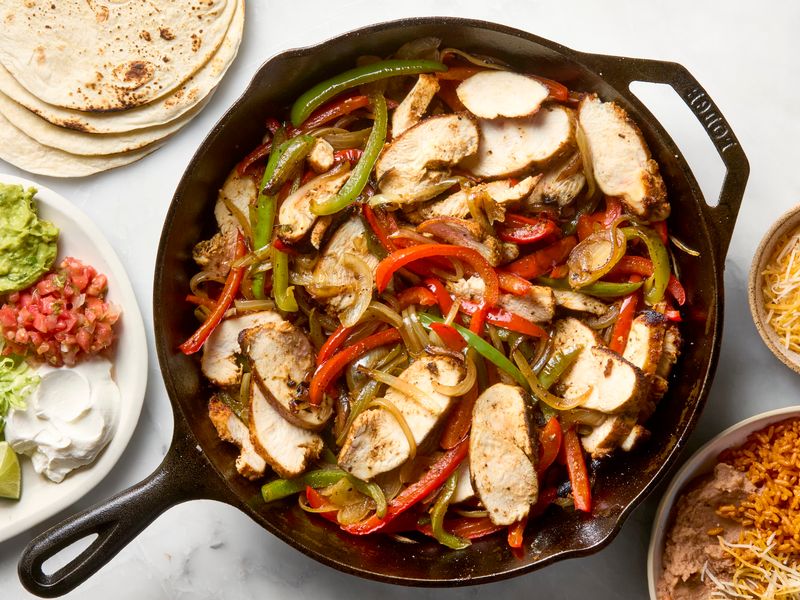
Fajitas feel simple until they all land at once. You need a screaming hot skillet, perfectly charred peppers and onions, and protein cooked to temperature, not guesswork.
Tortillas must be warmed, sides portioned, and the plate assembled right as the pan hits the pass.
Timing is brutal because everything must arrive sizzling yet not overdone. Grill, sauté, and garnish stations collide, stealing space and focus.
When several tables order fajitas together, the line slows while cooks babysit heat, juggle pans, and sprint for tortillas.
2. Chiles rellenos made to order
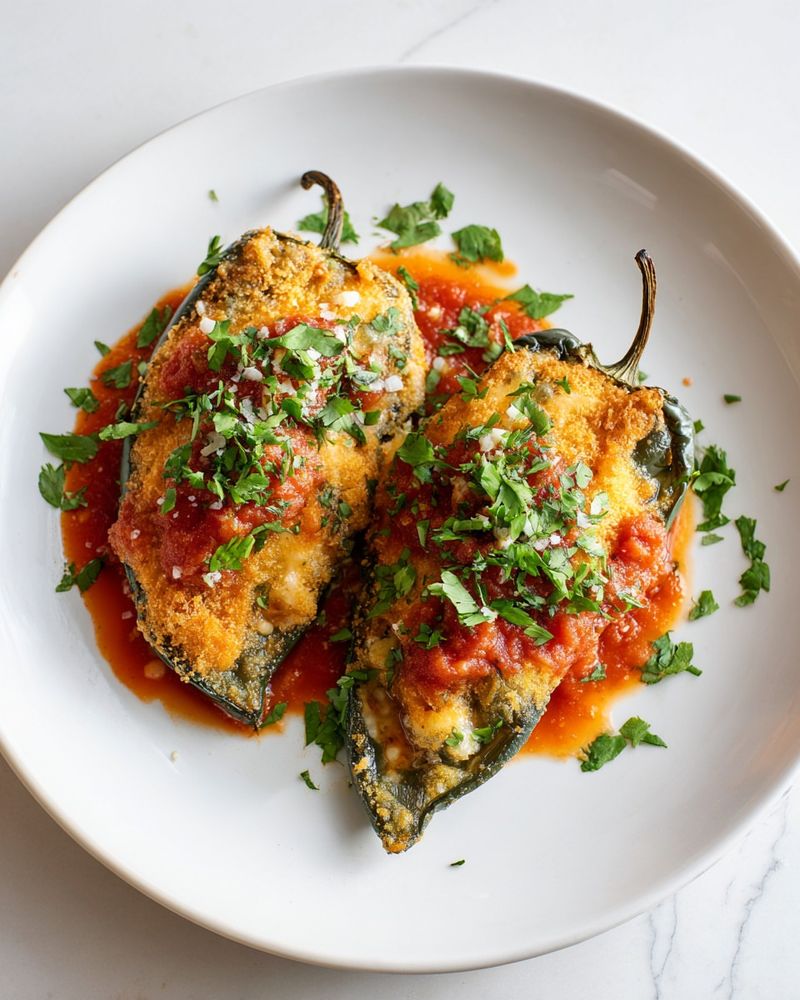
A great chile relleno takes patience. First comes roasting and peeling, then careful stuffing so the cheese does not leak.
Batter must be just right, and the fry needs focused attention to set the crust without soaking it with oil.
If the kitchen does not batch-fry, each order ties up the fryer. Cooks monitor color, drain properly, and plate while keeping that delicate crunch.
Add sauce and garnishes, and minutes slip by, especially when several tickets request the same dish at once.
3. Molcajete platters
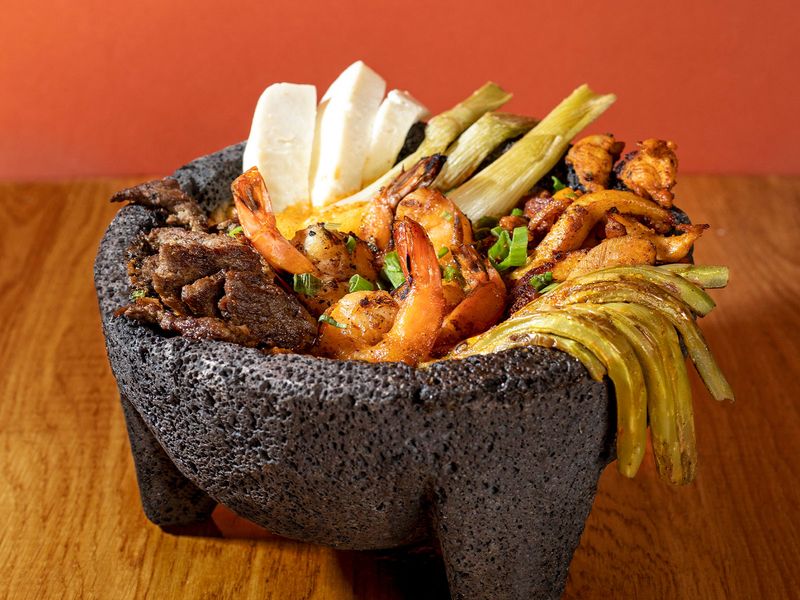
Molcajetes look epic because they are. Multiple proteins need different cook times, sauces must be hot and seasoned, and the stone bowl itself preheated safely.
Sides, tortillas, and garnishes crowd the station, demanding space and attention.
Plating is a production that slows the line. Every element must be ready together or it loses heat and drama.
When two or three molcajetes print in a rush, you can almost hear the brakes screech as cooks coordinate grill space, sauce pans, and safe handling.
4. Complicated enchilada combos
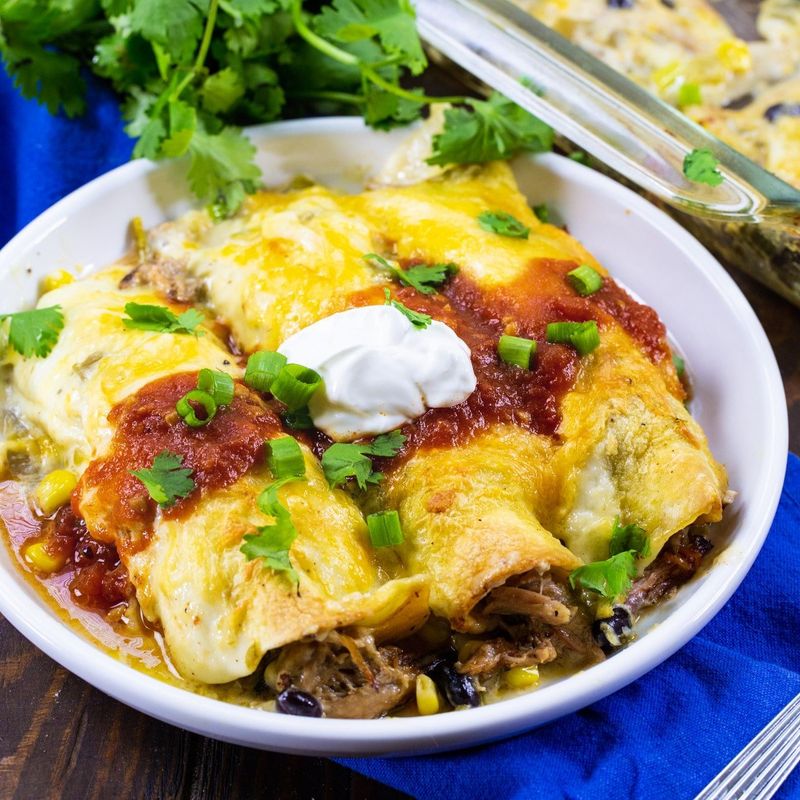
Enchiladas fly when plates repeat. They crawl when every enchilada on one plate is different.
One chicken with verde, one cheese with mole, one beef with roja, each with custom toppings, means constant switching, wiping ladles, and triple-checking tickets.
Then the plate needs a melt under the salamander or oven. That adds scarce rack time during a rush.
Meanwhile rice and beans must be hot and tight on timing. Multiply by a few combo plates, and the assembly rhythm breaks, slowing the pass noticeably.
5. Quesabirria tacos
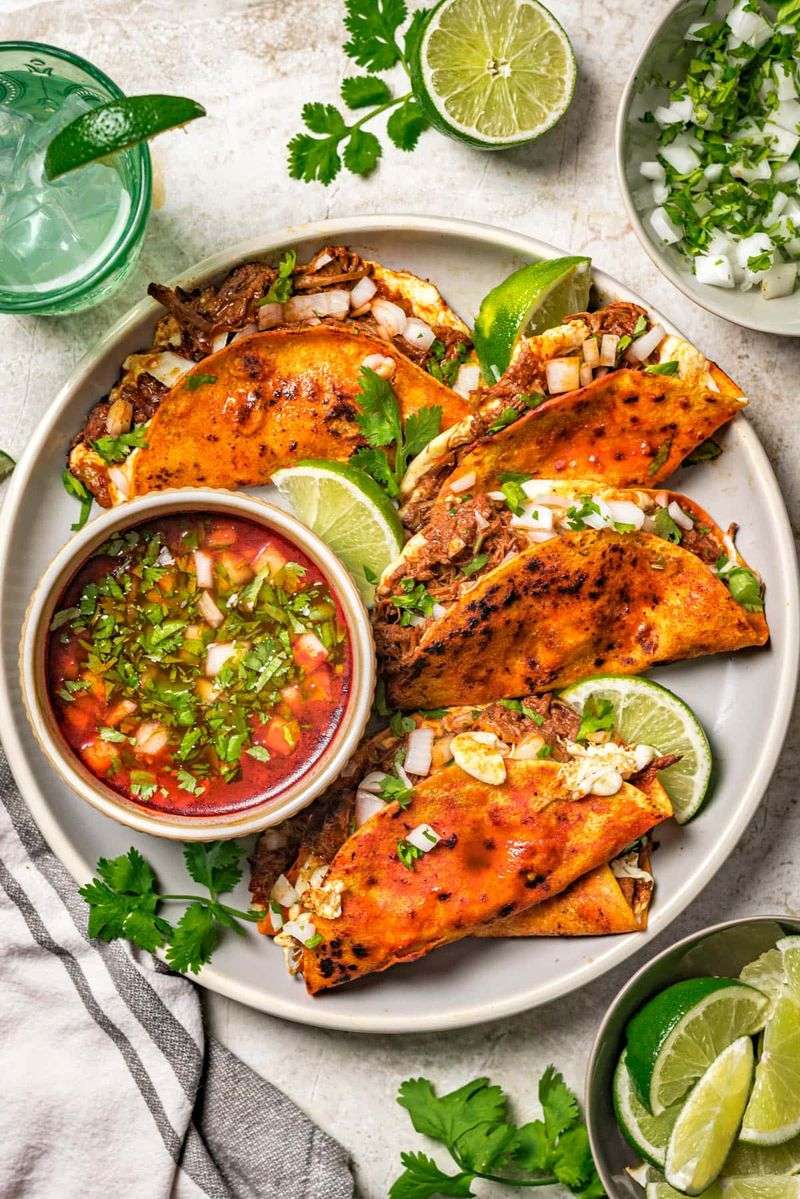
Quesabirria are not just tacos. Tortillas get dipped in fat, seared to crisp edges, and layered with melty cheese and juicy birria.
Each one demands flipping, draining, and careful stacking so it stays crisp yet gooey.
Plus you need consommé, hot and seasoned, for dipping. That means extra pans and ladles at the ready.
When orders stack, the plancha clogs with high-touch tacos that cannot be rushed. You wait a bit longer, but the payoff is that perfect crunch and drip.
6. Stuffed burritos with everything inside
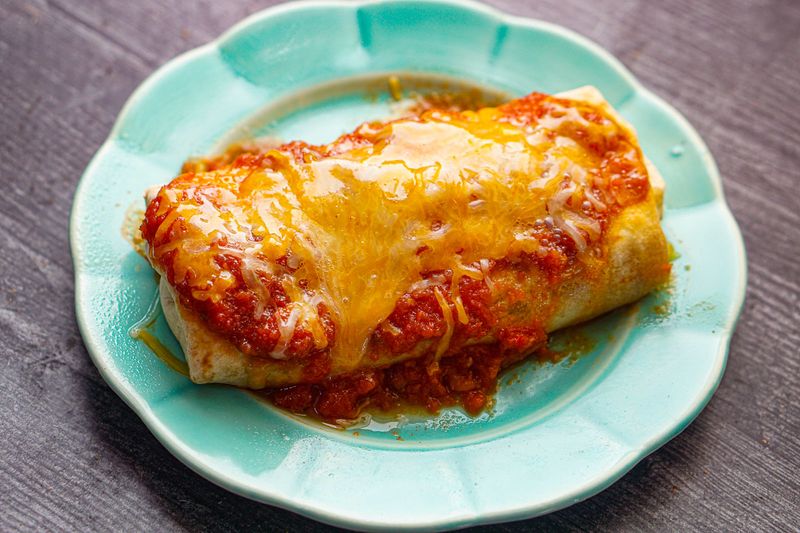
The more fillings, the slower the build. Every scoop adds a decision, and an overstuffed tortilla is harder to roll neatly.
If it becomes a wet burrito, now you are saucing, cheesing, and melting under a salamander, which steals precious rack space.
Meanwhile, the plate needs tidy sides and a wipe to look clean. Cooks may refire a torn tortilla, losing more minutes.
Multiply by a table of big burritos, and the line bogs down while everyone babysits melts and manages overflow.
7. Nachos with lots of modifications
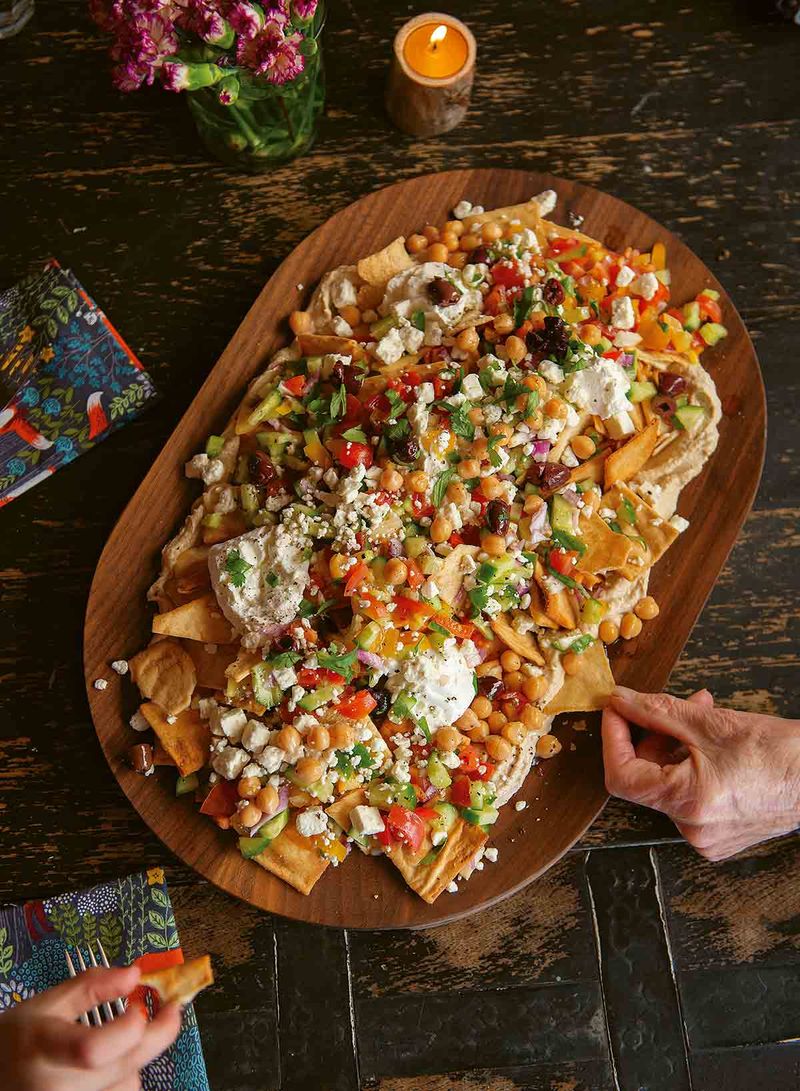
Good nachos require layering, not dumping. Cheese must melt evenly without drowning chips.
Add a long list of swaps, extras on the side, and allergy notes, and it becomes a puzzle that eats minutes and attention.
They usually need broiler or oven time, a limited resource during peak service. Then come cold toppings timed after the melt, plus side ramekins.
One complicated tray is fine, but three in a row can clog the oven and slow every other plate in the queue.
8. Large party-size queso or tableside-style dips
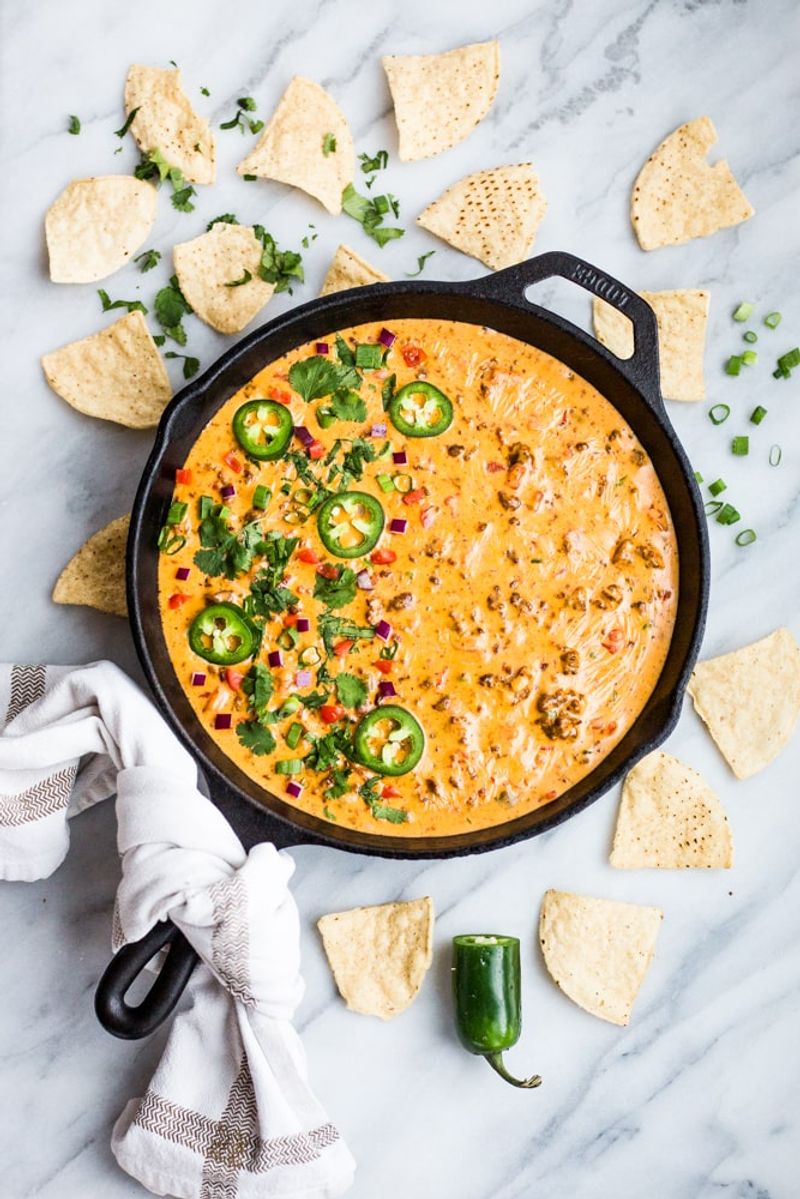
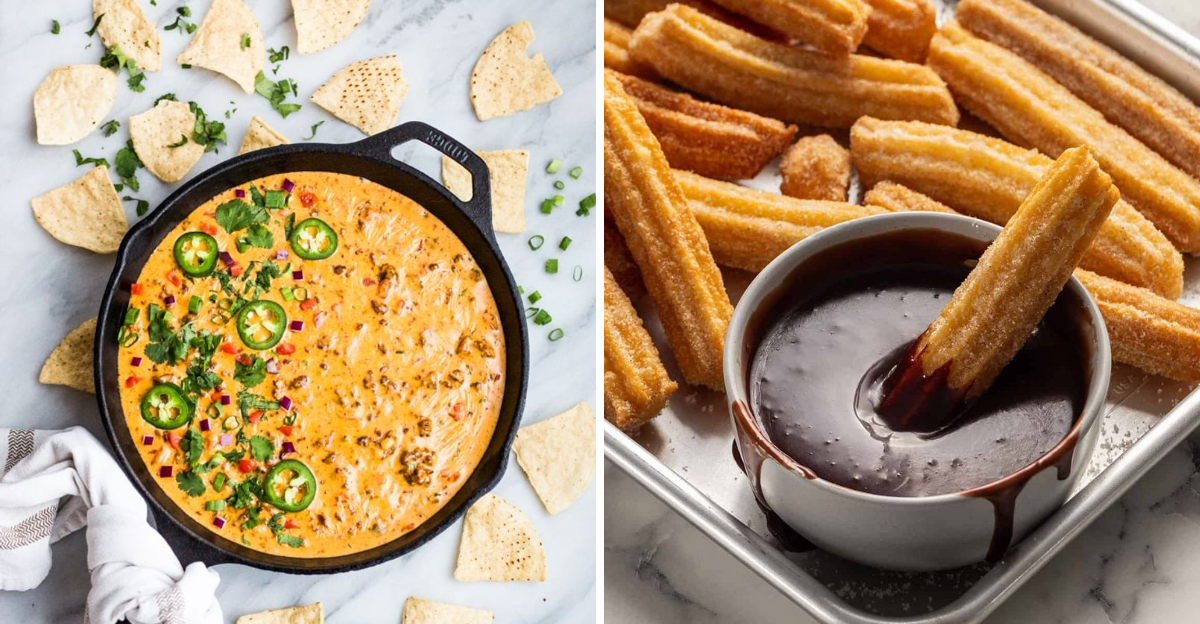
Big queso orders tie up burners and hands. Keeping it silky means gentle heat, constant stirring, and frequent temperature checks.
When a party wants multiple bowls at once, someone gets stationed there, not on the line.
If a spot offers tableside-style dips, the choreography slows even more. You are pulling avocados, seasonings, and bowls while other tickets stack.
During a rush, that pot-watching matters. The rest of the line feels the pinch as a cook babysits queso instead of banging out mains.
9. Anything extra crispy during a rush
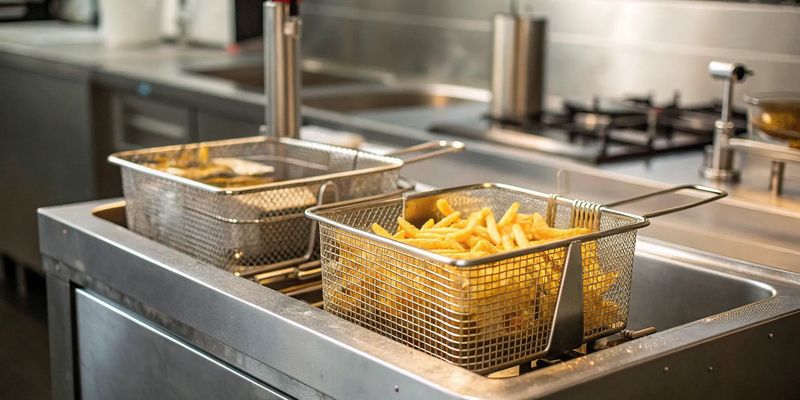
Extra crispy sounds simple, but it means longer cook times and fewer baskets cycling. Fries, tacos, flautas, anything extra crunchy requires careful timing and draining to hit that texture without burning.
One redo adds even more lag.
Fryers are high-demand equipment. When extra minutes are added to each basket, the queue grows and other dishes wait.
During peak hours, those cumulative delays ripple across tickets quickly. Your request is valid, just understand it can stretch the timeline noticeably.
10. Gluten-free or strict allergy tickets
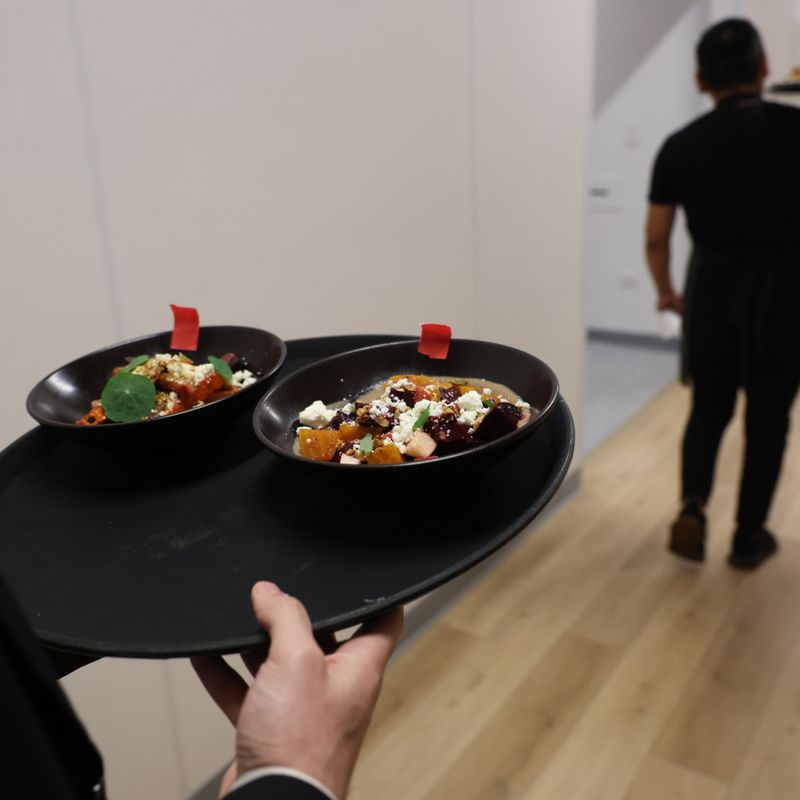
Allergy tickets are about process, not difficulty. Gloves change, stations get sanitized, and separate pans or a clean fryer are used.
Ingredients are double-checked, and sometimes a new batch is opened to avoid cross-contact.
Those steps add minutes even when the dish itself is straightforward. During a rush, the line pauses to reset properly, which is exactly what you want for safety.
It is slower for a good reason, and it can push other tickets back briefly while the reset happens.
11. Vegetarian or vegan versions of meat-heavy dishes
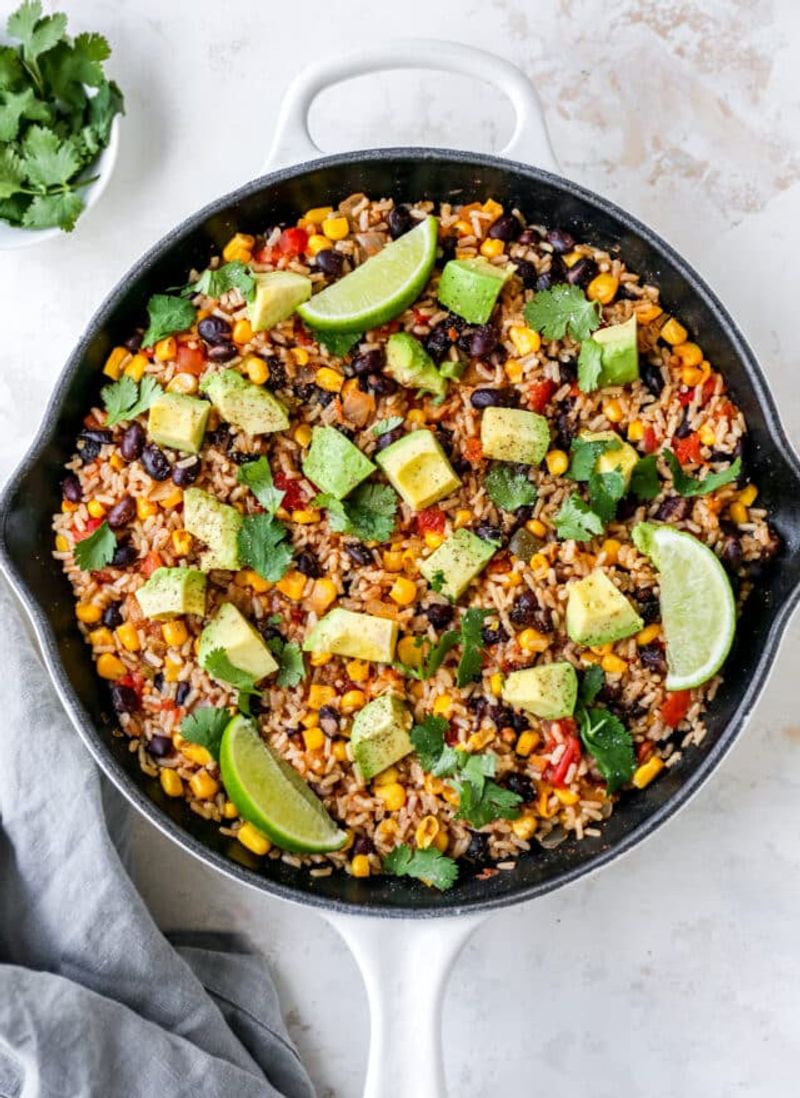
Ordering plant-based versions of meat dishes can reroute the flow. Cooks grab separate pans, fresh oils, and clean utensils to avoid cross-contact.
Seasoning adjusts, and sometimes a different station handles the build so flavors stay right.
That reconfiguration takes time, especially when the default setup is meat-centric. It is not annoying, just careful.
But in the heat of service, shifting tools and space slows momentum. Expect a small delay that reflects the kitchen respecting your choice and doing it correctly.
12. Eggs any style at brunch
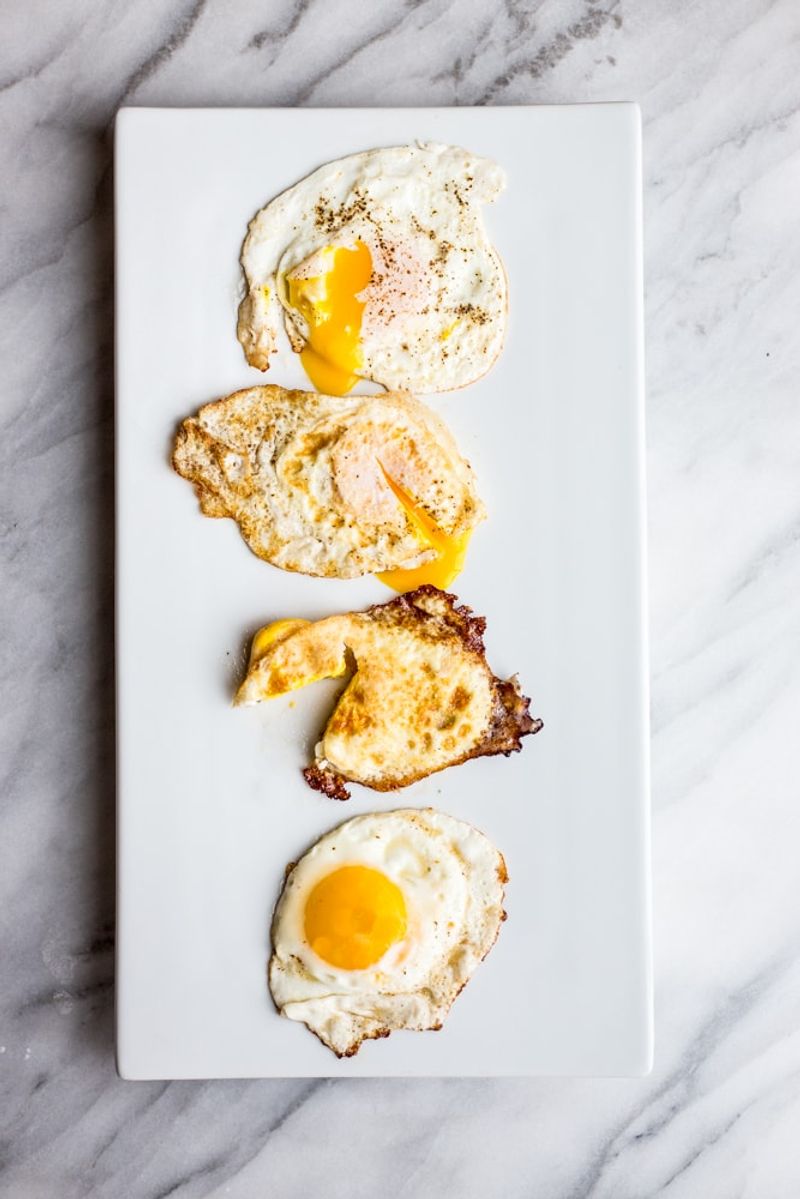
Eggs demand precision. Over easy becomes over medium in seconds, and poached eggs punish distraction.
When a full dining room orders eggs in different styles, cooks juggle pans, track individual doneness, and assemble plates quickly before the eggs overcook.
In a Mexican brunch, those eggs often top chilaquiles, divorciados, or breakfast tacos. Each build changes timing.
The line slows because perfection is fragile here. A quick pause protects your yolk from turning chalky and keeps the plate balanced.
13. Multiple custom taco plates
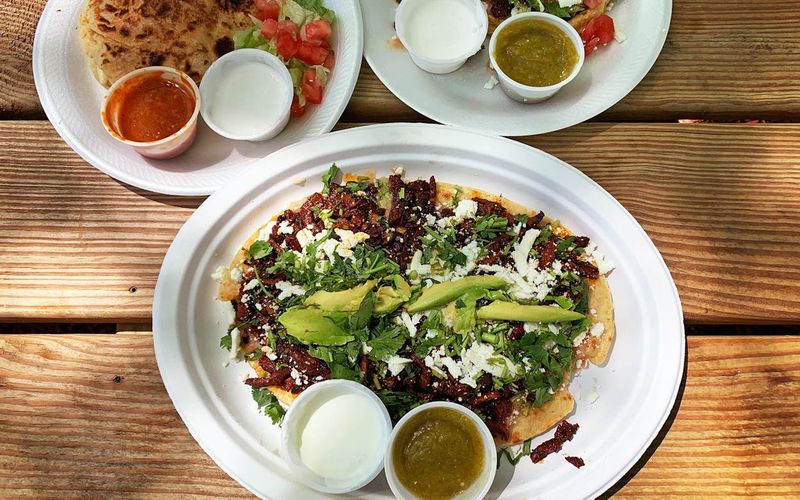
A standard three-taco set is fast. It slows when each taco on the same plate is different, with unique toppings and salsas.
Cooks must stop to confirm details, swap spoons, and avoid cross-mixing garnishes.
Multiply that across a table and the plancha turns into a sorting game. Speed drops as assembly loses repetition.
The result still tastes great, but the kitchen spends longer triple-checking so your carnitas do not wear the wrong salsa.
14. Seafood cooked just right
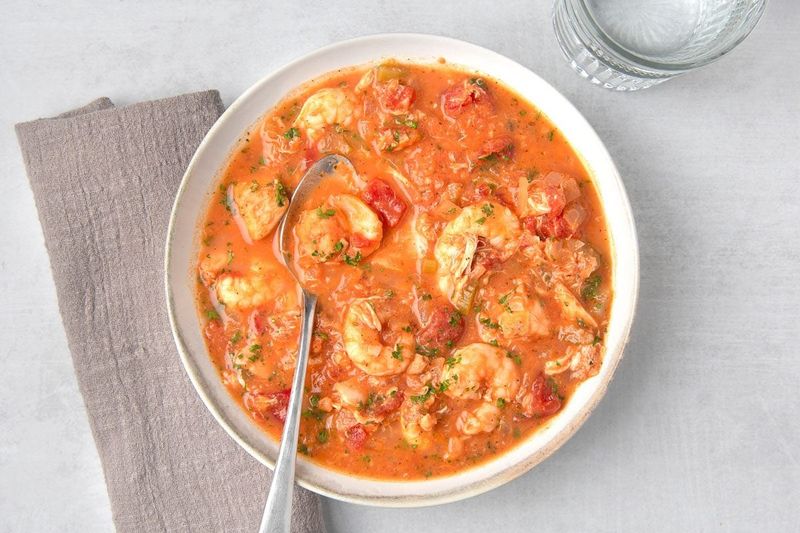
Seafood punishes inattention. Shrimp, fish, and scallops go from perfect to rubbery fast, so cooks babysit pans and control heat precisely.
During a rush, that focus slows the rest of the station while other proteins cruise more forgivingly.
Plates also need delicate garnishes and quick service to keep textures ideal. When several seafood tickets drop together, the line yields a little speed to protect quality.
You wait a minute longer, and your shrimp arrives snappy, not chewy.
15. Soups with heavy customization
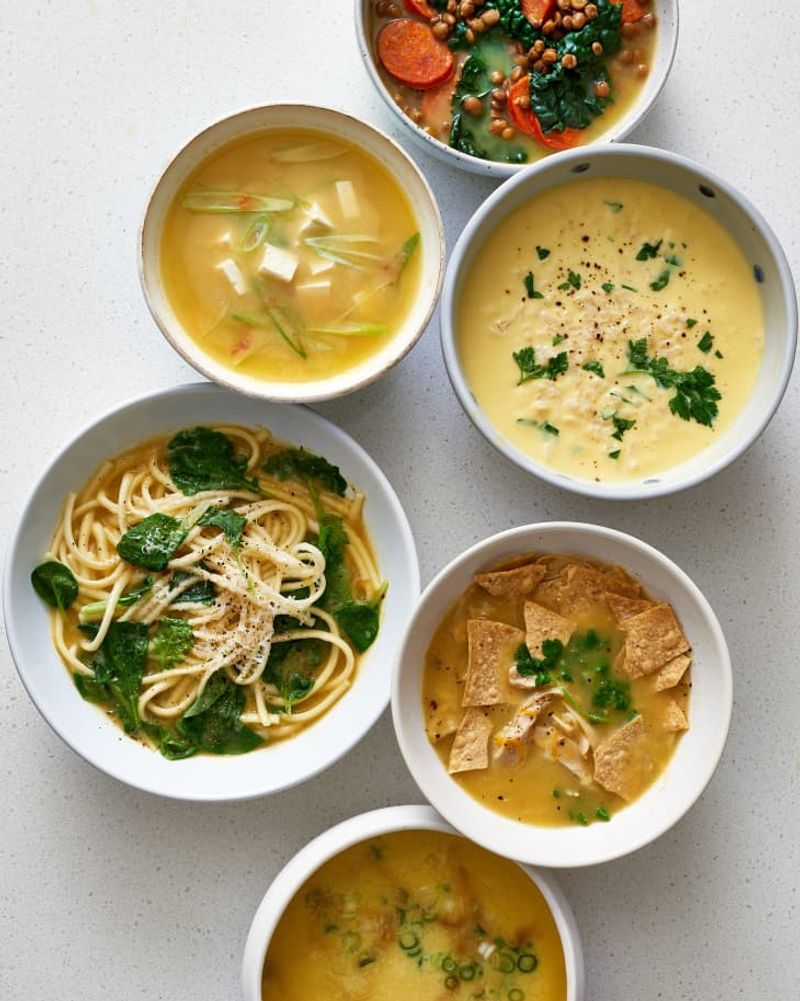
Customized soups create tiny roadblocks. Low broth, extra broth, extra hot, hold onions, add more hominy, each tweak means pausing to adjust, reheat, taste, and garnish.
Those micro-steps interrupt the line’s rhythm.
Sometimes a separate pan is used to hit the exact consistency safely. That claims a burner and attention that could be on mains.
A few bowls like this are fine. Stack several, and the pot becomes a surprising choke point.
16. Taco salads in fried shells
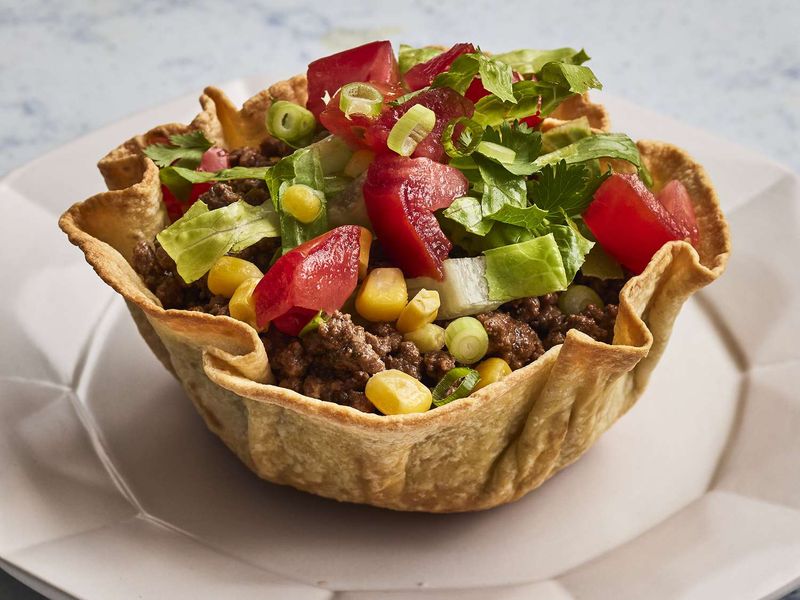
Those crunchy bowls are fragile. The shell gets fried, drained, and cooled just enough to hold fillings.
Then assembly must be gentle to avoid cracks that spill everywhere and force a redo.
During a rush, that patience steals minutes. The fryer is busy, and cooling space is limited.
If a shell breaks, you start again, which slows other tickets. The final look is beautiful, but the path there is fiddly and easy to derail.
17. Last-minute fried desserts
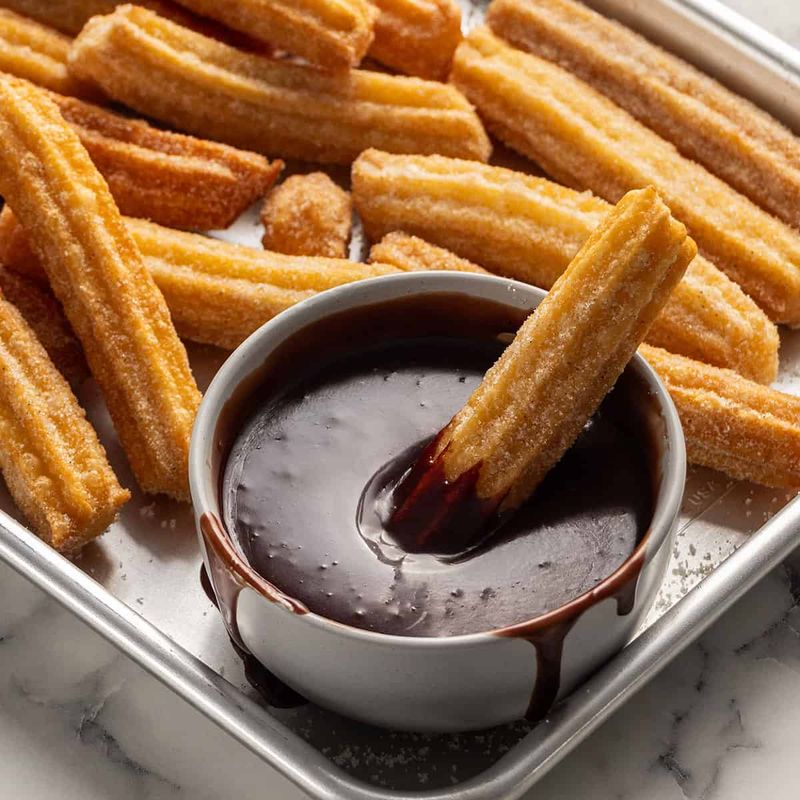
Fried sweets at the end are delicious but disruptive. Churros, sopapillas, or fried ice cream need hot oil and active monitoring.
When the kitchen is closing tickets and breaking down stations, reopening the fryer slows that final push.
Desserts also require sugar tosses, sauces, and plating that do not travel well if they sit. A last-minute order means pausing cleanup and refocusing staff.
You still get a great treat, just with a slightly longer runway.