17 Recipes Where Cream Of Tartar Does The Heavy Lifting
Cream of tartar is that quiet hero hiding in your pantry, ready to rescue batters, candies, and whipped whites. It keeps sugar silky, lifts delicate cakes, and adds that subtle tang you recognize but can never quite place.
If you have a tiny jar gathering dust, you are sitting on flavor, texture, and reliability. Here are 17 irresistible recipes where a pinch truly changes everything.
1. Snickerdoodles
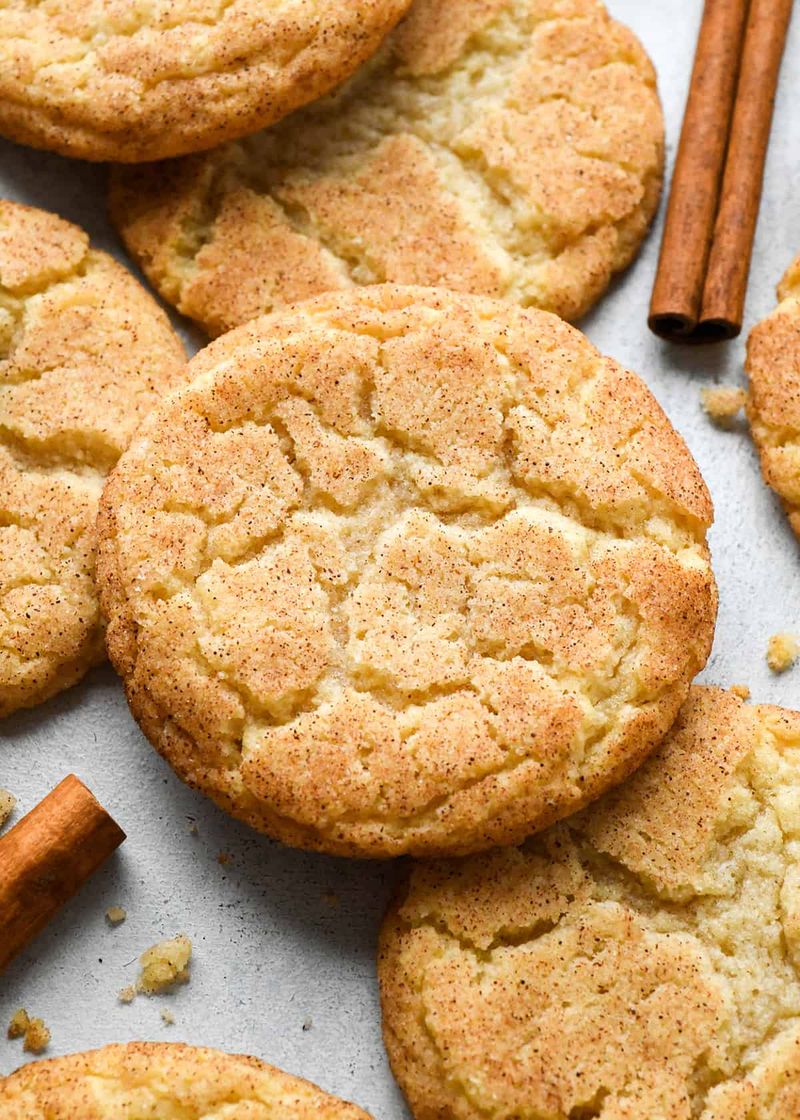
Snickerdoodles are the cookie that prove cream of tartar earns its keep. That familiar tang rounds out the cinnamon sugar and gives the soft, chewy texture you cannot fake.
Without it, you would have a basic sugar cookie, tasty but missing the signature flavor and crackly top.
Mix the cream of tartar with baking soda so the leavening happens cleanly, then roll the dough in cinnamon sugar for that iconic sparkle. Chill the dough if you love tall, puffy centers.
Bake until the edges set and the middles still seem a touch underdone, and let them cool on the sheet.
2. Classic Meringue Cookies
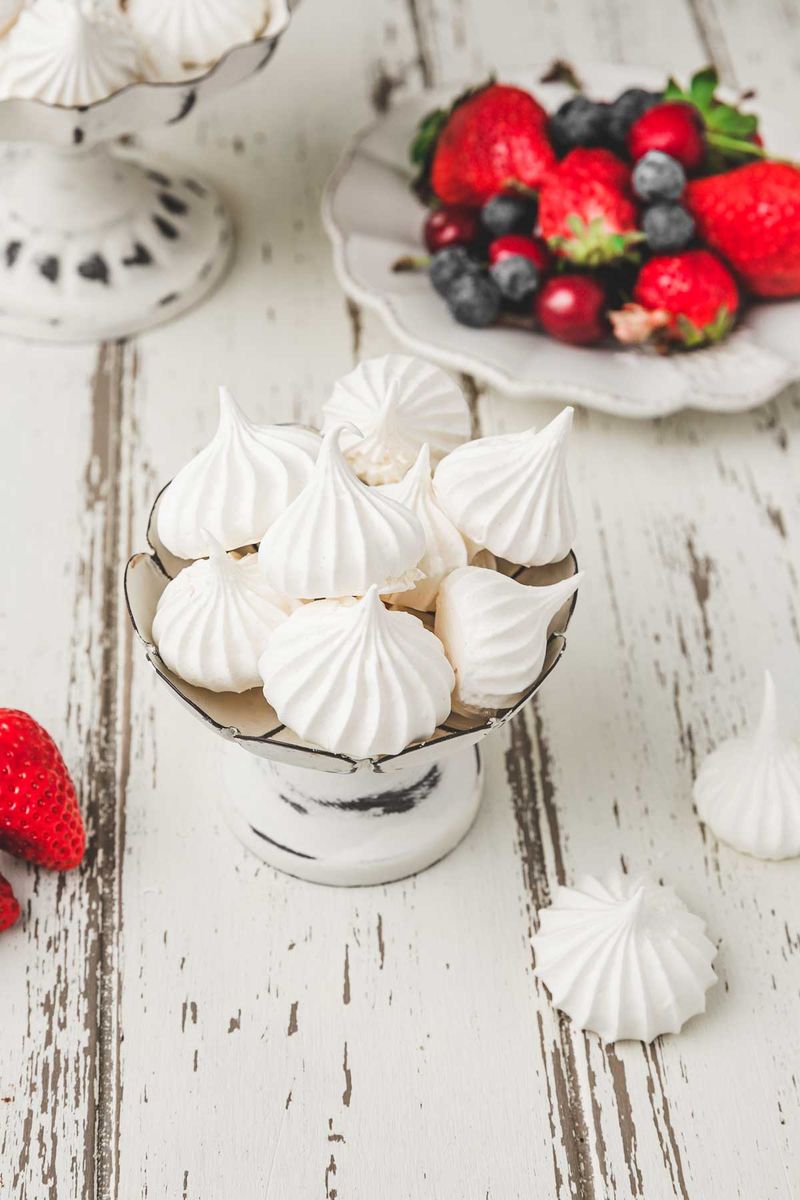
Meringue cookies need stability, and cream of tartar brings it. It helps egg whites whip taller, faster, and hold their glossy peaks without deflating.
The result is crisp shells with tender, marshmallowy centers that melt on your tongue.
Start with super clean bowls and room temperature whites. Add a pinch of cream of tartar early, then gradually stream in superfine sugar to prevent gritty cookies.
Pipe or spoon little peaks, dry them low and slow, and let them cool completely in the oven. You will get pretty, crack resistant meringues you can dip, drizzle, or crumble over desserts.
Humidity is the enemy here, so store them airtight.
3. Lemon Meringue Pie Topping
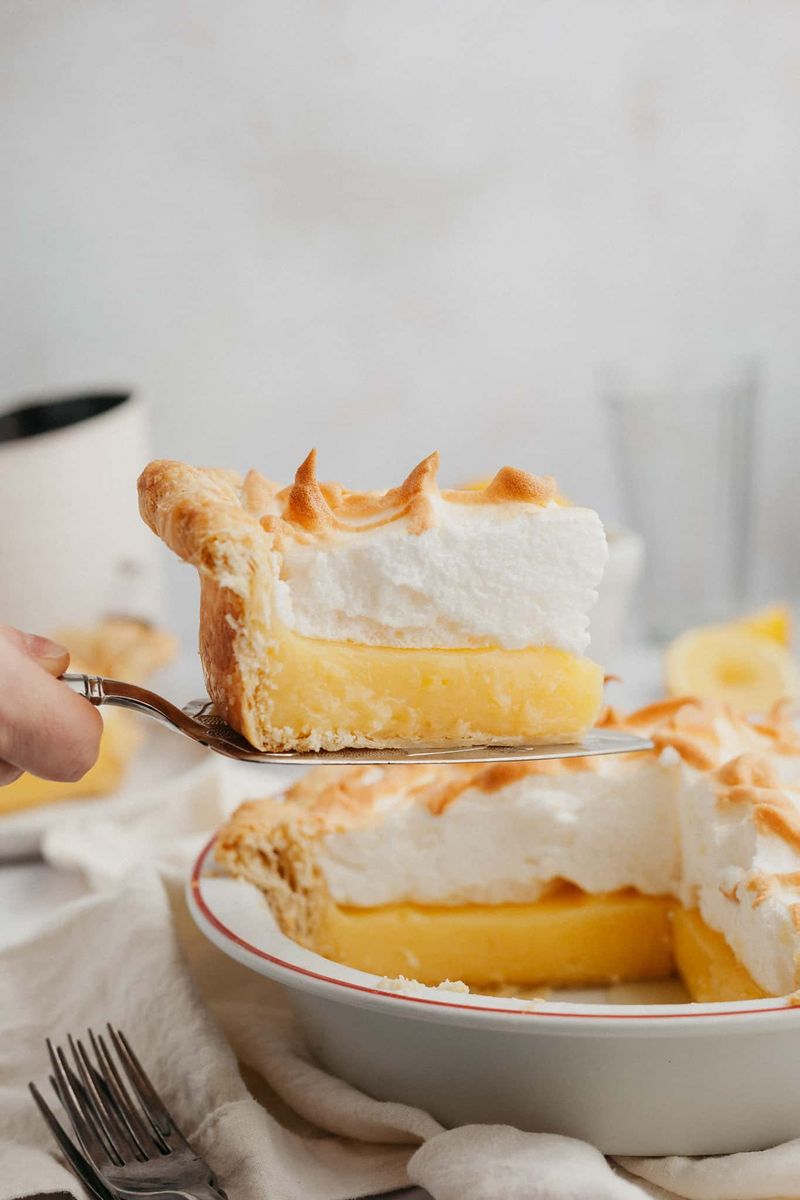
A towering, glossy meringue topping transforms lemon pie from simple to showstopper. Cream of tartar keeps the whipped whites supple and stable, so your peaks stand tall instead of slumping.
It also helps prevent weeping, that dreaded syrupy moisture between curd and topping.
Whip egg whites with a pinch of cream of tartar until soft peaks, then add sugar gradually. Spread meringue to the crust’s edge to seal in steam and avoid shrinking.
Toast in a hot oven until the tips brown beautifully. When you slice, you want clean layers and lofty swirls.
Chill enough to set, but serve the same day for the freshest texture and shine.
4. Angel Food Cake
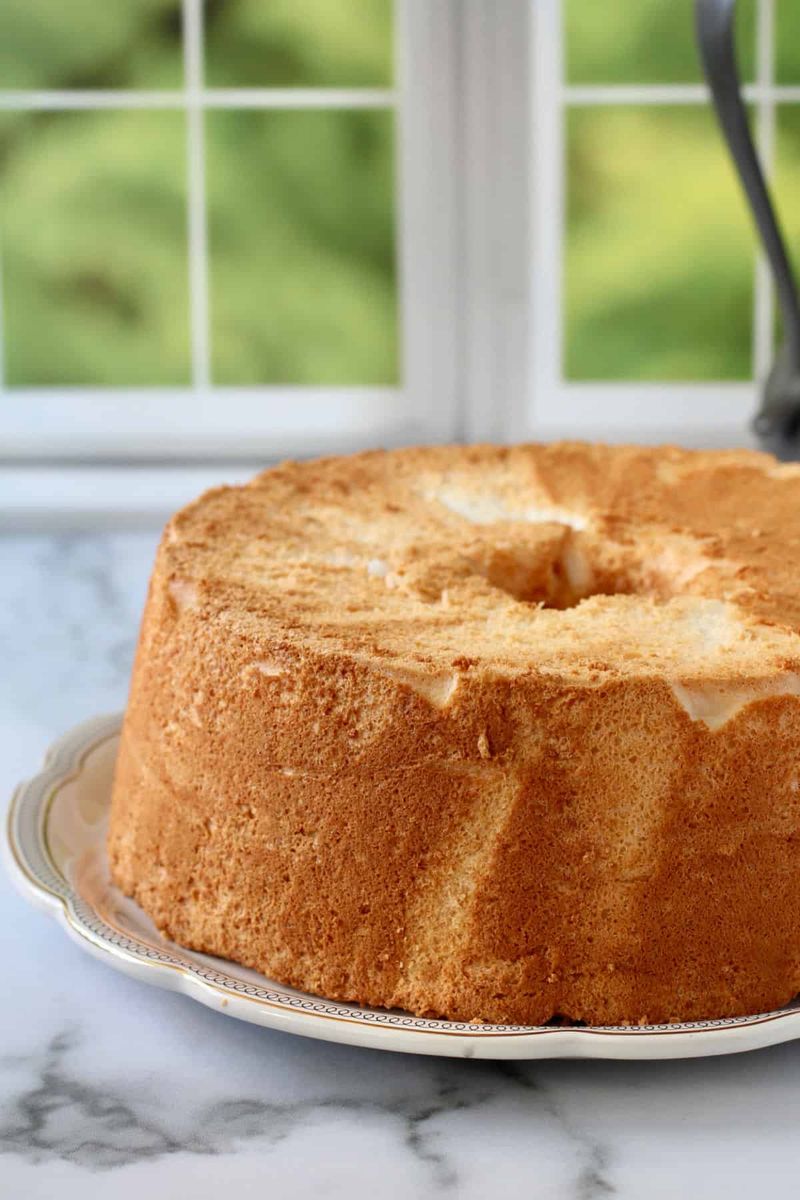
Angel food cake lives or dies by its foam, and cream of tartar is your bodyguard. It gently acidifies the whites, giving them strength to trap air and bake into a cloudlike crumb.
Without it, the cake can deflate, toughen, or bake up uneven.
Sift cake flour and sugar thoroughly, fold carefully into glossy peaks, and do not grease the pan. The batter needs to climb those sides.
Bake until springy, then invert to cool so it cannot collapse. Slice with a serrated knife to protect the tender structure.
You will taste pure vanilla, feel incredible lift, and wonder how something so airy can still satisfy.
5. Chiffon Cake
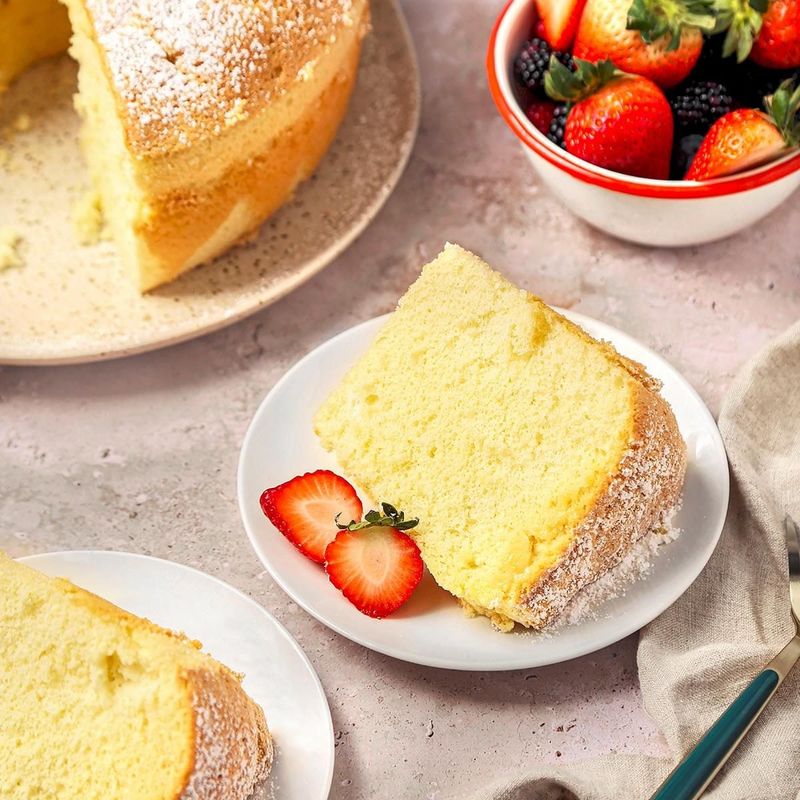
Chiffon cake marries oil’s tenderness with meringue’s lift. Cream of tartar strengthens the whipped whites so they fold into the batter without deflating.
The result is a delicate crumb that stands tall, with a moist bite and refined sweetness.
Whip whites with cream of tartar to soft peaks, prepare a yolk mixture with oil and citrus or vanilla, then fold carefully. Bake in an ungreased tube or high sided pan to encourage climb.
Cool upside down, then slice gently. Serve plain, dusted with sugar, or brushed with citrus syrup.
You will get bakery level height at home, and the texture stays soft for days.
6. Soufflés
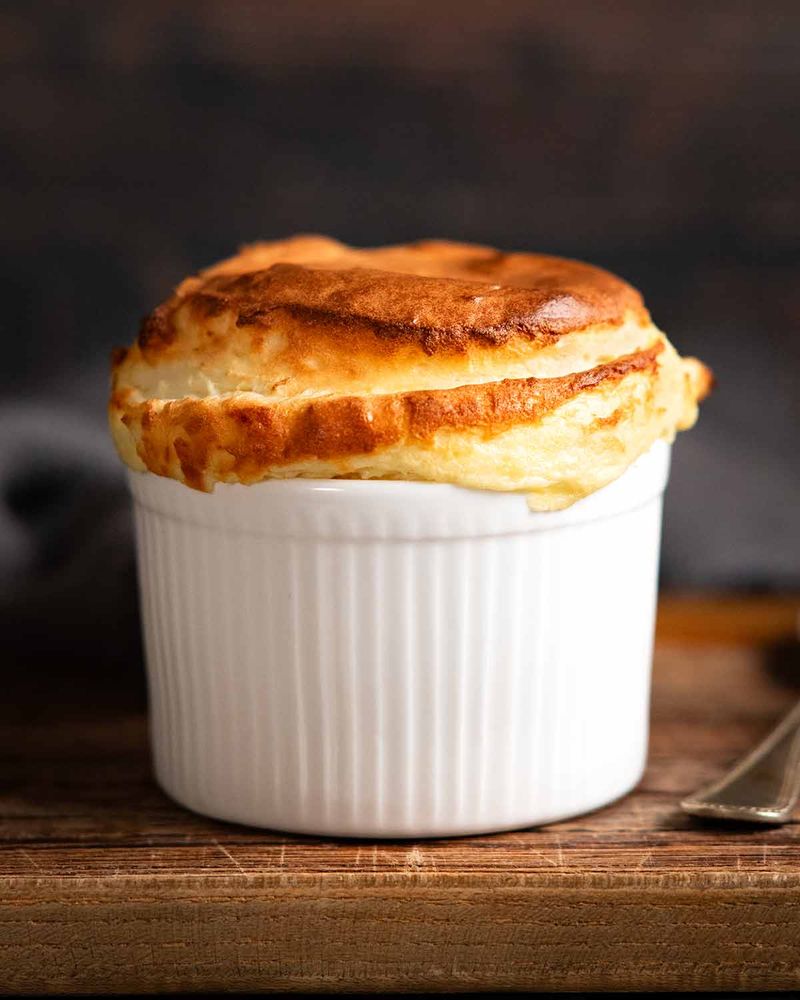
Great soufflés start with confident meringue. Cream of tartar steadies the air bubbles so the batter rises evenly and dramatically.
It buys you a little grace period, meaning your soufflé holds its height longer while you serve.
Whip the whites with cream of tartar to glossy soft peaks, then fold into a warm base with swift, light strokes. Butter and sugar the ramekins so the sides encourage climb.
Bake immediately, do not open the door, and bring them to the table with purpose. You will get that thrilling lift and a tender spoonable center.
Whether chocolate, cheese, or citrus, the structure stays poised instead of slumping fast.
7. Homemade Marshmallows
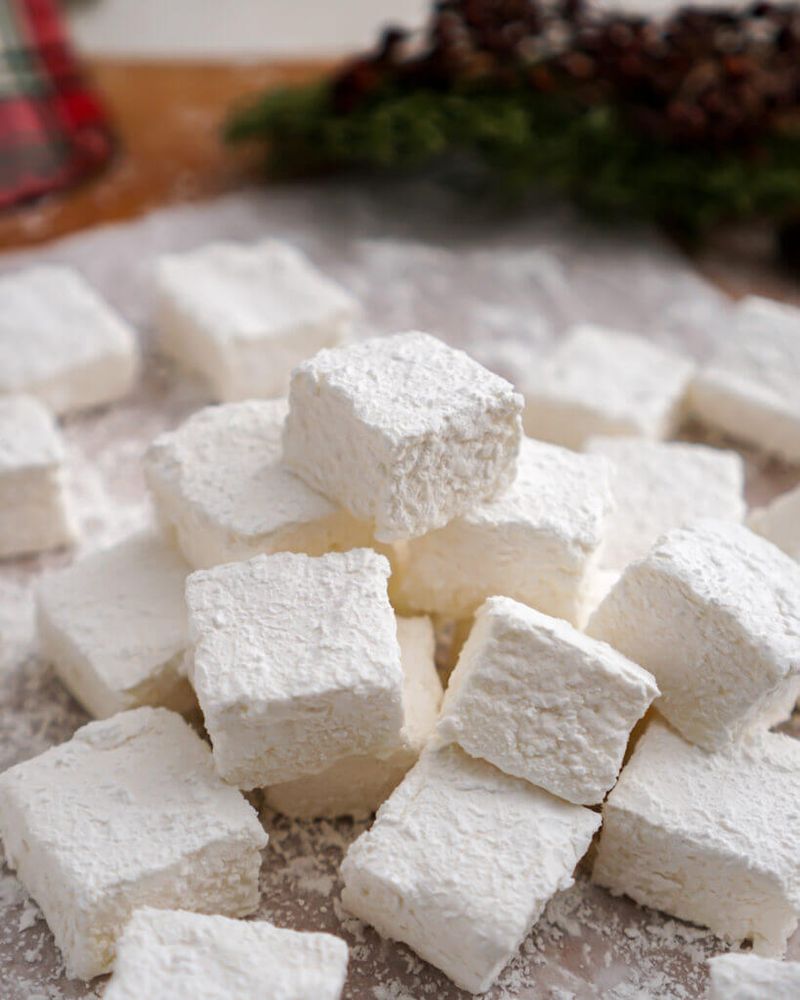
Homemade marshmallows are shockingly easy when sugar behaves. Cream of tartar helps fight crystallization, keeping the syrup velvety so the final marshmallows turn bouncy and smooth.
The set is cleaner, the pull more elastic, and the flavor pure.
Bloom gelatin, cook sugar syrup with a pinch of cream of tartar, then whip it into a white ribbon that billows. Add vanilla or swirl in berries or cocoa.
Spread into a sugared pan, let it set, and slice with a dusted knife. You will never go back to store bought.
Toast them for s’mores, melt into cocoa, or gift pretty bags of pillowy squares.
8. Homemade Caramel Sauce
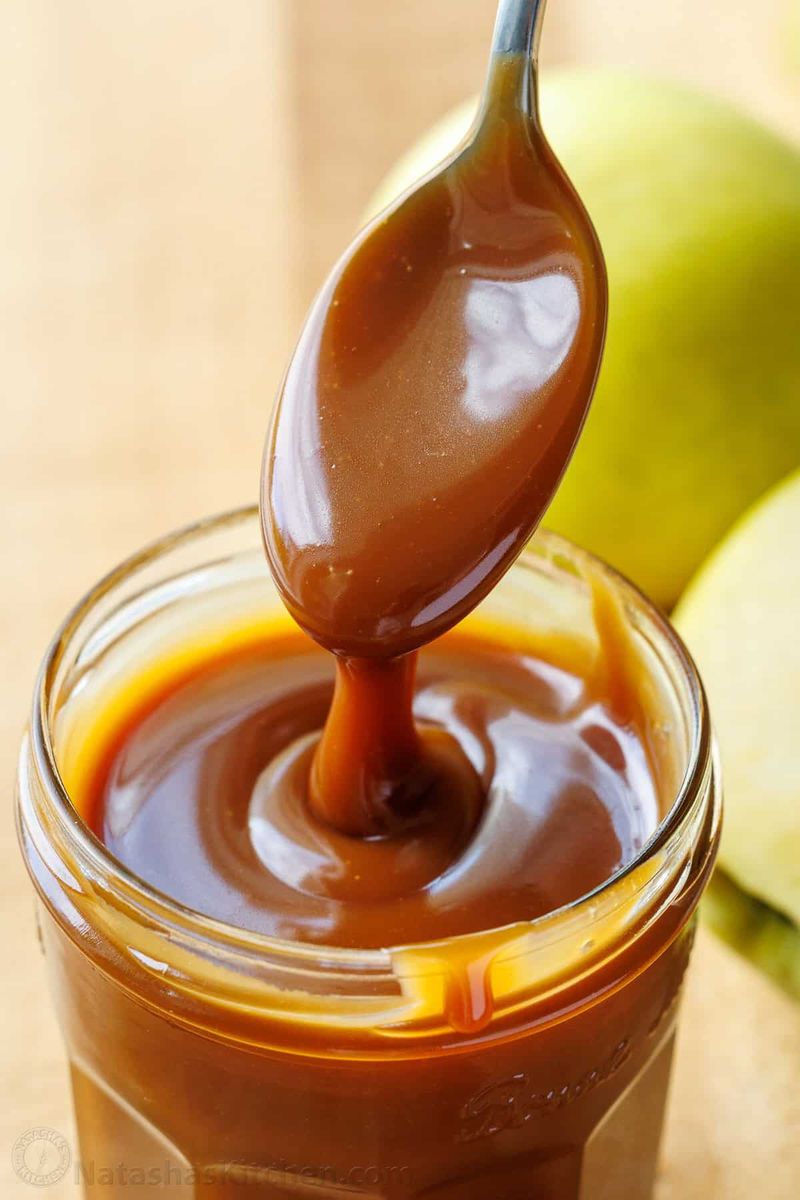
Caramel sauce loves to misbehave, turning gritty when sugar recrystallizes. A pinch of cream of tartar encourages inversion, breaking some sucrose into glucose and fructose so crystals are less likely to form.
The payoff is a smooth, pourable sauce that stays satiny in the fridge.
Wet sand the sugar, add cream of tartar, and cook without stirring until deep amber. Finish with warm cream, butter, and salt.
Strain if needed and cool gently. The flavor blooms nutty and complex, perfect for ice cream, apples, and lattes.
When you rewarm, it loosens beautifully without breaking. You will feel like a candy whisperer.
9. Divinity Candy
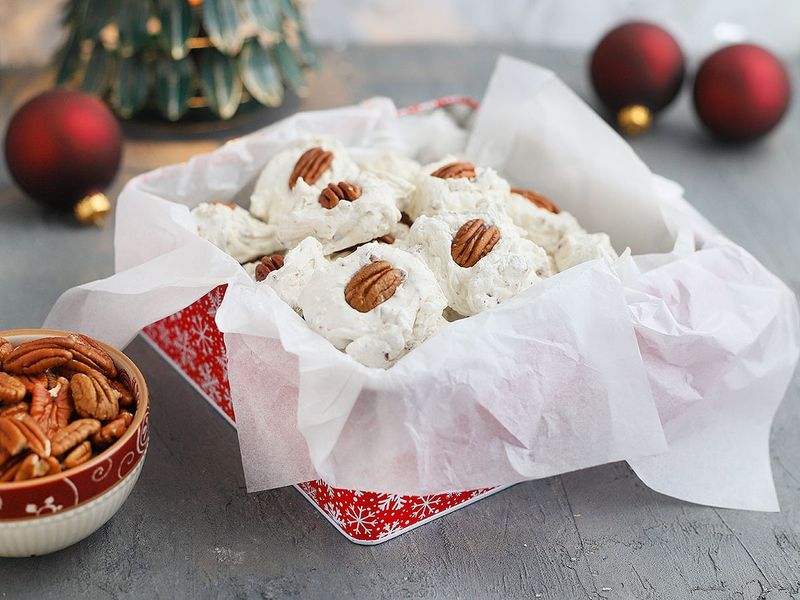
Divinity blends whipped egg whites with a precise sugar syrup to make cloudlike candies. Cream of tartar supports both parts by stabilizing the meringue and discouraging syrup crystals.
The result is tender, snowy bites that hold their shape and resist graininess.
Cook the syrup to the right temperature, then stream it into the whipping whites with cream of tartar already doing its magic. Beat until the mixture thickens and loses excessive shine, then drop neat spoonfuls.
Add nuts or vanilla if you like. Humidity matters, so choose a dry day.
With practice, you get candies that taste like family traditions, smooth and sweet without cloying.
10. Peanut Brittle
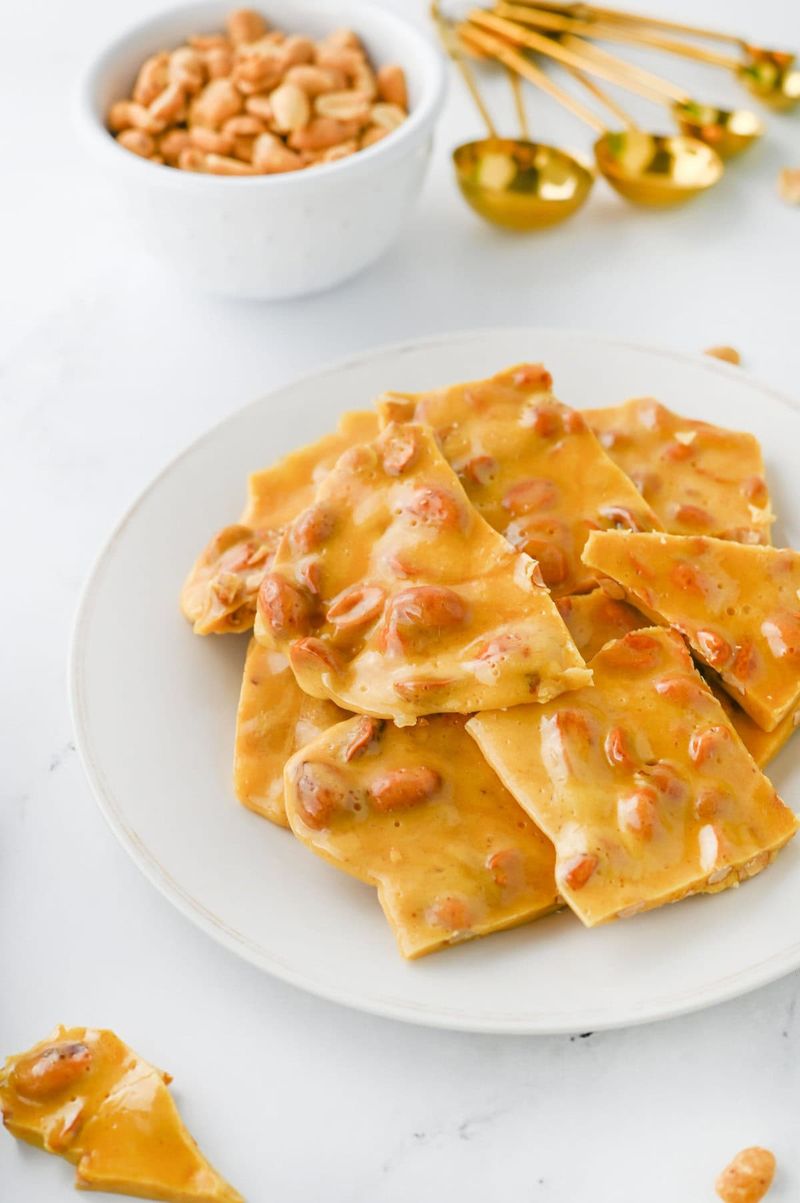
Peanut brittle is all about timing and texture. Cream of tartar helps the sugar syrup stay cooperative by reducing crystallization, so you get a clean snap rather than sandy crunch.
It also supports even coloring as the temperature climbs.
Cook sugar, water, and a pinch of cream of tartar to hard crack, then stir in butter, salt, and baking soda for foamy lift. Spread quickly over a greased surface and stretch with spatulas to thin.
Once cool, break into glossy shards. The flavor balances roasted peanuts, buttery richness, and a hint of caramel.
Store airtight so the snap stays lively, especially in humid weather.
11. Turkish Delight
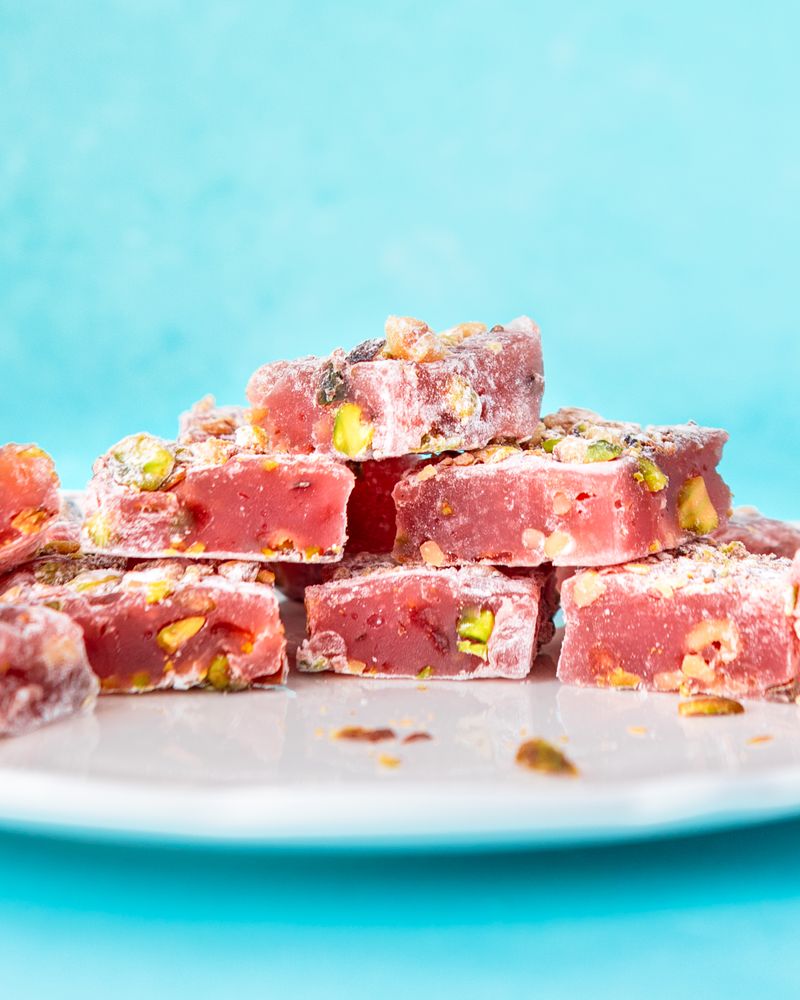
Turkish delight depends on a stable, gel like sugar matrix for that tender chew. Cream of tartar nudges the syrup toward smoother behavior and supports clarity.
The texture becomes less sticky, more elastic, and pleasantly toothsome.
Cook sugar with water, a pinch of cream of tartar, and starch until thick and glassy. Flavor with rose, citrus, or pomegranate, and fold in nuts if you like.
Pour into a dusted pan, set fully, then coat with powdered sugar to prevent clumping. The result looks like jeweled cubes and tastes delicate, not overly sweet.
Pack in tins with parchment and share generously.
12. French Macarons
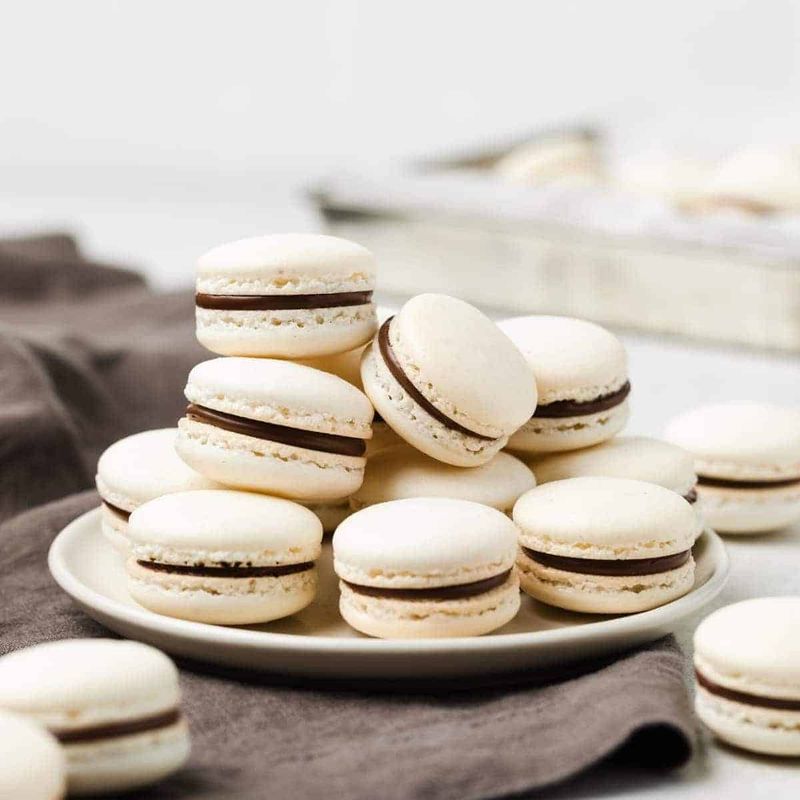
French macarons are famously finicky, and cream of tartar can tilt the odds. It stabilizes the meringue so your batter resists over deflating, helping you achieve smooth tops and sturdy feet.
The shells bake up with delicate chew and clean lift off the mat.
Whip whites with cream of tartar to medium peaks, then macaronage with almond flour and sugar until lava like. Rest to dry the tops, bake at a steady temperature, and cool before filling.
Match flavors to ganache, buttercream, or jam. You will taste almond aroma, feel a gentle snap, and enjoy consistent results that feel bakery professional at home.
13. Swiss Meringue Buttercream
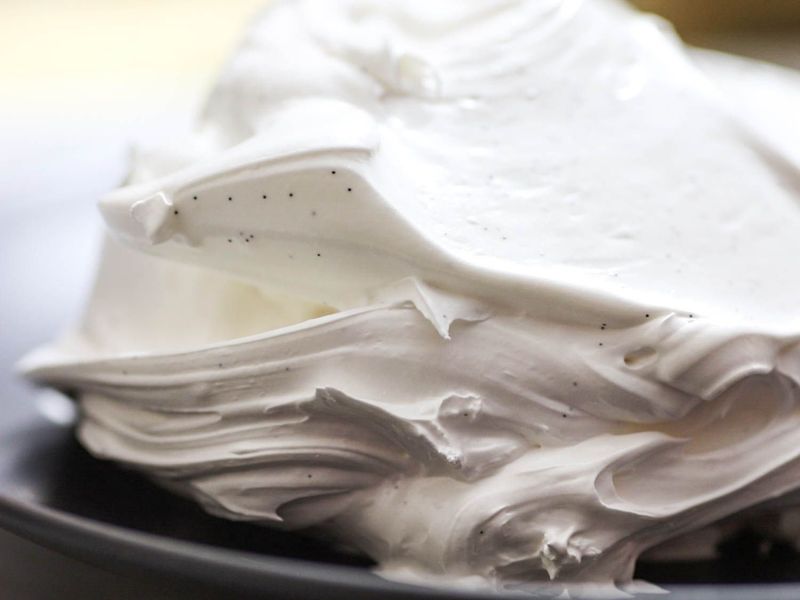
Swiss meringue buttercream starts with warmed whites and sugar, whipped into a glossy base. Cream of tartar strengthens that foam so it does not collapse when butter goes in.
The payoff is a stable, velvety frosting that spreads like silk and pipes cleanly.
Heat to dissolve sugar, whip with cream of tartar to stiff peaks, then cool before adding butter. If it curdles, keep whipping.
It usually comes back smoother than ever. Flavor with vanilla, espresso, or fruit purees.
You get a frosting that is less sweet than American buttercream but still lush. Cakes hold details, and cupcakes stay beautiful longer, even on warmer days.
14. Italian Meringue Buttercream
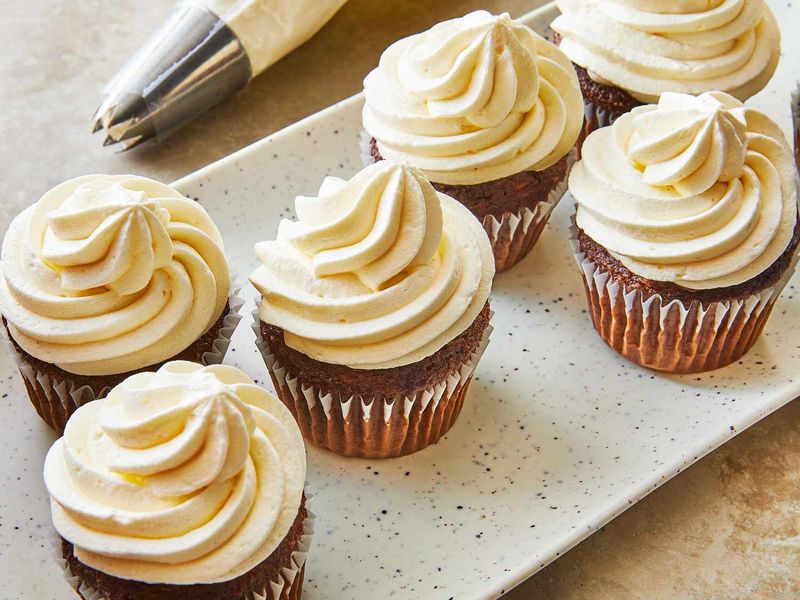
Italian meringue buttercream leans on a hot syrup whipped into egg whites. Cream of tartar helps the whites tolerate that heat and stay voluminous.
The final buttercream is plush, glossy, and reliable under decorations and layers.
Whip whites with cream of tartar, stream in syrup at soft ball stage, then cool fully before adding butter. Patience prevents soupiness.
The texture becomes smooth, not greasy, and the flavor clean. Add vanilla, citrus, or chocolate.
This frosting resists melting and holds sharp edges on cakes, making it a favorite for celebration bakes. You will appreciate the stability when transporting desserts.
15. Sugar Cookies (Soft Style)
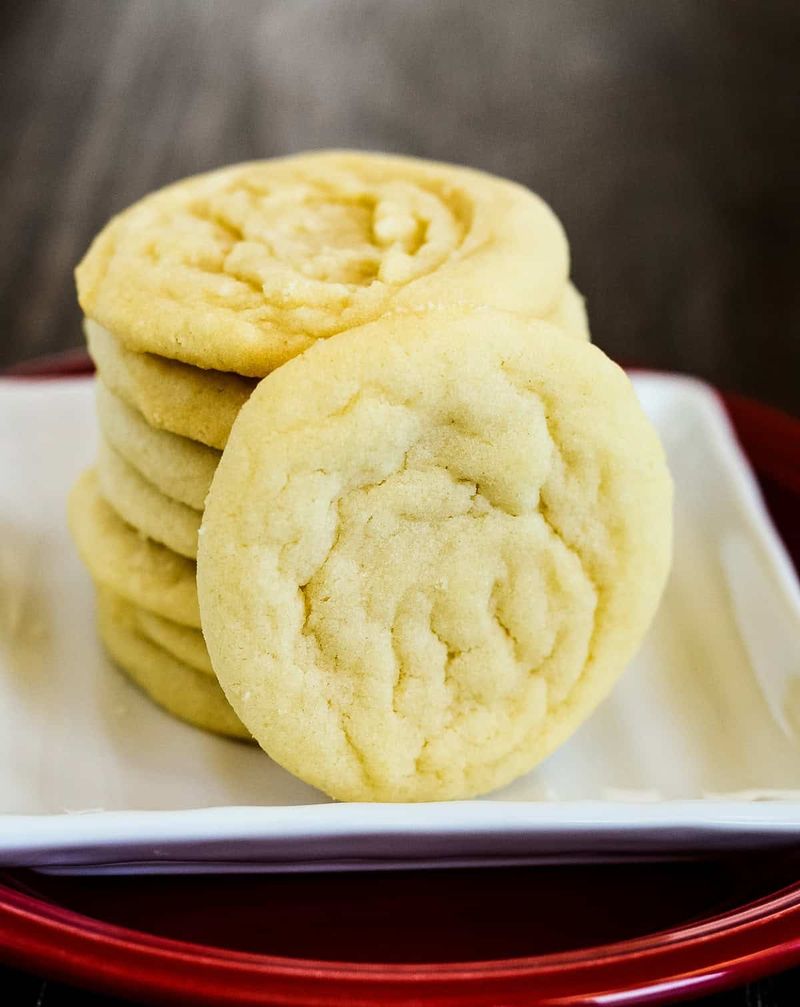
Soft sugar cookies can skew flat or overly browned. A pinch of cream of tartar tempers the baking soda and adds slight tang, helping the centers stay tender while the edges remain delicate.
The dough bakes evenly, with less risk of spreading into pancakes.
Cream butter and sugar, add eggs and vanilla, then whisk flour with baking soda and cream of tartar before mixing. Chill the dough for neat rounds.
Bake until just set, letting carryover heat finish the centers. Frost or sprinkle while warm for better adhesion.
The result is bakery soft cookies that stay plush for days, perfect for decorating or dunking in milk.
16. Buttermilk Pancakes (When You’re Out Of Buttermilk)
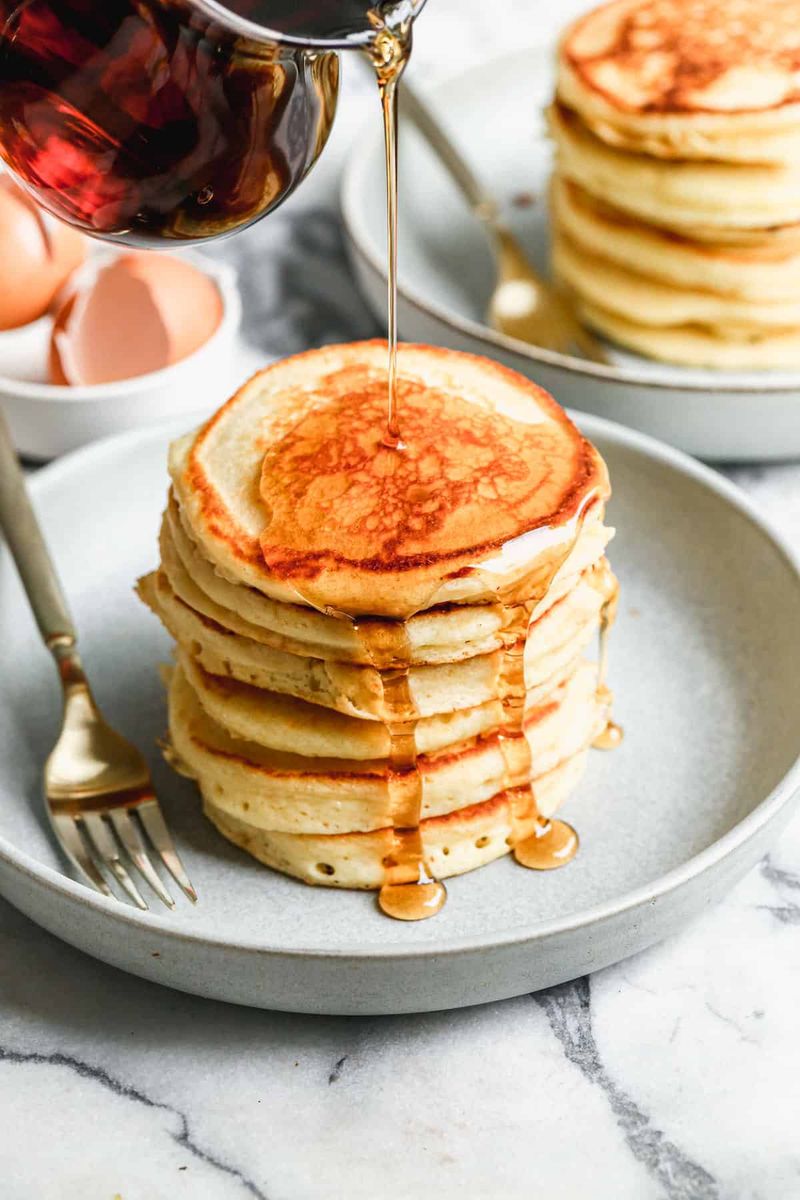
No buttermilk, no problem. Mix milk with a little lemon or vinegar and add a pinch of cream of tartar to boost acidity and lift.
The batter bubbles beautifully, flipping into pancakes that are thick, tender, and lightly tangy.
Whisk dry ingredients with cream of tartar and baking soda, then stir in the soured milk mixture and melted butter. Do not overmix.
Rest briefly, and cook on a medium hot griddle until bubbles set. Flip once for golden tops.
The result is diner worthy pancakes even on a pantry day. Add blueberries or chocolate chips to make them special without extra fuss.
17. Homemade Baking Powder Substitute
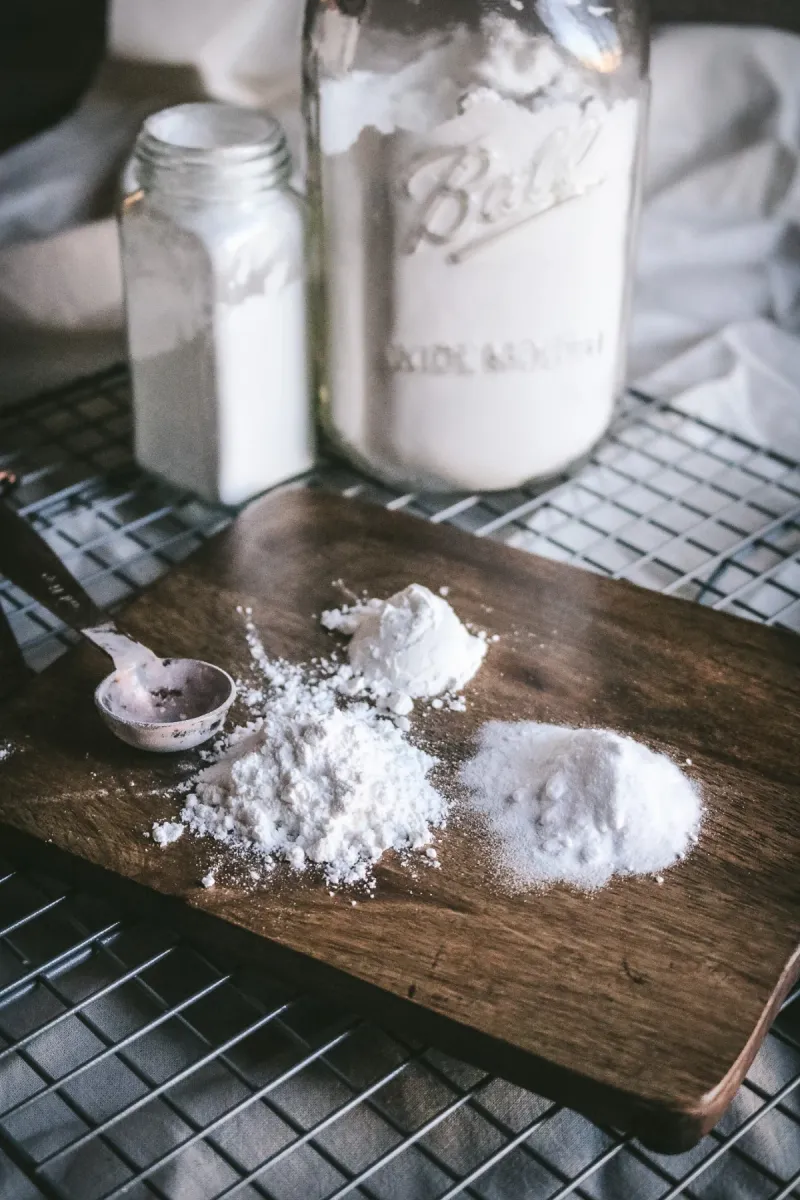
Out of baking powder right before baking day. Make a quick stand in by mixing cream of tartar with baking soda, plus cornstarch for storage.
The acid base combo creates instant lift, just like the store bought stuff.
Use two parts cream of tartar to one part baking soda, with one part cornstarch if you are batching some ahead. Whisk thoroughly and measure as you would regular baking powder.
Add to muffins, cakes, and quick breads for dependable rise. It is ideal when recipes already lean sweet and you want a clean flavor.
Keep a small jar for emergencies and you will never stall a recipe again.