18 Common Mistakes People Make With Canned Chicken

Canned chicken can be a weeknight lifesaver, but it is also one of the easiest pantry staples to misuse. A few small mistakes can leave you with soggy salads, bland fillings, or dry, stringy bites that make the whole meal feel disappointing.
The good news is that most of these problems are simple to fix with better prep and smarter seasoning. If you want canned chicken to taste fresher, better textured, and far more useful, these are the mistakes worth avoiding.
1. Not Draining It Well
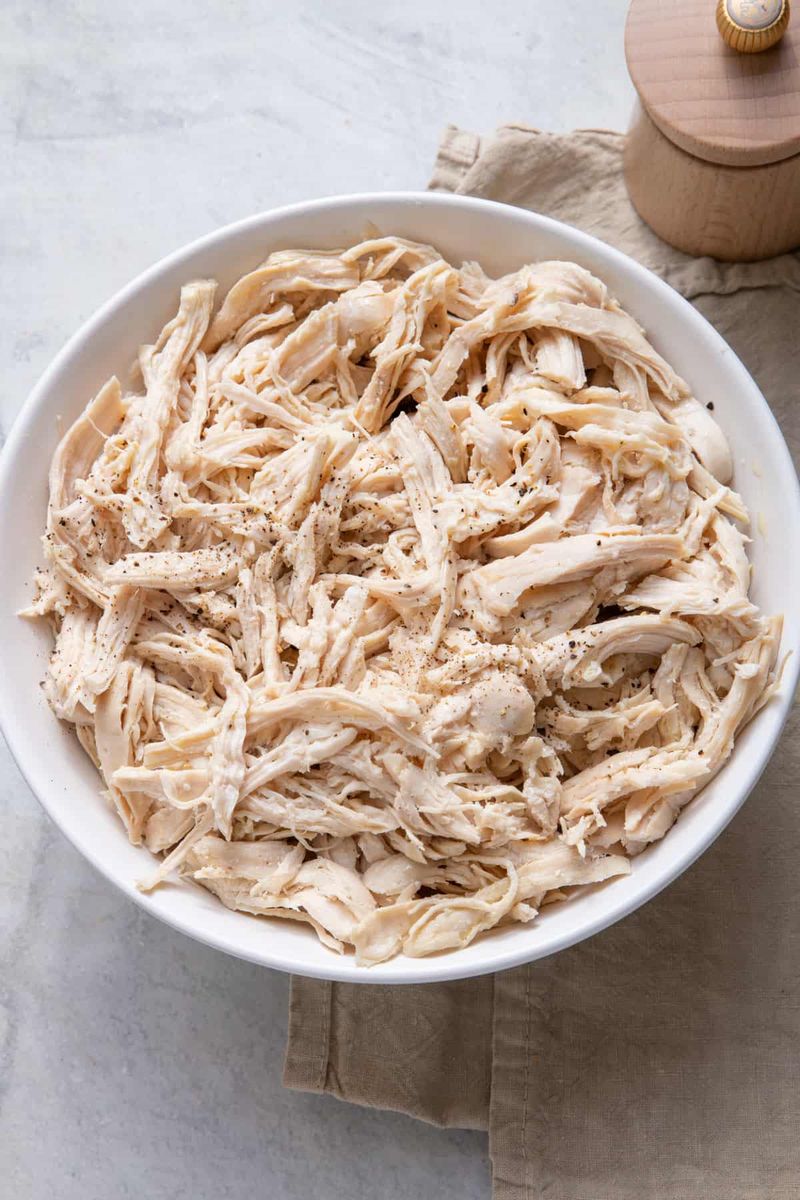
One of the fastest ways to ruin canned chicken is leaving too much liquid clinging to it. That extra moisture can turn chicken salad soupy, casseroles loose, and quesadillas oddly soggy before they ever crisp up.
If your recipe already has dressing, broth, or sauce, the can liquid just gets in the way.
I like to drain it thoroughly, then press it gently with a fork or paper towel to remove a little more moisture. You do not need to crush it dry, but you want it closer to fluffy than wet.
That small step gives you better texture and stronger flavor in almost every dish.
2. Skipping a Quick Rinse
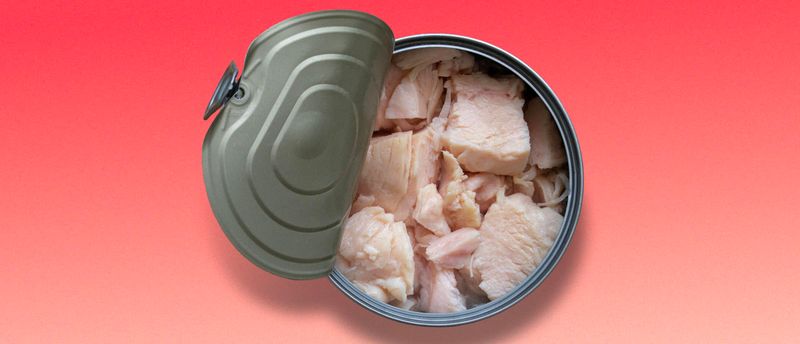
Sometimes canned chicken has that distinct canned taste that lingers more than you want. If you skip a quick rinse when the flavor seems strong, you may end up fighting that metallic or processed note in the final dish.
Even good seasoning can struggle if that background taste stays too noticeable.
A fast rinse under cool water can mellow the flavor surprisingly well without making the chicken useless. The key is patting it dry right after, so you are not adding moisture back into the recipe.
It is a simple trick that helps canned chicken taste cleaner, fresher, and easier to blend into sauces, dips, and salads.
3. Not Breaking It Up Properly
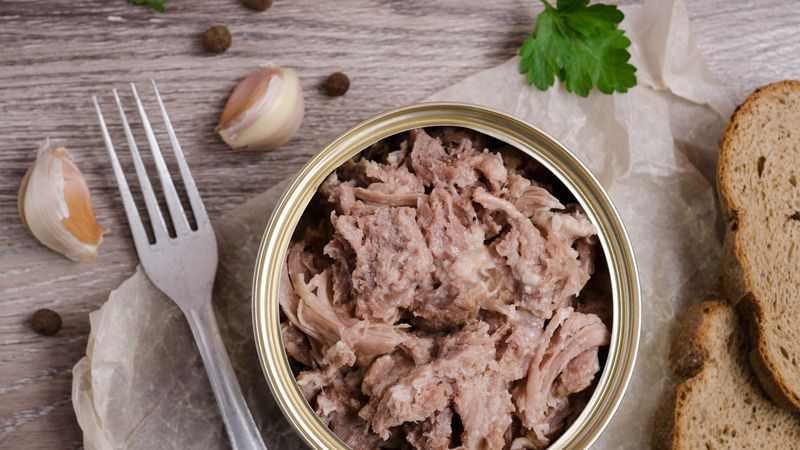
Big clumps of canned chicken can make a dish feel awkward, dry, and uneven. You get random dense bites instead of chicken that blends smoothly into the filling, sauce, or dressing.
That matters a lot in tacos, casseroles, sandwiches, and dips where texture should feel consistent in every bite.
Instead of dumping it in as one solid mass, take a fork and flake it into smaller pieces first. That little bit of effort helps it absorb flavor more evenly and keeps it from feeling like an afterthought.
When it is broken up well, canned chicken becomes much easier to mix, season, and enjoy.
4. Using It Plain Without Seasoning
Canned chicken is convenient, but it is not something that usually tastes amazing straight from the can. If you use it plain without adding anything, the result often feels flat, bland, and forgettable.
That is usually why people decide they hate canned chicken, when really they just have not built flavor into it.
You need to treat it like a blank canvas and give it salt, pepper, herbs, spices, or a creamy dressing with personality. A little garlic powder, onion, paprika, or ranch seasoning goes a long way.
Once you season it with intention, canned chicken stops tasting boring and starts tasting actually useful.
5. Forgetting Acid
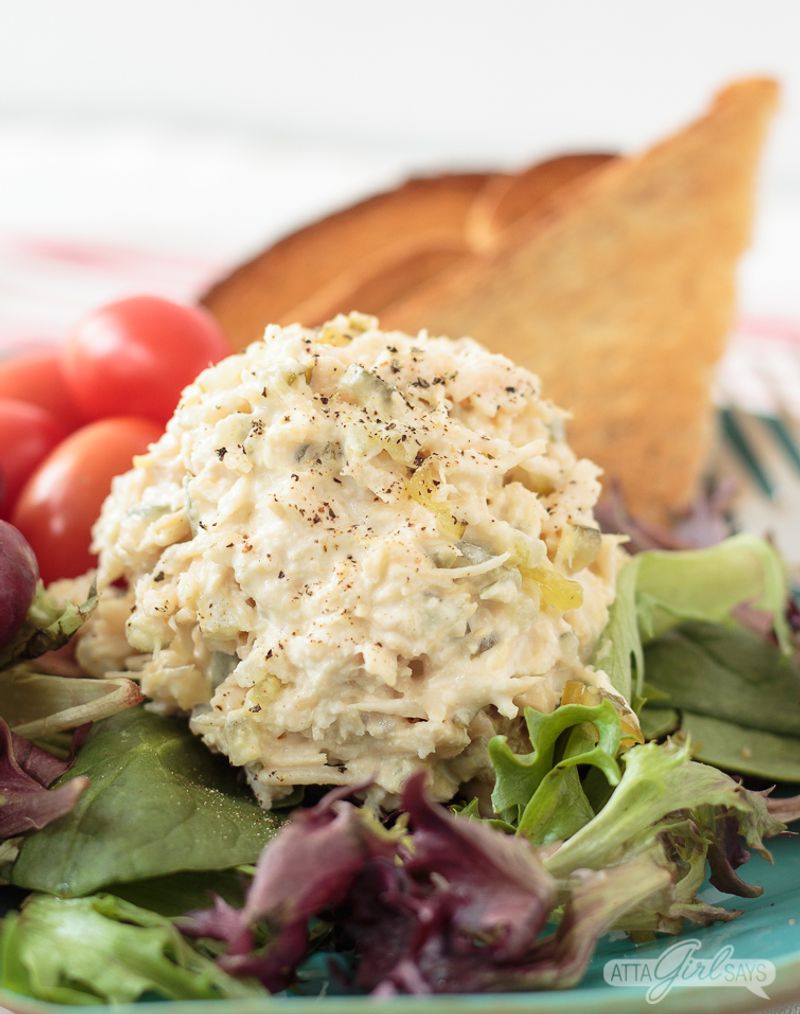
One of the easiest ways to make canned chicken taste fresher is adding a little acid, yet many people forget this step completely. Without it, the flavor can stay heavy, dull, or slightly stale even if you added spices.
Acid wakes everything up and makes the chicken feel less processed almost instantly.
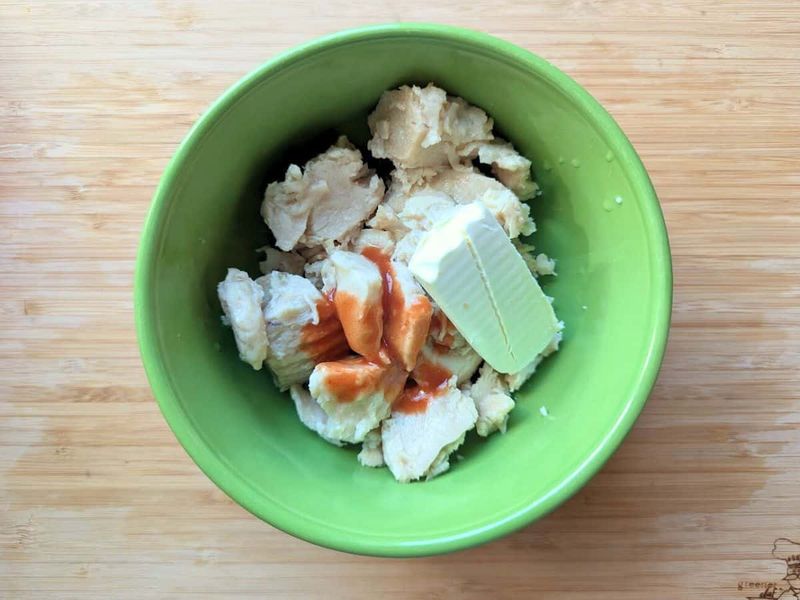
A squeeze of lemon, a dash of vinegar, a spoonful of pickle juice, or a little hot sauce can completely change the final result. You do not need much to notice the difference.
If your canned chicken recipe tastes like it needs something but you cannot name it, acid is probably the missing piece.
6. Treating It Like Freshly Cooked Chicken

Canned chicken is not a perfect stand in for every recipe that calls for cooked chicken. If the texture of the chicken is supposed to be the star, like sliced breast over pasta or a neat grilled chicken sandwich, canned chicken usually feels disappointing.
It works differently, and expecting otherwise sets you up for a bad result.
Where it shines is in mixed dishes where texture matters less than convenience and flavor absorption. Think soups, creamy casseroles, chicken salad, dips, enchilada filling, or saucy wraps.
When you use it where shredded, seasoned chicken makes sense, it feels practical instead of like a compromise.
7. Overcooking It
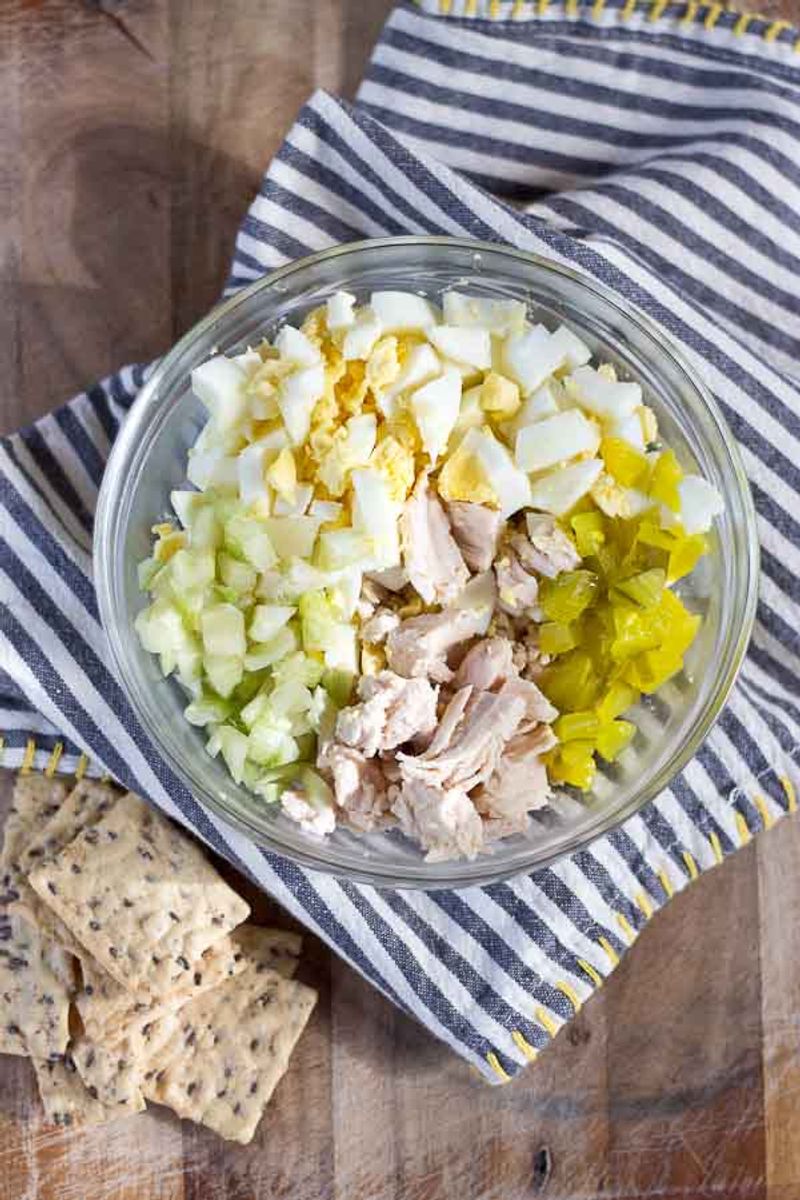
Canned chicken is already fully cooked, so it does not need the same treatment as raw meat. When you simmer it too long, bake it forever, or keep it on high heat while the rest of the dish catches up, it can turn stringy and dry.
That is often why canned chicken gets blamed for bad texture.
The better move is to warm it gently and only as long as needed. If it is going into a casserole, sauce, or soup, let the other ingredients do the heavier cooking first.
Adding canned chicken later helps it stay softer, more tender, and much more pleasant to eat in the final dish.
8. Putting It Into a Dry Dish Without Sauce

Canned chicken really needs moisture if you want it to taste its best. Dropping it into a dry stuffing, plain rice bowl, or bare wrap without enough sauce can make every bite feel chalky and disconnected.
Because it is lean and already cooked, it benefits from something creamy, brothy, or glossy to carry flavor.
That is why canned chicken works better in buffalo dip, noodle casseroles, soups, enchilada filling, or saucy skillet meals than in drier applications. A little broth, mayo, yogurt, salsa, gravy, or melted cheese can rescue the texture fast.
Give it moisture, and it becomes much more satisfying and easier to love.
9. Using Too Much Mayo in Chicken Salad
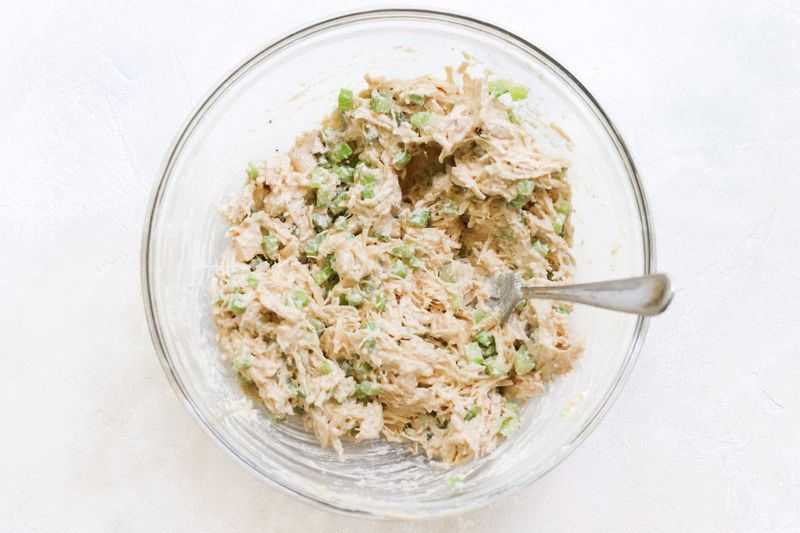
Chicken salad can go wrong quickly when you dump in too much mayo at the start. Instead of creamy and balanced, it turns heavy, greasy, and oddly slick, which does not help the already soft texture of canned chicken.
The flavor gets muted too, because the mayo takes over everything else.
I like to start with less than I think I need, then build slowly until the mixture just comes together. That leaves room for celery, pickles, onion, mustard, herbs, or nuts to actually matter.
You want chicken salad that feels bright and textured, not like a bowl of mayonnaise with chicken hiding in it.
10. Skipping Crunch

Canned chicken is naturally soft, so a recipe built entirely around soft ingredients can feel one note fast. If you skip crunch, the whole dish may taste acceptable but still seem boring or mushy.
That texture problem is often what makes people say the meal feels off, even when the seasoning is fine.
The easiest fix is adding something crisp and punchy. Celery, onions, apples, chopped nuts, pickles, bell peppers, or water chestnuts can completely change the experience.
A little crunch gives contrast, freshness, and structure, making canned chicken salads, wraps, and sandwiches feel much more intentional and much less like emergency food.
11. Not Browning It First
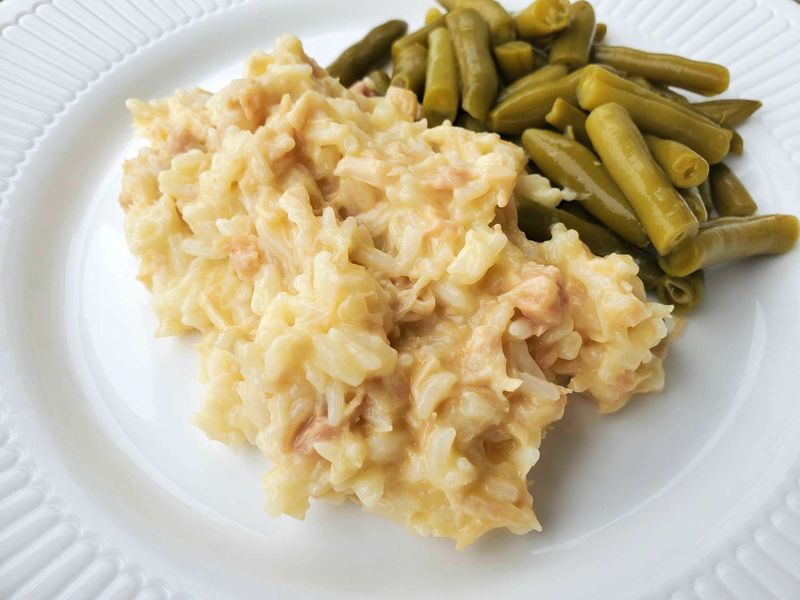
When a recipe needs some actual cooked flavor, canned chicken can taste a little too soft and neutral straight from the can. If you skip browning it first, tacos, wraps, and casseroles may come out edible but strangely flat.
You are missing the deeper savory notes that come from heat and a little color.
A quick saute in a hot pan can help more than you might expect. Let some moisture cook off, add seasoning, and give the chicken a few minutes to develop light browning around the edges.
That simple step improves both flavor and texture, making canned chicken feel much more like a real part of the meal.
12. Adding It Too Early to Soups
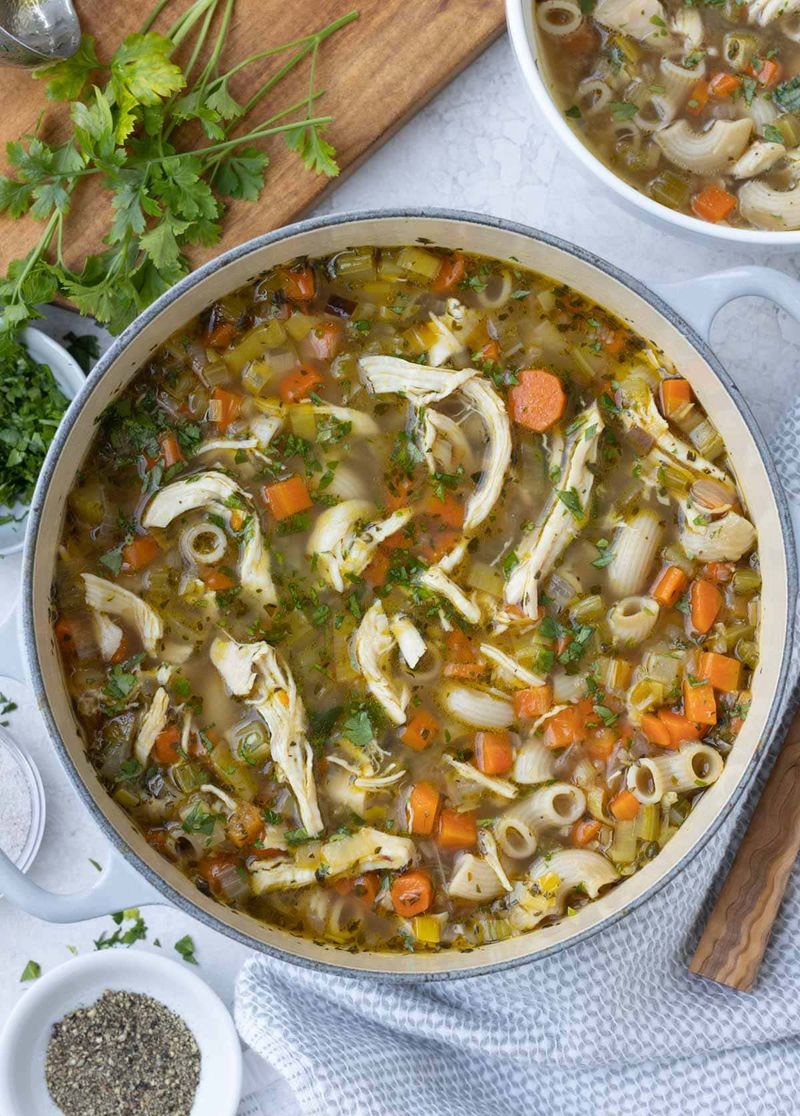
Soup feels like an obvious place for canned chicken, but timing matters more than people think. If you add it at the beginning and let it simmer forever, the chicken can lose what little tenderness it has and turn dry or stringy.
That long cooking time does not improve it because it is already fully cooked.
The better approach is making the soup base first, then stirring the chicken in near the end just to heat through. That keeps the texture softer and lets the broth flavor the chicken without overdoing it.
You still get convenience, but the final bowl tastes fresher and more balanced.
13. Not Tasting for Salt
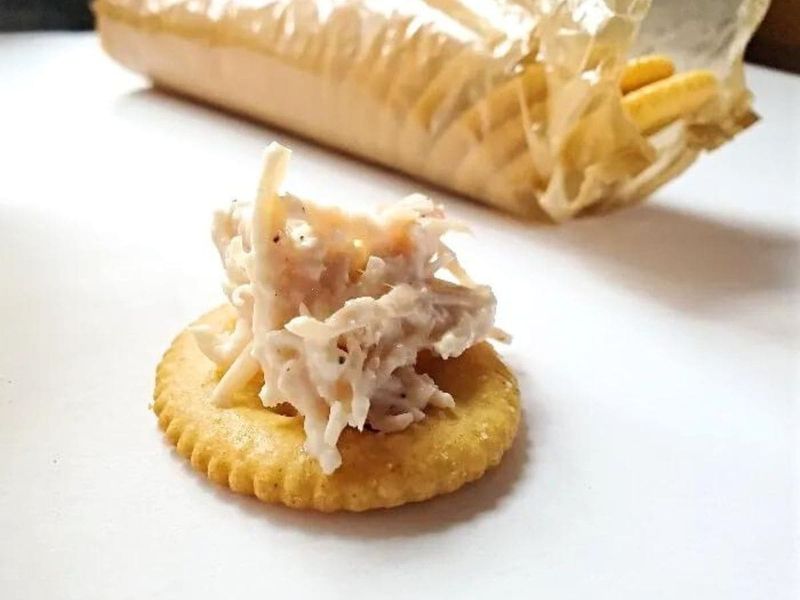
Not all canned chicken is seasoned the same, and that is where people get tripped up. Some brands are fairly mild, while others are salty enough that adding your usual amount can push the whole dish over the edge.
If you season blindly, you risk turning a simple meal into something harsh and unbalanced.
It is always worth tasting the chicken first before adding salt to the bowl, pan, or dressing. Then build the flavor with pepper, herbs, mustard, citrus, or spice as needed.
That tiny pause gives you more control and helps you avoid one of the most frustrating canned chicken mistakes: oversalting food you cannot easily fix.
14. Expecting a Grilled Chicken Replacement
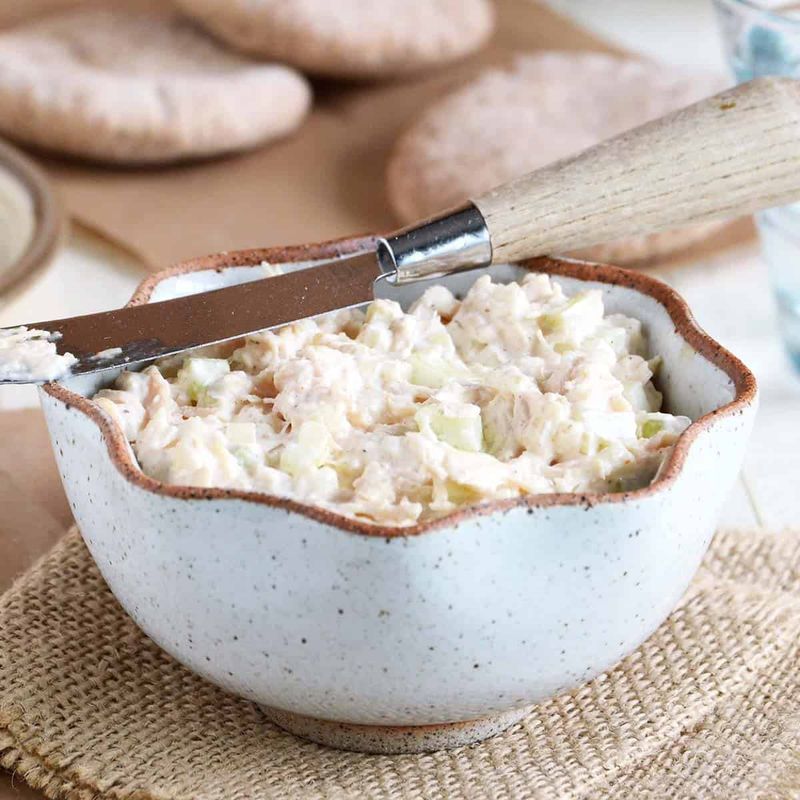
Canned chicken is not the best choice when you are craving that distinct grilled chicken texture and look. It does not slice neatly into juicy strips, and it will not give you the same bite as fresh breast on a salad or sandwich.
Expecting that kind of performance usually leads to disappointment right away.
Instead, lean into recipes where shredded or broken up chicken makes sense. Toss it with buffalo sauce, fold it into a melt, mix it into pasta salad, or use it in enchiladas and sliders.
When you stop forcing it to imitate grilled chicken, canned chicken becomes much easier to use successfully.
15. Forgetting to Balance the Smell

Even when the flavor is fine, the smell of canned chicken can throw people off before the meal even starts. If you ignore that and serve it plain, the aroma can make the whole dish seem less fresh than it really is.
That first impression matters more than many people realize.
The fix is building in bold ingredients that shift the smell and flavor at the same time. Garlic, onion, mustard, fresh herbs, pepper, celery, and a splash of acid can help a lot.
Once those aromatics are mixed in, canned chicken smells more appetizing and the finished dish feels far more deliberate and appealing.
16. Using It for Crispy Breaded Chicken

Canned chicken does not behave like intact pieces of fresh meat, so using it for classic crispy breaded chicken is usually a mistake. It will not hold together the same way, and you are likely to end up with a messy coating and a texture that falls apart.
That can be frustrating if you expected a cutlet style result.
Where canned chicken does better is in recipes that use binders and embrace its texture. Think patties, croquettes, fritters, or cakes with egg, crumbs, cheese, and seasoning to hold everything together.
Those recipes work with canned chicken instead of fighting it, and the final texture makes much more sense.
17. Not Storing Leftovers Correctly
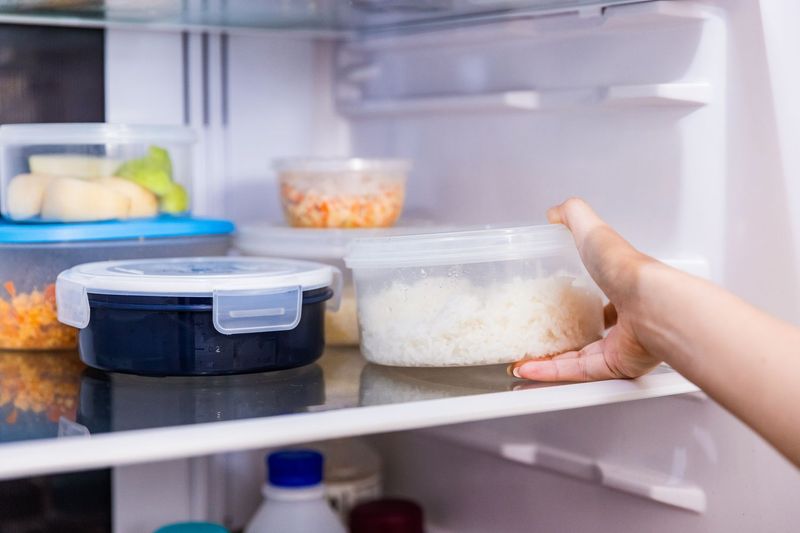
Once a can of chicken is opened, it needs to be treated like any other cooked chicken. Leaving it in the can, letting it sit out too long, or forgetting it in the back of the fridge is a food safety issue you do not want.
Convenience should never come at the cost of careless storage.
Transfer leftovers to an airtight container, refrigerate them promptly, and plan to use them within a few days. That keeps the texture from deteriorating and helps protect flavor too.
If something smells off or has been sitting around too long, it is better to toss it than gamble on a pantry shortcut gone wrong.
18. Blaming the Ingredient Instead of the Brand
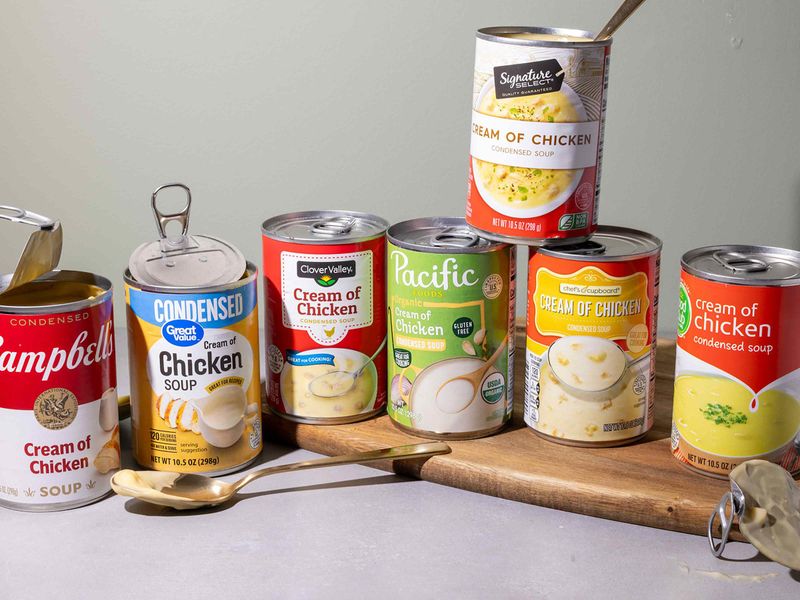
Not all canned chicken is created equal, and that is a mistake many people miss. If you try one dry, shredded, unpleasant brand and decide the whole ingredient is bad, you may be writing it off too quickly.
Brand differences in texture, salt level, and packing liquid can be surprisingly noticeable.
If your first experience was disappointing, try another brand before giving up. Options packed in broth can taste juicier, and some are much more tender than others.
It is worth experimenting until you find one that works for your recipes. Sometimes the real issue is not canned chicken itself, but the specific can you bought.