18 Foods That Once Had A Less Fashionable Reputation
Tastes change, and some of the foods we once mocked now headline our menus. This list rounds up the humble, the misunderstood, and the unfairly maligned that got a full-blown glow-up.
You will see how smarter cooking, better sourcing, and social media turned yesterday’s “no thanks” into today’s “must order.” Ready to reevaluate a few pantry regulars and maybe find a new favorite?
Brussels sprouts
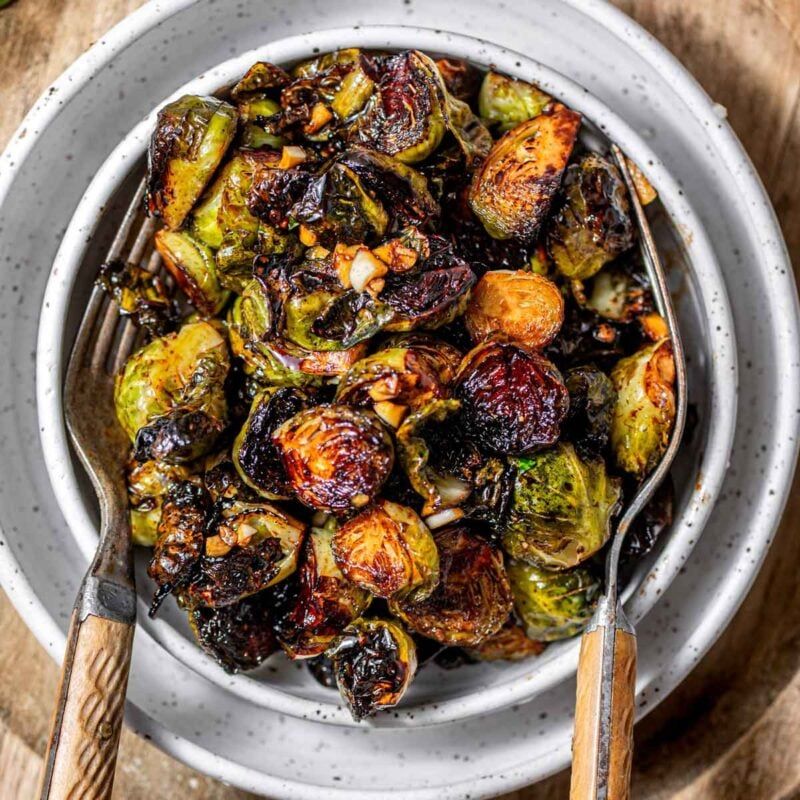
Brussels sprouts took the fall for generations of overboiling. When they were steamed to oblivion, you got sulfur and mush, not dinner.
Then roasting arrived with high heat, olive oil, and salt, giving you caramelized edges and a sweet nutty center.
Add bacon, maple, or a tangy balsamic reduction and suddenly they feel like a side you brag about. Shaved raw into salads, they bring crunch.
Air fryer versions hit that crisp factor fast. You just needed aggressive heat and seasoning to unlock their personality.
Kale
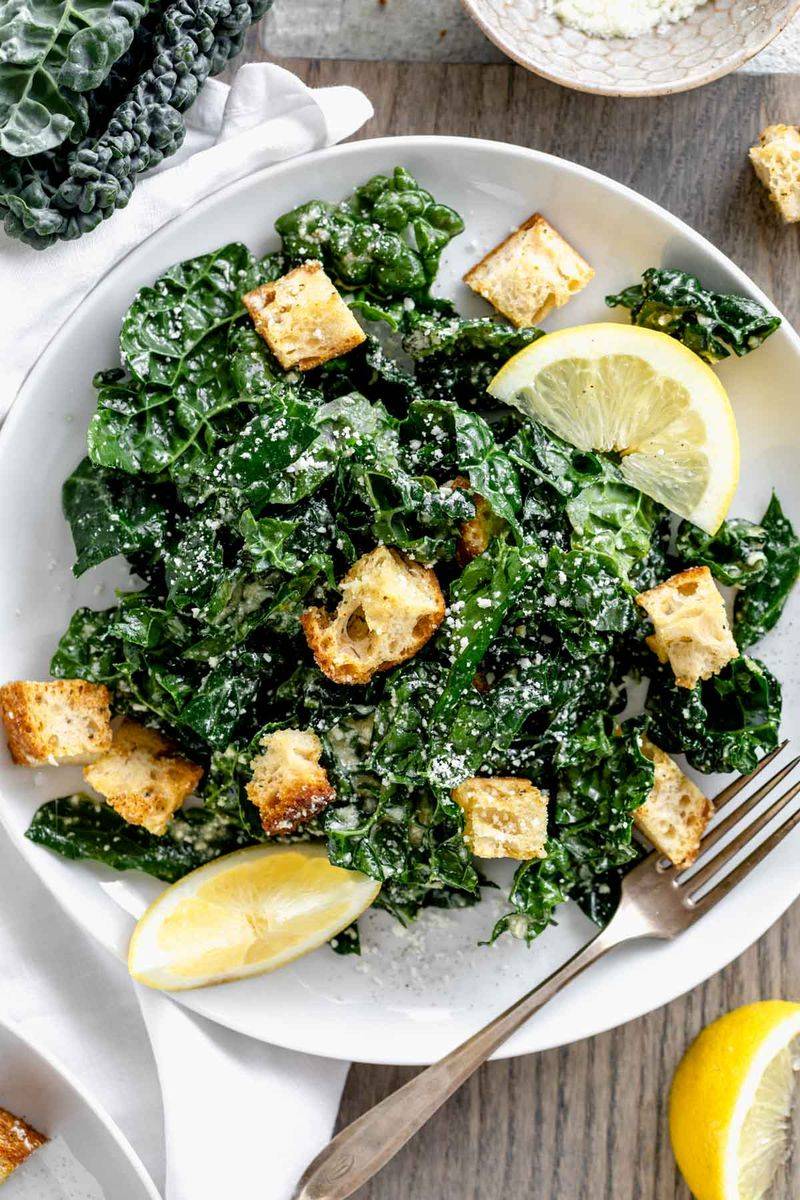
Kale used to loom as garnish territory, a curly green that felt like homework. Then we learned to massage it with olive oil and salt, softening the bite.
Caesar-style dressings, lemon, and sharp cheese made it craveable, not punishing.
Roasted kale chips scratched that salty snack itch. Sautéed with garlic, it became weeknight friendly.
Tossed into soups and pasta, it brought backbone and color. You still want stems trimmed and leaves sliced thin, but respect the technique.
Do that, and kale stops nagging and starts delivering.
Avocado
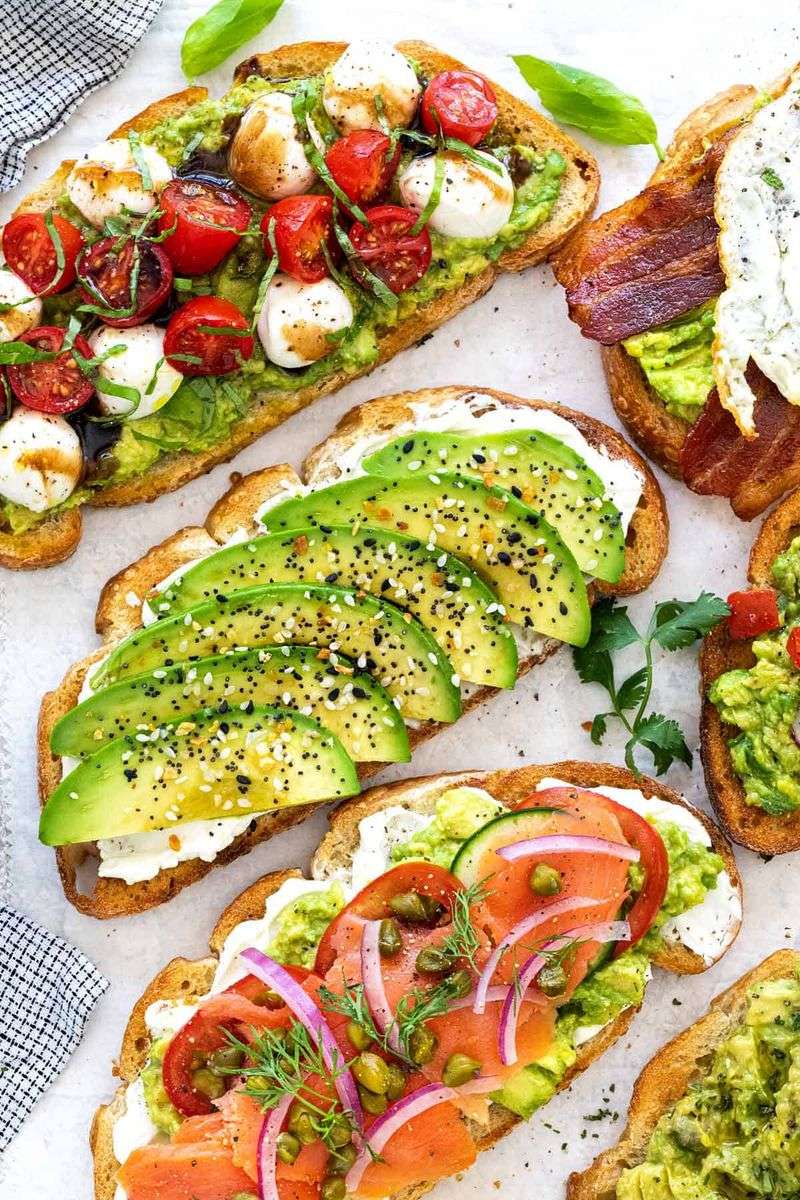
Avocado once felt puzzling to many: rich yet bland, pricey, and tricky to time. Then came creamy guacamole, toast crowned with flakes and citrus, and silky smoothies.
Its neutral base let flavors shine while adding luxurious texture.
Bowls got better with avocado fans layered beside grains, spicy sauces, and crunchy toppings. Sushi rolls leaned on it for buttery balance.
Even desserts used it for lushness. Yes, ripeness is a tightrope, but with gentle pressure testing and counter-to-fridge timing, you can nail it.
Suddenly, avocado reads like everyday decadence.
Quinoa
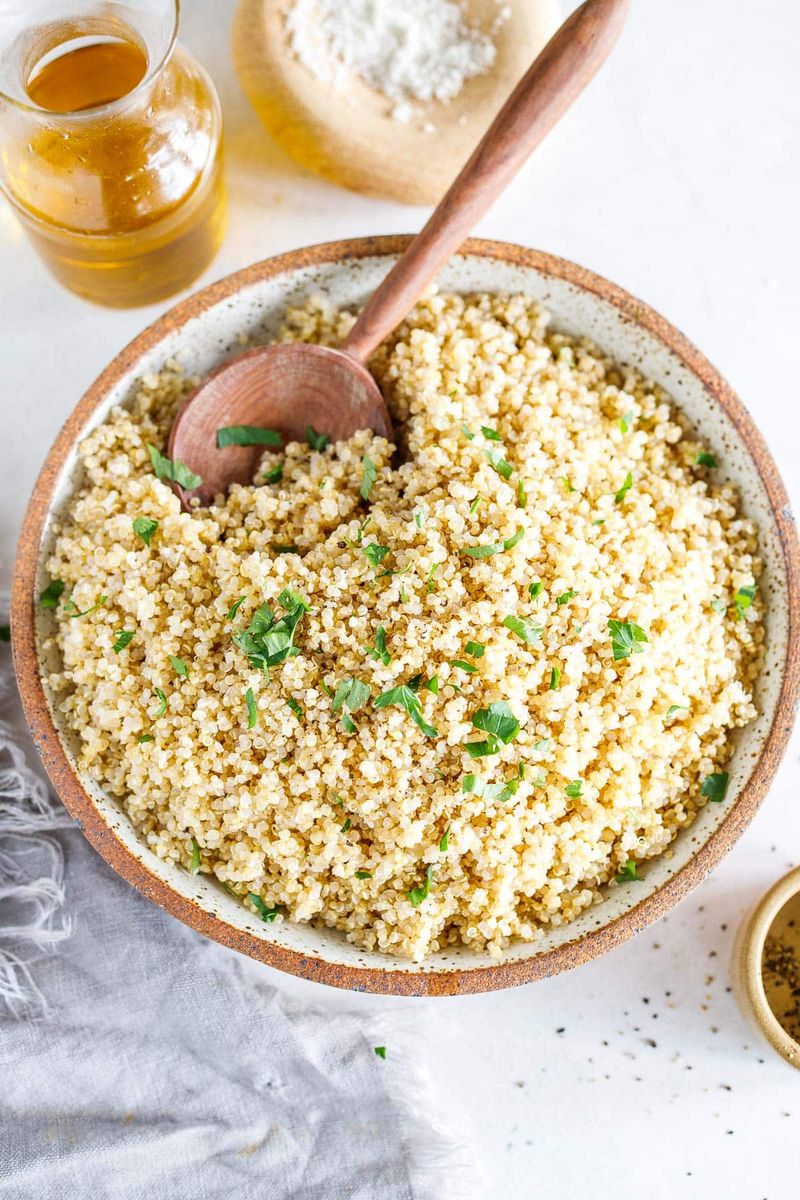
Quinoa started as the stereotype of earnest health food, more duty than delight. Then people rinsed it properly to remove bitterness and seasoned it like it mattered.
Toasting the grains before simmering brought nuttiness and better texture.
Now it stars in bowls with crispy chickpeas, herbs, and zippy dressings. It holds up in salads for days, making meal prep feel smart.
Crisp it in a pan for crunch. Fold it into soups for body.
When you treat quinoa like rice’s cool cousin, it returns the favor with versatility and charm.
Cauliflower
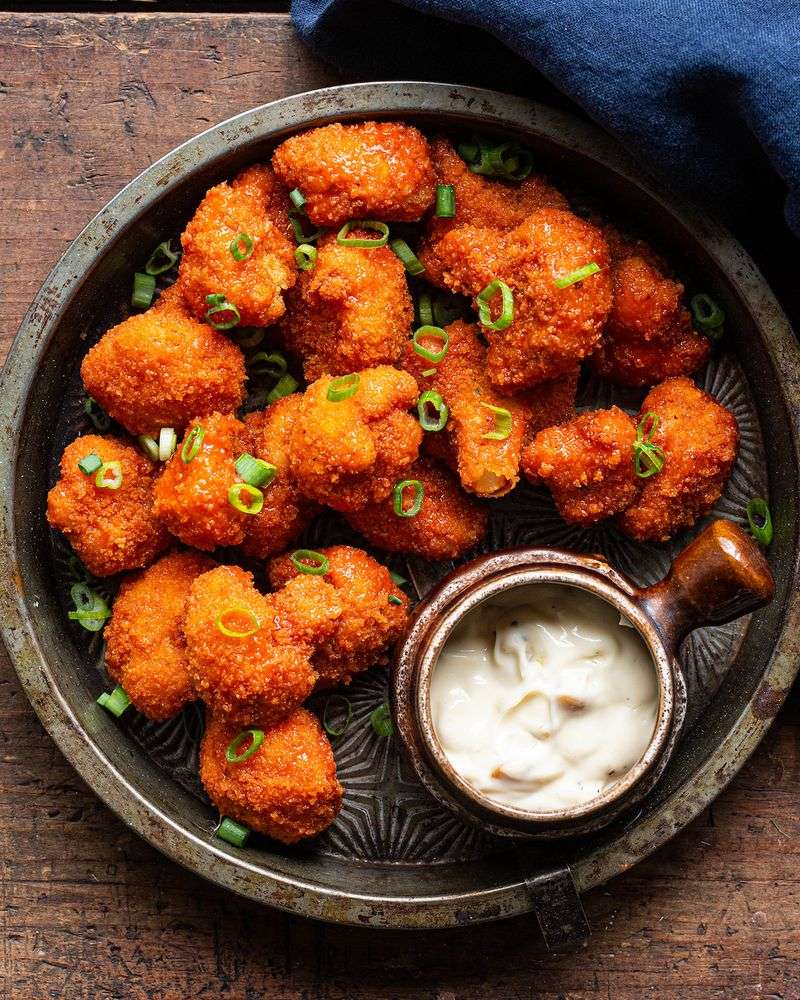
Cauliflower used to feel like blank whiteness on a plate. Then cooks learned to blast it with heat, spice it boldly, and transform the texture.
Rice, mash, steaks, pizza crust, and buffalo-style bites turned it from afterthought to main character.
Its mild flavor soaks up seasoning like a sponge, so curry pastes, smoky rubs, and citrus all land beautifully. Charring adds complexity.
A squeeze of lemon and a shower of herbs wake it up. Cauliflower finally became exciting once we stopped treating it gently and started cooking it with confidence.
Cottage cheese
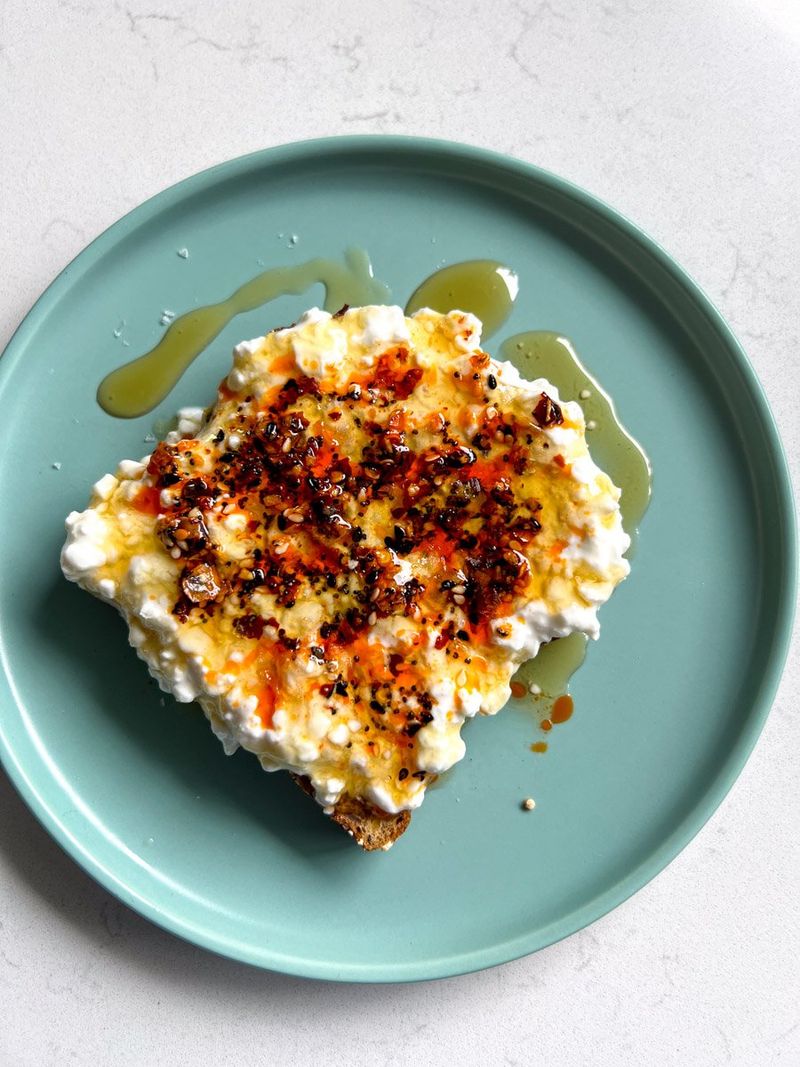
Cottage cheese carried that retro diet vibe, the sad plastic tub next to melon. High protein was always there, but joy was missing.
Now people blend it into smoothies and pancake batter, whirl it into dips, or dollop it on toast with jam.
Savory versions with tomatoes, chili oil, and herbs prove it is not just for dieters. Whipped cottage cheese turns silky and spreadable.
Folded into eggs, it brings extra fluff. It feels fresh again because we finally dressed it up and let salt, fat, and texture play along.
Greek yogurt
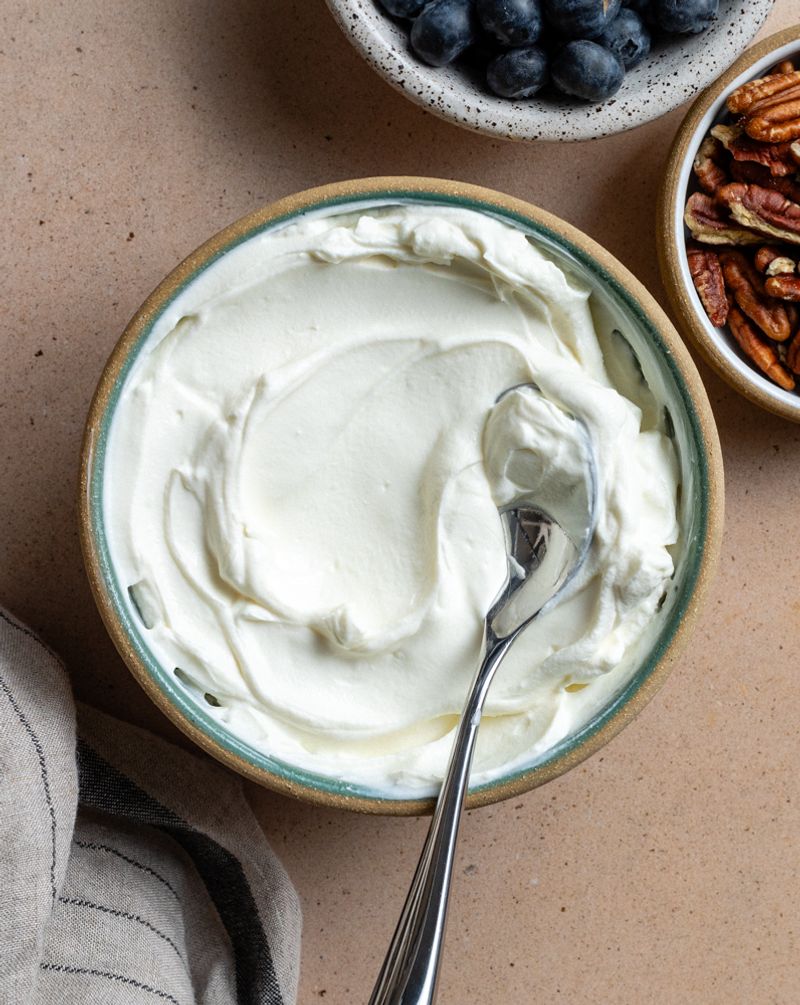
Greek yogurt once seemed too tart next to syrupy cups. Then bowls with fruit, nuts, and honey reframed tang as balance.
In the kitchen, it became a sauce base, marinade hero, and baking swap that adds moisture and protein.
Stirred with herbs and lemon, it brightens grilled meats. Whisked with garlic and cucumbers, it becomes tzatziki.
Frozen into bark, it is dessert. Choose full-fat for extra body and better flavor.
Suddenly, that tang reads as sophistication, not punishment, and your fridge feels smarter.
Sardines
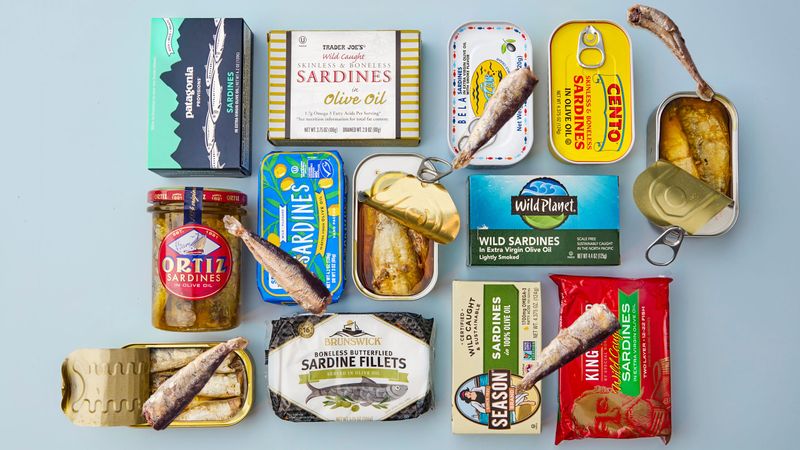
Sardines were pigeonholed as fishy and cramped in tiny tins. Then the tinned fish renaissance arrived with beautiful packaging and better sourcing.
A quick squeeze of lemon, good butter, and hot toast changed the script.
Packed in olive oil, tomato, or chili, they bring richness and heat. They are sustainable, affordable, and loaded with omega-3s.
Toss with pasta, capers, and breadcrumbs for weeknight elegance. Or build a snack board and let the cans be the star.
Suddenly, sardines feel chic instead of apologetic.
Anchovies
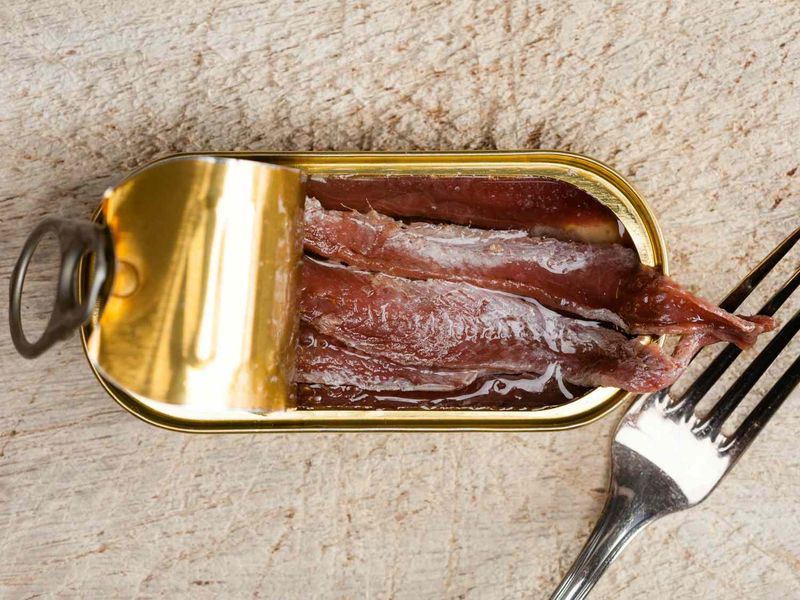
Anchovies used to be the punchline pizza topping. But melted into hot oil, they disappear and leave deep savory backbone.
Caesar dressing, bagna cauda, and puttanesca prove how anchovies act like flavor lightning.
Buy good fillets packed in olive oil, not just dusty paste. Mash with garlic and lemon, swipe across toast, and watch faces light up.
A few fillets transform vegetables, steaks, and sauces. They are not about fishiness, they are about umami.
Handle them right and people ask for the secret.
Bone broth
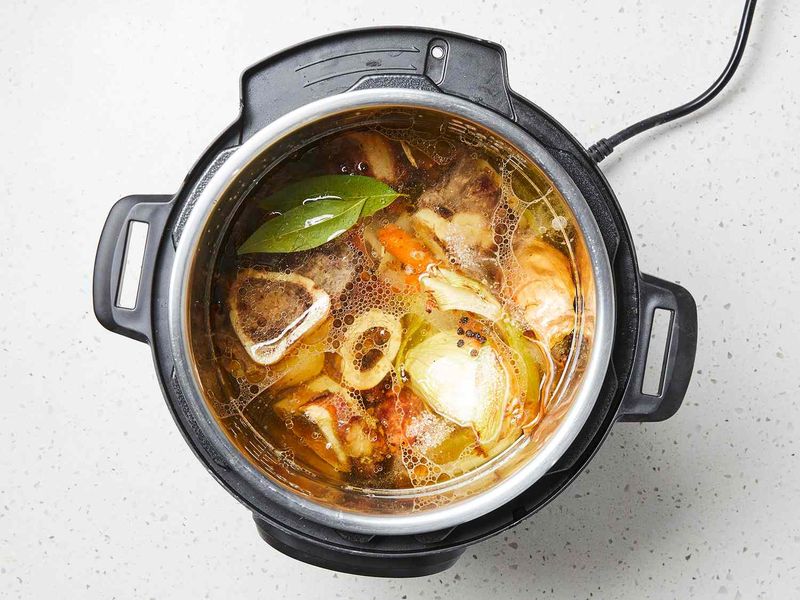
Bone broth sounded like a chore until pressure cookers and slow cookers did the hours for you. Now it is a wellness staple and a flavor booster.
Collagen talk aside, the real win is depth that turns soups and grains into comfort fast.
Roast the bones first, splash in vinegar, and add aromatics. Freeze in cubes for quick pan sauces.
Sip it straight with chili oil and lemon. Whether you call it stock or broth, it is kitchen gold that finally gets its due.
Oysters
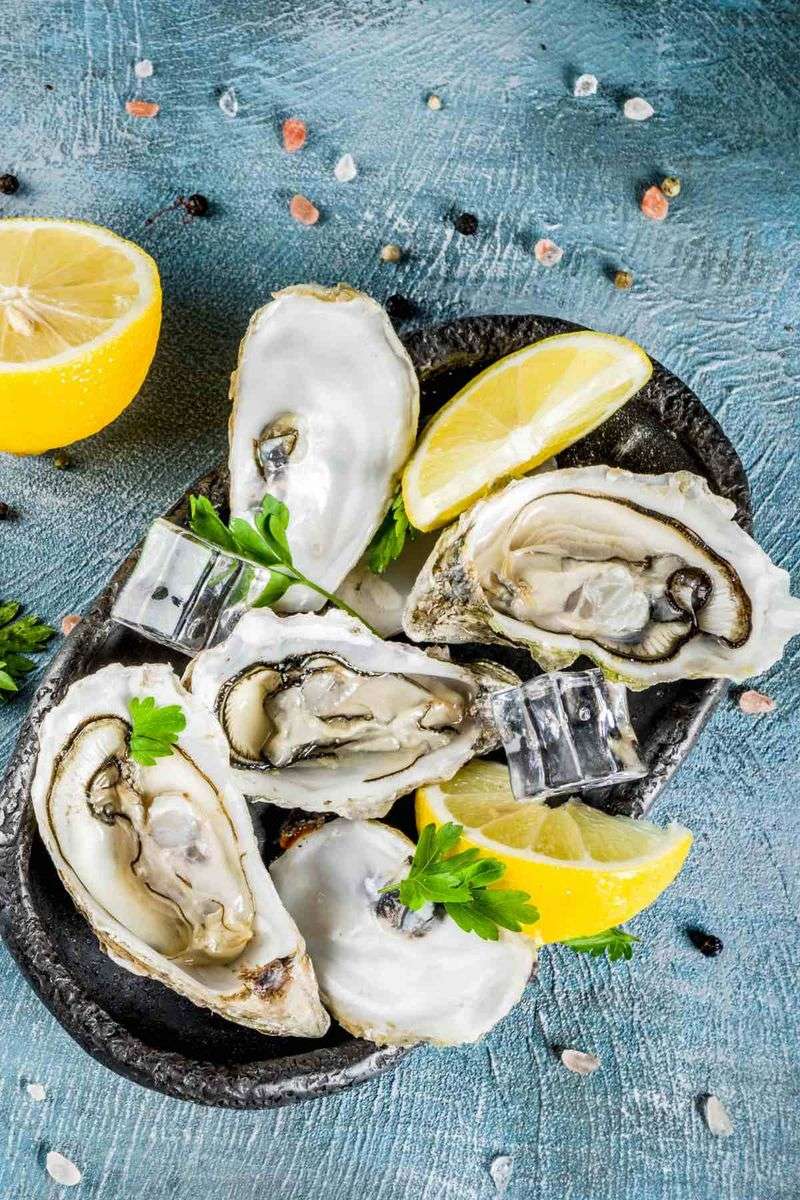
Oysters once felt intimidating or too fancy for many. Then happy hour made them approachable and fun.
A chilled tray with lemon, hot sauce, and briny slurp converts skeptics quickly.
Learning to spot freshness and shuck safely builds confidence. Baked or grilled versions add butter and garlic drama.
Regional varieties let you taste the coastline. Pair with crisp bubbles and you suddenly understand the hype.
Oysters moved from dare to delight, and the ritual is half the joy.
Lobster
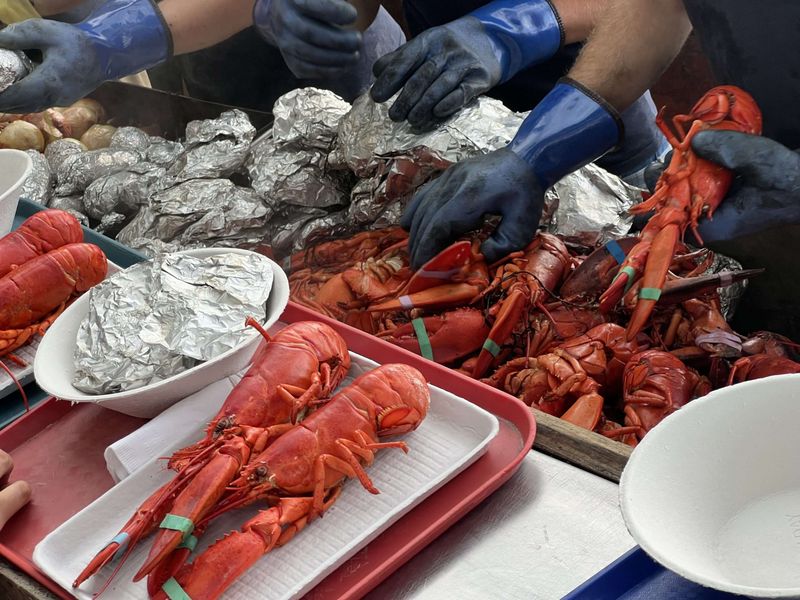
Lobster’s glow-up is wild: once poor food, now celebration centerpiece. The sweet meat barely needs more than butter and lemon.
Rolls packed with chilled chunks and a light dressing made it picnic royalty.
Grilled tails bring smoky decadence for special nights. Shells turn into bisque or stock so nothing is wasted.
Price and ritual make it feel event-worthy, but the flavor carries the moment. Lobster became luxury precisely because simplicity lets its sweetness sing.
Polenta (and grits)
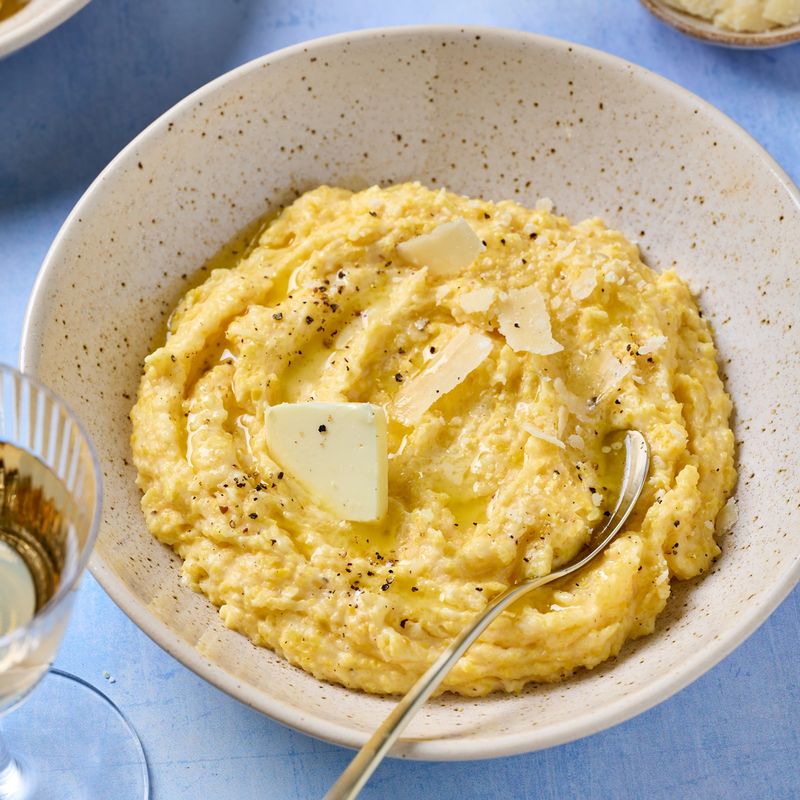
Polenta and grits got dismissed as bland mush when cooked poorly. Salt the water, use stock, whisk patiently, and finish with butter and cheese, and everything changes.
The result is plush and comforting.
Top with braised meats, garlicky greens, or roasted vegetables. Crisp leftovers into cakes and pan-fry for breakfast.
Stone-ground corn delivers deeper flavor, so shop thoughtfully. With proper seasoning and texture, these dishes graduate from forgettable side to craveable canvas.
Mushrooms
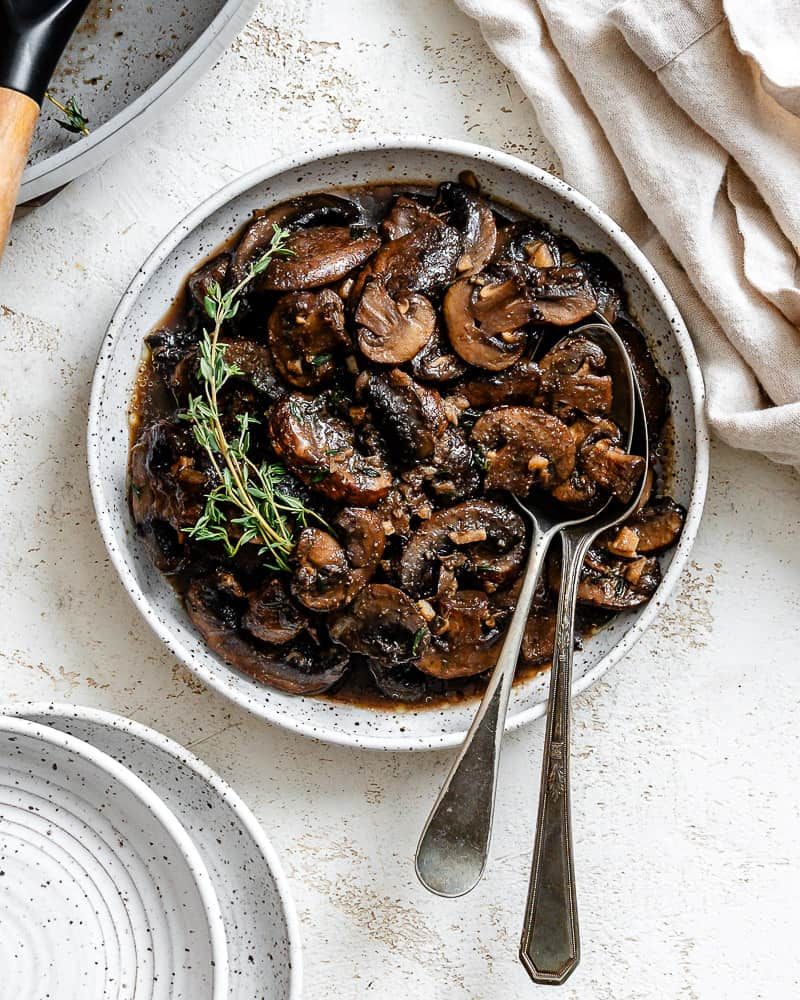
Mushrooms were called rubbery because they were crowded and steamed instead of browned. Give them space, high heat, and patience, and they turn deeply savory.
Butter, thyme, and garlic make a quick pan sauce that begs for toast.
Roasted or grilled, they bring meaty chew to bowls and tacos. Marinade plus sear equals steak energy.
Even skeptics fold when the edges are crisp. Salt later, not early, and you control moisture.
Mushrooms move from weird to wow with technique and heat.
Tofu
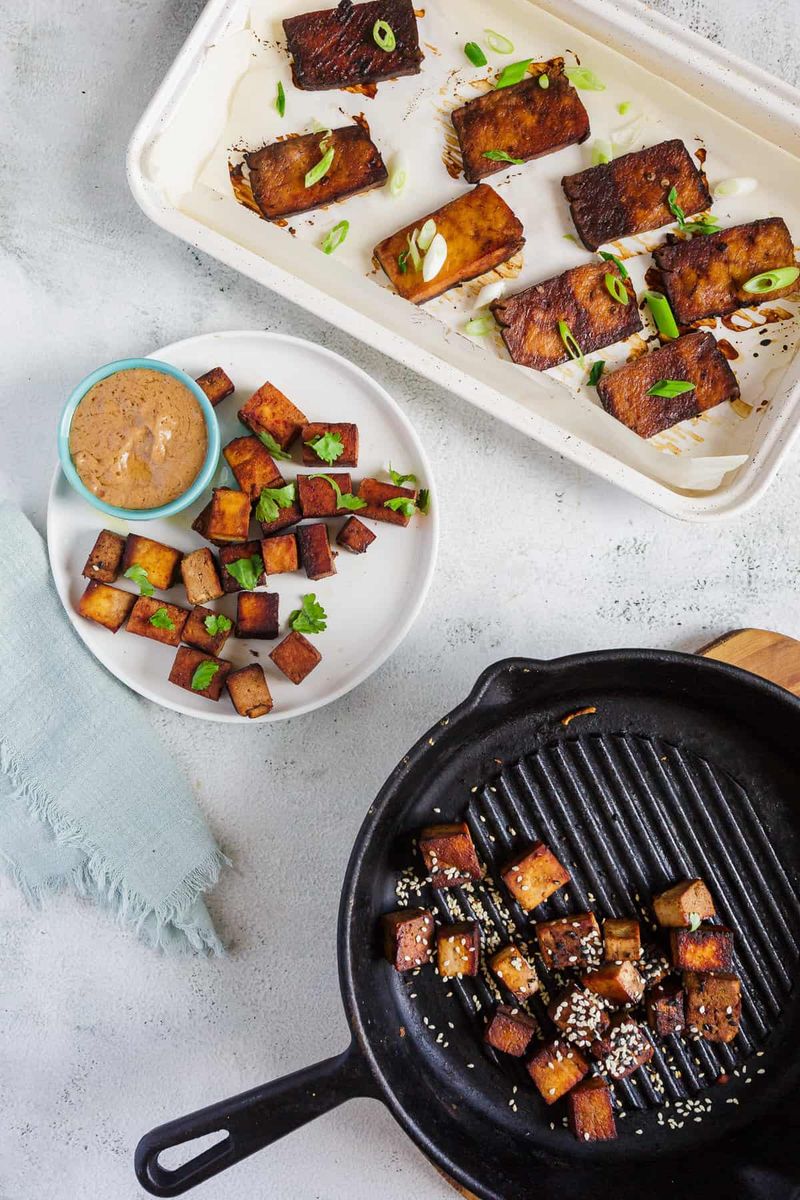
Tofu suffered from the flavorless label for years. Press out water, season aggressively, and crisp it, and suddenly it wins dinner.
Cornstarch gives shattering edges, while marinades soak into the sponge-like interior.
Toss cubes in gochujang, chili crisp, or ginger garlic sauces. Crumble it into mapo-style heat or scramble it for breakfast.
Silken tofu shines in soups and desserts. The trick is technique and bold seasoning.
When you cook tofu like a canvas for flavor, it delivers every time.
Kimchi
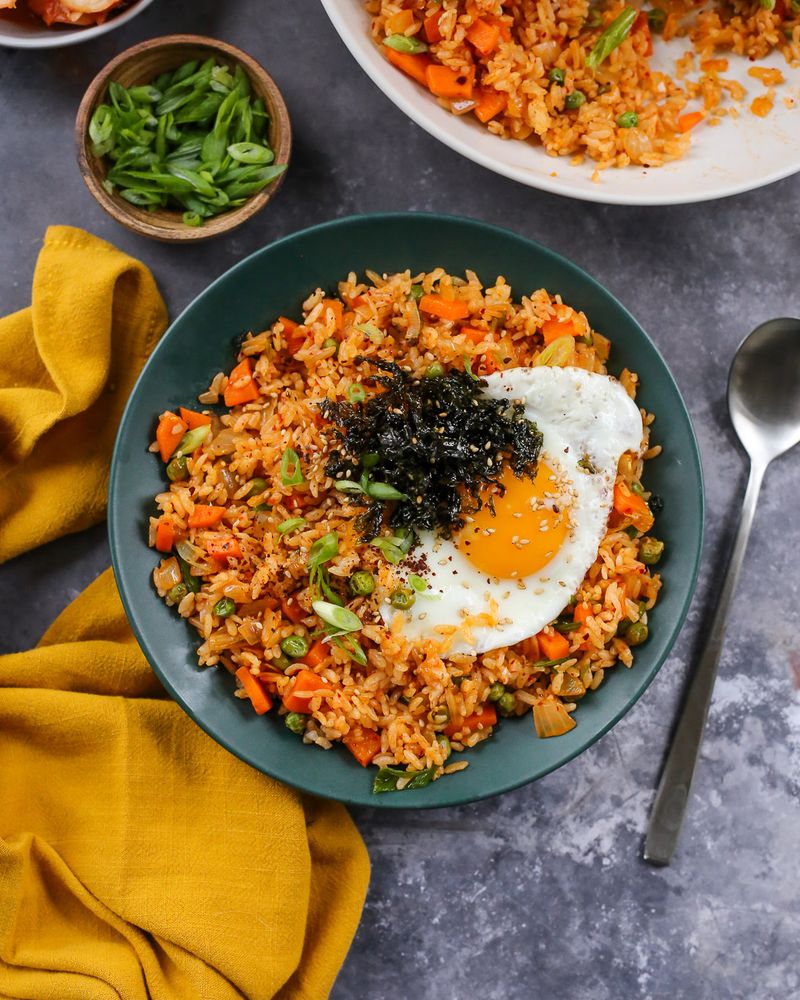
Kimchi once read as too funky for many fridges. Now it is a condiment, side, and ingredient that sparks everything.
That tangy heat cuts richness and wakes up eggs, noodles, and grilled meats.
Kimchi fried rice makes leftovers feel intentional. Pancakes turn snack time crispy.
Even grilled cheese loves a little kimchi crunch. Keep a jar, and weeknights get faster and bolder.
Fermentation’s complexity finally gets mainstream respect, and you taste why.
Seaweed
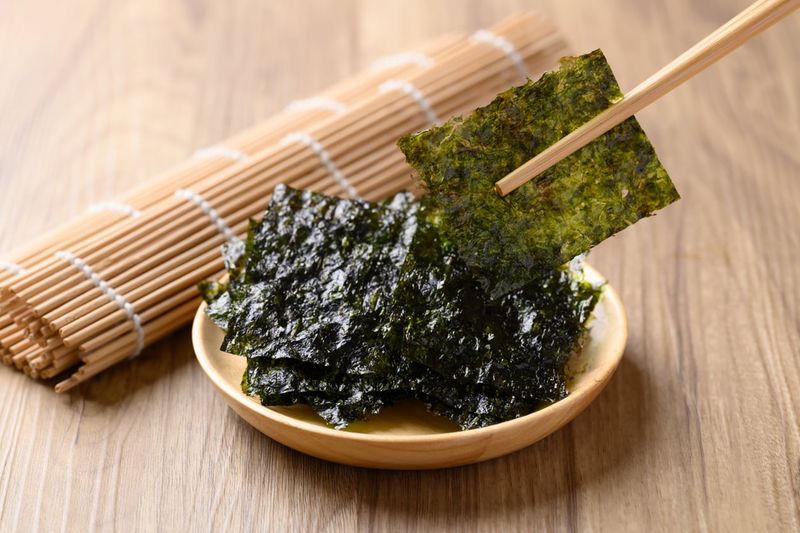
Seaweed used to sound like ocean homework. But roasted sheets deliver salty crunch that rivals chips.
In salads and soups, seaweed adds minerality and umami that feels clean and satisfying.
Sprinkle furikake on rice or popcorn for instant upgrade. Wrap warm rice with nori and watch the comfort level rise.
Dashi built on kombu quietly powers many favorite broths. Once people tasted that subtle depth, seaweed stopped feeling niche and started feeling essential.
Canned beans
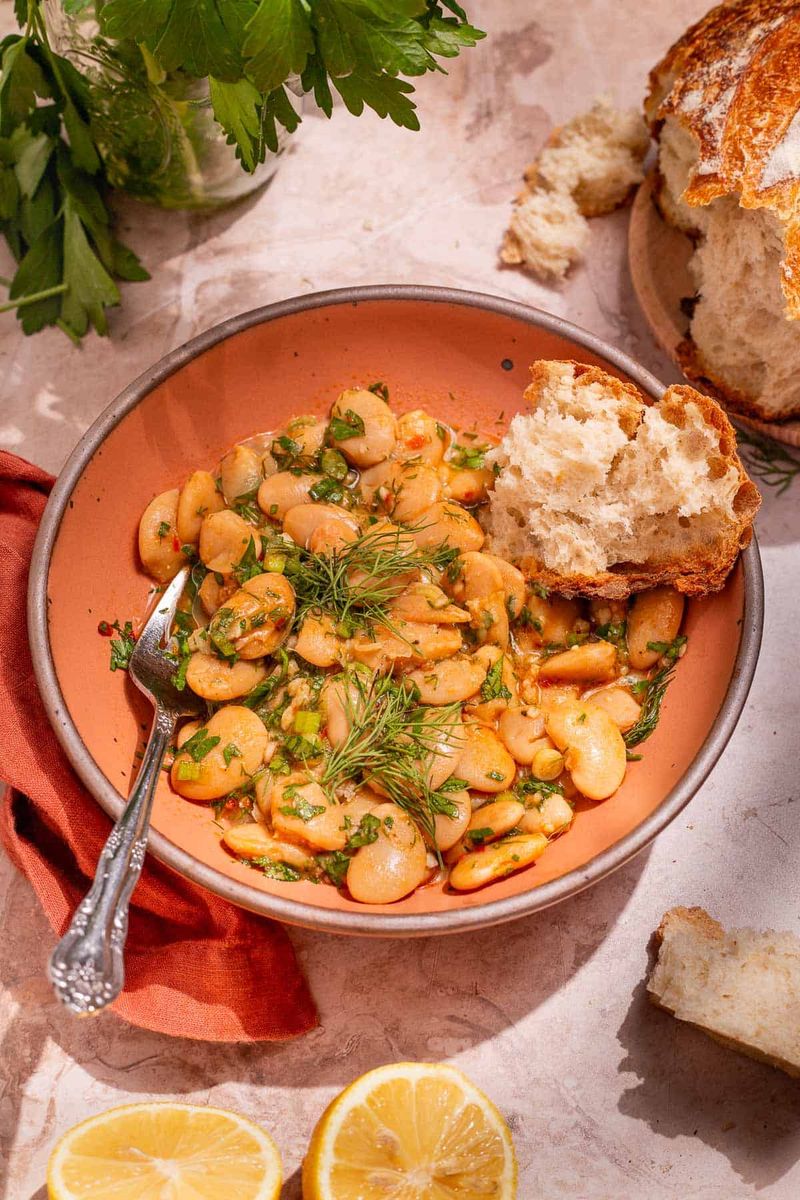
Canned beans screamed emergency meal for ages. Rinsed, warmed in good olive oil with garlic and chili, and finished with lemon and herbs, they taste intentional.
They bring quick protein and creaminess to soups, pastas, and salads without soaking or planning.
Smash them on toast, blitz into dips, or crisp them in the oven. Stock a variety and dinners become faster and cheaper.
The glow-up happened when convenience met technique and seasoning. Beans finally got their flowers, pantry heroes with range.