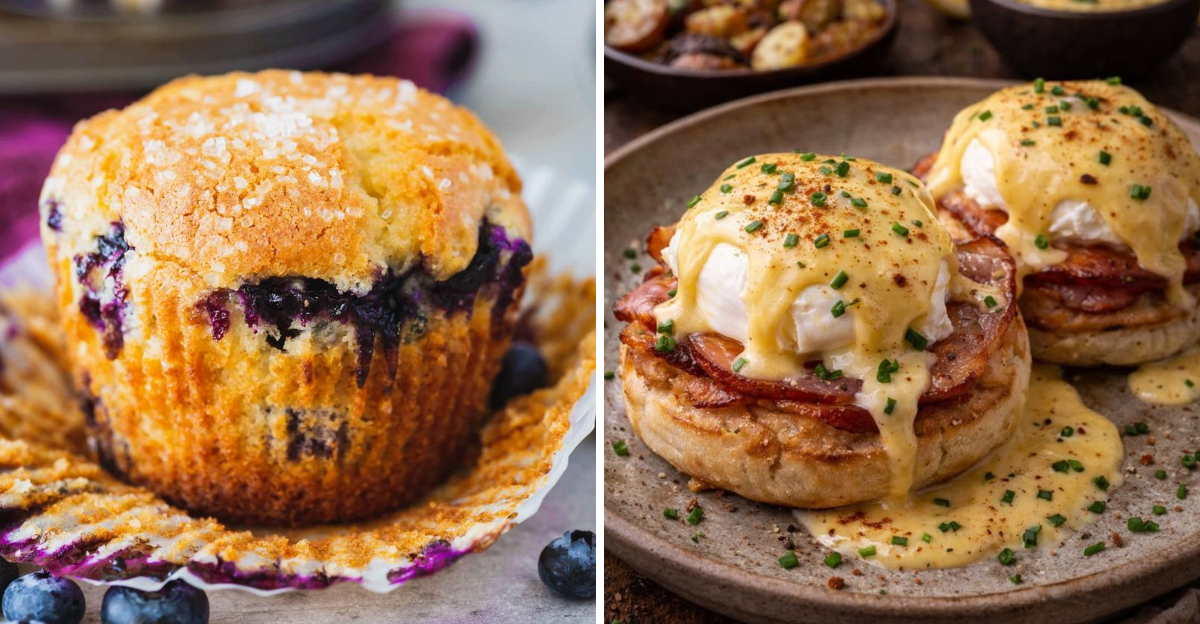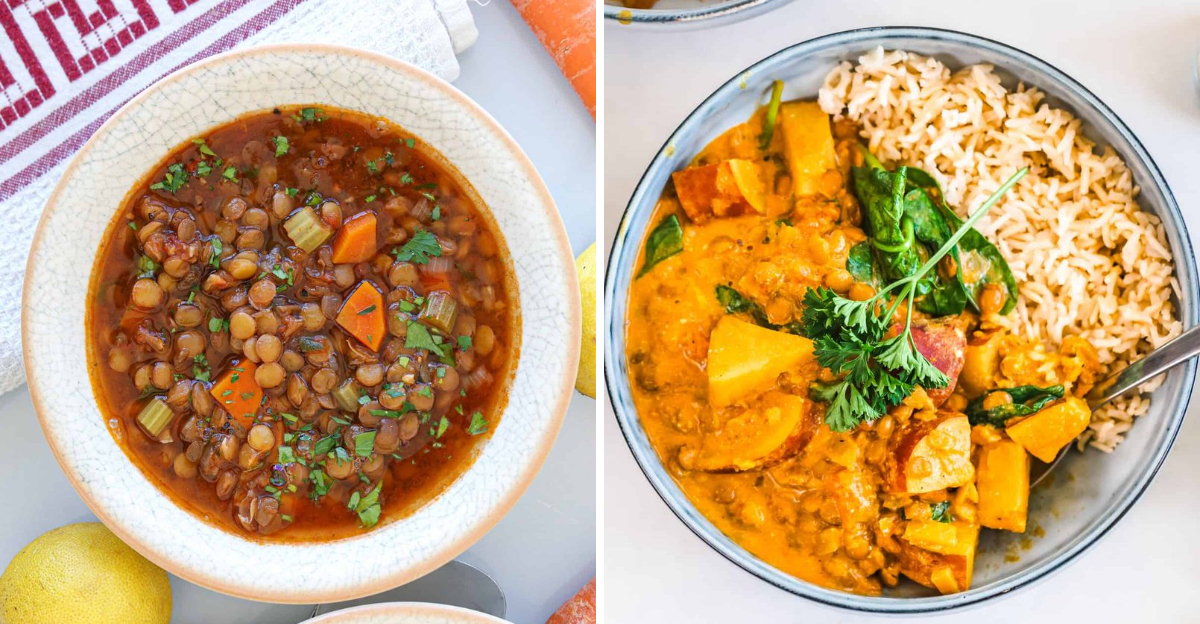
18 Frequently Misunderstood Dishes And How To Properly Enjoy Them
Some foods get a bad rap because they were cooked wrong or tried in the worst possible way. With a few small tweaks, these misunderstood dishes transform from nope to need more immediately.
You will learn simple tricks that highlight what makes each ingredient shine. Keep reading and you might discover a new favorite tonight.
1. Oysters on the Half Shell
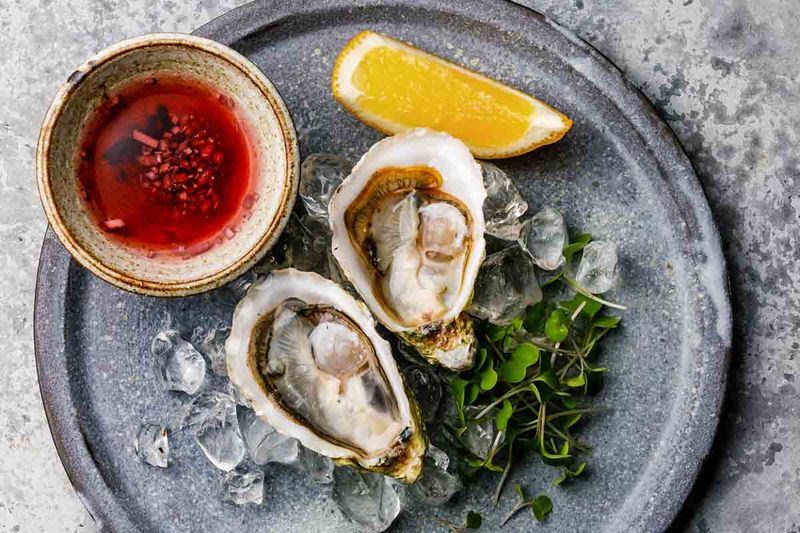
Fresh oysters are ocean snapshots, so keep it simple first. Chill them well, shuck safely, and serve on ice so the liquor stays clean and briny.
Start with just a squeeze of lemon to understand the natural flavor, then try a dot of mignonette or hot sauce if you want.
Slurp from the shell rather than chewing aggressively. Avoid drowning them in cocktail sauce, which hides nuance.
If texture worries you, seek smaller, firmer varieties like Kumamotos. Pair with crisp white wine or a light lager.
Trust the tide, not heavy seasoning.
2. Blue Cheese
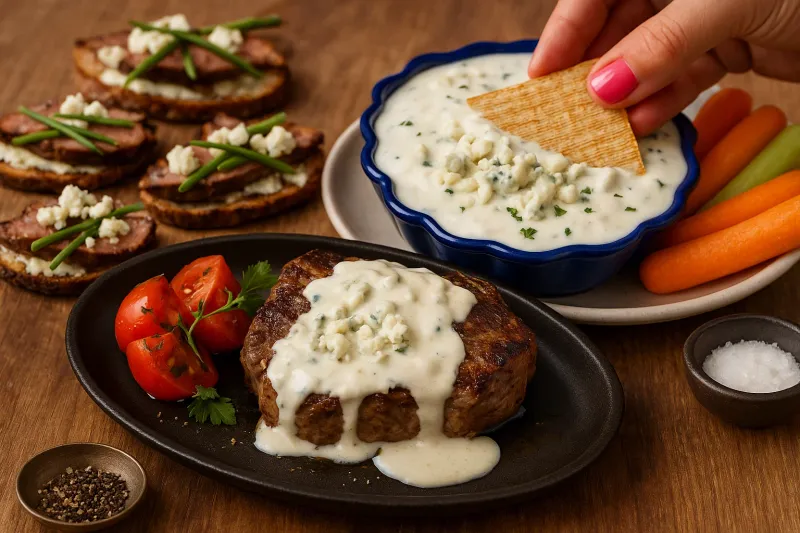
Blue cheese hits hard if you eat a huge chunk straight. Instead, let it melt into a burger or crumble it lightly over a salad for salinity and funk without overwhelm.
A drizzle of honey or fig jam creates balance, rounding bitterness and highlighting creaminess.
Choose milder styles like Gorgonzola dolce to start, then explore Roquefort or Stilton. Keep portions small and pair with fresh fruit, toasted nuts, and peppery greens.
The contrast is the magic. You will taste depth, not just sharpness.
Suddenly, blue becomes friendly, not frightening.
3. Liver and Onions
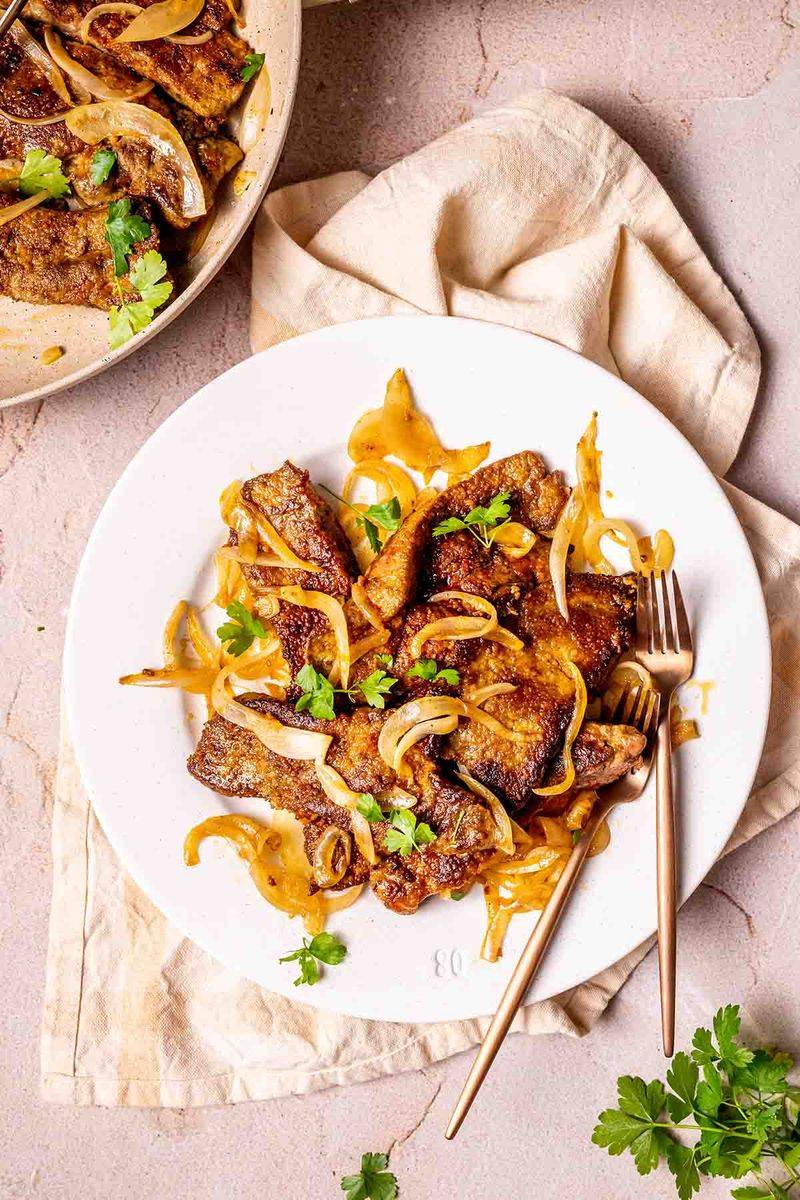
The secret is tenderness. Slice liver evenly, dry it well, and season just before it hits a hot pan with butter or oil.
Sear quickly so it stays pink inside, then rest briefly. Meanwhile, cook onions low and slow until jammy and sweet, almost mahogany.
Those onions are the counterpoint that balances minerality. Deglaze with sherry or balsamic to create a glossy pan sauce.
If texture scares you, use calf liver for milder flavor. Serve with mashed potatoes or polenta.
Done right, it is rich, silky, and surprisingly comforting.
4. Anchovies
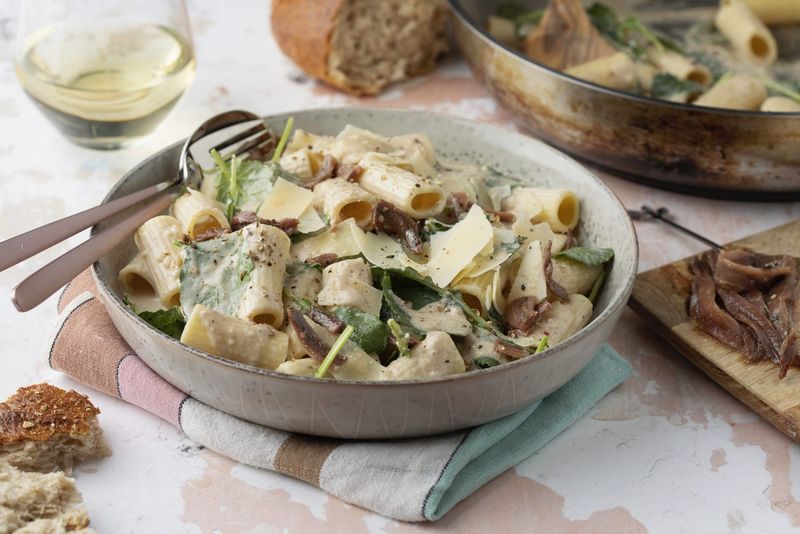
Think of anchovies as seasoning, not fishy toppings. Warm them gently in olive oil so they dissolve with garlic and chili, then toss with pasta or swirl into a tomato sauce for savory backbone.
Whisk into Caesar dressing to unlock that classic punch without obvious fish.
Add a fillet to sautéed greens or roasted vegetables to deepen flavor without announcing itself. A little goes far, so start small.
Use quality jarred fillets packed in olive oil. Once you taste the transformation, anchovies become an invisible superpower in your kitchen.
5. Kimchi
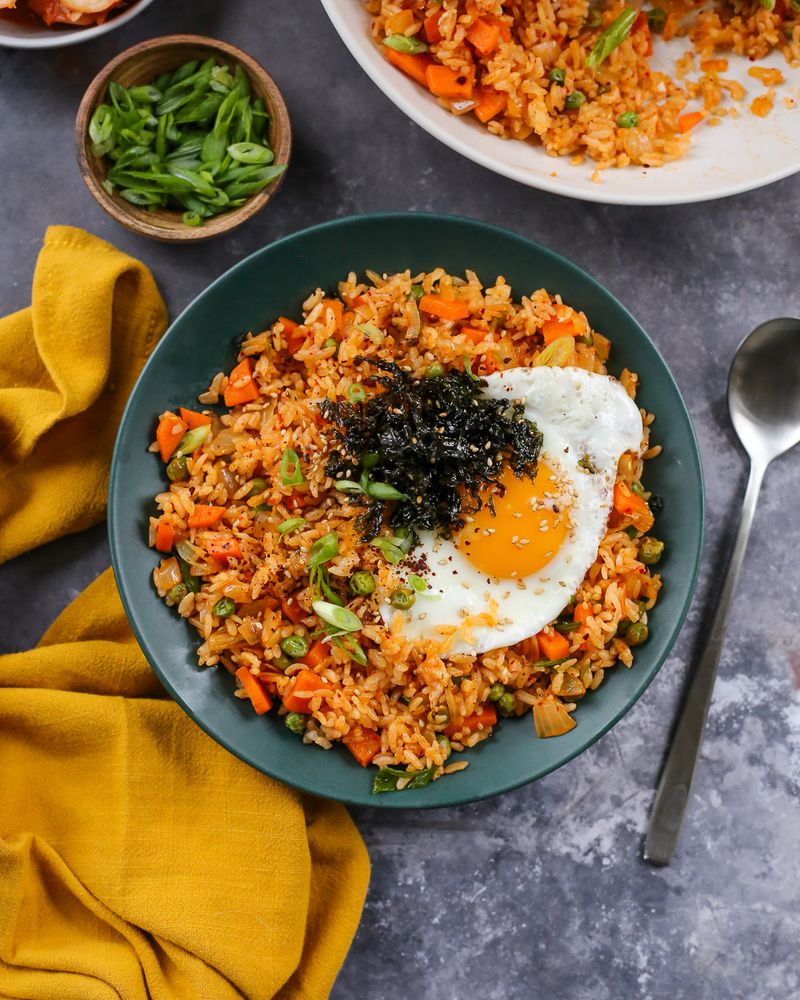
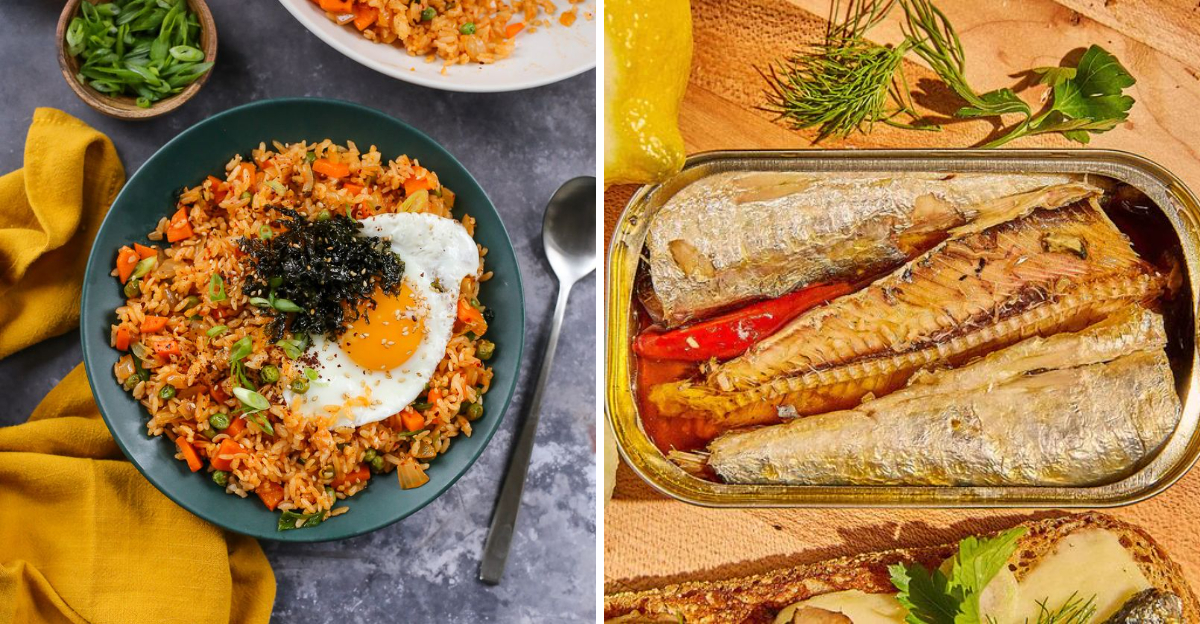
If cold kimchi feels too sharp, cook it. Kimchi fried rice makes the funk friendly, especially with butter, gochujang, and a fried egg.
Kimchi grilled cheese is another gateway, where melty cheddar tames heat while amplifying tang. Older, sour kimchi actually fries better, delivering caramelized edges and depth.
Keep some juice for seasoning rice or soups. Add sesame oil at the end for aroma.
Balance with a little sugar or honey when sautéing to round acidity. Suddenly, everything clicks, and you will crave that bright, savory snap.
6. Sauerkraut
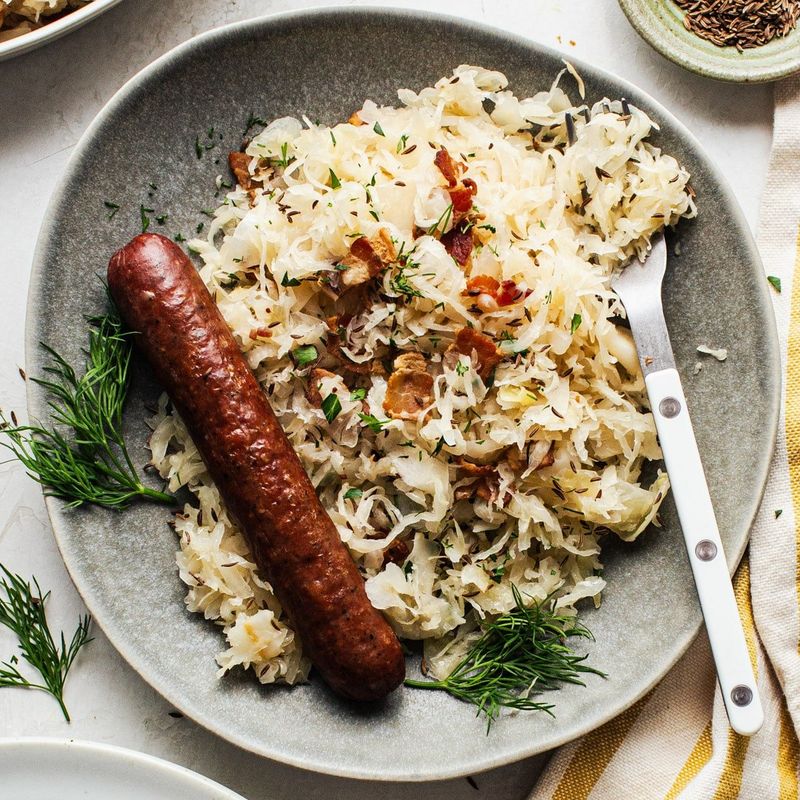
Sauerkraut can be intense straight from the jar. Rinse lightly if it tastes too sharp, then warm it with a knob of butter and a pinch of caraway.
Heat softens the acidity and brings mellow cabbage sweetness forward. Add a splash of broth or apple juice for roundness.
Serve alongside sausage or pork so fat and salt meet tang. Finish with black pepper and fresh dill.
You will get savory, balanced kraut instead of harsh bite. It stops shouting and starts harmonizing with the plate.
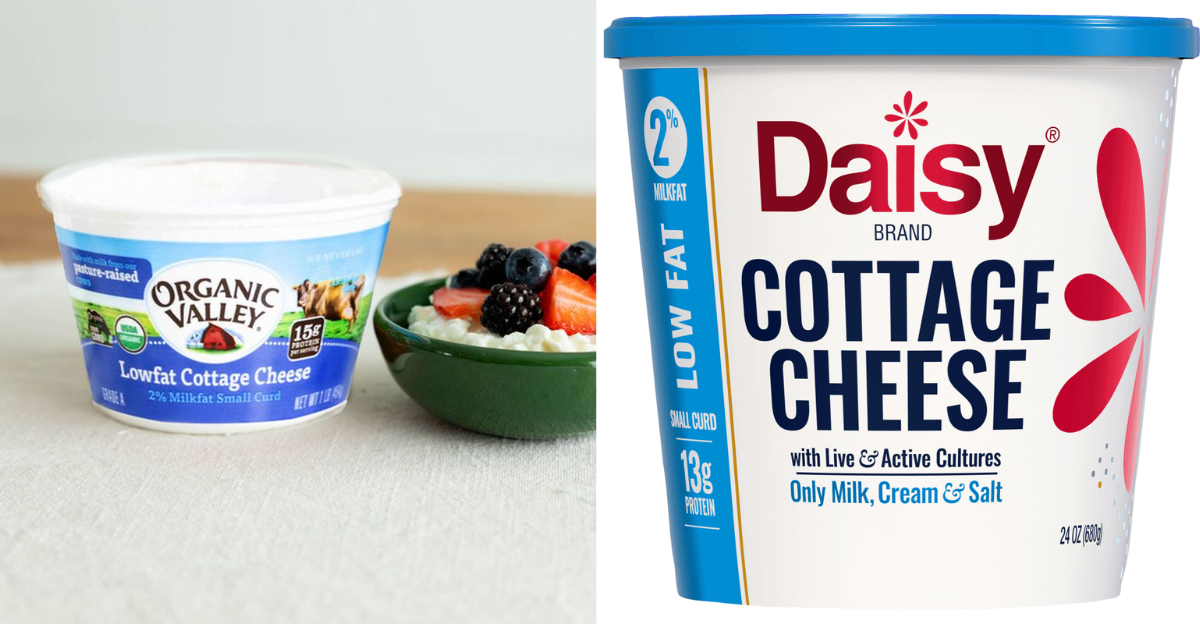
7. Cottage Cheese
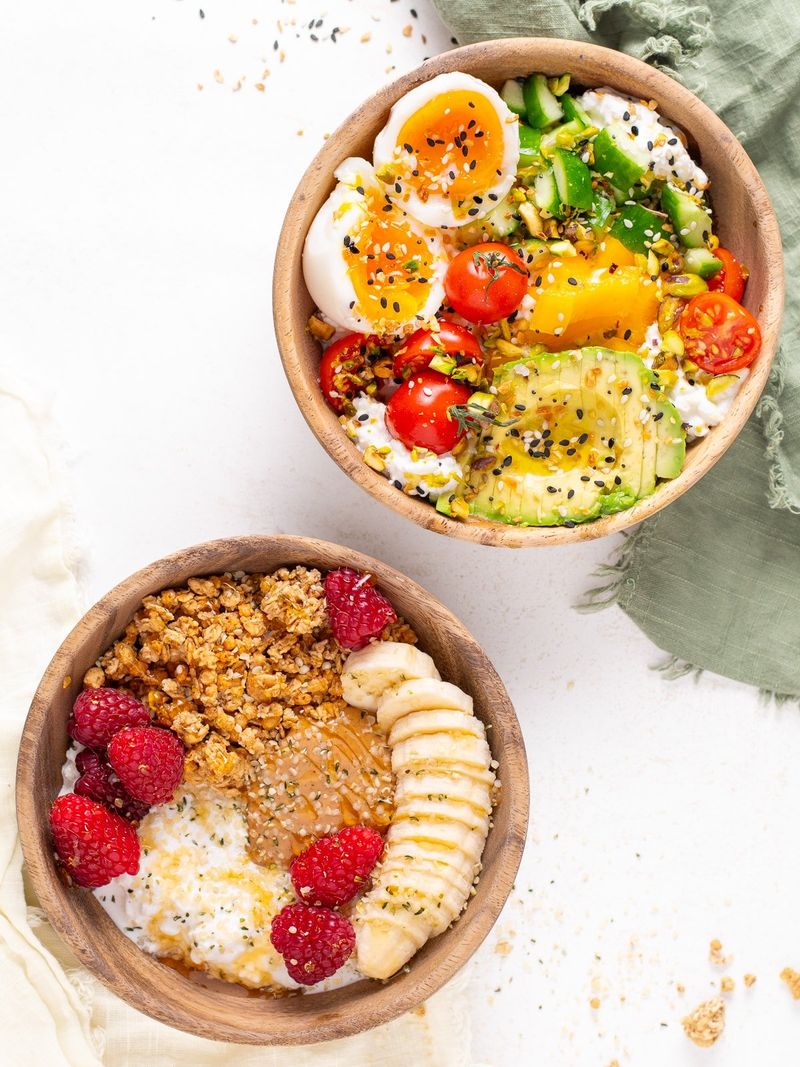
Skip the sugary fruit cups and go savory. Spoon cottage cheese into a bowl, crack black pepper generously, and add chopped tomatoes, cucumber, and scallions.
A drizzle of good olive oil and a squeeze of lemon wake everything up. Suddenly it eats like a creamy salad, not diet food.
Season with flaky salt, maybe paprika or zaatar. Spread on toast with sliced radish for crunch.
Use as a protein base for quick lunches. When treated like ricotta, cottage cheese becomes satisfying, fresh, and surprisingly elegant.
8. Tofu
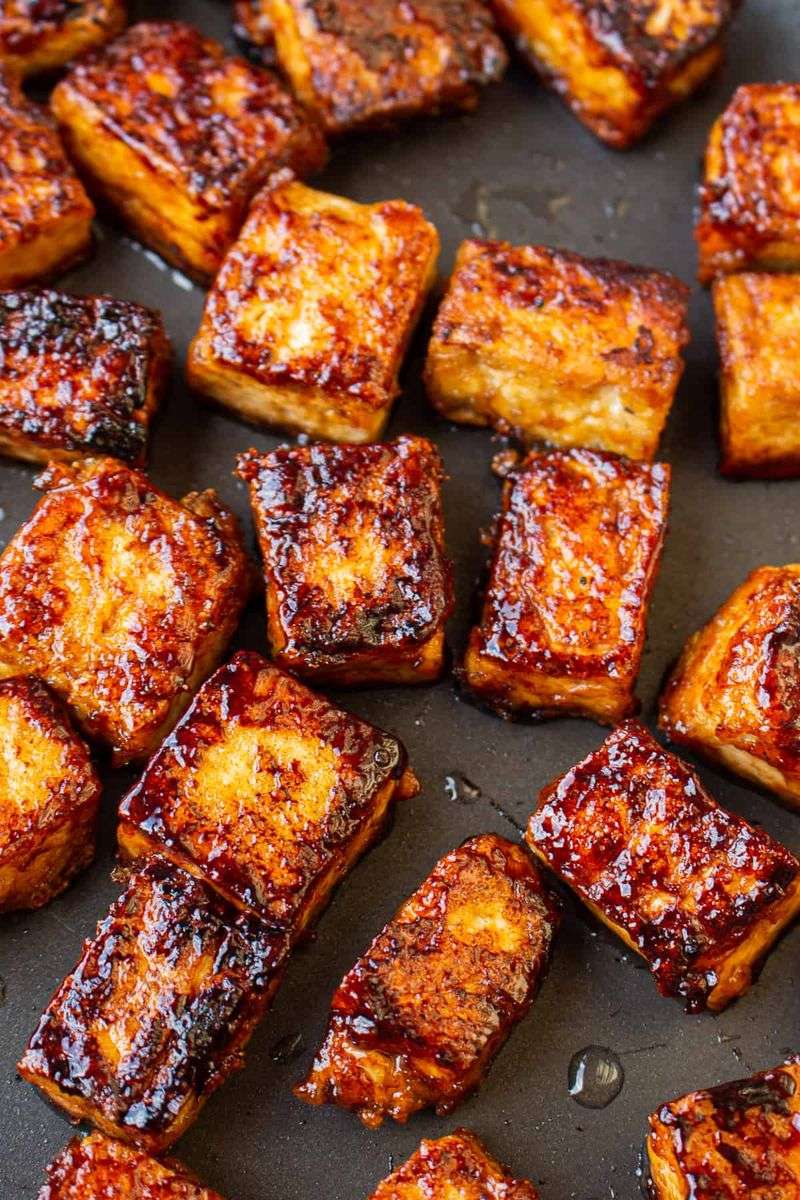
Tofu is a blank canvas, so prep matters. Press it to remove excess water, then cut evenly and pat dry.
Season aggressively with salt, soy, or a marinade. Pan fry or air fry until crisp on the outside, tender inside.
A cornstarch dusting boosts crunch dramatically.
Toss with a sauce after crisping so the coating stays snappy. Mapo, teriyaki, or chili crisp are easy wins.
Even skeptics convert when the texture sings. You will not miss meat if the edges crackle and the center stays custardy.
9. Grits
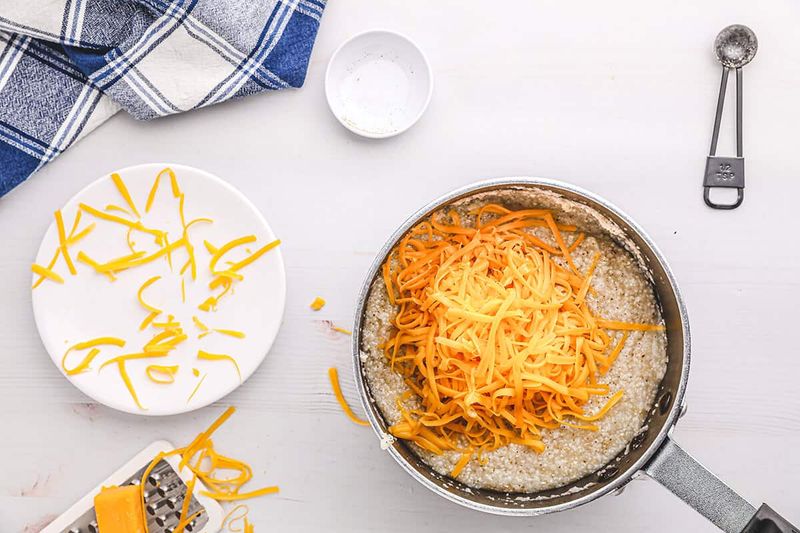
Bland grits are just under seasoned grits. Use plenty of salted water or broth from the start, then whisk steadily so they cook creamy, not lumpy.
Finish with butter, sharp cheddar, and a little salt until it tastes good by itself. That is the baseline.
Top with shrimp and garlicky pan drippings or a soft egg and hot sauce. Stone ground varieties offer deeper corn flavor.
Let them simmer longer than you think. You will discover spoonable comfort rather than paste.
10. Polenta
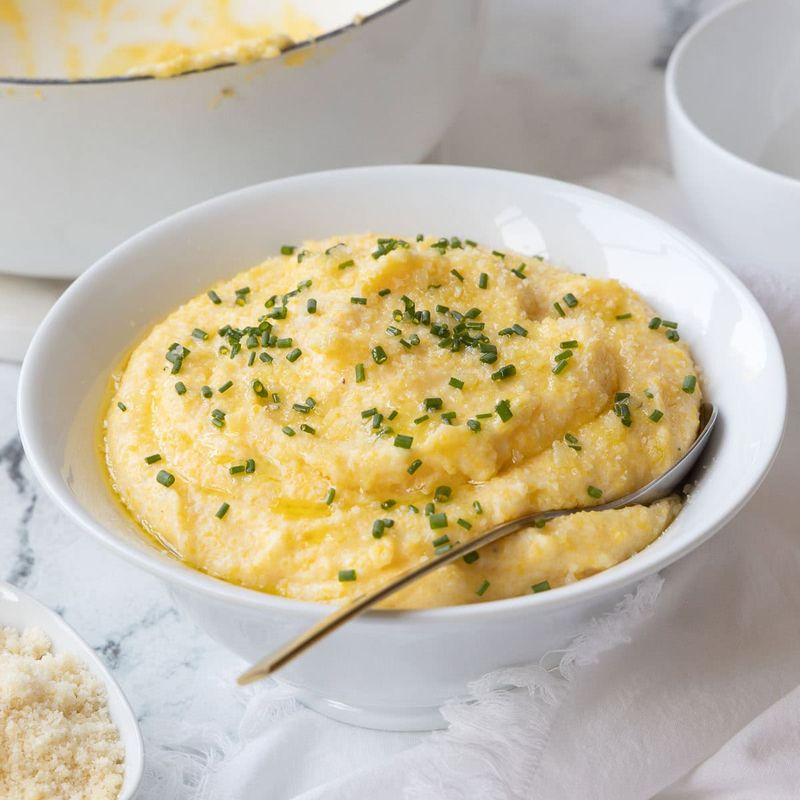
Think mashed potatoes made from corn. Cook polenta low and slow, whisking to prevent clumps.
Use stock, milk, or water with ample salt. Finish with butter and parmesan until luscious.
It should spread softly, not stand stiff like cake unless cooled deliberately.
Serve under saucy braises, mushrooms, or roasted vegetables so flavors soak in. If leftovers set, slice and pan fry for crisp edges and creamy centers.
That second life is wonderful with eggs. Polenta is versatile, comforting, and forgiving when seasoned thoughtfully.
11. Brussels Sprouts
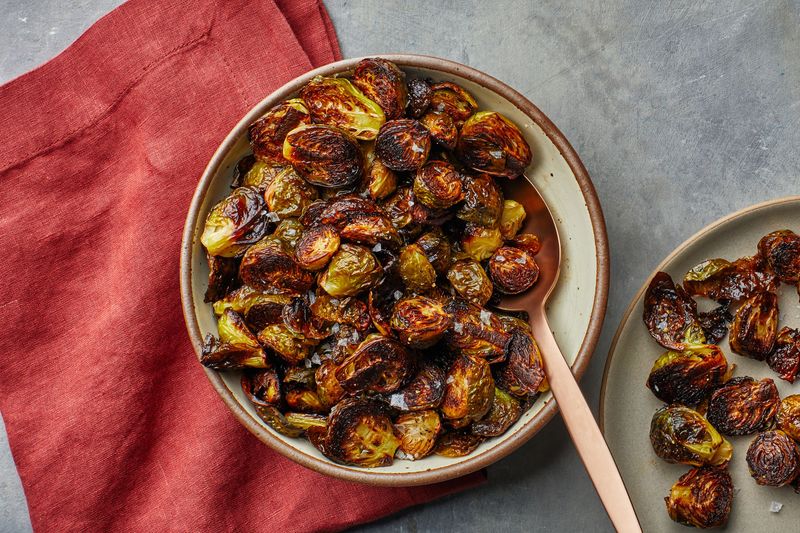
Boiled sprouts built the hate. Halve them, toss with oil, salt, and pepper, then roast hot until the cut sides are deeply browned.
That caramelization turns bitterness into sweetness and nutty depth. Finish with lemon zest or a splash of vinegar to brighten.
Add bacon, maple, or chili flakes if you want contrast. Do not crowd the pan or they will steam.
Shake once halfway and let them get boldly colored. You will finally taste why Brussels deserve a comeback.
12. Beets
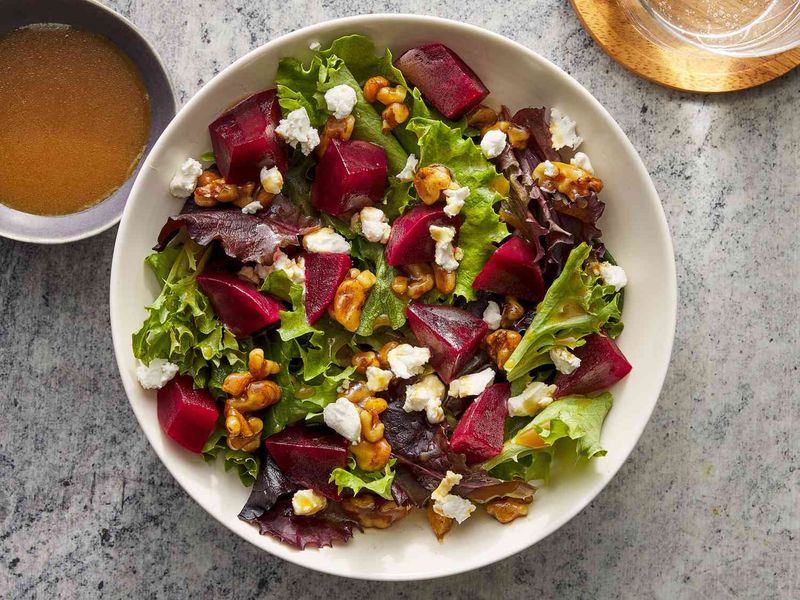
Roasting concentrates sweetness and softens earthiness. Wrap beets in foil or cover in a lidded dish, then roast until fork tender.
Slip skins off under running water. Slice and pair with goat cheese, citrus, and toasted nuts for contrast.
A light vinaigrette makes everything pop.
Pickled beets are another path, bracing and bright, perfect on salads or sandwiches. Golden beets are milder if red tastes too strong.
Do not forget salt. With the right partners, beets become jewel toned candy with attitude.
13. Goat Cheese
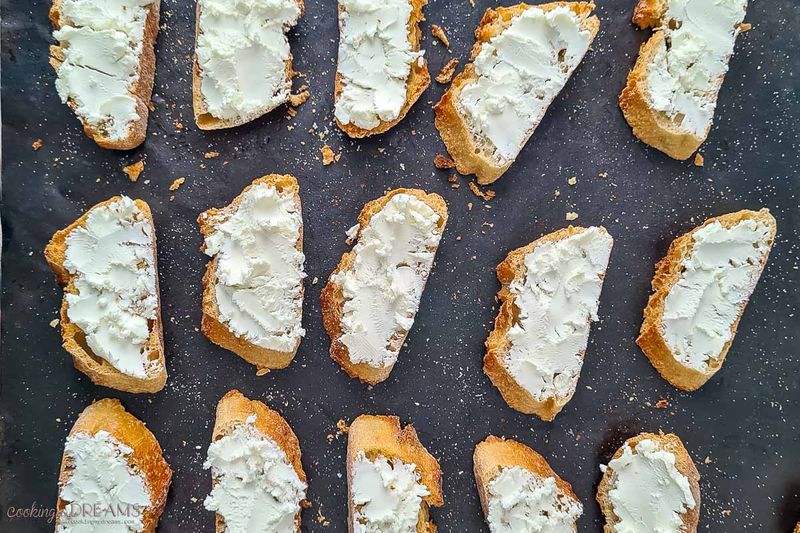
Goat cheese can seem intense solo. Spread it on warm bread so the heat softens tang and brings creaminess forward.
Drizzle honey or olive oil, add herbs, and it becomes luxurious. Crumble into warm pasta or roasted vegetables to melt slightly and mingle.
Fresh chèvre is mild and spreadable. Aged goat cheeses are firmer and funkier, great shaved over salads.
Pair with citrus or berries for brightness. When cushioned by warmth and fat, goat cheese turns inviting and complex, not harsh.
14. Eggplant
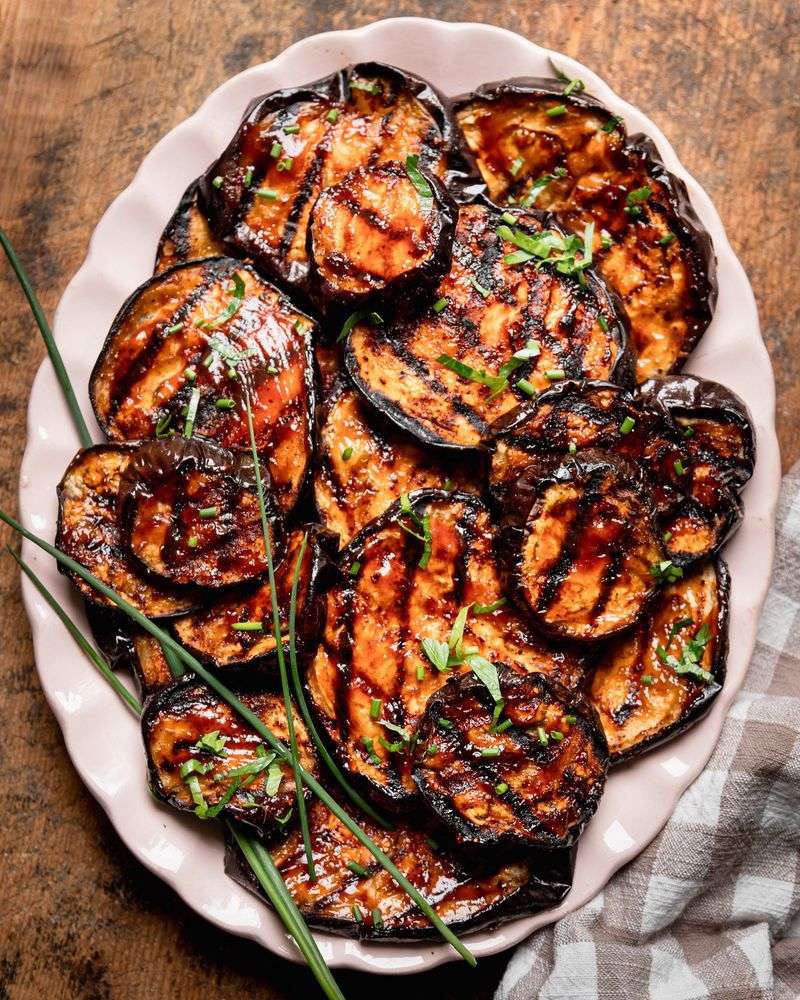
Undercooked eggplant is spongy and bitter. Salt slices first to draw moisture and tame bite, then pat dry.
Roast or fry in plenty of oil until the flesh turns silky and creamy. High heat is your friend here.
A rich tomato sauce or garlicky yogurt makes it shine.
For a lighter route, cube and roast to deep brown before folding into pasta. Baba ghanoush converts skeptics with smoke and lemon.
Once tender enough to almost spread, eggplant becomes luxurious rather than squeaky.
15. Clams
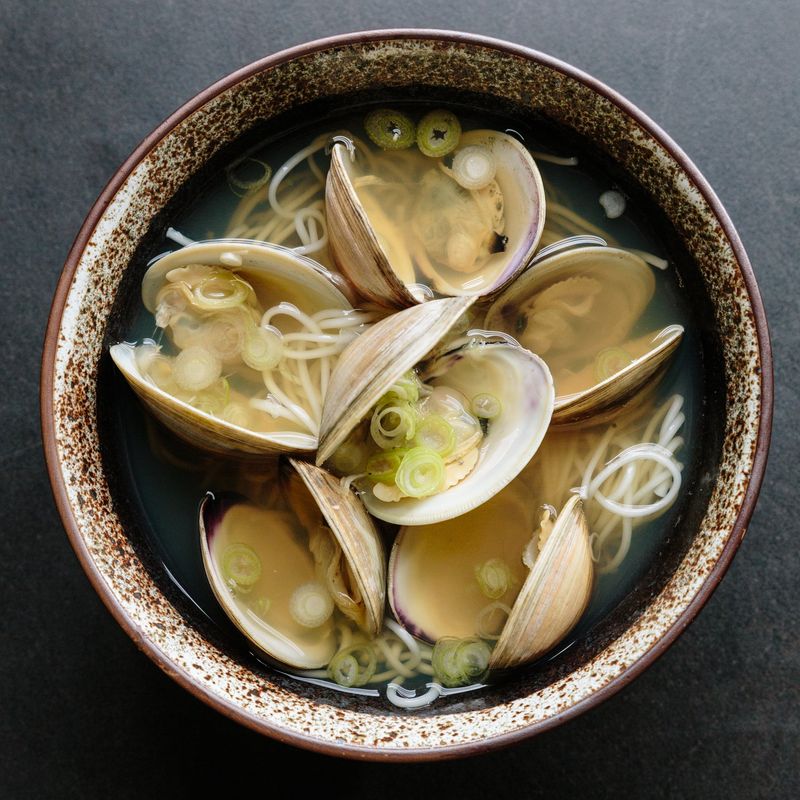
Clams reward restraint. Scrub them well and purge in salted water if sandy.
Steam with garlic, white wine, and butter just until they open, then stop. Overcooking makes them tough and rubbery.
Strain the broth through a fine sieve to catch grit and serve immediately.
Use smaller clams for tenderness. Squeeze lemon, scatter parsley, and pass crusty bread.
The liquor is gold, so do not over salt. Simple, quick, and briny perfection awaits when you watch the pot closely.
16. Mushrooms
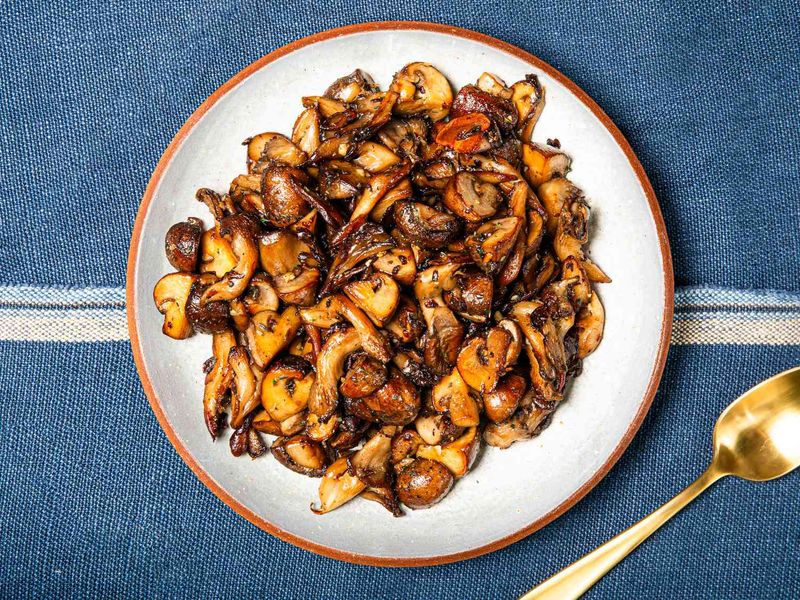
Mushrooms need patience and space. Spread in a wide pan and let their water release and evaporate before adding butter.
Only then will browning happen. Salt later so they do not weep early.
Cook longer than you think, stirring occasionally until deep golden and meaty.
Finish with garlic, thyme, and a splash of sherry or soy for umami. They should smell nutty, not damp.
Use high heat and avoid crowding to dodge sogginess. Suddenly, mushrooms become steak like and satisfying.
17. Bitter Greens (like arugula, radicchio)
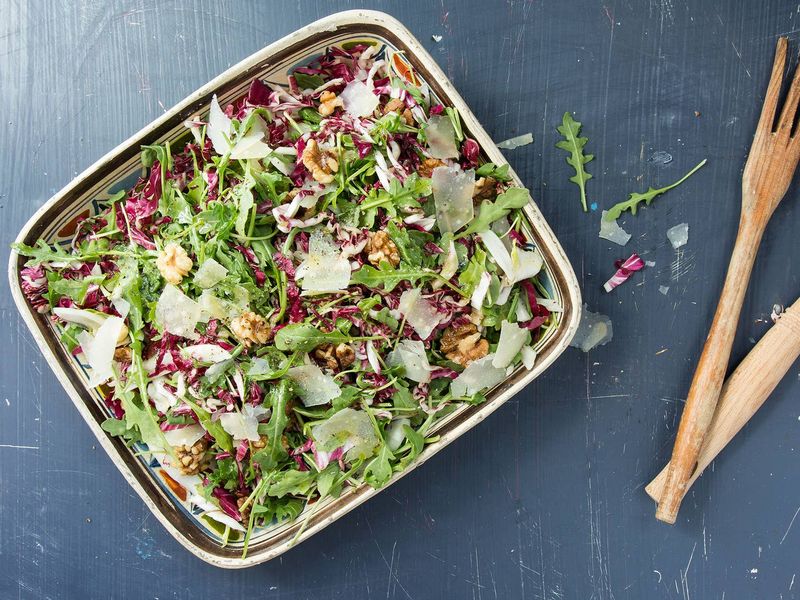
Bitterness needs partners. Toss arugula or radicchio with a generous splash of acid like lemon or vinegar and enough olive oil to coat.
Add something creamy or nutty to round edges: parmesan, avocado, or a buttermilk dressing. Salt until flavors pop rather than poke.
Grilling radicchio tempers bitterness and adds smoke. Orange segments or pickled onions bring sweet contrast.
Build a balance of fat, acid, and salt, then let peppery notes sing. Suddenly, those greens taste lively, not punishing.
18. Sardines
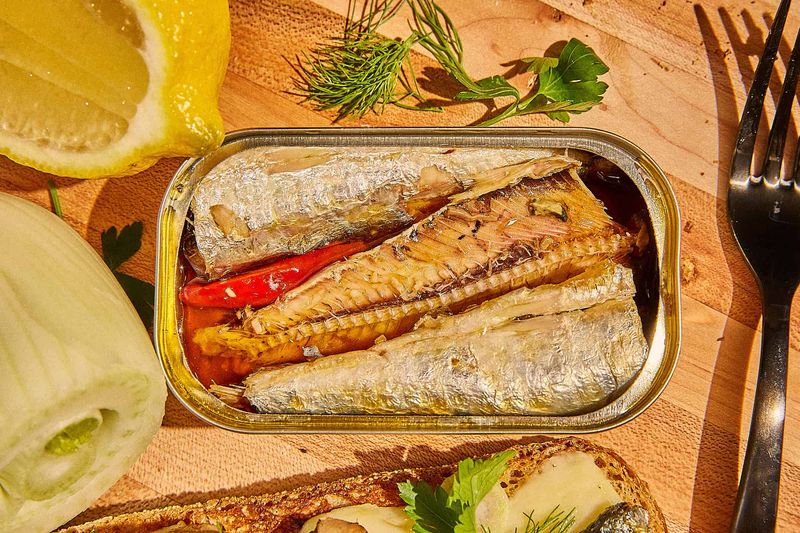
Start with milder sardines, often packed in olive oil. Spread butter or mayo on toast, lay fish on top, and add lemon, parsley, and a little hot sauce.
The fat and acid soften intensity while keeping richness. Do not eat straight from the tin if unsure.
Try them warm by briefly toasting the assembled slice. Mix into pasta with garlic and breadcrumbs for crunch.
Seek high quality tins from Portugal or Spain. Once you learn the balance, sardines become easy, tasty pantry protein.