18 International Cuisines That Don’t Get Talked About Much
Tired of hearing about the same five cuisines on every list? There is a whole planet of flavor hiding in plain sight, waiting to surprise you with new textures, aromas, and comforting traditions.
If you are craving something fresh, these lesser discussed food cultures deliver big personality without feeling intimidating. Consider this your sign to explore beyond the usual suspects and find some new favorites.
1. Georgian cuisine
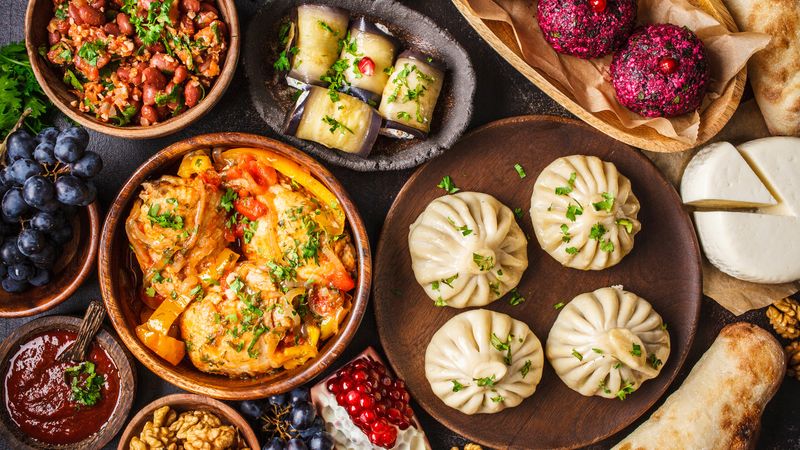
Georgian food feels like a hug from someone who knows what you need. Cheese filled breads bubble and stretch, while walnut sauces coat vegetables in rich, earthy gloss.
Fresh herbs, tart plums, and garlicky kicks make everything bright and balanced.
You scoop, tear, and dip as conversation flows. Khinkali dumplings drip savory broth, and adjika delivers a friendly burn.
It is food built for long tables, second helpings, and stories that linger.
2. Azerbaijani cuisine
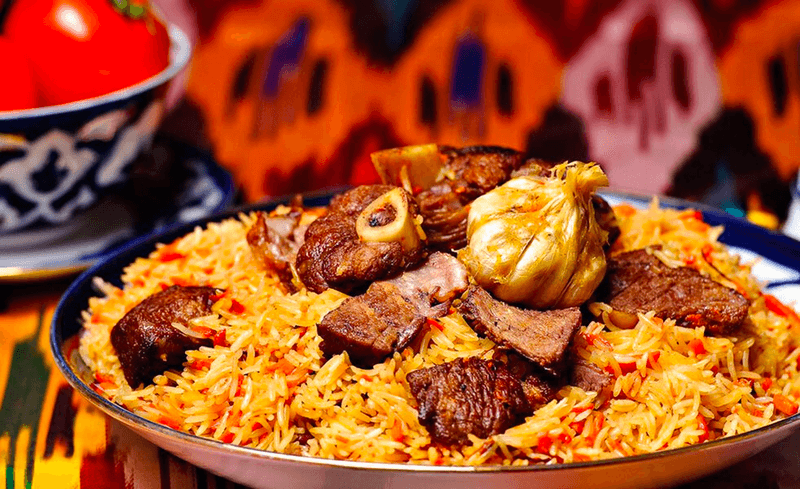
Azerbaijani cuisine leans aromatic without feeling heavy. Jeweled rice pilafs shimmer with saffron, dried fruits, and that addictive crunchy crust.
Grilled kebabs arrive juicy and smoke kissed, often with piles of herbs and tart sumac for balance.
Stews feel elegant and homey at once. You taste apricot brightness next to savory lamb, then chase it with hot tea in hourglass glasses.
It is familiar, yet every bite nudges you somewhere new.
3. Armenian cuisine
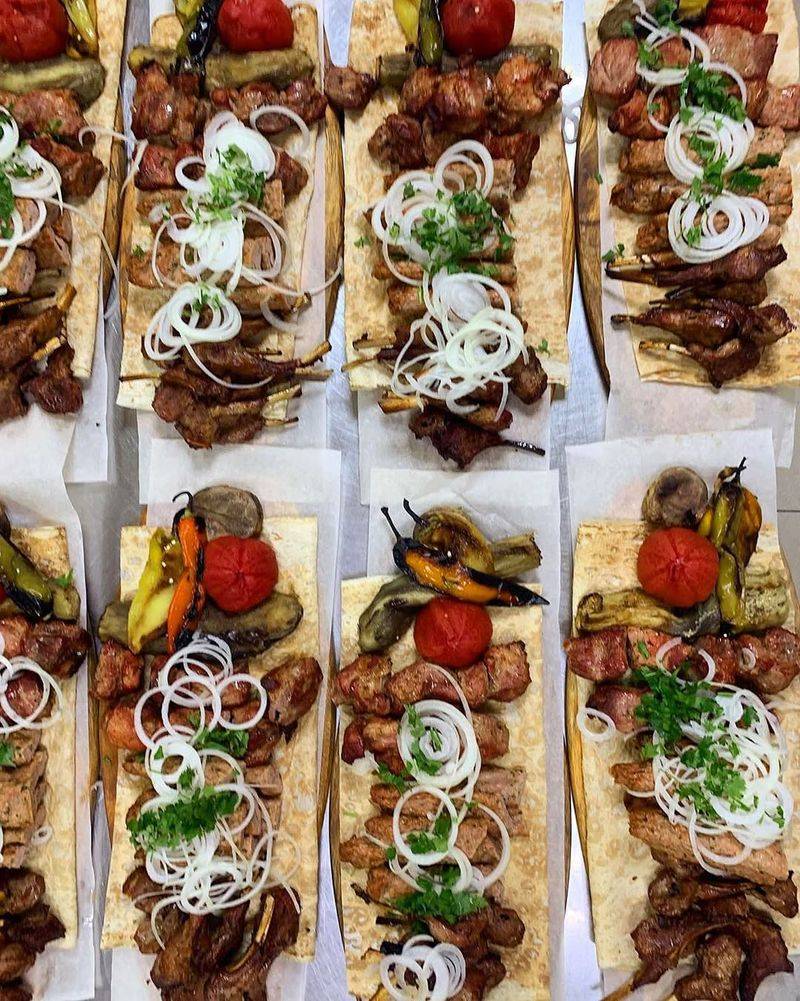
Armenian cooking builds meals around the table, not just the plate. Lavash anchors everything, ready to wrap smoky khorovats and herb bundles.
Yogurt adds cool tang, while pomegranate sparks sweetness and color.
There is generosity in the portions and the pacing. You tear, share, and pass plates until the conversation slows.
The flavors are clean and confident, from stuffed vegetables to soups that taste like comfort learned over generations.
4. Albanian cuisine
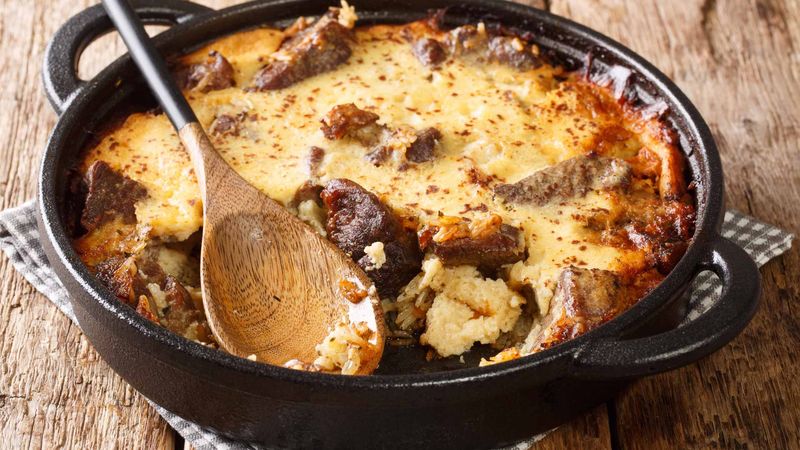
Albanian food carries bright Mediterranean lift with Balkan coziness. Olive oil, lemon, and herbs keep dishes fresh, while baked casseroles deliver comfort.
Byrek’s flaky layers crackle, and seafood tastes like the shore.
Then you find heartier plates inland. Tave kosi arrives creamy and tangy, perfect with crusty bread.
It is unfussy, generous cooking that rewards lingering at the table.
5. Bosnian cuisine
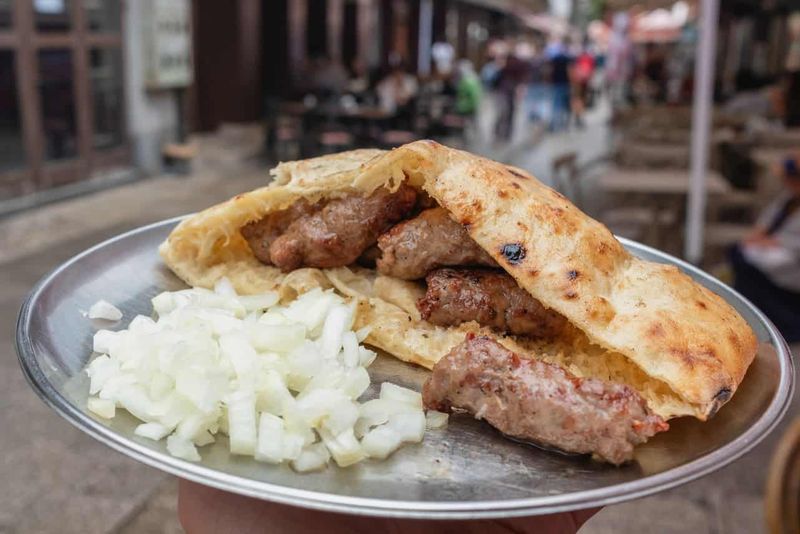
Bosnian food is slow, generous, and deeply comforting. Cevapi tucked in fluffy somun with kajmak is pure street food joy.
Spiral burek flakes into buttery shards, while slow cooked soups feel like a warm blanket.
There is time built into these dishes. Stews simmer, peppers roast, and tables fill with friends.
Flavors lean savory and smoky, with just enough tang to keep you reaching back.
6. Slovene cuisine
Slovene cooking is a quiet blend of Alpine heartiness and Mediterranean grace. Dumplings arrive tidy and delicate, while soups feel rustic and satisfying.
Buckwheat, herbs, and forest honey thread through the table.
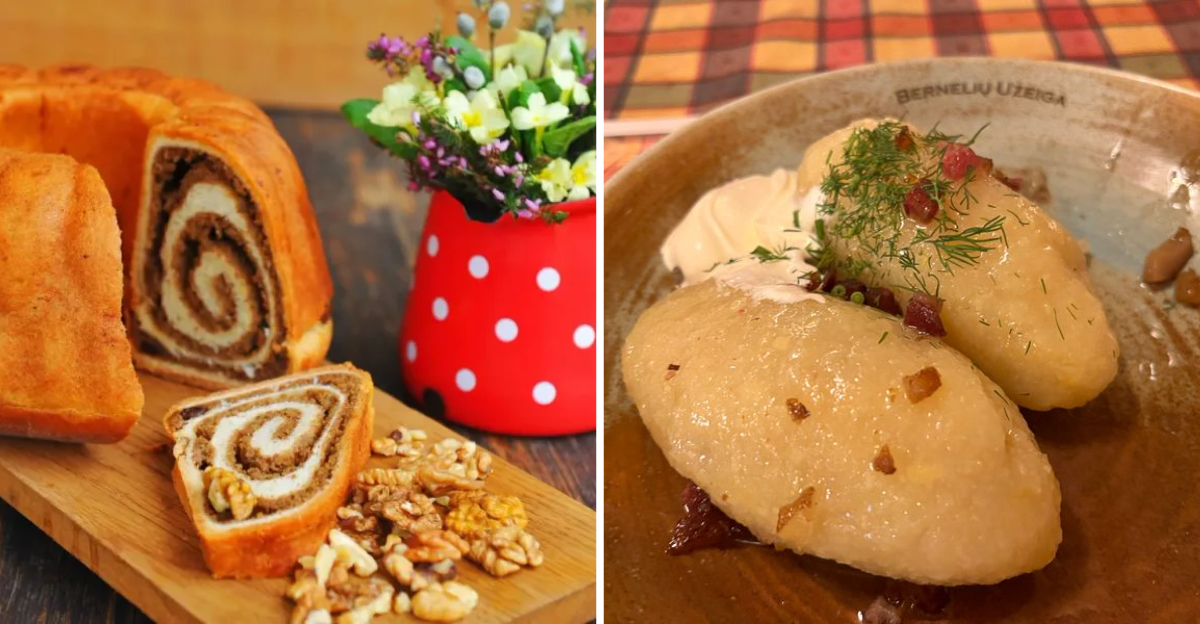
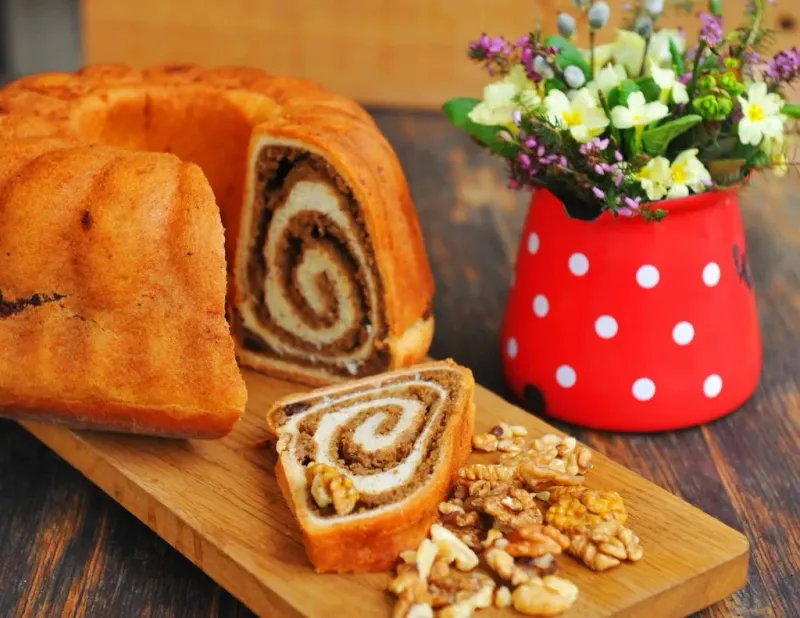
Desserts surprise with elegance. Potica rolls in sweet spirals, and seasonal fruit tastes like a postcard.
It is thoughtful food that never shouts, yet lingers kindly on the palate.
7. Lithuanian cuisine
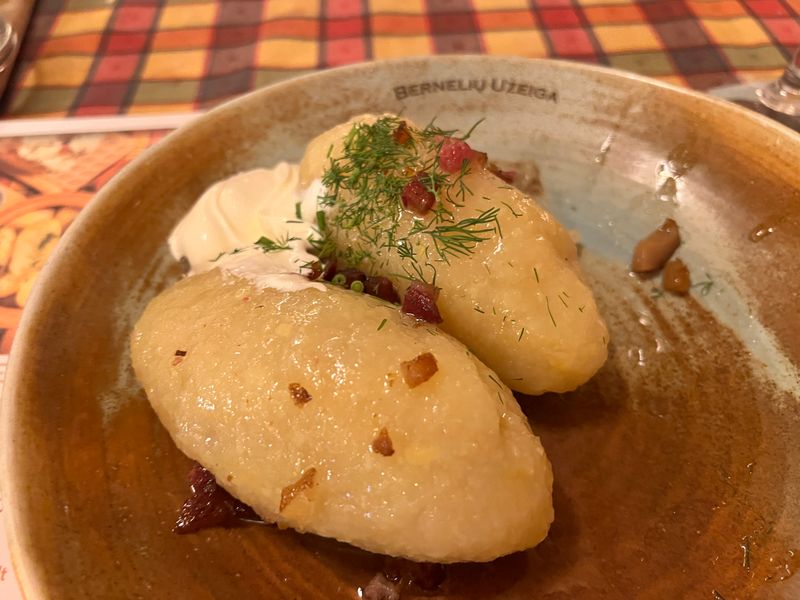
Lithuanian cooking treats potatoes like royalty. Cepelinai arrive plush and cloudlike, with smoky bacon and cool sour cream.
Then a bowl of bright pink beet soup lands, tasting fresh even on a cold day.
There is rye bread to slice, butter to spread, and dill everywhere. The food feels sturdy but caring, built for weather and conversation.
It is comfort with personality, not heaviness.
8. Latvian cuisine
Latvian flavors lean coastal and woodsy. Smoked fish pairs with dark rye that tastes like history.
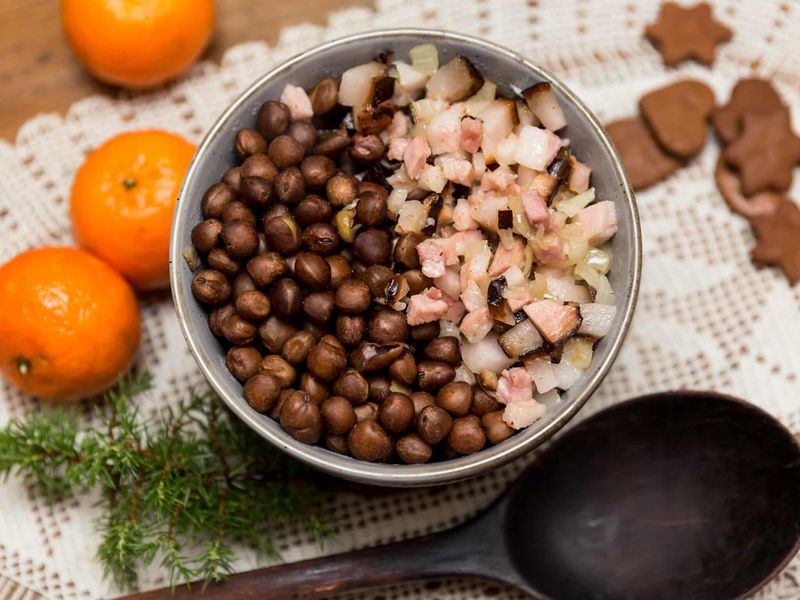
Grey peas with speck deliver cozy satisfaction, while berry notes sparkle through the table.
Soups anchor many meals, simple yet purposeful. Nothing is flashy, but everything feels cared for.
It is food that makes sense in any season, especially with good company.
9. Estonian cuisine
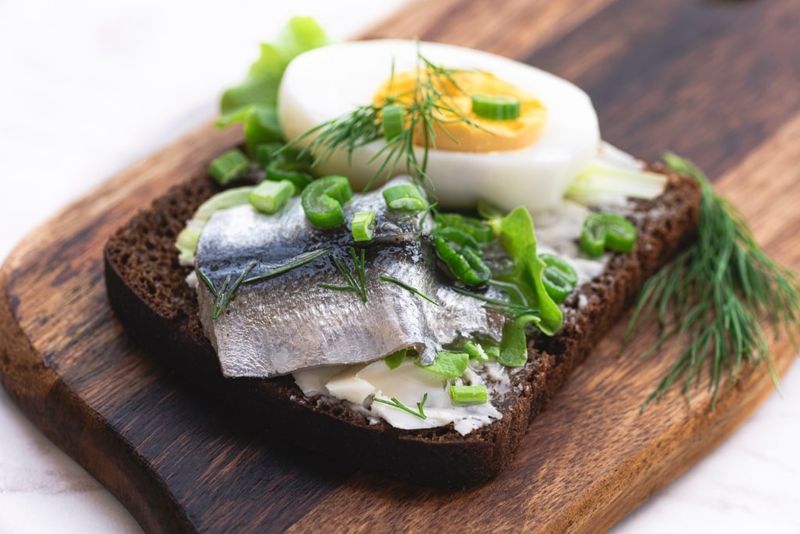
Estonian food tastes like a crisp day by the sea. Foraged flavors meet clean technique, giving earthy comfort without weight.
Black bread anchors everything, while pickles and dill keep plates lively.
There is restraint that reads as confidence. Herring, mushrooms, and grains come together simply, letting texture do the talking.
It is understated cooking that stays with you.
10. Filipino regional cuisines beyond the usual favorites
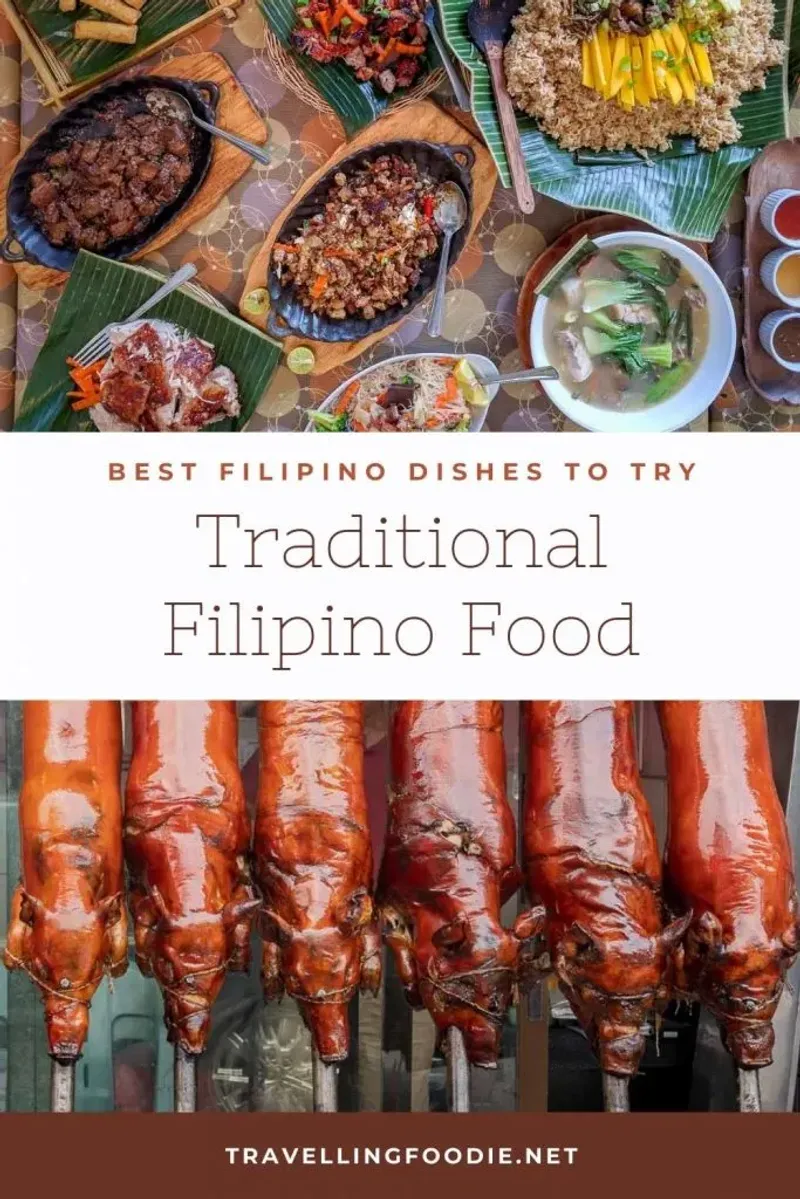
Beyond adobo and lumpia, Filipino regions offer a map of bold contrasts. Sour tamarind soups, smoke licked grills, and coconut rich stews appear side by side.
Noodles carry personality, from palabok’s umami sauce to stir fried joy.
Every province speaks its own delicious dialect. Citrus, chiles, and vinegar keep flavors bright, while charcoal adds memory.
You taste family traditions and festivals in every bite.
11. Malaysian Bornean cuisines (Sabah and Sarawak)
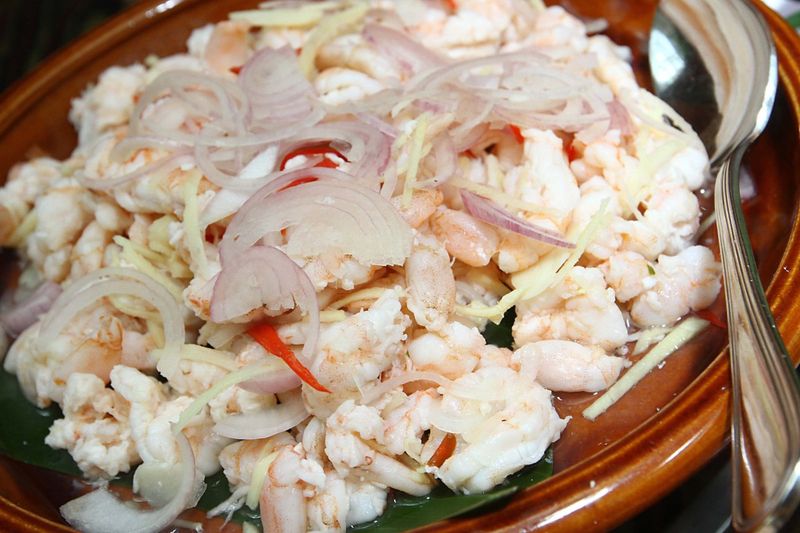
Across Sabah and Sarawak, indigenous techniques meet bold herbs. Sarawak laksa is peppery and haunting, while chicken steamed in bamboo tastes smoky and pure.
Hinava brings citrusy freshness that lands like ocean wind.
Vegetables include jungle ferns and aromatic shoots you rarely see elsewhere. Flavors are layered, but never muddy.
It is a thrilling detour from peninsular classics, and absolutely worth seeking out.
12. Sri Lankan cuisine
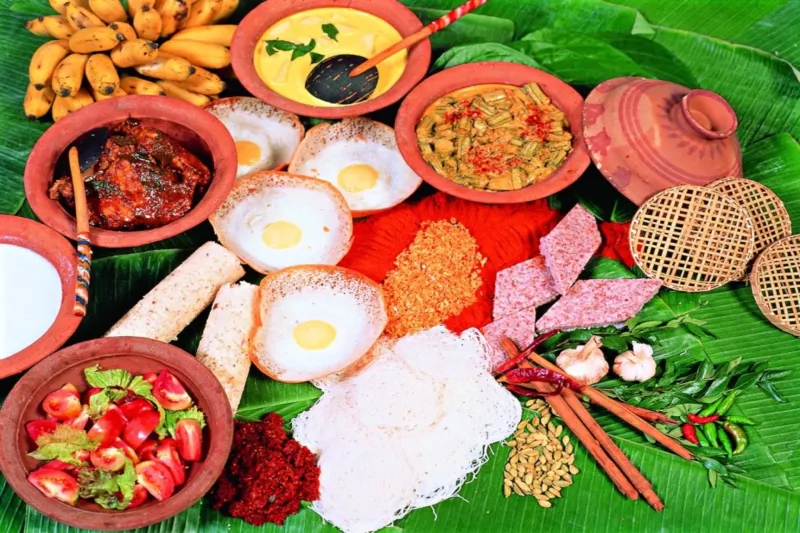
Sri Lankan food layers spice with purpose, not just heat. Curry leaves, coconut, and toasted blends create depth you will want to chase.
Rice and curry plates feel abundant and customizable.
Breakfast can be hoppers, lacy and crisp with a soft center. Sambols bring tang and fire, cutting through richness perfectly.
It is vivid, aromatic cooking that keeps giving.
13. Ethiopian and Eritrean cuisines beyond the headline dishes
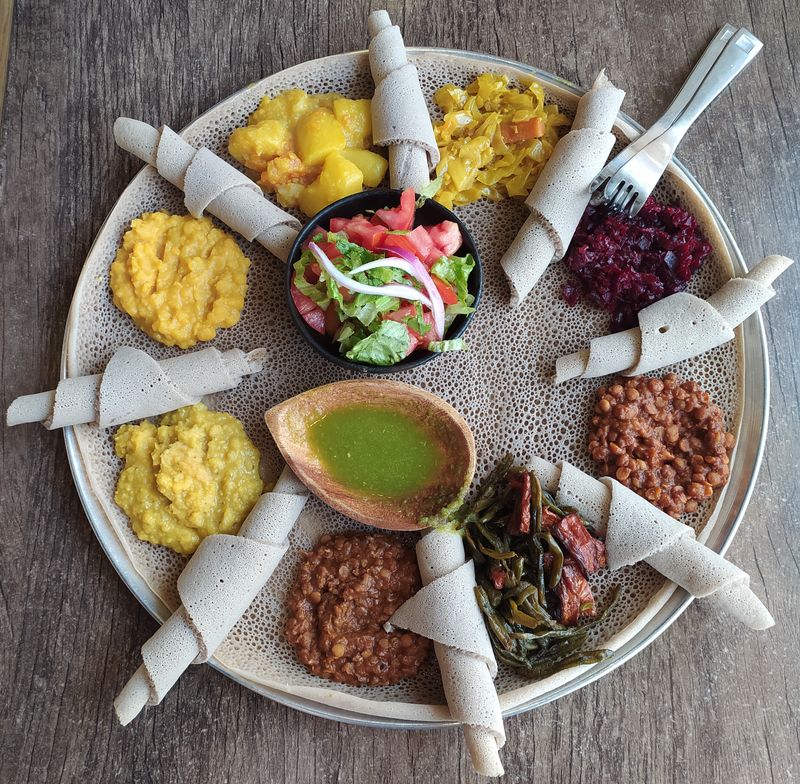
There is far more than the famous shared platter. Silky shiro, gentle alecha stews, and slow cooked greens show another side.
Lentils sing with spice, balanced by tangy injera that doubles as utensil.
Spice blends tell long stories. Coffee ceremonies close the loop with roasted aroma and calm.
It is communal eating that still makes room for quiet moments.
14. Sudanese cuisine
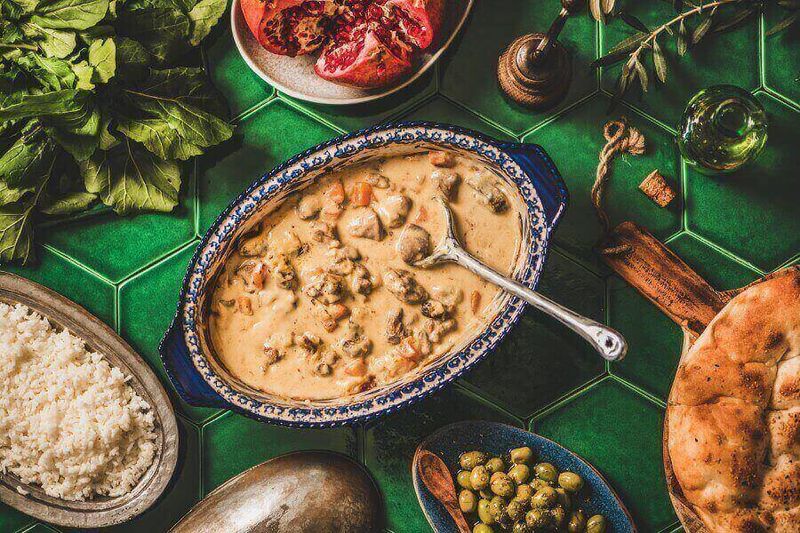
Sudanese cooking is soulful and steady. Kisra’s gentle tang scoops up warming stews, while ful anchors mornings with comfort.
Spices feel round and friendly, not sharp.
There is plenty for sharing, from taamia to sesame laced dips. Meals stretch with conversation and tea.
It is hearty food that feels welcoming from the first bite.
15. Congolese cuisine
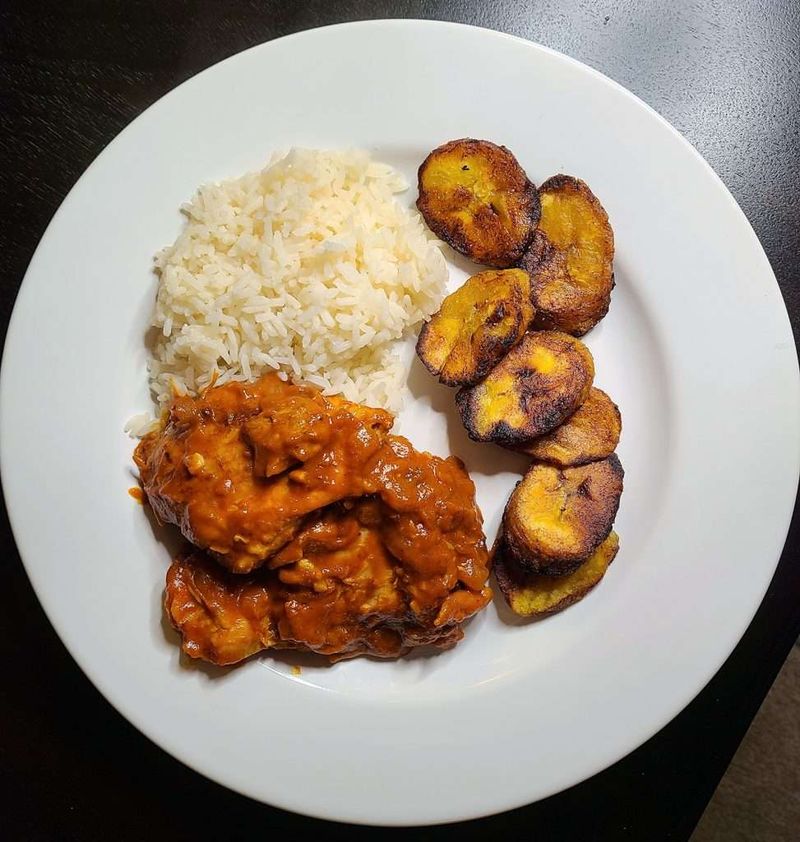
Congolese flavors build slowly and reward patience. Palm nut sauces bring lush body, while greens cook down into velvety comfort.
Peanuts and plantains add grounding sweetness and crunch.
It is food that invites a second spoonful. You taste smoke, time, and careful seasoning.
Plates feel abundant, generous, and completely satisfying.
16. Yemeni cuisine
Yemeni food is fragrant and cozy. Slow cooked meats fall into saffron rice, and breads are built for scooping.
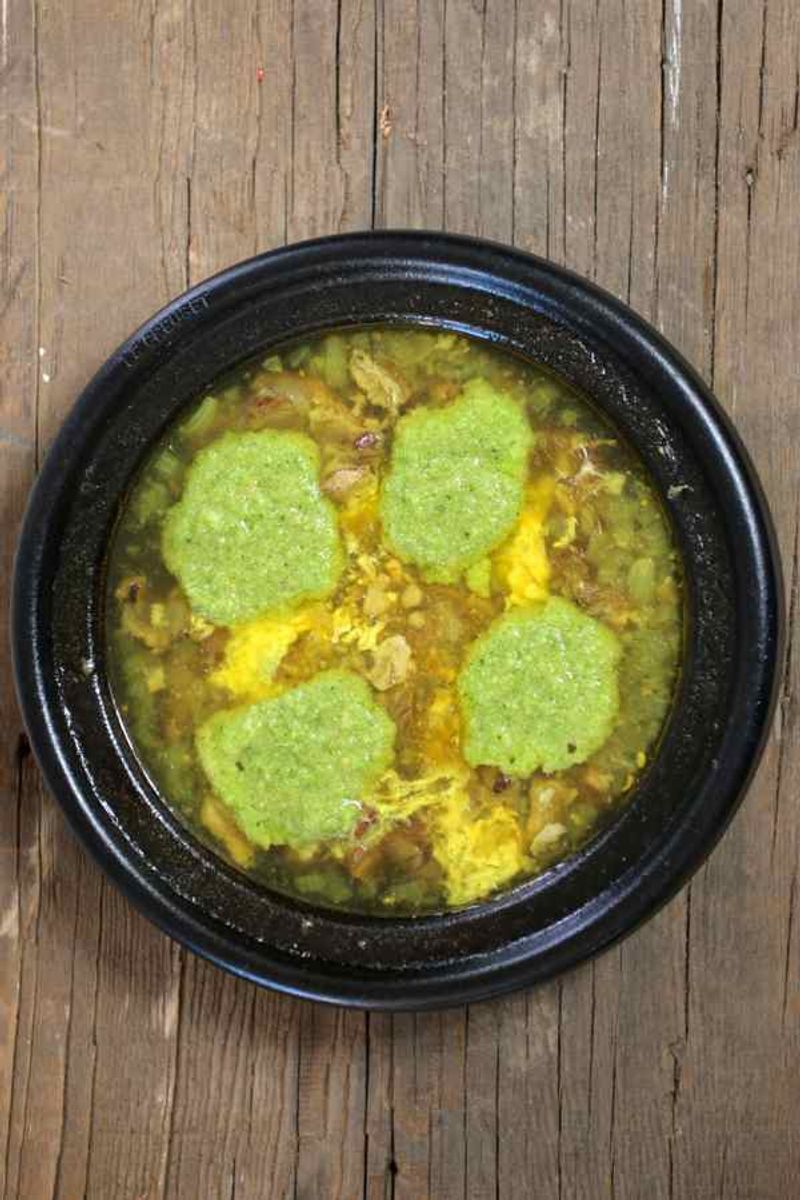
Saltah arrives bubbling, topped with airy fenugreek foam that melts into stew.
Bright zhug snaps everything into focus. Spices feel layered, never loud.
It is the kind of comfort that fills the room with warmth.
17. Afghan cuisine
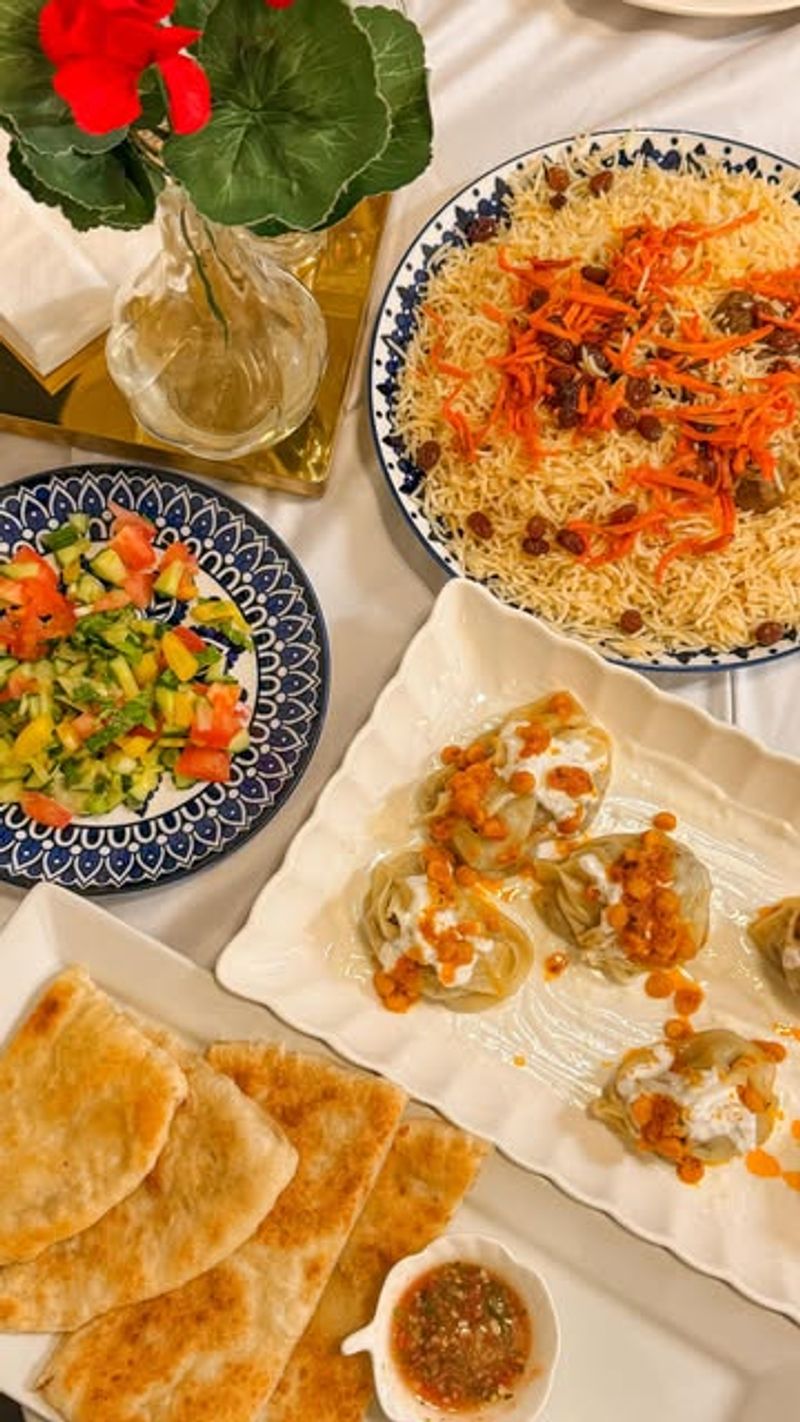
Afghan cooking balances savory, sweet, and tangy with grace. Qabuli pulao perfumes the room and tastes like celebration.
Mantu dumplings carry spiced filling under cool yogurt and warm lentils.
Kebabs arrive char kissed and tender, with soft naan ready to catch juices. Chutneys add sparkle without overpowering.
It is comforting food that still feels special.
18. Uyghur cuisine
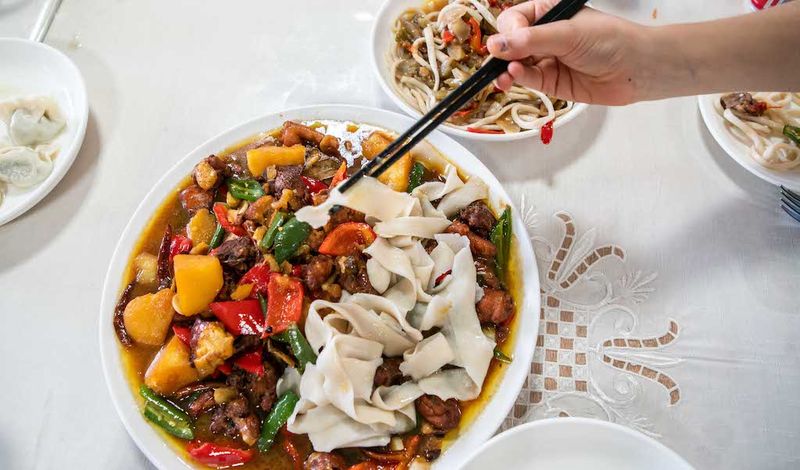
Uyghur food walks a delicious line between Central Asian and Chinese influences. Hand pulled noodles are bouncy and saucy, perfect with peppers and tomatoes.
Cumin dusted skewers land smoky and irresistible.
Big plate chicken brings heat, savor, and chewy noodles that drink the sauce. Bread has blistered edges for dipping.
It is bold, filling, and unforgettable once you try it.