18 Little-Known Facts About Pizza
Pizza feels so normal that it is easy to forget how wonderfully strange it is. It can be bargain fuel or a white-tablecloth showstopper, and both versions feel right.
Across countries and styles, it keeps reinventing itself without losing its soul. Here are 18 surprising facts that will make your next slice taste even more interesting.
1. Pizza started as street food, not restaurant food
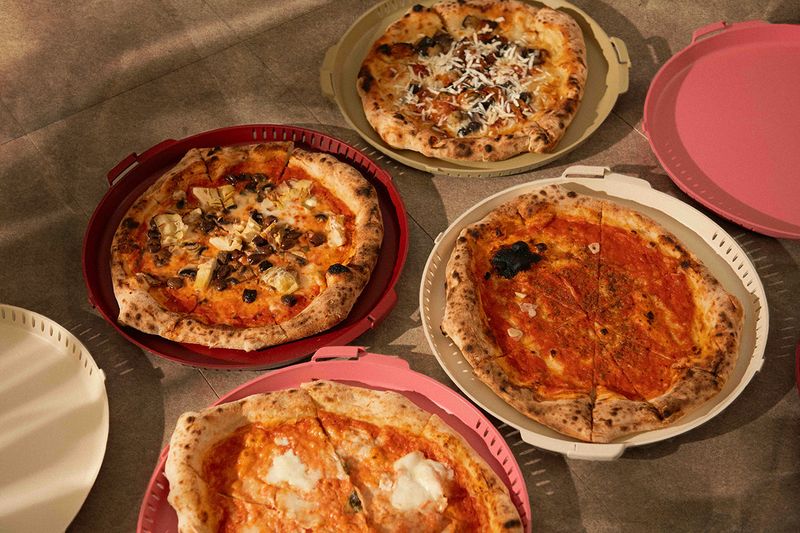
Before pizza sat under hot lights in chain restaurants, it lived on the streets. Vendors in Naples sold flat rounds cheaply to workers who needed quick fuel.
The goal was portability, speed, and flavor that punched above its price. Many buyers paid by the slice, not by the pie.
That street DNA still shows in slices you can fold and eat while walking. Even fancy pies nod to humble roots through simple dough, tomatoes, and olive oil.
Remember, pizza became popular because it was practical first, romantic later. Street food origins explain why toppings stayed minimal and bold.
2. The original pizza was not always tomato-based
Before tomatoes felt Italian, centuries of flatbreads carried oil, herbs, or cheese. Bakers topped dough with garlic, anchovies, olives, or leftover vegetables, guided by season and budget.
Tomatoes, a New World import, took time to gain trust. Bakers layered onions, herbs, and salted fish for punchy, rustic flavor.
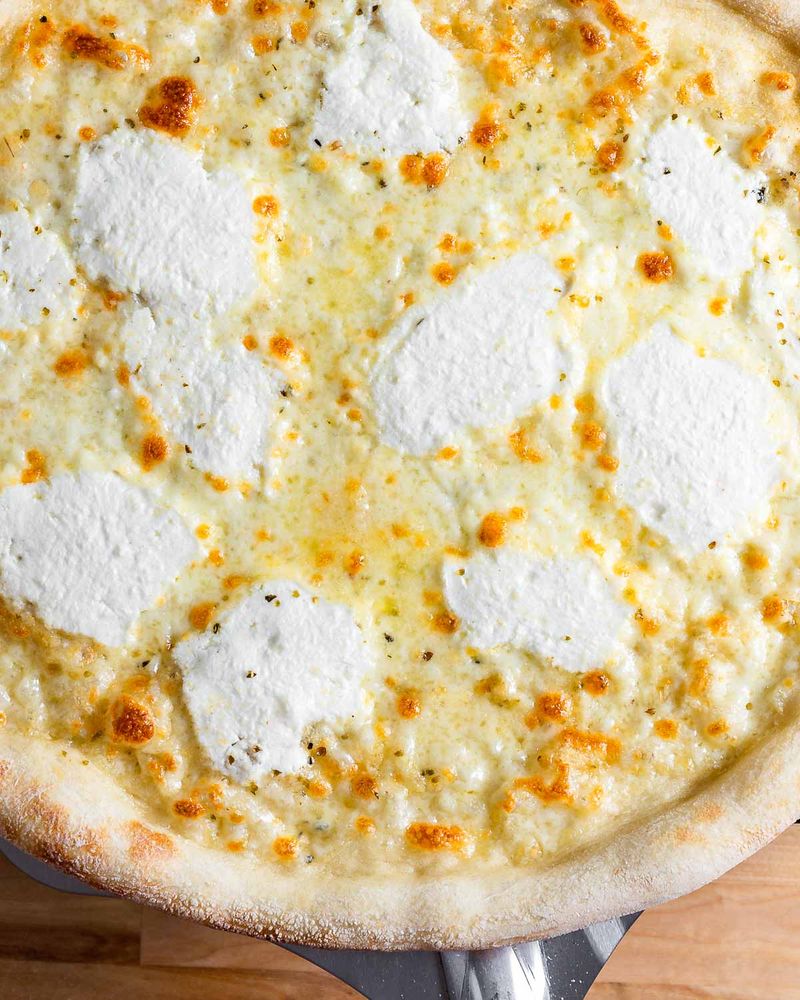
When they finally joined the party, sauce unified those scattered traditions. You can still taste the pre-tomato mindset in white pies brushed with olive oil and dotted with ricotta.
Next time you skip red sauce, you are echoing a very old habit. Simplicity kept costs down and appetites happy.
3. Margherita pizza became famous for its simplicity
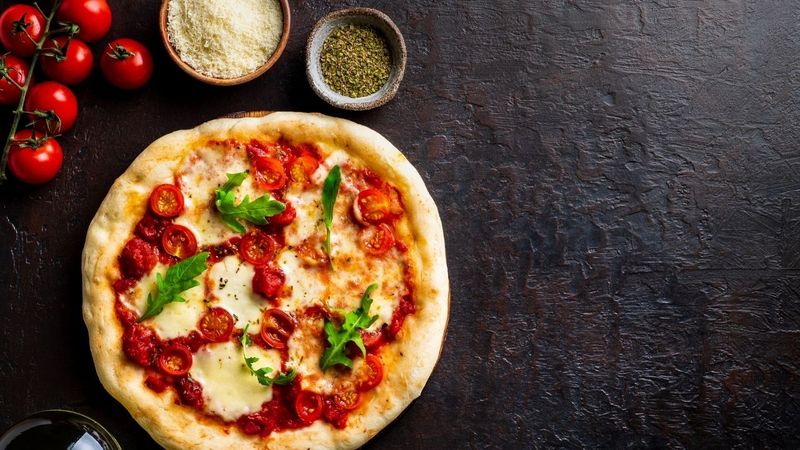
Margherita became iconic because it chose restraint over excess. Tomato, mozzarella, and basil mirror the Italian flag and deliver balance without clutter.
That harmony traveled easily, so cooks everywhere could replicate the idea with local ingredients. Simplicity made training easier for busy pizzerias and consistent for customers.
The beauty is how each element supports the others. Sweet-tart tomatoes lift the dairy, basil perfumes the whole bite, and salt ties it together.
When you crave classic pizza flavor, this minimalist trio often satisfies faster than anything overloaded. It is proof that restraint can taste luxurious when textures are right.
4. Neapolitan-style dough is all about fermentation
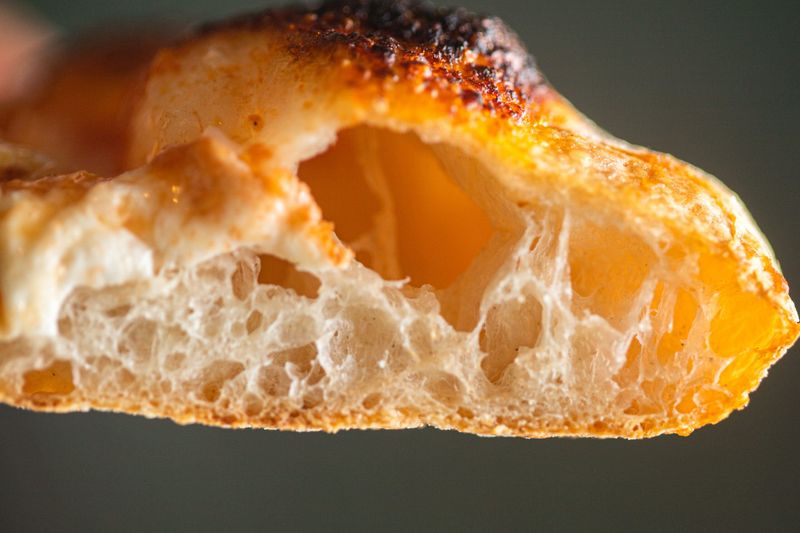
Neapolitan dough is a lesson in time. Flour, water, salt, and yeast seem simple, but long, cool fermentation unlocks aroma and digestibility.
Tiny bubbles form networks that become that tender, airy crumb. Rested dough also stretches easier with fewer tears and less snapback.
Patience also builds flavor you cannot fake with sugar or oil. When the dough hits intense heat, gases expand, moisture flashes, and you get dramatic oven spring.
If your crust tastes complex with just a little char, fermentation quietly did the heavy lifting. Give it time in the fridge and it will reward your patience.
5. High heat is the secret behind great crust
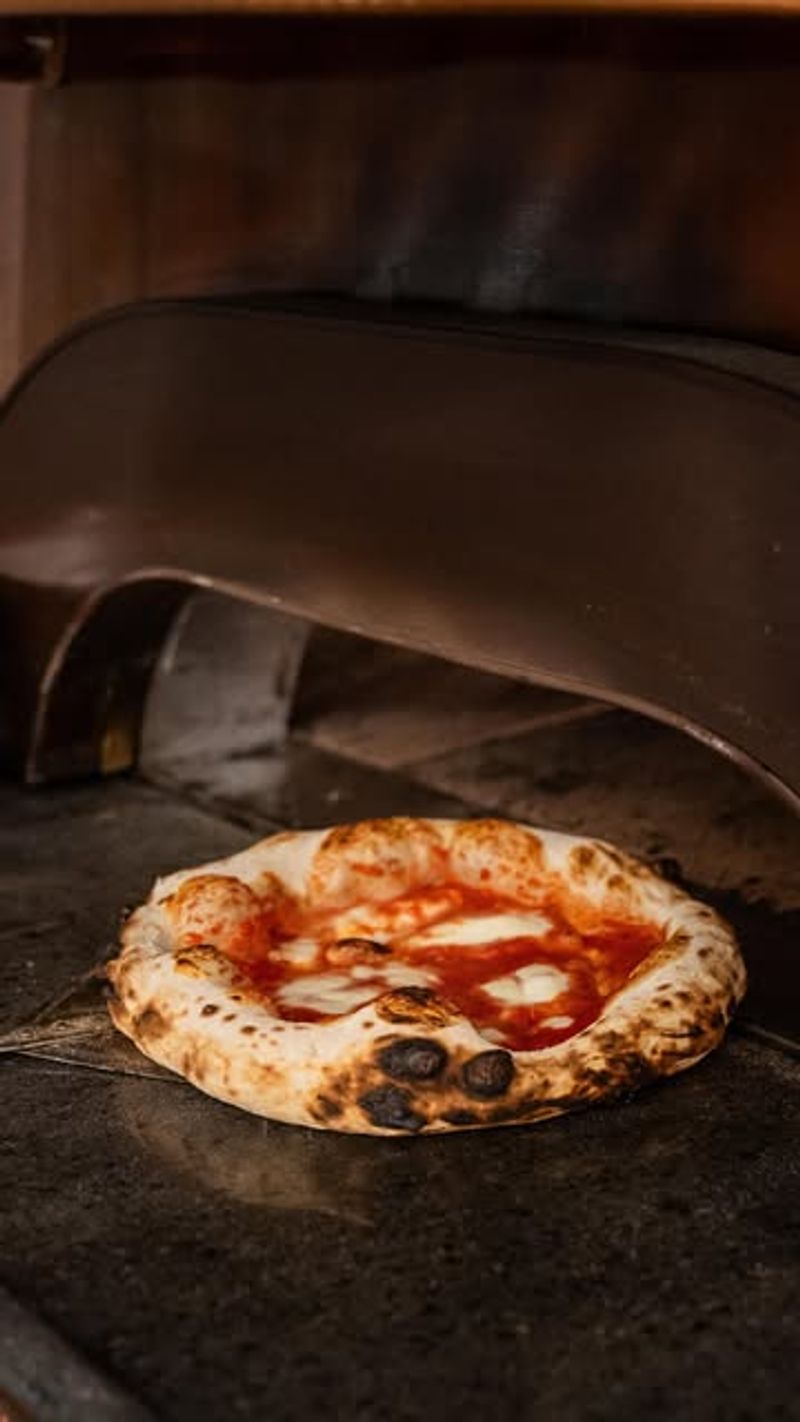
Great crust is a heat story. Wood-fired and specialized ovens push temperatures far above home ranges, creating rapid puff and blister.
That speed locks moisture inside while caramelizing sugars on the surface. The result is crisp outside, tender inside, and deeply aromatic.
At lower heat, dough dries out before it sets, and cheese overcooks. A ripping-hot stone or steel can mimic the effect at home by delivering instant energy.
When the bottom leopard-spots and the rim balloons, you are witnessing physics make flavor. Open your oven early and preheat longer than feels reasonable.
Your patience pays off deliciously.
6. New York-style pizza is built for folding
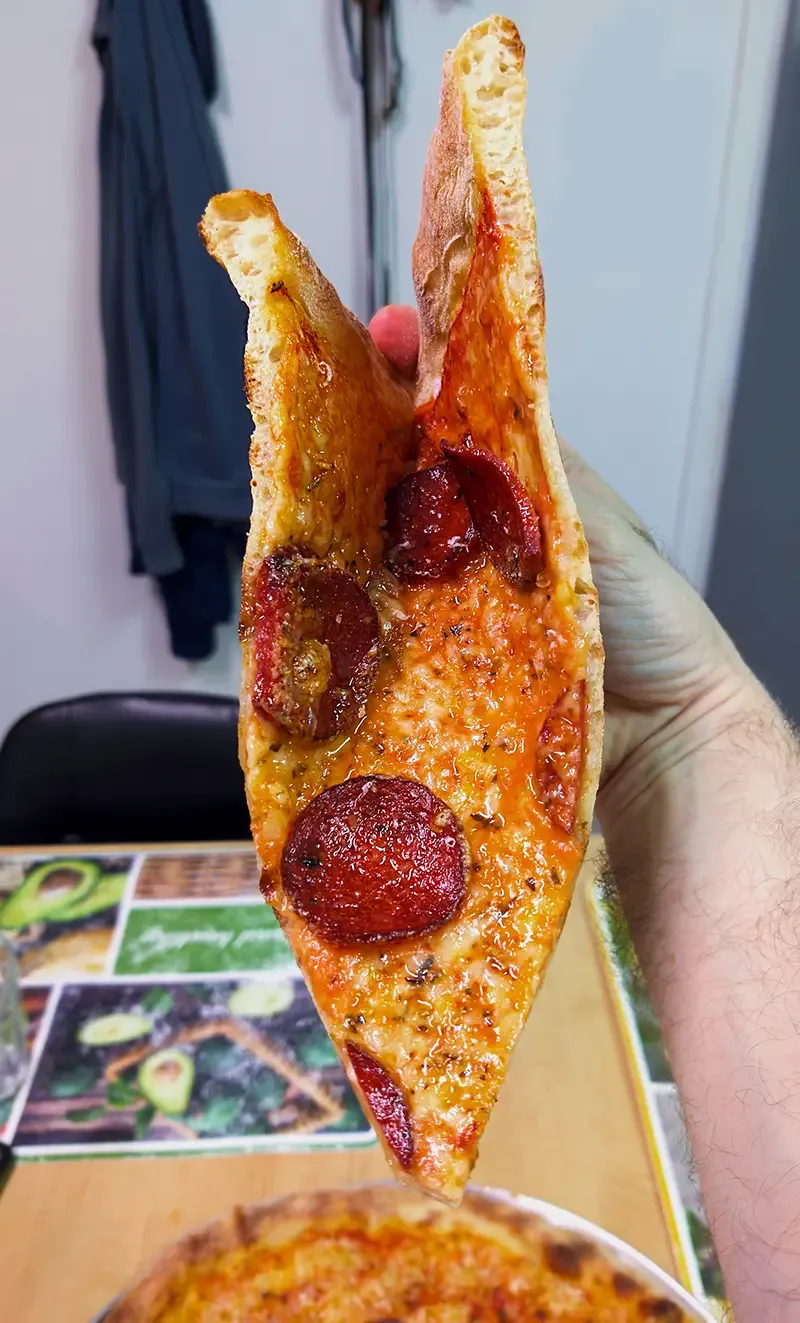
New York slices are engineered for the sidewalk. The crust stays thin yet elastic enough to fold, channeling grease and heat safely to your mouth.
That design lets you eat while walking without losing toppings or snapping the base. It is portable, filling, and surprisingly graceful food.
High-gluten flour gives chew, while large pies create wide, foldable triangles. A light layer of sauce and low-moisture mozzarella keep things cohesive.
When you crease that slice down the center, you are using built-in architecture. Street eating shaped the style as much as any recipe.
Simplicity keeps the line moving.
7. Chicago deep dish is closer to a casserole
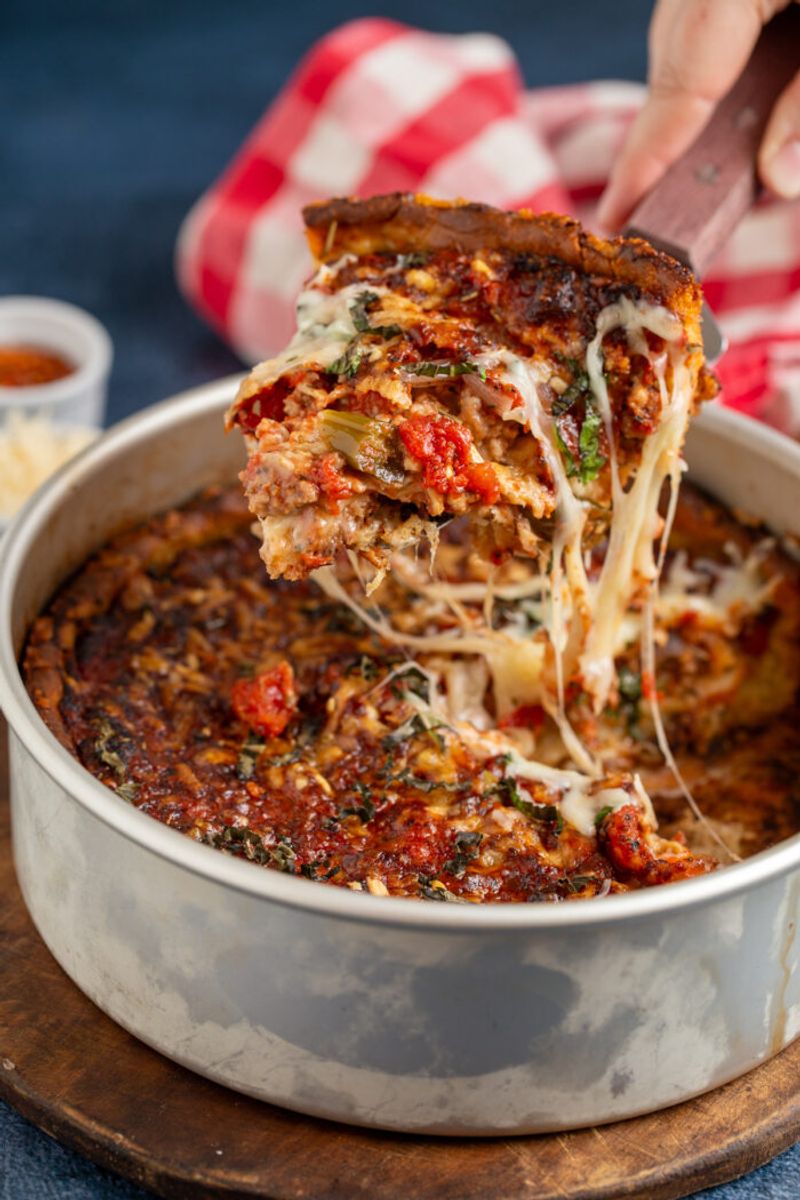
Chicago deep dish breaks expectations. Instead of a quick bake, it layers cheese directly on the dough, then hearty toppings, then chunky tomato sauce.
The tall pan and longer time create a buttery, almost pie-like structure. The crust must resist sogginess while supporting serious weight.
It eats more like a savory casserole than a foldable slice. A knife and fork make sense, and one piece can feel like a full meal.
Love it or not, it proves pizza can be architecture, not just a circle of bread. That demands patience and a slower, gentler bake.
8. Detroit-style started as a practical pan solution
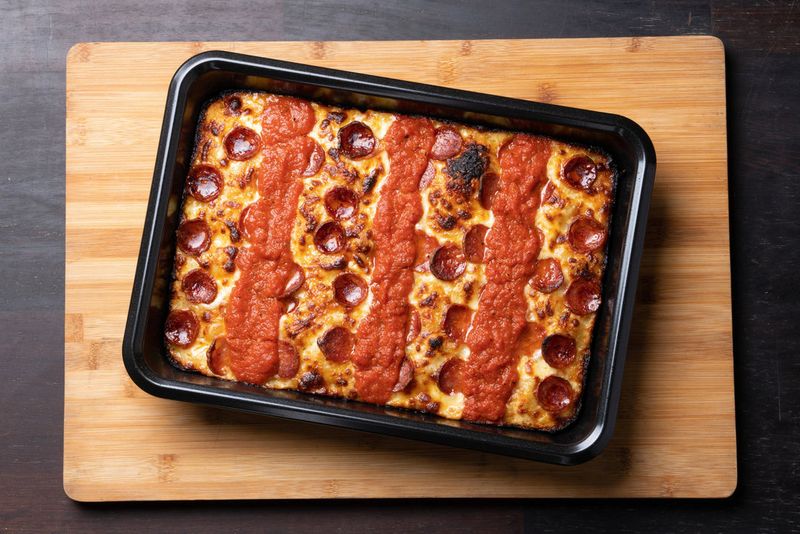
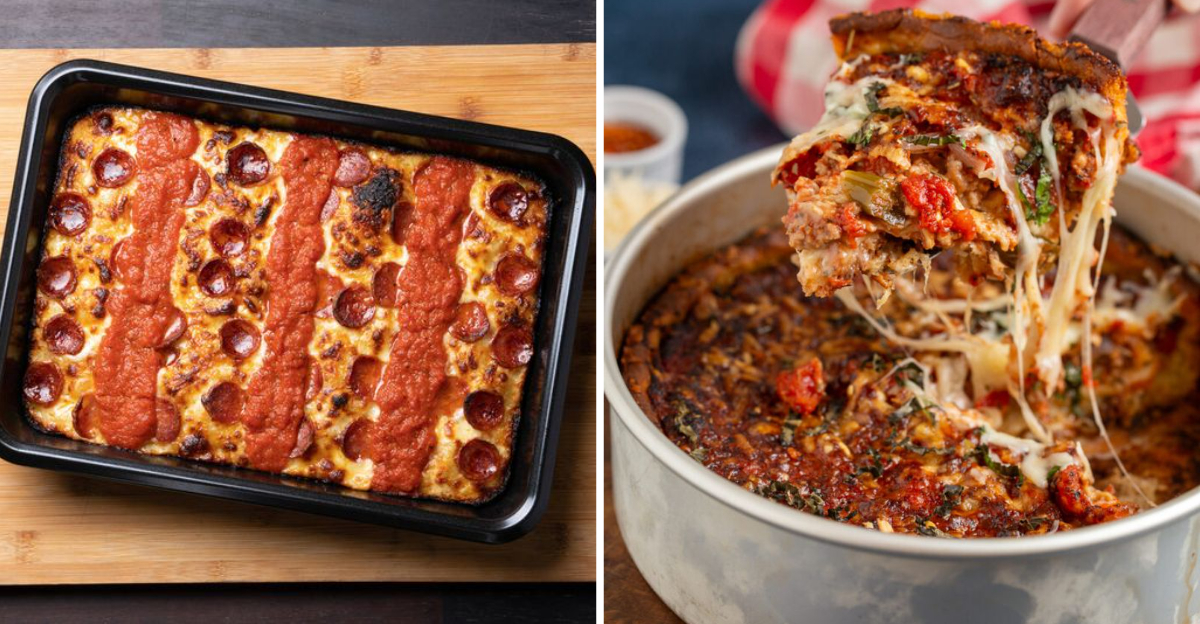
Detroit-style pizza was born from industrial practicality. Bakers used blue steel pans from auto factories, which held heat beautifully and encouraged crispy edges.
Cheese pushed to the rim caramelized against the metal, forming that signature lace. Those pans became heritage tools in neighborhood shops.
The rectangle shape changes how toppings and sauce distribute. Often, sauce is ladled on in racing stripes after baking starts, keeping the top vivid and bright.
If you crave crispy-cheesy corners, this style turns leftovers into the pieces everyone fights for. Edges deliver big flavor in every square.
Corners vanish first at parties.
9. Cheese placement can change the bake
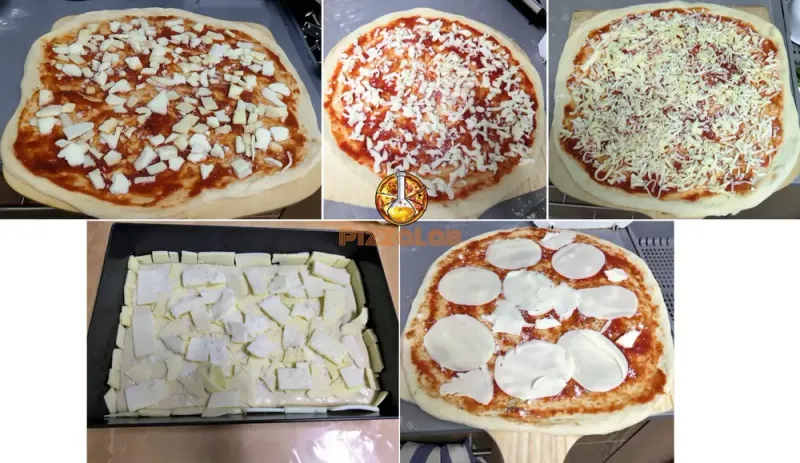
Where cheese sits changes everything. Put it under sauce to shield the crust from moisture, and you keep the base crisper.
Put it on top and it browns, adding nutty notes and little fried edges. Middle placement can also melt gently and protect toppings.
Some styles, like Detroit and Chicago, flip the order for structural reasons. Others scatter cheese in patches to leave breathing room for steam.
Once you notice, you will see strategy in every layer, and you can tune your own pies accordingly. Try mapping layers intentionally, then taste the differences.
Small moves change texture.
10. Sauce is often uncooked before baking
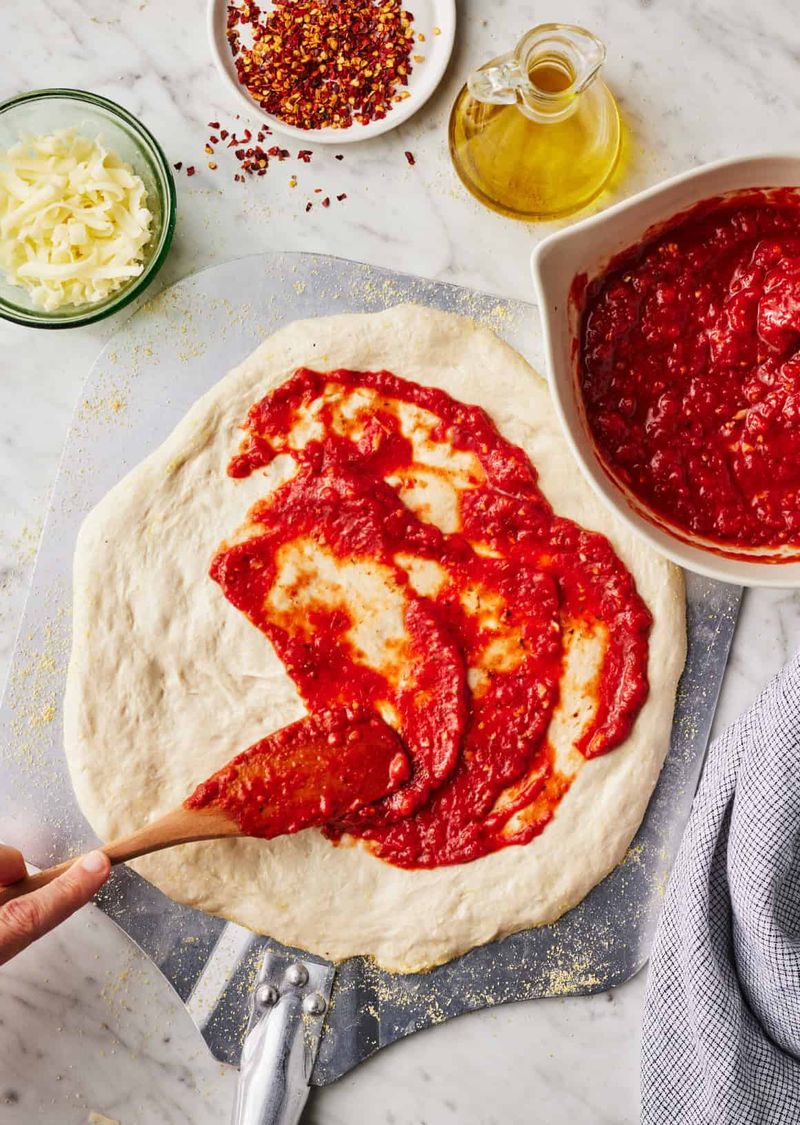
Not all sauces simmer. Many beloved styles crush canned tomatoes with salt, oil, and maybe a whisper of garlic, then spread that fresh mixture straight onto dough.
The oven does the cooking, preserving brightness and acidity. Less cooking also saves time on busy weeknights.
This approach tastes like summer even in winter. You get lively tomato pop without the heaviness of a long pot reduction.
If your pizza ever felt dull, try uncooked sauce and let the bake wake it up. Keep tomatoes cold until blending for extra brightness.
Taste and salt boldly before spreading.
11. Pepperoni is a very American pizza identity
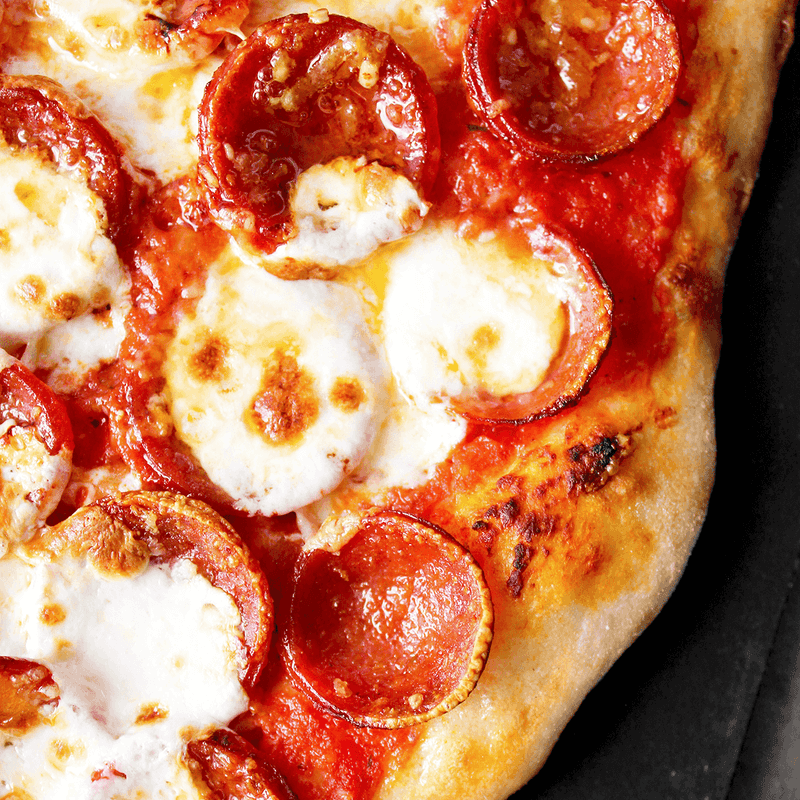
Pepperoni feels Italian, but it is distinctly American. Inspired by salami and spicy cured traditions, it was engineered to cup and char in hot ovens.
Those tiny orange pools of fat deliver smoky, salty fireworks. Makers tweak spice blends to suit regional tastes.
Its popularity tells a story about immigration, adaptation, and sheer delicious convenience. Slices cook fast, taste familiar, and play well with cheese and sauce.
When you picture a classic slice, odds are pepperoni is the topping in your mind. It is comfort food shorthand in pizzerias everywhere.
One glance and you know dinner.
12. The best mozzarella is not always fresh
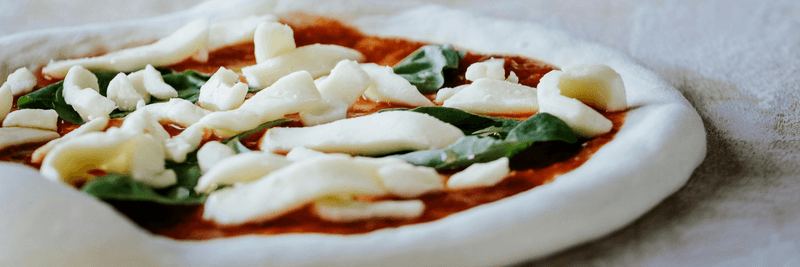
Fresh mozzarella tastes milky and tender, but moisture can sabotage a crisp slice. Low-moisture mozzarella melts predictably, browns evenly, and stretches into that classic cheese pull.
It also keeps sauce from washing out the crust. Excess water pools, steams toppings, and dulls browning.
Many shops blend both to balance creaminess with performance. You can, too, by dotting fresh on top after partial baking while letting low-moisture form the base.
The result feels luxurious without turning soggy. Drain fresh slices on towels and chill them briefly before baking.
Balance matters more than brand prestige. Choose what performs for you.
13. The crust edge is intentionally left bare
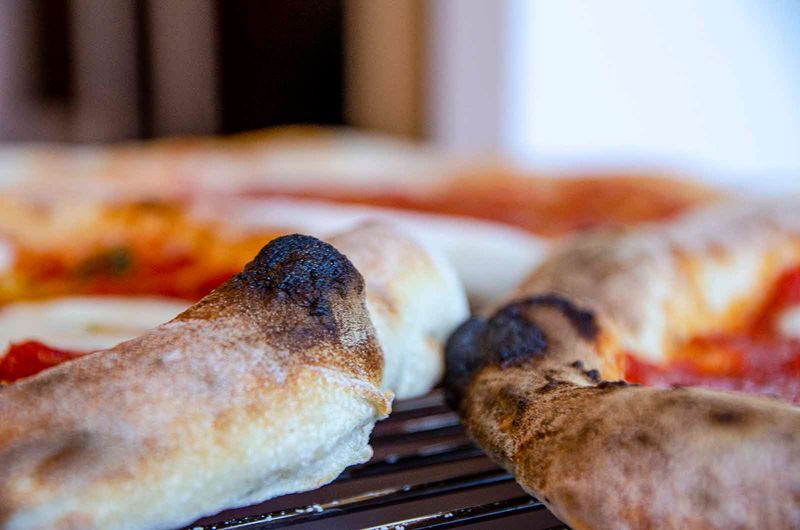
The bare rim, or cornicione, is a feature, not a mistake. Leaving it untopped lets heat expand the dough dramatically, creating a puffy, airy border.
That texture contrasts with the sauced center and gives your hands a clean grip. Bakers even judge quality by how the rim opens.
Charred blisters add smoky bitterness that balances sweetness from tomatoes and cheese. Dip it in oil or sauce if you like, but appreciate its structure first.
That ring frames the pizza like a picture mat, focusing your bites. It tells the whole fermentation story in one crunch.
14. Pizza reheats best in a skillet
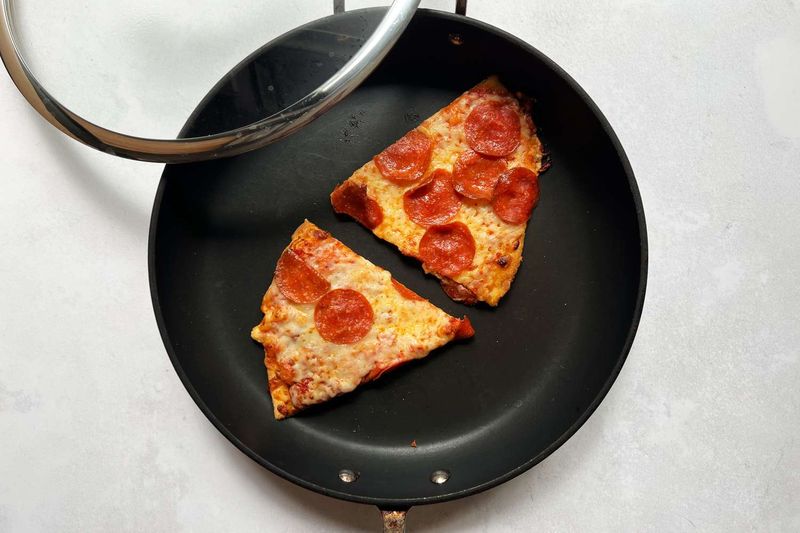
Microwaves make crusts limp because they steam. A hot skillet revives yesterday’s slice by crisping the bottom while gently warming the top.
Lid it briefly to melt cheese, then finish uncovered for snap. Start on medium heat to prevent scorching.
This method avoids rubbery edges and watery toppings. You reclaim that just-baked contrast of crunchy base and tender middle.
Once you try the pan, the microwave becomes a last resort. A minute or two can transform disappointment into joy.
Add a few drops of water, cover, and steam if cheese resists. Then crisp again briefly to finish.
15. Sugar in sauce is about balance, not sweetness
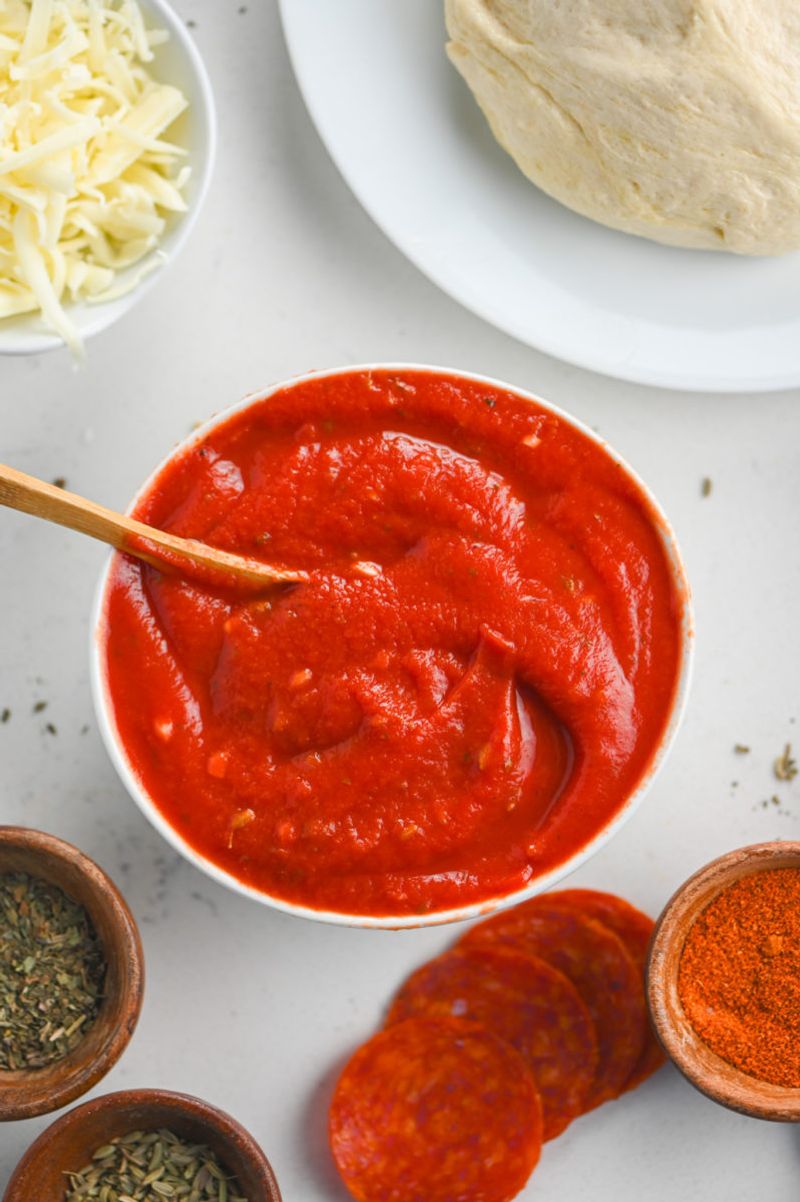
Sugar in pizza sauce is not about candy sweetness. A small pinch balances acidity in bright tomatoes, rounding edges without becoming noticeable.
Think of it like tuning a guitar, not drowning out a song. Used sparingly, it tames harshness from underripe cans.
You can get the same effect with grated carrot, slow-cooked onions, or a splash of cream. The goal is balance, so taste before adding more.
When your sauce sings rather than shouts, the whole pie feels more harmonious. Let the oven’s heat concentrate flavors further.
Adjust salt after sweetness so balance stays true.
16. Pizza is endlessly customizable
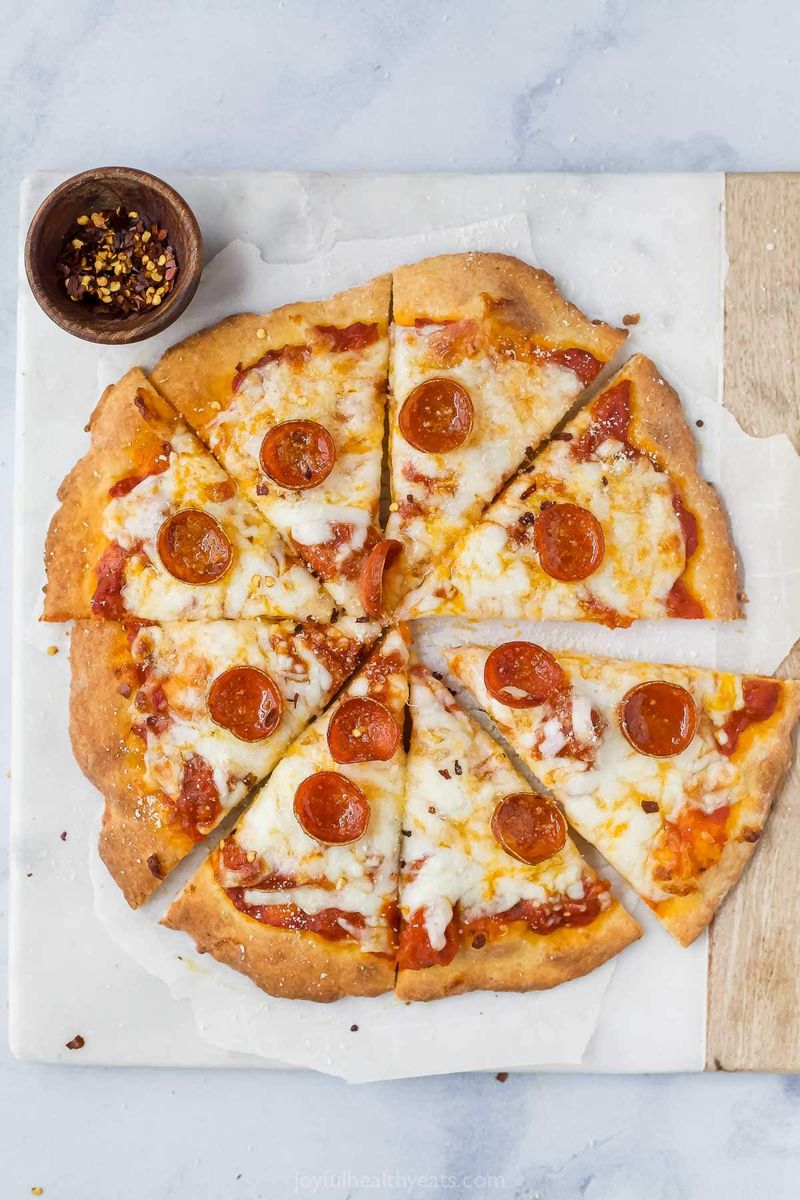
Pizza might be the world’s most remixable dinner. Swap sauces, cheeses, and toppings freely, and it still reads as pizza.
Thin, thick, round, square, grilled, or pan-fried, the canvas always invites play. Even dietary needs can be met with clever tweaks.
This flexibility makes pizza perfect for crowds with mixed tastes. Split a pie into quadrants, or bake smaller rounds so everyone feels seen.
When rules loosen, creativity spikes and dinner becomes a friendly experiment. Gluten-free bases and vegan cheeses broaden the table gracefully.
Share slices, trade opinions, and learn new favorites. Pizza makes participation easy.
17. Some pizzas are meant for a fork and knife
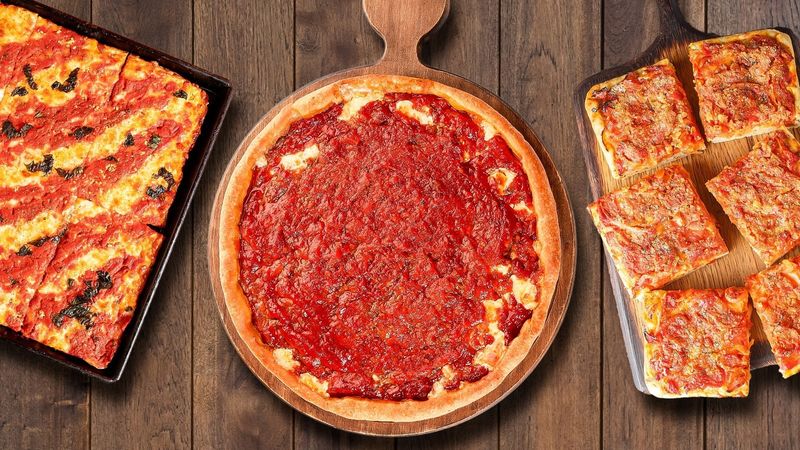
Some pizzas demand utensils. Deep dish, Roman al taglio piled high, and saucy Sicilian slabs eat better with a fork and knife.
The goal is tidy bites, not heroics. No shame in respecting gravity and sauce.
Using cutlery also protects fragile crusts that shatter under pressure. You taste the layers instead of chasing sliding toppings across your plate.
Choose the right tool and the style suddenly makes perfect sense. Let temperature drop slightly and flavors bloom further.
Plates, napkins, and patience keep the experience enjoyable. Comfort beats bravado every time.
Eat how the style intends.
18. Cold pizza tastes good because flavors settle
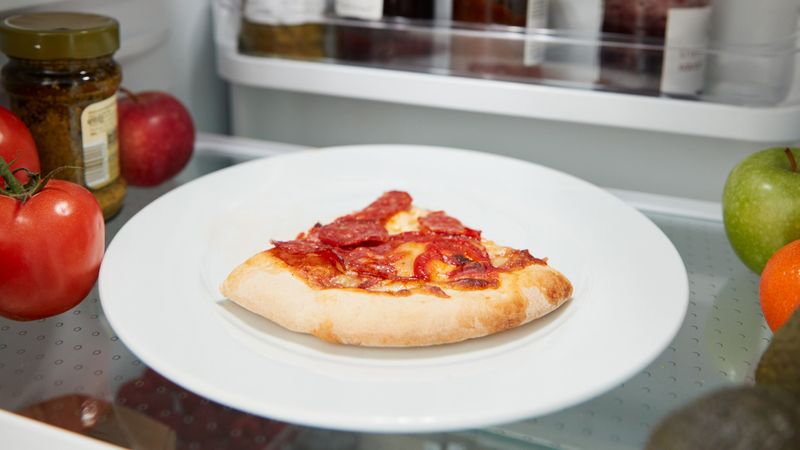
Cold pizza works because flavors settle overnight. Fats firm up, cheese tightens, and sauce mellows into the crust.
The chill also reins in grease so bites feel cleaner. Cold lets salt distribute evenly and toppings relax.
Rewarming slightly brings aromas back without undoing that set structure. You taste herbs and spice more clearly, like leftovers turning into a new dish.
No wonder morning slices hit the spot after long nights. Add hot sauce or a quick skillet kiss if you crave contrast.
Breakfast rules are optional here. Trust your taste buds and enjoy.
Cold can be comfort.