18 New Mexico Food Traditions At Risk Of Being Forgotten
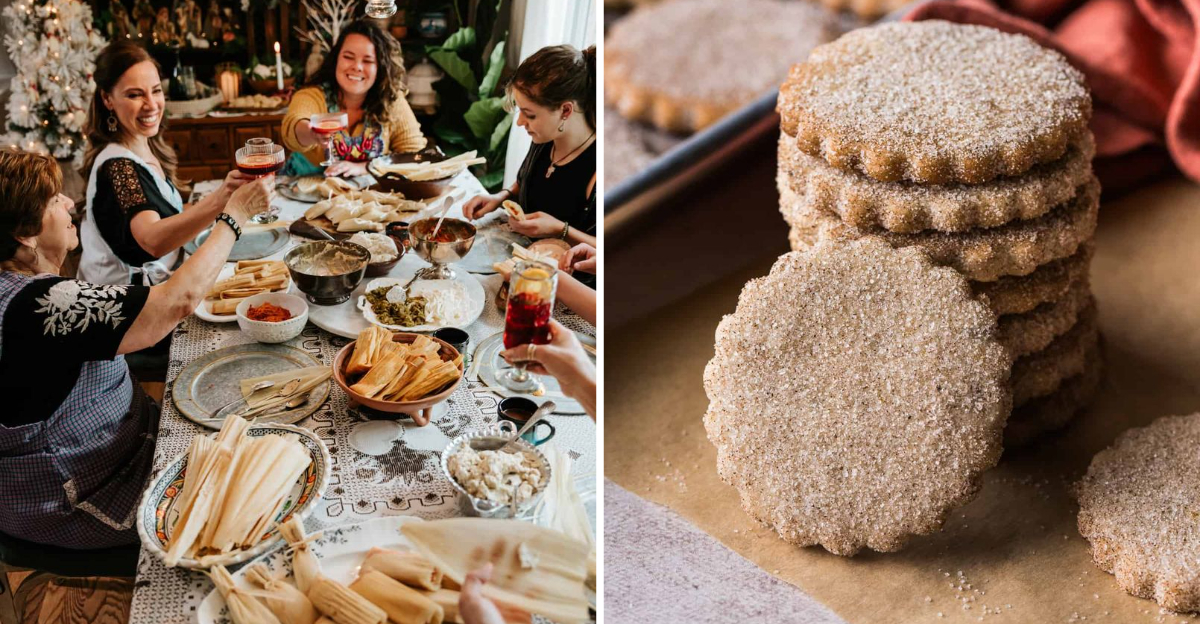
New Mexico food is more than flavor on a plate. It is memory, muscle, and seasons braided together, where a Sunday pot or a backyard roast marks time better than any calendar.
When life speeds up and water slows down, those rituals are the first to go quiet. Here are the traditions worth keeping warm, so your kitchen still smells like home.
1. Roasting green chile at home
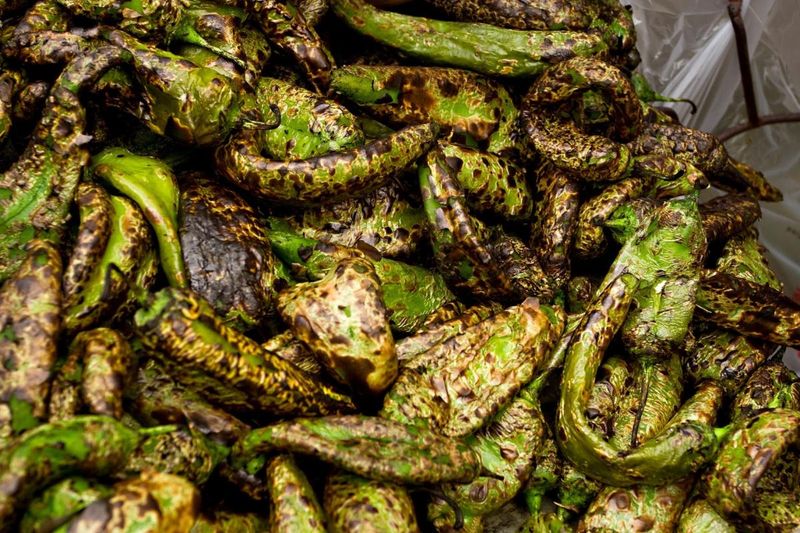
That late summer weekend when a sack of green chile hits the table is a whole scene. You set up outside, roast until the skins blister, and the air smells like home.
Hands get stained, stories get told, and freezer bags pile up.
It is easy to just buy roasted, but you lose the ritual. Split the work with friends and go assembly line.
Peel, portion, label, and freeze small weeknight packs. New Mexico even named roasting chile the official state scent.
2. Peeling chile by hand and teaching the technique
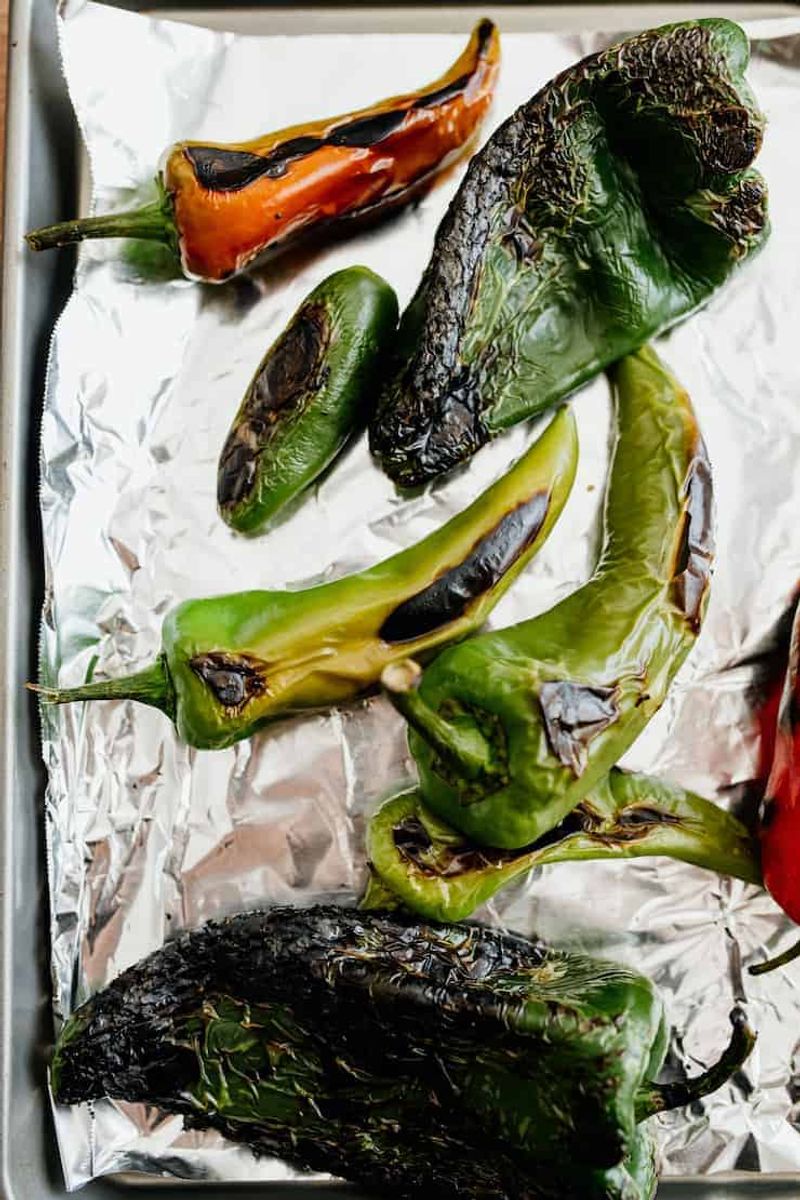
Peeling chile is a skill you learn shoulder to shoulder, not from a recipe. Steam the roasted pods, then peel without shredding the flesh, and seed without burning your fingers.
The rhythm clicks after a few tries.
People skip it because it is messy and slow, but the texture you get is worth it. Make it a chatty group task and trade bags when you are done.
Show someone the trick with the towel and the gentle scrape. Technique outlives shortcuts.
3. Making chile ristras for more than decoration
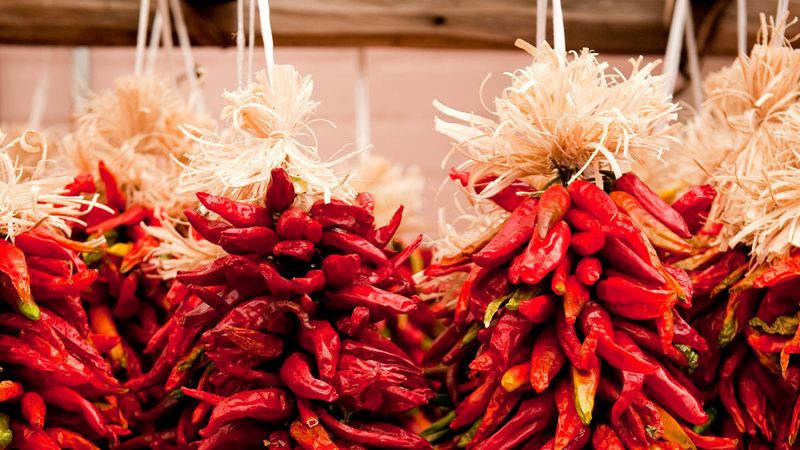
Ristras glow red against adobe, but they are not just pretty. Stringing pods means choosing good ones, threading with a needle, and hanging where air moves.
Later, you pull a few pods to cook, then keep the braid going.
Too often they become décor only. Use yours.
Break pods into soups and sauces, then refresh next season. Show a kid how to tie the loop and twist the heads.
A ristra should taste as good as it looks.
4. Grinding chile at a molino or at home
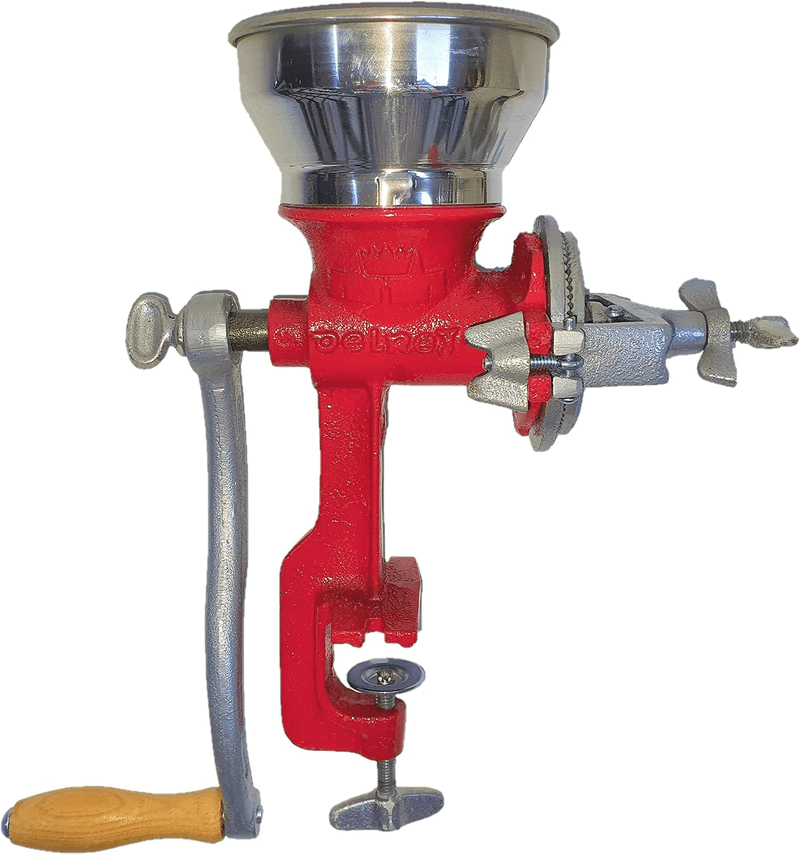
Red chile sauce tastes different when it is truly ground, not just stirred from powder. At the molino you hear the burrs hum, and the aroma is deep and earthy.
At home, soaking pods and blending smooth gets close.
Shortcuts are tempting, but the texture is memory. Do a real grind a few times a year and freeze portions.
Ask your local molino about hours. Keep that flavor on your tongue so you know when a sauce is right.
5. Keeping acequia-grown food traditions going
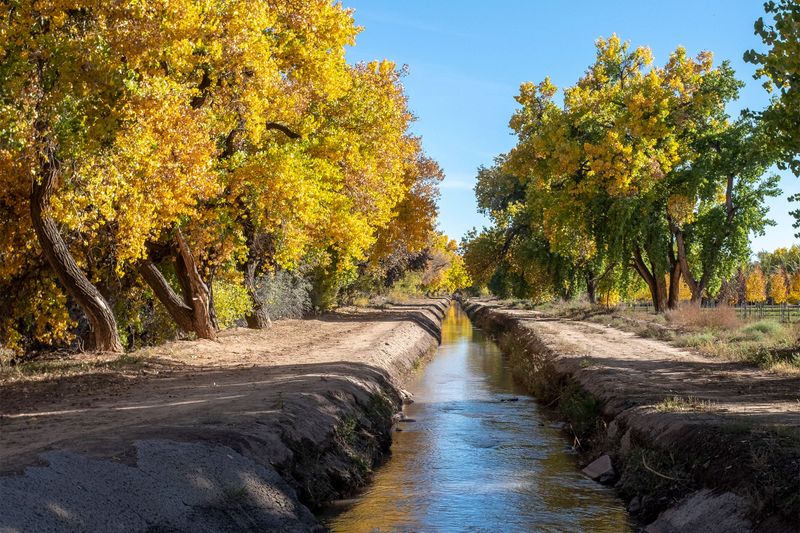
Acequias shape what grows and when we cook it. Water shared by neighbors means gardens, orchards, and a calendar that follows runoff and monsoons.
You taste it in beans, peaches, and chile picked at the right moment.
Drought and development make it fragile. Support growers who keep the ditches cleared and the water flowing.
Learn what is truly in season and plan meals around it. When you buy that basket, you keep a whole system alive, not just dinner.
6. Making chicos the old way
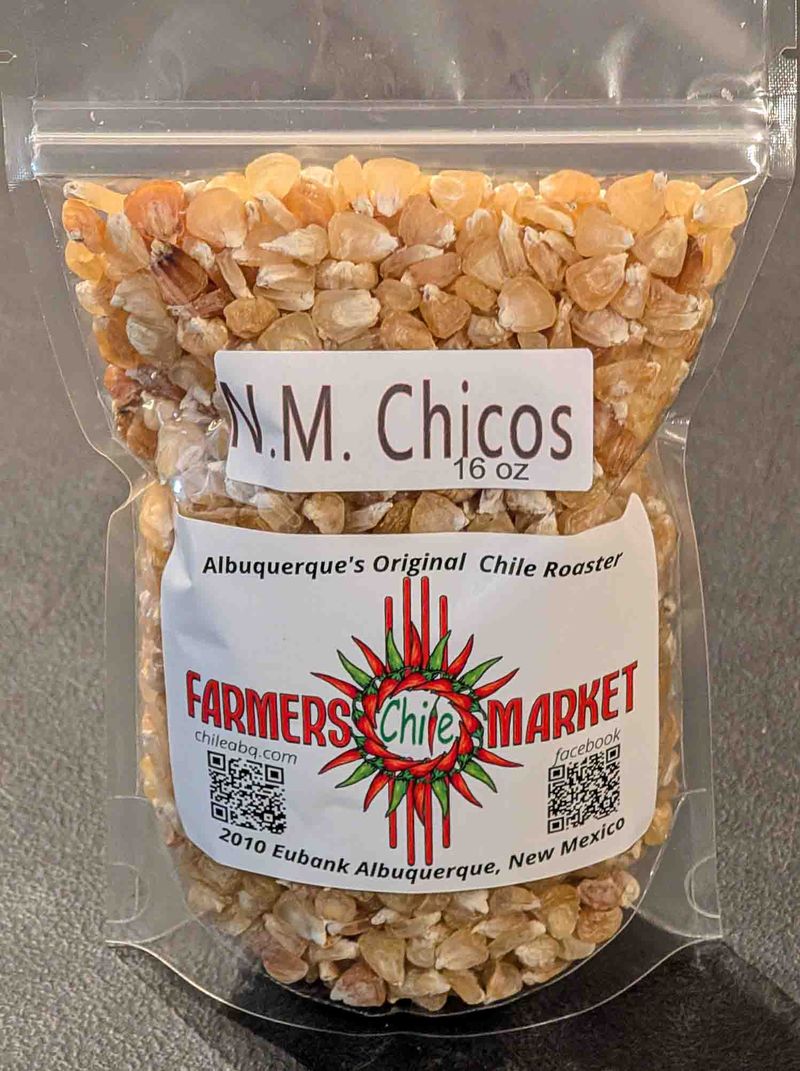
Chicos are corn transformed, dried after roasting or smoking until kernels wrinkle and turn sweet. When you simmer them, the broth gets golden and smells like woodsmoke and harvest.
It is a taste with a time stamp.
The process takes days, so it slips. Treat it like a seasonal project and share one big pot.
Buy from folks who still make them if you cannot. Fold chicos into stews and posole, and let that flavor teach patience.
7. Cooking posole as a real holiday anchor
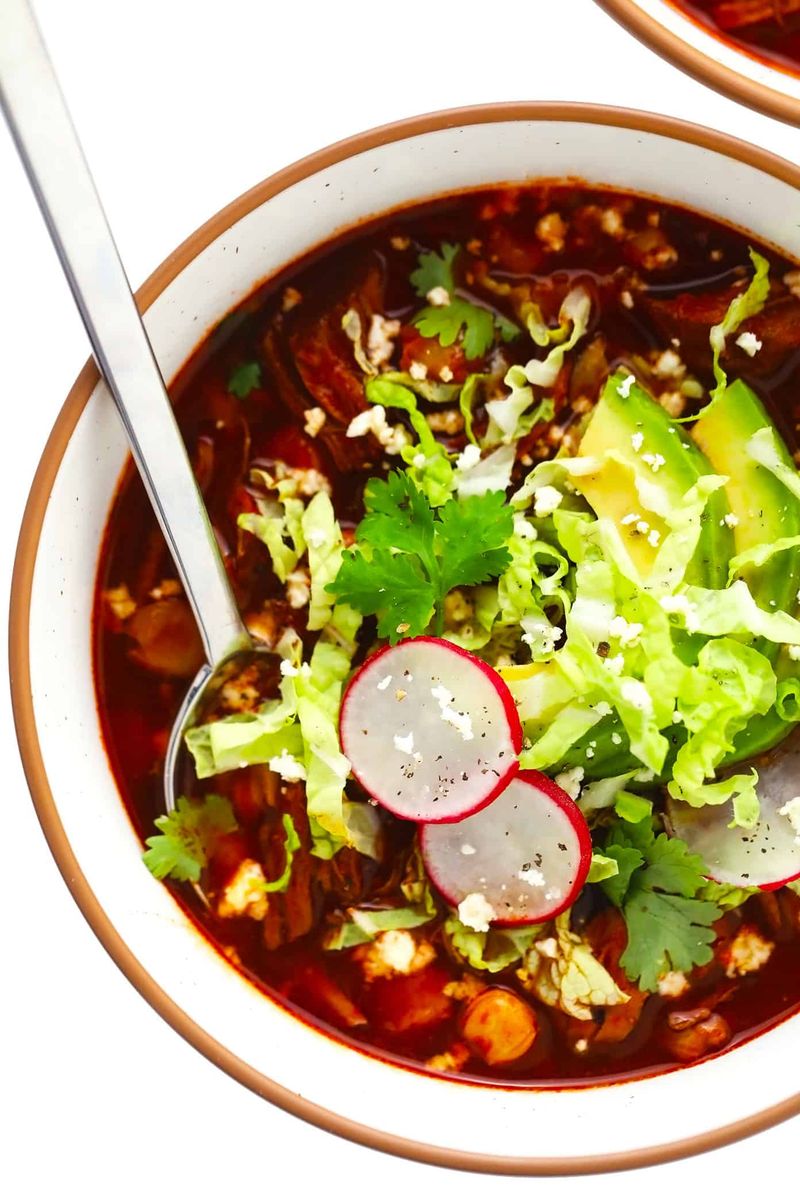
Posole is the pot that greets you at the door. Hominy blooming, pork simmering, red or green chile perfuming the house.
Bowls line the counter, and toppings wait like confetti.
Shortcuts are fine, but the long simmer tastes like winter gatherings. Pick a standing day, like Posole Sunday, and let it bubble while you do other things.
Invite neighbors to stop by with tortillas. When the lid lifts, it is officially the holidays.
8. Tamale-making as a community assembly line
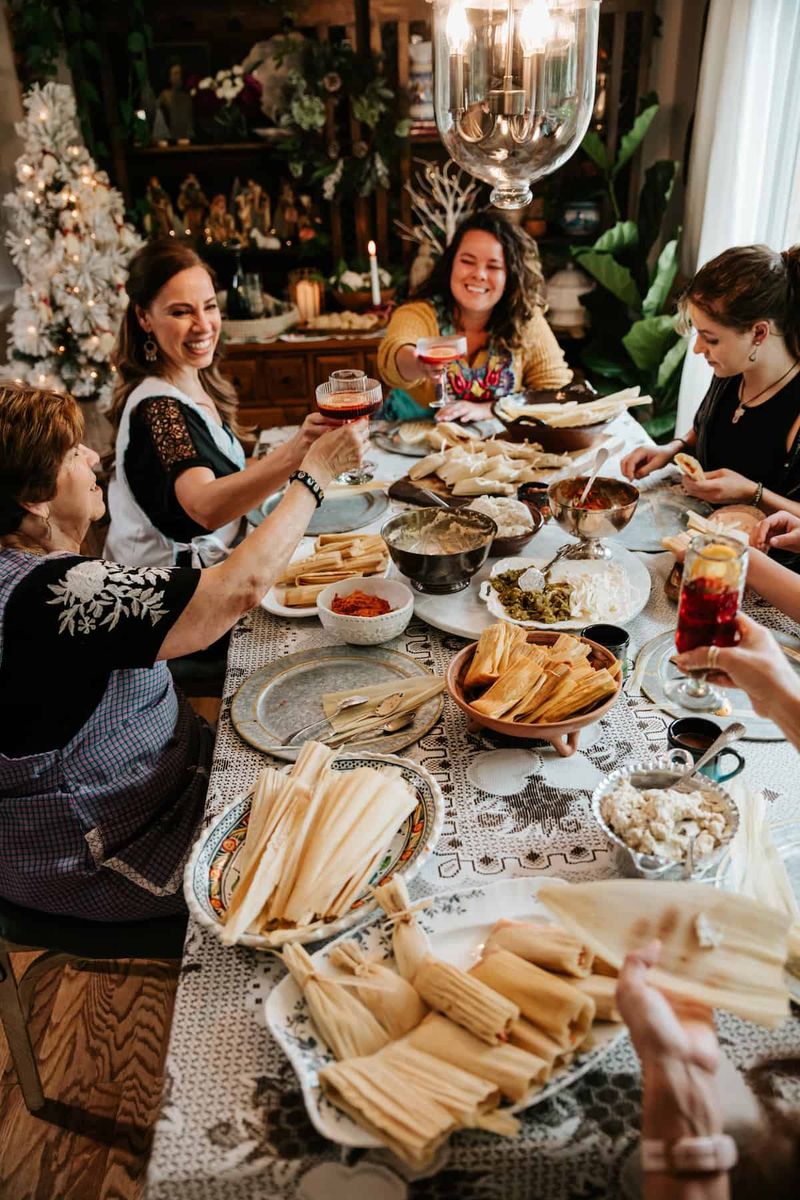
Tamales happen when many hands move together. Masa gets spread, filling gets spooned, and husks get folded into tidy parcels.
Laughter keeps the rhythm, and steamers stack up like a promise.
Store-bought is easy, but you miss the making. Host a tamale day and send everyone home with a dozen.
Assign stations so beginners learn without pressure. The party is the recipe, and the recipe tastes better because of the party.
9. Biscochitos made at home
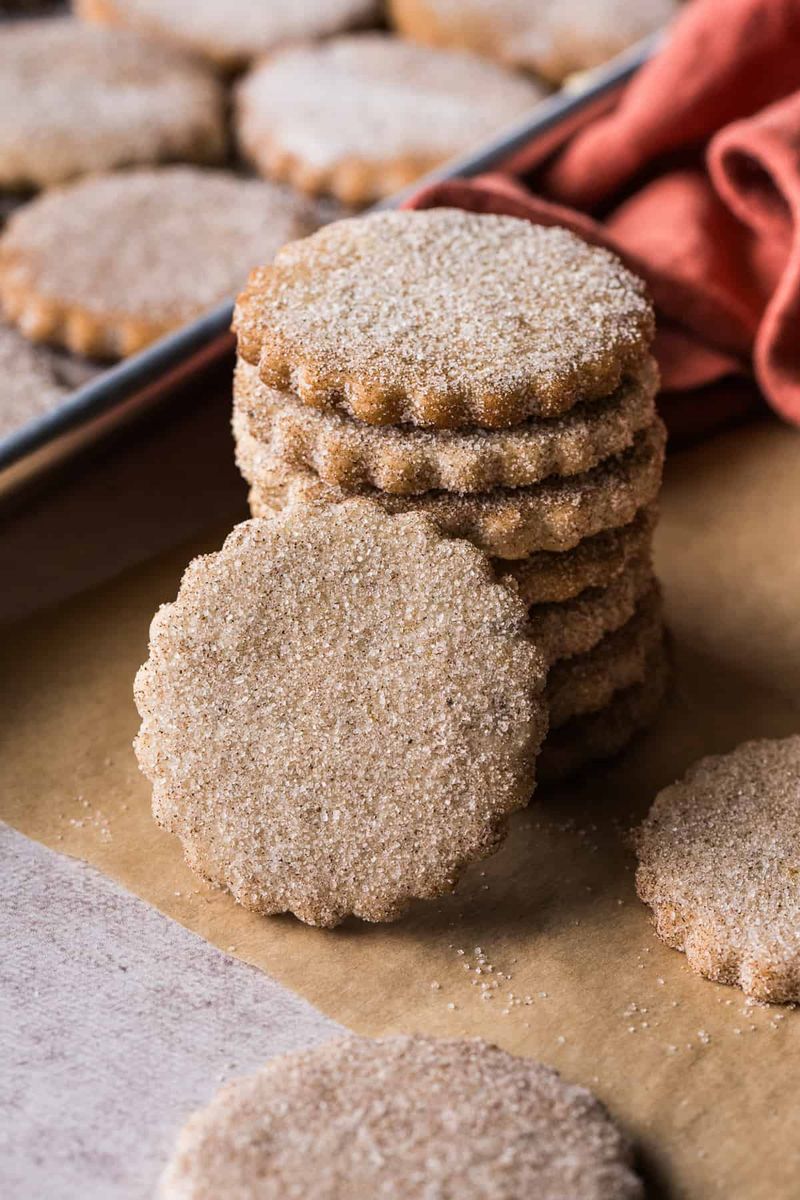
Biscochitos crumble with anise and cinnamon, carrying weddings, holidays, and graduations in every bite. The smell alone says celebration.
Rolling, cutting, and sugaring the tops feels like passing a torch.
Bakery boxes are convenient, but homemade keeps the soul. Bake one batch a year with kids or cousins.
Use lard if you can and toast the anise lightly. Wrap a few in napkins for neighbors.
It is a small effort with a longtime echo.
10. Using lard and traditional fats properly
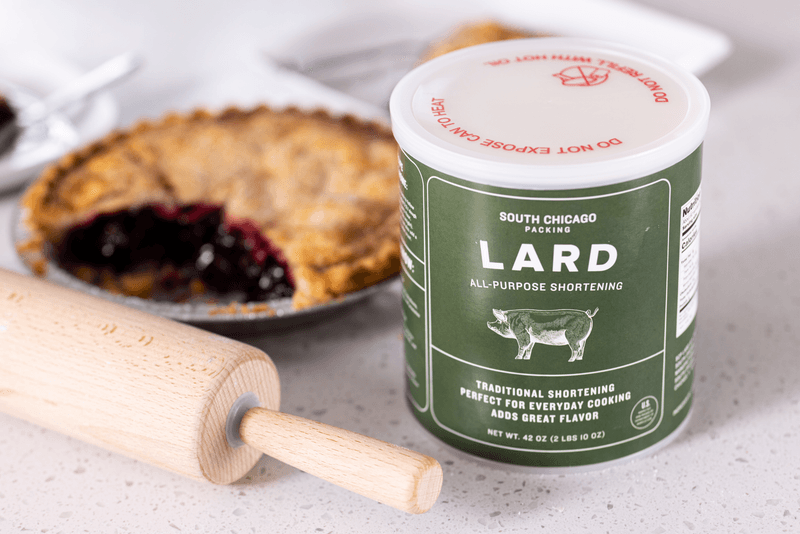
Some recipes only sing with traditional fats. Lard gives tortillas tenderness and makes cookies shatter just right.
It is about texture and flavor, not excess.
People hesitate, but you can be thoughtful. Keep one or two classics authentic and use other oils elsewhere.
Render your own if possible, or source good lard. When you taste that flaky bite, you understand why elders guarded the jar.
11. Carne adovada that truly marinates
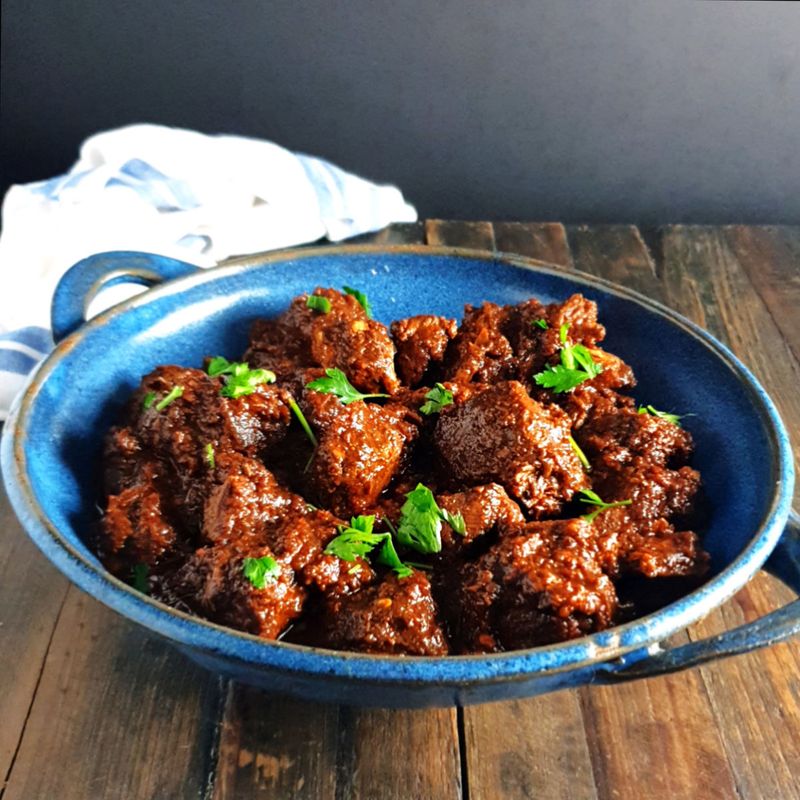
Carne adovada is patience in a pan. Pork bathes in red chile, garlic, and spices until the color sinks deep.
Overnight, the flavors settle and tomorrow tastes richer.
Rushed versions are fine, but the long marinate changes everything. Mix it tonight and bake it tomorrow, low and steady.
Serve with tortillas and eggs or tuck into burritos. You will taste the time you gave it, and it will thank you back.
12. Stacked enchiladas as the household standard
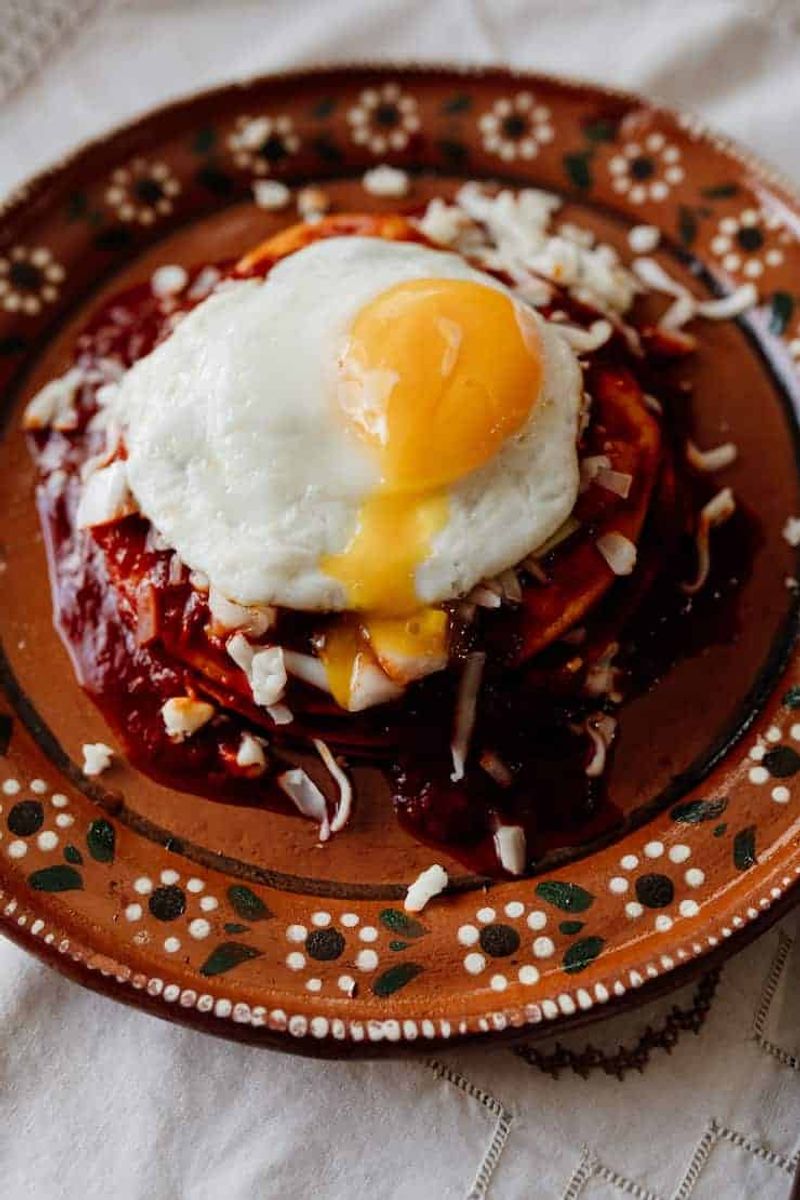
Around here, enchiladas stack. Tortilla, chile, cheese, repeat, then a fried egg sliding on top.
It is simple architecture that tastes like place.
Rolled versions are fine, but teach stacked at home so the habit sticks. Use blue corn tortillas if you can, and ladle enough sauce to soak.
Show someone how to keep the egg runny. One dinner like this explains New Mexico better than a map.
13. Sopaipillas made fresh
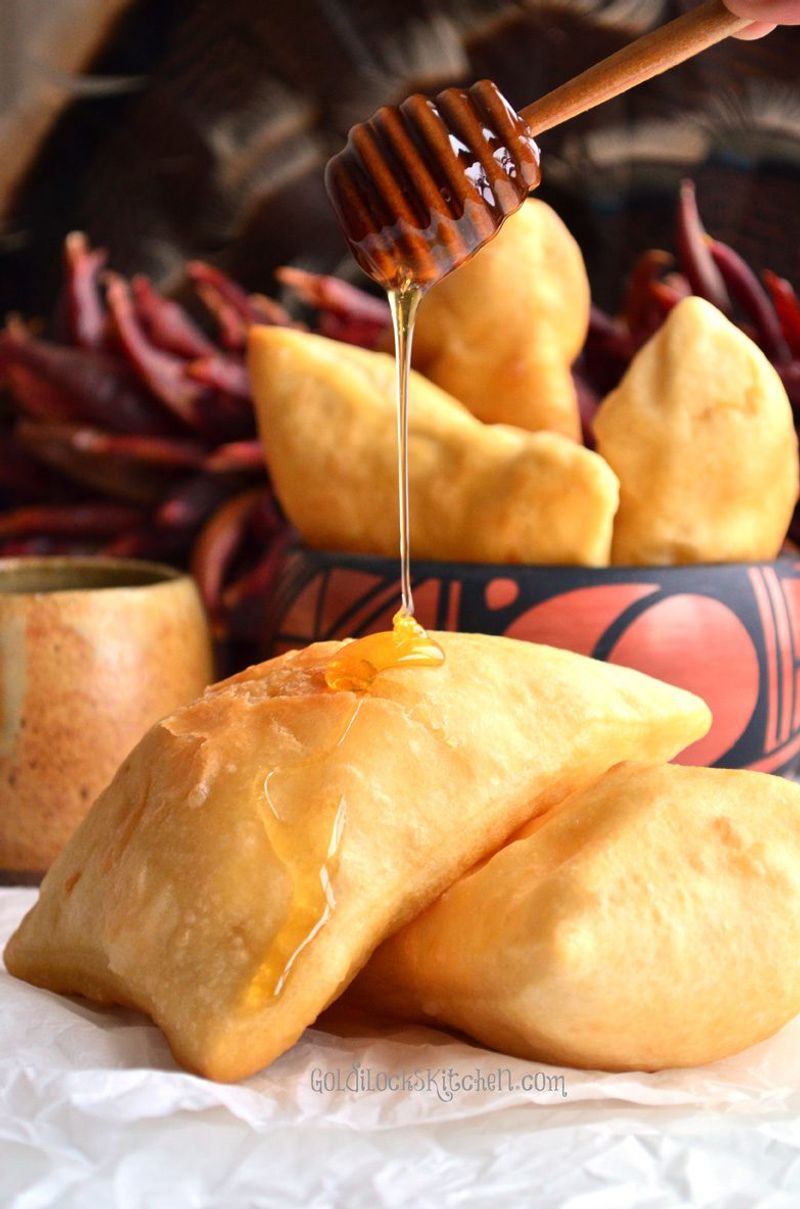
Sopaipillas are magic five minutes out of the oil. They puff, they sigh, and honey drips down your wrist.
Reheats never land the same.
Frying at home feels fussy, but one special meal a year makes it doable. Mix the dough, rest it, roll, and cut.
Keep the oil steady and the oven warm. Pile them in a towel-lined basket and call everyone to the table fast.
14. Calabacitas the truly local way
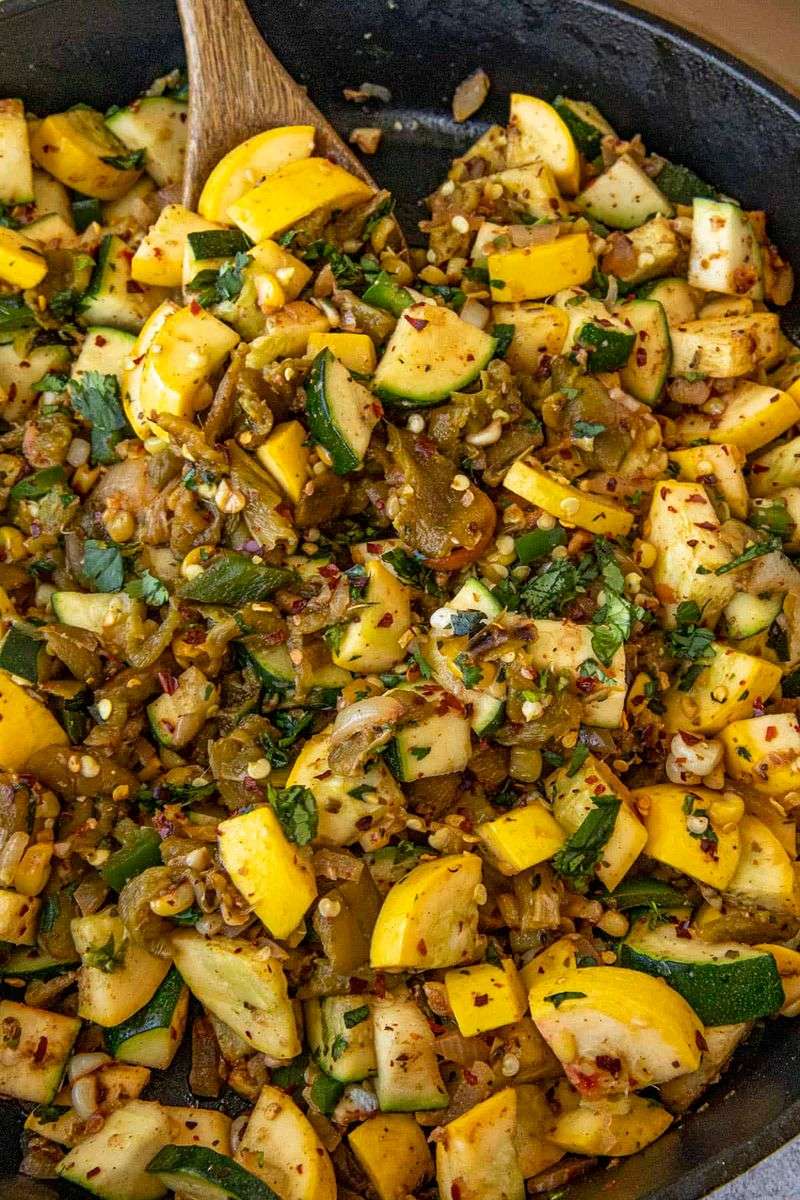
Calabacitas tastes like the garden in a bowl. Squash, corn, onions, and chile tumble in a skillet with just enough fat.
When the produce is peak, you barely need seasoning.
Make it in squash season and keep it simple. Add cheese only if it complements, not covers.
Serve next to beans and tortillas or tuck into tacos. Let the corn pop and the squash stay tender.
The freshness is the point.
15. Blue corn traditions beyond special occasion
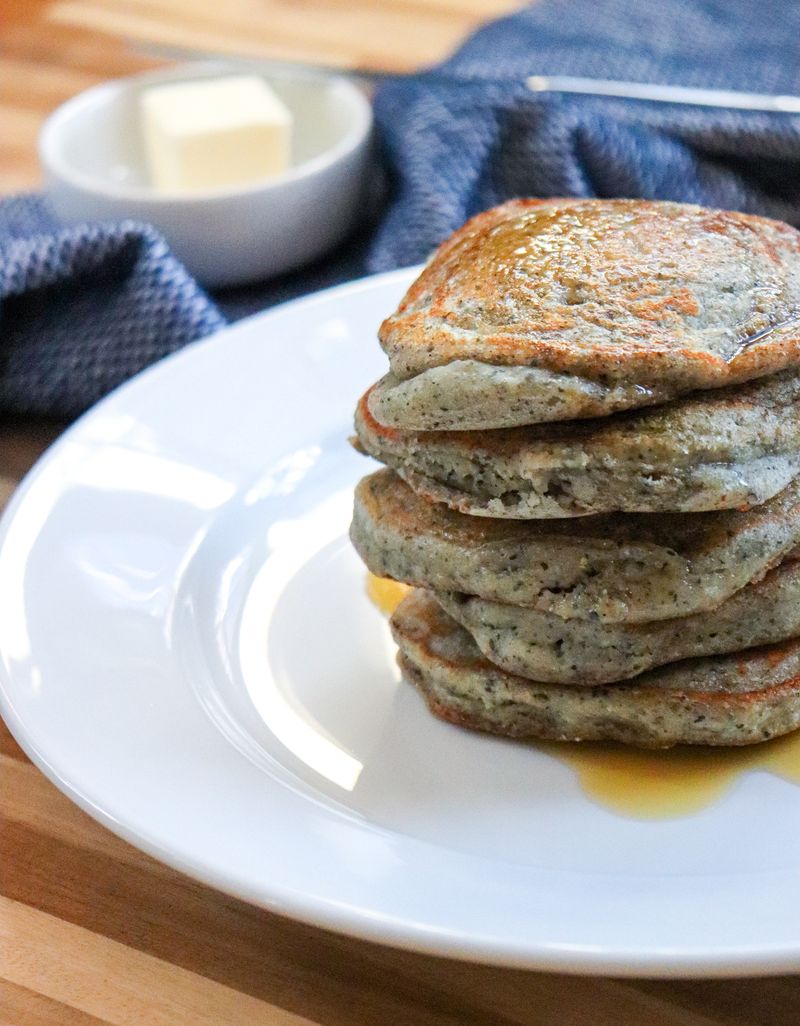
Blue corn brings nutty depth to tortillas, atole, and pancakes. The color makes breakfast feel like ceremony.
Once you taste it, regular flour feels flat.
Keep one blue corn item in your rotation. Weekend pancakes are an easy gateway.
Mix lightly to keep the crumb tender, and warm the syrup while the skillet heats. Serve with butter and a little salt.
It is heritage you can flip on a griddle.
16. Piñon gathering and roasting as a family ritual
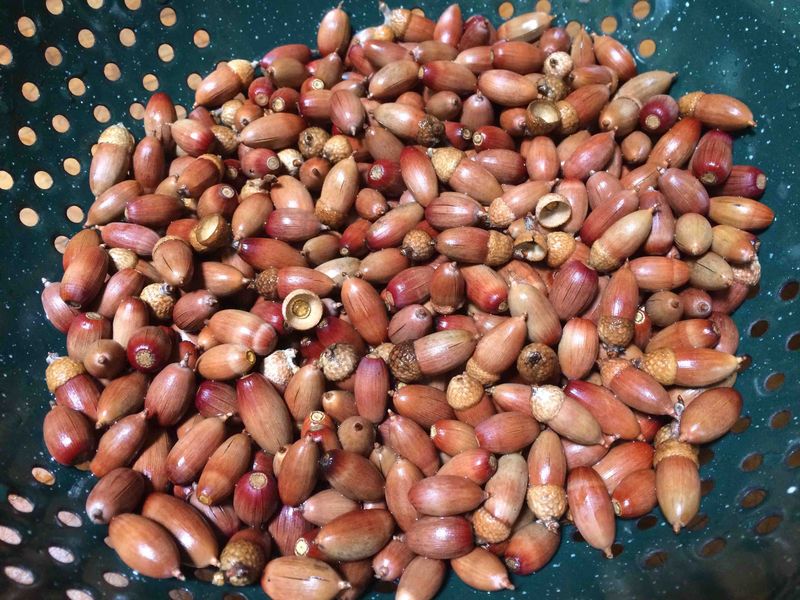
Piñon season is a scavenger hunt with delicious rewards. You watch the hills, bring buckets, and crack shells while trading stories.
The smell when they roast is pure high desert.
Some years are sparse, so buy from trusted sellers when you need to. Roast gently, salt lightly, and save some for cookies or mole.
If you can, take a kid to gather and show them how to check cones. The ritual tastes sweet and woodsy.
17. Feast day food traditions tied to community gatherings
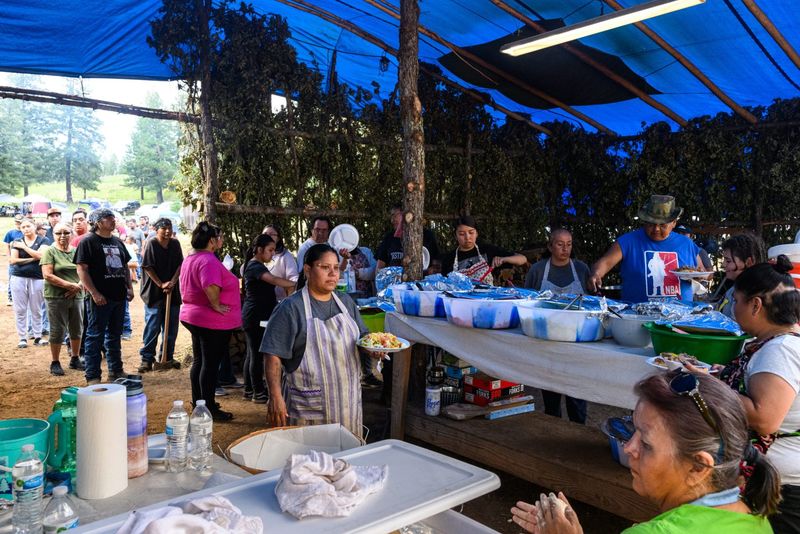
Feast days weave food with faith and neighbors. You help cook, share plates, and follow the rhythms that have guided generations.
Respect and participation matter more than recipes.
Support by showing up right. Learn the etiquette, bring what is requested, and listen more than you talk.
The menu carries meaning, so treat it like heritage, not entertainment. When the tables empty, you feel fuller than a meal can explain.
18. Fiesta cooking connected to matachines and local celebrations
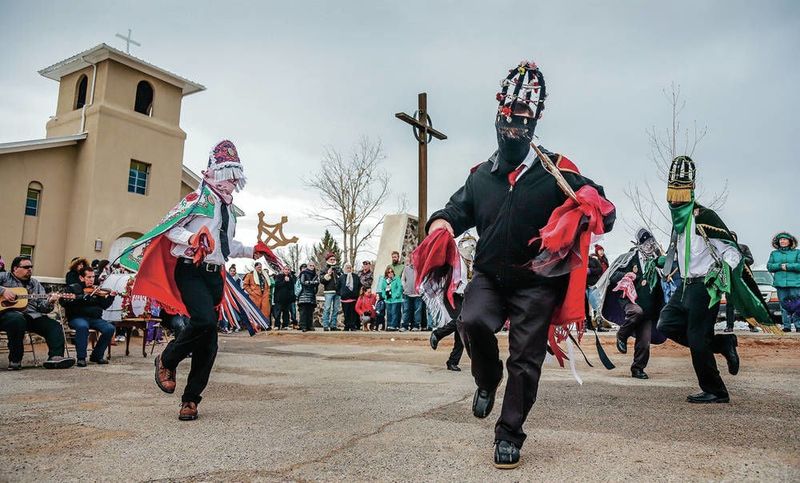
Fiestas hum with dancers, drums, and kitchens going full tilt. Matachines move while pots of beans, chile, and stews keep pace.
The food feeds the dance, and the dance feeds the village.
Participation keeps it alive. If your community celebrates, bring someone younger and give them a real job.
Chop, stir, carry, serve. The lessons live in motion, not instructions.
Tradition passes hand to hand, bowl to bowl.