18 Tips For Making Quiche The Right Way
Quiche looks simple until a soggy crust and rubbery custard crash the party. With a few smart moves, you will pull a tall, silky slice that impresses every time.
These no-fuss tips cover crusts, custards, fillings, and baking so you can troubleshoot before problems start. Ready to bake a quiche that slices clean, sets gently, and tastes like a brunch dream?
1. Use a deep dish pan or do not overfill
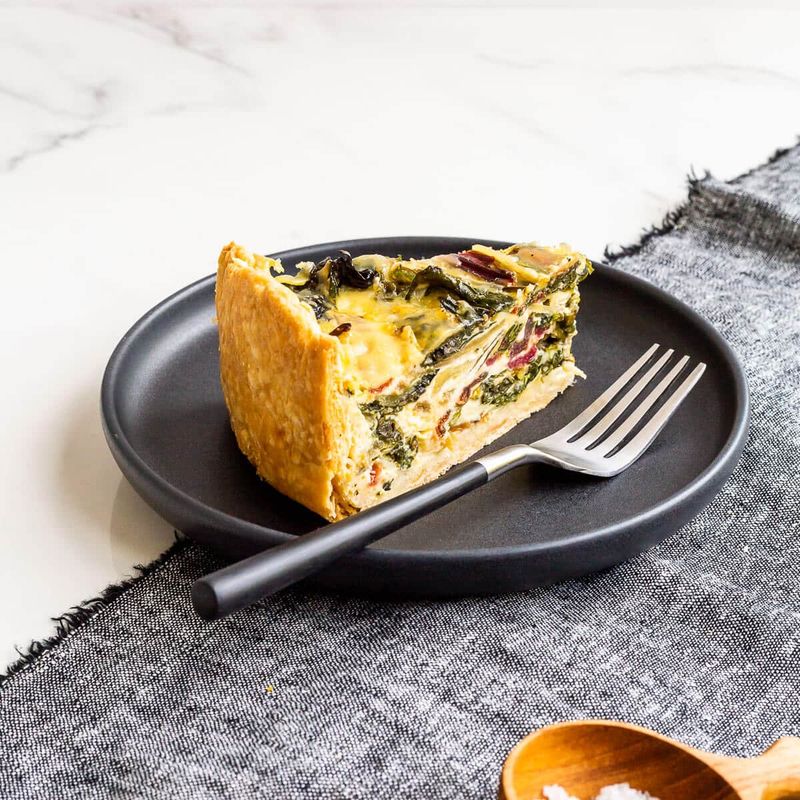
A deep dish pan gives you that bakery style slice with generous custard and layered fillings. If you use a standard pie dish, keep the custard below the rim so it does not bubble over.
Overfilling leads to undercooked centers and leaky sides.
Deep pans bake a touch longer, so plan extra minutes at a moderate temperature. Line the pan evenly to avoid thin spots that brown too fast.
Remember, air circulation matters, so place the pan on a sheet for easier transport and even heat.
2. Blind bake the crust
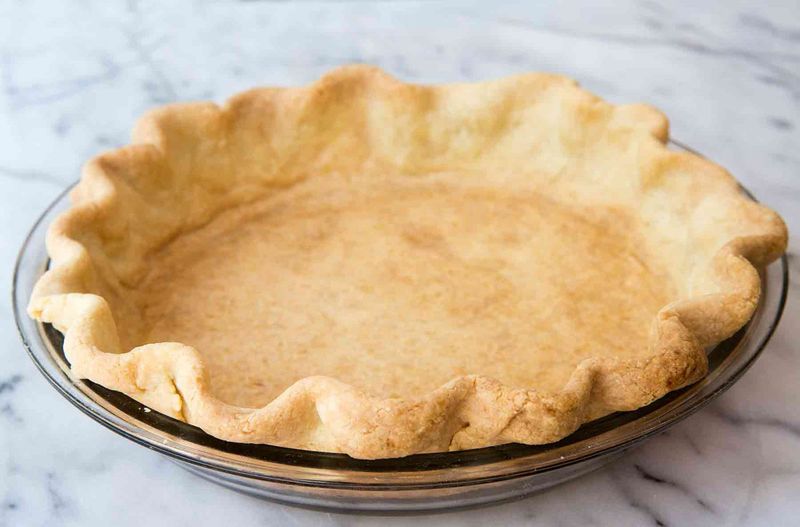
Blind baking is your insurance against a soggy bottom. Par bake the crust until lightly golden before adding custard so moisture cannot seep into raw dough.
This step sets the structure and keeps the base crisp.
Chill the shaped crust, line with parchment, and add weights before baking. Remove the weights near the end to dry the surface.
A firm, lightly browned crust stands up to creamy fillings, giving your slice that satisfying buttery snap instead of gumminess.
3. Dock the crust and use pie weights
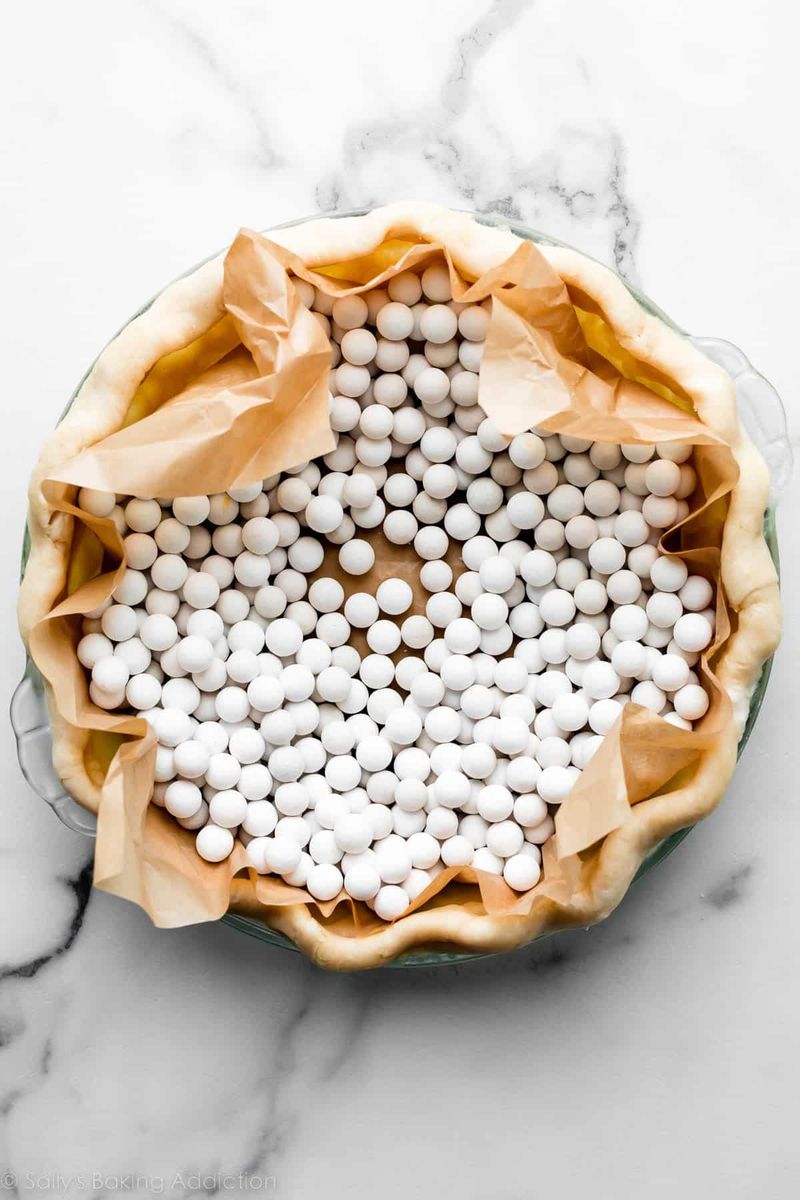
Docking means pricking the crust with a fork so steam can escape. It prevents puffing and keeps the pastry where you want it.
Add pie weights or dried beans to anchor the dough and stop it from slumping.
Press weights into corners for full contact. After partial bake, lift parchment and weights to let the base dry for a few minutes.
The result is flat, crisp support that holds custard evenly. No bubbles, no slippage, just a neat shell ready for silky filling.
4. Let the crust cool slightly before filling
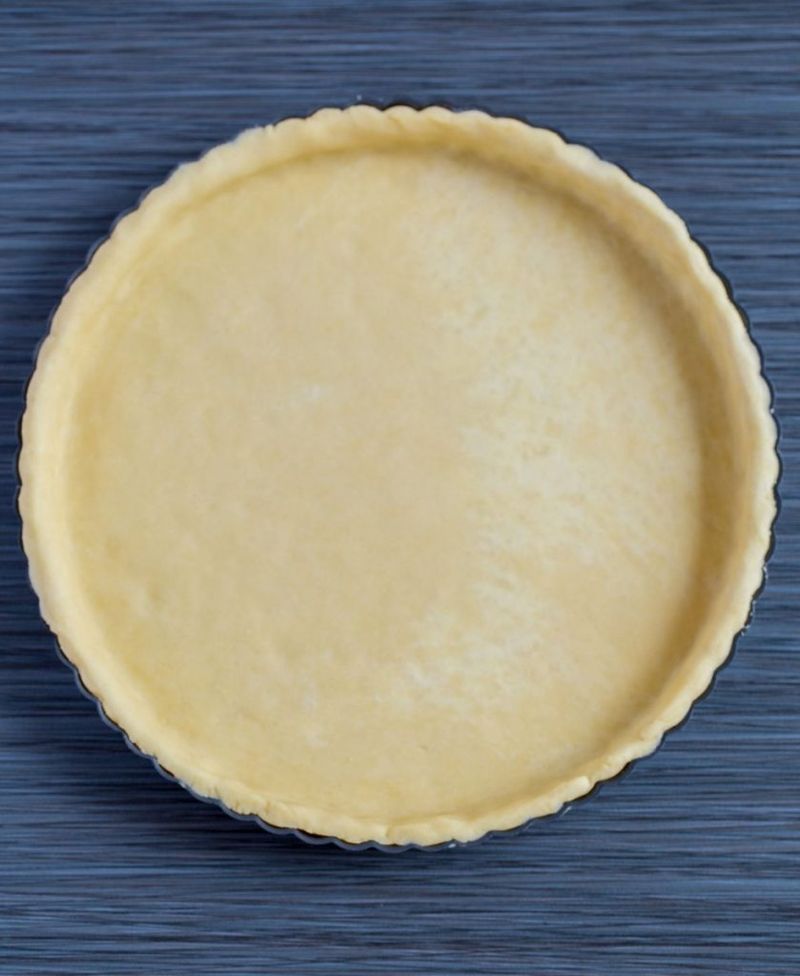
Pouring cold custard into a blazing hot crust can shock the pastry and cause shrinkage. Let the crust cool until just warm to the touch.
This balance helps the custard set gently without forming curdled pockets against overheated dough.
Meanwhile, keep your custard at cool room temperature, not icy cold. Warm crust plus cooler filling equals smoother texture and even bake.
Those small temperature details give you a tender set that slices cleanly, instead of a weird rubber line where crust meets custard.
5. Aim for the right egg to dairy ratio
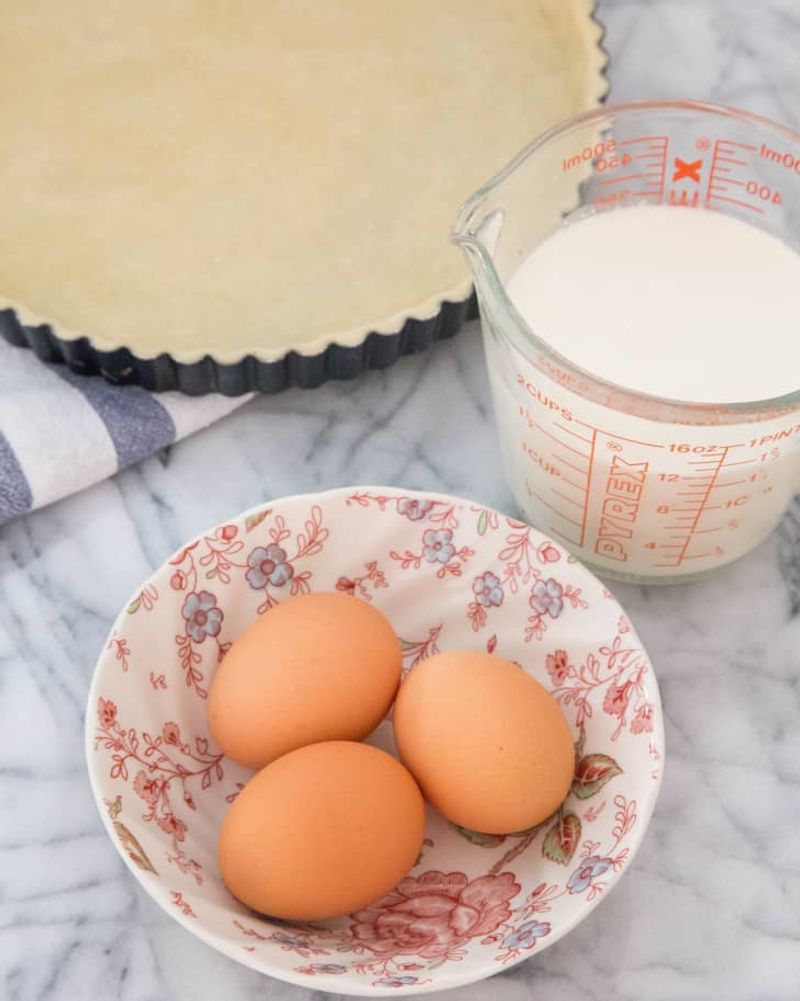
A reliable ratio is about one large egg for every half cup of dairy. That balance yields a custard that is tender yet sliceable.
Too many eggs turn the texture firm and bouncy instead of plush.
Measure carefully and scale up based on pan size and depth. If using heavy cream, mix in some milk to avoid excessive richness that can feel dense.
The goal is a delicate wobble that sets as it cools. When your ratio is right, every slice stands tall without weeping.
6. Mix dairy types for better texture
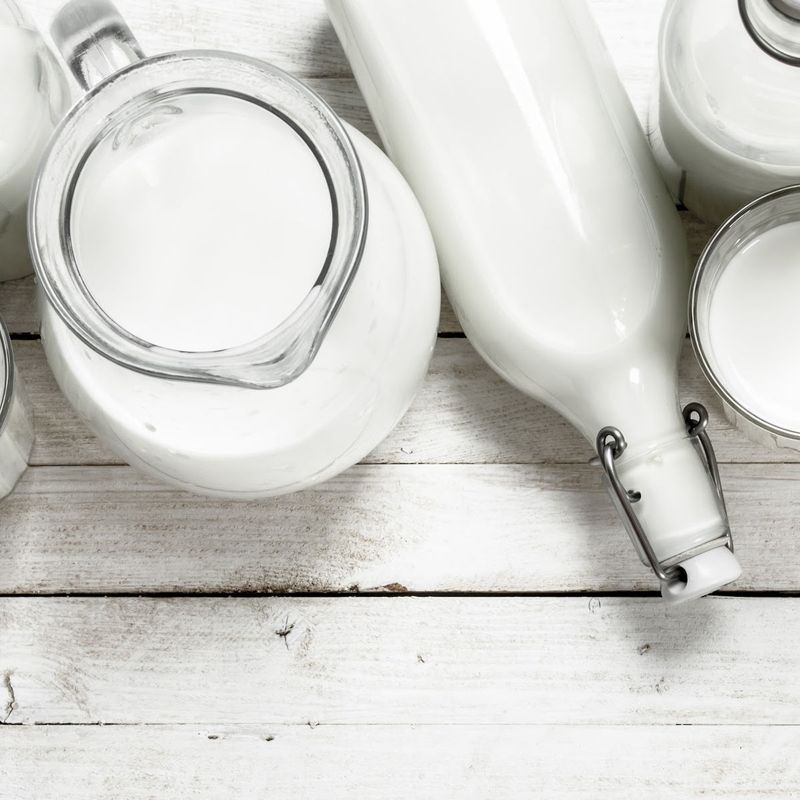
Half and half is classic, but you can blend whole milk and cream for a luxe yet balanced custard. Mixing dairies softens richness while still delivering that restaurant style silkiness.
It also reduces the risk of curdling compared to all cream.
Try two parts milk to one part cream for a crowd pleasing texture. Adjust based on fillings: richer cheeses and meats pair well with slightly lighter dairy.
The final set should be delicate and custardy, never heavy. A thoughtful blend keeps richness satisfying, not overwhelming.
7. Do not over whisk the custard
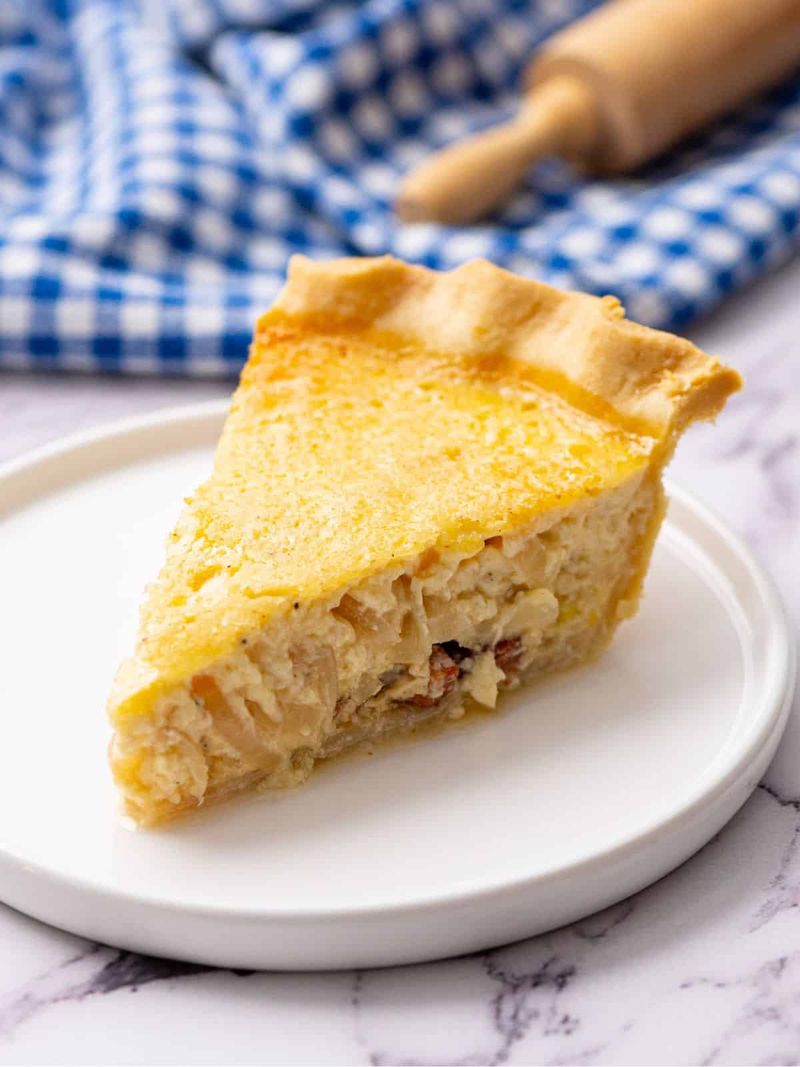
Blend the eggs and dairy just until smooth. Over whisking traps air, which bakes into bubbles and a spongy, dry texture.
You want a glossy mixture that pours like thick cream without foam.
Use a whisk or stick blender on low, then tap the bowl to release air. If bubbles form, let the mixture rest a few minutes.
That small patience pays off with a silkier set. Gentle mixing equals gentle custard, the soul of a great quiche.
8. Season the custard itself
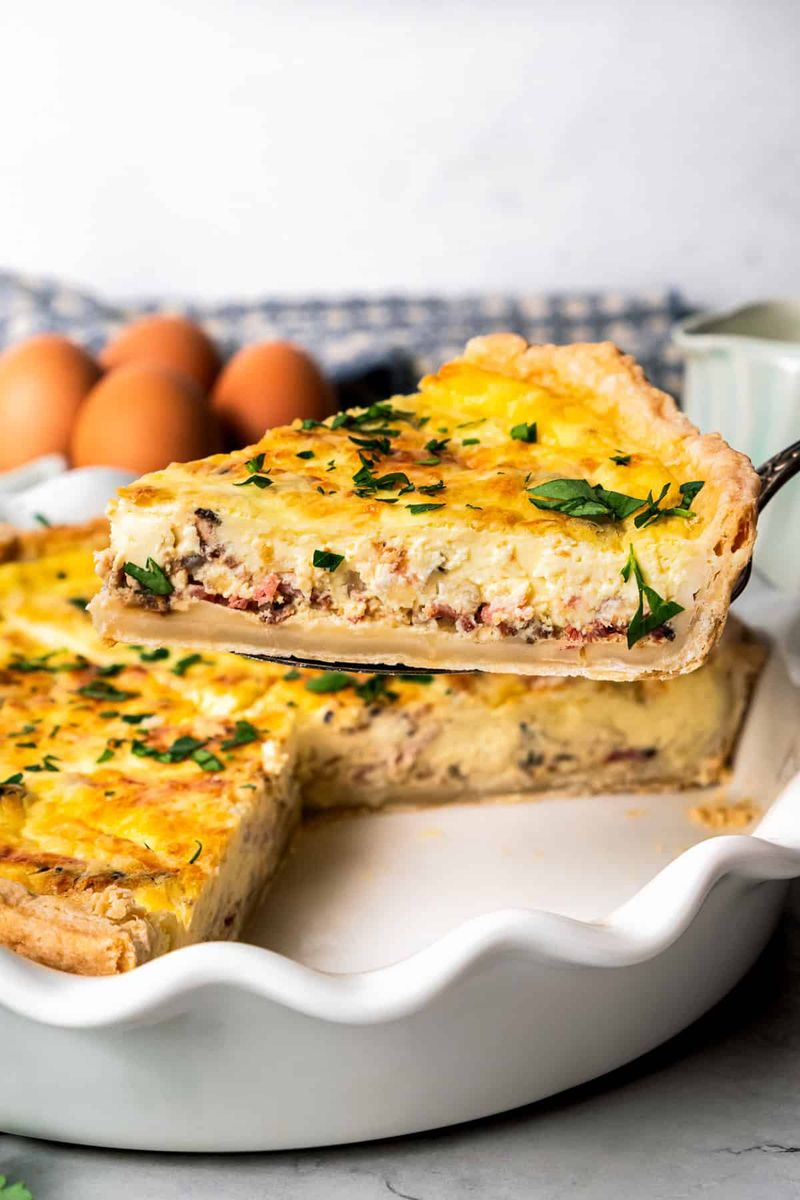
Do not rely on salty fillings alone. Season the custard with kosher salt, black pepper, and a whisper of nutmeg, especially for classic quiche Lorraine vibes.
Balanced seasoning makes every bite taste complete.
Taste the dairy mixture before eggs if you want a check, or add a tiny test spoon to a skillet to sample. Herbs like chives or thyme are welcome, but keep it restrained.
Remember cheese and bacon bring salt. Season thoughtfully so flavors shine without shouting.
9. Cook watery vegetables first
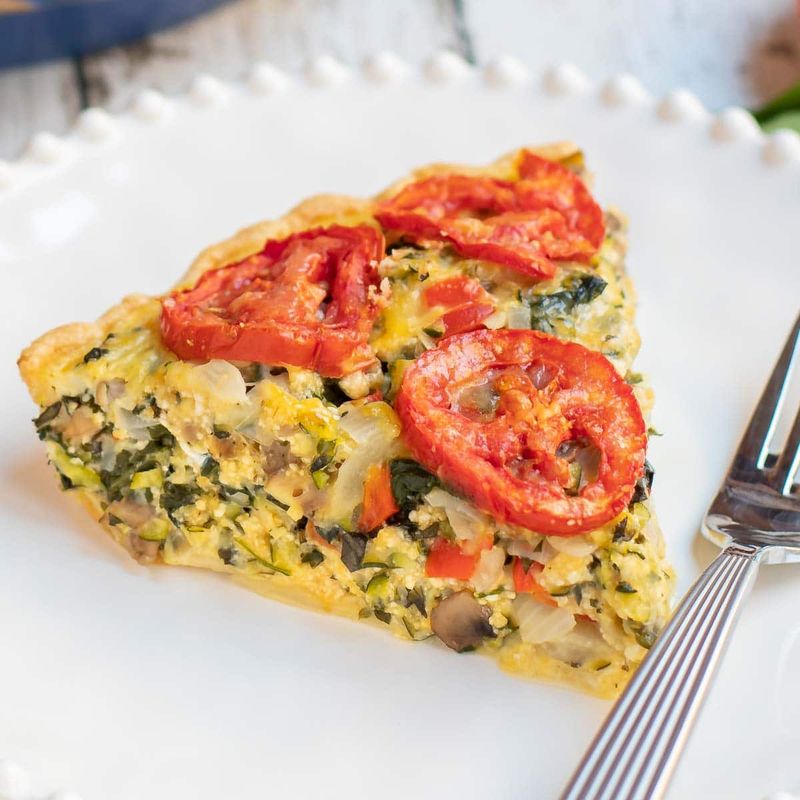
Vegetables like mushrooms, spinach, zucchini, and onions need a quick sauté to drive off moisture. Excess water dilutes custard and creates weepy pockets that ruin texture.
Cook until steam subsides and edges lightly brown.
Season as you go, then cool the veggies so they do not melt cheese prematurely. Spread them evenly in the crust to avoid heavy, watery clumps.
Drier veggies mean cleaner slices and concentrated flavor. Your custard can do its job without battling rogue liquid.
10. Drain spinach thoroughly
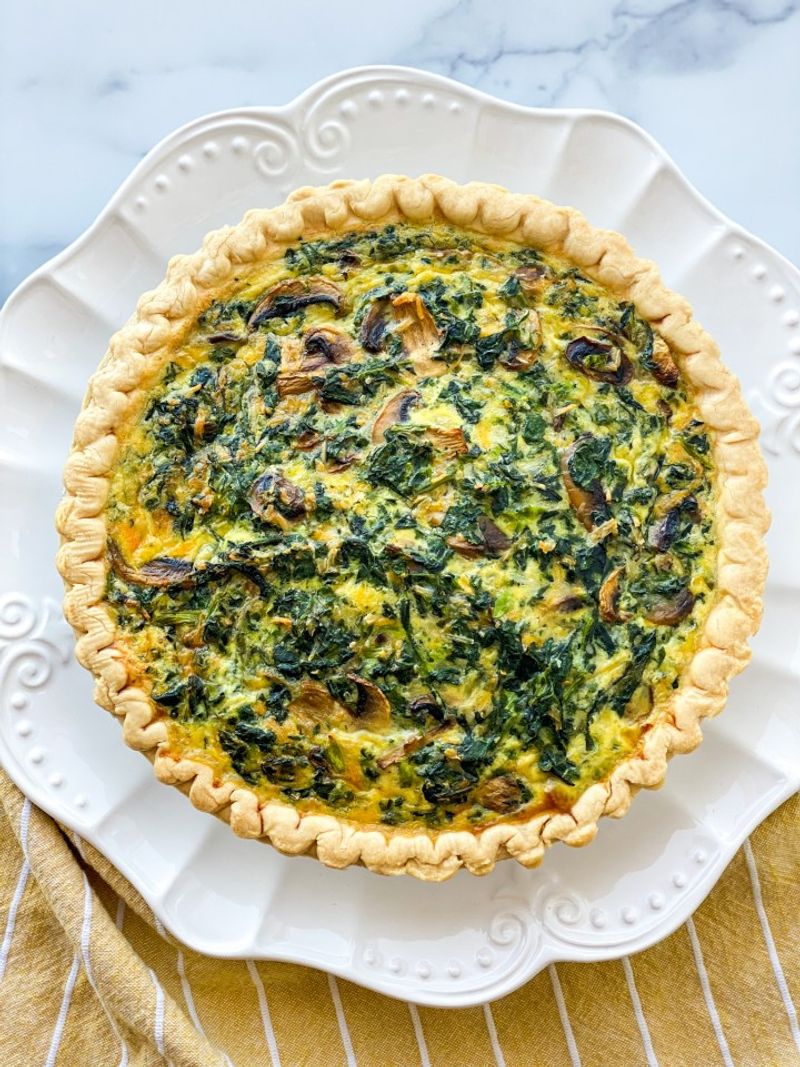
Spinach holds surprising water, even after a sauté. Squeeze it in a clean towel until it feels dry and compact.
You want flavorful greens, not a pool of liquid sneaking into your custard.
Chop the squeezed spinach so it distributes evenly and does not clump. Mix with a little cheese to separate leaves before layering.
A well drained handful transforms the quiche from soggy to sublime. The set stays creamy, and the slice holds tall and proud.
11. Crisp bacon or sausage before adding
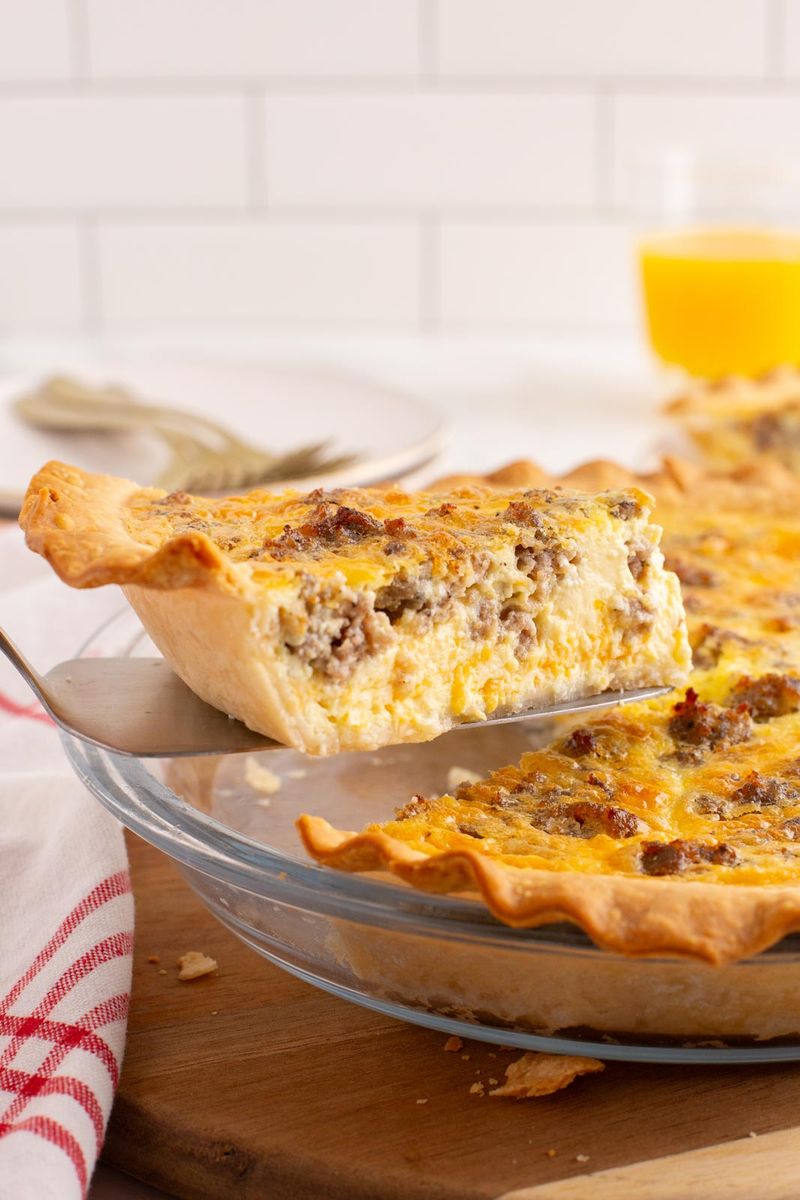
Raw meat releases fat and moisture that will swamp your custard. Cook bacon or sausage until crisped and browned, then drain on paper towels.
You will get concentrated flavor without greasy pockets.
Crumble into bite sized pieces and let them cool slightly before layering. Consider rendering onions in the leftover fat for extra depth, then drain well.
The goal is savory richness that complements, not overwhelms. A clean, crisp add in keeps your custard silky.
12. Shred your own cheese
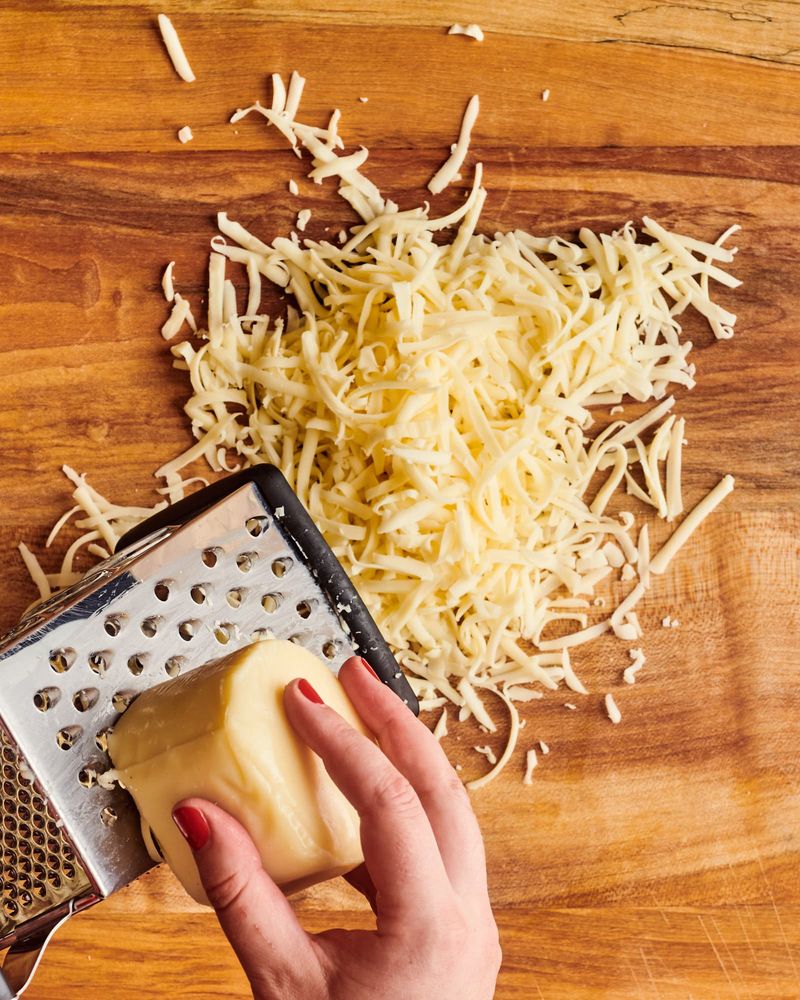
Pre shredded cheese is convenient but often coated with starch that hinders melting. Grating your own yields a smoother, creamier melt.
It also tastes fresher and distributes more evenly through the custard.
Choose cheese that melts well, like Gruyere, cheddar, or Fontina. Keep it chilled for easier grating and fluff it with your fingers to avoid clumps.
A little effort pays off in silky strands and glossy pools. That melt is the difference between decent and dreamy.
13. Do not overstuff the fillings
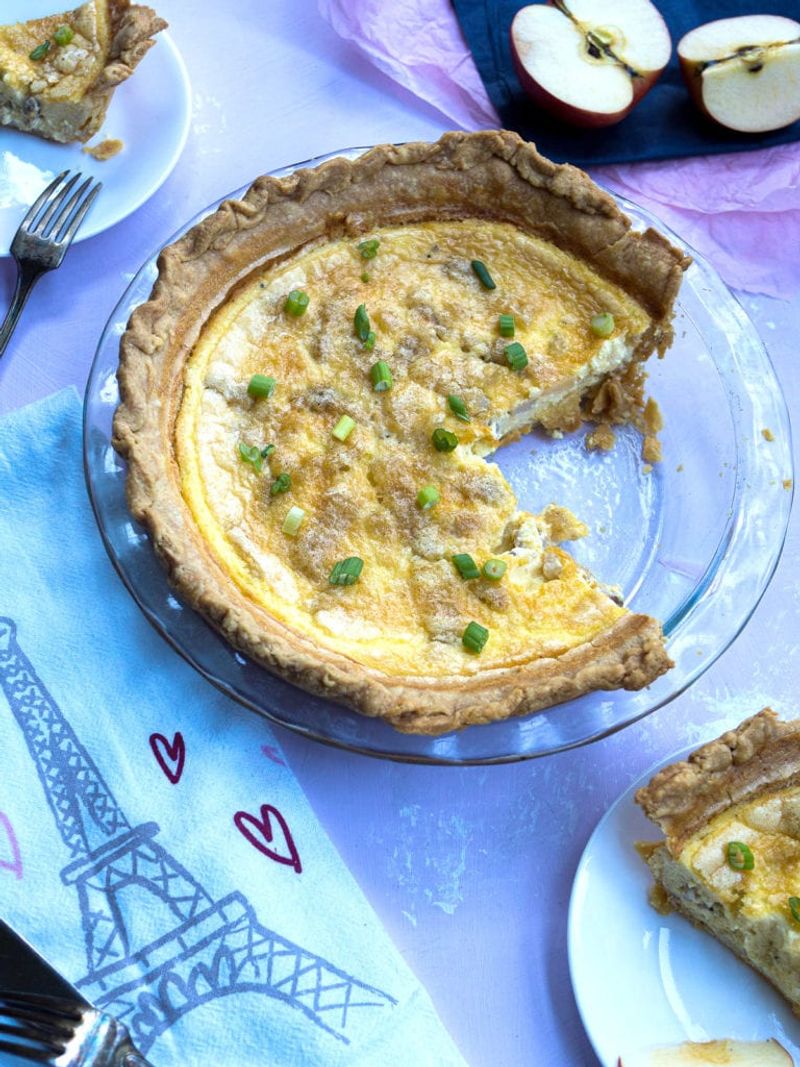
Too many add ins crowd the pan and block custard flow, causing uneven set. Aim for a generous but balanced layer that leaves room for eggs to surround everything.
Think harmonious bites, not a casserole jammed with extras.
Keep delicate ingredients like herbs and soft cheeses light. If you want lots of vegetables, cook and cool them well, then measure modestly.
The custard is the star, and fillings are supporting cast. Restraint yields cleaner slices and better texture every time.
14. Layer fillings, then pour custard

Spread cheese and add ins evenly across the crust first. Pour the custard over so it flows into gaps and locks everything in place.
This technique prevents floating islands and uneven bites.
Gently jiggle the pan to release trapped air and settle ingredients. If edges look dry, nudge fillings slightly inward so they do not scorch.
Layering first, pouring second, gives a tidy mosaic inside the slice. Each forkful tastes intentional and balanced.
15. Bake on a sheet pan
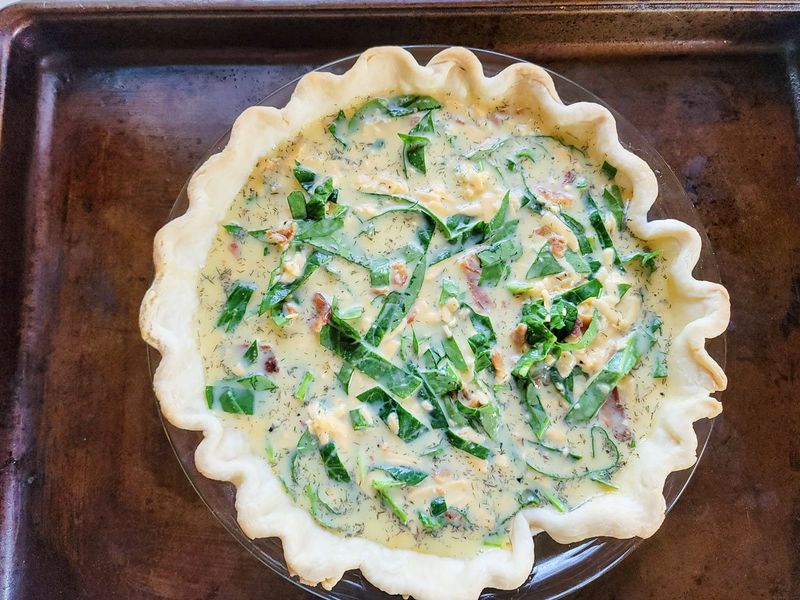
A sheet pan makes moving a wobbly quiche safer and catches any drips. It also helps distribute heat more evenly beneath the pie pan.
That means fewer hot spots and a more consistent bake.
Preheat the sheet pan if you want an extra crisp bottom, especially with metal pie plates. Slide the quiche on and off the rack with confidence.
Clean up is easier too, because spills stay contained. Simple tool, big payoff for structure and sanity.
16. Bake at a moderate temperature
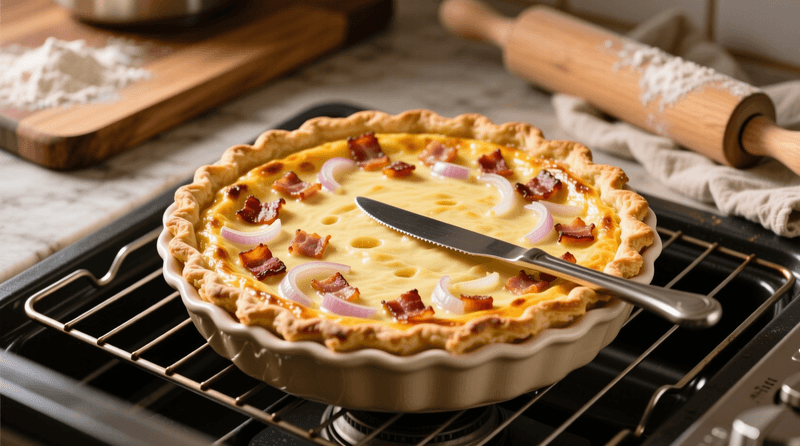
Quiche custard loves gentle heat. Bake around 325 to 350 degrees Fahrenheit so it sets slowly and stays silky.
Too hot and the eggs seize, leaving a curdled, watery texture.
Adjust based on your oven and pan material. Glass often needs the lower end, while metal can handle slightly higher.
Watch for steady, even rise without aggressive bubbling. Moderate heat gives you that custard wobble that finishes perfectly as it cools.
17. Pull it when the center slightly jiggles

Look for a gentle jiggle in the center about the size of a quarter. The edges should be set and lightly golden.
Residual heat finishes the set as it rests, protecting against dryness.
Overbaking squeezes moisture from eggs, turning silky into squeaky. Trust the jiggle test more than time alone.
If in doubt, temp it: around 170 to 175 degrees in the center is safe. Pull early rather than late for a tender, custardy slice.
18. Let it rest before slicing
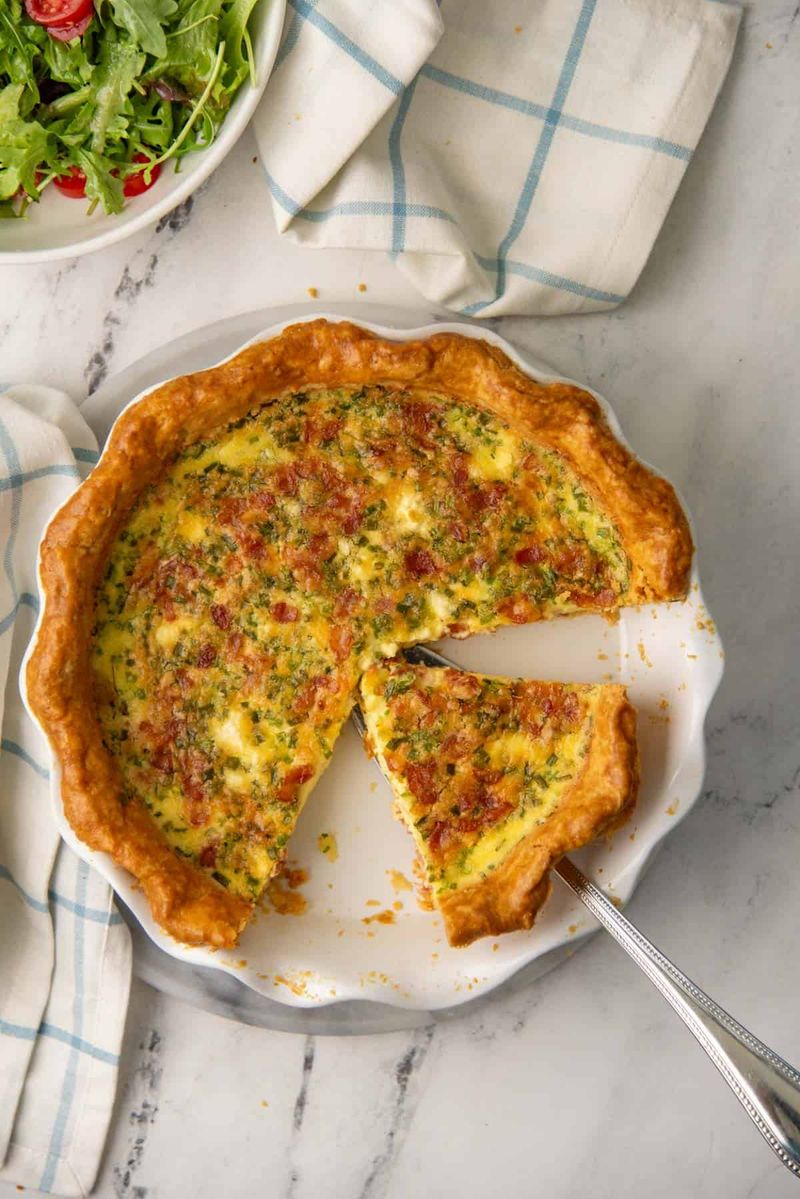
Resting 15 to 20 minutes allows custard to finish setting and juices to redistribute. Slice too soon and the center can ooze, making edges collapse.
Patience gives you clean wedges and a confident presentation.
Place on a rack so steam does not sog up the bottom. Serve warm or at room temperature for best texture.
Leftovers slice beautifully when chilled, then reheat gently. That pause turns a good quiche into a great one every time.