18 Traditional German Dishes That Are Becoming Less Common
Some German classics are quietly slipping off everyday menus, even though they still taste like home. You will recognize many of these names from holiday tables, road trips, or your grandparents’ kitchen.
They are hearty, slow-cooked, and full of character, yet modern schedules and lighter tastes often push them aside. Let’s revisit these beloved dishes and see why they deserve another place at your table.
1. Sauerbraten (marinated pot roast)
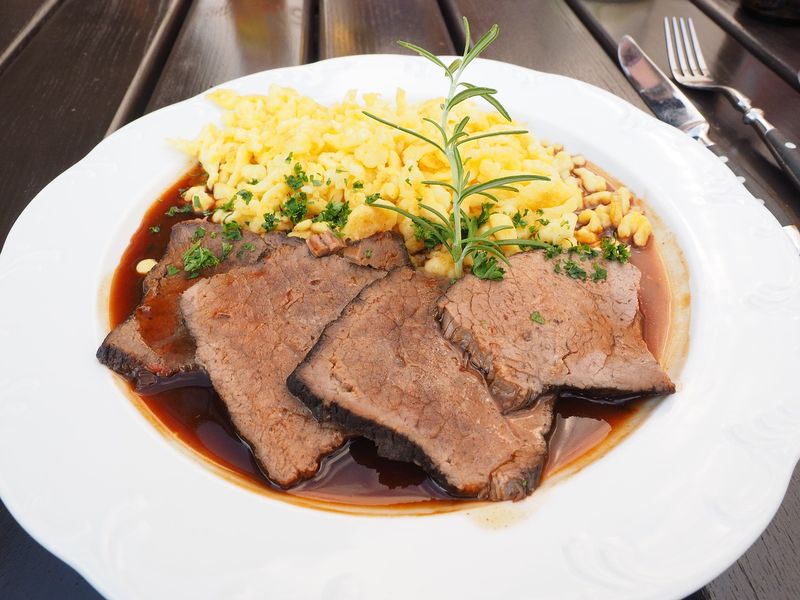
Sauerbraten is the Sunday roast your schedule forgot. Beef bathes for days in vinegar, wine, and warm spices, then simmers into fork tender comfort.
The gravy is glossy, sweet sour, and unforgettable with potato dumplings.
These days, fewer people plan meals that far ahead. Workweeks are crowded and takeout is easy, so the ritual gets skipped.
You can still taste it at traditional inns, especially in Rhineland areas.
If you try at home, start the marinade midweek. Your future self will thank you.
One platter will feed friends, freeze well, and spark stories.
2. Eisbein (pork knuckle)
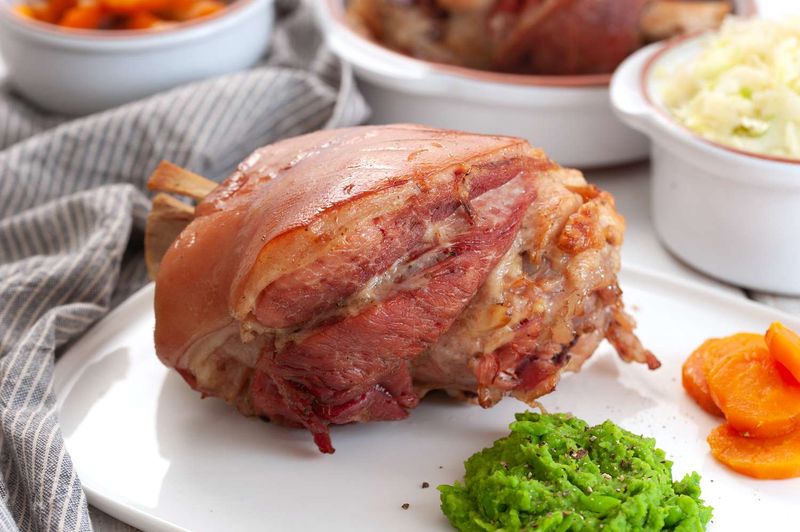
Eisbein delivers crunchy crackling and silky gelatin, the kind of richness you feel in your bones. It takes time to brine or simmer, then roast to blistered perfection.
The plate is heavy with sauerkraut, mustard, and maybe potatoes.
Modern diners chase lighter plates and quicker wins. That is why this hero appears more in beer halls than apartments.
Still, when the craving hits, nothing substitutes.
If you cook it, do not rush the skin. Dry it, score it, and blast the heat at the end.
You will get shattering crunch and smiles around the table.
3. Himmel und Erde (mashed potatoes with apples)
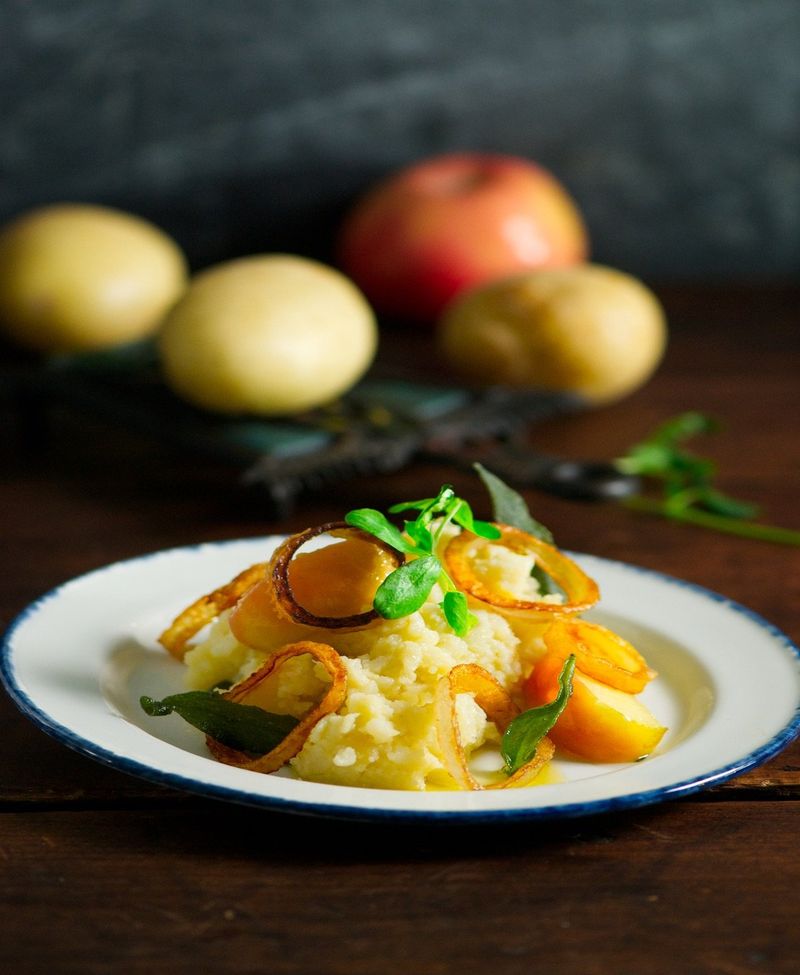
Himmel und Erde marries earthy potatoes with sweet apples, a simple hug on a plate. It often comes crowned with onions or a sausage, creating balance without fuss.
The flavor whispers childhood and cool evenings.
Trends chase flashy sauces and novel grains, so this gentle classic slips by. Yet you can make it with pantry staples in under an hour.
Apples soften, potatoes fluff, and your kitchen smells friendly.
Choose tart apples for contrast. Brown the onions patiently for deep sweetness.
Serve it beside bratwurst or alone, and you will remember why it mattered.
4. Labskaus
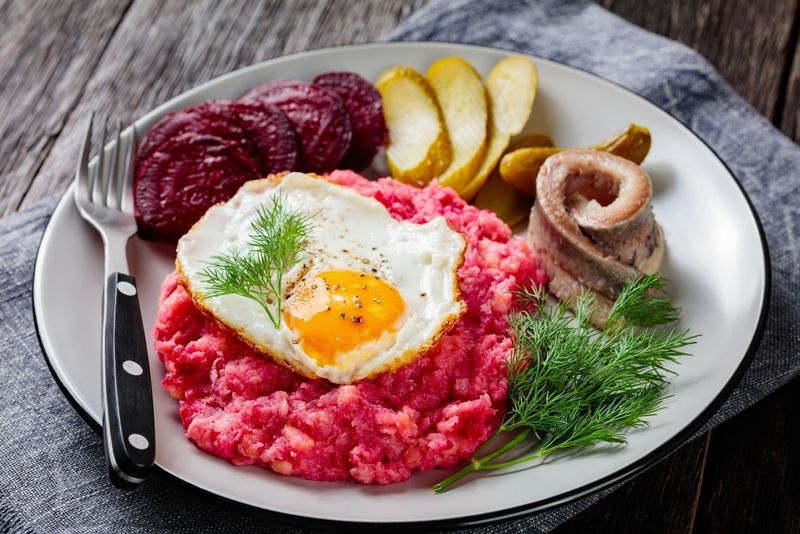
Labskaus looks rugged but tastes comforting, a sailor’s mash of corned beef, potatoes, and beetroot. A fried egg glows on top, with pickles and rollmops on the side.
It is briny, savory, and surprisingly homey.
Outside the North, people rarely cook it casually. Presentation scares some off, even though flavors are friendly.
Order it in Hamburg or Bremen and you will get proud tradition.
At home, mash gently to keep texture. Use quality corned beef and bright pickled beet.
The sunny egg ties everything together and makes the plate inviting.
5. Königsberger Klopse
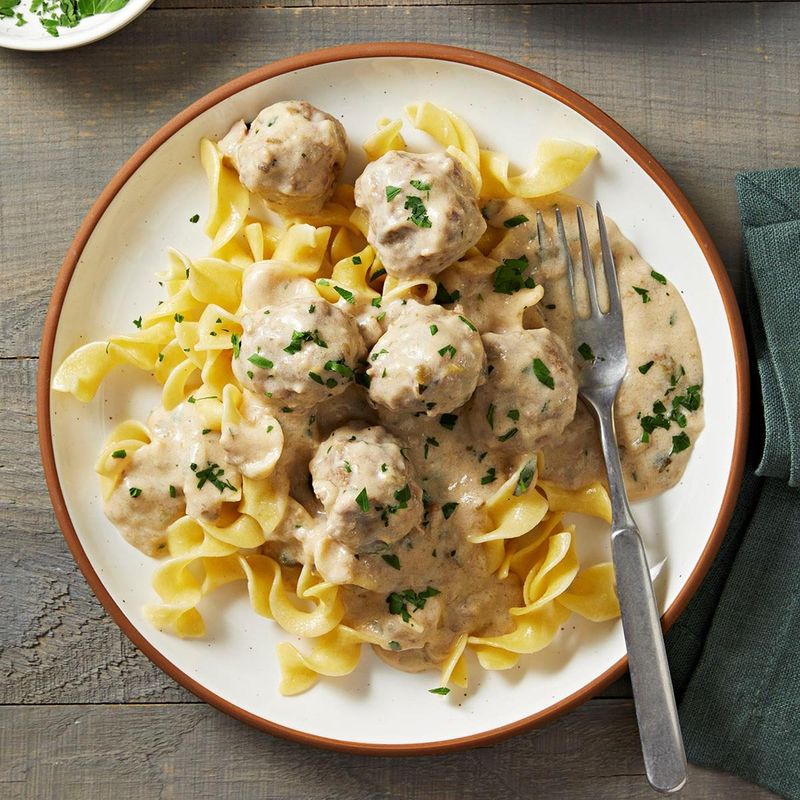
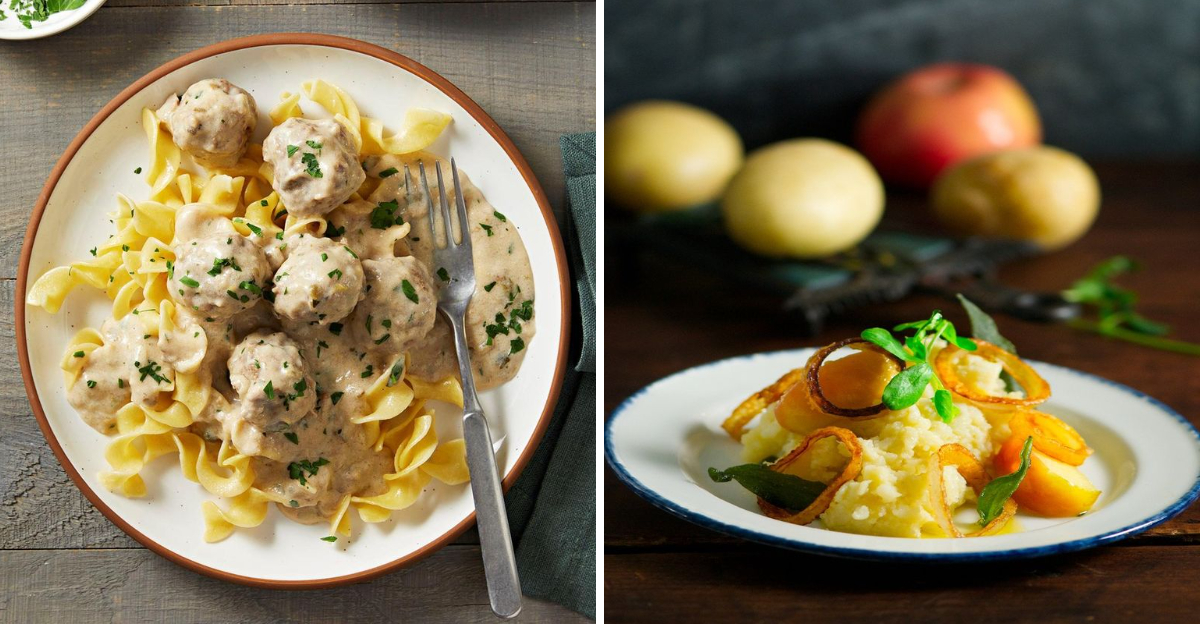
Königsberger Klopse are tender veal or pork meatballs bathing in a velvety caper sauce. The briny pop of capers lifts the cream, making every bite lively.
Traditionally served with potatoes, it feels elegant yet familiar.
Despite fan clubs, weekday cooking rarely includes poached meatballs and careful sauce. People reach for faster pans and fewer steps.
You still find them in classic restaurants and family gatherings.
Use good stock and do not overmix the meat. Simmer, do not boil, to keep them delicate.
A squeeze of lemon brightens everything without stealing the heritage.
6. Saumagen
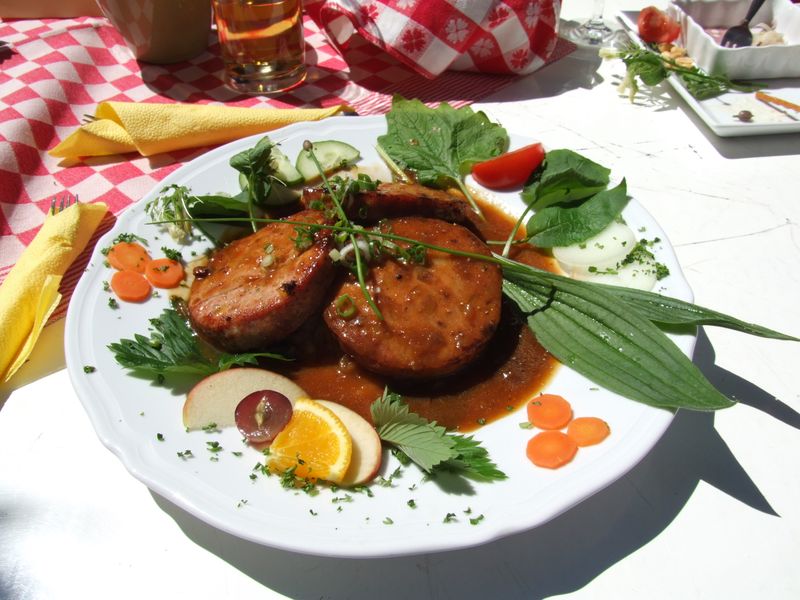
Saumagen is Palatinate pride: spiced pork and potato stuffed into a stomach casing, then simmered and sliced. The texture sits between sausage and roast, comforting and peppery.
It pairs nicely with sauerkraut and a glass of local wine.
Outside the region, it rarely appears on menus. Some shy away from the casing, though flavor is approachable.
When done right, it is celebratory and crowd pleasing.
Buy from a trusted butcher or follow a time tested recipe. Brown the slices after simmering for a golden crust.
Serve with mustard and you will convert skeptics.
7. Schlachtplatte
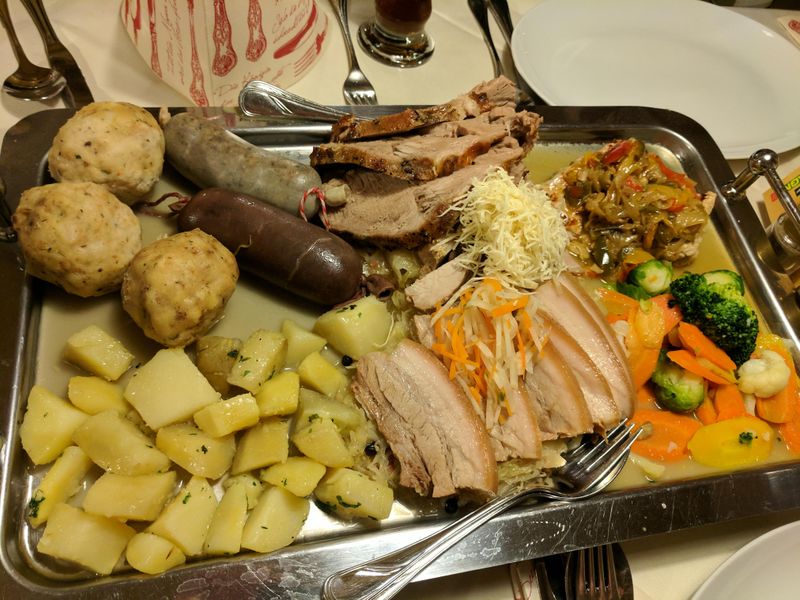
Schlachtplatte is the butcher’s celebration: heaps of sausages, boiled pork cuts, sauerkraut, and potatoes. It is meant for sharing, loud conversation, and clinking glasses.
The flavors are rustic, meaty, and deeply satisfying.
Because it is feast sized, it rarely fits weeknight life. Fewer people cook nose to tail at home, so variety shrinks.
Still, traditional inns bring it out in winter with pride.
Invite friends, heat platters, and let mustard do the heavy lifting. A sharp pickle cuts through richness.
You will leave the table warmed and drowsy in the best way.
8. Blutwurst (blood sausage) dishes
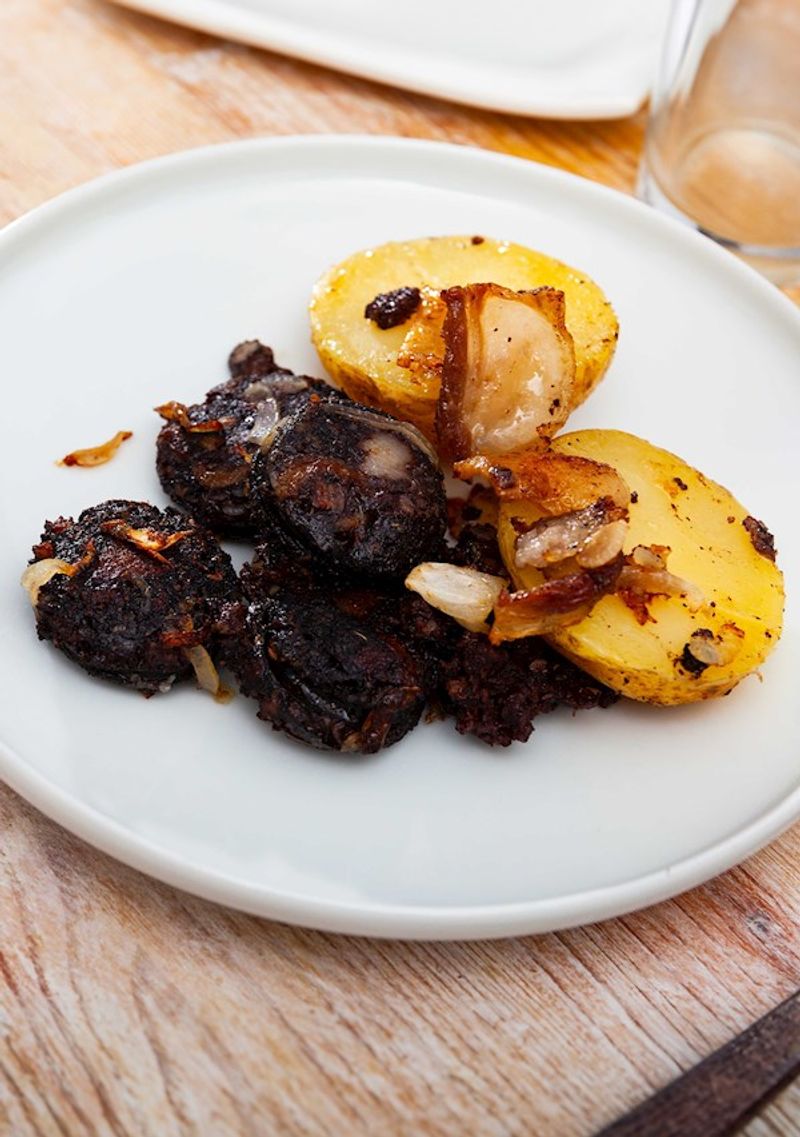
Blutwurst divides tables, yet when seared, it turns silky and rich. Paired with apples and onions, the sweetness balances iron depth beautifully.
It is heritage food that rewards an open mind.
Many younger diners simply do not seek it out. That is why you spot it mostly in traditional pubs and markets.
Still, one bite with crisp edges can change opinions fast.
Buy high quality sausage and handle gently. Let it firm in the fridge, then pan fry without crowding.
Serve on rye with mustard, and watch curiosity become affection.
9. Leberknödel (liver dumplings)
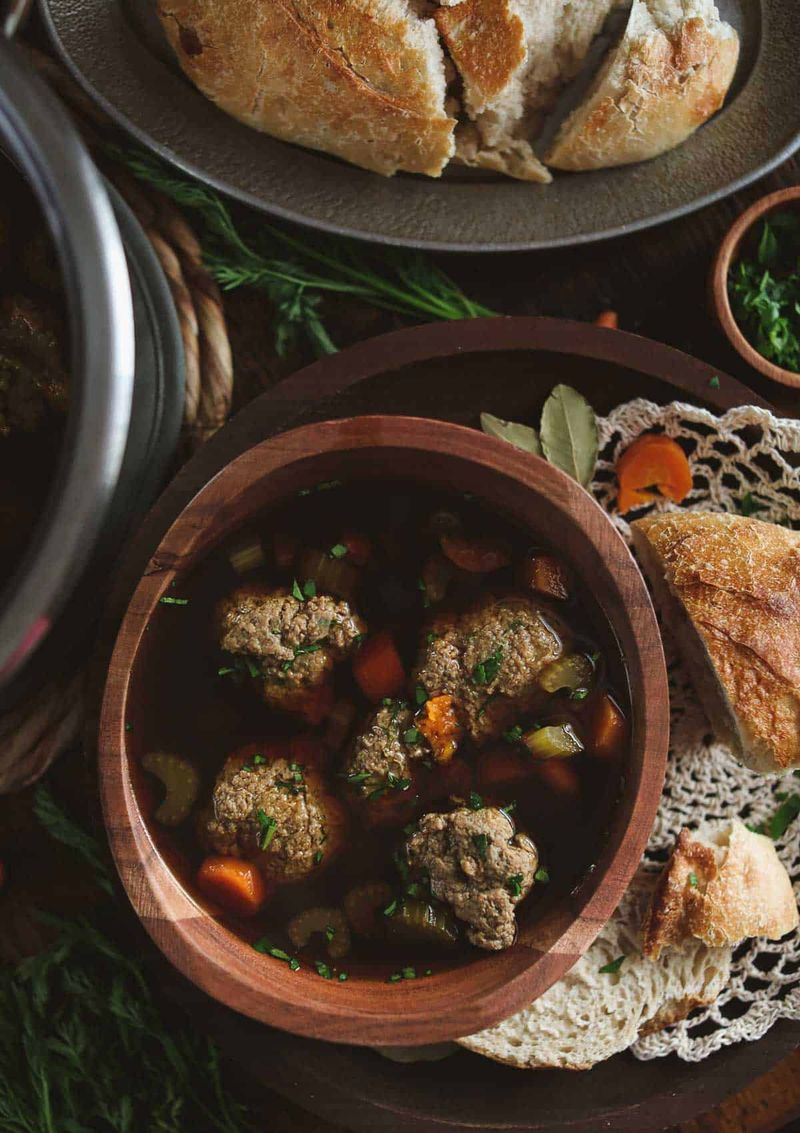
Leberknödel bring savory depth to a clear broth, earthy and fragrant. When made well, they are tender, not dense, with gentle spice.
A bowl feels restorative on cold days.
Still, liver is not a mainstream craving now. Many skip offal, so these dumplings stay regional and nostalgic.
That makes finding a great version feel special.
If cooking, pulse liver with soaked bread lightly. Overworking turns them tough.
Simmer carefully, then finish with chives and a squeeze of lemon to brighten the broth without losing soul.
10. Saure Lunge (sour lung stew)
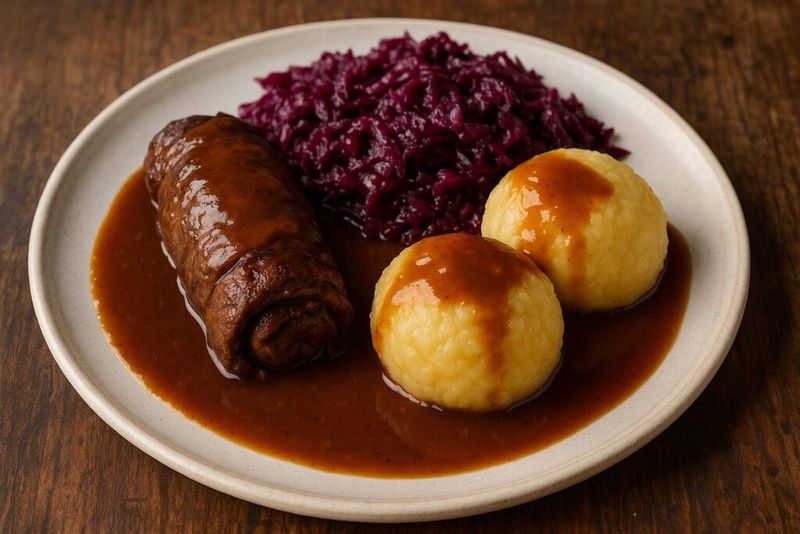
Saure Lunge is a true throwback: lung simmered in a tangy, spiced sauce. The texture is delicate when treated well, almost sponge like.
Vinegar and onions give the stew its signature brightness.
Today, few butchers carry lung, and many cooks hesitate. That rarity alone makes it fade from everyday cooking.
Older generations remember it as thrifty and satisfying.
If you find it, soak and rinse thoroughly. Keep the sauce lively with mustard and bay.
Serve alongside boiled potatoes, and you will understand how practical cooking once tasted.
11. Kutteln (tripe dishes)
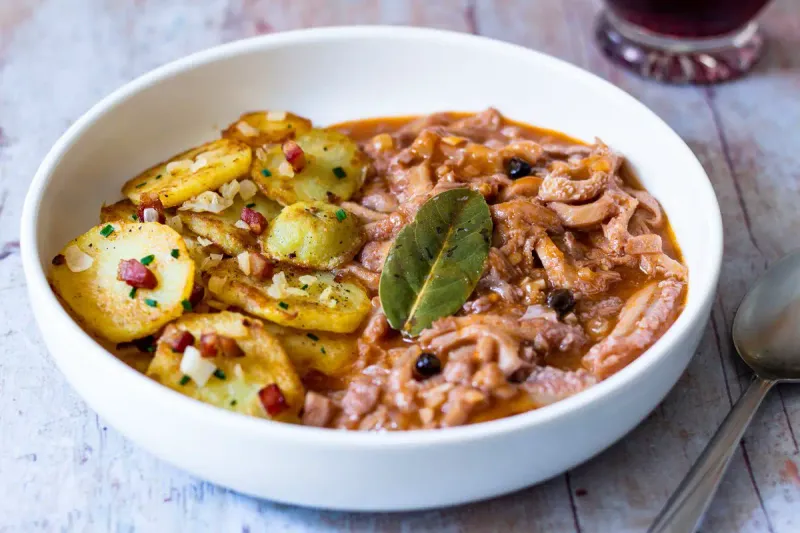
Kutteln reward patience. Properly cleaned and long simmered, tripe turns tender and absorbs bold sauces.
In Swabia, you may find it tomato based, savory, and comforting.
Tripe used to be normal kitchen fare. Now it feels adventurous, so fewer people cook it.
Still, those who try discover satisfying texture and depth.
Blanch first, then simmer low with aromatics until supple. Season assertively with vinegar or wine to brighten.
Serve with crusty bread, and you will convert at least one skeptic at your table.
12. Grünkohl mit Pinkel (kale with Pinkel sausage)
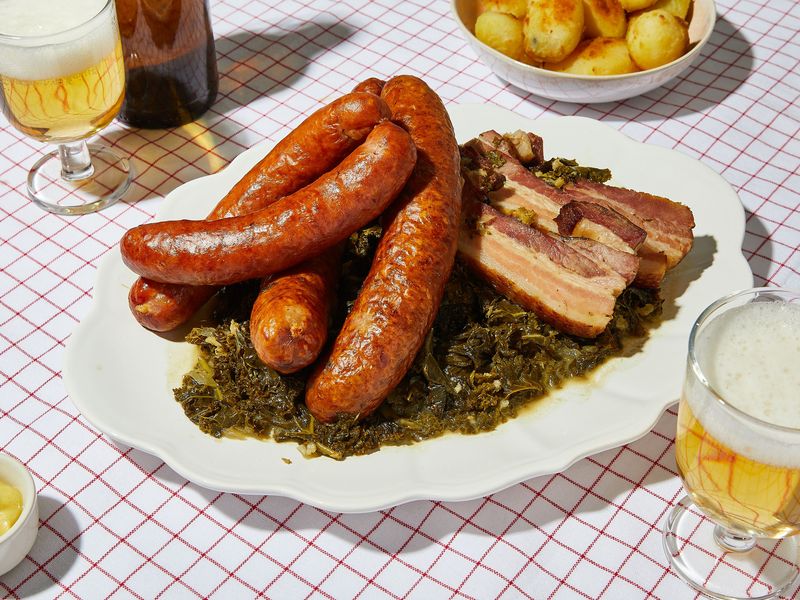
Grünkohl mit Pinkel tastes like winter gatherings after a cold walk. Kale stews until silky with onions and smoky meats, then Pinkel sausage adds hearty chew.
Mustard and potatoes round out the plate.
Outside the North and beyond cold months, it is harder to find. Fresh kale seasons and regional traditions set its rhythm.
That makes it a trip worth planning.
If cooking, blanch kale to tame bitterness. Let it simmer long enough to turn jammy.
Serve it family style, and the table suddenly feels warmer and friendlier.
13. Sülze (head cheese / meat in aspic)
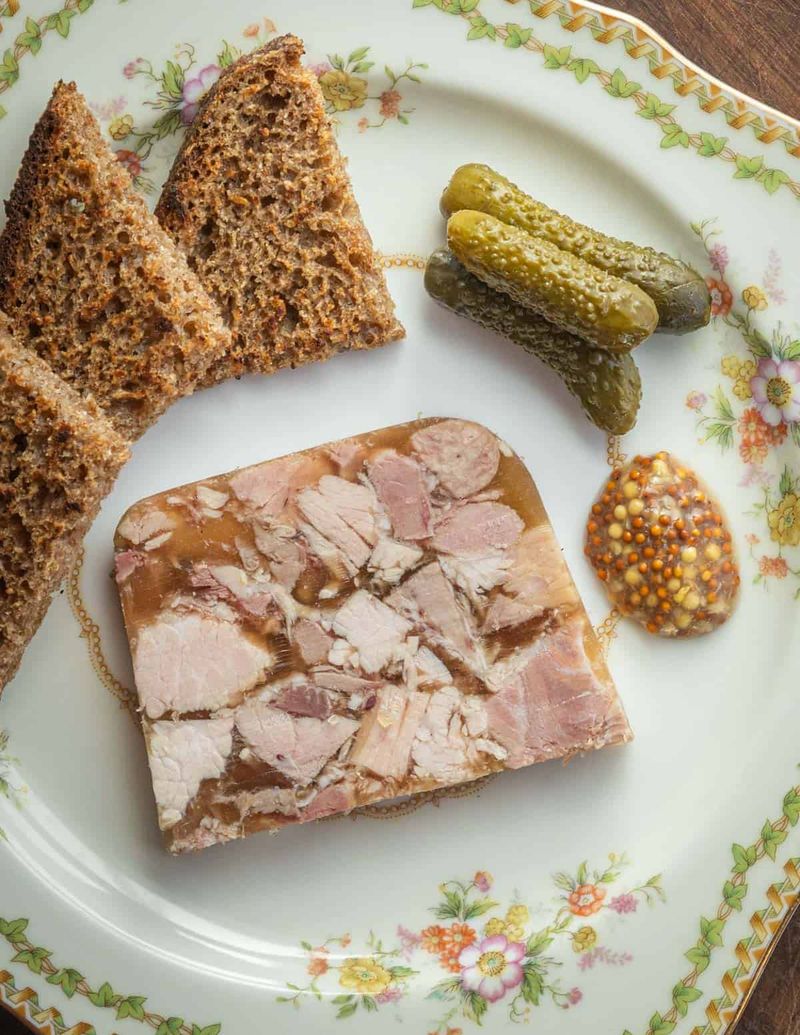
Sülze is savory mosaic art, meat and herbs set in shimmering aspic. Chilled and sliced, it is zingy with vinegar and onions.
Paired with fried potatoes, it is picnic perfect.
Gelatin jellies feel old school to many, so demand softened. Butchers still craft it, though it is less mainstream than before.
The texture is the make or break point.
When you try it, keep it cold and serve with sharp pickles. A quick pan of crispy potatoes adds contrast.
Suddenly the classic turns modern, refreshing, and satisfying again.
14. Handkäse mit Musik
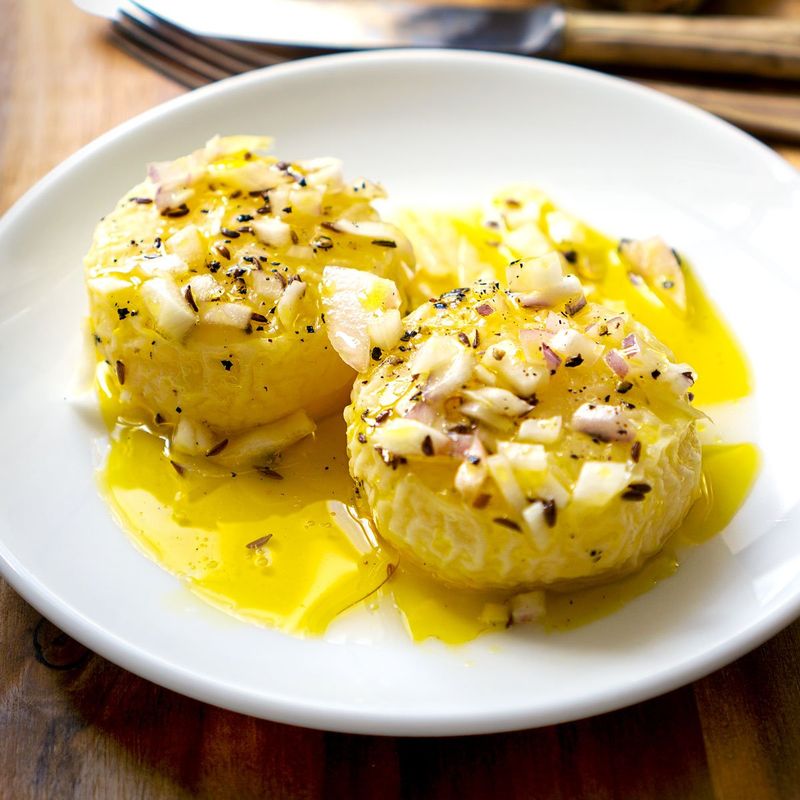
Handkäse mit Musik perfumes the room before the plate lands. The sour milk cheese, marinated with onions, vinegar, and caraway, is unapologetically aromatic.
Paired with rye bread, it is sharp, lean, and addictive.
Because it is intense, many skip it for gentler cheeses. Yet locals swear by it, especially around Frankfurt.
It is a perfect beer companion after work.
Serve chilled so textures stay springy. Use mild onions if you are new to it.
The harmony of acidity and spice keeps you reaching back for another bite.
15. Mett (raw minced pork, often on bread)
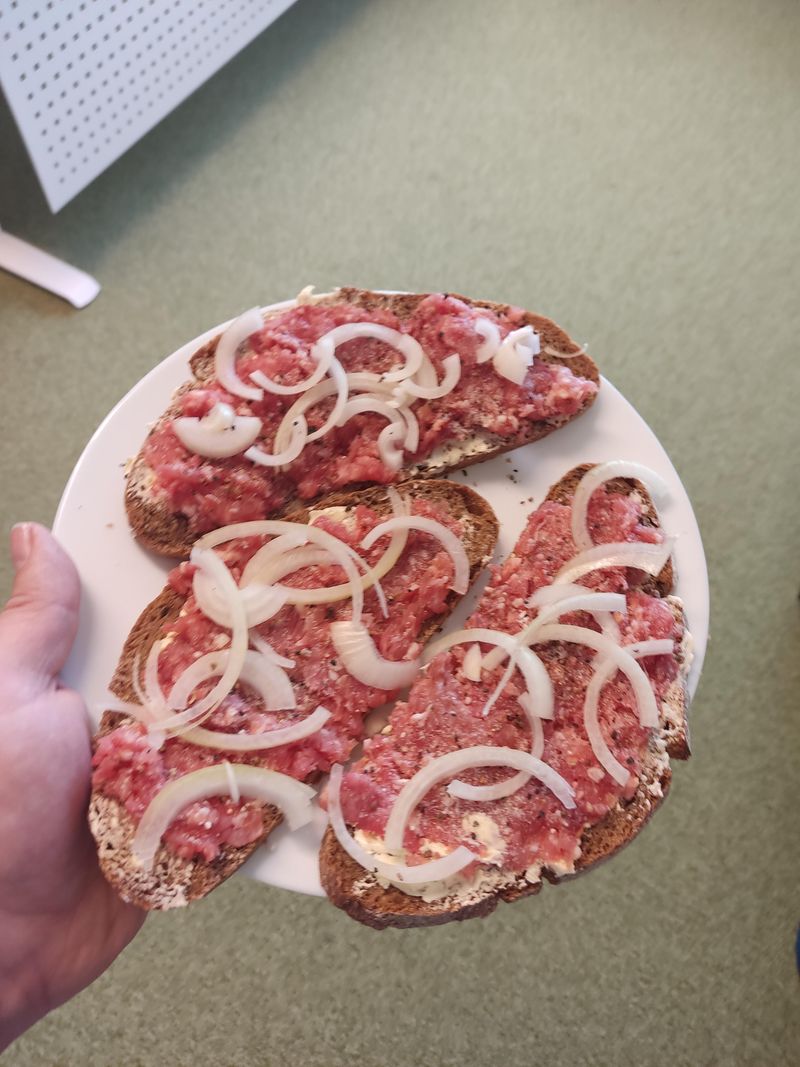
Mettbrötchen is simplicity itself: a fresh roll piled with seasoned raw pork and onions. When quality and hygiene are top notch, it is buttery and delicate.
Pepper and salt make it sing.
Today, many people avoid raw meat for safety and preference. That is why it hides in early morning bakeries and butcher counters.
The diehards still line up.
If you try it, buy from a trusted source and eat immediately. Chill everything, keep portions small, and respect the rules.
The result is surprisingly gentle, almost sweet on the palate.
16. Rinderzunge (beef tongue)
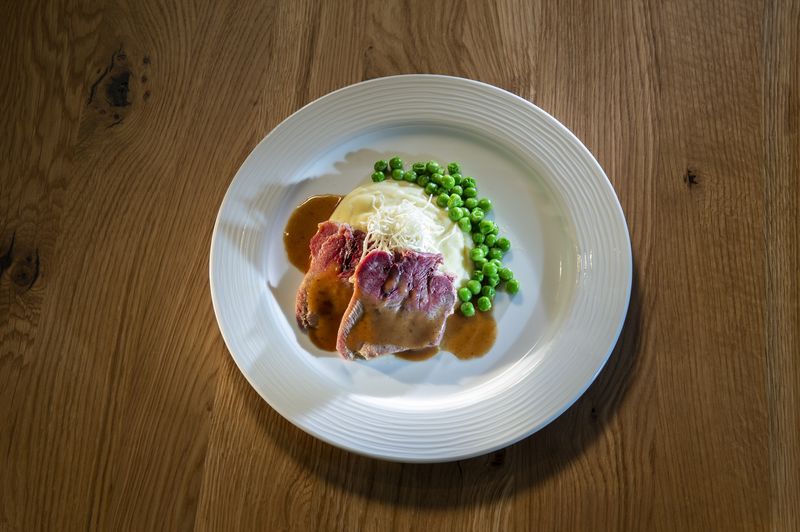
Rinderzunge is velvet in disguise, braised until slices tremble. A creamy horseradish sauce adds heat and perfume without bullying.
Paired with potatoes, it feels old world refined.
Tongue scares off many before the first bite. That is a shame, because it is flavorful, sustainable, and affordable.
As offal fell out of fashion, it followed.
For success, peel while warm and simmer gently. Rest the meat before slicing thin.
A bright pickle or apple horseradish on the side will win believers quickly.
17. Gänsebraten (roast goose) outside holiday season
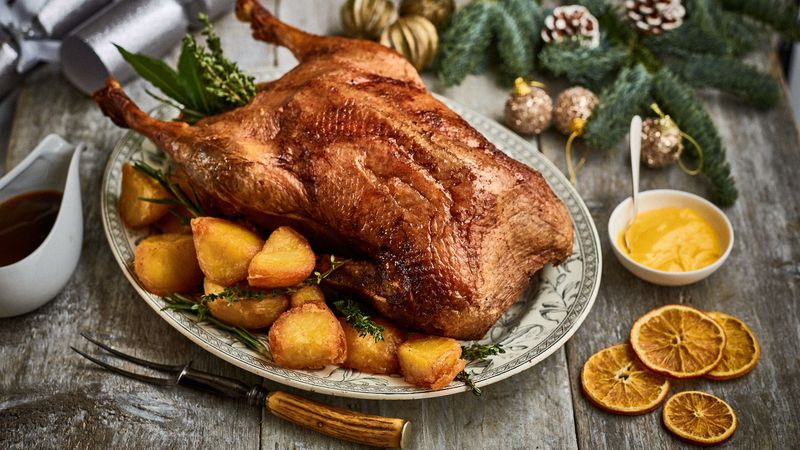
Gänsebraten brings crisp skin, deep flavor, and aromas that fill the house. The pan juices become glorious gravy for dumplings and red cabbage.
It is celebration carved onto a platter.
Outside holidays, few roast a whole goose. It is costly, time consuming, and too much for two people.
So the classic waits for November and December.
To nail it, air dry the bird and start low, finish high. Prick the skin to render fat and save drippings.
Leftovers transform into sandwiches and soups that taste like luxury.
18. Frankfurter Grüne Soße as a daily staple
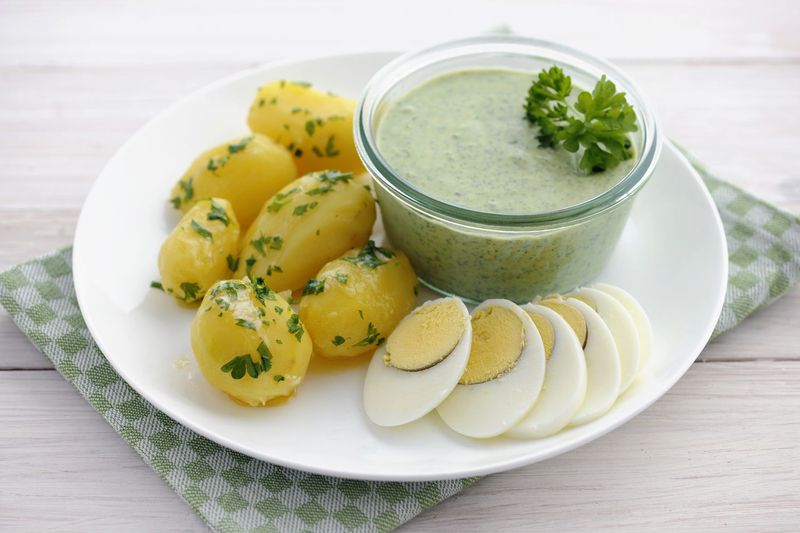
Frankfurter Grüne Soße tastes like spring in a bowl, cool and herbal. Seven herbs blend into a tangy cream that loves eggs and potatoes.
It is refreshing, precise, and wonderfully green.
Outside Frankfurt and peak season, the exact herbs are tricky to source. That is why it appears more as a regional treat than daily staple.
Still, when you find it, the freshness thrills.
Use yogurt or sour cream and chop herbs finely by hand. Do not blend to paste.
Serve very cold, and the plate sings with gardens and sunshine.