
18 Ways To Add Citrus To Savory Winter Meals

Winter comfort does not have to taste heavy or flat. A quick hit of lemon, lime, orange, or grapefruit can wake up your favorite cozy dishes in seconds.
You will taste brighter soups, snappier sauces, and richer roasts that suddenly feel balanced. Grab a citrus, and let’s make winter cooking feel alive again.
1. Finish soups with lemon juice

A squeeze of lemon at the end of cooking lifts soup from good to glowing. You are not adding sourness so much as brightness, a high note that wakes up savory flavors.
Try it with chicken soup, lentil soup, veggie soups, or even a brothy bean pot.
Work off heat to preserve delicate aromatics. Stir in half a teaspoon at a time, taste, and adjust, then finish with salt.
Add zest for extra fragrance, or swirl in olive oil to round edges. That tiny citrus hit makes winter bowls feel fresh and alive.
2. Add orange zest to a roast chicken rub

Orange zest adds floral sweetness and gentle bitterness to roast chicken without extra moisture. Mix zest with minced garlic, salt, pepper, and a little olive oil into a fragrant paste.
Rub under the skin for maximum payoff, then over the outside for color and aroma.
As the chicken roasts, citrus oils perfume the meat and crisp skin. You get complexity that tastes like sunshine in winter.
Add thyme or rosemary if you like. Serve with pan juices and a quick squeeze of orange or lemon to echo the zest’s brightness at the table.
3. Make a quick lemon-garlic butter
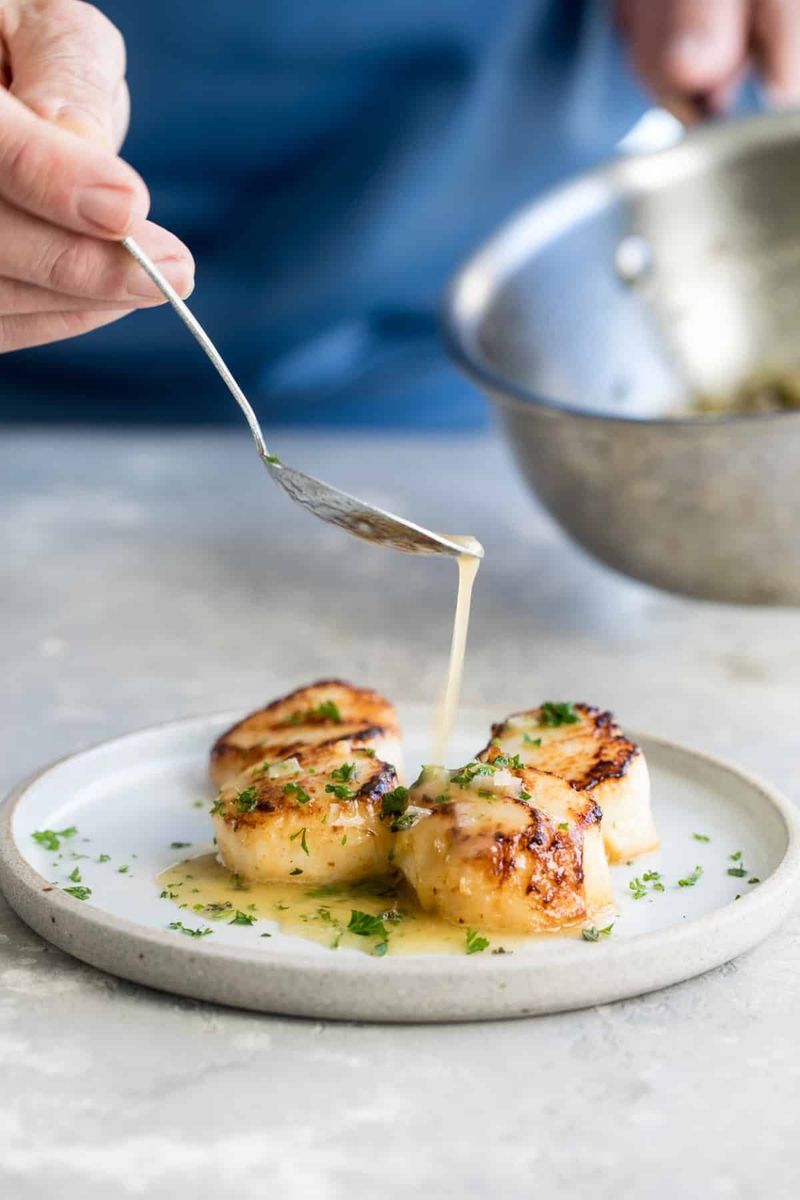
Melt butter gently with minced garlic until fragrant, then stir in lemon zest and a squeeze of juice. You get a silky sauce that clings to fish, chicken, potatoes, or roasted vegetables.
Season with salt, pepper, and a pinch of chili flakes if you want gentle heat.
Keep the butter pale, not browned, so the lemon stays bright. Swirl in parsley for color.
Spoon over just before serving so aromas pop. This little pan sauce rescues weeknights, turning plain staples into something you will crave.
Make extra and chill for quick compound butter coins.
4. Stir lime into chili

Lime cuts through the richness of chili and wakes up spices at the finish. Stir in a teaspoon or two off heat, then taste and adjust.
The goal is sparkle, not sourness. You will notice cumin, chili powder, and smoky notes suddenly feel more defined.
Add zest for extra punch, or a few pickled jalapeños for brightness and heat. Works with beef, turkey, or vegetarian chili.
Finish with cilantro and a little salt to round it out. That last touch of lime makes the bowl taste lighter yet fuller, especially on cold nights.
5. Add citrus to braising liquid
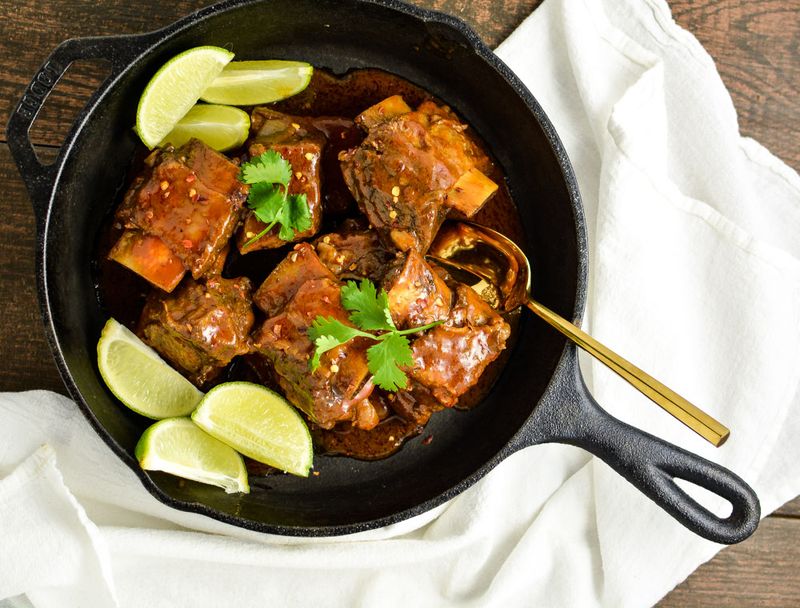
A few slices of orange or lemon in a braise add subtle lift without turning the dish citrusy. Tuck peel-on rounds among meat and aromatics, then braise as usual.
Pith’s slight bitterness balances richness, while zest perfumes the pot with quiet complexity.
Remove the spent slices before serving. If you reduce the sauce, finish with a small splash of fresh juice to sharpen edges.
This trick shines with pot roast, short ribs, and braised chicken. The result tastes warmer, cleaner, and somehow more comforting, ideal for slow winter weekends and make-ahead dinners.
6. Use citrus in a pan sauce

After searing chicken thighs or pork chops, deglaze the pan with broth to dissolve the fond. Off heat, whisk in lemon juice and a little zest, plus butter to emulsify.
The sauce becomes glossy, bright, and deeply savory, perfect spooned over crisp-edged meat.
Season thoughtfully because citrus amplifies salt. If the sauce tastes sharp, add a splash of cream or more butter.
For herbiness, stir in thyme or parsley. You get weeknight elegance in minutes, no special gear needed.
That clean citrus line keeps winter dinners lively without extra effort.
7. Toss roasted vegetables with citrus at the end

High-heat roasting builds sweet, browned flavors that beg for brightness. As soon as vegetables leave the oven, splash with lemon juice, then toss with salt to lock in sparkle.
The heat blooms citrus oils and pulls delicious bits from the pan back onto veggies.
Try carrots, Brussels sprouts, cauliflower, or parsnips. Add zest, chili flakes, or honey if you want a sweet-savory pop.
Finish with olive oil for gloss. You will taste more vegetable, not just more acid.
It is the quickest way to make winter sides taste focused and complete.
8. Citrus + olive oil salad dressing for winter greens
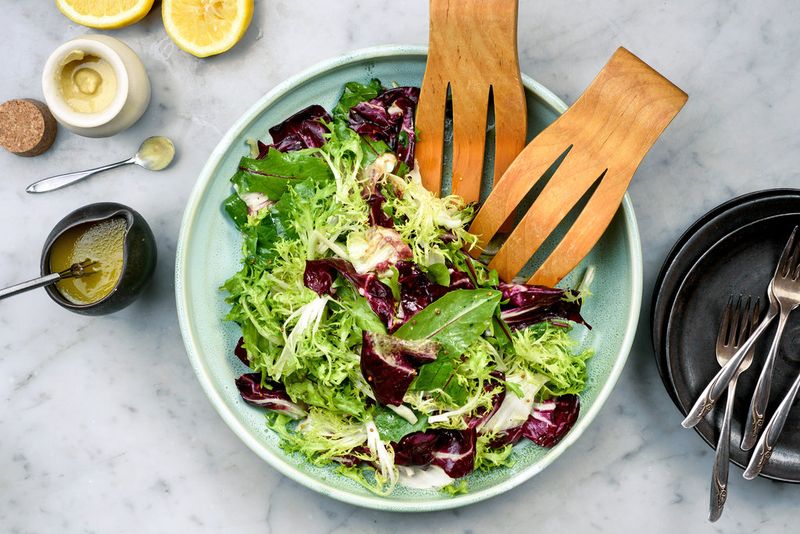
Even the simplest greens feel special with a bright lemon and olive oil dressing. Whisk lemon juice, good oil, salt, pepper, and a dab of mustard for body.
The mustard helps the dressing cling to leaves, so every bite tastes lively, not greasy or thin.
Use on kale, chicories, or mixed winter lettuces. Add grated garlic for punch, or a pinch of sugar to soften bitterness.
Zest boosts aroma without extra acidity. Toss right before serving, letting the leaves glisten.
You will want this on everything, from grain bowls to roasted vegetable platters.
9. Add preserved lemon to stews

Preserved lemons bring salty, floral depth to winter stews. Rinse a wedge, remove the pulp, and finely chop the softened peel.
Stir in near the end so the flavors stay vivid. You will get complexity that tastes like lemon and umami combined, not just acidity.
They shine in chickpea stews, braised chicken, or lamb with herbs. Balance salt, because preserves are potent.
A little goes far. Add fresh lemon juice to brighten, or olive oil for roundness.
That small spoonful makes pantry dinners feel restaurant-worthy without fuss, perfect for cold, slow evenings.
10. Make an orange-soy glaze
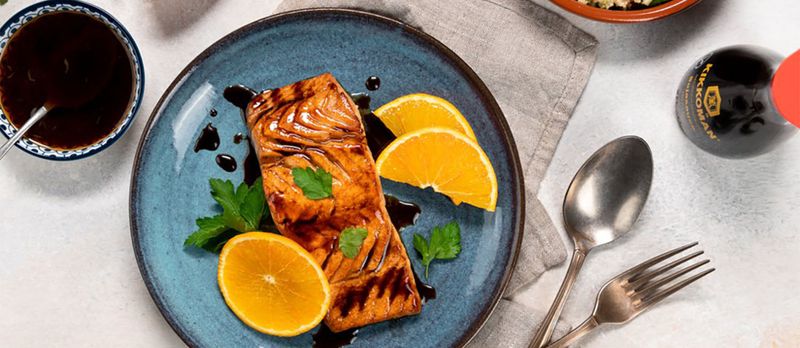
Combine orange juice, soy sauce, grated garlic, and a little honey. Simmer until syrupy and lacquered, then brush over chicken, salmon, or tofu.
The glaze clings, bringing sweet, salty, and citrusy balance with minimal effort. Add chili flakes or ginger for heat and warmth.
Reduce gently to avoid bitterness. If it gets too thick, splash in water and whisk.
Finish with sesame seeds or scallions. You will get takeout vibes at home, ideal for weeknights.
Serve with rice and steamed greens so the glaze shines, and squeeze extra orange to refresh the plate.
11. Use grapefruit in savory salads
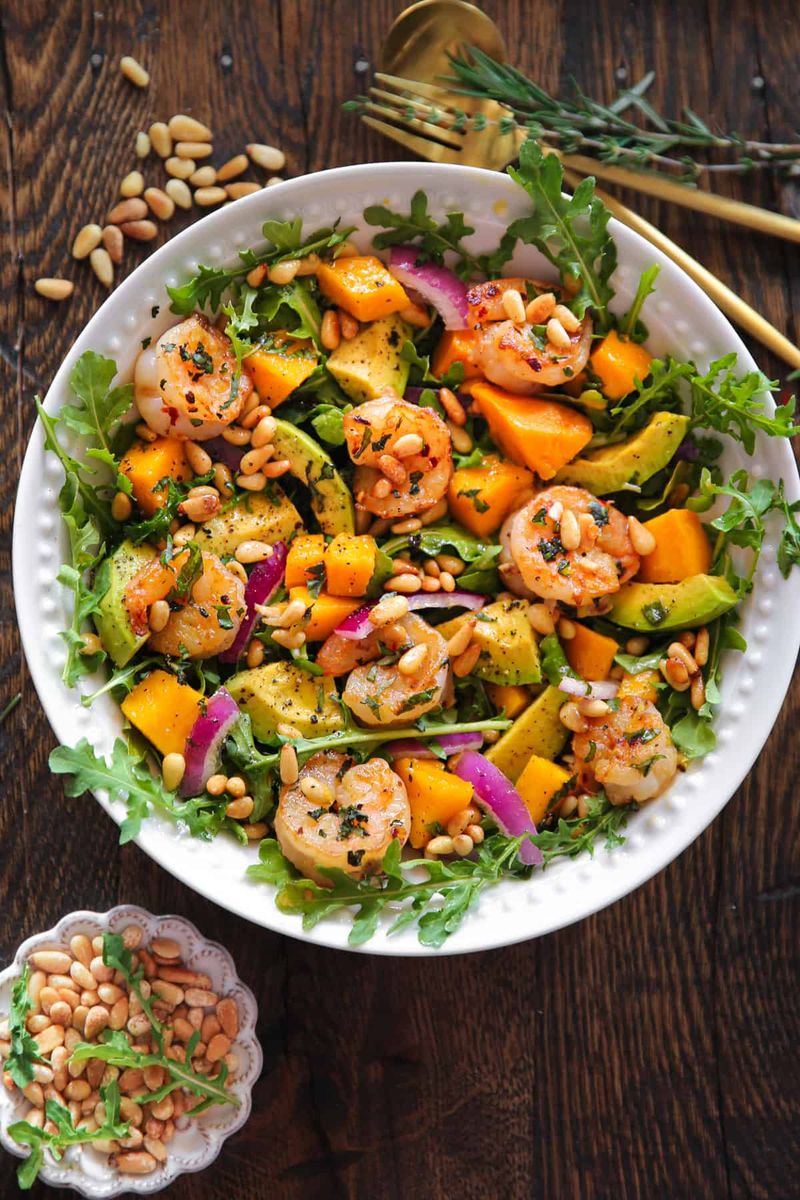
Grapefruit brings rosy brightness and a whisper of bitterness that flatters savory ingredients. Segment it cleanly to remove pith, then pair with avocado, cucumber, fennel, or shrimp.
The juice doubles as dressing base with olive oil, salt, pepper, and a little mustard.
Balance with something creamy or crunchy. Pistachios and feta work wonders.
A touch of honey tempers sharpness without muting character. Season assertively so flavors pop.
This salad eats like sunshine in winter, refreshing yet satisfying, and it resets the palate between heavier meals while still feeling special enough for company.
12. Lime and cilantro finish for rice bowls
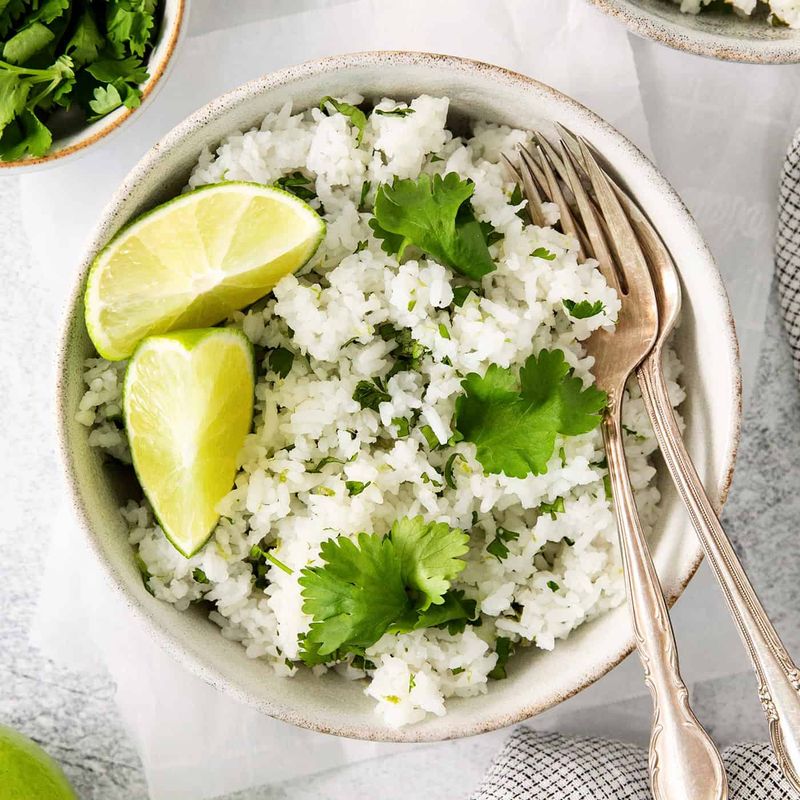
A simple bowl becomes dinner when you finish grains with lime and cilantro. Stir zest and juice into hot rice or quinoa so aromas bloom.
Fold in chopped cilantro and salt, then taste. The grains go from plain to vivid, ready to host beans, vegetables, or protein.
Add olive oil or butter for richness. For extra pop, sprinkle scallions or queso fresco.
This trick saves leftovers, too. It makes meal-prep bowls taste freshly cooked.
Keep limes on hand and you will always have a fast upgrade that delivers brightness without extra work.
13. Citrus in mashed potatoes
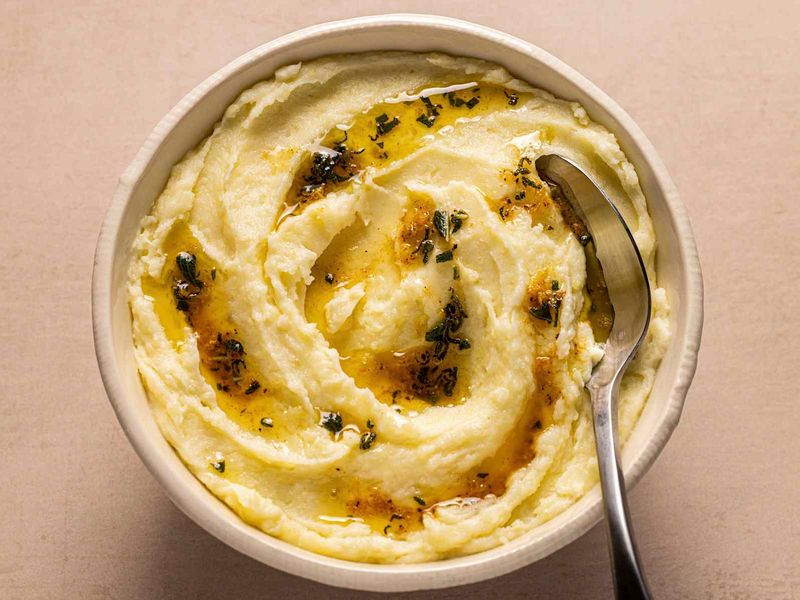
Lemon zest in mashed potatoes sounds odd until you taste it. The zest’s oils cut richness and make butter and cream feel lighter.
Start with a half teaspoon per pound of potatoes, then adjust. Fold it in gently with warm dairy so the fragrance stays bright.
Skip the juice here to protect texture. Chives and black pepper amplify the effect.
If you love garlic mash, the lemon keeps it lively instead of heavy. Serve with roast chicken or seared mushrooms.
Guests will ask what the secret is, and you can just smile.
14. Lemon in creamy sauces
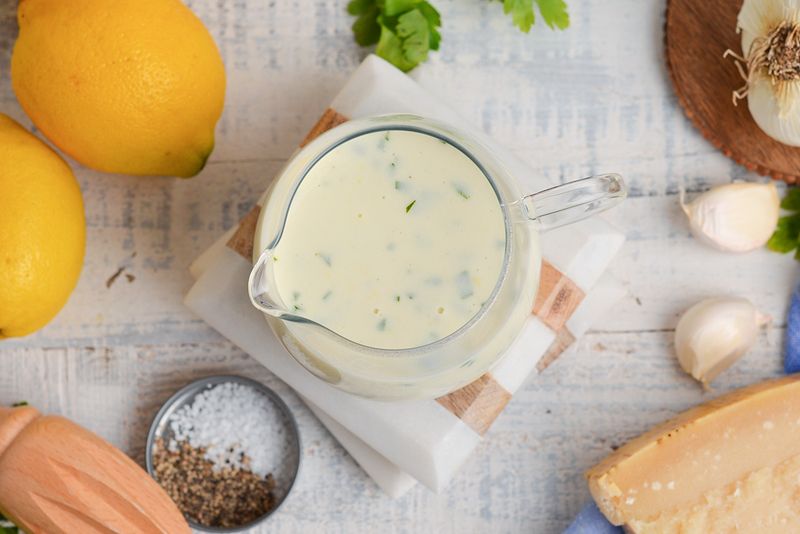
Cream sauces need contrast to avoid tasting flat. A squeeze of lemon, added off heat, brings balance without curdling.
Start small, taste, and add salt to calibrate. The lemon lifts Parmesan, garlic, and pepper so each bite feels lighter and more defined.
Think Alfredo, white wine cream sauces, or creamy mushroom pans. If acidity edges sharp, whisk in another knob of butter.
Zest adds aroma without thinning. Toss with pasta and finish with parsley.
You get restaurant polish with pantry ingredients, and weeknight comfort that still tastes bright in deep winter.
15. Citrus in marinades

Lemon or orange juice with garlic, herbs, and oil makes a quick marinade that tenderizes and seasons. Use on chicken thighs or pork, then roast or grill.
The acidity penetrates shallowly, so keep pieces modest and marinate for 30 minutes to 4 hours, not overnight.
Pat dry before cooking to encourage browning. Save some marinade without raw meat to brush on hot.
Add zest for deeper citrus character. This approach gives you juicy, savory meat with bright edges that taste intentional, not overpowering, perfect for winter ovens and sheet pan dinners.
16. Add citrus to salsa or chutney

Orange or lime wakes up salsas and chutneys used on tacos, roasted meats, or grain bowls. Stir in juice to taste and a little zest for perfume.
The citrus ties sweet, spicy, and savory together, especially with garlic, onion, and herbs.
For chutney, balance vinegar and sugar with a citrus finish so it tastes bright, not cloying. Spoon over pork, chicken, or roasted squash.
You will get contrast and clarity in every bite. Make extra to keep in the fridge, ready to rescue leftovers all week long.
17. Use citrus with beans
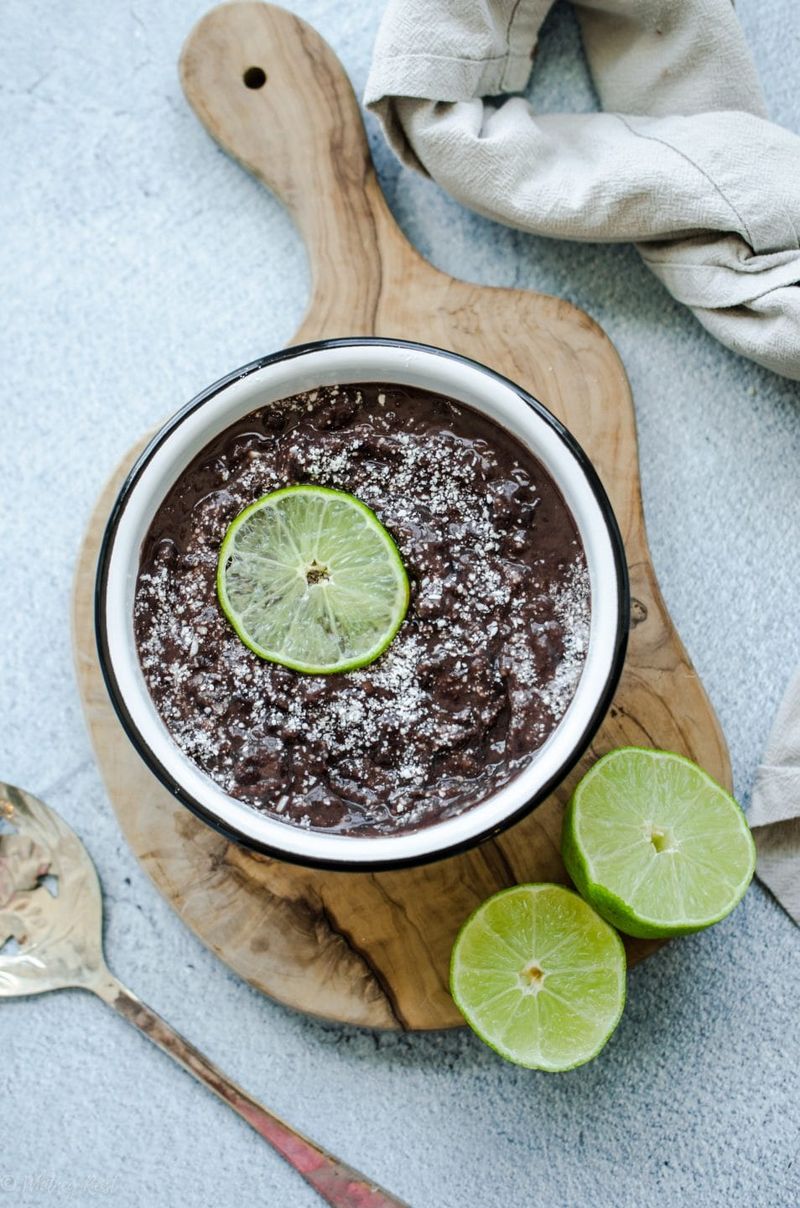
Beans love citrus because acid lifts starch and highlights aromatics. Try lemon with white beans simmered in garlic and olive oil, or lime with black beans seasoned with cumin and chili.
Add zest for aroma and juice to finish, tasting as you go.
Salt matters, so calibrate after citrus. Finish with herbs and good oil.
Suddenly a pantry can turns into dinner that feels bright and composed. Serve with greens, rice, or toast.
It is simple, frugal, and deeply satisfying, especially when the weather asks for comfort.
18. Citrus + chili flakes on roasted chickpeas
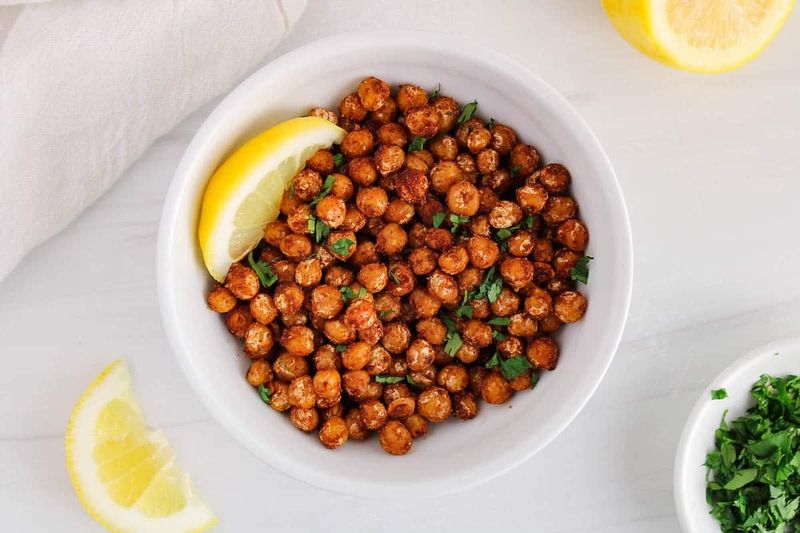
Roasted chickpeas go crisp and toasty, then love a citrus finish. Toss hot with lemon zest, lemon juice, chili flakes, and salt so flavors stick.
The heat releases oils from zest while juice soaks in, giving you a crunchy, tangy, lightly spicy snack.
Dry chickpeas thoroughly before roasting for maximum crunch. Use olive oil and high heat, then season immediately.
Add smoked paprika if you like. Keep a bowl on the counter for grazing or scatter over salads and soups for texture and brightness, the winter crunch you keep returning to.