19 Forgotten Vegetables The Amish Still Grow That You’ll Wish You Knew Sooner
Ever wonder why Amish gardens seem to thrive with flavor and resilience while modern produce feels bland and fragile? Hidden in those tidy rows are heirloom vegetables most people forgot, packed with nutrition, history, and hardiness.
You can grow many of them in small spaces with simple tools, and the taste will absolutely surprise you. Let’s open the gate to these old world favorites you’ll wish you met sooner.
1. Salsify (Oyster Plant)
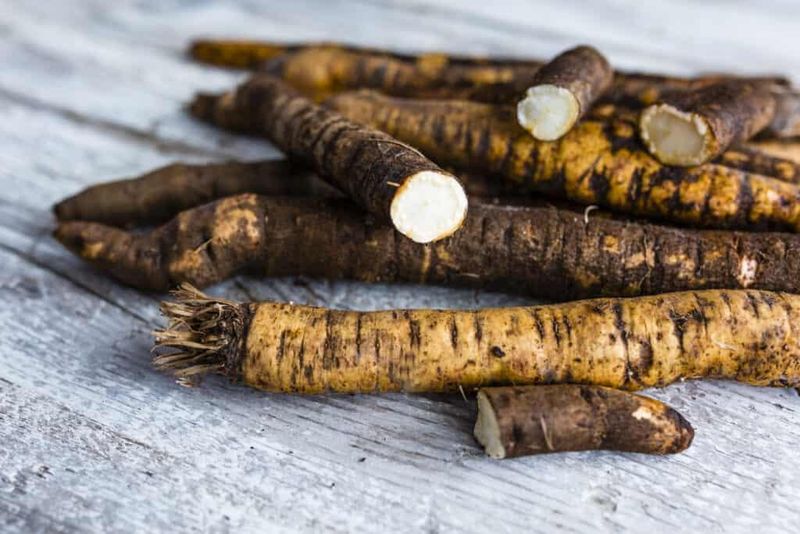
Salsify looks humble, yet it cooks into a creamy, oyster-like treat you will crave. The Amish prize it for reliability, even in cool soils where fussier crops fail.
Peel the roots after a quick blanch, then pan fry or mash with butter and herbs.
You can sow it early and leave roots in the ground for winter digs. The flavor deepens as temperatures drop, making cold months delicious.
Try slicing thin for soups or roasting sticks like fries.
Grow it in loose soil so roots develop straight. Patience rewards you with subtle sweetness and silky texture.
2. Celeriac (Celery Root)
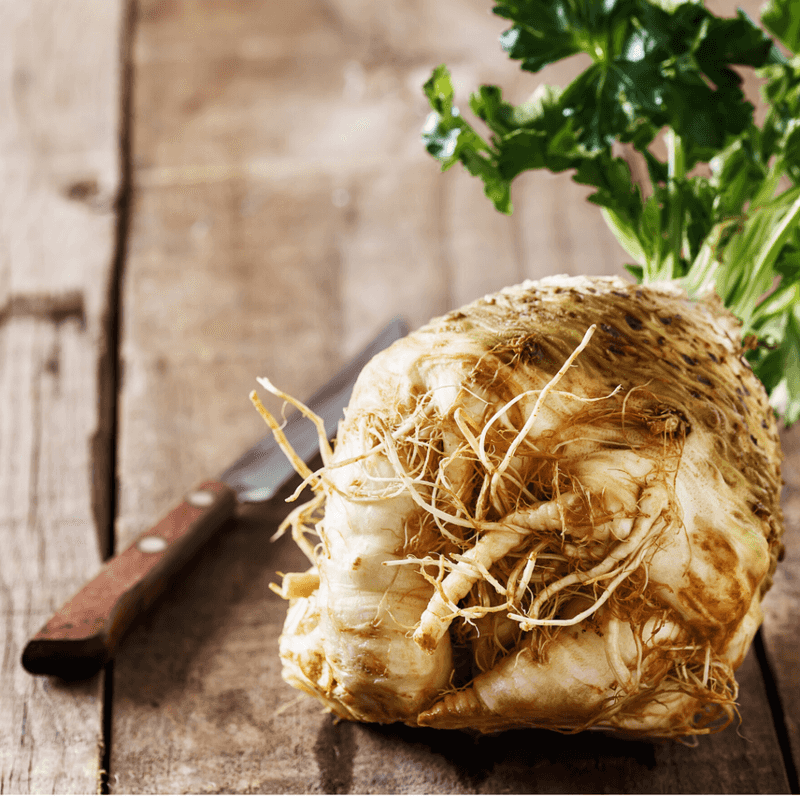
Celeriac brings all the celery aroma without the fussy stalks. It thrives in steady moisture and cool weather, which Amish gardeners naturally provide.
You will love it diced into stews, grated into slaw, or whipped into a velvety mash.
Peel thickly to reveal pale, tender flesh. Roast cubes with garlic for a caramelized edge that elevates simple dinners.
It stores for months in a root cellar, keeping its flavor when other vegetables fade.
Start early and transplant after frost. Mulch to lock in moisture and sweetness.
This knobby gem delivers elegance from humble roots.
3. Ground Cherries (Husk Tomatoes)
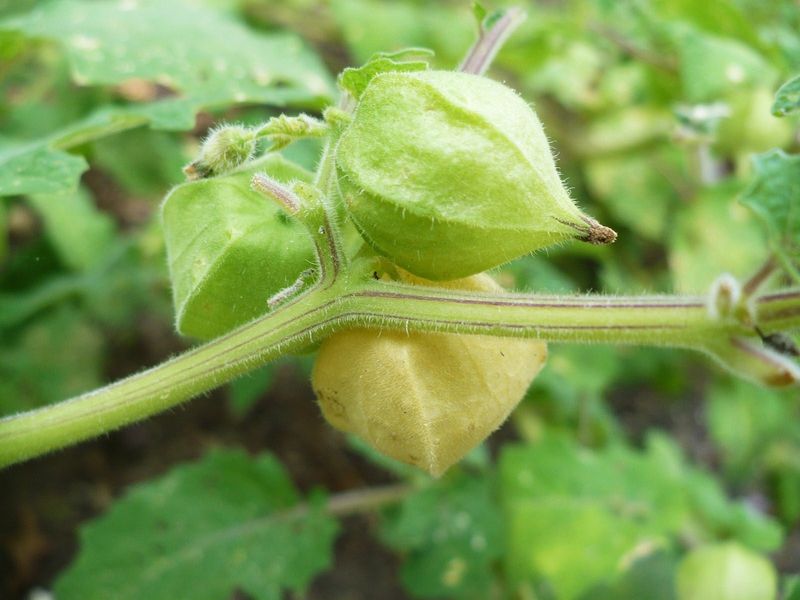
Ground cherries hide inside little lantern-like husks, dropping when perfectly ripe. The Amish grow them along garden edges for easy snacking and pies.
You will taste pineapple meets tomato with a honeyed finish that brightens jams and salsas.
They tolerate heat and drought, making them simple for beginners. Harvest from the ground daily and store husked fruit on the counter.
Bake into hand pies or blend into chutneys with ginger and cider vinegar.
Kids love gathering them, which helps with weeding too. Give them space and they will self seed kindly.
Expect bowls of sunshine.
4. Rutabaga (Swede)
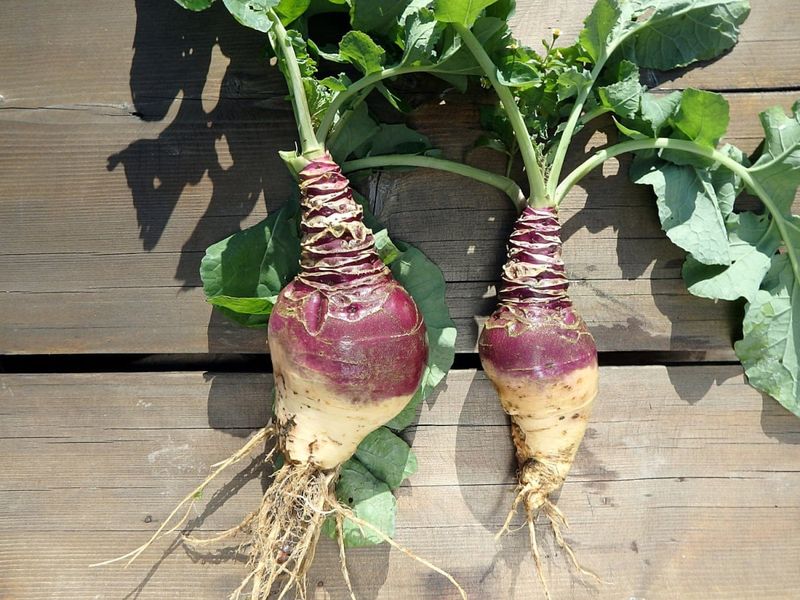
Rutabaga is a cold loving staple that sweetens after frost. Amish cooks mash it with butter or slice it thin for skillet hash.
You will appreciate how it stands in for potatoes while packing more flavor and minerals.
Plant midsummer for fall harvests, then store through winter. Roast wedges with maple and mustard for a cozy side that caramelizes beautifully.
Peel generously to remove the waxy skin.
Its dense flesh holds up in soups and pasties. Grow it where cabbage thrives and expect reliability.
Once you taste frost kissed rutabaga, you will crave its mellow sweetness.
5. Sunchokes (Jerusalem Artichokes)
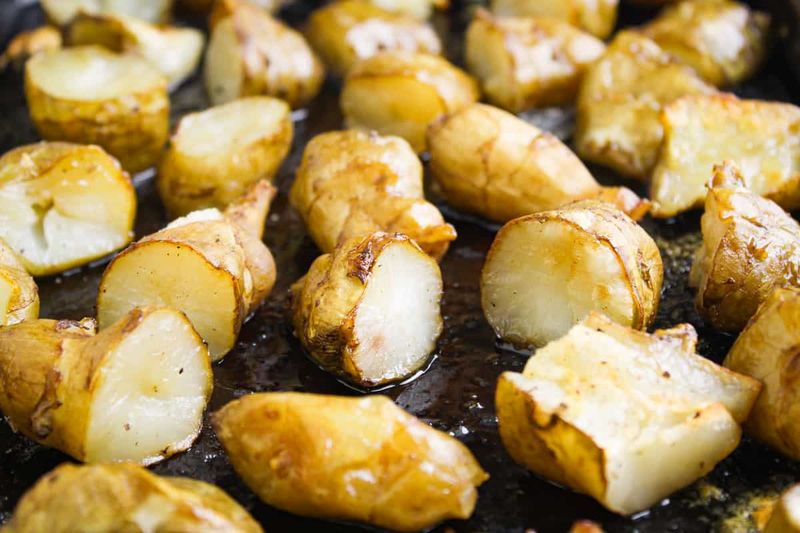
Sunchokes are crisp, nutty tubers from a sunflower cousin that Amish farmers adore for resilience. They spread enthusiastically, so plant where you welcome abundance.
You will enjoy them sliced raw in salads, roasted until sweet, or simmered into velvety soup.
Their inulin fiber supports gut health but can cause gas, so introduce gradually. Harvest after frost for peak sweetness, leaving some for next year’s patch.
These tubers store well outdoors in soil.
They thrive with minimal fuss and tolerate poor conditions. Expect tall stalks that screen wind.
Few crops deliver so much from so little work.
6. Skirret
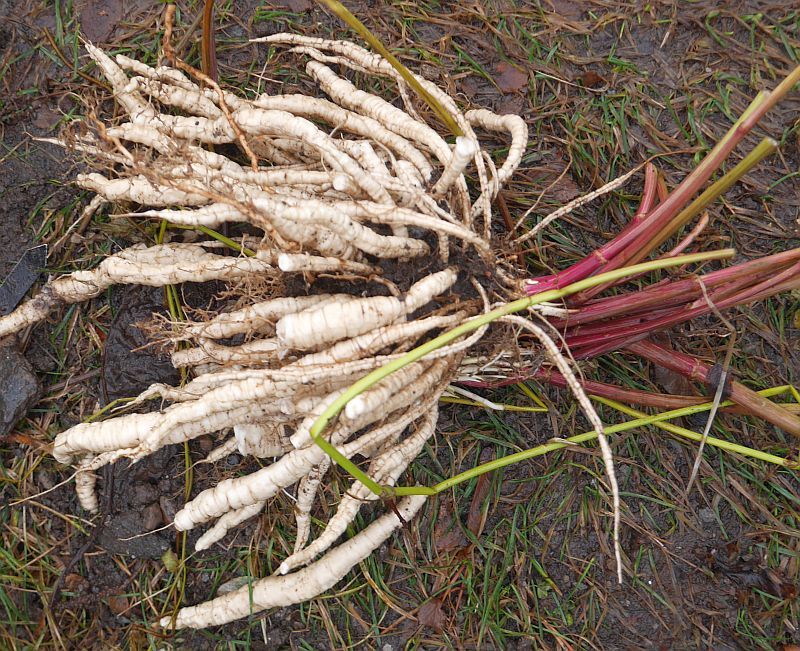
Skirret offers sweet, delicate roots that taste like carrots crossed with parsnips. The Amish keep it as a reliable perennial when soil stays moist.
You will love frying the finger-like roots in butter or slipping them into broths for nuanced sweetness.
Divide crowns in spring and replant for steady yields. It handles partial shade better than many root crops.
Peel larger roots for tenderness and leave thin ones whole.
Expect charming clusters that invite exploration. Skirret rewards patience with flavor impossible to find in stores.
It turns simple meals into comforting, old fashioned fare.
7. Mangel Beets (Fodder Beets)
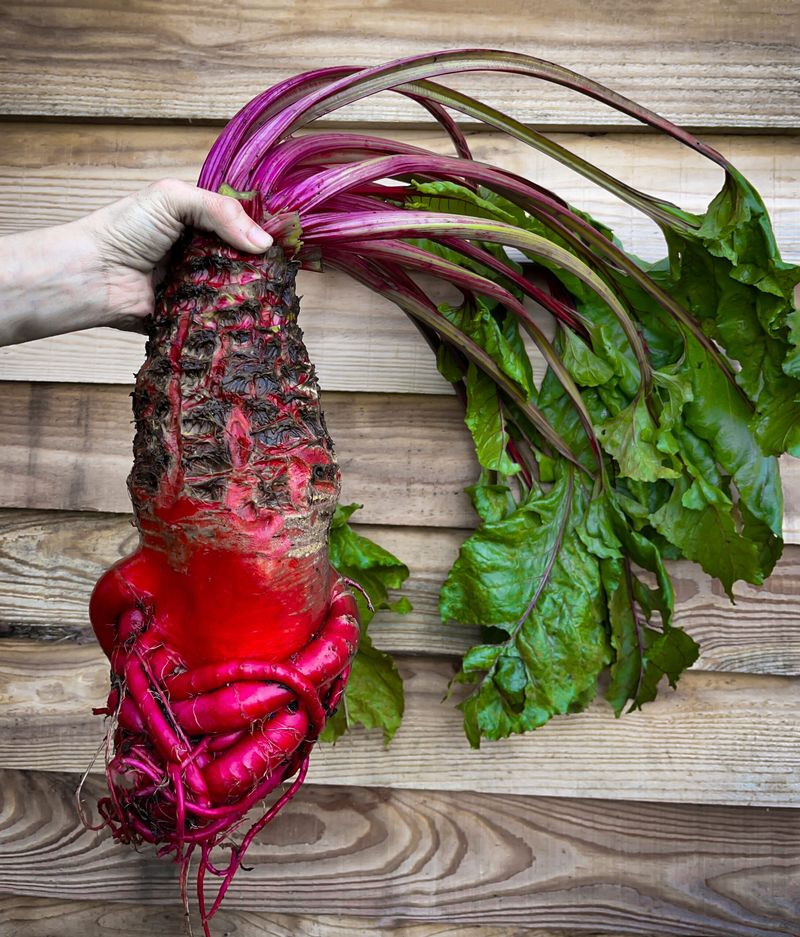
Mangels are massive beets grown historically for livestock, yet they taste pleasantly mild for people too. The Amish value them for feed, compost, and hearty soups.
You can shred them into slaws or dice for roasting alongside herbs and onions.
They excel in deep, fertile beds and pull easily after frost. Their greens cook like chard, offering a second crop.
Cure a bit, then store cool for months of dependable bulk.
These roots turn homestead gardens into pantry powerhouses. When space allows, mangels deliver tonnage.
Slice thin and roast to discover their sweet, earthy character.
8. Cowpeas (Field Peas)
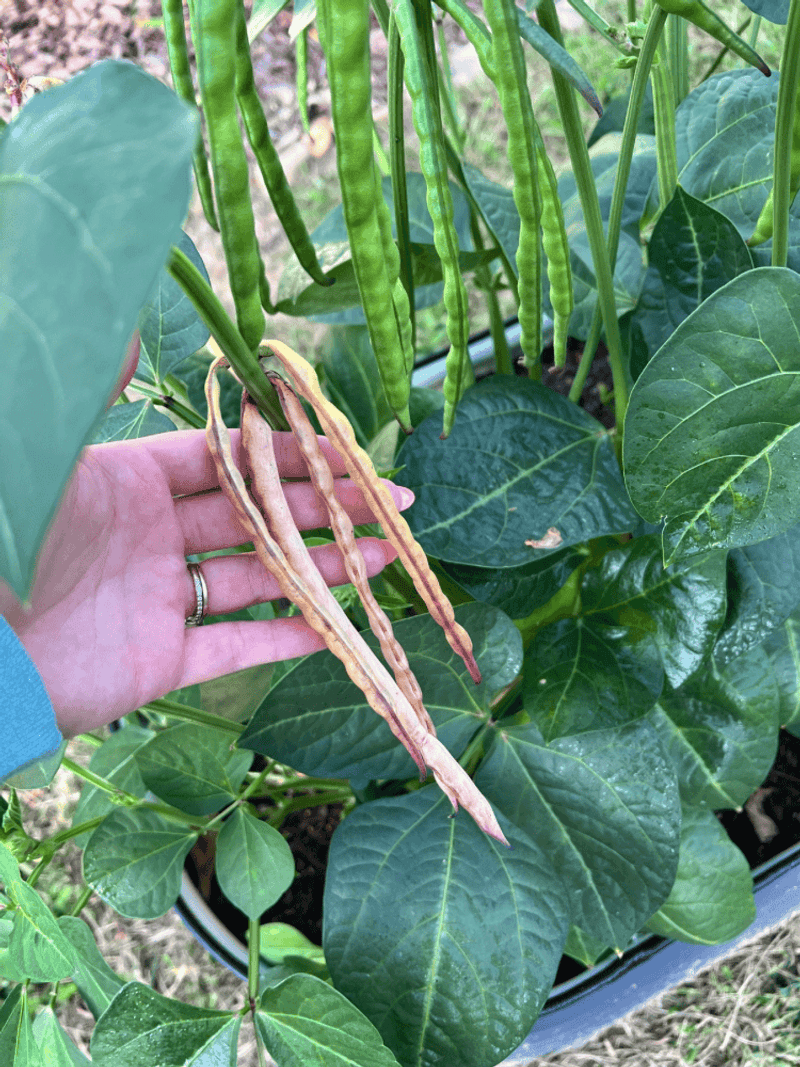
Cowpeas thrive in heat and poor soil, fixing nitrogen while feeding families. Amish gardeners interplant them with corn for shade and soil health.
You will appreciate their creamy texture in succotash, salads, and hearty stews.
Pick green pods for snaps or let them dry for winter storage. They resist drought and keep producing when other beans tire.
Try simmering with tomatoes, garlic, and a splash of cider vinegar.
Plant once the soil warms and give them sturdy support. Their resilience makes success feel easy.
Cowpeas quietly anchor summer meals with dependable protein.
9. Celtuce (Stem Lettuce)
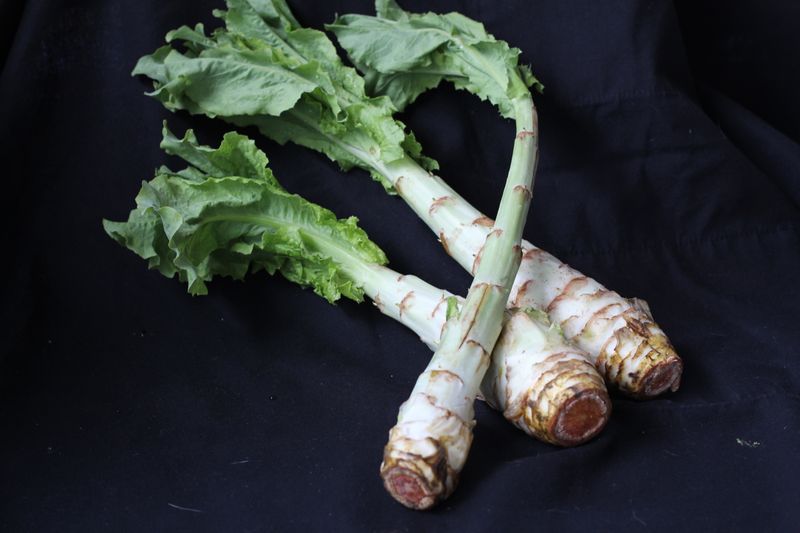
Celtuce looks like lettuce on top and celery below, but the tender stem is the prize. The Amish stir fry it with garlic or pickle it crisp.
You will find the texture refreshing and the flavor lightly nutty, perfect for summer.
Peel the stem and cut into batons or thin coins. Leaves cook like mild greens, so nothing goes to waste.
Grow it fast in spring or fall to avoid bitterness.
Keep soil evenly moist for juicy crunch. This oddball quickly becomes a favorite once tasted.
It brings sophistication to simple meals effortlessly.
10. Black Radish
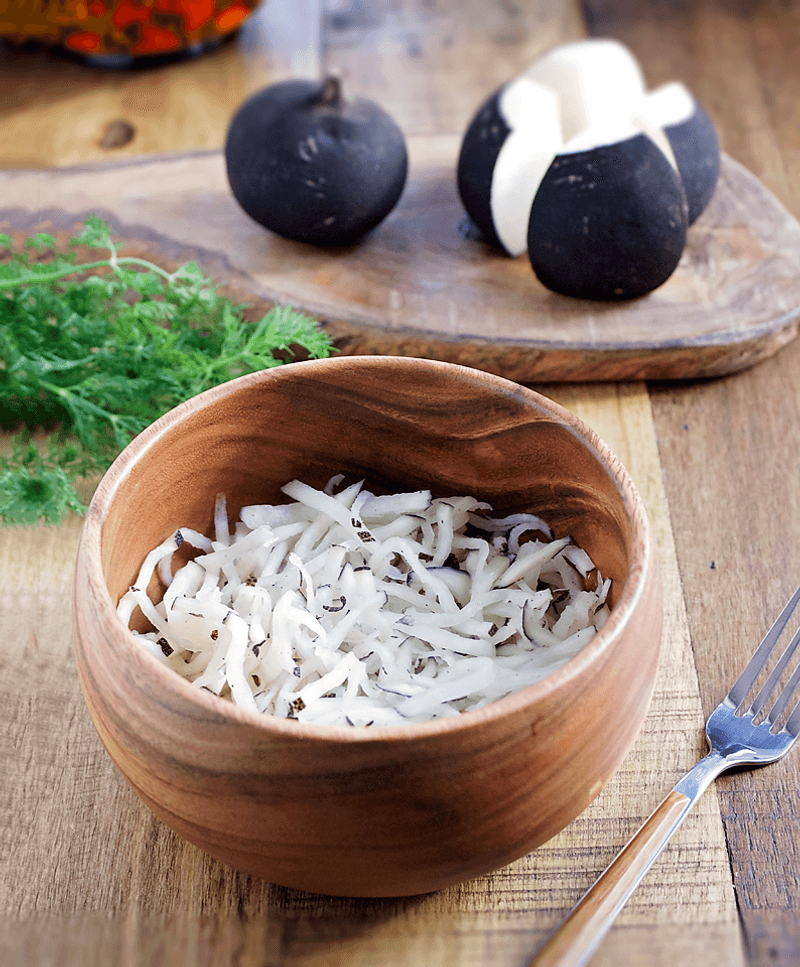
Black radish carries a peppery punch that wakes up winter plates. Amish cooks grate it into salads, salt it, and serve with bread and butter.
You will appreciate its staying power in storage when fresh crunch feels rare.
Plant in late summer for fall harvest and cellar keeping. Peel if the skin feels too intense, or slice thin and pickle.
It pairs perfectly with smoked meats and hearty soups.
Grow it like daikon, giving room to size up. The bold flavor mellows with roasting.
This radish brings spark and stamina to cold seasons.
11. Amish Snap Peas
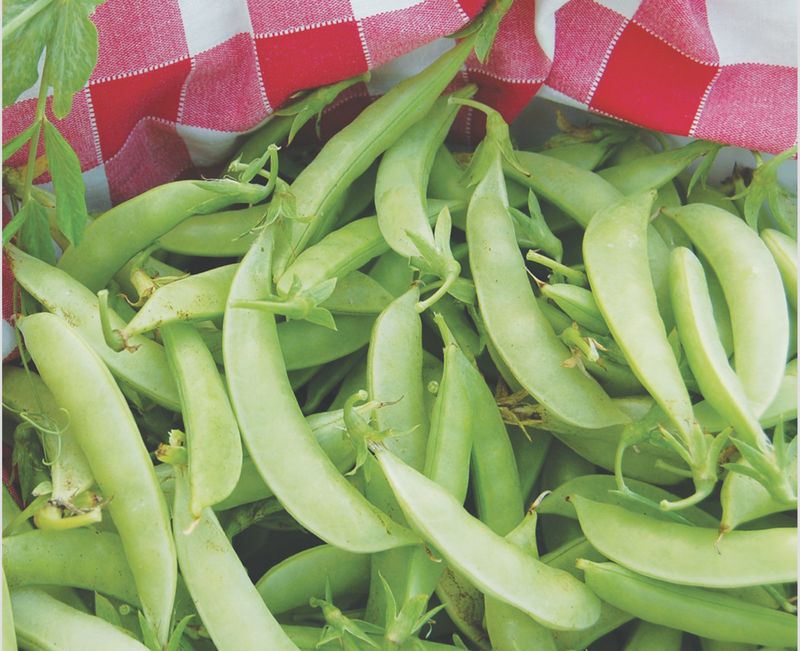
Amish snap peas deliver sweet crunch before summer heat settles in. Their vines climb simply on twine, making harvest tidy and generous.
You will snack as you pick, then toss handfuls into stir fries, salads, and pasta.
Direct sow in cool soil and keep moisture steady. Harvest daily for continuous pods and tender vines.
Blossoms attract pollinators, supporting the whole garden’s vigor.
Stir fry briefly to preserve sweetness. Freeze extras by blanching for quick winter meals.
These peas prove that simple varieties often taste best.
12. Lima Beans (Pole Heirlooms)
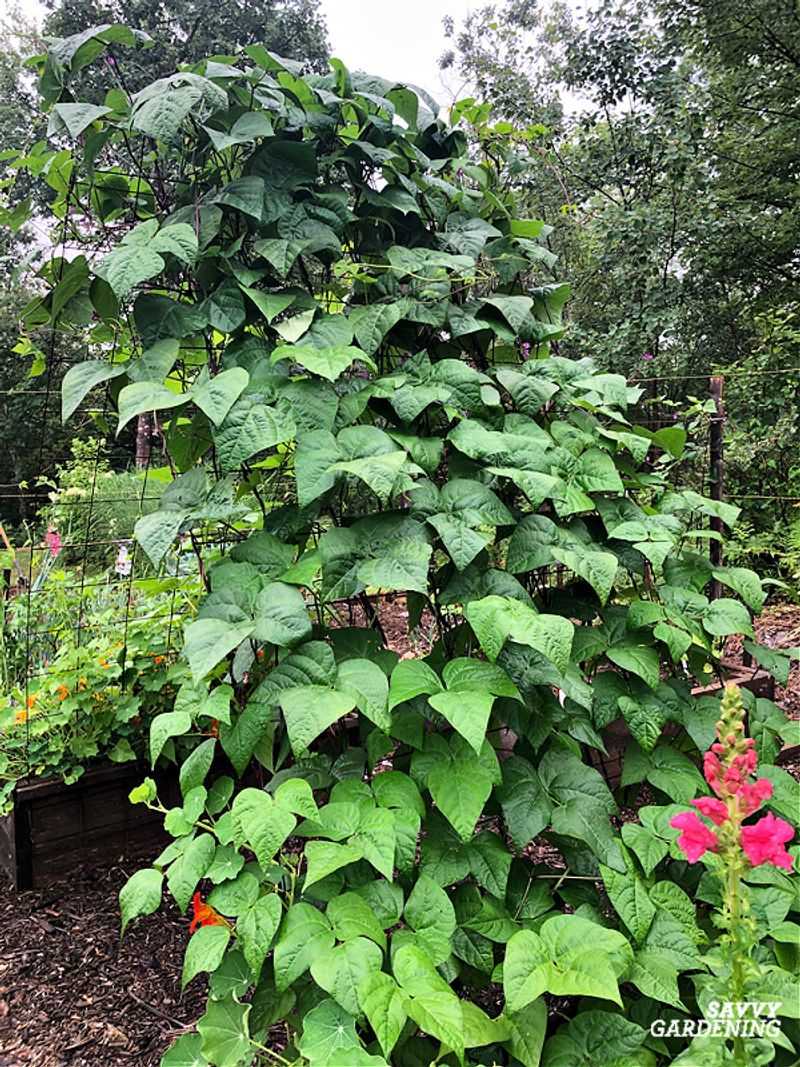
Pole limas climb high and reward you with buttery beans that freeze beautifully. Amish families save seeds from reliable strains, ensuring flavor and vigor.
You will savor them simmered with onions, broth, and a pat of butter.
Give tall supports and warm soil to start strong. Pick regularly for continuous set and tender beans.
Dry some pods for winter storage and next year’s planting.
The plants fix nitrogen, helping nearby crops. Long season, yes, but worth the wait.
Once you taste homegrown limas, store bought pales quickly.
13. Kohlrabi (Storage Types)
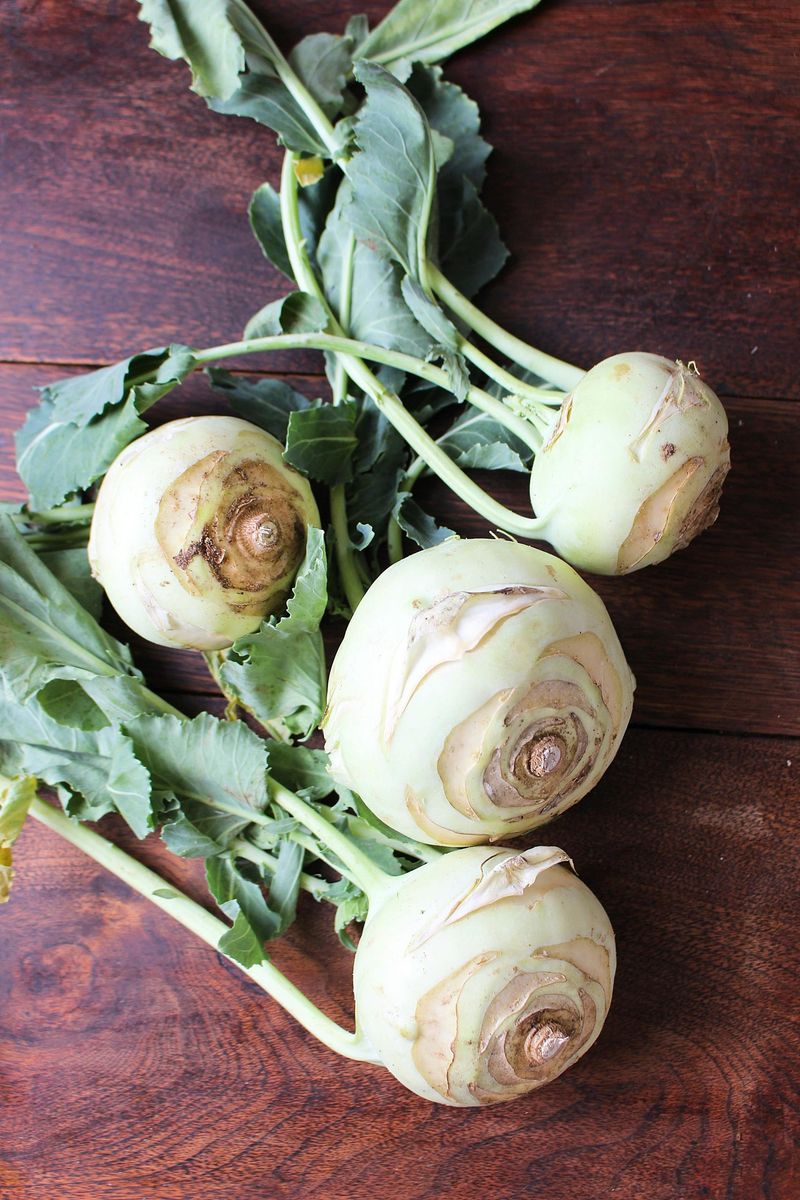
Kohlrabi looks odd but tastes crisp and sweet, like broccoli stems made snackable. The Amish grow storage types that keep months in cellars.
You will enjoy slaw ribbons, roasted wedges, and crunchy sticks with herbed dip.
Peel thickly to remove fibrous skin, then slice or cube. Plant in spring and fall for best texture.
Leaves cook like tender kale, giving you extra greens.
It thrives in steady moisture and fertile soil. Simple care, big rewards.
Once you keep kohlrabi on hand, salads and trays get instantly better.
14. Rouge Vif d’Etampes Pumpkin
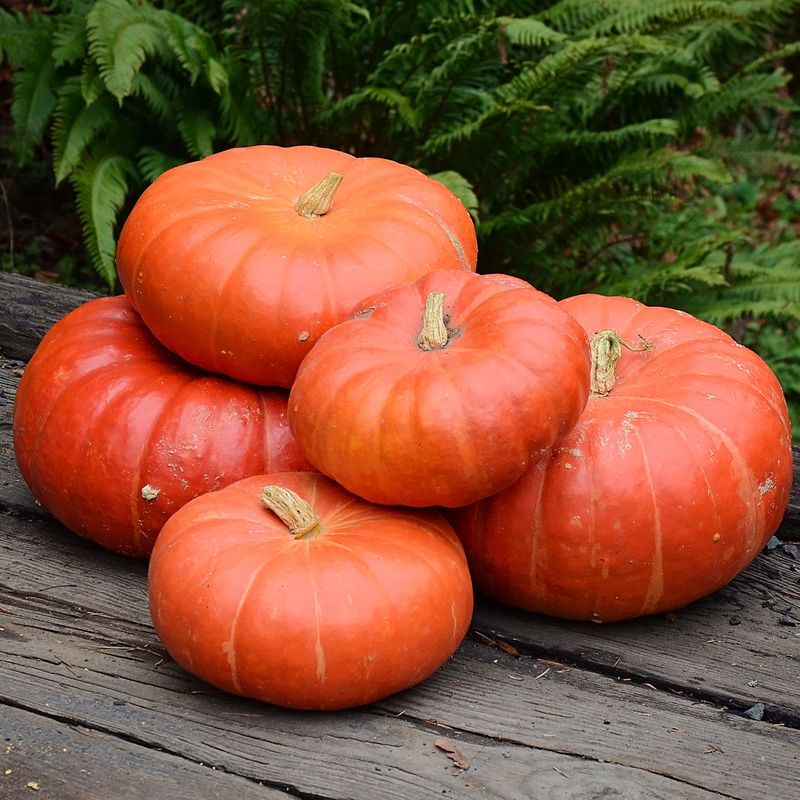
This French heirloom pumpkin found a home in Amish patches for its beauty and practicality. You will love its smooth flesh in pies, soups, and roasted cubes.
The flattened shape cures well and stores respectably through early winter.
Give room to roam and feed generously with compost. Harvest when deep orange and stems corky, then cure in warmth.
Slice carefully, as rinds are firm and dense.
Its flavor leans sweet and refined, perfect for baking. Save seeds from your best fruit.
These pumpkins decorate porches and nourish tables with equal charm.
15. Walking Onions (Egyptian Onions)
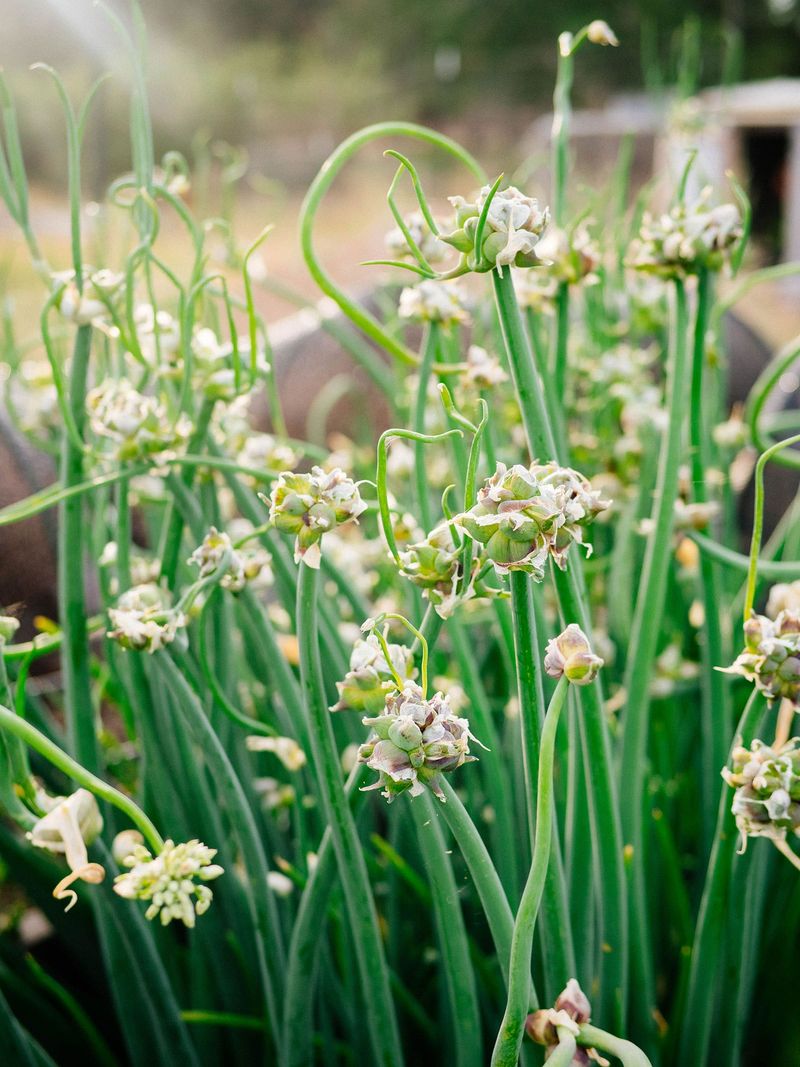
Walking onions multiply themselves by forming little top sets that tip and root. Amish gardeners love their reliability through heat and cold.
You will always have a fresh oniony bite for scrambles, soups, and salads.
Plant once and harvest forever, pulling greens year round. Use bulbs like shallots and bulbils for pickling.
They shrug off neglect and still produce.
Let a few stalks walk to expand the patch. Easy, perennial, and tough.
This is a perfect low effort onion for busy, frugal kitchens.
16. Good King Henry
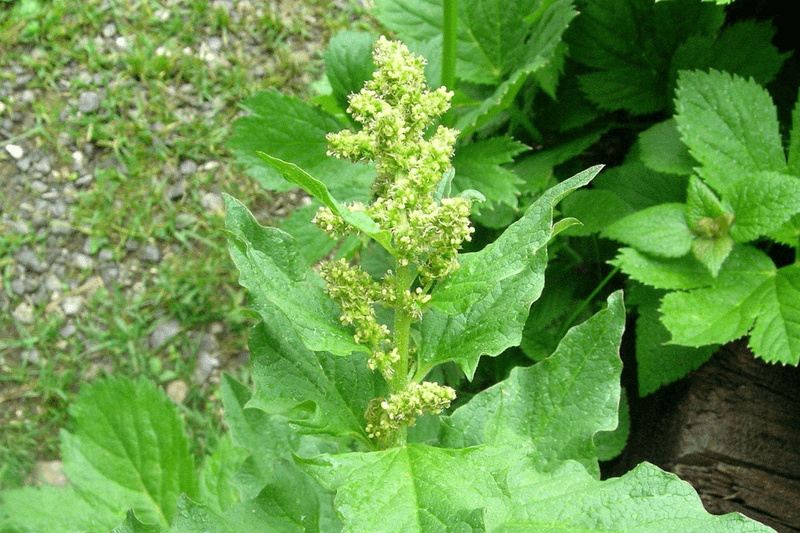
Good King Henry is a perennial spinach substitute cherished before modern varieties took over. The Amish appreciate its early spring shoots and steady greens.
You will sauté it with garlic or fold into omelets for earthy depth.
Give it a permanent corner with rich soil and mulch. Harvest lightly the first year, then regularly thereafter.
Flowering spikes can be steamed like asparagus, offering extra value.
It endures cold, shade, and minimal fuss. A true multi purpose green for lean seasons.
Once established, it quietly feeds you for years.
17. Hamburg Parsley (Root Parsley)
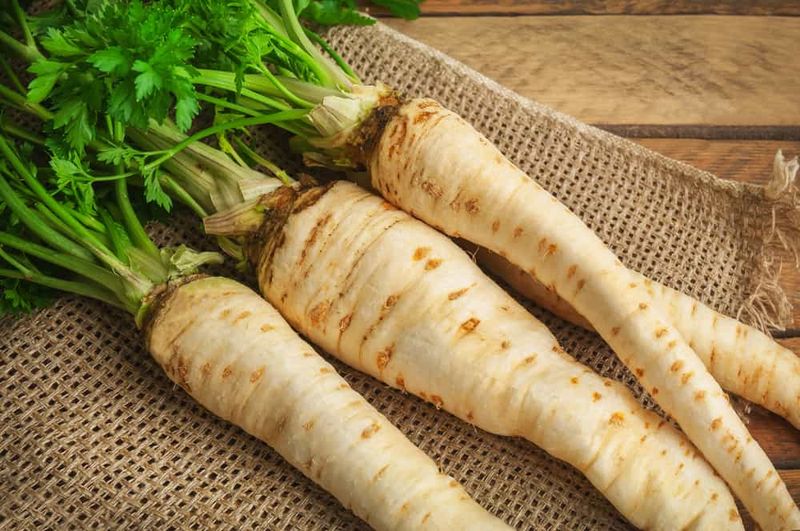
Hamburg parsley gives you two crops in one: aromatic roots and flavorful tops. Amish cooks treat the roots like parsnips and the greens like parsley.
You will love the way it perfumes broths and roasts to subtle sweetness.
Sow early in loose soil and keep evenly moist for straight roots. Thin carefully to avoid forked growth.
Harvest in fall and store like carrots for winter meals.
The flavor is refined rather than loud. Perfect for soups where nuance matters.
It becomes a quiet cornerstone herb vegetable in your kitchen.
18. Yardlong Beans
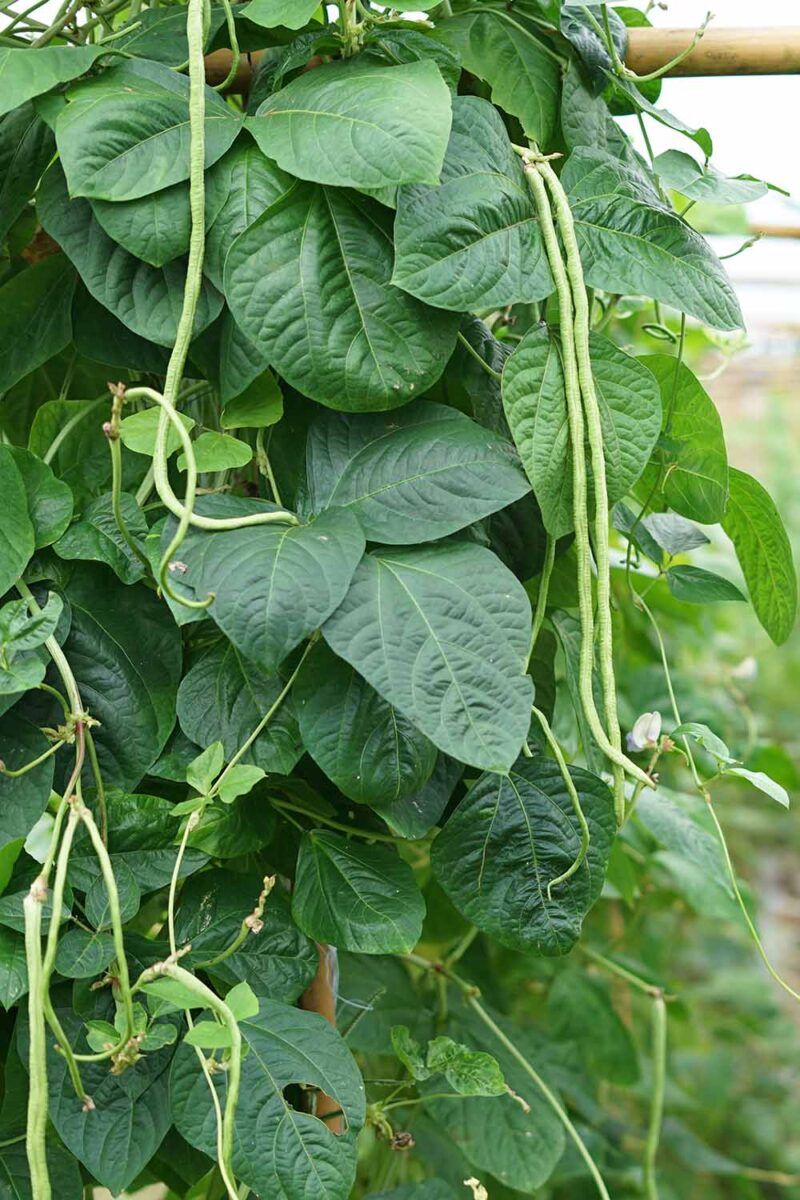
Yardlong beans thrive in heat and deliver tender pods best stir fried quickly. Amish growers appreciate their heavy yields on simple trellises.
You will enjoy snapping long strands straight into the pan with garlic and sesame.
Plant after soil warms well and keep picking daily. The more you harvest, the more they produce.
They handle humidity with ease and laugh at midsummer.
Train them on tall stakes or cattle panels. Expect crunch without strings when harvested young.
These beans turn hot weather into an advantage.
19. Sorrel (Garden Sorrel)
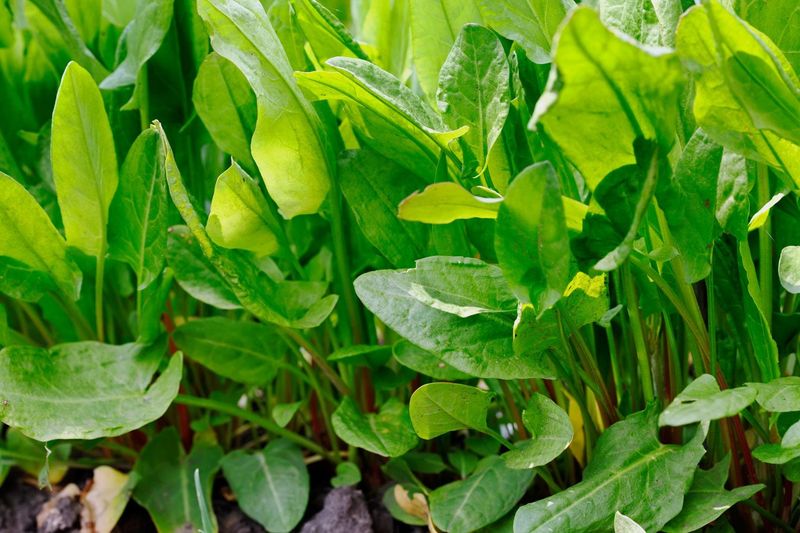
Sorrel brings a lemony zing that wakes up soups, sauces, and salads. The Amish tuck it near kitchens for quick snips.
You will swirl it into cream for a tangy sauce over fish or potatoes.
It is perennial and eager in spring, even during cold snaps. Harvest young leaves for tenderness and best flavor.
In summer, cut back to refresh growth.
Sorrel pairs beautifully with eggs and dairy. A little goes far, so one clump feeds generously.
Keep it handy and you will cook brighter, faster meals.