
19 Forgotten Vegetables The Amish Still Grow That You’ll Wish You Knew Sooner
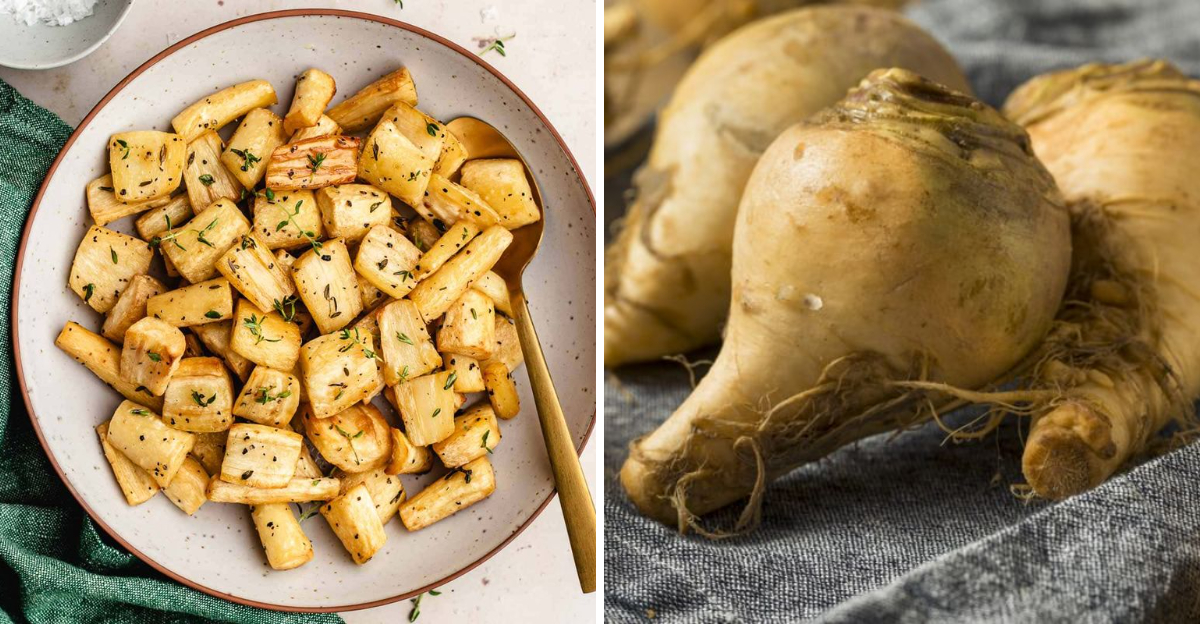
Some vegetables disappear from grocery shelves for silly reasons, yet they thrive in quiet Amish gardens. These are the practical, hardy, truly flavorful plants that kept families fed long before trendy produce sections.
If you want food that stores well, tastes rich, and cooks up beautifully, you are in for a treat. Let these old favorites show you why simpler can taste better.
1. Salsify (Oyster Plant)

Meet salsify, the oyster plant that Amish gardeners keep for winter meals. The roots look plain, but they cook up tender and slightly sweet, with that whisper of sea flavor everyone talks about.
You can roast batons, simmer coins for soup, or pan fry fritters for a meatless night.
Peel the brown skin after cooking to avoid sticky sap, and keep a lemony bowl ready so slices do not brown. It stores well in cold soil or a root cellar, so you get dependable calories when gardens sleep.
If you love potatoes but crave something new, salsify gives comfort with an old world twist. Try mixing it with carrots, onions, and thyme for a humble, cozy tray bake.
2. Scorzonera (Black Salsify)

Scorzonera, or black salsify, looks like charcoal but cooks silky and luxurious. Amish cooks treat it like a special winter vegetable, simple and satisfying.
Roast sticks beside chicken, mash with butter and nutmeg, or slip coins into creamy soup for body.
Peel after parboiling to dodge sticky latex, then keep pieces in lemon water to stay pale. It handles frost, stores well, and turns small harvests into real meals.
When you crave variety without fussy techniques, scorzonera brings restaurant level texture to weeknight plates. Try a half mash with potatoes for picky eaters.
Pan roast with garlic, parsley, and lemon zest for a bright, clean finish. It tastes elegant with fish or eggs at brunch.
3. Jerusalem Artichokes (Sunchokes)
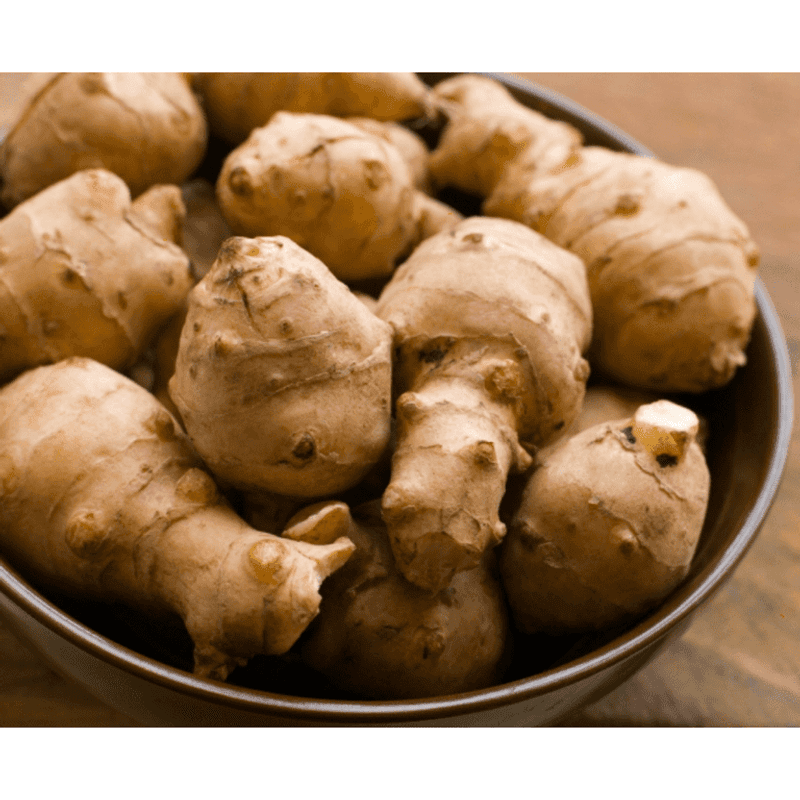
Sunchokes are knobby little powerhouses with a nutty, faintly sweet flavor that turns golden and crisp in the oven. Roast chunks with olive oil and rosemary and you will swear you added butter.
Purée them into soup and you get silk without cream, perfect for simple suppers.
They grow like champs, even in rough ground, and store in the soil until you need them. You can leave some tubers in place for next year and let them naturalize.
If you are sensitive to inulin, try slow roasting or a long simmer with a splash of vinegar. They pair beautifully with leeks, bacon, and thyme, or add crunch to salads raw.
You will not miss potatoes one bit.
4. Celeriac (Celery Root)
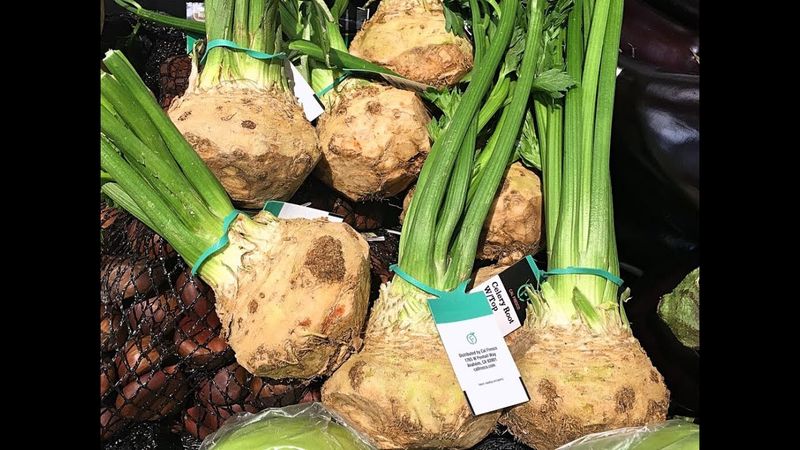
Celeriac looks rough but cooks refined, bringing celery perfume and potato comfort in one humble root. Dice it for soups and stews, or make a half and half mash with potatoes for a lighter, brighter bowl.
Raw, it shines in slaw with apple, mustard, and a little vinegar.
Amish gardeners like it because it holds in the ground and keeps well in a cool cellar. Trim generously, then cube and steam before mashing so the texture turns smooth.
Roast slabs into golden steaks and top with pan juices for a no fuss main. If you want flavor that feels fancy but cooks simple, celeriac is your friend.
It transforms leftovers into satisfying, honest food.
5. Rutabaga (Swede)
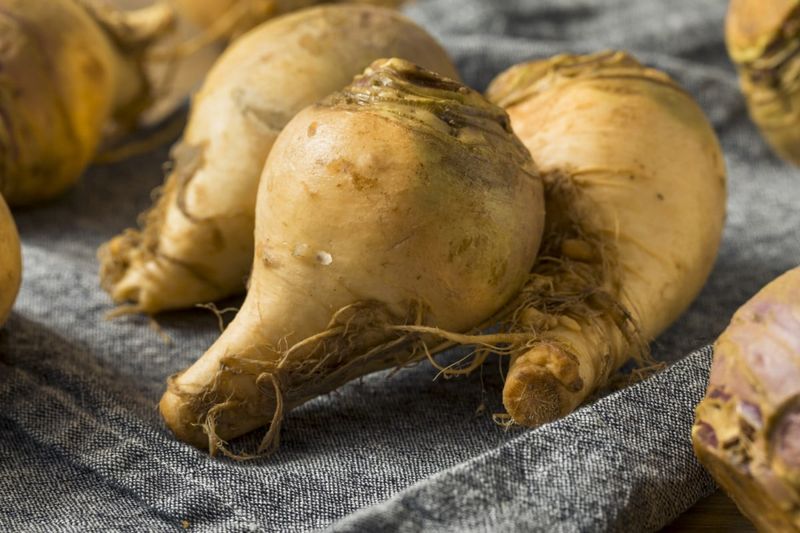
Rutabaga brings sweet, sturdy winter comfort that stands up to long cooking. Cube and roast until edges caramelize, or cut thick fries and bake until crisp outside and creamy inside.
Drop chunks into beef stew or vegetable soup and they absorb broth like sponges.
Peel deeply to remove the waxed skin and any bitterness, then season boldly with pepper and herbs. Amish cooks lean on rutabaga because it stores easily and keeps flavor through cold months.
You can mash it with butter, fold into shepherd pie, or glaze with maple for a Sunday side. If turnips were not your thing, this gentler cousin may win you over.
It tastes like winter done right.
6. Parsnips
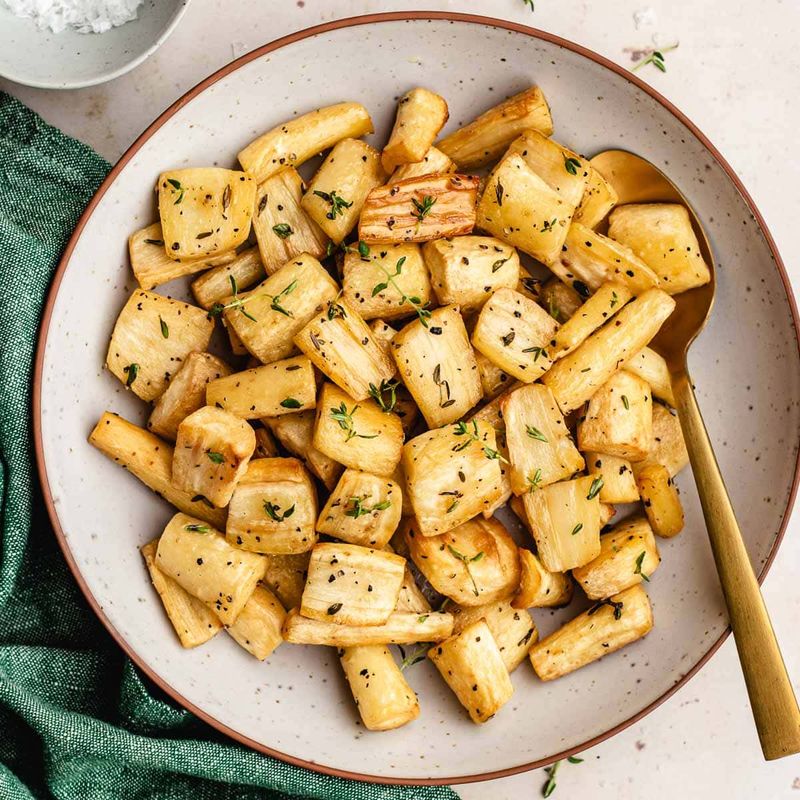
Parsnips roast into candy sweet bites with caramelized edges that make weeknights feel special. Slice into batons, toss with oil, salt, and a drizzle of honey, then bake until deep gold.
They blend into purées that taste elegant beside simple roasts.
Amish gardens prize parsnips for late fall harvests and steady storage. Try simmering coins in milk, then mash with butter and a pinch of nutmeg for a cozy bowl.
If you think carrots are good, parsnips bring deeper, toastier notes that satisfy more. Add them to chicken soup, blend with apples for a playful side, or crisp them as shoestring fries.
You will wonder why they ever slipped from your table.
7. Kohlrabi

Kohlrabi eats like a broccoli stem crossed with an apple, crisp and mild with a gentle snap. Peel the bulbs, slice into sticks for snacking, or shred for crunchy slaws with dill and yogurt.
Roast chunks with potatoes for a sheet pan dinner that tastes both fresh and hearty.
It grows fast, laughs at cool weather, and keeps well in the fridge. Greens cook like kale, which means you get two vegetables from one plant.
If you want a low fuss veggie that kids will try, kohlrabi is a friendly place to start. Cube and sauté with garlic and paprika, or steam and finish with butter.
It takes seasoning like a champ.
8. Ground Cherries

Ground cherries hide in papery husks and taste like pineapple with a hint of vanilla. Pop them as garden candy, or bake into pies and cobblers that barely need sugar.
Cook a quick jam and spoon over pancakes, yogurt, or sharp cheddar for a sweet savory bite.
Plants sprawl, set loads of fruit, and keep producing even when weather plays games. You can dry them like raisins or freeze for winter muffins.
If you crave a surprise that kids love, these bright marbles deliver it with zero fuss. Toss into salsa with jalapeño and lime, or roast with tomatoes for pasta.
They are the sunny secret you will keep planting.
9. Crosnes (Chinese Artichokes)

Crosnes look like little ivory spirals, crisp and juicy with a clean, nutty snap. Give them a quick sauté in butter and garlic, or toss into salads for texture that wakes everything up.
They roast fast and shine as a garnish that actually tastes like something.
Amish gardeners appreciate how tough and forgiving the plants are, even in poor soil. Rinse gently to keep the pretty ridges, then season simply with salt, lemon, and herbs.
If you want restaurant style flair without fuss, crosnes make plates feel special. Stir into fried rice, scatter over soups, or pickle for crunchy snacks.
You will reach for them when guests come by.
10. Skirret
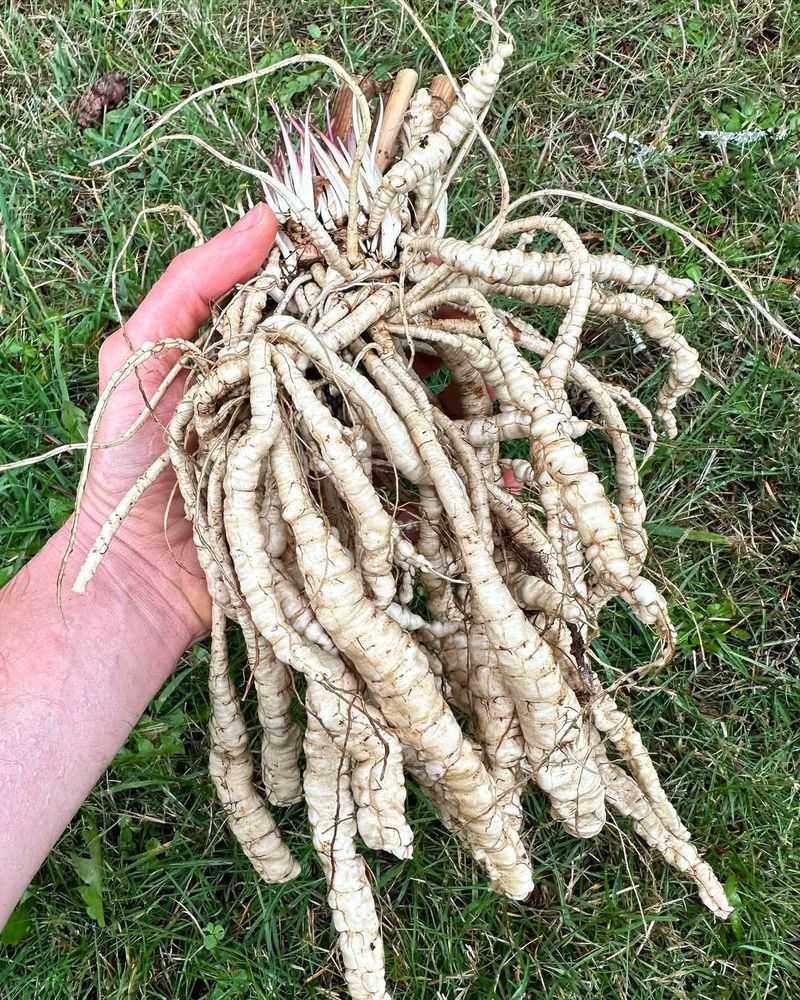
Skirret is a sweet, old world root with delicate flavor that lands between parsnip and sugarcane. The thin clustered roots cook tender, perfect for gentle boiling and a buttery finish.
Pan fry after parboiling to get crisp edges and a soft, candy like center.
It thrives in cool climates and rewards patience with dependable yields. Peel after cooking to make life easy, then season with salt, pepper, and a little vinegar.
If you are chasing heritage flavor without complicated steps, skirret brings it home. Mash with cream, fold into fritters, or slip into chicken soup.
It is simple, nourishing, and quietly delightful on cold nights.
11. Mangelwurzel (Mangel Beet)

Mangelwurzel is the workhorse beet once grown for animals and big family tables. The roots get huge, with mild flavor that loves roasting, pickling, and hearty stews.
Slice thin for skillet hash or cube for soups that stretch into multiple meals without feeling skimpy.
Amish gardeners still value mangels for storage and utility. The greens cook like chard, and the roots last ages in a cool cellar.
If you want volume that tastes good and wastes little, this is your friend. Add vinegar and mustard seeds for bright pickles, or bake wedges beside sausage.
It is practical food that makes winter taste generous.
12. Dry Beans You Let Mature On The Vine
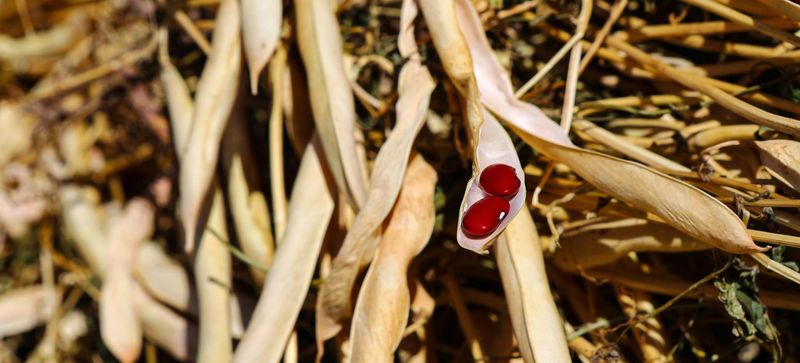
Letting beans dry on the plant turns garden space into a winter pantry. Shell the pods, keep the speckled jewels in jars, and you have instant soup starters for months.
They soak up flavor, cook creamy, and add protein that feels like real food.
Amish families lean on varieties that hold well and taste distinct. You can simmer with onions and bay, then finish with vinegar and garlic for bright comfort.
If you crave convenience without cans, home dried beans deliver it straight from the shelf. Try Jacob’s Cattle, Hidatsa Red, or old Pennsylvania lines.
They make chili, minestrone, and baked beans taste unforgettable.
13. Soup Pumpkins (Old Cooking Pumpkins)

Old cooking pumpkins are not for carving. Their dense, sweet flesh purées smooth and rich, perfect for soups, pies, and custards.
Roast wedges until edges brown, then blend with broth, onion, and a touch of cream for a bowl that hugs you back.
Amish gardens keep these because they store for months and feed a crowd. Peel is thicker, but that just means better keeping.
If you think pumpkin only belongs in pie, try savory with sage, garlic, and black pepper. Bake cubes for salads, fold into risotto, or stuff pasta.
These pumpkins make weeknights taste like holidays.
14. Turnips (The Good Kind)
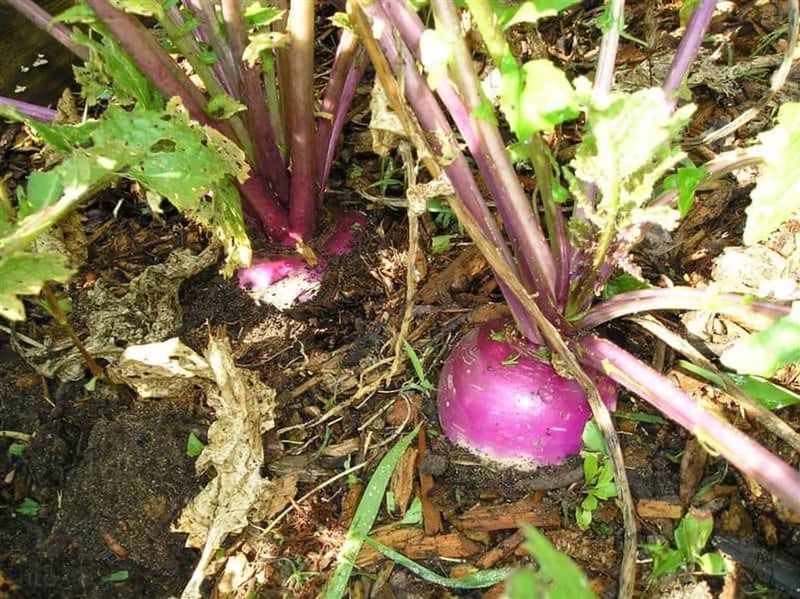
Young turnips taste sweet and peppery, especially when pulled early from cool soil. Slice thin for salads, sauté with butter and miso, or roast wedges until they blush gold.
The greens are a bonus, tender enough to wilt with garlic in minutes.
Amish gardeners pick at baby size for snacking and let some mature for storage. If turnips once tasted harsh to you, try roasting to mellow the bite.
A splash of lemon or vinegar at the end brightens everything. Add to chicken soup, toss into skillet hash, or glaze with honey and thyme.
Good turnips are gentle, not bitter, and incredibly useful.
15. Beets Grown For Greens Too
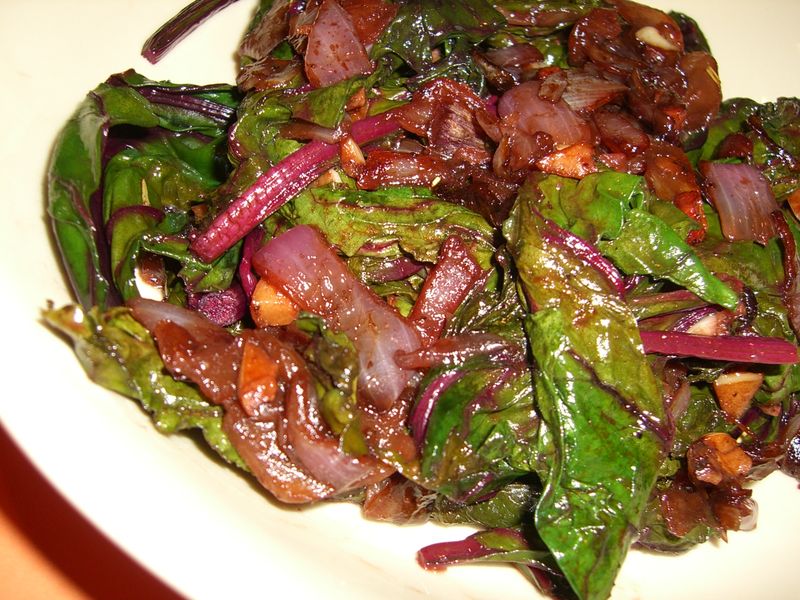
Beets are a two for one crop when you plan for greens. Choose varieties with lush tops, then harvest leaves for sautés while roots keep growing underground.
The greens cook like chard, tender and mineral rich with a hint of sweetness.
Amish cooks use every part, wasting nothing and eating well. Wilt greens with garlic and vinegar, then serve beside roasted beet wedges for a full circle plate.
If you want value from your garden, this habit pays back fast. Toss greens into eggs, stir into beans, or fold into pasta.
You will wonder why you ever trimmed tops into the bin.
16. Leafy Mustard Greens
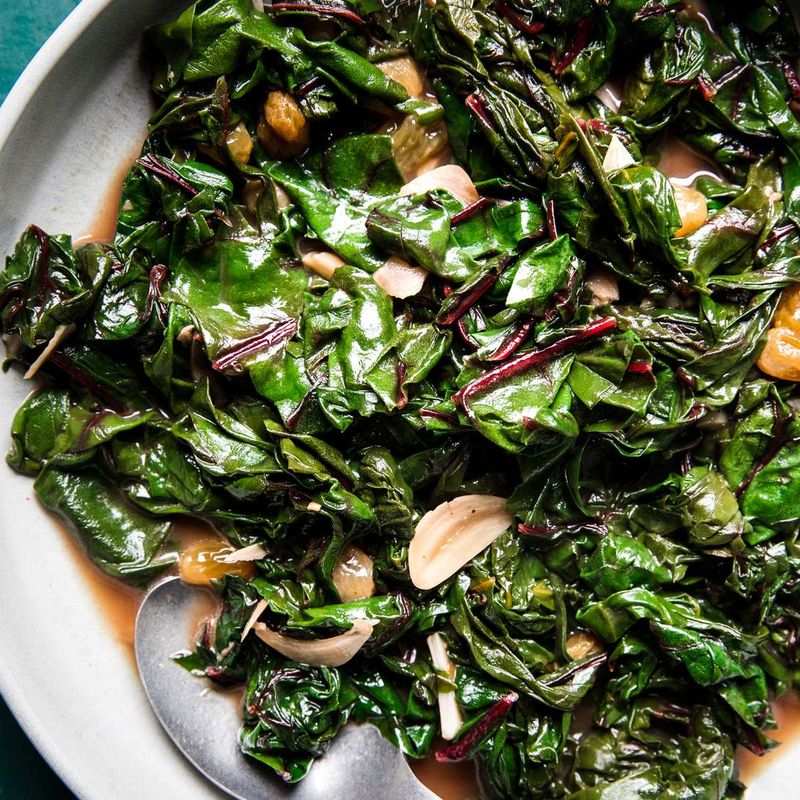
Mustard greens bring bold, peppery bite that wakes up sleepy dinners. Tear the leaves and sauté with garlic, or braise slowly with onions and a splash of broth.
They add backbone to soups and cozy skillet meals without needing much else.
Fast and cold tough, they are a favorite in practical gardens. If the heat scares you, blanch briefly, then sauté and finish with lemon.
Smoke, bacon, or smoked paprika round off the edges beautifully. Stir into beans, tuck into sandwiches, or top grits for an easy win.
You will crave that warm, spicy comfort when nights turn chilly.
17. Savoy Cabbage

Savoy cabbage has crinkled leaves and sweeter flavor than the standard kind, perfect for rolling, stuffing, and soup. Its texture turns silky when braised, yet holds shape for neat cabbage rolls.
Slice thin for buttery sauté with onions and caraway.
It laughs at cold weather and keeps beautifully, which is why practical gardeners love it. If you want a leaf that wraps without tearing, savoy is your friend.
Steam leaves, fill with rice and meat, and bake in tomato sauce for comfort on a dime. Shred into slaw, char wedges, or simmer with potatoes.
It is humble, dependable, and delicious.
18. Leeks
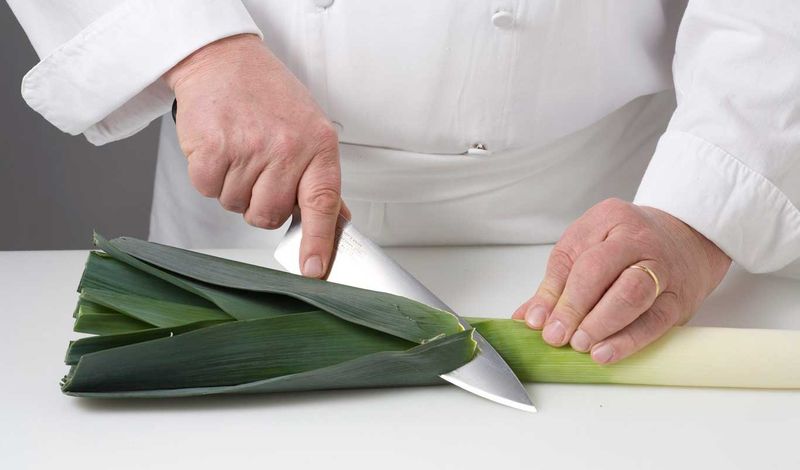
Leeks make everything taste fuller and softer, like onions with manners. Slice and sweat them gently in butter, then add potatoes and broth for the simplest, richest soup.
Tuck them under roasts or into quiches and they melt into savory sweetness.
They take time in the garden, but reward patience with long white shanks and steady harvests. Clean carefully between layers, then cook low and slow.
If you want a vegetable that upgrades every pot, leeks are it. Braise with cream, grill whole and finish with lemon, or fold into mashed potatoes.
You will reach for them all winter.
19. Heirloom Kitchen Garden Staples (Pennsylvania German seed tradition)

In Pennsylvania German communities, seed saving keeps older vegetables alive and tasting right. Families trade bean seed, cabbage starts, and pumpkin lines that match their soil and seasons.
The point is flavor, storage, and reliability over flashy looks.
Planting these heirlooms means you cook what your garden grows best, not what ships far. If you crave tomatoes that taste like tomatoes and beans that hold shape, look here.
Start small, label well, and save seed from your strongest plants. Share with neighbors, and you become part of a living pantry.
Tradition stays fresh when you pass it on.