19 Reasons Pancakes Often Taste Better At Restaurants
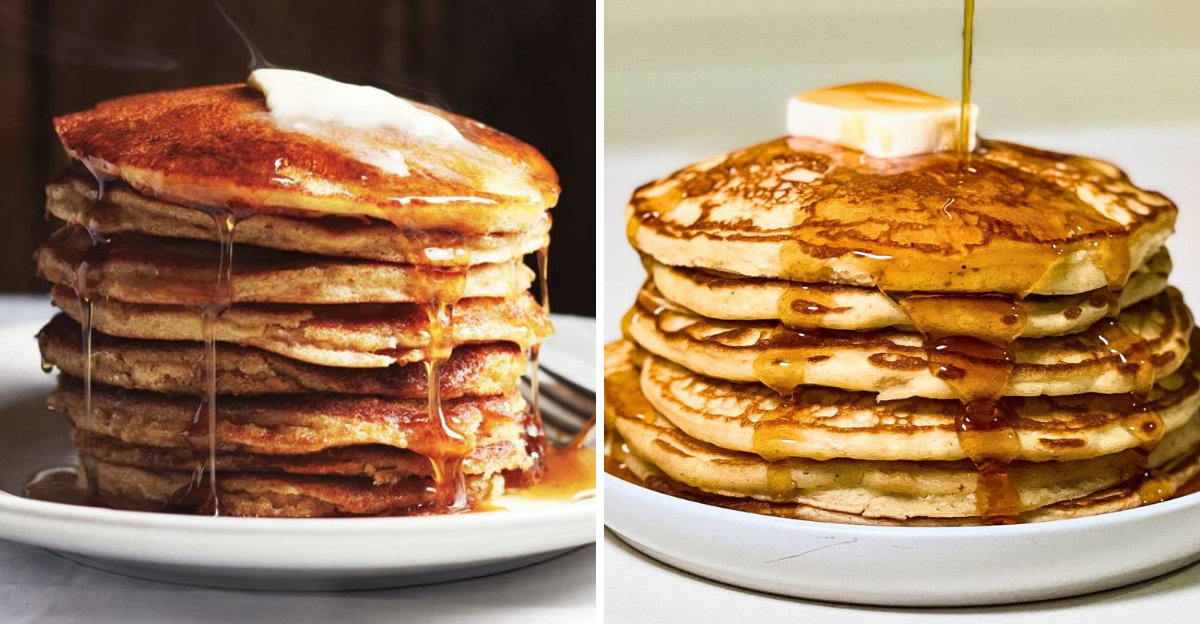
Ever notice how restaurant pancakes seem taller, softer, and more golden than the ones you make at home? There is real technique behind that magic, and it goes way beyond a slick of butter.
From controlled heat to clever batter habits, kitchens are set up to make every stack feel indulgent. If you want to bring those results home, these are the moves worth borrowing.
1. The Griddle Heat Is More Consistent
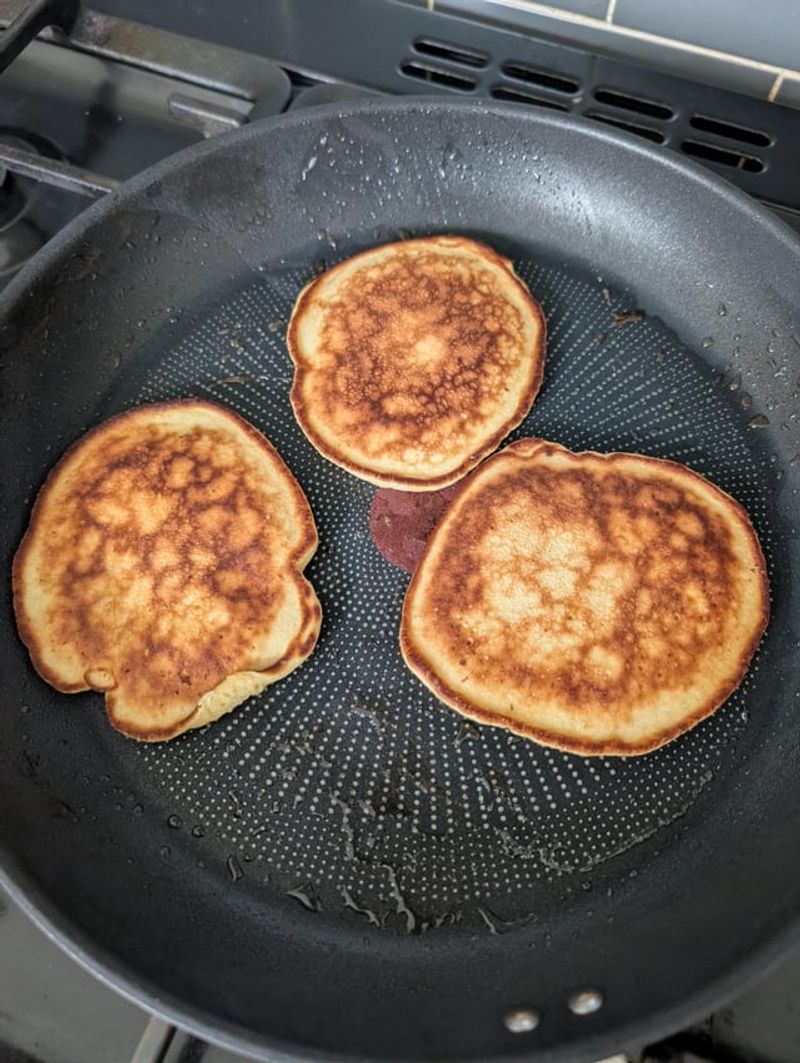
Restaurant griddles hold a steady, even heat that home pans rarely maintain. That consistency means your pancakes brown uniformly instead of scorching in hot spots or paling at the edges.
A broad steel surface also recovers temperature quickly after each pour, so the second and third cakes match the first.
At home, a thin skillet can cool when batter hits, forcing you to chase heat with annoying adjustments. Restaurants set the dial, keep it there, and let the metal do precise, repeatable work.
That calm, predictable heat gives pancakes a mellow crust and tender middle you can taste every bite. Consistent heat equals consistent flavor, color, and rise across the whole order.
That reliability makes pancakes taste professionally made always.
2. They Use More Butter Than You Think
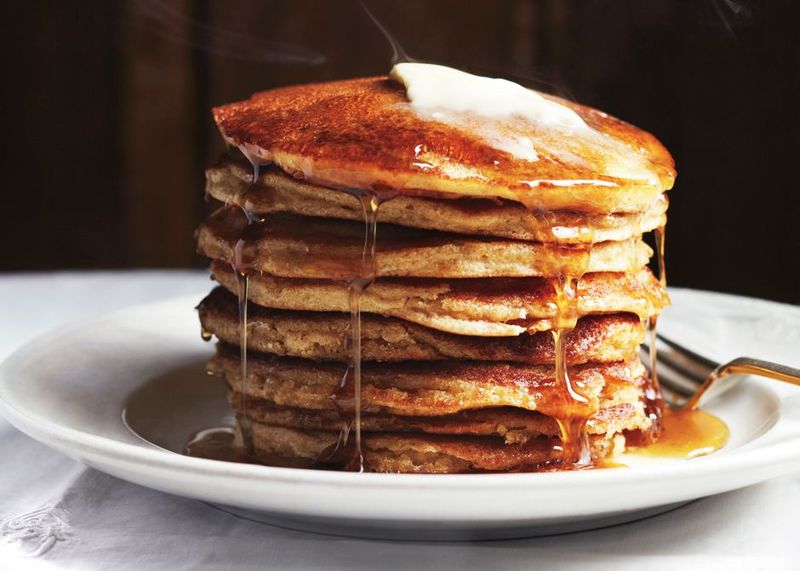
Butter is flavor, and restaurants know it. They brush the griddle with butter, enrich the batter with melted butter, and finish the stack with whipped butter on top.
That triple hit delivers nutty browning, a plush crumb, and that unmistakable dairy richness you notice immediately.
At home, you might hesitate, but the kitchen line does not. Butter acts like a browning accelerator and a moisture cushion, so each bite feels soft and indulgent rather than dry.
It also carries vanilla and maple aromas straight to your nose. Use clarified butter for higher heat, or combine neutral oil with a butter finish for balance.
You will get that diner-level sheen, those lacy edges, and a flavor that reads luxuriously simple.
3. The Batter Is Often Mixed Just Enough
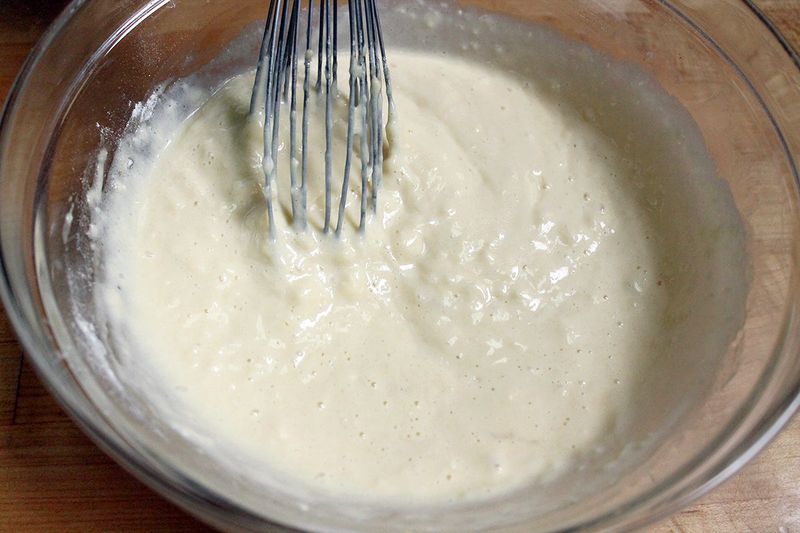
Overmixing is the quiet pancake killer. Restaurants train cooks to stop stirring as soon as dry streaks disappear and a few small lumps remain.
That restraint keeps gluten from overdeveloping, which would otherwise toughen the crumb and flatten the rise.
Lumps hydrate as the batter rests, so they vanish on the griddle, not in the bowl. If you whisk until perfectly smooth, you pay with chewiness and less lift.
Think fold, not beat, and switch to a spatula once ingredients come together. Combine wet and dry in as few strokes as possible, scraping the bowl so pockets of flour do not hide.
Your reward is a cloudlike bite with gentle structure that holds syrup without turning bouncy or rubbery.
4. They Let The Batter Rest
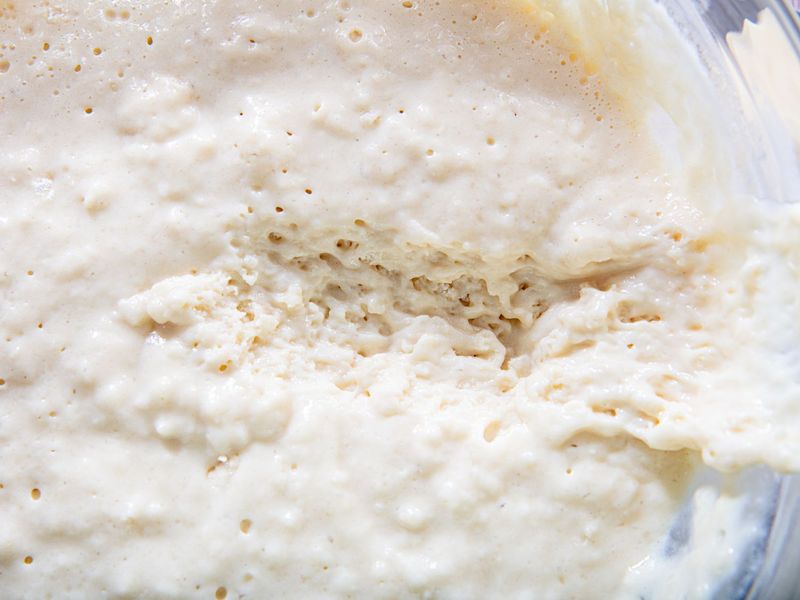
A short rest works like a quiet upgrade. Flour hydrates, starches swell, and leavening begins releasing delicate bubbles that translate to a fluffier, more even crumb.
Many restaurants stage batter so it rests 10 to 30 minutes before the rush, then gets portioned steadily.
At home, skipping the rest often means streaky hydration and inconsistent lift from pancake to pancake. Give your batter time to settle, and it will thicken slightly while smoothing out.
If it tightens too much, add a splash of milk to loosen. Resting also reduces sticky resistance on the griddle, so flipping feels cleaner.
You get rounder edges, steadier browning, and a tender bite that stays soft even as the stack cools on the plate.
5. The Cooking Surface Is Bigger
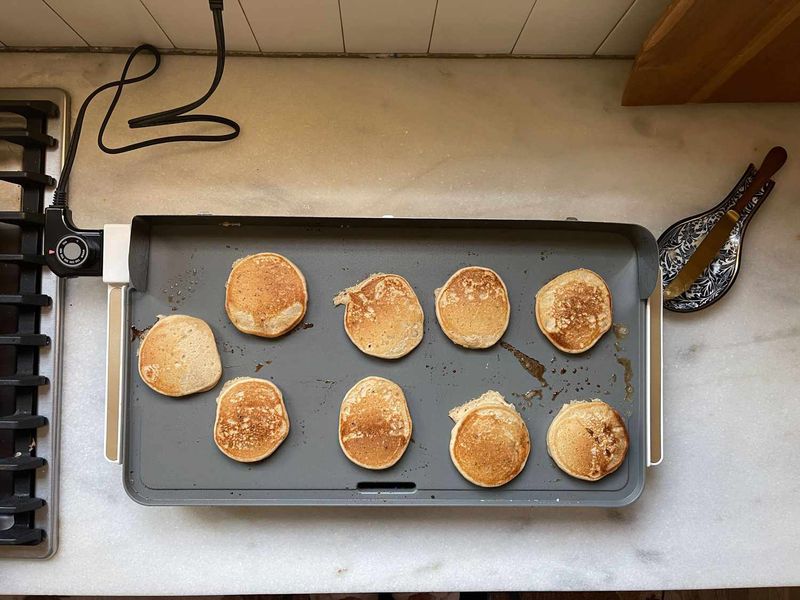
Size matters when you want consistency. Restaurants cook many pancakes on a broad surface, so each cake experiences the same heat and timing.
That shared environment minimizes outliers, giving a matching level of browning and doneness across the batch.
At home, a small skillet forces you to work in rounds, which stretches time and invites overcooking early pancakes while you finish the rest. A bigger surface keeps the flow tight, letting you plate warm stacks together.
If you do not have a flat-top, use a large griddle pan over two burners, preheat longer, and test with a sacrificial mini cake. You will notice steadier edges, better lift, and fewer dry circles pretending to be pancakes by the last plate.
6. They Usually Nail The Size
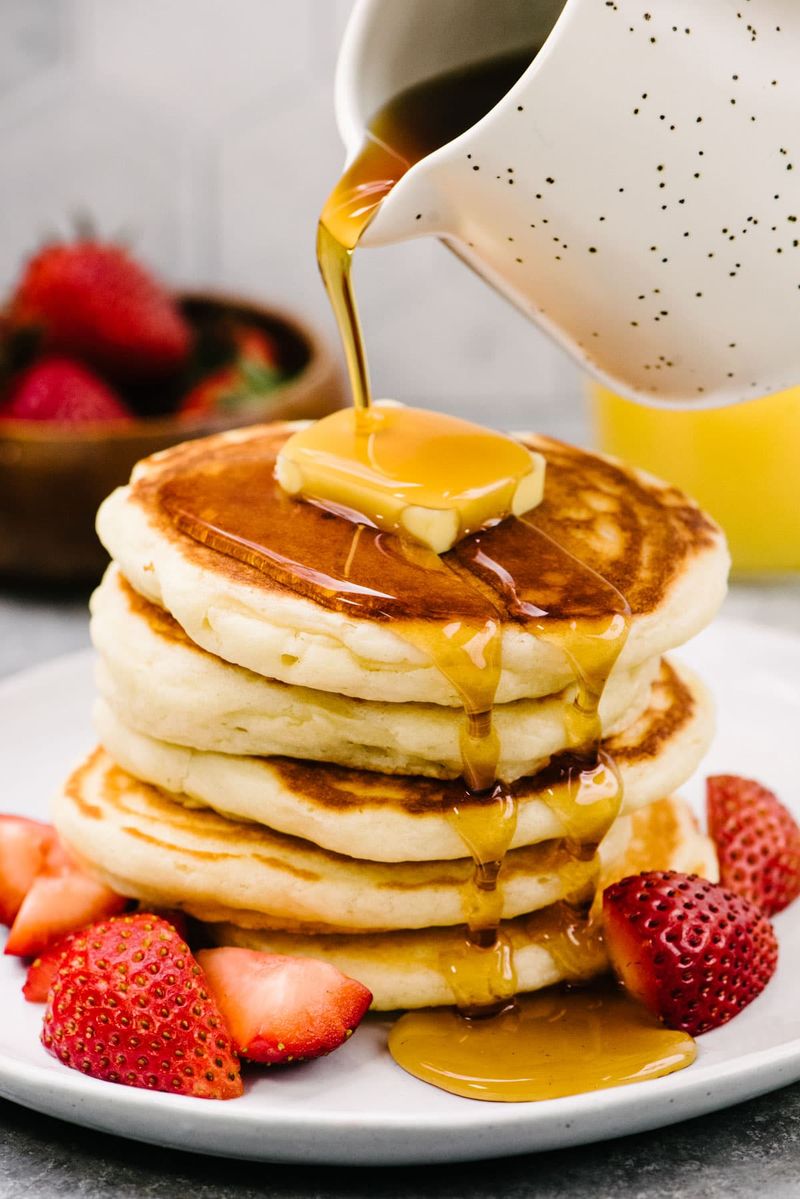
Uniform size is a quiet superpower. When every pancake has the same diameter and thickness, they cook at the same rate and flip with the same cues.
Restaurants use portion scoops or squeeze bottles to lock in repeatable volume every time.
At home, free-pouring creates chaos. Big cakes burn outside while staying gooey in the center.
Small ones dry out before they color. Choose a dedicated scoop, note how full it should be, and stick with it.
Consistent size also stacks neatly, trapping steam so the interior stays soft for longer at the table. You will taste more even salt, sweetness, and butter in each bite because no piece is overdone or underdone compared to its neighbors.
7. They Know When To Flip
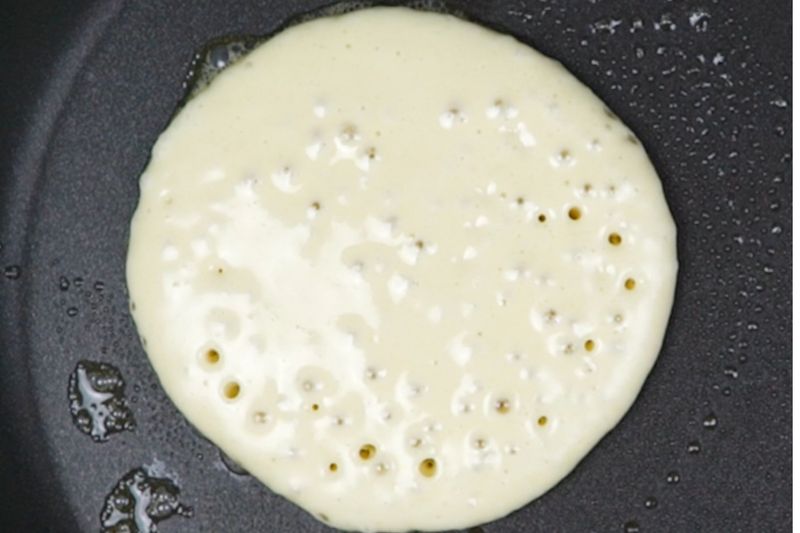
Perfect flipping is all timing and observation. Pros watch for bubbles that form and begin to hold around the edges, plus a slight matte finish creeping across the surface.
They lift a corner to confirm deep golden color before committing to the flip.
Flip too early and batter spills, creating uneven edges and raw centers. Flip too late and you get dry interiors and a bitter crust.
Make one decisive flip and leave it alone afterward. A gentle wrist, a wide spatula, and calm heat do more than frantic pokes.
You will get clean edges, soft middles, and a uniform top ready for butter to melt into delicious, shiny puddles.
8. The Batter May Be Richer
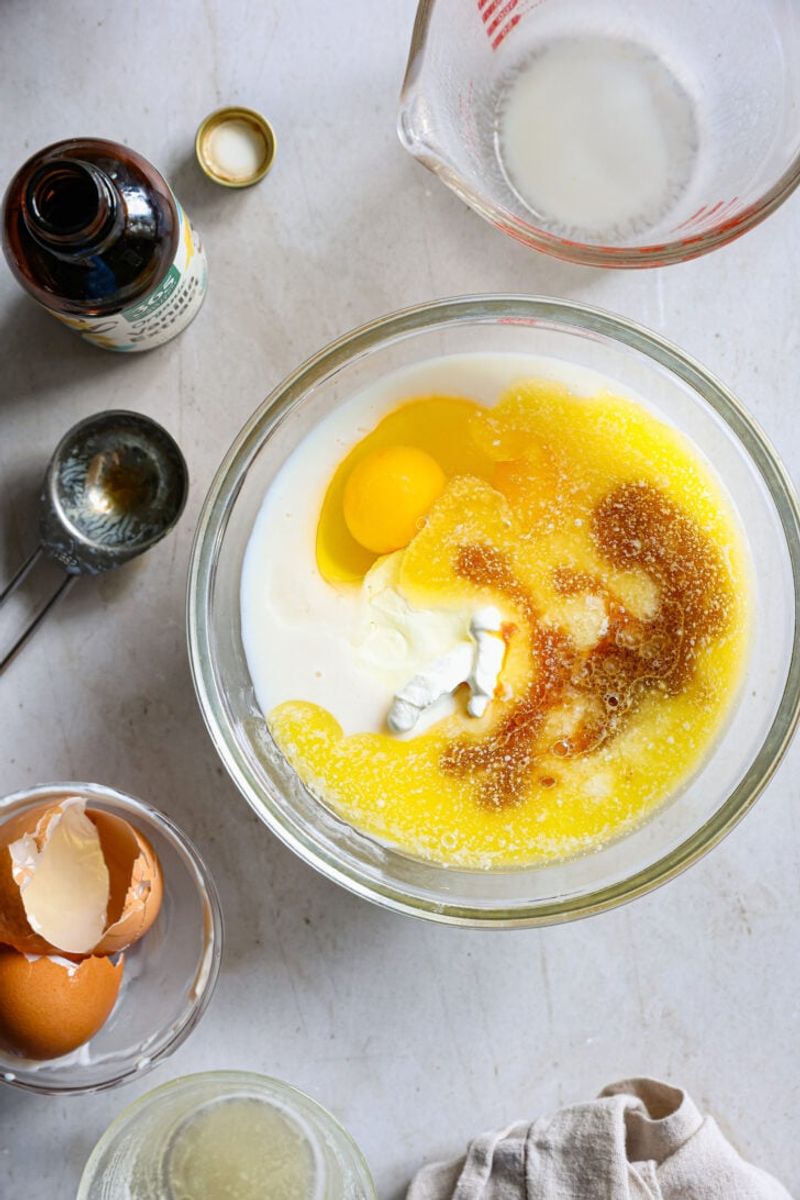
Restaurant recipes often lean slightly richer than home versions. Extra egg adds structure and custardy tenderness.
A bit more sugar encourages caramelization and a gentle crisp on the edges, while melted butter integrates richness evenly throughout the crumb.
Small tweaks change everything. A splash of vanilla rounds flavor, and a pinch more salt sharpens sweetness.
You may not notice single ingredients, but together they create fuller body and a lingering finish. Try upgrading your base recipe gradually so it stays balanced, not heavy.
Keep batter thick enough to hold shape, yet loose enough to spread confidently. The result is comfort in every forkful, without feeling leaden or cloying.
9. Buttermilk Makes A Big Difference
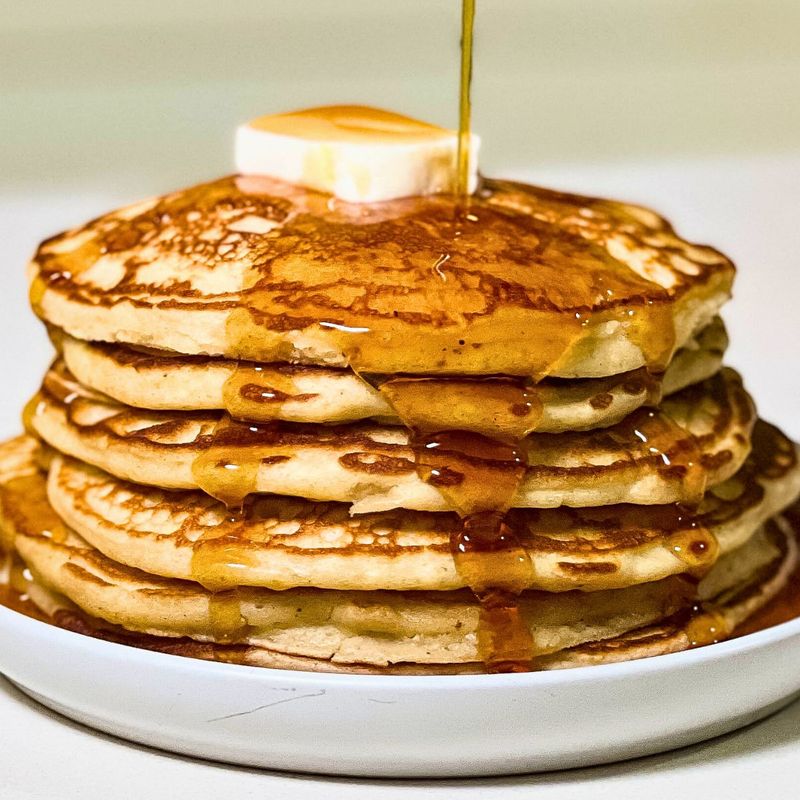
Buttermilk brings tang, tenderness, and lift. Its acidity reacts with baking soda to produce tiny bubbles that expand on the griddle, opening the crumb.
It also softens flour proteins, giving pancakes a plush bite without sacrificing structure.
Beyond chemistry, buttermilk adds flavor depth. That gentle dairy tang cuts sweetness and balances syrup and butter.
If you do not have buttermilk, sour milk with lemon juice or vinegar, or thin yogurt with milk for a similar effect. Keep batter thick and slightly lumpy, and do not overmix once the acid hits the leavening.
You will taste a rounder, more nuanced pancake that feels satisfying even before toppings join the party.
10. They Cook Pancakes All The Time
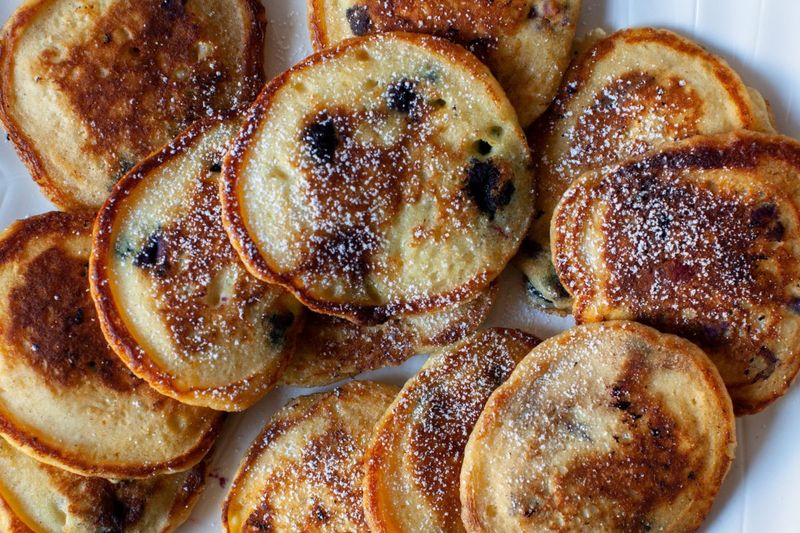
Repetition builds intuition. Line cooks make pancakes day after day, so they learn subtle cues that recipes do not teach.
They know how batter should fall from the scoop, how fast bubbles appear, and what golden actually looks like at service temperature.
That experience beats guesswork. At home, you might fiddle with knobs, but pros lock heat, trust the process, and move with calm efficiency.
Every flip refines the feel. Practice your routine, keep notes on heat and timing, and you will see steadier results.
Confidence translates to better pancakes because hesitation often leads to overcooking or messy flips. Familiarity turns a simple batter into a reliably great stack.
11. They Keep The Texture Light
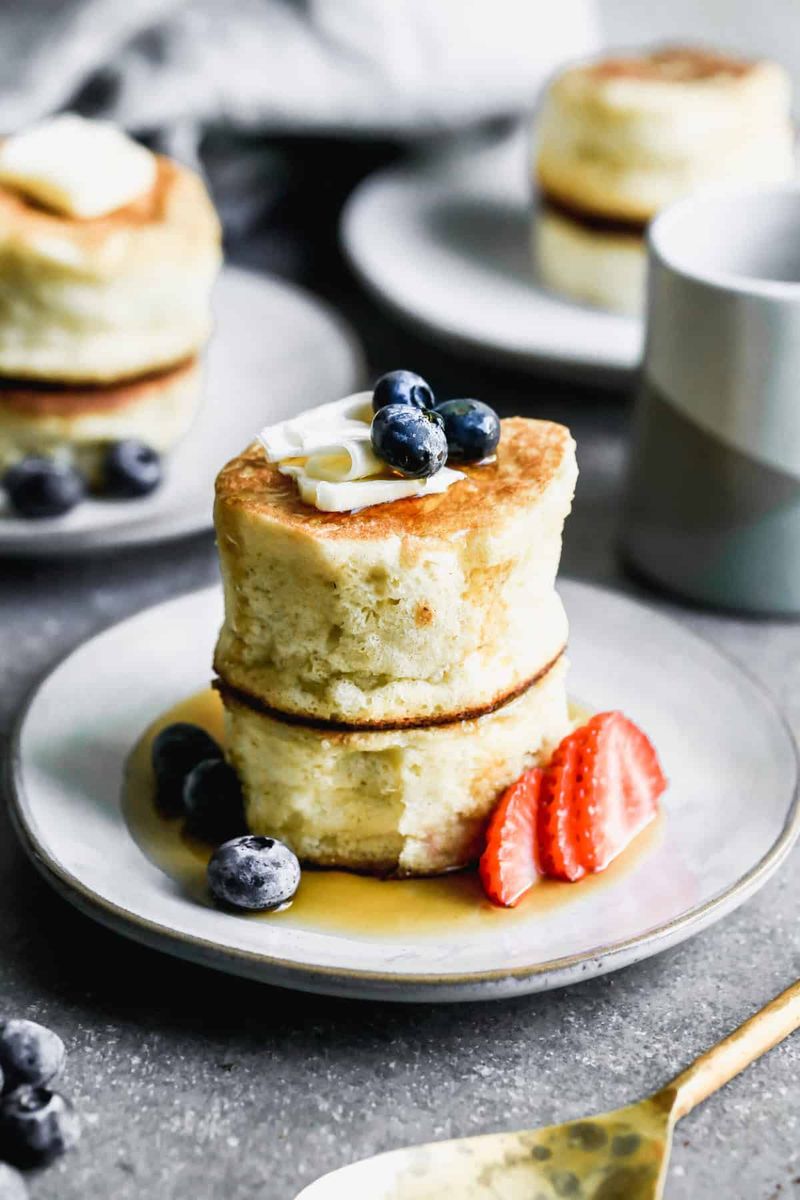
Light pancakes start with a light touch. Restaurants avoid heavy whisking after dry meets wet, and they fold add-ins instead of stirring aggressively.
Fewer strokes protect air bubbles, which translate to rise and tenderness on the griddle.
Temperature matters too. Cold eggs and milk can tighten batter, so many kitchens use room temperature liquids for smoother mixing.
If batter thickens while you cook, loosen with a little milk rather than beating. Treat the bowl like a souffle in training, not a dough demanding muscle.
You will taste the difference as each forkful compresses softly, then springs back gently, ready for butter and syrup.
12. The Syrup Is Usually Warm
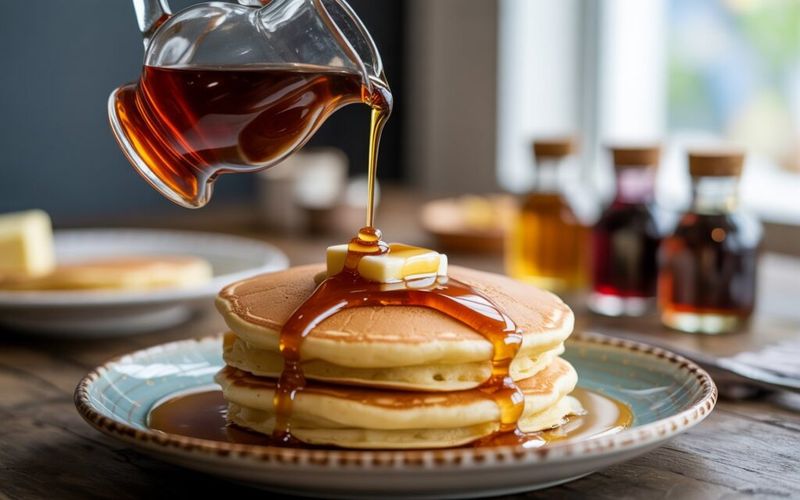
Warm syrup melts into pancakes instead of shocking them. Heat thins the syrup slightly, so it flows into the crumb and around the edges, carrying sweetness evenly.
Restaurants keep pitchers on a warmer or give a quick heat before serving.
Cold syrup can tighten butter and cool the stack too quickly. Warm syrup keeps everything luscious, helps toppings mingle, and boosts aroma.
At home, microwave the syrup in short bursts or warm it in a small pot while cakes cook. The difference feels small until you take that first bite and everything blends into a silky, mapley hug.
13. They Serve Them Immediately
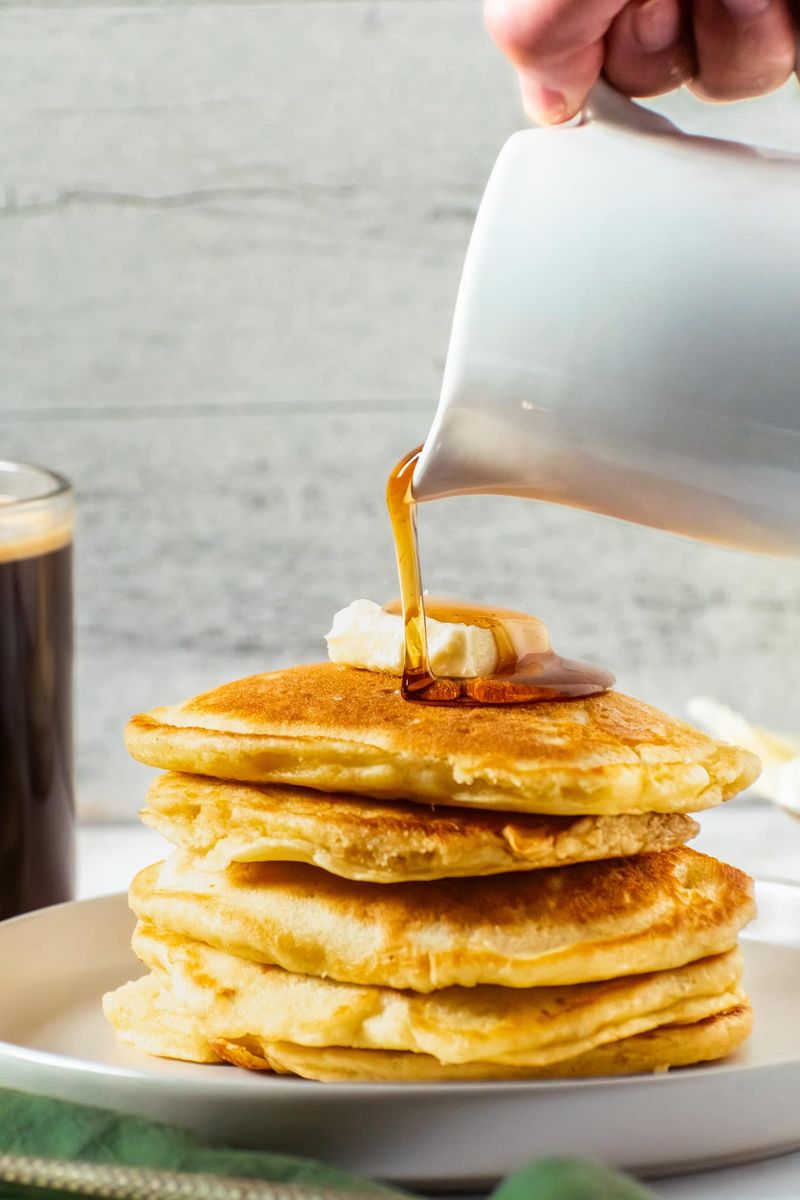
Timing is part of the recipe. Pancakes peak the minute they leave the griddle, when steam inside keeps the crumb supple and the exterior gently crisp.
Restaurants are designed to move plates fast, so stacks land in front of you still sighing with heat.
At home, early pancakes wait while later ones cook, losing moisture and puff. Keep a low oven only as a last resort, and avoid stacking too soon, which traps steam unevenly.
Better yet, use a bigger surface or cook with a partner. You will preserve that fresh-from-the-griddle softness that makes restaurant stacks so lovable.
14. The Toppings Are More Generous
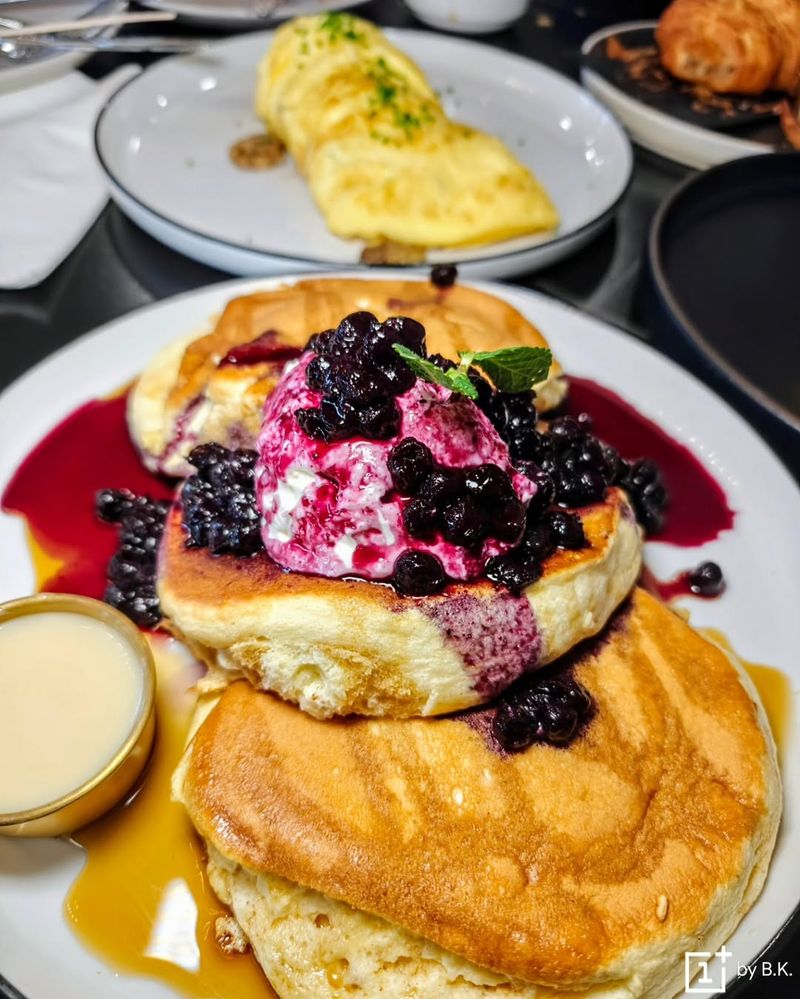
Restaurants build a whole experience on top of the stack. Whipped butter spreads easier, fruit compote adds brightness, and a confident syrup pour ties sweetness together.
Extras like chocolate chips, toasted nuts, or powdered sugar make every bite feel intentional and celebratory.
At home, toppings can be timid. Try doubling what you think is enough, then adjust.
Balance richness with acidity, like lemon zest in berries or a dollop of yogurt. Salt your butter and toast your nuts to wake up flavors.
Visual generosity matters, too. A pretty plate primes your palate before you taste, nudging your brain toward pleasure.
15. The Griddle Builds Flavor Over Time
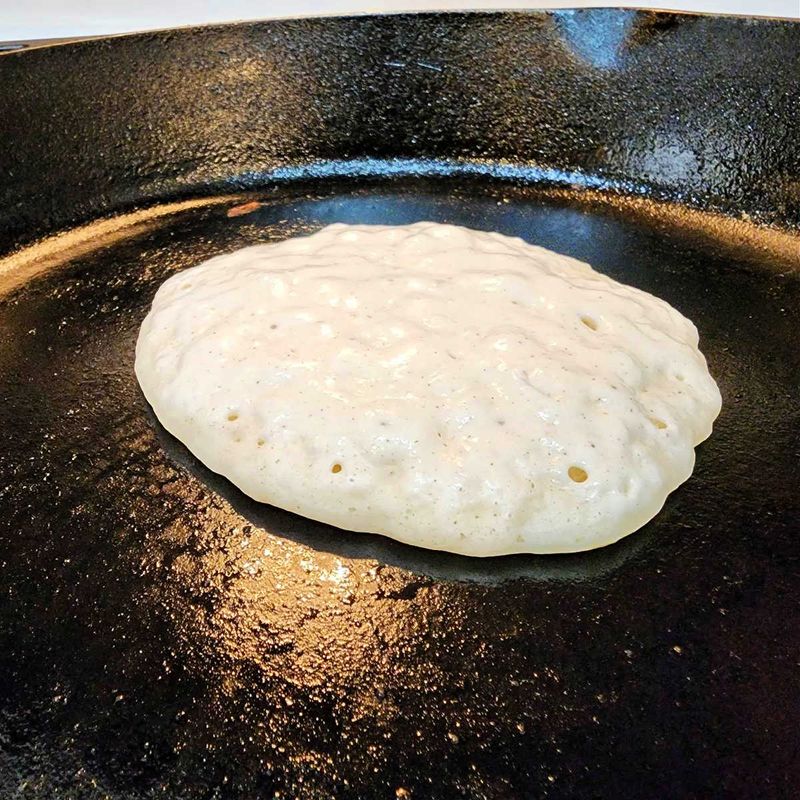
A seasoned flat-top behaves like a trusted pan with memory. Over time, microscopic layers of polymerized fat build a protective, flavorful surface.
That patina improves release, encourages even browning, and adds a subtle savory depth you cannot bottle.
New or scrubbed-bare cookware often sticks and browns unevenly. Restaurants maintain their griddles with gentle cleaning and consistent fat, protecting that hard-won surface.
At home, avoid harsh abrasives and give your pan a light oil film after use. The more you cook pancakes on the same surface, the better it performs.
You will notice easier flips, cleaner edges, and a rounder flavor that whispers diner comfort.
16. They Focus On Appearance Too
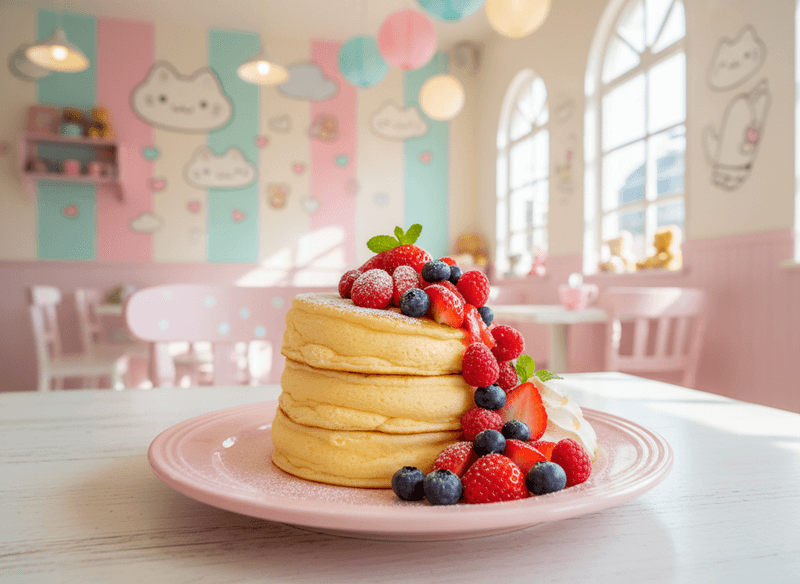
We eat with our eyes first, and restaurants treat pancakes like a little stage. Even browning, neat edges, and a tidy stack signal care before you taste a bite.
That visual promise primes your brain to notice sweetness, butter, and vanilla more clearly.
At home, a little attention goes far. Wipe the rim, align the stack, add a glossy butter crown, and pour syrup in a warm ribbon.
Dust lightly with sugar if you like contrast. The effect is not superficial.
Presentation cues your expectations and nudges your senses so the pancakes read richer and more special.
17. The Portions Feel More Indulgent
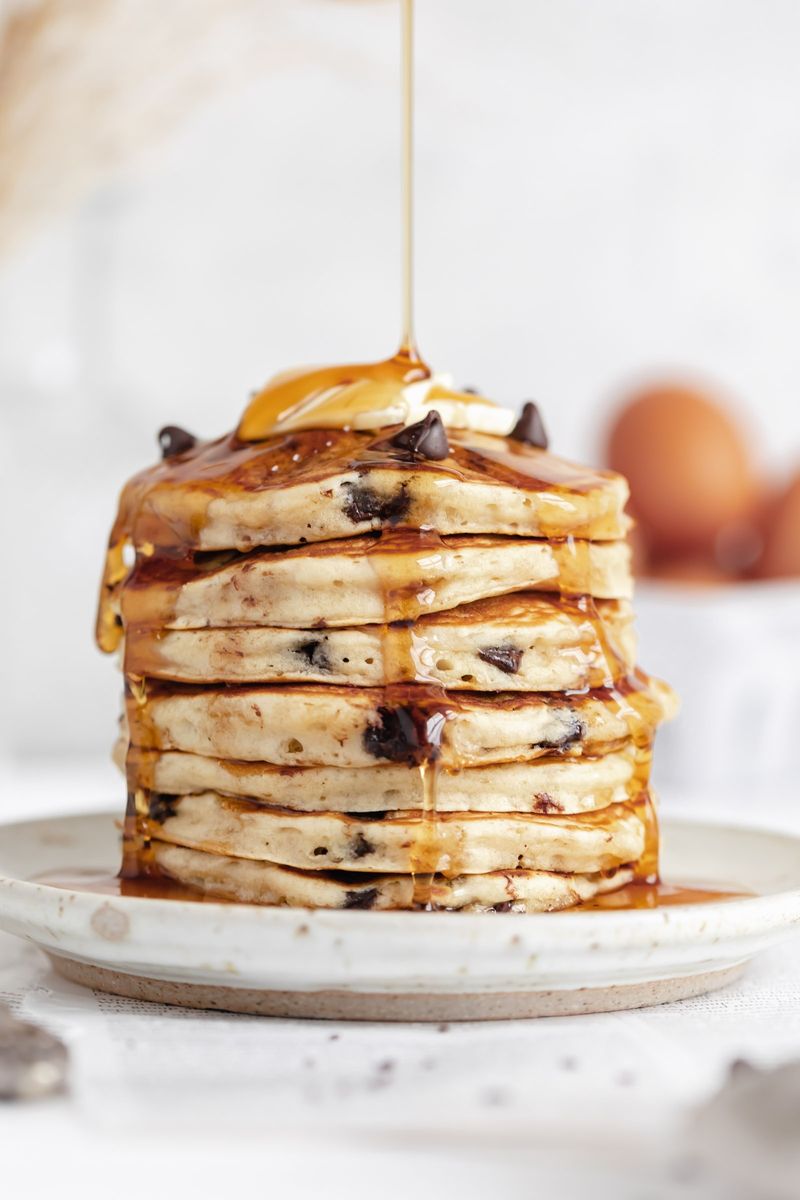
Size influences satisfaction. Big, thick pancakes or a taller stack feel like a celebration, and that indulgent framing changes how you perceive flavor.
Restaurants lean into portion drama because it makes breakfast feel like an event.
At home, modest cakes can seem humble even when they taste great. Try slightly thicker batter, a consistent scoop, and one extra pancake on the plate.
The taller presentation traps warmth and keeps butter pooling where you want it. You will notice each bite feels plusher, slower, and more comforting, which reads as tastier.
18. You Are Not The One Cooking Them
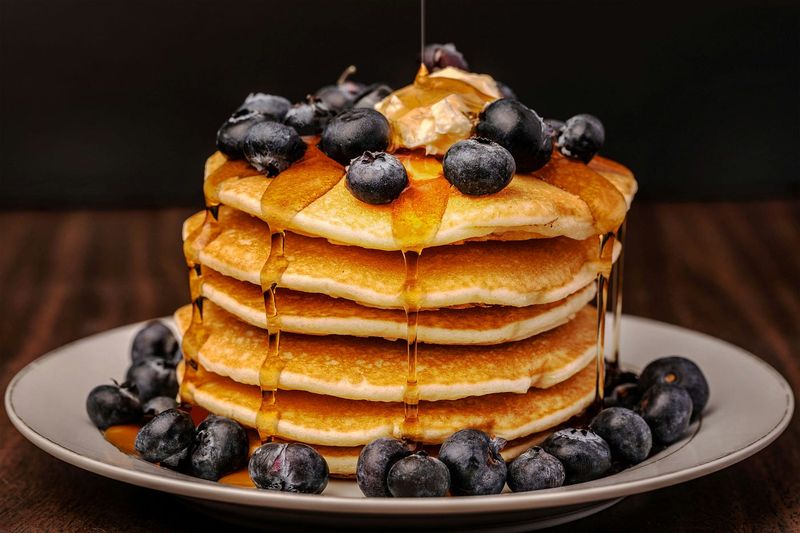
Food tastes better when you relax. Sitting while someone else cooks removes stress, so you notice aroma, warmth, and texture more vividly.
Restaurants shoulder the timing and cleanup, leaving you free to appreciate the stack in front of you.
At home, multitasking steals attention from flavor. If you want similar joy, batch-cook with help, or make-ahead batter so you can focus on eating.
Light a candle, warm the syrup, and plate like a diner. You will feel that same ease, and pancakes will seem more delicious because your brain is not juggling a dozen tiny tasks.
19. They Keep The Timing Tight
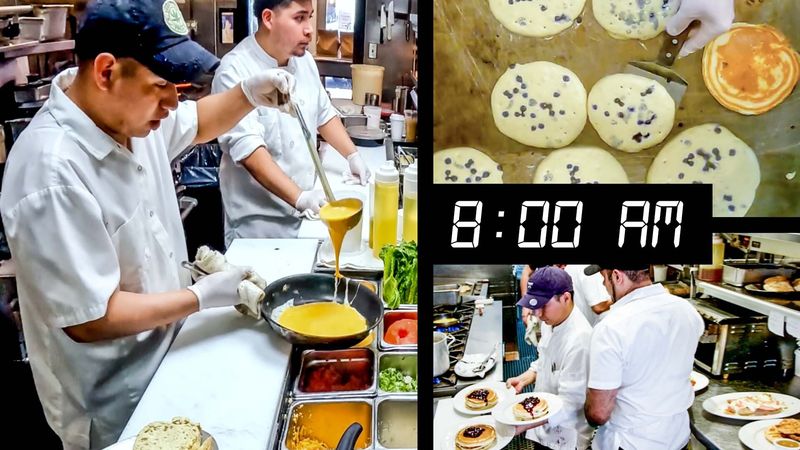
Restaurants crave rhythm. Orders fire in waves, and cooks time pours and flips so finishes happen together.
Tight timing means pancakes land hot, with sides and toppings ready, so nothing from the plate cools another component.
At home, lag kills texture. If butter sits too long, it melts away and vanishes.
If pancakes wait, steam escapes and edges toughen. Build a flow: preheat early, rest batter, heat syrup, set plates, then cook and serve immediately.
The smoother your sequence, the more each element supports the next. It is logistics, but it tastes like luxury.