20 Asian Sweets That Remain Hard To Spot In The U.S.
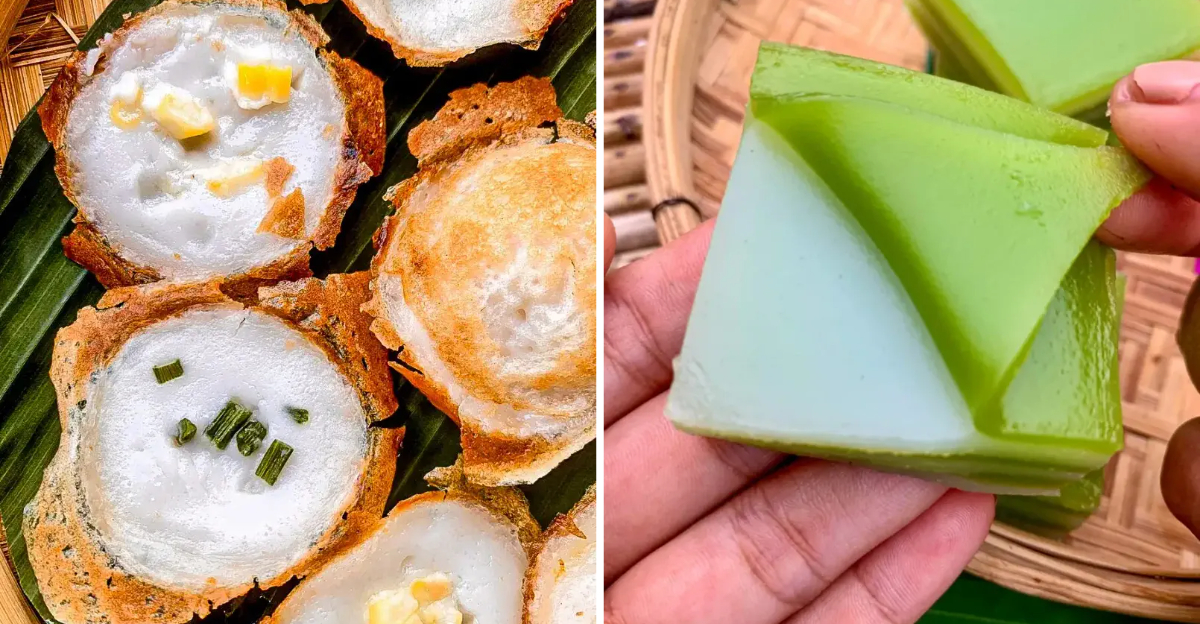
Beyond mochi and bubble tea, there is a vast universe of Asian desserts that rarely make it onto U.S. menus. From steamed rice cakes to layered jellies and festival-only treats, these sweets carry deep regional stories you can taste.
You will find textures that bounce, melt, and surprise, plus flavors that whisper instead of shout. If you have ever wondered what else is out there, this list is your passport.
1. Yatsuhashi
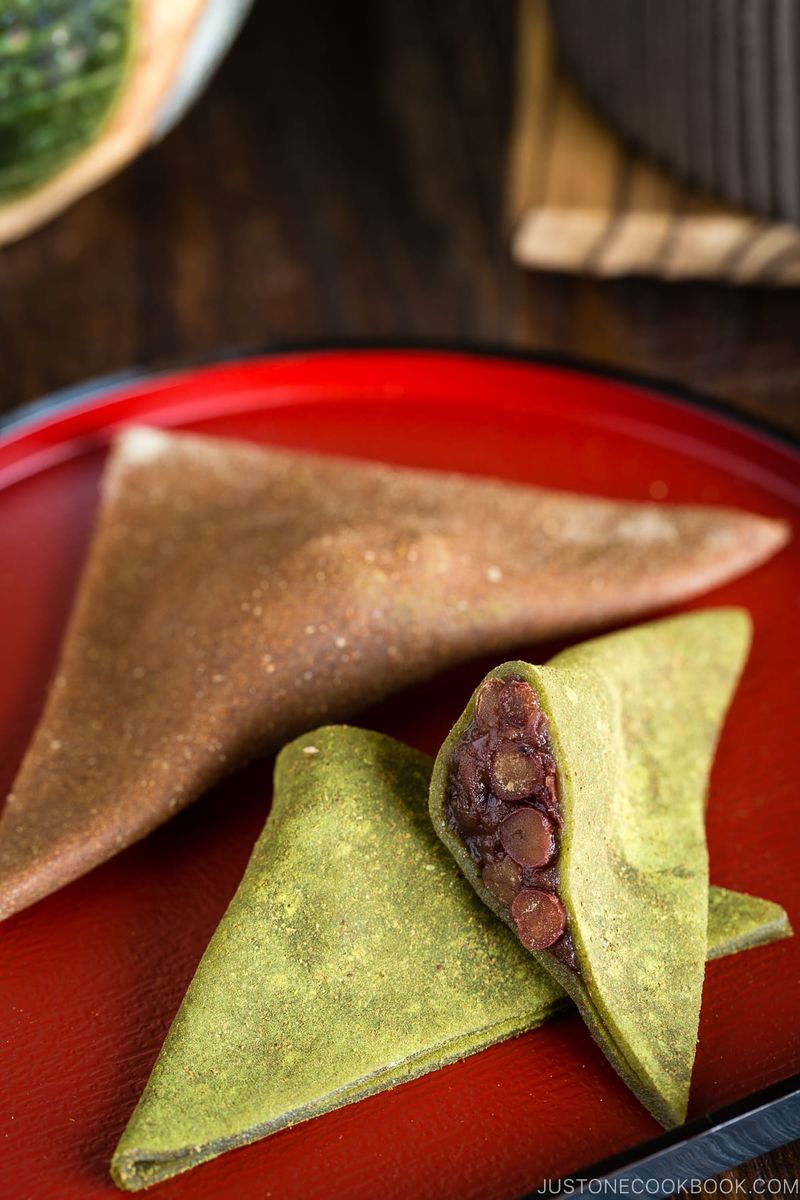
Yatsuhashi from Kyoto tastes gently spiced, with cinnamon and rice flour giving a soft chew. You usually meet it as thin baked sheets or tender steamed triangles dusted with kinako.
Either way, its quiet elegance sneaks up on you.
The flavor is mild, so tea becomes the perfect partner. In the U.S., you rarely see it beyond specialty shops, which is a shame.
Try it warm and notice how the spice blooms while the texture stays calm. If you love nuanced sweets, this is the kind you remember long after the last bite.
Seek it in Kyoto.
2. Nama Yatsuhashi
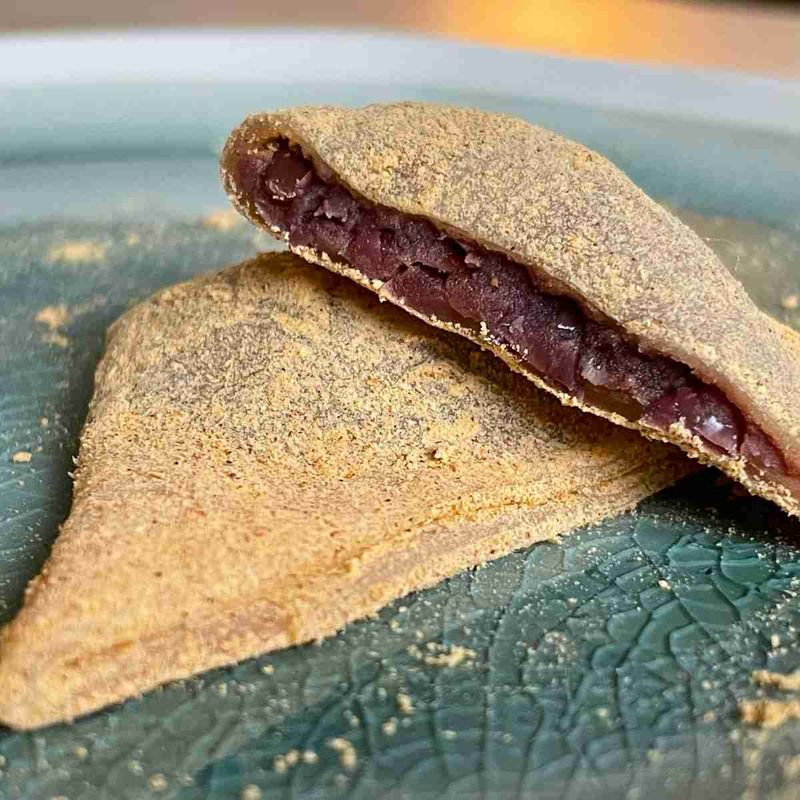
Nama yatsuhashi feels like a secret you want to share. The skins are supple and barely sweet, hugging red bean paste or seasonal fillings like matcha or black sesame.
Every bite feels plush, fragrant, and calm.
In the U.S., finding fresh versions is tough, and the packaged ones rarely capture the true tenderness. If you love mochi, this cousin offers a silkier, more perfumed ride.
You taste cinnamon, rice, and kinako whispering rather than shouting. Pick up a box in Kyoto, then try it again with hot tea.
You will wish it traveled better across oceans.
3. Kueh Tutu
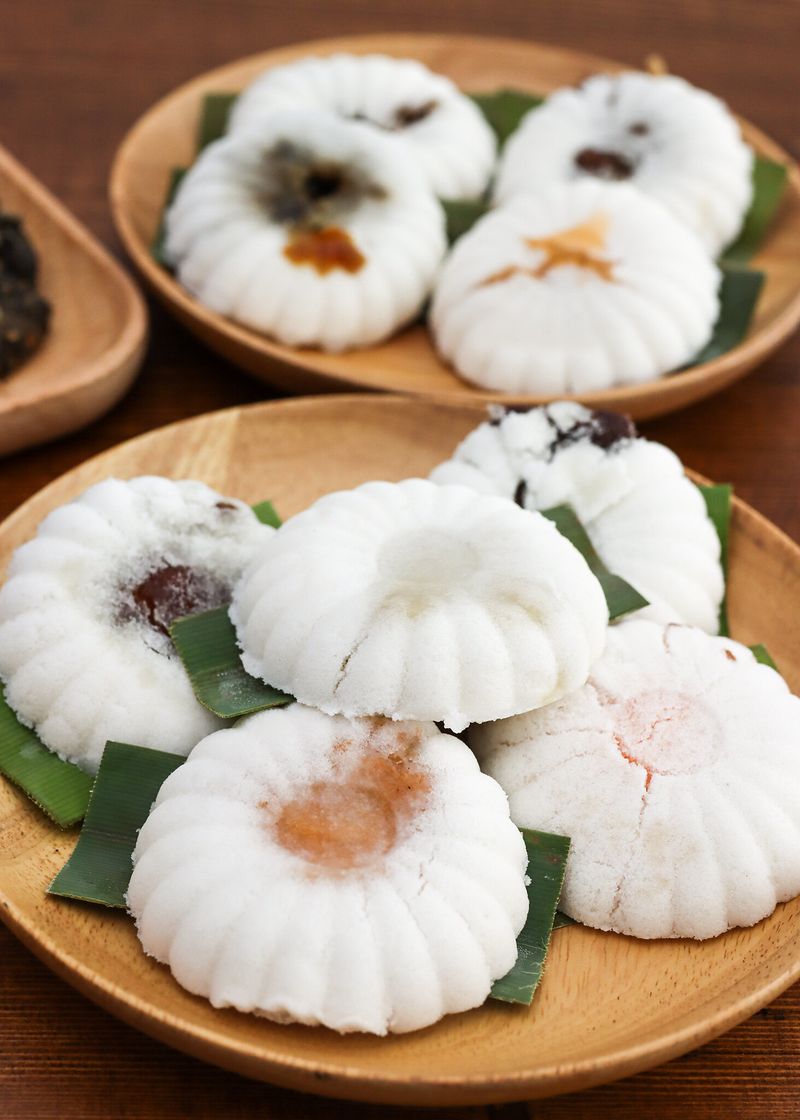
Kueh tutu looks like a tiny cloud pressed with floral patterns, then steamed until just set. Inside, grated coconut sweetened with palm sugar or crushed peanuts hides like treasure.
The bite is gentle, slightly sandy, then moist, disappearing quickly.
You watch it made to order at heritage stalls in Singapore, steam puffing into the air. That freshness is everything and hard to replicate at home.
In the U.S., it almost never appears, which makes each encounter feel special. If you love soft textures and restrained sweetness, this will charm you.
Eat it warm before its magic fades.
4. Kueh Lapis
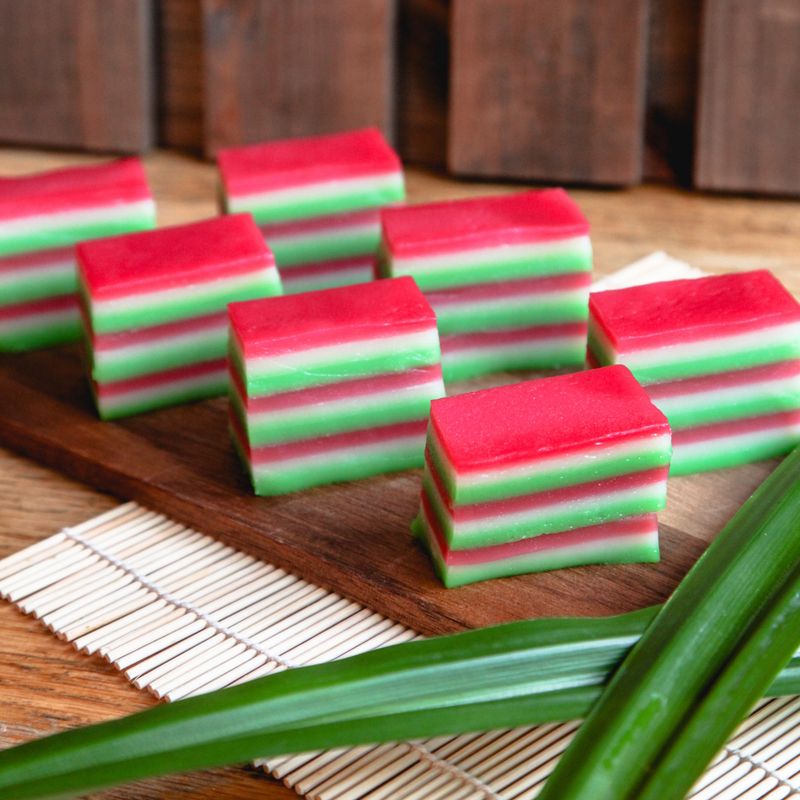
Kueh lapis is playful and precise, made of tapioca and rice flours layered into glossy stripes. You peel it layer by layer or bite straight through for a springy chew.
Each piece tastes lightly coconutty and sweet, never cloying.
In Singapore and Malaysia, it is a nostalgic snack at bakeries and markets. In the U.S., finding authentic texture can be tricky, with some versions turning rubbery.
Seek stalls that steam fresh trays and slice them neatly. The colors signal celebration, but the real joy is the bounce.
It is dessert you can literally pull apart for fun.
5. Ondeh-Ondeh
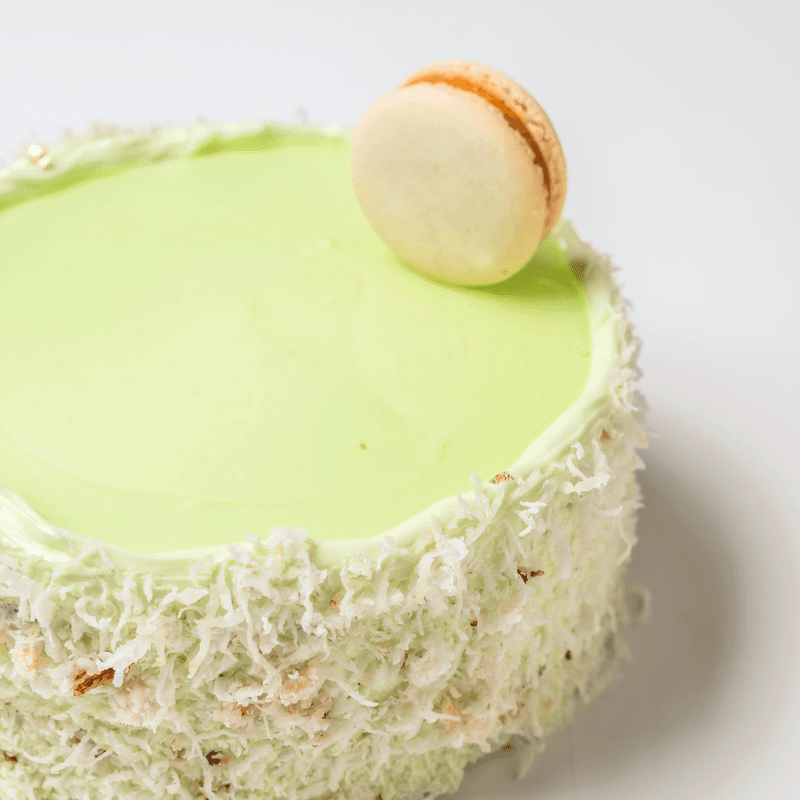
Ondeh-ondeh are tiny green pandan orbs hiding liquid palm sugar. Bite gently and the gula melaka bursts across your tongue like caramel perfume.
The outer mochi-like skin is chewy, and the fresh coconut coat keeps things lush.
They are unforgettable when freshly made, still warm, and dangerously soft. In the U.S., you mostly encounter them at specialty Southeast Asian bakeries, if at all.
The surprise center is the hook, but the fragrance seals the deal. Eat in one bite for the full spill.
You will chase that molten moment again and again.
6. Khanom Krok
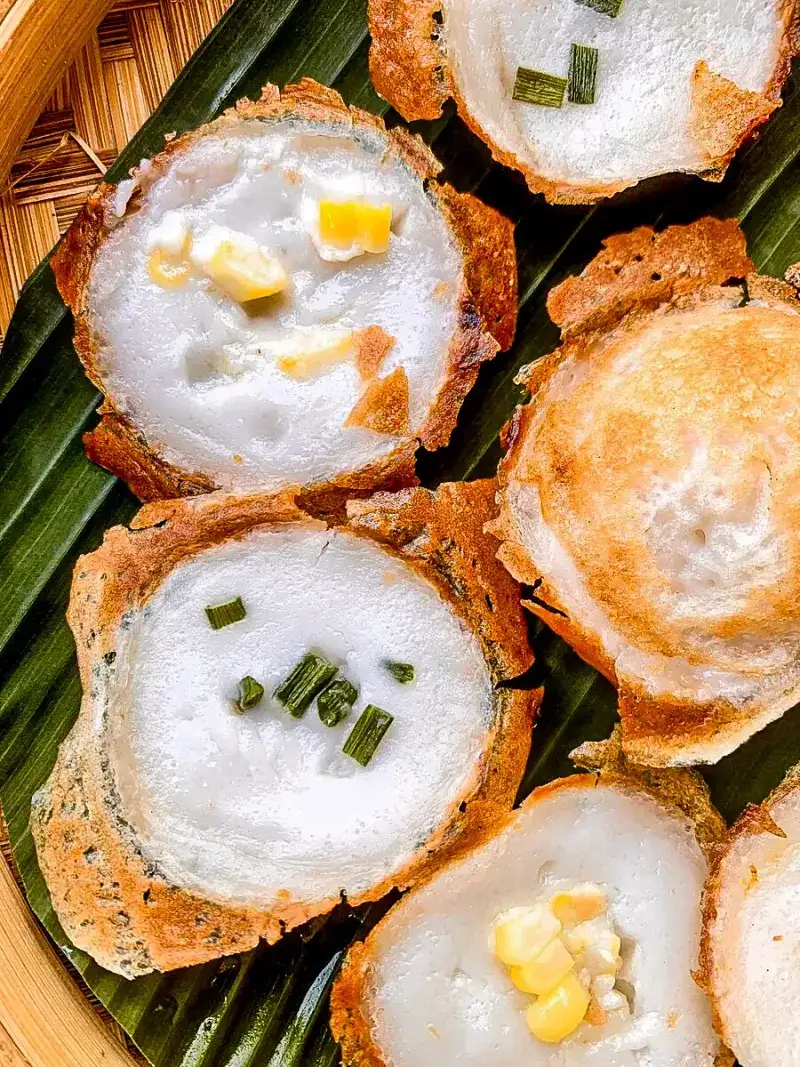
Khanom krok are tiny coconut rice pancakes cooked in dimpled pans until crisp at the edges and custardy inside. You get sweetness from coconut milk and a whisper of salt.
Sometimes you find corn or scallions for contrast.
They taste like breakfast and dessert at once, best eaten burning hot from the pan. In the U.S., they rarely appear outside Thai night markets or savvy food festivals.
If you crave textures that contrast, these deliver beautifully. Share a tray, but prepare to guard your favorites.
Their simplicity is exactly what makes them irresistible.
7. Khanom Chan
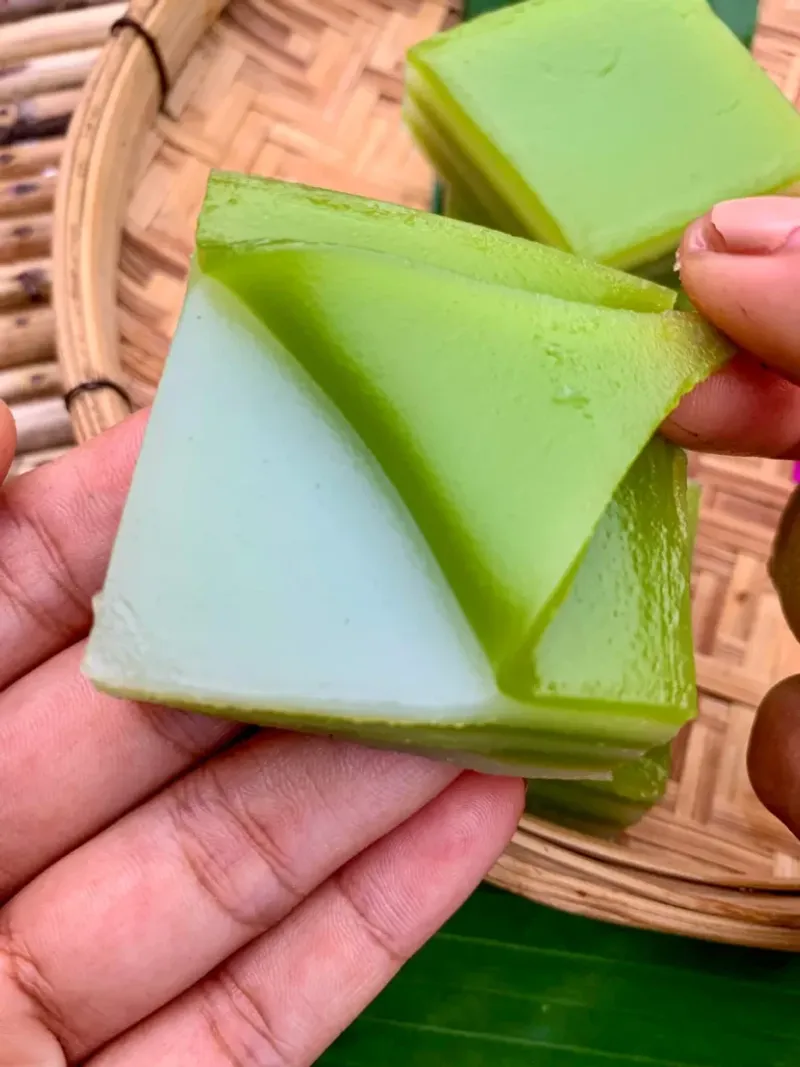
Khanom chan stacks delicate layers scented with pandan, rose, or jasmine, creating a jewel-like jelly. The texture lands between pudding and gummy, smooth yet resilient.
You can peel layers apart like petals, which is half the fun.
It is festive and photogenic, but the flavors stay gentle and floral. In the U.S., it hides in Thai bakeries and home kitchens more than public menus.
When chilled properly, it feels cooling and soothing. Pair with tea and slow down for a moment.
You will appreciate how each layer gives a slightly different, satisfying snap.
8. Puto Bumbong
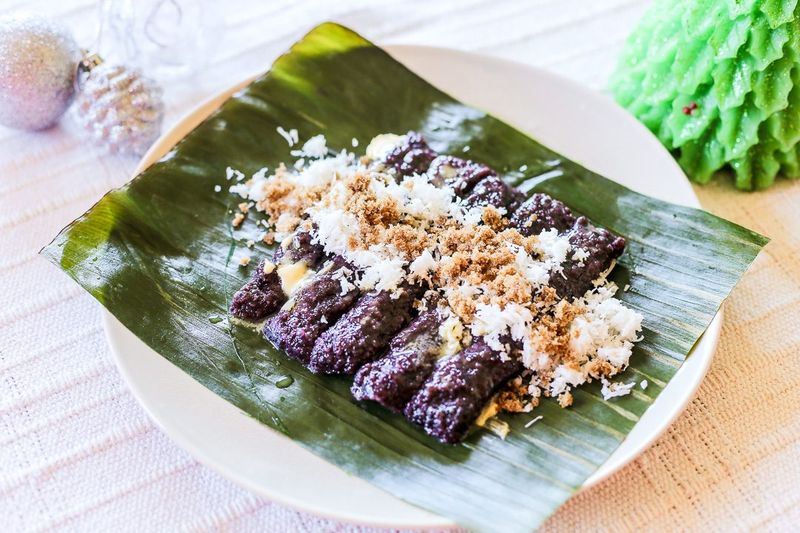
Puto bumbong arrives purple and steamy from bamboo tubes, perfumed with banana leaf. You slather butter, sprinkle coconut, and finish with muscovado for toasty sweetness.
The chew is hearty, festive, and comforting.
In the Philippines it sings during Simbang Gabi, a holiday ritual that makes each bite feel ceremonial. In the U.S., it is a rare pop-up find, often around community celebrations.
If you are lucky, eat it right away so the butter sinks in. The color delights, but the aroma does the real pulling.
It tastes like warmth you can hold.
9. Sapin-Sapin
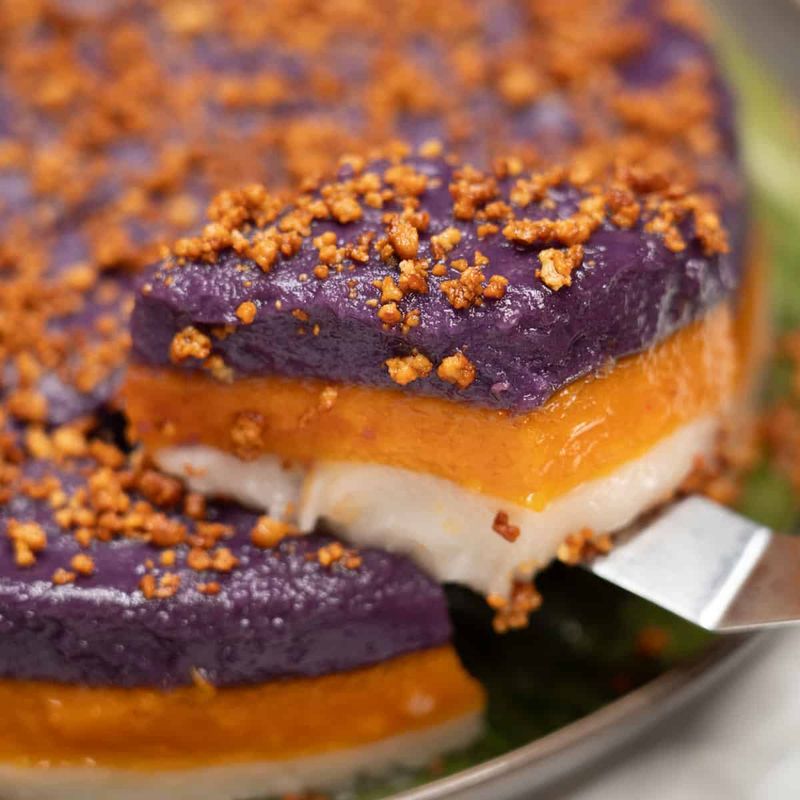
Sapin-sapin layers sticky rice batter in playful colors, often ube, jackfruit, and coconut. The chew is dense yet tender, and a drizzle of coconut oil or latik brings toasty depth.
Each slice tastes like three desserts in one.
It looks party-ready, but the flavors are surprisingly balanced. In the U.S., good versions hide in Filipino bakeries and family gatherings.
If you like texture-forward sweets, you will love slicing clean rectangles and feeling that knife resistance. Chill it slightly for neater cuts.
Then let it warm on your tongue until the coconut perfume blooms.
10. Bibingka Galapong
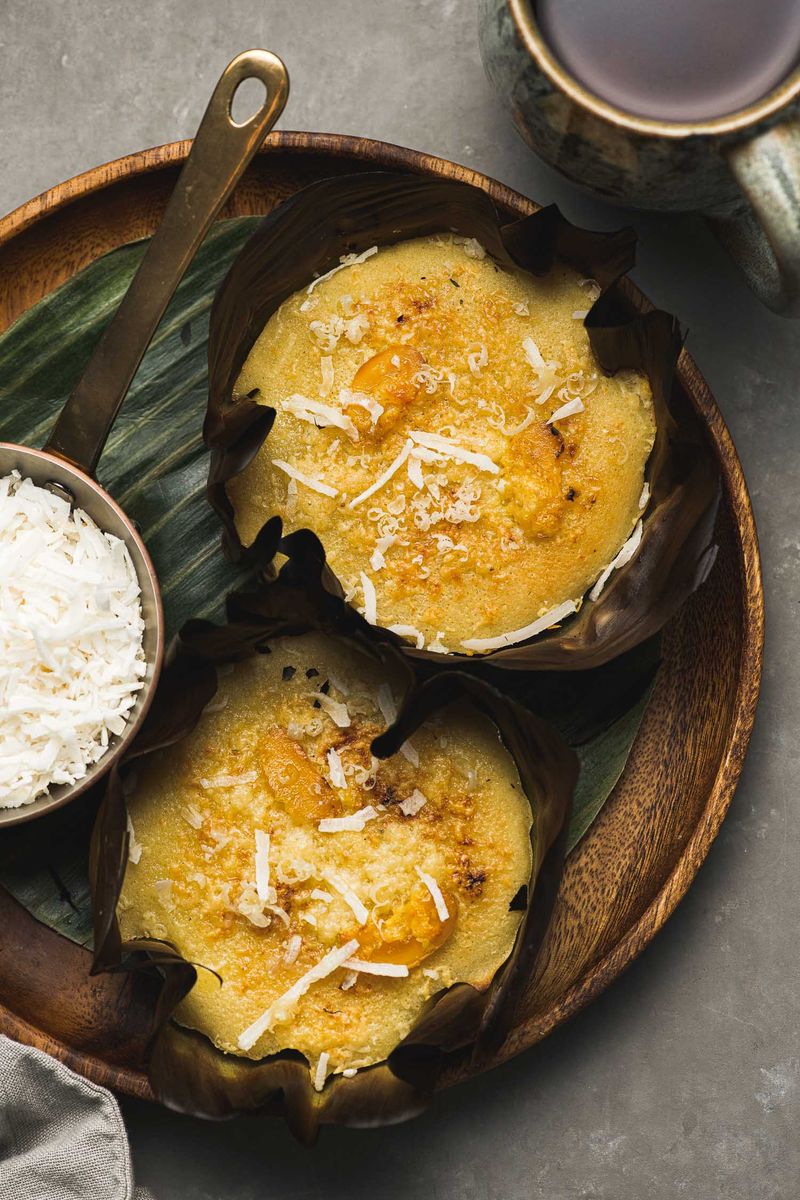
Bibingka galapong bakes rice batter in banana leaf, perfuming the cake with leafy smoke. The crumb is tender and steamy, often topped with butter, cheese, or salted egg.
That sweet-salty interplay feels like breakfast turned dessert.
Fresh off the coals is the dream, which is tough to find stateside. Still, a warm slice with coffee can teleport you.
If you spot it at a Filipino bakery, grab it quickly because it sells out. The leaf edge gets caramelized and irresistible.
You get homey comfort in every bite without being overly sweet.
11. Mung Bean Cake
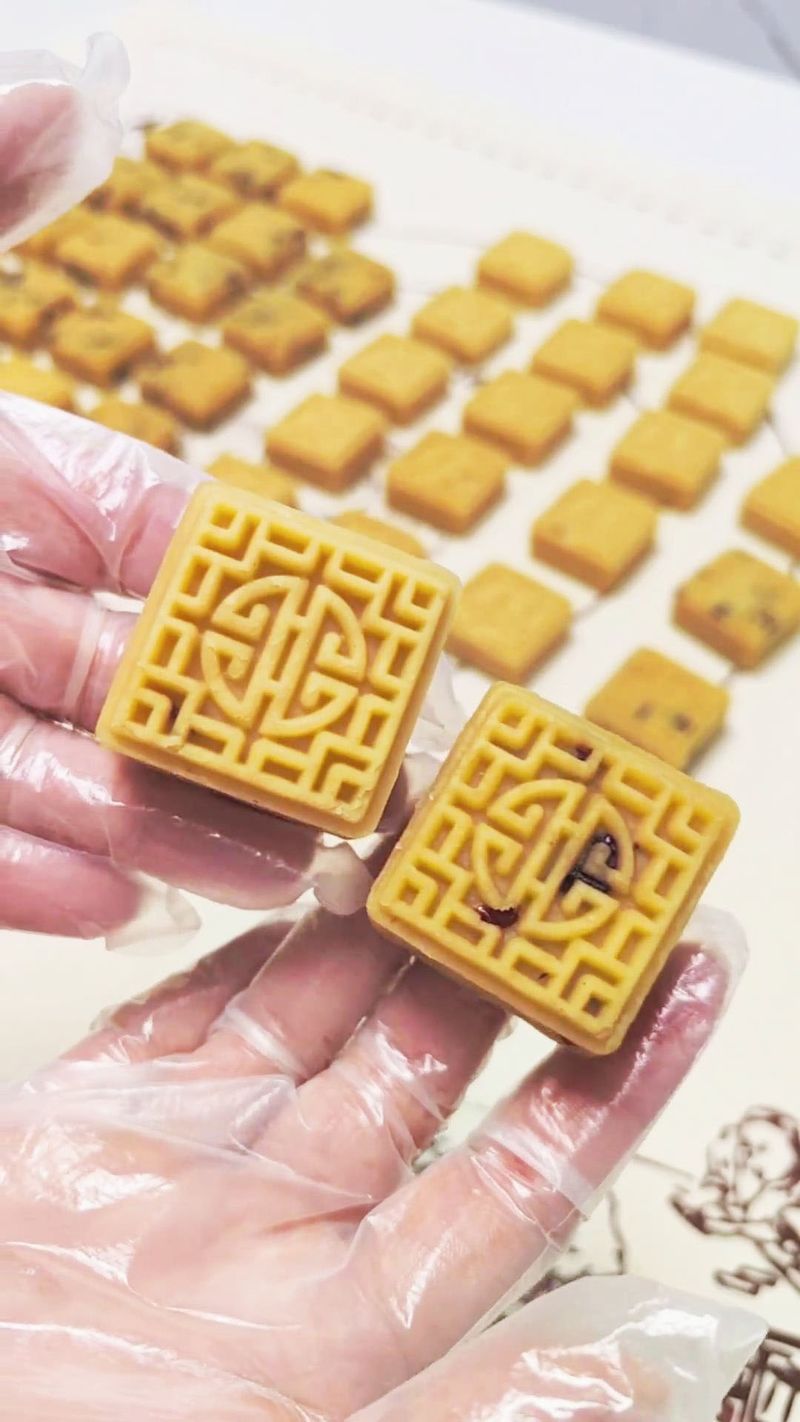
Mung bean cakes feel delicate, crumbly, and quietly fragrant, pressed into molds with auspicious designs. They taste subtly sweet, sometimes perfumed with osmanthus or sesame.
A sip of tea brings out their gentle richness.
They are old-school in the best way, a counterpoint to icing-heavy Western desserts. In the U.S., you will hunt through festivals or specialty bakeries to find them.
If you enjoy sandy, melt-in-the-mouth textures, these deliver. Let them warm slightly to release aroma, and nibble slowly.
The beauty sits in restraint, not fireworks.
12. Dragon’s Beard Candy
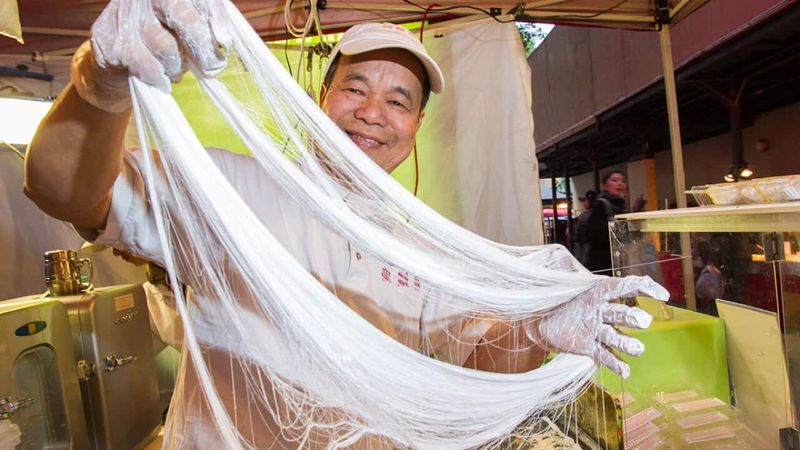
Dragon’s beard candy looks like spun silk pulled from a magician’s sleeve. A vendor stretches sugar into thousands of threads, then wraps them around nuts and sesame.
The texture crackles, then dissolves like snow.
You watch it made live, which is half the experience. In the U.S., humidity, skill, and fragility keep it rare.
If you see a cart, stop and savor the show. Eat it immediately before the strands wilt.
It is fragile wonder in edible form, a performance you can taste.
13. Douhua With Sweet Toppings
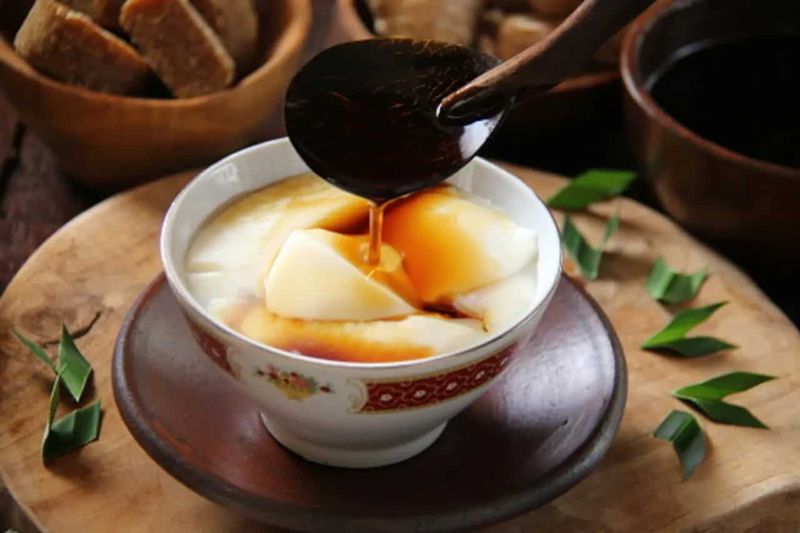
Douhua is silken tofu turned dessert, quivering in a shallow bowl with ginger syrup or brown sugar. You can add boba, peanuts, or grass jelly for texture.
The flavor is soothing and light, more about warmth and comfort.
In the U.S., tofu desserts still fight outdated assumptions. Try a spoonful and you will get it instantly.
The custard-like softness and gingery heat feel like a hug. Seek it at Taiwanese dessert shops, especially on chilly nights.
You might convert a skeptic with one warm bowl.
14. Bánh Da Lợn
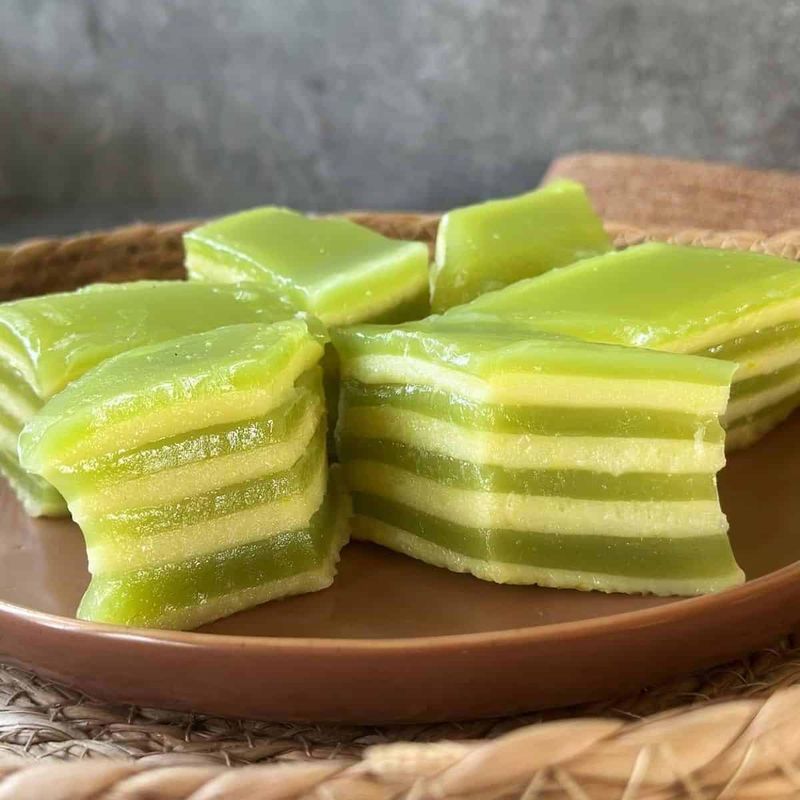
Bánh da lợn stacks pandan and mung bean layers into a glossy, springy cake. Each bite is bouncy yet tender, scented with coconut and pandan.
Cut a wedge and admire those even bands.
It is nostalgic street fare in Vietnam but rarely mainstream in the U.S. The name sounds rustic, yet the texture is elegant.
Chill for a cleaner slice, then let it warm slightly on the plate. The flavors open gently, never too sweet.
It is perfect with tea and quiet company.
15. Bánh Bò
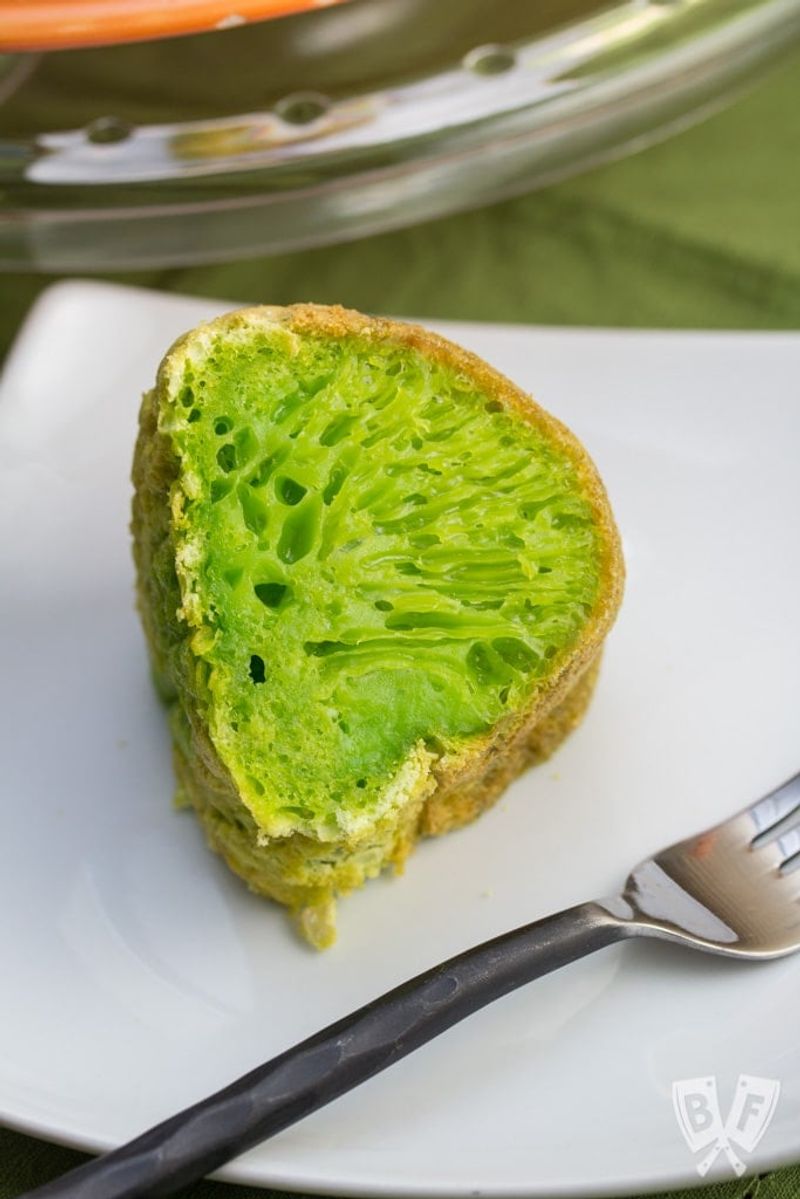
Bánh bò is airy and bouncy, with a honeycomb interior formed by fermentation. The chew gently resists, then springs back.
Coconut milk brings soft sweetness without heaviness.
Fresh-steamed versions feel alive on the tongue, which is why timing matters. In the U.S., you will find it occasionally at Vietnamese bakeries, but it disappears fast.
If you love texture, this one is a playground. Tear it open and admire the tunnels glistening inside.
Dip in coconut sauce if you are lucky.
16. Kuih Seri Muka
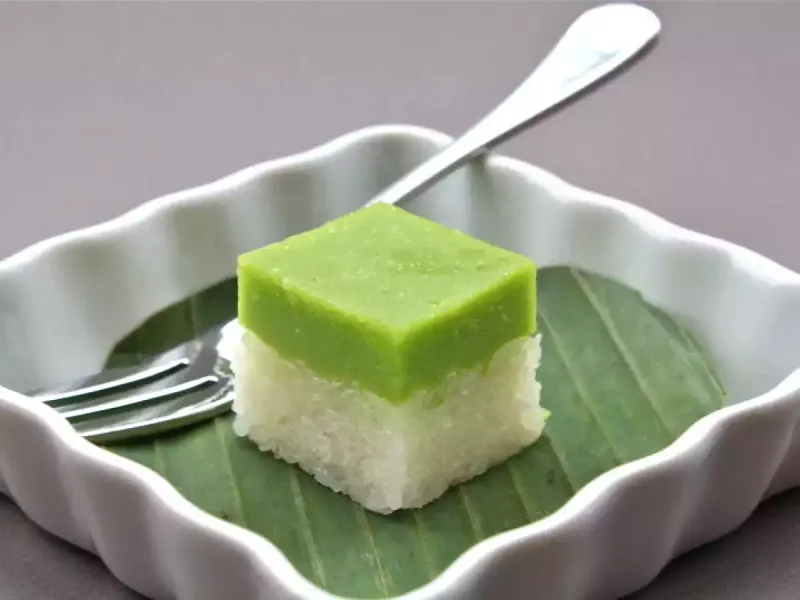
Kuih seri muka delivers contrast: sticky rice below, silky pandan custard above. The rice offers satisfying chew while the custard melts slowly.
Fragrance carries the experience, with pandan and coconut intertwining.
Good versions balance salt in the rice and sweetness in the custard. In the U.S., it is a rare bakery sight, so grab it when you can.
Chill gives cleaner edges, but room temperature unlocks aroma. One square feels luxurious, two feel like a ceremony.
It is minimalist yet indulgent, a perfect afternoon bite.
17. Warabi Mochi
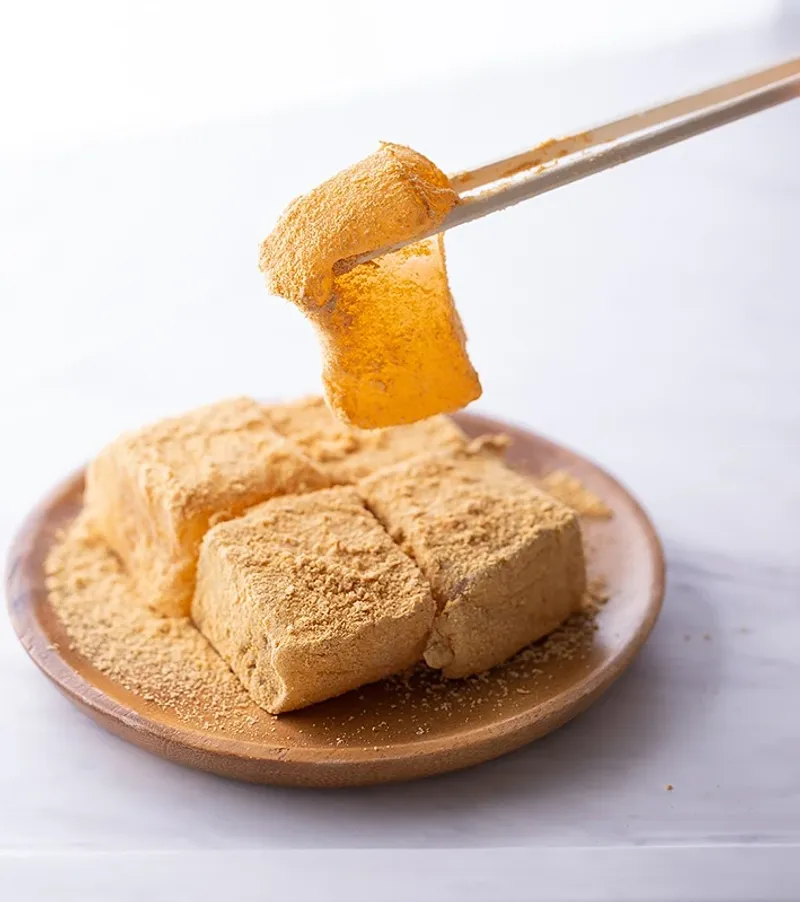
Warabi mochi is tender and slippery, made from bracken starch rather than glutinous rice. It shimmers like chilled jelly, then melts into roasted soybean nuttiness from kinako.
A drizzle of kuromitsu adds deep molasses notes.
In Japan it is a summer relief, cooling and barely sweet. In the U.S., it hides behind more famous mochi.
If textures fascinate you, this dessert feels like edible silk. Eat it quickly before the chill fades, and keep the kinako generous.
It is refreshment you can chew.
18. Kuzumochi
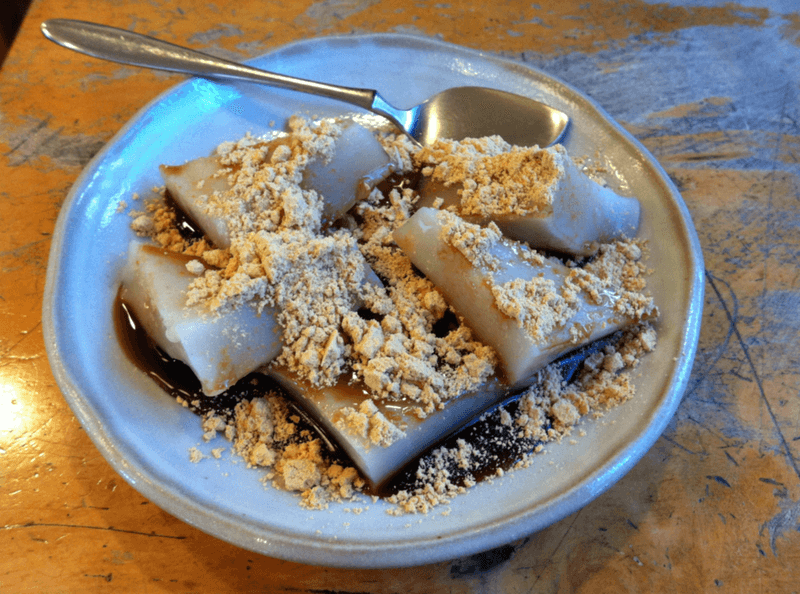
Kuzumochi glides across the tongue with a cool, glassy softness. Made with arrowroot starch, it feels lighter and more slippery than standard mochi.
Kinako and kuromitsu bring roasty and caramel tones to anchor the delicacy.
It is a texture-first dessert, best when freshly chilled. In the U.S., finding real kuzumochi is uncommon, so savor it if you spot it.
If you enjoy understated sweets, this will speak to you quietly. Pair it with roasted tea and slow bites.
The pleasure is in the glide.
19. Tang Yuan In Sweet Soup
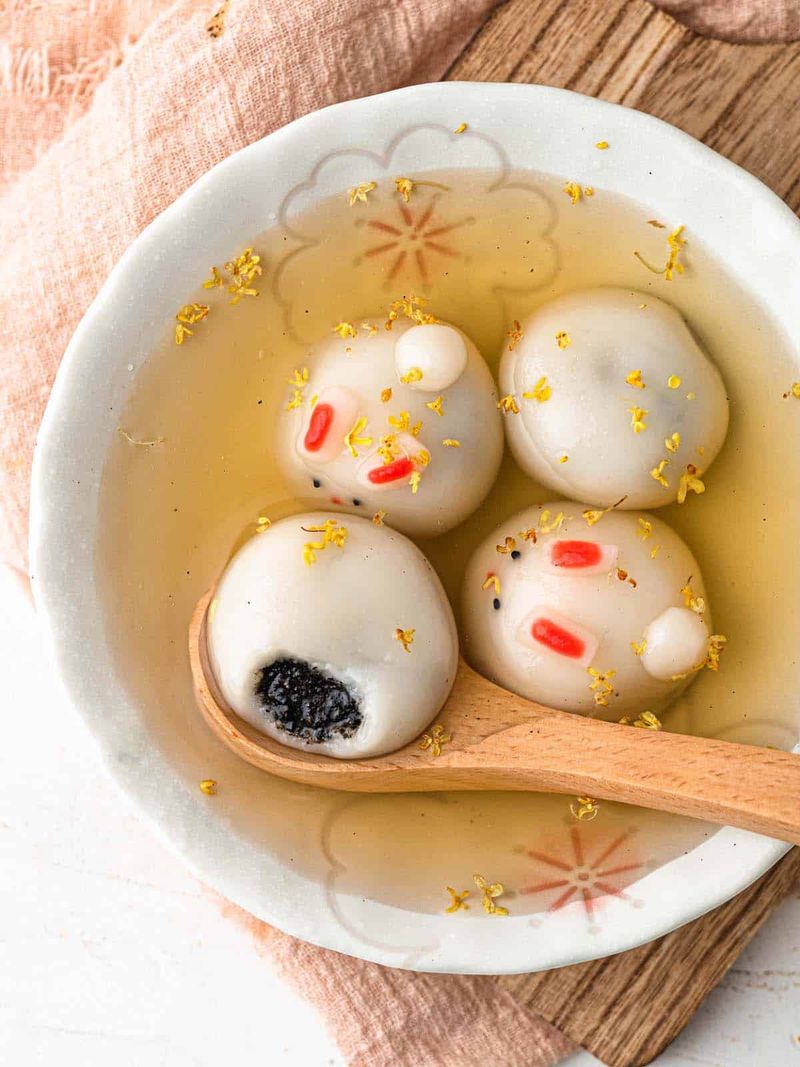
Tang yuan float in warm ginger syrup, round and smooth like tiny moons. Some hide black sesame or peanut paste that oozes when you bite.
The soup is gently spicy-sweet, comforting and familiar.
They mark reunion festivals, so eating them feels like a hug from tradition. In the U.S., you will find them around Lunar New Year or at Taiwanese dessert shops.
If you love chewy textures, this is your bowl. Sip the broth between bites and breathe in the steam.
It soothes from the inside out.
20. Sago Gula Melaka
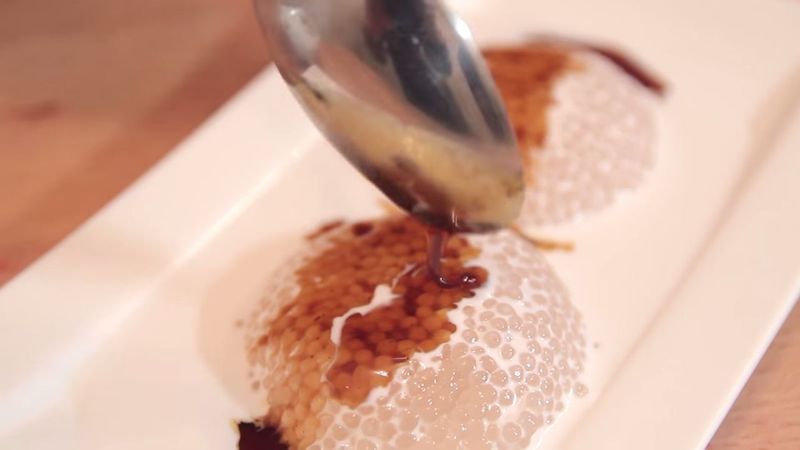
Sago gula melaka layers cool sago pearls with rich palm sugar syrup and coconut milk. The pearls slip and bounce, while the syrup brings smoky caramel notes.
A little ice turns it into tropical relief.
It is simple yet deeply satisfying, perfect after spicy food. In the U.S., it rarely shows up beyond Malaysian restaurants.
If you want spoonable comfort that is not heavy, this dessert nails it. Stir to marble the coconut and syrup, then chase each glossy pearl.
You will wonder why it is not everywhere.