20 Beloved Grocery Stores That Are No Longer Around
Some grocery stores felt like community living rooms, where a familiar cashier knew your favorite cereal and the bakery smelled like Saturday morning. Losing them was more than a closed sign on a door. It meant losing rituals, nicknames for aisles, and the brands that felt like home. Ready to revisit the places you still catch yourself searching for on autopilot?
1. A&P (The Great Atlantic & Pacific Tea Company)
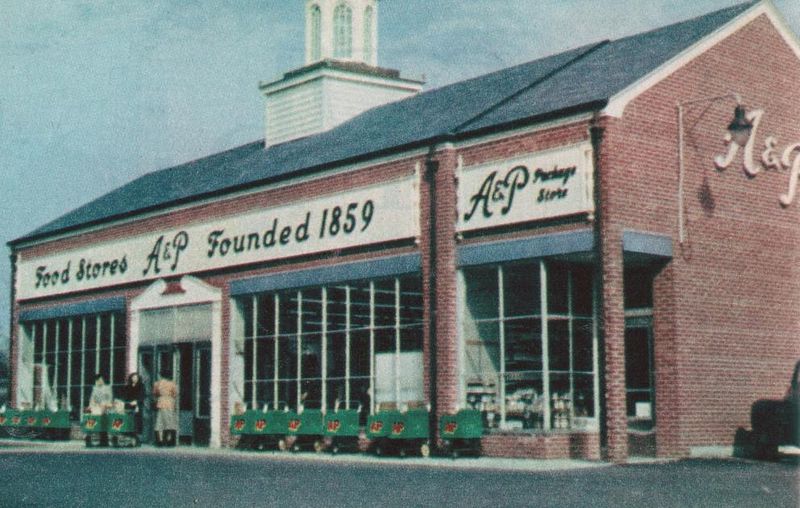
You could spot an A&P from down the block, the red letters shining like a promise of coffee and coupons. The aisles felt narrow yet comforting, lined with house brands that felt like reliable neighbors. You might still remember the Eight O’Clock Coffee aroma drifting from the grinder.
Prices got tougher, competition grew sharper, and the chain struggled to pivot. Mergers and rebrands could not recapture that everyday magic. When the final stores closed, it felt like a curtain dropping on a century of ordinary miracles.
2. Safeway Dominick’s
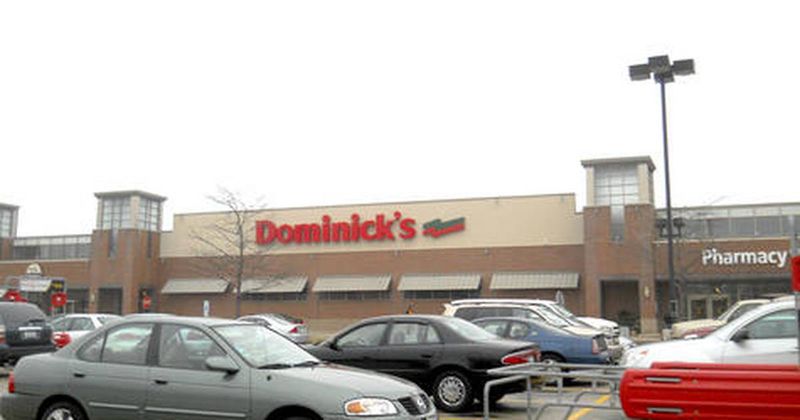
Dominick’s made grocery shopping feel local even inside a big chain. You would grab fresh Italian sausage, then chat with a clerk who remembered your last recipe. It carried that Chicago spirit, a mix of hard work and warm smiles.
After Safeway bought the banner, the culture shifted and loyal shoppers noticed. Competitors undercut prices, and the stores looked tired despite upgrades. When the final lights dimmed, neighborhoods lost a familiar anchor and a small piece of their weekly rhythm.
3. Fresh & Easy Neighborhood Market
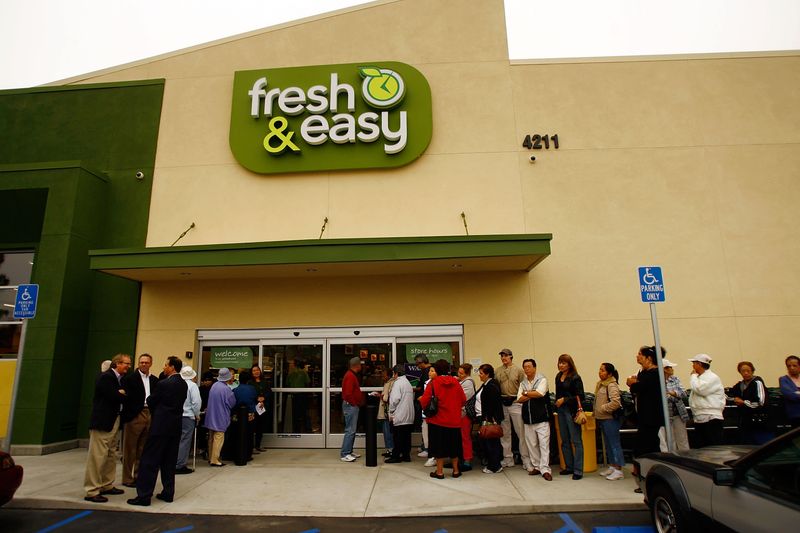
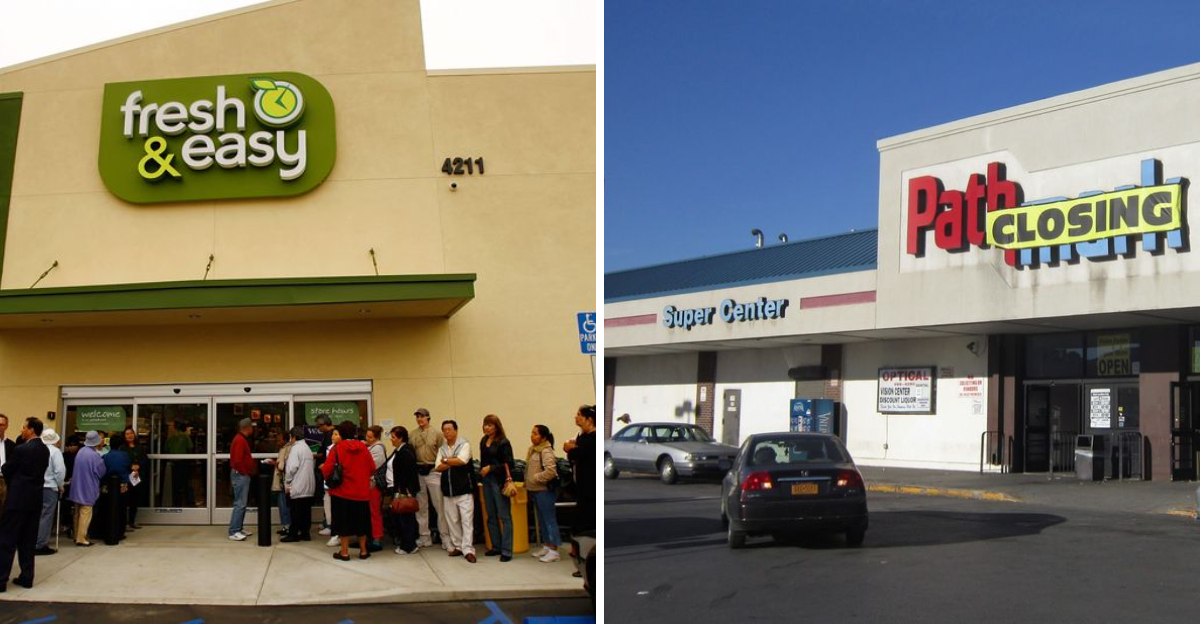
Fresh & Easy promised quick trips, self-checkout convenience, and affordable prepared meals. You could pop in after work, grab a microwaveable curry, and glide through lanes built for speed. The stores felt European, sleek and efficient.
But the model hit headwinds, from location choices to cultural misreads about habits. Shoppers wanted more service and better variety than those compact aisles offered. When doors shut, it left quiet corners of strip malls and the memory of chilled sandwiches that felt ahead of their time.
4. Winn-Dixie (older shuttered locations)
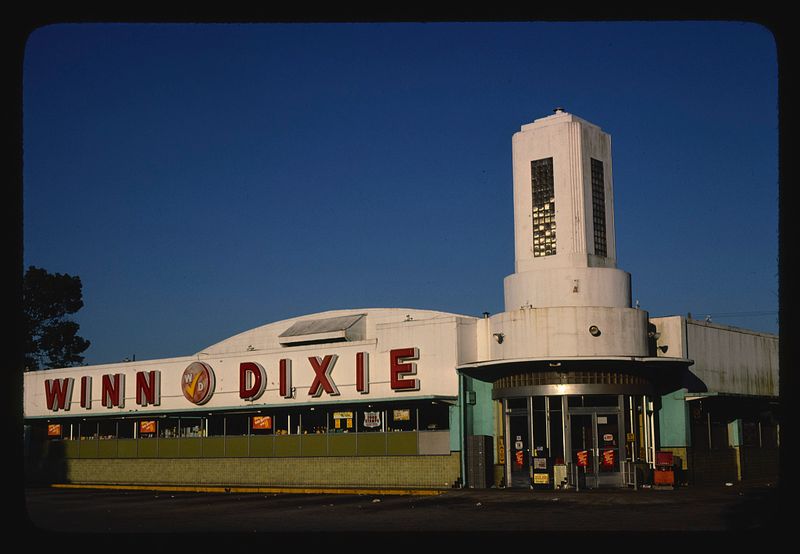
Winn-Dixie was a Southern staple, the place for Sunday roast ingredients and last-minute sweet tea. You could smell bakery rolls and hear friendly greetings echo off tiled floors. Many locations felt like home before big remodels ever arrived.
Bankruptcy waves and fierce competition forced closures across the region. Some stores survived, but countless neighborhoods lost their familiar outposts. You might still pass an empty shell with ghost lettering and remember buying pecan pie on a whim.
5. Pathmark
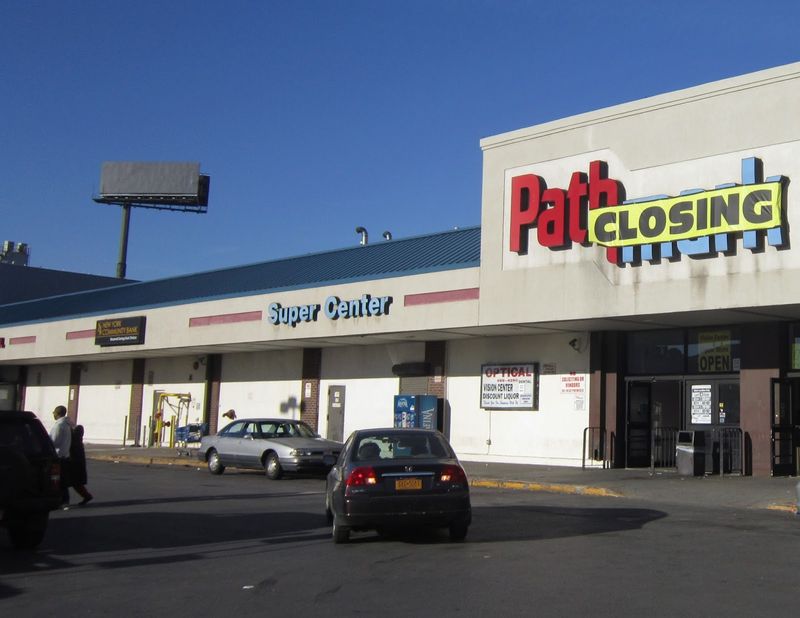
Pathmark felt like New York energy bottled into a grocery trip. The sales were bold, the deli fast, and the aisles stacked high. You would hustle for a deal and leave feeling victorious, bags tugging at your fingers.
Rivals chipped away, and debt piled up until the balance tipped. When the chain folded, it took with it familiar circulars and late-night runs. City neighborhoods lost a dependable option where variety met tough budgets.
6. Food Lion (retired markets and closures)
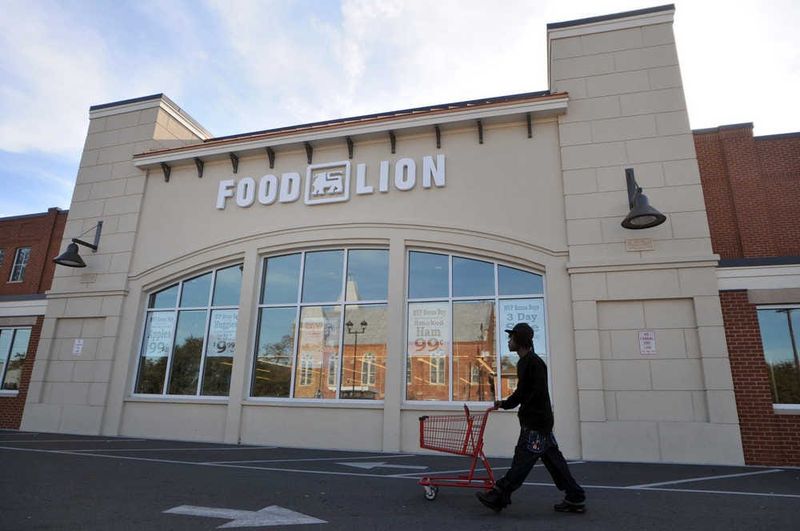
Food Lion’s blue and gold sign meant a solid stop for value hunters. You would angle for weekly specials and fill the cart without fear. No frills, just the basics delivered with quiet consistency.
Scattered closures trimmed the footprint and left gaps in small towns. Some stores rebranded, others vanished, taking familiar floor plans with them. If you once grabbed cereal here before school, you might still picture that long dairy wall stretching to the back.
7. Alpha Beta
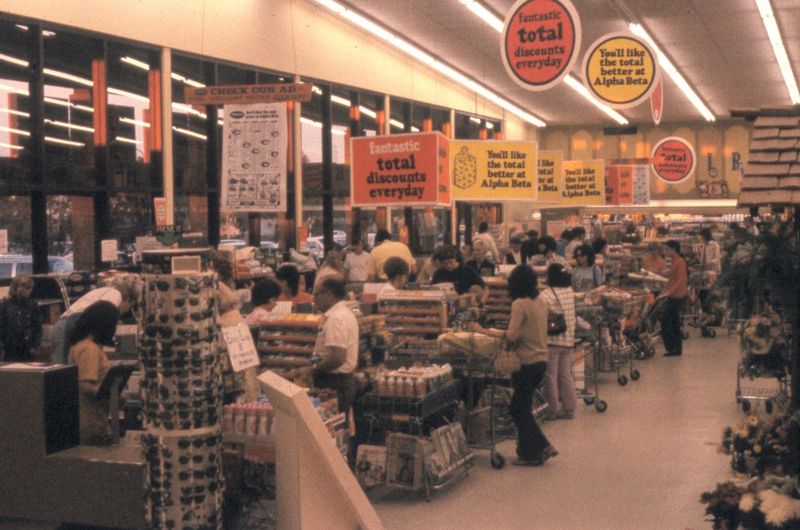
Alpha Beta made simple shopping feel charming with alphabetized aisles that actually worked. You could tell a friend to meet you at D for dairy and mean it. The branding had a cheerful optimism that fit California dreams.
Mergers folded the chain into bigger names and erased the playful identity. Communities adapted, but the quirkiness disappeared under corporate beige. You might still imagine the letters as signposts guiding your cart through time.
8. Grand Union
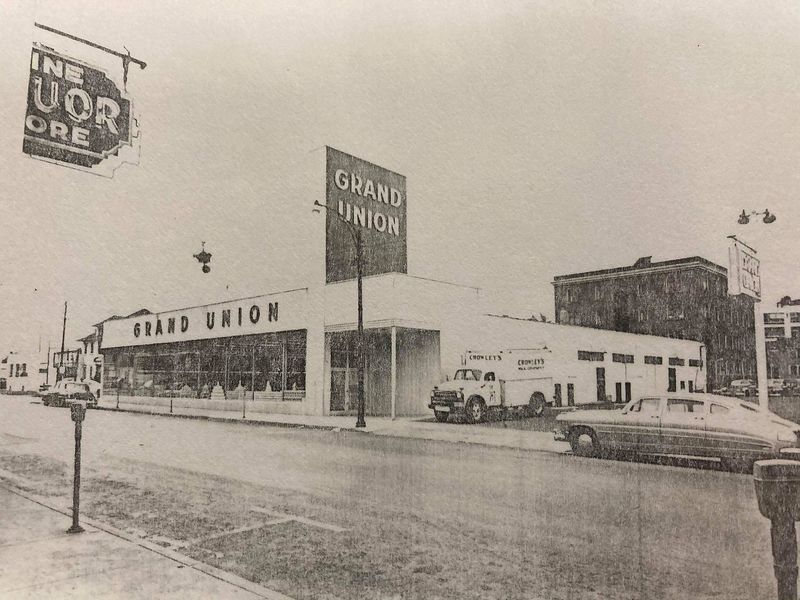
Grand Union carried a sturdy, no-nonsense charm. You would grab a corned beef special and feel like you beat the system. The store smelled like coffee and cardboard, that oddly comforting warehouse scent.
Competition wore it down, and ownership shifts left it wobbling. Eventually the brand faded, leaving behind parking lots where neighbors once traded coupons. If you remember the circulars, you remember the thrill of a clipped bargain actually working.
9. Lucky (original brand, pre-revival)
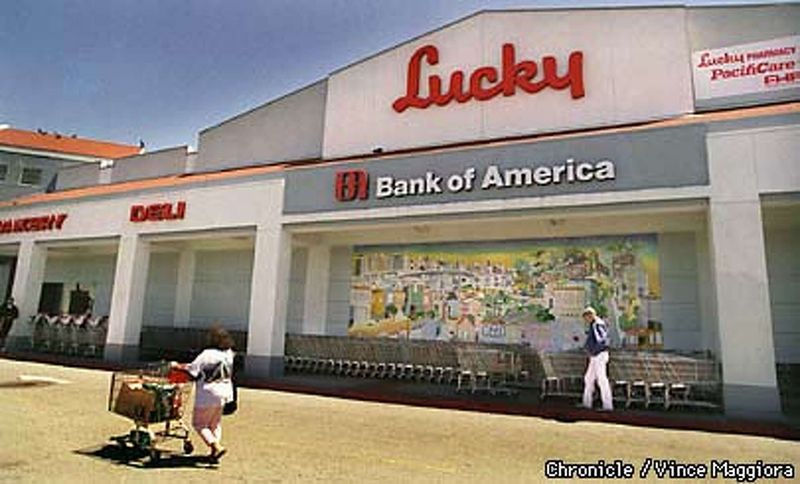
Lucky felt like a promise in its name. You would roll in and roll out with deals that made you grin. The green signage and weekly promotions became part of a West Coast routine.
When the brand disappeared after mergers, it felt like a prank. Some stores later revived the name, but the original vibe never fully returned. You might still hear a parent say we are going to Lucky, and smile at the muscle memory.
10. Furr’s Supermarkets
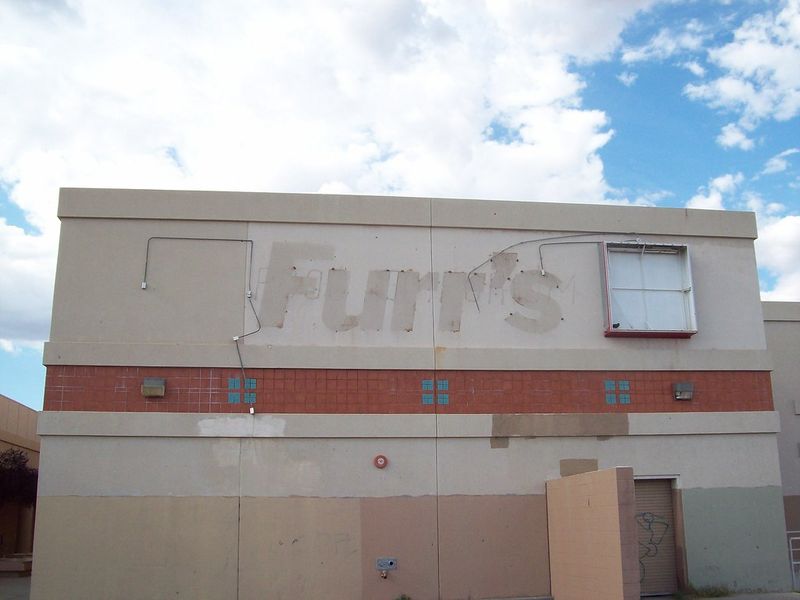
Furr’s served the Southwest with friendly prices and hometown service. You could count on flour tortillas, green chile, and meat counter advice that felt personal. The stores wore the sun well, quiet and dependable.
Financial trouble and changing competition finally caught up. Closures came in waves, leaving grocery deserts where choices were already thin. If you ever found holiday tamales here, the taste probably still lingers when you pass an empty storefront.
11. Farmer Jack

Farmer Jack felt like Detroit’s pantry. You would grab kielbasa, pierogi, and Michigan apples in one trip. Clerks moved fast, and the deli knew your order by heart.
When ownership changed and rivals surged, the chain lost its footing. Store by store, lights went out, and neighborhoods shifted routines. If you grew up there, the orange sign still flashes in memory like a warm beacon on a cold afternoon.
12. Jewel Osco (retired banners and closures)
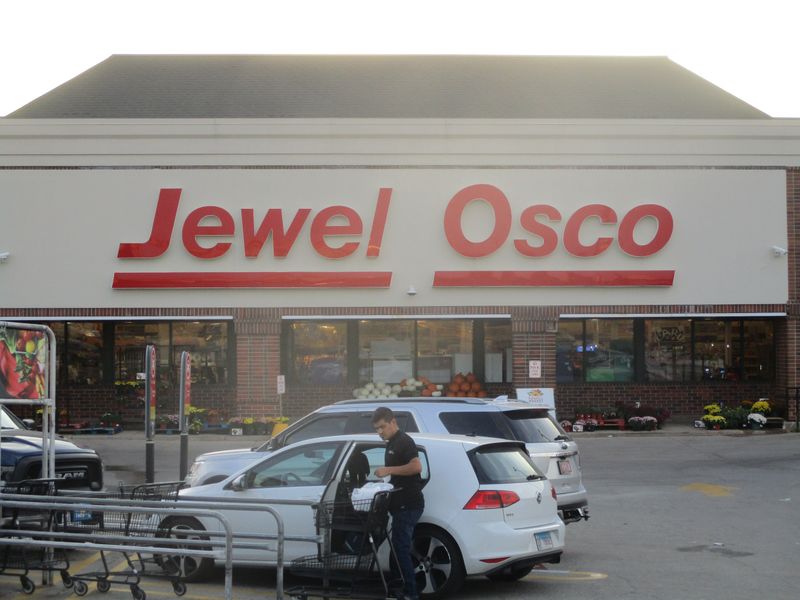
Jewel-Osco meant one-stop convenience, a pharmacy and grocery handshake under one roof. You could nab a sale on pasta and pick up a prescription in ten minutes. The routine felt efficient and neighborly.
Consolidation and market shifts shuttered select locations, leaving pockets of nostalgia behind. The brand lives on, but certain stores exist only in memory. Drive past a vacant anchor and you might still picture bakery cakes lined up like little celebrations.
13. Ralphs (closed classics)
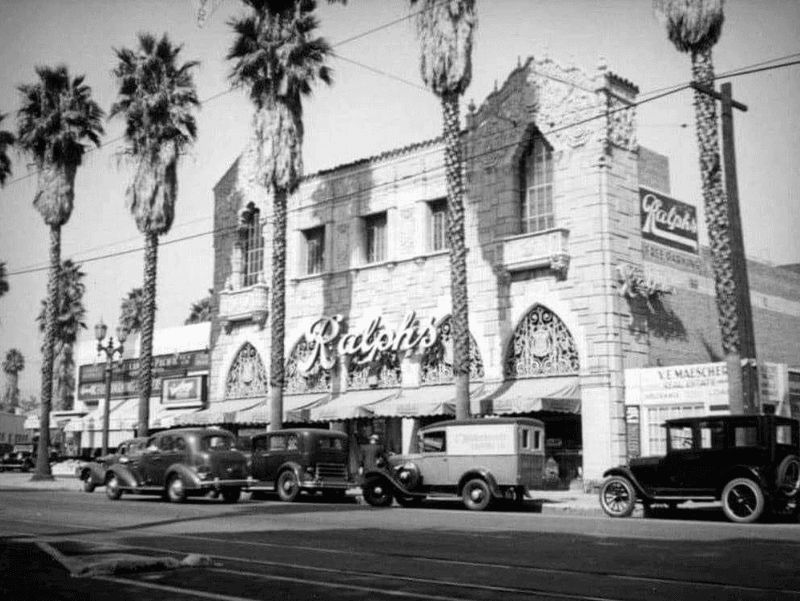
Ralphs tied grocery shopping to Los Angeles rhythms. You would swing by after a late shift, palms rustling, and grab oranges that tasted like sunshine. The vibe felt casually glamorous, even under fluorescent lights.
While the chain remains, many beloved locations vanished through remodels and redevelopment. Familiar layouts disappeared, replaced by sleek anonymity. If you ever found a midnight snack here, you probably still remember the hum of those old refrigerators.
14. Acme (closed legacy stores)
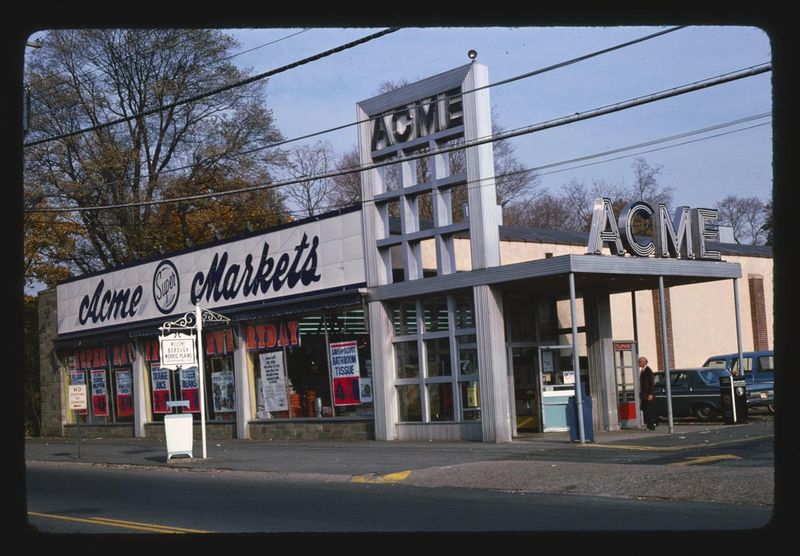
Acme wore its history proudly in the Mid-Atlantic. You would hit the meat specials and feel like you scored a feast. Produce bins held the season like a promise.
Some stores could not keep pace with modern rivals and changing traffic patterns. Closures trimmed the map, leaving behind echoes of hand-scrawled price cards. If you grew up near one, you can still trace the layout blindfolded, aisle by aisle.
15. Finast (First National)
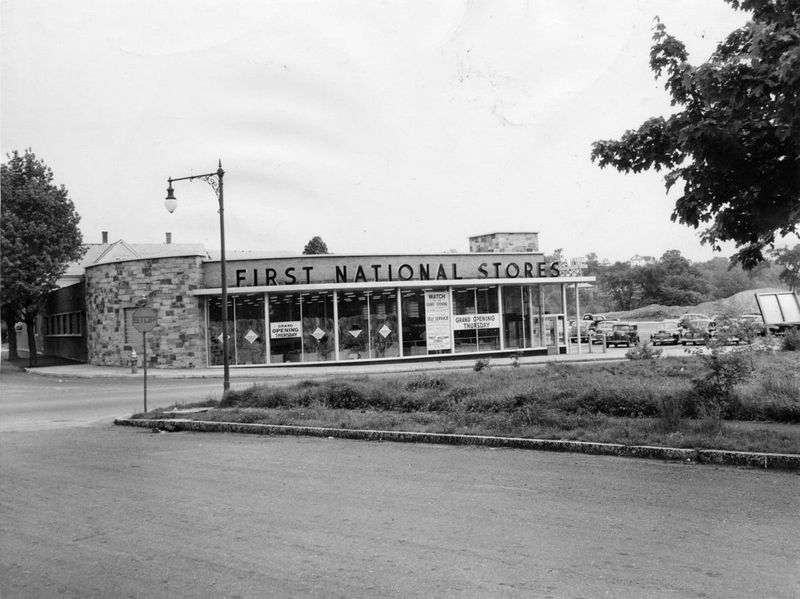
Finast was everywhere and nowhere, the kind of store that blended into your weekly routine. You would glide past canned goods and trust the house brand to deliver. Nothing fancy, just steady value.
Mergers rolled the name into larger chains, and the brand quietly evaporated. The memories live in faded photos with paper bags and shaggy haircuts. If your family shopped here, you might still remember the squeaky cart with the wobbly wheel.
16. Food Emporium
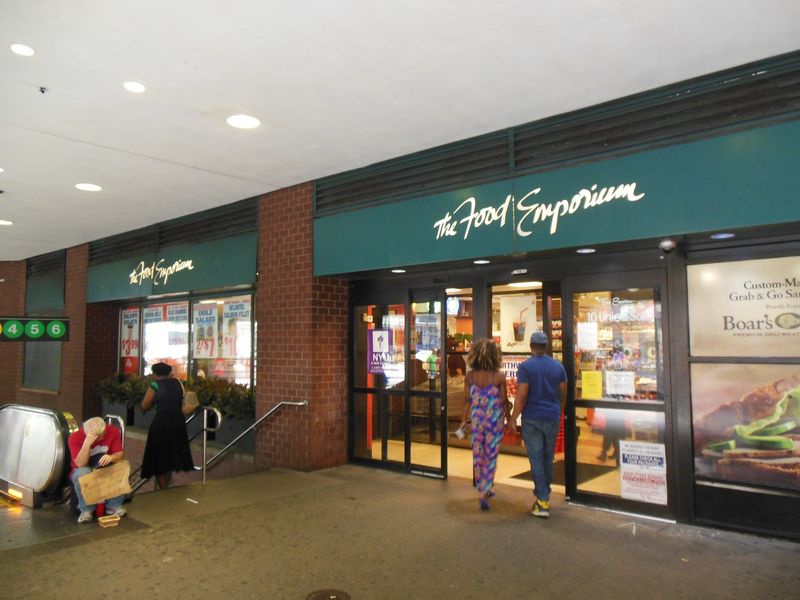
Food Emporium made groceries feel posh without being snooty. You would browse cheeses you could hardly pronounce and still leave with a deal. The store whispered indulgence in a weekday voice.
Competition at both ends squeezed it, from bargain giants to luxury markets. The banner dimmed under changing ownership and costs. When lights went out, a small slice of cosmopolitan grocery theater went with them.
17. Fred Meyer (retired locations)
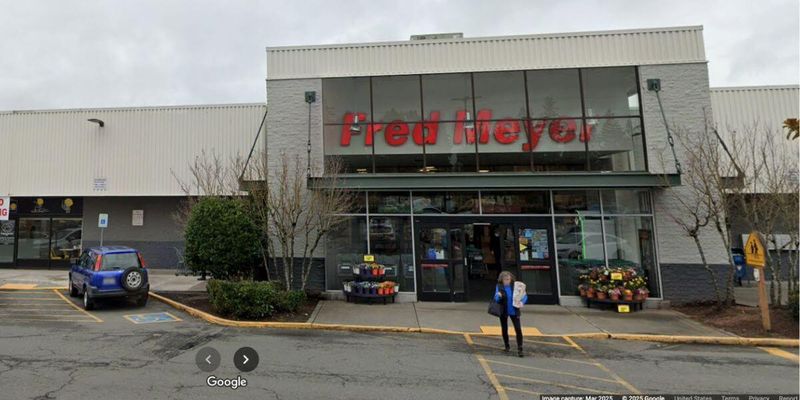
Fred Meyer was an everything trip waiting to happen. You would grab produce, socks, and a coffee maker in one sweep. The scale felt thrilling, like grocery shopping with superpowers.
Some locations closed as strategies shifted, and communities felt the loss. Even with the chain alive, certain stores became time capsules locked behind glass. You might still picture the housewares aisle when you smell new plastic containers.
18. Lucky’s Market
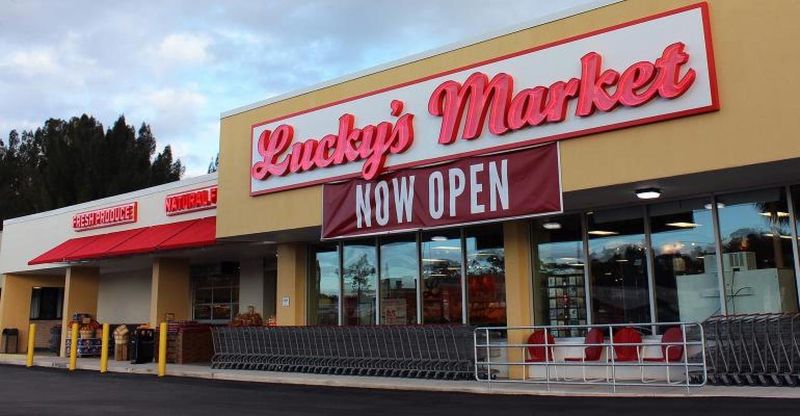
Lucky’s Market felt like a friendly farmer’s market wrapped in a supermarket. You could grab bulk spices, sip a beer while shopping, and feel like a local. Prices made organic feel reachable.
Rapid expansion outpaced stability, and closures arrived abruptly. Some stores were rescued, many were not, leaving wellness sections boxed in silence. If you discovered turmeric here, you probably still measure teaspoons by memory.
19. Miller’s Outpost Foods (grocery experiment)
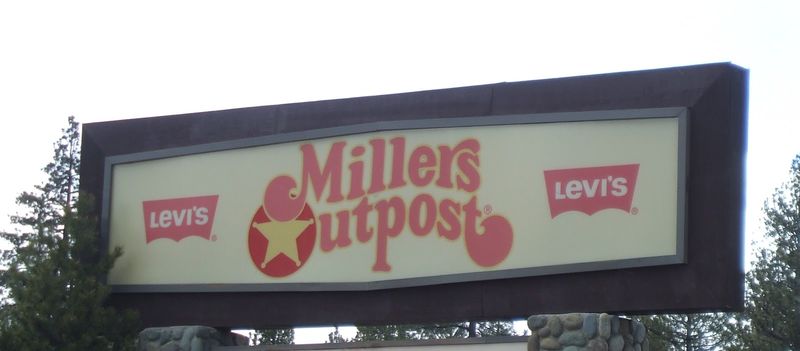
It was a quirky crossover that felt bold at the time. You would wander from denim to snacks and wonder if this was the future. The idea tasted like novelty more than necessity.
Reality set in, and the grocery experiment faded from the retail mix. Shoppers wanted deeper selection and better pricing than a side project could deliver. Still, you might remember the thrill of buying chips where jeans lived.
20. Piggly Wiggly (closed legacy stores)
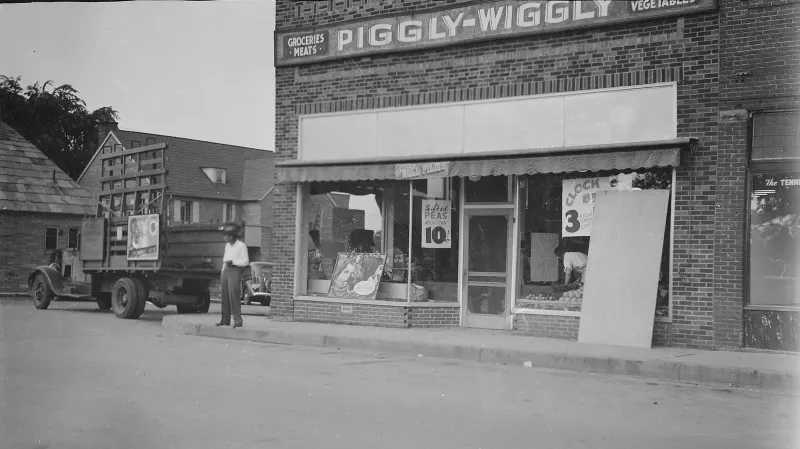
Piggly Wiggly changed shopping forever with self-service aisles. You would push the cart and feel oddly proud of finding your own goods. The mascot made kids smile and parents exhale.
While the brand survives, many old locations shuttered or rebranded. Those closures left gaps where routine once lived. If you learned to compare prices here, the lesson stuck like a sticker on a peach.