20 Common Egg Myths Debunked
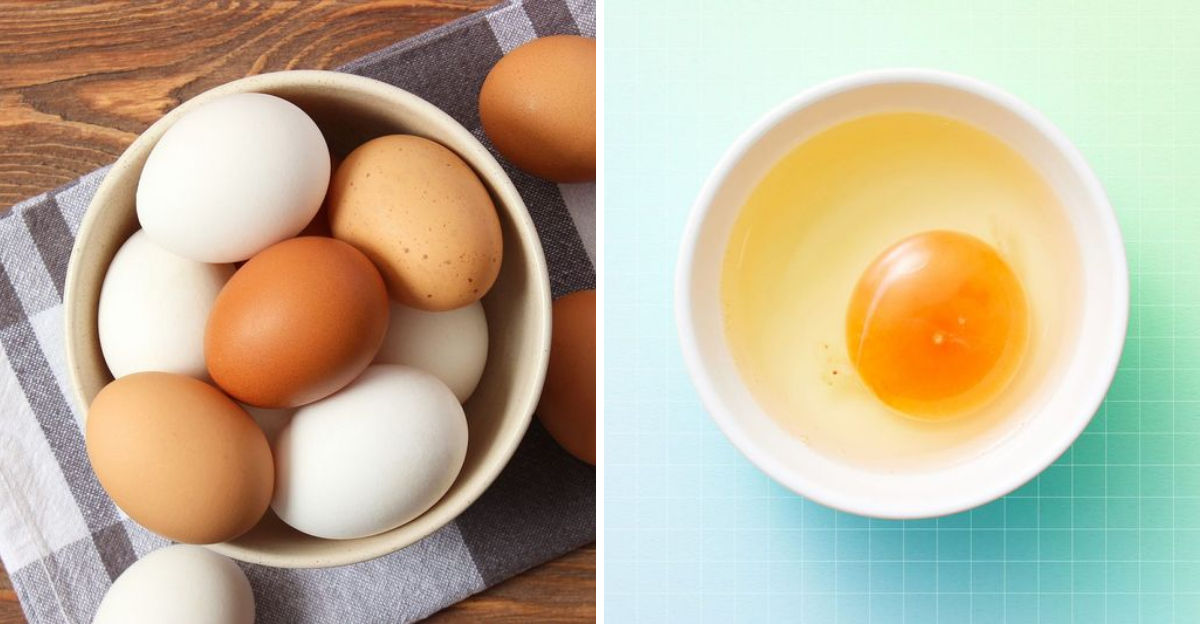
Eggs show up at breakfast, in baking, and in weeknight dinners, yet so many myths still scramble the facts. Maybe you have heard that brown eggs are healthier, or that yolks should always be avoided.
Let’s crack into the most common misconceptions and get the simple, science-backed truth you can actually use. By the end, you will cook with more confidence and enjoy your eggs without second guessing every bite.
1. Myth 1: Brown eggs are healthier than white eggs
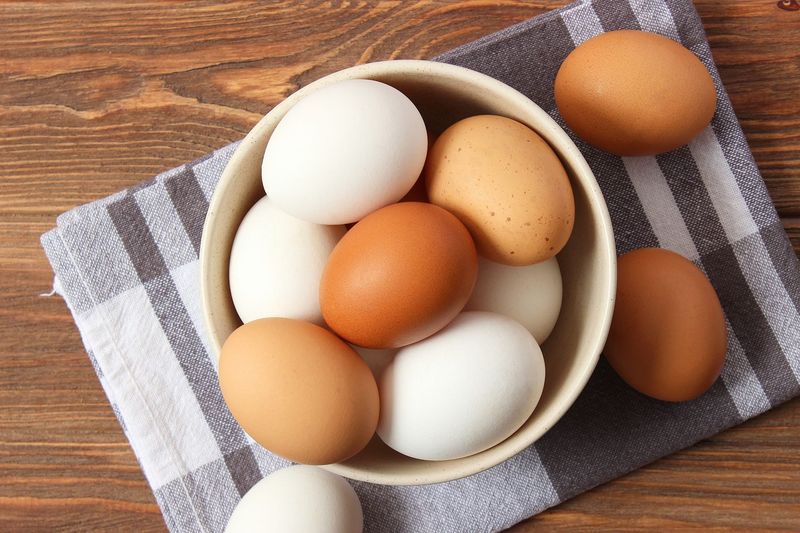
Brown versus white is mostly about the breed of the hen, not superior nutrition. When hens eat similar feed and live in similar conditions, the nutrient profiles of their eggs are very close.
Shell color comes from pigments deposited as the egg forms, not from some magical health upgrade. If you prefer brown eggs for taste or habit, go for it.
If white eggs are cheaper where you shop, that works too. Focus more on freshness, handling, and how you cook them, because those factors affect quality and safety far more than shell color ever will.
2. Myth 2: Egg yolks are bad and should always be avoided
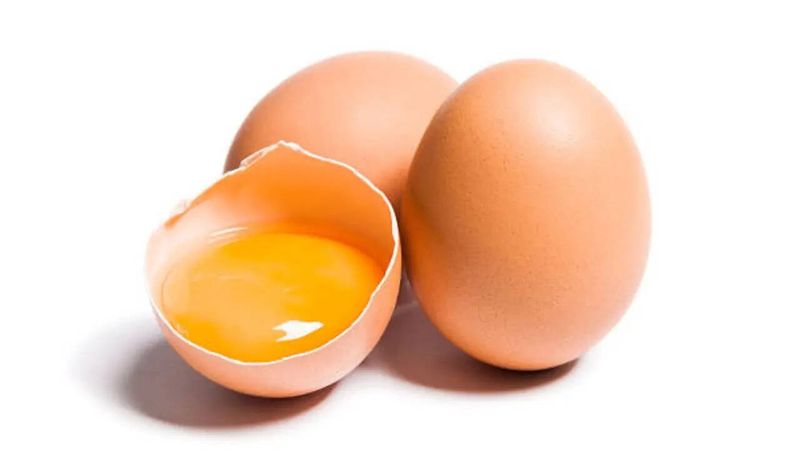
Egg yolks contain cholesterol, but they also carry most of the egg’s vitamins, minerals, and satisfying fats. You get choline, vitamin A, vitamin D, and antioxidants like lutein and zeaxanthin in that golden center.
For most people, dietary cholesterol from eggs has a modest effect on blood cholesterol. Your overall eating pattern matters more than avoiding one ingredient.
If you enjoy yolks, include them in balanced meals with vegetables, whole grains, and healthy fats. Talk with a healthcare professional if you have specific cholesterol or cardiovascular concerns, but for many, yolks fit just fine.
3. Myth 3: You should not eat eggs every day
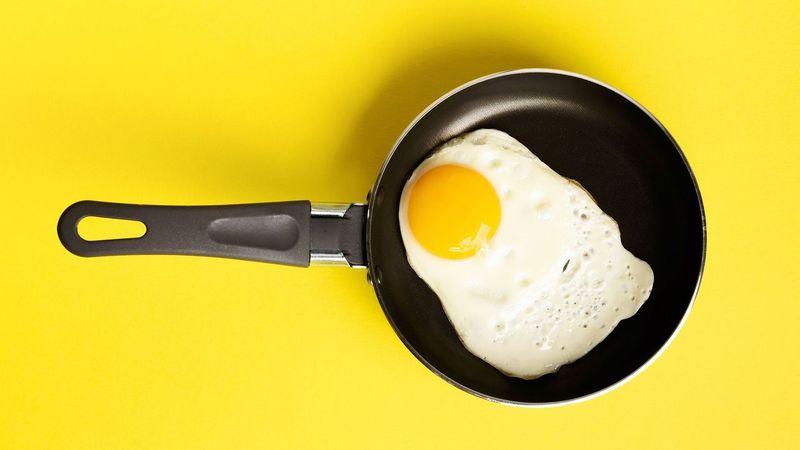
Daily eggs can fit into a balanced diet for many people. Research generally supports that one egg a day is fine for most healthy individuals, especially when the rest of the diet emphasizes plants and minimally processed foods.
Your overall pattern drives health outcomes more than a single food. Listen to your body and your goals.
If eggs help you feel satisfied and meet protein needs, they can be a smart everyday choice. If you have specific medical conditions, check with a clinician.
Otherwise, focus on variety, fiber, and colorful produce alongside your morning scramble or poached eggs.
4. Myth 4: Raw eggs are healthier than cooked eggs
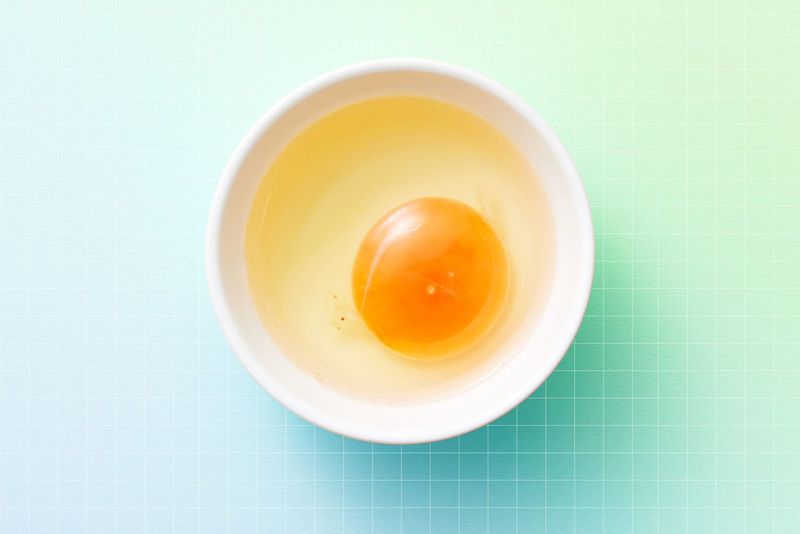
Raw eggs carry a higher risk of foodborne illness, and their proteins are less digestible. Cooking makes egg proteins easier to use and reduces harmful bacteria.
You are not losing all the nutrients by cooking; many vitamins remain stable, and safety improves. If a recipe calls for raw eggs, consider pasteurized eggs to reduce risk.
For most situations, lightly cooked preparations like soft-scrambled, poached, or jammy eggs strike a great balance of taste, texture, and nutrition. You get enjoyment, better digestibility, and peace of mind without chasing questionable raw benefits.
5. Myth 5: Cracking an egg means shell pieces are unavoidable
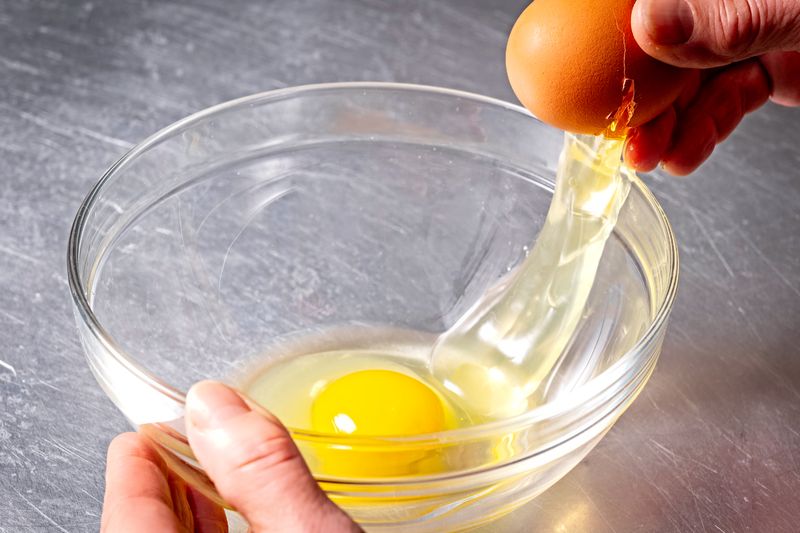
You can crack cleanly and avoid shell bits most of the time. A gentle tap on a flat surface usually creates a cleaner fracture than tapping on a bowl edge, which pushes shards inward.
Open the shell over a separate small bowl, then pour into your pan once it looks clean. If a tiny piece sneaks in, use part of the larger shell to scoop it out.
Shell attracts shell, making retrieval easier. With practice and a calm approach, you will get consistent, tidy cracks and far fewer stray pieces in your eggs.
6. Myth 6: Fresher eggs peel easier after boiling
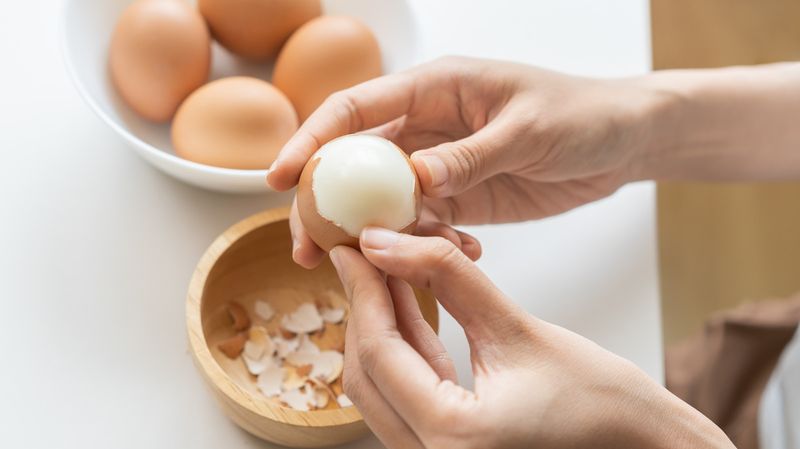
Very fresh eggs often peel worse because the albumen clings tightly to the inner shell membrane. As eggs age a bit, the pH rises, the bond loosens, and peeling becomes easier.
That is why slightly older eggs usually make prettier hard-boiled results. For smoother peeling, use eggs that are about a week old, cool them quickly in ice water, and peel under running water.
Cracking the shell all over before peeling helps too. These small adjustments beat chasing ultra fresh eggs for hard-boiled tasks, saving you frustration and torn whites.
7. Myth 7: A floating egg is always unsafe
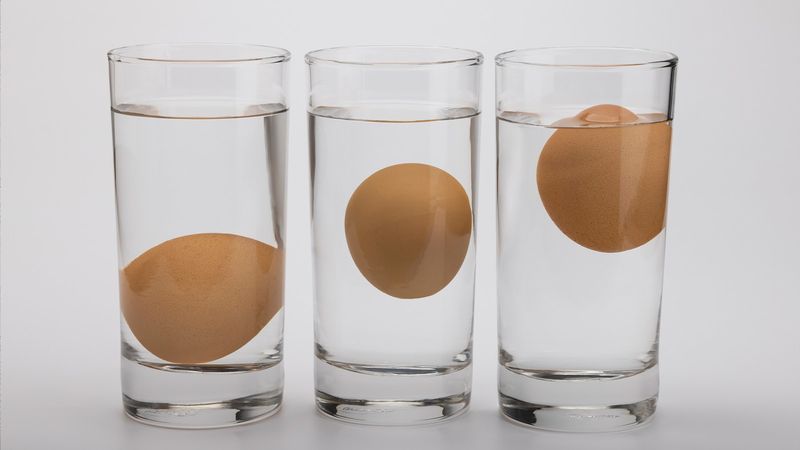
The float test indicates age, not guaranteed safety. As an egg ages, the air cell expands, making it more buoyant.
A floater is older, but that does not automatically mean spoiled or unsafe. It simply signals you should check more carefully.
Crack the egg into a separate bowl. If it smells off or looks unusual, discard it.
If it smells normal and looks fine, it may still be usable when fully cooked. Use your senses and proper cooking, because floating alone cannot determine safety with certainty.
8. Myth 8: You have to rinse eggs before using them
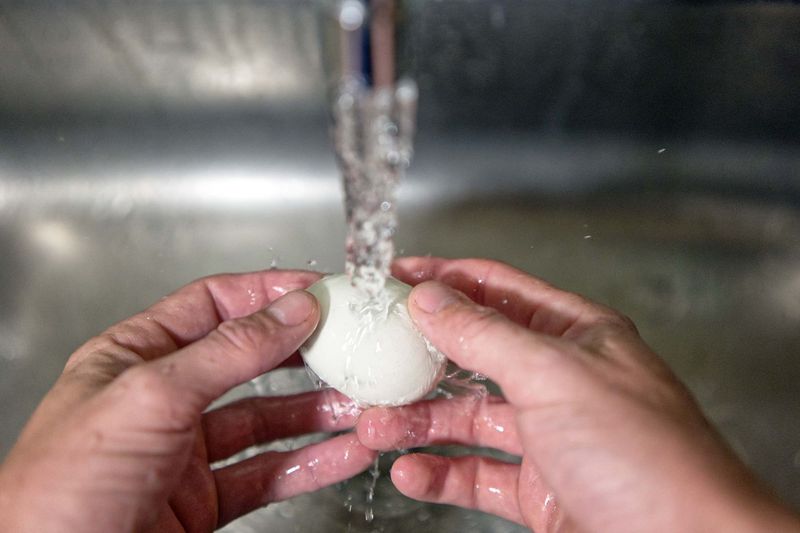
Rinsing eggs can spread bacteria around your sink and countertops. In many places, eggs are already cleaned and refrigerated, so washing again is not necessary and may remove protective coatings.
Handling with clean hands and storing cold are better safety steps. If your eggs are visibly dirty from a local farm, gently wipe them with a dry paper towel or follow the producer’s guidance.
Keep raw egg contact surfaces sanitized and avoid splashing water over shells. Smart storage and careful handling do more for safety than a quick rinse ever will.
9. Myth 9: Store eggs in the fridge door
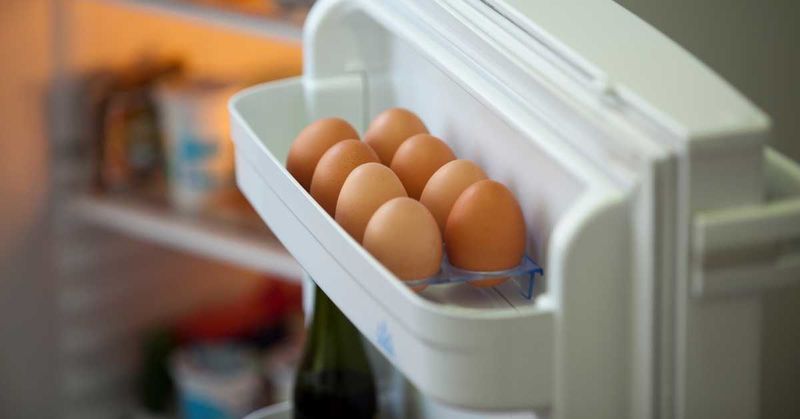
The door is the warmest and most temperature fluctuating area of the refrigerator. Every time you open it, warmth rushes in.
Eggs keep better on an interior shelf where the temperature stays steadier. That stability helps preserve quality and reduces risk.
Keep eggs in their original carton to protect them from absorbing odors and to track dates. Place them toward the back middle section, not near the fan or freezer vent.
This simple storage tweak extends freshness and gives you consistently better results in cooking and baking.
10. Myth 10: Double-yolk eggs are genetically modified
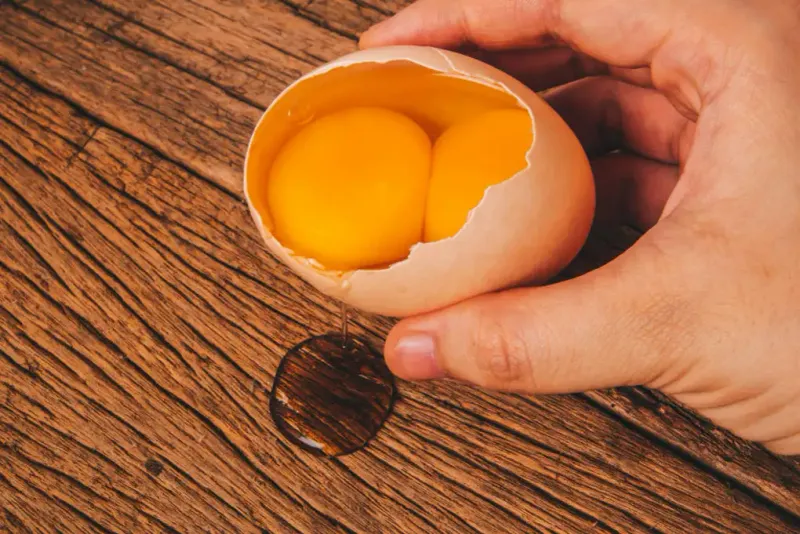
Double-yolk eggs occur naturally, often from younger hens whose reproductive cycles are still syncing. Two yolks can be released close together and end up in the same shell.
There is no genetic modification required and nothing spooky happening. You might notice slightly richer baked goods if a recipe depends precisely on yolk-to-white ratios.
For most home cooking, they are a pleasant surprise and perfectly safe to eat. If consistency matters in baking, measure your eggs by weight or mix batches well to distribute yolk richness evenly.
11. Myth 11: You must add milk to scrambled eggs
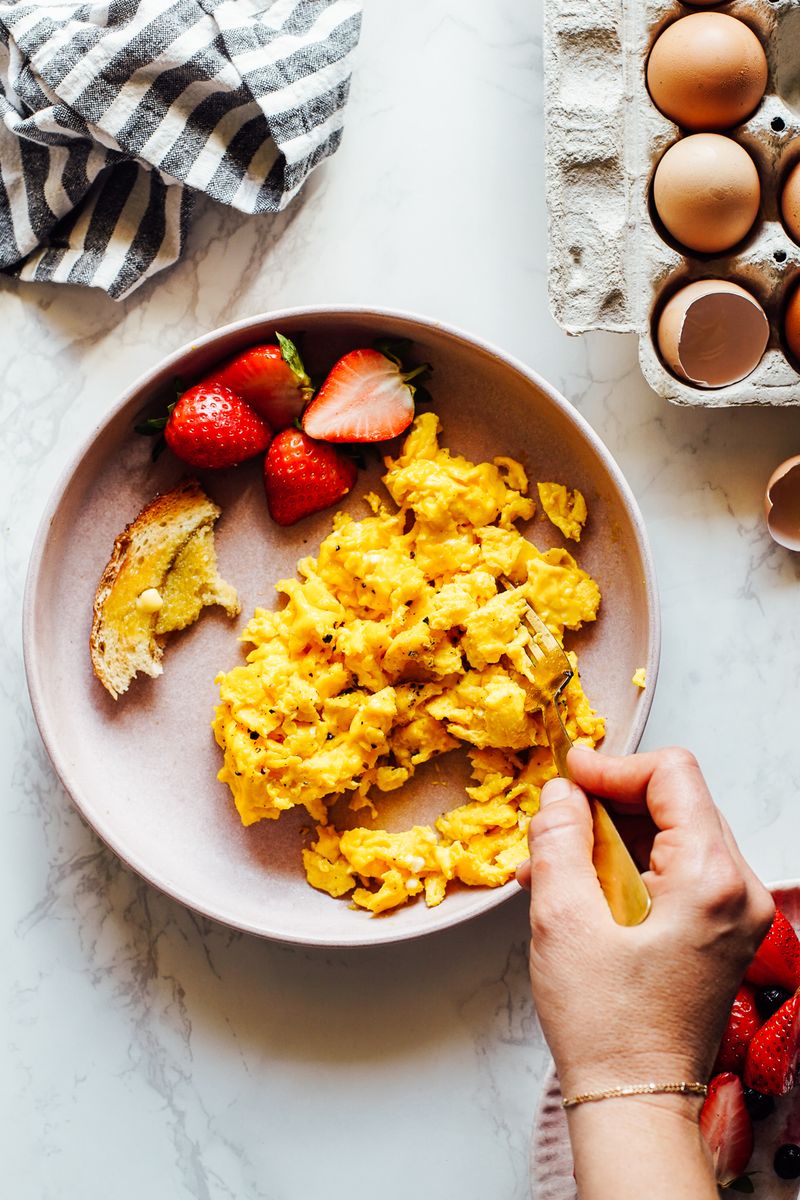
Milk is not mandatory and can water down eggs if you add too much. Great scrambled eggs come from moderate heat, steady stirring, and a little fat like butter or oil.
Salt early for tenderness, or near the end if you prefer firmer curds. If you want richer texture, try a teaspoon of butter or a splash of cream, but it is optional.
You can also finish with a knob of butter off heat for silkiness. The technique matters more than dairy additions for fluffy, tender results.
12. Myth 12: High heat makes the best scrambled eggs
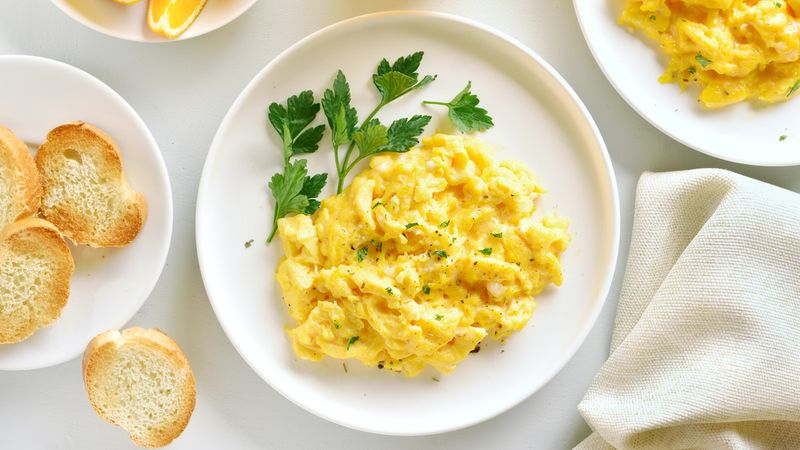
High heat quickly turns scrambled eggs rubbery. Medium low heat and patience usually yield creamier, softer curds.
Stir gently and move the pan on and off heat to control cooking, especially near the end when carryover heat finishes the job. If you like larger curds, stir less; for creamier eggs, stir more.
Finish just before done, because residual heat keeps cooking. Season to taste and consider a final knob of butter to gloss the surface.
This slower approach pays off with lush, tender eggs rather than dry, overcooked curds.
13. Myth 13: You have to flip an egg to cook the top
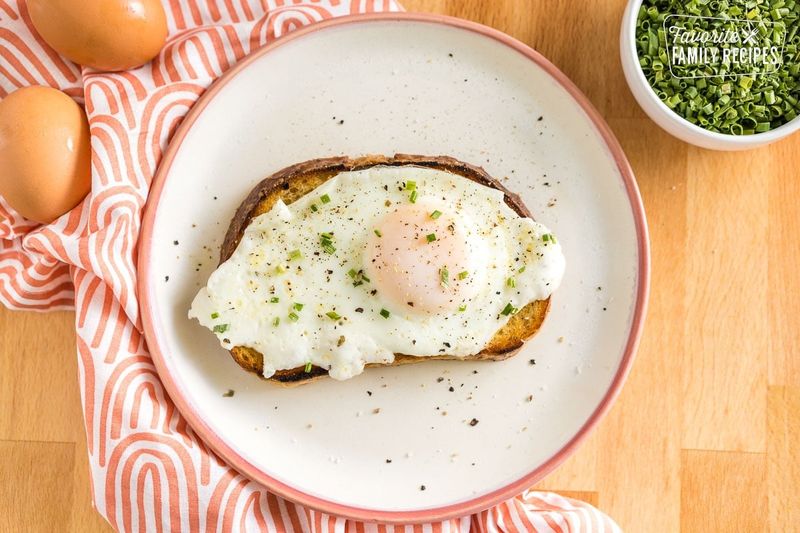
You can set the top without flipping. Cover the pan briefly so trapped steam cooks the surface gently, leaving the yolk glossy.
A tiny splash of water under a lid creates quick steam basting for evenly set whites. Control heat to avoid browning if you prefer tender edges.
Remove the lid as soon as the white looks opaque. This method keeps the yolk intact and silky without the stress of flipping.
It is especially handy for sunny side or over easy styles that risk breaking when turned.
14. Myth 14: A gray green ring on hard boiled yolks means the egg is bad
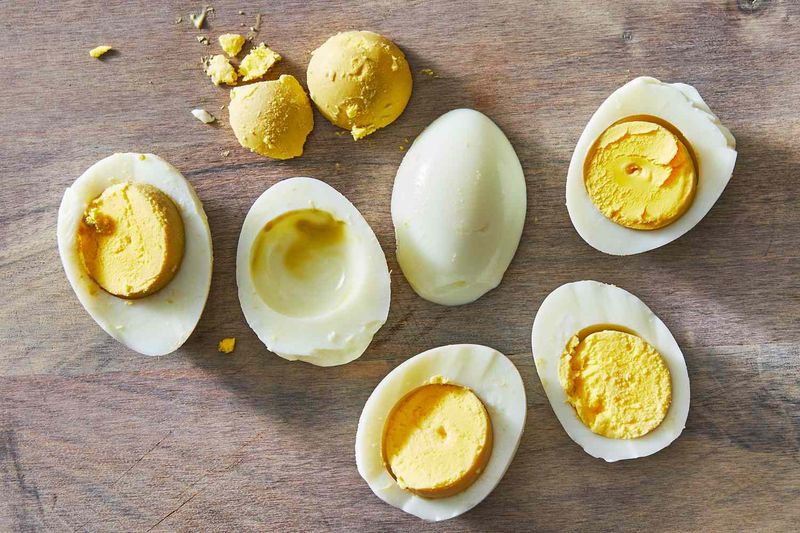
That ring is usually a harmless iron and sulfur reaction from overcooking or slow cooling. It looks unappealing but does not mean the egg is unsafe.
To avoid it, use a gentler cook and cool quickly in an ice bath. Bring water to a boil, lower to a simmer, then time carefully.
When finished, transfer eggs to ice water and chill thoroughly before peeling. You will get bright yellow yolks and tender whites.
The occasional ring is cosmetic, not a spoilage signal.
15. Myth 15: You cannot freeze eggs
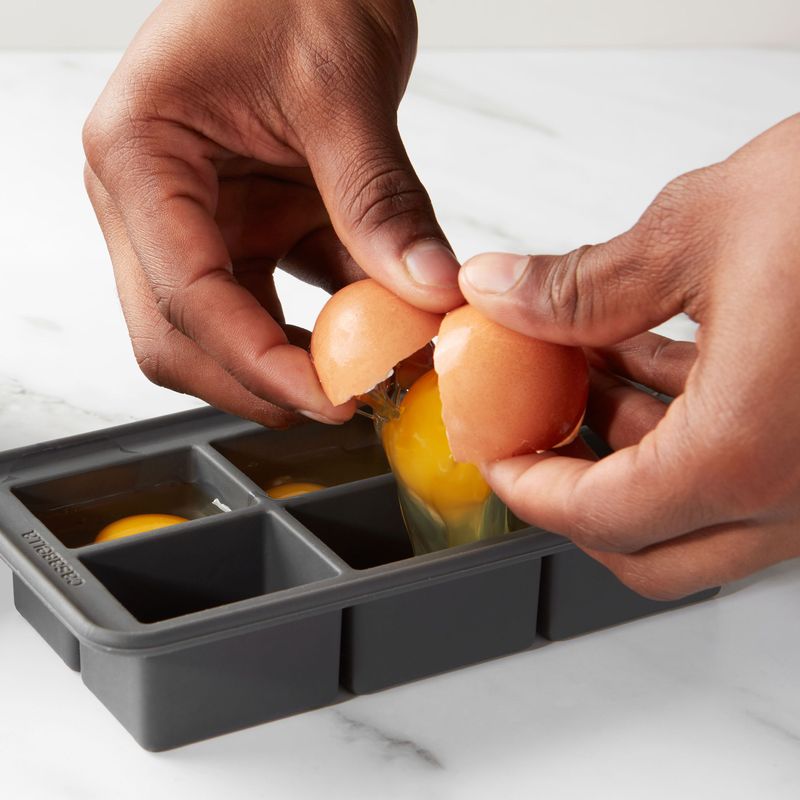
You can freeze eggs, just not in their shells. Crack, whisk gently to combine whites and yolks, and portion into freezer-safe containers or ice cube trays.
Label with the date, and thaw in the refrigerator before using. Frozen eggs work well for baking, scrambled eggs, and omelets.
For sunny side or poaching, fresh is best because freezing changes yolk texture. If you need separated parts, freeze whites and beat yolks with a pinch of sugar or salt to reduce gelation.
This planning reduces waste and keeps breakfast easy.
16. Myth 16: All eggs must be room temperature before cooking
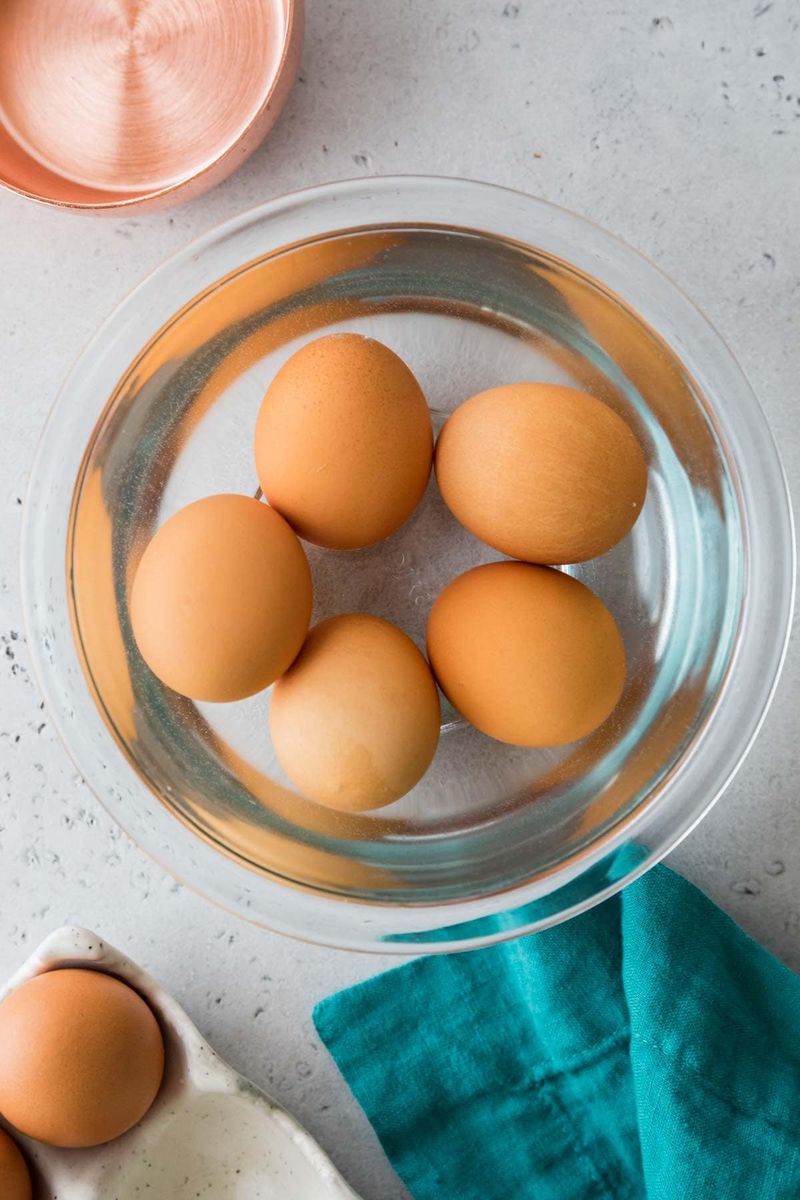
Room temperature eggs help in some baking recipes for better emulsions and volume. But for everyday cooking like scrambling or frying, straight-from-the-fridge eggs are usually fine.
You might notice slightly different cooking times, yet results will still be delicious with good technique. If a cake or delicate batter calls for room temp, let eggs sit briefly or place them in lukewarm water for a few minutes.
Otherwise, do not stress about warming them. Focus on pan heat, timing, and seasoning, which influence outcomes far more.
17. Myth 17: Egg whites must be room temperature to whip into peaks
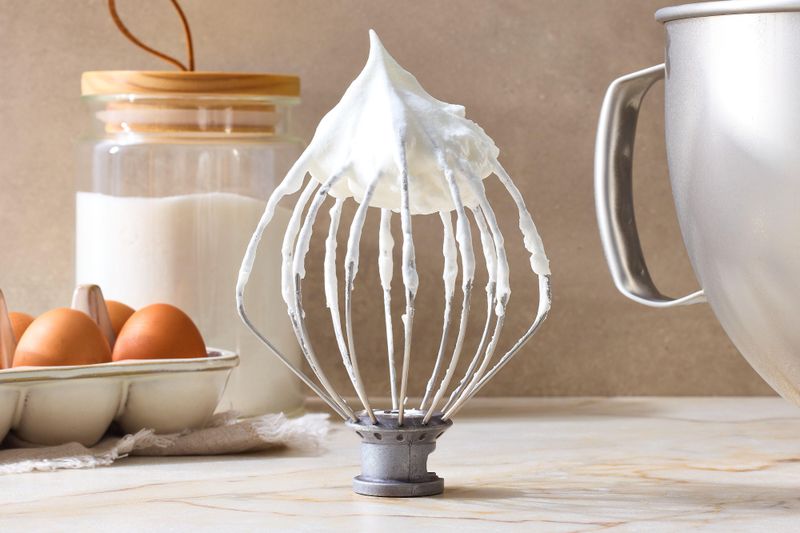
Cold egg whites can whip successfully as long as your bowl and whisk are clean and free of grease. Room temperature whites may whip slightly faster, but temperature is not the only factor.
Start slow, then increase speed to build a stable structure. Add acid like cream of tartar or a splash of lemon to help stabilize the foam.
Avoid any traces of yolk that can hinder whipping. With patience and a spotless setup, you will reach glossy peaks whether your whites start chilled or warm.
18. Myth 18: You should always pierce an egg before boiling
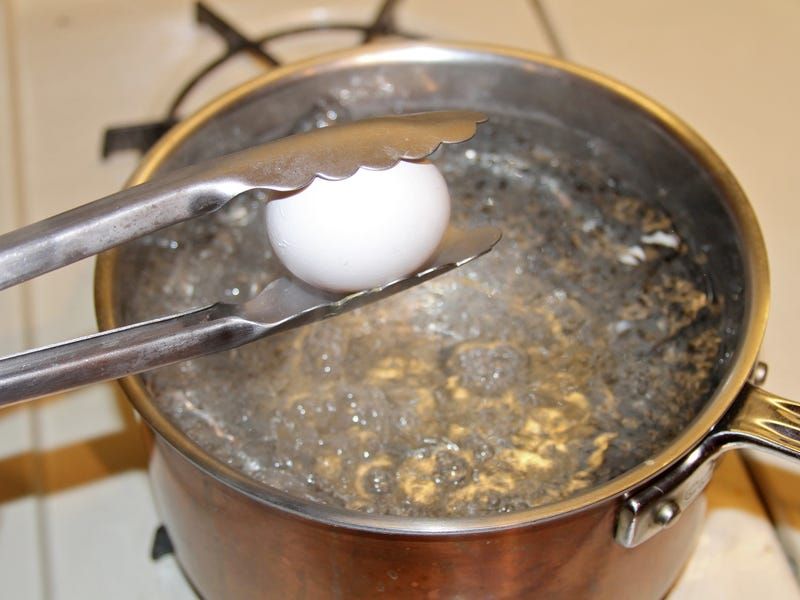
Piercing is not necessary for most home cooking. A controlled simmer, proper timing, and immediate chilling do more to prevent cracking and green rings.
Many people boil eggs perfectly without ever poking holes in shells. If you like using a pin to release air, that is optional, but not essential.
Start eggs in hot water or cold water depending on your method, and cool promptly in an ice bath. These steps reliably produce tender whites and well centered yolks without the extra fuss.
19. Myth 19: Yolk color reveals nutrition level
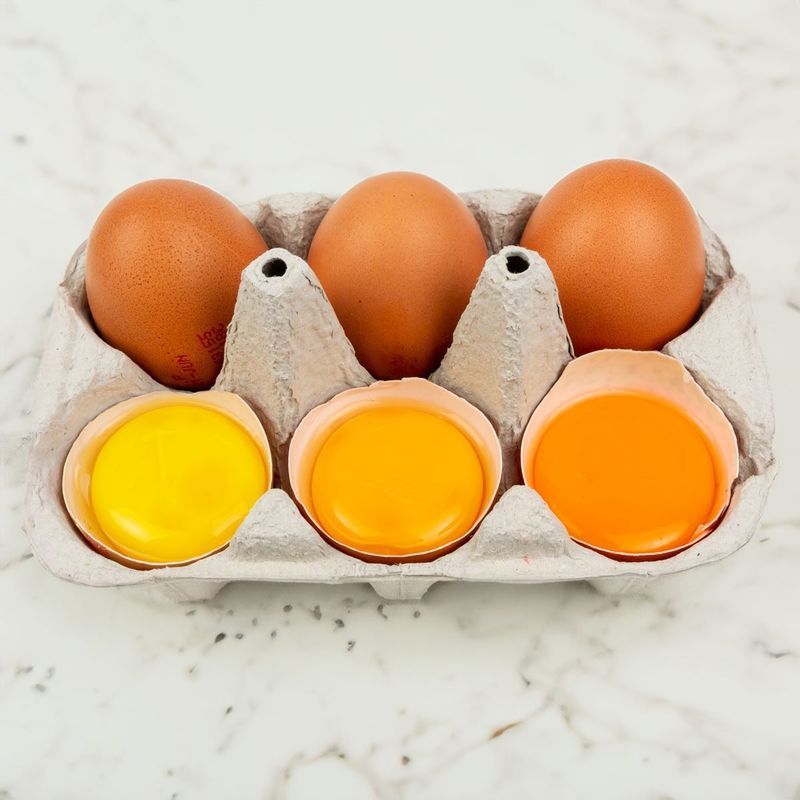
Yolk color mostly reflects the hen’s diet, not a universal nutrition ranking. Deep orange yolks often come from feed rich in carotenoids, while paler yolks can still be nutritious.
Color alone cannot tell you protein, vitamin, or mineral levels precisely. Choose eggs based on freshness, farming practices you value, and taste.
If you like orange yolks, look for pasture raised or feeds with marigold or alfalfa, but do not assume automatic superiority. Cooking technique and balanced meals matter more than the hue in the bowl.
20. Myth 20: Shell appearance tells you if an egg is safe
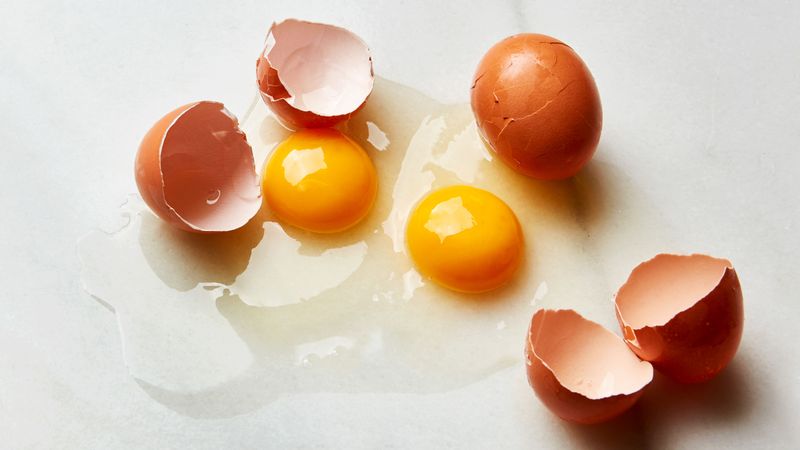
A perfect shell does not guarantee a safe egg. Bacteria are microscopic, and you cannot judge safety by looks alone.
Safe handling and proper cooking are what reduce risk. Keep eggs refrigerated, avoid cross contamination, and cook until whites are set and yolks reach desired doneness.
Crack eggs into a separate bowl to inspect smell and appearance before mixing with other ingredients. When in doubt, throw it out.
Visual cues help, but they are not foolproof. Food safety habits outrank shell beauty every time.