20 Common Healthy Eating Myths You Need To Stop Believing
You want to eat healthier, but the internet keeps shouting conflicting advice. One day carbs are evil, the next they are essential. It is no wonder smart people feel stuck and discouraged. Let us debunk the most common myths with simple, science grounded truths so you can make confident choices that actually fit your life.
1. Myth 1: Carbs make you fat
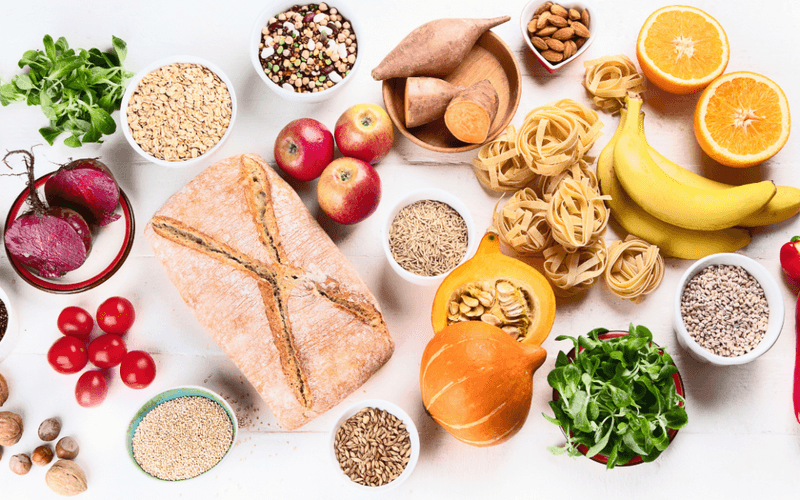
Carbs do not automatically make you gain weight. Excess calories from any source can lead to weight gain, whether they come from carbs, fat, or protein. Whole, fiber rich carbs like oats, beans, and fruit support fullness and steady energy.
What trips people up is portion size, added sugars, and ultra processed foods. Balance matters. Pair carbs with protein and healthy fats to slow digestion and stabilize blood sugar, and you will feel satisfied without overeating.
2. Myth 2: All sugar is the same
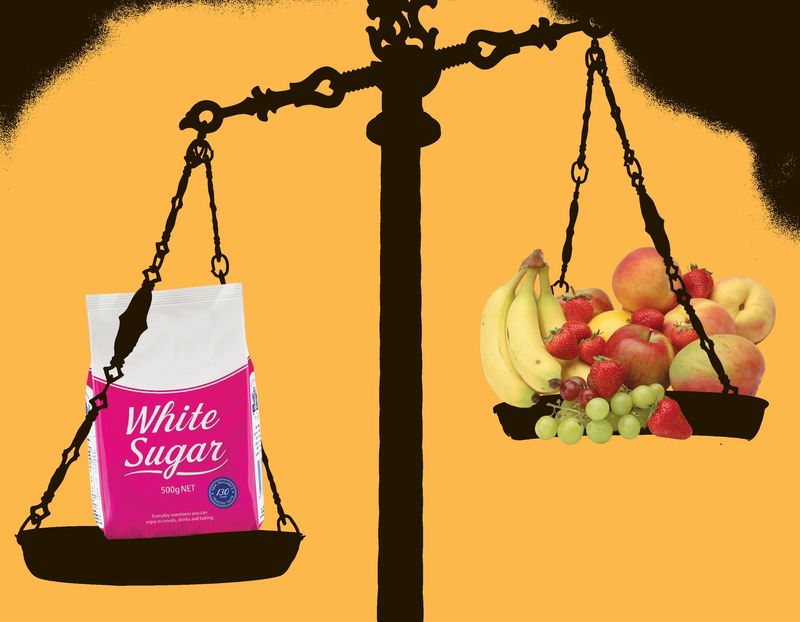
Not all sugars behave the same in your body or your day. Added sugars in soda or candy bring quick energy with little nutrition, which can spike blood sugar and appetite. Natural sugars in whole fruits arrive with fiber, water, and micronutrients that slow absorption and support health.
Honey and maple syrup are still added sugars, just with trace compounds. The big lever is total added sugar intake. Keep fruit, minimize sugary drinks, and enjoy sweets mindfully.
3. Myth 3: You must detox to be healthy

Your body already has a detox system: liver, kidneys, lungs, skin, and gut. Juice cleanses and detox teas often strip protein and fiber, and sometimes cause dehydration or digestive distress. There is no credible evidence they remove toxins better than your organs do.
Support your natural detox daily. Drink water, eat fiber, sleep, move, and limit alcohol. If a product promises miracles fast, be skeptical and protect your wallet and your energy.
4. Myth 4: Fat-free is always healthier

Fat-free often means flavor stripped and sugar added. Dietary fat helps with fullness, vitamin absorption, and satisfaction, which can reduce overeating later. Choosing low fat or full fat depends on context, portions, and your health goals.
Read labels, not just claims. A plain yogurt with a little fat plus fruit and nuts can beat a fat-free cup loaded with sugar. Aim for quality fats from olive oil, nuts, seeds, and avocado.
5. Myth 5: Protein powders are necessary
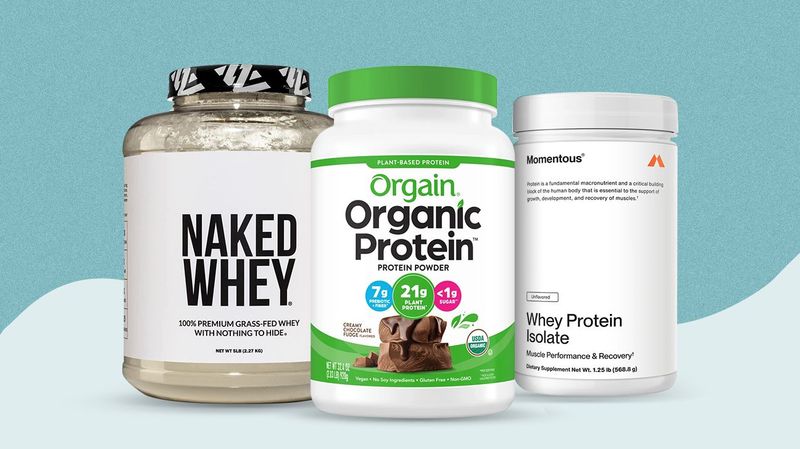
Protein powders are convenient, not mandatory. Most people can meet needs through real foods like eggs, dairy, legumes, fish, poultry, and tofu. Powders help when appetite, time, or access are limited, or for athletes with higher demands.
Focus on total daily protein and distribution across meals. If using a powder, pick one tested for quality, minimal additives, and taste you enjoy. It is a tool, not a requirement.
6. Myth 6: Late night eating always causes weight gain

Calories count more than the clock. Eating late does not inherently cause weight gain, but late snacking can be mindless and calorie dense. Shift focus to what and how much you eat, plus your sleep schedule.
If you work nights or train late, plan a balanced meal or snack with protein and fiber. Keep portions reasonable, minimize alcohol, and prioritize sleep. Consistency beats curfew myths.
7. Myth 7: Gluten-free is healthier for everyone
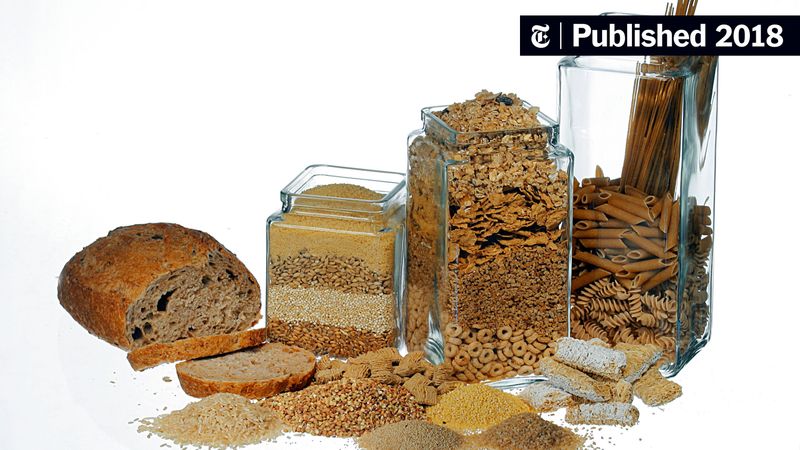
Gluten-free helps people with celiac disease or diagnosed gluten sensitivity. For everyone else, removing gluten does not guarantee better health or weight loss. Some gluten-free products are highly processed and lower in fiber, protein, and micronutrients.
Choose foods for their overall quality. Whole grains like oats, barley, and wheat can be nutrient dense. If you feel better without gluten, work with a professional to keep your diet balanced and fiber rich.
8. Myth 8: Fresh produce is always better than frozen
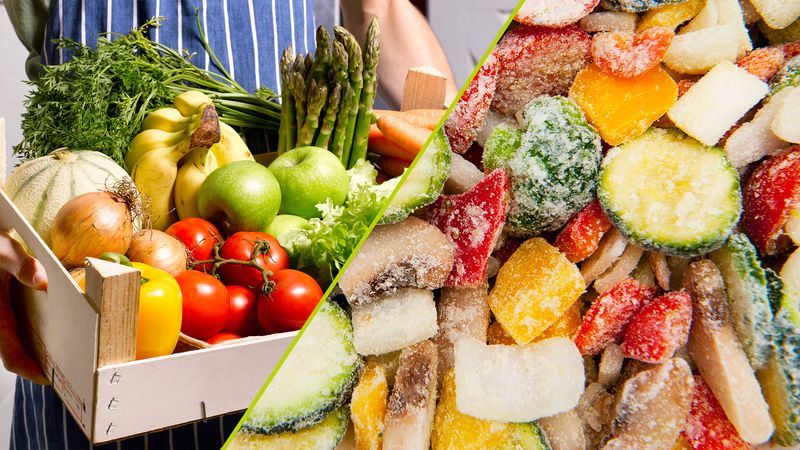
Frozen produce is picked at peak ripeness and quickly frozen, preserving nutrients. Fresh can be fantastic, but long transport and storage may reduce some vitamins. Frozen is often cheaper, reduces waste, and makes weeknight cooking easier.
Choose what helps you eat more plants. Mix fresh for texture and frozen for convenience. The healthiest option is the one you actually use regularly.
9. Myth 9: Egg yolks are bad for your heart
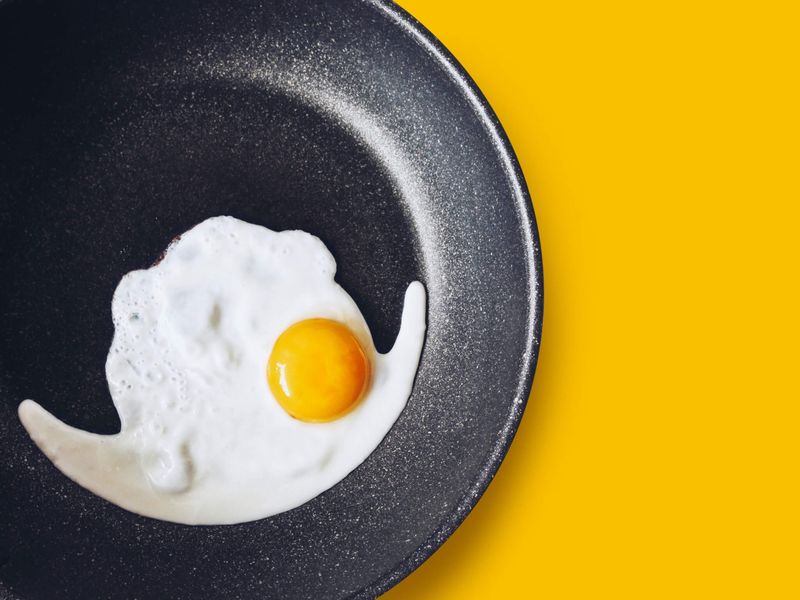
Dietary cholesterol from eggs has a smaller impact on blood cholesterol than once believed. For most people, moderate egg intake fits into a heart healthy pattern. The bigger drivers are saturated fat, fiber intake, and overall diet.
Pair eggs with vegetables, whole grains, and olive oil instead of processed meats. If you have high LDL or specific conditions, consult your clinician. Personal risk matters more than old blanket rules.
10. Myth 10: You must eat six small meals a day
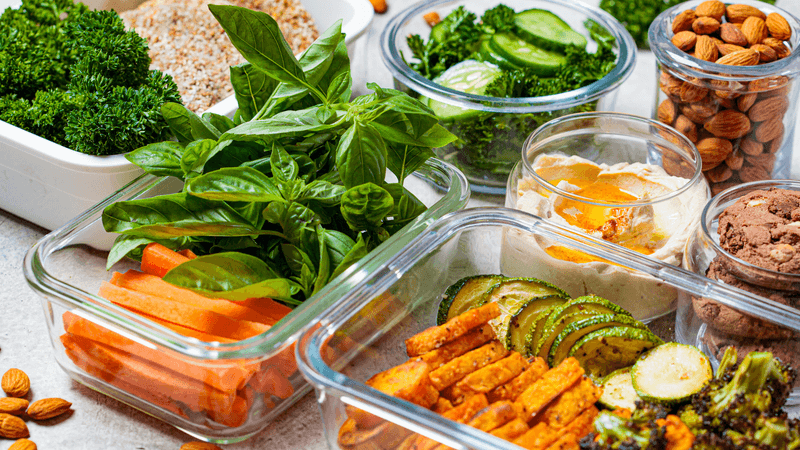
Meal frequency is flexible. Six small meals are not magic for metabolism or fat loss. What helps most is a pattern you can sustain, adequate protein and fiber, and not chronically overeating.
Some feel better with three meals, others prefer snacks. Choose a routine that stabilizes energy and hunger. Consistency, quality food, and total calories drive results more than meal count.
11. Myth 11: All processed foods are bad
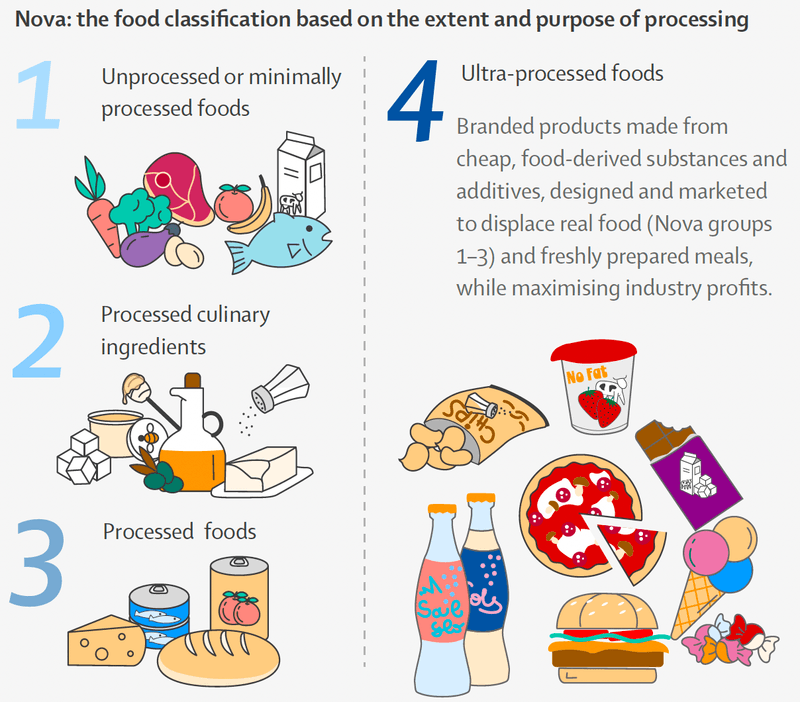
Processing is a spectrum. Washing, chopping, freezing, and canning can preserve nutrients and safety. Ultra processed snacks often combine refined starches, fats, and additives that make overeating easy.
Judge foods by nutritional quality, not processing alone. Canned beans, frozen vegetables, and whole grain bread can support health. Keep ultra processed treats occasional, and base most meals on whole or minimally processed ingredients.
12. Myth 12: Sea salt is healthier than table salt

Sea salt and table salt both provide sodium chloride. The main health issue is total sodium intake, not the crystal shape. Table salt usually has iodine, an essential nutrient many people still need.
Use whichever you like, but mind portions. If using non iodized salts, ensure you get iodine from seafood, dairy, or iodized salt. Flavor food with herbs, citrus, and spices to reduce sodium dependence.
13. Myth 13: Brown sugar is healthier than white sugar
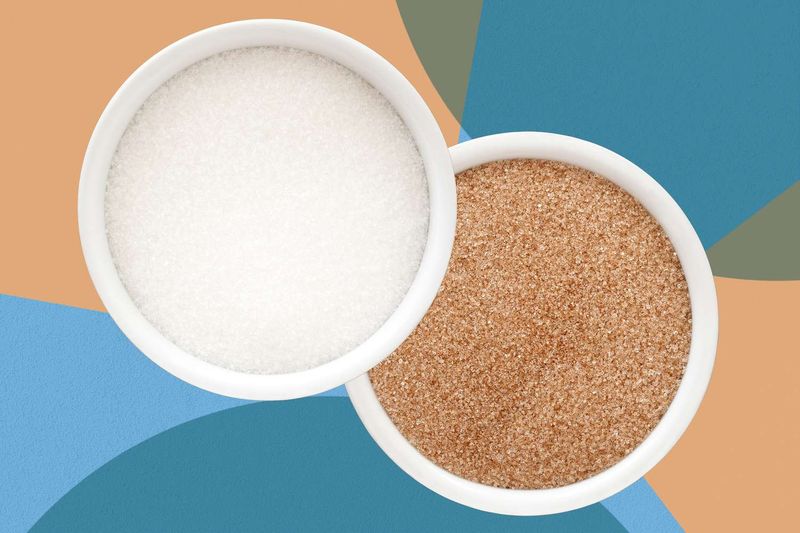
Brown sugar is white sugar with molasses, which adds flavor and color, not meaningful nutrition. Both are added sugars and should be limited for overall health. Your body treats them similarly in terms of blood glucose and energy.
Choose based on taste for recipes. Focus on reducing total added sugar across your day. Fruit, spices, and vanilla can satisfy sweetness with more nutrients and less empty calories.
14. Myth 14: You need supplements to be healthy
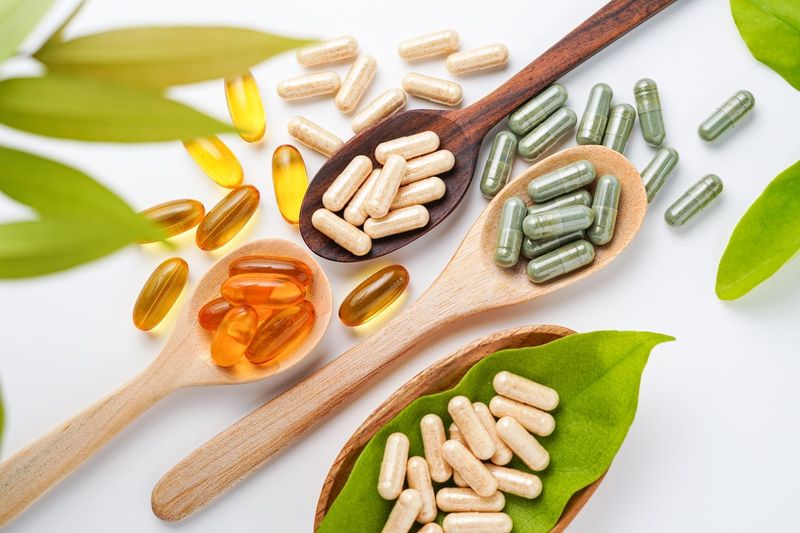
Supplements can fill gaps, but they do not replace a varied diet. Many people meet needs with food when meals include plants, protein, and healthy fats. Certain groups benefit from specific supplements like vitamin D, B12 for vegans, and prenatal vitamins.
Test, do not guess. Work with your clinician to identify deficiencies and choose third party tested products. Food first, targeted supplements second.
15. Myth 15: Organic foods are always more nutritious
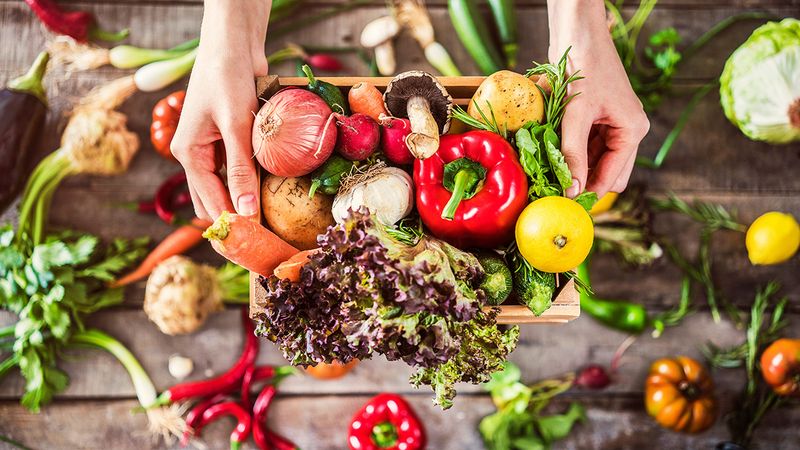
Organic farming impacts pesticide use and environment, but nutrition differences are small and inconsistent. Washing produce reduces residues on both organic and conventional items. If budget is tight, prioritize variety and total plant intake.
Buy organic when it matters to you, but do not skip fruits and vegetables if conventional is what is accessible. Health improves when plants show up daily, regardless of label.
16. Myth 16: Cheeseburgers ruin your diet instantly
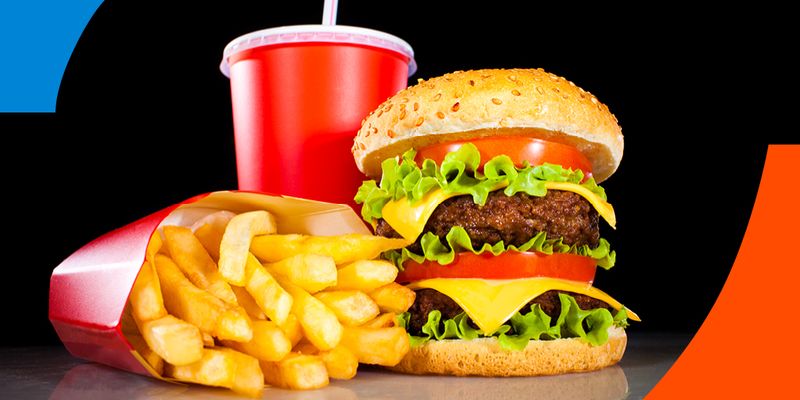
One meal will not make or break your health. What matters is your pattern over weeks and months. Enjoying a burger occasionally can fit if most choices support your goals and you balance the day.
Consider portions, sides, and frequency. Add veggies, choose water, and savor slowly. No shame, just return to your routine at the next meal.
17. Myth 17: All calories are equal in the body
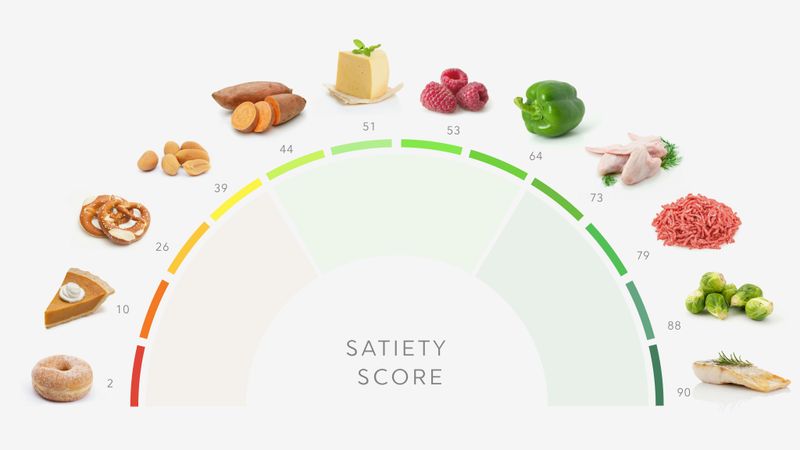
A calorie is a unit of energy, but foods influence hunger, hormones, and fullness differently. Protein and fiber increase satiety, making it easier to stay within your target calories. Ultra processed, low fiber foods can drive overeating.
Calories still count, but food quality changes how you feel and perform. Choose foods that keep you satisfied and energized. It is easier to maintain a healthy intake when meals are balanced and nutrient dense.
18. Myth 18: Fruit has too much sugar
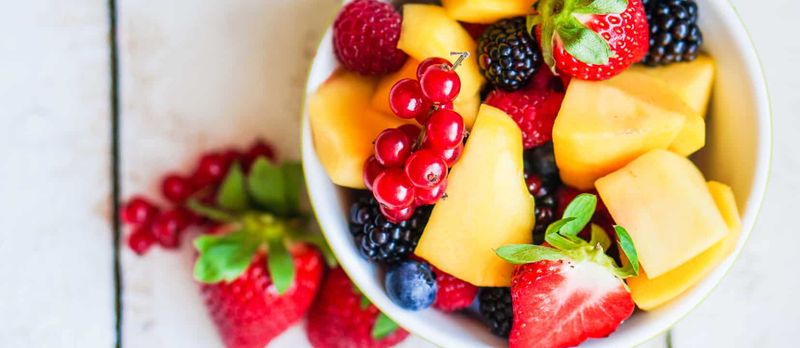
Whole fruit comes packaged with fiber, water, and micronutrients. That combination slows sugar absorption and supports heart and gut health. Most people benefit from eating fruit daily, especially berries, apples, and citrus.
If you track carbs for medical reasons, portion awareness helps. Limit juice, which lacks fiber, but keep whole fruit in rotation. It satisfies sweetness and adds valuable nutrients.
19. Myth 19: You must avoid all sodium
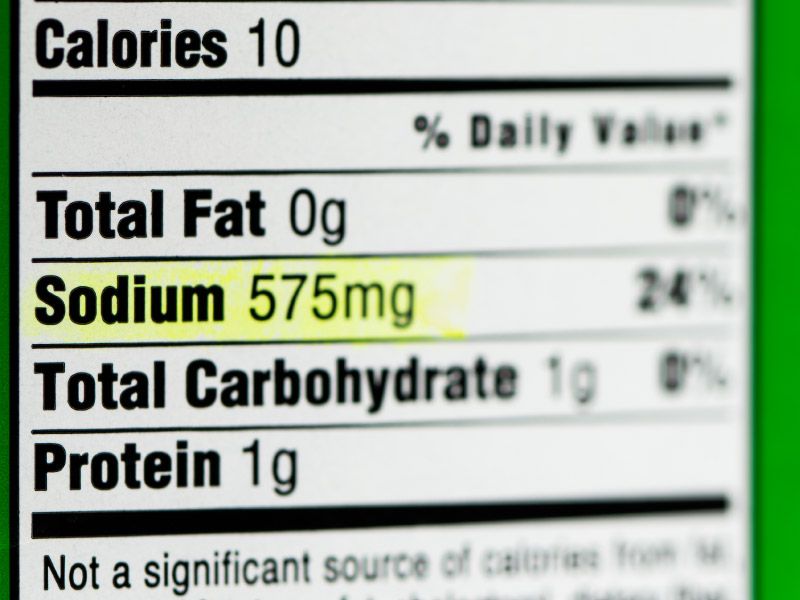
Sodium is essential for fluid balance and nerve function. Too much can raise blood pressure, especially with low potassium intake. You do not need zero sodium; you need an appropriate range tailored to your health and activity.
Cook more at home, taste before salting, and emphasize herbs and acids. Include potassium rich foods like beans, leafy greens, and potatoes. Check with your clinician for personalized targets.
20. Myth 20: Clean eating means perfection
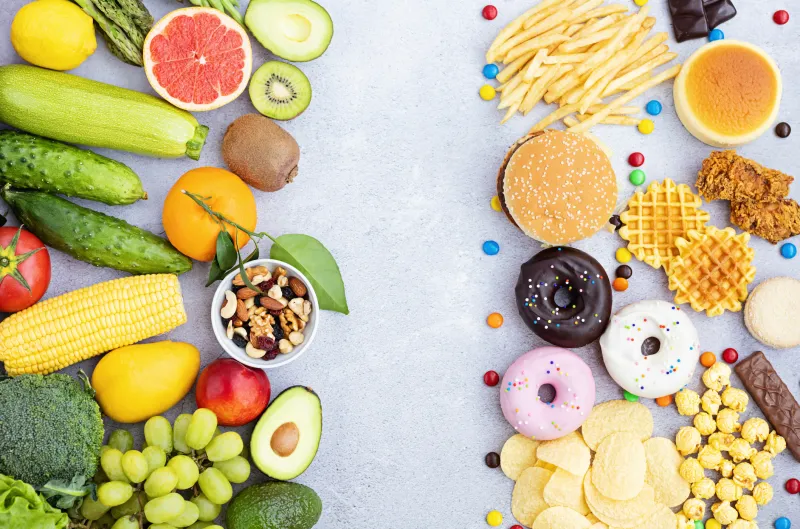
Perfection is not required to be healthy. Rigid food rules can backfire, leading to guilt and all or nothing cycles. Flexible patterns that fit your culture, budget, and schedule are more sustainable.
Focus on habits with big payoffs: plants, protein, fiber, water, and sleep. Make room for joy foods. Progress, not perfection, builds a healthy life you can actually live.