20 Common Shrimp-Cooking Mistakes You Should Never Make
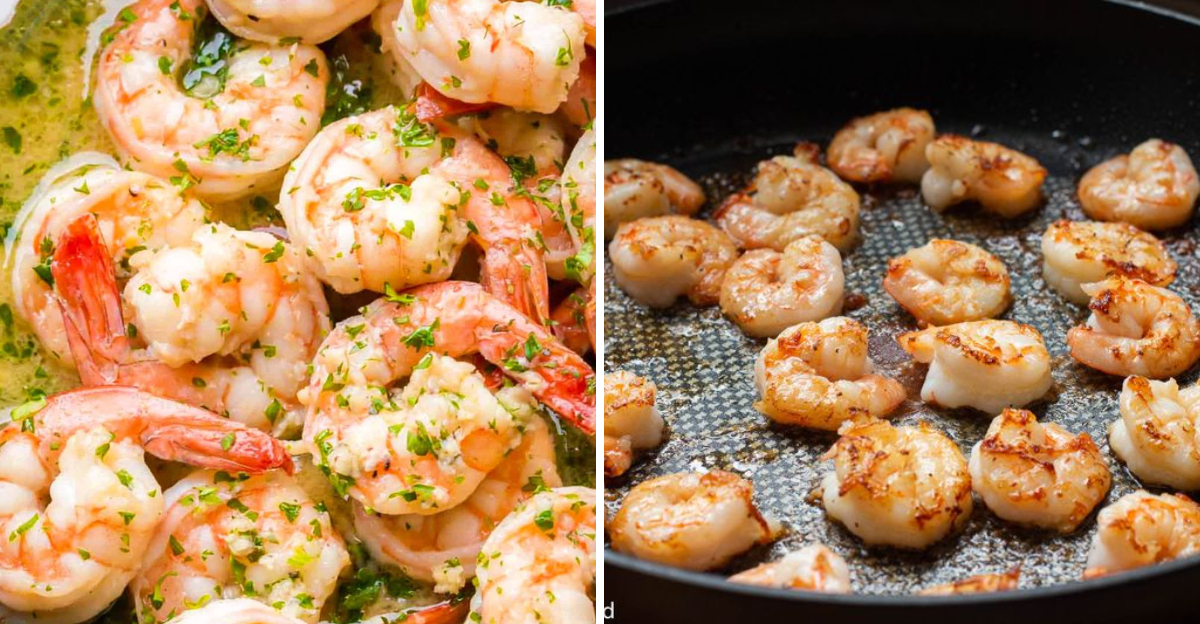
Shrimp cook fast, taste incredible, and can still go wrong in a dozen sneaky ways. If your shrimp end up rubbery, watery, or oddly bland, you are not alone.
The good news is that a few simple tweaks can save dinner and make every bite juicy and tender. Keep reading and you will nail shrimp every time, with fewer mistakes and more flavor.
1. Not deveining properly
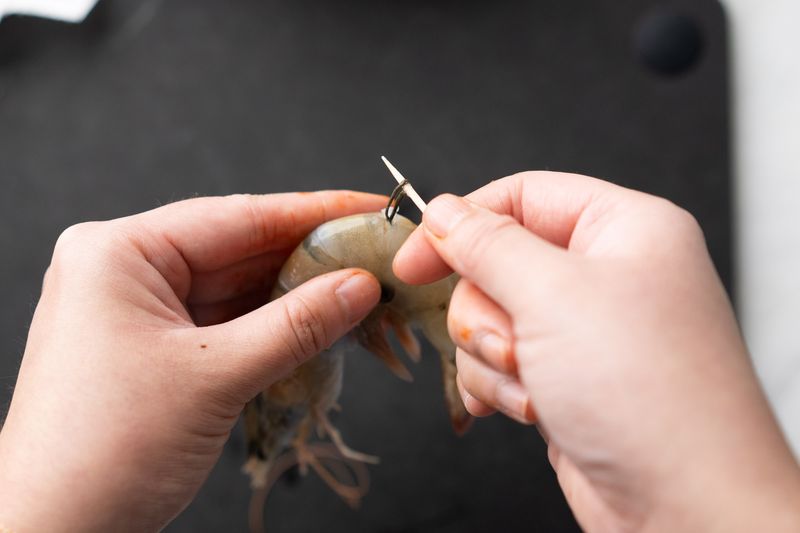
Skipping the vein can leave grit and a muddy flavor that distracts from sweet, briny shrimp. You do not have to remove it for safety, but you will notice better texture and cleaner taste when you do.
Use a small paring knife or a dedicated deveiner and work gently.
Make a shallow slit along the back, then pull out the dark vein with the tip. Rinse briefly and pat dry.
Take your time so you do not tear the flesh or waste meat, and you will see a big difference.
2. Overcooking until rubbery
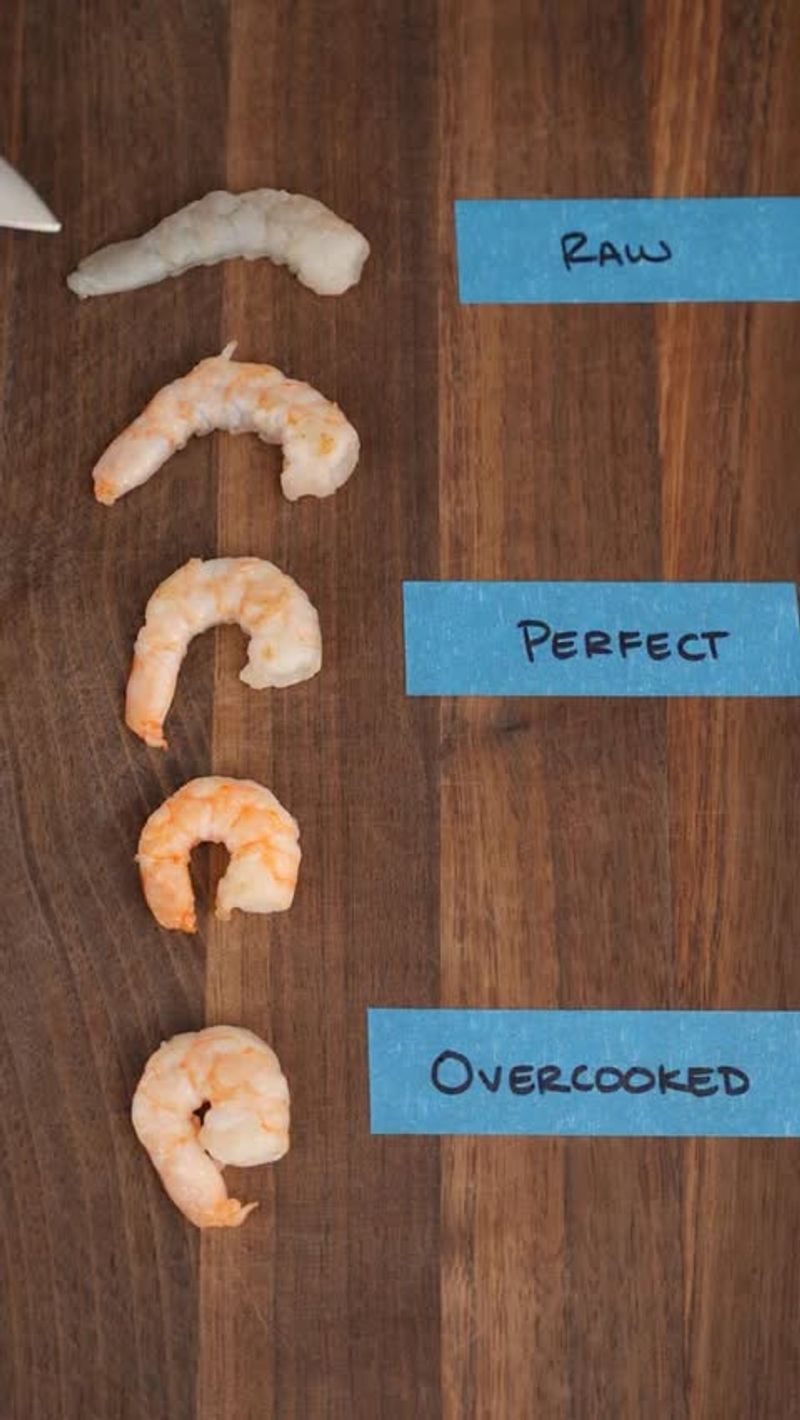
Shrimp go from perfect to rubbery in about a minute, so timing matters. Watch for the C shape and opaque pink color rather than a tight O curl.
Pull them off heat just before done, since carryover cooking finishes the job.
Use medium-high heat for a quick sear and cook in a single layer. If unsure, test one and cut into the thickest part.
When it is barely opaque, remove and rest briefly. Tender, juicy shrimp beat tough, squeaky bites every time.
3. Not drying shrimp before cooking
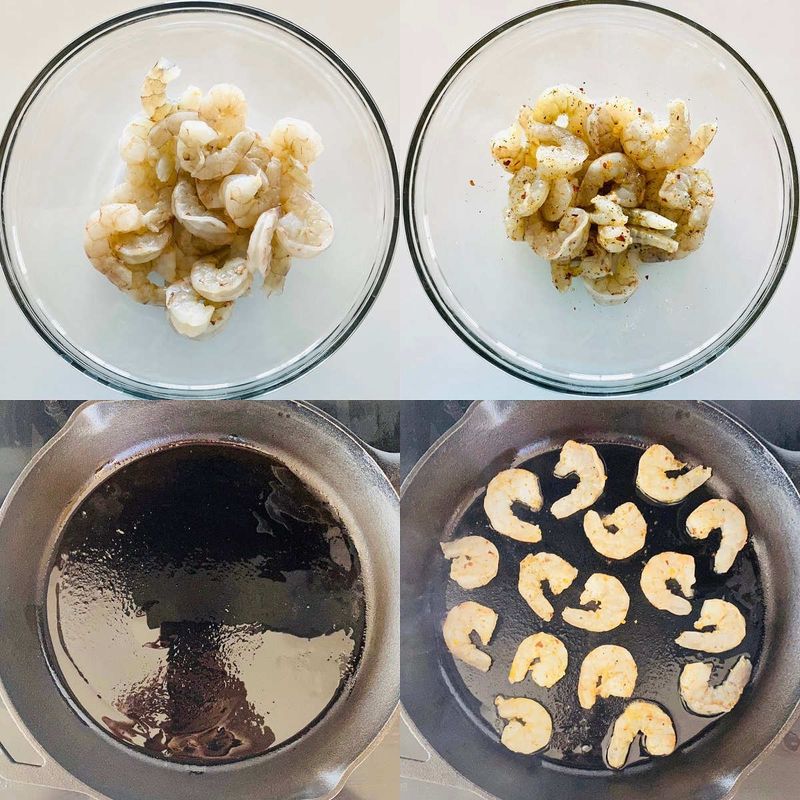
Wet shrimp steam instead of sear, so you lose that golden edge and concentrated flavor. After rinsing, blot thoroughly with paper towels, then air dry a few minutes on a rack.
Dry surfaces caramelize better and grab seasonings more evenly.
If you are grilling or pan searing, dryness is your best friend. Oil the shrimp lightly, season, and cook hot and fast.
You will hear a satisfying sizzle instead of weak simmering sounds. That sound means browning, and browning means flavor.
4. Using tiny shrimp for high-heat searing
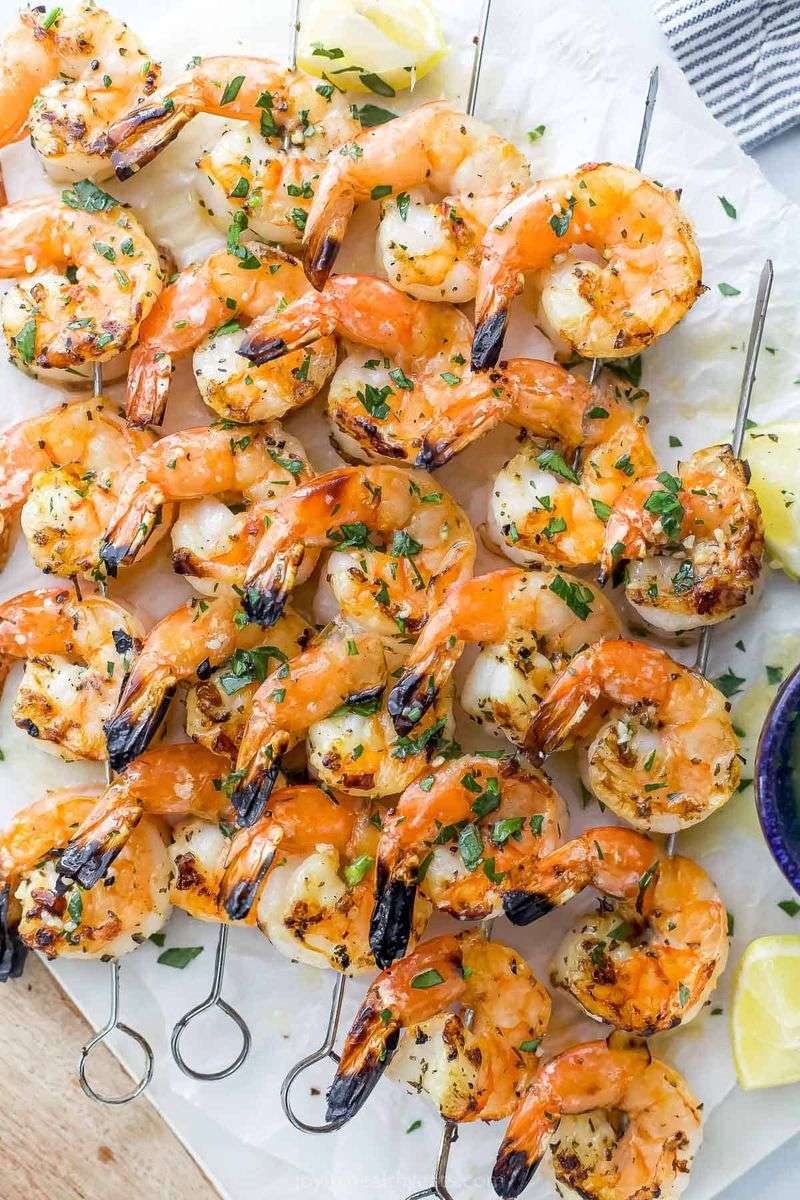
Very small shrimp overcook in seconds under high heat, leaving you with bouncy, dry bites. Choose larger sizes when searing or grilling so you get a browned exterior and a juicy center.
Bigger shrimp handle skewers and flipping without falling apart.
Save smaller shrimp for quick saucy dishes, soups, or fried rice where they cook briefly in residual heat. Match the size to the method and your results will improve immediately.
It is not about fancy techniques, just smart pairing.
5. Skipping a quick brine
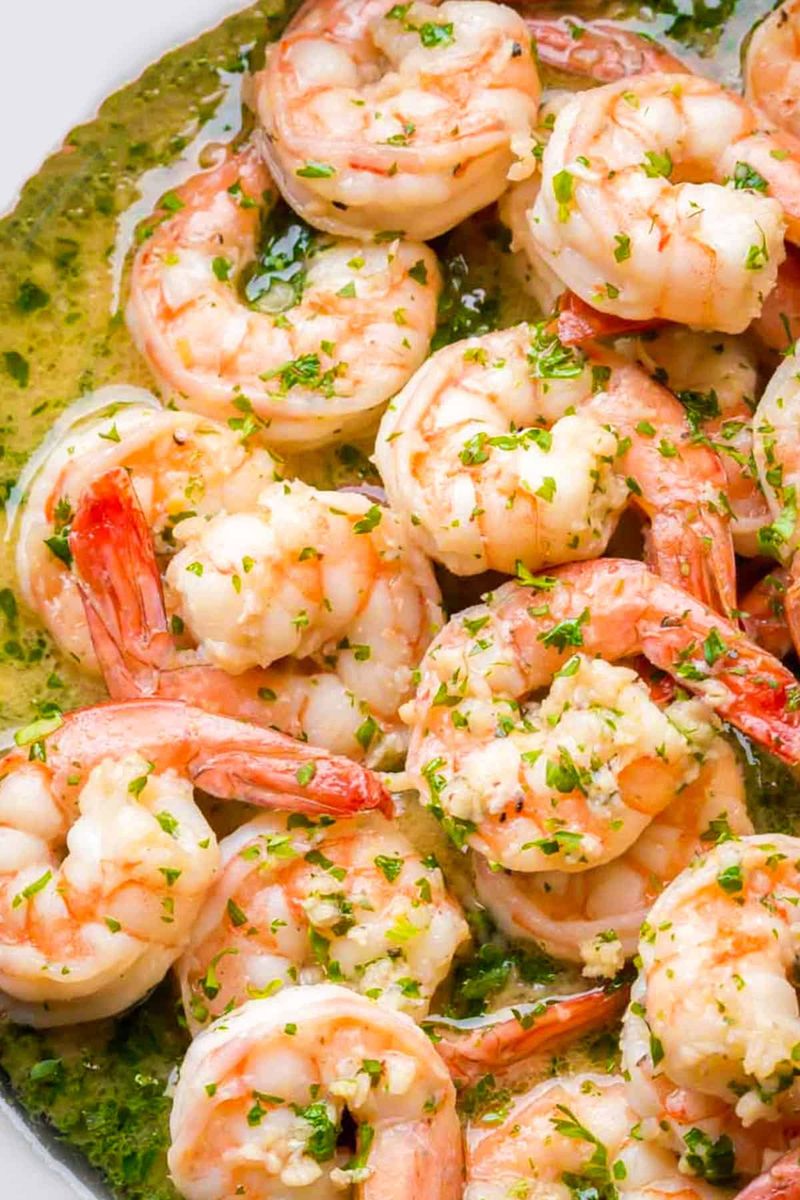
A short salt and baking soda brine keeps shrimp juicy and snappy. Stir 1 teaspoon kosher salt and 1 fourth teaspoon baking soda per pound of shrimp, then chill 15 to 30 minutes.
Rinse lightly, pat dry, and cook as usual.
This simple step seasons the shrimp through and improves texture dramatically. You will notice better browning and fewer watery puddles in the pan.
It is low effort with high reward, especially for frozen, previously thawed shrimp.
6. Cooking straight from frozen
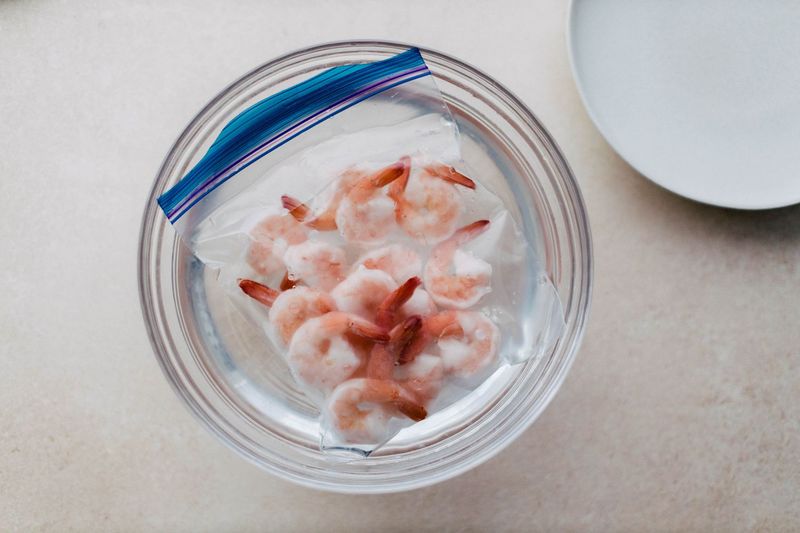
Frozen shrimp cook unevenly and shed excess water, which sabotages browning. Thaw safely in the fridge overnight or use a quick cold water method: submerge in a colander under running cold water for 10 to 15 minutes.
Dry thoroughly afterward.
Do not thaw on the counter. Bacteria love room temperature, and texture suffers.
Once thawed and dried, shrimp cook predictably and evenly. You will get better sear, seasoning cling, and a more tender bite every time.
7. Crowding the pan
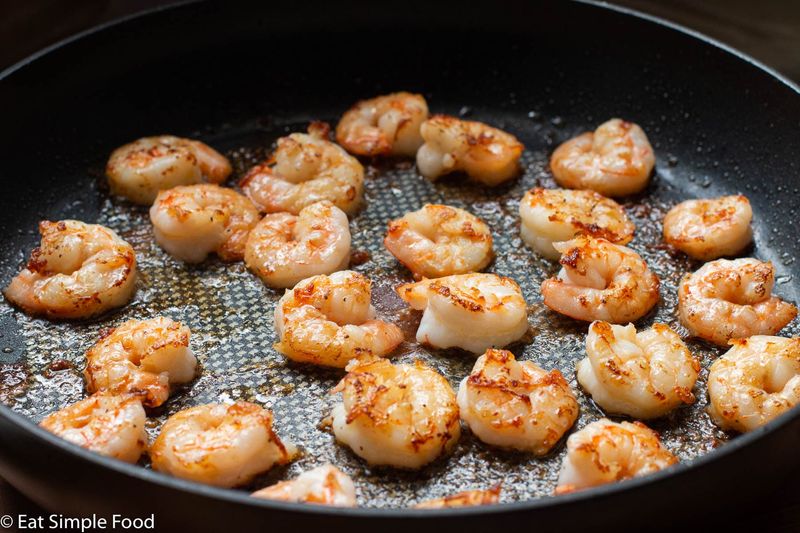
Packing the pan traps steam, dilutes browning, and leads to pale, soggy shrimp. Use a large skillet and cook in batches so each piece has contact with hot surface.
You will hear that sizzle and see caramelization right away.
Between batches, wipe out moisture and reheat the pan. Add a touch more oil and continue.
The small delay is worth the payoff. Your shrimp will have color, snap, and concentrated flavor instead of bland, watery results.
8. Marinating too long
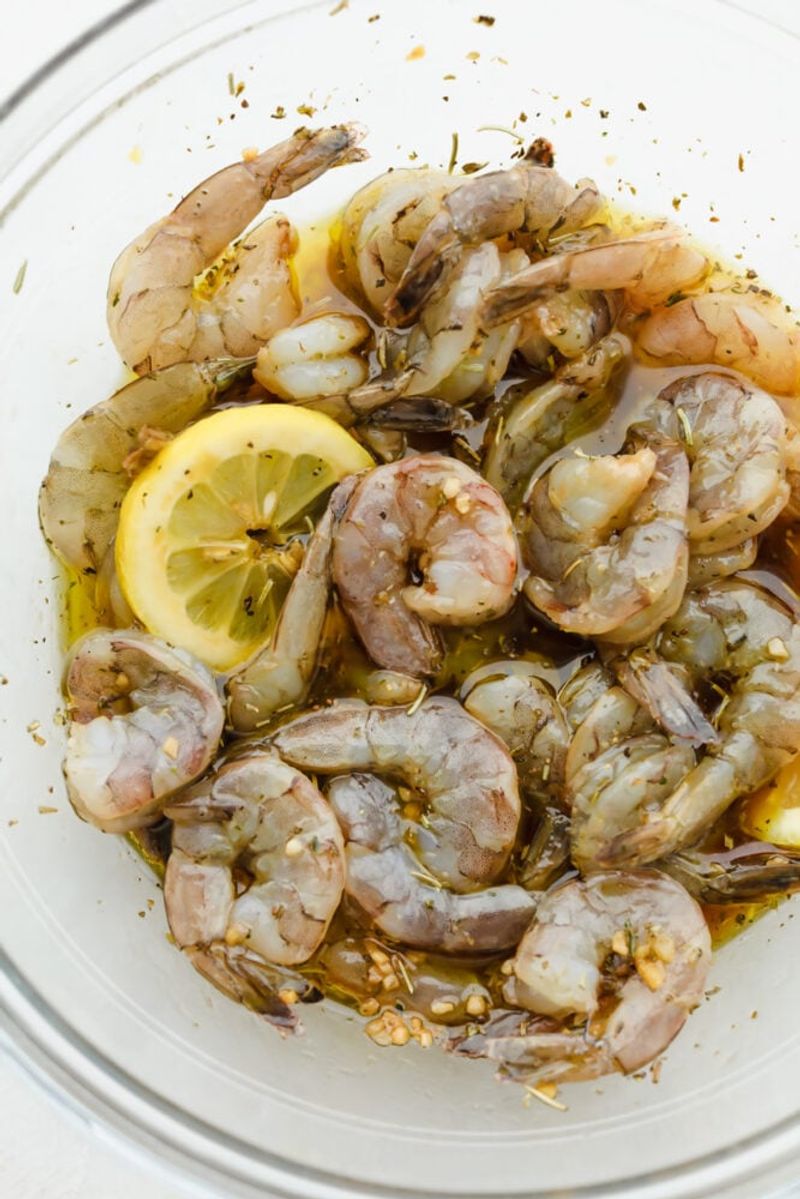
Acidic marinades can turn shrimp mushy fast. Limit citrus or vinegar time to 15 to 30 minutes tops.
For deeper flavor without texture damage, use oil, garlic, spices, and salt, then finish with acid right before serving.
Alternatively, brine first, pat dry, and toss with a concentrated spice paste. The shellfish absorbs seasoning quickly, so less is more.
Short, targeted marination protects that springy bite you love, leaving room for bright finishes like lemon zest, fresh herbs, or a squeeze of lime at the end.
9. Peeling too early for flavor
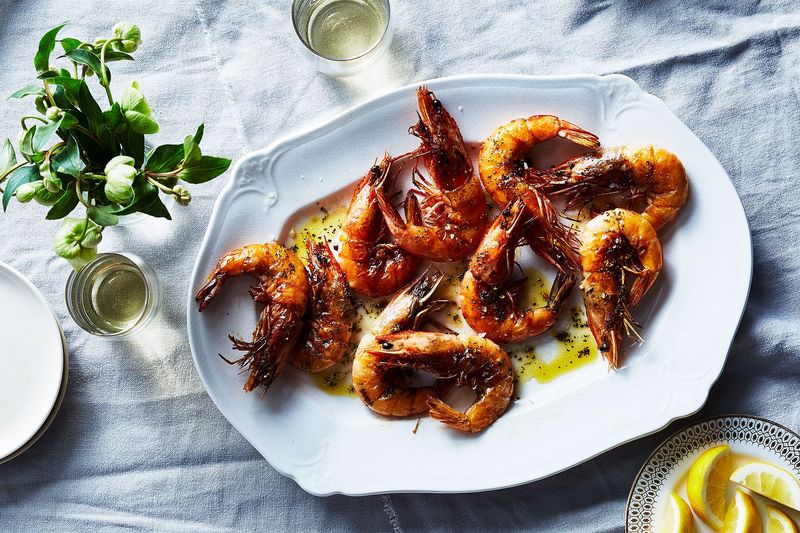
Cooking shrimp with shells on traps moisture and boosts flavor. The shells act like tiny armor that encourages gentle steaming while still allowing browning.
If your recipe allows, leave shells during cooking, then peel at the table.
You will get richer stock-like drippings and more concentrated shrimp taste. For soups, boils, or grills, shells also protect delicate meat from harsh heat.
It is a small change that pays big dividends in juiciness and depth.
10. Using weak heat
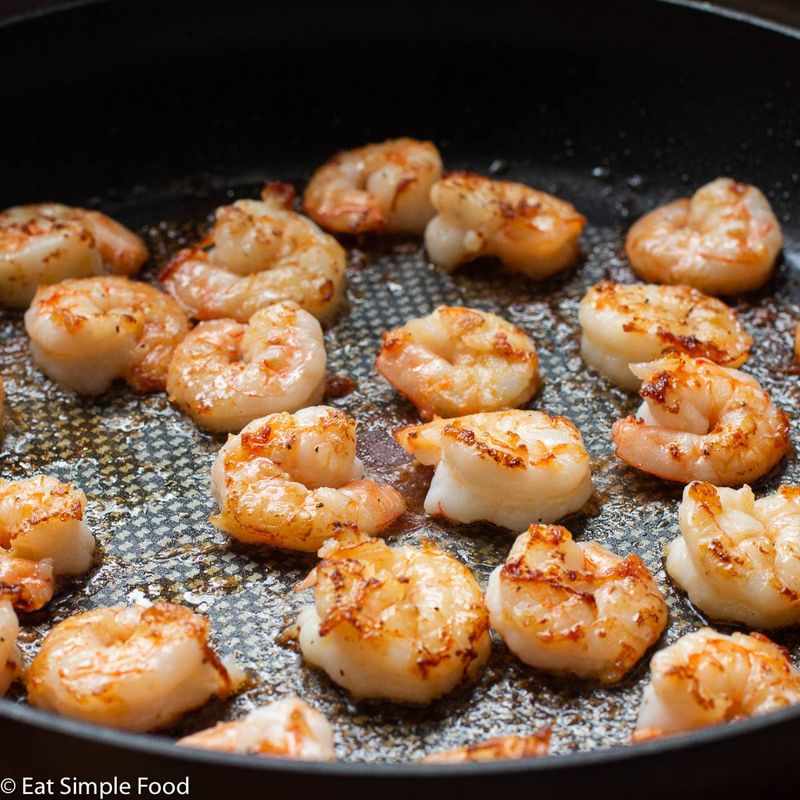
Medium heat often leaves shrimp pale and weepy. Crank it to medium-high so moisture evaporates quickly and surfaces brown.
Preheat the pan until oil shimmers, then add shrimp in a single layer for an instant sizzle.
High heat delivers sweet, roasty notes and a juicy interior when timing is right. Keep a spatula ready, flip once, and finish quickly.
If sauce is involved, deglaze after searing to capture browned bits without overcooking the shrimp themselves.
11. Seasoning only at the end
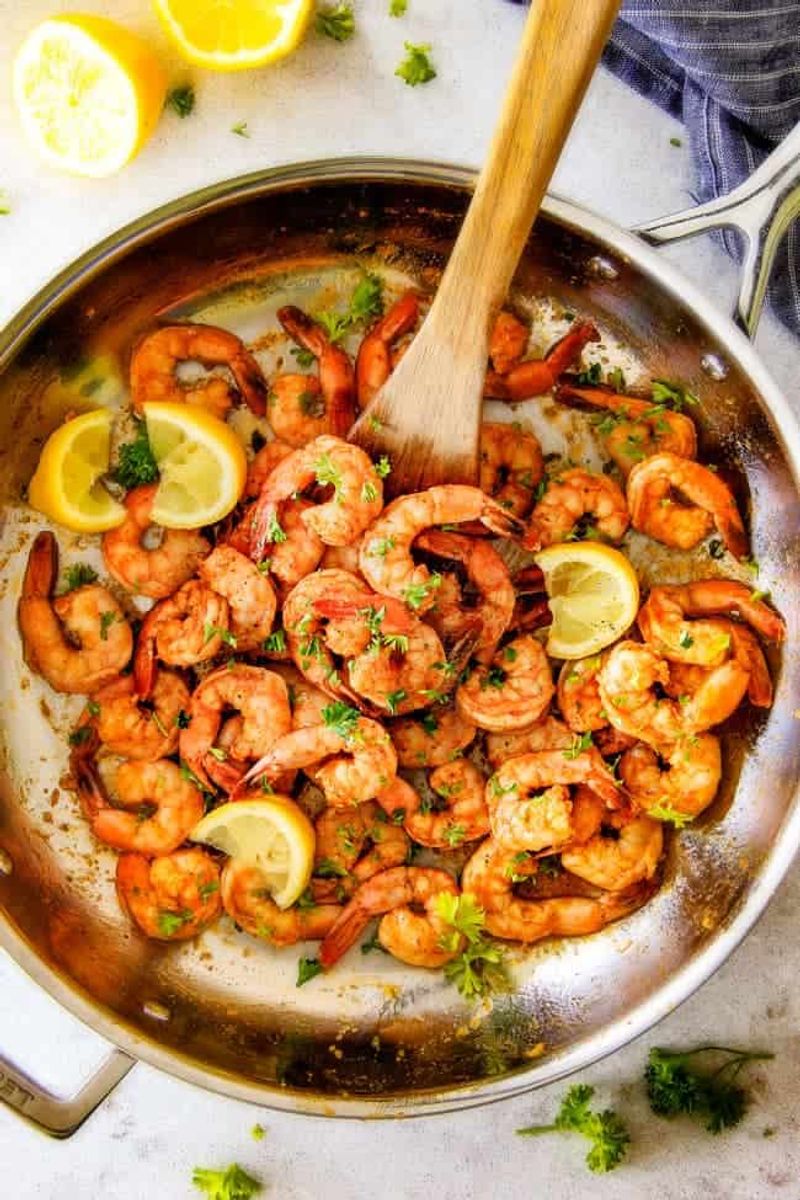
Season early so salt can penetrate and draw out surface moisture for better browning. A light salt and spice mix right before cooking does wonders.
You can always finish with flaky salt, citrus, or herbs for brightness.
Layering flavor beats dumping at the end. Consider a quick brine, then dry thoroughly, season, and sear.
This sequence gives you seasoned meat through the bite and a lively finish that pops. Your palate will notice the difference immediately.
12. Ignoring carryover cooking
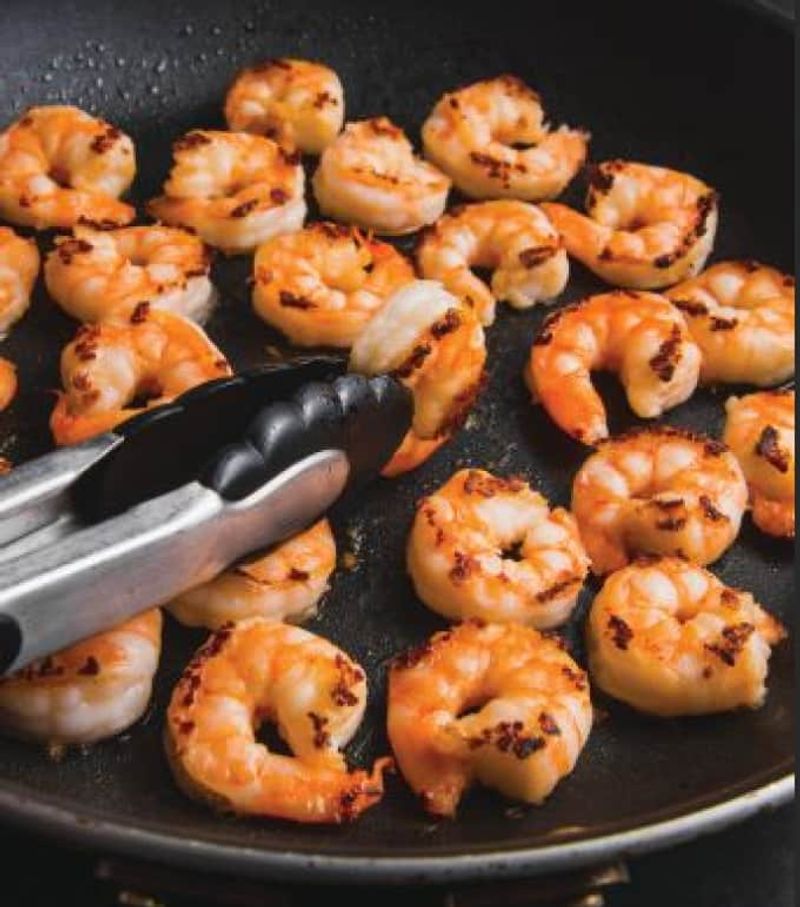
Shrimp keep cooking after you remove them from heat, especially in hot pans or sauces. Transfer them to a cool plate the moment they turn opaque and slightly underdone.
Add them back to sauce off heat if needed.
This prevents that last-minute slide into rubbery territory. Plan for carryover like a pro and you will serve perfectly tender shrimp.
It is a tiny adjustment with a big payoff, and it helps when juggling sides or plating for guests.
13. Using old or fishy-smelling shrimp
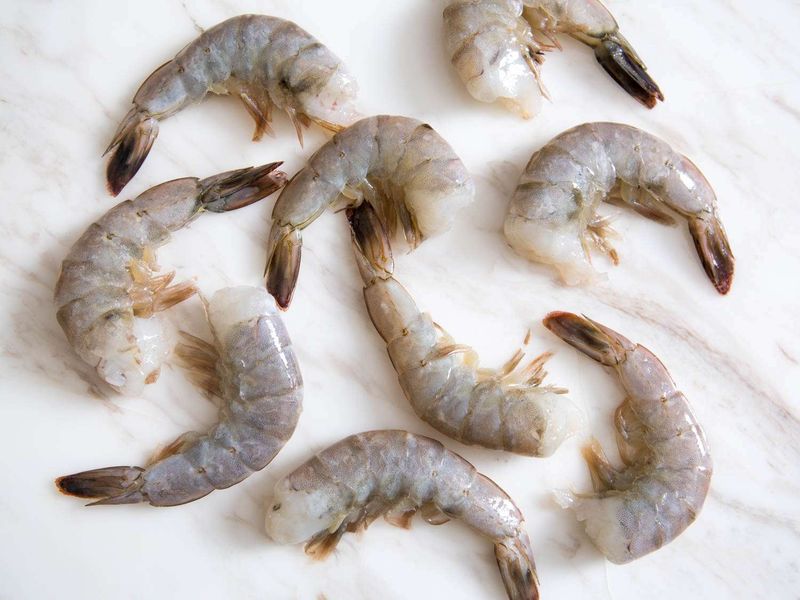
Fresh shrimp should smell briny and clean, never fishy or ammonia-like. That off aroma signals deterioration and potential safety issues.
Trust your nose and buy from a reputable source with steady turnover.
Look for firm texture and translucent flesh, not mushy or yellowed. If buying frozen, choose individually quick frozen packages with minimal ice crystals.
You will taste the difference in sweetness and snap, and you will reduce waste from tossing questionable seafood.
14. Forgetting to remove moisture in marinades
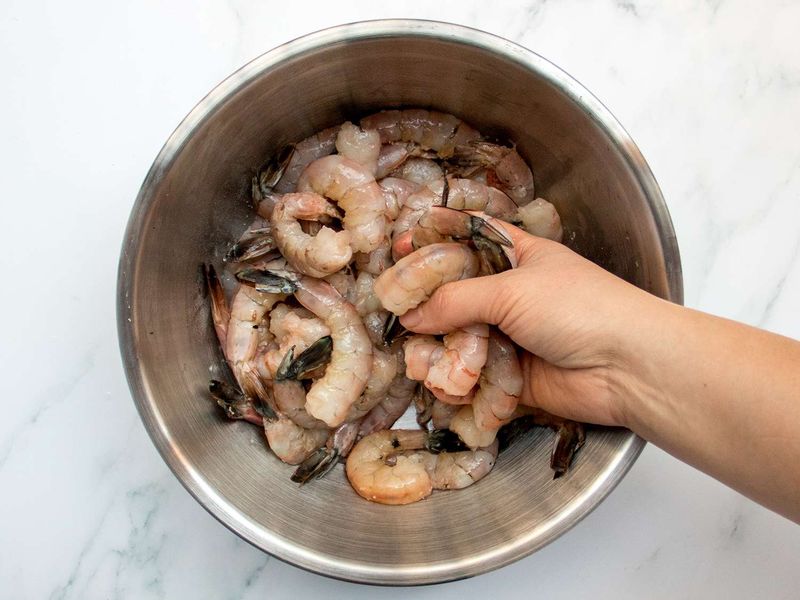
Wet marinades can pool in the pan and prevent browning. Drain excess and pat shrimp lightly before cooking.
Alternatively, use a thicker paste marinade so flavor clings without flooding.
After searing, you can add the drained marinade and simmer briefly to form a quick sauce. This two-step approach gives you color and concentrated flavor.
It is the best of both worlds and keeps shrimp from steaming into blandness.
15. Adding garlic too early
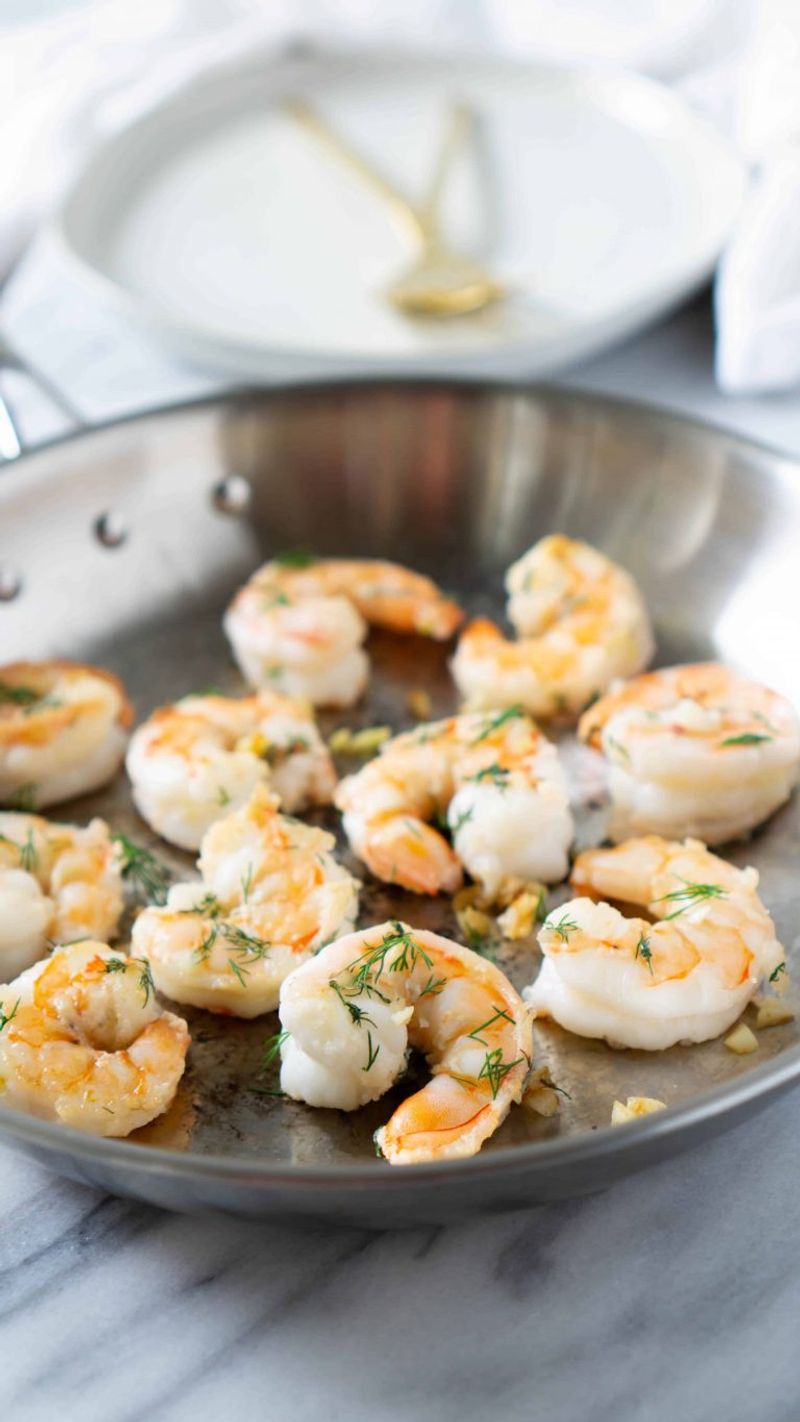
Garlic burns fast and turns bitter, especially with high heat for shrimp. Instead, sear shrimp first, then add minced garlic during the last 30 to 45 seconds.
Alternatively, infuse oil with smashed cloves, remove them, and continue.
This keeps flavors sweet and aromatic rather than harsh. You still get that garlicky hit without brown, acrid notes.
Small timing tweaks like this protect delicate ingredients and make your dish taste intentional, not accidental.
16. Neglecting to rest briefly
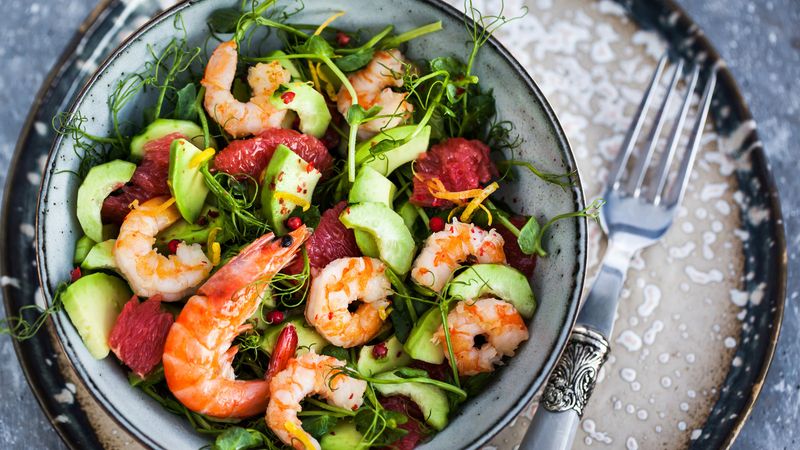
A short rest lets juices redistribute and surface steam escape, preserving texture. Pull shrimp off heat and give them one to two minutes before tossing with sauce or plating.
They stay plump instead of weeping moisture onto the plate.
Use this moment to finish the sauce, chop herbs, or squeeze citrus. That pause improves consistency across the batch.
It is a tiny habit that delivers cleaner flavors and better mouthfeel.
17. Using the wrong pan
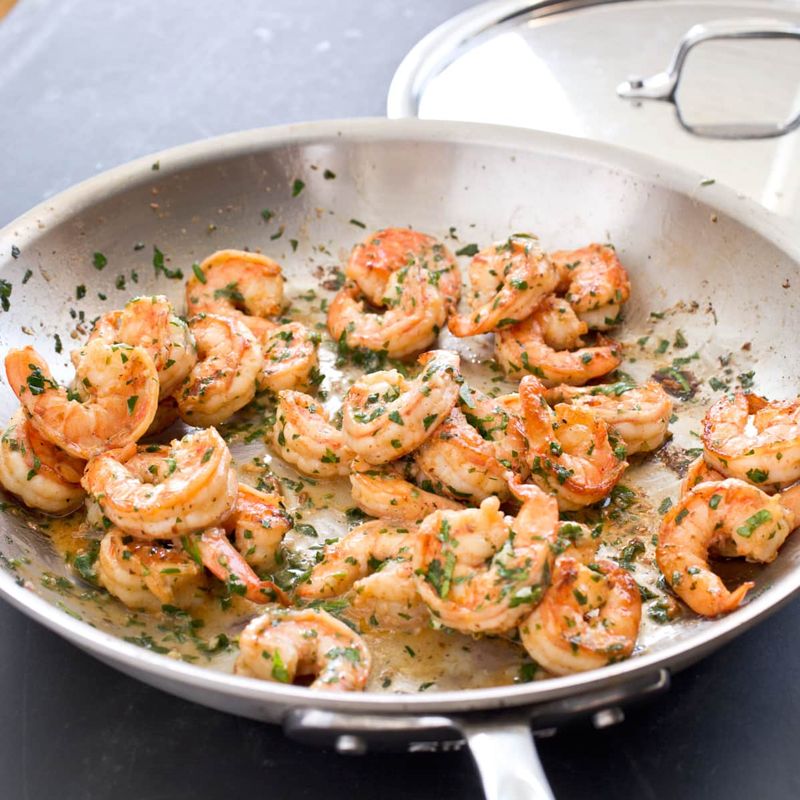
Nonstick is convenient but can struggle with high-heat browning. Stainless or cast iron gives superior sear if you preheat well and use enough oil.
Choose equipment that matches your method and cleanup preferences.
For saucy recipes, a stainless skillet lets you deglaze and build flavor. For delicate poaching, nonstick works fine at lower heat.
The right pan removes frustration and makes success repeatable.
18. Skipping a quick sauce or finish
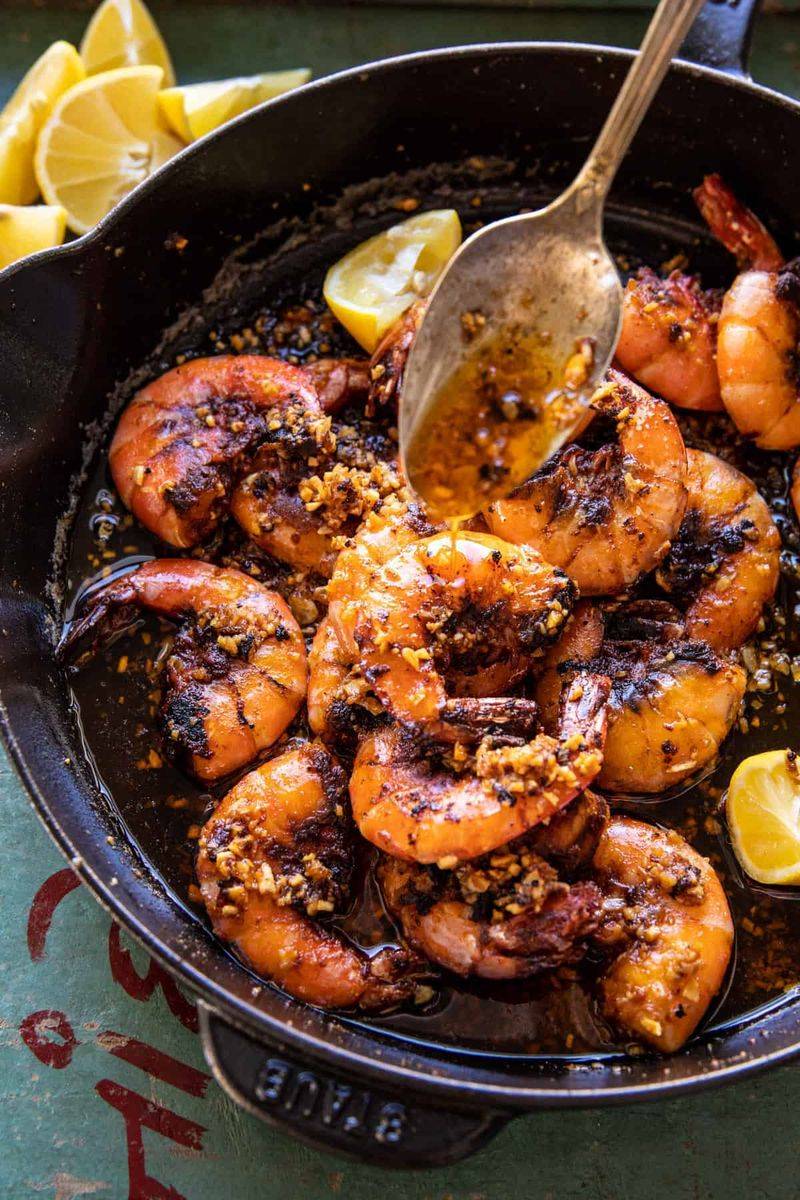
Shrimp are mild and love a punchy finish. A quick pan sauce with lemon, butter, chili, or herbs turns seared shrimp into a complete dish.
Deglaze with wine or broth, reduce briefly, and swirl in butter off heat.
Even simpler, toss with olive oil, garlic, parsley, and zest. The contrast makes sweetness shine and keeps bites interesting.
You will never call shrimp boring again with a 2 minute finish.
19. Not matching shrimp to cooking method
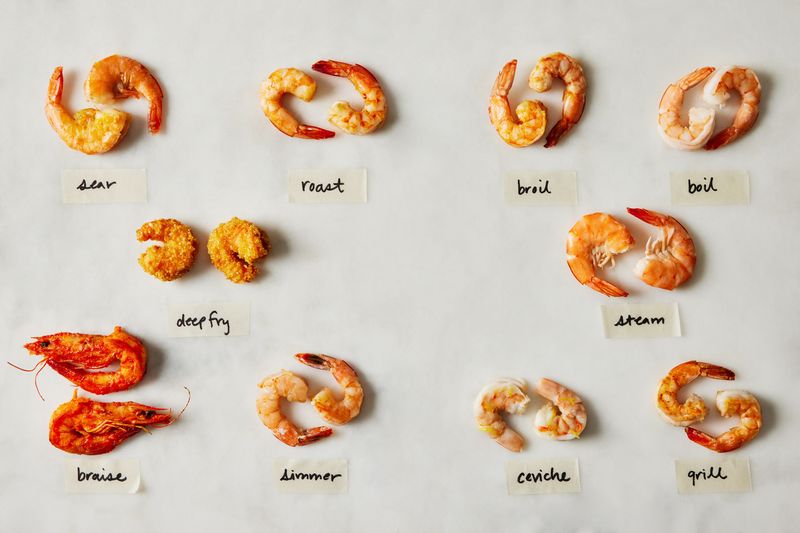
Different sizes and species behave differently under heat. Gulf, Argentine, and tiger shrimp vary in sweetness, firmness, and moisture.
Pair larger, firmer varieties with grilling or searing, and use smaller, delicate ones for poaching or quick stir fries.
Read labels and ask questions when buying. You will get better texture and more predictable timing.
Matching shrimp to method reduces stress and delivers restaurant level results at home.
20. Salting pasta water but not shrimp
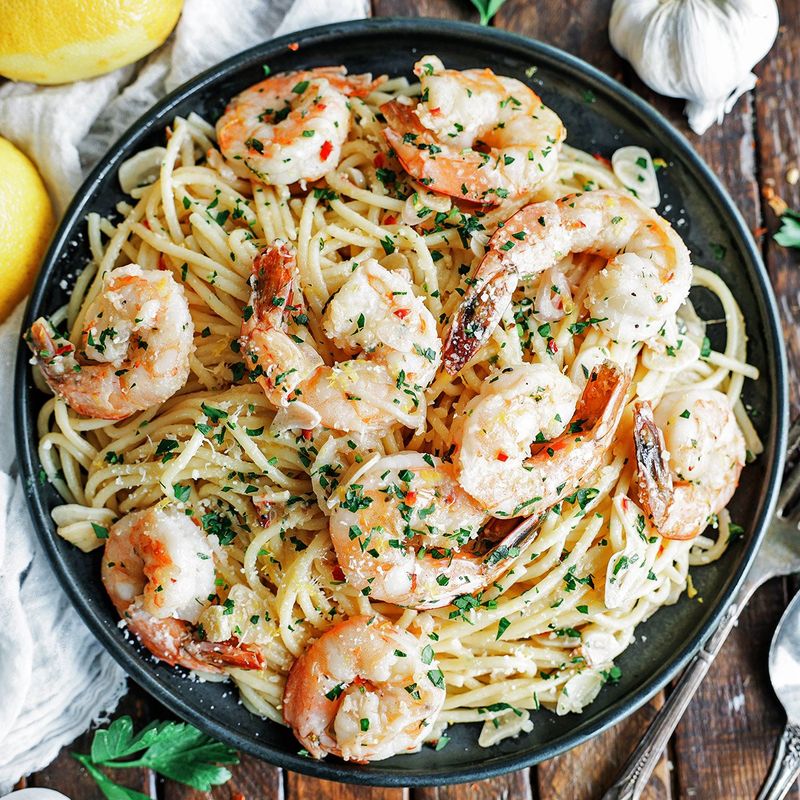
If shrimp star in pasta dishes, they need their own seasoning. Salt the shrimp directly or brine briefly, not just the pasta water.
Otherwise, noodles taste seasoned while shrimp fade into the background.
Balance matters. Season, sear, then finish in the sauce for cohesion.
You will taste savory shrimp in every forkful, not just salty pasta. It is the difference between good and great.