20 Common Squash Types And How To Cook Them
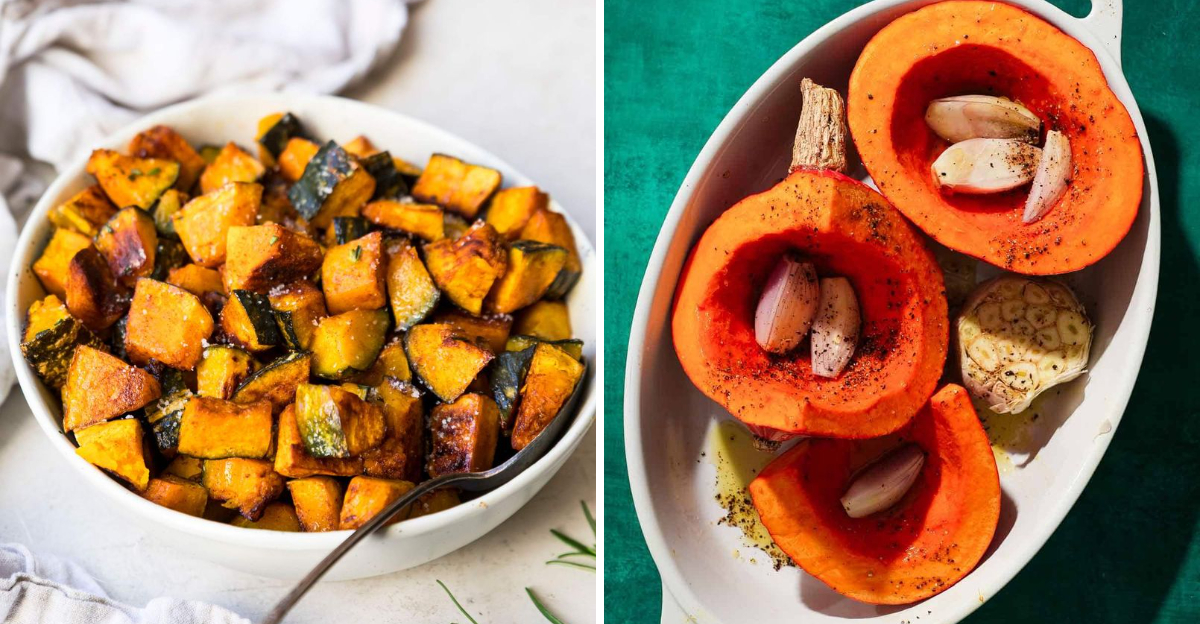
Squash can be confusing until you face a mountain of shapes and colors that all cook differently. The good news is you only need a few reliable methods to make each one taste amazing.
From sweet, silky purees to roasty, caramelized cubes and quick weeknight sautés, these tips have you covered. Grab a knife and let’s turn that pile into dinners you will actually crave.
1. Butternut squash
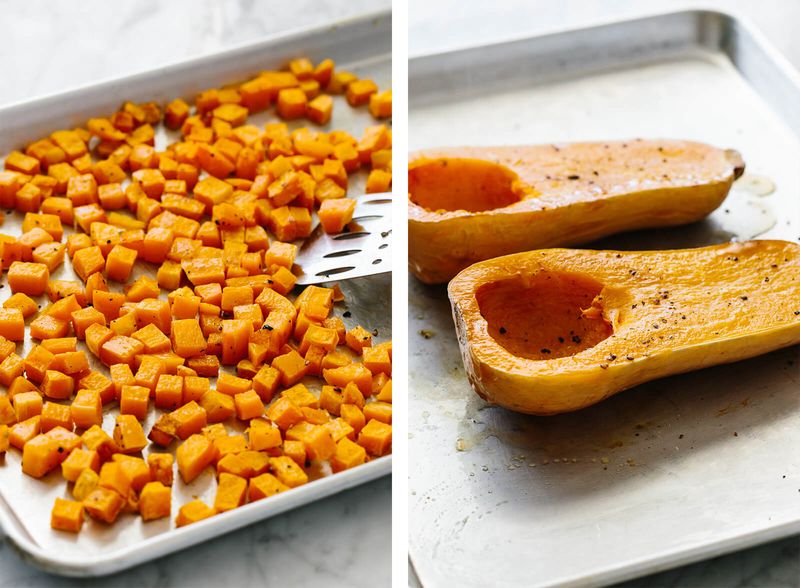
You get the most flavor from butternut by roasting cubes hot until edges caramelize. Toss with olive oil, salt, and pepper, then roast at 425°F, flipping once.
For a silky soup, simmer roasted cubes in stock, blend smooth, and finish with cream or coconut milk.
If you want something cozy, mash the roasted flesh with butter and salt for a simple side. A pinch of nutmeg or smoked paprika adds depth without effort.
Leftovers are great folded into risotto, mixed into pasta with sage, or spread on toast with goat cheese.
2. Acorn squash
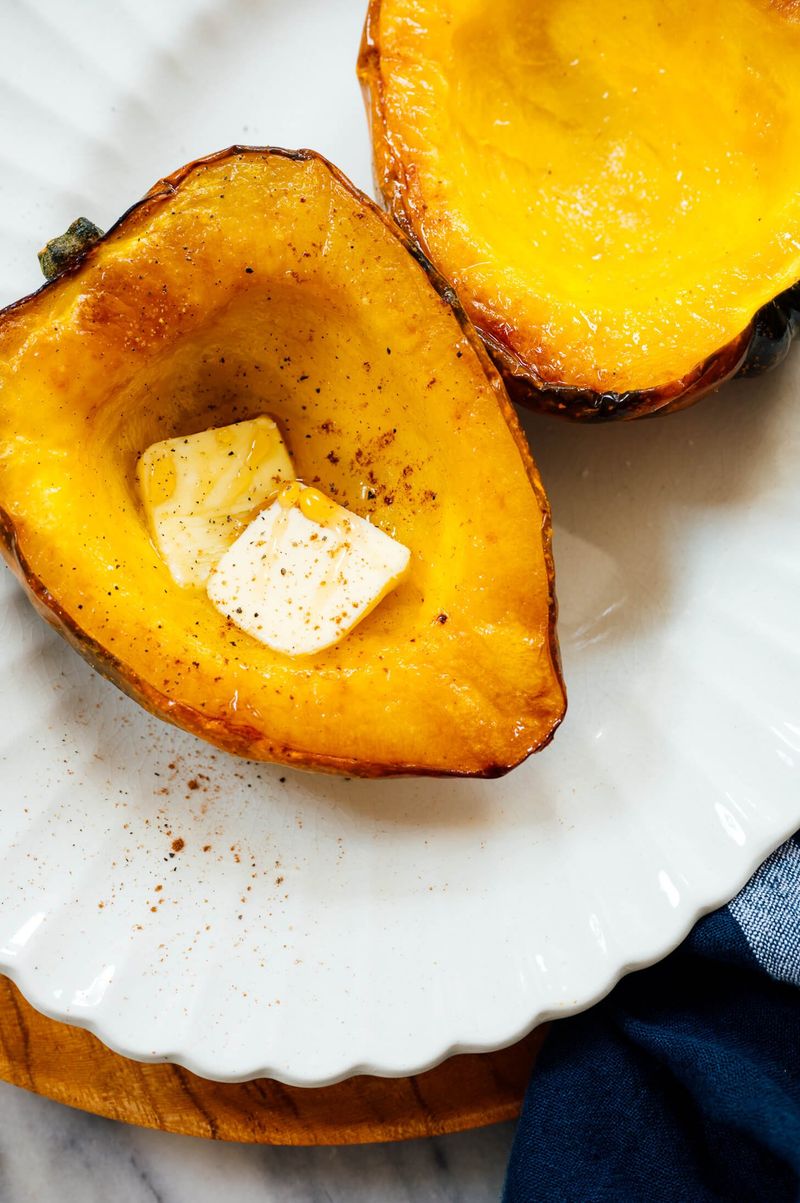
Halve an acorn squash, scoop seeds, and roast cut-side down at 425°F until tender. Flip it, add butter, salt, and either a little brown sugar or maple if you like sweet.
For savory, go with chopped herbs, grated Parmesan, and black pepper.
Roasting concentrates the earthy sweetness and softens the ridges for easy eating. You can also stuff the halves with sausage, grains, and greens, then bake.
Serve straight from the shell for an easy weeknight dish that feels special and warming.
3. Kabocha squash
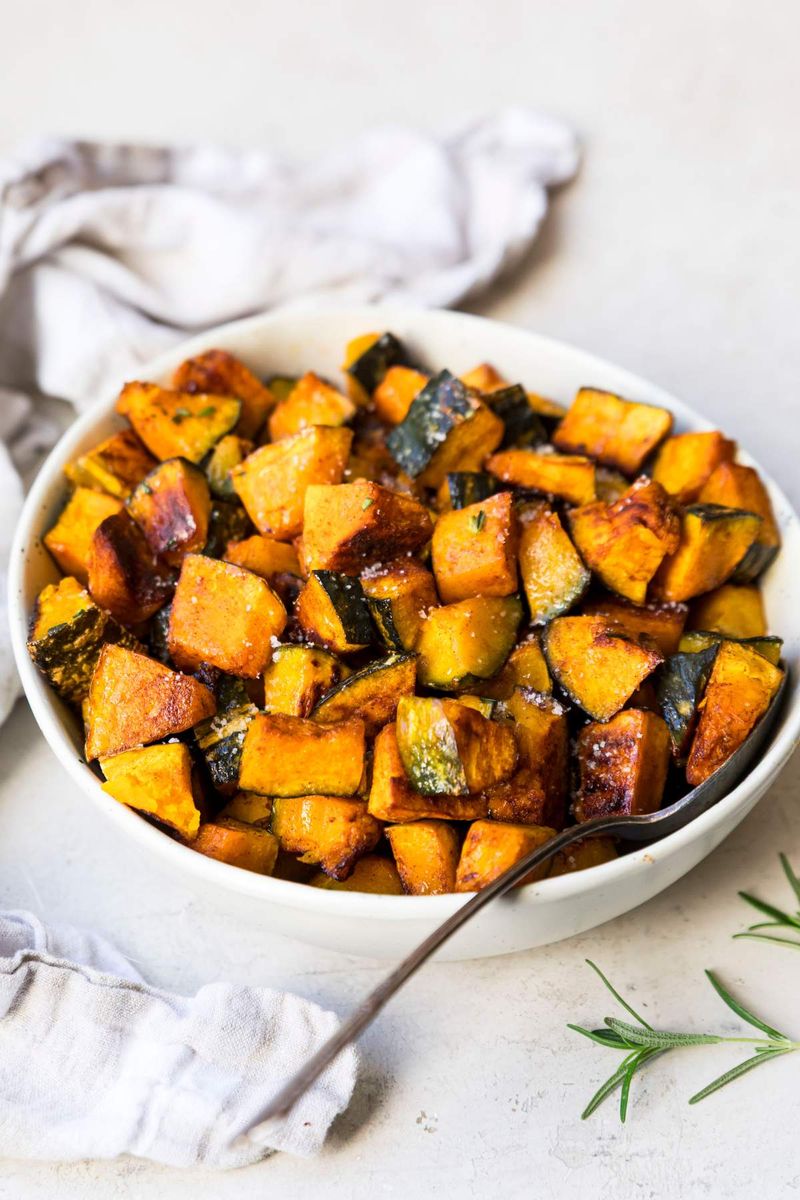
Kabocha roasts beautifully in wedges with the skin on, which turns tender and totally edible. Toss with oil and salt, roast at 425°F until the edges get chestnut-sweet and concentrated.
The texture is dense and velvety, perfect for hearty bowls.
Slide leftovers into a coconut curry for richness or blend with miso and stock for a savory soup. A drizzle of soy and a squeeze of lime brighten everything.
You will love how satisfying it feels with minimal fuss.
4. Spaghetti squash
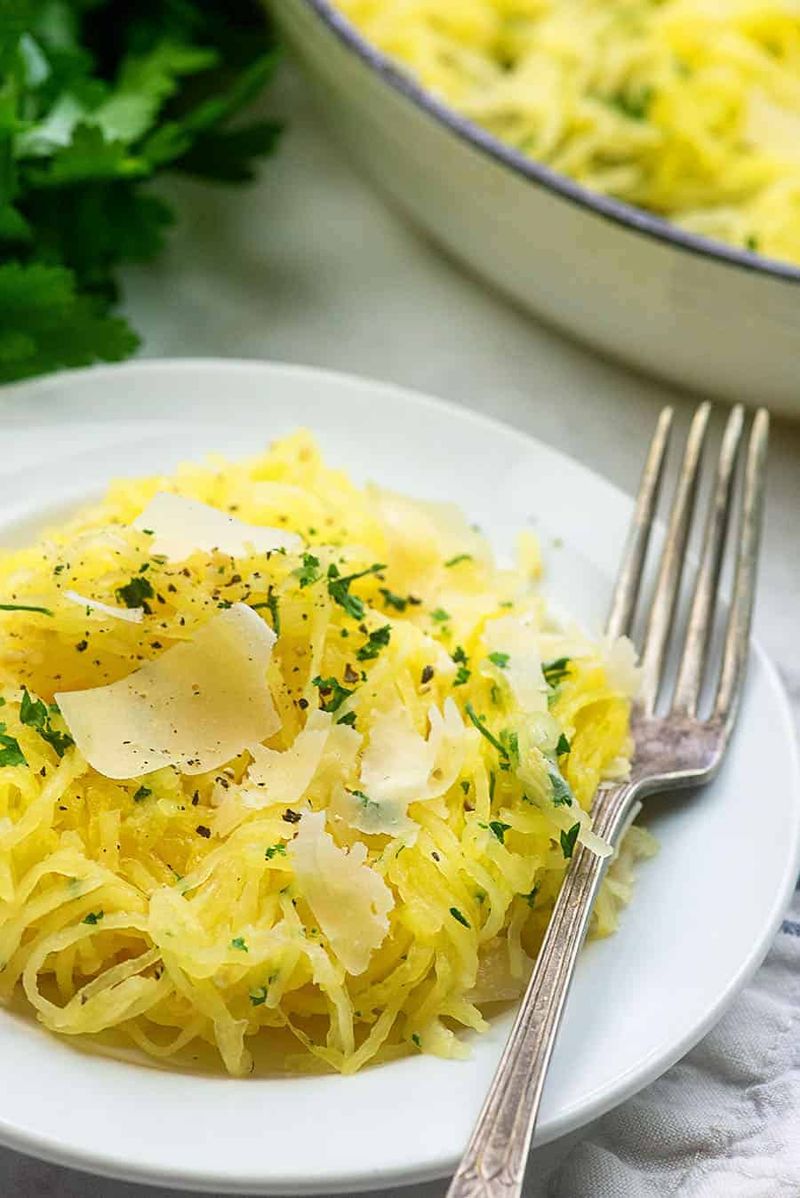
Roast spaghetti squash halves cut-side down at 425°F until a fork slides in easily. Flip, cool slightly, then rake into strands with a fork.
Toss those strands with garlic butter, olive oil, or pesto for a quick, light pasta substitute.
It plays well with marinara, creamy Alfredo, or lemony herbs. Keep it from getting soggy by seasoning after roasting, not before.
Finish with Parmesan, cracked pepper, and a squeeze of lemon for brightness you will crave.
5. Delicata squash
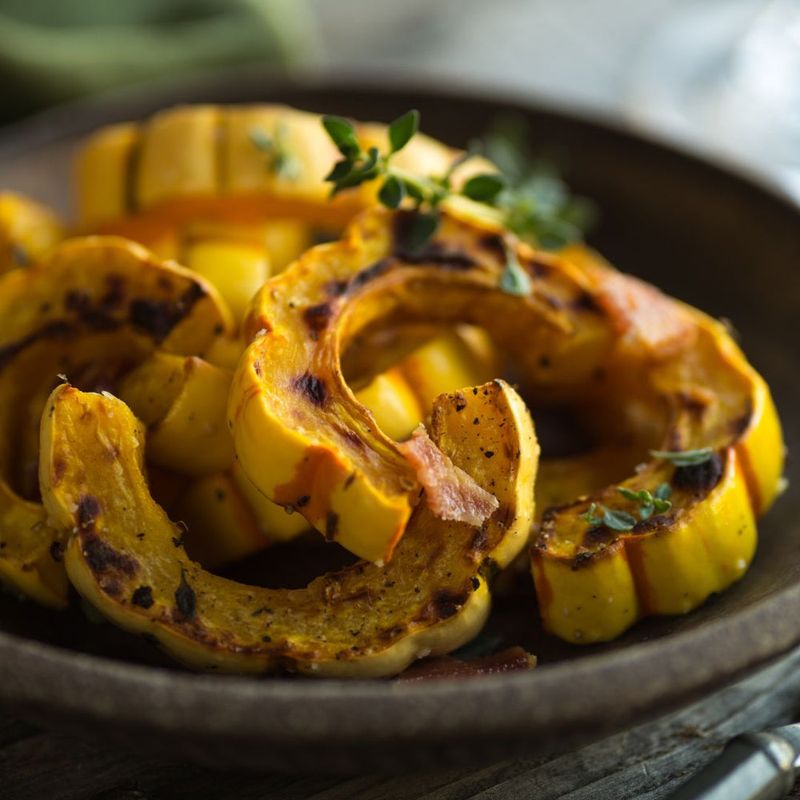
Delicata is a weeknight hero thanks to its thin, edible skin. Slice into half-moons, toss with oil, salt, and pepper, then roast at 425°F until browned.
The natural sweetness concentrates and the edges crisp slightly.
It is great tossed warm with arugula, toasted pepitas, and vinegar. For extra flavor, add chili flakes and a honey drizzle.
Because there is no peeling, prep is fast, and you will actually make this on busy nights.
6. Buttercup squash
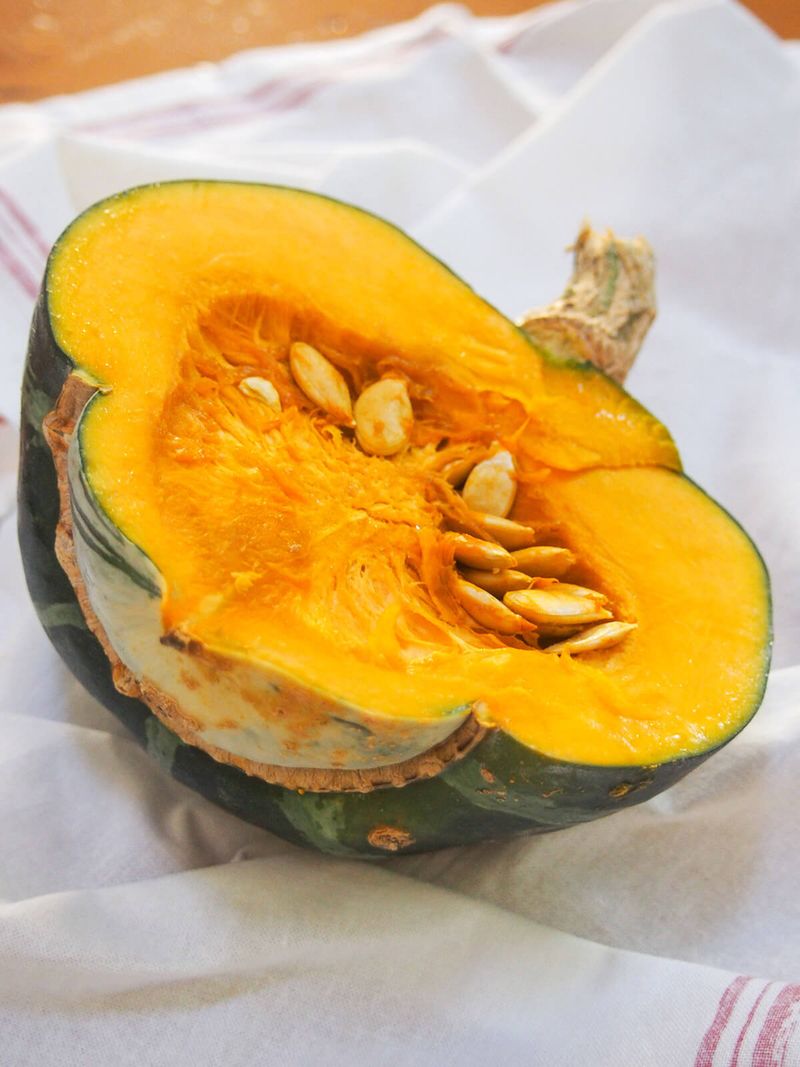
Buttercup is dense and sweet, perfect for mashing. Roast or steam chunks until completely tender, then mash with butter, salt, and a touch of cream.
The result is like luxurious mashed potatoes with a deeper squash flavor.
Use that mash for soups, gnocchi dough, or a shepherd’s pie topping. A bit of miso, garlic, or brown butter turns it restaurant-good.
You will love how it holds structure in purees without getting watery.
7. Hubbard squash
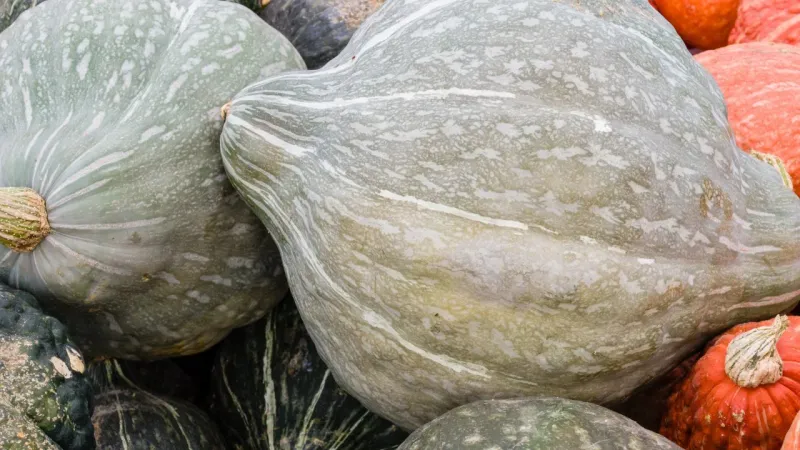
Hubbard is hefty and hard to cut, so work carefully and roast in big wedges. Bake at 400 to 425°F until the flesh is soft and scoopable.
Once roasted, the flavor is pumpkin-like and slightly nutty.
Scoop the flesh and blend into soups, pies, and quick breads. It freezes well for later projects.
You will appreciate how roasting concentrates flavor without excessive moisture, making desserts and savory dishes shine.
8. Sugar pumpkin (pie pumpkin)
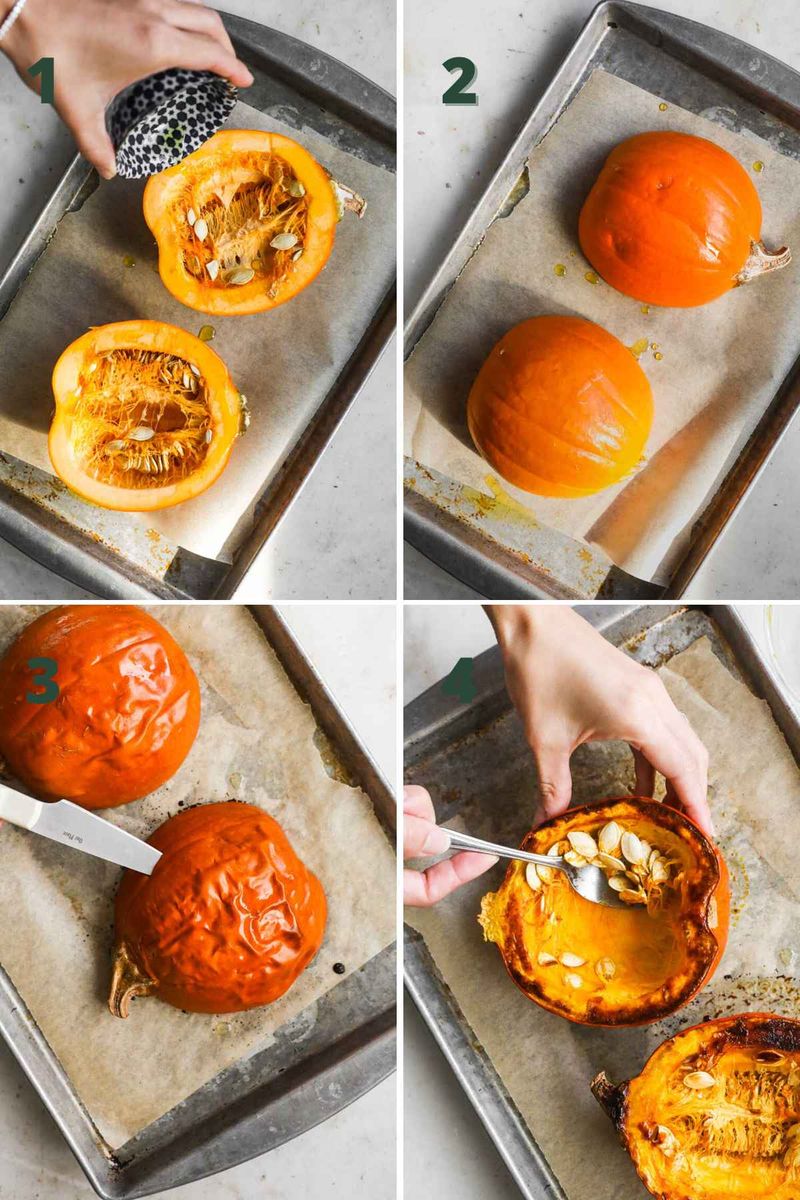
For classic pumpkin flavor, choose small sugar pumpkins. Halve, seed, and roast cut-side down until tender, then scoop and puree.
The texture turns silky and perfect for soup, bread, or pie filling.
Strain the puree in cheesecloth if you need a thicker consistency for baking. Season with cinnamon, ginger, and nutmeg for dessert, or go savory with garlic and thyme.
You will taste the difference compared with canned.
9. Carnival squash

Carnival looks like a party and cooks like acorn with extra sweetness. Roast halves or wedges at 425°F until fork tender.
For sweet lovers, brush with cinnamon butter and a touch of maple.
For savory fans, add herb butter, garlic, and grated cheese. It handles stuffing beautifully, from sausage and rice to quinoa and greens.
The flesh turns buttery and fragrant, making it easy to love with minimal effort.
10. Sweet dumpling squash
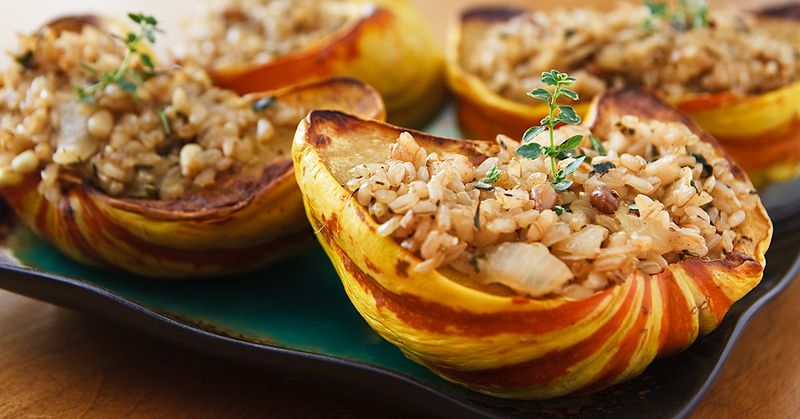
Sweet dumpling is small, tender, and naturally sweet. Roast whole or halved until soft, then fill with savory mixtures like sausage, rice, and herbs.
The edible bowl presentation feels fun and satisfying.
Keep it simple with butter, salt, and thyme if you prefer. The flesh caramelizes at the edges, making each bite rich.
You will find it perfect for individual portions that look impressive without extra work.
11. Red kuri squash
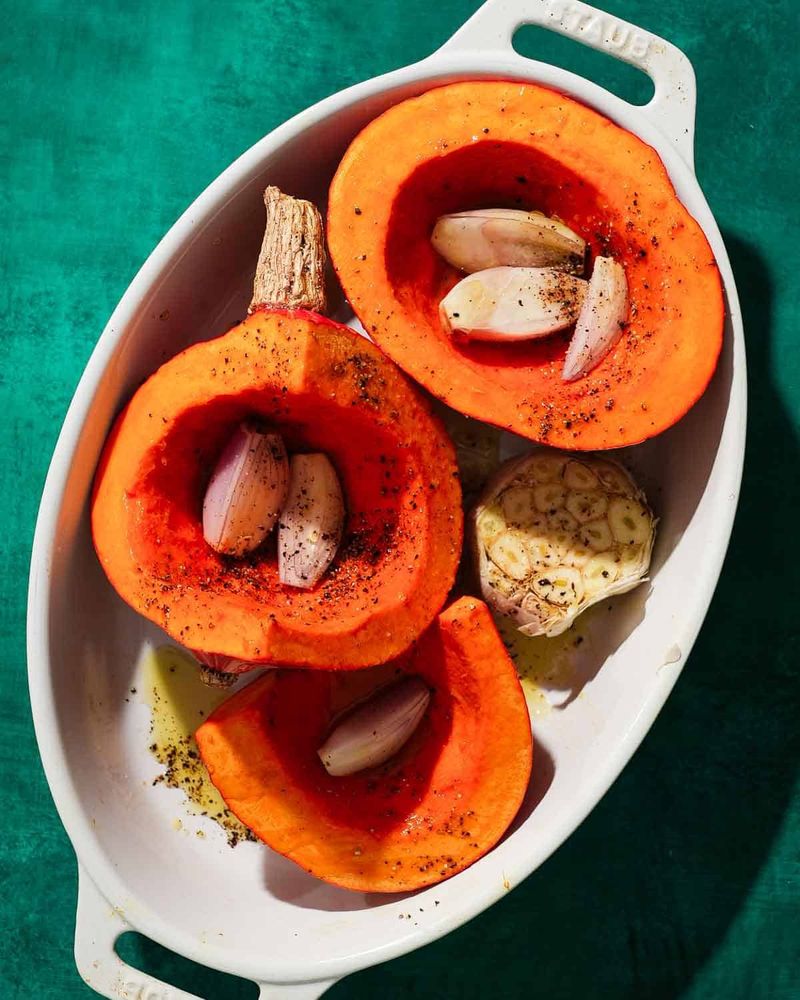
Red kuri has a rich, slightly nutty flavor and velvety texture. Roast cubes or wedges at 425°F until browned, then blend with stock for a silky soup.
A splash of cream or coconut milk rounds it out.
It also purees beautifully for ravioli filling or spreads. Add ginger and miso for a savory edge.
You will appreciate how easily it turns into something luxurious with just a few ingredients.
12. Banana squash

Banana squash is mild and sweet, great for big-batch cooking. Roast large pieces until tender, then mash for casseroles or blend into soup.
Its flavor is gentle and welcoming, perfect for feeding a crowd.
Season with garlic, thyme, and butter, or go creamy with milk and cheese. Freeze portions for quick sides later.
You will love how easily it absorbs bold spices while staying comforting.
13. Zucchini
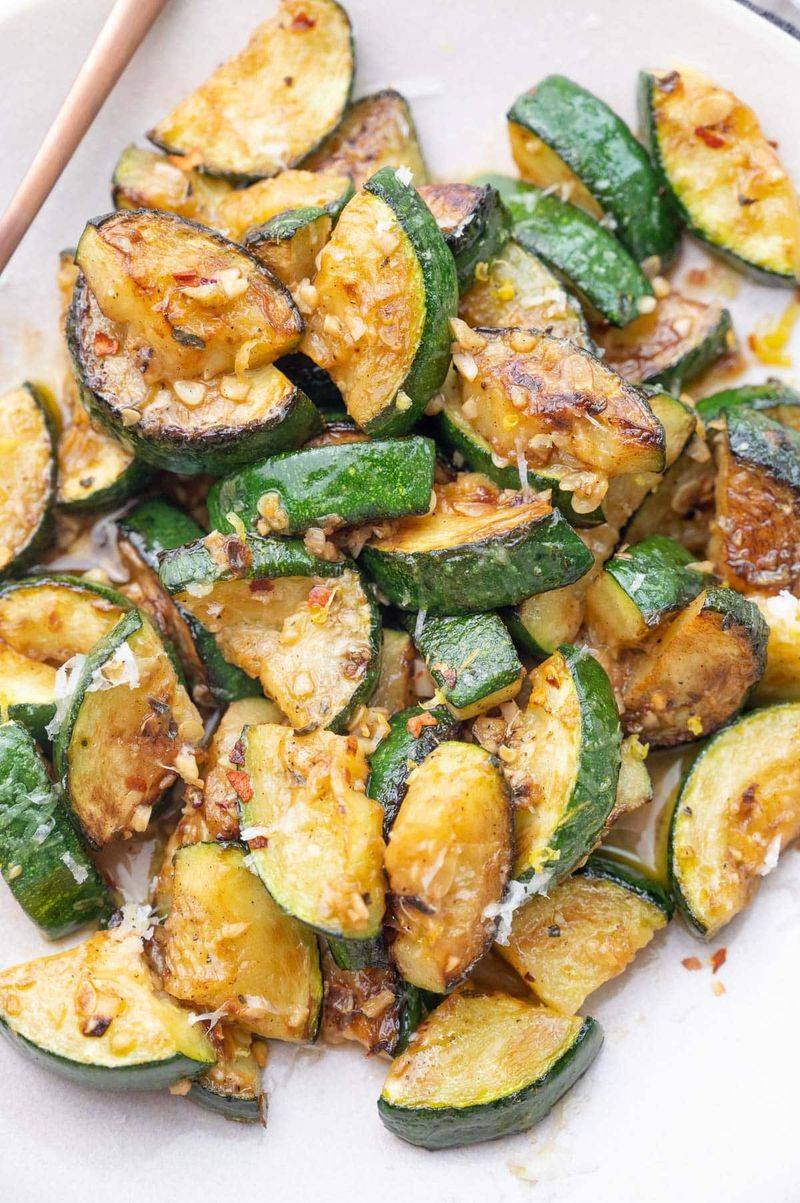
Keep zucchini hot and fast to avoid mush. Sauté slices in a wide pan with oil, salt, and garlic until just tender and lightly browned.
Or roast at high heat or grill for smoky edges.
Salt and pat dry before fritters or baking to reduce water. Finish with lemon zest, herbs, and Parmesan for pop.
You will get crisp-tender bites that stay fresh tasting instead of watery.
14. Yellow summer squash
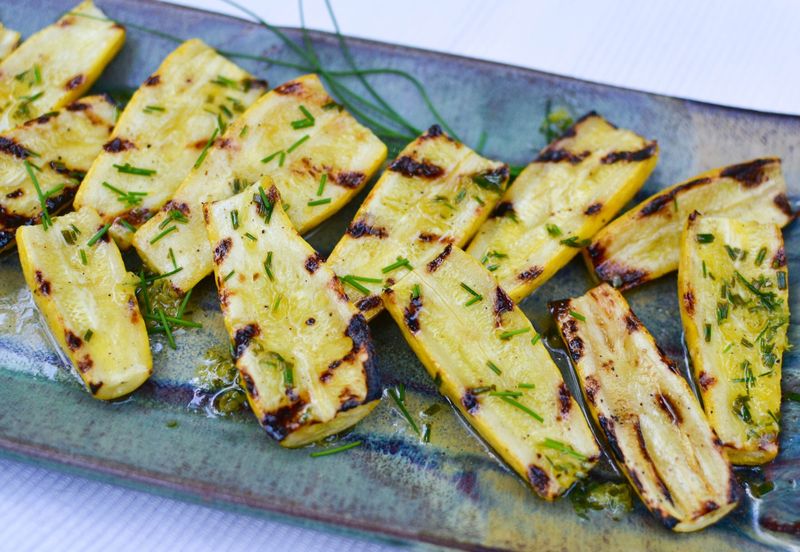
Yellow summer squash cooks fast and stays tender if you keep the heat high. Slice into coins or batons, sauté with olive oil and salt until golden at the edges.
Grill or roast if you want more browning.
A squeeze of lemon and a handful of basil brighten everything. Avoid overcrowding the pan to keep it from steaming.
You will appreciate the sweet, clean flavor when it is not overcooked.
15. Pattypan squash (scallop squash)
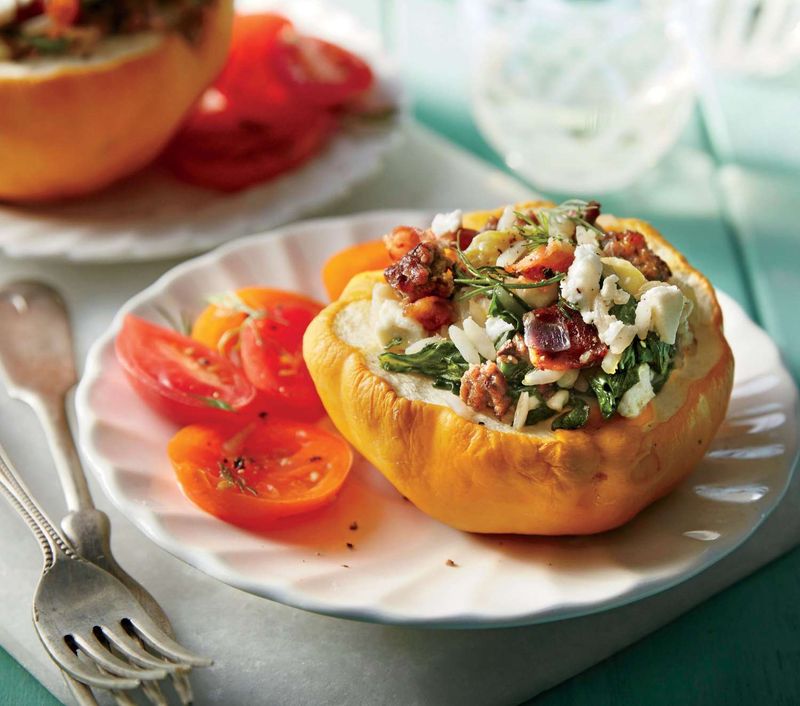
Pattypan’s scalloped shape looks fancy but cooks easily. Roast small ones whole at 425°F until blistered and tender, then toss with butter and herbs.
For bigger ones, slice or hollow and stuff before baking.
The flesh is mild and takes on spices well. Try cumin, garlic, and lemon for a bright profile.
You will get a playful presentation that makes simple ingredients feel special.
16. Cousa squash (Middle Eastern zucchini)

Cousa has a slightly thicker wall and delicate flavor perfect for stuffing. Core the centers, fill with seasoned meat and rice, then simmer gently in tomato sauce.
The squash turns tender while the filling soaks up flavor.
Alternatively, grill or sauté like zucchini for quick sides. Spices like cumin, allspice, and mint shine here.
You will love how the shape makes tidy portions that cook evenly.
17. Eight ball squash (round zucchini)
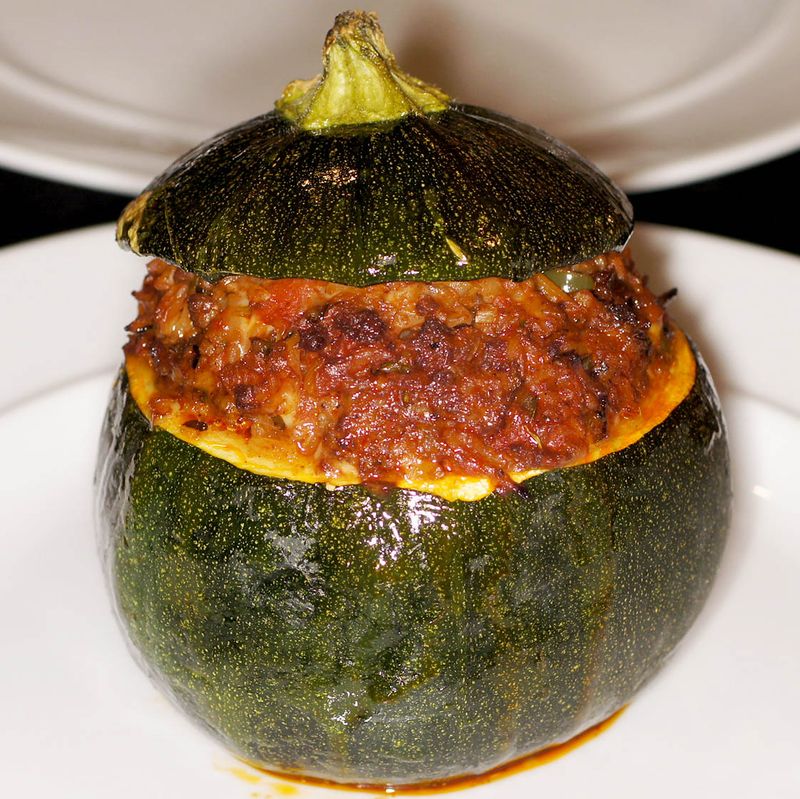
Eight ball squash is built for stuffing. Slice the cap, hollow gently, and fill with grains, veggies, or sausage.
Bake until the shells are tender and the top is golden and bubbling.
You can also cut thick rounds and roast for coin-like steaks. The shape holds moisture, so the texture stays plush.
You will get dramatic presentation with very little extra work.
18. Chayote squash
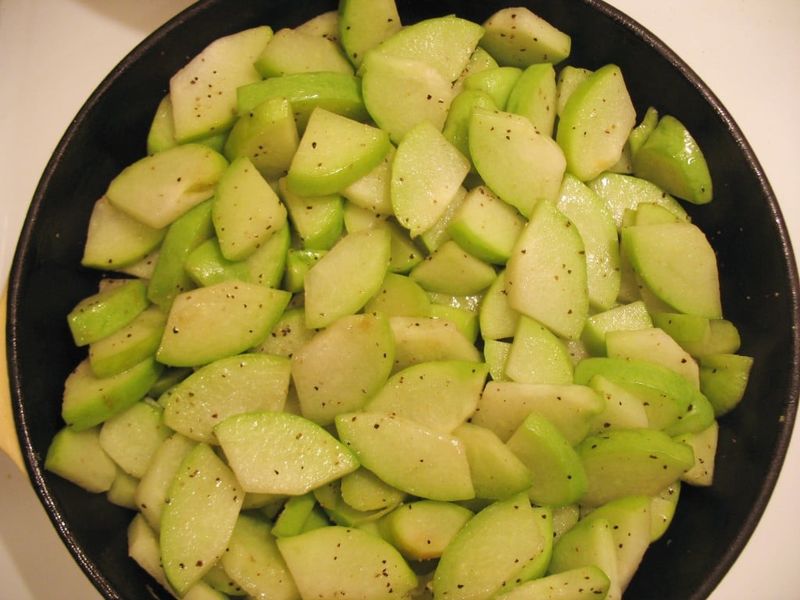
Chayote stays crisp-tender and mild, like a cross between cucumber and apple in texture. Peel it, remove the seed if large, and slice thin.
Sauté with onions, garlic, and chili until just tender, or simmer in soups and stews.
It loves lime, cilantro, and a sprinkle of salt. For roasting, keep pieces small and hot for light browning.
You will appreciate the clean bite that holds up in saucy dishes.
19. Bottle gourd (calabash)
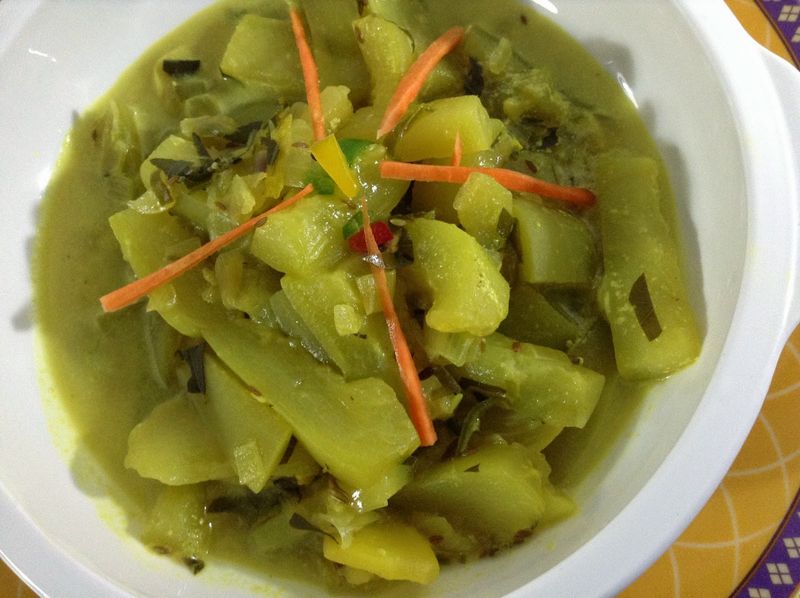
Bottle gourd turns silky and mild in stews and curries. Peel it, remove any firm seeds, and cut into cubes.
Sauté spices like cumin, mustard seed, turmeric, and garlic, then simmer the gourd until tender.
It absorbs flavor beautifully without getting heavy. Finish with cilantro and a squeeze of lemon for brightness.
You will love its soothing texture alongside rice or flatbreads.
20. Opo squash (long squash)
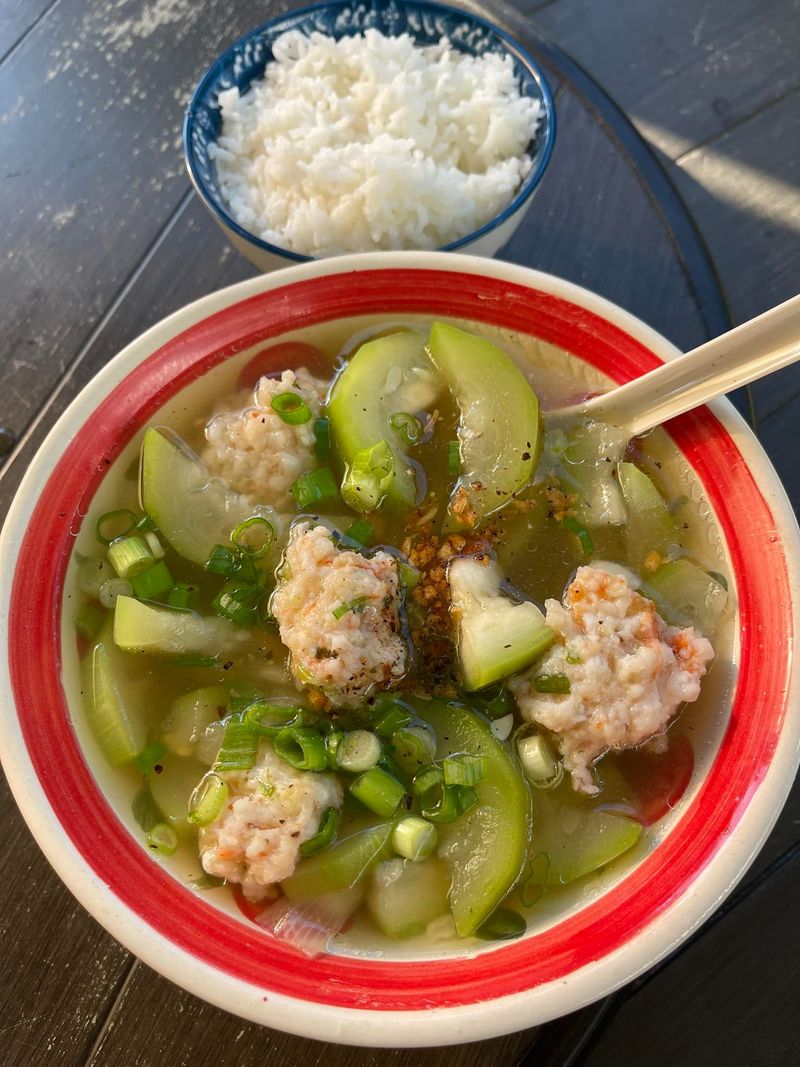
Opo squash is very mild and loves bold seasoning. Peel it, chop, and add to brothy soups, stews, or quick stir-fries.
Keep the heat fairly high so it stays tender without turning soggy.
Garlic, ginger, and soy-based sauces complement it nicely. For soup, pair with chicken stock, mushrooms, and greens.
You will get a soothing bowl that still tastes lively and balanced.