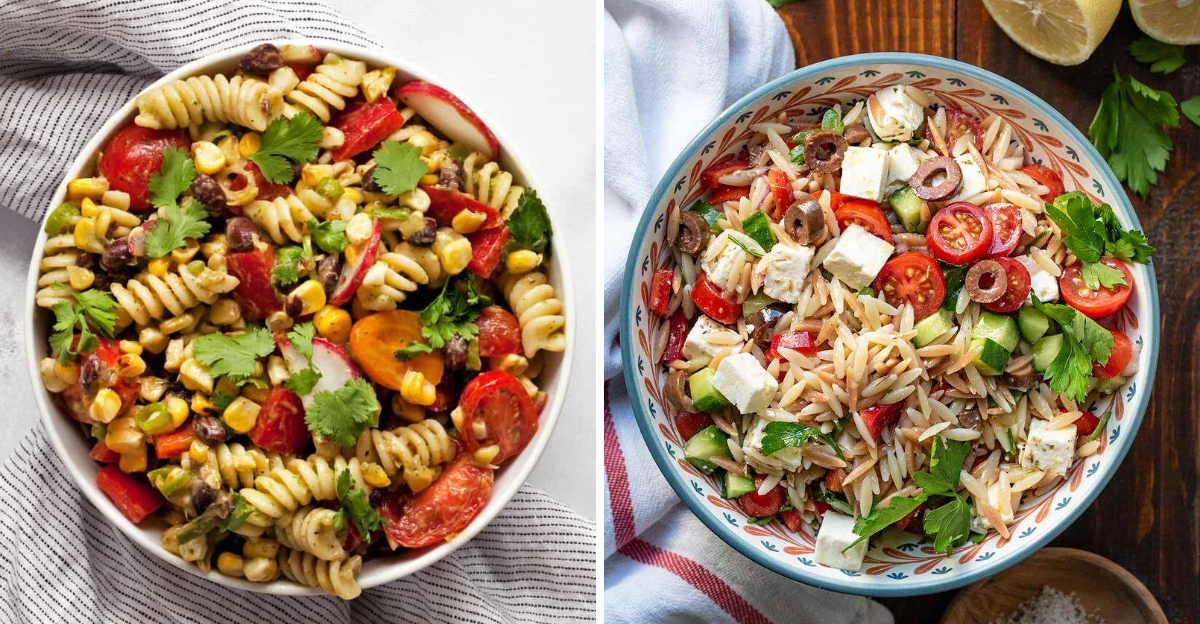
20 Commonly Challenging Foods To Prepare Correctly
Some foods seem straightforward until you try them and realize every detail matters. One minute too long, a few degrees off, or a rushed stir can ruin texture and flavor.
With the right cues, you can dodge common pitfalls and get confident. Let’s walk through the trouble spots so you can cook smarter and stress less.
1. Omelets
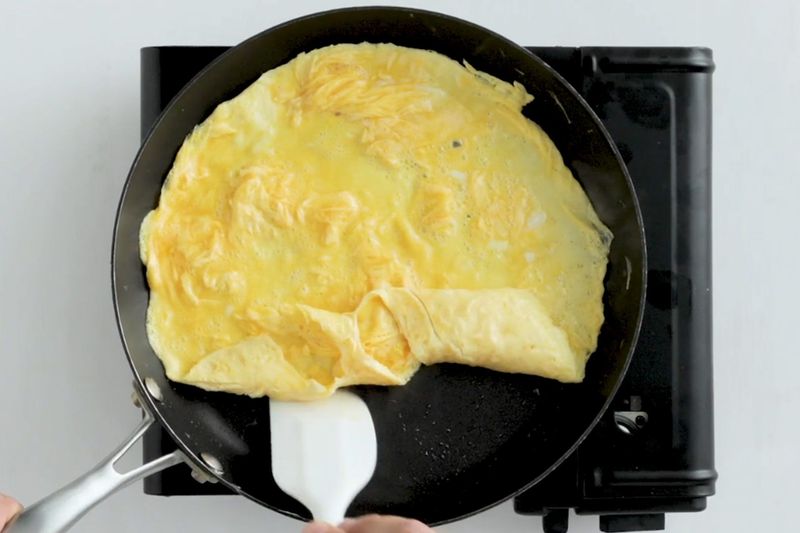
Omelets punish hesitation. Your pan should be preheated, butter foaming but not browned, and the eggs whisked just until combined.
Keep fillings minimal and warm, so you are not cooling the curds and overcooking while melting cheese.
Stir quickly at first, then sweep into a single layer before folding. If the eggs brown, heat is too high or you waited too long.
Pull from the pan slightly underdone because carryover heat finishes the center, keeping it custardy instead of rubbery.
2. Hollandaise sauce
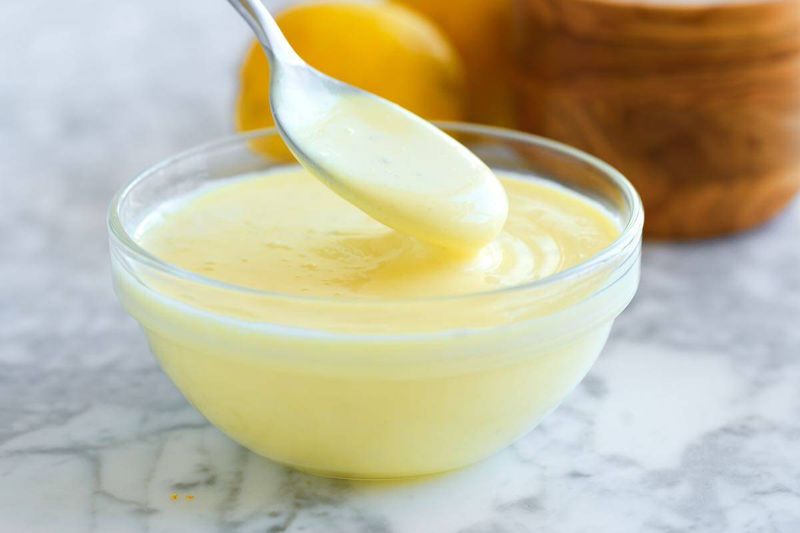
Hollandaise is all about controlled heat and patient whisking. Keep the bain-marie barely simmering, bowl warm not hot, and add butter in a slow stream.
If it thickens too fast, whisk in a teaspoon of warm water to loosen and stabilize.
Use fresh lemon for brightness and salt at the end. If it breaks, you can rescue it by whisking into a fresh yolk or a spoon of warm water.
Strain for extra smoothness, hold warm, and avoid direct heat so the emulsion stays silky rather than grainy.
3. Soufflé
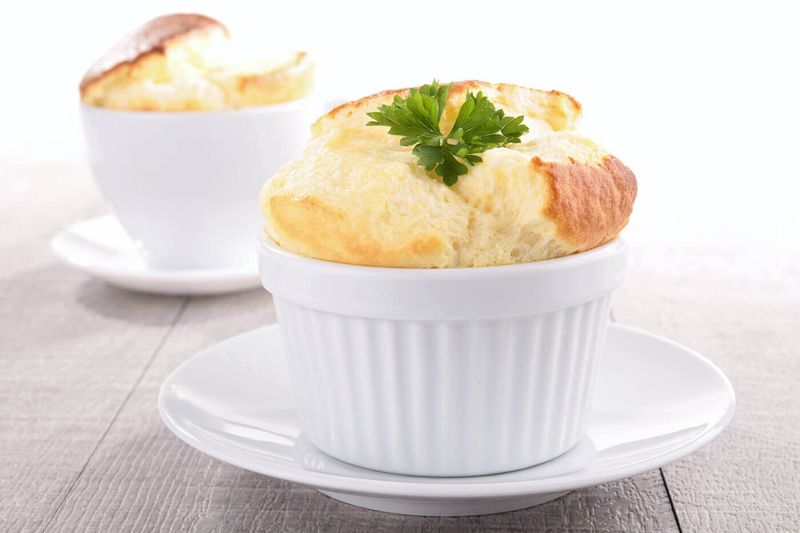
Soufflé success starts with clean bowls and carefully whipped whites. Fold gently into a flavorful base, preserving air without streaks.
Butter and sugar the ramekin thoroughly so the batter can climb the sides and rise evenly.
Preheat the oven fully and resist opening the door early. Undermixing leaves pockets, overmixing deflates.
Serve immediately because the window of perfection is short. A slight wobble in the center is ideal; overbaking dries the interior and kills that dramatic lift you worked so hard to build.
4. Macarons
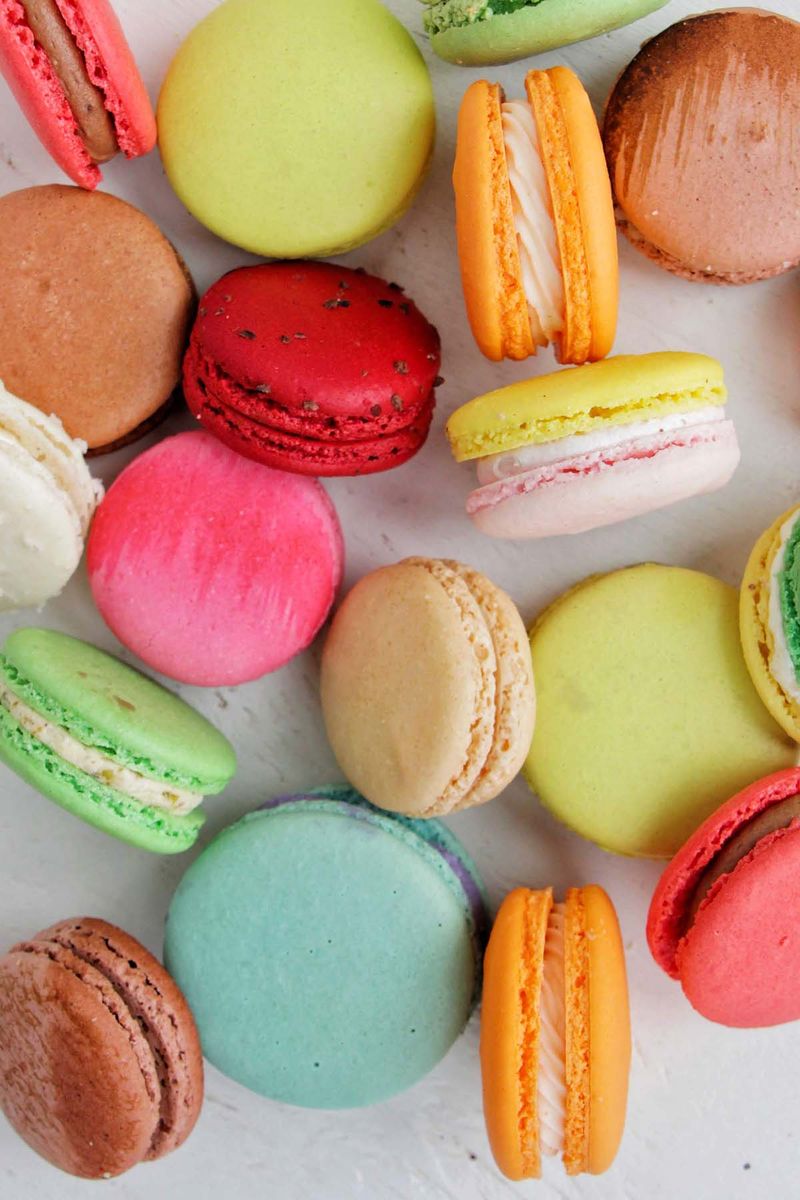
Macarons demand precision. Sift almond flour and sugar, weigh ingredients, and aim for a lava-like macaronage that slowly ribbons.
Rest shells until a dry skin forms, then bake on a reliable, even sheet to prevent hollow centers or cracked tops.
Humidity is the enemy, so pick a dry day when you can. Age egg whites if needed for consistency.
Let filled macarons mature a day in the fridge so shells soften and flavors bloom. Patience pays off with smooth tops, defined feet, and that delicate chew everyone craves.
5. Pie crust
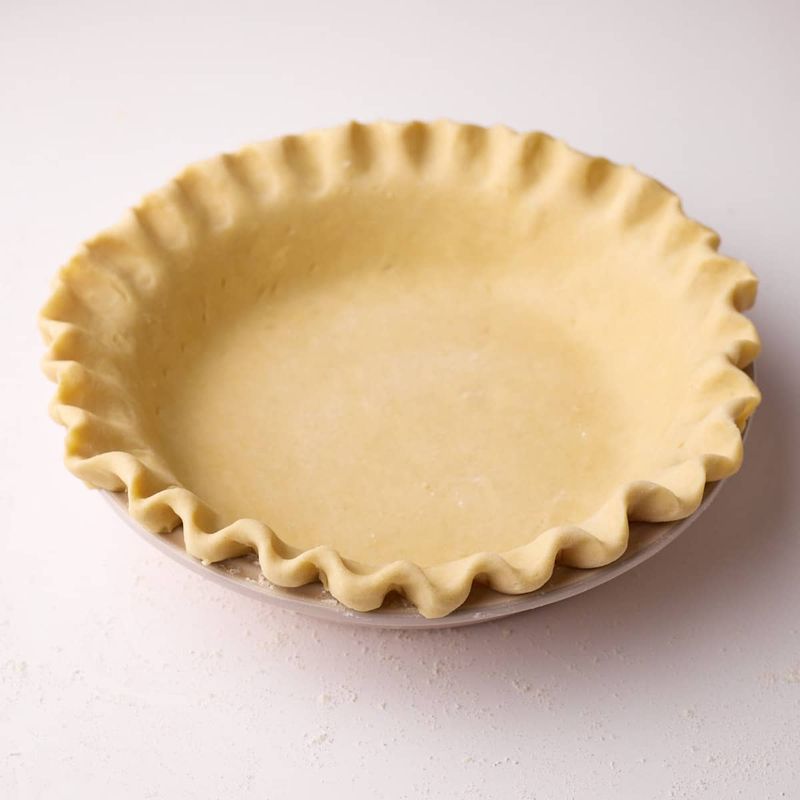
Flaky pie crust comes from cold fat and minimal handling. Work quickly, leaving pea-size butter pieces for steam pockets.
Use just enough ice water to bring the dough together, then chill thoroughly before rolling to relax gluten and firm fat.
Roll from center outward, turning often with light flour to prevent sticking. Dock or blind-bake with weights for custard pies.
If edges brown too fast, shield with foil. A final chill before baking prevents slump and preserves layers, delivering shatteringly crisp texture without toughness or greasy bottoms.
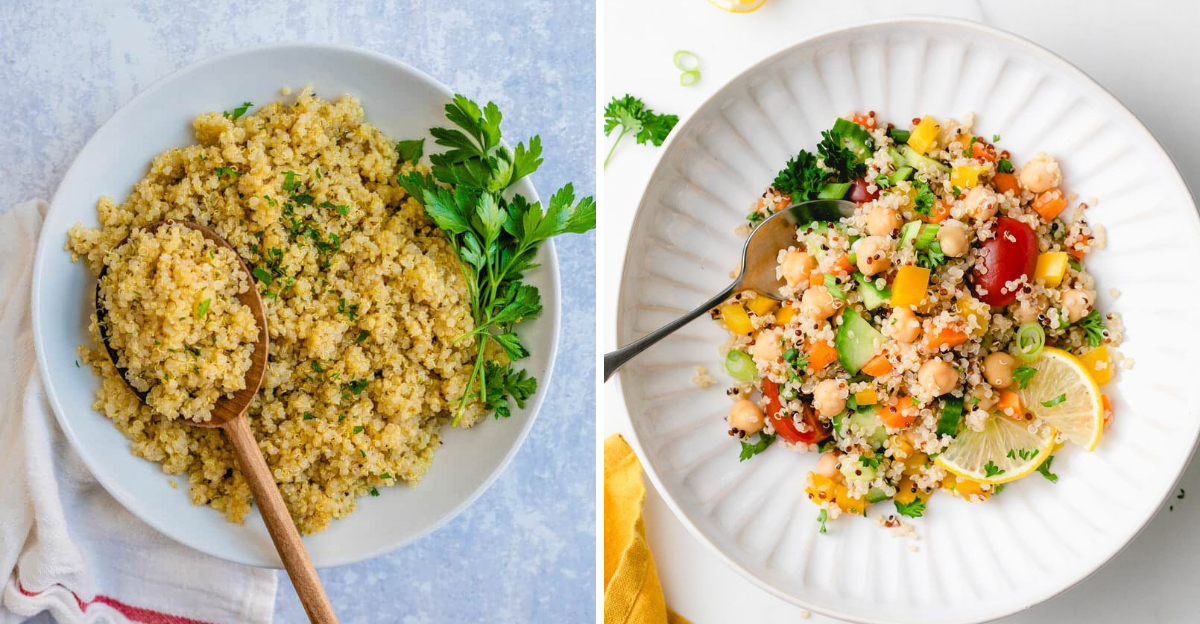
6. Perfect white rice
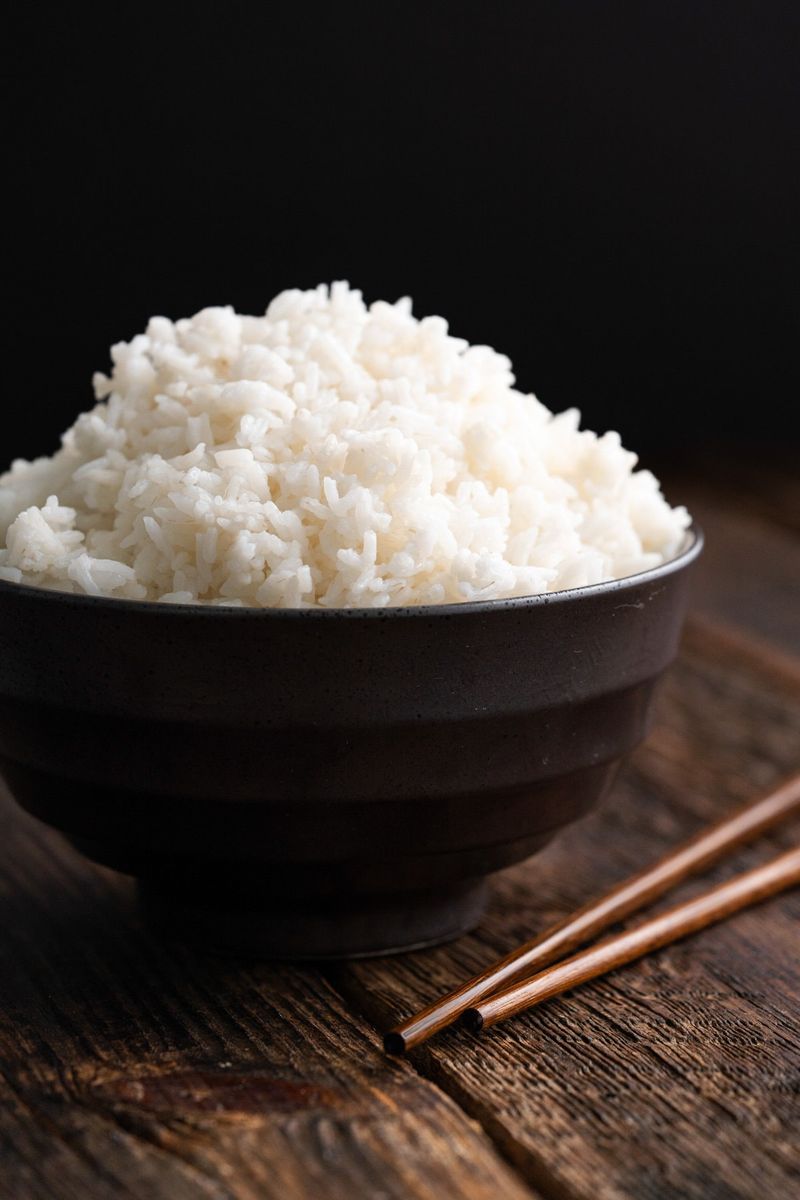
Fluffy rice starts with rinsing until water runs clear to remove excess starch. Use a consistent ratio, then bring to a gentle simmer, cover, and do not peek.
Small variations in pot, burner, and grain type matter, so note what works for you.
After cooking, let it rest off heat, covered, for 10 minutes to finish steaming. Fluff with a fork or paddle to release excess moisture.
If the bottom scorches, heat was too high or water too low. Precision and patience give separate, tender grains every time.
7. Risotto
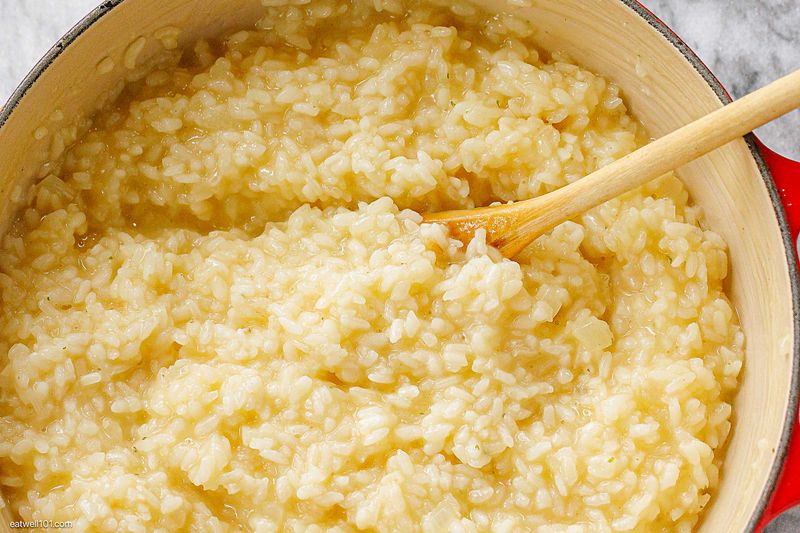
Great risotto needs hot stock, steady stirring, and gradual additions. Toast the rice briefly, then add wine to deglaze.
Feed in stock a ladle at a time, stirring to release starch without smashing grains. Aim for a flowing, creamy consistency that gently spreads.
Finish off heat with cold butter and cheese for extra sheen. Taste constantly for seasoning and doneness with a tender core.
Overcooking leads to mush, undercooking to chalky centers. Serve immediately because texture changes quickly as it sits.
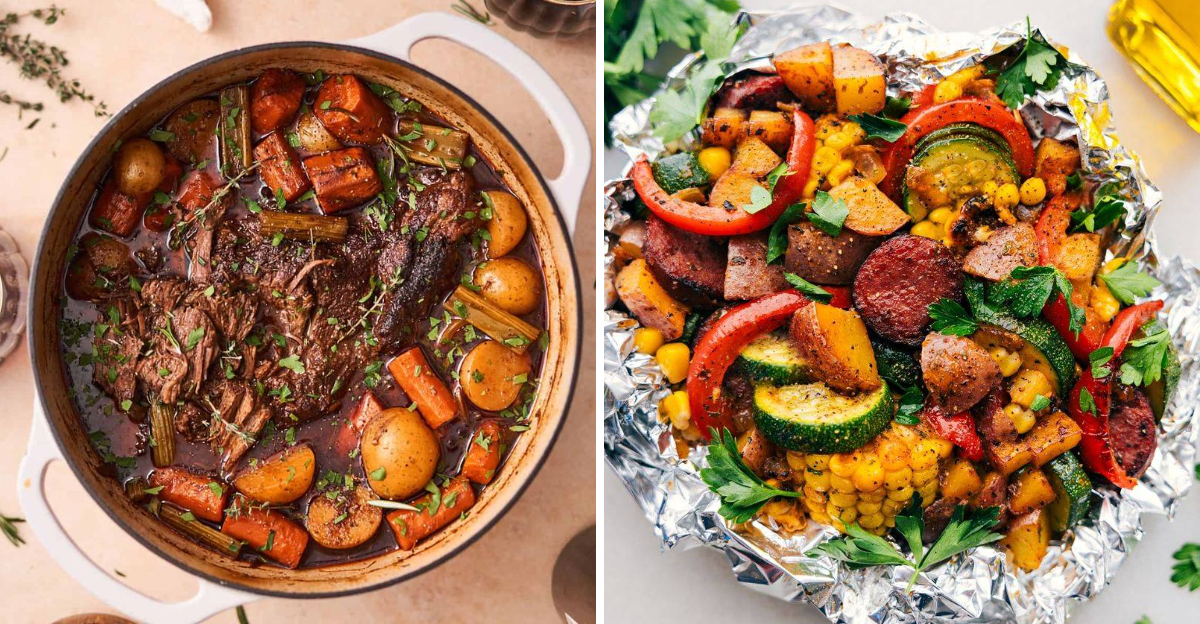
8. Roasted vegetables (actually crispy)
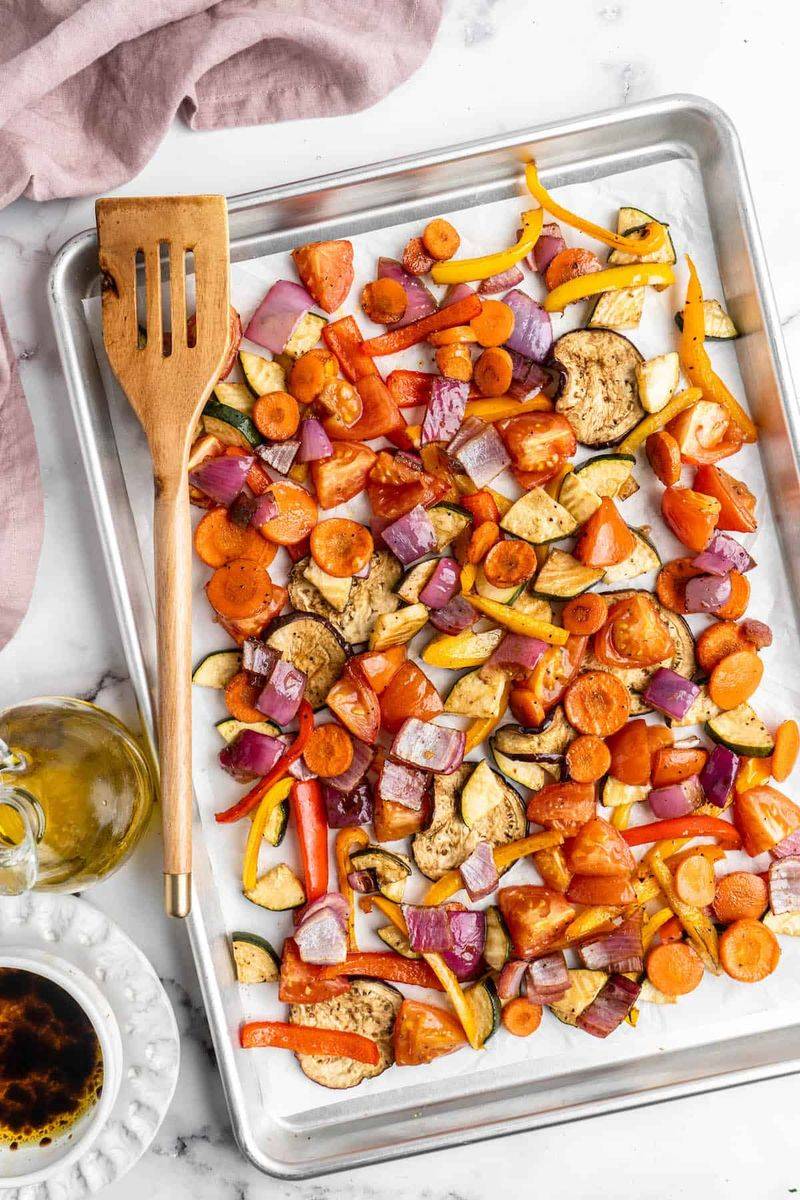
Crispy roasting is about dry surfaces, high heat, and space. Pat vegetables dry, toss with enough oil to coat, and spread them with gaps so steam escapes.
Preheat the sheet pan for extra sizzle and don’t crowd or they will soften.
Flip once for even browning, and season after some color develops to avoid drawing out water early. Sturdy veg want 425 to 450 degrees and patience.
If they are soggy, your oven is too cool, pan overcrowded, or oil insufficient. Aim for deep, crackly edges and sweet interiors.
9. Steak
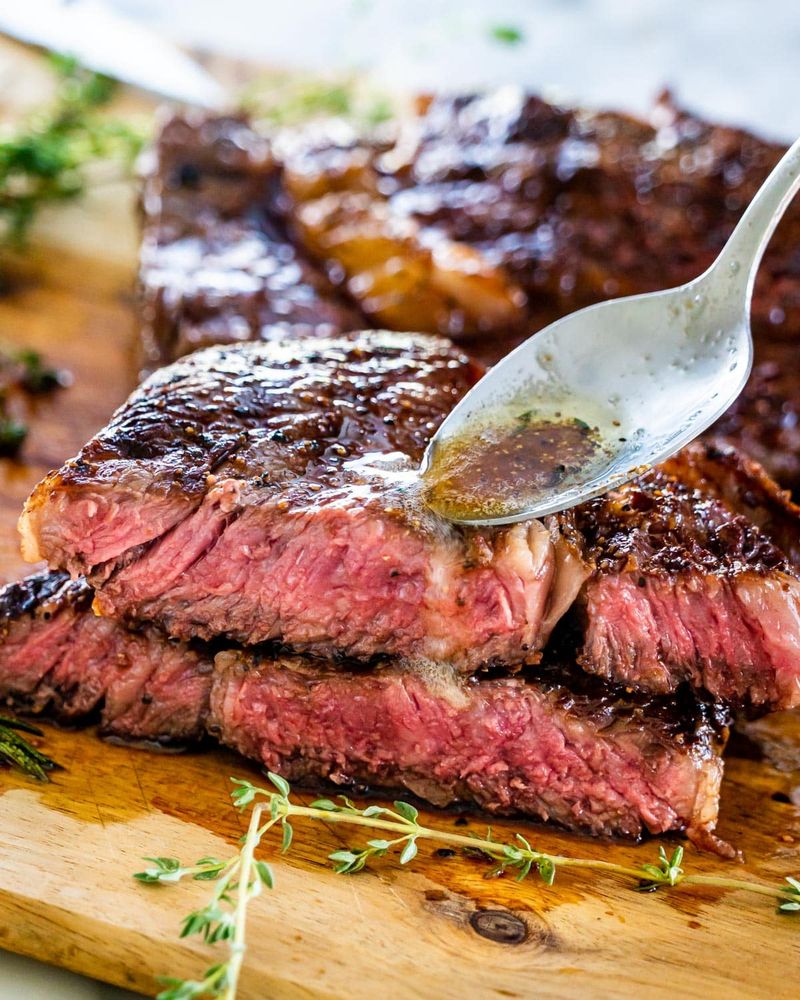
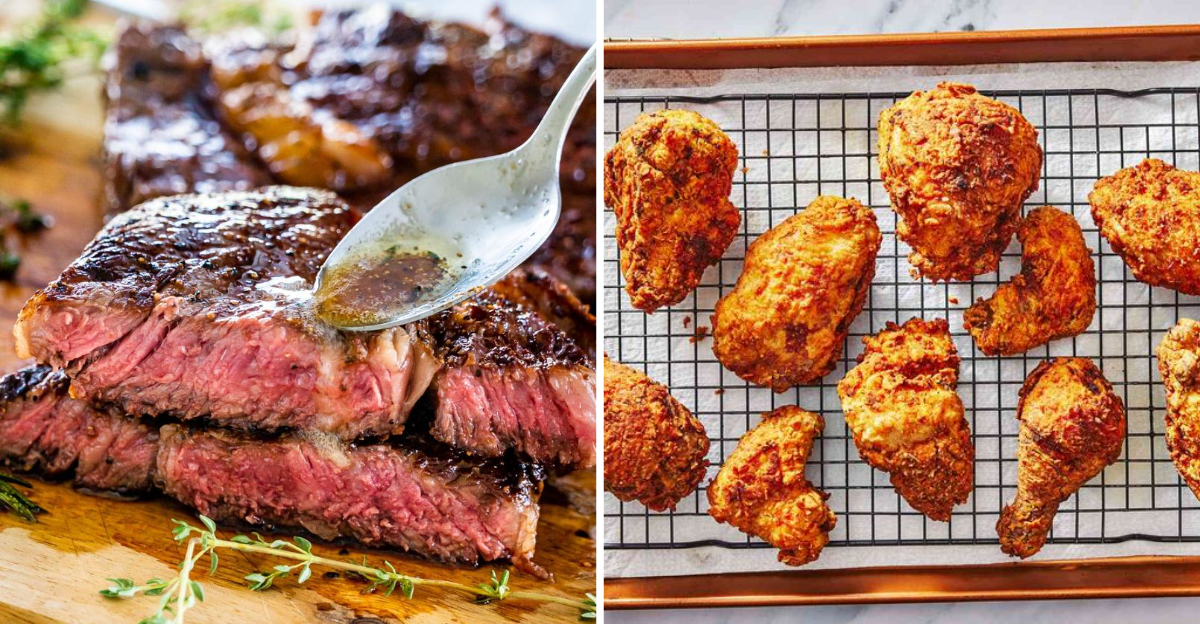
Steak thrives on dry surfaces and high heat. Pat it dry, season generously, and preheat your pan until it shimmers.
Sear without fiddling to build a crust, then finish to target temperature. Use a thermometer for precision and consistent results.
Rest on a rack so the crust stays crisp and juices redistribute. Butter basting adds flavor but can mask overcooking, so watch the temp.
Slice against the grain. If it is gray and dry, heat was too low or you overshot doneness.
10. Pork chops
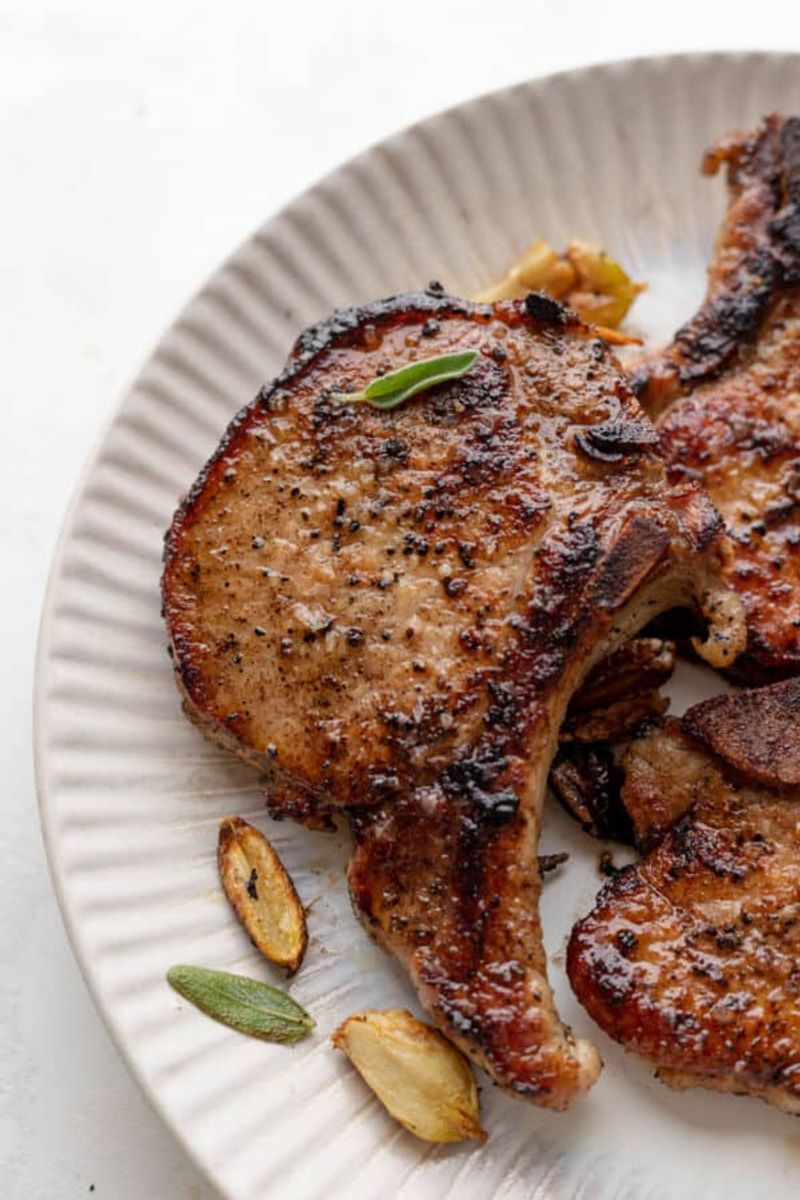
Pork chops dry out fast because they are lean. Choose thicker cuts, brine lightly, and bring to room temperature.
Sear hard, then finish gently in the oven to avoid overshooting. A thermometer is essential; pull around 140 degrees and rest to reach safe, juicy doneness.
Bone-in chops offer forgiveness and flavor. Sauce the pan drippings with stock, mustard, or apple for brightness.
If the chop is tough, you cooked too hot or too long. Respect carryover and you will keep them succulent.
11. Fried chicken
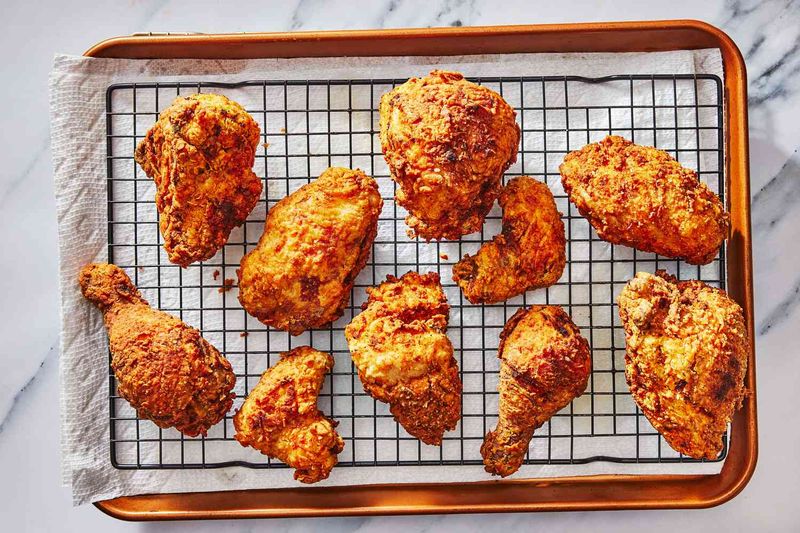
Crispy fried chicken needs seasoned flour, steady oil heat, and patience. Marinate or brine, dredge thoroughly, and rest the coated pieces so the crust adheres.
Fry in batches to keep temperature stable, adjusting the flame as cold chicken hits the oil.
Use a thermometer and aim for a steady 325 to 350 degrees. Finish on a rack, not paper, to preserve crunch.
If it is greasy, your oil was too cool; if burned outside, too hot. Salt immediately for the best flavor.
12. Fish fillets
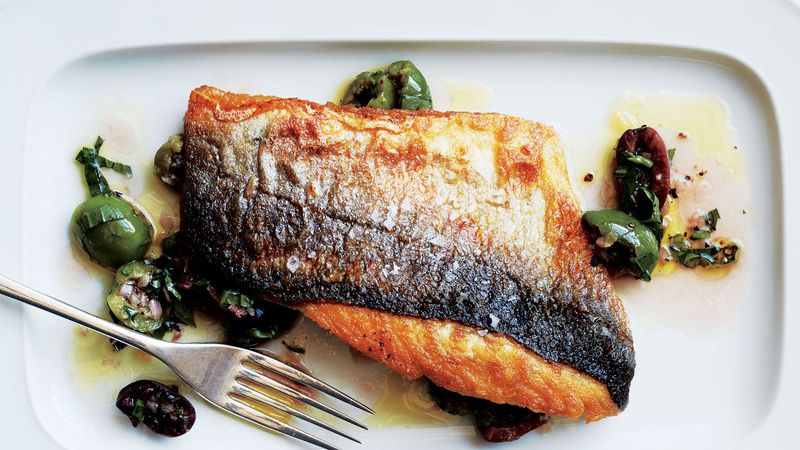
Fish is delicate and unforgiving. Dry the surface, preheat the pan, and oil lightly.
For skin-on, score gently and press to prevent curling. Do not flip early; let the crust release naturally.
A thin fillet might need only a minute per side.
Carryover is significant, so pull just shy of done. If it sticks, the pan was not hot enough or you moved it too soon.
Finish with acid and butter for balance. Aim for moist flakes, not cottony dryness.
13. Poached eggs
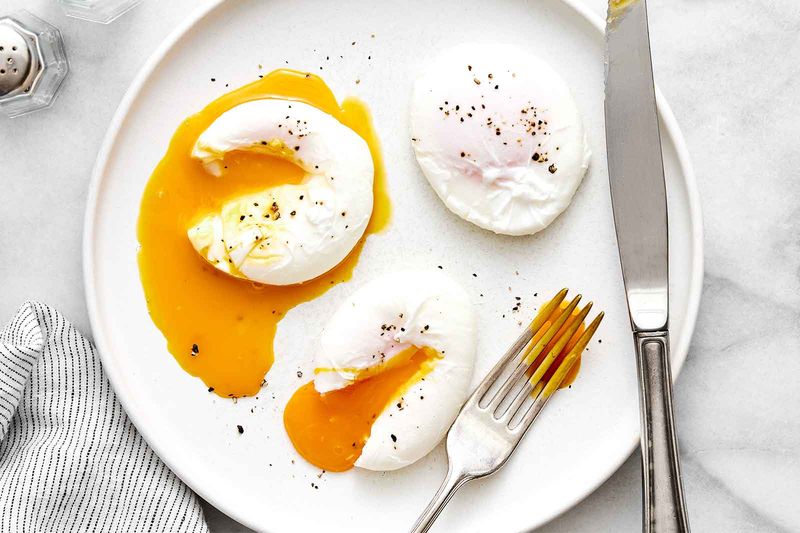
Use the freshest eggs you can find because firm whites hold their shape. Simmer, do not boil, and add a splash of vinegar.
Create a gentle vortex and slide the egg in low. Keep the swirl modest so the white wraps without breaking.
Skim wispy bits, and cook until the white is just set. Remove with a slotted spoon, dab on a towel, and serve immediately.
If the whites fray, the water was too hot or the egg too old. Timing and calm hands matter.
14. Crème brûlée
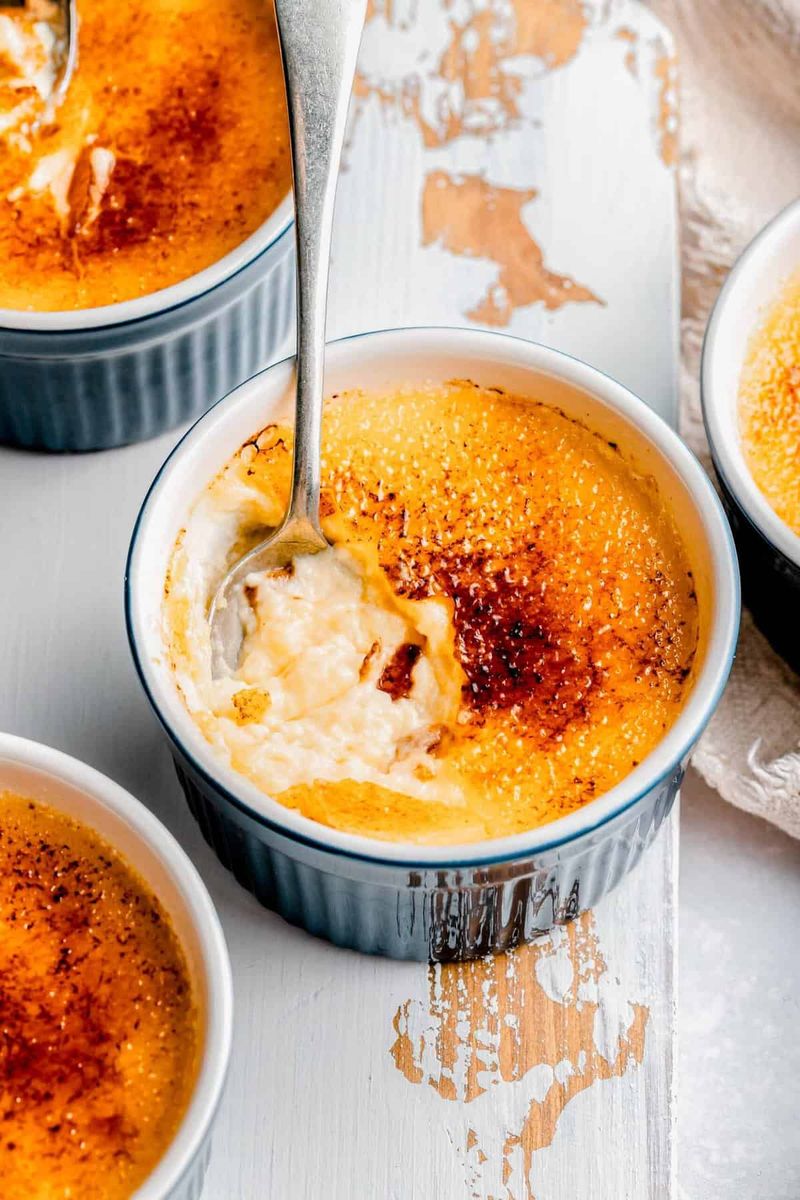
Crème brûlée loves gentle heat. Whisk warm cream into yolks slowly, strain, and bake in a water bath just until the center quivers.
Chill completely before torching to avoid melting the custard underneath that brittle sugar lid.
Dust sugar evenly and use a steady, sweeping flame. If the custard curdles, the oven or mixture ran too hot.
Over-torching will taste bitter. Aim for a thin, glassy crust that shatters with a tap and a custard as smooth as silk.
15. Bread (especially sourdough)
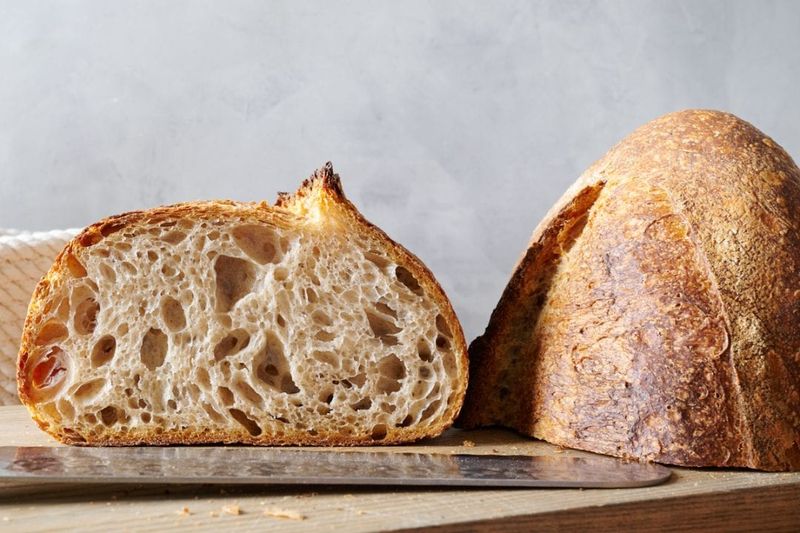
Sourdough rewards routine. Feed your starter consistently and use dough temperature as your compass.
Mix until smooth, rest, then develop gluten with folds. Bulk ferment until airy and domed, not just timed.
Shape tightly to build tension so the loaf springs and holds form.
Chill for scoring, bake with steam, and vent late for crisp crust. If dense, it likely underproofed; if flat, it overproofed.
Keep notes on dough feel, timing, and temperature to lock in repeatable success.
16. Fluffy pancakes
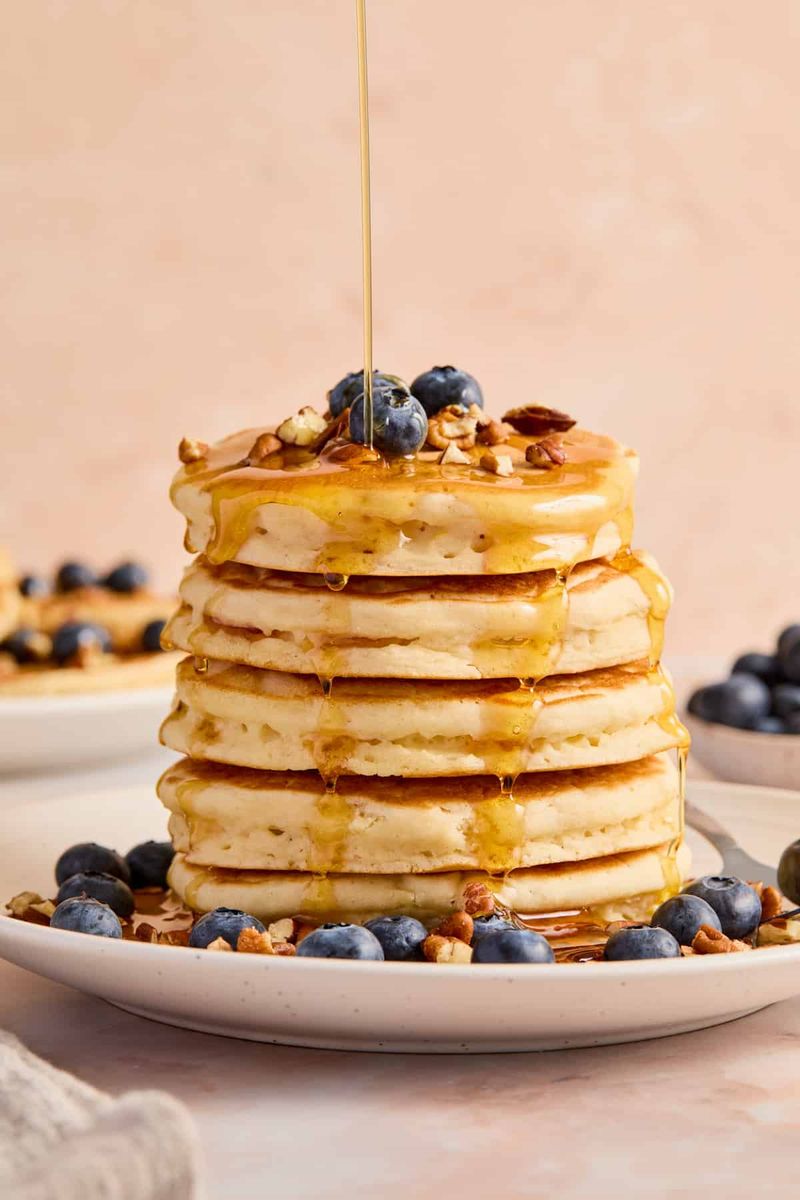
Fluffy pancakes come from gentle mixing and the right heat. Stir batter until just combined with a few small lumps.
Rest briefly so flour hydrates and leavener activates. A medium-hot griddle should hold drops of water dancing, not evaporating instantly.
Flip when bubbles form and edges look set. Do not press with a spatula or you will deflate them.
If centers are raw and outsides burnt, your heat was too high. Keep batches warm in a low oven instead of stacking tightly.
17. Caramel
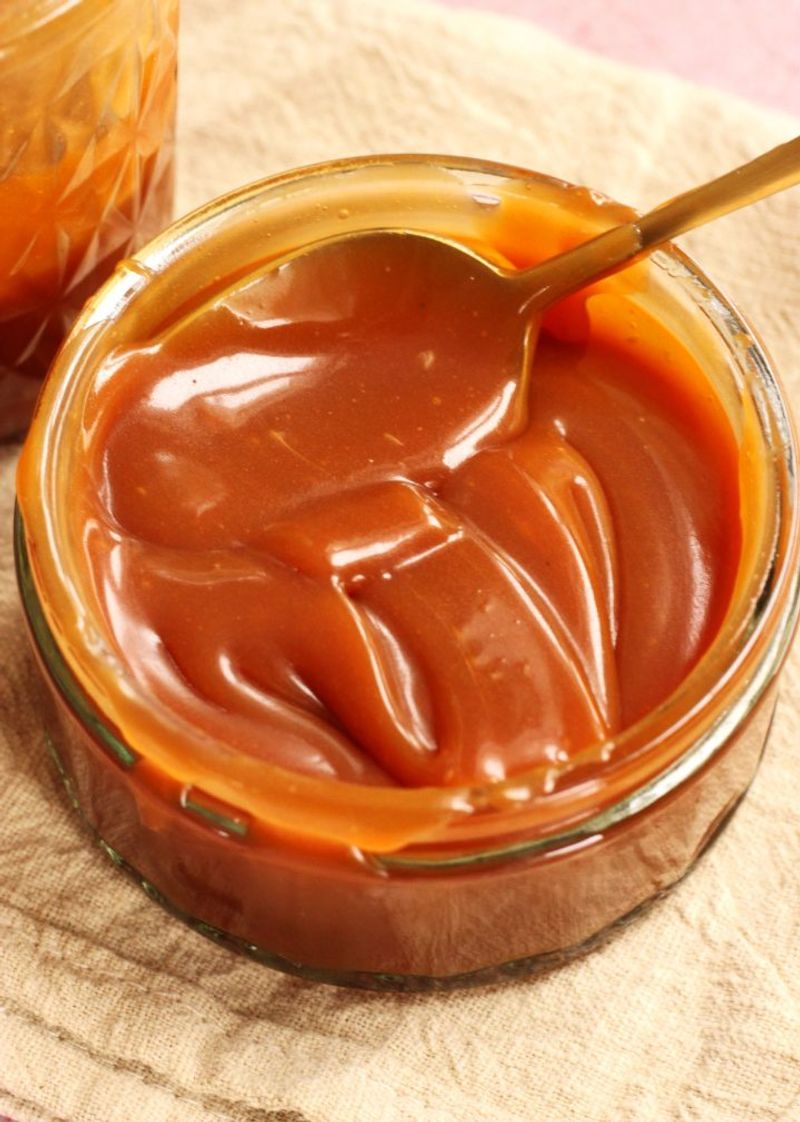
Caramel moves fast, so organize before you start. Use a light-colored pan to monitor color, avoid stirring once sugar dissolves, and brush down crystals with water.
Pull from heat when it reaches deep amber because carryover continues cooking.
Add warm cream gradually off heat to minimize sputtering, then whisk in butter and salt. If it crystallizes, you likely agitated it or had stray crystals on the sides.
A little corn syrup can help stabilize. Respect temperature and you get smooth, complex caramel instead of bitter burnt sugar.
18. Custard-based ice cream
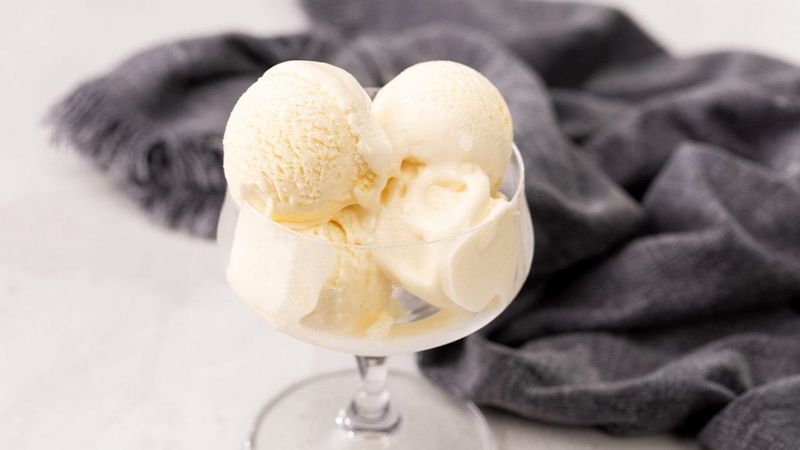
Custard ice cream hinges on careful heating. Cook the yolk base slowly, stirring constantly, until it coats a spoon at around nappe thickness.
If it scrambles, quickly strain and blend, but prevention is easier.
Chill completely, ideally overnight, for better body and flavor. Spin cold to reduce ice crystals, and harden in the freezer after churning.
Too thin means it undercooked; icy texture usually points to insufficient fat, churning too warm, or short maturation. Aim for rich, velvety scoops with clean churn lines.
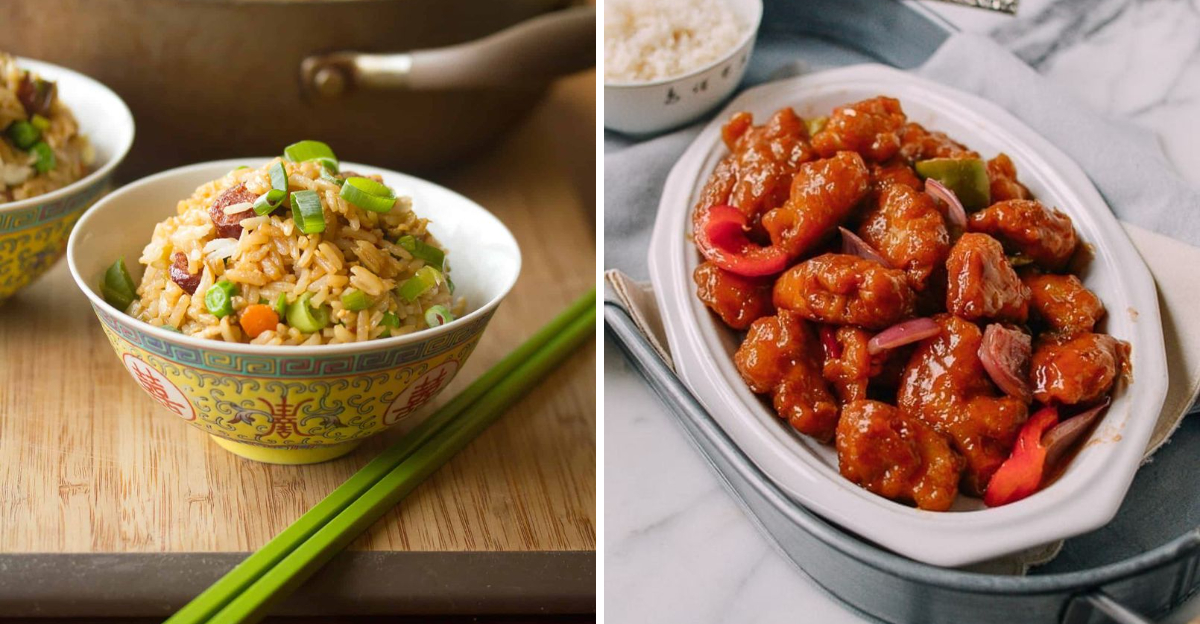
19. Stir-fry
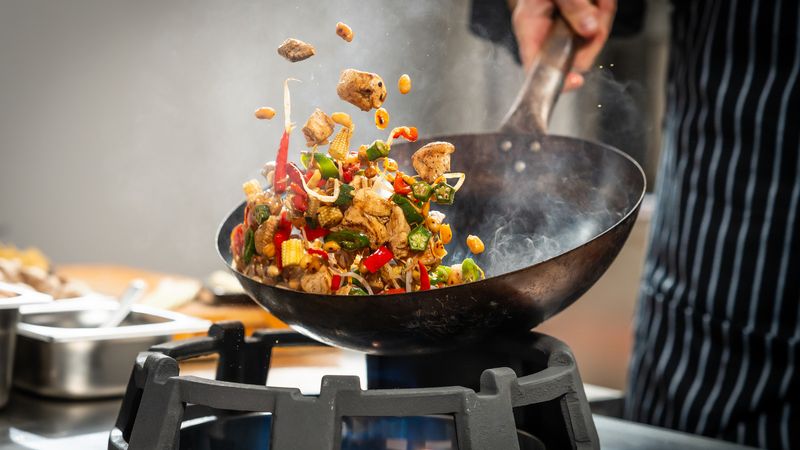
Stir-fry thrives on intense heat and tiny batches. Preheat the wok until wisps of smoke appear.
Dry your ingredients thoroughly, and stage everything within reach. Cook proteins first, then vegetables by hardness, returning everything with sauce at the end.
If you crowd the pan, moisture pools and you steam instead of sear. Cut uniformly for even cooking, and use high-smoke-point oil.
A splash of aromatics at the end adds lift. Serve immediately while edges are still char-kissed and crisp.
20. Ramen eggs (soft-boiled)
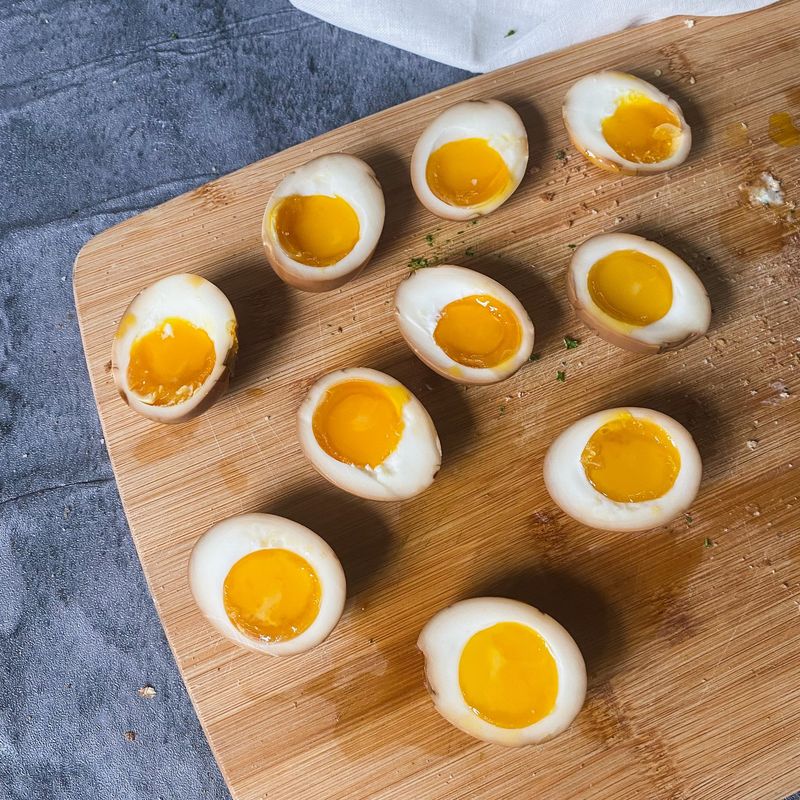
Ramen eggs are about timing and chilling. Start from a gentle boil, add eggs carefully, and cook to your preferred doneness, often around 6 to 7 minutes.
Shock in ice water immediately to stop carryover and make peeling effortless.
Marinate in a balanced soy mixture, keeping time in check so salt does not overwhelm. Rotate occasionally for even color.
If the yolk is set firm, you cooked too long. The goal is jammy, glossy centers that enrich broth without going briny.