20 Errors To Steer Clear Of When Making Frozen French Fries
Frozen fries can be incredible when you treat them right. With a few small tweaks, you can turn a basic bag into crisp, golden perfection that tastes like a treat, not a compromise. The catch is that tiny mistakes add up fast and leave you with soggy, pale, or bland fries. Let’s fix that so every batch makes you proud to serve and excited to eat.
1. Skipping the preheat
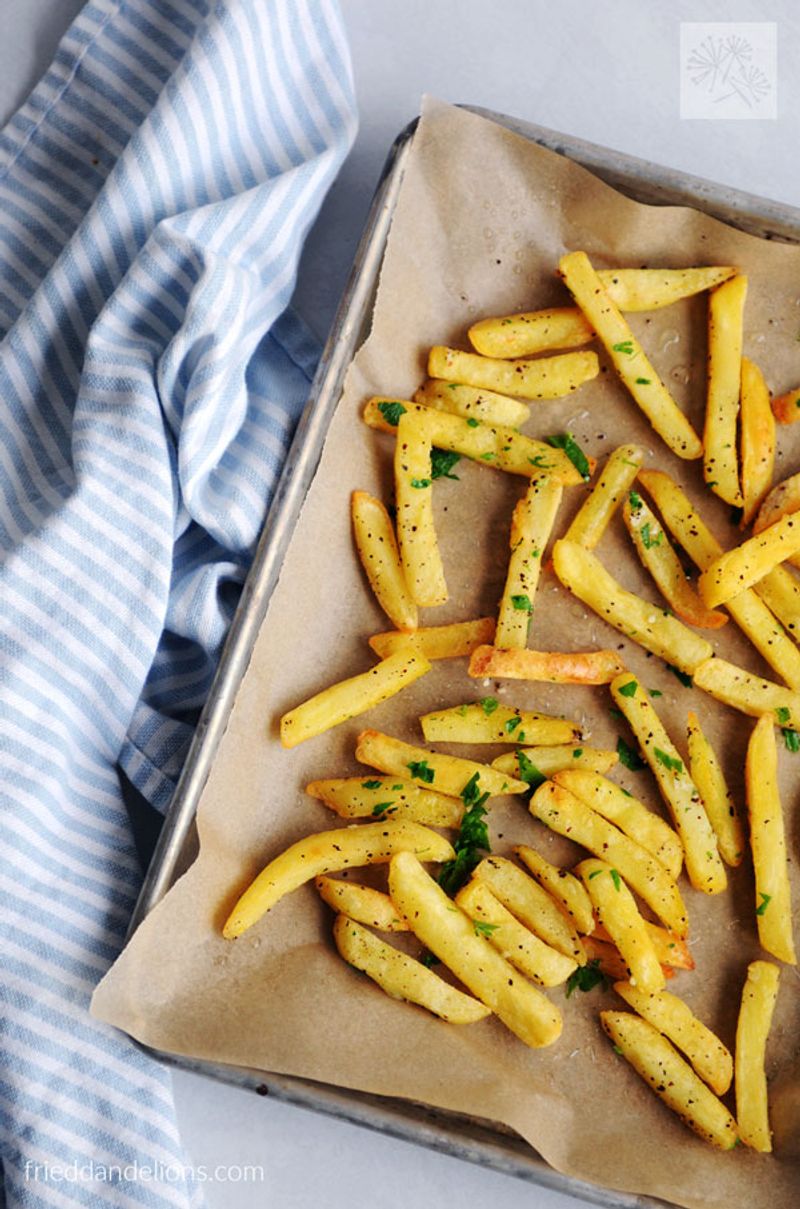
Preheating is not busywork. It is the foundation of crisp, evenly cooked fries because a hot environment delivers instant surface dehydration and quick browning. Start with a cold oven and you invite limp, oil-soaked fries that steam instead of sizzle.
Let your oven, air fryer, or oil reach target temperature before a single fry goes in. Use an oven thermometer if your dial lies, which many do. When the heat is ready, work quickly to minimize loss while loading the tray or basket.
2. Crowding the pan

Piling fries into one tight layer traps steam and ruins texture. Air needs space to circulate around every fry so moisture evaporates fast and surfaces brown. When fries touch, they moisten each other and cook unevenly, giving pale, floppy results.
Spread fries in a single layer with at least a fingertip of space. If needed, use two pans or cook in batches. Rotate halfway for even heat exposure. The small sacrifice in time pays off with shattering crunch and uniform color instead of a crowded, soggy pile.
3. Using a cold pan
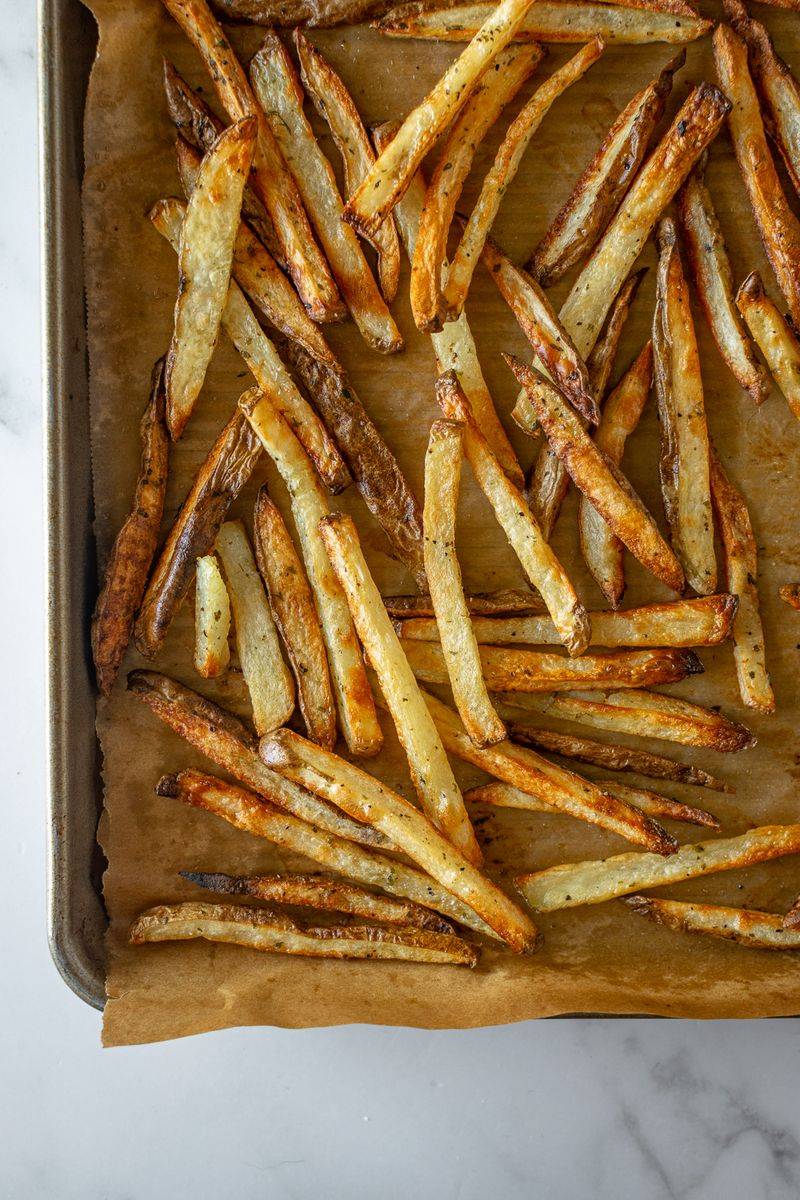
Dumping fries onto a cold pan delays browning. Hot metal gives immediate contact heat that sets the crust before interior moisture floods the surface. Without that jumpstart, fries release water, steam themselves, and never fully crisp.
Slide the empty pan into the preheating oven for 5 to 10 minutes. Add fries quickly to the hot surface and listen for a faint sizzle. This simple step mimics restaurant fryers by boosting surface heat on contact. You get better color, faster cook times, and that coveted crunchy shell.
4. Wrong oven rack position
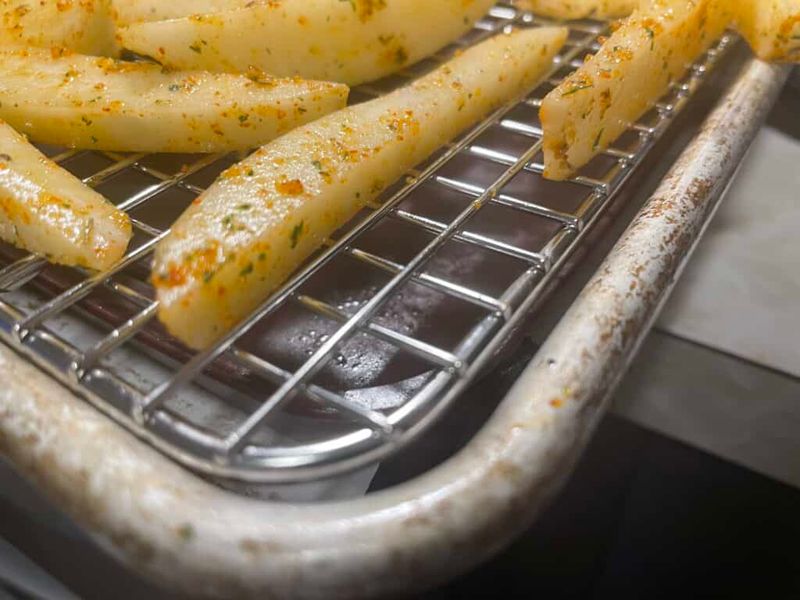
Rack placement shapes heat exposure. Too low, and fries heat slowly with less airflow. Too high, and the tops brown before interiors finish. The middle to upper-middle rack usually balances convective heat and radiant energy from the top elements.
Follow package guidance, then adjust based on your oven’s personality. If bottoms are pale, move down one notch. If tops get dark first, lower the rack. Dialing in position turns good fries into great fries by ensuring even browning from edge to edge without drying them out.
5. Ignoring the package instructions
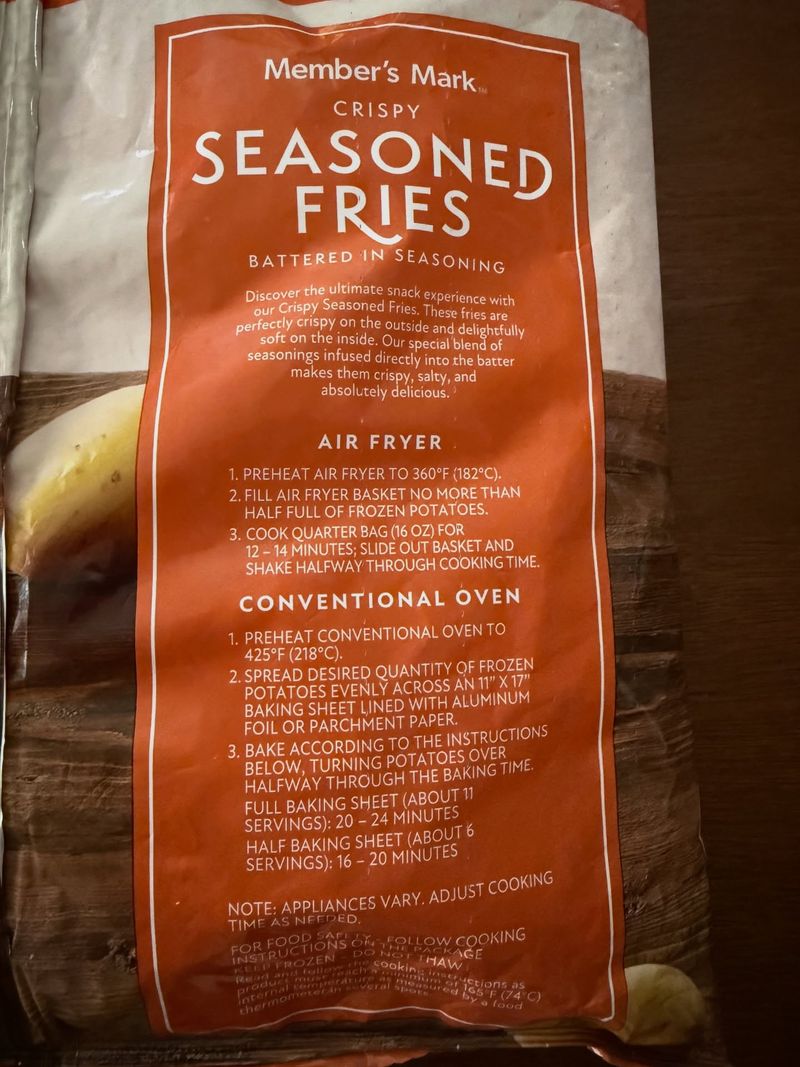
Manufacturers test their fries to perform under specific conditions. Tossing the bag and winging it leads to undercooked middles, scorched tips, or timing mismatches. Instructions give time, temperature, and portion guidelines that make a strong starting point.
Read, then adapt. Your oven or air fryer may run hot or cool, and your preferred crispness might differ. Start with their timing, check a fry, and extend in small increments. Respecting the baseline saves you from guessing and lets you make smart tweaks that fit your equipment and taste.
6. Not drying off surface frost
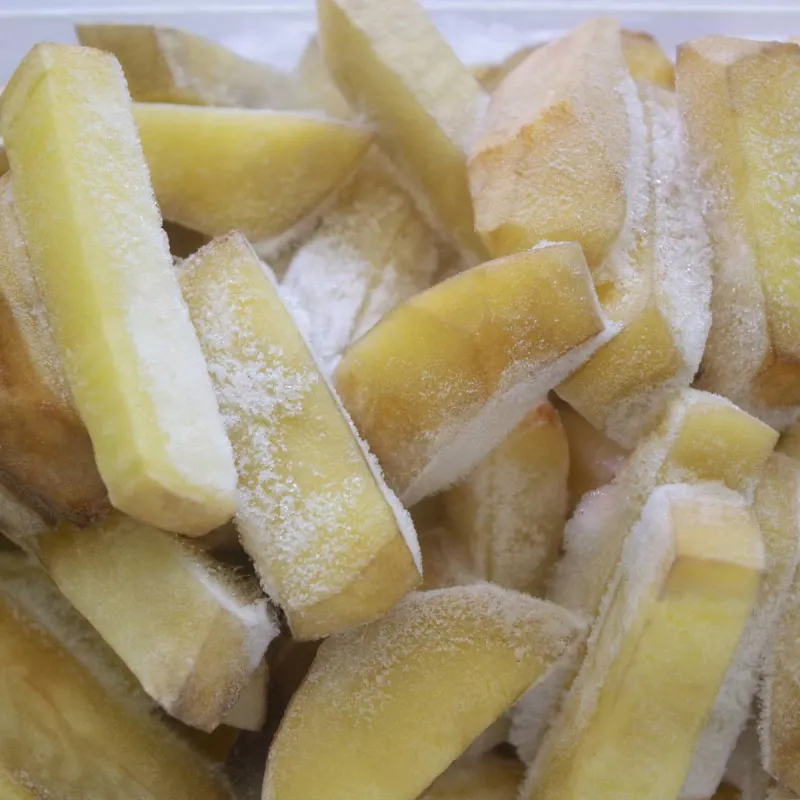
Excess surface frost turns into steam, the mortal enemy of crunch. That steam softens exteriors and delays browning, especially in the first minutes. The result is spongy fries that never quite crisp, even when cooked longer.
Pour fries onto a towel-lined sheet and quickly blot visible ice crystals. Work fast so they do not thaw. You are not drying them completely, just removing obvious frost. Less surface water means more caramelization, deeper color, and better structure. It is a tiny step with a big payoff in texture and flavor.
7. Forgetting to flip
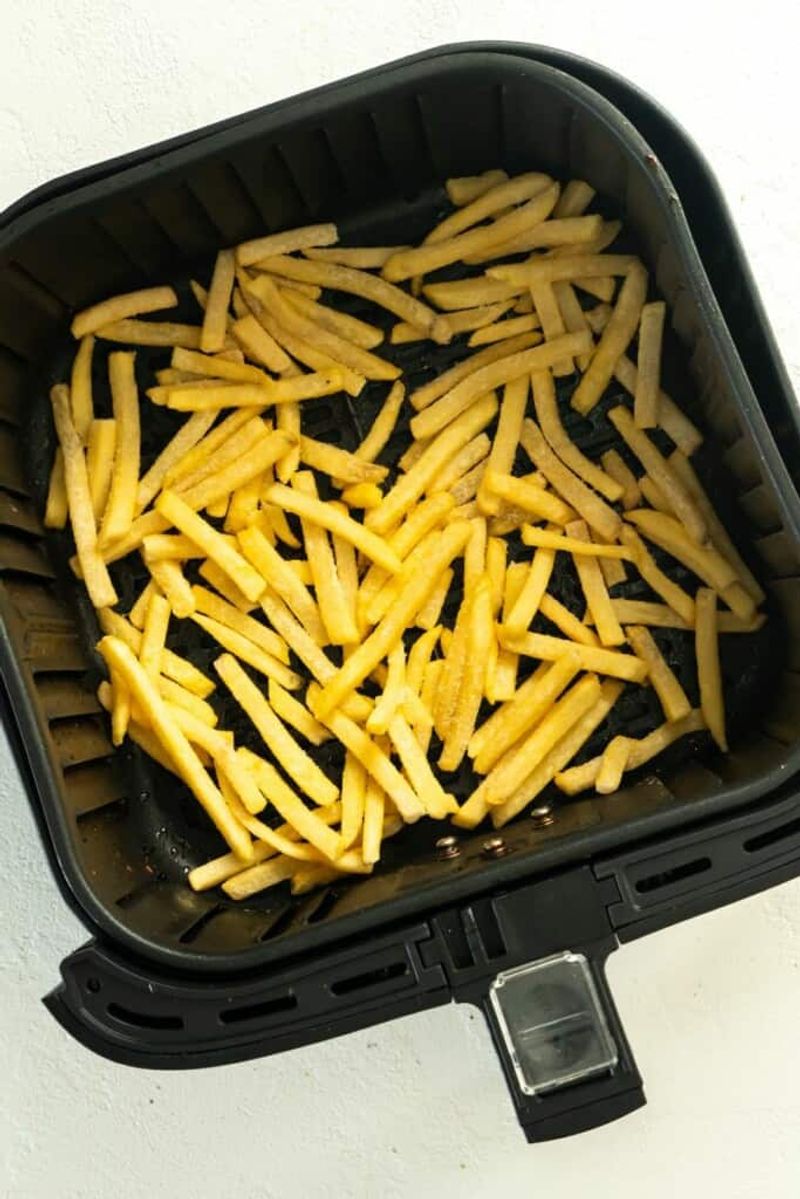
Even the best hot air circulation has dead spots. If you never flip, the underside can stay pale and soft while the top browns. A quick mid-cook toss exposes new surfaces to heat and releases trapped steam.
Set a timer for the halfway mark. Use a spatula or shake an air fryer basket with confidence but not aggression. Spread fries back out after flipping. That one small action evens color, drives off moisture, and adds a surprising amount of crunch you can hear when you bite.
8. Using low heat
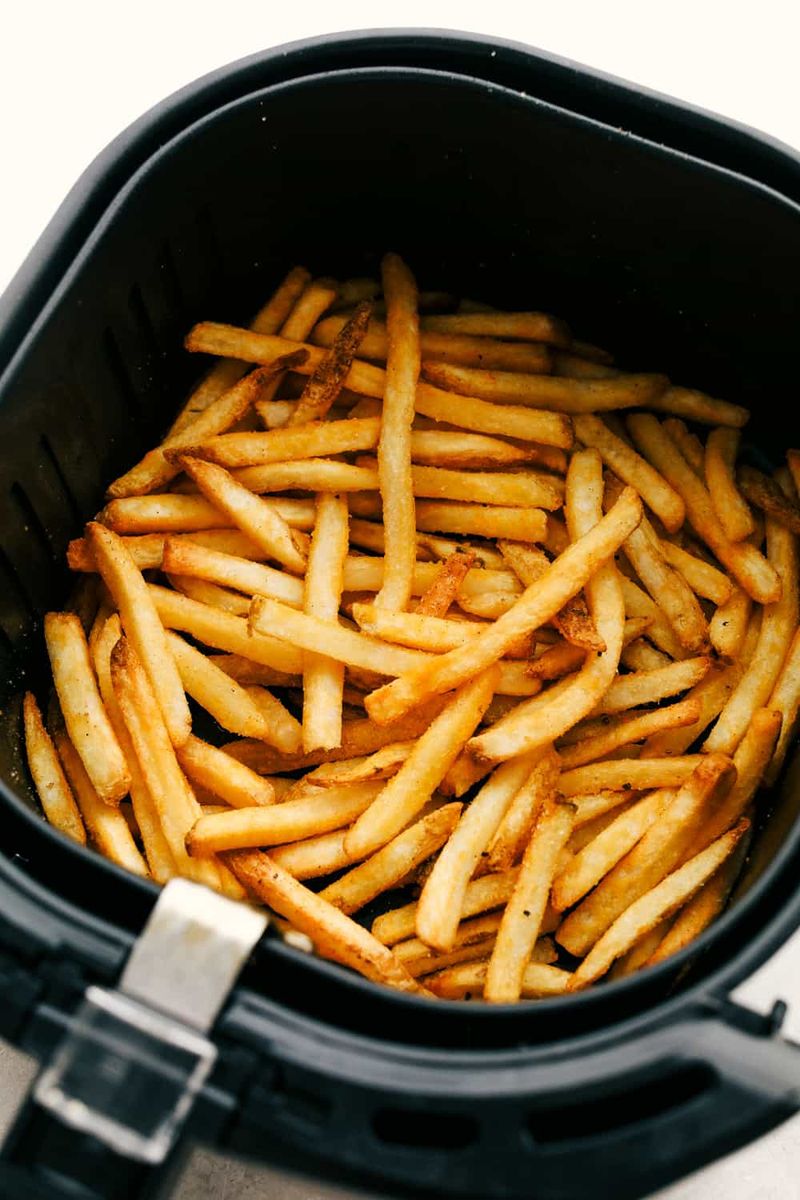
Low temperatures extend cook time and encourage moisture retention. Fries slowly steam as their internal water leaks out, but surfaces never get hot enough to brown deeply. You end up with leathery exteriors and dense centers.
Most frozen fries thrive between 425 and 450 degrees Fahrenheit or at a high air fryer setting. Start high and adjust only if tips char before centers finish. High heat creates fast dehydration and Maillard browning, which delivers that craveable golden crunch without overdrying the middle.
9. Skipping a wire rack
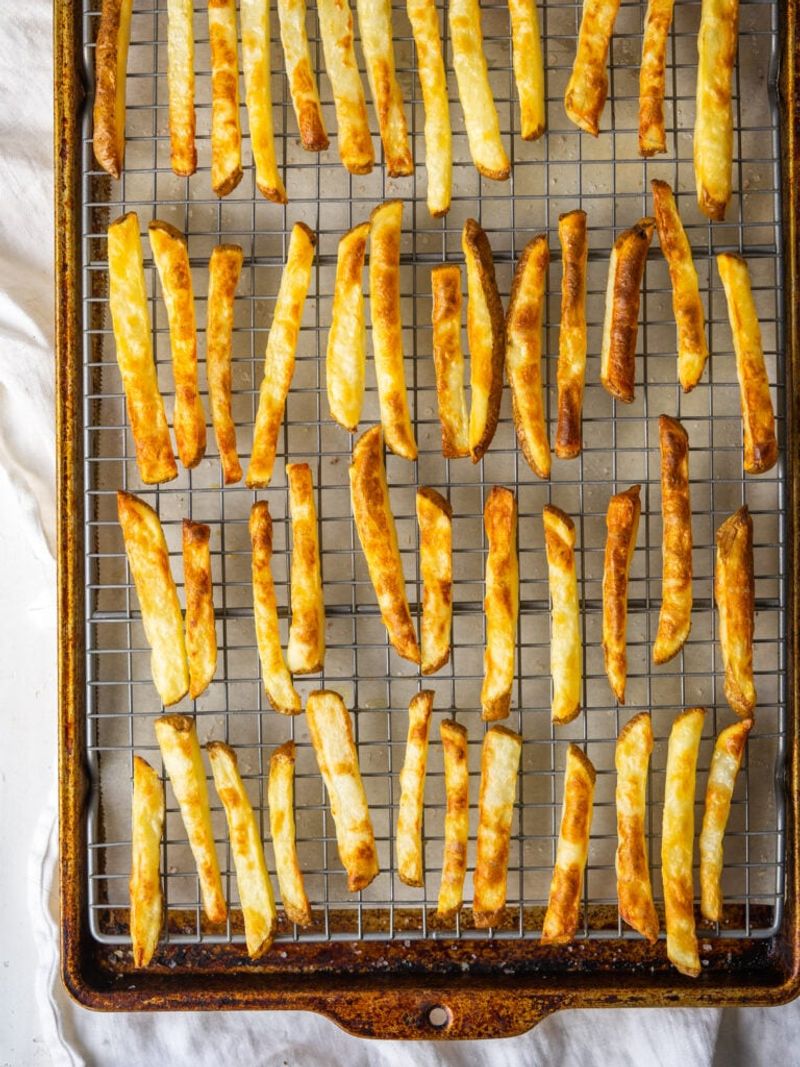
A wire rack elevates fries so hot air hits every surface, including the underside. That extra airflow prevents soggy bottoms and encourages consistent crunch from tip to tip. Without it, the side touching the pan often lags behind.
Place an oven-safe rack on a sheet pan for easy cleanup and stability. Preheat both together, then spread fries evenly. You will notice better browning patterns and fewer soft spots. It is especially useful for thicker cuts that struggle with moisture on the bottom.
10. Seasoning too early
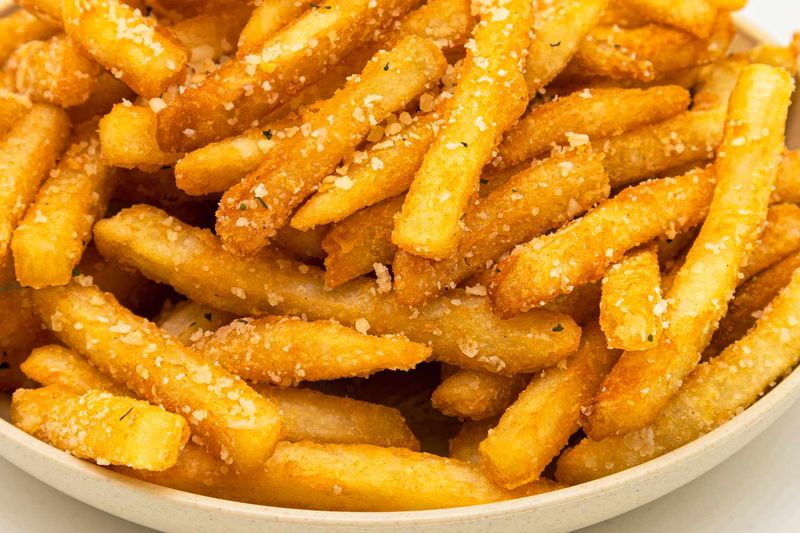
Salt pulls moisture to the surface. If you season before baking, you invite water to pool and slow browning, especially with fine salt. Wet surfaces resist crisping, and spices can scorch or taste muted after a long bake.
Cook first, then season while fries are hot so crystals stick. Toss with salt and spices in a bowl for even coverage. If you want a marinade vibe, use a tiny amount of oil and spices at the halfway flip, not at the start. Your fries will stay crisp and flavorful.
11. Using too much oil
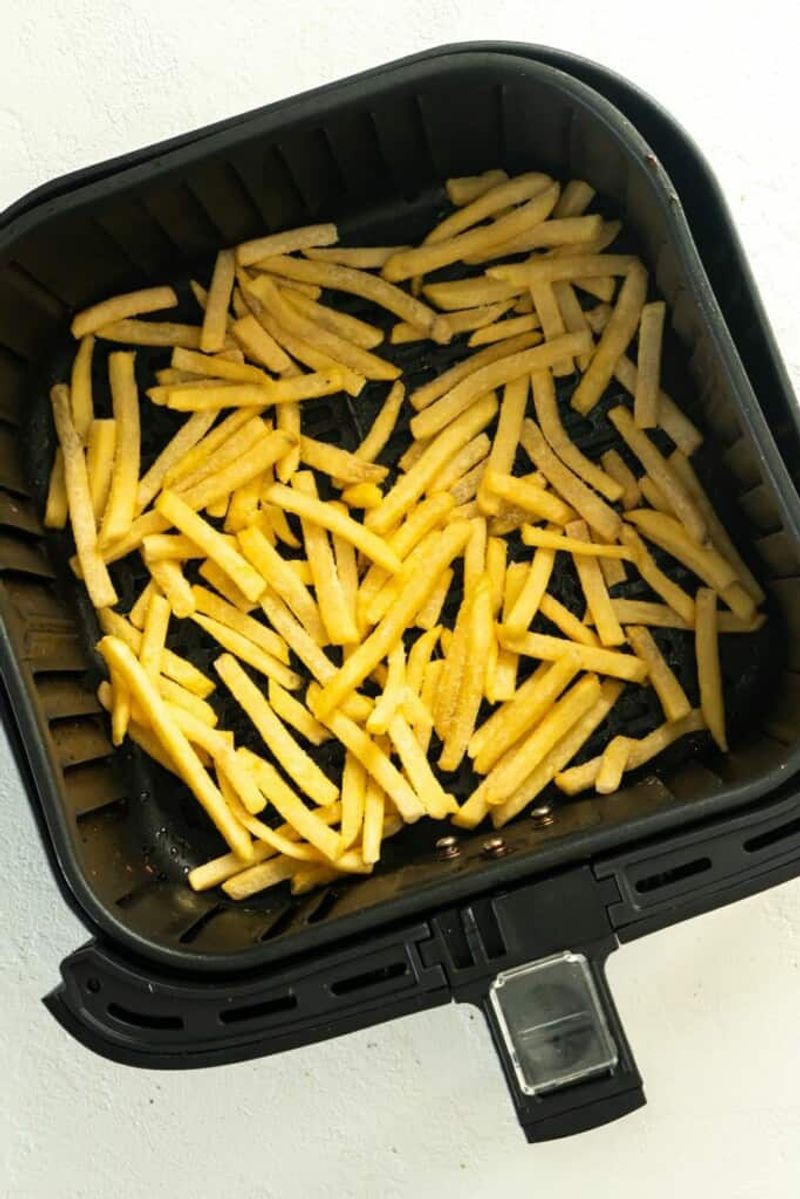
Frozen fries already contain oil from par frying. Adding more than a teaspoon or two per sheet can drown surfaces, causing greasy, floppy results. Excess oil also smokes and leaves a heavy aftertaste that masks the potato.
If you want extra crunch, lightly mist with spray oil or toss with a teaspoon of neutral oil. Aim for a thin sheen, not puddles. The right amount helps browning without turning fries soggy. You get crisp edges, clean flavor, and less lingering oil on fingers.
12. Neglecting airflow in air fryers
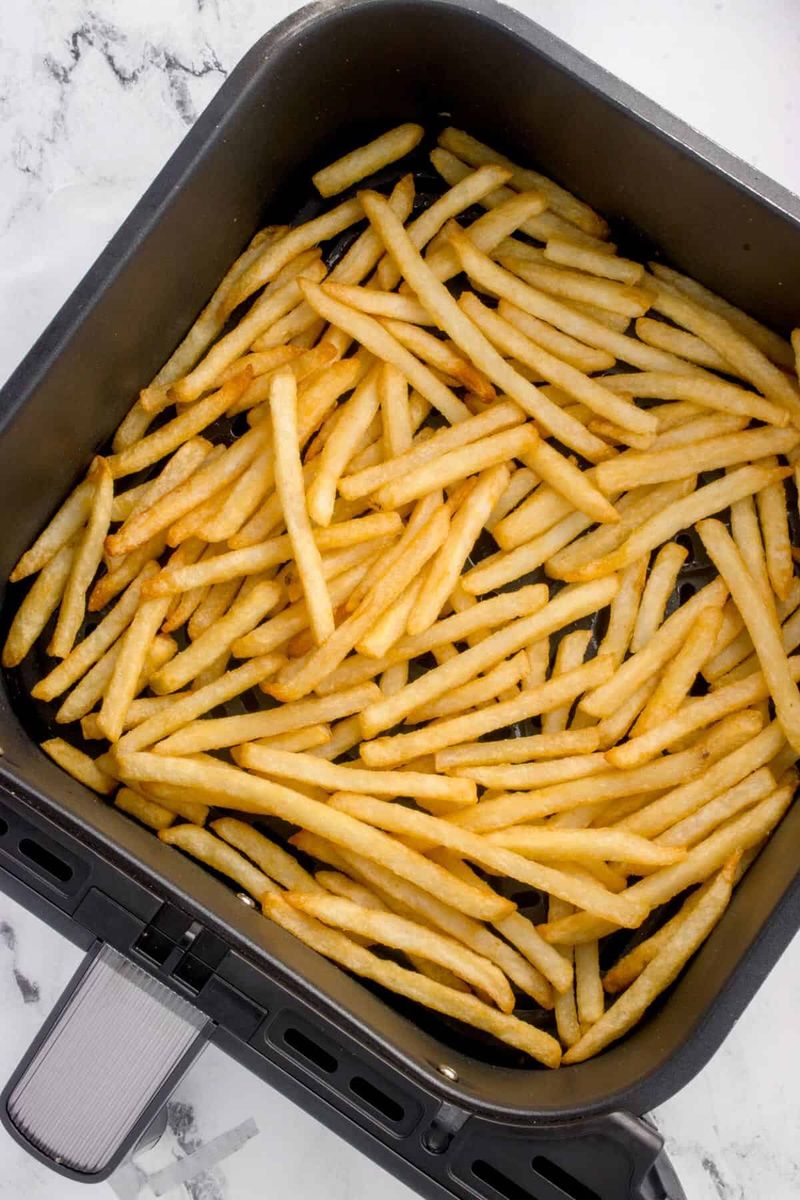
Air fryers depend on circulation. Stack fries too deep and the center clumps steam while outer edges crisp unevenly. You also risk blocking vents, which reduces efficiency and extends cook times.
Keep fries in a loose layer, ideally covering only the bottom of the basket. Shake every few minutes for even browning, then cook in batches if needed. You will trade a little time for dramatically better texture and color. The payoff is fries that taste restaurant quality without the mess of deep frying.
13. Not calibrating time by cut size
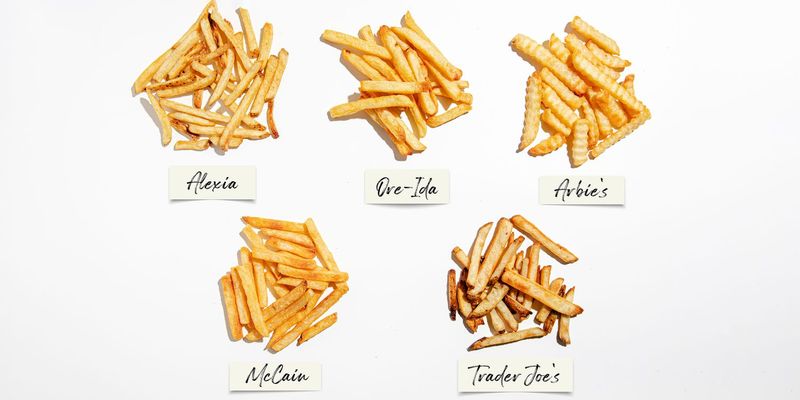
One time does not fit every fry. Shoestrings cook fast and burn quickly. Steak fries need more time and often benefit from higher heat or a longer finish. Crinkles fall somewhere in between but trap steam in their grooves if rushed.
Check the cut and adjust. Start with the package time, then taste a fry a few minutes early. Extend in short bursts until textures match your preference. Understanding each cut lets you dial in crispness without sacrificing creamy interiors or color.
14. Skipping the final blast

A short high-heat finish can transform decent fries into spectacular ones. After cooking through, hit them with a brief convection boost or a cautious broil to set the crust. That final blast drives off lingering moisture and deepens color.
Watch closely. Thirty to ninety seconds is often enough. Pull them the moment edges go from golden to deep amber. This move is especially powerful when your oven runs gentle or when fries look cooked but lack punchy crunch.
15. Seasoning without coating
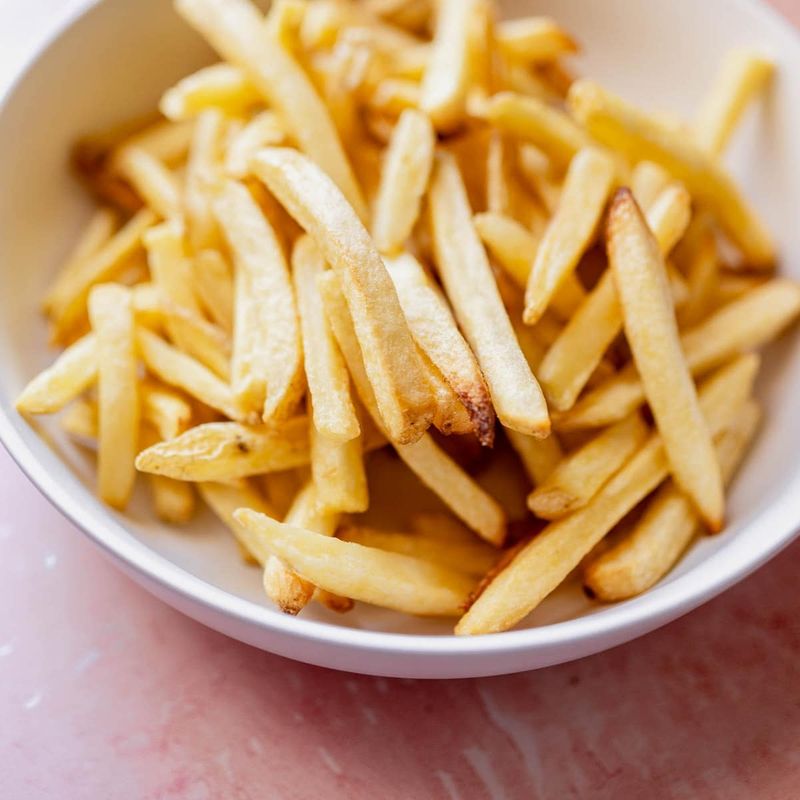
Sprinkling seasoning straight on a sheet pan wastes flavor. Many crystals fall through or stick unevenly. Without a quick toss, you get salty clumps and bland pockets. The fix takes ten seconds and makes every bite pop.
Transfer hot fries to a large bowl. Sprinkle salt and spices around the sides, then toss or shake so everything sticks evenly. The bowl captures stray seasoning and redistributes it. You will taste the difference immediately, with consistent flavor and better texture across the batch.
16. Using dull or mismatched spices
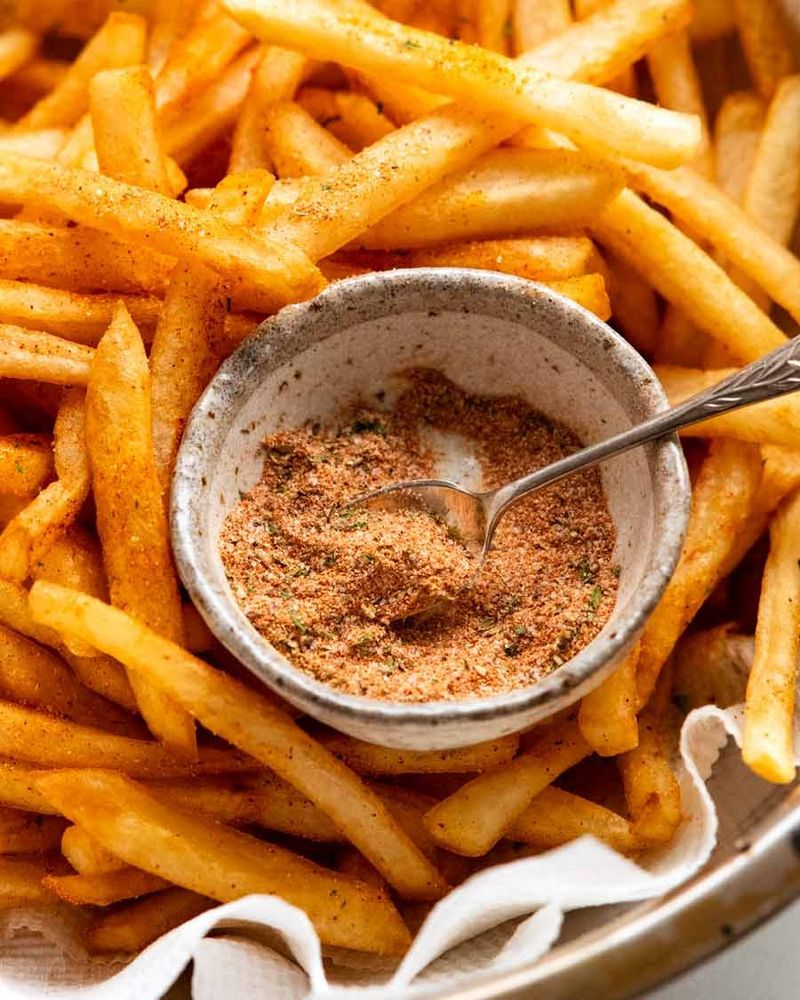
Old spices taste dusty and flat, which makes fries seem bland even when salted. Some blends also clash with the potato. Heavy sweetness or smoky overload can overpower delicate crispness and leave a lingering aftertaste you do not want.
Refresh pantry staples and check best-by dates. Keep a few fry-friendly winners ready: garlic powder, onion powder, smoked paprika in moderation, black pepper, and fine salt. Try a pinch of citric acid or vinegar powder for brightness. Fresh spices deliver clean, high-impact flavor without masking the fries.
17. Skipping a dipping plan
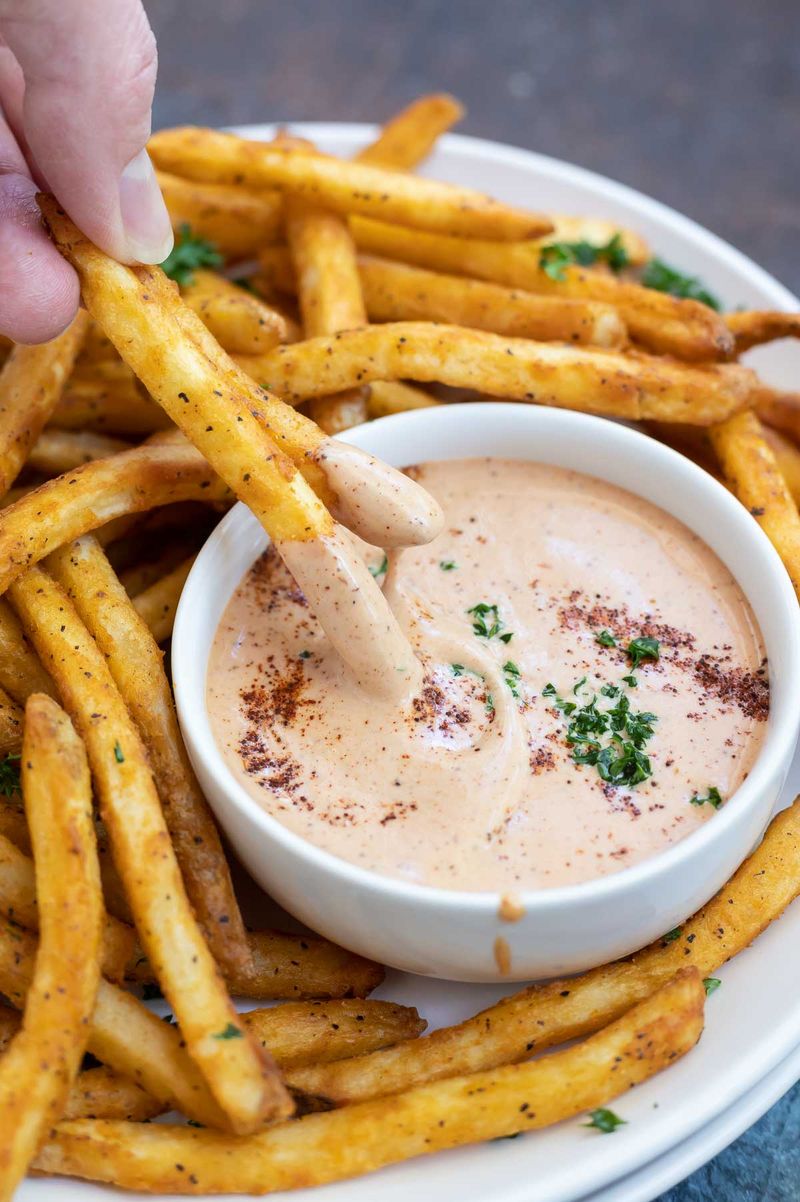
Great fries deserve a supporting cast. A thoughtful dip adds contrast and keeps bites exciting. Without one, you might chase more salt or overcook in search of flavor. Sauces can bring acid, heat, creaminess, or umami that makes the batch feel special.
Pair crisp fries with bright ketchup, garlicky aioli, malt vinegar, spicy mayo, or a tangy yogurt sauce. Keep portions small and chilled so fries stay hot and crunchy. A little planning turns a quick snack into a shareable crowd pleaser.
18. Letting fries sit too long
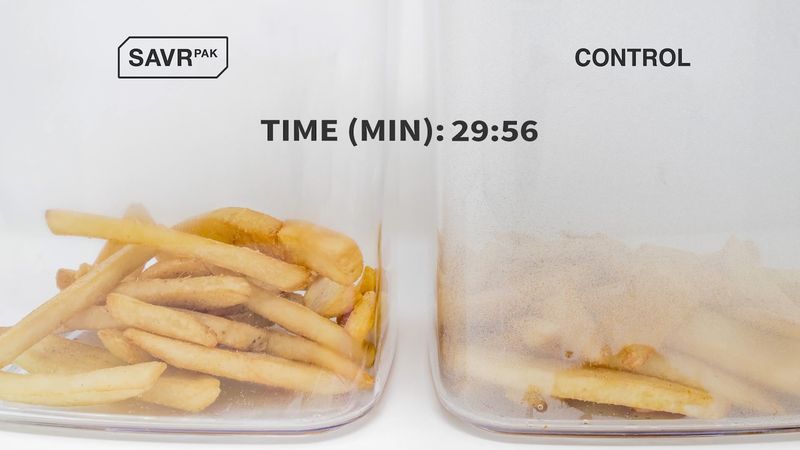
Crisp fries fade fast. Steam trapped in a bowl or piled heap softens edges within minutes. If they sit under foil, condensation rains back and turns everything limp. Timing service matters as much as cooking technique.
Line a plate with paper towels or a rack and serve immediately. If holding, use a low warm setting with airflow, not a sealed container. Portion in smaller waves if feeding a crowd. You will keep that crackly bite instead of chasing lost crunch.
19. Using the wrong salt
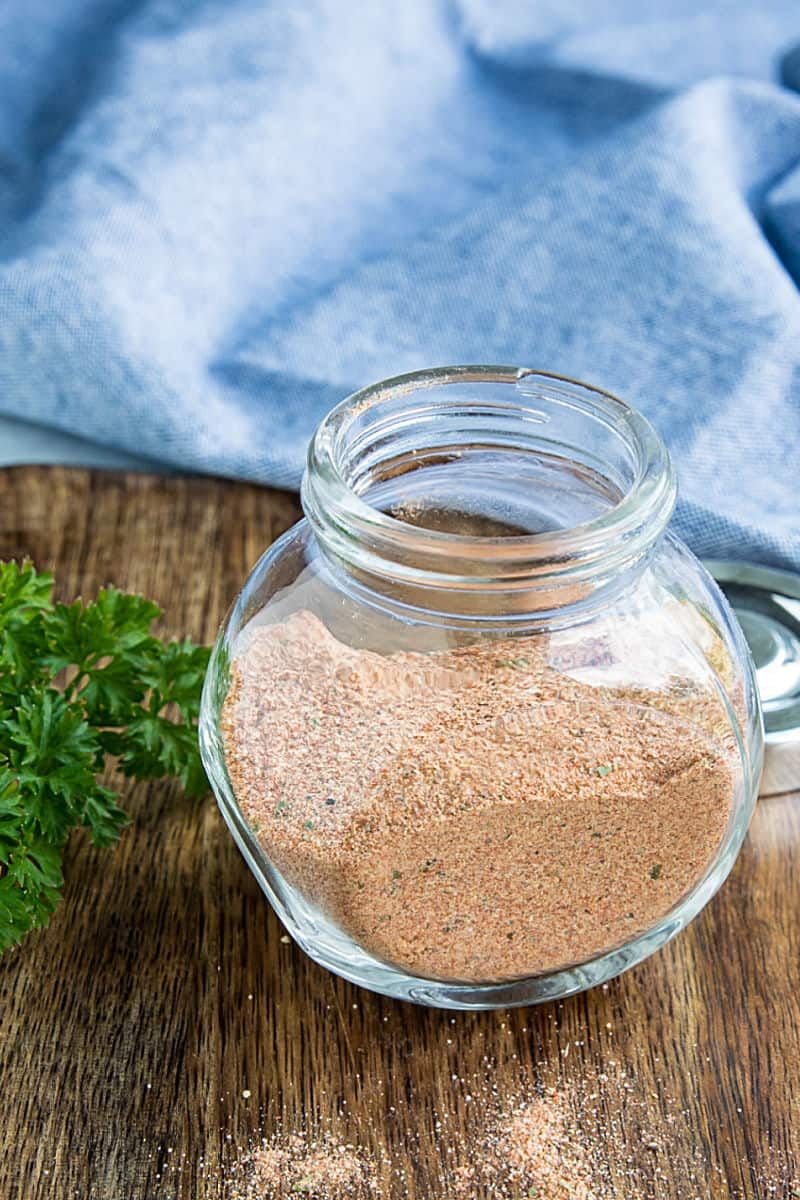
Salt size changes everything. Fine salt dissolves quickly and coats evenly on hot fries, giving a clean, predictable pop. Big flaky crystals look pretty but fall off and deliver random salvos of salinity. Too coarse, and you taste grit rather than balanced seasoning.
Use fine sea salt or table salt right after cooking, then add a pinch of flaky salt for texture if you like. Taste and adjust while fries are still steaming so crystals adhere. You get consistent flavor instead of salty surprises.
20. Skipping acid or freshness
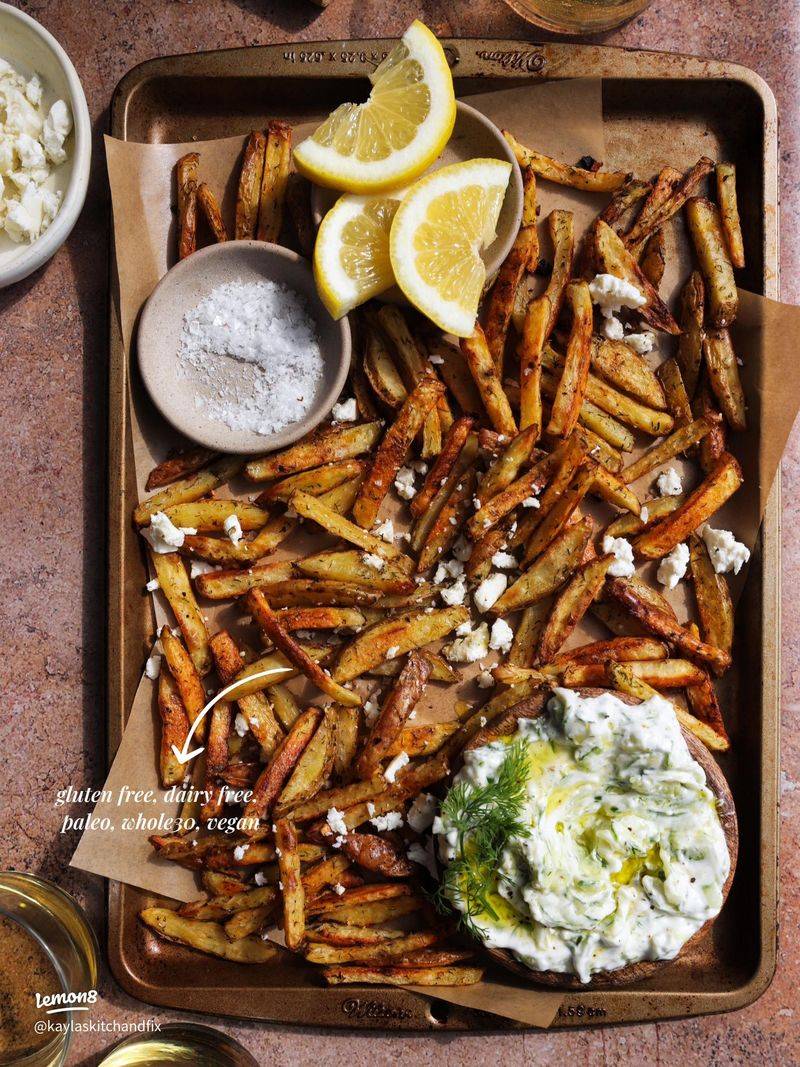
Heavy, salty flavors need lift. A whisper of brightness makes fries taste cleaner and more addictive. Without acid or herbs, they can feel one note and tiring after a few bites. Tiny amounts go a long way and keep the crunch interesting.
Toss hot fries with a squeeze of lemon, a shake of malt vinegar, or a dusting of citric acid. Finish with chopped parsley or chives. Add after salting so the flavors layer cleanly. The result feels lighter, sharper, and more snackable.