20 Everyday Foods That Can Become Dangerous In Large Amounts
It is easy to assume that if something is sold in a grocery store, more of it must be harmless. The truth is that plenty of everyday foods can turn risky when portions get extreme, habits become daily, or certain health conditions are involved.
You do not need to fear these foods, but it helps to know where the line is. Here are 20 surprisingly common things that deserve a little more respect on your plate and in your pantry.
1. Water
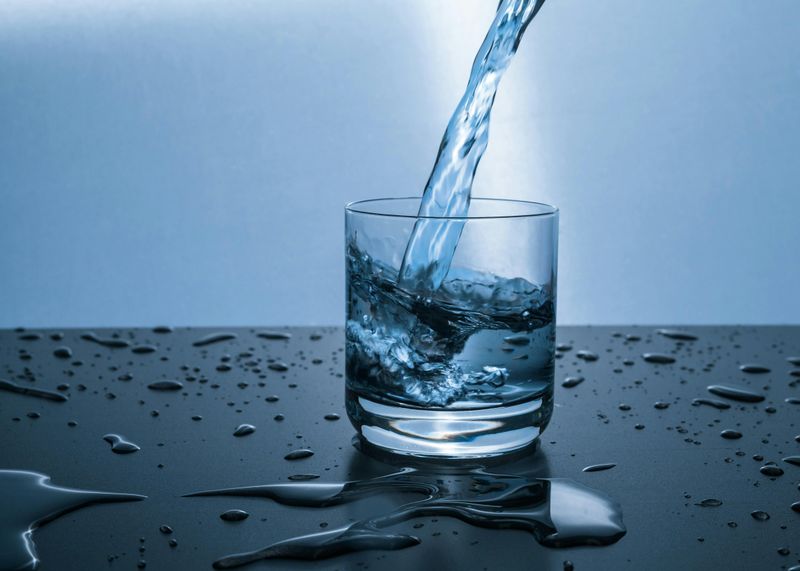
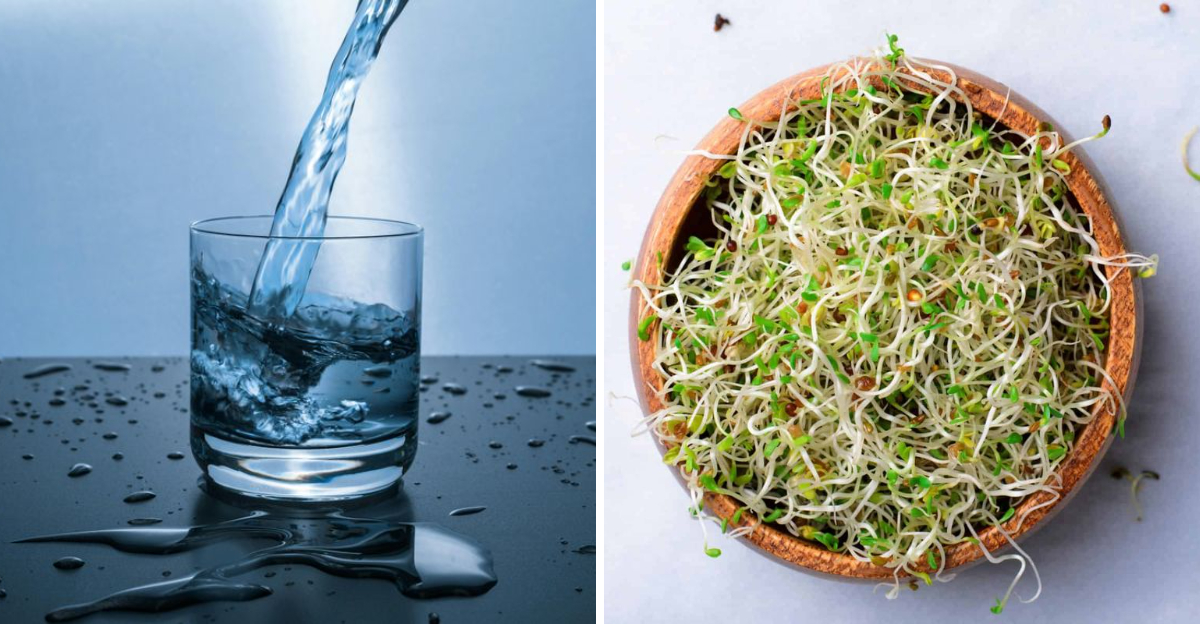
Water is essential, but yes, even this can become dangerous if you drink far too much in a short time. Extreme intake can dilute sodium in the blood, causing hyponatremia, which may lead to headache, confusion, vomiting, seizures, and in severe cases, death.
That risk rises during endurance events, dares, or intense workouts when people overcorrect dehydration.
If you are healthy, normal thirst usually guides you well, so the problem is not ordinary hydration. Trouble starts when huge amounts are forced quickly without enough electrolytes or time.
Listening to thirst, pacing intake, and avoiding extreme challenges keeps water firmly in the safe zone.
2. Salt and ultra-salty foods
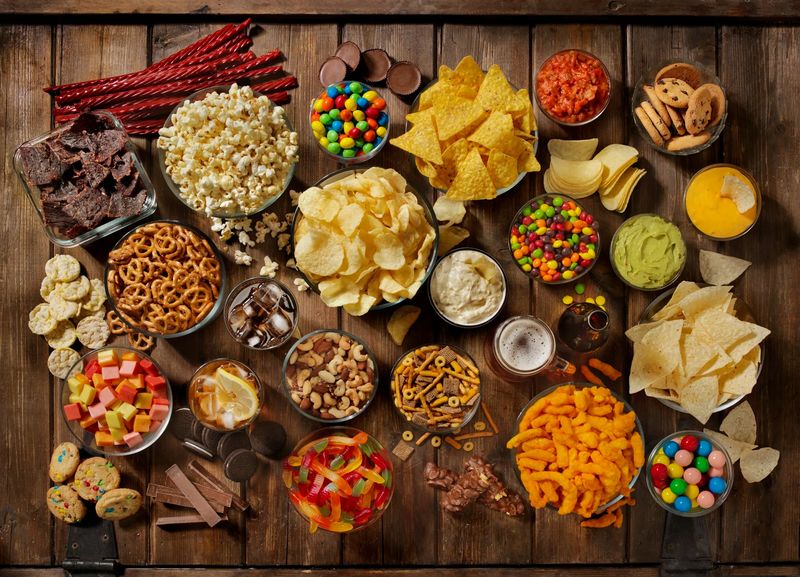
Salt makes food taste better, but large amounts can quietly push the body in a dangerous direction over time. Heavy sodium intake can raise blood pressure, increase fluid retention, and put extra strain on the heart and kidneys, especially when ultra-salty foods are part of a daily routine.
Packaged soups, frozen meals, chips, and fast food can add up faster than you think.
One salty meal will not ruin your health, but repeated overload matters. If you already have hypertension, kidney issues, or heart disease, that burden grows more serious.
Reading labels, cooking more at home, and watching condiments can lower risk without making meals bland.
3. Real licorice
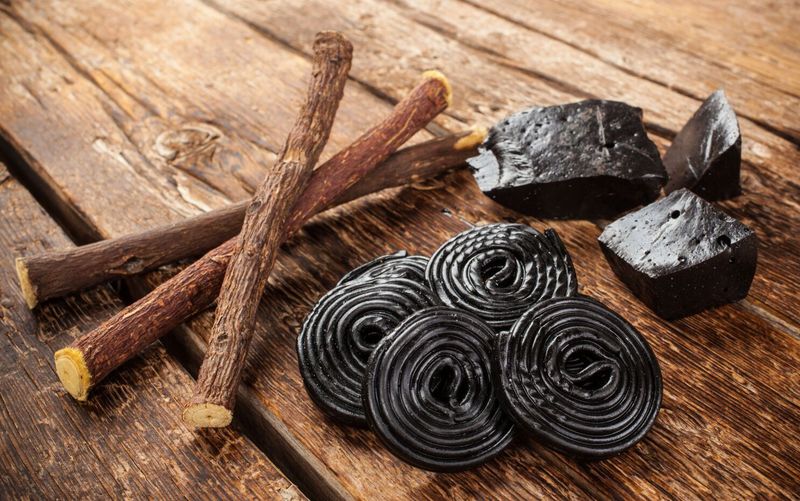
Real licorice is not just candy when it contains actual licorice root. In large amounts, glycyrrhizin can affect potassium levels and raise blood pressure, sometimes causing weakness, abnormal heart rhythms, or dangerous interactions in people who are already vulnerable.
That makes it a surprisingly risky treat for anyone with heart conditions, kidney disease, or certain medications.
The key detail is that not all black candy is real licorice, so labels matter. Eating a small amount once in a while is very different from frequent large servings.
If you love the flavor, moderation is your friend, especially if your health is already complicated.
4. Energy drinks
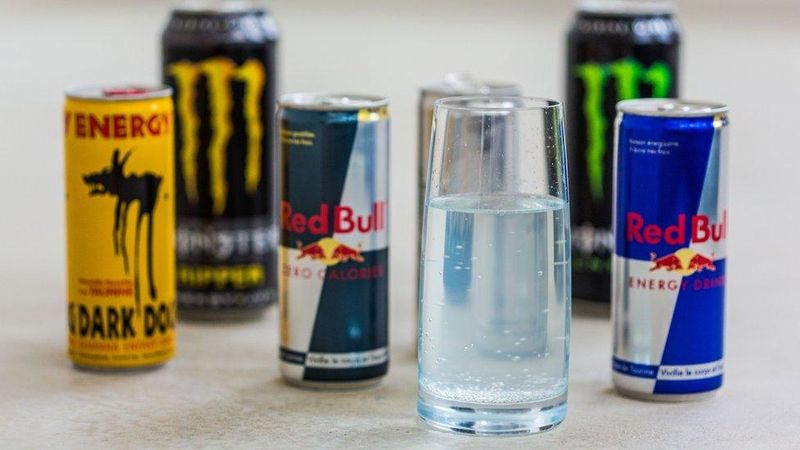
Energy drinks are easy to underestimate because they are sold like regular beverages, but they can hit hard. High caffeine plus other stimulants may trigger palpitations, anxiety, tremors, chest discomfort, sleep disruption, and blood pressure spikes, especially when several cans are consumed quickly.
The danger grows when they are mixed with alcohol, because feeling less tired is not the same as being less impaired.
Some people are more sensitive than others, and teens can be especially vulnerable. Large servings before workouts or all-night study sessions can stack risk fast.
Reading caffeine amounts, limiting intake, and never treating these drinks like water can help you avoid a very rough night.
5. Coffee and strong caffeine intake
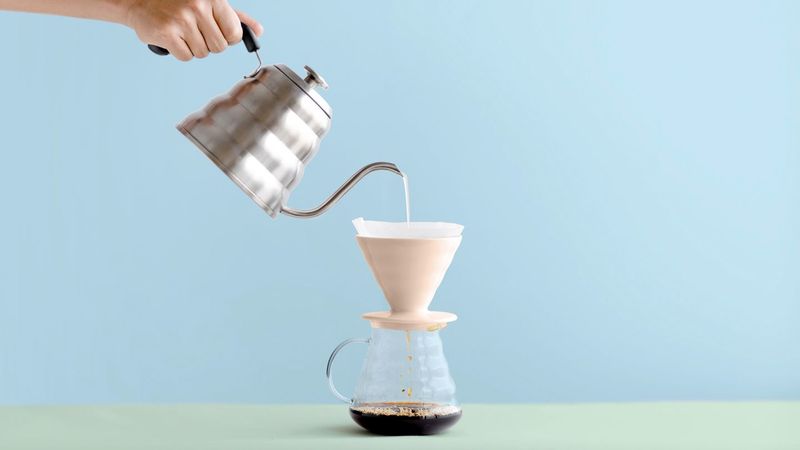
Coffee can be comforting and even beneficial in moderate amounts, but very high caffeine intake is another story. Too much can cause rapid heartbeat, shakiness, panic-like symptoms, insomnia, stomach upset, and dehydration issues, especially when strong coffee is combined with pre-workout powders, sodas, or caffeine tablets.
What feels like productivity can quickly turn into a jittery, miserable crash.
Your personal limit depends on body size, sensitivity, medications, and how quickly you drink it. Several large coffees in a short window can be rough even for regular drinkers.
If your hands shake or your sleep falls apart, your body is already asking for less.
6. Alcohol

Alcohol is the obvious entry on this list, but it still deserves a blunt reminder. Large amounts in a short period can cause acute poisoning, dangerous vomiting, slowed breathing, loss of consciousness, accidents, and death, while heavy long-term use can damage the liver, brain, heart, and many other organs.
What makes it tricky is how quickly judgment disappears as intake rises.
That is why people often cross the line before they realize it. Drinking games, binge patterns, and mixing alcohol with sedatives make the danger much worse.
If someone is hard to wake, breathing slowly, or vomiting repeatedly, that is a medical emergency, not something to sleep off.
7. Brazil nuts
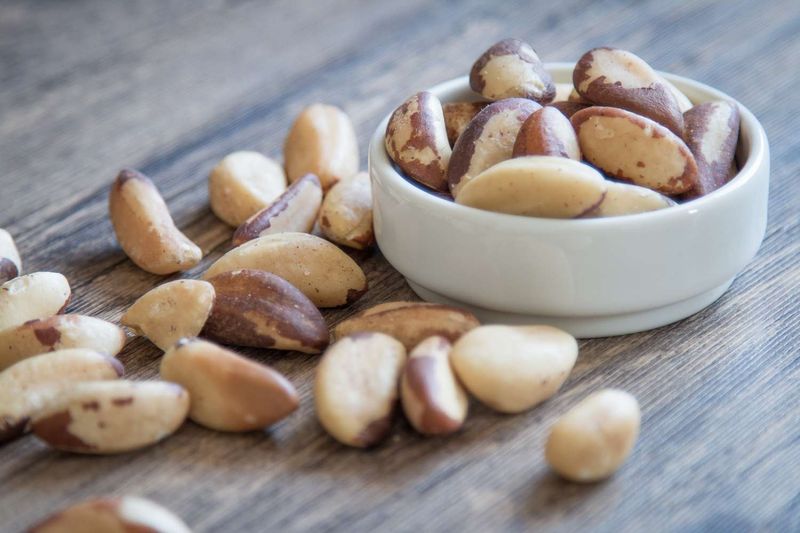
Brazil nuts seem like a wholesome snack, and in small amounts they can be. The issue is selenium, because these nuts are so concentrated that eating too many regularly can push intake into toxic territory, causing nausea, brittle nails, hair loss, fatigue, and a strange garlic-like breath odor.
A food that looks harmless can become a problem through daily overdoing.
You do not need a giant pile for this to happen, which is what surprises people most. A few nuts can already cover a lot of your daily selenium needs.
Treat them more like a potent supplement than an endless trail mix ingredient, and they stay on the safe side.
8. Vitamin gummies and supplements
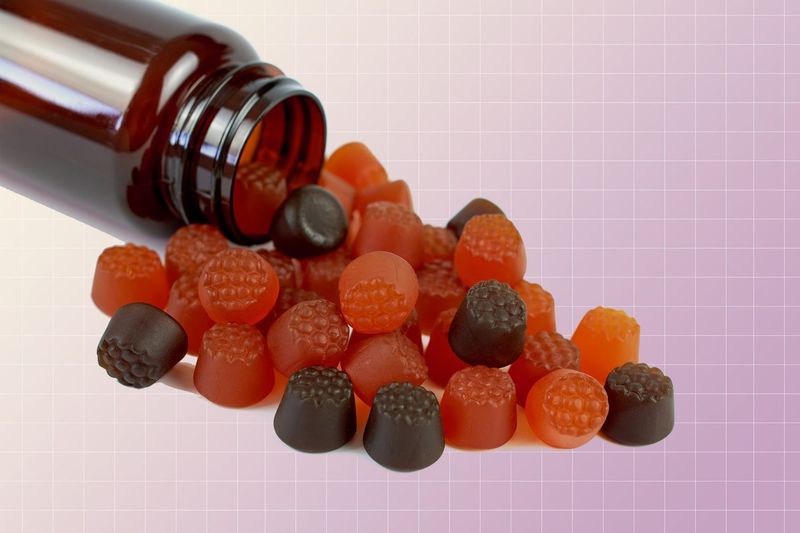
Vitamin gummies feel like candy, and that is exactly why people can overdo them. Large amounts of supplements, especially fat-soluble vitamins A, D, E, and K, can build up in the body and cause harm, including nausea, weakness, calcium problems, bleeding issues, or organ stress depending on the nutrient.
Food sources are usually gentler and less likely to create a mega-dose situation.
The risk gets bigger when multiple products overlap, like a multivitamin, gummy, and fortified drink all in one day. Kids are also drawn to the sweet taste, which creates another danger.
Following label directions matters far more here than most people realize.
9. Liver
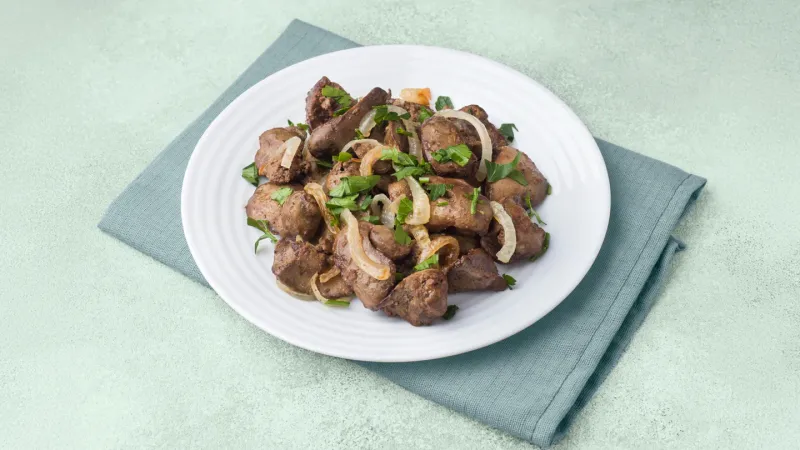
Liver is one of the most nutrient-dense foods you can eat, which sounds great until portions get excessive. Because it is extremely rich in vitamin A, frequent large servings can push intake too high and lead to headaches, bone pain, nausea, dizziness, and other signs of toxicity over time.
Beef and chicken liver both deserve a little respect for that reason.
This is not a warning to avoid liver completely, since moderate amounts can be valuable. It is more about not treating it like a limitless superfood or eating it every day.
If you already take supplements containing vitamin A, the total can climb higher than expected.
10. Tuna and other high-mercury fish
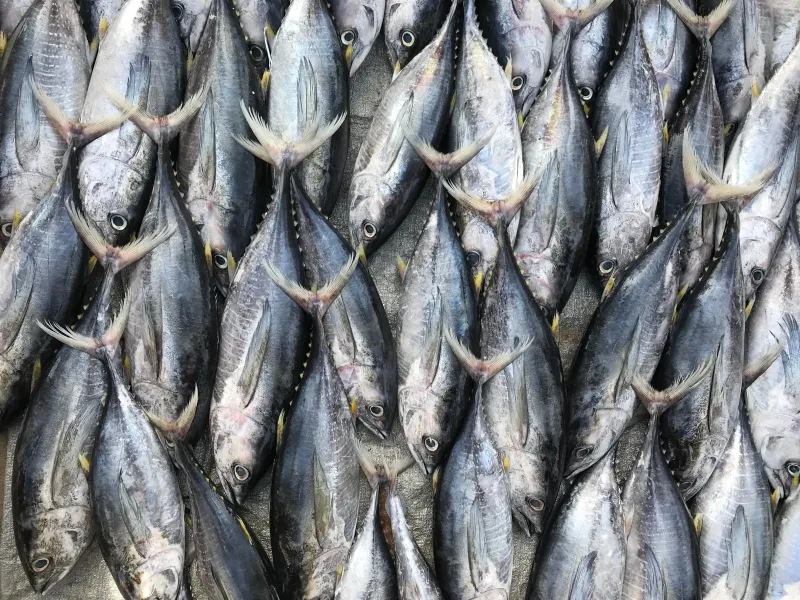
Tuna is convenient, high in protein, and often marketed as a clean choice, but frequent large servings can raise mercury exposure. Over time, high-mercury fish may contribute to neurological problems, and the concern is especially important for pregnant people, those trying to conceive, and young children because developing brains are more vulnerable.
Bigger fish generally carry higher levels.
This does not mean seafood is bad, because many fish are lower in mercury and still very nutritious. The key is rotating your choices instead of relying on the same fish constantly.
If tuna is your daily lunch, it may be time to add salmon, sardines, or other lower-mercury options.
11. Raw or undercooked shellfish
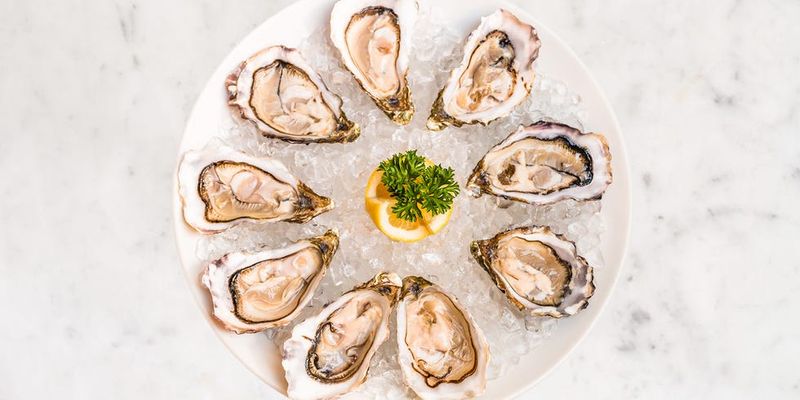
Raw or undercooked shellfish can be delicious, but they carry a very real food safety gamble. One contaminated batch may cause severe illness from bacteria, viruses, or toxins, and eating large amounts simply increases the odds that you will run into a problem.
Oysters are especially famous for this risk, but they are not the only concern.
For healthy adults, the result may be miserable vomiting and diarrhea, while for others it can become much more serious. People with liver disease, weakened immunity, or pregnancy need extra caution because complications can escalate quickly.
Fresh-looking seafood is not a guarantee, so proper cooking remains the safest move.
12. Raw sprouts
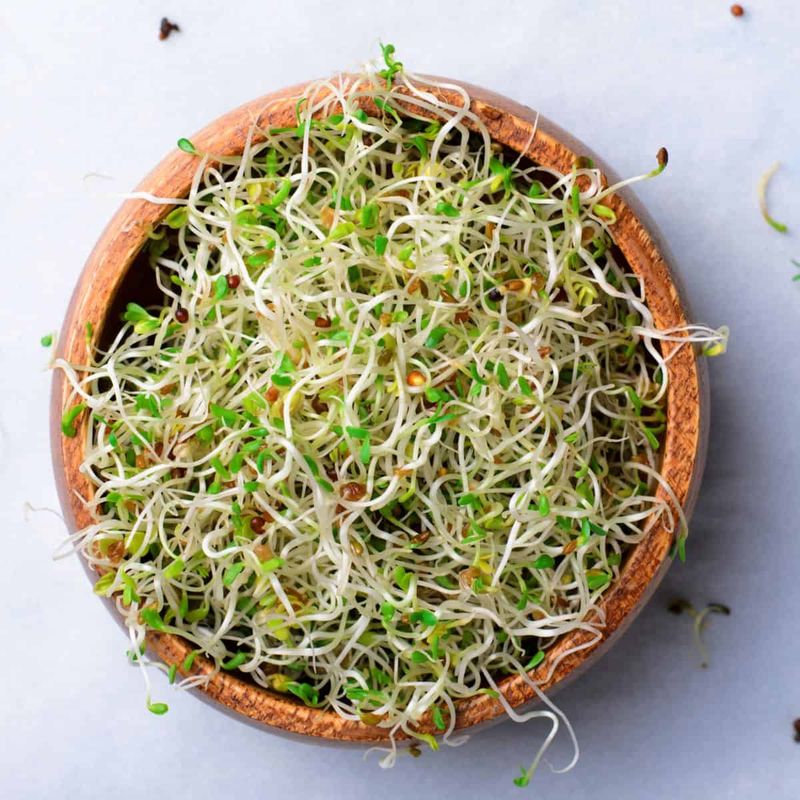
Raw sprouts look fresh and healthy, but the way they are grown creates a perfect environment for bacteria. Warm, moist sprouting conditions can allow harmful microbes to multiply, and large frequent servings raise the chance that you eventually meet a contaminated batch.
Alfalfa, mung bean, and similar sprouts have all been linked to outbreaks over the years.
For many healthy people, the risk may still be low, but it is not zero. If your immune system is weakened, or if you are pregnant, older, or feeding young children, caution matters more.
Cooking sprouts cuts the risk significantly without changing their flavor as much as you might expect.
13. Nutmeg
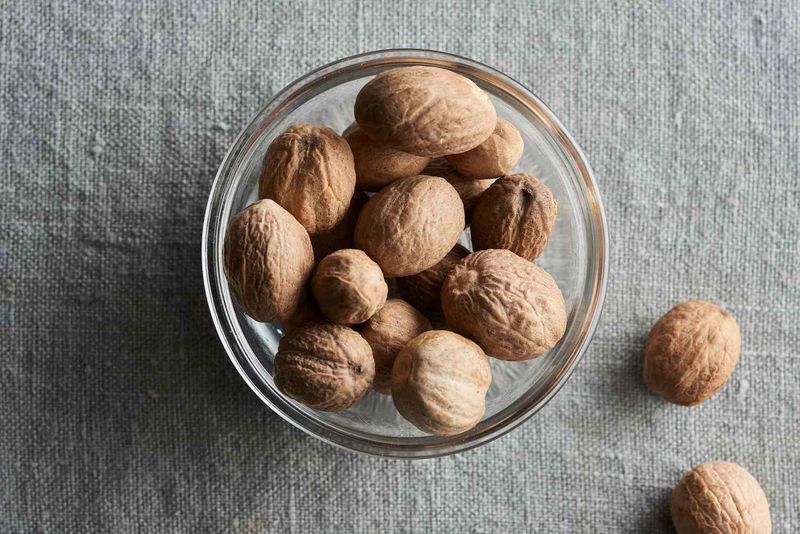
Nutmeg belongs in tiny pinches, not heroic spoonfuls. In large amounts it can be toxic and trigger serious unpleasant symptoms, including nausea, dizziness, confusion, a racing heart, dry mouth, agitation, and hallucination-like effects that can last for many miserable hours.
Because it sits harmlessly in spice cabinets, people sometimes forget it is potent.
This is one of those foods where more is definitely not better, and internet dares have made that point the hard way. Cooking with normal amounts is generally fine, but experimenting with large doses is risky and unnecessary.
Your dessert only needs a whisper, not a challenge.
14. Bitter apricot kernels and fruit pits
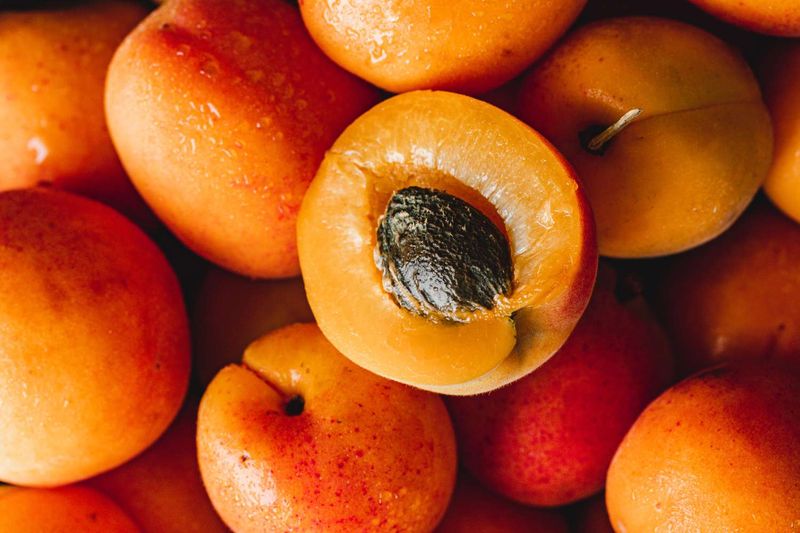
Bitter apricot kernels and some fruit pits carry a danger that sounds dramatic because it is. They can contain compounds that release cyanide during digestion, which means even relatively small amounts may be risky, while larger amounts can be truly dangerous.
Natural does not equal safe when chemistry gets involved this quickly.
Children are at special risk because smaller bodies need less to reach a harmful dose. Even adults should not treat these kernels like a wellness snack or old-fashioned remedy.
If a product markets them as a health booster, that does not cancel out the toxic potential sitting inside each bitter seed.
15. Soy sauce and very salty condiments
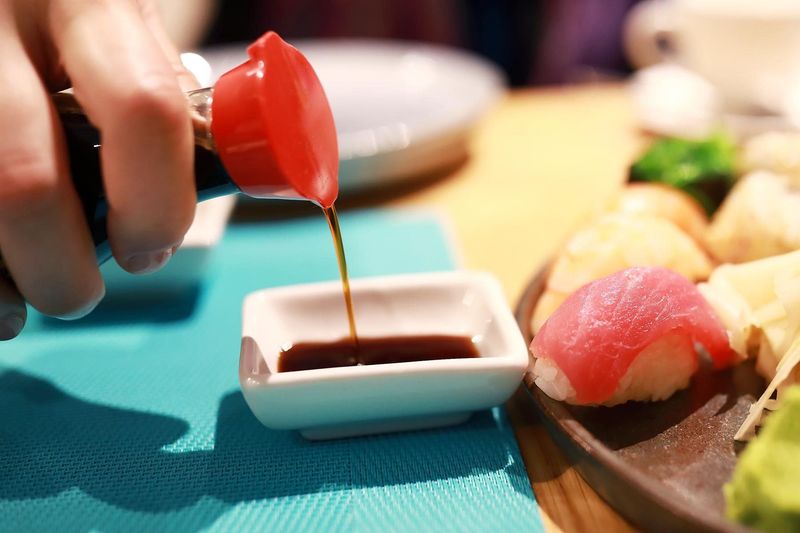
Soy sauce and other salty condiments can make a meal taste amazing, but they are a sneaky way to drink your sodium. Large amounts can send intake soaring very quickly, especially when used with already salty foods like ramen, takeout, or processed snacks, and that can worsen blood pressure and fluid retention.
A small pour is very different from repeated heavy splashes.
The problem is that liquid seasonings do not always register as serious sodium sources in the moment. Your taste buds adapt fast, so the amount can creep upward without much notice.
Measuring occasionally and choosing lower-sodium versions can save you a surprising amount without ruining the meal.
16. Processed meats
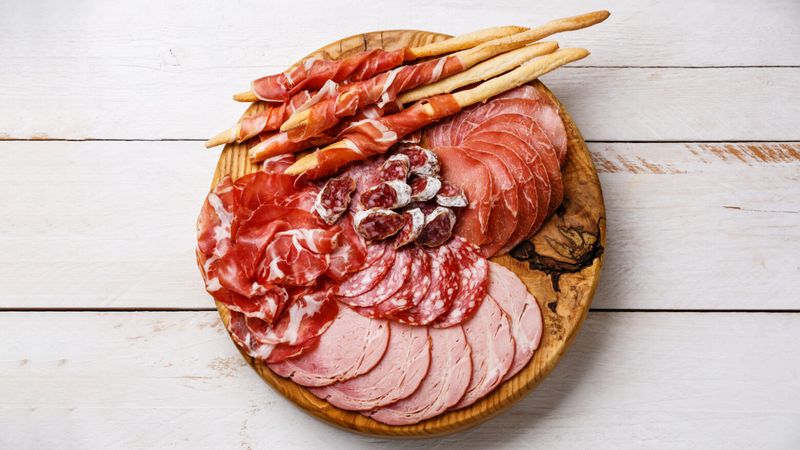
Processed meats are convenient, familiar, and often delicious, but heavy frequent intake is not a great long-term habit. Hot dogs, bacon, sausage, and deli meats tend to be high in sodium and preservatives, and regular overconsumption has been linked with higher health risks over time.
This is less about one sandwich and more about patterns that become everyday routine.
Because these foods are easy to stack into breakfast, lunch, and snacks, the total can add up quietly. Swapping in fresh proteins more often is a simple way to lower exposure without feeling deprived.
If processed meat shows up at nearly every meal, moderation is probably overdue.
17. Leafy greens with blood thinners
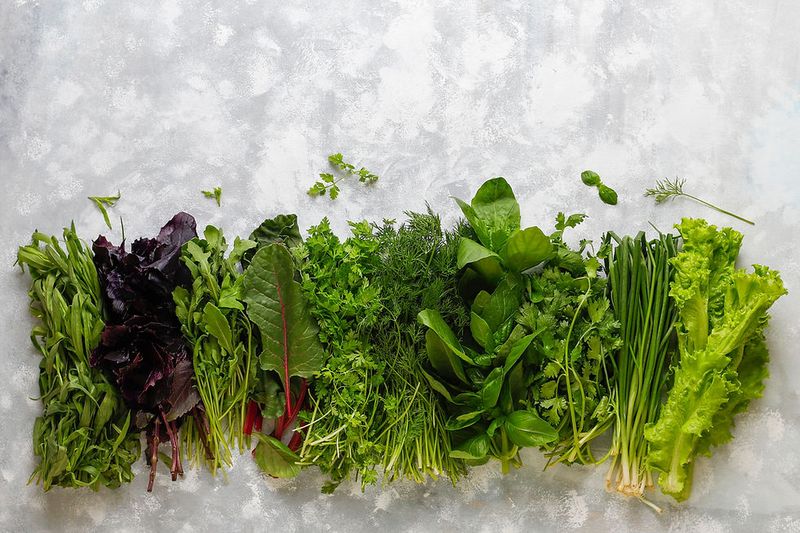
Leafy greens are healthy, but there is one important catch for people taking certain blood thinners. Very large swings in foods rich in vitamin K, such as spinach, kale, and collards, can interfere with medication management and make dosing harder to balance.
The issue is usually not the greens themselves, but inconsistent amounts from day to day.
If one week is all salads and the next has almost none, that shift can matter. People on these medications often do best with steady, predictable intake rather than dramatic clean-eating bursts.
You do not need to fear vegetables, but consistency matters more than social media detox plans suggest.
18. Grapefruit
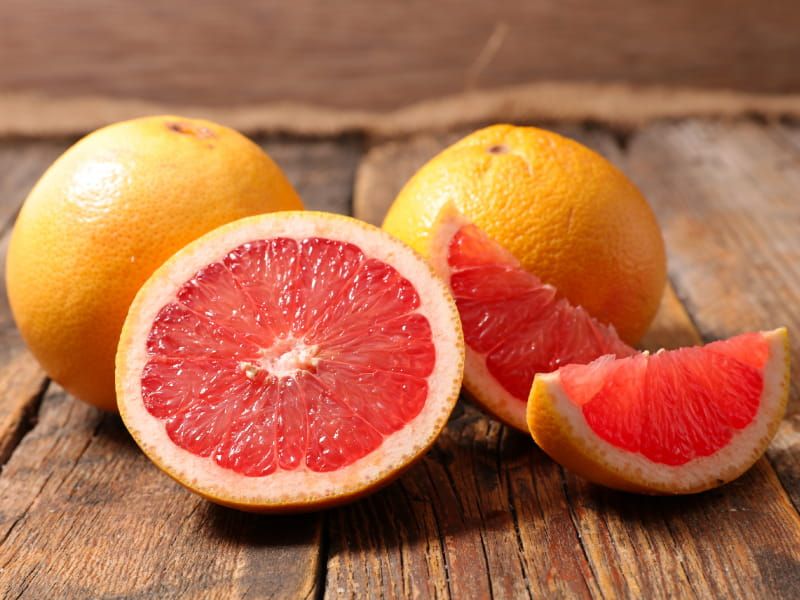
Grapefruit seems innocent enough, but it can seriously interfere with how the body processes certain medications. Large amounts can magnify that interaction by affecting enzymes that normally break down drugs, which may leave unexpectedly high medication levels in the bloodstream.
That can turn an ordinary breakfast into a real problem for the wrong person.
The list of affected medicines includes some cholesterol drugs, heart medications, anxiety treatments, and more, so this is not a rare issue. The tricky part is that you may feel fine until levels build in a dangerous way.
If you take prescriptions, checking for grapefruit warnings is a smart habit.
19. Sugar-free candy and gum
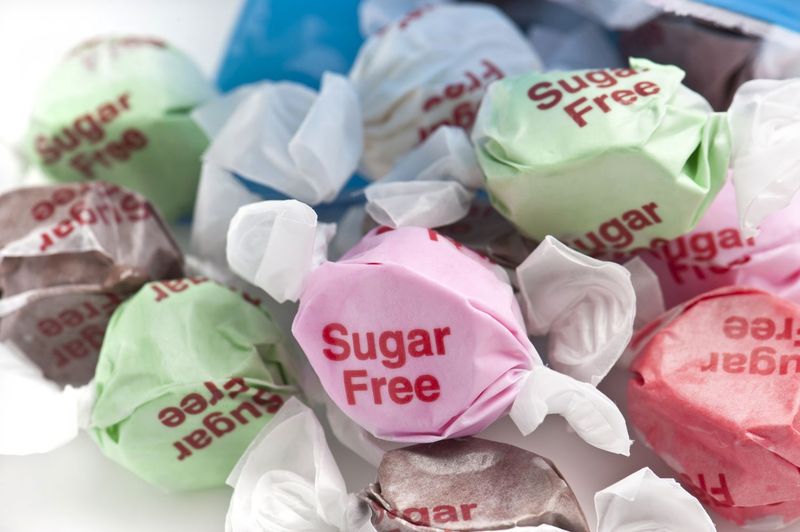
Sugar-free candy and gum can sound like a free pass, but the stomach often disagrees. In large amounts, sugar alcohols like sorbitol and maltitol can pull water into the intestines and ferment in the gut, causing bloating, cramps, gas, and sometimes dramatic diarrhea.
A handful too many can turn a snack into a very long day.
The effect is especially rough if you are sensitive or if you eat them quickly on an empty stomach. Because each piece seems tiny, it is easy to lose track of how much you have chewed or snacked on.
Labels matter here more than cute packaging suggests.
20. Very high-fiber foods all at once
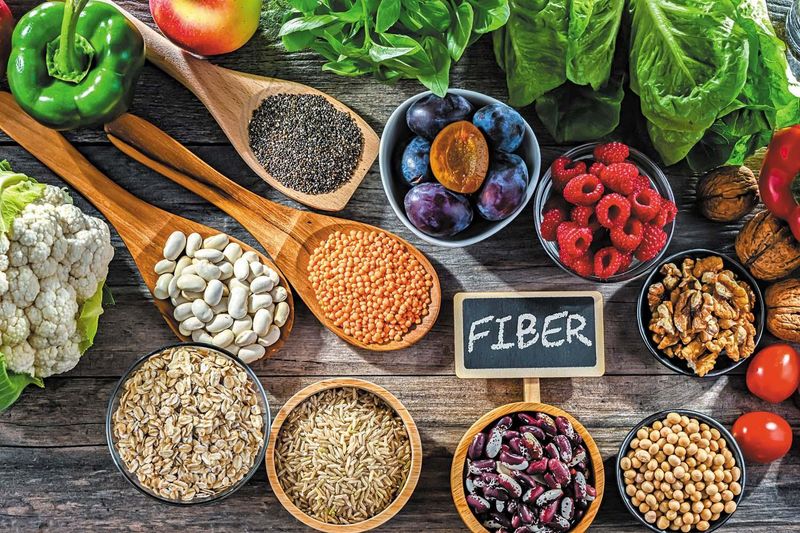
Fiber is great for digestion, cholesterol, and fullness, but huge amounts all at once can backfire badly. A sudden load from beans, bran cereal, fiber bars, or supplements may cause cramping, bloating, constipation, or even blockage if fluids are not adequate and your body is not used to it.
More is not automatically better when your gut has had no time to adapt.
This often happens during abrupt health kicks where people go from low fiber to extremely high fiber overnight. The smarter approach is to increase intake gradually and drink enough water along the way.
Your digestive system loves consistency far more than sudden extremes.