20 Fast-Food Menu Items That Failed To Catch On
Fast-food chains love bold experiments, but not every risky idea becomes a fan favorite. Some launches sparked curiosity, then vanished before you could even try them twice.
You might remember a few of these curious one-offs, or wonder how they ever got approved. Let’s revisit the most memorable misses and what made people shrug instead of crave.
1. McDonald’s Arch Deluxe
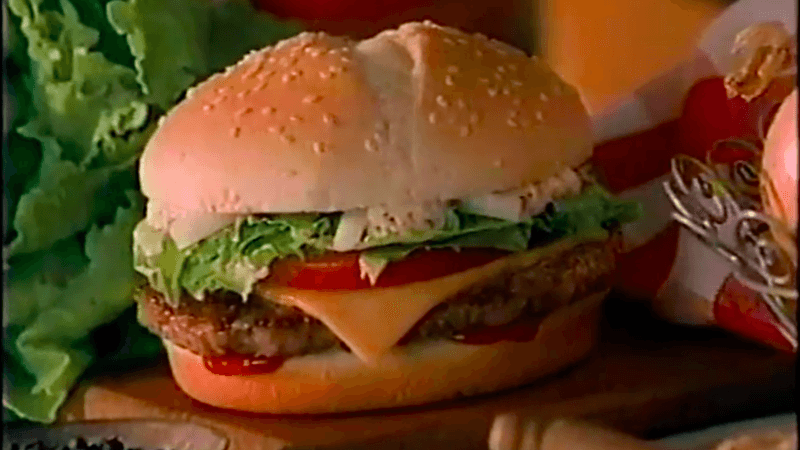
Touted as a grown-up burger, the Arch Deluxe promised sophistication in a sesame-seed bun. Marketing leaned hard on adults-only vibes, with peppered bacon and a tangy sauce.
But the flavor did not justify the higher price, and families stayed with their usual favorites.
Fans wanted comfort, not corporate swagger. The ads felt slightly smug, leaving kids out of the fun.
Without a compelling taste upgrade, the premium angle fell flat, and the item quietly exited.
2. Burger King Satisfries
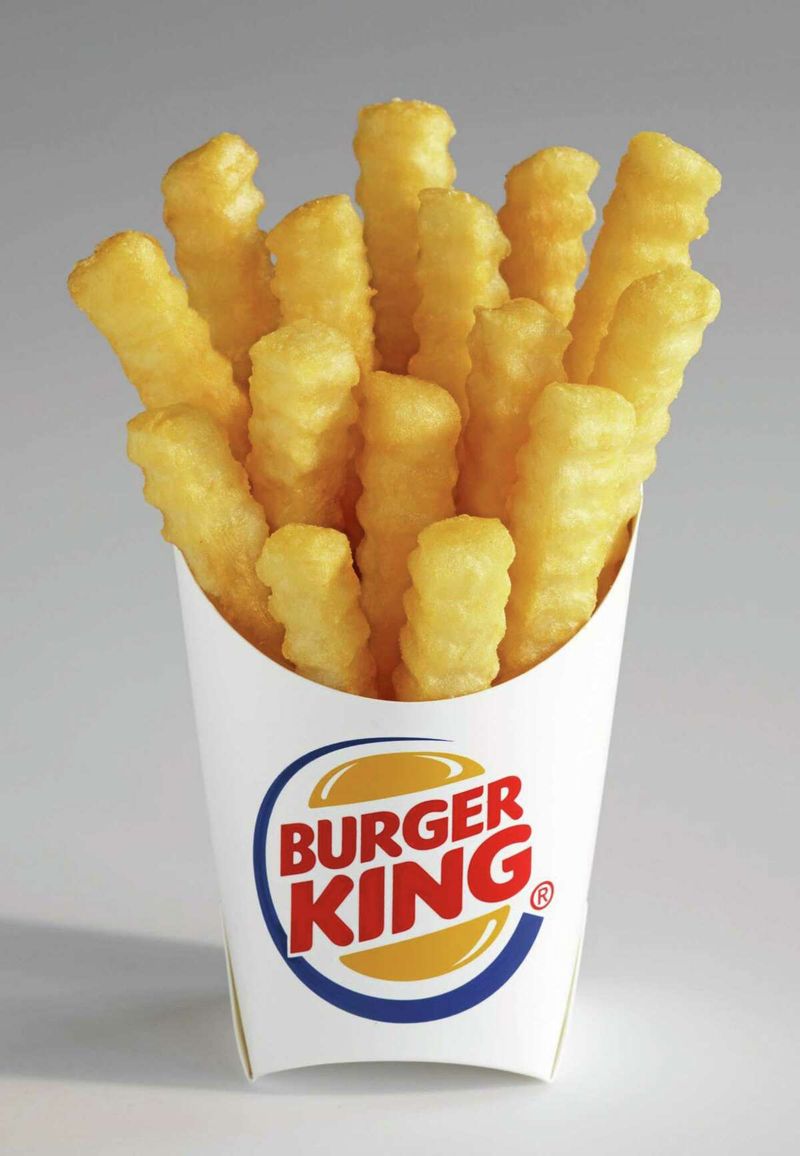
Satisfries promised fewer calories while keeping the crunch, and the idea sounded perfect on paper. People wanted indulgence or salad, not a middle option that compromised both.
The price bump compared to regular fries did not help, and the taste difference felt subtle.
When cravings hit, you reach for full-flavor comfort. Health messaging in a fryer basket proved confusing.
Sales dipped, and the experiment disappeared faster than a lunchtime rush.
3. Taco Bell Waffle Taco
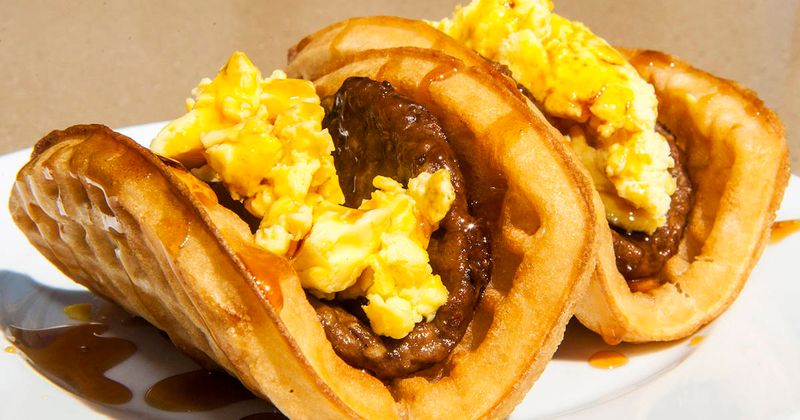
Breakfast at Taco Bell needed a hero, and the Waffle Taco marched in with syrupy swagger. A sweet waffle wrapped around eggs and sausage sounded Instagram-ready.
But it ate messy, cooled quickly, and confused taste buds straddling sweet and savory without balance.
Morning routines crave reliability. This novelty demanded attention and napkins, which busy commuters avoid.
When word-of-mouth turned lukewarm, it ceded the griddle to better handhelds.
4. Wendy’s Frescata Sandwiches
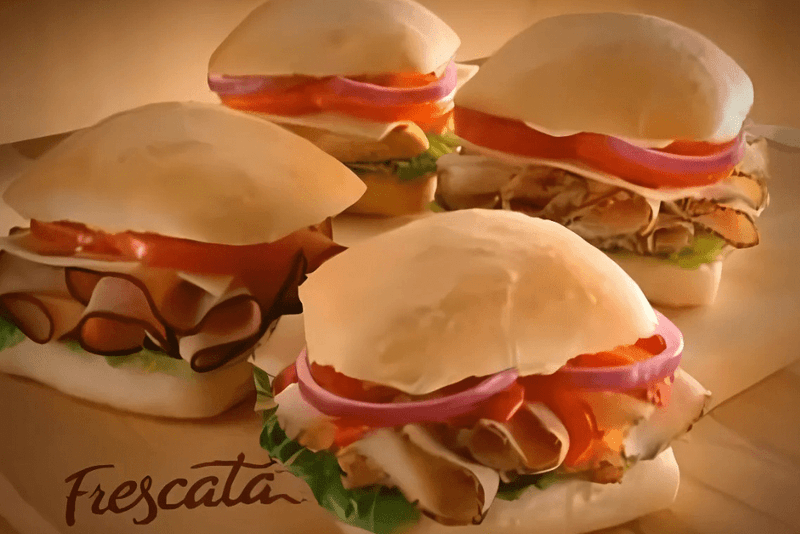
Wendy’s tried to go deli with Frescata, selling chilled sandwiches on artisan bread. The problem was speed.
Slicing and assembling slowed lines, and the flavors felt more supermarket cafe than drive-thru comfort.
People expected hot burgers and fries from the redhead icon. When the sandwiches did not match the brand’s core strength, loyalty wavered.
Operations dragged, quality varied, and the Frescata quietly took a bow.
5. McDonald’s McPizza
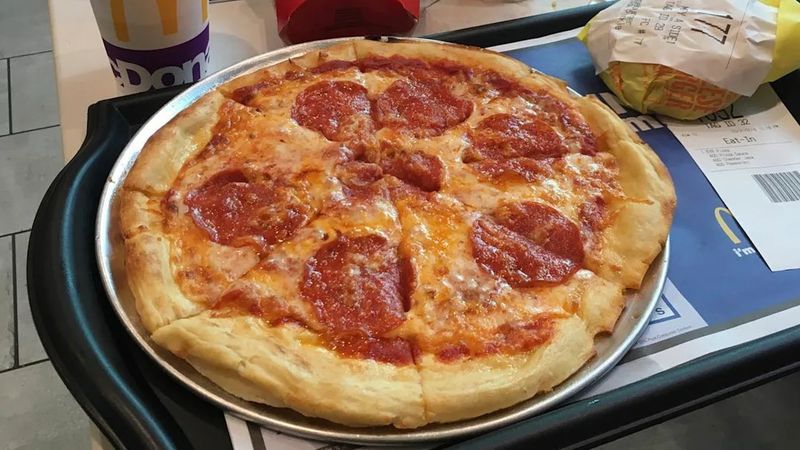
McPizza was a bold swing: pizza from a burger titan. Baking times clashed with fast service, and ovens slowed kitchens designed for fryers.
Families liked the idea but hated waiting, and quality wavered across locations.
You go to McDonald’s for predictable speed. When that contract breaks, trust slips.
McPizza never became a standard, becoming a trivia answer instead of a weeknight habit.
6. Burger King Enormous Omelet Sandwich
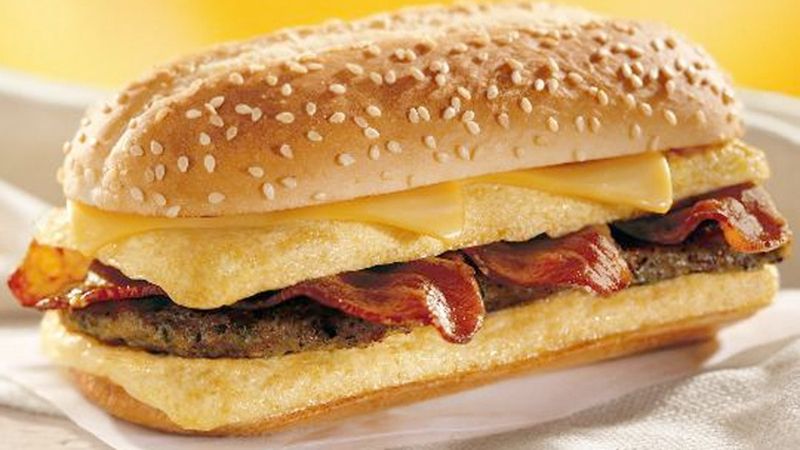
This breakfast behemoth dared you to finish it. Stacked eggs, sausage, bacon, and cheese on a hoagie-style bun screamed indulgence.
But the sheer heft turned off casual eaters and invited nutritional critiques that dominated headlines.
When something feels like a dare, most people pass on Monday mornings. Taste got overshadowed by shock value.
Sales proved spiky, then slid, and the giant quietly left the stage.
7. Taco Bell Seafood Salad
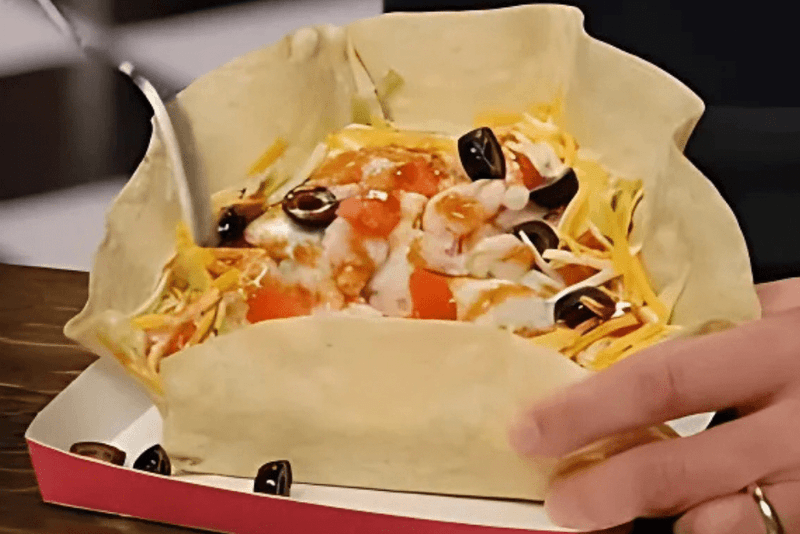
Seafood and drive-thrus rarely mix well, and this salad proved it. Freshness fears hovered over every bite, even if ingredients were safe.
The flavor leaned bland, and the price felt steep for what arrived.
Trust matters when fish meets fluorescent lighting. Guests stuck with tacos and burritos where expectations matched reality.
The salad’s tide went out quickly, leaving little nostalgia behind.
8. McDonald’s Mighty Wings
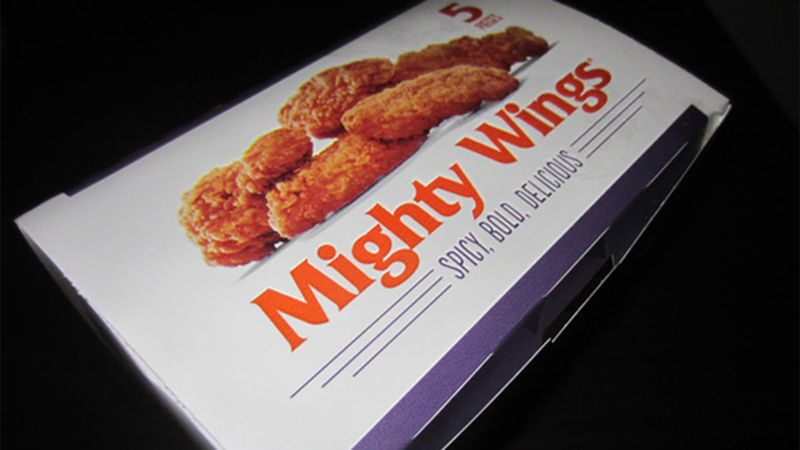
Mighty Wings looked tasty but priced high for the category. Spice level surprised some guests, and portion sizes felt just off compared to competitors.
When you can grab better wings at a wing joint, a burger chain must excel or price sharply.
Neither happened consistently. Inventory piled up, and discounts arrived too late.
The wings flew the coop, leaving nuggets and McChicken to handle cravings.
9. KFC Double Down
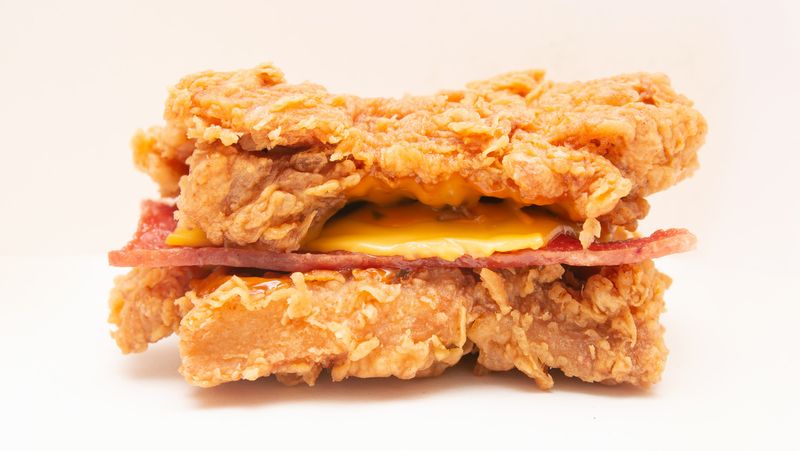
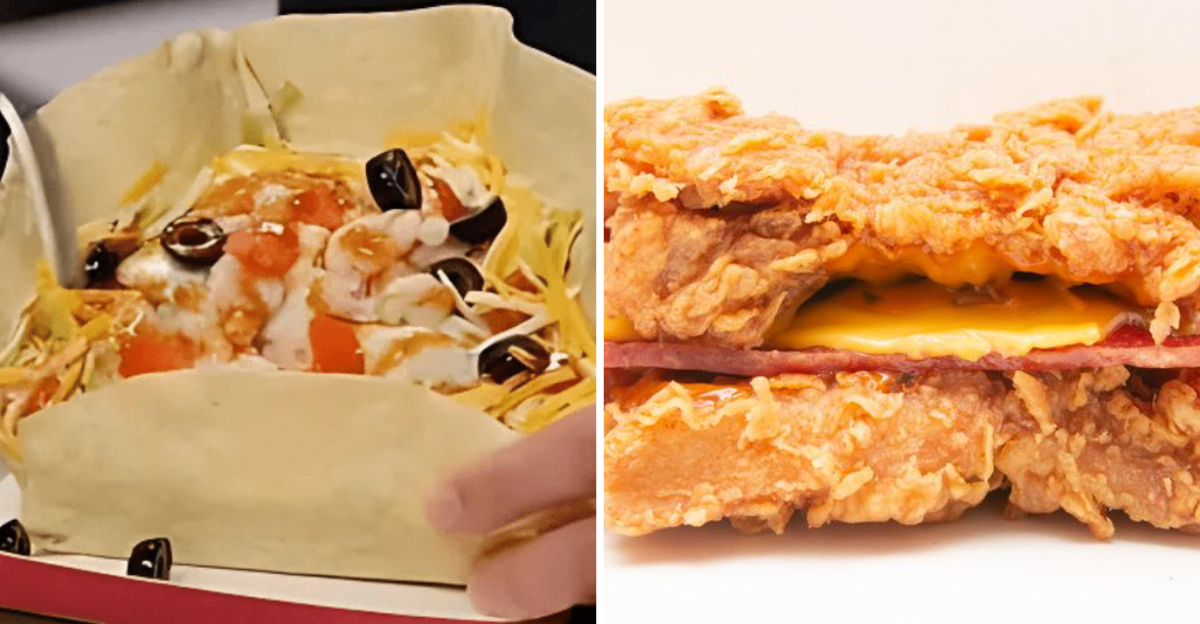
The Double Down ditched bread completely, using fried chicken as the bun. It captured attention instantly, a meme before memes ruled menus.
But grease overload and awkward handling limited repeat purchases, especially for weekday lunches.
Curiosity sells once, comfort sells twice. After the buzz faded, cravings moved back to sandwiches with structure.
It returns occasionally as a stunt, not a staple.
10. Pizza Hut Hot Dog Bites Pizza
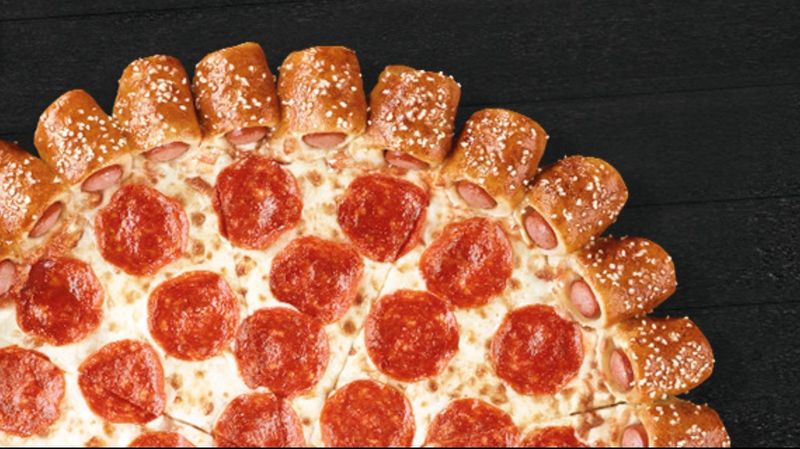
Pizza plus mini hot dogs felt like a party trick. It photographed great, but flavor harmony struggled, with mustard dipping clashing with tomato sauce.
Shareability also meant cold bites by the time the center disappeared.
People want pizza that stands on its own. This mashup leaned novelty over nuance, and repeat orders lagged.
Eventually, it returned only as a limited-time wink to the internet.
11. Subway Flatizza
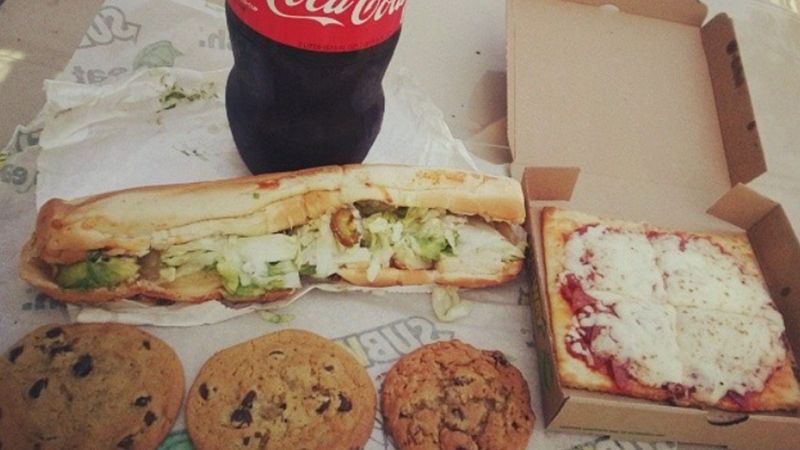
Subway stretched into pizza with the Flatizza, a thin square aimed at quick lunches. Ovens not tuned for pizza produced uneven crispness, and sauces tasted generic.
It solved no problem that slices on the corner did not already cover.
When a brand’s identity is customization, a fixed-format pizza feels off. Guests stuck with subs where control shines.
The Flatizza faded without many tears.
12. Jack in the Box Monster Taco Return
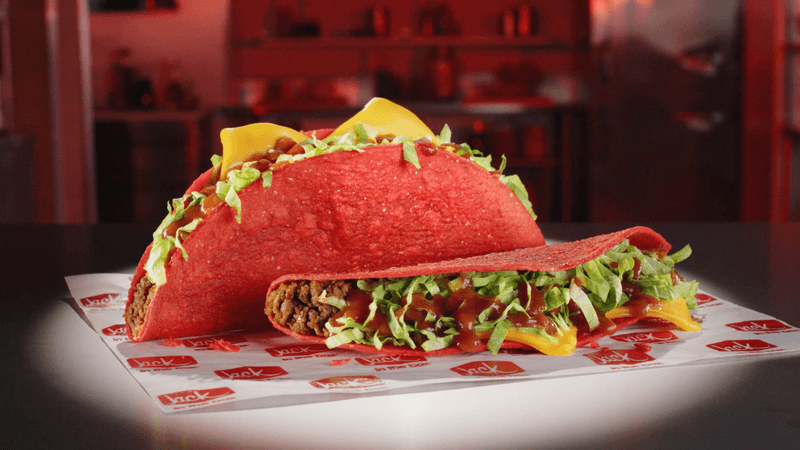
The Monster Taco keeps returning, a nostalgia play that never anchors long term. Value perceptions shifted, and quality swings made fans cautious.
It filled late-night cravings but did not win daytime hearts or consistent margins.
When an item becomes a cult, it also becomes unpredictable. Operators need steady sellers.
Without reliability, the beast hibernates between sporadic comebacks.
13. Arby’s Sourdough Melts
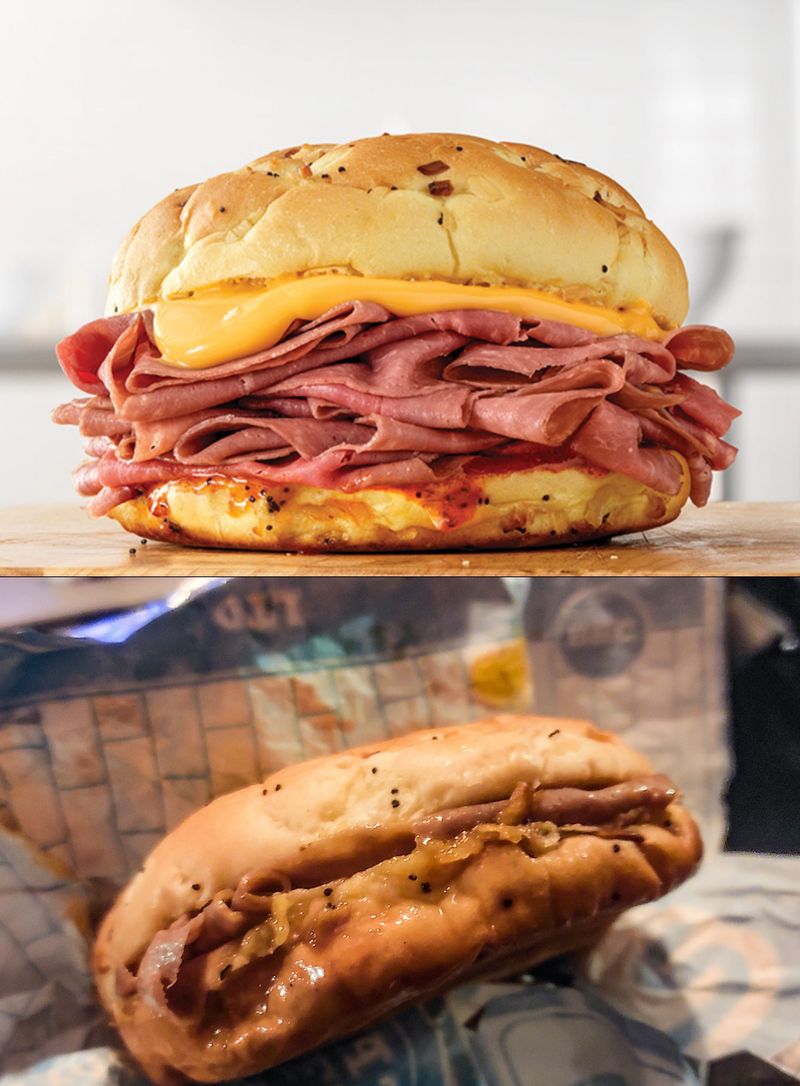
Arby’s tried to class up melts on sourdough, but the bread texture varied wildly. Some bites were chewy, others soggy from steam.
The roast beef still slapped, yet the format fought the fillings instead of framing them.
When bread fails, the whole sandwich feels compromised. Guests retreated to classic buns that handled heat better.
The melts lost their moment and vanished quietly.
14. Dunkin’ Angus Steak & Egg Sandwich
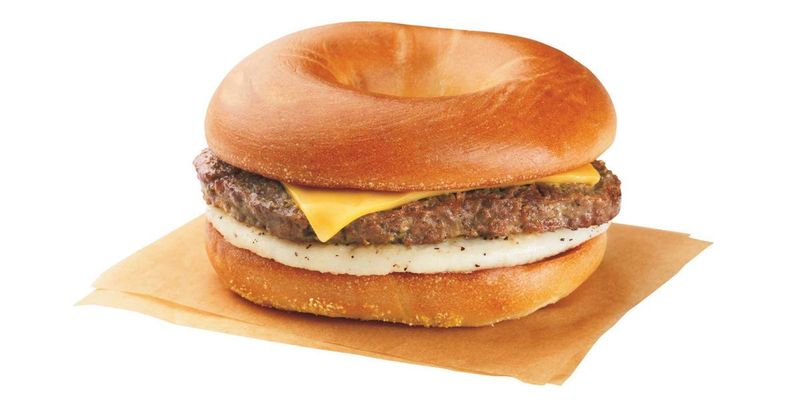
Steak at a doughnut and coffee shop raised eyebrows. Some bites hit right, but gristle rumors spread faster than coupons.
Price also crept above typical breakfast options, pushing value-seekers back to bacon and sausage.
Coffee lines reward quick, predictable bites. If chew or texture distracts, you notice.
The steak experiment faded, making way for simpler, smoother sellers.
15. Carl’s Jr. Pizza Burger
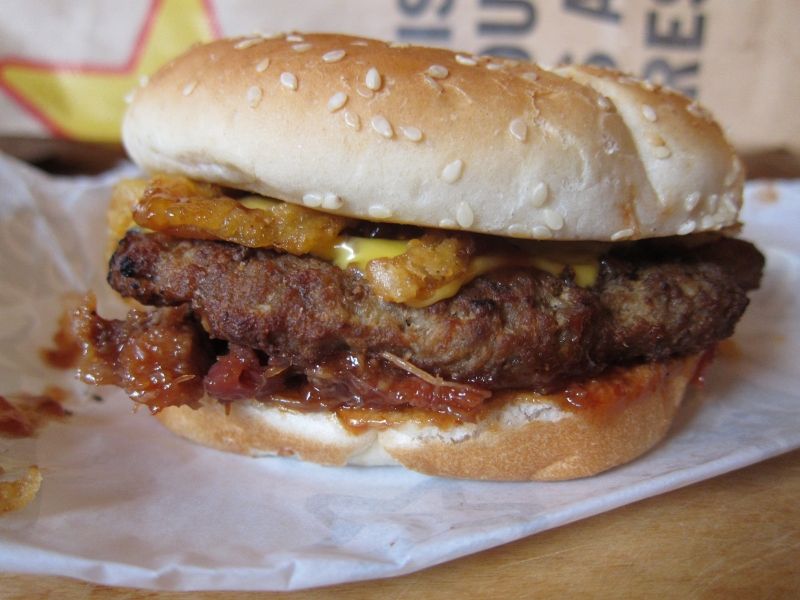
Mixing pizza toppings with a burger seemed like double comfort. Instead, sauces soaked the bun and muddied flavors.
Pepperoni fought the beef, leaving a salty aftertaste that begged for water more than applause.
When two favorites collide, balance is everything. This mashup leaned heavy and sloppy.
After curiosity purchases waned, it exited without a victory lap.
16. KFC Potato Wedges Removal
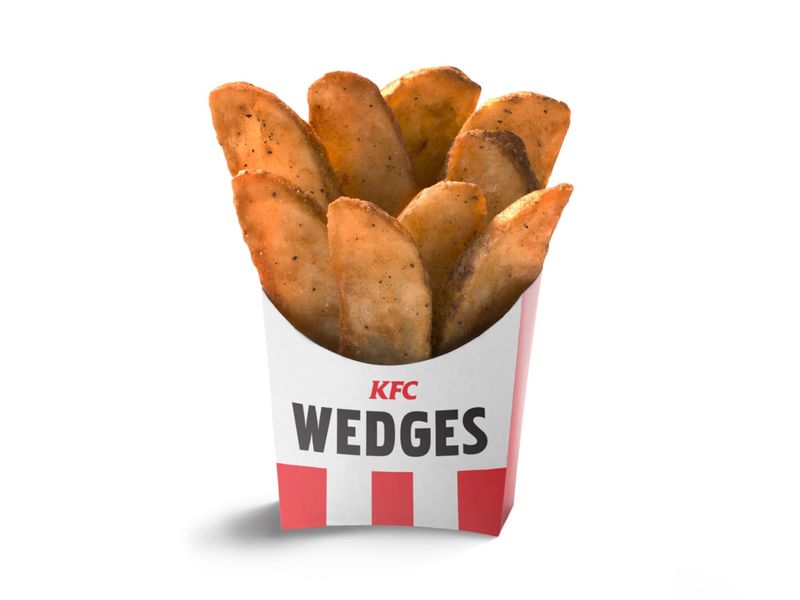
Wedges had loyal fans, but KFC moved to standard fries. The swap upset wedge lovers without convincing fry diehards to switch visits.
Texture inconsistencies made wedges risky at scale, and operations favored uniform fries.
You felt it if wedges were your go-to. Social media sparked, but sales math ruled.
The beloved side slipped away, and nostalgia keeps it trending occasionally.
17. McDonald’s McLean Deluxe
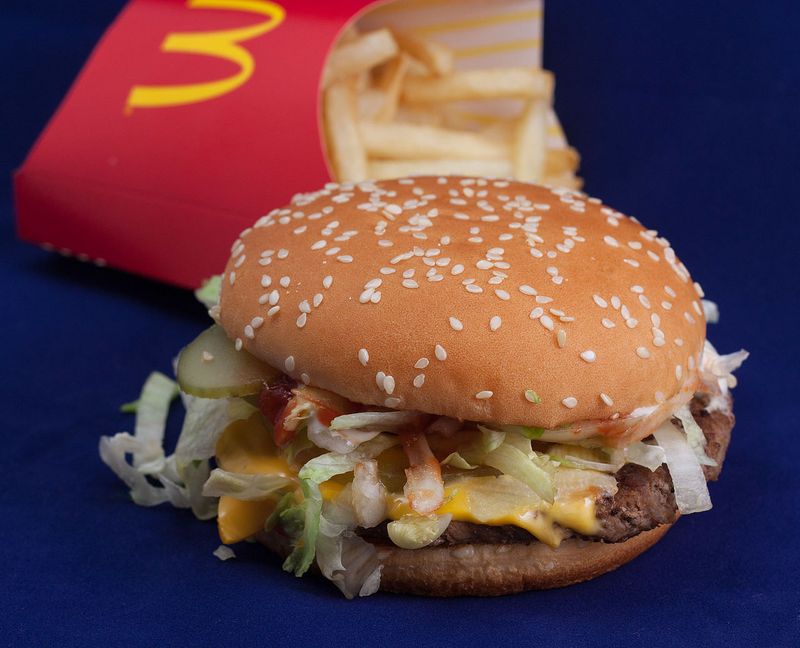
The McLean pitched health with seaweed-derived carrageenan to keep patties juicy. Marketing screamed guilt-free, but flavor whispered compromise.
Guests noticed the difference, and the message felt preachy during a treat occasion.
When you visit for a burger, taste wins. Health halos help, yet only if the bite slaps.
Sales drooped, and the McLean became a cautionary tale.
18. Pizza Hut Priazzo
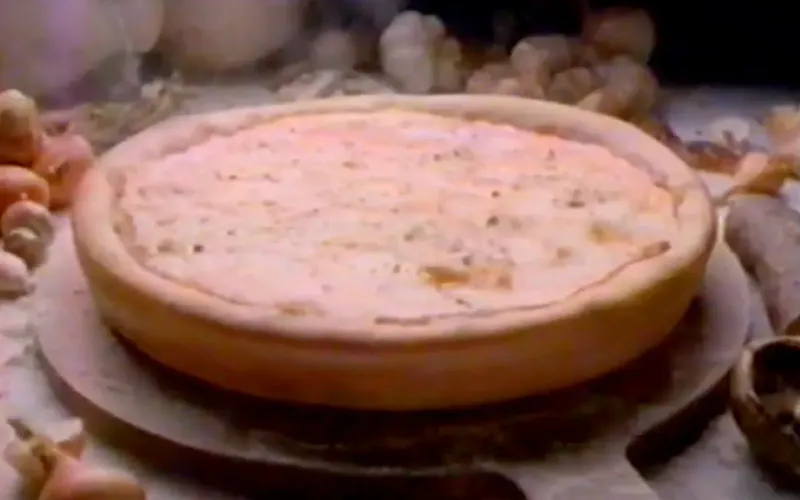
Priazzo was a layered, heavy pie demanding long bake times. It tasted rich and comforting, but patience is thin in carryout lines.
Kitchens slowed, orders backed up, and consistency wobbled under the weight.
Guests remembered it fondly yet did not reorder weekly. Complexity kills speed in fast food.
The Priazzo sank under its delicious bulk and operational drag.
19. Burger King BK Ribs
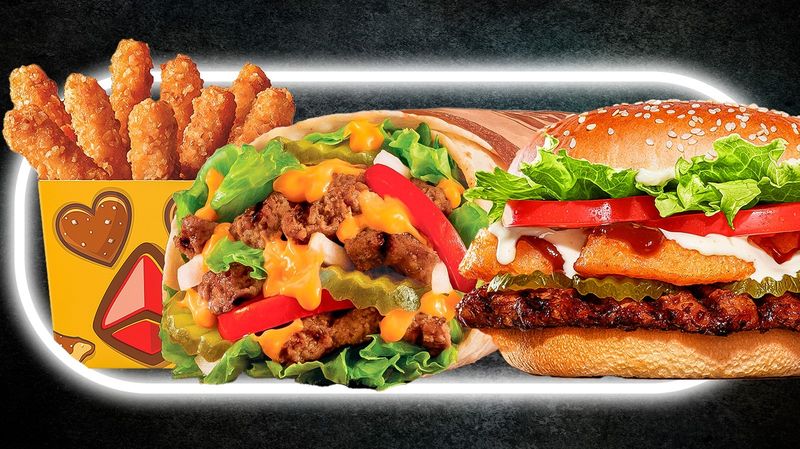
Real ribs at a burger chain grabbed attention and wallets. Supply chains strained, and prices rose beyond casual add-on territory.
Portion sizes felt small next to burgers, leaving value questions that softened enthusiasm.
Barbecue cravings are picky. If smoke and tenderness do not hit, you notice.
The limited run ended, and ribs retreated to seasonal folklore.
20. Taco Bell Bell Beefer
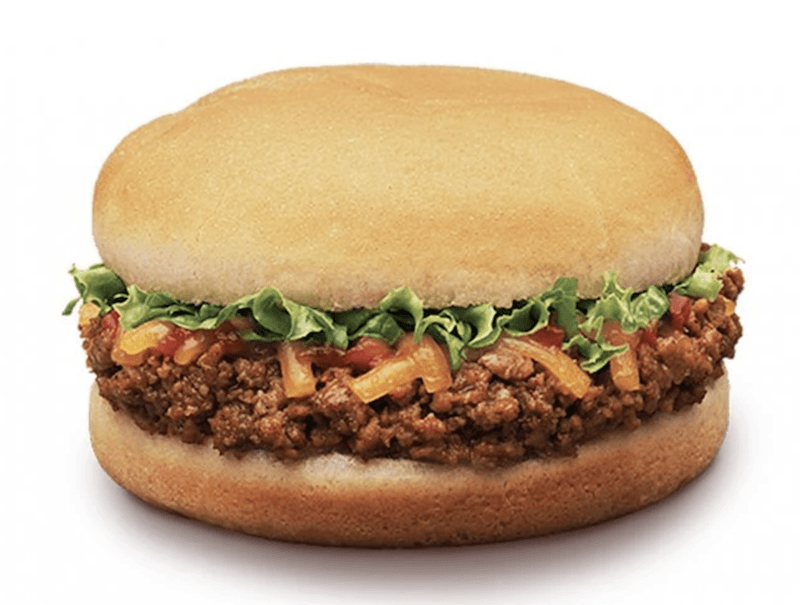
The Bell Beefer tried putting taco meat on a bun, essentially a spicy sloppy joe. It answered a question few asked, since tacos already delivered the experience better.
Messy bites and soggy buns pushed people back to shells.
Brand identity matters. When a chain known for tacos sells a sandwich, signals get mixed.
Nostalgia lingers, but the Beefer belongs to history.