20 Food Names You’ve Been Saying Incorrectly
Think you are nailing every food name on the menu? Even confident foodies stumble on a few surprising syllables. Mastering pronunciation is more than trivia, it helps you order with ease and connect with the cultures behind these dishes. Let’s fix the most common slip ups so you can sound polished the next time you eat out.
1. Acai
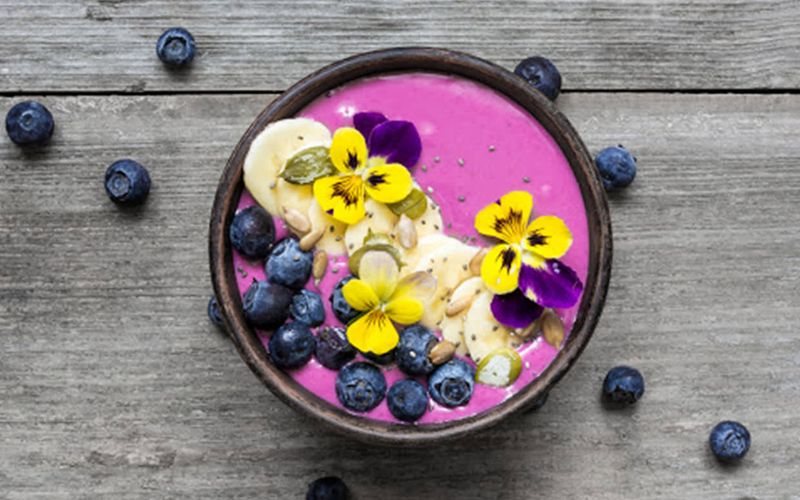
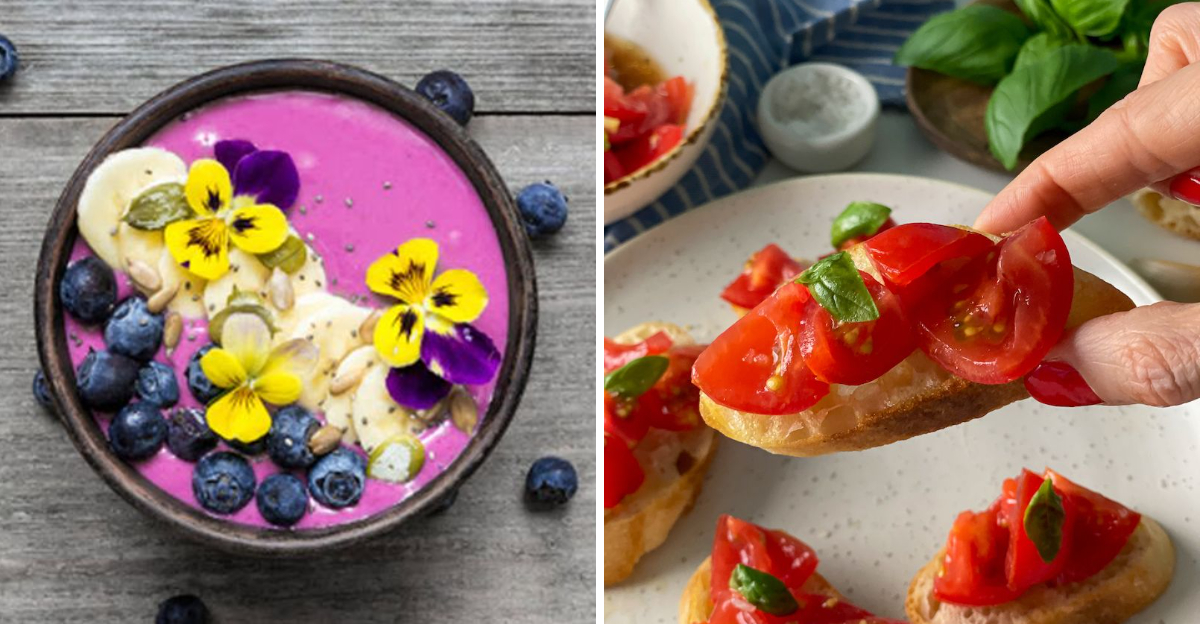
Say it like this: Ah-sigh-EE, not ACK-eye. The stress lifts the final syllable, giving the berry its Brazilian rhythm. Picture a purple smoothie bowl topped with banana and granola, and you will remember that bright, rising finish.
Acai comes from the Amazon, celebrated for antioxidants and a tart berry flavor. When ordering, emphasize the ee, and your barista will nod. If you forget, think of a sigh, then add ee. That small shift keeps you from overhardening the first vowel and misplacing the accent.
2. Bruschetta
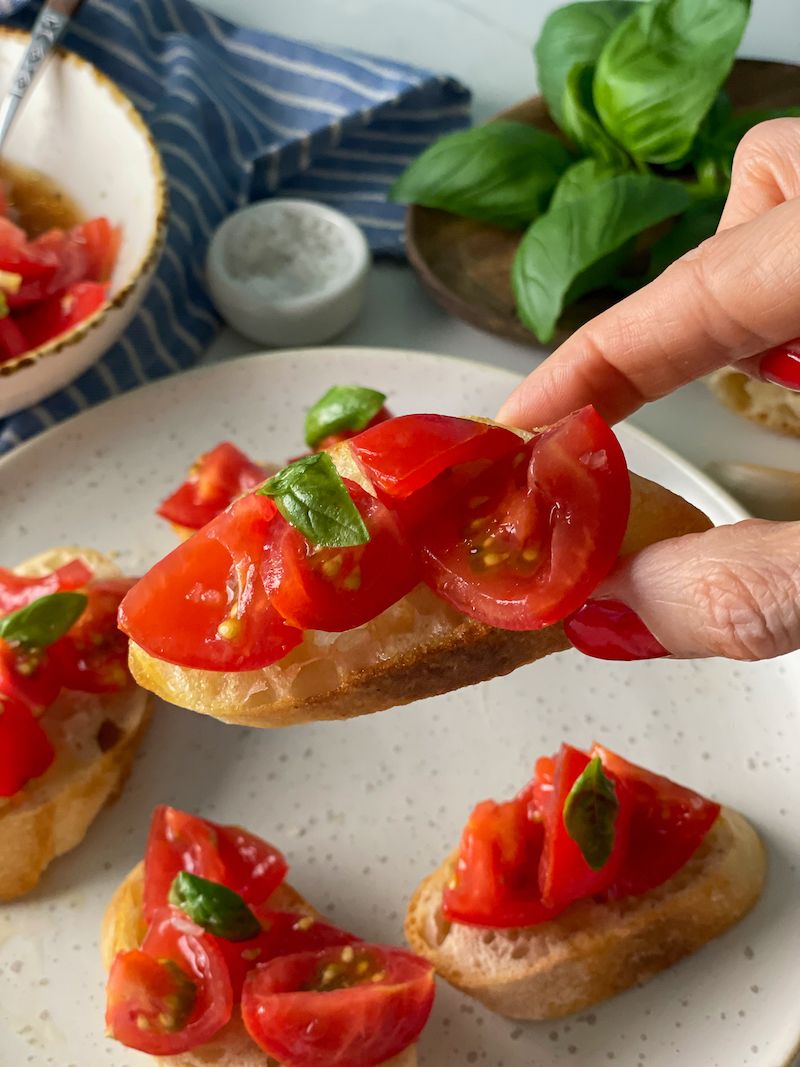
It is Broo-SKET-tah, not broo-SHET-uh. The Italian ch makes a hard k sound before e and i, just like “chianti.” Imagine the crunch of grilled bread and you will hear that crisp k snap into place.
Classic versions pile on tomatoes, basil, garlic, and olive oil. Order it confidently by hitting the k in the middle. If you want a memory trick, think “brush kettle,” then soften the vowels. Getting this right will impress any trattoria server and save you from the common sh trap.
3. Gnocchi
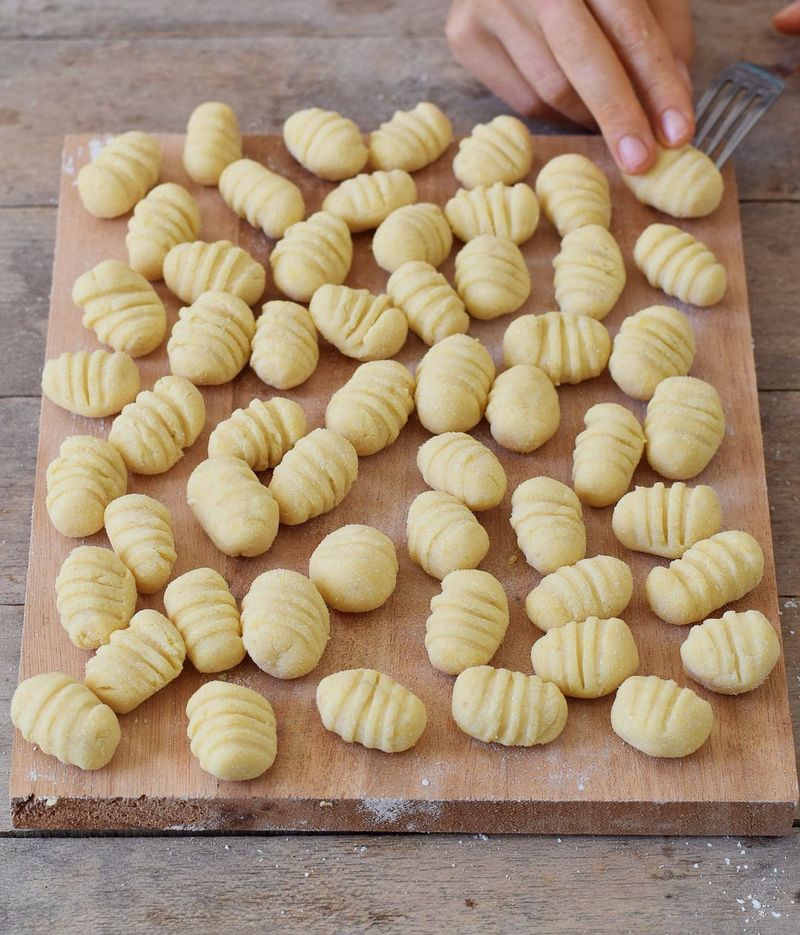
Pronounce it NYOH-kee, not NOCK-ee. The gn blends like ny, and cchi gives a kee. Imagine a soft “nyo” rolling into a delicate dumpling, and you are there.
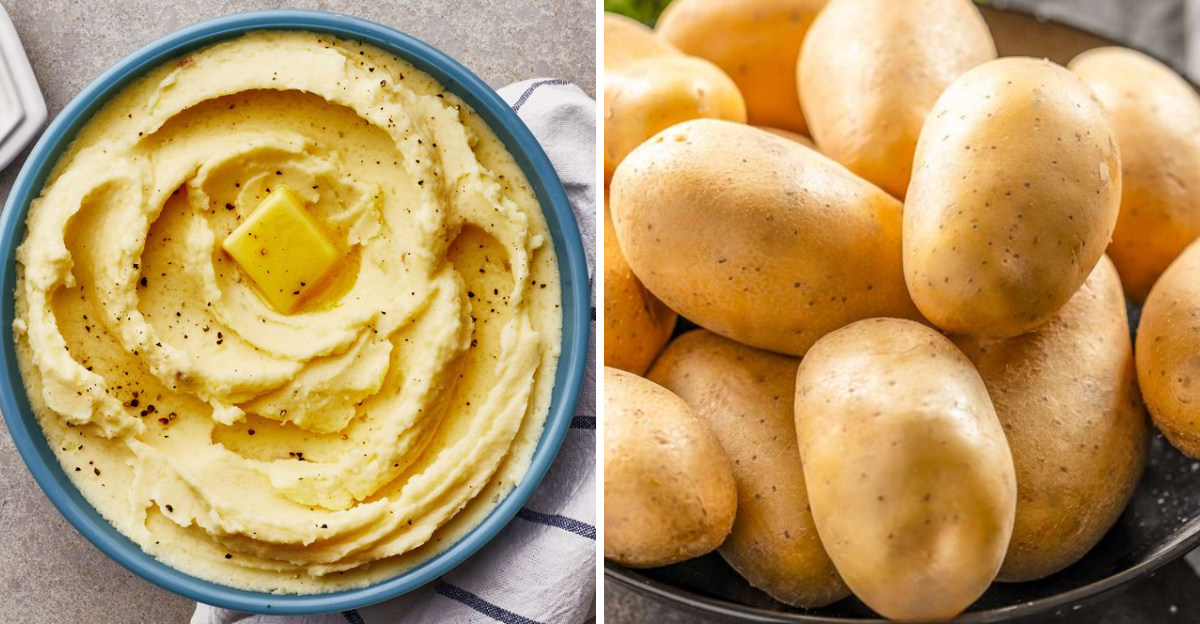
These potato pillows are tender when made right, often dressed in brown butter and sage. When ordering, start with a nasal ny, glide to oh, then finish crisp kee. Avoid the harsh knock that flattens the word. Remember that Italian gn mirrors Spanish ñ, guiding your tongue toward that smooth, cozy sound that suits the dish’s comforting texture.
4. Gyro
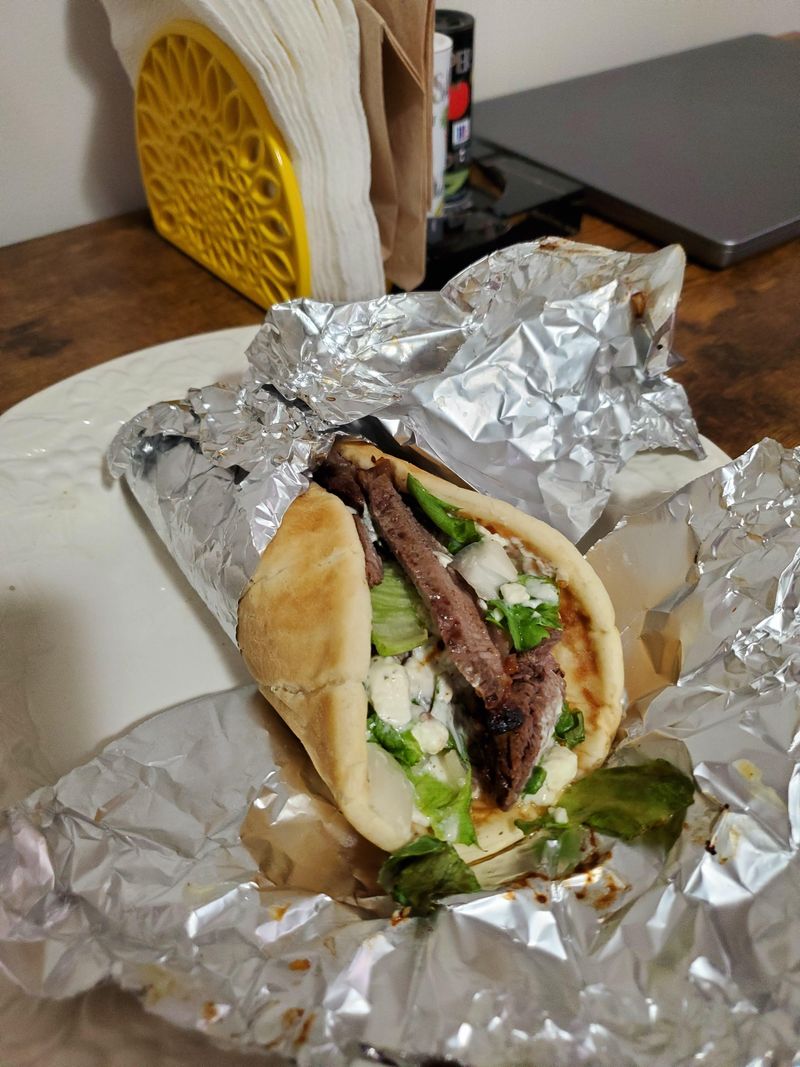
Traditionally, it is YEE-roh, though JAI-roh pops up in the U.S. Yee-roh is closer to Greek. Think of the word “year” then add oh, and you will order like a local.
Gyros are stacked meats shaved from a rotating spit, tucked into pita with tzatziki. When you say it, keep the r slightly rolled if you can. The opening yee flows smoothly and avoids the hard j sound. This small tweak feels respectful and makes your vendor smile while handing you that saucy, savory wrap.
5. Charcuterie
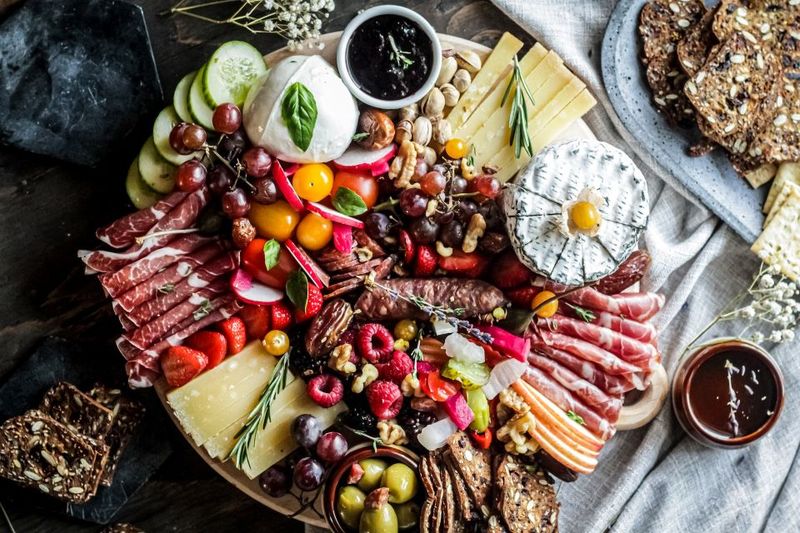
Say Shar-KOO-tuh-REE, not shar-CUTE-uh-ree. The stress rises near the end, and the oo keeps it smooth. Picture glossy cured meats and pâté, and let the vowels linger like a leisurely apéritif.
This French word refers to the craft of prepared meats. When ordering, keep the koo steady, then finish with ree. Avoid turning cute into a cutesy misfire. A confident pronunciation pairs beautifully with a confident spread, and your server will know you are serious about those rillettes, terrines, and prosciutto ribbons.
6. Espresso
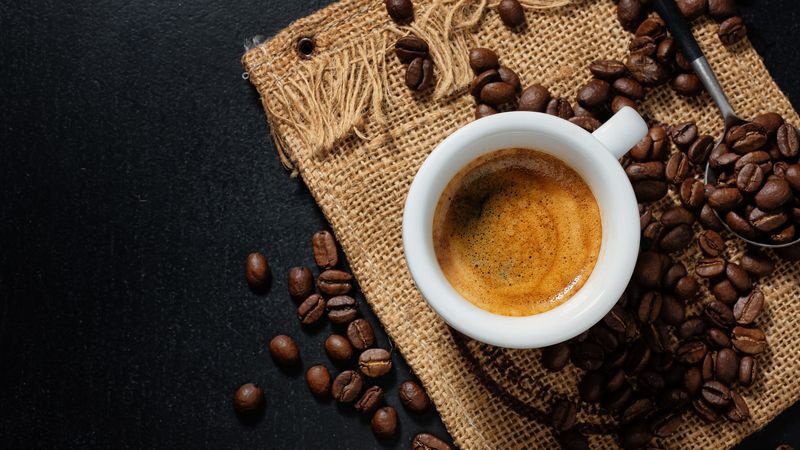
It is Eh-SPRESS-oh, not ex-PRESS-oh. There is no x in espresso, even if your mouth wants to sneak one in. Start with a clean eh, then stress press, and finish smoothly.
Espresso is a concentrated coffee extraction under pressure. When you say it right, the sound snaps like the shot itself. Skip the phantom x, and baristas will thank you. For memory, think express without the x. That tidy correction keeps your order crisp and your caffeine sharp.
7. Worcestershire sauce
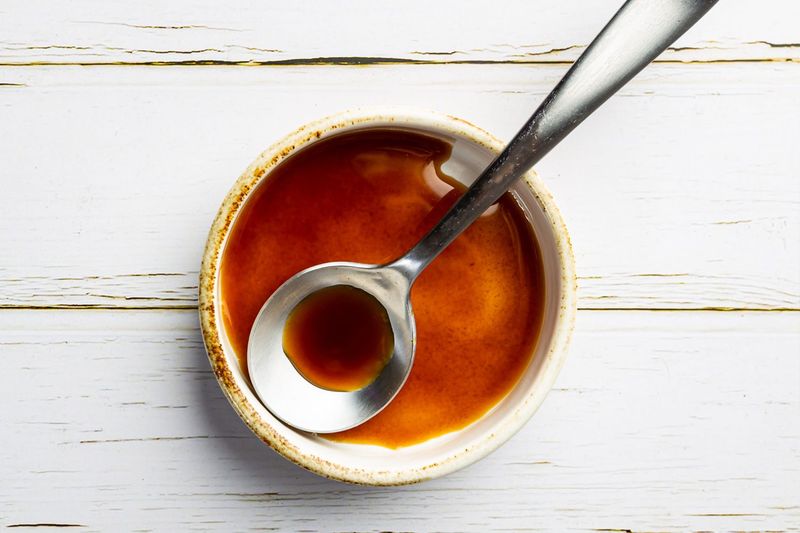
WUSS-ter-sher or WUSS-ter-shur, not war-ches-ter-shire. Compress the middle and soften the ending, like quick raindrops on stone. Say it fast, almost swallowing syllables, and you will land it.
This British condiment blends anchovy, tamarind, and spices. When speaking, keep the first wuss light, then tumble to ter and barely whisper sher. The trick is speed and softness, not spelling. Your steak and Bloody Mary will appreciate the confidence.
8. Quinoa
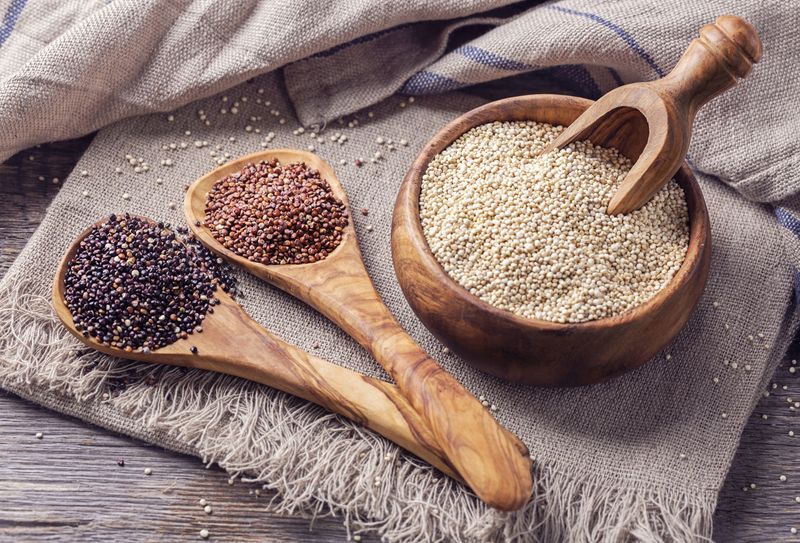
Pronounce it KEEN-wah, not kwin-OH-ah. The word comes through Spanish from Quechua, and English spelling deceives. Say keen, then a soft wah, and you are golden.
Quinoa cooks fluffy and slightly nutty, great in bowls and salads. When ordering, lead with confidence on keen, then glide to wah without adding extra syllables. That two beat rhythm keeps it tidy and authentic. Your server will not blink, and your grain game will level up.
9. Turmeric
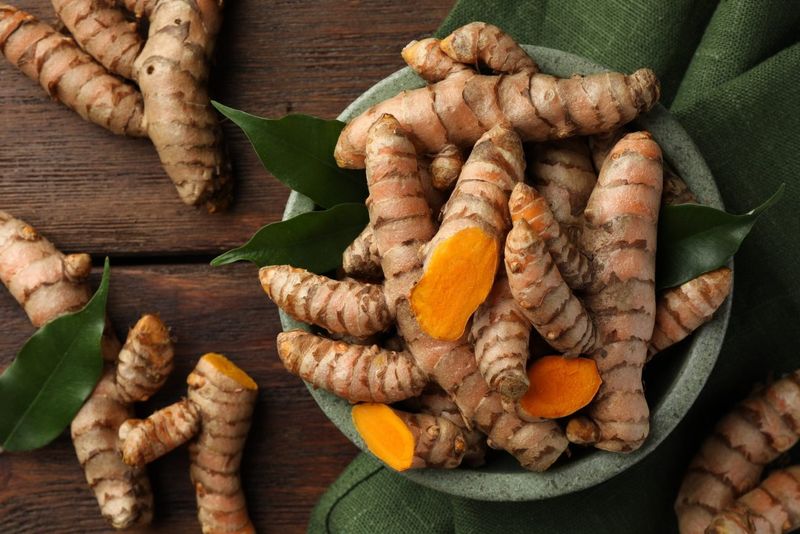
It is TER-muh-rik, not TOO-mer-ik. Do not erase the first r. Say ter, then muh, then rik, with brisk steps.
This earthy spice colors curries and lattes gold. When speaking, keep the syllables clipped and the r present. Many drop it from habit, but restoring that letter adds clarity. Think “term” then “eric” smashed together. Your spice shop clerk will hear it cleanly and scoop the good stuff.
10. Pho
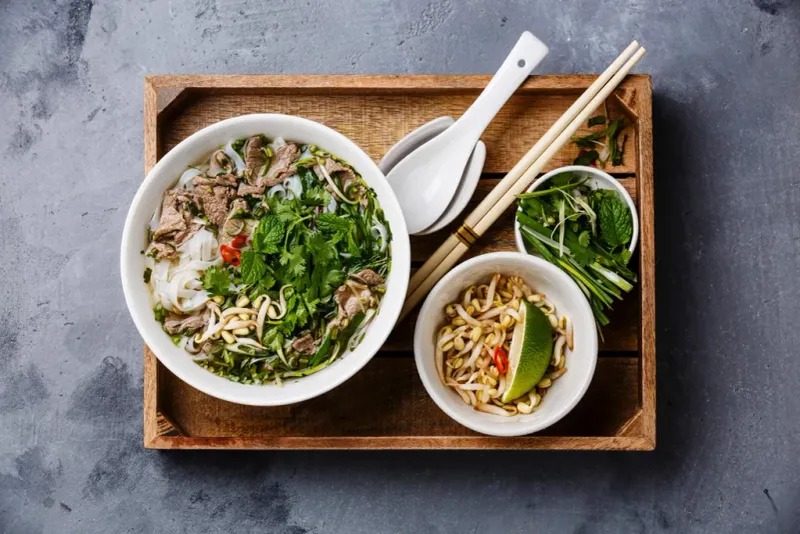
Say Fuh, not foh. The short, relaxed vowel mirrors Vietnamese tones better than a long oh. Keep it simple, one beat, like a soft exhale.
Pho is comfort in a bowl, fragrant with star anise and charred aromatics. When ordering, pair the word with the style, like pho bo for beef. Resist the impulse to rhyme with go. Your bowl arrives sooner, and you sound like you know your noodle soup.
11. Sriracha
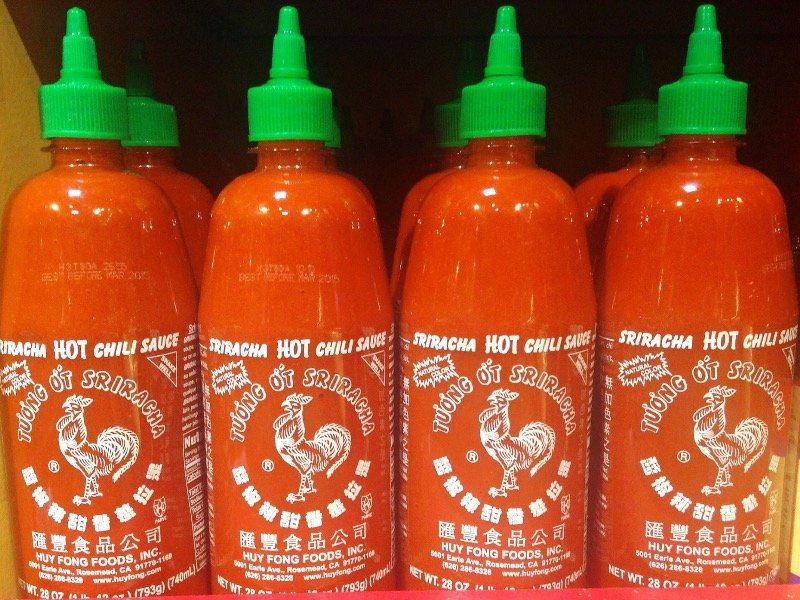
Pronounce it Sir-RAH-chuh. Many say sree, but most lean toward sir in English. Emphasize rah in the middle, then finish with a relaxed chuh.
This chili garlic sauce delivers heat and tang. When you say it, keep the rrrah energetic and avoid adding extra syllables. If you stumble, think “sir” like polite address, then march into rah. Soon it will be muscle memory while you drizzle it on eggs, noodles, and everything else.
12. Mascarpone
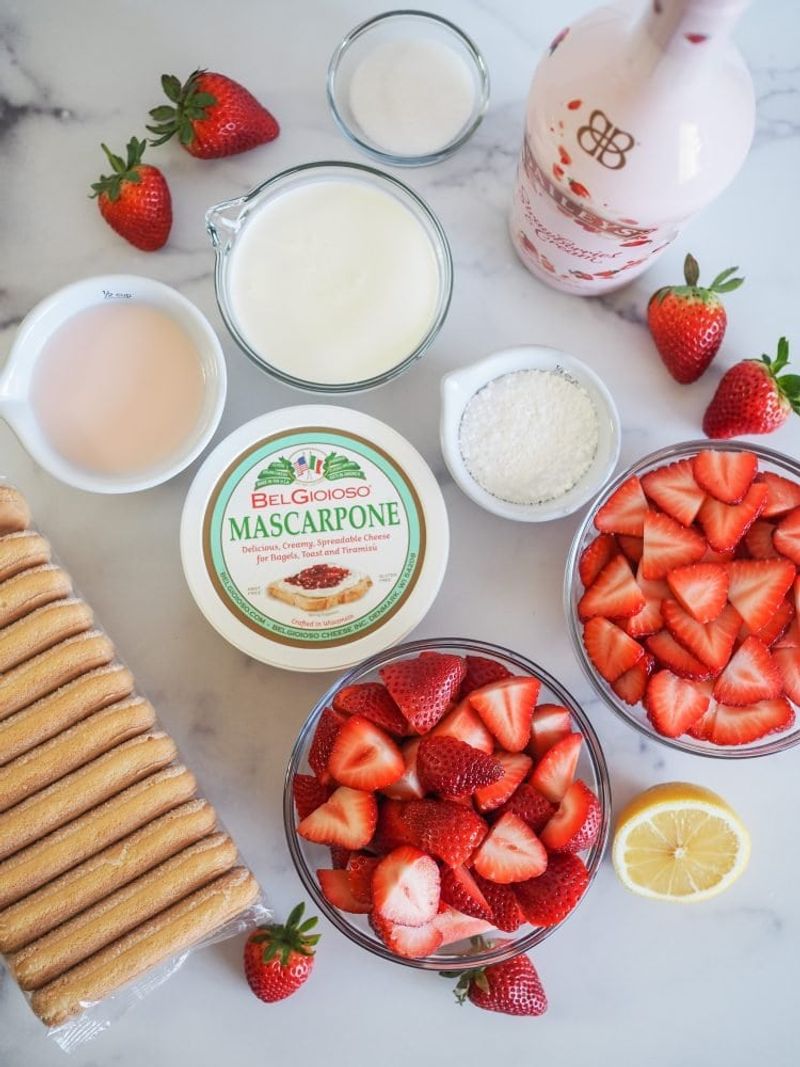
Say Mah-scar-POH-nay, not mass-car-pone. The final syllable is nay, not a lone bone. Keep the scar open and the stress toward poh.
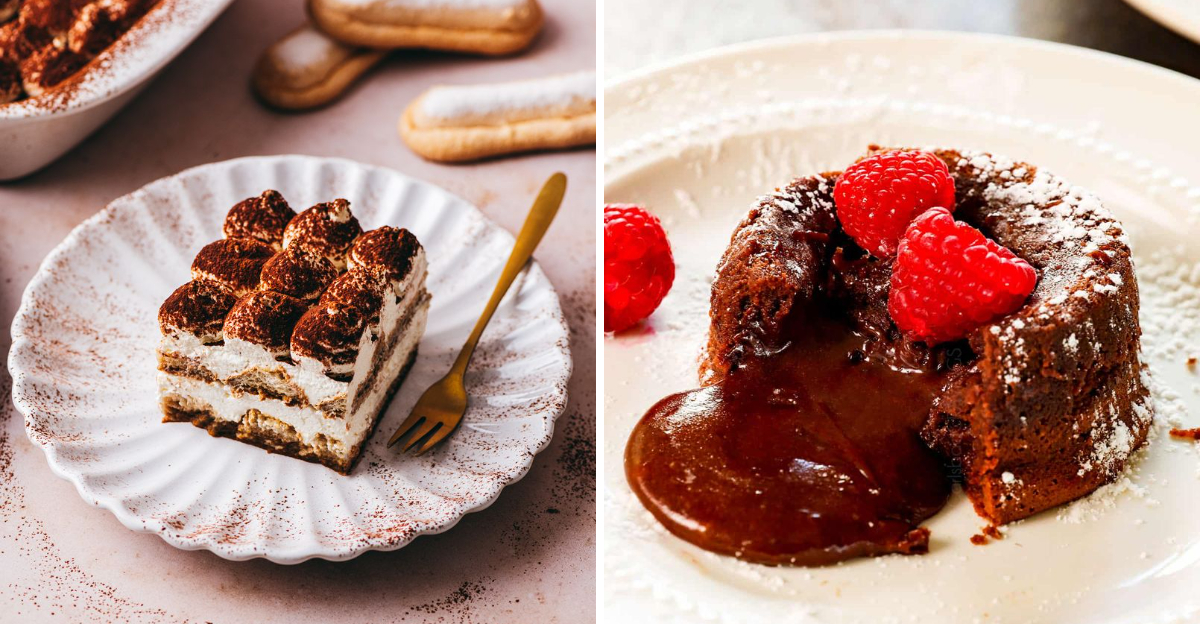
This lush Italian cheese anchors tiramisu and silky frostings. When ordering, give every syllable room: mah scar poh nay. That musical flow respects its Lombard roots. You will sound like you know desserts, and your tiramisu will taste even sweeter after the correct call.
13. Chorizo
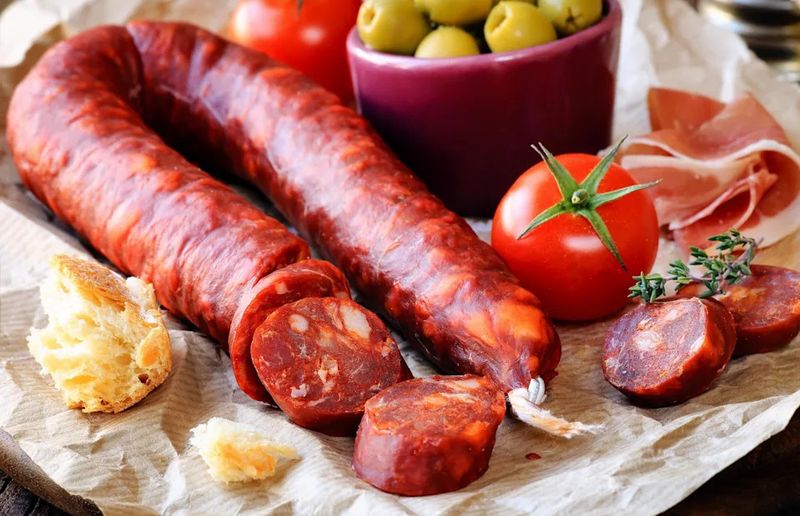
For Spanish, it is Chuh-REE-soh, crisp s, not a buzzing z. Portuguese shifts toward shoh-REE-soh. Specify the style if needed and you will steer clear of confusion.
This sausage brings paprika, garlic, and smoke. When ordering, hit ree with energy, then a neat soh. Avoid chi-pol-tee style muddling here too. Clear syllables mean you will get the right link, whether sliced for tapas or grilled on a roll.
14. Añejo

Say Ah-NYEH-ho, not an-ee-joe. The tilde turns n into ny, as in canyon. Keep the j like a soft h in Spanish, and finish smoothly.
Often seen with tequila and rum, añejo means aged. When ordering, place the stress on nyeh. That single correction signals you respect the spirit. Sip slowly, notice vanilla and oak, and enjoy the word rolling as gracefully as the drink.
15. Poke

Pronounce it POH-kay, not poke like the verb. The second syllable matters, a cheerful kay at the end. Think of okay with a p in front.
Hawaiian poke highlights fresh fish and simple seasoning. When ordering, keep the vowels open and friendly. Saying poh-kay honors the islands and ensures your bowl is not met with a wince. It tastes better when spoken right, somehow lighter and sunnier.
16. Naan
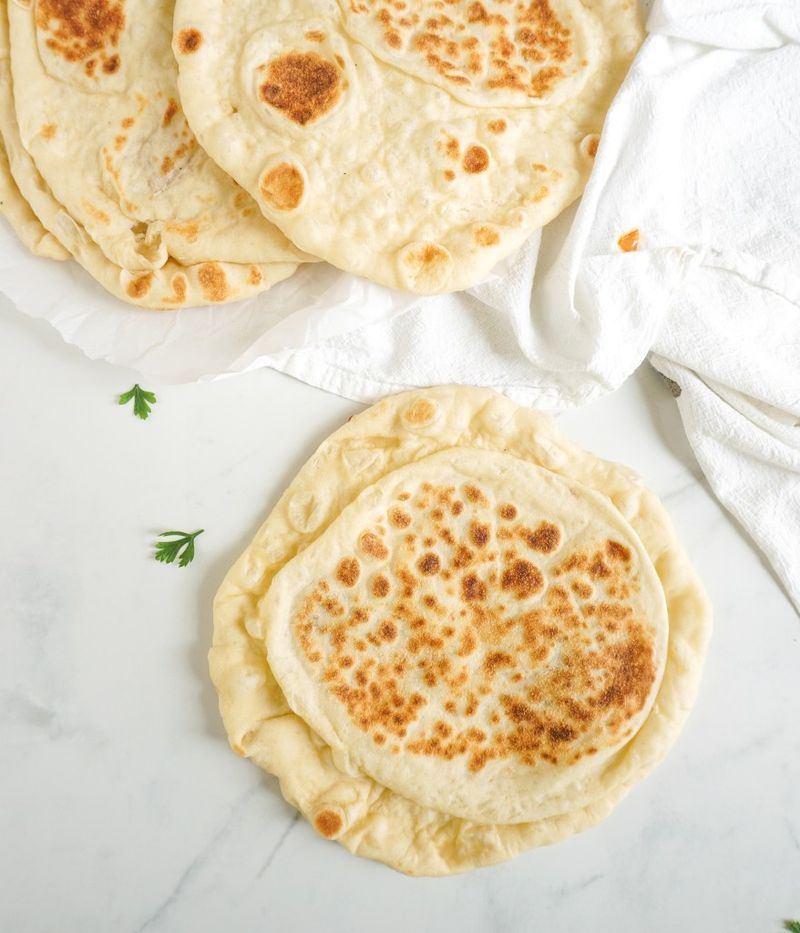
It is Nahn, not nan like the start of nanny. Draw out a calm ah and keep it single. No plural s needed either, naan already reads as a collective.
This Indian flatbread is soft, blistered, and perfect for scooping curries. When ordering, one smooth syllable does the job. Stretch the vowel gently, and you will sound at home in any curry house. The bread will arrive hot, ready to tear and share.
17. Focaccia
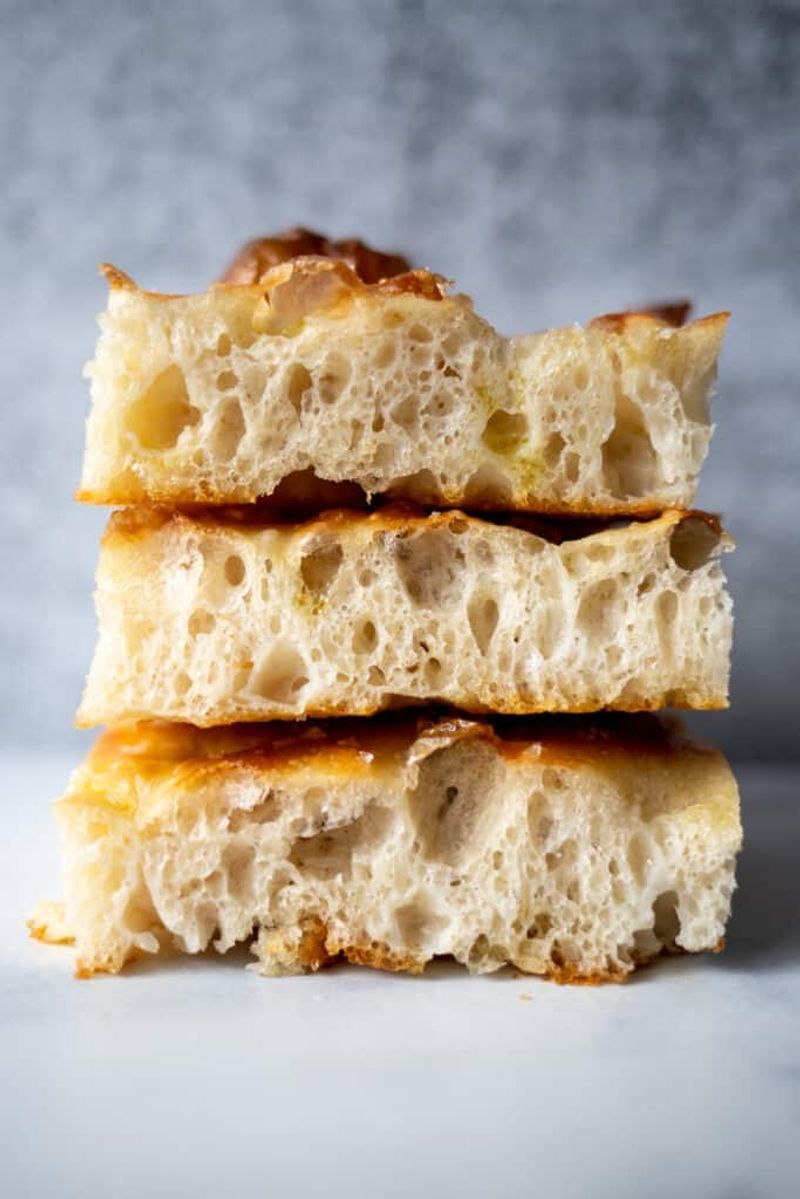
Say Foh-KAH-chuh, not foh-kay-shuh. The double c before i makes a ch sound, and the stress sits on kah. Keep the ending quick and tidy.
This Italian bread is fluffy inside with salty, oily dimples. When ordering, give that middle syllable a proud lift, then land softly. You will get nods from bakers and better bread, at least in spirit. The word should feel as bouncy as the crumb.
18. Tagliatelle
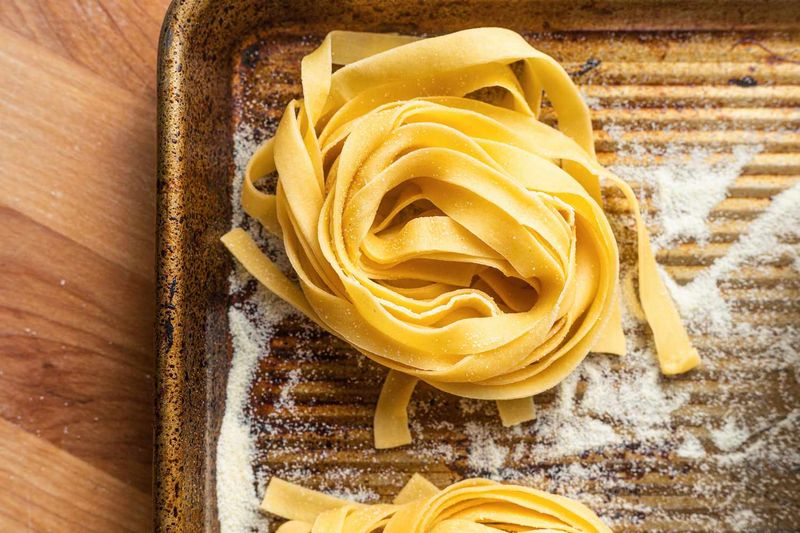
Pronounce it Tah-lyah-TELL-eh, not tag-lee-uh-TELL. The gl makes a ly sound, like in famiglia. Keep the final eh audible, not swallowed.
These ribbons hail from Emilia-Romagna, perfect for ragù. When ordering, glide through lyah and punch tell. Then let the last eh breathe. The cadence feels musical and makes servers smile as they bring that saucy hill of pasta.
19. Açúcar
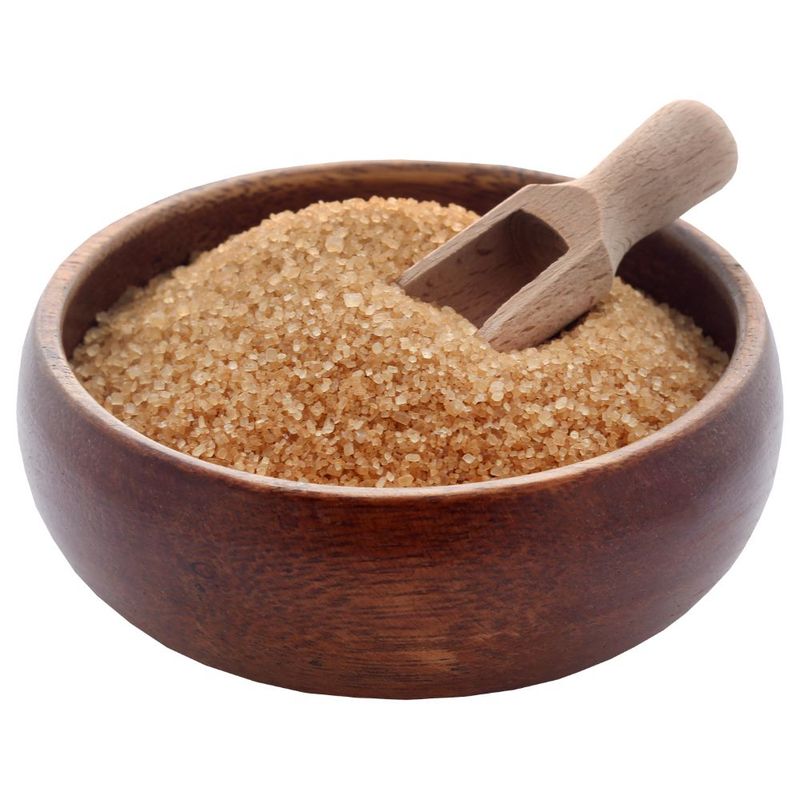
Say Ah-SOO-kar, not ASS-uh-car. The ç softens to an s, and stress sits on soo. Finish with a gentle car, more like kar than care.
Seen on Portuguese menus and sugar packets, this word simply means sugar. Use it while traveling, and you will sweeten your coffee with confidence. The tidy rhythm helps you spot it quickly among condiments. Language and caffeine, perfectly paired.
20. Chipotle
It is Chih-POHT-lay, not chi-POL-tee. The tl cluster is real, a quick t followed by a light l, then lay. Keep the middle oh robust.
These smoke dried jalapeños bring depth to sauces and tacos. When ordering, punch poht, flick tl, then relax into lay. Skip the tee at the end. You will sound like you know your peppers, and your burrito will taste a little smokier just for that effort.