20 Foods Americans Need To Avoid Starting Today
A closer look at common foods that might be sabotaging health efforts.
1. Sugary Soda (The Everyday Kind)
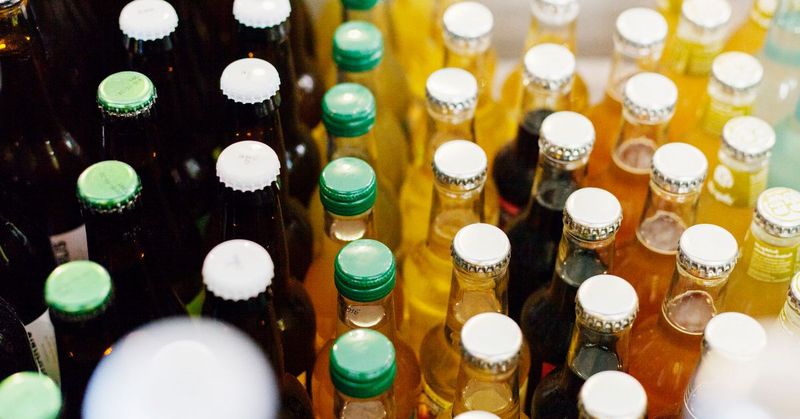
Sugary sodas are like liquid candy, offering heaps of sugar without fiber. This combination spikes blood sugar rapidly, contributing to weight gain, type 2 diabetes, and heart problems over time.
Imagine starting your day with a sugar rush that promises a crash later on. Instead, consider flavored seltzer or iced tea with a touch of sweetness.
Water with a splash of juice can also quench your thirst without the negative effects. Moderation and mindfulness are key to avoiding these sugary traps.
2. Energy Drinks With Huge Caffeine + Sugar Loads
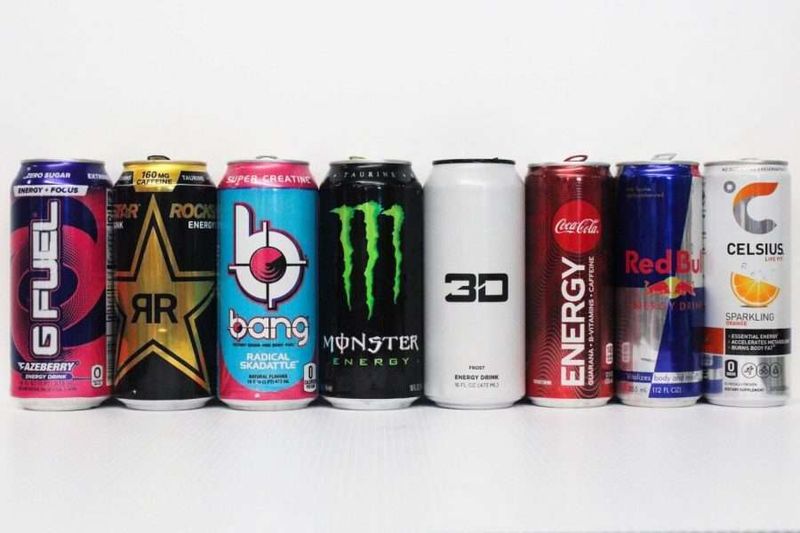
Energy drinks often mix sugar, caffeine, and stimulants, creating a potent cocktail that can harm blood pressure and sleep.
These drinks promise alertness but at what cost? Consider the effects on your heart if consumed regularly.
Opt for coffee or tea with a sensible sweetener. If energy drinks are your go-to, choose wisely and sparingly. Maintaining balance can prevent these drinks from becoming a dangerous habit.
3. Ultra-Sugary Breakfast Cereals
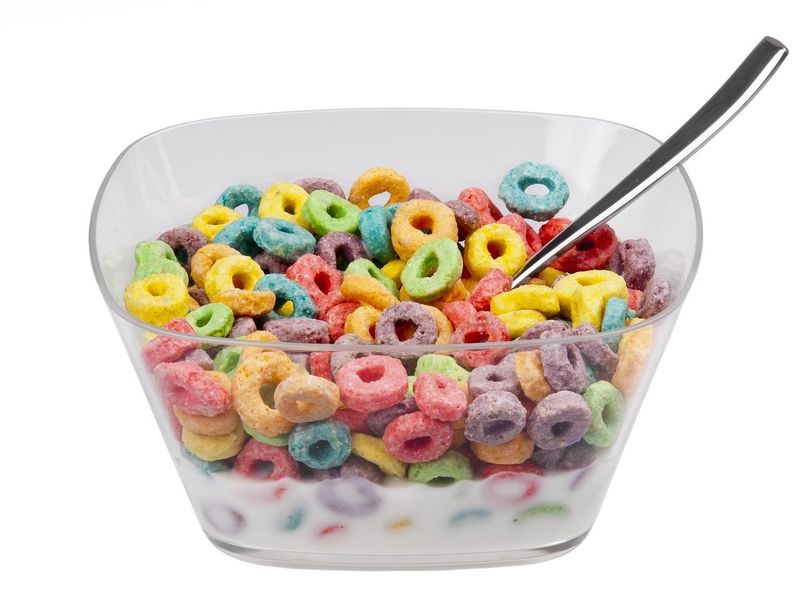
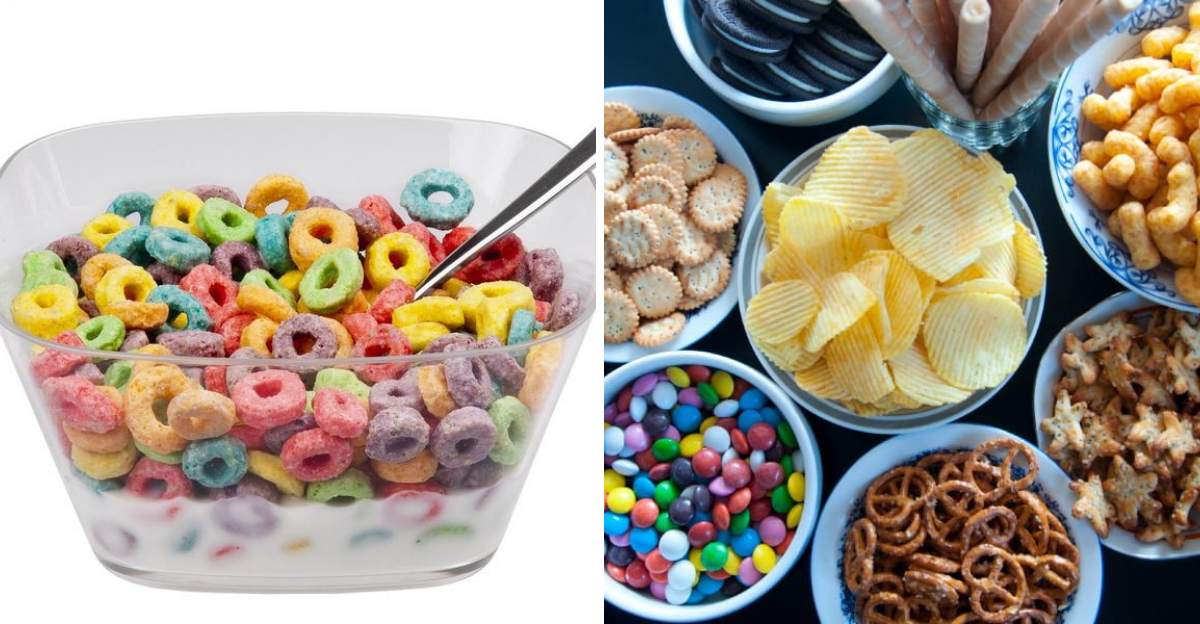
Starting your day with a bowl of sugary cereal is like having dessert for breakfast. When sugar tops the ingredient list, it leads to a morning rush and inevitable midday crash.
Cravings become your companion throughout the day, making healthy choices harder.
Instead, select whole-grain cereals, oatmeal, or Greek yogurt topped with fresh fruit. These options offer sustained energy and keep you satisfied longer.
4. Processed Meats (Hot Dogs, Bacon, Deli Meats Every Day)

Processed meats such as bacon and hot dogs come with sodium, saturated fat, and preservatives. These ingredients are linked to increased risks of heart disease and certain cancers.
While these meats offer convenience, their frequent consumption could have serious health implications.
Moderation is crucial; treat them as occasional indulgences. Opt for turkey, chicken, or beans for your protein needs, offering healthier daily options.
5. Deep-Fried Fast-Food Favorites
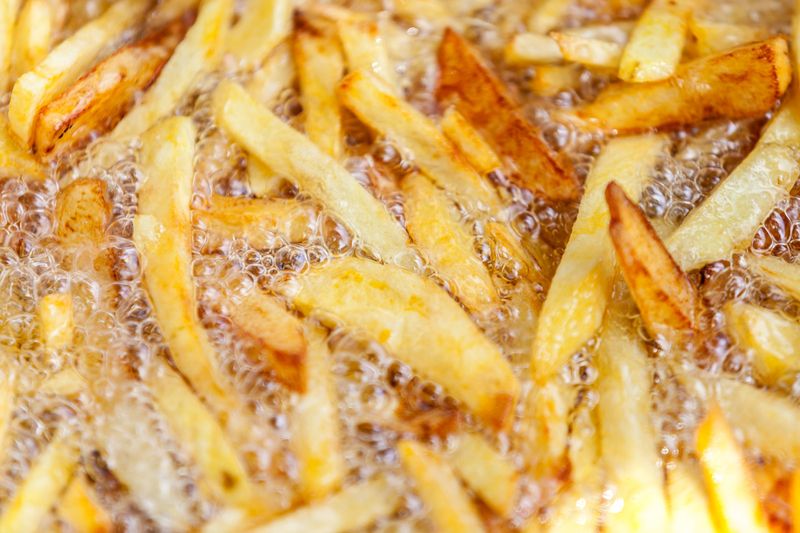
Fast-food favorites like fried chicken and fries are often cooked in reused oils and loaded with salt. This combination poses threats to heart health, weight, and blood pressure.
These foods seduce with their crunchy allure but harm with their unhealthy content.
Grilled or baked alternatives offer similar satisfaction without the downsides. Air-frying at home can provide the crunch you crave, guilt-free.
6. Packaged Snack Cakes And Cheap Pastries
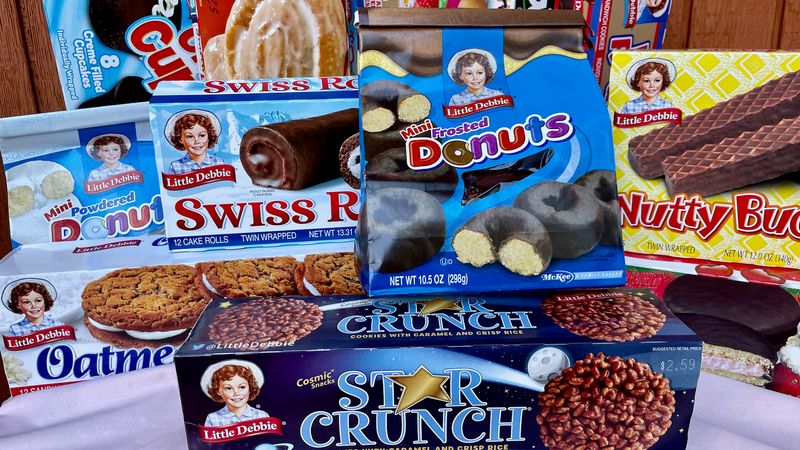
Packaged snack cakes are a trifecta of refined flour, sugar, and unhealthy fats. Designed to be addictive, they offer little nutritional value.
These treats are easy to grab but come with long-term health costs.
Opt for an occasional bakery pastry or try dark chocolate with nuts for a satisfying sweetness. Conscious choices can lead to healthier snacking habits.
7. Super-Sized Coffee Drinks (A Dessert In Disguise)
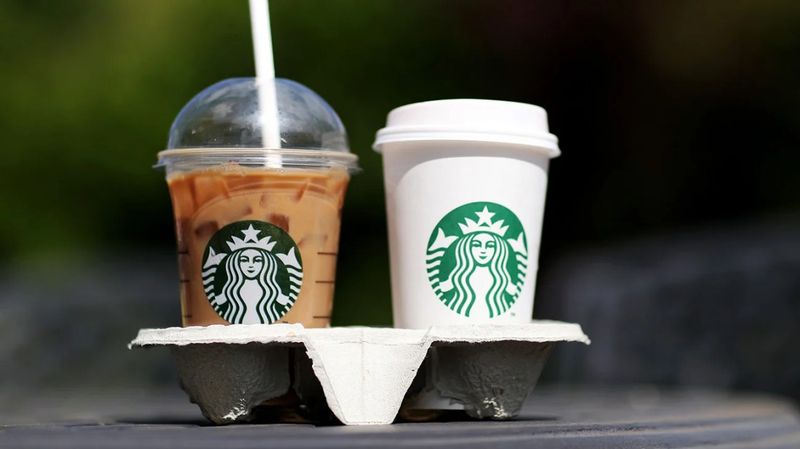
Many drive-thru coffee drinks resemble milkshakes more than beverages. They come packed with syrups, whipped cream, and calories.
These indulgences disguise themselves as daily coffee but can sneak in excessive calories and sugar.
Consider a plain coffee with milk or a simple latte with minimal syrup to enjoy your caffeine fix without the guilt.
8. Flavored Yogurts With Dessert-Level Sugar
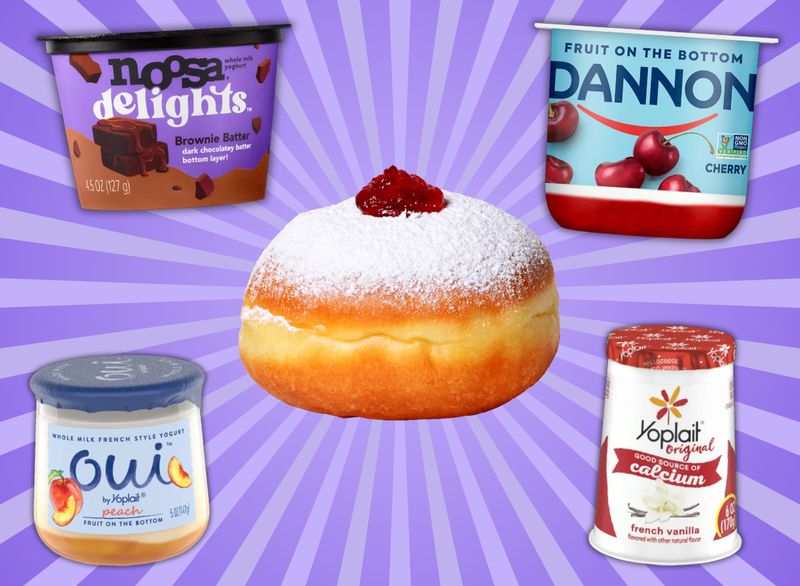
Flavored yogurts often contain as much sugar as desserts, with fruit “on the bottom” as syrup. Granola add-ins only increase the sugar content.
Yogurt can be nutritious, but these versions are a sneaky sugar bomb.
Opt for plain yogurt with your own fruit and a sprinkle of nuts. Personalizing your yogurt can provide health benefits without the hidden sugar.
9. Refined White Bread And Cheap Hamburger Buns

Soft white bread and buns are essentially fast-absorbing starches that raise blood sugar quickly.
These bread options leave you hungry soon after, leading to overeating.
Choosing whole-grain or sprouted breads can offer more fiber and satisfaction. Look for higher-fiber options to keep you fuller longer and support better health.
10. Frozen “TV Dinners” Loaded With Sodium

Frozen TV dinners often include high levels of sodium and preservatives to extend shelf life.
These meals may hit the convenience mark but can exceed daily sodium recommendations, straining heart health.
Consider frozen vegetables with a rotisserie chicken or higher-quality frozen meals with reasonable sodium. Health-conscious choices can enhance the convenience factor.
11. Instant Noodles With High Sodium Packets
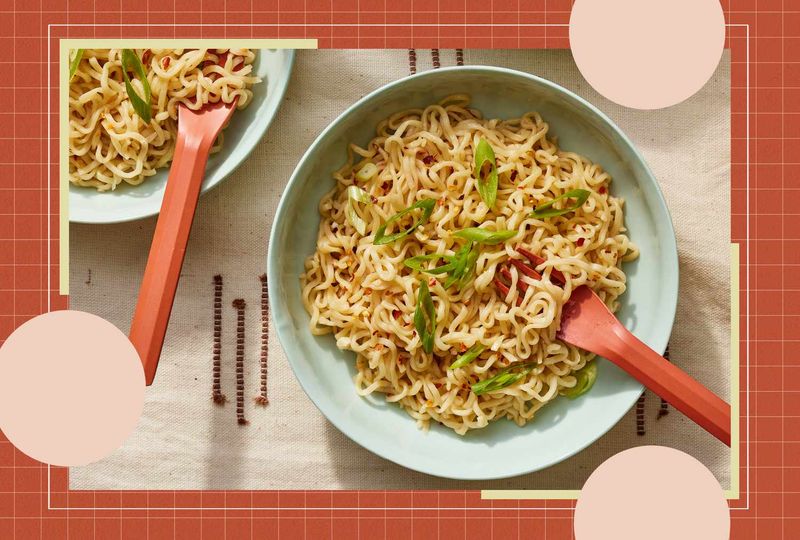
Instant noodles are usually made from refined flour, and the seasoning packets are often sodium bombs.
They offer quick comfort but may max out your sodium intake for the day.
Using only part of the packet or adding vegetables and lean protein can transform them into a healthier meal. Balance and creativity can reinvent these convenience staples.
12. “Fat-Free” Or “Sugar-Free” Ultra-Processed Snacks
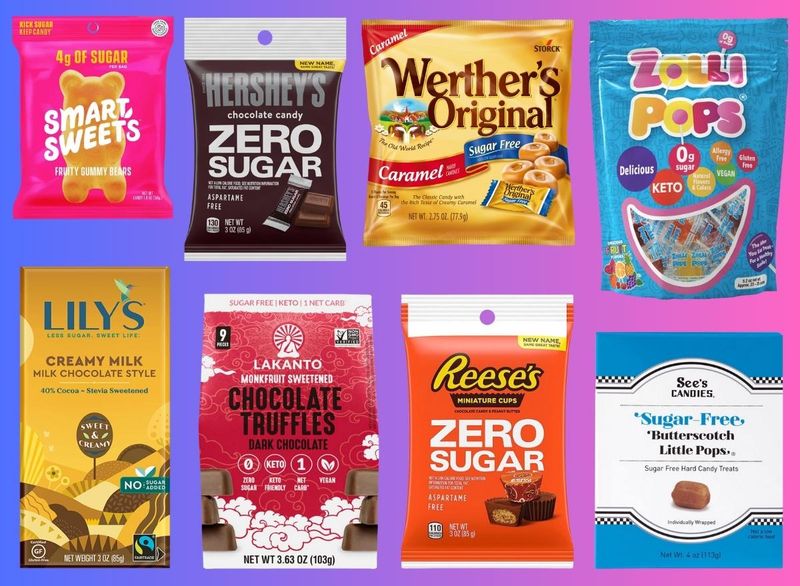
Fat-free or sugar-free snacks often replace missing ingredients with starches, artificial sweeteners, and chemicals.
These ultra-processed options are engineered to be tasty but may interfere with hunger signals and satiation.
Opt for smaller portions of real, minimally processed foods like fruit, nuts, or cheese. Real ingredients can lead to more satisfying snacking experiences.
13. Processed Cheese Slices And “Cheese Products”
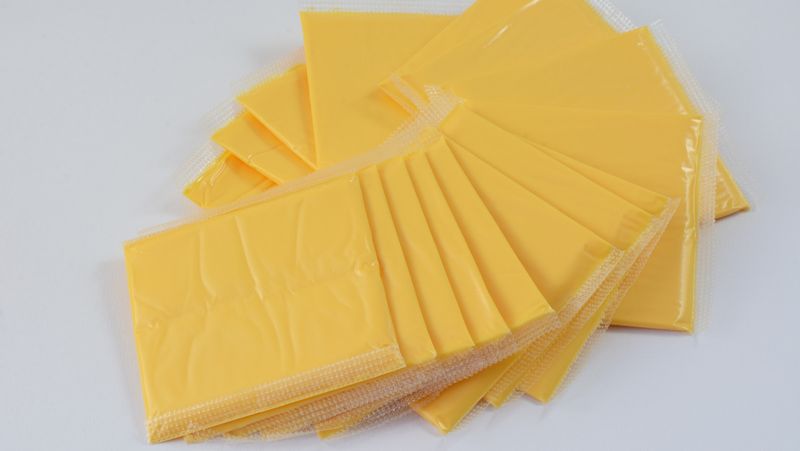
Processed cheese slices often contain more additives and oils than actual cheese. They lack the melt and flavor of real cheese but pack in sodium.
While convenient, these products don’t deliver the nutritional benefits of real cheese.
Real cheese like cheddar or mozzarella sliced yourself can offer more flavor and less consumption. Choosing quality over convenience can enhance your meals.
14. Margarine Sticks And “Buttery Spreads” With Questionable Oils
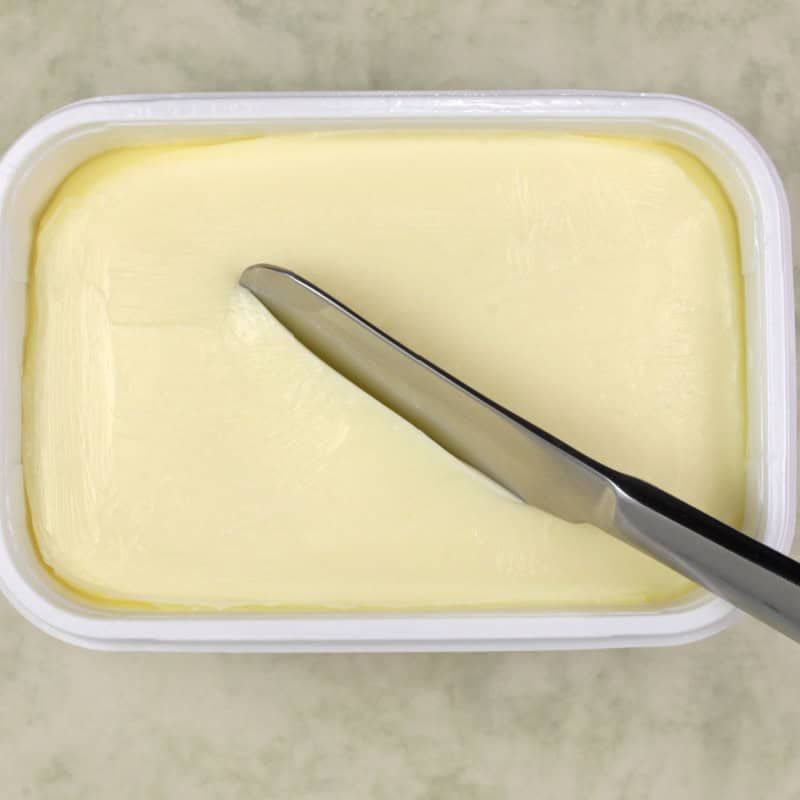
Old-school margarine and buttery spreads use highly processed oils, sometimes containing trans fats.
These spreads can be harmful to heart health when used frequently.
Consider using small amounts of real butter or olive oil. Choosing healthier fats can support overall well-being without sacrificing taste.
15. Giant Restaurant Desserts “For One”

Skillet cookies and monster sundaes can contain over 1,000 calories per serving.
These desserts, rich in sugar and saturated fat, can become detrimental if consumed regularly.
Sharing dessert or opting for fruit or sorbet can satisfy your sweet tooth without the burden. Mindful indulgence can lead to healthier choices.
16. Candy-Loaded Breakfast Bars And “Protein” Bars
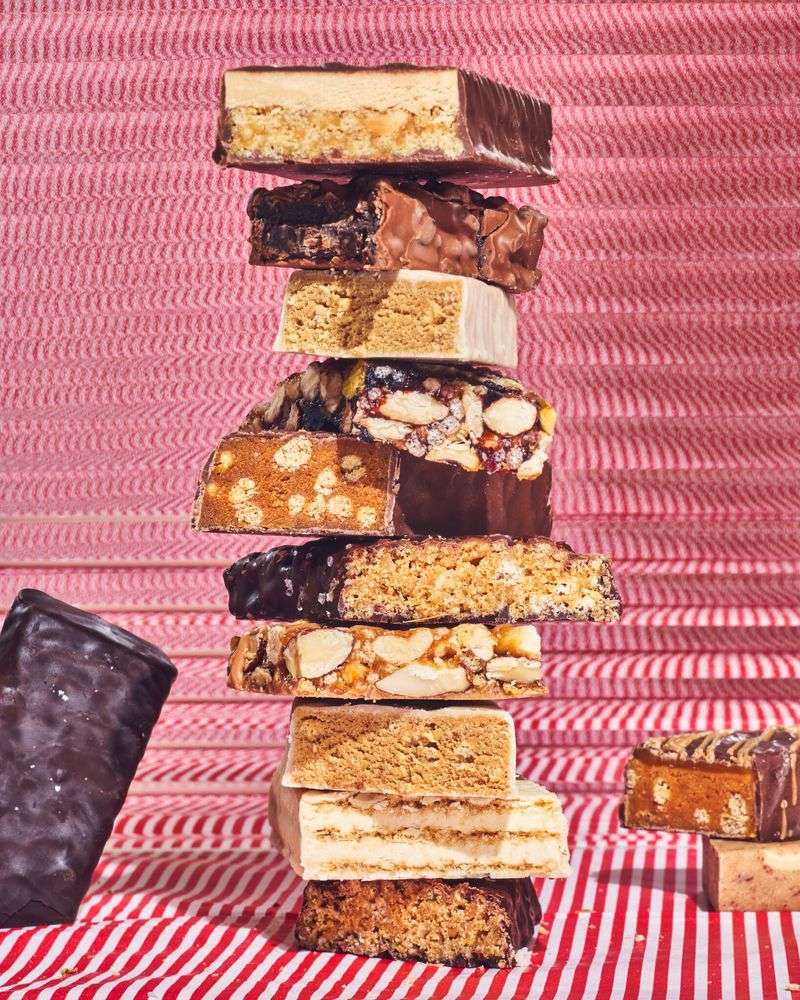
Many breakfast and protein bars are essentially candy bars with vitamins sprinkled in.
These bars usually contain lots of sugar and little fiber, veiled as healthy choices.
Selecting bars with short ingredient lists and limited added sugar can make a difference. Or, choose nuts and fruit for a more natural energy boost.
17. Flavored Alcoholic Seltzers And Sugary Cocktails
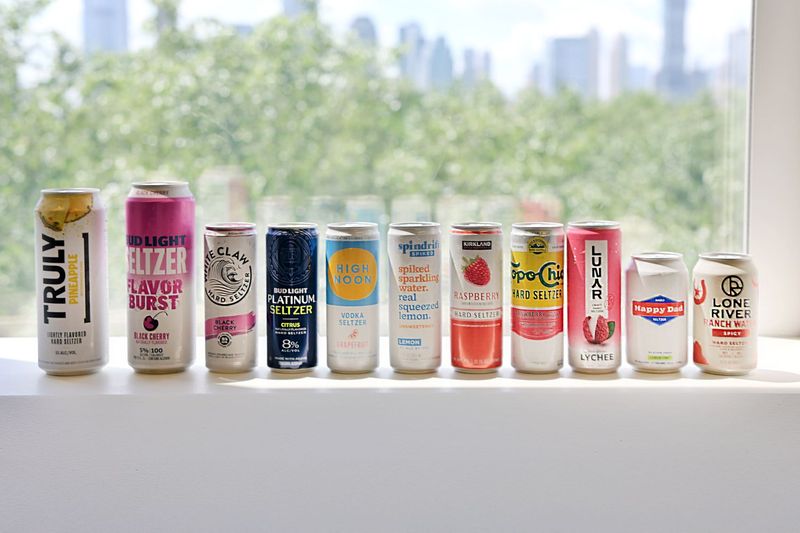
Flavored seltzers and sugary cocktails can quietly add sugar and alcohol throughout an evening.
While they seem light, their cumulative effects can strain your liver and waistline.
Limiting drinks to certain nights and choosing simple cocktails can keep things in check. Balance and moderation are key to enjoying these beverages responsibly.
18. Extra-Processed Meat Substitutes
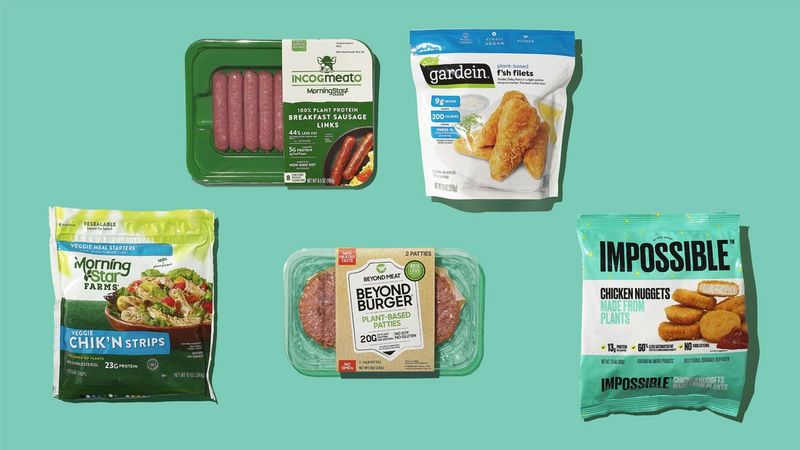
Some plant-based patties are ultra-processed, with long ingredient lists and sodium galore.
“Plant-based” doesn’t always equal healthy when these products try to imitate meat.
Opt for meatless options made from beans or whole soy, focusing on minimal processing. Simple ingredients can offer delightful flavors and better health benefits.
19. Giant Fast-Food Milkshakes And “Secret Menu” Drinks
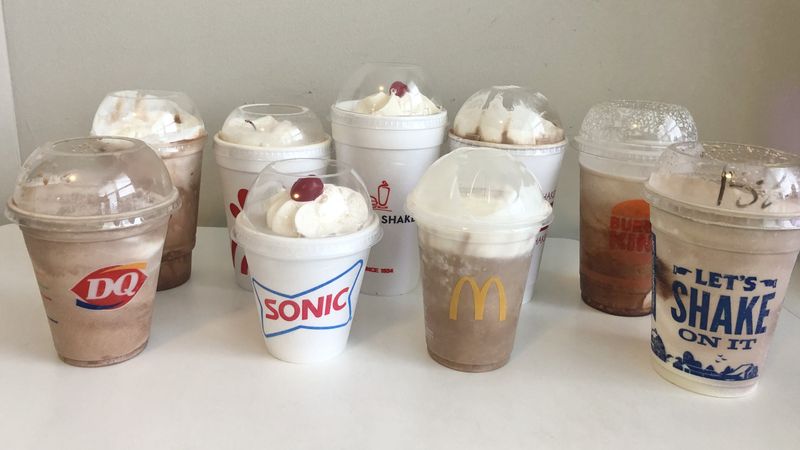
Towering milkshakes and secret menu drinks can pack hundreds of calories and sugar.
They offer a sweet escape but often exceed meal-like calorie counts without any nutritional value.
A small shake or an ice cream cone can offer a treat without the overindulgence. Conscious choices can make sweets an occasional joy, not a dietary staple.
20. Constant “Snacky” Ultra-Processed Foods All Day
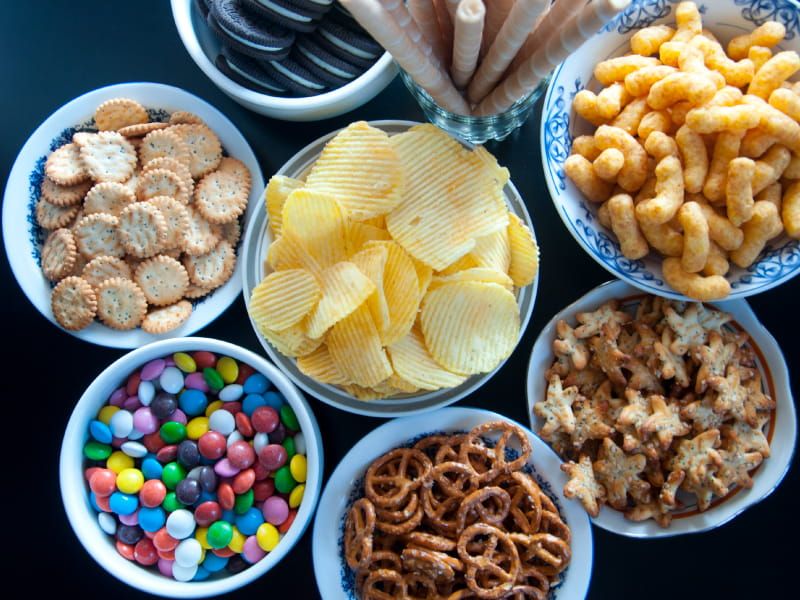
Snacking on ultra-processed foods like chips and crackers throughout the day can have negative health impacts.
These snacks, designed to be hyper-palatable, often lead to mindless overeating.
Building real meals with protein, fiber, and healthy fats can reduce reliance on snacks. Balancing meals can transform snacks into a treat rather than a habit.