20 Foods And Drinks That Trace Back Thousands Of Years
So many everyday bites feel modern until you realize people were making versions long before electricity or supermarkets. Across deserts, mountains, and river valleys, resourceful cooks figured out how to ferment, press, boil, and bake with whatever they had.
The results are shockingly familiar, from hearty grains to tangy sauces and soothing drinks. Get ready to meet foods and drinks that connect your table to thousands of years of human ingenuity.
1. Bread
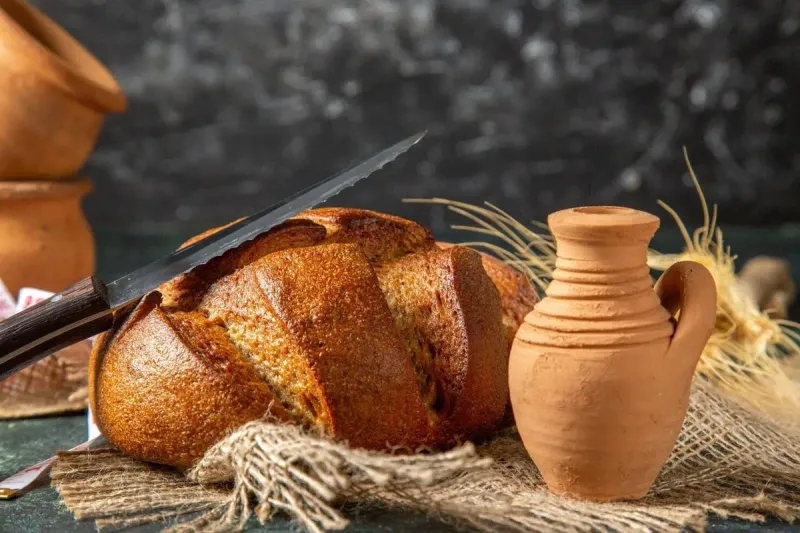
Bread began as crushed grains mixed with water, slapped onto hot stones, and cooked into humble nourishment. Imagine smoky hearths, clay ovens, and hands dusted with flour, shaping daily life in villages.
You can still taste that origin story in every flatbread griddled over fire.
From sourdough starters to ash-baked rounds, bread traveled with migrations and trade. It fed workers, warriors, and families through famine and feast.
Bite a warm piece today and you are in conversation with millennia of bakers.
2. Beer
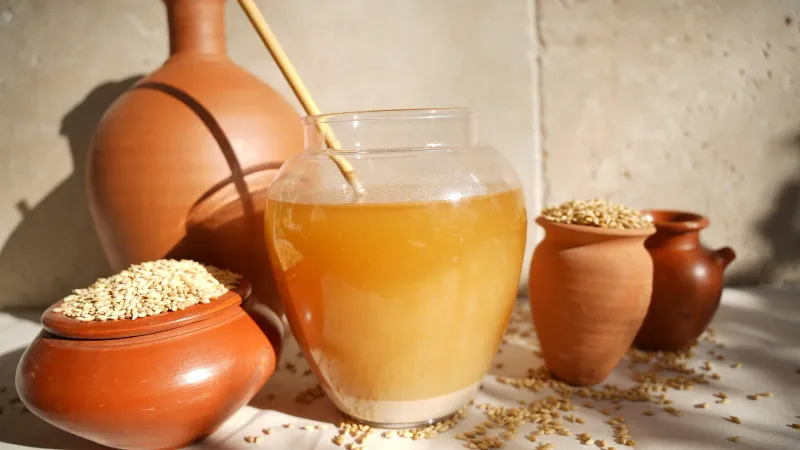
Early beer was closer to liquid bread, cloudy, nourishing, and gently fizzy. Brewed from grains like barley and emmer, it bubbled in clay jars while yeast worked magic.
People sipped through reed straws to avoid the grainy bits.
Beer was safer than water in many places and doubled as food. Temples tracked rations, and workers received beer as pay.
When you raise a pint, you honor a craft that started as everyday nutrition and community ritual.
3. Wine
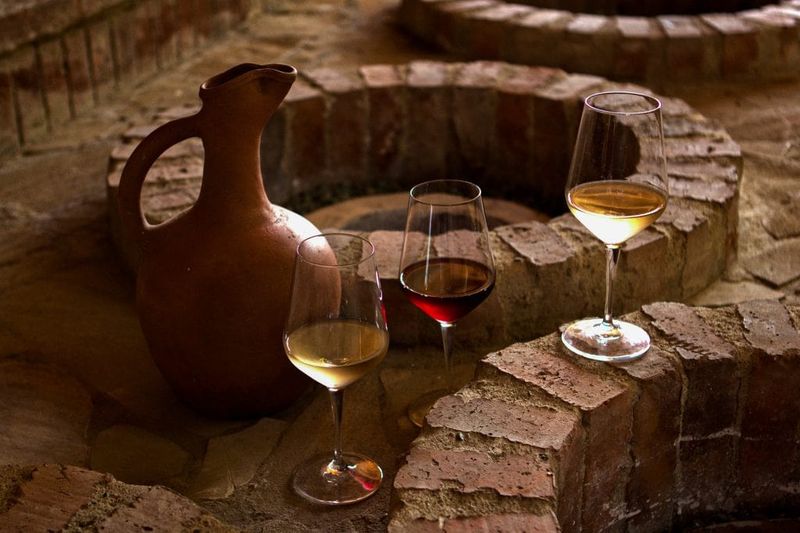
Wine began as grapes left to ferment, a happy accident guided by wild yeasts. Amphorae sealed with resin carried vintages across seas, while vineyards crept up sunny hillsides.
Rituals, trade, and daily meals were stained with its color.
You can still sense that lineage in earthy, amphora-aged bottles today. Terroir mattered even then, long before anyone named it.
Sip slowly and you taste stone, sun, and time speaking through fermented fruit.
4. Cheese
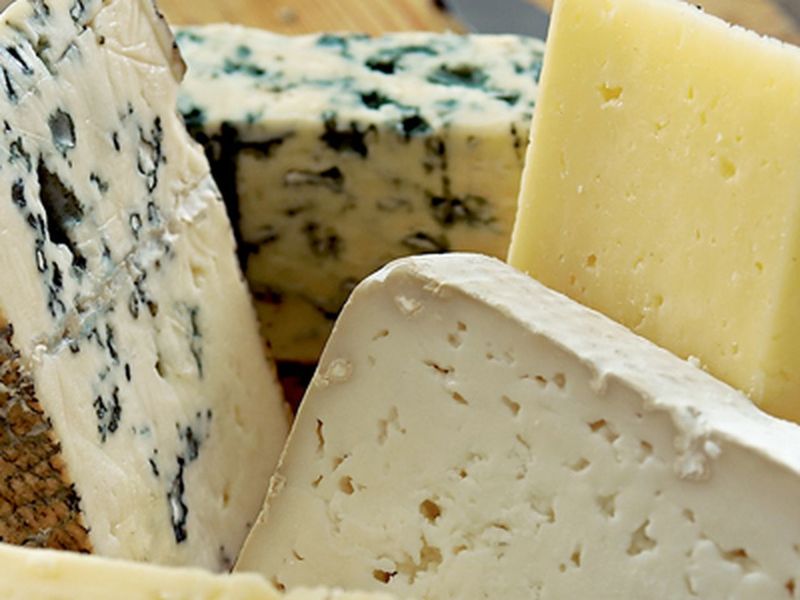
Cheese likely started when milk stored in animal stomachs curdled naturally. People learned to separate curds from whey, then press and salt for keeping.
The result was portable nutrition with flavors shaped by climate, milk, and time.
From crumbly, fresh styles to hard wheels aged in caves, cheese preserved surplus milk. It traveled with herders and settled communities alike.
Every slice still echoes that clever solution to abundance and spoilage.
5. Yogurt and fermented milk

Warm climates and moving herds pushed people to ferment milk for safety and tang. By shaking skins or letting friendly microbes work, milk thickened into yogurt-like sustenance.
It traveled well and comforted stomachs on long journeys.
Over centuries, cultures fine-tuned starters, strains, and textures. Drinkable ayran, spoonable yogurt, and cultured creams all share that ancestry.
When you swirl it into sauces or breakfast bowls, you join a tradition engineered by necessity.
6. Olive oil
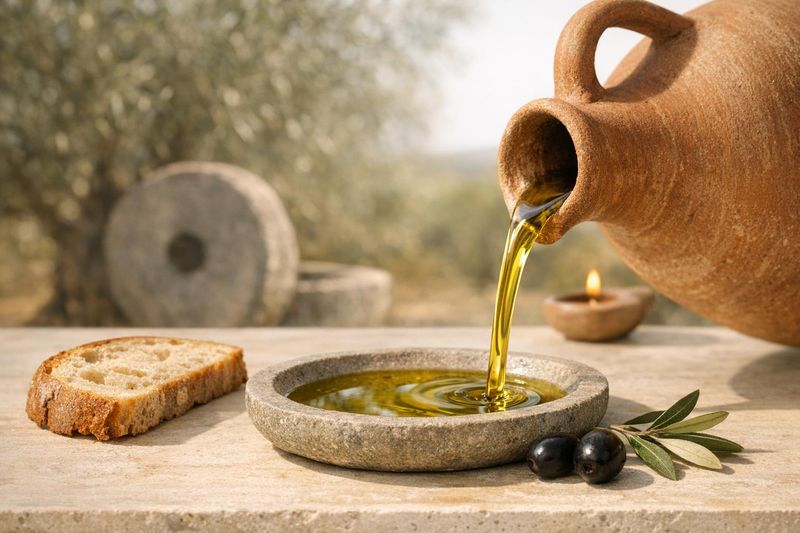
People crushed olives under heavy stones and pressed the paste to release luminous oil. It flavored stews, dressed grains, and preserved foods with a clean, peppery richness.
Lamps burned it, skin welcomed it, and trade grew around it.
Gnarled trees lined terraces overlooking ancient seas, their fruit enduring droughts and winds. Today, drizzling green, peppery oil links kitchens to millennia of harvests.
Taste it and you taste sunlight bottled by leaves.
7. Honey

Before sugar, honey sweetened feasts, medicines, and rituals. Foragers braved cliffs and hives, pacifying bees with smoke and carrying combs home.
Its shimmer turned porridges, breads, and drinks into celebrations.
Honey also preserved fruits and sealed wounds, treasured for flavor and longevity. Jars found in tombs still kept their golden character.
When you drizzle honey today, you taste the oldest sweetness humans cultivated from the wild.
8. Lentils
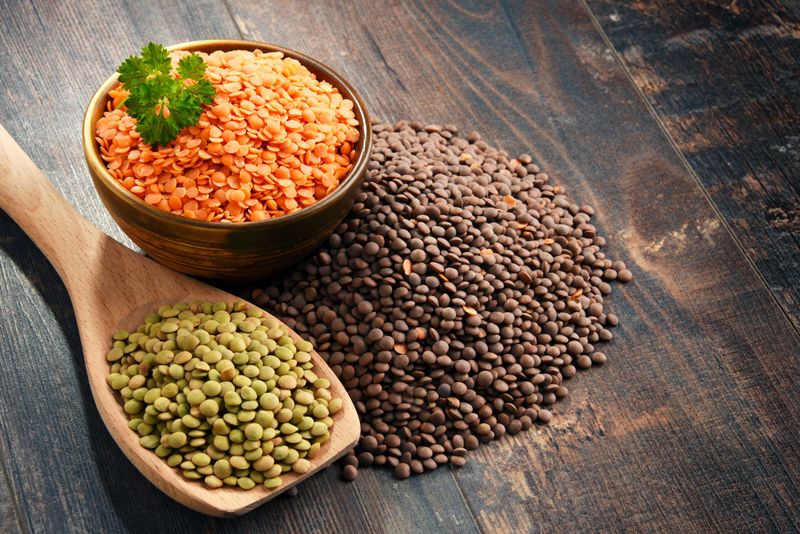
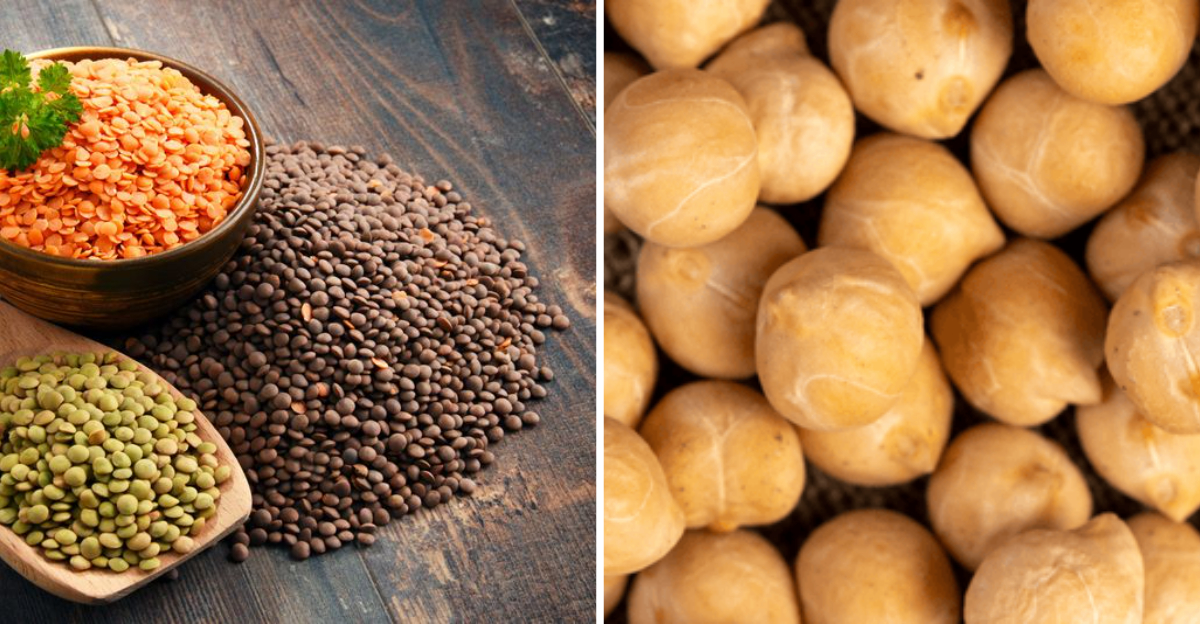
Lentils were early farmers friends, tough plants yielding protein-rich seeds that store well. In clay pots, they simmered into comforting stews with herbs, onions, and oil.
Their quick cooking made them perfect for busy hearths.
Across deserts and mountains, lentils bridged lean seasons and fed travelers. Today, red, brown, and green varieties keep that role.
Spoon up a bowl and you taste resilience grown in small seeds.
9. Chickpeas
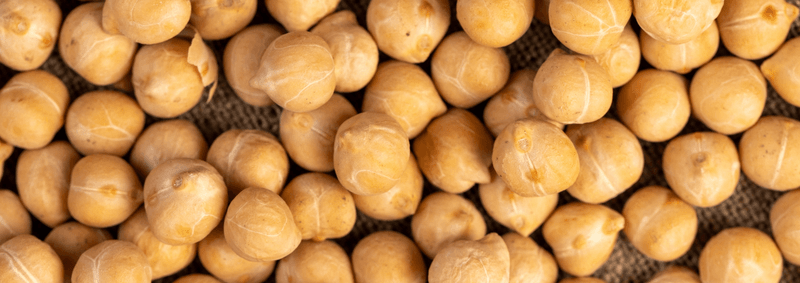
Chickpeas fed ancient kitchens with steady energy and earthy flavor. Soaked and simmered, they thickened stews or mashed into spreads that feel familiar.
Even without blenders, cooks pounded them smooth with stones.
They traveled trade routes, sprouting culinary cousins across regions. Roasted as snacks or simmered with herbs, chickpeas stretched small amounts of meat or stood alone.
Every spoonful still carries their hearty, desert-tested character.
10. Barley porridge
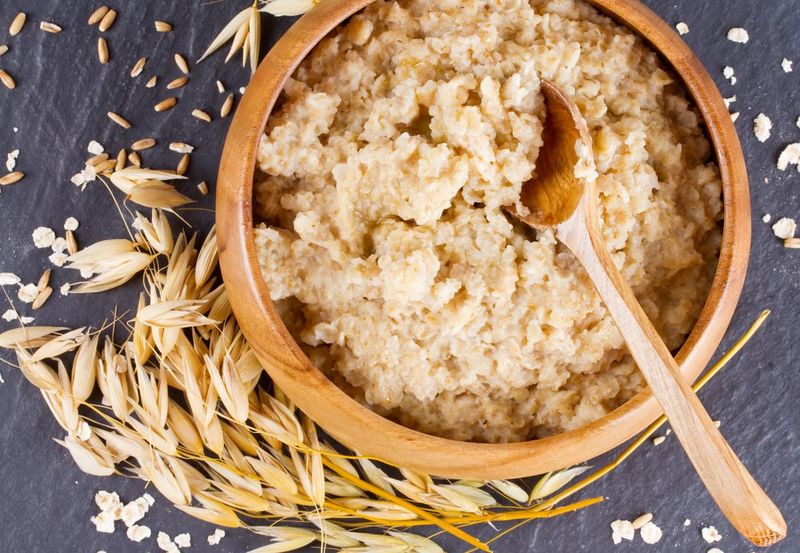
Barley was among the first domesticated grains, and porridge made daily sense. Boiled with water, perhaps a drizzle of honey or oil, it fueled laborers and travelers.
Think of it as the original, no-frills breakfast and supper.
Its nutty chew anchored diets when bread or meat were scarce. Add herbs or dried fruit and it became comfort.
A warm spoonful now still whispers of fields bending in ancient winds.
11. Rice

Rice paddies shaped entire landscapes, terrace by terrace, foot by foot. Hands set seedlings in shimmering water while seasons turned and harvests sang.
Steamed, it became the quiet center of countless meals.
Stored grains offered security against storms and politics. From congee to sticky rice, versatility kept it essential.
Every tender bowl echoes wet fields, careful timing, and communities moving in rhythm with monsoon and sun.
12. Noodles
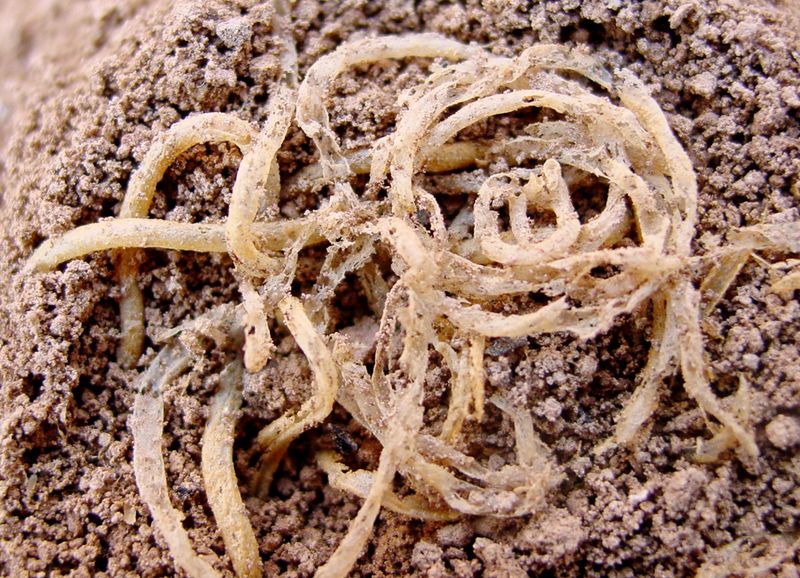
Long before modern pasta aisles, cooks stretched dough into strands and strips. Hand-pulled, cut, or extruded through simple tools, noodles turned grains into quick-cooking comfort.
Hot broth made them a complete, soothing meal.
Archaeological finds even uncovered ancient noodle remnants, proving the craving is old. Whether wheat, millet, or rice, the idea travels effortlessly.
Slurp a bowl and you join a chorus of centuries.
13. Dumplings
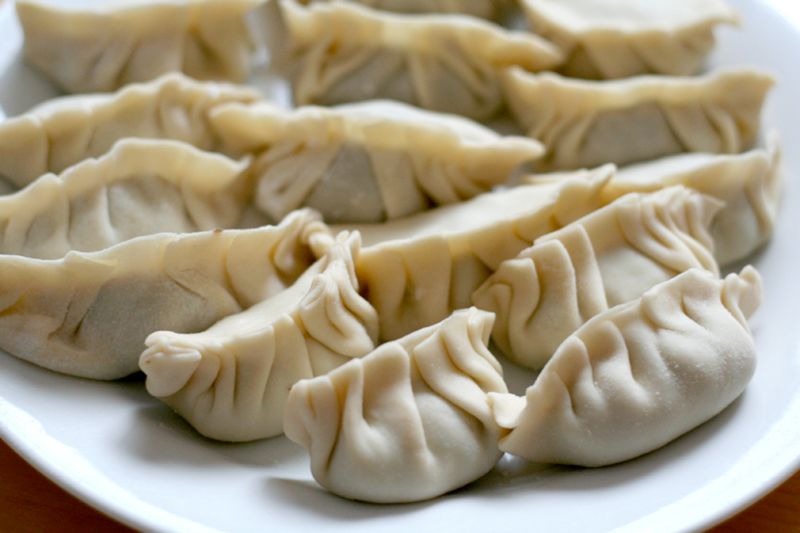
Dumplings stretch ingredients by wrapping small fillings in dough. Steamed, boiled, or fried, they transformed scraps into satisfying bites.
Kitchens across Asia and beyond embraced the trick early.
Stuff them with meat, greens, or legumes and you have portable comfort. Simple tools, big payoff, and shared plates around warm steam.
Bite in and you taste thrift turned into celebration.
14. Soy sauce
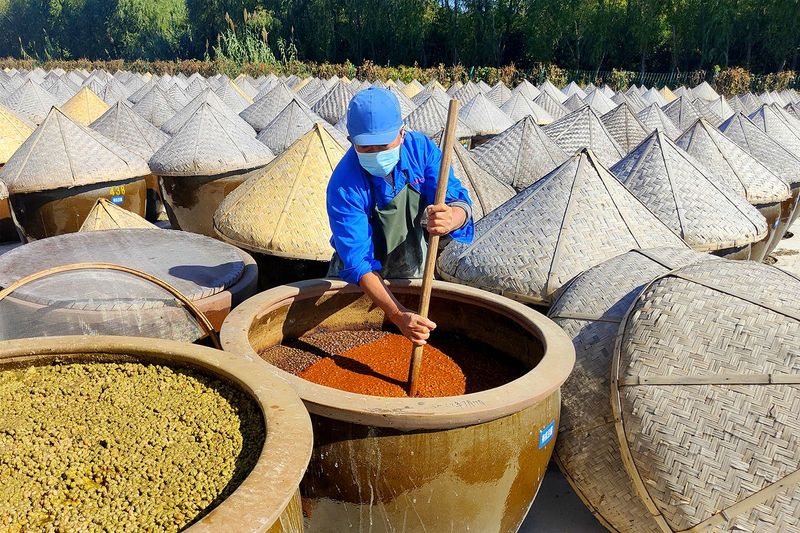
Fermenting soybeans with grains and salt yielded a dark, savory liquid. Sun, microbes, and time drew out complex layers of umami.
Cooks splashed it into broths, glazes, and simply cooked grains.
Clay crocks lined courtyards while seasonal heat coaxed depth. Over centuries, techniques refined but instincts remained.
A few drops today still amplify simple food the way ancestors intended.
15. Vinegar
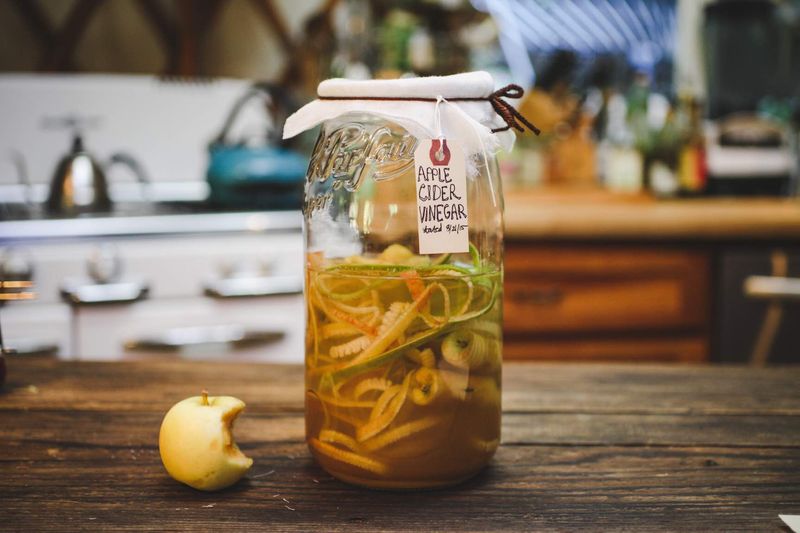
Once people mastered fermentation, vinegar arrived as the next transformation. Alcohol met oxygen, microbes built a tangy mother, and sour magic emerged.
It brightened stews, pickled vegetables, and cleaned tools around the home.
From wine vinegar to grain-based styles, each place used what it had. The practice was practical and delicious.
A splash today still sharpens flavors like a chisel on stone.
16. Pickles
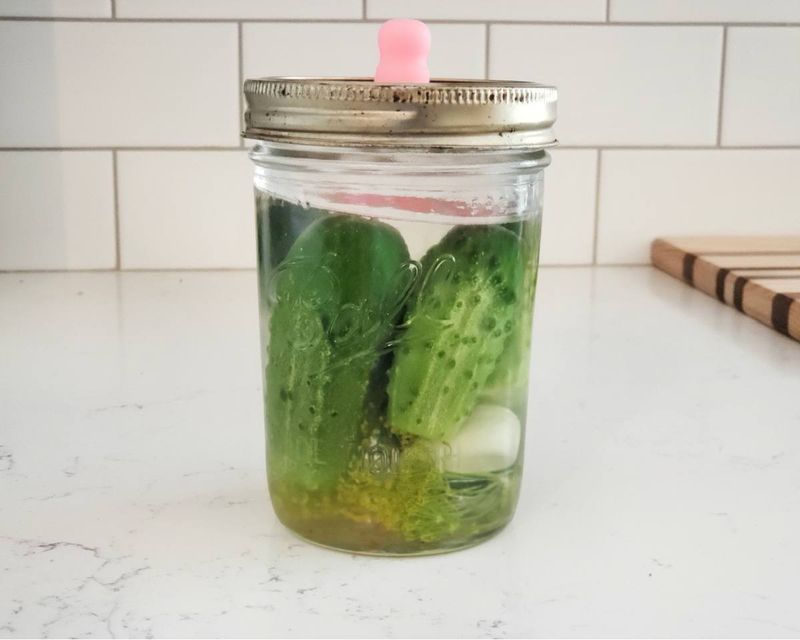
Pickling used salt, brine, and time to carry harvests through lean months. Crocks bubbled quietly while lactic acid guarded the pantry.
Carrots, cucumbers, cabbage, and more transformed into crunchy, sour insurance.
Spices varied by region and memory. Opening a jar tasted like sunshine saved for winter.
That same tang now perks up sandwiches, stews, and late-night snacks with ancient wisdom.
17. Dates
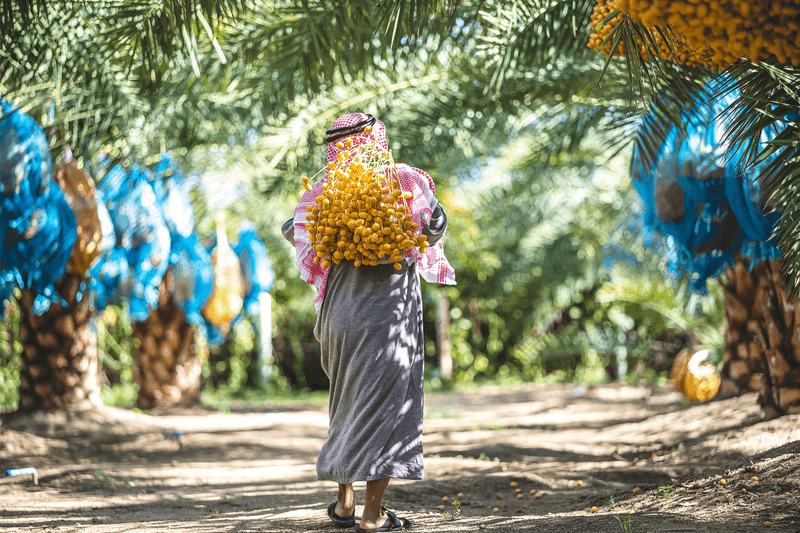
Dates packed sweetness, minerals, and long shelf life, perfect for desert travel. Palms grew where water met sand, and harvests hung like bronze lanterns.
Traders carried dates across empires as food and currency.
Eaten fresh or dried, they powered journeys and prayers alike. Stuffed, stewed, or mashed into syrups, dates proved endlessly adaptable.
Bite one and you feel sun, shade, and patience layered together.
18. Pomegranates
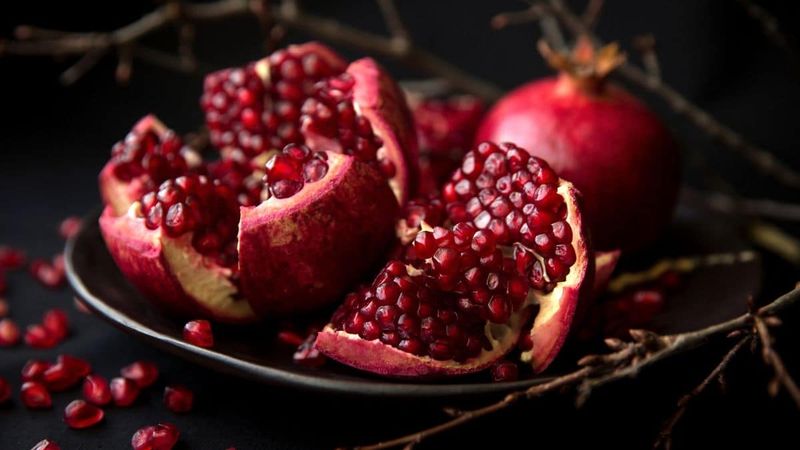
Pomegranates glittered with meaning and flavor, seeds packed in ruby geometry. They traveled gardens, myths, and altars, staining fingers and fabrics.
Sweet tartness brightened grains, meats, and honeyed desserts.
Stored carefully, they kept well enough to trade and gift. Symbolism of life and renewal rode with every aril.
Crack one open now and history crackles in the bowl.
19. Garlic
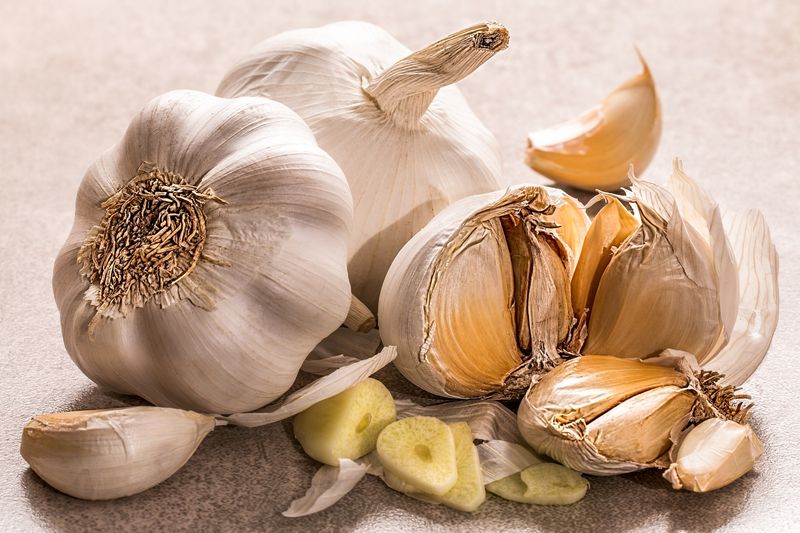
Garlic flavored meals and folklore, pounded into pastes that woke up simple pots. Braids hung to dry in doorways and storerooms.
A little heat turned sharpness sweet and mellow.
It was medicine, charm, and seasoning in one pungent bulb. You still start many dishes by sizzling garlic in oil.
That first aroma ties your kitchen to very old kitchens.
20. Tea
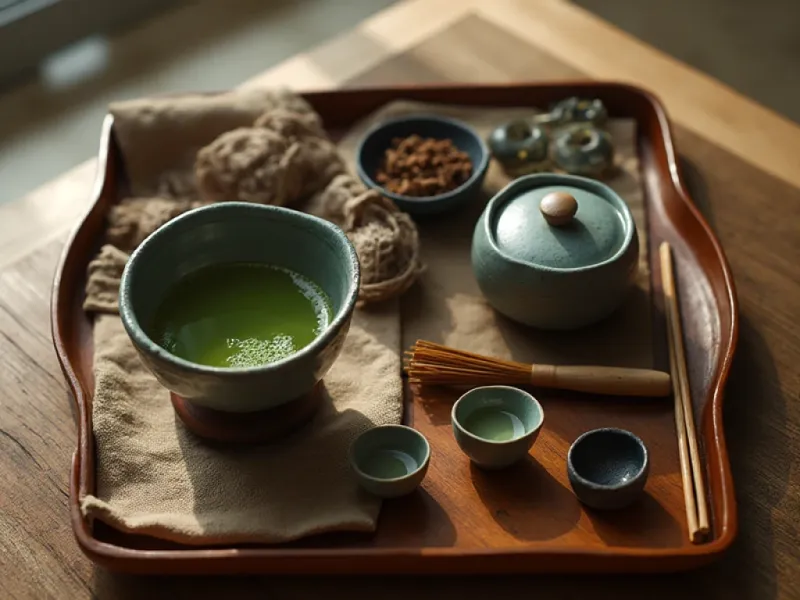
Tea began as a leaf brewed for comfort, clarity, and ceremony. Mountain terraces offered delicate harvests plucked by careful hands.
Simple teaware set the stage for quiet focus.
Over centuries, styles diverged into green, oolong, black, and beyond. Trade spread the habit while rituals deepened meaning.
When you sip, you join conversations that never needed loudness to matter.