20 Foods Gastro Doctors Avoid Completely, And 10 They Eat In Moderation
Your gut has opinions, even if it cannot talk. Gastro doctors listen to those signals every day, which is why their grocery lists look a little different.
Some foods trigger inflammation, reflux, or uncomfortable bloating, while others are fine with a little portion control. If you have ever wondered what the pros skip and what they savor carefully, this list is your friendly cheat sheet.
1. Ultra-spicy chicken wings
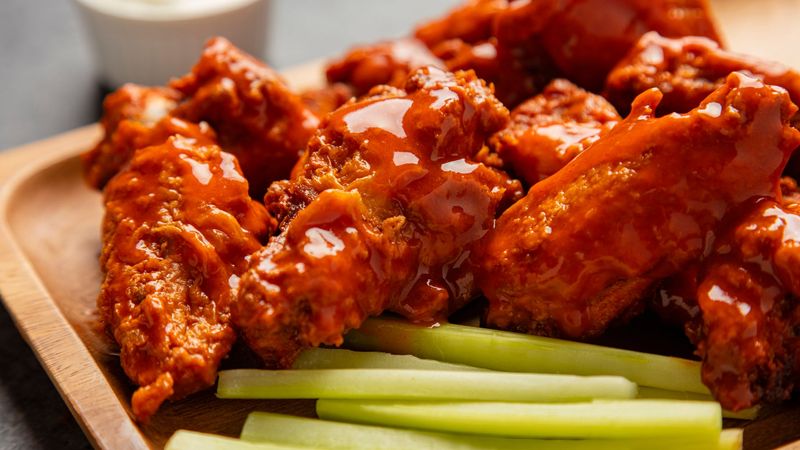
That fiery burn may feel thrilling, but it often leaves your esophagus and stomach irritated. Capsaicin can delay gastric emptying and aggravate reflux if you are prone to heartburn.
You might enjoy the heat in the moment, then deal with chest discomfort hours later.
Doctors often pass on ultra-spicy wings because repeated irritation adds up. If you still want them, keep portions tiny and avoid eating late at night.
Pair with nonfat dairy to soften the blow and skip alcohol, which amplifies the burn.
2. Deep-fried onion blossoms
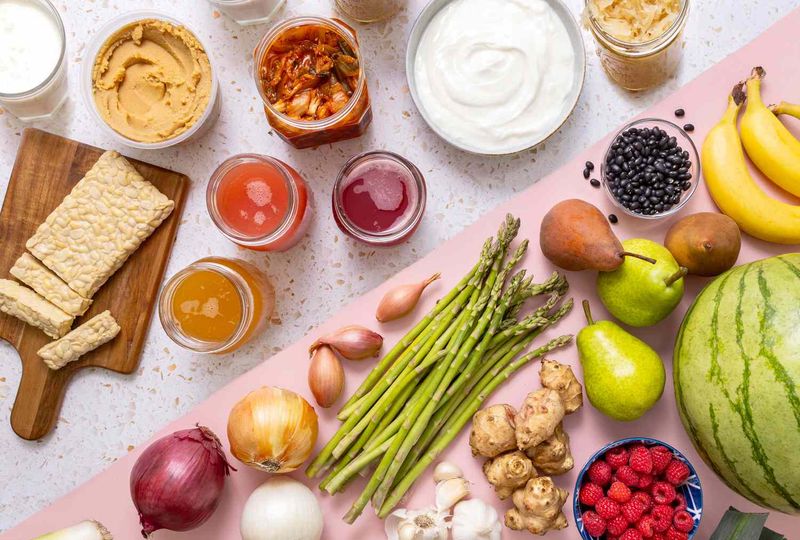
Deep-fried onion blossoms combine a massive surface area with heavy oil absorption, creating a gut bomb. The batter is often loaded with refined flour and salt, which can trigger water retention and discomfort.
The onions themselves can cause gas, especially in sensitive guts.
Doctors avoid this dish because the fat and onion combo slows digestion and can worsen reflux. If you love the flavor, try baking lightly breaded onion petals instead.
Dip them in a yogurt-based sauce for brightness without the grease overload.
3. Extra-hot chili oil noodles
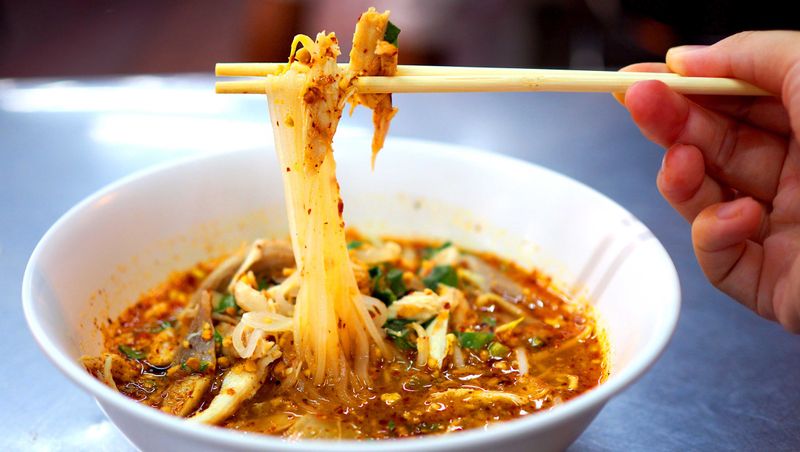
Chili oil drenches noodles in capsaicin plus concentrated fat, a double whammy for reflux-prone folks. The slick coating can linger in your stomach and slow motility.
Add garlic and onion, and you have a trifecta of potential triggers.
Gastro doctors typically skip this dish, especially at night. If you crave the flavor, use a teaspoon of chili crisp instead of a ladle, and add steamed greens to lighten the bowl.
Choose thinner noodles and stop eating when comfortably satisfied.
4. Processed hot dogs
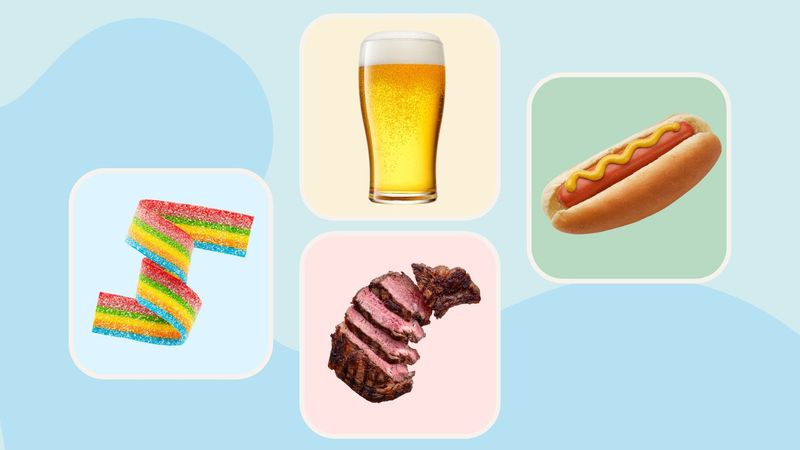
Hot dogs pack processed meat, nitrates, and emulsified fats that are tough on digestion. The bun often adds refined flour, and toppings pile on salt and acidic condiments.
That combo may inflame sensitive guts and exacerbate reflux.
Doctors steer clear because routine intake links to higher colorectal risk. If a cookout calls your name, choose a lean turkey sausage without nitrates and add mustard sparingly.
Load up on fiber-rich sides like bean salad to help balance the meal.
5. Super-sized milkshakes

Giant milkshakes cram lactose, saturated fat, and sugar into one frosty glass. For many, that means bloating, cramps, and reflux after the last sip.
The cold temperature can also slow digestion and mask fullness cues.
Gastro doctors usually avoid the jumbo size entirely. If you want the treat, split a small shake with a friend or choose lactose-free milk.
Add a spoon of cocoa instead of candy mix-ins, and sip slowly to notice when your body has had enough.
6. Energy drinks

Energy drinks pack high caffeine, carbonation, and acids that can irritate your stomach lining. They often include sugar alcohols or artificial sweeteners that cause gas and diarrhea in sensitive people.
That jittery rush rarely feels kind to your gut.
Doctors skip them because steady hydration beats spiky stimulation. If you need a lift, try a small coffee with food or green tea.
Pair caffeine with protein and fiber so your stomach is not swimming in acid.
7. Greasy breakfast burritos
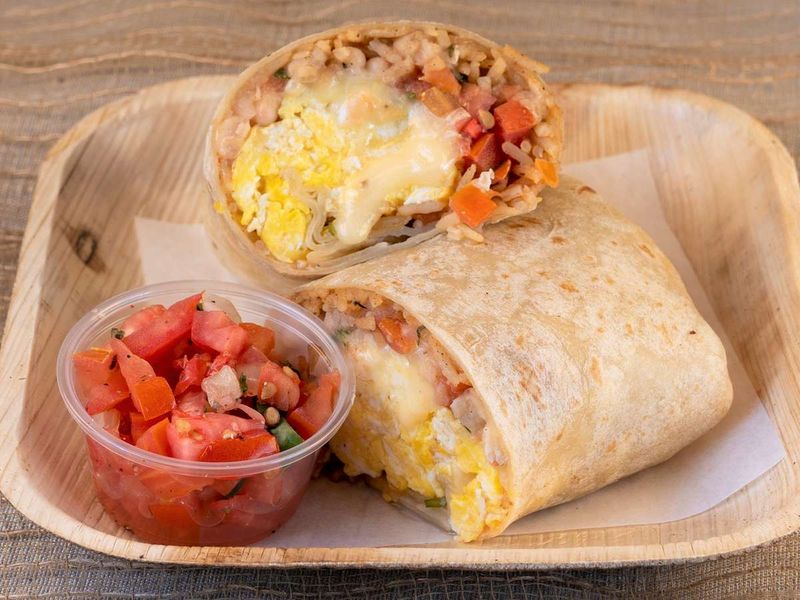
A heavy burrito stuffed with bacon, sausage, cheese, and potatoes can sit like a brick. Grease delays gastric emptying and fuels reflux, especially if you rush out the door afterward.
Add spicy salsa, and the morning can turn uncomfortable fast.
Doctors often avoid these, choosing lighter starts to stabilize the day. If burritos call your name, build them with egg whites, black beans, spinach, and avocado.
Use a smaller tortilla and keep hot sauce modest.
8. Buffalo cauliflower drenched in sauce

Cauliflower is great, but dunking it in butter-heavy hot sauce makes it a reflux trigger. The cruciferous base can create gas, and the sauce piles on fat and spice.
That combination often leads to bloating and burning after the game.
Doctors usually pass and prefer roasted florets with olive oil and herbs. If you want the Buffalo flavor, use a lighter yogurt-based sauce and go easy on the spice.
Keep portions small and pair with a crunchy salad.
9. Double cheeseburgers
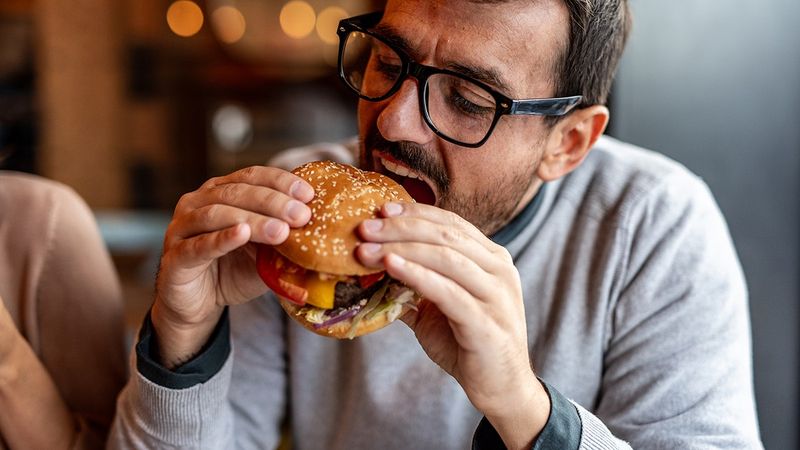
Two patties plus cheese stack up saturated fat, which slows digestion and increases reflux risk. The bun adds refined carbs, and toppings like onions or pickles may irritate.
That towering bite often feels satisfying now, uncomfortable later.
Doctors avoid the double and choose leaner, simpler builds. If you are craving a burger, order a single patty, skip the extra cheese, and add lettuce and tomato.
Consider a whole grain bun or a lettuce wrap to lighten the load.
10. Chorizo breakfast tacos
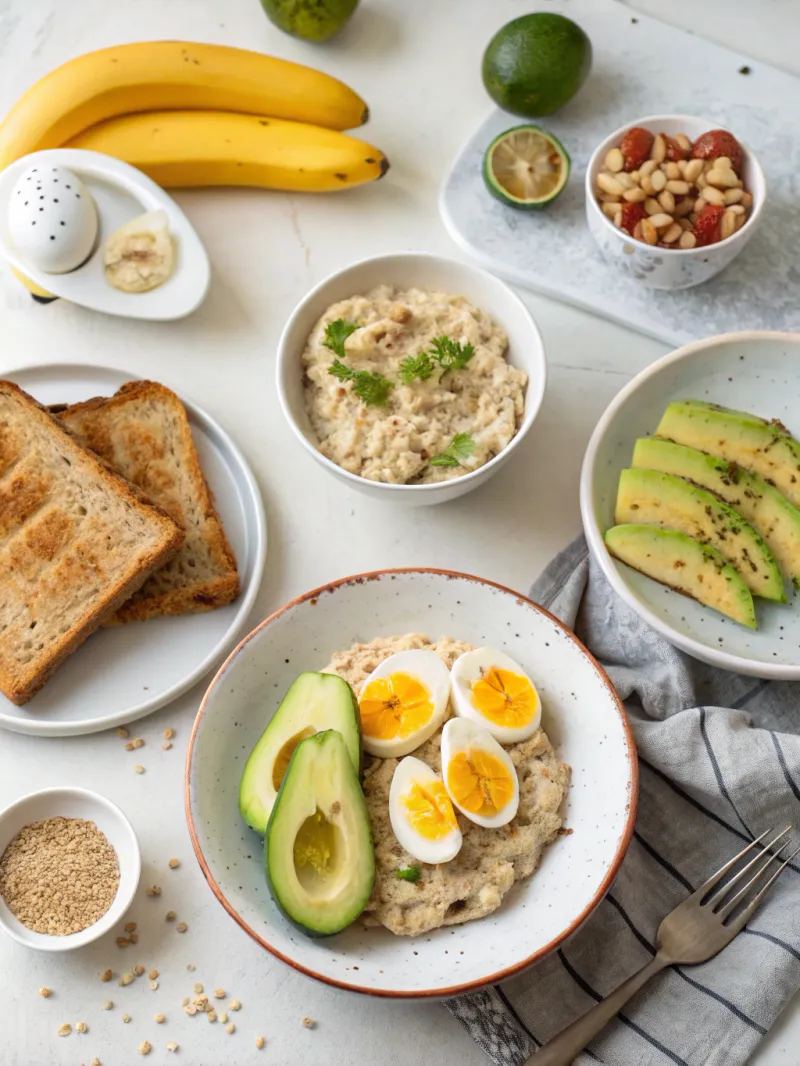
Spiced chorizo is delicious but heavy in fat and seasonings that can irritate the gut. Morning timing matters, as your stomach may be more sensitive after fasting overnight.
Grease plus spice is a classic reflux duo.
Doctors often pass on chorizo and swap in lean turkey or beans. If you still want that punchy flavor, use a small portion and add avocado for soothing fat.
Choose corn tortillas and chew slowly to help digestion.
11. Carbonated alcoholic seltzers
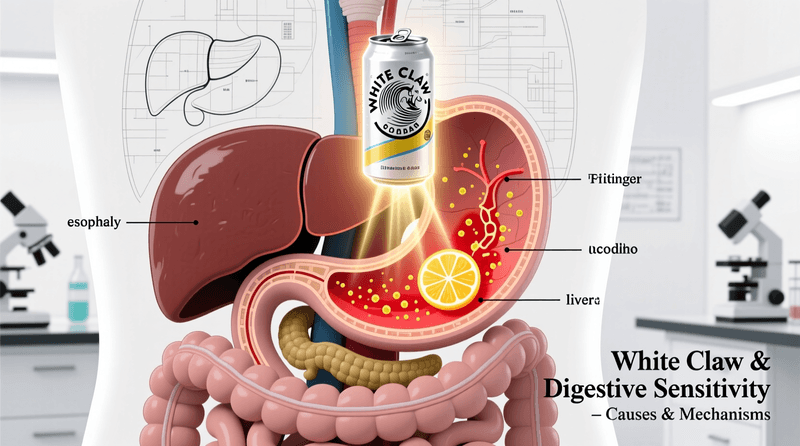
Alcohol already relaxes the lower esophageal sphincter, and bubbles push acid upward. Flavored seltzers add acidity and sometimes sweeteners that bloat.
You might feel light at first, then gassy and refluxy later.
Doctors generally avoid these if reflux is an issue. If you drink, choose still wine or a small cocktail with lots of ice and water nearby.
Keep it slow, eat with it, and stop before sleep to protect your night.
12. Garlic bread with extra butter
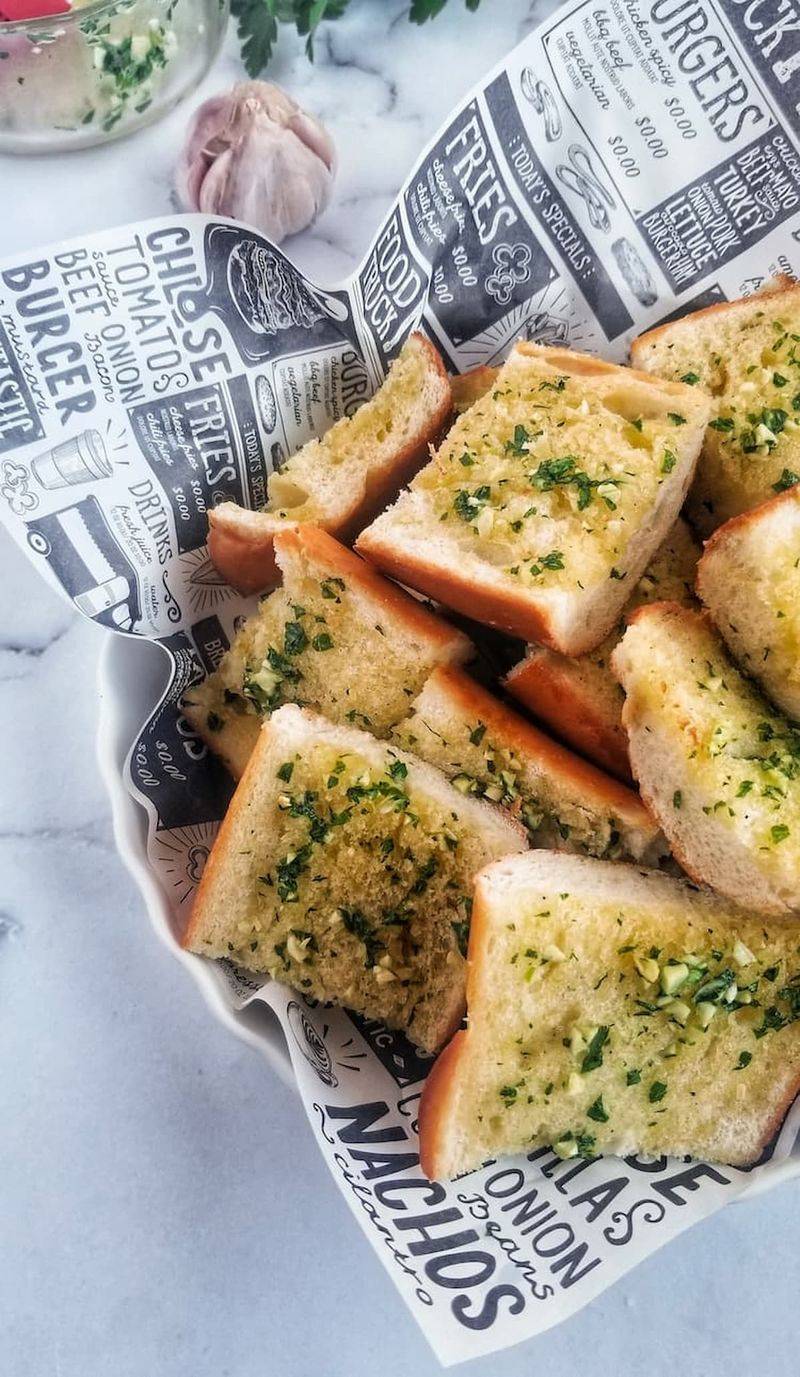
Garlic can be a FODMAP trigger for many, and butter adds heavy fat that slows digestion. Toss in white bread and you have a trifecta for bloating and heartburn.
It tastes amazing, yet the aftermath can be rough.
Doctors tend to avoid the greasy version. If you want the aroma, brush sourdough with olive oil and rub with roasted garlic for a gentler touch.
Keep slices small and enjoy alongside a salad to balance things out.
13. Pepperoni pizza late at night

Late-night pizza layers fat, spice, and acid right before lying down. Pepperoni increases grease and triggers reflux, while tomato sauce is naturally acidic.
Gravity is not on your side when you sleep after slices.
Doctors skip this habit because timing is as important as ingredients. If pizza is happening, choose veggie toppings, light cheese, and have it earlier.
Give yourself several hours before bed and drink water, not soda.
14. Barbecue burnt ends
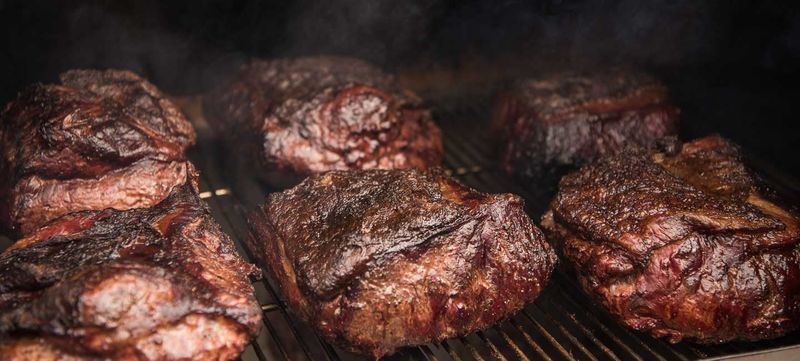
Burnt ends are smoky, fatty, and sometimes charred, which can irritate the gut and add potentially harmful compounds. The sweetness in BBQ sauce adds sugar that ferments easily.
Heavy portions often mean regret later.
Doctors usually pass or keep portions tiny. If you want barbecue, choose lean smoked turkey or chicken with a vinegar-based sauce.
Add slaw with a light dressing for fiber and crunch without the grease.
15. Cheese-stuffed jalapeños

Spicy peppers plus molten cheese make a tasty but risky combo for reflux. The capsaicin irritates, while high-fat dairy lingers.
Breaded versions add fried oil to the mix, compounding discomfort.
Doctors often avoid these at parties. If they are calling, bake them with a thin smear of light cream cheese and top with herbs.
Enjoy one or two, then shift to veggie sticks or grilled shrimp to keep your stomach happy.
16. Loaded nachos with extra cheese
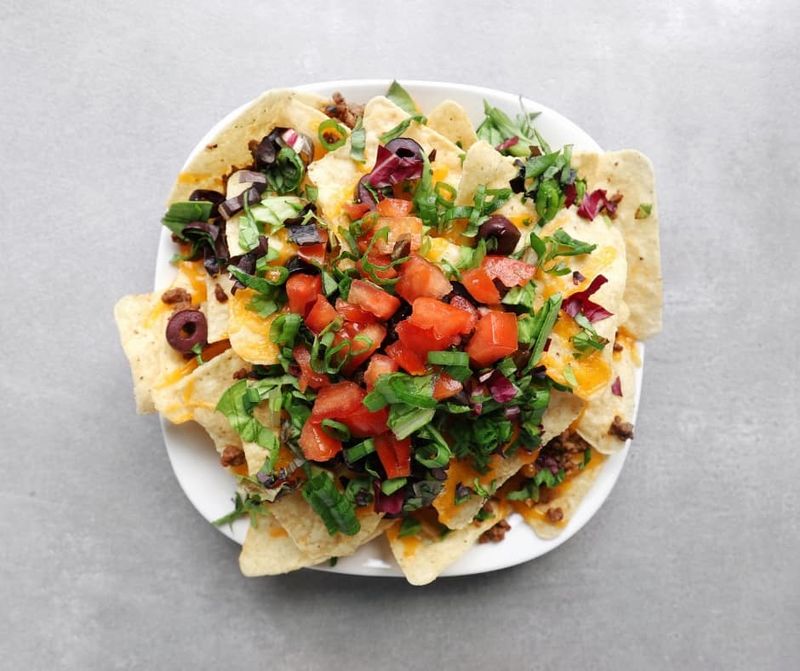
Layers of melted cheese, sour cream, and greasy meat turn chips into a heavy gut challenge. Beans can be great but, in this context, they pile onto fullness and gas.
The result is often bloating and sluggish digestion.
Doctors typically say no or split a small plate. If you want nachos, build them with grilled chicken, pico de gallo, and a sprinkle of cheese.
Bake, do not fry, and add plenty of fresh toppings for balance.
17. Sugary breakfast cereals
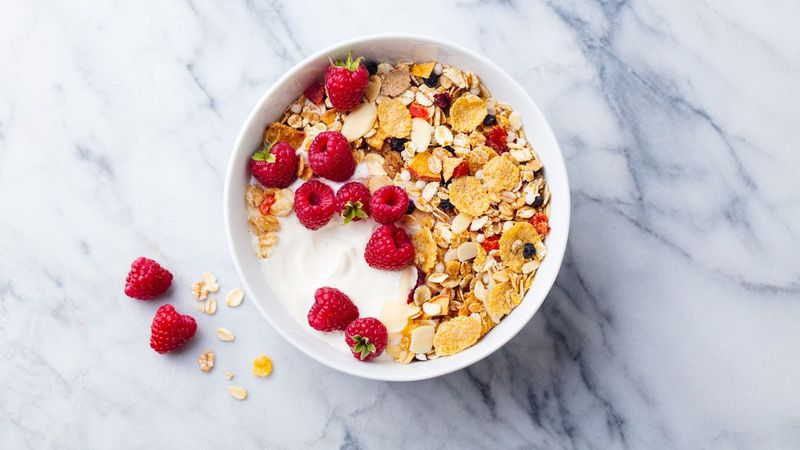
Sweet cereals give you a quick glucose spike without steadying fiber or protein. That rollercoaster can irritate a sensitive gut and trigger cravings.
Many also include additives that some people find bloating.
Doctors skip the sugary bowl. If cereal comforts you, choose a high-fiber, low-sugar option and add lactose-free milk or yogurt.
Sprinkle nuts and berries for texture and a calmer morning digestion.
18. Canned chili with meat
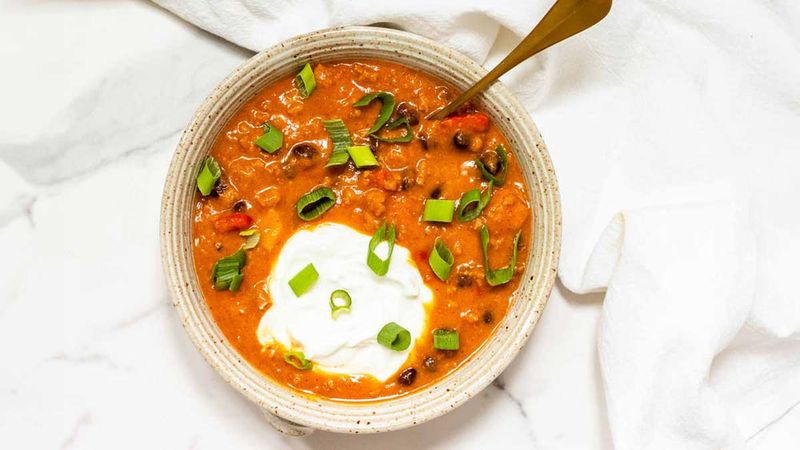
Canned chili often carries excess sodium, saturated fat, and onions that spark gas. The thick texture can sit heavily and fuel reflux, especially without fiber-rich sides.
Add cheese, and it becomes a long afternoon for your stomach.
Doctors usually avoid or make homemade versions. If you buy canned, choose a lean, low-sodium bean chili and lighten it with steamed vegetables.
Serve over brown rice and watch your portion size.
19. Artificially sweetened diet sodas
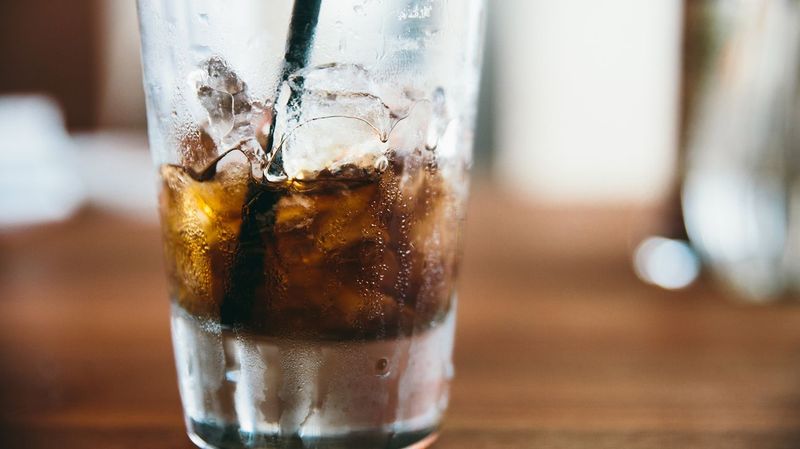
Diet sodas combine carbonation, acidity, and sweeteners that ferment in some guts. Bloating and gas are common complaints, even though calories are low.
The fizz can also worsen reflux by increasing pressure.
Doctors often avoid these and recommend water, tea, or infused still water. If soda is a must, keep it occasional and sip slowly with food.
Notice how your body reacts and adjust accordingly.
20. Super-garlicky hummus

Hummus can be gut-friendly, but heavy raw garlic pushes it into trigger territory. Some people react to tahini and lemon acidity too.
Dip after dip, you might notice bloating or burning.
Doctors tend to avoid over-garlicked versions. Choose roasted garlic for a milder flavor and keep portions small.
Scoop with cucumber or carrot sticks instead of chips for a gentler snack.