20 Foods That Didn’t Originate Where Many Assume
Think you know where your favorite dishes were born? The truth is, food passports get stamped more than you might guess, crossing borders, swapping ingredients, and reinventing traditions along the way.
Some staples feel so native to a place that the real origin story gets blurred. Let’s set the record straight and explore twenty classics that took surprising routes to fame.
1. Croissant
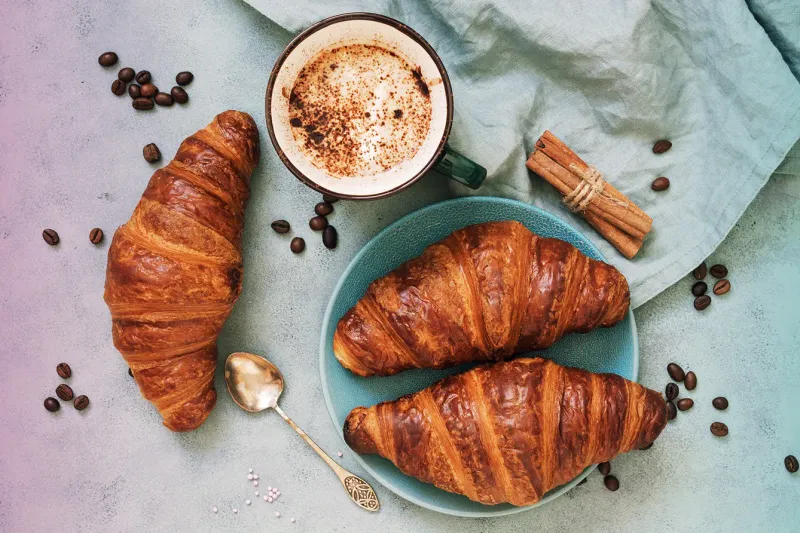
You probably picture Paris when you tear into a croissant, but its roots curl back to Vienna’s kipferl. Austrian bakers brought techniques that France later refined into today’s shatteringly flaky layers.
That transformation turned a simple crescent into a national breakfast icon.
What you taste is history laminated in butter, technique, and time. The French perfected the method, yet the spark began in Austria.
Next time you butter one, you are holding a story that started elsewhere, then found a new accent and home.
2. Danish pastry
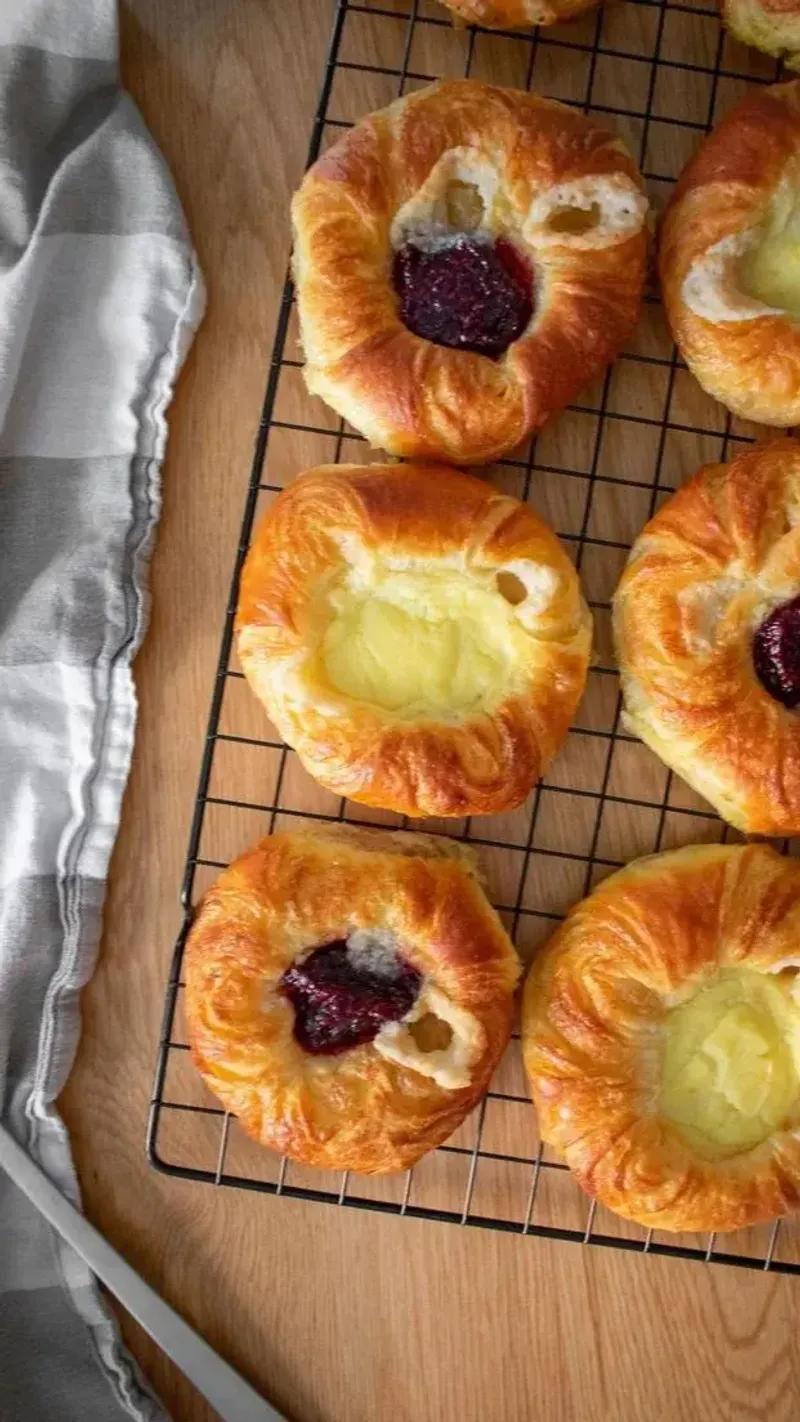
Despite the name, the Danish has a passport stamped in Austria before setting up shop in Copenhagen. Austrian bakers influenced techniques that Danes embraced and adapted, creating the beloved custard and fruit-topped spirals you know.
Layers, lamination, and butter speak a shared language.
When you bite into that glossy, flaky swirl, you taste a cross-border collaboration. Denmark popularized the style, but the blueprint arrived earlier.
It is a sweet reminder that food identities migrate, evolve, and then settle into new places that claim them fiercely.
3. French fries
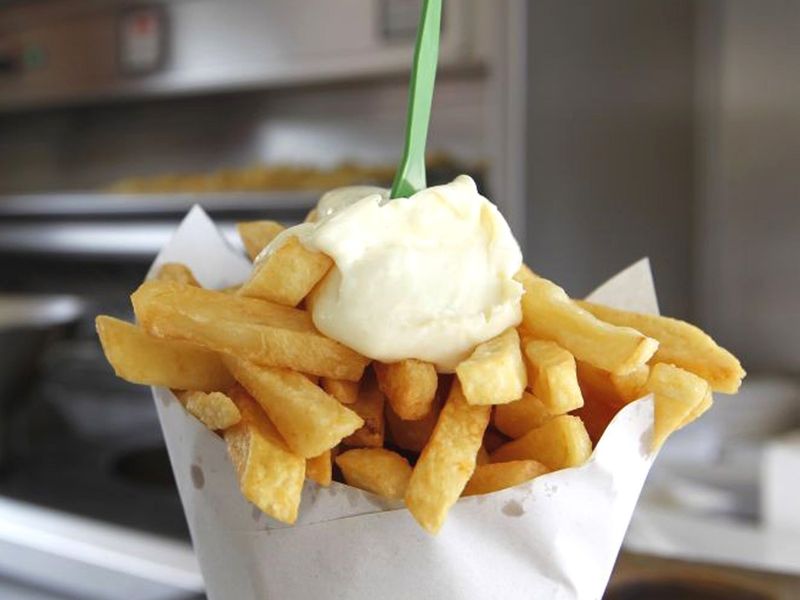
Fries scream French in the name, yet Belgium often claims the crunchy crown. Street friteries, double frying, and creamy sauces built a culture around potatoes cut just right.
Debates rage, but the Belgian connection has serious roots and tradition to back it up.
When you dunk a fry into mayo, you are tasting a ritual born from that scene. Call them frites if you like.
Either way, their journey shows how naming can bend reality while flavor stays stubbornly honest.
4. Caesar salad
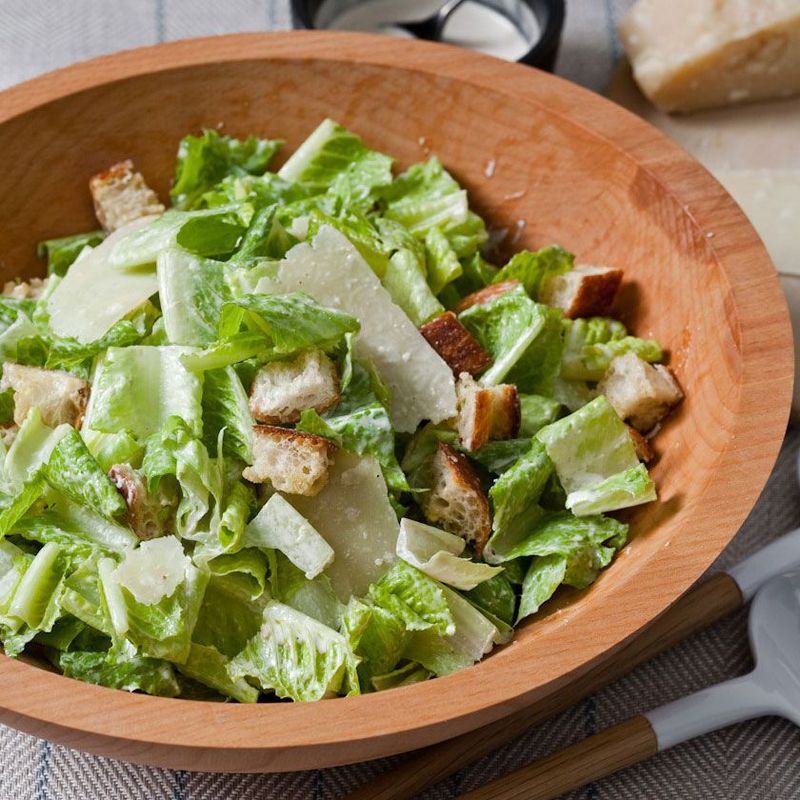
Italy gets the credit too often, but Caesar salad debuted in Tijuana. Chef Caesar Cardini crafted a dramatic tableside toss that won hearts and headlines.
Anchovies, egg, and parmesan turned romaine into theater, and cross-border diners carried the legend outward.
What you fork up is Mexico’s hospitality and ingenuity dressed as continental chic. The salad is proof that glamour travels quickly when flavor and showmanship align.
Next time you see it on a menu, picture a bustling Tijuana dining room sparking a worldwide classic.
5. Chicken tikka masala
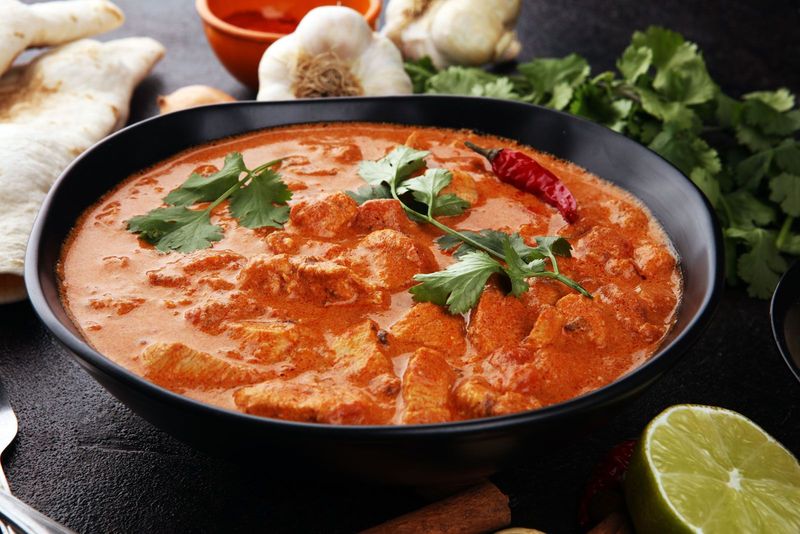
It looks like a timeless Indian curry, yet many stories trace chicken tikka masala to the United Kingdom. Grill-charred tikka met a creamy tomato gravy tailored to local tastes.
Immigrant cooks blended roots with new expectations, creating a dish that felt both familiar and novel.
When you scoop it up with naan, you taste adaptation in action. The sauce comforted British diners while nodding to South Asian spice.
That balancing act turned a restaurant invention into a national favorite far beyond its imagined borders.
6. Fortune cookies
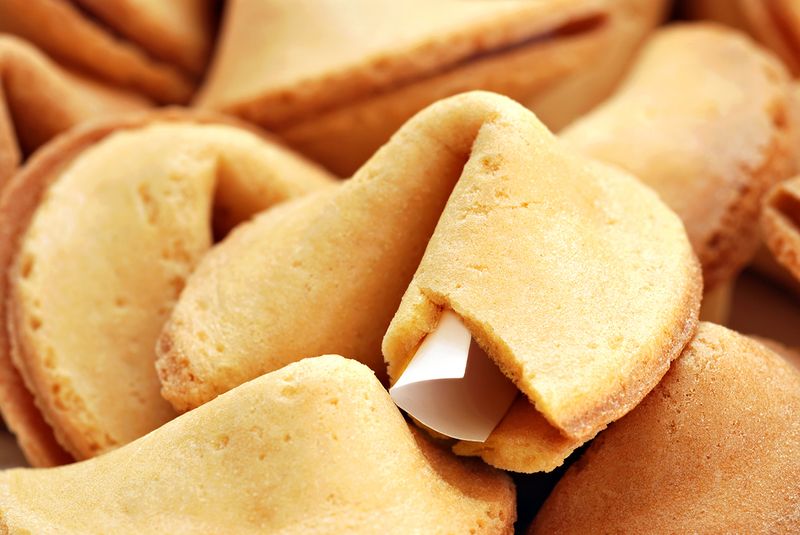
They finish many Chinese restaurant meals, but fortune cookies bloomed in the United States with Japanese American influences. Early versions echoed Japanese senbei traditions before evolving into the crisp, vanilla scented crescents you know.
The fortunes traveled further than their supposed homeland.
When you snap one open, you are hearing immigrant creativity speak in a playful voice. The slip of paper bridges cultures with a wink.
It is an American ritual wearing a loosely Chinese costume, charming anyway.
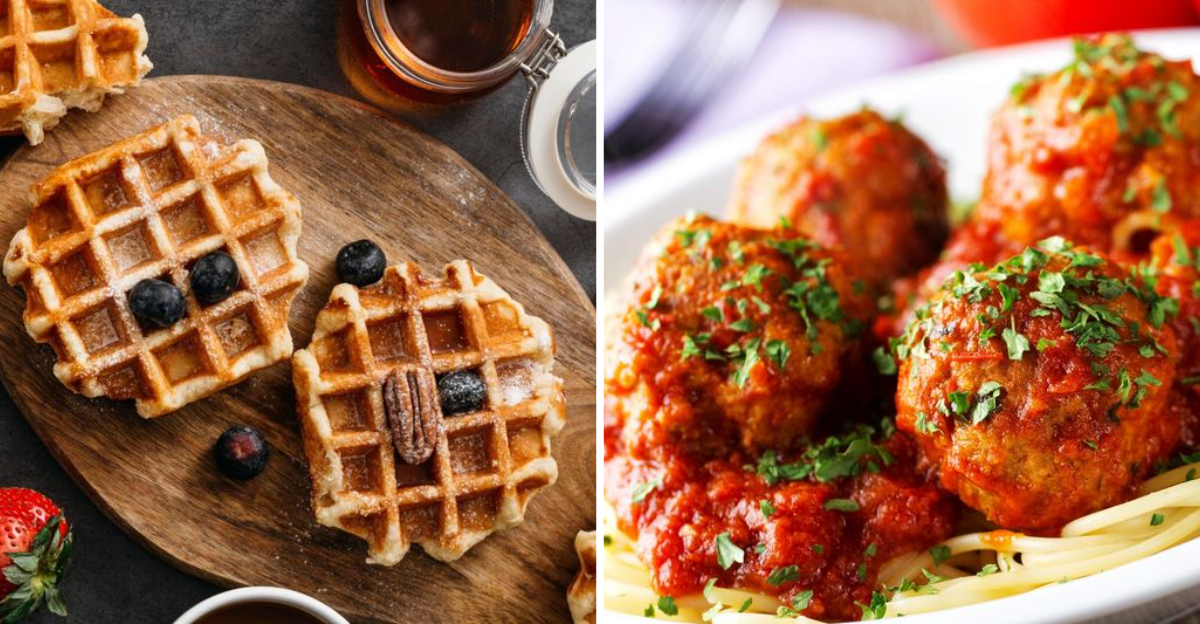
7. Spaghetti and meatballs
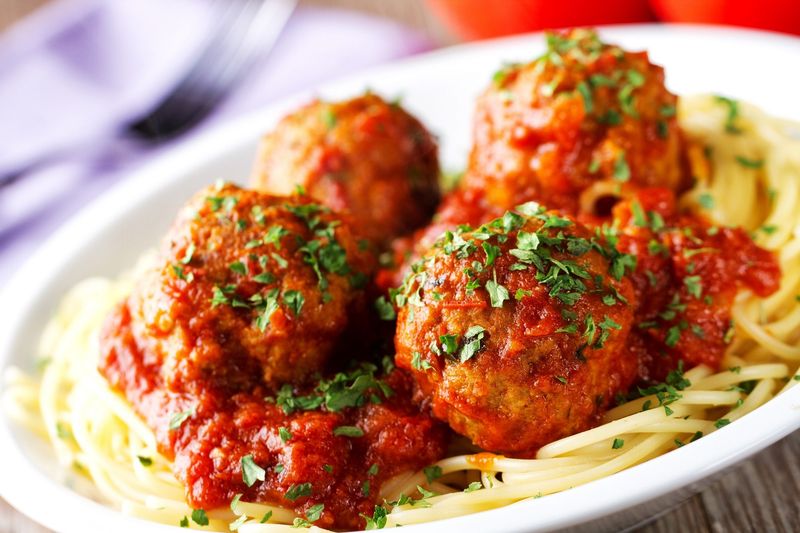
Italy gave the world pasta and polpette, but the big spaghetti and meatballs pairing rose in the United States. Immigrant cooks adapted to abundant meat and American appetites.
The result was saucy, generous, and built for family style dining.
Twirl a forkful and you are tasting a love letter to two homelands. Tomato richness, soft meatballs, and tender noodles created comfort that stuck.
It is Italian American at heart, not a direct import from Nonna’s old country kitchen.
8. Hawaiian pizza
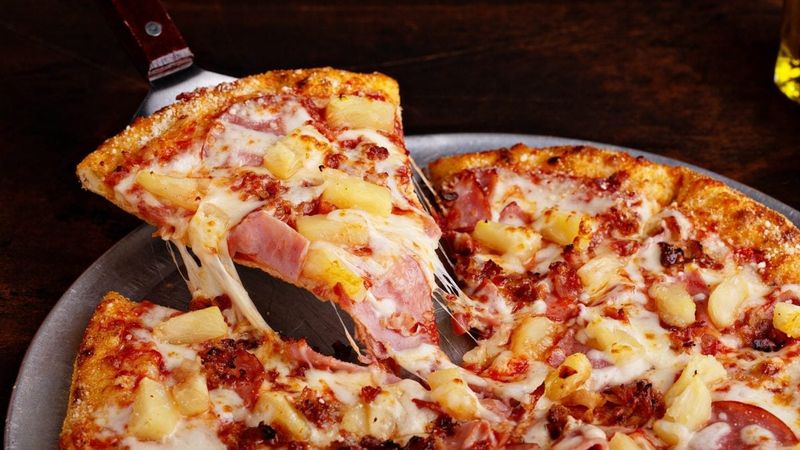
The name says islands, but the origin points to Ontario, Canada. A pizzeria owner tried canned pineapple brand named Hawaiian, and the combo stuck.
Sweet meets salty on a chewy crust, sparking endless debates that only made it more famous.
When you bite in, you are tasting a playful experiment gone mainstream. It is proudly Canadian in origin, even if the branding floats somewhere tropical.
Love it or fight it, that slice changed pizza conversations worldwide.
9. Belgian waffles (as U.S. fair food)
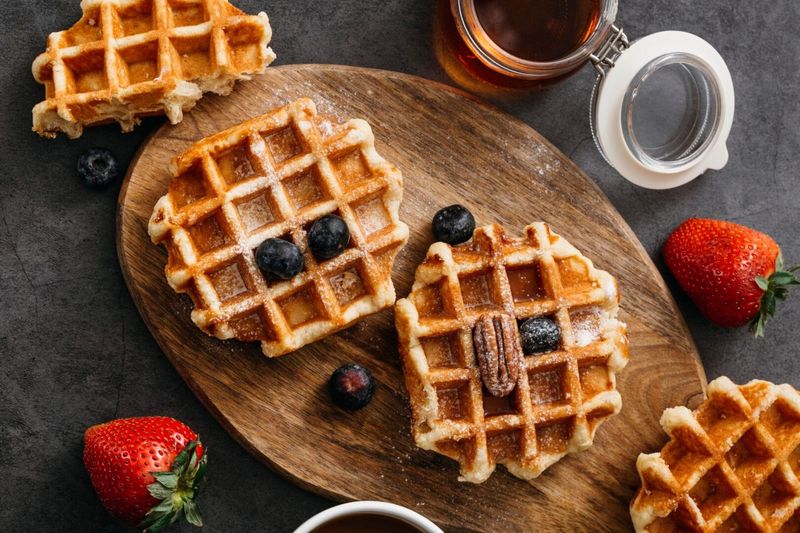
Belgium makes many waffle styles, but the American Belgian waffle craze erupted at fairs and diners. Exhibitions introduced a lighter batter and deep pockets to huge crowds.
Soon, whipped cream and syrup turned it into weekend ritual across the States.
Order one at a diner and you taste how marketing can rebrand tradition. The name stuck, even as recipes shifted from their European cousins.
It is a U.S. popularization wearing a Belgian badge for flavor flair.
10. English muffin
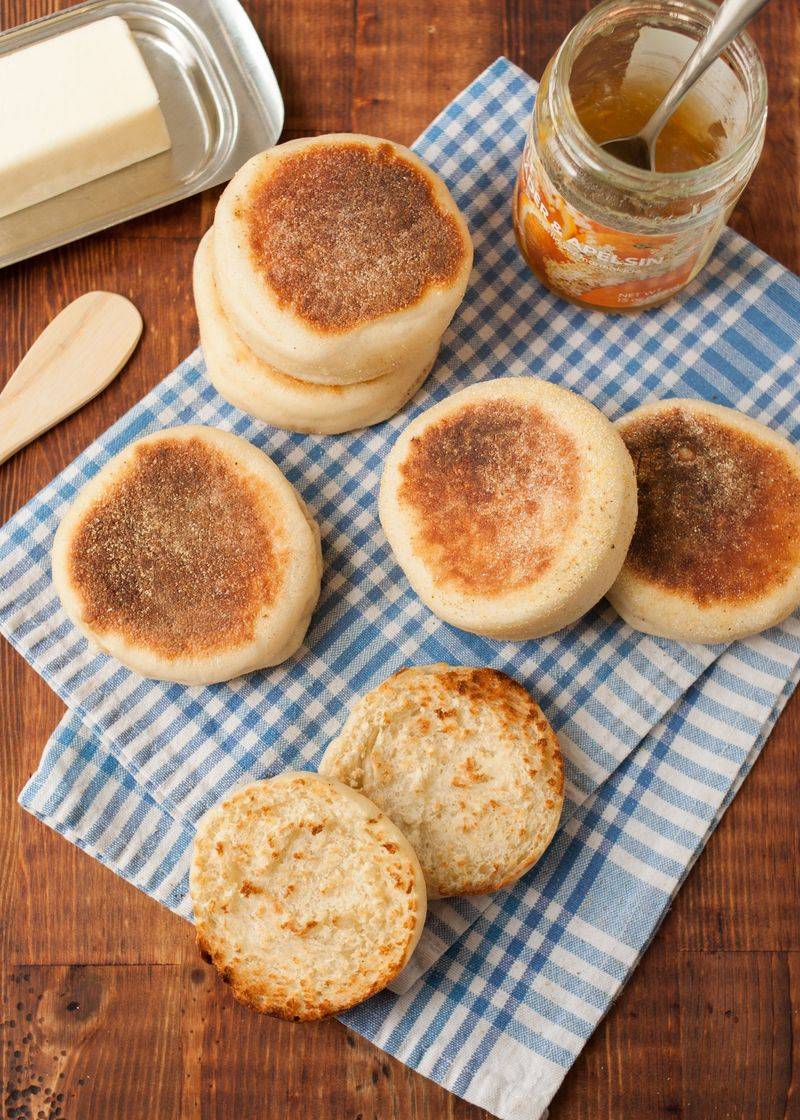
England inspired the name, but the modern supermarket English muffin took shape in the United States. Those famous nooks and crannies were engineered for toasting and butter capture.
Breakfast sandwiches and home toasters helped the style go mainstream fast.
Bite into a crisped half and you taste an American refinement borrowing British cues. The idea traveled, then became its own thing.
It is proof that a label can honor a source while pointing to a different birthplace.
11. German chocolate cake
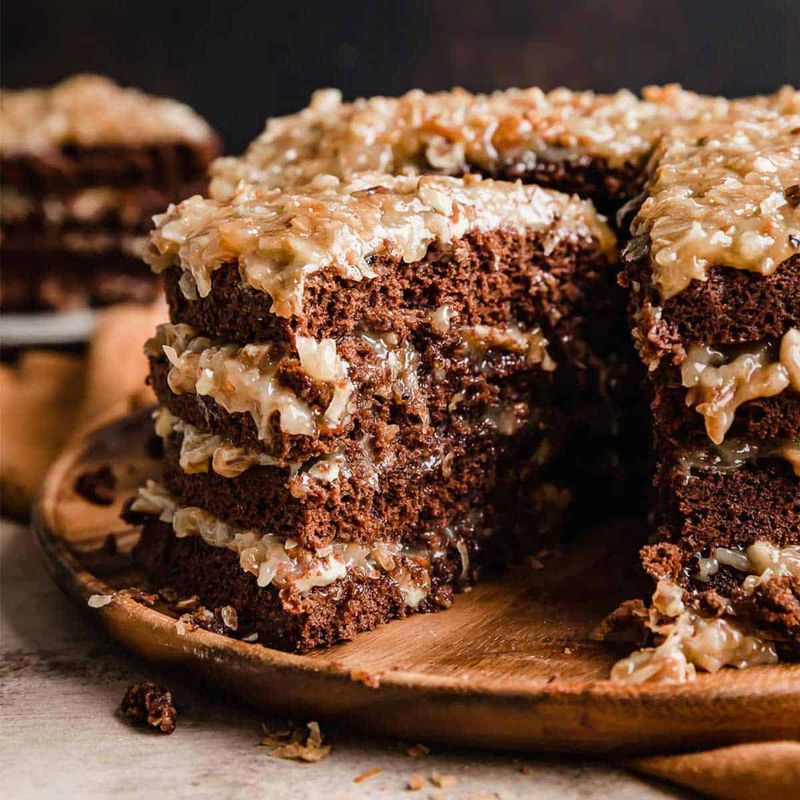
Despite its name, this cake is American, tied to a chocolatier named Samuel German. A 1950s recipe and media buzz pushed coconut pecan frosting into kitchens nationwide.
The result became a bake sale hero that few realized was not from Europe.
Fork into it and you taste nostalgia, sweetness, and clever branding. The name hints at origin, but it is really a surname turned story.
That twist keeps surprising dessert lovers today.
12. Macarons
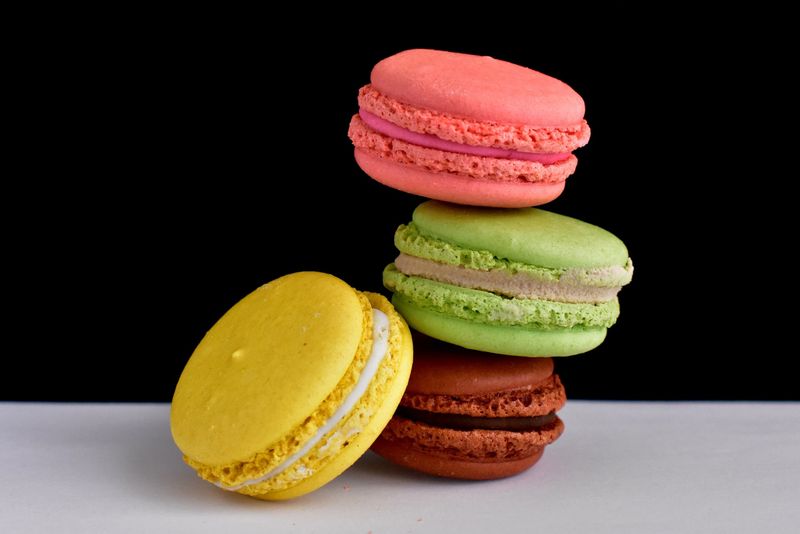
The modern Parisian macaron feels quintessentially French, yet the almond cookie idea traveled from Italy centuries ago. French pastry chefs refined it into delicate sandwich shells with silky ganache or buttercream.
Precision, almond flour, and air created a luxury bite.
When you savor that light snap then chew, you experience an Italian seed flowering in French hands. The journey shows how technique can transform a humble concept.
It is a passport stamp baked into every pastel round.
13. Tempura
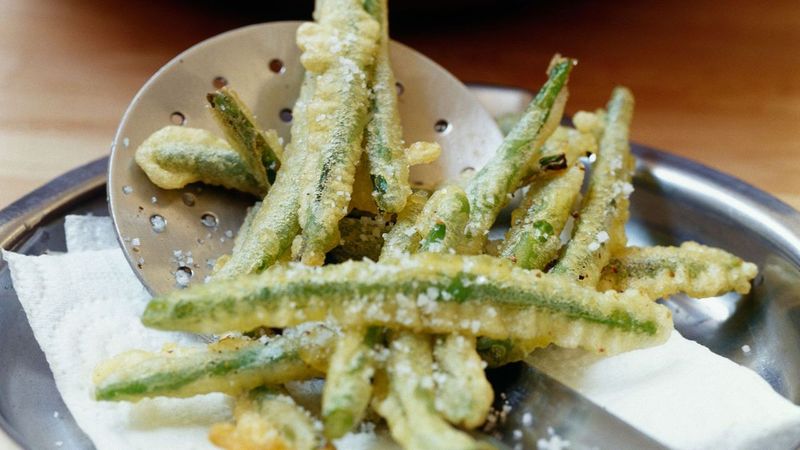
Tempura feels deeply Japanese today, but its frying approach arrived with Portuguese influences. Missionaries and traders introduced techniques that local cooks adapted beautifully.
Light batter, hot oil, and restraint turned seafood and vegetables into ethereal crunch.
Dip a piece into tentsuyu and you taste a meeting of worlds. Japan owned the idea by perfecting balance and texture.
Still, that first spark came sailing in, then blossomed into a national staple.
14. Ketchup
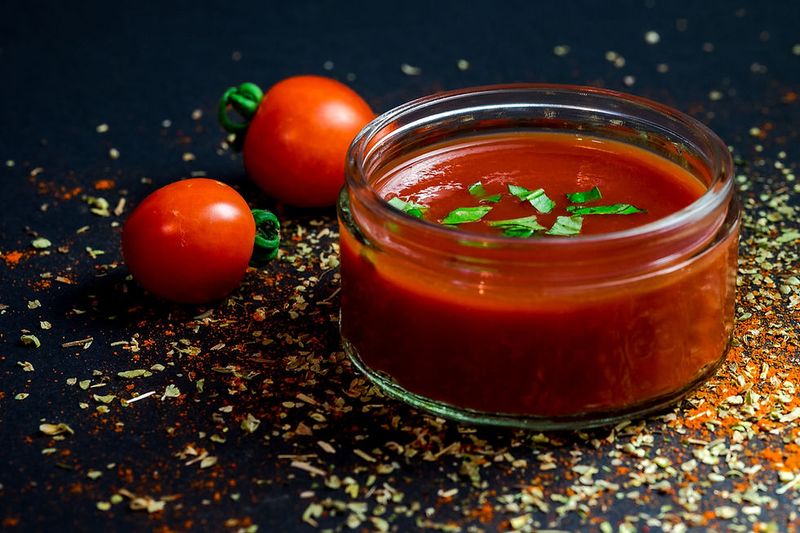
Today’s ketchup is sweet tomato comfort, but its ancestors were fermented fish or soy sauces from China and Southeast Asia. Traders carried flavors that morphed through centuries of tinkering.
Eventually, tomatoes took the lead in the West, and sugar sealed the deal.
When you swipe fries through that red gloss, you are tasting a long journey rewritten. It is a global relay, with each stop changing the recipe.
Origins and outcomes rarely look identical on the plate.
15. Bagels
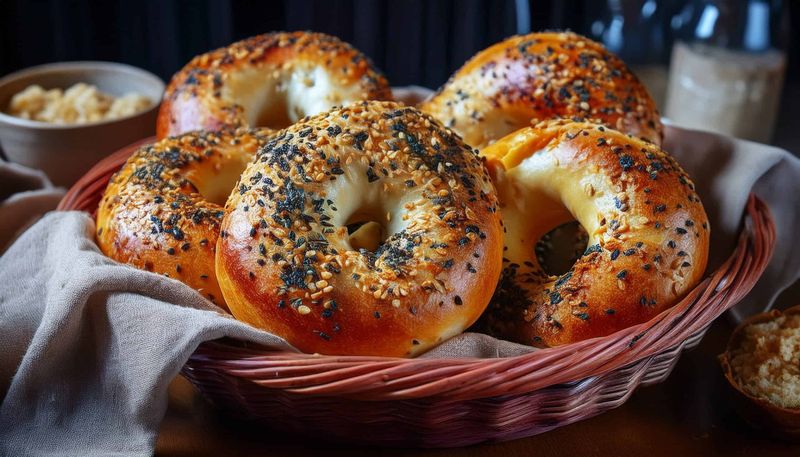
New York made bagels famous, but the style was baked in Ashkenazi Jewish communities of Poland. Immigrants brought the boil and bake ritual, then scaled it in American cities.
Chewy crumb, glossy crust, and seeds told a story of survival and craft.
When you smear on schmear, you connect with a journey across oceans. The city refined distribution and size, yet the roots remain Eastern European.
It is heritage you can hold in your hand.
16. Coleslaw
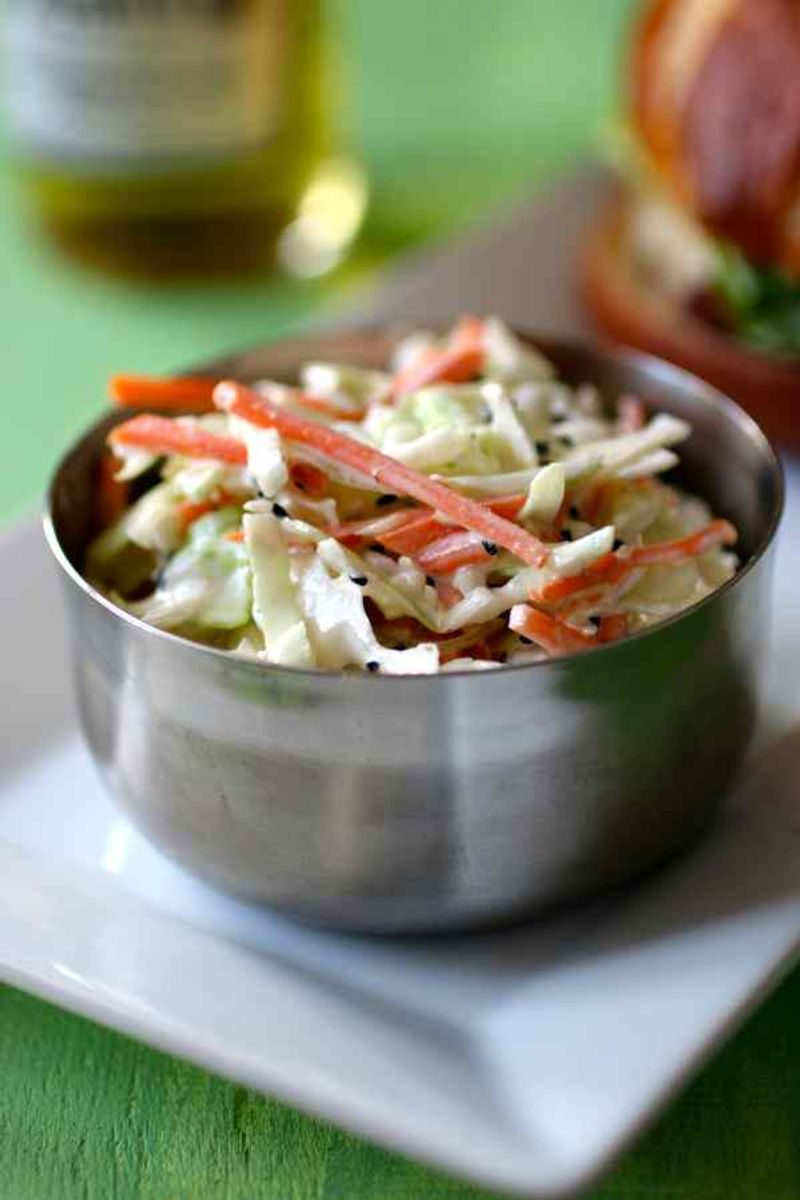
Coleslaw sounds all American, but its lineage points to Dutch koolsla. Cabbage salads thrived in cooler climates, then crossed the Atlantic with immigrants.
In the U.S., mayonnaise and sugar often joined the party, reshaping textures and expectations.
Fork through the crunch and you taste adaptation more than invention. The Dutch name lingered, even as recipes diversified into vinegar and creamy camps.
It is a side dish with a passport quietly tucked under the bowl.
17. Baked Alaska
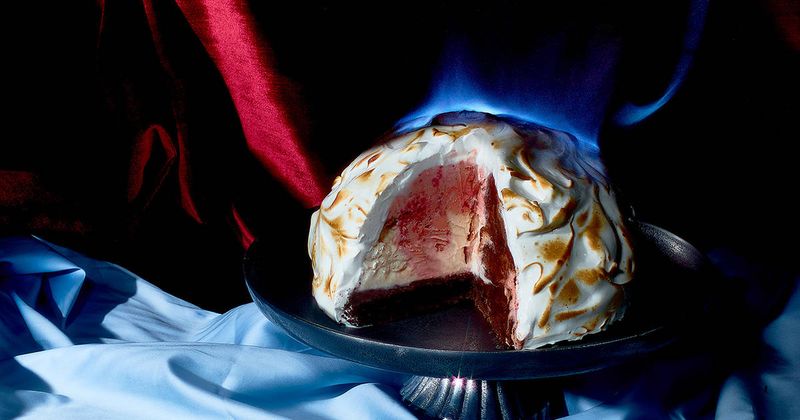
The name nods to icy grandeur, yet Baked Alaska is an American showpiece, not an Alaskan native. Chefs played with hot and cold theater, insulating ice cream under toasty meringue.
Tableside flamboyance made it unforgettable long before tourism branding kicked in.
When your spoon breaks that warm shell, the contrast sells the trick. It is culinary stagecraft, proudly domestic in origin.
The geography is marketing, but the magic is technique.
18. Russian dressing
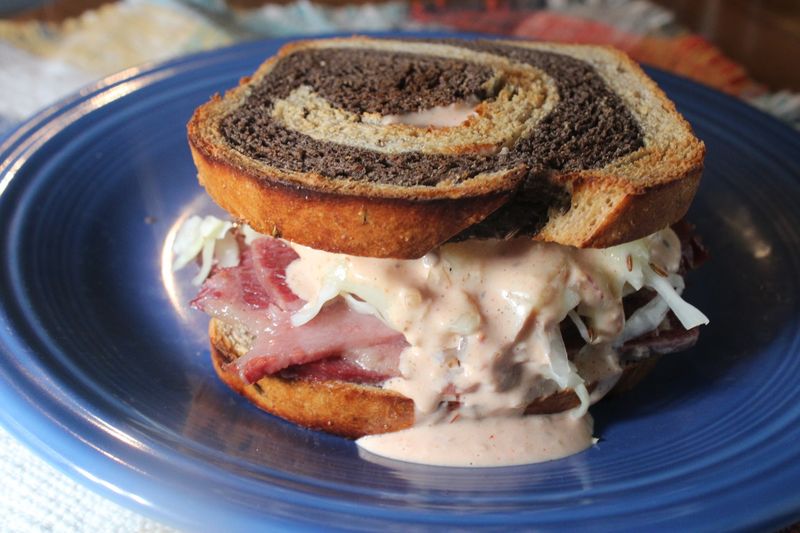
Despite the exotic name, Russian dressing is an American creation. Early recipes mixed mayonnaise, ketchup, and spice for punchy richness.
It dressed salads and stacked sandwiches with a tang that felt worldly without leaving home.
Spread it on rye and you taste a branding sleight of hand. Names can sell adventure while staying local.
This dressing proves that flavor travels fastest when it rides a good story.
19. Swiss roll
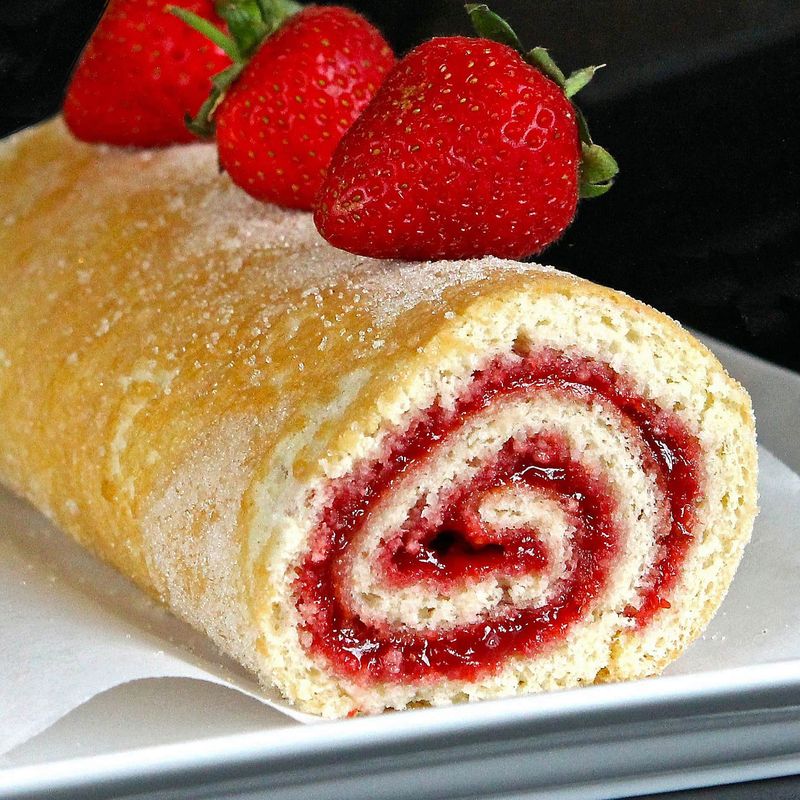
The Swiss roll’s moniker misleads. Rolled sponge cakes show up across Central Europe and the United Kingdom.
The technique is simple, portable, and endlessly fillable, which helped it spread without a single birthplace owning the credit.
Slice into that neat spiral and you see shared logic more than national claim. Bakers everywhere love efficiency that looks elegant.
The name stuck for charm, not geography.
20. Chili con carne (Texas bowl style)
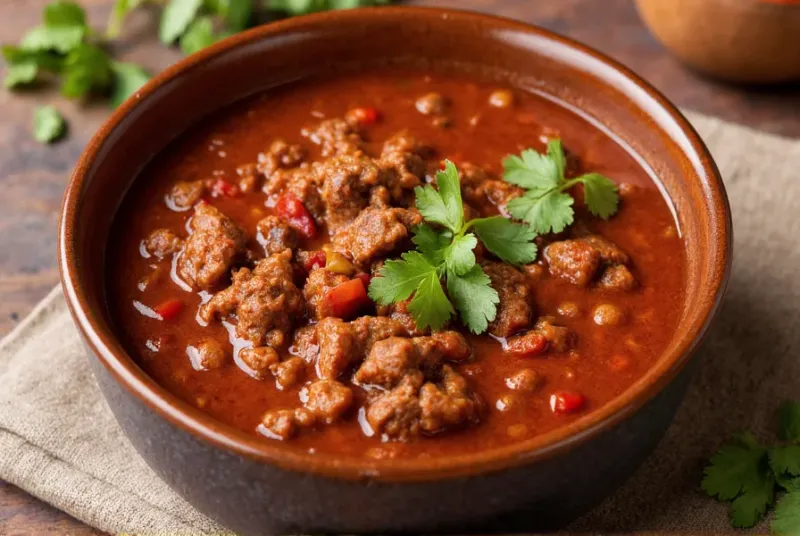
Chile and meat stews span Mexico and the borderlands, but the iconic Texas bowl style is fiercely Texan. Think beefy depth, chiles, and proud simplicity, often no beans.
Chili queens, cook offs, and roadside joints built the legend.
Spoon it up and you taste place, heat, and history simmered together. The dish honors regional exchange while owning a distinct identity.
It is border cuisine solidified into a state calling card.