20 Foods That Used To Be Loved And Are Now Often Avoided
Food nostalgia is real, but so is the quiet cringe when an old favorite hits the table. Trends change, labels get clearer, and tastes evolve, so the once-loved classics do not always hold up.
You might remember these with a smile, then hesitate when you see the ingredients list. Let’s revisit the foods that used to be everywhere and now get a lot more side-eye.
1. Margarine
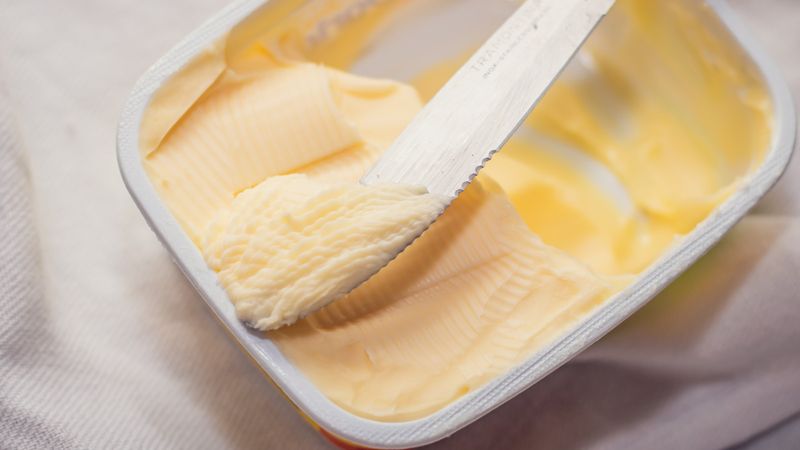
Margarine once felt like the clever choice, the tidy tub promising heart-smart simplicity. You probably spread it on toast without thinking, basking in that smooth, easy-to-spread texture.
Then research conversations shifted, and people started reading labels more closely.
Now butter’s flavor and shorter ingredient list seem appealing, even if moderation is still wise. Some choose olive oil or ghee for cooking, trading engineered spreads for simpler fats.
If you grew up on margarine, nostalgia lingers, but taste buds and priorities matured.
2. Canned Fruit Cocktail
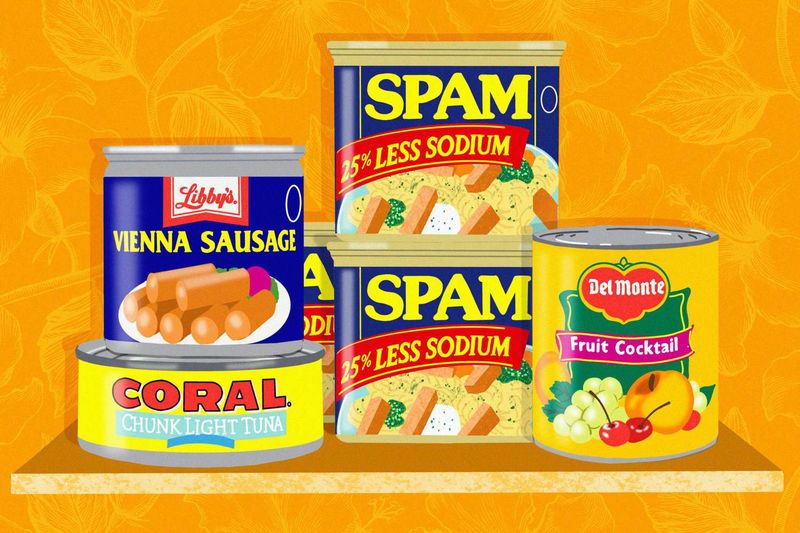
Canned fruit cocktail once dressed up lunch trays and family picnics with syrupy shine. You could count on a bright red cherry and soft peaches that tasted like dessert.
It was convenient, shelf-stable, and sweet enough to please picky eaters.
Now many people reach for fresh bowls bursting with real texture and fragrance. The syrup seems heavy, and the colors look less lively than seasonal fruit.
Still, there is a time and place for pantry security, but daily eating trends favor fresher, less sugary choices.
3. Jell-O Molds With Suspicious Mix-Ins
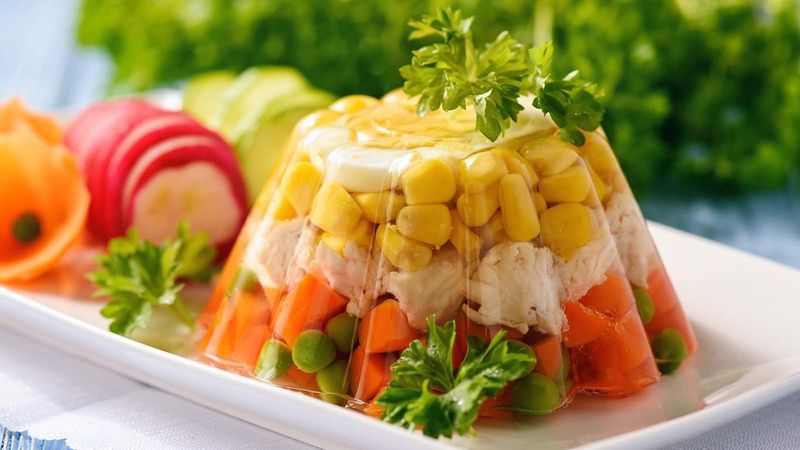
Gelatin molds used to headline parties like edible centerpieces. You would slice into shimmering towers only to find peas, olives, or tuna staring back.
It was creative, attention-grabbing, and confidently odd because trends said this was impressive hosting.
Today, that wobbly combo reads more dare than delight. Many prefer fruit-forward gels or skip gelatin entirely for bright salads.
The nostalgia is charming, but mayo and veggies parked in dessert texture create mixed messages your appetite often declines.
4. TV Dinners
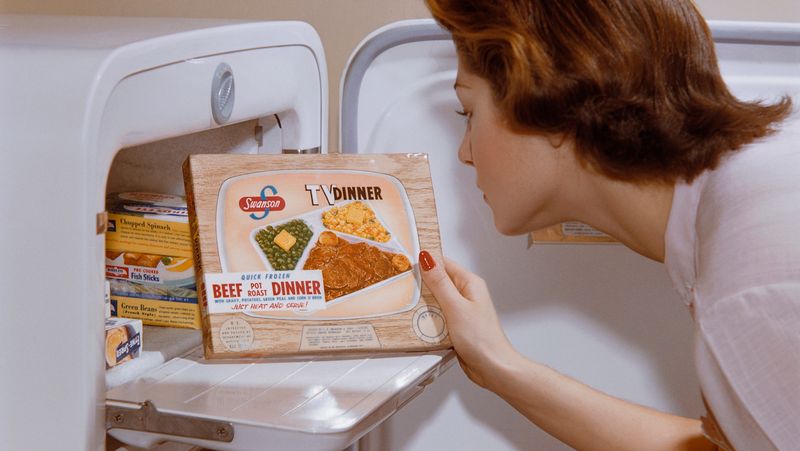
Frozen TV dinners promised the future on a foil tray, complete with dessert. You could eat on the couch, watch sitcoms, and skip dishes like a modern hero.
But convenience wore thin when flavors felt flat and sodium stacked up.
Now people lean on batch cooking, meal kits, or higher-quality frozen options. You might still keep one for emergencies, but the everyday reliance faded.
The novelty of eating neatly partitioned food does not beat fresh, colorful plates with crisp textures.
5. Diet Fat-Free Snack Packs
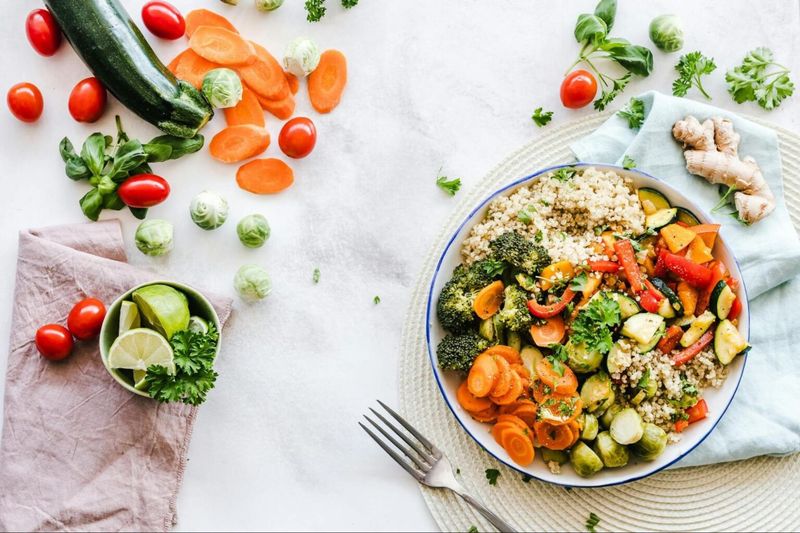
Fat-free snack packs once rode the low-fat wave like heroes. You might have believed fewer grams meant smarter choices, ignoring the sugar swap hiding inside.
They tasted fine, but fullness rarely lasted and cravings circled back quickly.
Now many shoppers choose snacks with real fat, less sugar, and shorter labels. Think nuts, yogurt, or chocolate in mindful portions that actually satisfy.
You learn that balance beats extremes, and the bright boxes no longer sell the whole story.
6. Sugary Breakfast Cereals
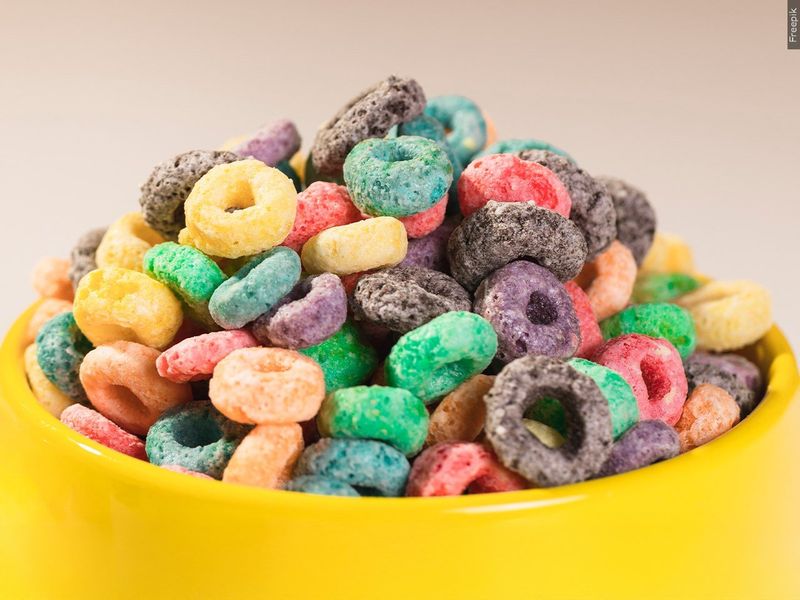
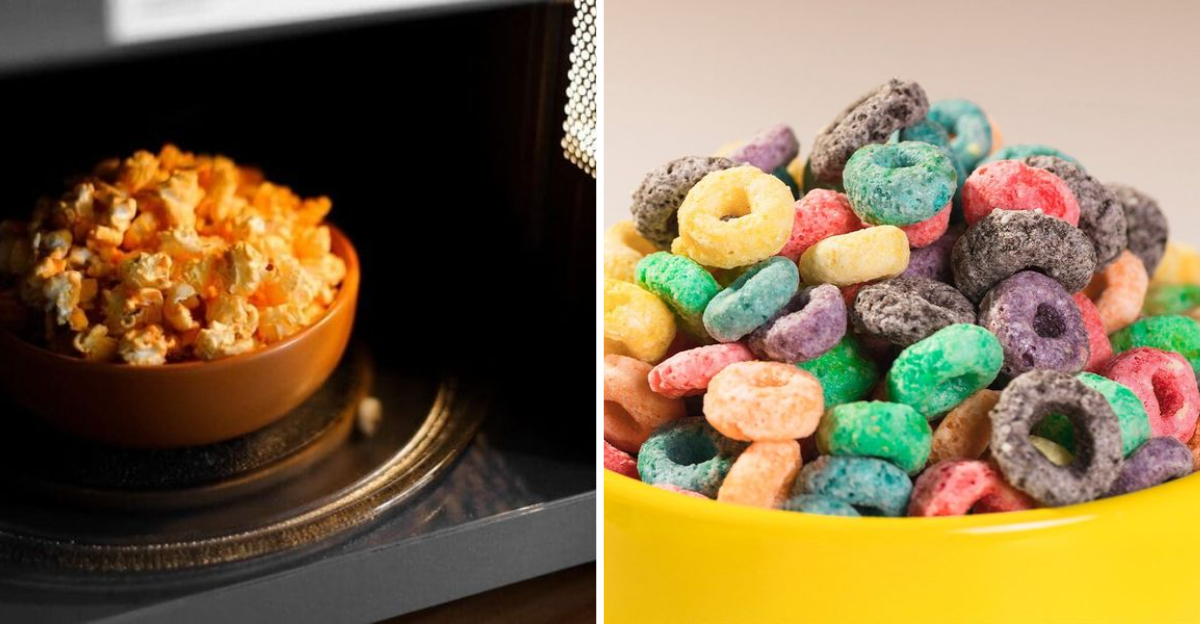
Saturday cartoons and a rainbow bowl felt perfect together. Those crunchy shapes were basically dessert disguised as breakfast, delivering quick sweetness and a cartoon smile.
As labels got clearer, you noticed sugar stacking up before the bus stop.
Now many people treat sweet cereals like occasional treats, not daily fuel. Oats, eggs, fruit, or yogurt step in with steadier energy and fewer crashes.
You can still enjoy nostalgia, just not every morning, and your focus thanks you.
7. Microwave Popcorn With Butter Flavor
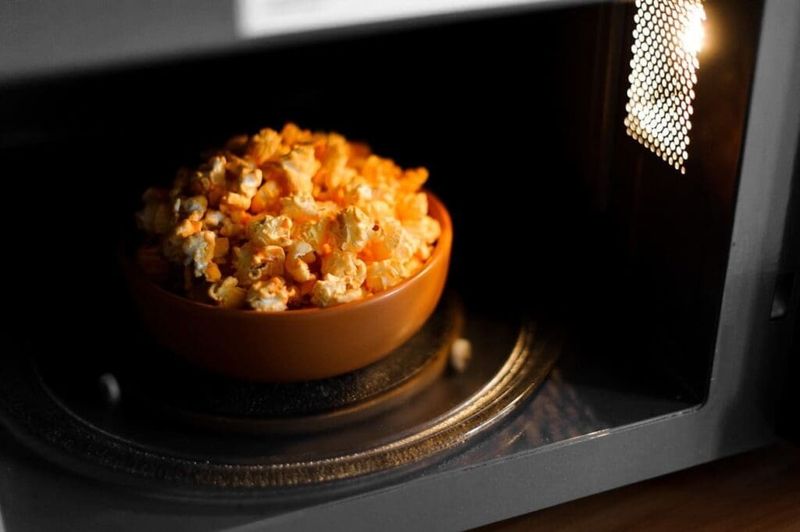
Microwave popcorn used to anchor movie night, flooding rooms with buttery aroma. Then you noticed the long ingredient lists and started eyeing stovetop or air-popped versions.
The crunch is great, but you want cleaner fats and flexible seasoning.
Now many people pop kernels with oil they trust and finish with real butter or olive oil. Nutritional yeast, smoked paprika, or simple salt keep things lively.
Convenience still matters, but those flavor packets feel less necessary and more dated than they once did.
8. Artificially Flavored Yogurt Cups
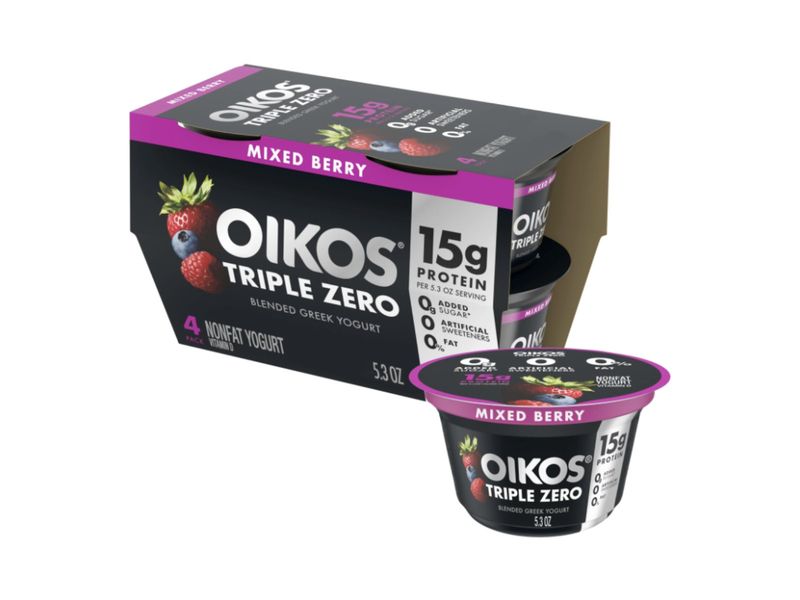
Fruit-on-the-bottom cups once felt fancy and healthy in one swoop. You stirred, watched colors swirl, and believed you were doing breakfast right.
Later, sugar counts and artificial flavors told a different story, despite the creamy texture.
Now you might choose plain yogurt, add real fruit, nuts, and a touch of honey. The tang tastes grown-up, and the sweetness lands where you want it.
Those neon flavors start to read like candy, not everyday fuel, and you move on.
9. Processed Cheese Slices
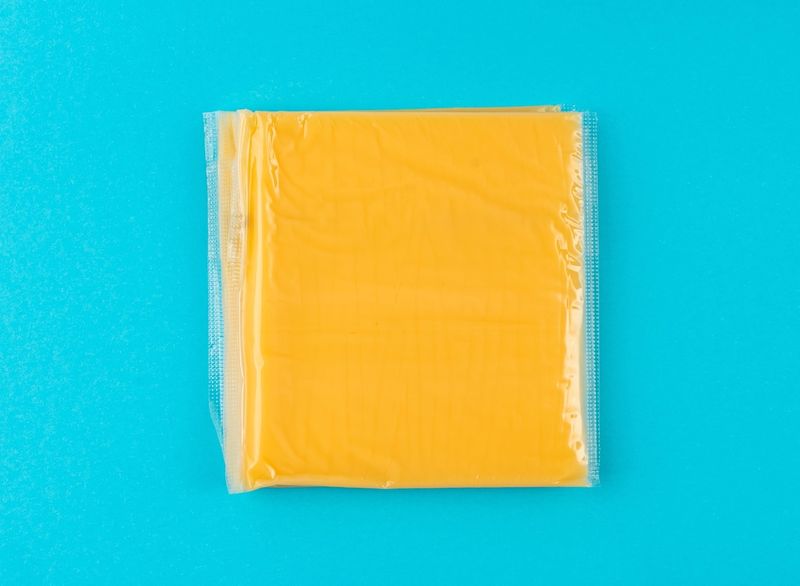
Wrapped slices melted like a dream on burgers and childhood grilled cheese. They were cheap, uniform, and endlessly stackable, which felt like kitchen superpower fuel.
But the plasticky texture and long labels started to lose their charm.
Now people reach for deli American, cheddar, or melty gouda for better flavor. You still want that ooze, just with fewer additives and more character.
The classic square is nostalgic, but the upgrade tastes unmistakably richer and more satisfying.
10. Bologna
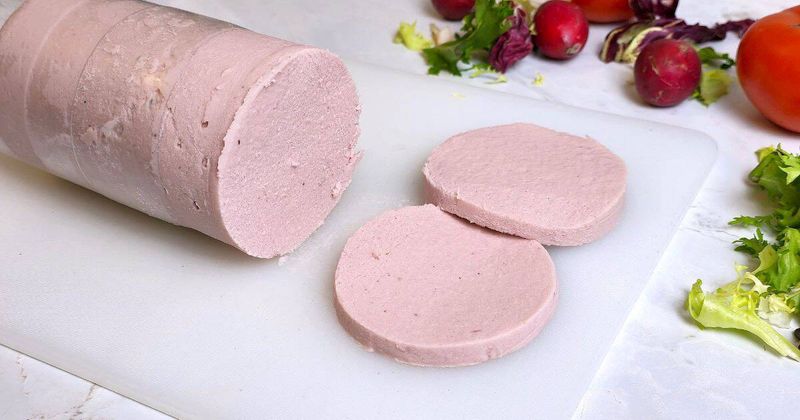
Bologna once owned lunchboxes with simple mustard and white bread. It packed protein in a kid-friendly circle and felt delightfully uncomplicated.
As tastes shifted, processed meat concerns and saltiness started standing out more.
Now a lot of people choose roasted turkey, chicken, or hummus stacked with crisp veggies. The sandwich still comforts, but fresher textures and cleaner labels win.
You remember the flavor fondly, yet you reach for options that feel better after lunch, not just during it.
11. Vienna Sausages

Vienna sausages used to ride along on camping trips and pantry shelves. They were portable protein with a soft snap and unmistakable scent.
But the texture, brine, and mystery-meat vibe started feeling less appealing over time.
Now people reach for tuna packs, jerky, or refrigerated deli options instead. Convenience still counts, but taste and texture matter more in quick snacks.
Nostalgia remains, yet the tiny links mostly appear as curiosities, not go-to bites for everyday hunger.
12. Liver And Onions
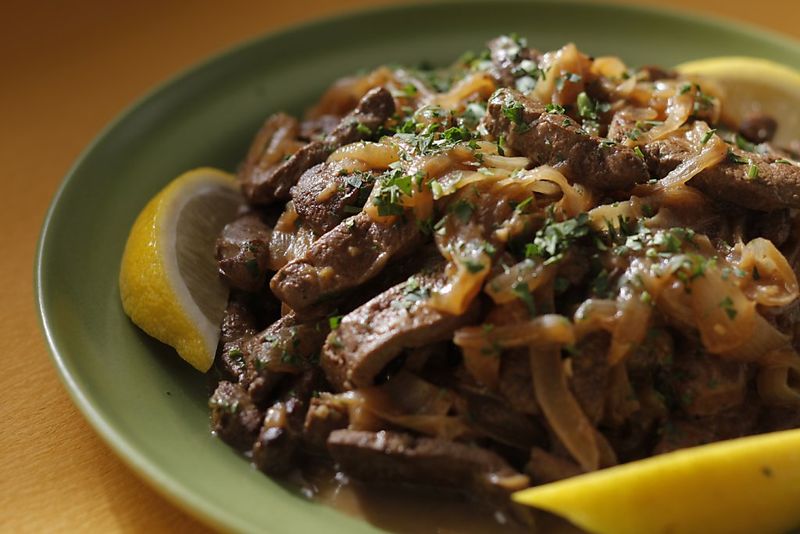
Liver and onions once anchored weeknight dinners, especially in frugal kitchens. Rich in nutrients, sure, but the metallic flavor and custardy texture challenge modern palates.
Many grew up pushing bites around the plate, negotiating extra onions.
Today people get iron and vitamins from beans, leafy greens, or lean meats they enjoy. Chefs can make liver delicious, yet it takes skill and adventurous diners.
For most home cooks, the dish feels dated, demanding, and tough to sell at the table.
13. Head Cheese
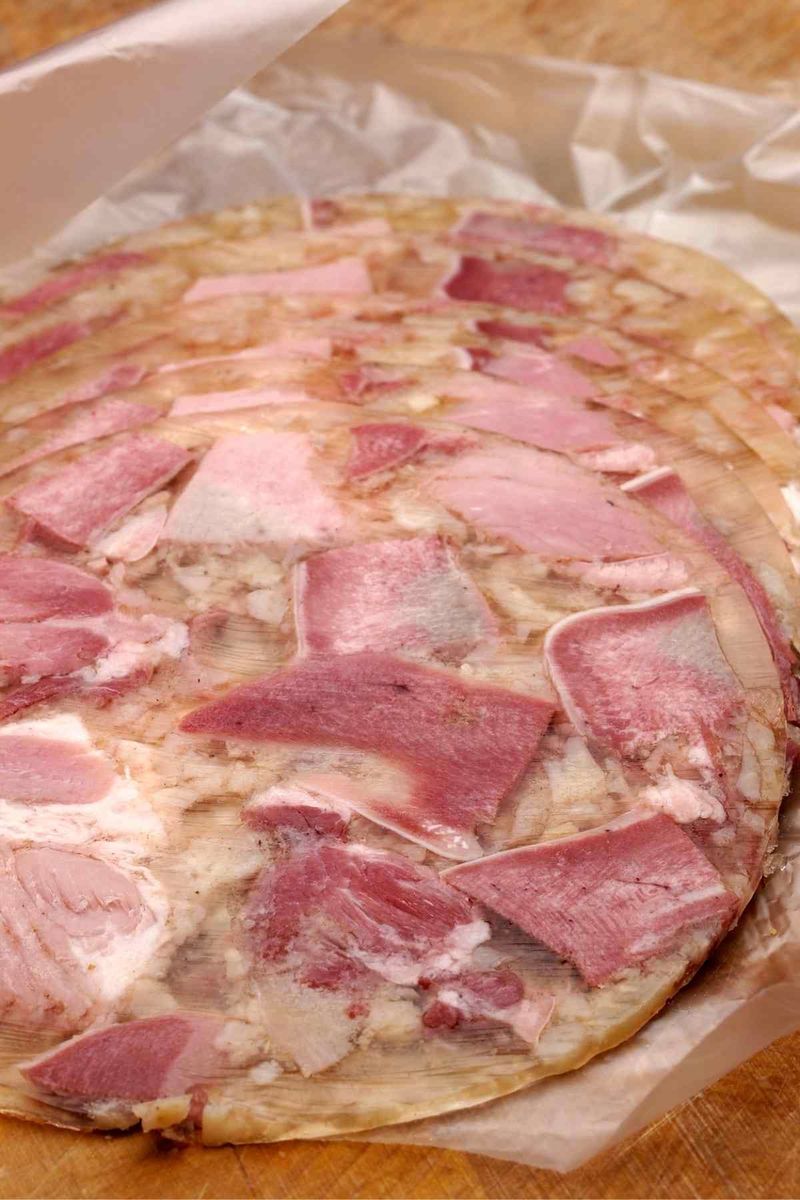
Head cheese once sat proudly at deli counters, shimmering with savory aspic. It is a clever way to use the whole animal, but the name intimidates newcomers.
The jelly-like texture and visible bits can unsettle even curious eaters.
Now charcuterie trends favor rillettes, pâté, and cured meats with friendlier branding. You respect the craft, yet admit this one is a harder sell.
In many places, it survives as a specialty, not a staple, chosen by enthusiasts rather than casual snackers.
14. Aspic
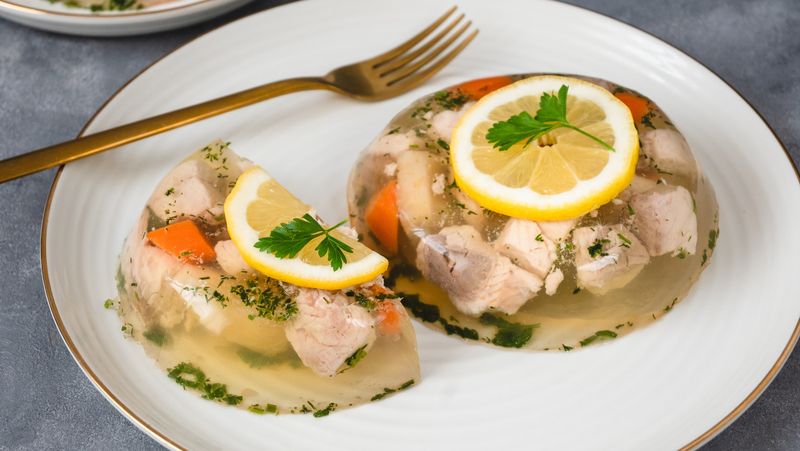
Aspic used to signal elegance, a clear, savory jewel encasing meats and vegetables. It takes skill and patience, which earned genuine culinary respect.
But the wobbly, cold texture conflicts with how many people want to eat proteins now.
Today, warm broths, crisp salads, and roasted vegetables feel more inviting. Aspic appears at historical dinners or chef-driven throwbacks rather than daily menus.
You can admire the technique while quietly choosing something less jiggly and more comforting.
15. Fruitcake
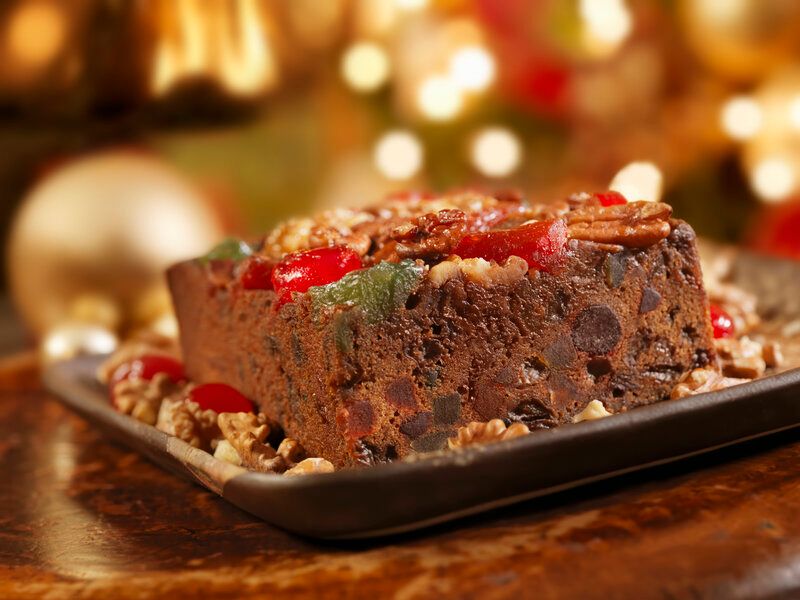
Fruitcake once ruled holiday gifting with weight and tradition. It lasts forever, travels well, and technically counts as cake.
But candied fruit, heavy spice, and boozy density can feel like homework instead of dessert.
Now many hosts bake lighter loaves, cookies, or fresh-fruit tarts that disappear fast. You might still receive a brick, smile politely, and strategize rehoming.
Nostalgia is sweet, yet modern palates chase brightness, texture, and freshness over longevity.
16. Canned Vegetables As The Default
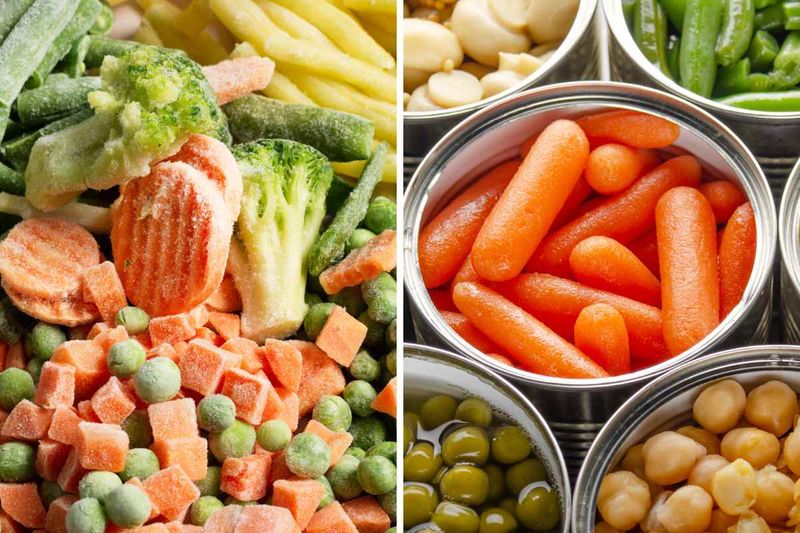
Canned vegetables once made dinner predictable and inexpensive. They kept forever and cooked fast, but sometimes tasted tinny and soft.
Over time, freezers got fuller and produce aisles widened, shifting expectations about texture and color.
Now frozen and fresh bring snap, brightness, and better nutrient retention in many cases. You still lean on cans for beans and tomatoes, but not as the only side.
Convenience remains, just with more vibrant choices on busy nights.
17. Powdered Drink Mixes
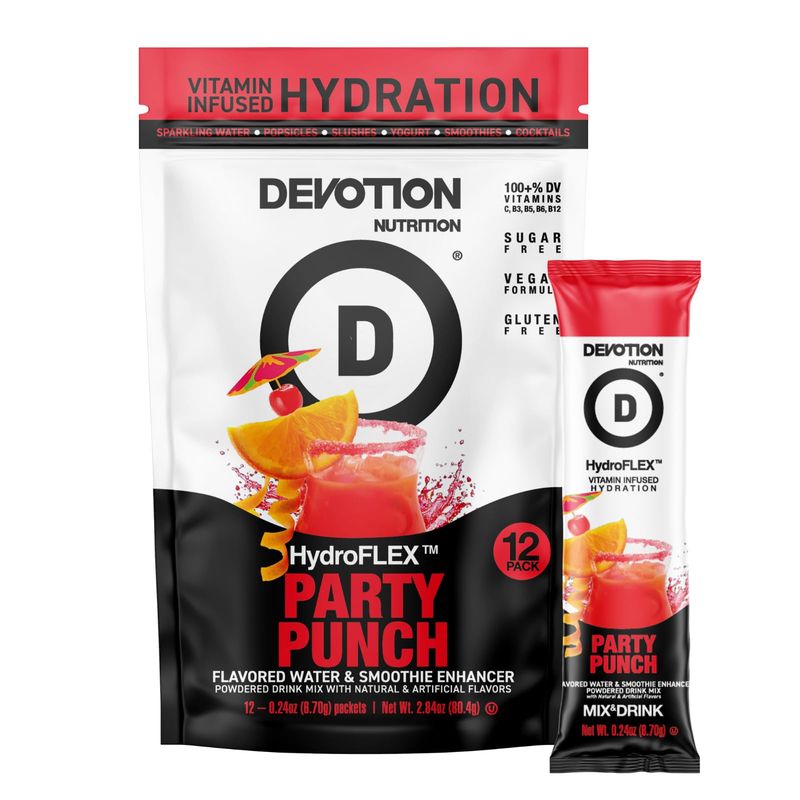
Powdered drink mixes once turned tap water into party punch in seconds. Kids loved the neon color and big flavors, and parents loved the price.
Then concerns about dyes, sugar, and mystery ingredients started echoing at the table.
Now people squeeze citrus, infuse water with fruit, or choose low-sugar concentrates. You get refreshing flavor without the technicolor aftershock.
The pitcher still shows up sometimes, but it is less default and more occasional nostalgia.
18. Sugary Coffee Creamers With Big Flavors
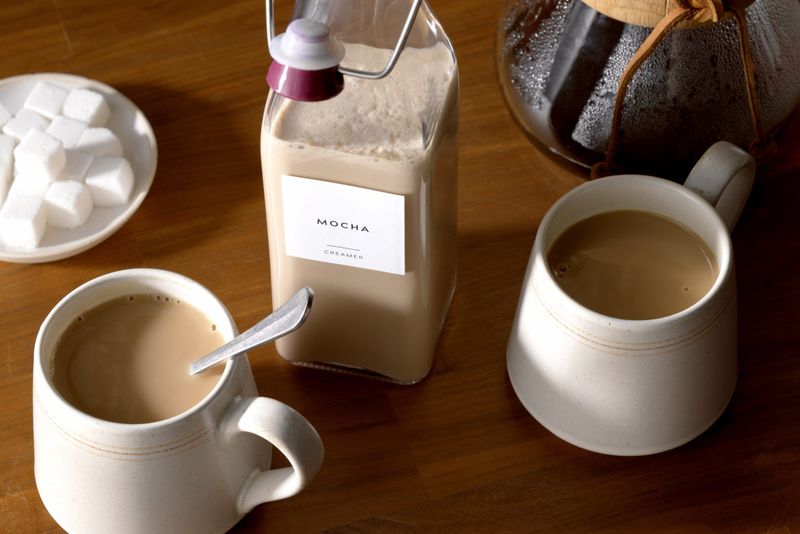
Flavored creamers once felt like a barista-in-a-bottle moment. A splash turned weekday coffee into hazelnut sundae vibes, which was thrilling at first sip.
Then you realized it was dessert energy at breakfast, with long labels to match.
Now many people use milk, half-and-half, or homemade syrups in tiny amounts. You still want cozy flavor, just not a sugar rollercoaster.
The morning cup tastes cleaner, and your energy curve thanks you by lunchtime.
19. Deep-Fried Fast-Food Desserts
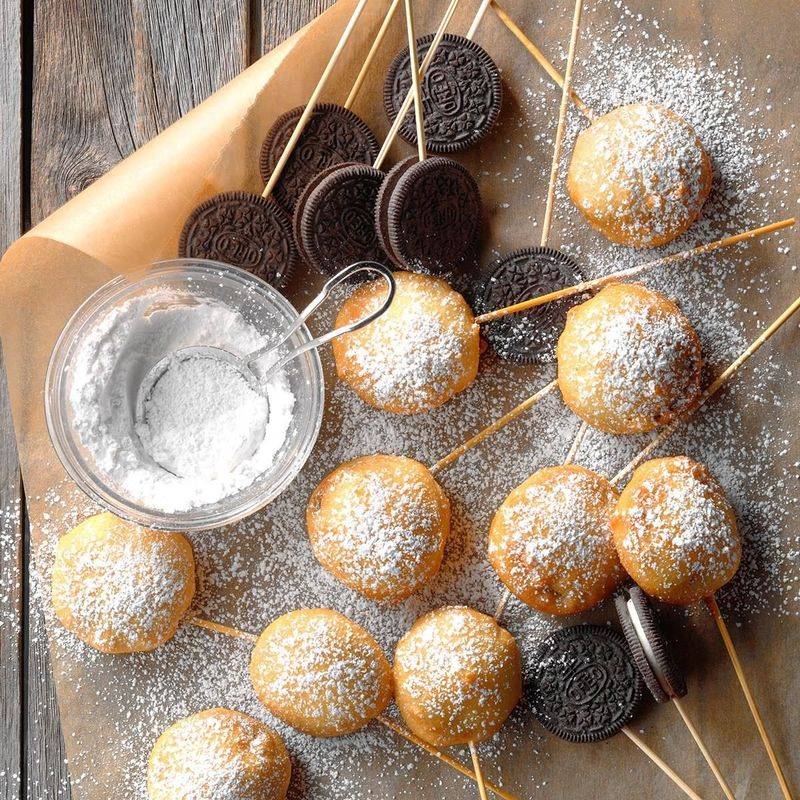
Fried pies and similar treats once screamed special occasion. Crispy crust, lava-sweet filling, and that fast grab made them irresistible.
Over time, the heaviness and oiliness outweighed the quick thrill for many diners.
Now lighter soft-serve, shakes with real fruit, or bakery-style cookies feel more satisfying. You still crave the crunch sometimes, but not the post-snack crash.
Dessert can be joyful without wearing a deep-fryer coat every time.
20. Canned Meat Loaf And Meal-In-A-Can Foods
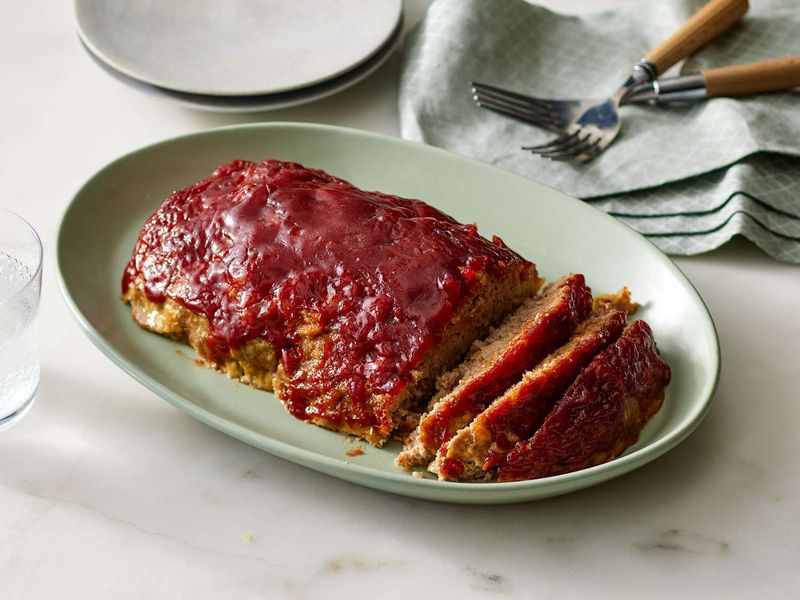
Meal-in-a-can dinners once solved emergencies and end-of-month scrambles. You popped a lid, heated, and called it comfort.
But textures can be mushy, flavors muted, and salt levels sky-high compared to homemade or quality frozen.
Now people batch cook, freeze slices, or buy better prepared options. You still appreciate shelf-stable back-ups, but not as the default.
Comfort food tastes better when it looks and feels like real dinner, not just a cylinder.