20 Foods You Should Eat Raw
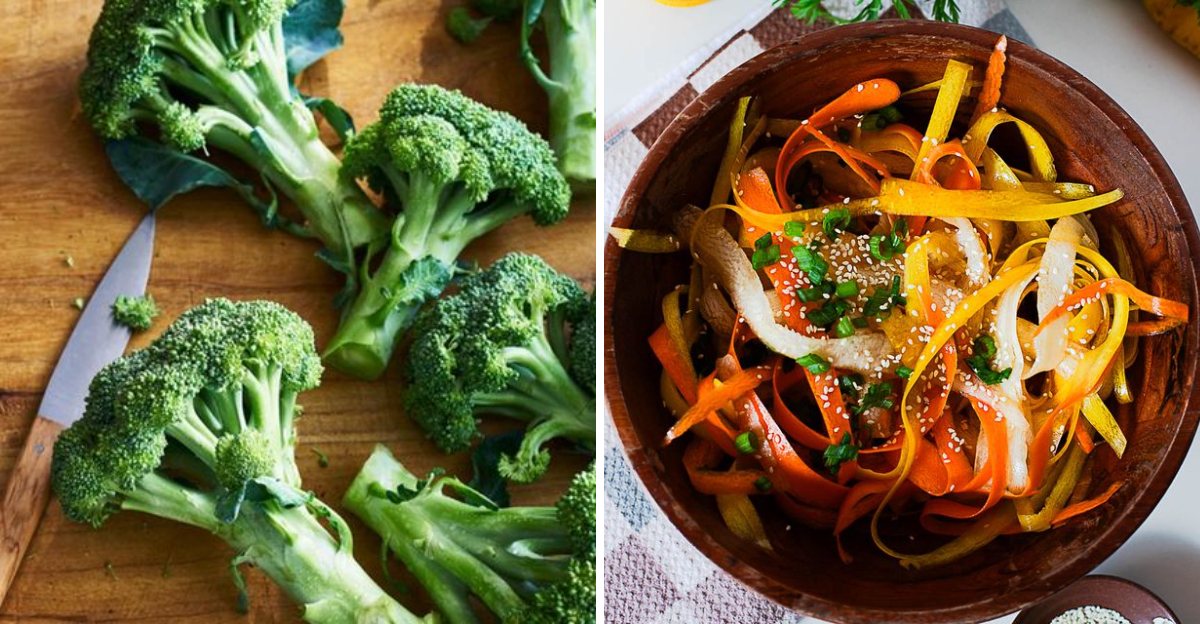
Want more energy without complicated recipes or pricey powders? Some everyday foods deliver bigger benefits when you skip the stove and enjoy them fresh. Raw options can preserve heat sensitive vitamins, antioxidants, and enzymes that support digestion and overall health. Explore these smart picks, simple tips, and easy ways to add them to your plate today.
1. Spinach
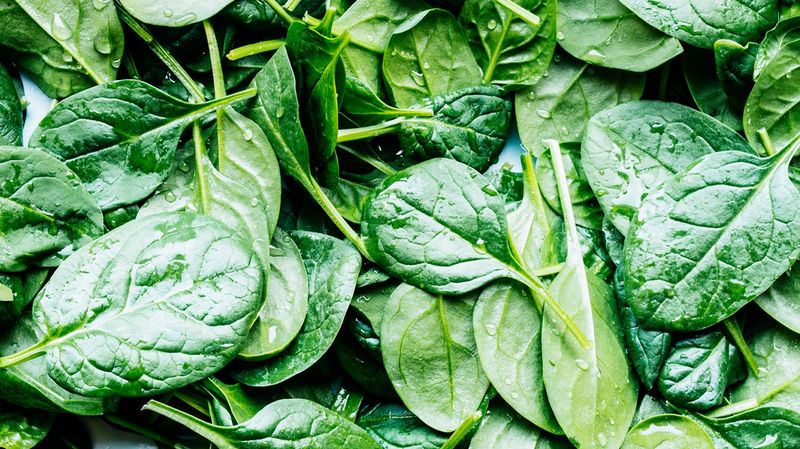
Raw spinach is a crisp, nutrient dense base for salads, smoothies, and wraps. Eating it fresh preserves vitamin C, folate, and delicate antioxidants that wilt with heat. You also get a mild flavor that plays well with citrus, berries, and creamy dressings.
For better mineral absorption, pair spinach with lemon juice or strawberries for vitamin C. Rinse thoroughly to remove grit, then spin dry for the best texture. Rotate with other greens if you are sensitive to oxalates, and keep portions varied.
2. Broccoli
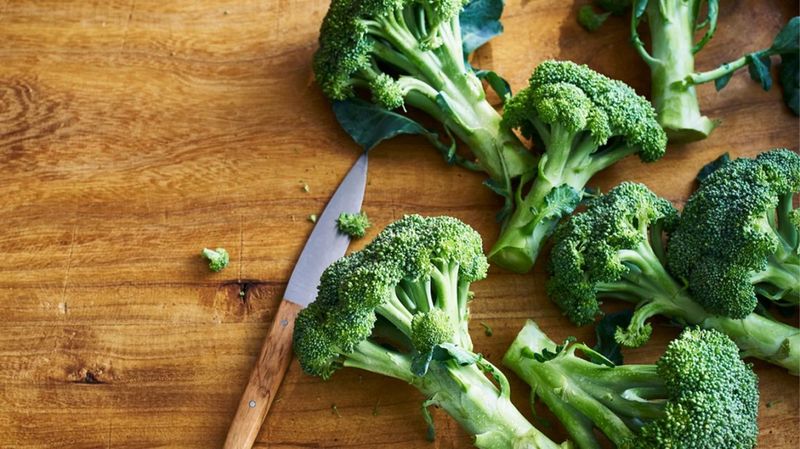
Raw broccoli delivers sulforaphane, a compound linked to detox support and cellular defense, which can degrade with prolonged heat. The crunchy bite makes an easy snack with hummus or yogurt dip. Finely chop or rice it to reduce toughness and boost digestibility.
Massaging florets with lemon and olive oil softens fibers without cooking. For sensitive stomachs, start with small amounts and chew thoroughly. Pair with mustard powder to enhance beneficial compounds, mimicking light steaming effects.
3. Garlic
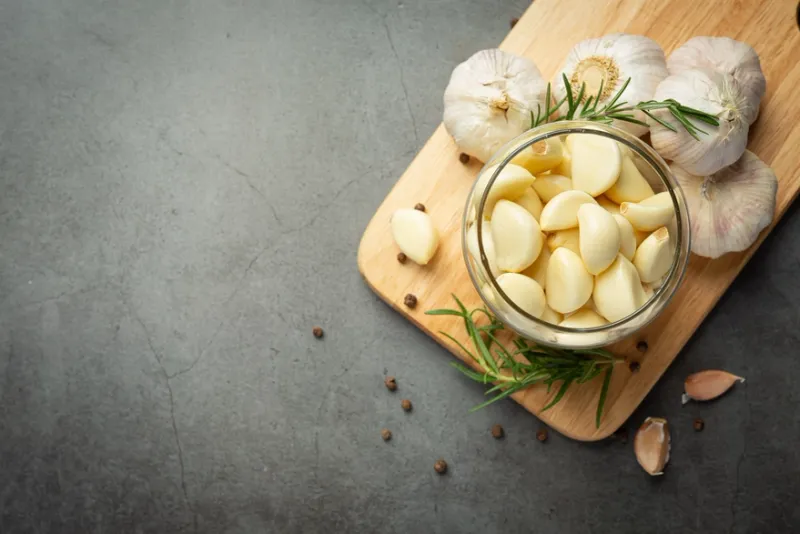
Raw garlic packs allicin, a potent compound that forms when cloves are crushed and briefly rested. Let chopped garlic sit for 10 minutes before eating to maximize that benefit. A small raw amount adds bold heat to dressings, salsas, and avocado toast.
If the bite feels harsh, blend with lemon, honey, and olive oil for a gentler punch. Start with a half clove to test tolerance. Fresh, firm bulbs deliver the brightest flavor and strongest effect.
4. Onions

Raw onions retain quercetin and sulfur compounds that mellow with heat, supporting heart health and flavor complexity. Red onions bring sweetness and color to salads, tacos, and grain bowls. Soaking slices in cold water tames sharpness without dulling crunch.
Combine with citrus and herbs for a quick relish that lifts almost any dish. Choose firm bulbs with shiny skins for freshness. If you are sensitive, try milder varieties like sweet onions or shallots.
5. Bell Peppers
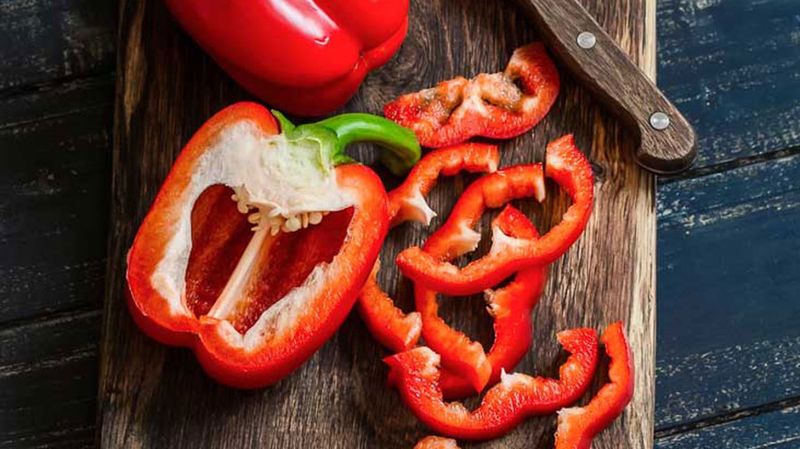
Raw bell peppers, especially red and yellow, are loaded with vitamin C that can diminish with cooking. Crisp slices add snap to salads, sandwiches, and snack boards. Their natural sweetness pairs well with hummus, guacamole, and feta.
To maximize nutrients, slice just before eating and store whole peppers in the fridge. Remove white pith for a sweeter bite. If your stomach is sensitive, choose peeled strips or thin shavings to make them gentler.
6. Carrots
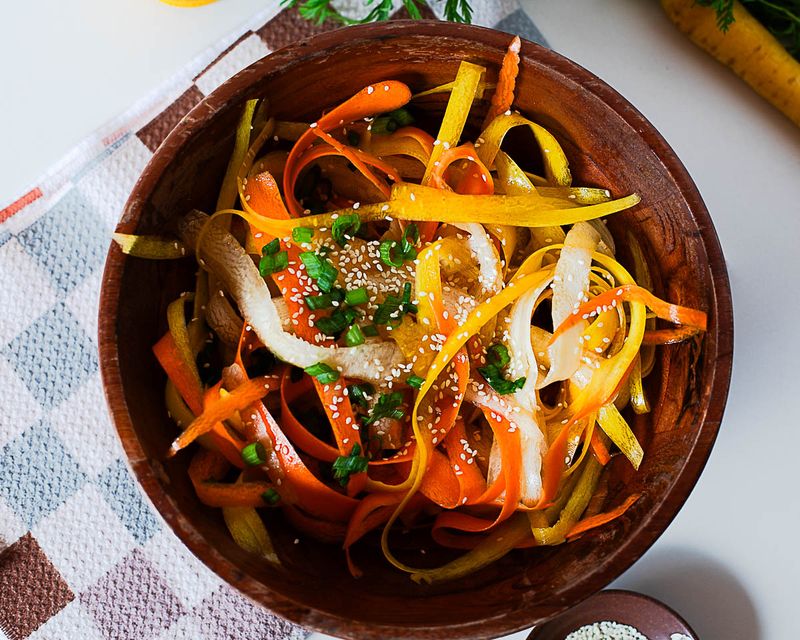
Raw carrots offer satisfying crunch and hydration, with fiber and heat sensitive vitamin C retained. While cooking boosts beta carotene availability, leaving some carrots raw balances texture and nutrients. Shave into ribbons or grate finely for salads and slaws.
Pair with tahini lemon dressing to improve fat soluble carotenoid absorption. Choose firm, sweet carrots without cracks for the best flavor. Rinse well, and keep peels on if you prefer extra fiber.
7. Cucumbers
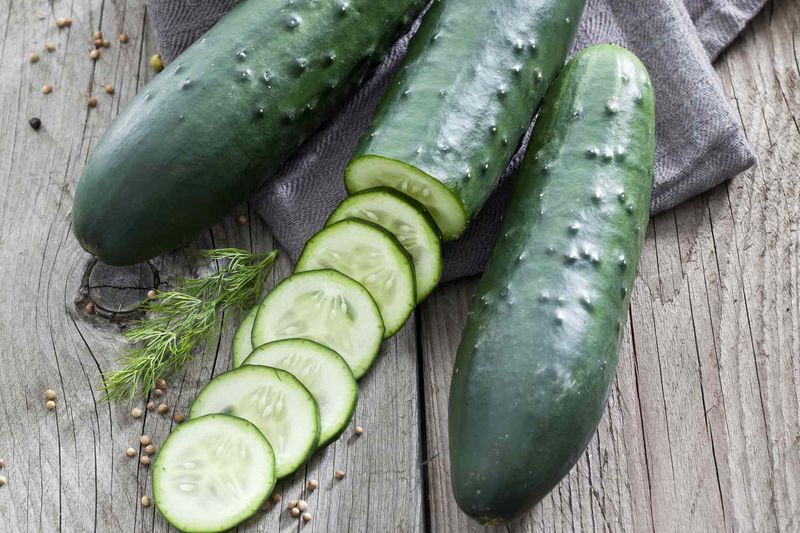
Raw cucumbers are crisp, cooling, and ultra hydrating, perfect for snacks and fresh salads. Their mild flavor complements tangy yogurt, vinegar, and mint. Keeping the peel adds fiber and antioxidants, as long as you wash thoroughly.
Salt lightly and drain to maintain crunch in salads. Spiralize into ribbons for a fun, low effort side. For better digestion, combine with lemon and a pinch of salt to stimulate appetite and balance water content.
8. Tomatoes
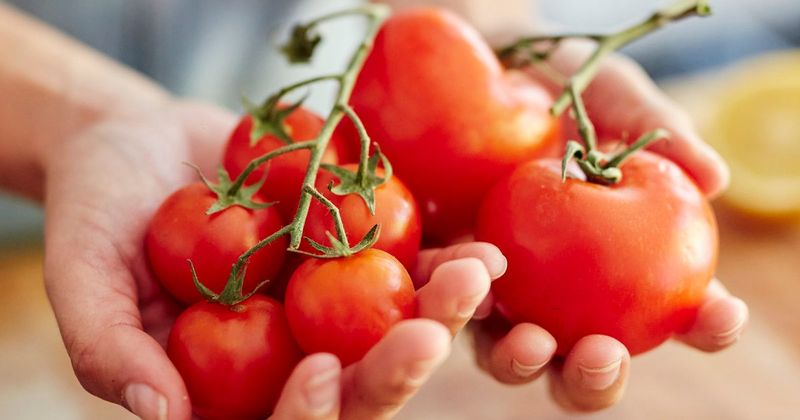
Raw tomatoes bring a juicy burst of vitamin C and delicate polyphenols that can fade with heat. They shine in salads, bruschetta, and fresh salsa. A drizzle of olive oil helps absorb fat soluble carotenoids like lycopene.
Choose deeply colored, fragrant tomatoes for the best flavor. Salt just before serving to avoid watery salads. If acidity bothers you, balance with a pinch of sugar or ripe fruit like peach.
9. Berries
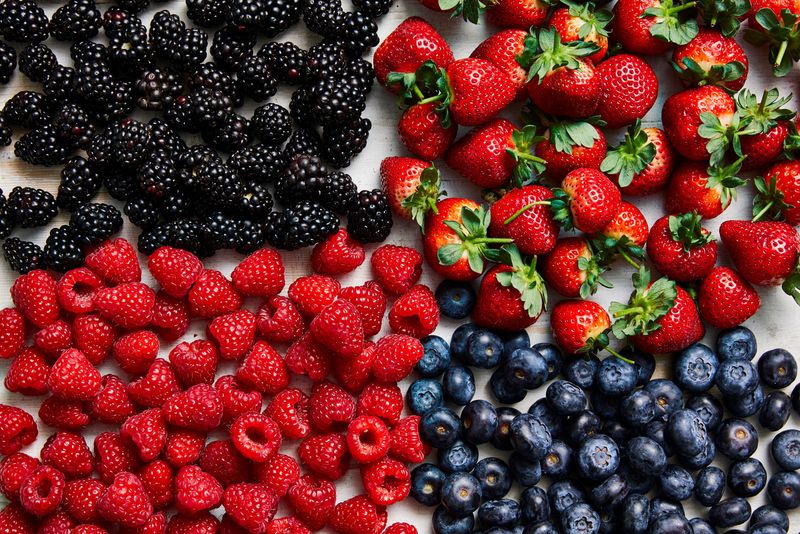
Raw berries are antioxidant powerhouses, rich in vitamin C and polyphenols that thrive uncooked. Their sweetness and tartness make easy snacks, parfaits, and salad toppers. Wash gently and pat dry to keep them firm.
Combine with yogurt or chia pudding for protein and fiber balance. Freeze extras flat on a tray to prevent clumping. If seeds bother you, choose strawberries or blueberries for a smoother bite.
10. Apples
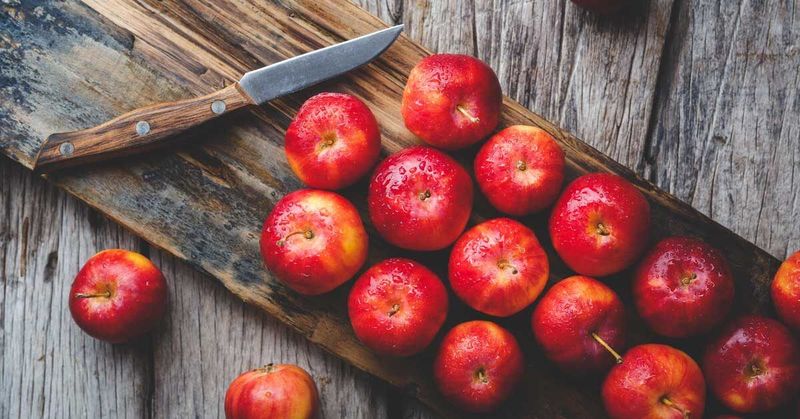
Raw apples deliver fiber rich crunch and quercetin concentrated in the skin, so keep the peel on when possible. Their natural sweetness pairs with nut butter, cheese, or greens. Thin slices brighten slaws and sandwiches.
For better digestion, choose varieties you tolerate, like Gala for mildness or Granny Smith for tart bite. Slice just before eating to limit browning, or spritz with lemon. Store cold and dry to maintain snap.
11. Cabbage
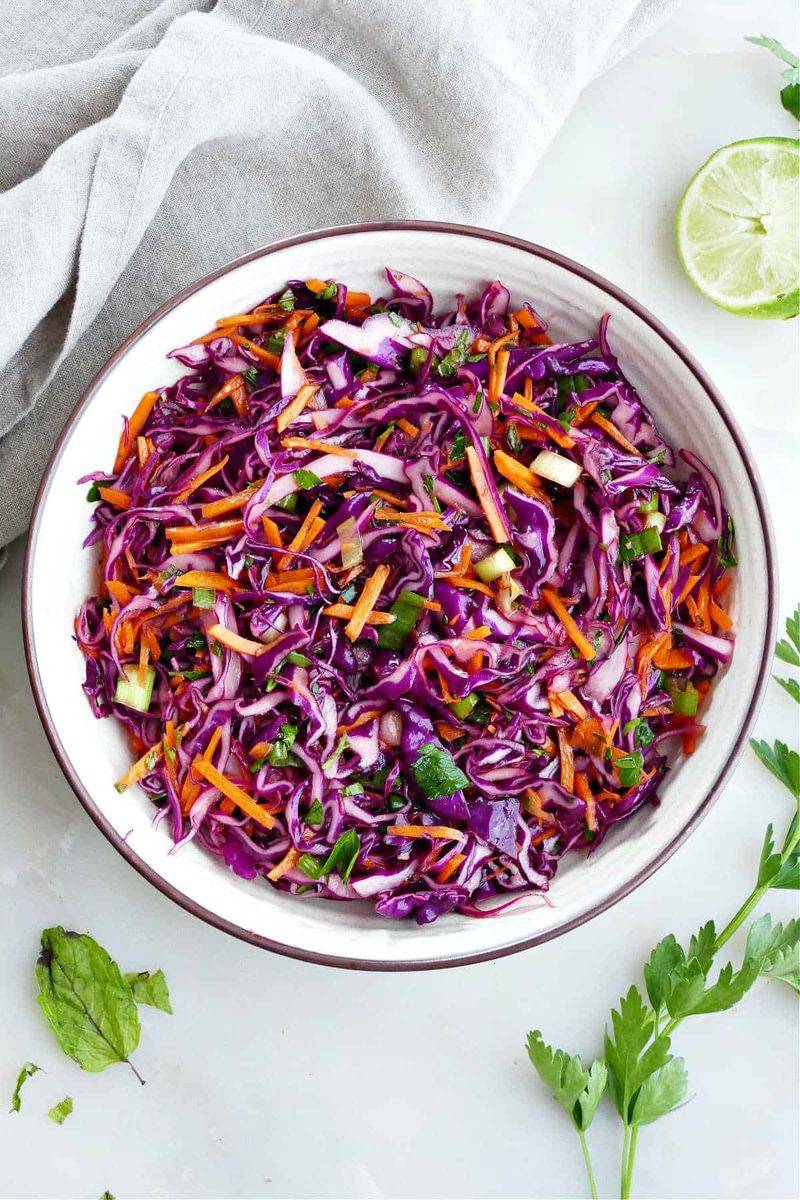
Raw cabbage is crunchy, budget friendly, and packed with vitamin C and glucosinolates that soften with heat. Finely shredding and salting briefly softens fibers while keeping freshness. It forms the backbone of slaws, tacos, and grain bowls.
Add apple cider vinegar, mustard, and a touch of honey for a balanced dressing. For sensitive digestion, opt for napa cabbage, which is gentler raw. Keep leftovers crisp by dressing just before serving.
12. Kale
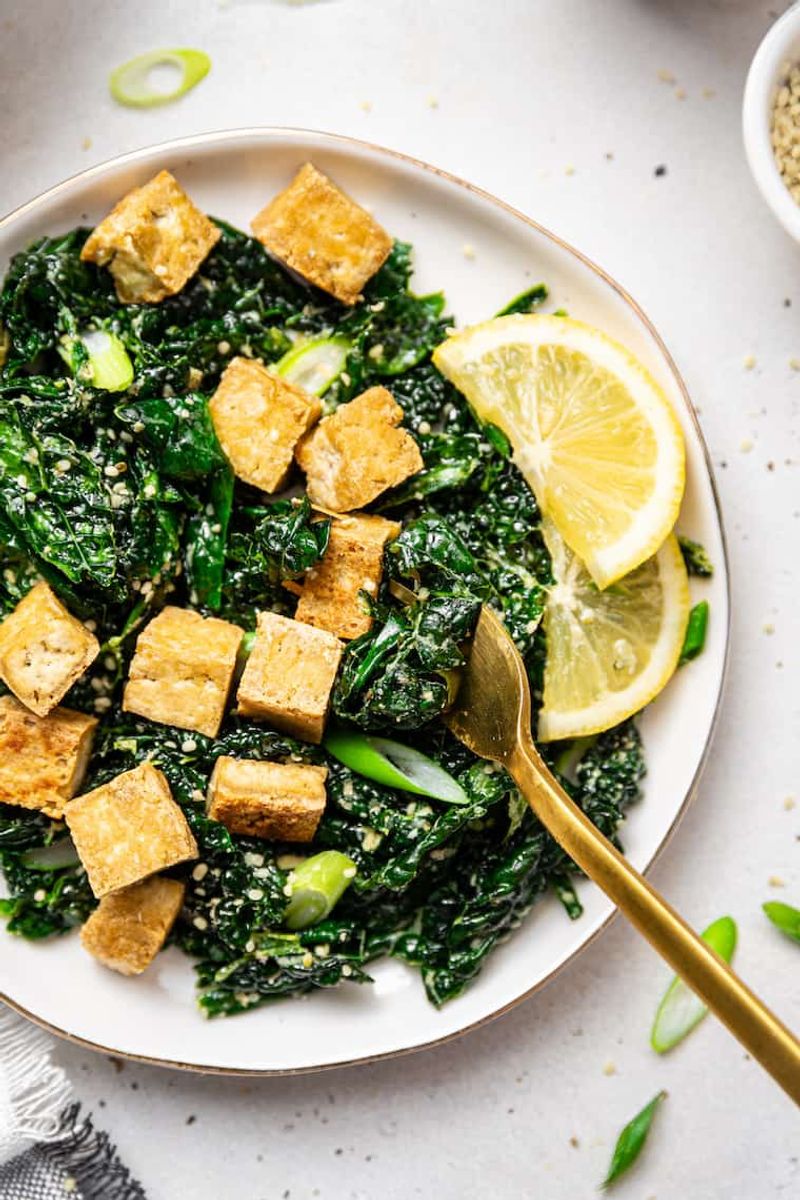
Raw kale can be tough, but massaging with olive oil and lemon transforms it into a tender, nutrient dense salad. Eating it fresh preserves vitamin C and certain phytonutrients. Thin ribbons work well with creamy dressings, nuts, and dried fruit.
Remove thick stems, then rest the dressed leaves for 10 minutes to soften further. If you are sensitive to bitterness, try lacinato kale for a smoother flavor. Rotate greens to balance oxalate intake.
13. Zucchini
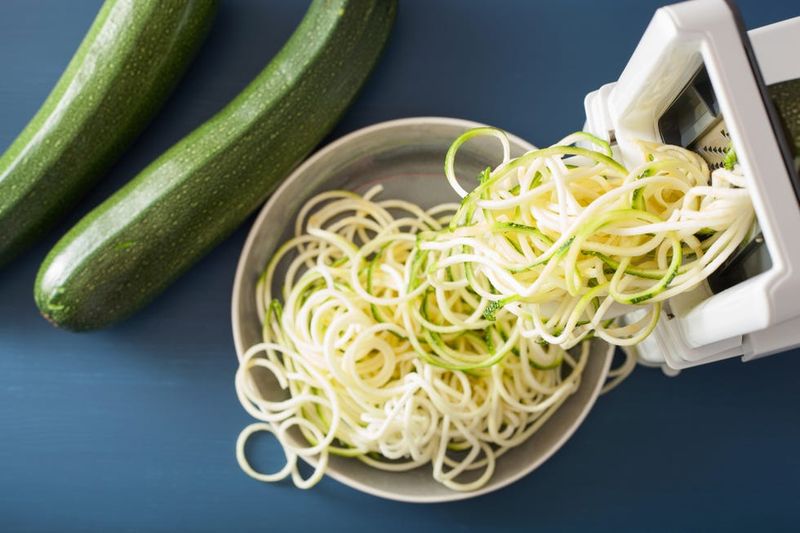
Raw zucchini is mild and refreshing, perfect spiralized into noodles or shaved into ribbons. Keeping it uncooked preserves vitamin C and a delicate crunch that disappears with heat. Its subtle flavor welcomes lemon, mint, and chili flakes.
Salt lightly and pat dry to prevent watery salads. Pair with olive oil and nuts for satisfying richness. If seeds are large, choose smaller zucchini for better texture and sweetness.
14. Beets
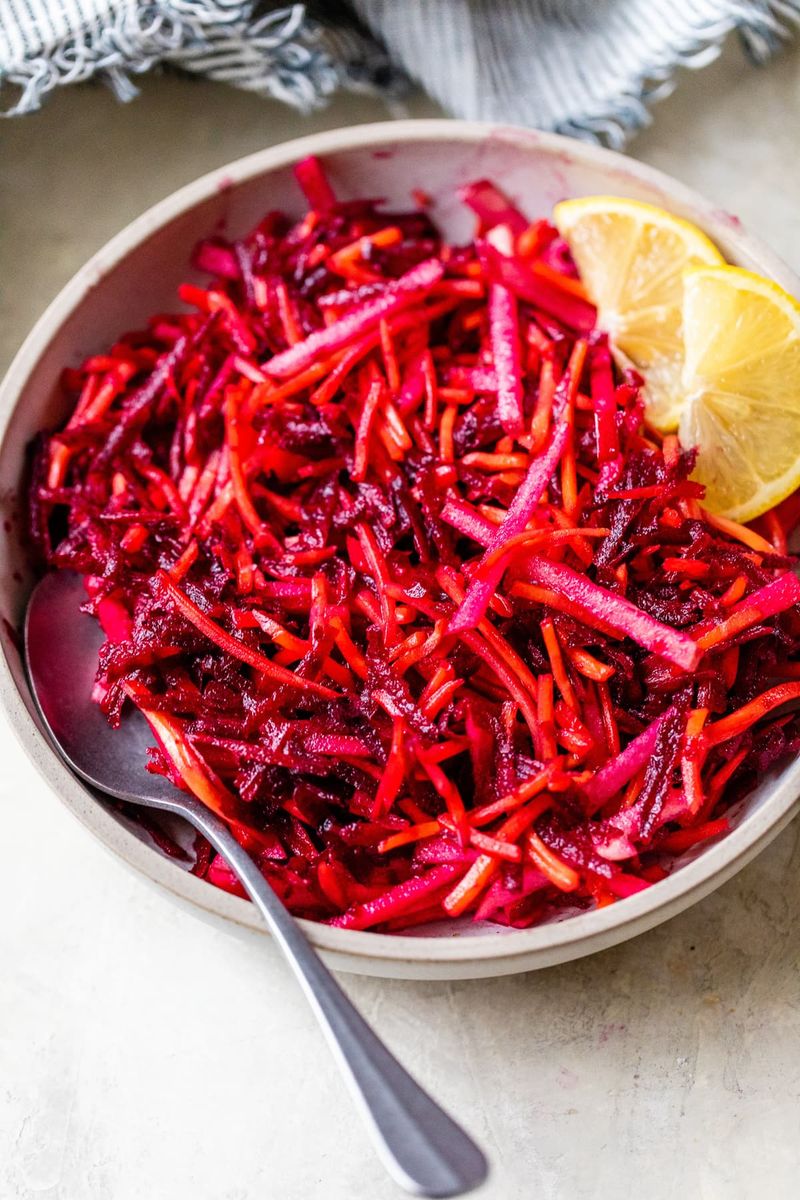
Raw beets have earthy sweetness and a beautiful crunch, showcasing heat sensitive folate and vitamin C. Shave paper thin with a mandoline or grate finely to keep them tender. Pair with citrus, goat cheese, and toasted nuts for contrast.
Wear gloves to avoid staining and toss with lemon to brighten flavor. Golden beets offer a milder option with less bleeding. Start with small portions if beets upset your stomach.
15. Pineapple

Raw pineapple is juicy and vibrant, delivering bromelain, an enzyme that supports protein digestion and tenderness. Heat can reduce enzymatic activity, so fresh is best for this benefit. Enjoy in fruit salads, smoothies, salsa, or paired with cottage cheese.
If your mouth tingles, combine with dairy or rinse after eating to reduce irritation. Choose fragrant, heavy pineapples for peak sweetness. Avoid overripe fruit, which can taste fermented.
16. Mango
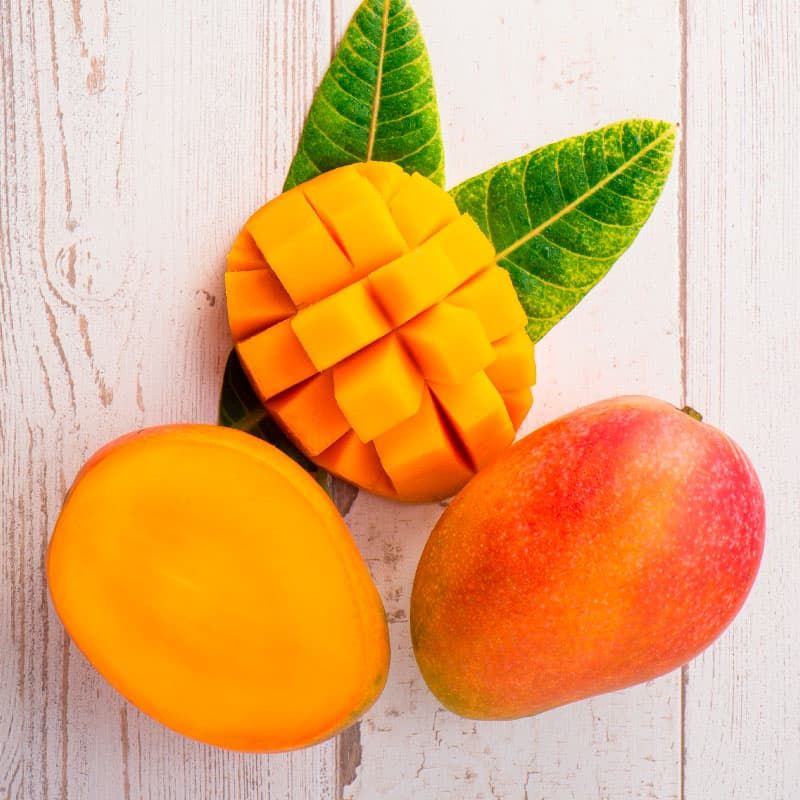
Raw mango offers luscious sweetness, vitamin C, and carotenoids that shine without heat. The creamy texture pairs beautifully with lime, chili, and fresh herbs. Blend into smoothies or dice for salsa over grilled proteins.
Choose slightly soft, fragrant fruit for the best flavor. If stringy fibers annoy you, pick varieties like Ataulfo or Honey. A squeeze of lime heightens sweetness and balances richness.
17. Avocado
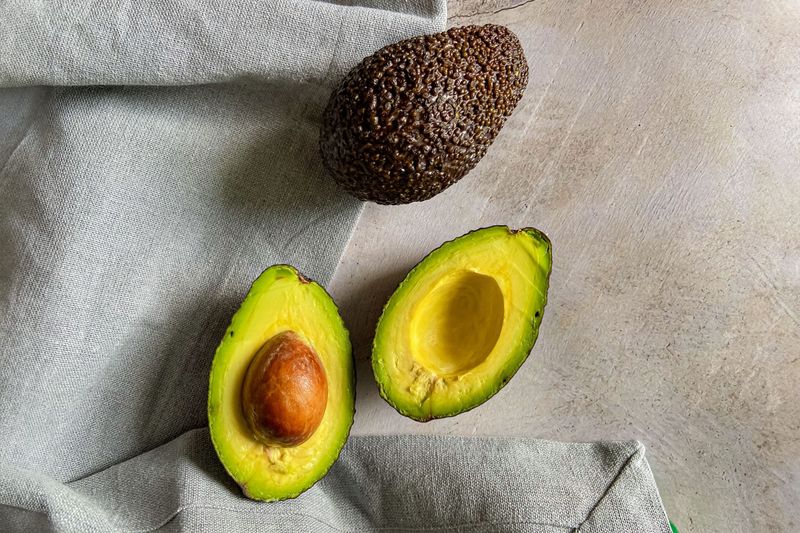
Raw avocado provides heart healthy fats, fiber, and potassium in a creamy, satisfying package. Heat dulls its flavor and texture, so enjoy it fresh in salads, toast, and smoothies. Healthy fats help absorb fat soluble vitamins from other raw veggies.
Choose avocados that yield gently to pressure without mushy spots. Add lemon or lime to prevent browning and brighten taste. If you want extra crunch, top with seeds or nuts.
18. Nuts

Raw nuts retain delicate polyunsaturated fats and subtle flavors that roasting can alter. Almonds, walnuts, and cashews make satisfying snacks and add crunch to salads. Soaking and drying can improve texture and digestibility for some people.
Store in the fridge or freezer to protect oils from going rancid. Portion mindfully since they are calorie dense. If you prefer a sweeter profile, try raw hazelnuts paired with berries.
19. Seeds
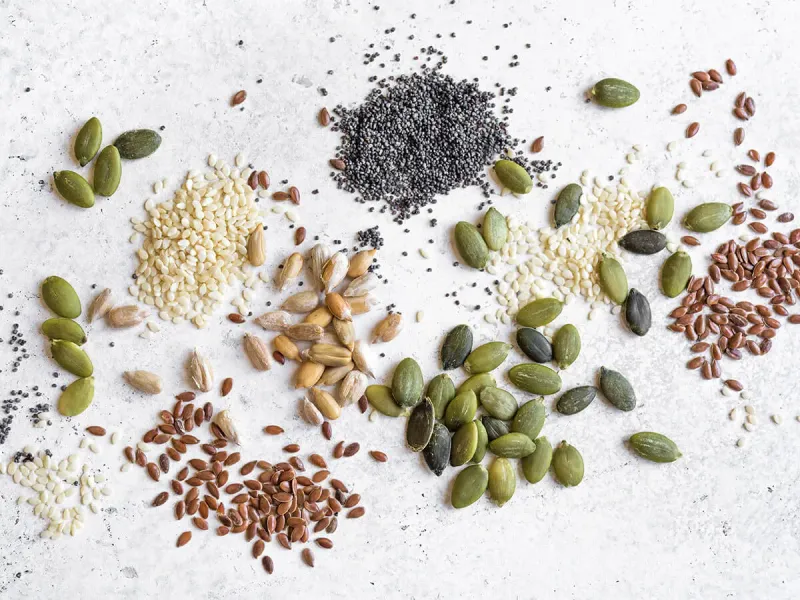
Raw seeds like chia, flax, pumpkin, and sunflower deliver fiber, minerals, and healthy fats. Grinding flax improves omega 3 availability, while soaking chia forms a hydrating gel. Sprinkle seeds over yogurt, salads, or smoothies for easy nutrition.
Store ground seeds cold to protect oils. If raw pumpkin seeds feel heavy, toast lightly or sprout to enhance digestibility. Start with small amounts and drink water to match the fiber.
20. Cocoa Nibs
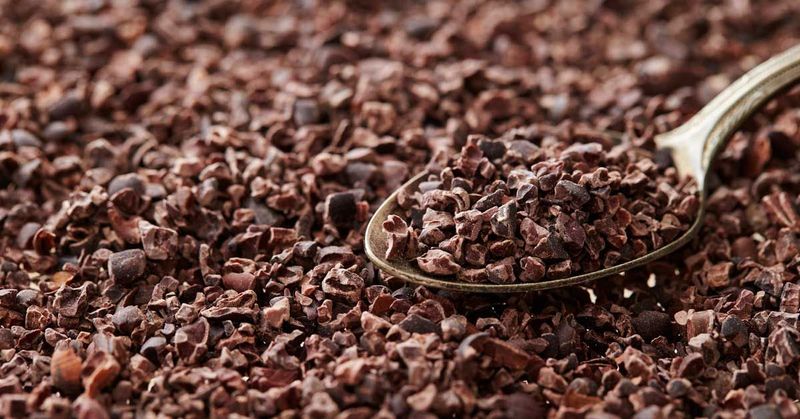
Raw cocoa nibs offer a crunchy, bittersweet hit of polyphenols with minimal processing. They add texture to yogurt, smoothies, and homemade trail mixes. Since they are unsweetened, pair with fruit or a touch of honey for balance.
Choose reputable sources for consistent flavor and safe handling. A tablespoon goes a long way for richness. If bitterness is intense, blend into nut butter for a mellower bite.