20 French Dessert Recipes Built On Classic Pastry Traditions
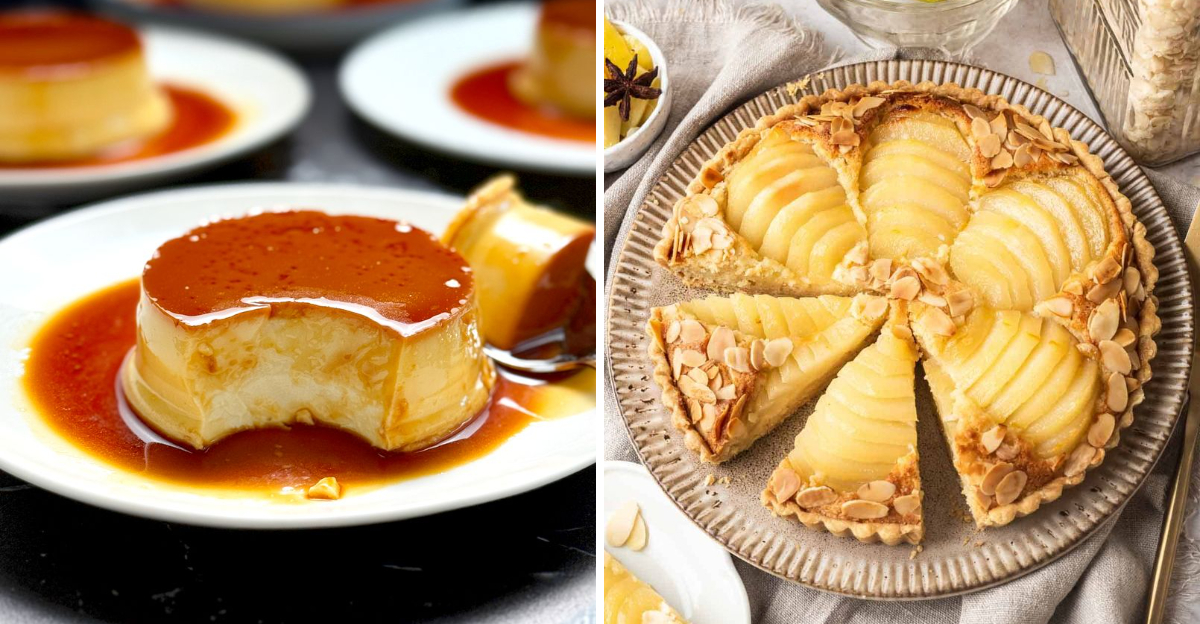
French desserts balance elegance with comfort, and the secret is in a few classic techniques you can master at home. Think custards, choux, laminated layers, and buttery crusts that make simple ingredients feel extraordinary.
These recipes stay true to tradition while leaving space for playful twists that fit your taste. Ready to whisk, fold, and caramelize like a pro without the fuss?
1. Classic Crème Brûlée
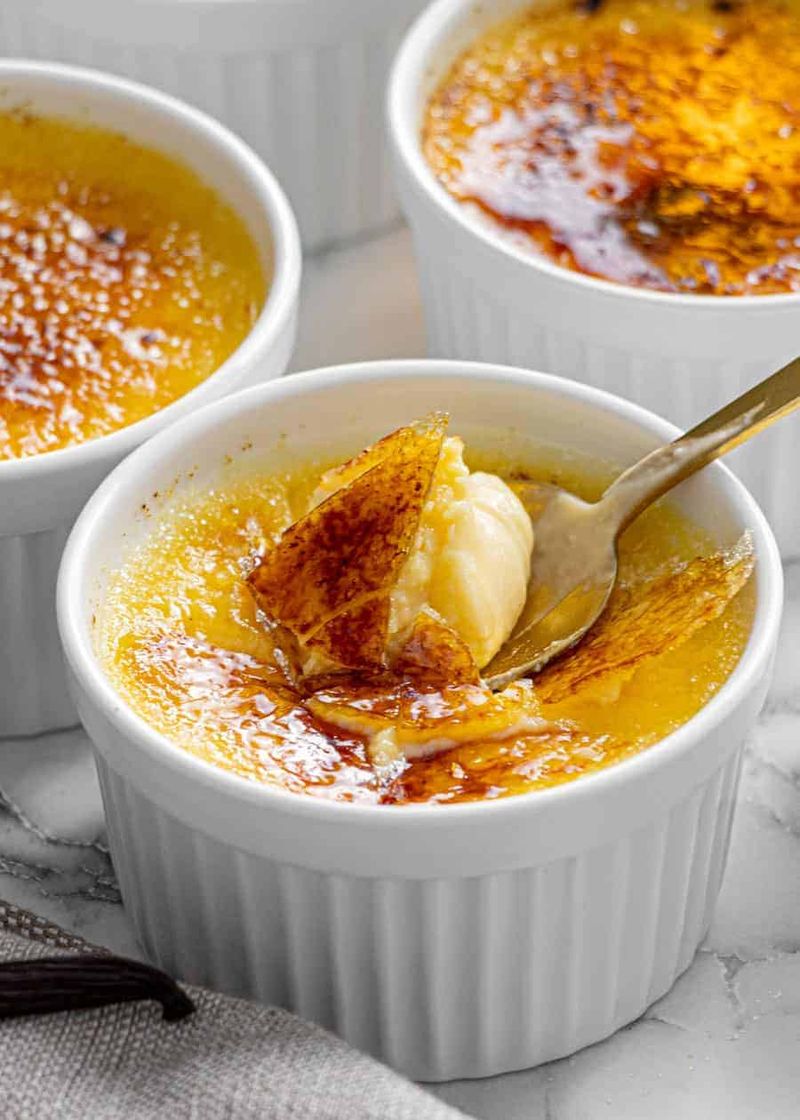
Crème brûlée is all about contrast, and you feel it with the first tap. The custard underneath is silky, scented with real vanilla, and barely sweet, so the glassy caramel top can shine.
Torch the sugar in thin, even layers to avoid burnt spots and to keep the shell fragile and crisp.
Bake the custards low and slow in a water bath until the centers still wobble slightly. Chill thoroughly, then top with an even sprinkle of superfine sugar right before serving.
You can flavor the base with citrus zest, espresso, or tonka, but vanilla remains unbeatable.
Serve in shallow dishes so every spoonful hits caramel and cream. That shatter is the moment.
2. Chocolate Mousse
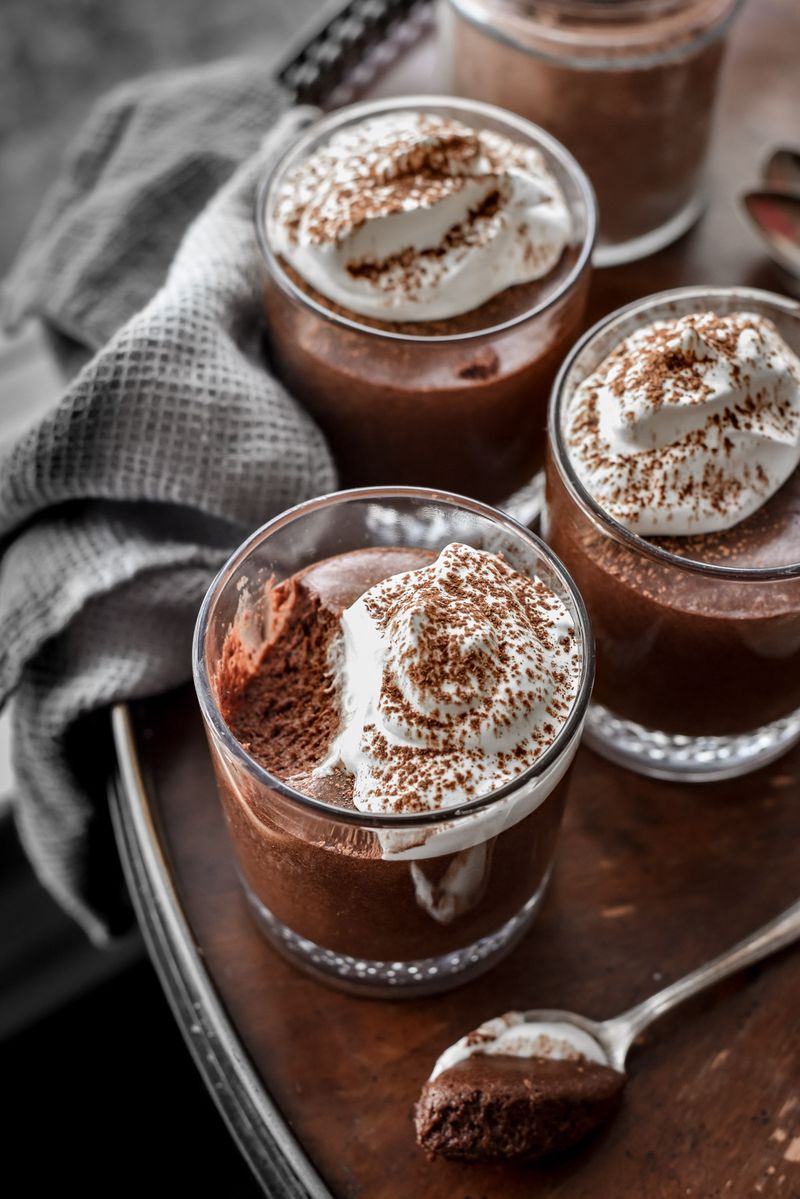
This chocolate mousse leans deeply chocolatey with a featherlight texture. Melt good dark chocolate gently, then fold in whipped cream and lightly beaten egg whites to trap air without streaks.
Work with a wide spatula, turning the bowl as you go, so you preserve that cloudlike structure.
Chill until softly set and spoonable, not stiff, for a luxurious mouthfeel. A pinch of salt and a touch of espresso boost the cocoa notes without making it bitter.
For a grown up twist, fold in a splash of orange liqueur or rum.
Serve in small cups with barely sweetened whipped cream on top. The contrast keeps each bite balanced and irresistible.
3. Vanilla Crème Caramel
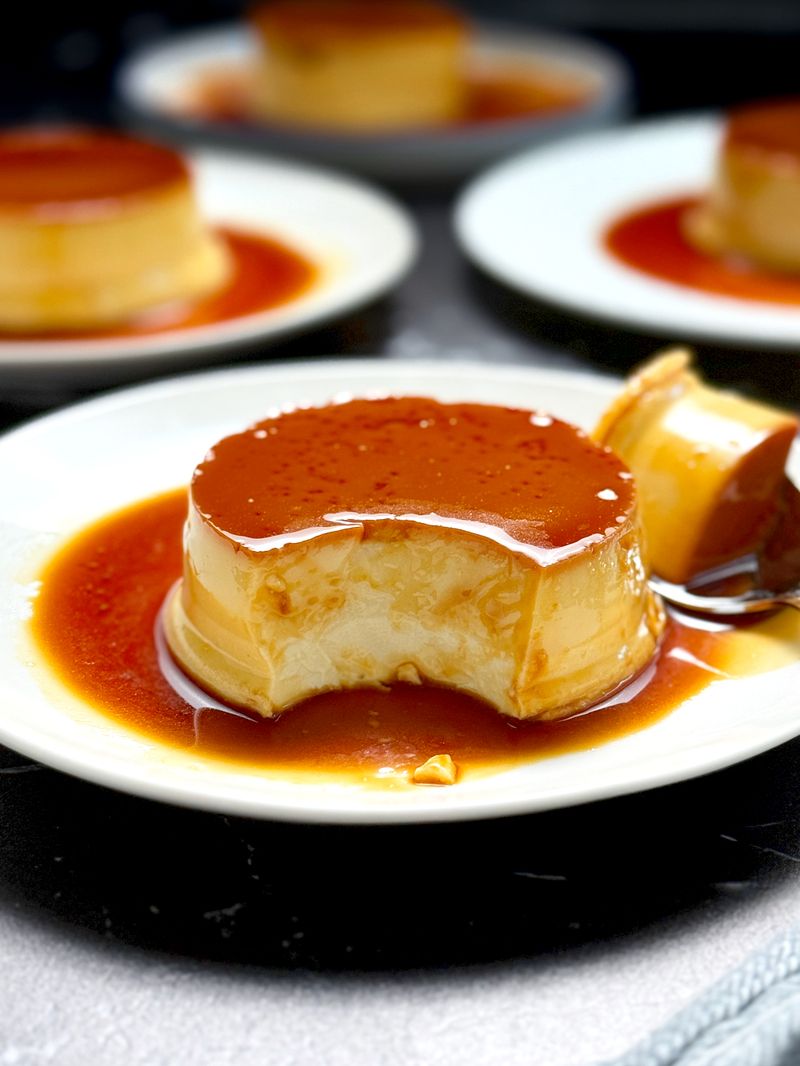
Crème caramel is the quieter cousin to brûlée, offering silk and shine without the crackle. Start with a dry caramel, cooking sugar until it turns deep amber, then swirl it into ramekins.
The custard bakes low and gentle in a bain marie until just set, so the texture stays quivery and smooth.
Vanilla carries the flavor, though a strip of lemon peel can brighten things subtly. Chill fully, then run a thin knife around the edges and invert with confidence.
That moment when the caramel cascades over the custard is pure drama.
Keep sweetness balanced so the caramel reads toasty, not cloying. It is nostalgic, elegant, and always welcome after dinner.
4. Profiteroles
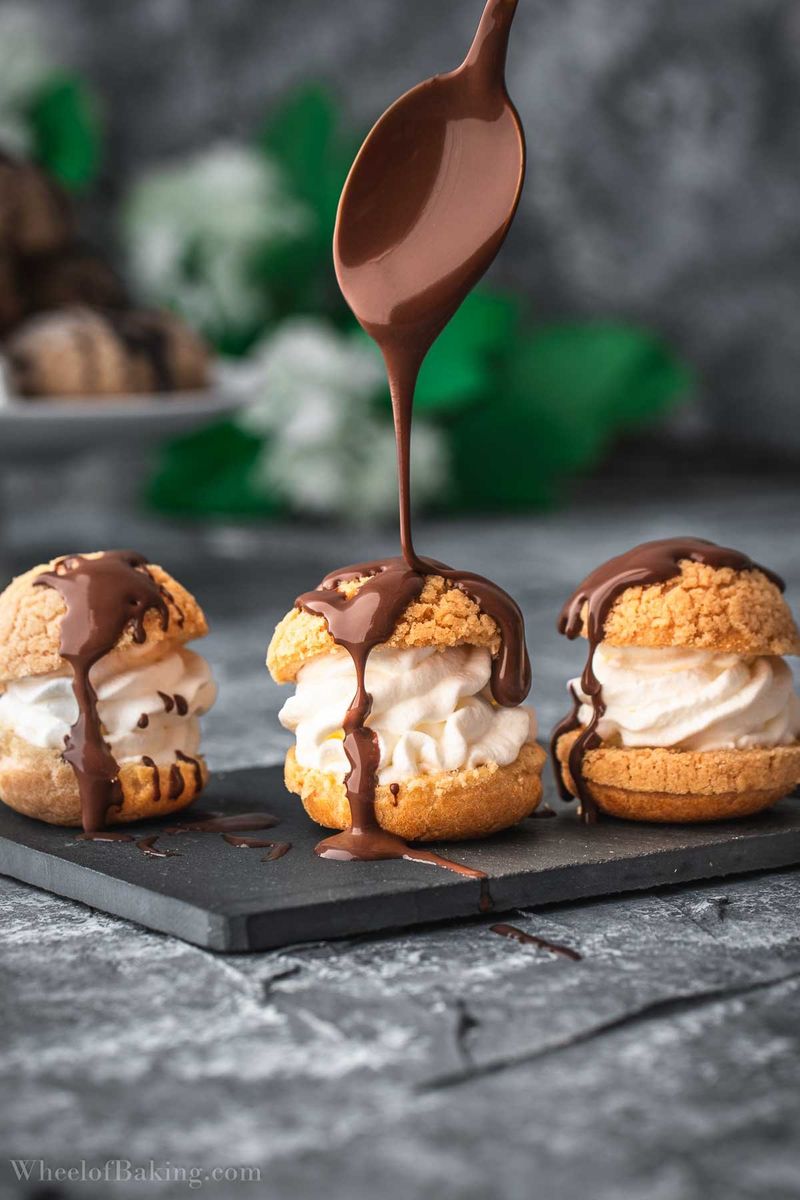
Profiteroles are pure fun to build and eat. Bake crisp, hollow choux puffs, then split or poke and fill with vanilla ice cream or lush pastry cream.
Keep the puffs dry and golden so they hold their shape under warm chocolate sauce without turning soggy.
For the sauce, stir together chopped chocolate, cream, and a pinch of salt until glossy. Pour just before serving for that hot cold contrast everyone loves.
If you are entertaining, set out bowls of fillings and let guests create their own.
Leftover puffs freeze well and re crisp in the oven. Once you master the dough, profiteroles become an easy showstopper on repeat.
5. Éclairs
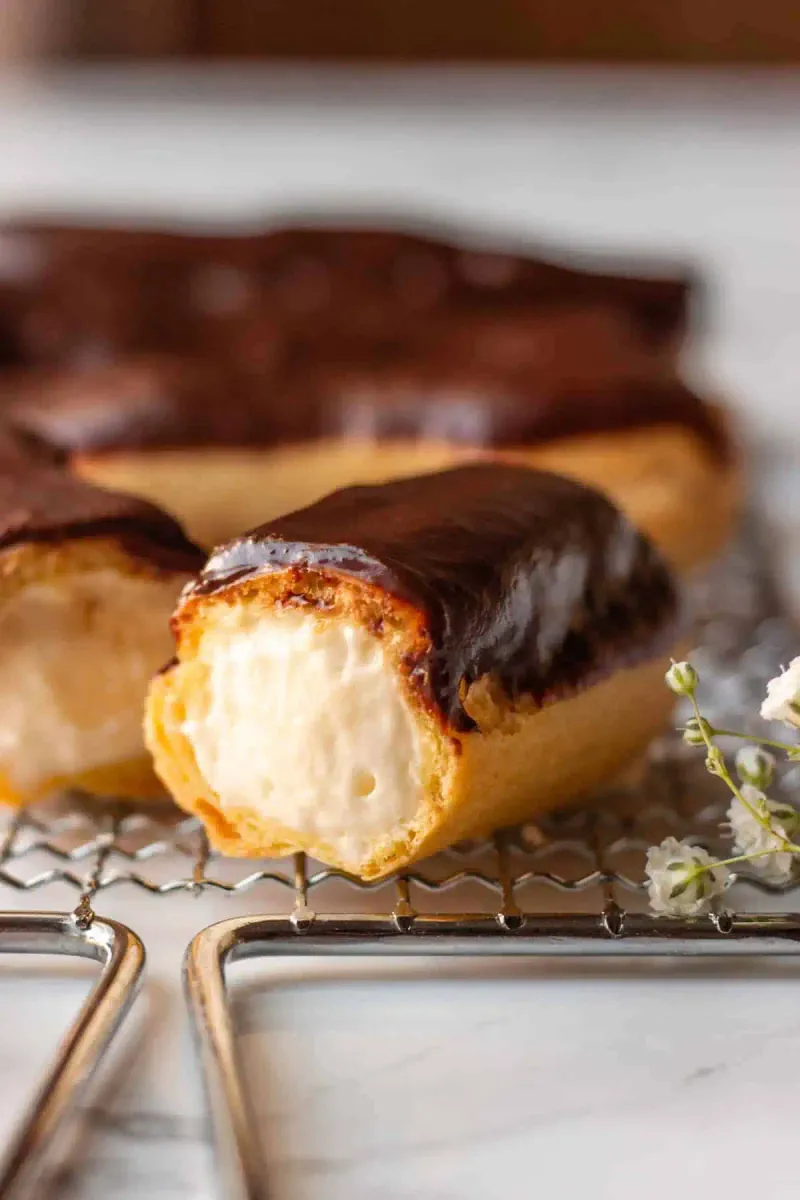
Éclairs are all about structure, shine, and cream. Pipe even shells with choux, baking until dry and deeply golden so they do not collapse.
Once cool, fill with silky crème pâtissière, then glaze the tops with glossy chocolate or coffee icing for that classic patisserie look.
Stability matters, so cook the panade long enough to drive off moisture before adding eggs. A star tip can reduce surface cracks during baking, but a plain tip works too.
Chill briefly after filling to set the cream.
For flavor, try vanilla, chocolate, or coffee, and finish with a neat, smooth glaze. Every bite should be crisp meets creamy, refined yet indulgent.
6. Paris-Brest
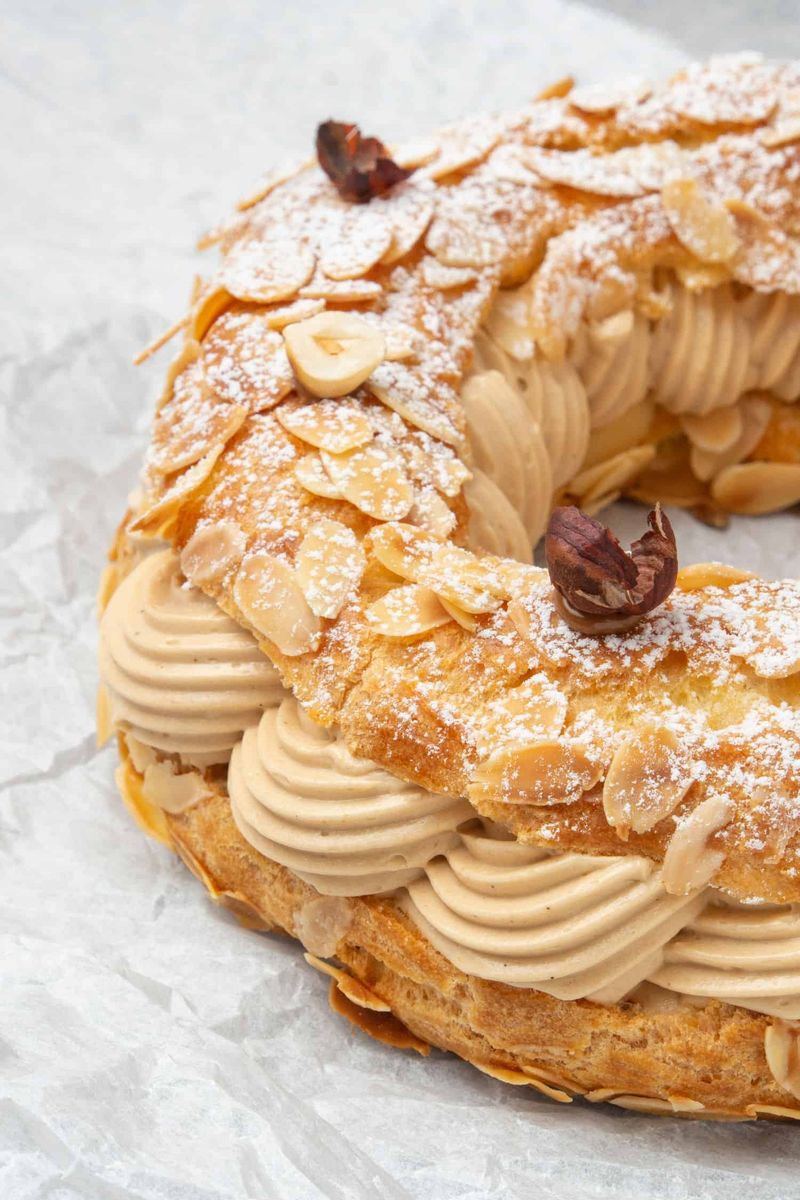
Paris Brest combines nutty praline with airy choux in one unforgettable ring. Pipe a neat circle, add a second ring on top for lift, and sprinkle with sliced almonds.
Bake until firm and bronzed, then cool before splitting and filling with praline mousseline that holds beautiful swirls.
The heart of the flavor is hazelnut almond praline blended into butter and pastry cream. It tastes like a dream of nougat and caramel.
A pinch of salt keeps sweetness in check.
Serve chilled so the cream slices cleanly, revealing all those layers. It is the kind of dessert people remember long after the plates are cleared.
7. Tarte Tatin
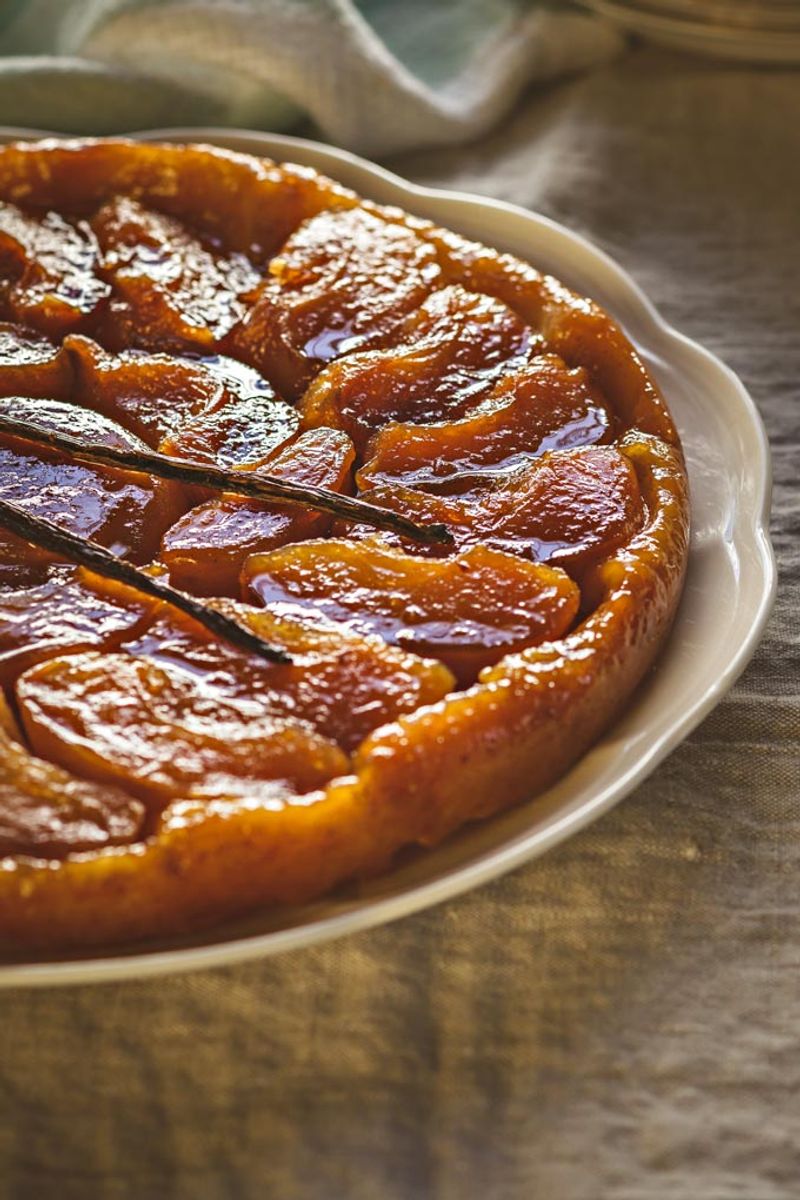
Tarte Tatin is dramatic and deeply delicious. Start by caramelizing sugar and butter until it reaches a mahogany tone, then snug apple halves into the skillet.
Cover with pastry and bake until the juices bubble and the crust turns golden.
The magic happens when you flip it onto a plate and that lacquered fruit glistens. Choose firm apples that hold shape, like Pink Lady or Golden Delicious.
Do not rush the caramel color; pale caramel means bland flavor.
Serve warm with a dollop of crème fraîche to cut the sweetness. The contrast of intense fruit and flaky pastry creates a timeless French bistro finish.
8. Apple Tart (Tarte aux Pommes)
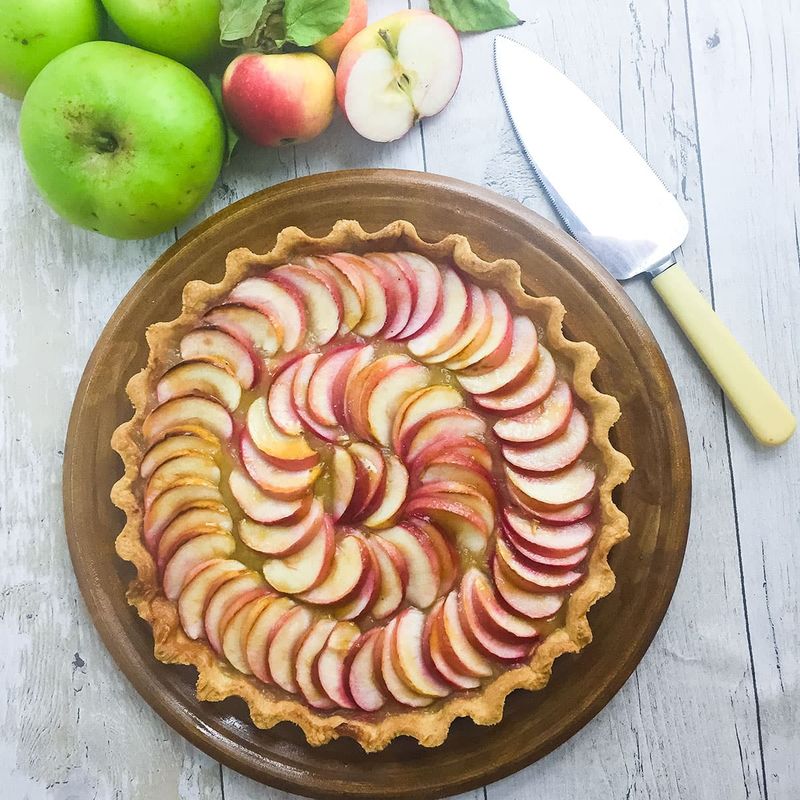
This apple tart celebrates precision and simplicity. Arrange paper thin slices in tight concentric circles over a thin layer of applesauce or frangipane.
Bake until the edges turn golden and the fruit softens but still holds shape.
Brush with warmed apricot jam to achieve that patisserie shine. A whisper of cinnamon is optional, but keep sugar restrained so the apples speak.
The crust should be crisp and buttery, supporting tidy slices without crumbling.
Serve slightly warm or at room temperature with softly whipped cream. Every slice shows off the craftsmanship of thin cuts and careful layering, proving that restraint can be incredibly beautiful and satisfying.
9. Pear Tart With Almond Cream (Frangipane)
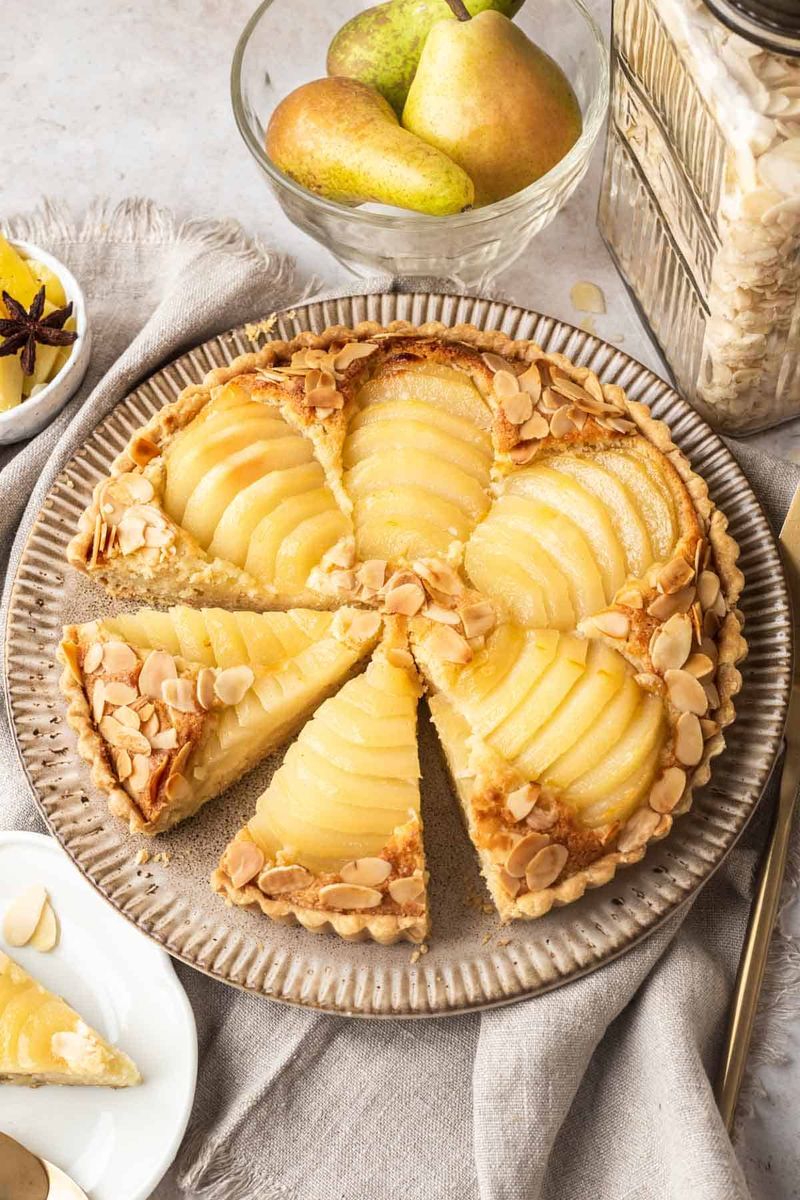
This pear tart delivers tender fruit over a cushion of fragrant frangipane. Poach pears until just tender and perfumed with vanilla, then nestle them into almond cream inside a crisp tart shell.
As it bakes, the frangipane puffs lightly and hugs the pears.
A brush of pear syrup keeps everything glistening. Toasted almonds add texture, while a pinch of salt pulls the sweetness into focus.
Use ripe yet firm pears so the slices hold beautiful edges.
Serve with a dollop of crème fraîche or a thin ribbon of honey. It feels like a patisserie window brought home, with nutty warmth and elegant presentation in every slice.
10. Chocolate Tart
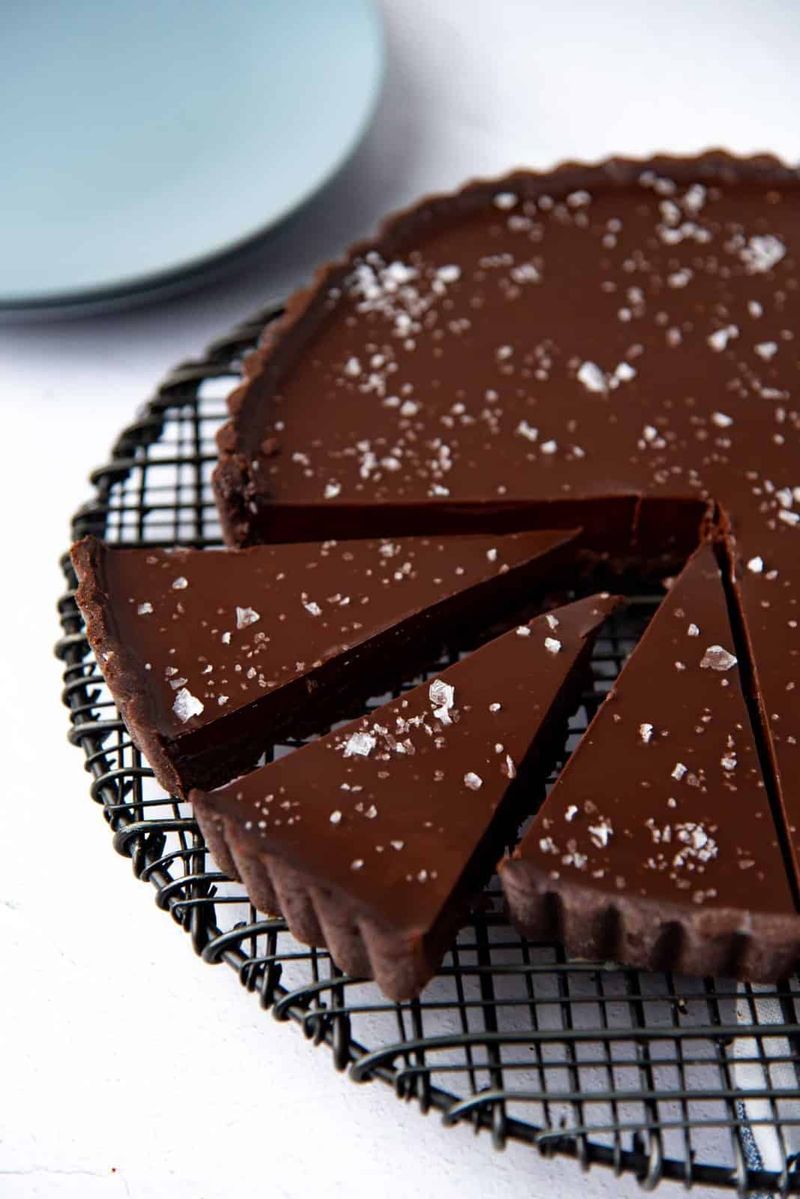
This chocolate tart is about contrast between a snappy shell and a silky center. Blind bake a crisp pâte sucrée until evenly golden, then pour in warm ganache made from dark chocolate and cream.
A tiny knob of butter or touch of glucose gives extra sheen.
Chill until softly set so the knife glides cleanly. Finish with a pinch of flaky salt to heighten the cocoa depth.
Orange zest, espresso, or toasted hazelnuts make beautiful variations without overwhelming the purity.
Serve thin slices because the richness runs deep. The texture should melt slowly, leaving a lingering, balanced finish that tastes far more expensive than it is.
11. Lemon Tart (Tarte au Citron)
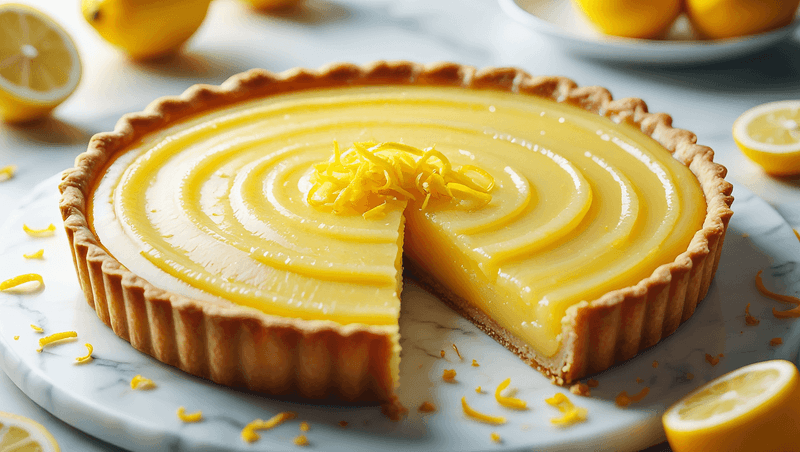
Tarte au citron is unapologetically bright and tangy. Whisk lemon juice, zest, sugar, and eggs over gentle heat, then strain and whisk in butter for a glossy, lush curd.
Pour into a crisp blind baked shell and let it set until sliceable.
The key is bold acidity balanced with restrained sweetness, so each bite wakes up your palate. For a softer profile, add a touch of vanilla or swap in part Meyer lemon.
Keep the surface smooth by avoiding bubbles and skimming foam.
Serve cool with barely sweetened whipped cream. That clean citrus snap paired with buttery crust feels like sunshine on a plate.
12. Mille-Feuille (Napoleon)
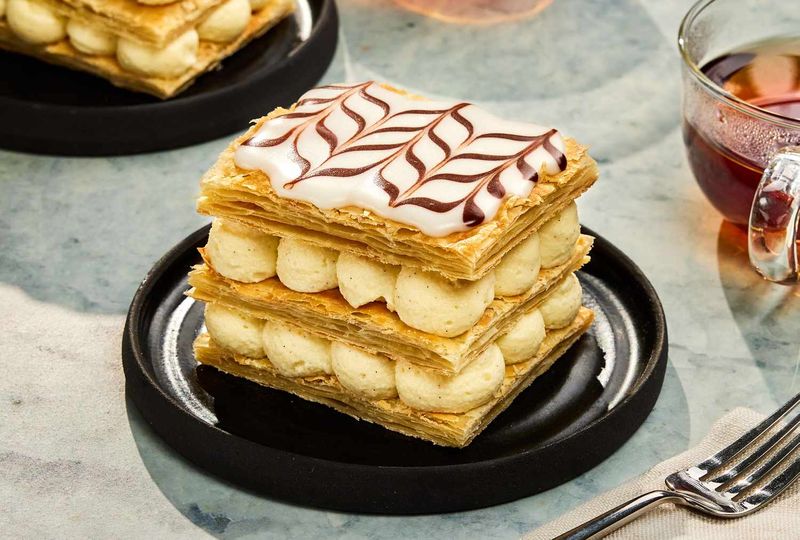
Mille feuille is messy in the best way, a crisp and creamy celebration. Bake puff pastry into flat, evenly browned sheets and trim edges for sharp lines.
Layer with thick, smooth pastry cream so it does not squeeze out with the first bite.
Chill before slicing to keep the strata intact. A dusting of powdered sugar or a marbled fondant top adds the classic finish.
The trick is balancing flake and firmness so the fork slides cleanly.
Flavor the cream with vanilla, coffee, or praline. Every layer cracks and yields in satisfying turns, delivering patisserie drama in portable squares.
13. Kouign-Amann
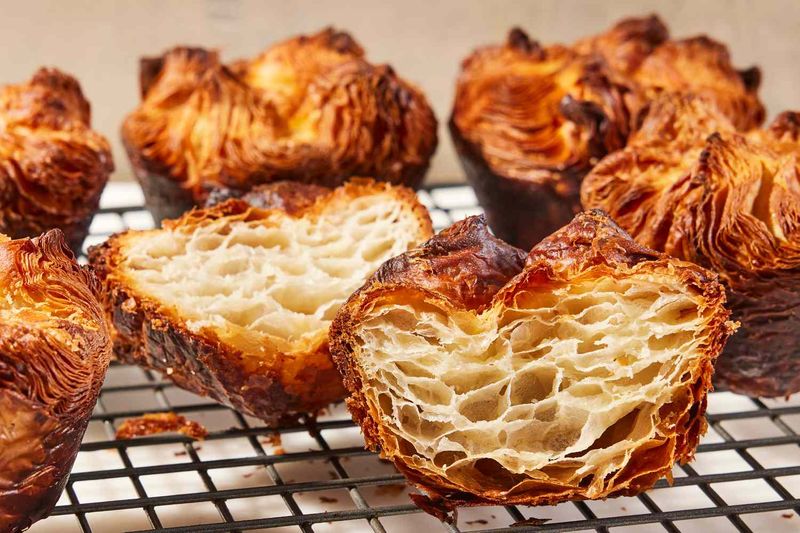
Kouign amann brings Breton butter and sugar into a caramelized dream. You laminate a yeasted dough with generous butter, then fold in sugar so it melts and crackles.
The result is a pastry with shattering edges and a tender, buttery heart.
Work cold and quick to keep layers defined. Sugar can leak, so line the tin well and do not be afraid of deep color.
Small portions make sense because the richness runs high, though seconds are inevitable.
Serve warm to highlight the crunchy shell against soft layers. It is dangerously good, the kind of pastry that makes you plan another batch right away.
14. Pain au Chocolat
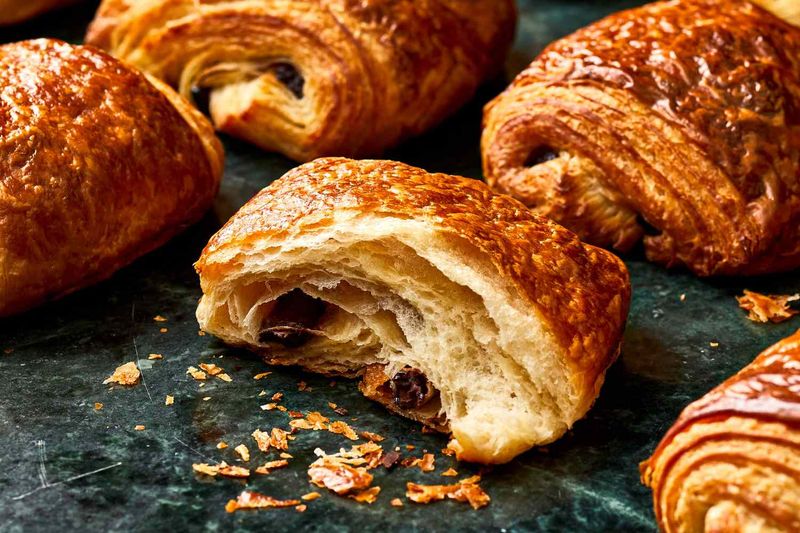
Pain au chocolat is pure breakfast joy. Laminated dough wraps around dark chocolate batons, baking into flaky pillows with molten centers.
The layers should sing when you bite, crisp on the outside and tender within.
Keep the butter cold and the turns neat, resting the dough often to prevent shrinkage. Use real batons if you can, or stack thin strips of good chocolate.
A light brush of egg wash ensures a glossy, burnished top.
Best served slightly warm so the chocolate softens without running. Pair with strong coffee and a quiet morning, and you have something close to perfection.
15. Classic Croissants (Sweet Breakfast Pastry Version)
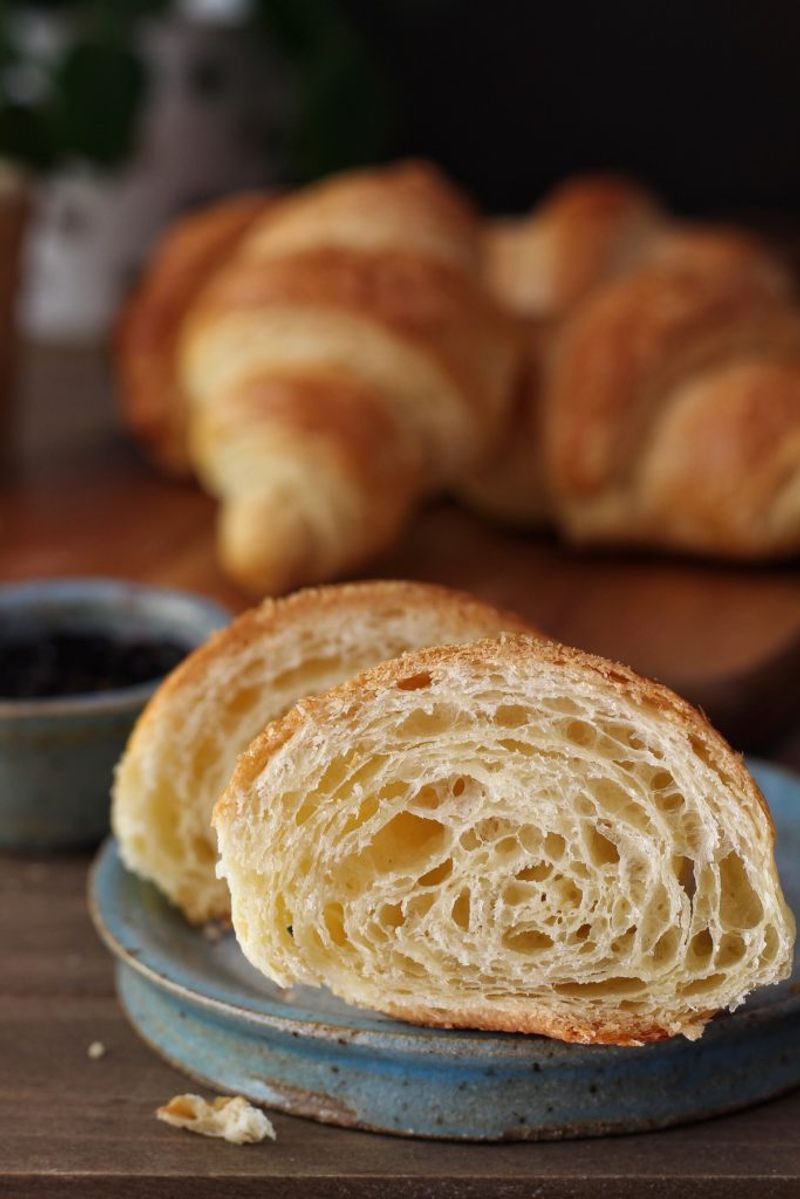
Classic croissants reward patience with crisp layers and a tender, honeycomb interior. Start with a lean yeasted dough, then wrap a cold butter block and execute precise folds with ample resting.
You want clean lamination lines and dough that rolls without fighting back.
Proof until the layers look puffy and delicate, then bake hot for maximum lift. A thin egg wash gives glossy color without sealing edges.
Even when they are not perfect, they taste like success.
Serve plain, with jam, or a touch of honey. The sweet breakfast version leans slightly richer and pairs beautifully with fruit and strong tea.
16. Brioche à Tête
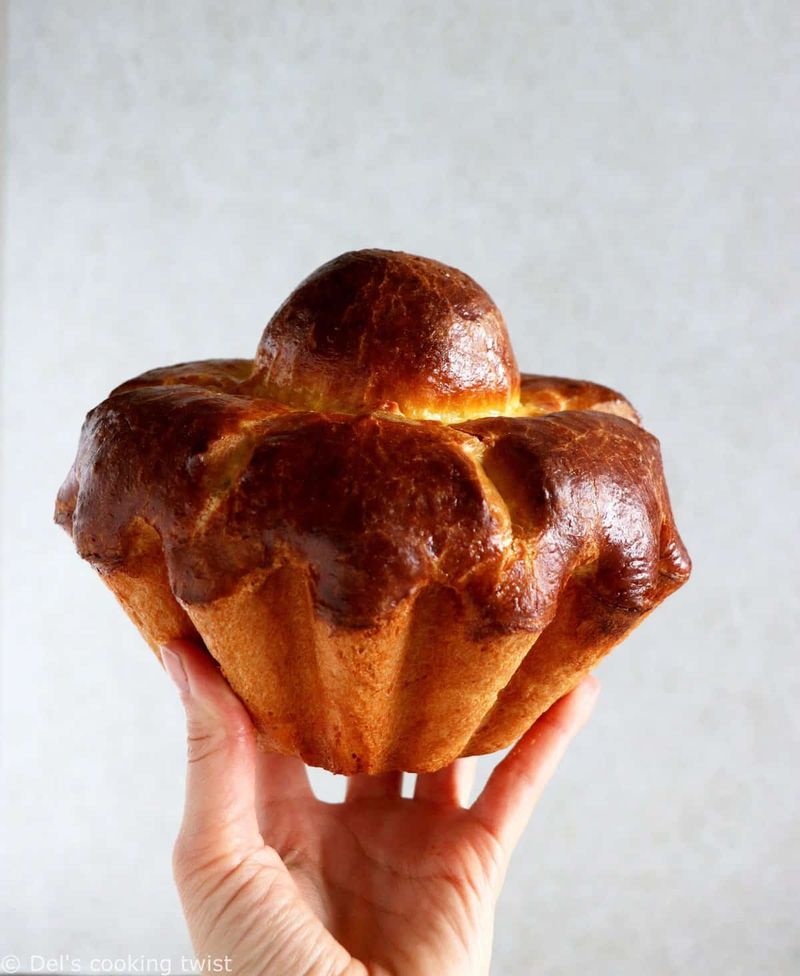
Brioche à tête is plush and buttery with iconic fluted sides and a jaunty cap. The dough is enriched with eggs and butter, kneaded until glossy and elastic, then chilled to relax.
Shaping the tête takes a gentle hand so the top stays perched after baking.
Let the loaves proof until springy and aerated, then bake to a deep golden brown. The crumb should pull apart in feathery strands.
It is irresistible plain but even better with good jam.
Leftovers transform into French toast or bread pudding. Once you feel the dough change from sticky to silky, you will know you are on track.
17. Madeleines
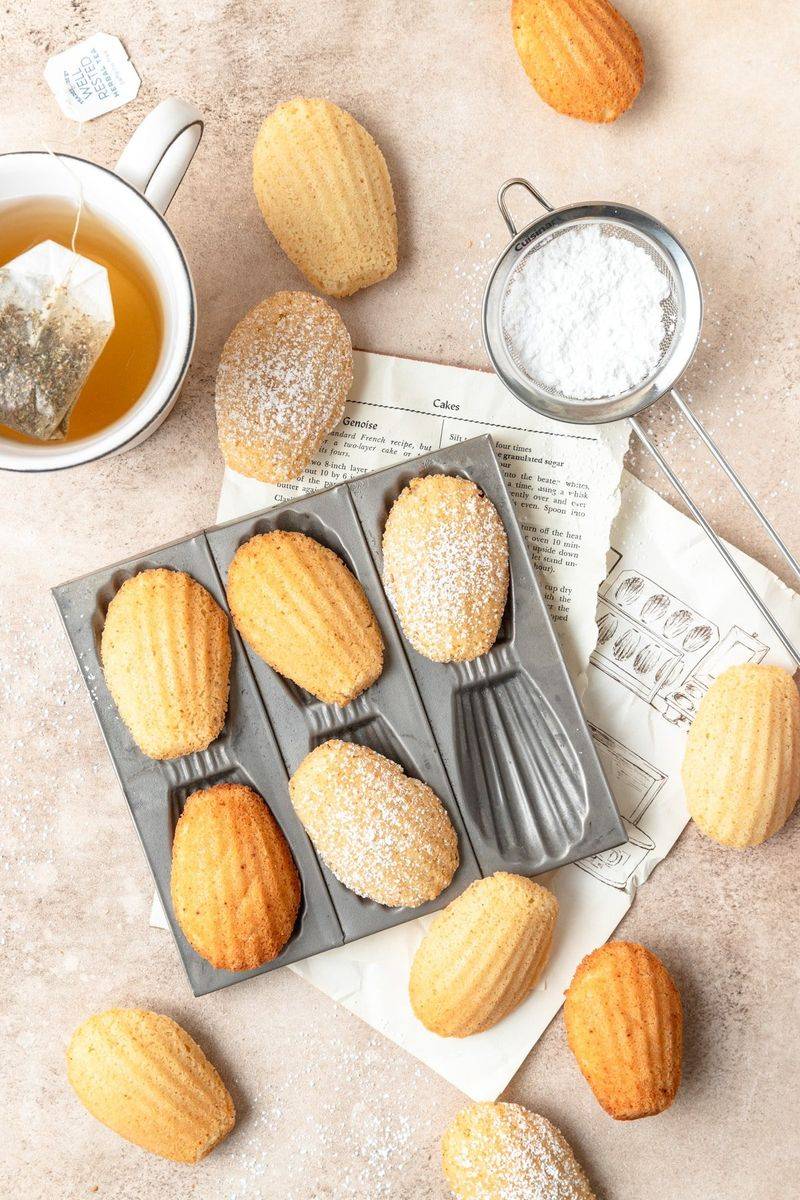
Madeleines are tiny shell shaped cakes that should be tender with crisp edges. Use browned butter for depth, a light hand with mixing, and a chill to encourage the signature hump.
Bake hot so the batter springs and the ridges carve out clean details.
They are best warm from the oven with a whisper of lemon zest. Dust with powdered sugar just before serving so it does not dissolve.
Overbaking dries them quickly, so watch the edges for light golden color.
These make a lovely afternoon treat with tea. The scent, the texture, and the pretty shape create an instant mood lift.
18. Financiers
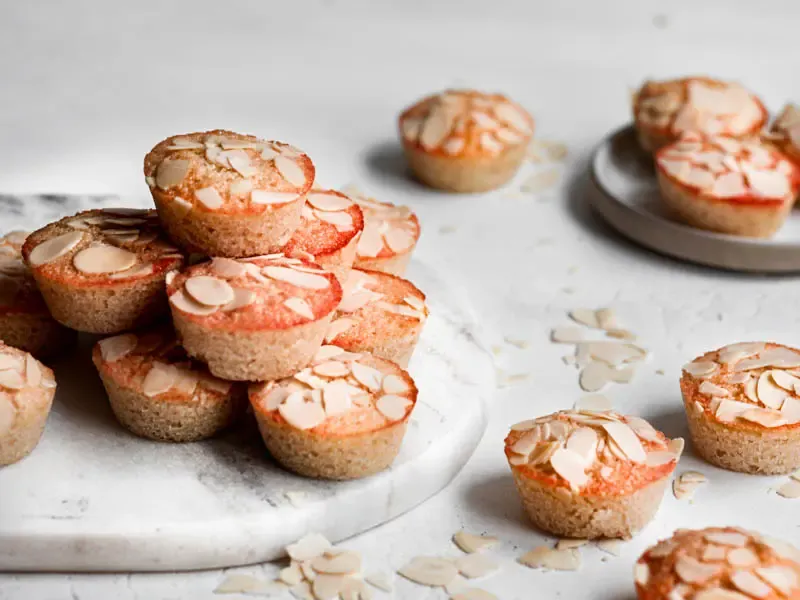
Financiers are petite almond cakes with a tender, moist crumb and a toasty edge. Brown the butter until nutty and strain, then mix with almond flour, sugar, a touch of flour, and egg whites.
The batter rests to hydrate, improving texture and rise.
Bake in small molds for crisp edges and buttery fragrance. A few raspberries or slivered almonds on top add color and crunch without stealing the spotlight.
They keep well and travel beautifully, making them perfect little gifts.
Use them to use up leftover egg whites from custards and curds. Simple, elegant, and quietly luxurious, financiers fit morning coffee or a dessert plate.
19. Cannelés de Bordeaux
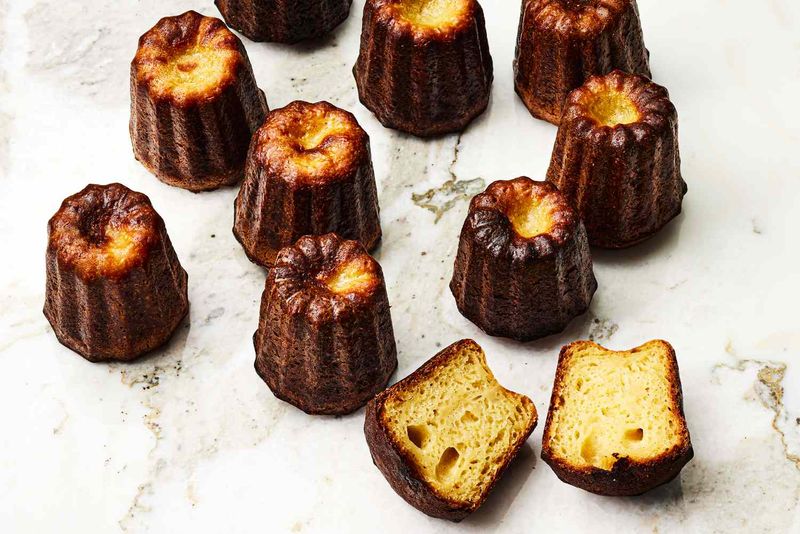
Cannelés are study in contrasts, with a deeply caramelized shell and a custardy interior. The batter rests overnight for flavor and texture, then bakes in very hot molds coated with beeswax butter.
Expect a dark exterior that borders on bitter caramel, which makes the inside taste sweeter.
Vanilla and a hint of rum perfume the crumb. Timing is everything, so do not pull them early or the crust will soften.
Let them cool upright so steam escapes and the ridges stay crisp.
They are addictive warm, but still charming at room temperature. The flavor evolves over hours, making them uniquely satisfying to revisit.
20. Macarons
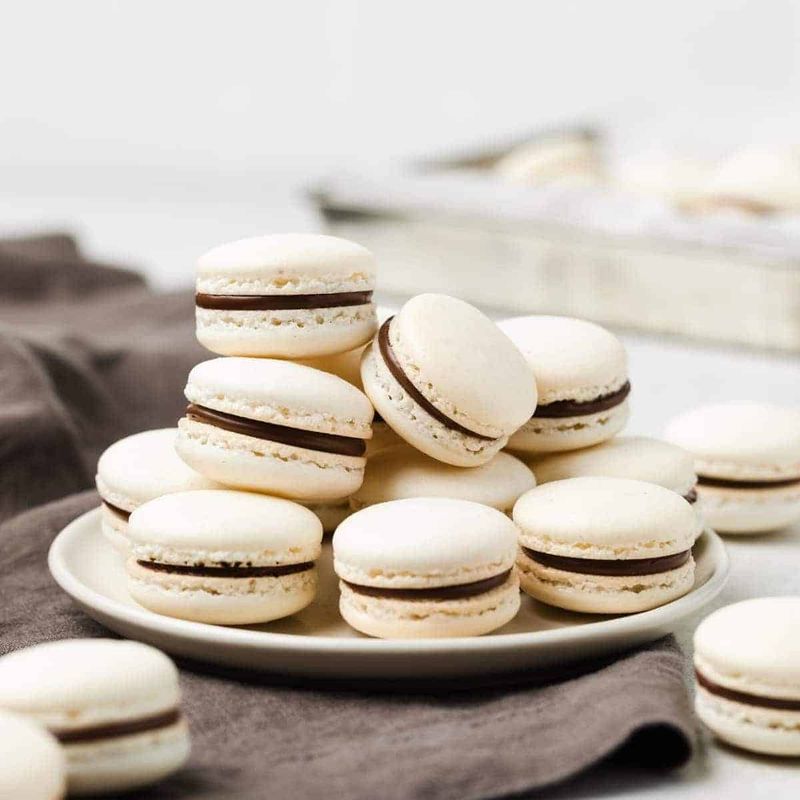
Macarons reward practice with smooth shells, tidy feet, and chewy centers. Sift almond flour and sugar finely, whip glossy meringue, then macaronage until the batter flows like lava.
Pipe evenly, rest until touch dry, and bake just long enough to set without browning.
Fill with ganache, buttercream, or jam, then mature overnight so the shells soften slightly. Precision matters, but once you find your rhythm, they become a relaxing ritual.
Color lightly to match flavors without staining tongues.
Try pistachio, raspberry, passion fruit, or vanilla bean. Store chilled and serve at cool room temperature for the best texture and flavor bloom.