20 Healthy Processed Foods That Offer Big Benefits
Processed does not have to mean unhealthy. Some smartly made foods can save time, reduce waste, and boost nutrition without compromising your goals. If you pick with intention, labels can become tools instead of traps. Let us explore convenient options that deliver real benefits, so you can stock your kitchen with confidence and eat well even on busy days.
1. Greek Yogurt (Plain, Unsweetened)

Thick, tangy, and versatile, plain Greek yogurt brings concentrated protein and a satisfying texture. It is strained to remove whey, which bumps up protein and reduces lactose, making it gentle for many. You can sweeten it yourself with fruit, cinnamon, or a drizzle of honey for control.
Stir it into smoothies, dollop on chili, or whip with herbs for a quick dip. The live cultures support gut health, while calcium and potassium help bone and muscle function. Choose unsweetened varieties to avoid added sugar. Keep an eye on fat levels to match your goals.
2. Canned Wild Salmon
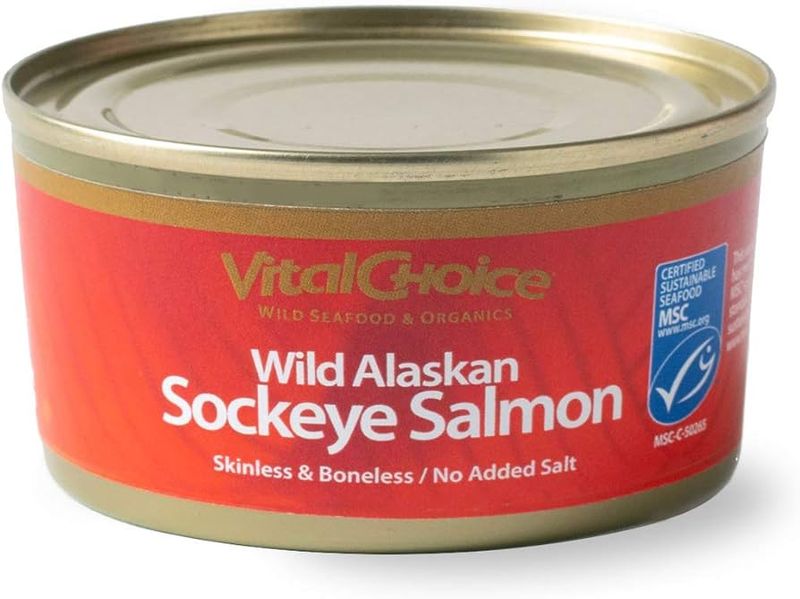
Canned wild salmon is convenient, affordable, and rich in omega-3 fats that support heart and brain health. The bones are soft and edible, adding a calcium boost many people miss. You get quality protein with minimal prep and long shelf life.
Mix into salmon cakes, toss with pasta, or fold into leafy salads. Look for wild-caught labels and lower sodium options when possible. Drain lightly to keep moisture. Keep a few cans on hand for quick meals after long days and you will meet weekly seafood goals more easily.
3. Frozen Mixed Vegetables
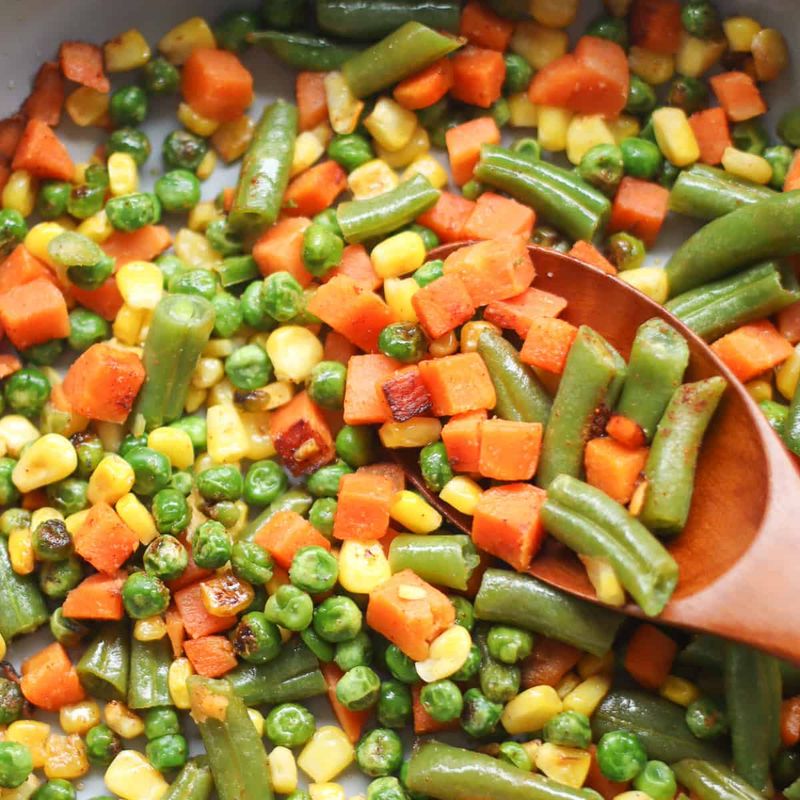
Frozen mixed vegetables are picked at peak ripeness then flash frozen to lock in nutrients. They are reliably fresh, budget friendly, and reduce waste because you use only what you need. No washing or chopping means dinner moves faster, even on a tight schedule.
Toss into stir-fries, soups, or egg scrambles for quick fiber and micronutrients. Choose blends without sauces to control sodium and added fats. Season boldly with garlic, chili flakes, or citrus zest. With smart storage, you always have a colorful base ready to go for balanced plates.
4. Canned Beans (Low Sodium)
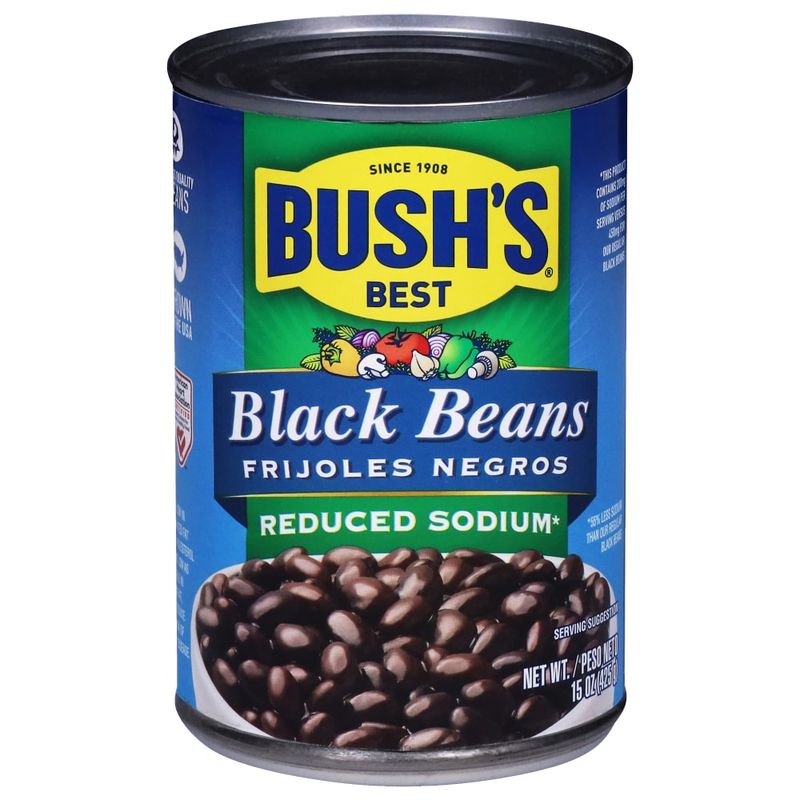
Canned beans are protein, fiber, and minerals in a can. Choose low sodium and rinse under water to cut salt further. They make fast meals when time is tight, and they hold up well in soups, salads, bowls, and tacos without soaking.
Black, pinto, chickpeas, and kidney each bring unique texture and flavor. The fiber supports fullness, gut health, and steady energy. Pair with whole grains for complete proteins. Keep several varieties in the pantry so plant-based meals are always within reach, even when fresh options run thin.
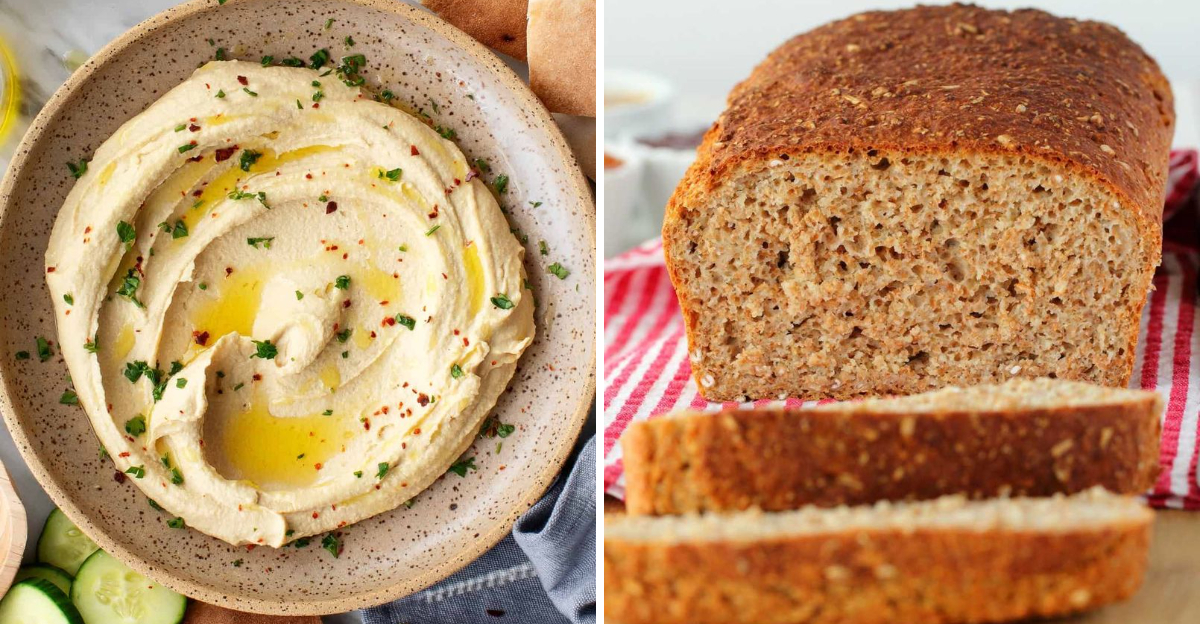
5. Whole Grain Bread (Minimal Ingredients)
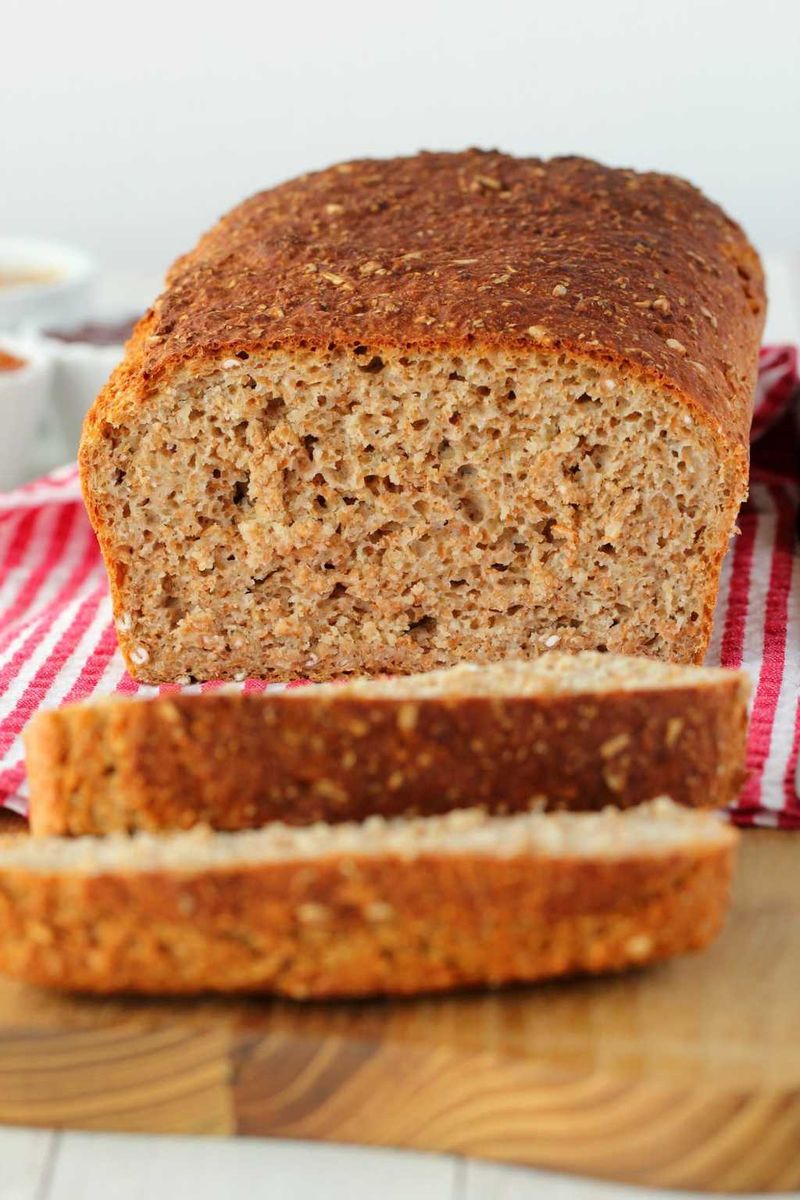
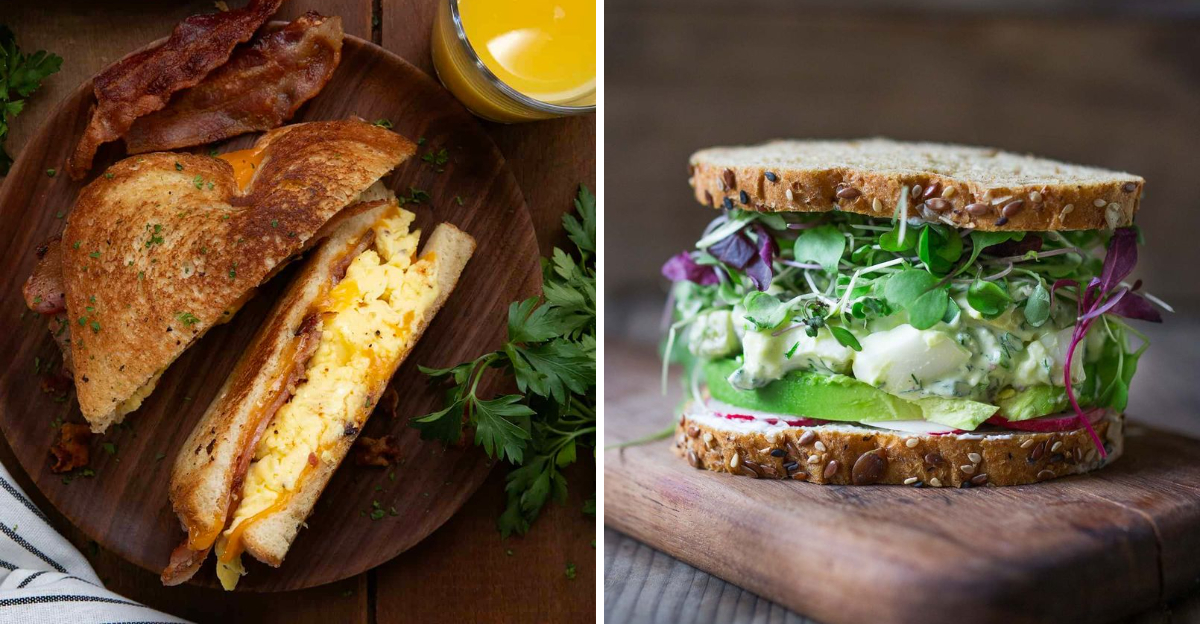
A quality whole grain bread with minimal ingredients can be a smart processed staple. Look for whole wheat or whole grain listed first, plus water, yeast, and salt. Skip added sugars when possible and avoid long, unpronounceable additives if you can.
Use it for avocado toast, hearty sandwiches, or crunchy croutons. The fiber supports digestive health and steadier blood sugar. Pair with protein to round out meals. Freeze slices to prevent waste and toast directly from frozen for a satisfying, reliable option any time.
6. Fortified Tofu
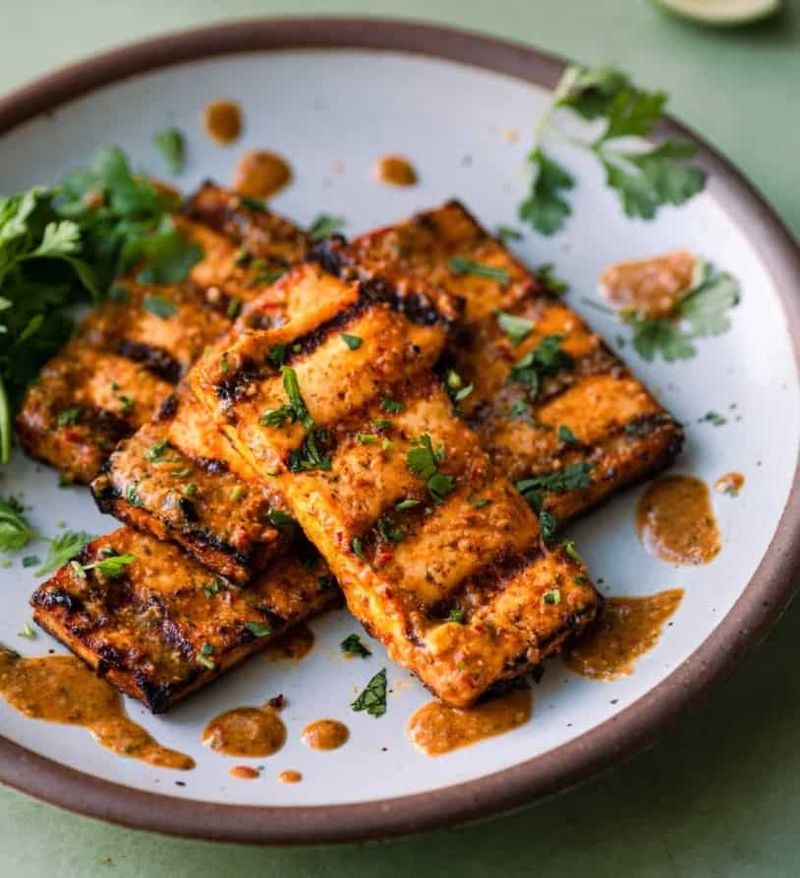
Tofu is a nutrient-dense, adaptable protein that takes on flavor beautifully. When fortified with calcium and sometimes iron, it supports bone health and anemia prevention. It can be soft for smoothies or firm and extra firm for grilling or stir-frying.
Press out moisture for crisp edges, then marinate with soy sauce, ginger, and garlic. Crumble into scrambles or bake into cubes for meal prep. It stores well and cooks quickly, making plant-based eating less stressful. Check labels for calcium sulfate and choose textures that match your recipe.
7. Plain Kefir

Kefir is a fermented milk drink with a tangy taste and a thinner texture than yogurt. It is packed with live cultures that support gut health and may help lactose digestion. Choose plain varieties to avoid excess sugar and sweeten naturally with fruit or spices.
Blend into smoothies, pour over granola, or sip chilled after workouts. The protein and probiotics make it a convenient, nourishing snack. Check labels for simple ingredients and low sodium. Keep a bottle in the fridge to make healthy choices feel easy and refreshing.
8. Canned Tomatoes (No Salt Added)
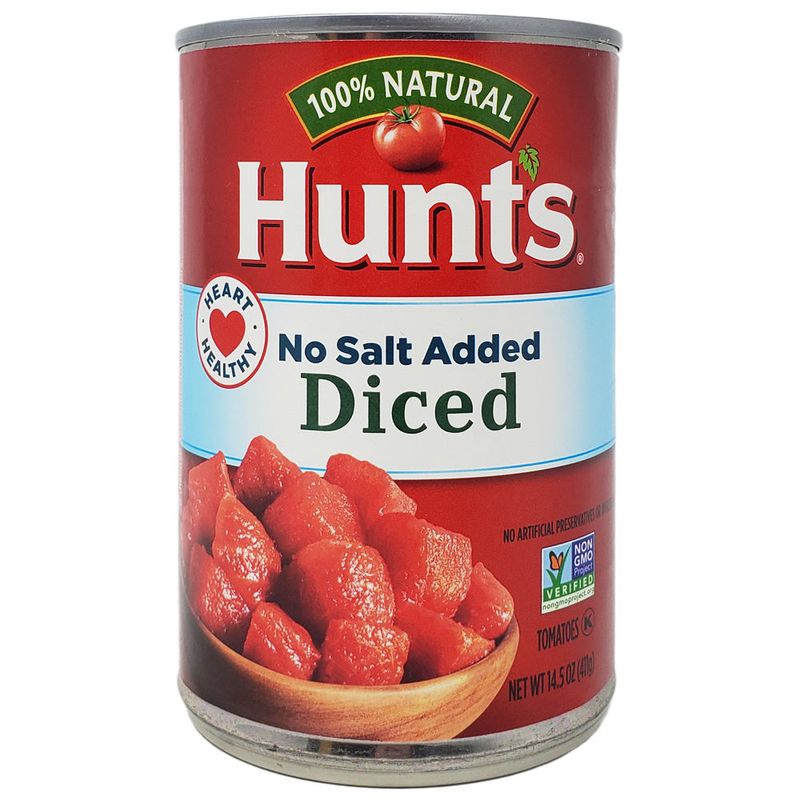
No-salt-added canned tomatoes deliver bright flavor and lycopene with year-round consistency. They are perfect for quick sauces, stews, and shakshuka without heavy prep. Heat unlocks lycopene bioavailability, offering antioxidant benefits.
Choose crushed, diced, or whole and break them down yourself for texture control. Pair with olive oil and herbs for an easy dinner base. Watch labels for just tomatoes and maybe citric acid. Keep a stack in the pantry and you will have reliable flavor on demand, even when fresh tomatoes disappoint.
9. Frozen Berries
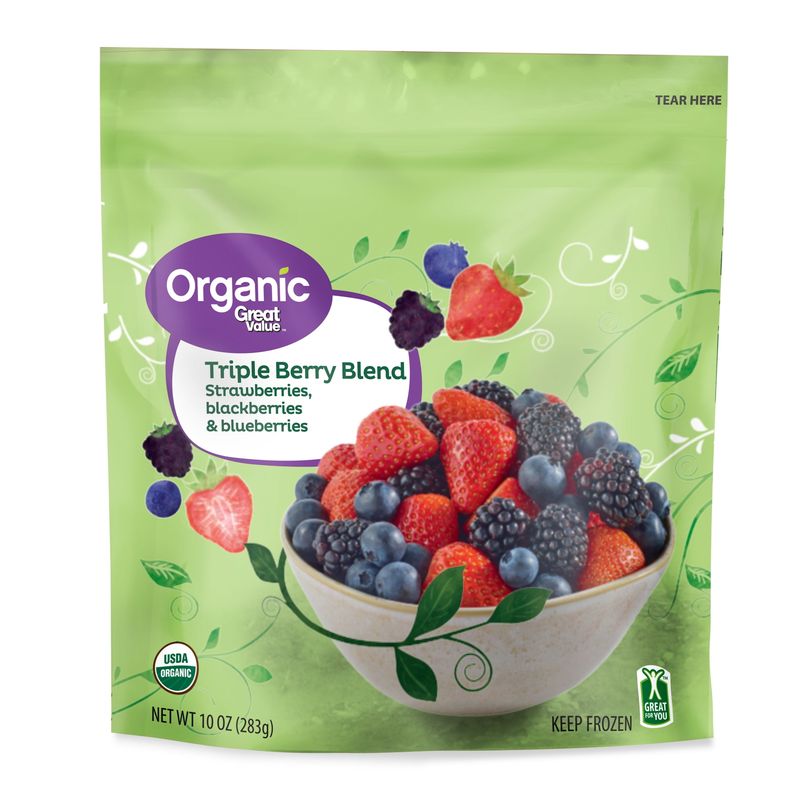
Frozen berries protect delicate nutrients and make smoothies or toppings effortless. They are picked at peak ripeness and frozen quickly, preserving vitamin C and antioxidants. You get sweetness without added sugar and less waste compared to fresh fruit that spoils fast.
Stir into oats, bake into muffins, or simmer into a quick compote. Look for unsweetened bags with single ingredients. Portion what you need and reseal tightly to avoid clumping. Keeping berries on hand helps you meet fruit goals even during off seasons and busy weekdays.
10. Canned Lentil Soup (Low Sodium)

Low sodium canned lentil soup can be a lifesaver when there is no time to cook. Lentils provide plant protein, fiber, and minerals that support fullness and heart health. The best options keep ingredients simple and rely on herbs rather than salt.
Brighten with lemon juice, spinach, or a splash of vinegar. Pair with whole grain toast for a balanced meal. Compare labels to keep sodium reasonable, ideally under 500 milligrams per serving. Stock a few cans for comforting, nutrient dense meals on hectic nights.
11. High-Fiber Breakfast Cereal
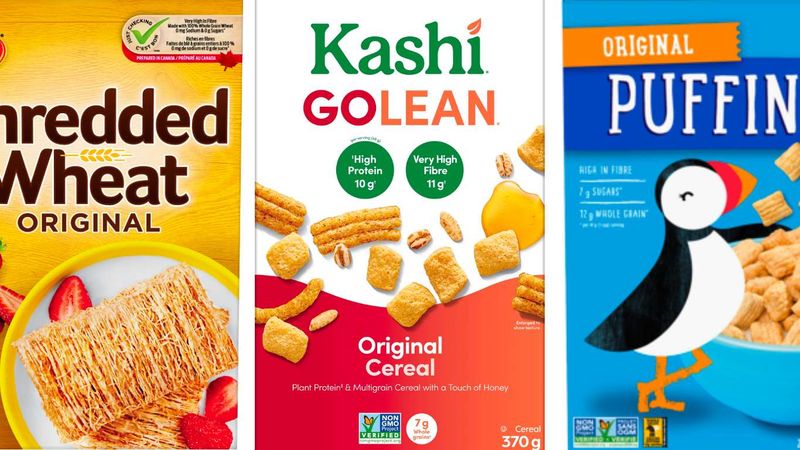
A high-fiber cereal with low added sugar can anchor quick breakfasts. Look for at least five grams of fiber and minimal sweeteners. Whole grain first on the ingredient list signals quality, and a short list is usually better.
Top with fruit, nuts, or yogurt for protein and healthy fats. The fiber supports satiety and regularity. Use it as a crunchy topping for smoothies too. Read portion sizes to avoid sneaky calories and keep the bowl satisfying without going overboard.
12. Nut Butter (No Added Sugar)
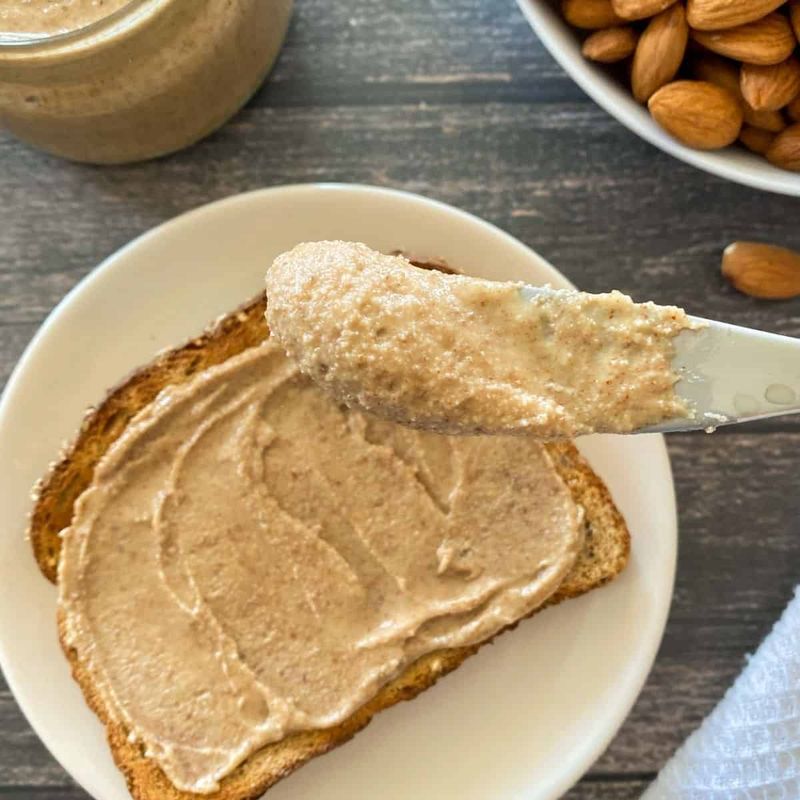
Natural nut butter offers healthy fats, protein, and a creamy texture that satisfies. Choose options with just nuts and maybe salt, avoiding added sugars and hydrogenated oils. Stir well when first opened to recombine natural oils and store upside down to reduce separation.
Spread on whole grain toast, swirl into oatmeal, or pair with apple slices. Portion control matters since calories add up quickly. A tablespoon or two goes a long way. Keep a jar for quick snacks that feel indulgent yet align with your health goals.
13. Hummus (Classic, Minimal Ingredients)
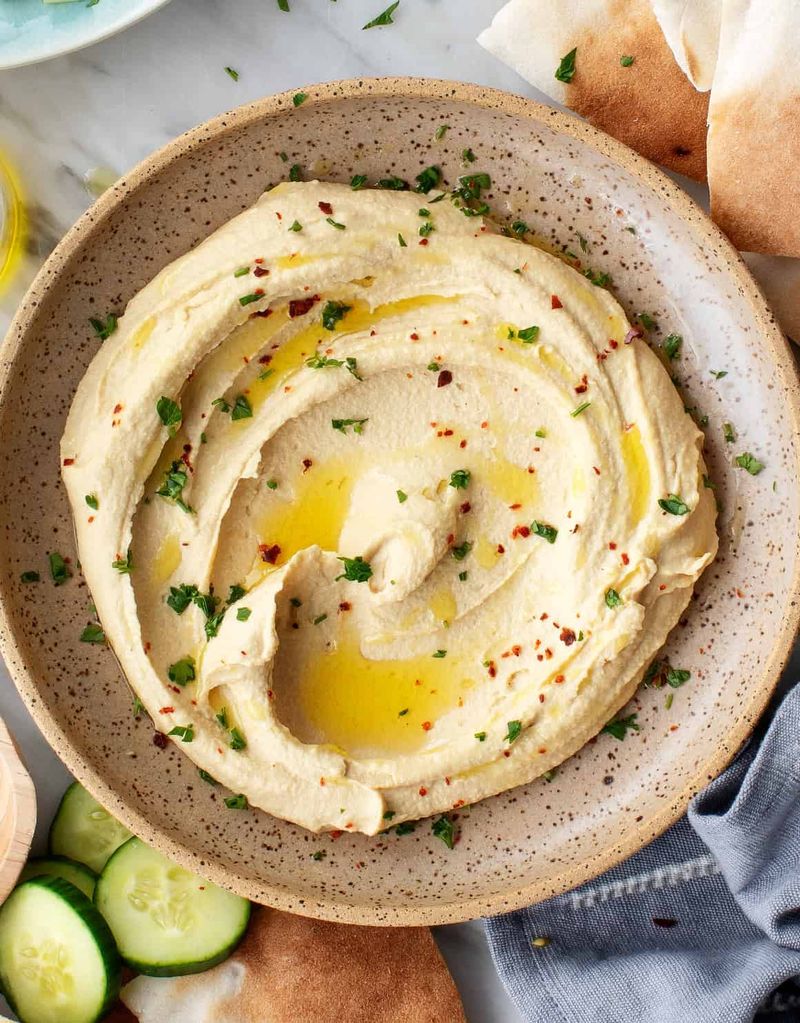
Hummus blends chickpeas, tahini, lemon, and garlic into a creamy, fiber-rich spread. Choose versions with minimal ingredients and moderate sodium to keep it heart friendly. It is an easy way to add plant protein and healthy fats to snacks and meals.
Use as a dip for veggies, a spread in wraps, or a base for grain bowls. Thin with water and lemon for a quick dressing. Watch serving sizes, as tahini adds calories. Keep flavors classic if you want maximum versatility.
14. Canned Tuna (In Water)
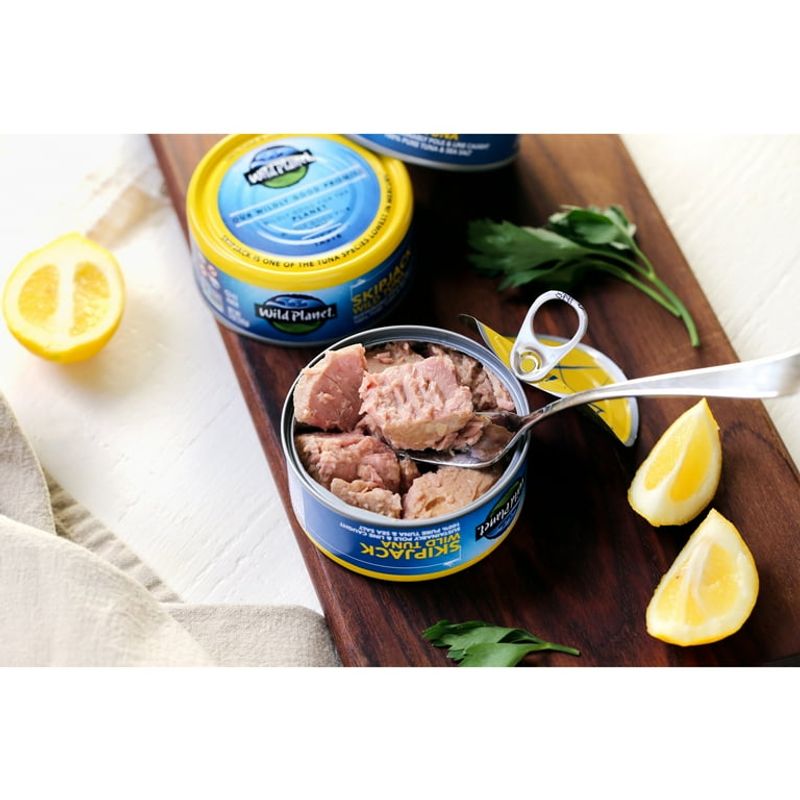
Canned tuna in water is lean, high protein, and shelf stable for months. It is perfect for fast salads, sandwiches, and casseroles. Choose skipjack or light varieties for generally lower mercury, and look for responsibly sourced labels.
Drain well, then mix with yogurt, mustard, and herbs instead of heavy mayo. Add crunchy veggies and lemon for brightness. Keep an eye on sodium and serving size. With a few cans, you can meet protein needs even on the busiest days.
15. Frozen Brown Rice
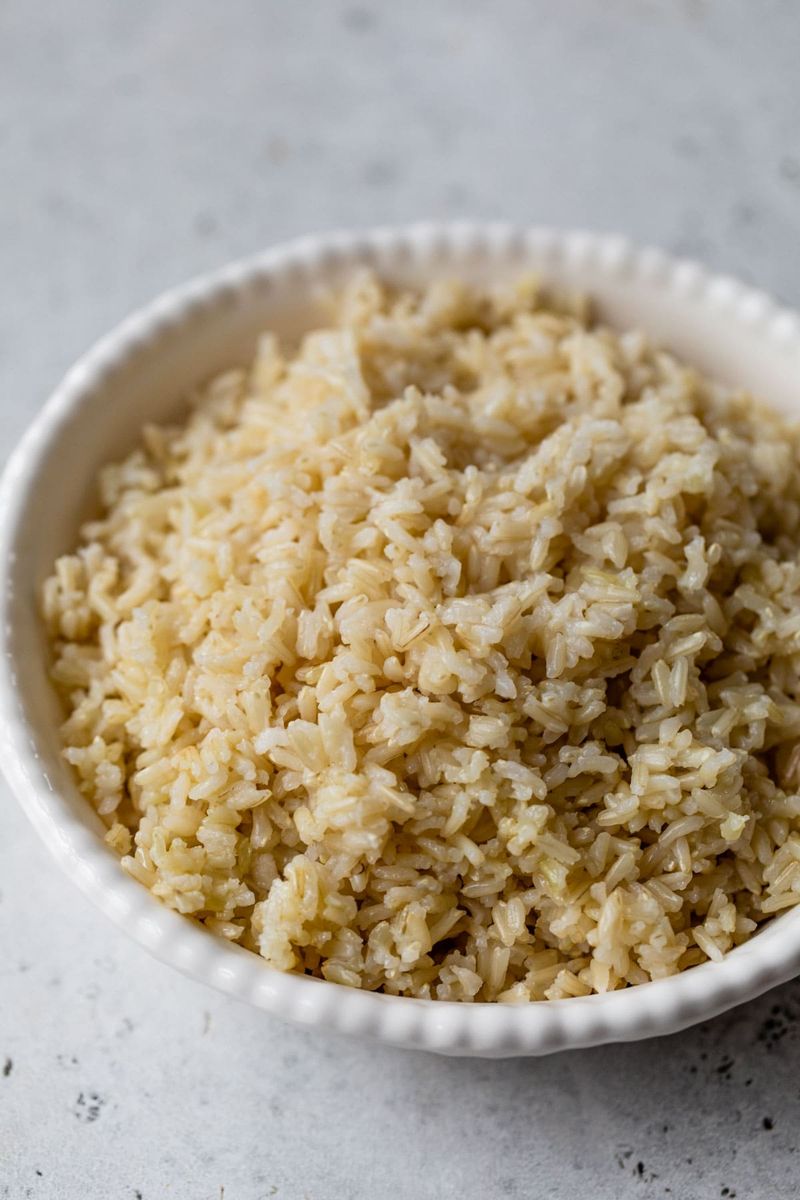
Frozen brown rice cuts cooking time to minutes while keeping whole grain benefits. The fiber helps with fullness and blood sugar steadiness. It is a neutral base for stir-fries, curries, and grain bowls when you are short on time.
Choose plain rice without sauces to control sodium and oils. Fluff with a fork and finish with herbs, citrus, or toasted sesame oil. Portion into meal prep containers for reliable lunches. Keeping a bag in the freezer reduces takeout temptation when evenings get hectic.
16. Cottage Cheese (Low-Fat)
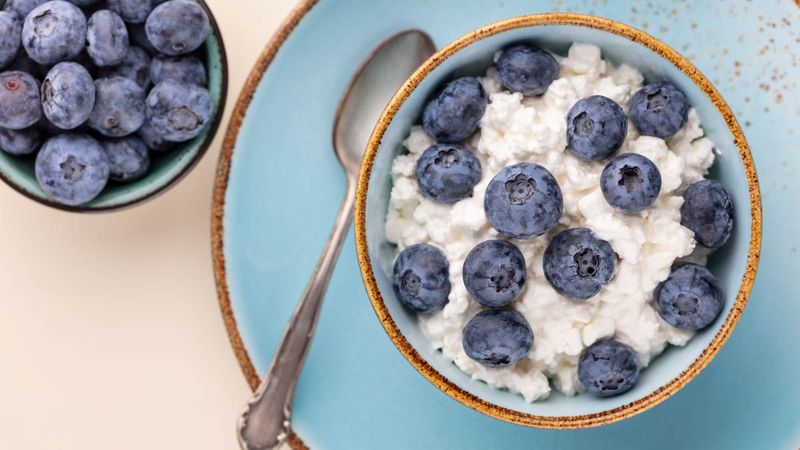
Low-fat cottage cheese packs a surprising amount of protein in a creamy, spoonable form. Many varieties contain live cultures for digestion support. It is a fast breakfast or snack that pairs well with sweet or savory toppings.
Add fruit and seeds, or go savory with tomatoes, pepper, and olive oil. Watch sodium, since some brands run high. Choose small curd or large curd based on texture preference. Keep it cold and enjoy within a week for best quality and flavor.
17. Edamame (Frozen, Shelled)
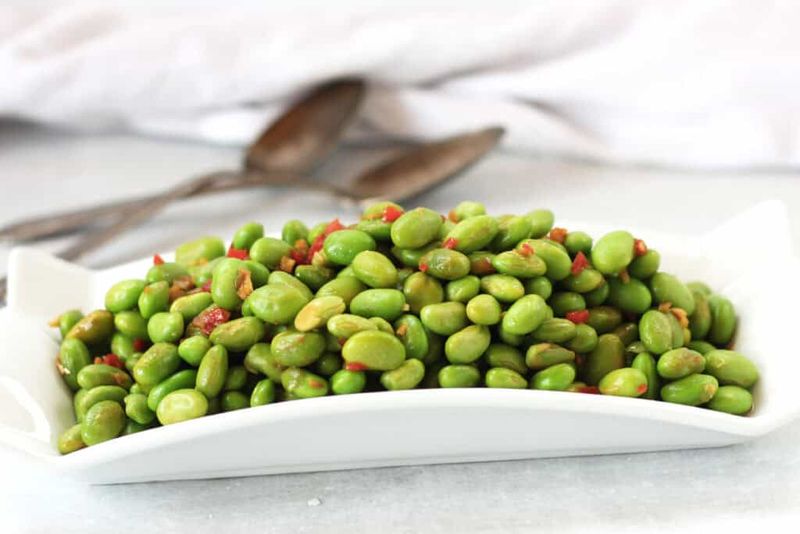
Frozen shelled edamame is a quick, plant-based protein that cooks in minutes. It brings fiber, iron, and folate alongside satisfying texture. You can toss it into salads, grain bowls, or eat it warm with a sprinkle of salt and chili flakes.
Microwave or boil briefly to keep a tender bite. Keep bags on hand for snack attacks that would otherwise derail your plan. It is a simple upgrade to weeknight meals. Rinse after cooking if watching sodium and season creatively to keep it interesting.
18. Canned Pumpkin (Pure)
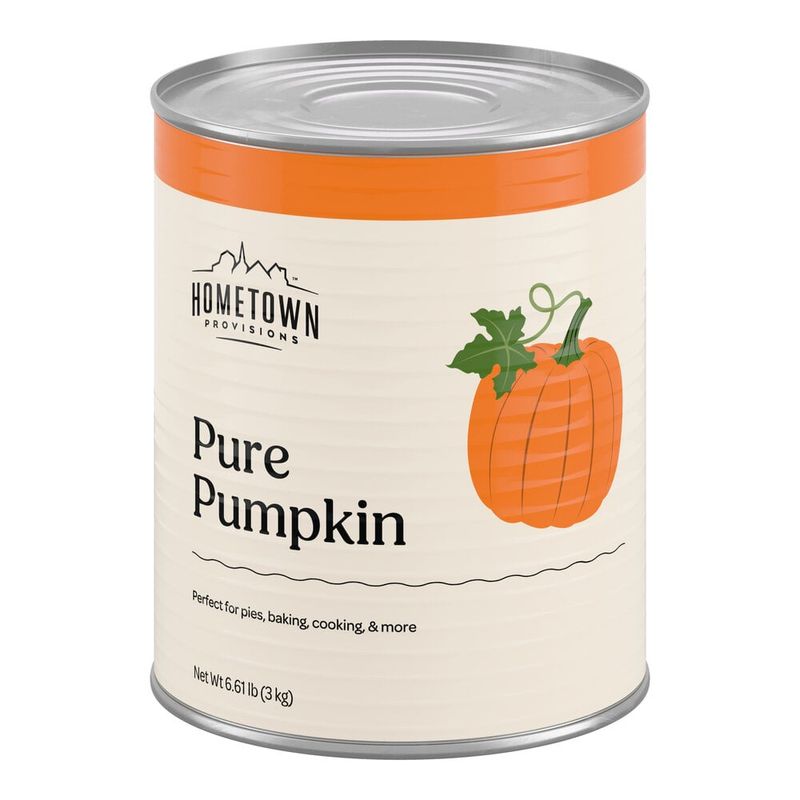
Pure canned pumpkin adds fiber, vitamin A, and creamy body to dishes without much sugar. It is a shortcut for soups, smoothies, oats, and baking. The texture creates richness so you can use less oil or cream and still feel satisfied.
Look for labels that say 100 percent pumpkin, not pie filling. Stir into pancake batter or blend with banana and spice for a quick pudding. Freeze leftover portions in ice cube trays. It is a smart staple during fall but useful all year.
19. Sardines In Olive Oil
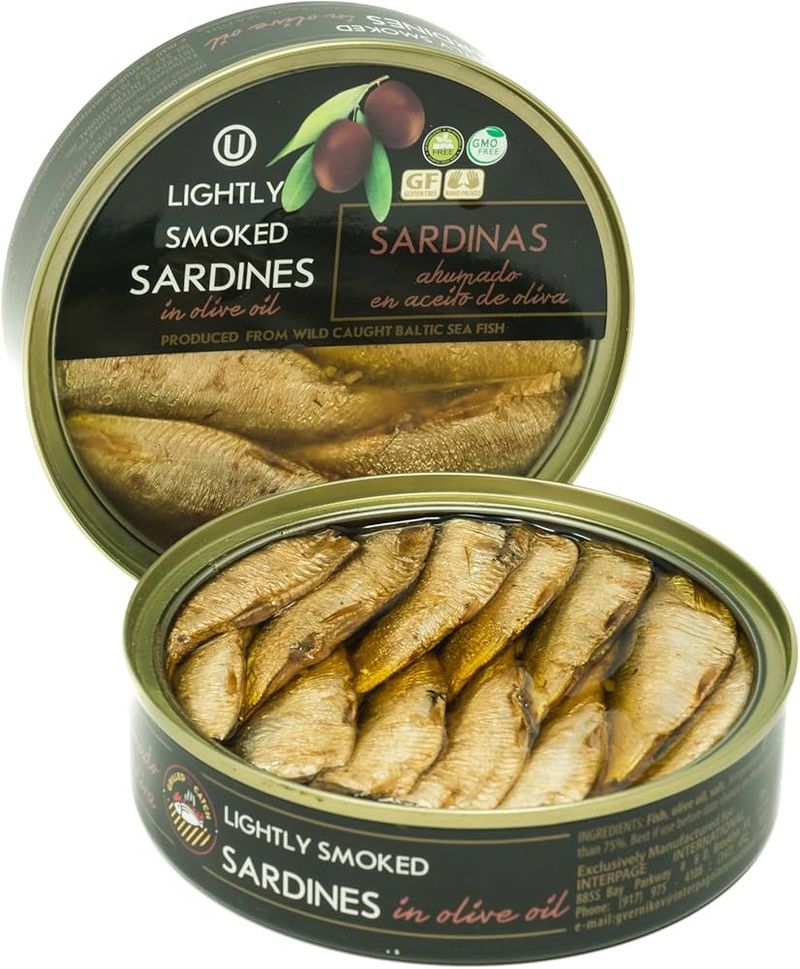
Sardines are nutrient powerhouses with omega-3 fats, protein, vitamin D, and calcium from edible bones. Packed in olive oil, they are flavorful and ready to eat. The small fish tend to be lower in mercury, making them a smart, sustainable choice.
Serve on whole grain toast with mustard and herbs, or toss into pasta with garlic and chili. Drain lightly if you prefer less oil. Keep a tin or two for fast, satisfying meals that truly nourish. Choose BPA free packaging when possible.
20. Protein-Rich Pasta (Legume-Based)
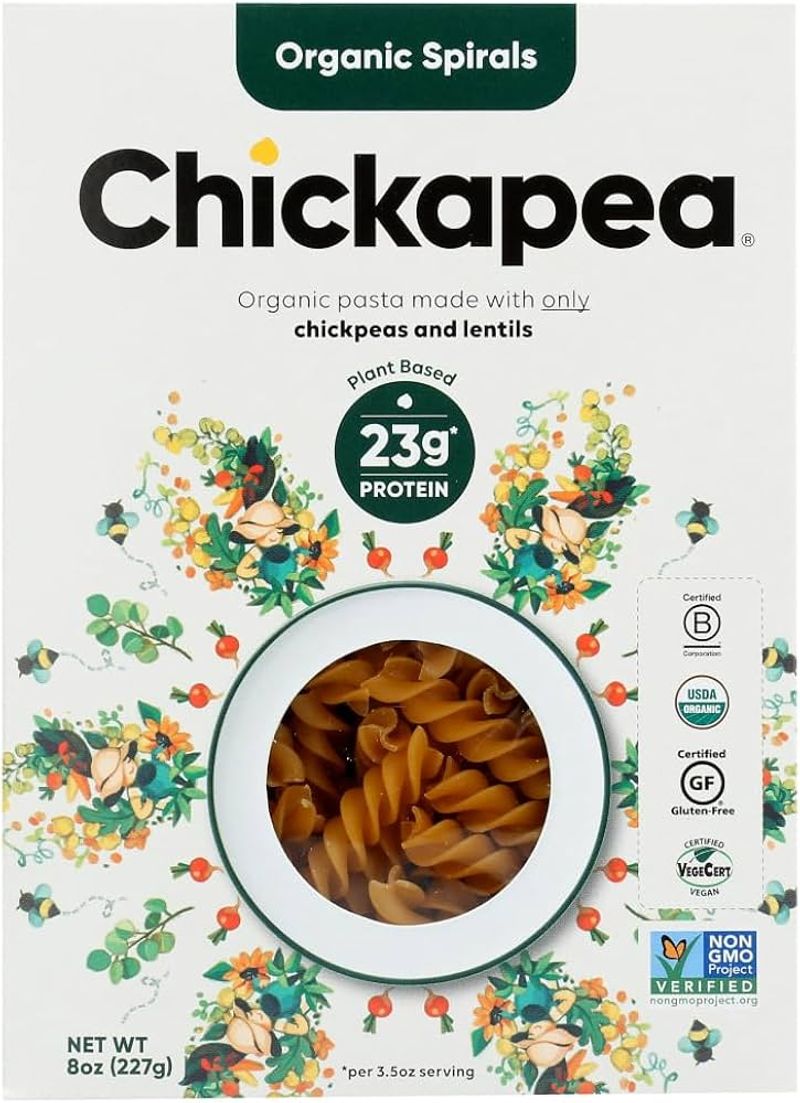
Legume-based pasta made from lentils or chickpeas delivers more protein and fiber than traditional wheat pasta. It cooks quickly and holds sauce well, making weeknight dinners easier. The added fiber supports fullness and can smooth out blood sugar spikes.
Salt the water lightly and avoid overcooking to maintain texture. Pair with tomato sauce, olive oil, or pesto and add veggies for balance. Check labels for single-ingredient varieties if you want minimal additives. It is a solid swap that feels familiar yet fuels better.