20 Korean Dishes That Fill Tables Across The Country
Korean food turns every meal into a full table moment, the kind that makes you lean in and keep reaching for just one more bite. You get sizzling grills, bubbling stews, crunchy bites, and tangy hits that wake everything up.
There is always a side dish that mysteriously disappears while you swear you are only tasting it. Ready to see the dishes that make Korean tables feel so alive, from cozy homes to buzzing restaurants?
1. Kimchi
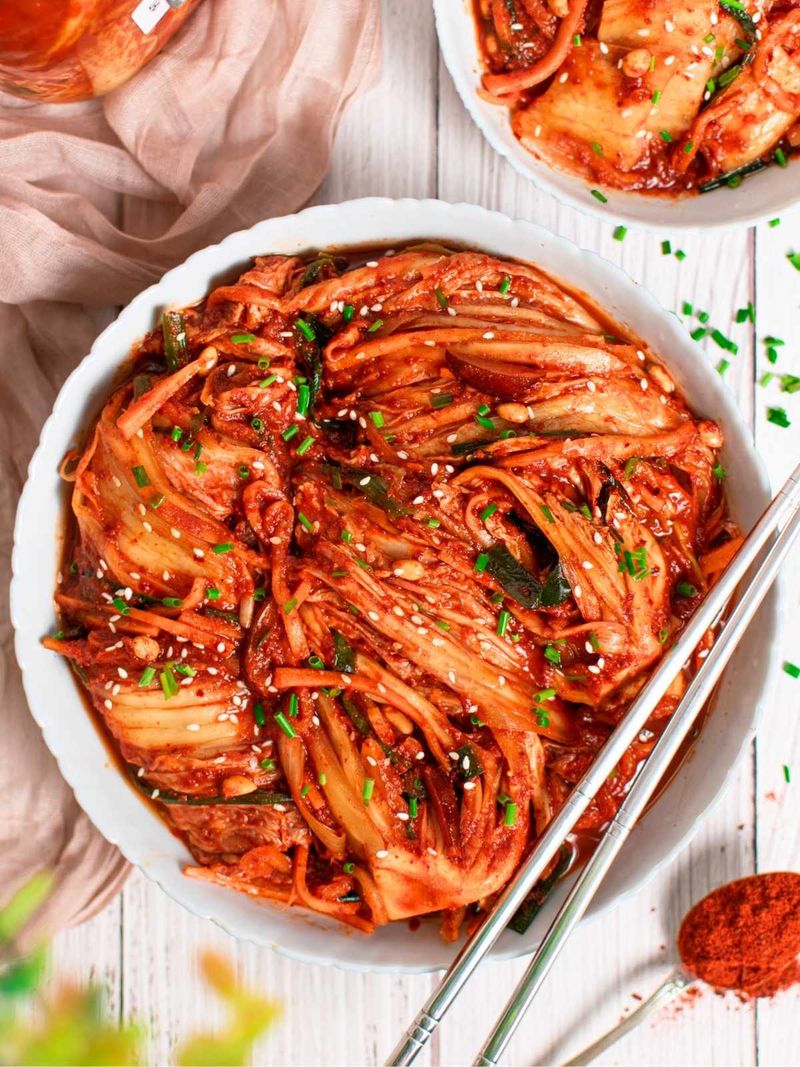
Kimchi is the backbone of a Korean table, the crunchy, spicy, sour spark that shows up with almost everything. You taste chili, garlic, ginger, and the deep funk of fermentation layered through napa cabbage or radish.
It wakes up rice, cuts through rich meats, and invites one more bite every time.
You can find classic baechu kimchi, water kimchi for a refreshing sip, or cubed kkakdugi with juicy snap. The flavor shifts by region, family recipe, and season, sometimes sweeter, sometimes brinier.
It is living food, changing a little each day.
Serve it chilled with stews, tuck it into grilled meat wraps, or fry it into pancakes. When it gets older, cook it.
Deeper tang becomes magic.
2. Bibimbap
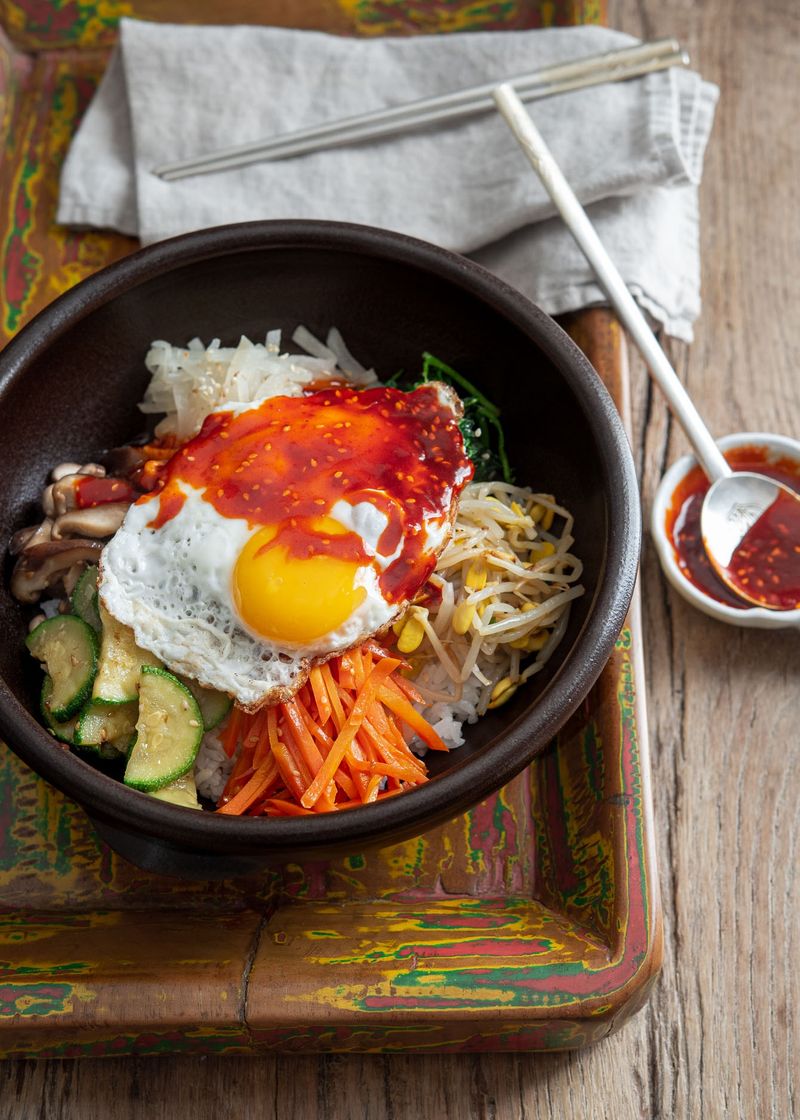
Bibimbap is a color wheel in a bowl, and mixing is the point. You get warm rice, crisp-tender vegetables, savory protein, and a runny egg binding it all with gochujang.
Each bite balances heat, sweetness, earthy notes, and nutty sesame.
Dolsot versions sizzle in a hot stone bowl, giving you that prized crispy rice crust at the bottom. Spoon in sauce, stir thoroughly, then chase the crunchy bits.
The textures shift from soft to snappy with every scoop.
Make it with beef, tofu, or mushrooms, and adjust heat to your liking. It is endlessly customizable and great for using leftovers.
Arrange neatly for beauty, then destroy it deliciously when you mix.
3. Bulgogi
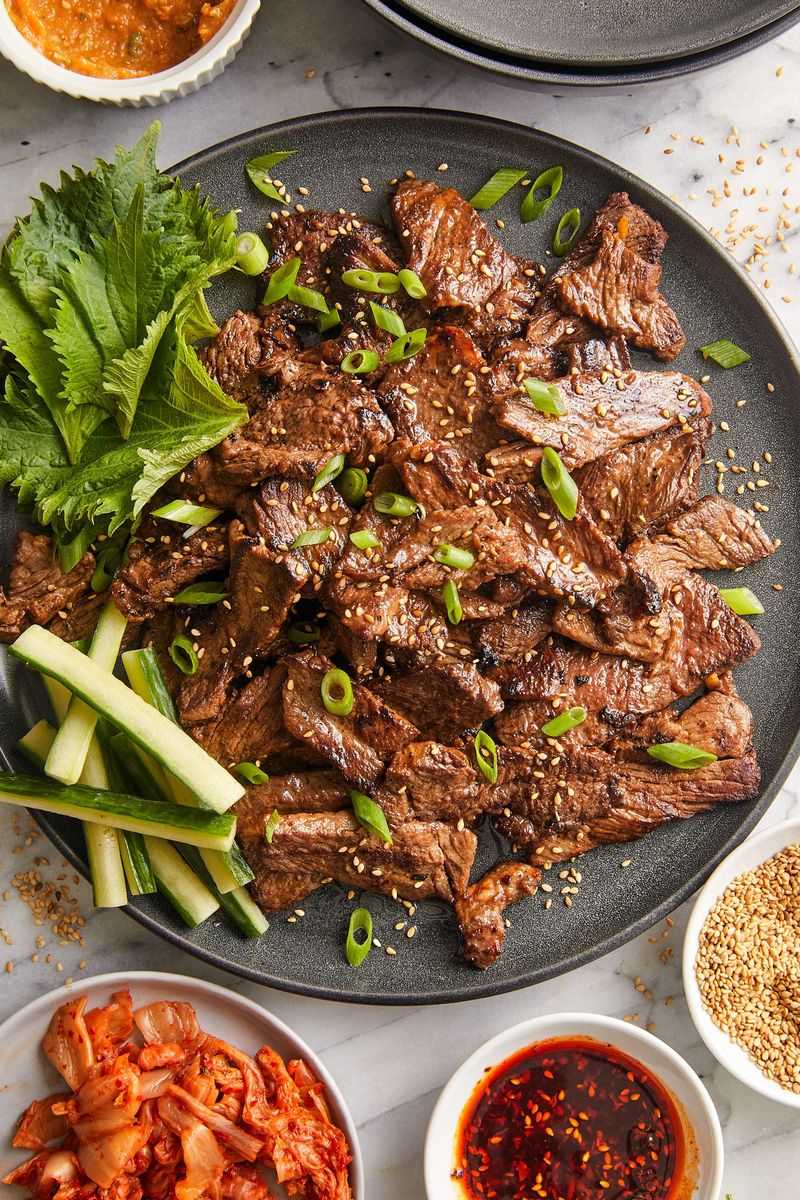
Bulgogi is thin-sliced beef marinated until it tastes both sweet and savory, then seared hot for caramelized edges. Pear or apple often sneaks into the sauce, tenderizing the meat gently.
The aroma of soy, garlic, and sesame tells you dinner is ready before you sit.
Cook it on a grill or a skillet, crowding in onions and mushrooms for extra juice. Wrap bites in lettuce with rice and ssamjang for a balanced crunch.
It is easy to share and hard to stop eating.
Leftovers shine in fried rice or on top of noodles. Adjust sugar and heat to your mood.
When you want a gateway dish that wins everyone, bulgogi says hello first.
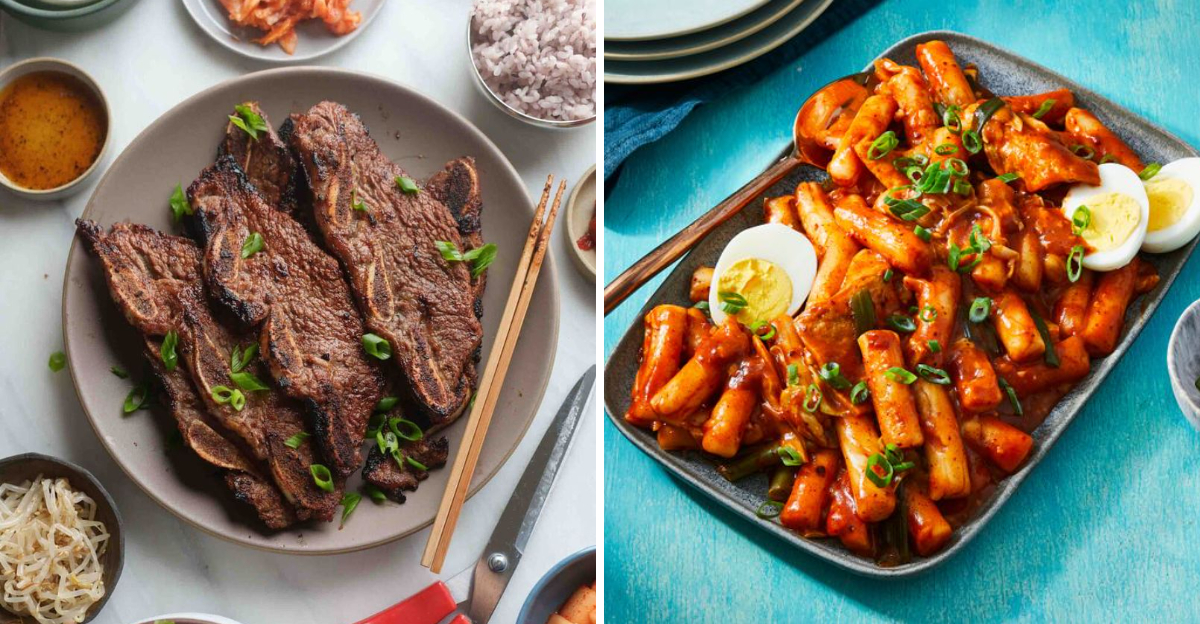
4. Galbi (Korean BBQ short ribs)
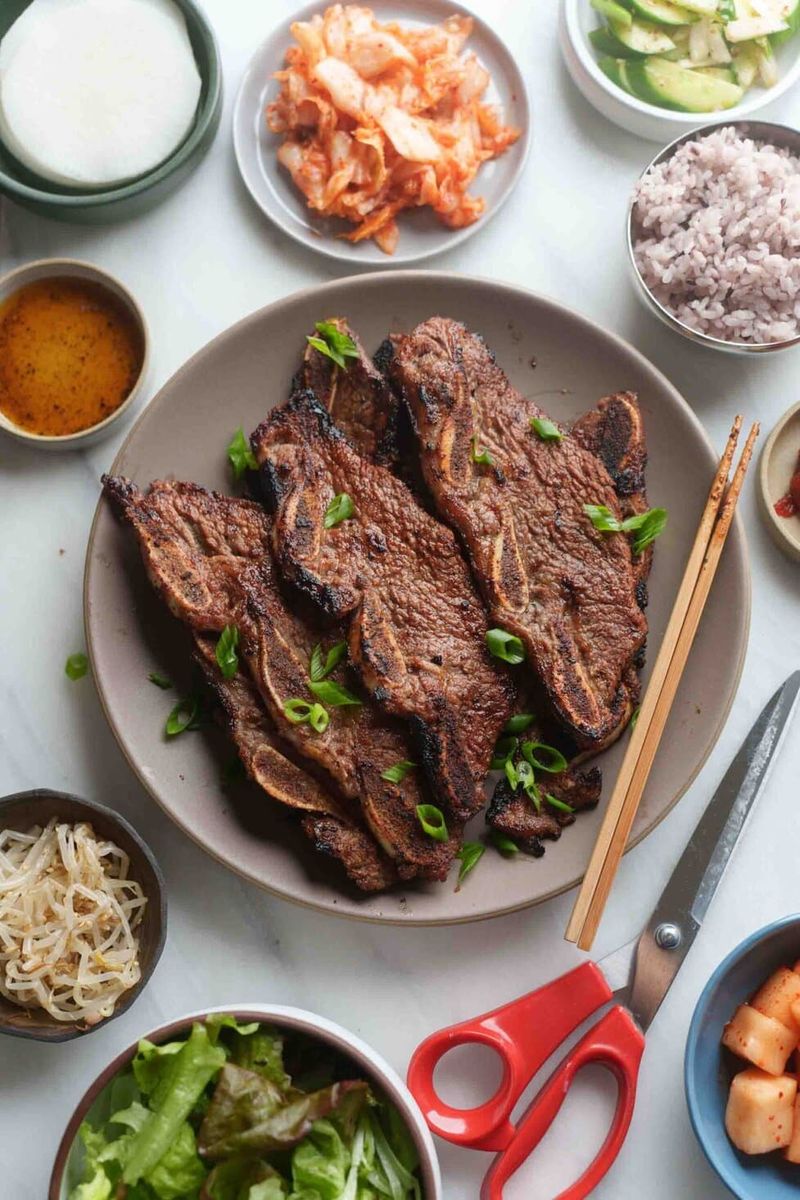
Galbi feels like a celebration the second it hits the grill. These cross-cut short ribs soak in a soy-garlic marinade with fruit for sweetness, then char into juicy, glossy perfection.
The bones add flavor, and the sizzling sound pulls everyone closer.
You slice off a piece, wrap it in lettuce with rice, kimchi, and a dab of ssamjang. Each bundle is smoky, sweet, salty, and bright.
Eating becomes a fun rhythm of grill, wrap, and share.
Marinate overnight for depth, and do not rush the sear. A little char tastes fantastic.
Pair with cold beer or sparkling water, and keep extra napkins ready because hands will stay busy.
5. Samgyeopsal (pork belly)
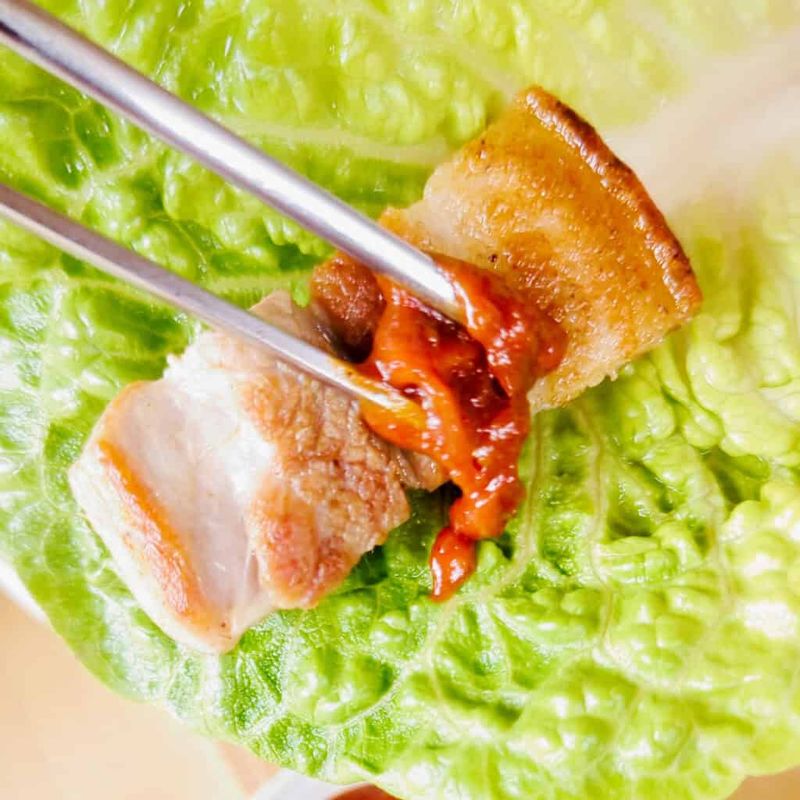
Samgyeopsal is all about thick pork belly slices sizzling until golden, with fat turning crisp at the edges. Grill garlic and kimchi beside it so everything picks up smoky flavor.
The table becomes a mini cookout, and you are the grill master.
Build a wrap with lettuce, perilla, a dab of ssamjang, rice, and a slice of pork. Add raw garlic or chili for a kick.
Each bite is juicy, crunchy, and fresh all at once.
No marinade needed, just salt, pepper, and good heat control. Cut pieces with scissors for bite-sized ease.
Pair with soju or chilled barley tea, and watch the platter empty faster than expected.
6. Japchae
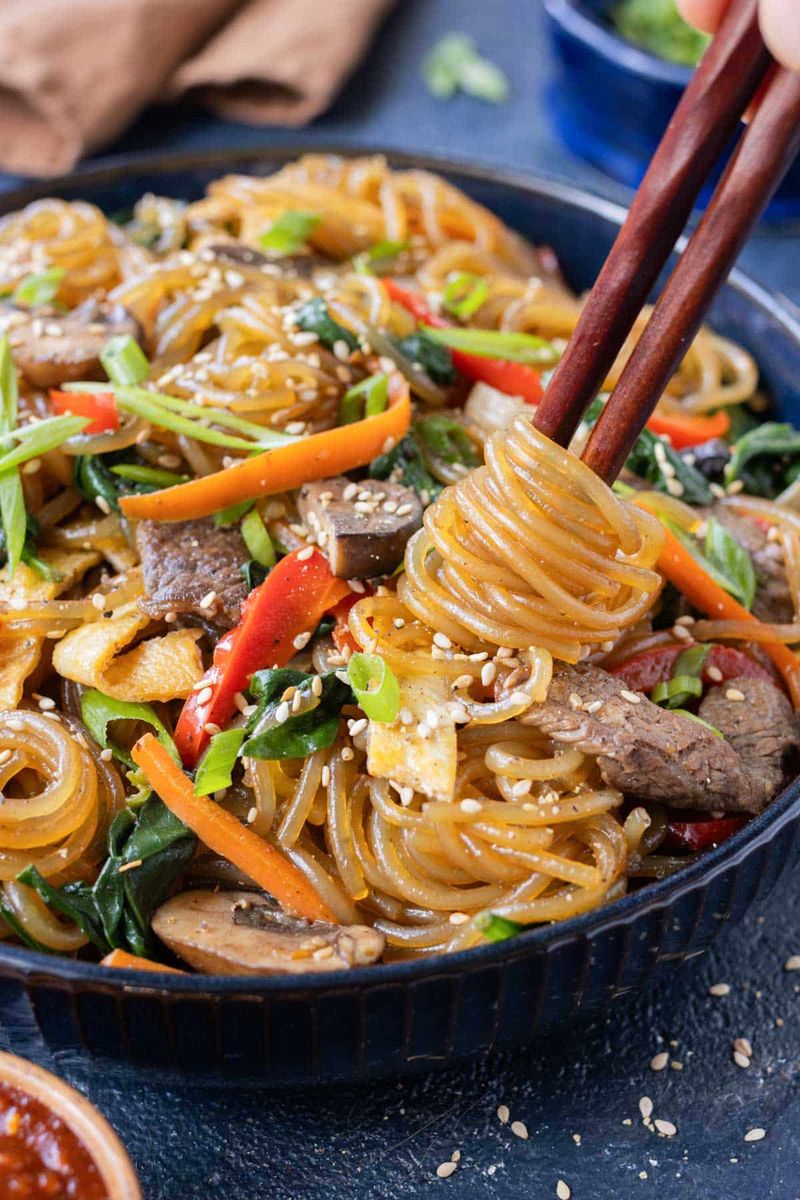
Japchae twirls slippery sweet potato noodles through a savory-sweet glaze that clings beautifully. Vegetables stay colorful and crisp, while beef or tofu adds gentle richness.
Sesame oil rounds everything with a nutty perfume you smell before lifting chopsticks.
It works warm or room temperature, making it perfect for parties and lunch boxes. Stir-fry components separately for ideal textures, then combine with sauce at the end.
The noodles should be bouncy, never soggy.
Add extra mushrooms for umami or skip meat entirely. A sprinkle of sesame seeds and scallions finishes things nicely.
It is the kind of dish you keep stealing bites of, even while promising to save some for later.
7. Tteokbokki
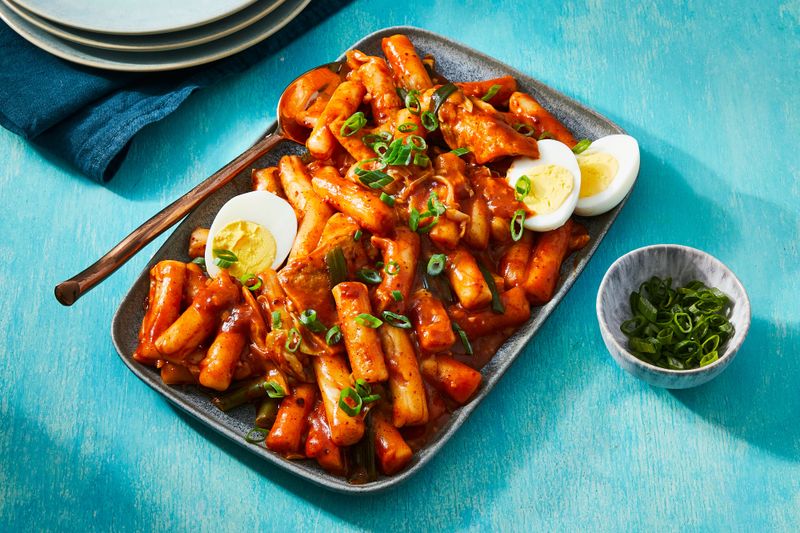
Tteokbokki is the spicy-sweet hug you reach for on chilly days. Chewy rice cakes soak up a glossy gochujang sauce that clings to everything.
Fish cakes, boiled eggs, and scallions join the party, making the pan feel complete.
Street stalls serve it bubbling, and you chase heat with sips of broth or sips of soda. The texture is the thrill, bouncy and satisfying.
You can add cheese for creamy comfort or extra chili for a bold kick.
Keep the sauce balanced with sugar and soy, and simmer just enough to thicken. Leftover sauce loves noodles.
It is messy, cozy, and absolutely worth the orange fingerprints on napkins.
8. Sundubu jjigae (soft tofu stew)
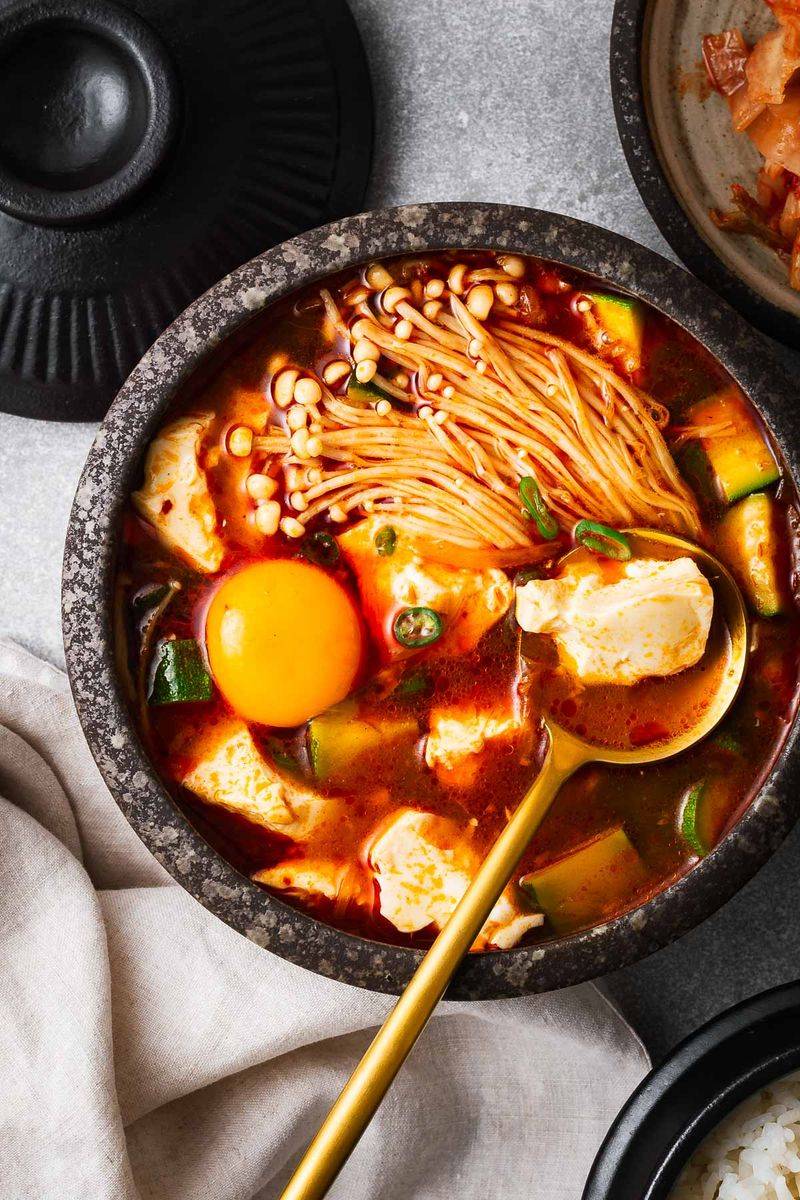
Sundubu jjigae arrives at the table furiously bubbling, with silky tofu that breaks like custard. The broth is spicy, garlicky, and slightly briny if you add clams.
Crack an egg on top and watch it set in the heat.
It is comfort in a stone pot, perfect with hot rice and quick spoonfuls of kimchi. You feel warm from the first sip.
The aroma of gochugaru and sesame oil lingers long after.
Customize with mushrooms, pork, seafood, or keep it simple. Balance salt with a touch of sweetness.
When the weather turns cold or you want a soothing reset, this stew says sit down and breathe.
9. Kimchi jjigae (kimchi stew)
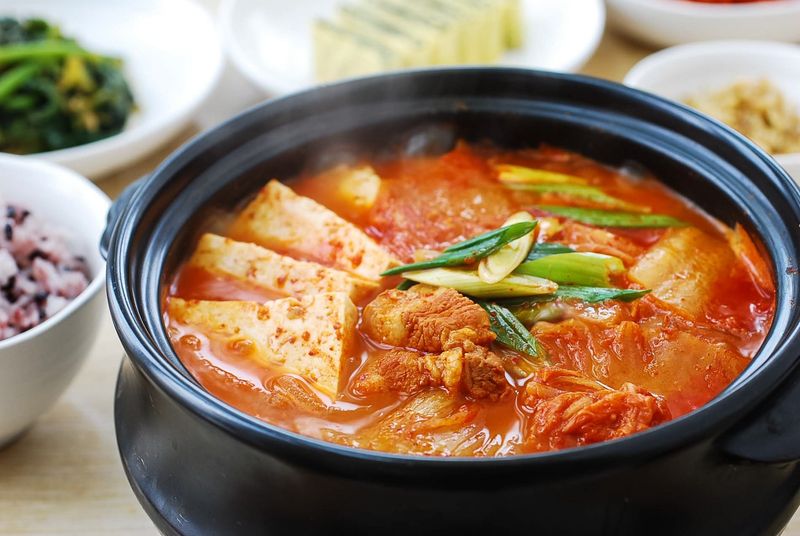
Kimchi jjigae is a wake up call in the best way. Aged kimchi brings deep tang and heat that infuses every spoonful.
Pork belly or tuna adds richness, while tofu softens the ride.
It is a stew that rewards patience, simmered until flavors marry and the broth turns brick red. You season at the end, tasting for that perfect salty-sour balance.
A bowl of rice makes it complete and calming.
Leftovers taste even better the next day as the flavors continue to meld. Add noodles if you want extra heft.
When you crave something cozy yet lively, this is the pot you put on.
10. Doenjang jjigae (soybean paste stew)
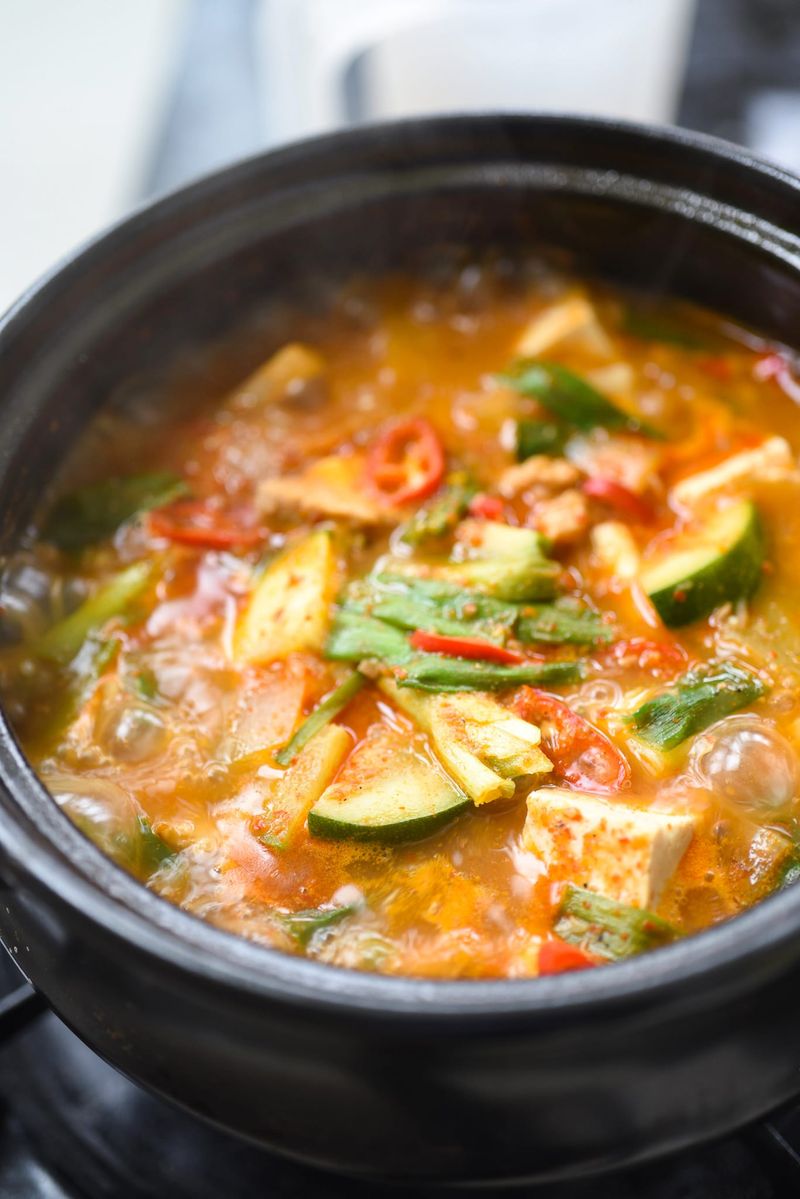
Doenjang jjigae tastes like a warm handshake from home. The fermented soybean paste makes an earthy, savory broth that hugs vegetables and tofu.
Sometimes clams join for subtle ocean notes, rounding the pot with depth.
You can keep it simple or pack it with zucchini, potatoes, onions, and mushrooms. The broth should be robust but gentle, never harshly salty.
A drizzle of sesame oil at the table is optional but lovely.
It pairs beautifully with rice and crisp banchan that cut through richness. This stew feels grounding, like a steady rhythm on a busy day.
When you need cozy without fuss, doenjang jjigae quietly delivers.
11. Jjajangmyeon (black bean noodles)
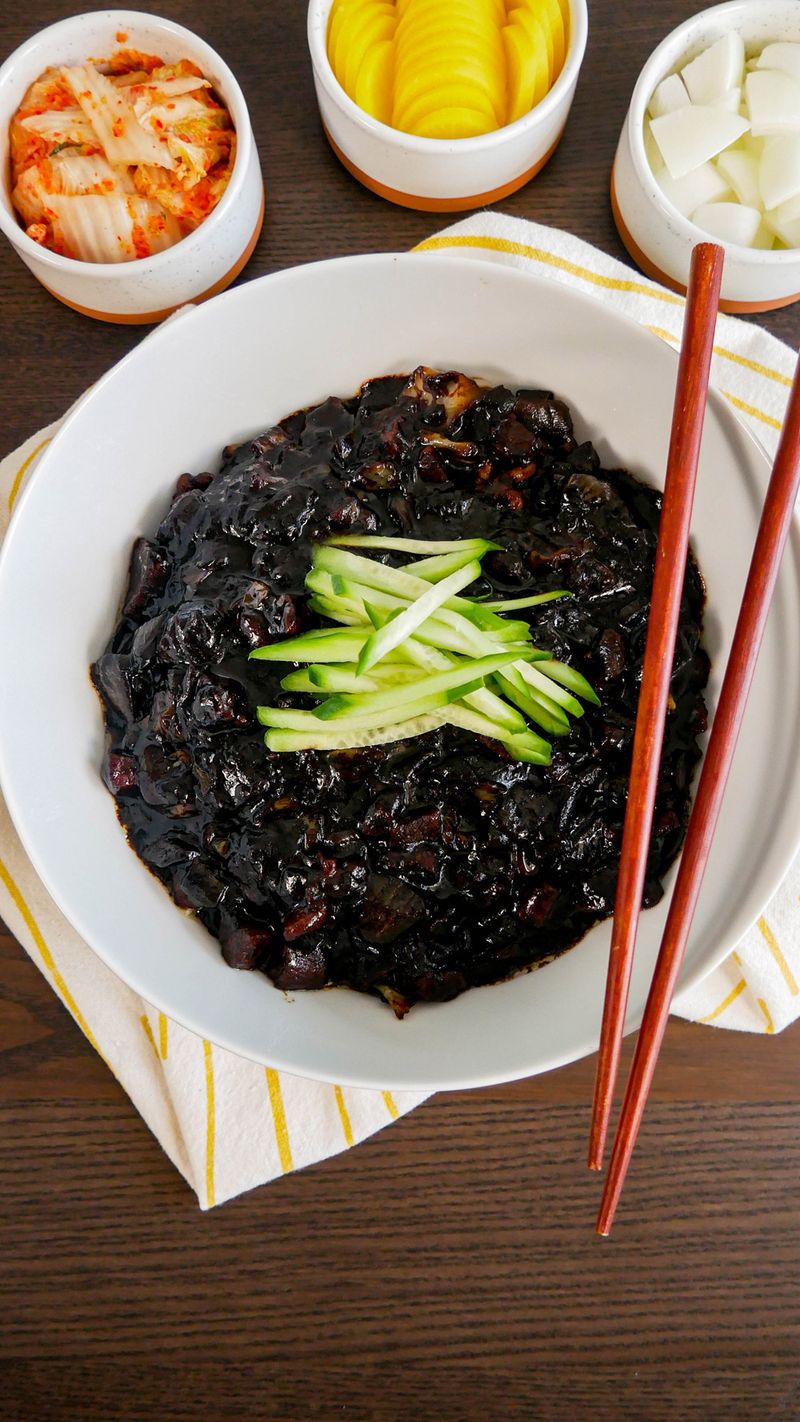
Jjajangmyeon is all about glossy, savory black bean sauce hugging thick noodles. Pork and onions give sweetness and body, while the sauce tastes earthy and slightly smoky.
A bright crunch of cucumber on top keeps bites lively.
You usually slurp this with tangy yellow pickles that reset your palate. The dish lands heavy in the best way, deeply comforting after a long day.
Stir well to coat every strand.
Homemade or delivery night, it satisfies fast. Add shrimp or extra vegetables if you want more dimension.
When that craving for rich noodle slurp hits, jjajangmyeon checks every box with delicious certainty.
12. Kimbap
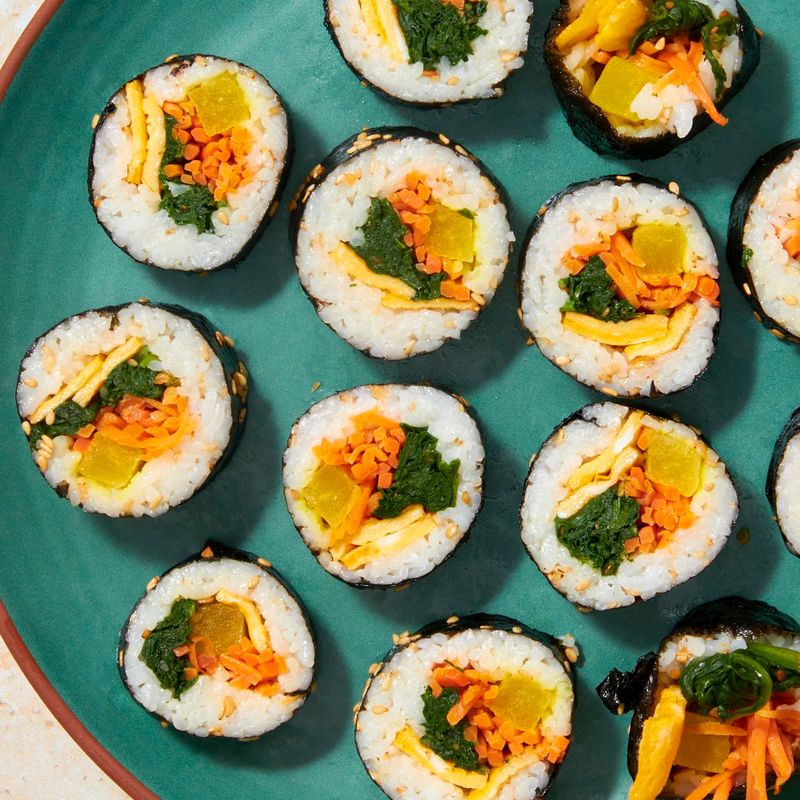
Kimbap is a portable party roll, tidy and snackable. Rice gets a light sesame oil gloss, then wraps around colorful fillings like spinach, pickled radish, egg, and beef or tuna.
Each slice is balanced, never too heavy.
You eat it at picnics, on road trips, or as a quick desk lunch. The crunch of danmuji plays perfectly against tender rice.
It is friendly food that invites sharing without mess.
Roll tight, rest, then slice with a sharp knife for clean edges. Swap proteins or go fully veggie.
When you want something cheerful and convenient, kimbap fits your hand and your hunger just right.
13. Korean fried chicken
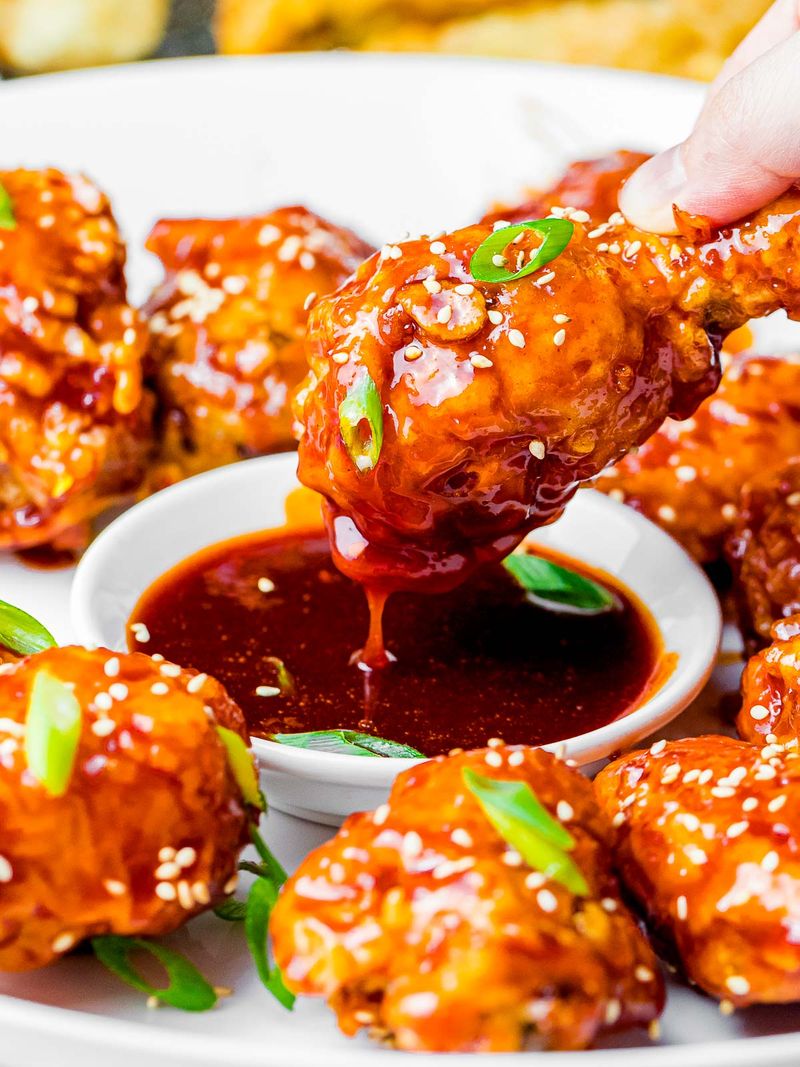
Korean fried chicken shatters with a bite, thanks to a delicate, double-fried crust. Sauces bring personality, from sweet-spicy gochujang to sticky soy-garlic.
It is engineered for crunch that stays, even after a glaze.
Pickled radish cubes cleanse your palate so you can keep going. Wings, drumettes, or boneless pieces all work beautifully.
The contrast of hot, crispy chicken and chilled, tangy sides is addictive.
Use potato starch for that glassy crisp. Toss in sauce quickly, then serve immediately.
Whether it is game night or a treat yourself evening, this chicken turns any table into a party without trying.
14. Mandu (Korean dumplings)
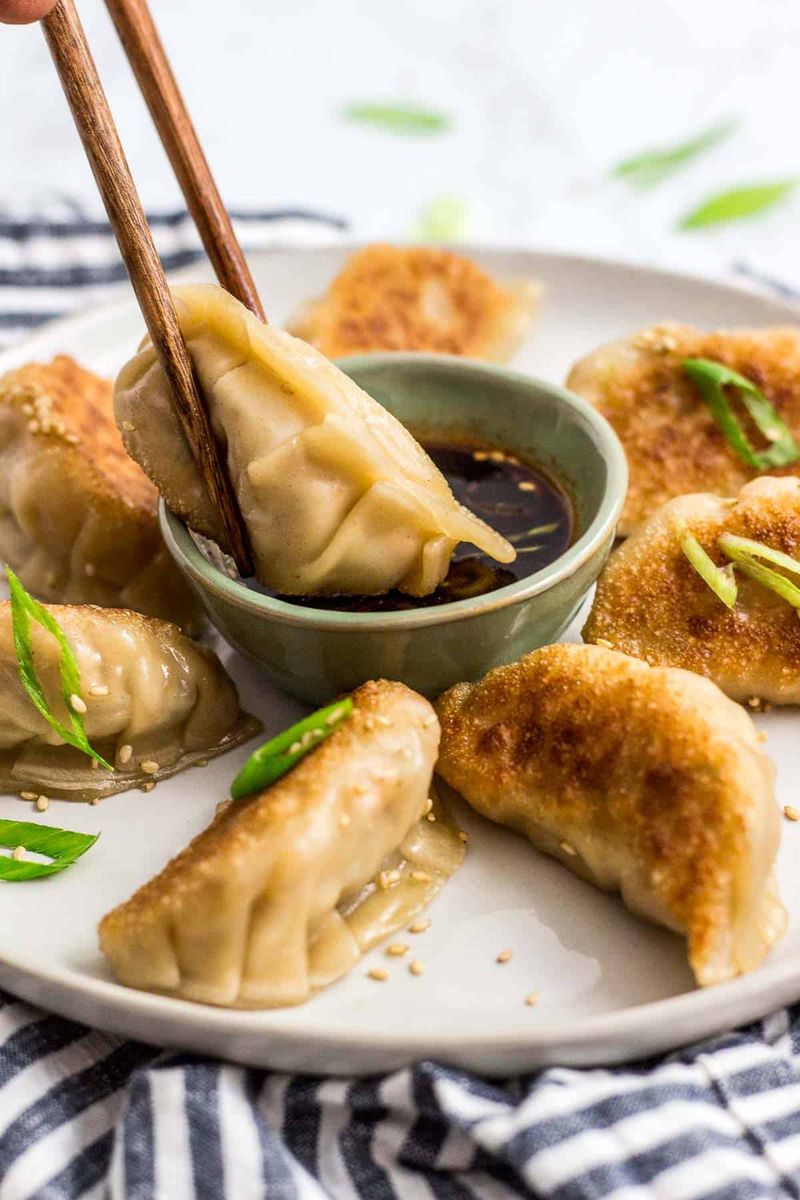
Mandu disappear fast because they hit every craving at once. The fillings can be pork, beef, tofu, glass noodles, and chives, seasoned just right.
You can steam, pan fry, or deep fry depending on mood and crowd.
Dipping sauce of soy, vinegar, and a little chili keeps bites bright. In soups, they turn brothy bowls into heartier meals.
Pleating is practice, not perfection, and rustic dumplings taste just as great.
Freeze extras on a tray so you can cook a handful anytime. Golden bottoms with tender tops are a favorite texture combo.
Serve as starters or build a whole meal around them with kimchi and rice.
15. Galbitang (short rib soup)
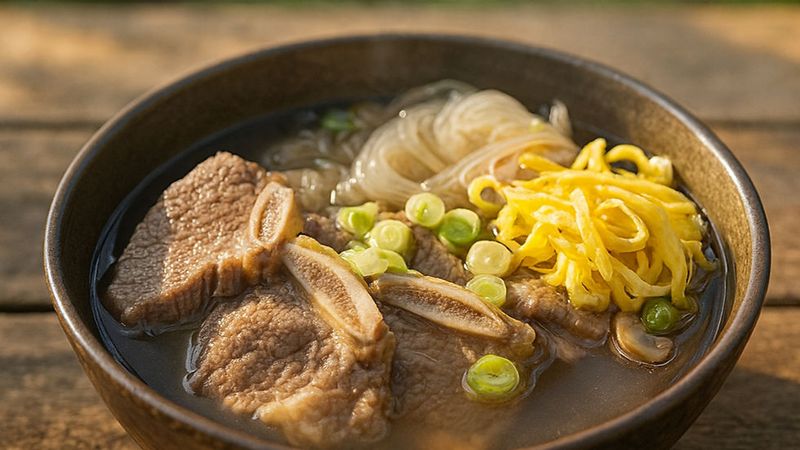
Galbitang is gentle, clear, and deeply beefy, the kind of soup that comforts without heaviness. Short ribs simmer until tender, releasing flavor into a pristine broth.
Radish and glass noodles make the bowl soothing and substantial.
Seasoning happens at the table with salt and pepper, letting you tune it perfectly. Scallions and sesame add soft fragrance.
It is a favorite when you crave warmth that does not shout.
Skim diligently for clarity and simmer low for silkiness. Leftover meat works beautifully over rice the next day.
This is a quiet classic that earns appreciation sip by sip.
16. Seolleongtang (ox bone soup)
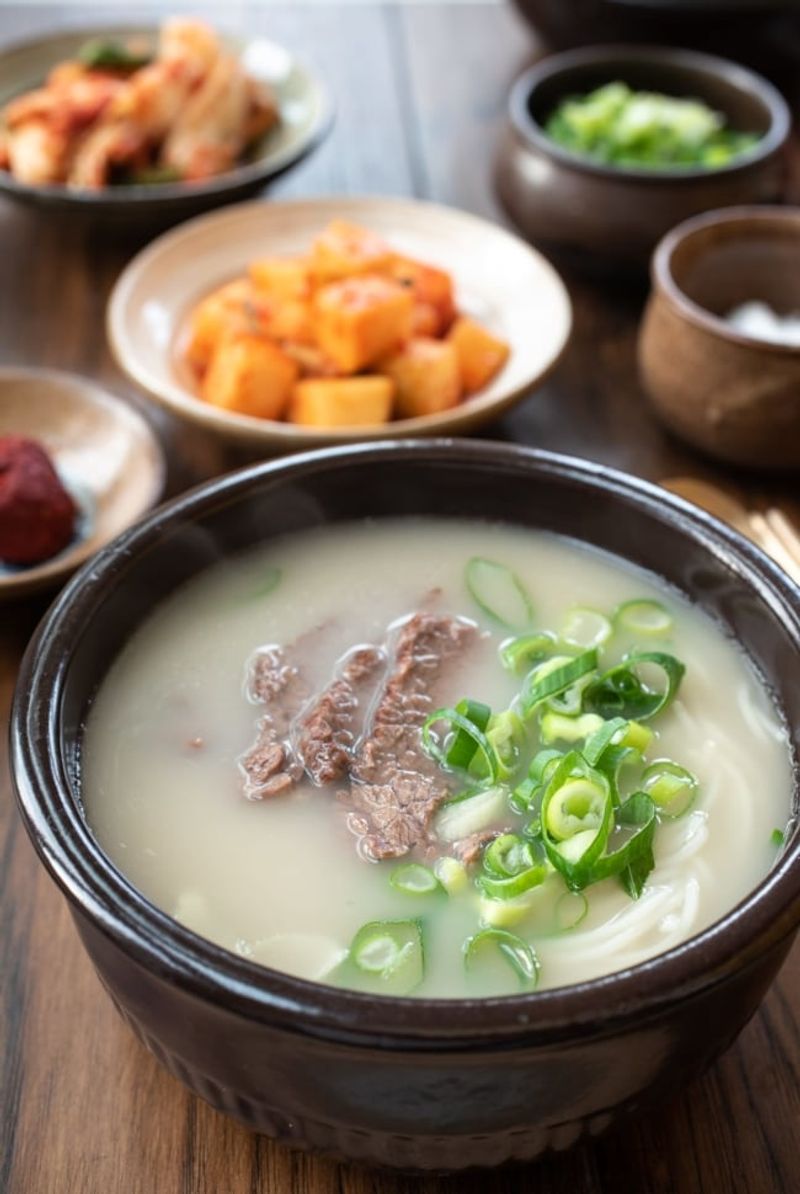
Seolleongtang is a milky white ox bone soup that tastes pure and comforting. Long simmering coaxes collagen into a silky body, while thin brisket slices add substance.
You season at the table with salt, pepper, and chopped scallions.
The flavor is subtle, meant to be customized to your taste. Paired with sharp kimchi, each spoonful becomes balanced and lively.
It is the kind of bowl you finish without noticing how fast it disappeared.
Serve with rice dropped right into the broth. Gentle heat, simple ingredients, and patience do the work.
When you want calm in a bowl, seolleongtang answers with quiet strength.
17. Naengmyeon (cold noodles)
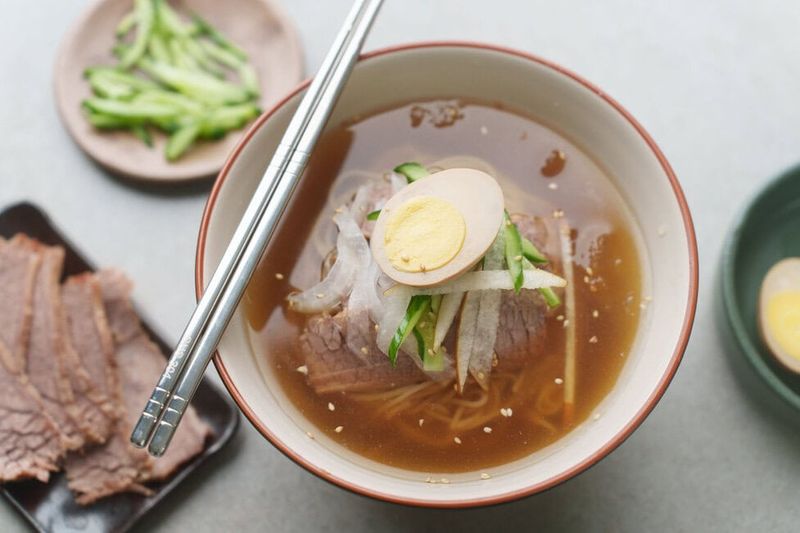
Naengmyeon is a refreshing surprise, chewy buckwheat noodles swimming in icy, tangy broth. Slices of crisp pear and cucumber keep things bright, while beef and egg add gentle richness.
A dab of mustard and a splash of vinegar dial the zing.
It is a perfect heat wave dish that wakes up your appetite. The noodles should be pleasantly elastic, so chew is part of the fun.
Each slurp cools you down instantly.
There are mul naengmyeon in broth and bibim versions with spicy sauce. Adjust acidity to taste and keep everything extra cold.
When summer drags, this bowl feels like air conditioning for your palate.
18. Bossam (boiled pork wraps)
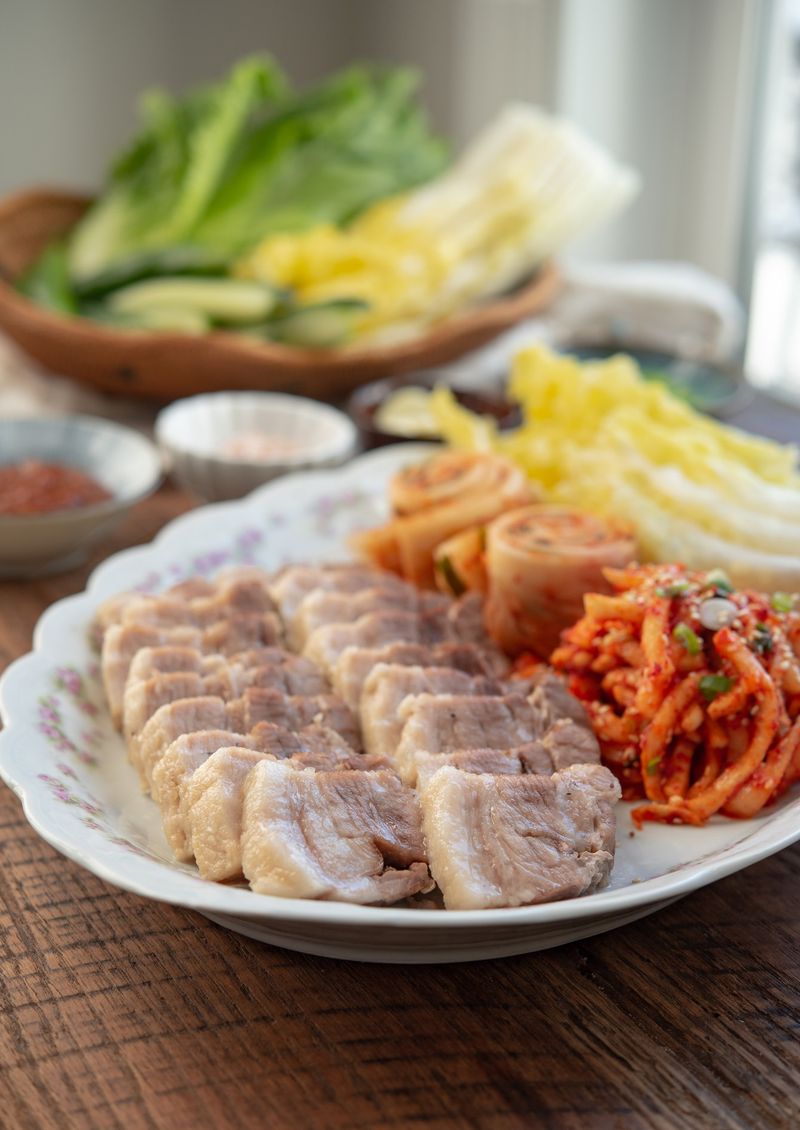
Bossam is a build your own wrap situation centered on tender boiled pork. The meat is seasoned gently and sliced for easy piling.
Cabbage or lettuce leaves become crunchy carriers for kimchi, garlic, and sauces.
Radish slaw adds brightness, and a tiny dip of shrimp sauce brings pop. Each wrap feels clean yet hearty, never greasy.
It is perfect for gatherings where hands stay busy and conversation flows.
Simmer pork with aromatics like ginger and onion for a subtle base. Chill slightly before slicing for neat pieces.
When you want an interactive dinner that still feels elegant, bossam delivers gracefully.
19. Pajeon (scallion pancake)
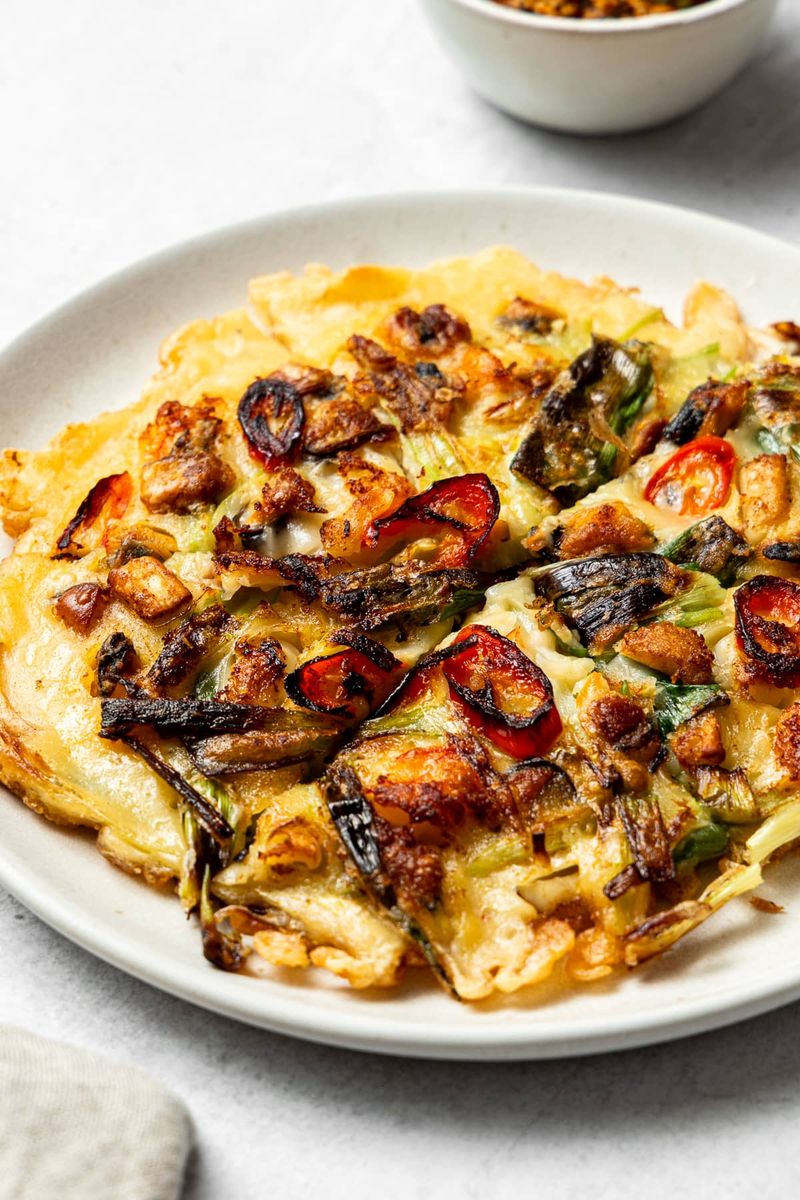
Pajeon is the rainy day pancake that answers cravings for crisp and chewy at once. Scallions star, with seafood often tucked between layers.
A hot pan and enough oil give you lacy edges that crackle beautifully.
Dipping sauce balances soy, vinegar, and a little sweetness. Sliced chilies add a playful prickle.
It is snackable, shareable, and vanishes faster than planned.
Keep batter just thick enough to hold together, and do not hover while it crisps. One confident flip does the job.
Pair with makgeolli if you like traditions, or sparkling water for a fresh contrast.
20. Banchan (side dish spread)
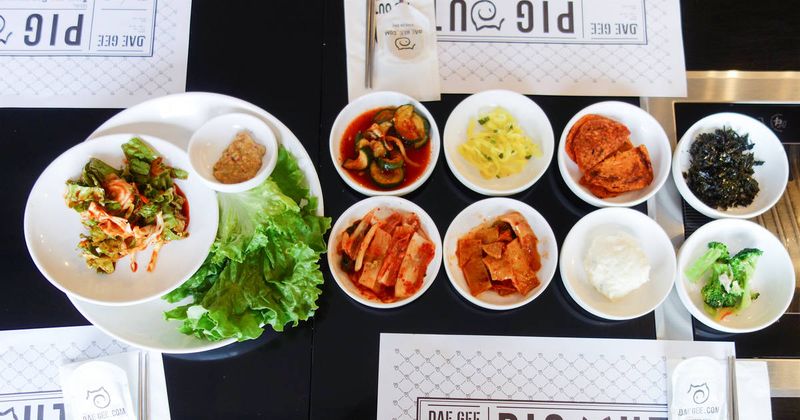
Banchan is not one dish, but the rhythm of a Korean meal. Small plates land on the table and everything starts to feel abundant.
There is always something crunchy, something garlicky, and something a little sweet.
Seasoned spinach, bean sprouts, braised potatoes, and pickled cucumbers make common appearances. You taste a bite here, another there, circling back to favorites without thinking.
They refresh your palate between richer mains.
Cook a couple fresh and use leftovers to round out the spread. Refill as needed, because banchan encourages generous eating.
It turns simple rice and soup into a feast that feels welcoming and complete.