20 Meats You Should Always Order At Korean Barbecue And How To Cook Them Perfectly
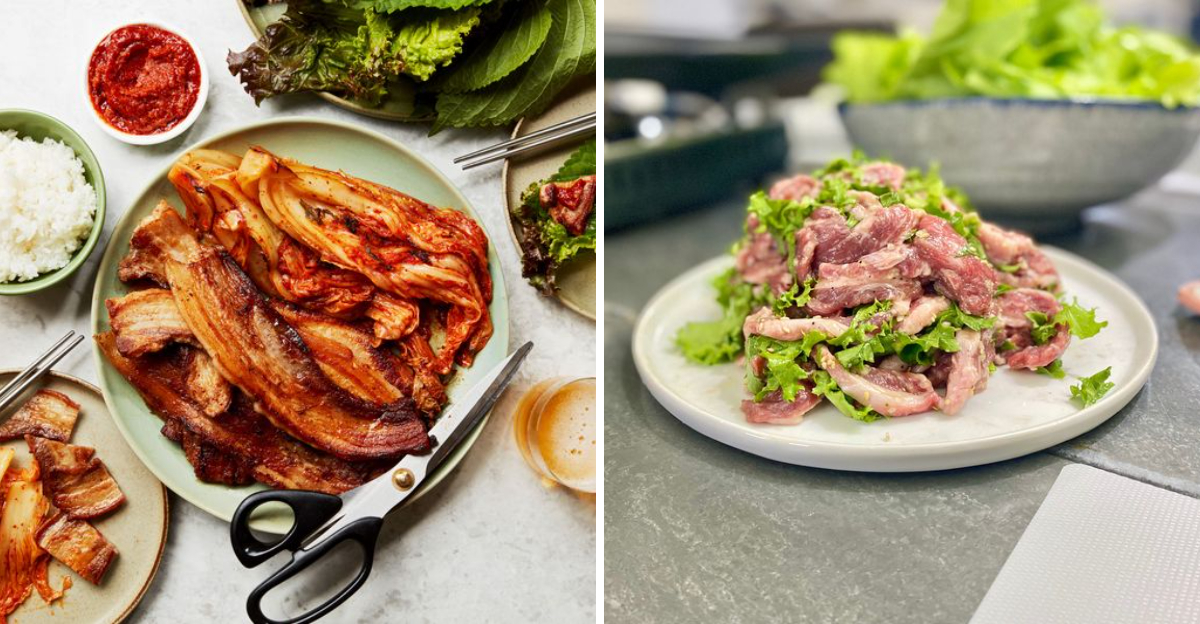
Ready to crush your next Korean barbecue night without guessing when to flip or worrying about burned marinades? This guide breaks down the 20 must order cuts and exactly how to cook each for perfect texture and flavor.
You will get quick heat cues, pro moves, and pairing tips that make every bite pop. Grab the tongs and let’s make you the grill hero at your table.
1. Samgyeopsal (pork belly)
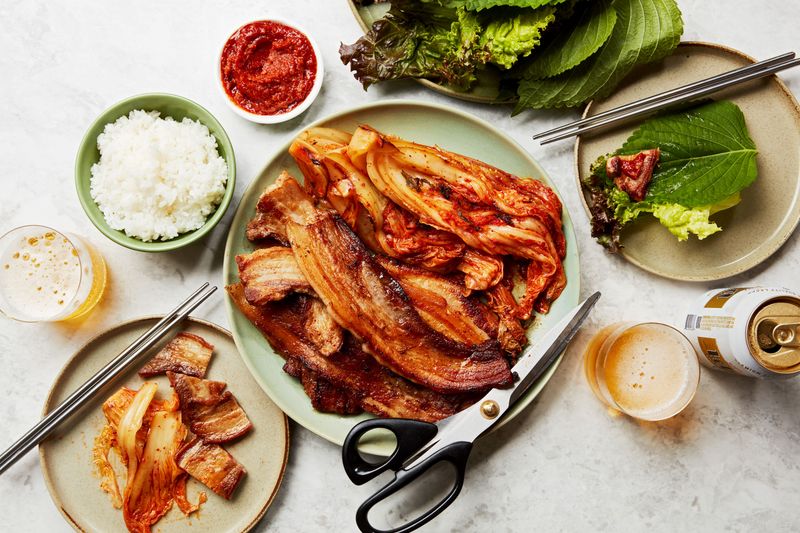
Start on medium high heat and lay the pork belly flat. Do not touch for a minute so the surface crisps and fat renders.
Flip every 30 to 60 seconds until edges are golden and the fat turns translucent. Cut into bite size pieces at the end.
Season simply with salt or dip in sesame oil with salt and pepper. Wrap in lettuce with kimchi for balance.
Let the grill rest if flare ups happen, and keep pieces moving for even browning.
2. Moksal (pork neck or collar)
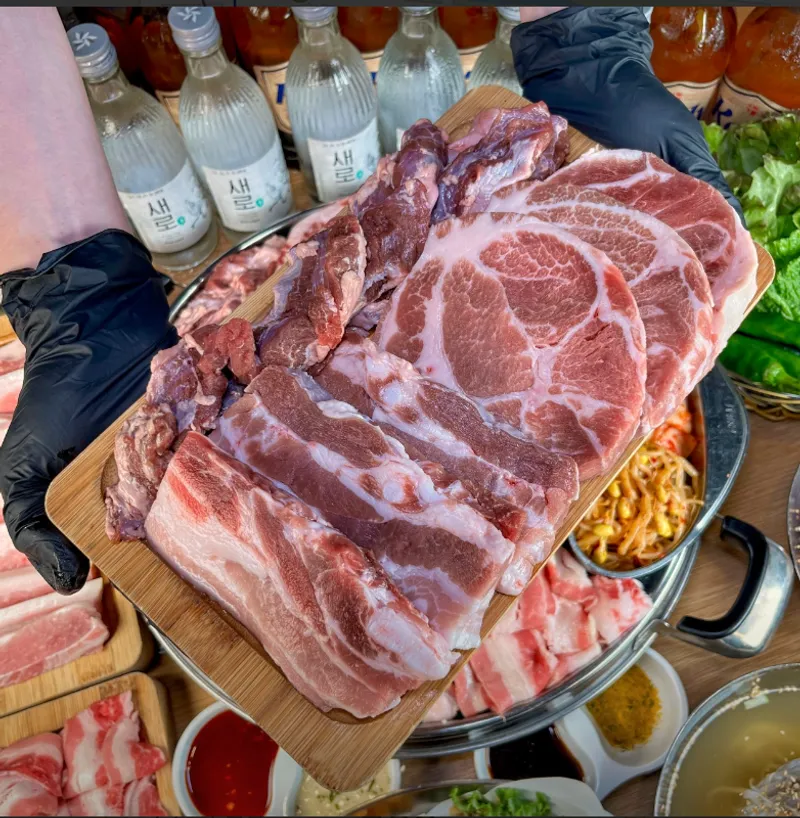
Use medium heat and go slower than pork belly. Sear both sides until well browned, then flip occasionally.
You want the juices to run clear and the texture to feel springy, not soft or squishy. Keep pieces thicker to stay juicy.
Moksal shines with ssamjang and raw garlic. Slice after resting briefly and tuck into lettuce with a little rice.
If it tightens, reduce heat and flip more frequently. Let fat render without burning the exterior.
3. Hangjeongsal (pork jowl)
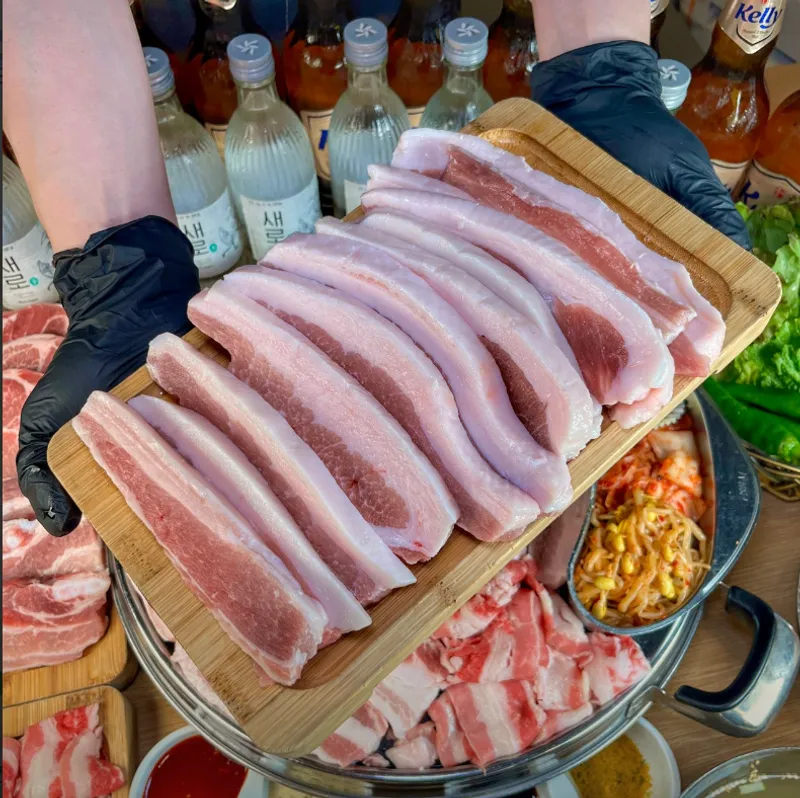
Set the grill to medium and give this fatty cut time to render. Let the outside crisp lightly while keeping the interior tender.
If flare ups start, move the meat to a cooler zone. Flip often so the fat releases evenly without scorching.
Season simply to let its natural sweetness shine. A dip in sesame oil with salt is perfect.
Cook until the surface is lightly golden and the bite feels bouncy. Slice smaller for easy wrapping and clean, rich flavor.
4. Dwaeji galbi (marinated pork ribs)
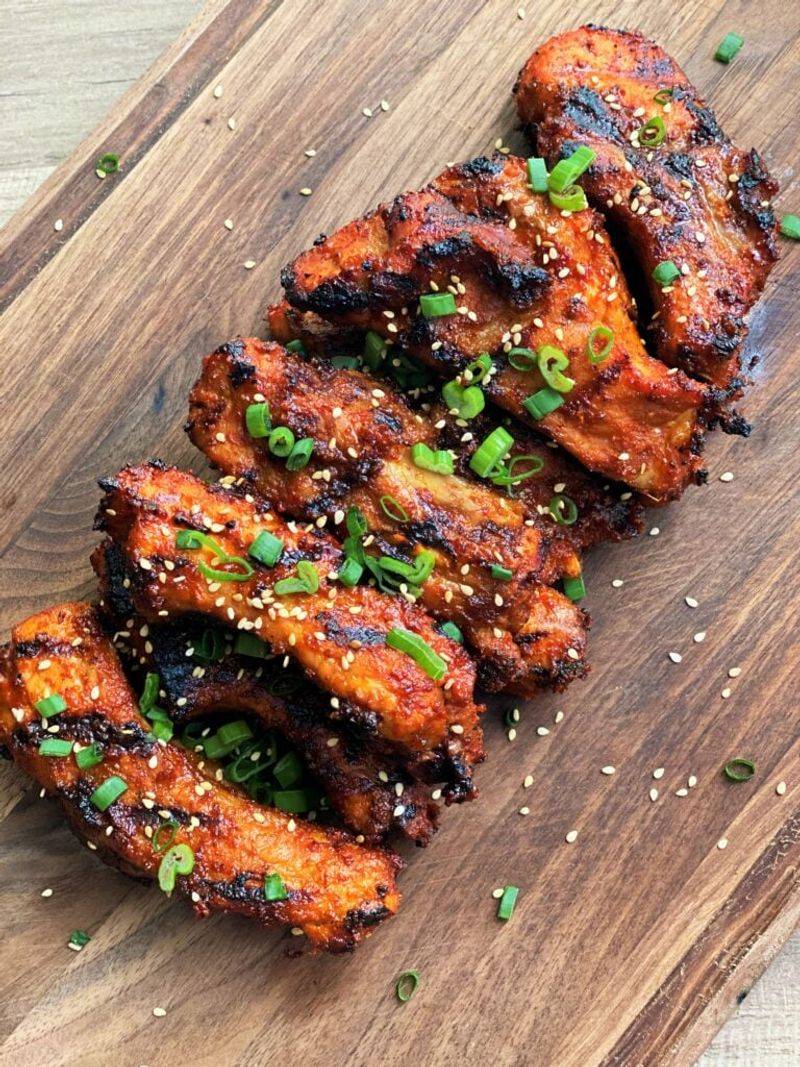
Go medium to medium low because marinades with sugar burn fast. Sear briefly to set color, then turn often until caramelized and cooked through.
Keep the grill gentler than for unseasoned cuts. Aim for sticky gloss, not blackened char.
Save these for mid meal after the grates are seasoned but not raging hot. Slice off the bone if thick and finish in smaller pieces.
Pair with crisp lettuce and pickles to balance sweetness. Rest a minute before eating.
5. Saeng galbi (unmarinated beef short ribs)
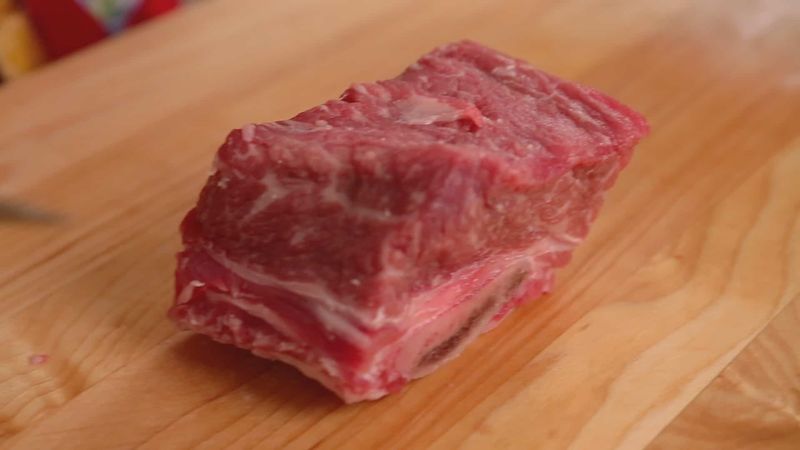
Crank the heat high and sear hard for a crust. Flip once or twice and cook to your preferred doneness.
Thin pieces finish quickly, so stay ready with tongs. Season simply with salt to highlight the beefy flavor.
Rest briefly, then slice across the grain if thicker. Dip in salt or sesame oil and wrap with lettuce for crunch.
Keep the surface dry for better browning. Avoid overcooking or it stiffens fast.
6. Yangnyeom galbi (marinated beef short ribs)
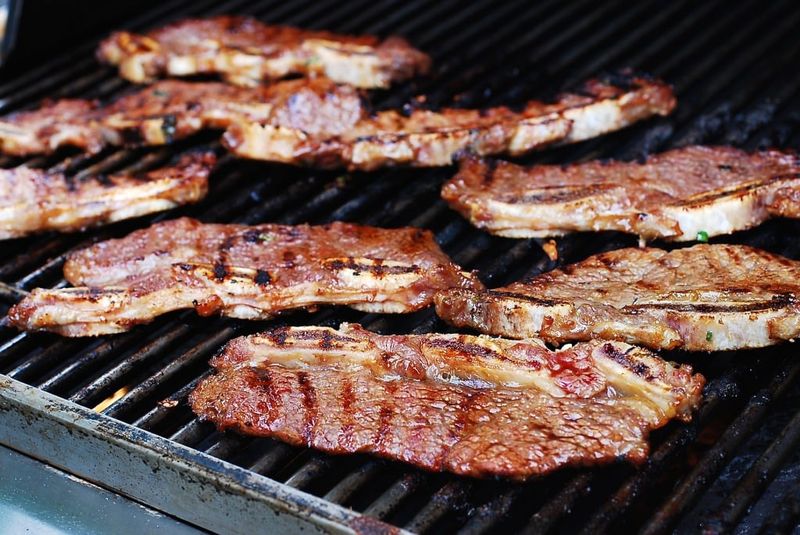
Use medium heat and flip frequently so sugars caramelize without burning. Watch for a glossy sheen and rendered fat along the edges.
Pull as soon as the exterior is sticky and the interior feels tender. Cut into manageable pieces if needed.
Let it rest for a minute so juices stay put. Balance the richness with lettuce, perilla leaves, and pickled radish.
Keep a cooler zone for any hot spots. The goal is lacquered, not charred.
7. Bulgogi (marinated thin sliced beef)
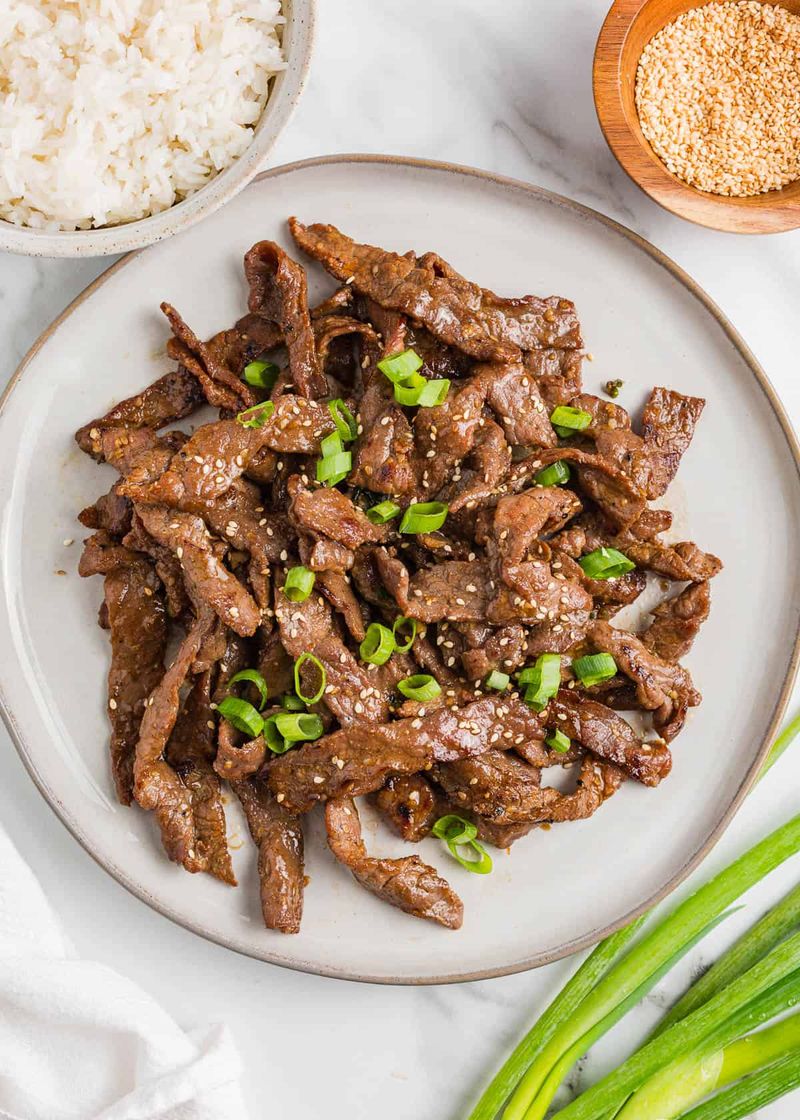
Spread bulgogi out on medium high so it sizzles instead of steaming. Let released juices reduce, then keep tossing until browned and no longer pink.
Use a grill plate or skillet top so pieces do not slip through grates.
When the edges caramelize, it is ready. Scoop onto rice or wrap with lettuce and kimchi.
Keep batches small to maintain heat. Sweet savory balance shines when you avoid burning the marinade.
8. Chadolbaegi (very thin brisket)
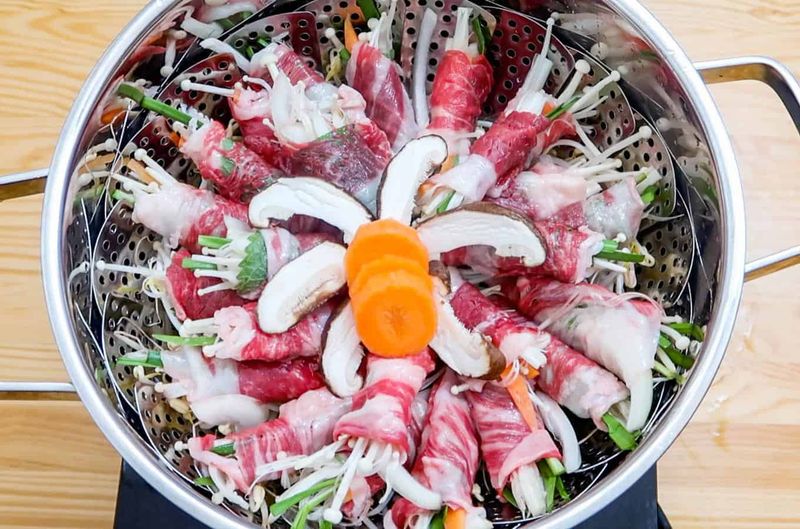
Blast high heat and move fast. This brisket is a kiss the grill situation, just seconds per side.
As soon as it turns opaque and lightly browned, it is done. Overcooking turns it chewy quickly.
Dip immediately in sesame oil with salt and pepper. Stack a few slices in a lettuce wrap for texture.
Keep portions small so the grill stays scorching. The reward is buttery, beefy bites that practically melt.
9. Woo samgyeop (thin sliced beef belly)
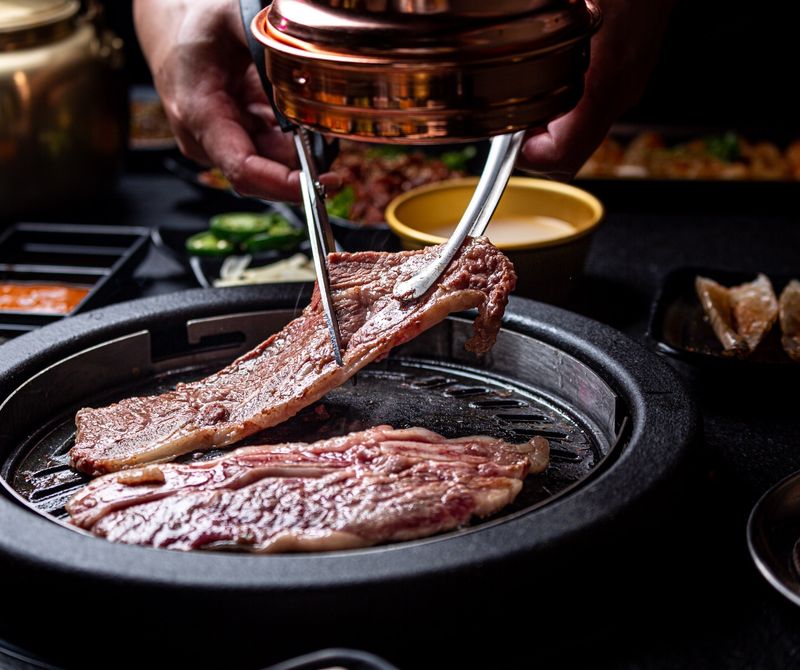
Cook on medium high with quick flips. The fat renders fast, and crisp edges are key.
Spread pieces out so they do not stew. Pull when browned but still juicy, before the fat fully dries.
Pair with something bright like kimchi or pickled radish to cut richness. Dip in sesame oil or salt.
Work in batches so heat stays strong. You will get shattery edges and rich, beefy flavor.
10. Jumulleok (cubed lightly marinated beef)
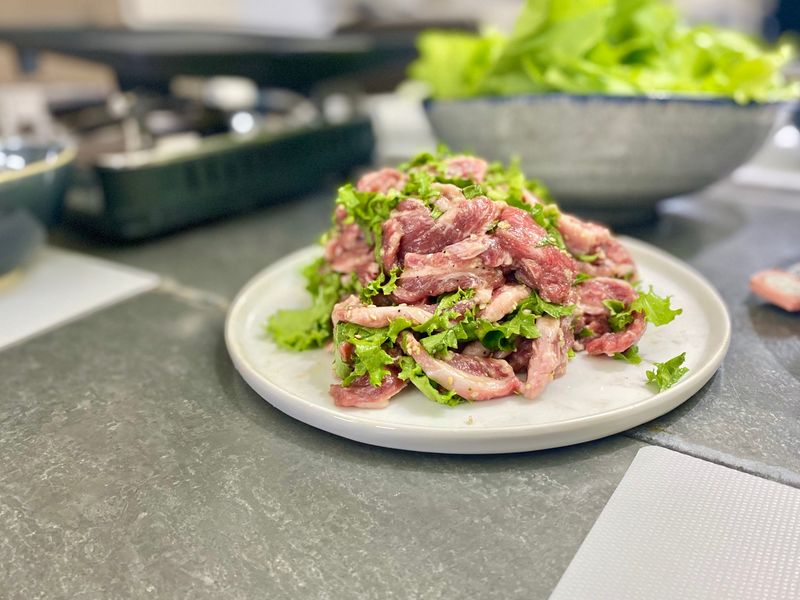
Use medium high heat and sear the cubes on every side. Rotate often to build an even crust while keeping the center juicy.
Stop cooking when they feel springy and moist, not firm. The light marinade should caramelize without burning.
Do not press the meat or you will squeeze out juices. Rest briefly, then salt to taste.
Serve in lettuce with ssamjang for a savory pop. Clean grates help prevent sticking and tearing.
11. Ribeye (well marbled steak cut)
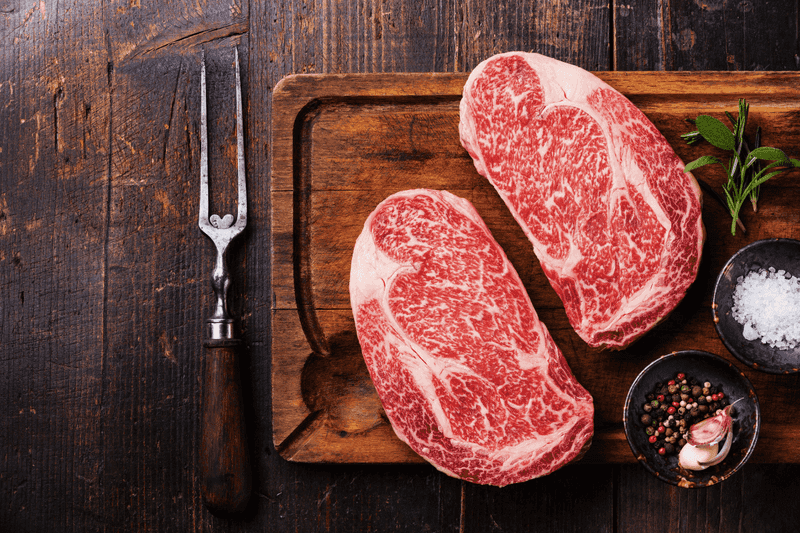
Sear ribeye on high, then finish around medium heat. Flip every 30 to 60 seconds to build crust while cooking evenly.
Pull at your preferred doneness and rest. Slice after cooking to keep it juicier than cutting raw.
Season with salt and a touch of pepper. Share slices across the table for perfect portions.
Rich marbling loves a crunchy lettuce wrap and a dab of wasabi or salt. Keep flare ups in check with a cooler zone.
12. Striploin or sirloin (leaner steak)
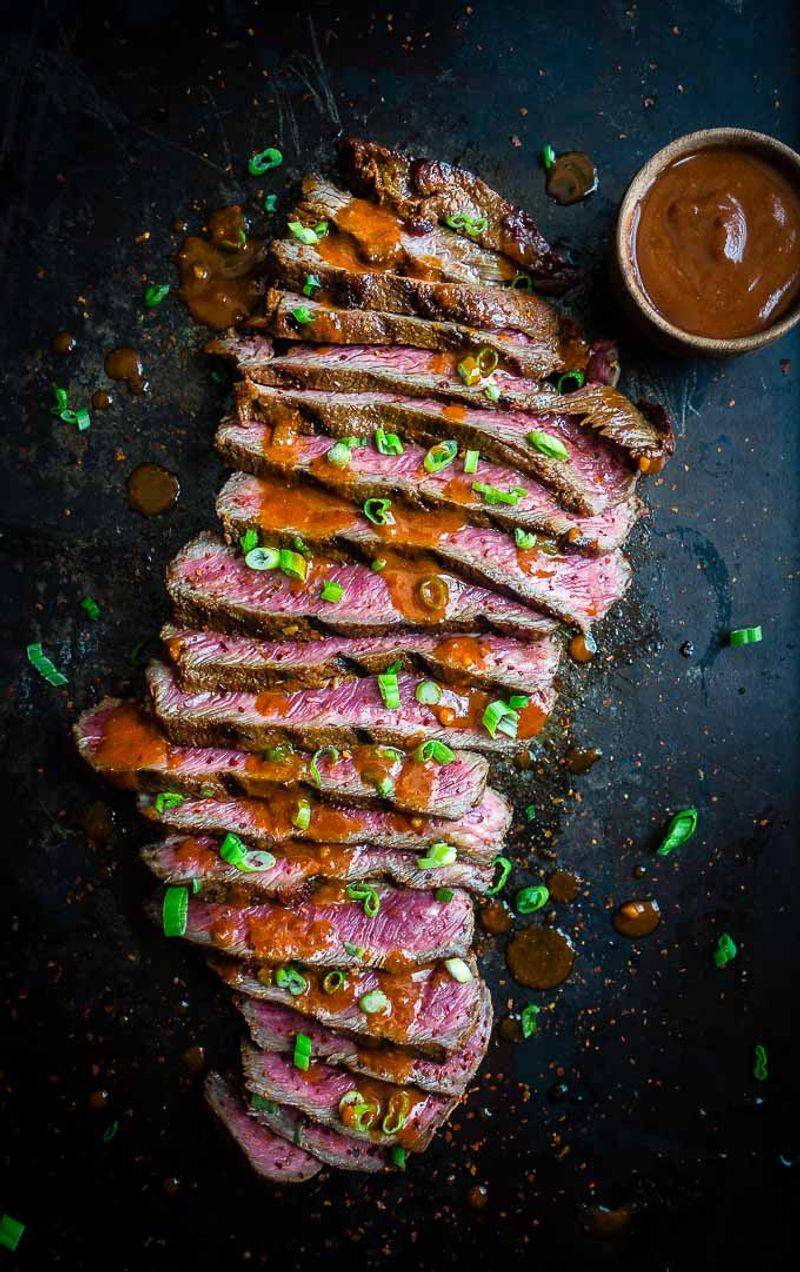
Give it a high heat sear, then a shorter cook than ribeye because it dries faster. Pull earlier than you think and rest before slicing.
Aim for medium rare to medium for tenderness. Keep seasoning simple to highlight clean beef flavor.
Serve with moisture boosting sauces and wraps. Ssamjang or sesame oil dip adds richness.
Thin slices across the grain help tenderness. Avoid overcooking or it tightens noticeably.
13. Galbi sal (boneless short rib meat)
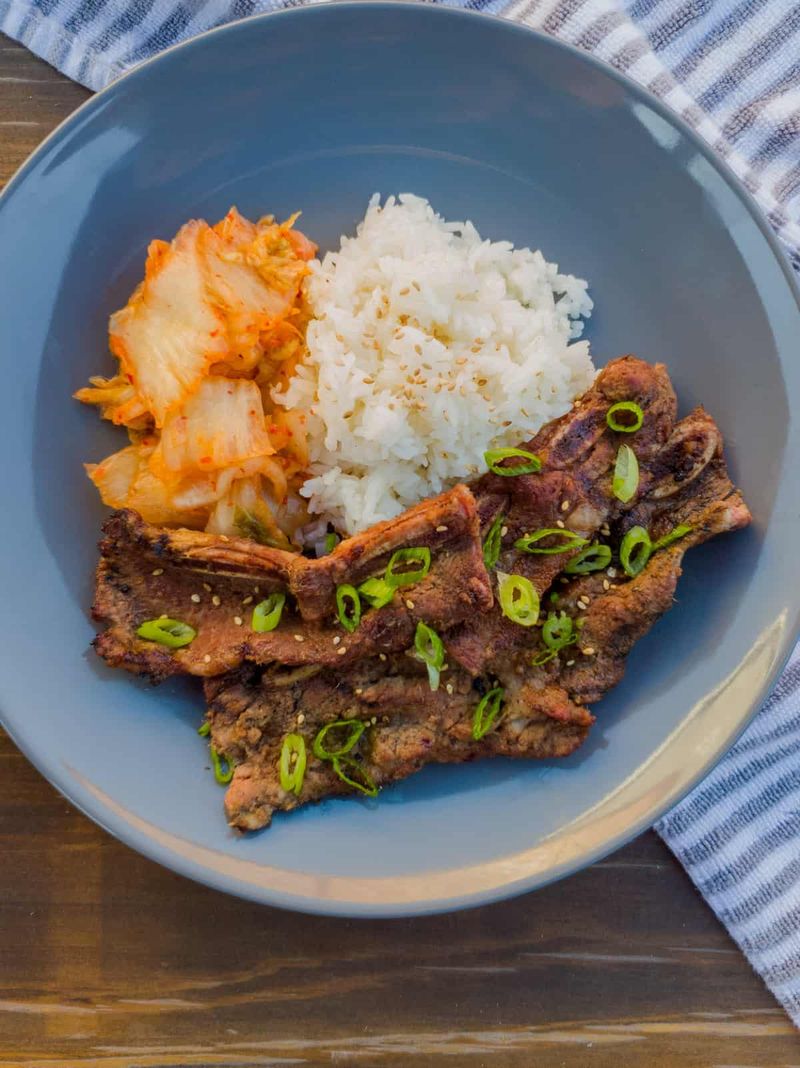
Cook on medium high and flip until browned on both sides. Stop while still tender so the marbling stays juicy.
The cut eats like steak but with short rib richness. Keep pieces uniform for consistent cooking.
Pair with perilla leaves, scallions, and a little salt. Slice across the grain for extra tenderness.
If edges char too fast, move to a cooler spot. Let rest briefly before serving for clean, beefy bites.
14. Beef tongue
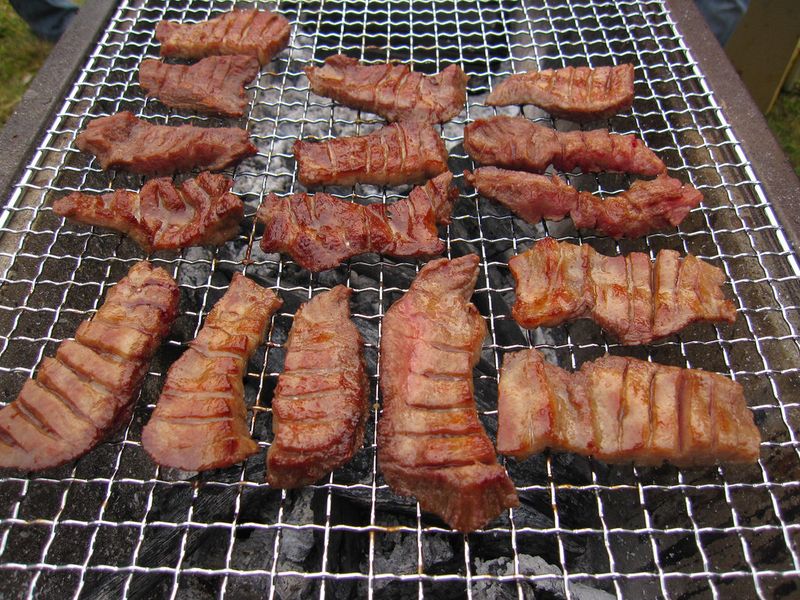
Go medium high and sear quickly on both sides. Tongue firms up fast, so keep it just browned and tender.
Thin slices need only brief contact with the grates. Overcooking makes them tough.
Finish with a sprinkle of salt or sesame oil dip. A squeeze of lemon cuts richness nicely.
Eat immediately while the texture is bouncy and juicy. Serve in small wraps for crisp contrast.
15. Gopchang (small intestine)
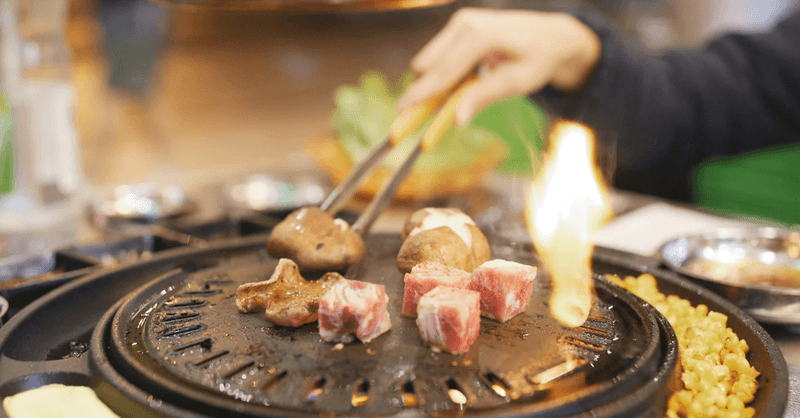
Start on medium to render the fat slowly. Flip often so it cooks evenly, then finish on medium high for crisp edges.
It is done when browned and slightly crisp outside, with a tender interior. Avoid rushing or it stays greasy.
Season lightly and dip in sesame oil with salt. Pair with scallions and pickles for balance.
Keep pieces similar in size so they finish together. Move away from flare ups as fat releases.
16. Daechang (large intestine)

Render on medium first, letting the abundant fat slowly melt. Then raise heat to crisp the exterior without burning.
Flip frequently to prevent hot spots and bursting. You want golden, blistered surfaces and a custardy interior.
Serve in small bites with something acidic like kimchi or pickles. A pinch of salt enhances sweetness.
Keep a cooler zone ready for flare ups. Patience delivers rich, deeply savory bites that stay balanced.
17. Makchang (thicker intestine)
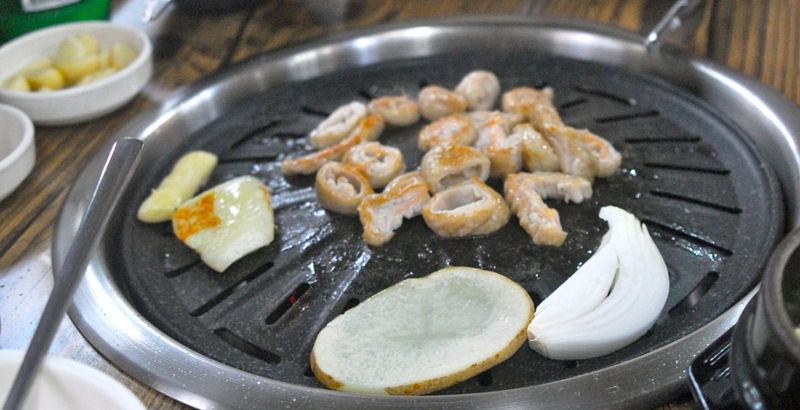
Use medium heat and take your time. These thicker pieces need longer cooking to avoid rubbery chew.
Turn frequently until the outside is well browned and the inside turns tender. Finish hotter briefly if you want extra crisp edges.
Season simply and pair with scallion salad. Small bites go a long way because it is rich.
Keep rendering steady, not rushed. Clean grates help prevent sticking and tearing.
18. Dak galbi (spicy marinated chicken)
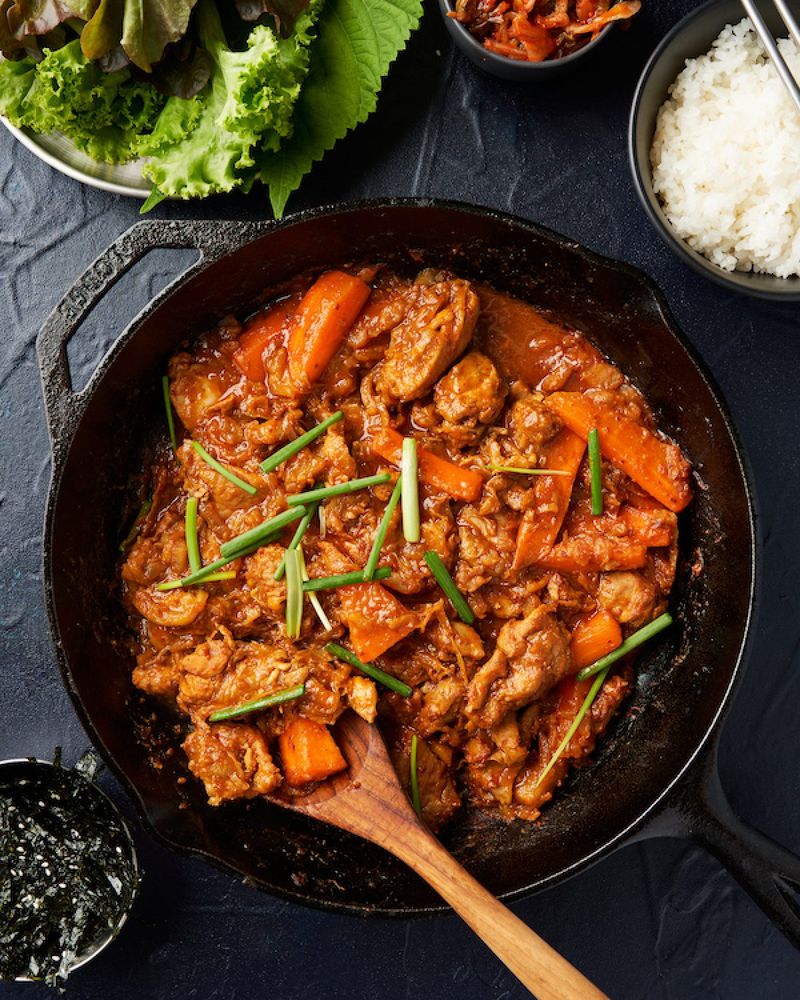
Cook on medium and keep it moving. Chicken needs time to reach no pink, while the spicy marinade thickens into a glossy glaze.
Use a grill plate if possible so pieces do not slip and juices reduce. Maintain separation from raw beef or pork.
When edges caramelize and centers are fully cooked, serve immediately. Pair with rice and crunchy lettuce.
A touch of melted cheese is a fun twist. Frequent flipping prevents burning.
19. Dak bulgogi (soy garlic chicken)
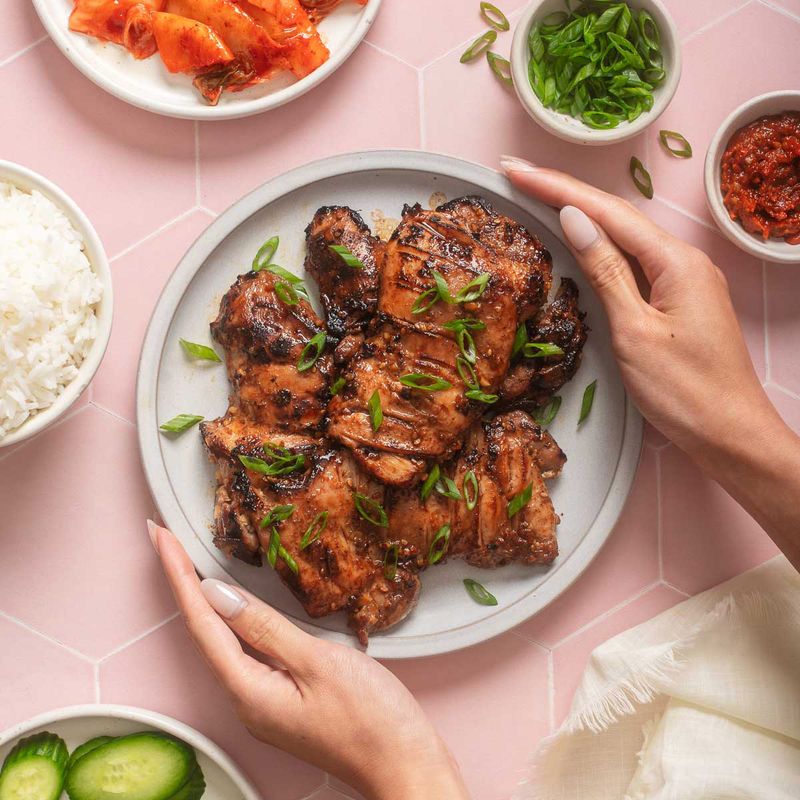
Use medium to medium low because the sauce can burn. Flip frequently so sugars caramelize evenly without scorching.
Cook until the thickest pieces are fully done and the surface turns glossy. Cut a piece to check doneness if unsure.
Serve with rice and lettuce wraps for balance. The soy garlic profile is a crowd pleaser.
Keep batches small for consistent heat. Rest briefly so juices settle before slicing.
20. Spicy pork (jeyuk style)
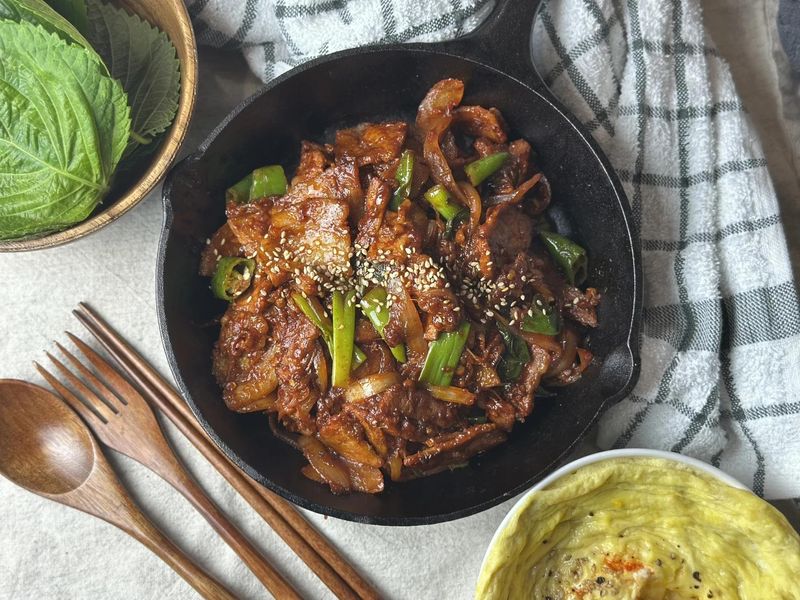
Grill on medium with frequent flips. Gochujang and sugar char quickly, so do not leave one side down too long.
Cook until edges caramelize and the meat is fully done. Use a grill plate if pieces are thin to prevent falling through.
Wrap with lettuce, add ssamjang, and a little kimchi for the perfect bite. Keep a cooler zone for hot spots.
Small batches help maintain sizzle, not steam. Serve immediately for peak flavor.