20 Middle Eastern Recipes Often Served At Iftar During Ramadan
When the fast ends, the first bites at iftar matter in a way that feels both comforting and memorable. Middle Eastern tables often bring together soups, salads, pastries, hearty mains, and sweets that balance warmth, freshness, and celebration.
If you want dishes that feel traditional, generous, and perfect for sharing, this list gives you a beautiful place to start. Each one captures a different part of what makes Ramadan meals so special.
1. Lentil Soup
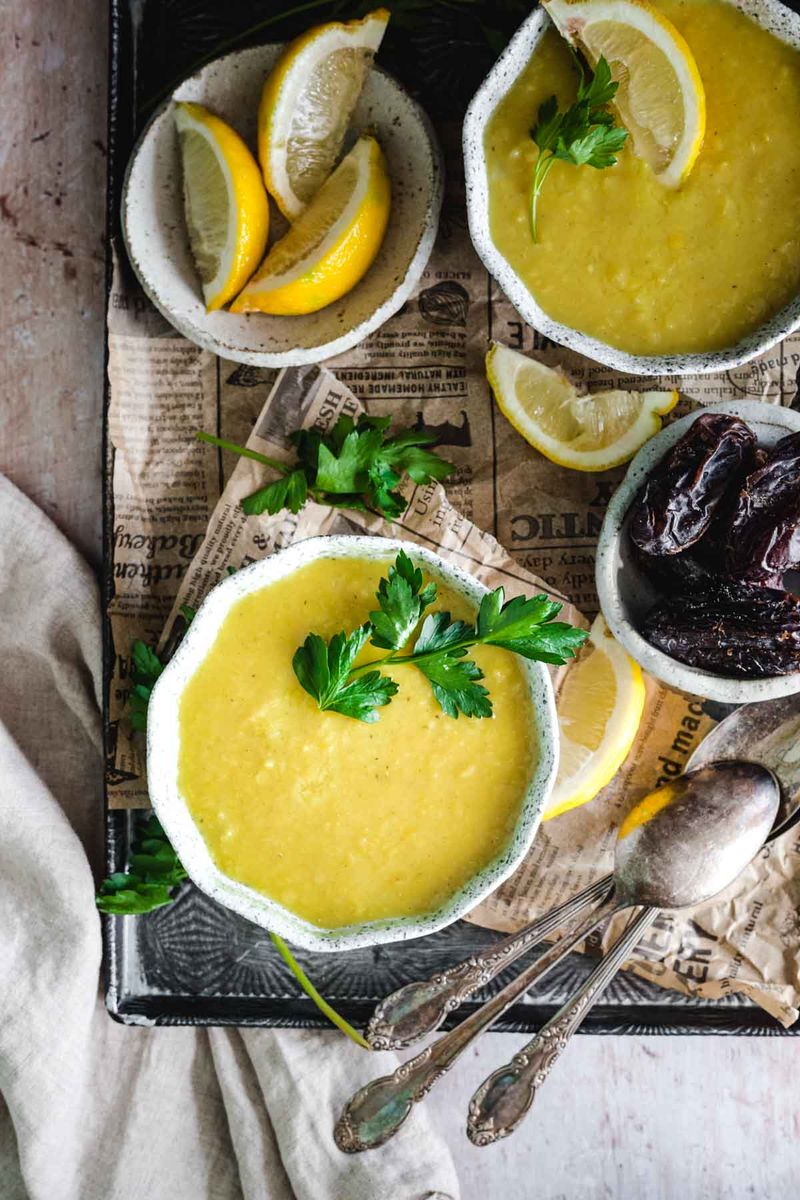
Lentil soup is one of the gentlest ways to begin iftar, especially when you want something warm that eases you into the meal. Its smooth texture and comforting flavor make it feel restorative after a long day without food or water.
You get nourishment without heaviness, which is exactly why it appears so often.
Served with lemon, herbs, or warm bread, it fits naturally beside almost anything else on the table. Iftar can quickly become rich and abundant, so this simple first course creates balance.
It is humble, familiar, and deeply comforting in the best possible way.
2. Dates
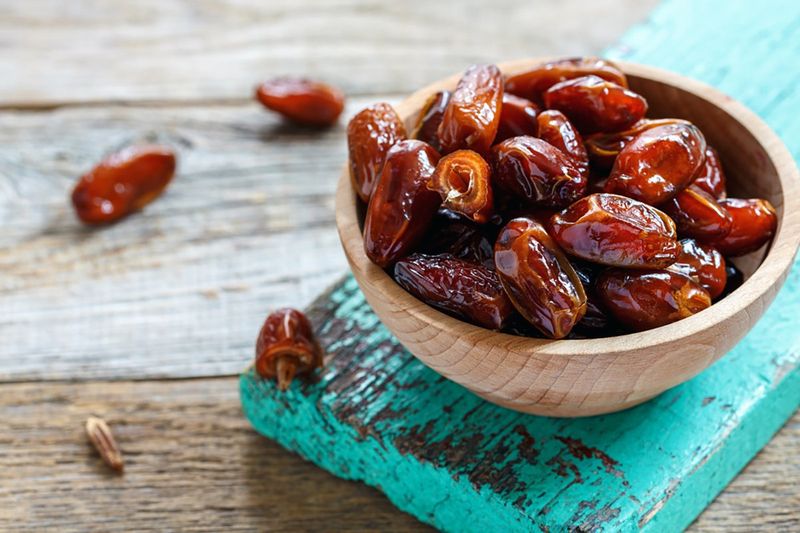
Dates are among the most traditional foods served at iftar, and their place on the table feels almost essential. Their natural sweetness gives you a quick, gentle lift after fasting, while their simplicity keeps the moment grounded.
Even the most elaborate spread often starts with a few dates and water.
What makes them special is not just flavor, but meaning. They connect the meal to ritual, memory, and generations of Ramadan evenings.
You may see countless dishes waiting nearby, yet dates still hold the first and most familiar welcome at the table.
3. Sambousek
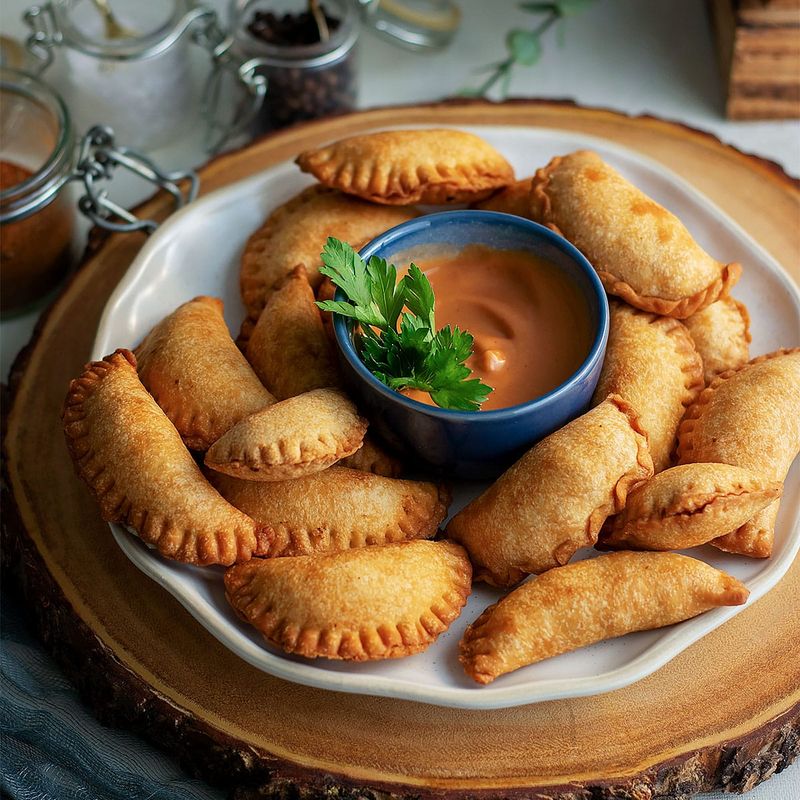
Sambousek bring exactly the kind of crisp, savory bite that people start reaching for as soon as iftar begins. These small pastries are easy to serve, easy to share, and flexible enough to suit different tastes around the table.
Cheese, spiced meat, or vegetable fillings all feel right during Ramadan.
They also work beautifully with soup, salad, or dips, which makes them a dependable appetizer for busy evenings. You can make a large batch without much fuss, and they disappear fast.
Their crunch, warmth, and familiar flavor give the spread an immediate sense of comfort.
4. Fattoush
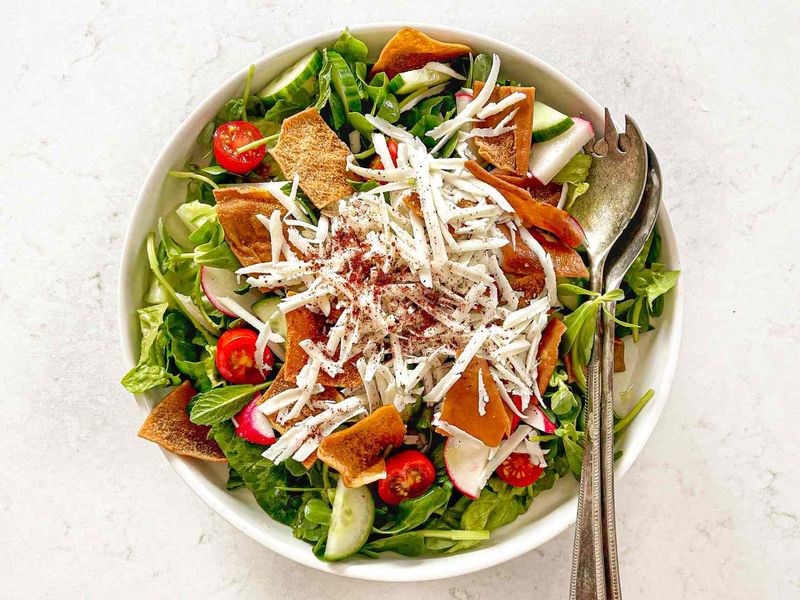
Fattoush adds a bright, refreshing contrast to an iftar table filled with warm soups, pastries, and rice dishes. The mix of crisp vegetables, herbs, and toasted bread keeps every bite lively and textured.
When the meal starts to feel heavy, this is the bowl that wakes everything back up.
The tart dressing and sprinkle of sumac give it a sharp, clean flavor that balances richer foods beautifully. You do not need it to dominate the meal for it to matter.
Its freshness helps the whole table feel more complete, colorful, and easier to enjoy.
5. Tabbouleh
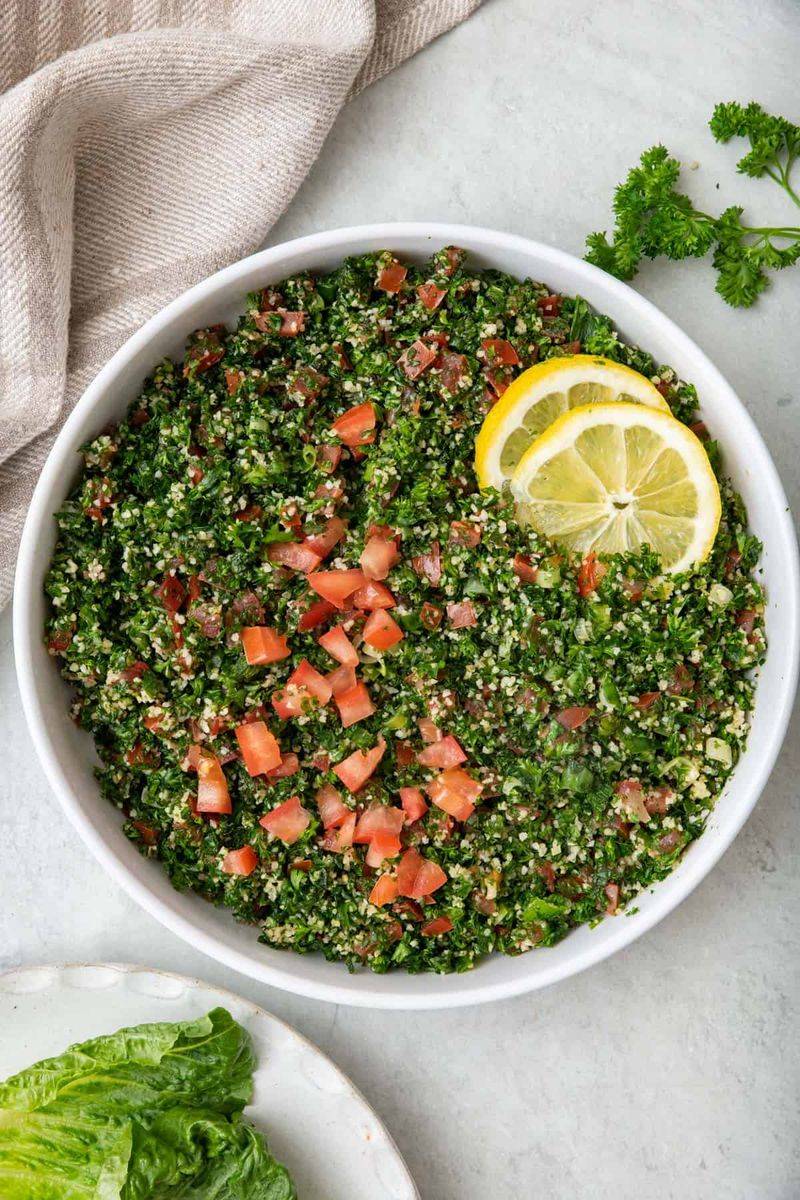
Tabbouleh fits naturally into iftar because it feels light, herbal, and refreshing after a long fast. Parsley, bulgur, tomato, and lemon come together in a way that tastes clean without feeling plain.
It is the kind of salad that quietly balances the richer dishes surrounding it.
What makes it especially welcome is its brightness. A few spoonfuls can cut through fried appetizers, grilled meats, or creamy dips and make the whole meal feel fresher.
You are not turning to tabbouleh for heaviness or drama. You are turning to it for balance, color, and a little breathing room.
6. Kibbeh
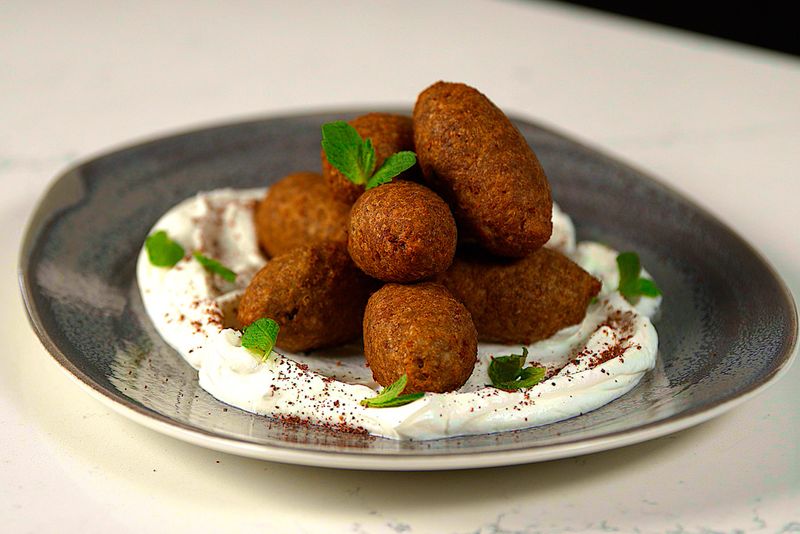
Kibbeh is one of those dishes that instantly makes iftar feel like a real gathering rather than just a meal. With its mix of bulgur, seasoned meat, and warming spices, it offers substance and comfort in every bite.
Fried versions bring crisp edges, while baked versions feel equally hearty and generous.
It is also a dish people associate with family tables, special occasions, and recipes passed down with care. That emotional connection matters during Ramadan.
When kibbeh appears, you know the meal is meant to be shared and enjoyed slowly, even if the platter empties almost immediately.
7. Stuffed Grape Leaves
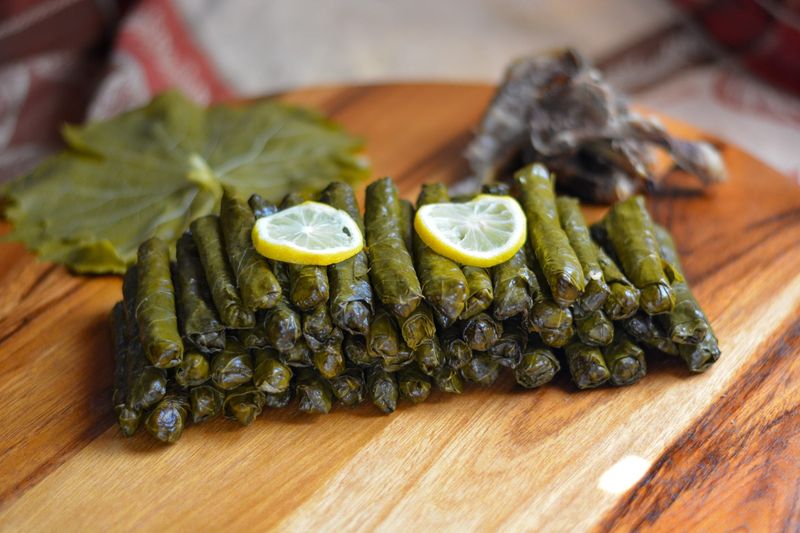
Stuffed grape leaves are a natural fit for iftar because they can be made ahead and laid out as part of a generous spread. Their filling of rice, herbs, and sometimes meat creates a savory bite with just enough tang.
They feel tidy, thoughtful, and perfect for sharing.
On a crowded Ramadan table, they help build that sense of abundance people love. You can serve them alongside dips, salads, grilled meats, or rice dishes without anything feeling out of place.
Their flavor is distinctive but not overpowering, which makes them easy to keep reaching for throughout the evening.
8. Hummus
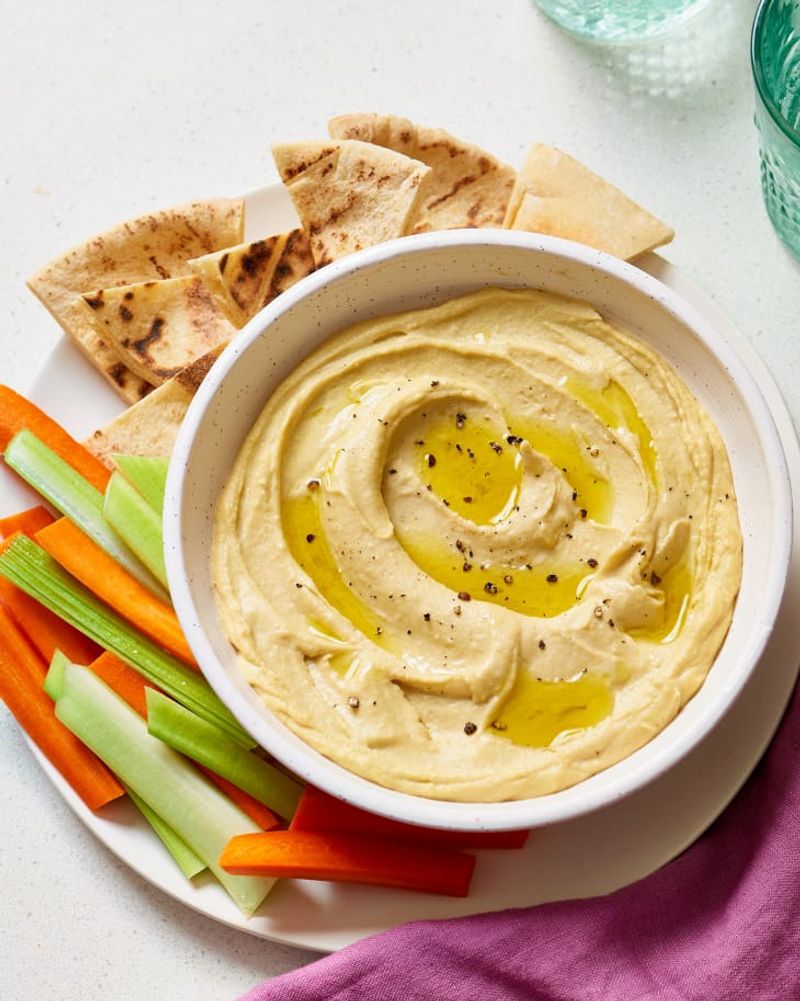
Hummus earns its place at iftar because it is one of the easiest dishes to pair with everything else on the table. It can be a dip, a side, or part of a mezze spread, and it never feels out of place.
With warm pita, it becomes simple comfort at its best.
Its creamy texture offers a welcome contrast to crisp pastries, fresh salads, and grilled meats. You do not need a complicated presentation for hummus to feel inviting.
A bowl of it on the table signals familiarity, generosity, and the kind of dependable flavor that keeps everyone satisfied.
9. Baba Ghanoush
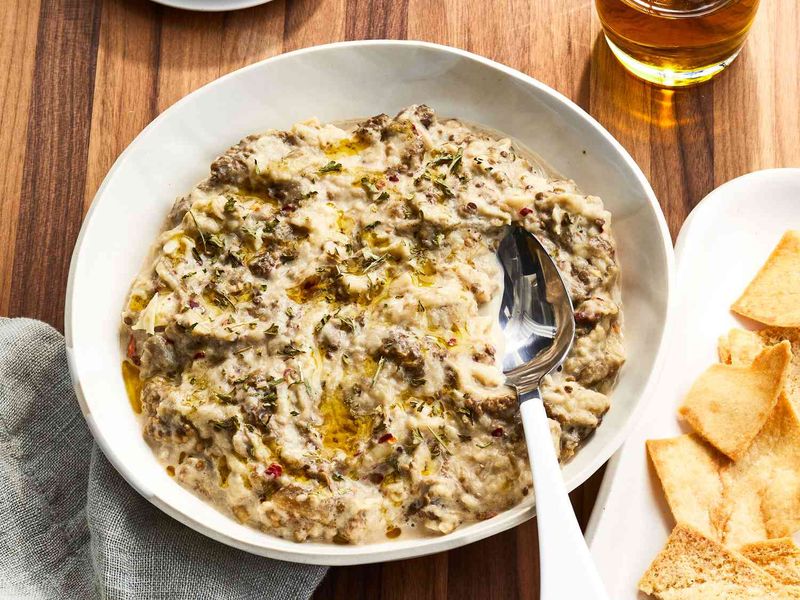
Baba ghanoush brings a smoky depth that adds real variety to the usual lineup of iftar dips and appetizers. Made from roasted eggplant, it feels rich and satisfying without becoming too heavy for the beginning of the meal.
Its softness makes it especially easy to enjoy with bread or vegetables.
That roasted flavor is what gives it such appeal on a mixed table. When you already have hummus, salads, and pastries around, baba ghanoush offers something gentler and more earthy.
It rounds out the spread in an effortless way and keeps every plate from tasting too similar.
10. Fatayer
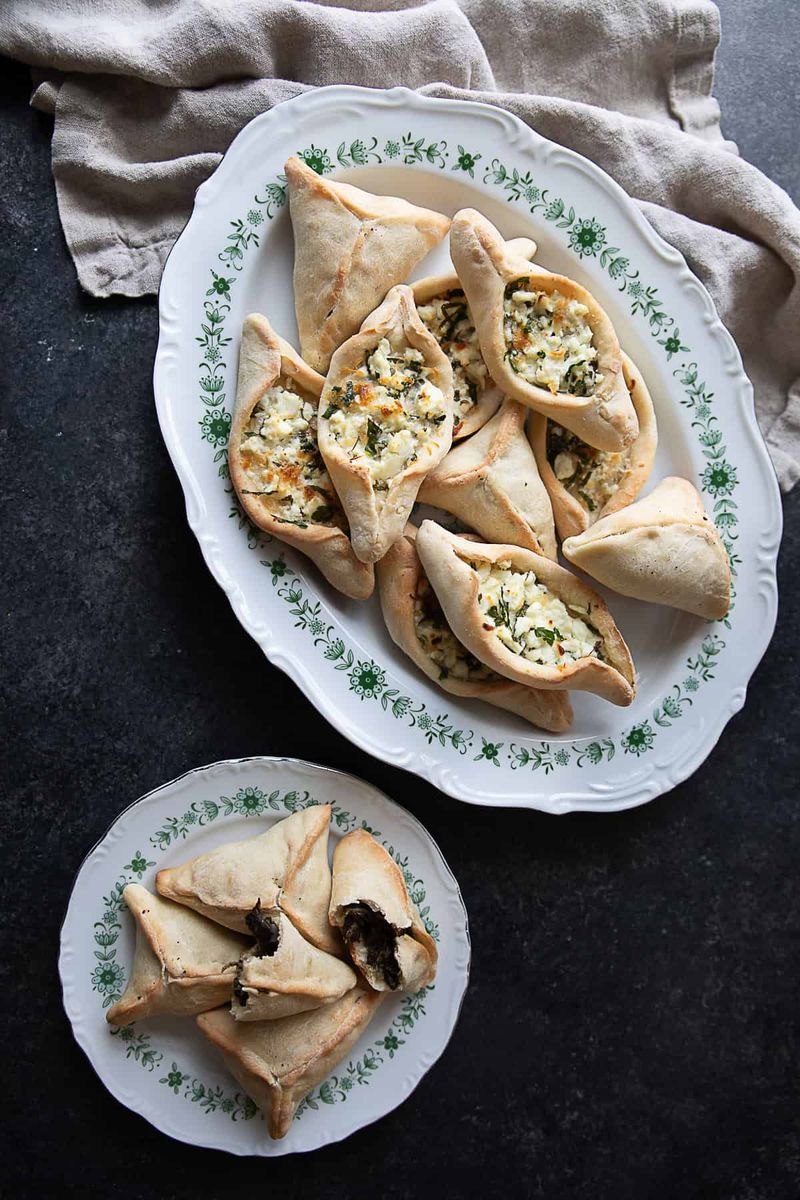
Fatayer are the sort of small savory pies that make iftar feel abundant without making serving complicated. They can be filled with spinach, cheese, or meat, and each version works beautifully on a shared table.
Warm or room temperature, they stay appealing throughout the evening.
That flexibility is part of why they are so common during Ramadan. You can prepare plenty in advance, set them out with other dishes, and let people reach for them whenever they like.
Their soft filling and tender dough create an easy, familiar comfort that suits both quiet meals and larger gatherings.
11. Chicken Shawarma
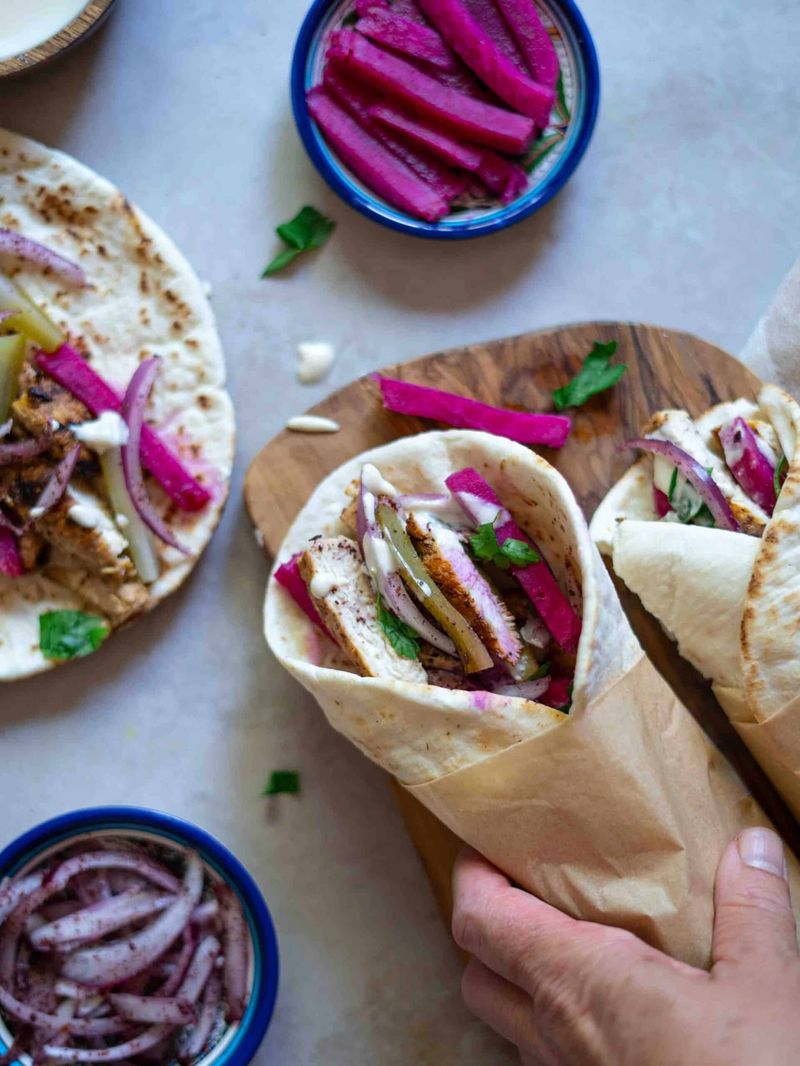
Chicken shawarma works well for iftar because it is packed with flavor while still being easy to serve in different ways. You can pile it into wraps, spoon it over rice, or present it with bread, pickles, and sauces for a family style meal.
That versatility makes it especially useful during Ramadan.
The spices bring energy to the table without making the meal feel overly formal or complicated. If you want something satisfying that can feed a group comfortably, shawarma delivers.
It feels casual enough for a weeknight iftar and flavorful enough to hold its own at a larger gathering.
12. Rice With Vermicelli
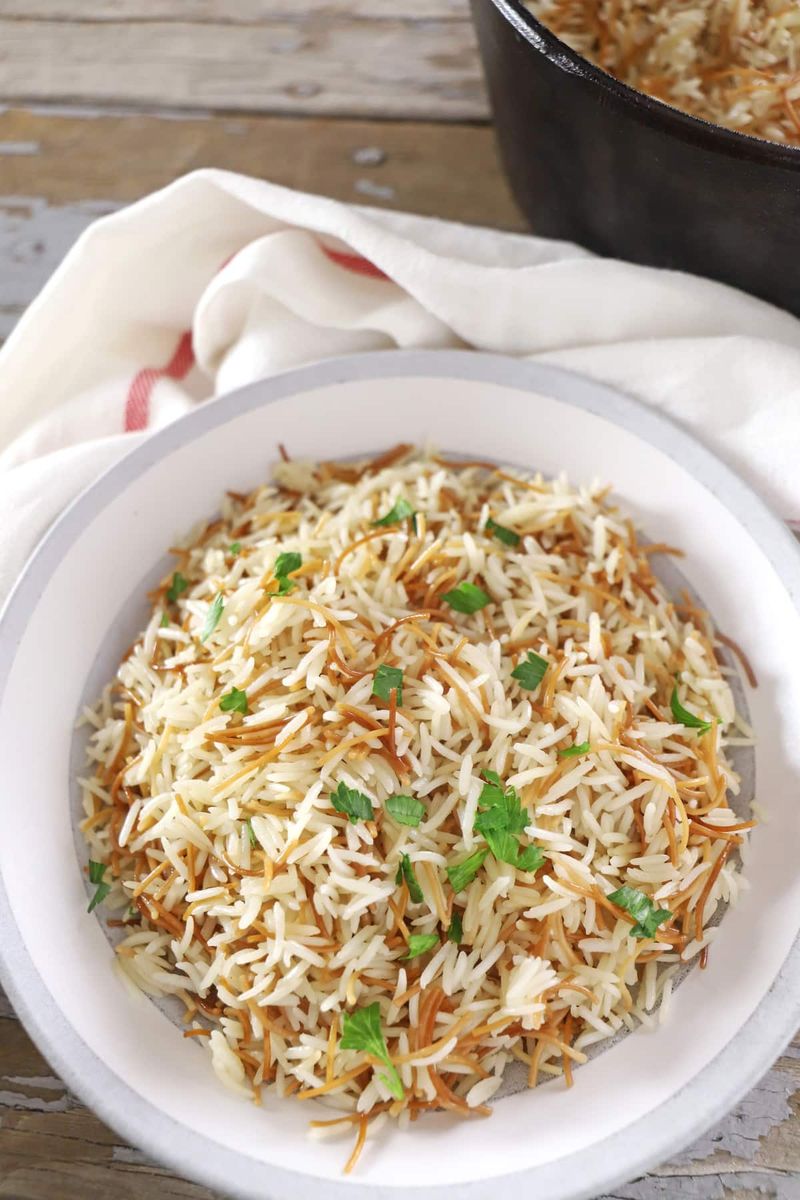
Rice with vermicelli is one of those quiet side dishes that makes the rest of the iftar meal work better. Soft rice and toasted noodles create a texture that feels comforting, familiar, and easy to pair with almost anything.
It sits naturally beside grilled meats, stews, roasted chicken, or vegetable dishes.
During Ramadan, that kind of dependability matters. Not every dish needs to be bold or dramatic when the table is already full of strong flavors and rich foods.
Sometimes you want a simple base that supports everything around it. This is exactly the sort of side that does that beautifully.
13. Maqluba
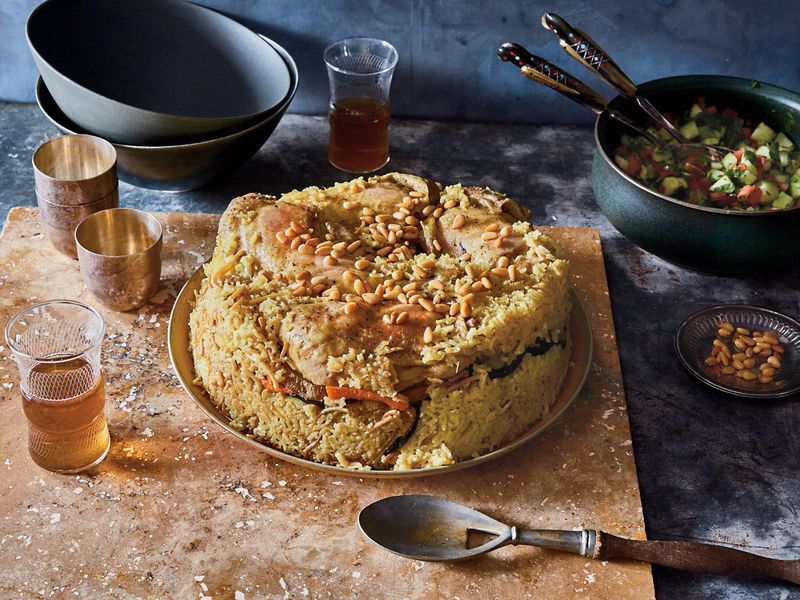
Maqluba is the kind of dish that turns iftar into an occasion the moment it reaches the table. Layered with rice, vegetables, and meat, then flipped for serving, it has a dramatic presentation that people always notice.
Beyond the reveal, though, it delivers real comfort and deep flavor.
Because it is hearty and built for sharing, maqluba suits Ramadan perfectly. One large platter can anchor the whole evening and make the meal feel generous from the start.
You get tenderness, seasoning, and warmth in every spoonful, along with that unmistakable sense that something special has been prepared.
14. Kabsa
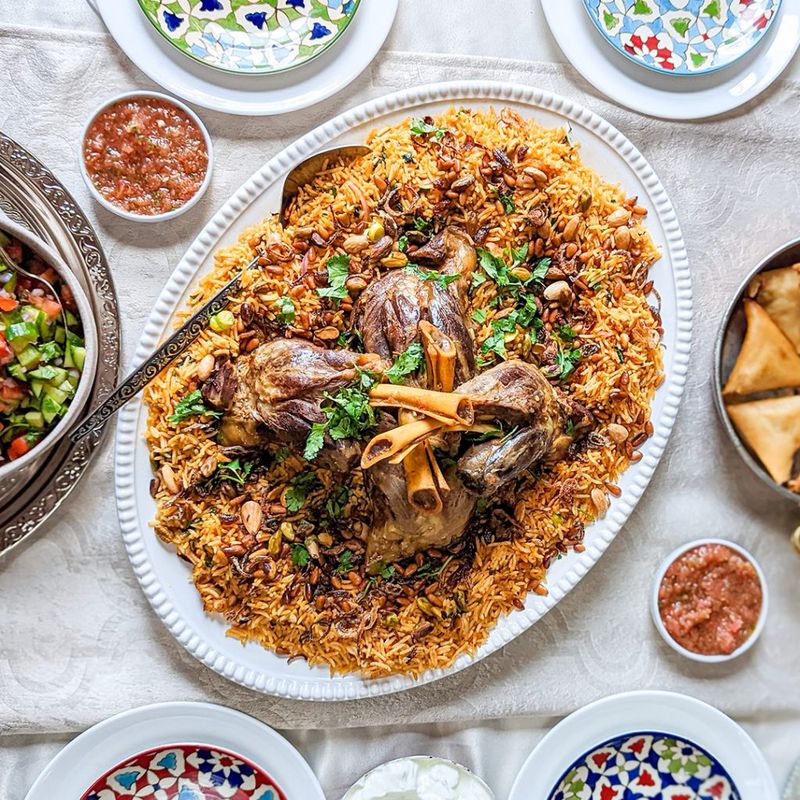
Kabsa often appears when iftar is meant to feel especially substantial and celebratory. The deeply seasoned rice, usually served with chicken or lamb, creates a complete meal that can easily carry the evening.
It is fragrant, filling, and generous in a way that suits Ramadan gatherings beautifully.
Even without many extra dishes around it, kabsa still feels impressive. The spices give it warmth and complexity, while the large platter encourages everyone to gather and share.
If you want a main dish that feels festive without becoming fussy, this is exactly the kind of meal that delivers.
15. Kofta
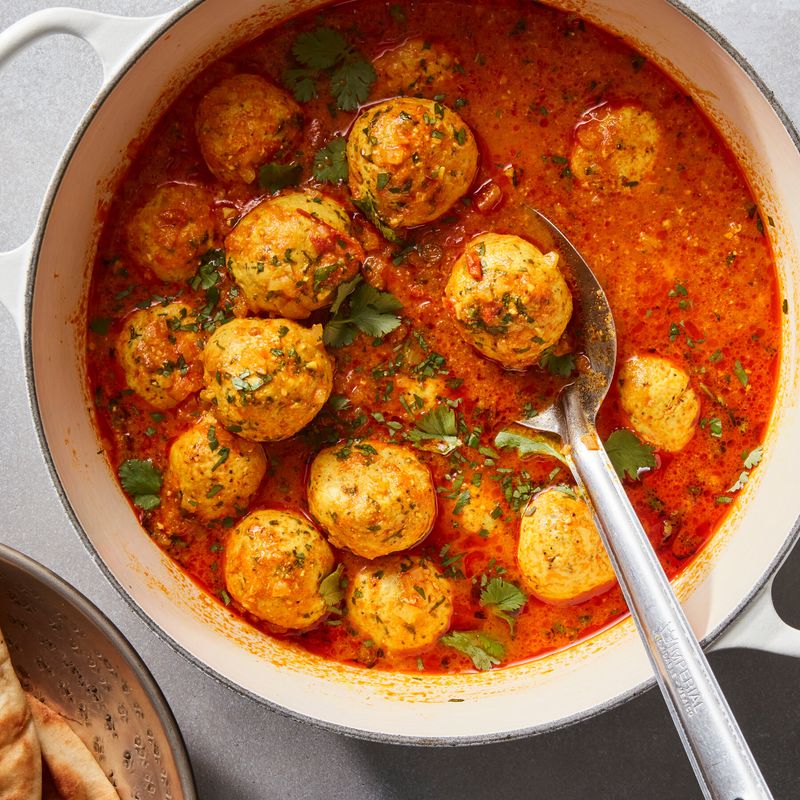
Kofta works beautifully at iftar because it is satisfying, flavorful, and easy to adapt to the rest of the meal. You can grill it, bake it, or simmer it in sauce depending on what suits the evening best.
It pairs comfortably with rice, bread, salad, and dips without needing much explanation.
That flexibility makes it ideal for both casual family dinners and larger Ramadan gatherings. Kofta feels substantial enough to anchor a plate, yet familiar enough that everyone knows exactly how to enjoy it.
When you want a reliable main with plenty of character, it rarely disappoints.
16. Musakhan
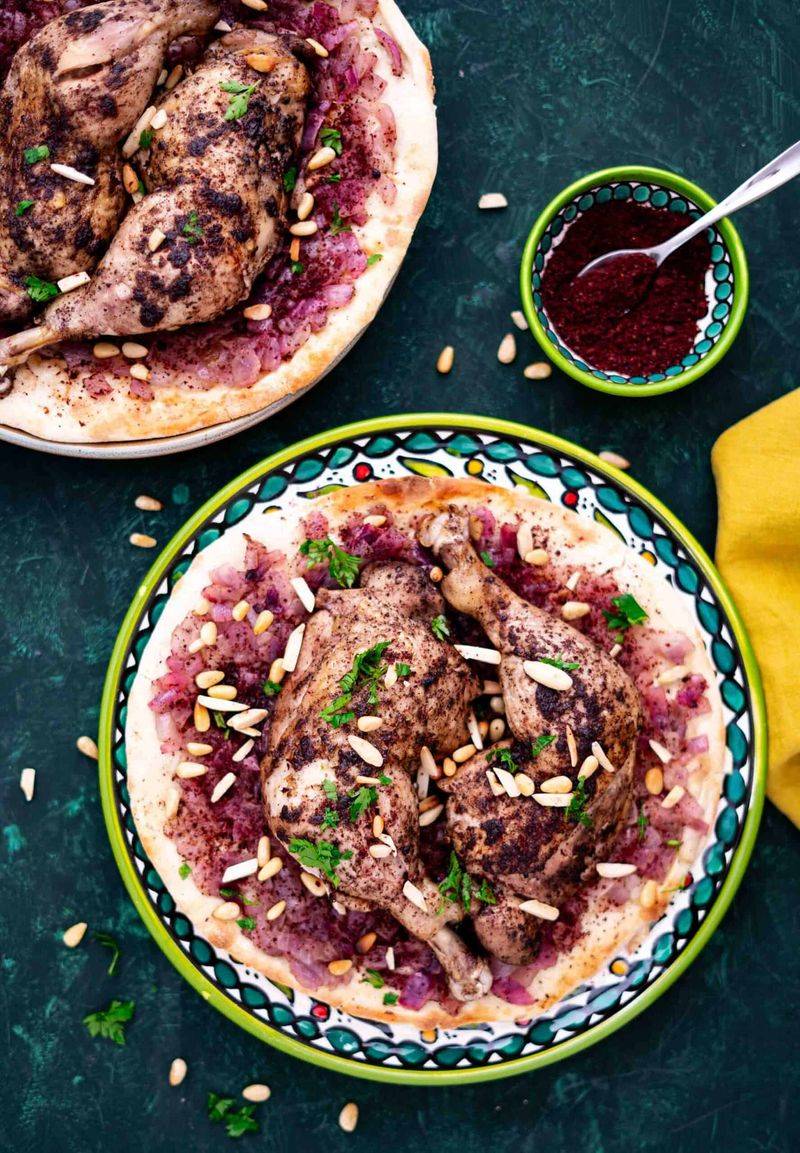
Musakhan brings together chicken, onions, sumac, and flatbread in a way that feels deeply suited to shared Ramadan meals. The flavors are rich and comforting, but the dish never feels overly complicated or formal.
Everything about it invites people to gather close and serve themselves generously.
The bread makes it especially practical for family style dining, while the onions and sumac give it a character that stands out immediately. You get warmth, tang, and tenderness in one dish, which is a hard combination to resist.
On an iftar table, musakhan adds both comfort and personality.
17. Shorbat Freekeh
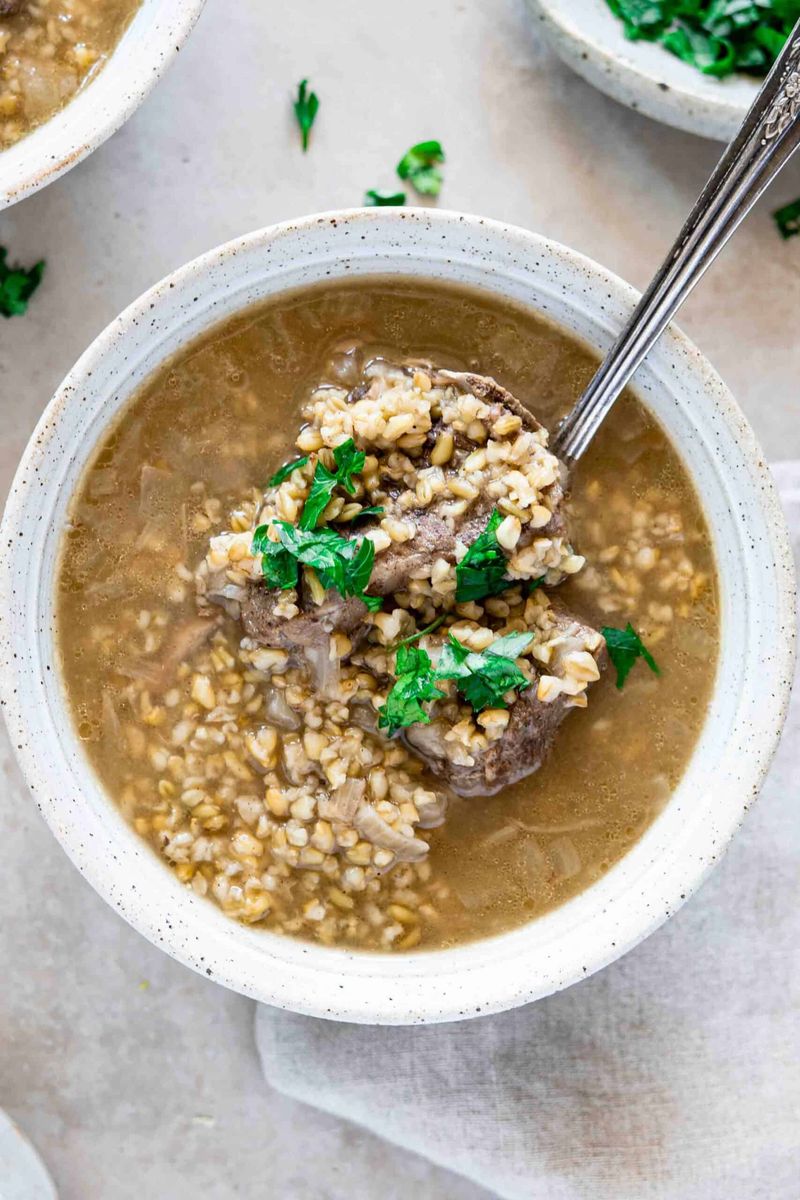
Shorbat freekeh is another soup that feels especially fitting for iftar because it is nourishing without being overwhelming. The freekeh gives it more body and texture than a plain broth, so it feels substantial while still staying gentle on an empty stomach.
That balance makes it very appealing after a day of fasting.
It also has the kind of quiet depth that makes a meal feel thoughtfully prepared. You start with something warm, savory, and comforting, then move naturally into the rest of the spread.
For many tables, that makes freekeh soup an ideal and satisfying beginning.
18. Qatayef
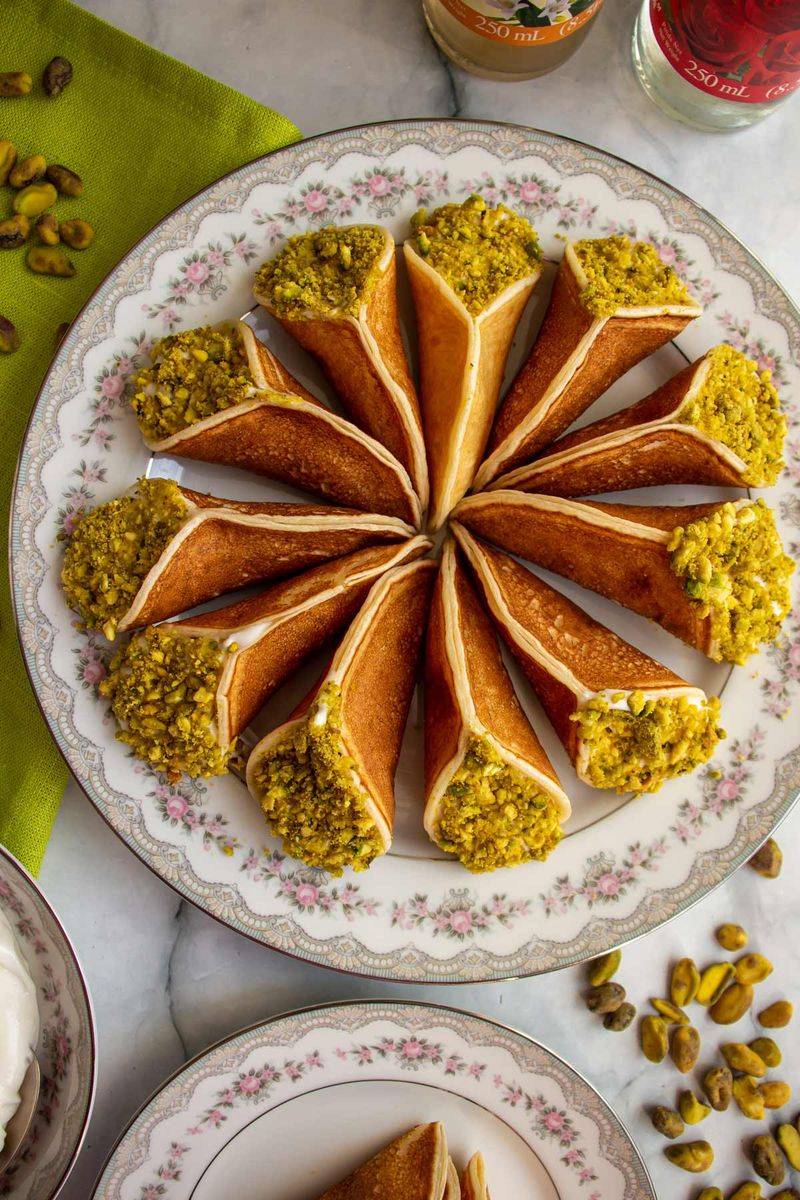
Qatayef are one of the desserts most closely tied to Ramadan, so seeing them at iftar instantly feels seasonal and celebratory. These filled pancakes, often stuffed with cream or nuts and finished with syrup, bring sweetness in a form people actively look forward to.
They feel festive without needing much introduction.
After a table full of savory dishes, qatayef provide that familiar shift into dessert that marks the evening beautifully. Their soft texture and rich filling make them feel special, while their long connection to Ramadan gives them emotional weight.
They are not just a treat, but part of the atmosphere.
19. Kunafa
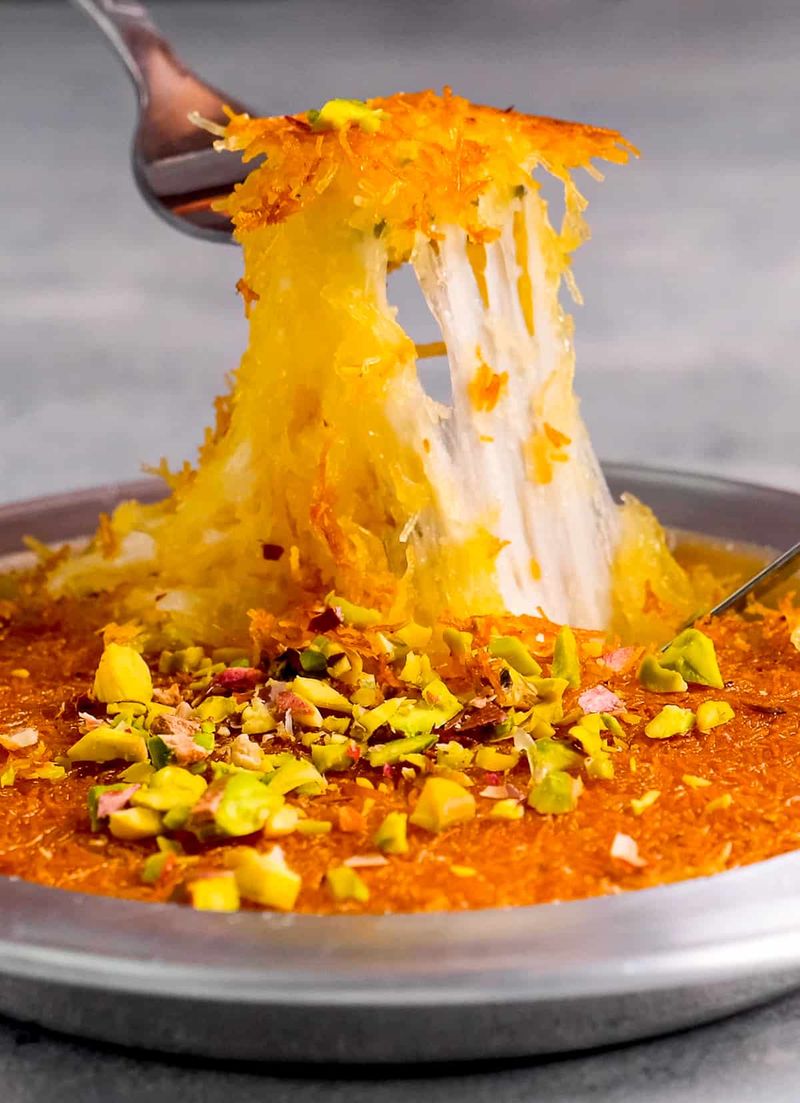
Kunafa is the kind of dessert that instantly makes an iftar spread feel more festive. With its crisp top, soft filling, and syrupy finish, it delivers the rich, celebratory sweetness people often crave during Ramadan evenings.
It is indulgent, yes, but that is exactly part of its appeal.
Whether served right after dinner or later with tea, kunafa brings a sense of occasion to the table. A small piece goes a long way, yet everyone still wants one.
When you are looking for a dessert that feels unmistakably special, few sweets create that effect quite as quickly.
20. Atayef Asafiri
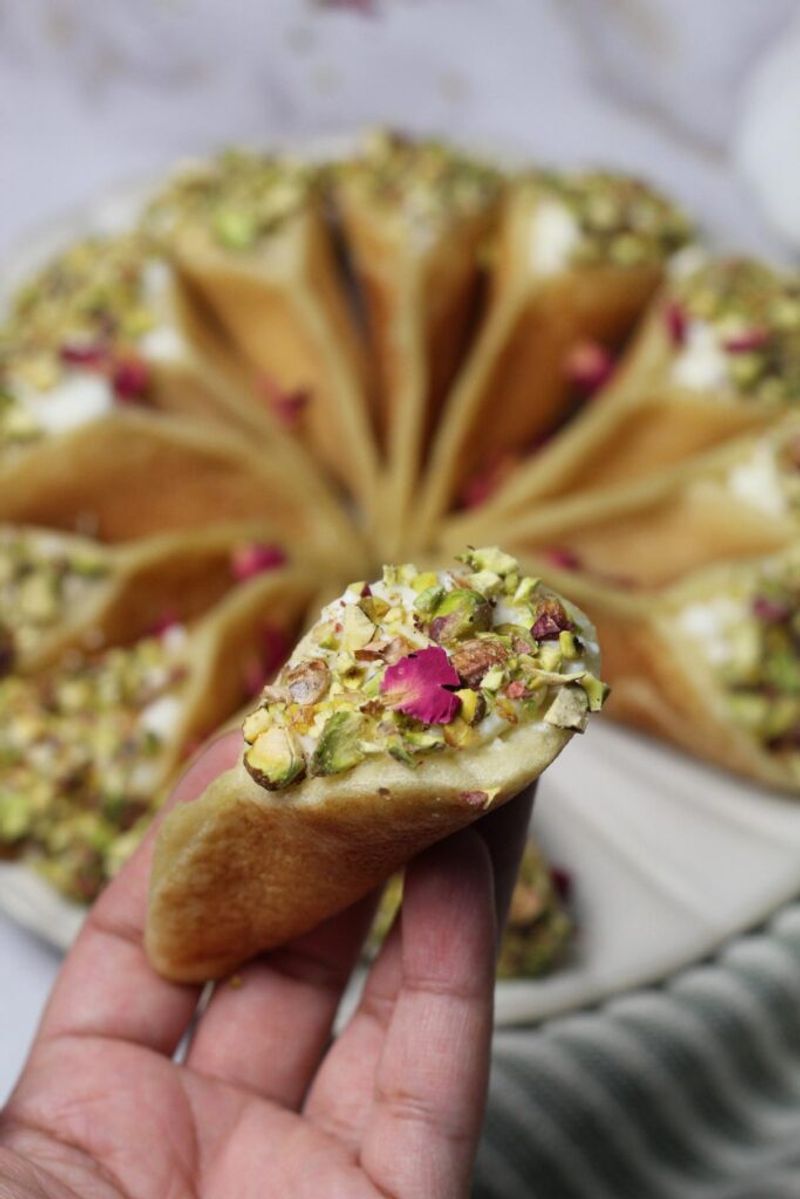
Atayef asafiri offer a softer, more delicate finish to iftar, which is part of why they are so loved during Ramadan. These smaller cream filled qatayef look elegant on the table and feel made for sharing.
Topped with nuts or a little syrup, they bring sweetness without the heaviness of a large dessert.
That lighter feel can be especially welcome after a generous meal. You still get something festive and distinctly tied to the season, but in a form that feels airy and refined.
Their appearance alone makes the dessert spread look more special, even with very little effort.