20 Must-Try Foods And Drinks In China
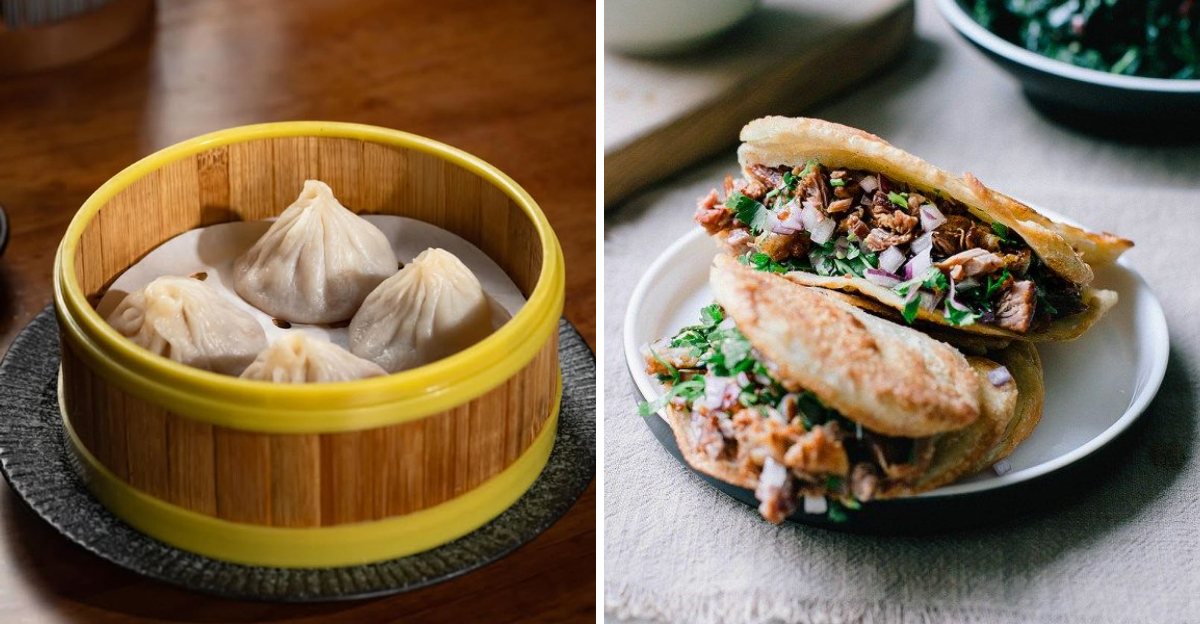
China’s culinary landscape is as vast as its geography, offering a diverse array of flavors and textures. From traditional dishes to modern favorites, here’s a list of 20 essential foods and drinks that provide a taste of China’s rich food culture.
1. Peking Duck (Beijing)
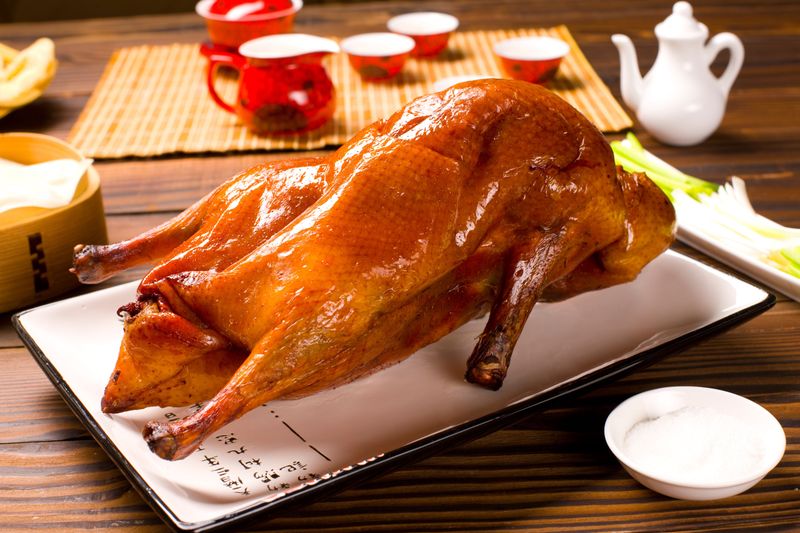
Peking Duck is not just a meal; it’s a culinary performance. This iconic dish from Beijing features duck with irresistibly crispy skin and tender meat. Served with thin pancakes, sliced scallions, and hoisin sauce, it’s a harmonious blend of textures and flavors.
The preparation is meticulous, involving air-drying the skin and roasting the duck to perfection. It’s the kind of dish that turns dining into an interactive experience, as you wrap each bite in a pancake.
The rich history of Peking Duck dates back to the imperial era, making it a taste of China’s royal cuisine.
2. Xiaolongbao Soup Dumplings (Shanghai/Jiangsu)
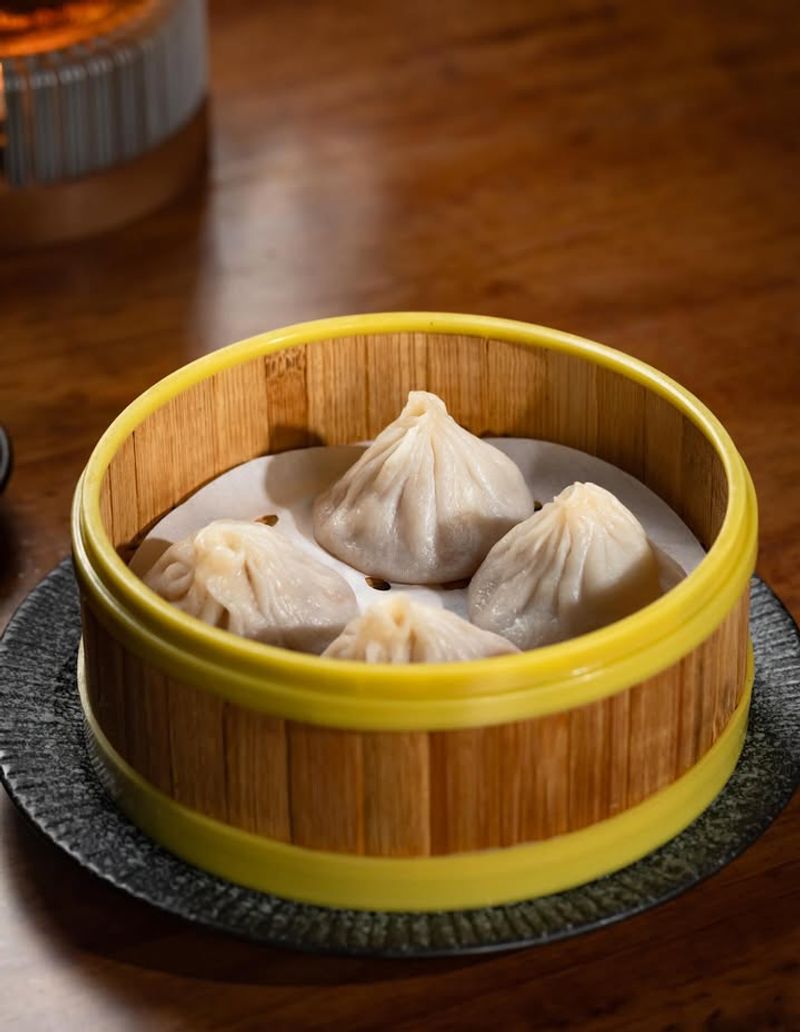
Xiaolongbao, the famous soup dumplings, are a marvel of culinary engineering. Originating from Shanghai and Jiangsu, these delicate dumplings are filled with broth and pork, sometimes enhanced with crab.
Eating them is an art form: gently lift, bite a small hole, and sip the broth before devouring. Each bite combines the rich, savory broth with tender meat.
These dumplings have become a global favorite, celebrated for their unique texture and flavor. They are a must-try for anyone visiting China’s bustling culinary hubs.
3. Hot Pot (Sichuan/Chongqing and beyond)
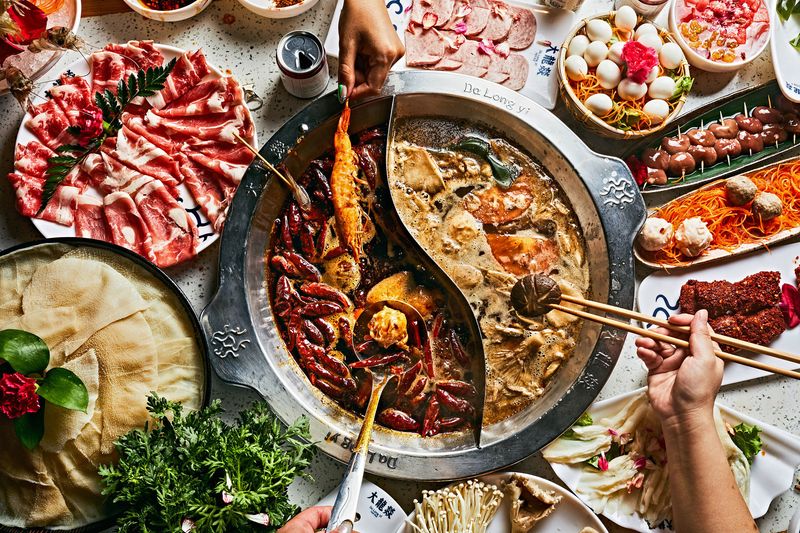
Hot Pot is a social dining phenomenon that’s as much about the company as the food. Originating from Sichuan and Chongqing, it involves cooking various meats, vegetables, and noodles in a communal pot.
The spicy mala broth is famous for its numbing heat, though milder versions exist. The fun lies in selecting ingredients and watching them cook at the table.
This communal meal brings people together, making it a beloved part of Chinese culinary culture. The variety of flavors ensures there’s something for everyone.
4. Mapo Tofu (Sichuan)
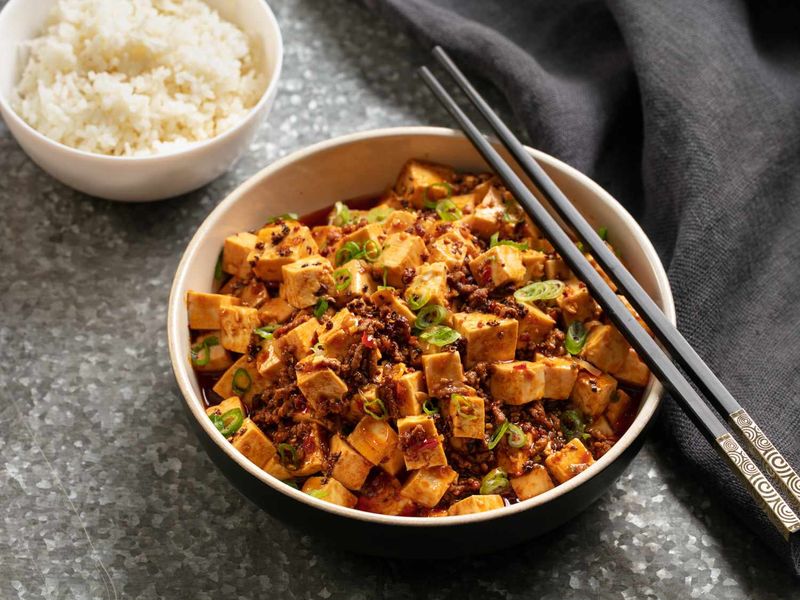
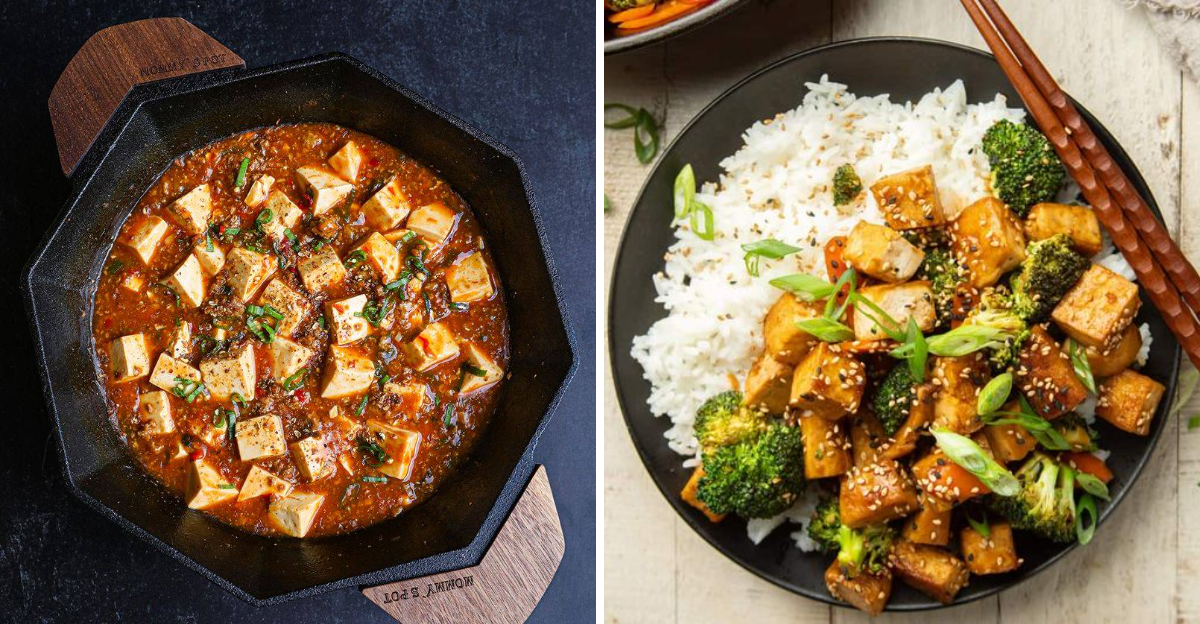
Mapo Tofu is a dish that packs a punch, both in flavor and history. Hailing from Sichuan, it features soft tofu in a spicy, numbing sauce made with minced meat and fermented bean paste.
The sensation known as ‘mala’—a combination of heat and numbing—is the star here. It transforms what could be a simple dish into a comfort food with attitude.
Mapo Tofu’s origins trace back to the Qing Dynasty, with a name that evokes its creator’s freckled face, adding a personal touch to this beloved dish.
5. Dan Dan Noodles (Sichuan)
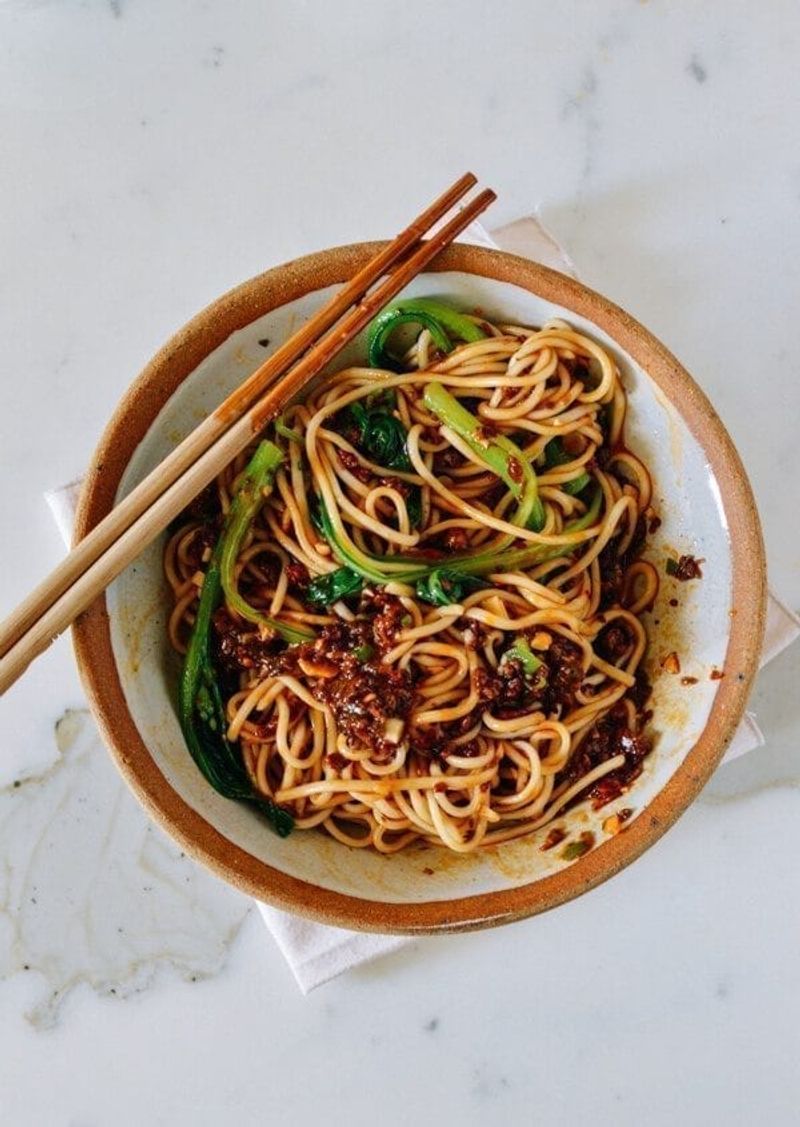
Dan Dan Noodles are a vibrant dish that captures Sichuan’s bold flavors. These noodles are drenched in chili oil, with a rich sesame or peanut dressing, and topped with minced meat.
The dish combines salty, spicy, and umami notes, creating a taste sensation that’s hard to resist. Each bite is a burst of flavor that showcases Sichuan’s culinary creativity.
The name comes from the carrying pole street vendors used, adding a historical layer to this popular comfort food. It’s a staple for noodle lovers.
6. Biang Biang Noodles (Shaanxi)
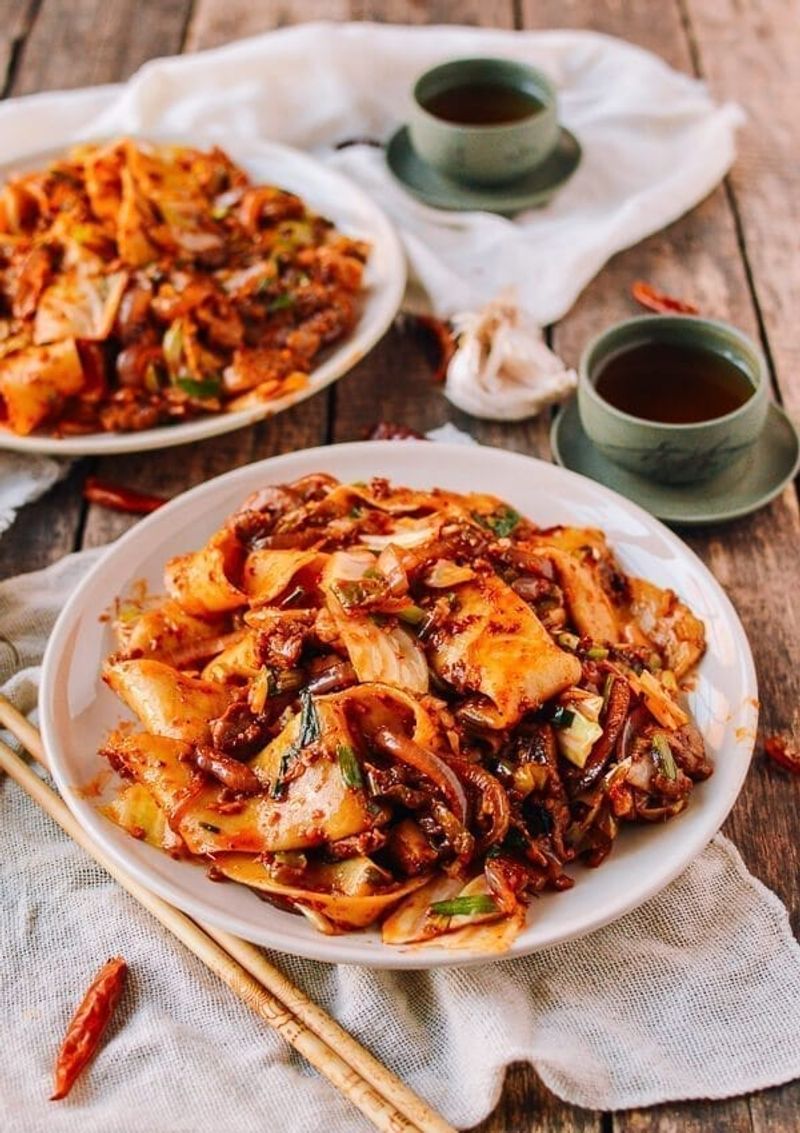
Biang Biang Noodles are a Shaanxi specialty known for their distinctive width and delightful chewiness. These ‘belt-like’ noodles are dressed with chili oil, garlic, and vinegar, offering a bold and aromatic experience.
The preparation is as fascinating as the dish itself, with the dough hand-pulled into wide strips. The name ‘Biang Biang’ is famously complex, with a Chinese character that boasts multiple strokes.
This dish embodies the heart of Shaanxi cuisine, bringing together simplicity and flavor in every bite. It’s a must-try for noodle enthusiasts.
7. Xi’an Roujiamo (Shaanxi)
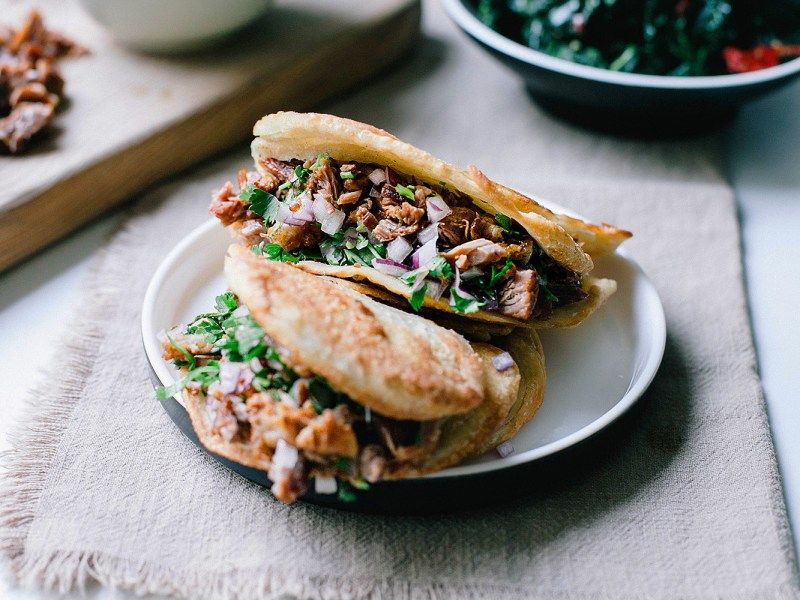
Xi’an Roujiamo is often referred to as the “Chinese burger.” This street food delight consists of chopped braised meat stuffed into a crisp, flaky bread.
The simplicity of the ingredients belies the flavor complexity, with rich, savory meat contrasting the bread’s texture. Each bite offers comfort and satisfaction, drawing on Shaanxi’s rich culinary traditions.
Dating back centuries, Roujiamo has become a staple across China, representing the fusion of history and modern taste. It’s a must-try for those exploring street food culture.
8. Lanzhou Beef Noodle Soup (Gansu)
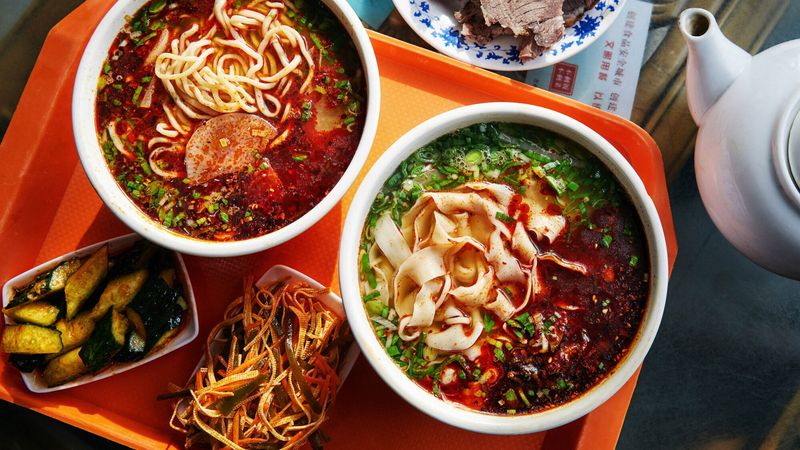
Lanzhou Beef Noodle Soup is an embodiment of comfort in a bowl. Originating from Gansu, it features a fragrant beef broth, hand-pulled noodles, and tender beef slices.
Known for its clear broth, this soup is a soothing option, especially on a cold day. The addition of chili oil and herbs enhances its depth of flavor.
This dish showcases the artistry of noodle making, with an emphasis on precision and technique. It’s a nourishing and satisfying choice for noodle lovers.
9. Char Siu (Cantonese/Guangdong)
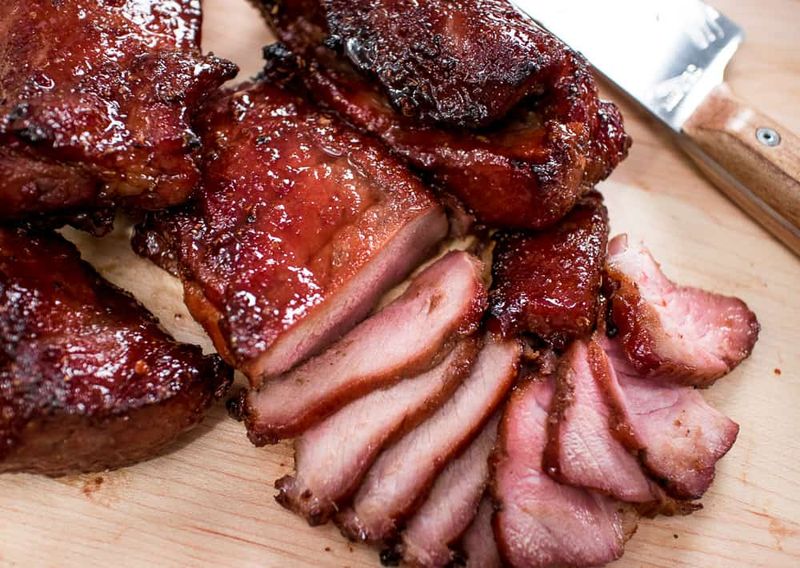
Char Siu is a Cantonese classic that’s love at first bite for many. This sweet-savory roasted pork is characterized by its glossy red edges and tender interior.
The marinade, a blend of honey, soy sauce, and spices, gives the pork its signature flavor and appearance. It’s versatile, equally delicious on its own or paired with rice or buns.
Rooted in Cantonese barbecue traditions, Char Siu is a testament to the region’s culinary finesse. It’s a delightful dish that appeals to both locals and visitors.
10. Dim Sum (Guangdong/Hong Kong style)
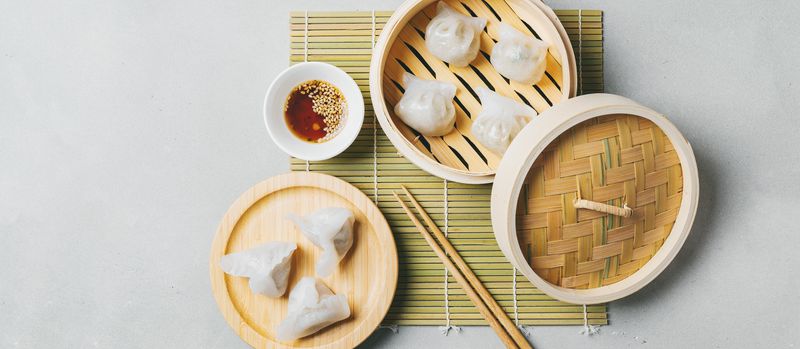
Dim Sum is an experience, a culinary journey through small plates that showcase Guangdong and Hong Kong’s rich food culture. From shrimp dumplings to siu mai, each bite-sized offering is a work of art.
The beauty of dim sum lies in its variety, allowing diners to explore a multitude of flavors and textures in one meal. It’s a social dining experience, often enjoyed with tea.
This tradition dates back to the Silk Road, where travelers stopped for tea and snacks. Dim Sum remains a beloved culinary ritual.
11. Cantonese Roast Goose (Guangdong)
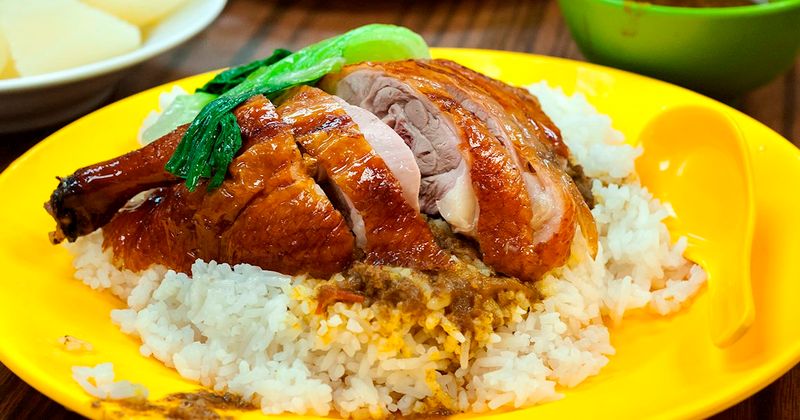
Cantonese Roast Goose is a dish of indulgence and perfection. Known for its crispy skin and flavorful meat, this roast is a testament to Guangdong’s culinary artistry.
The preparation involves marinating the goose and roasting it to achieve a delicate balance of tenderness and crispness. It’s often paired with a rich plum sauce.
For those lucky enough to find it done well, Cantonese Roast Goose is an unforgettable experience, a true highlight of Southern Chinese cuisine.
12. Congee (Nationwide)
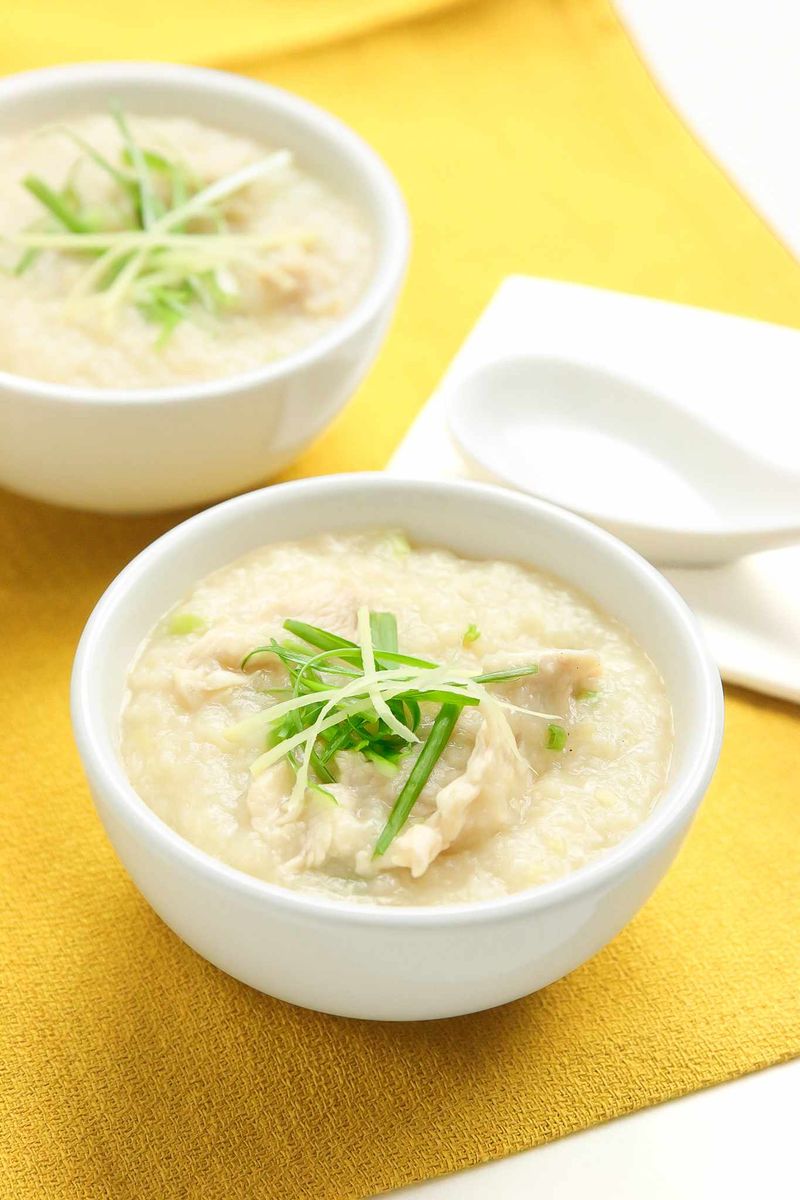
Congee, a staple across China, is rice porridge that comforts the soul. It can be enjoyed plain or with an array of toppings like pork, century egg, or seafood.
The gentle flavor of congee makes it a versatile dish, appreciated at any time of day. It’s often served with side dishes to complement its mild taste.
For many, congee is more than food; it’s a connection to home and family, a dish that evokes nostalgia and warmth.
13. Jianbing (Northern China street food)

Jianbing is a beloved street food that’s fast, affordable, and delicious. This savory breakfast crepe features a combination of egg, crispy cracker, sauces, and herbs.
Each Jianbing is made to order, creating a perfect balance of textures and flavors. The crispy exterior contrasts with the soft interior, making it a satisfying start to the day.
Originating from Shandong, Jianbing has become popular nationwide, offering a taste of China’s street food culture with every bite.
14. Scallion Pancakes (North and East China)
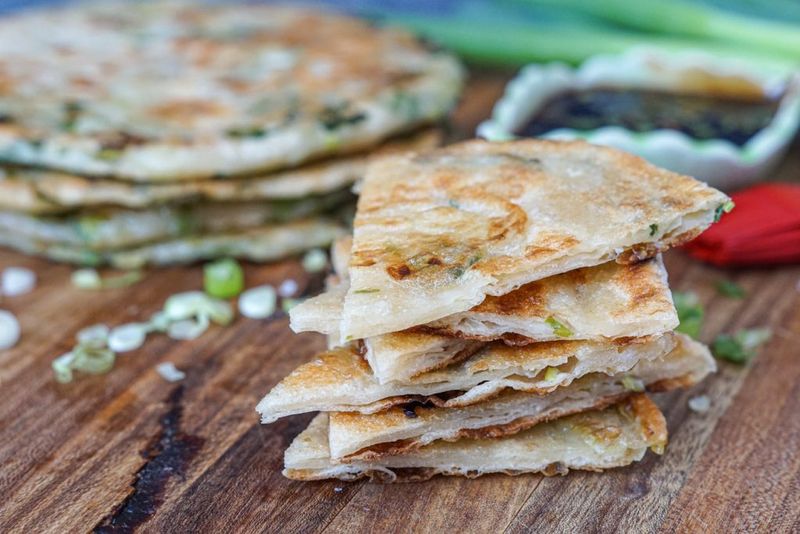
Scallion Pancakes, with their crispy exterior and flaky layers, are a snack that’s hard to resist. Popular in North and East China, these pancakes are infused with scallion flavor.
The preparation involves layers of dough rolled with scallions, creating a texture that’s both chewy and crunchy. They’re perfect as a snack or side dish.
Scallion Pancakes are a testament to the art of simple ingredients coming together to create something truly delightful.
15. Baozi Steamed Buns (Nationwide)
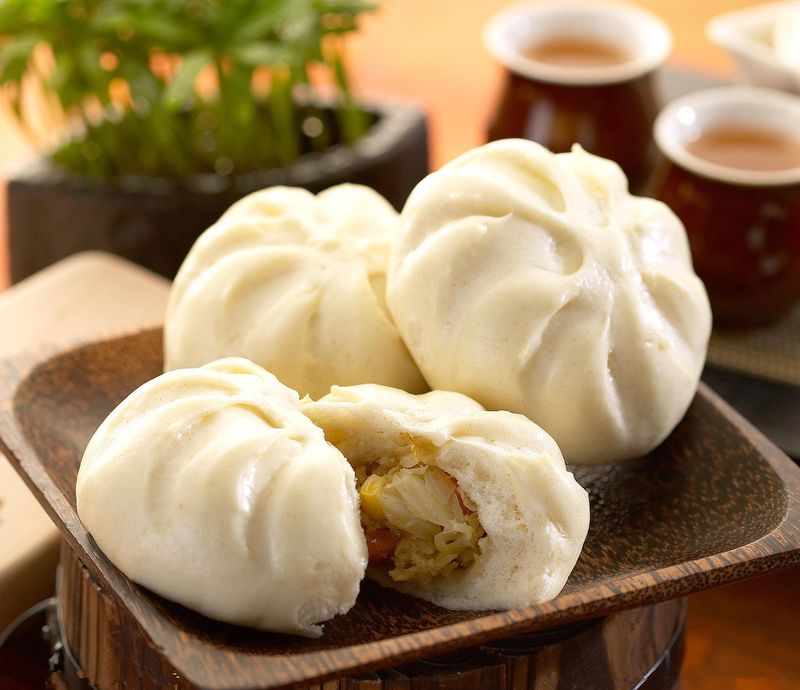
Baozi, the ubiquitous steamed buns, are a staple across China. These soft, pillowy buns can be filled with pork, beef, veggies, or sweet paste.
The versatility of Baozi makes them suitable for breakfast, lunch, or a snack. Each bite reveals a flavorful filling encased in a tender dough.
Loved by people of all ages, Baozi are a symbol of comfort and tradition, offering a taste of everyday Chinese life.
16. Shengjianbao Pan-Fried Soup Buns (Shanghai)
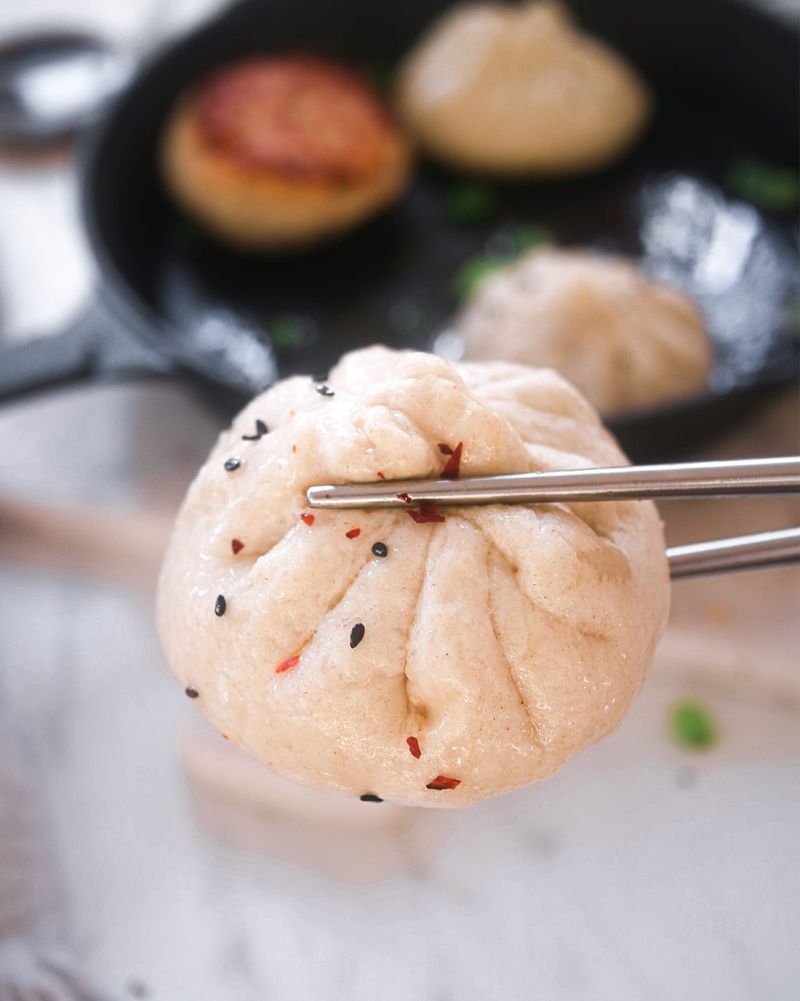
Shengjianbao, a Shanghai specialty, are pan-fried soup buns with a crispy bottom and fluffy top. These buns are filled with a juicy pork filling and a savory broth.
Each Shengjianbao offers a delightful contrast of textures, from the crunchy base to the soft casing. They’re like soup dumplings with an exciting twist.
These buns are a treat for the senses, providing a burst of flavor in every bite. They’re a must-try for those exploring Shanghai’s street food scene.
17. Sichuan “Mala” Snacks (Sichuan/Chongqing)
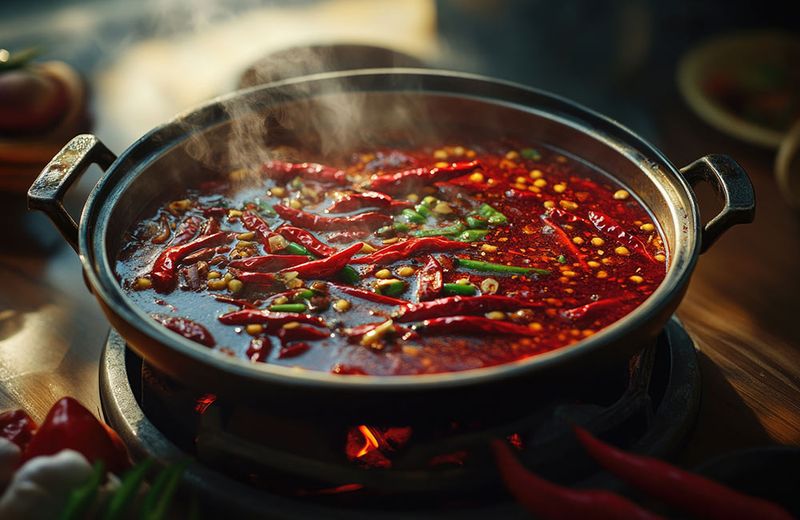
Sichuan “Mala” Snacks are a celebration of the region’s iconic spicy-numbing flavors. Skewers, cold noodles, cucumbers, and tofu skins are tossed in chili oil, peppercorn, garlic, and sesame.
The result is an addictive combination of heat and tingle that defines Sichuan cuisine. These snacks are perfect for those seeking intense and bold flavors.
They are more than just food; they are an exhilarating experience that captures the essence of Sichuan’s culinary identity.
18. Tea Eggs (Nationwide)
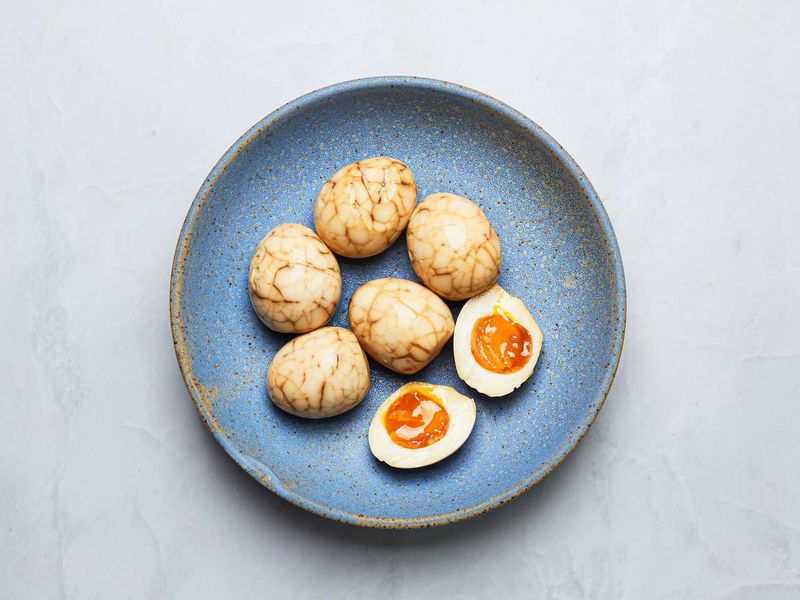
Tea Eggs are a simple yet flavorful snack found across China. Hard-boiled eggs are simmered in tea, soy sauce, and spices until marbled.
The process infuses the eggs with a salty, aromatic flavor, making them perfect for a quick snack on the go. The marbling adds a visual appeal.
Tea Eggs have become a common sight in convenience stores and markets, offering a taste of traditional Chinese snack culture at its best.
19. Bubble Tea (Taiwan origin, huge across China)
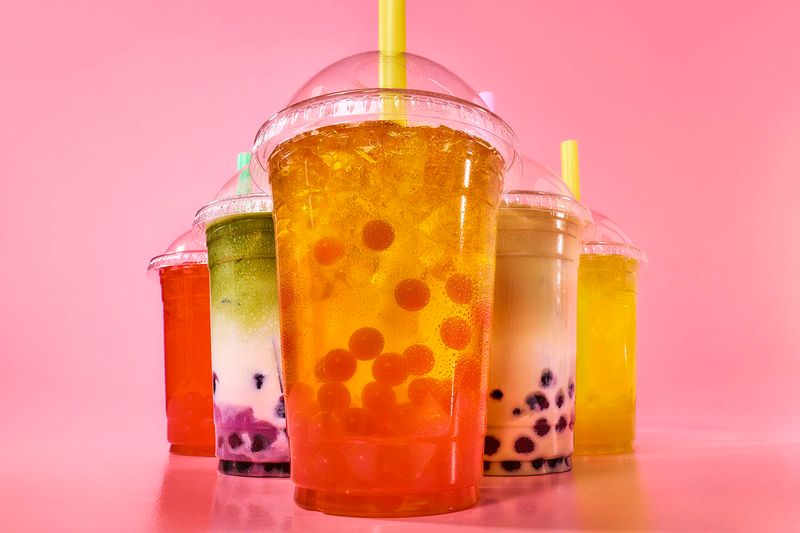
Bubble Tea, originally from Taiwan, has captured hearts across China. This sweet drink combines milk tea with tapioca pearls or jellies, offering a chewy delight.
The unique texture and variety of flavors make it more than just a drink; it’s a dessert in a cup. Bubble Tea shops have become ubiquitous, reflecting its immense popularity.
Whether enjoyed as a refreshing treat or a sweet indulgence, Bubble Tea is a modern icon of Chinese beverage culture.
20. Chinese Tea Culture Drinks (Nationwide)
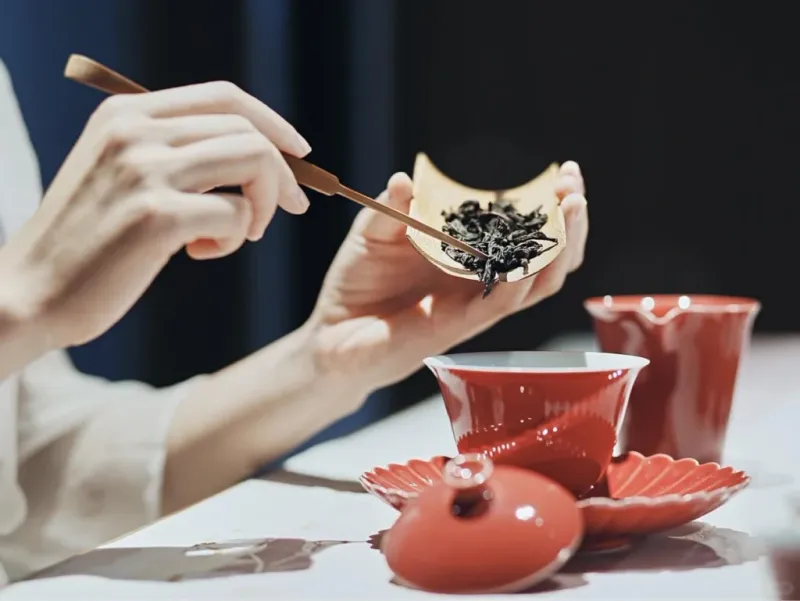
Chinese Tea Culture is rich and varied, offering a wide range of teas for every palate. Longjing (Dragon Well) green tea is known for its clean and nutty flavor.
Tieguanyin oolong provides a floral aroma and smooth taste, while Pu’er offers a deep, earthy experience. Each tea has its own ritual and history.
Exploring Chinese tea is a journey through tradition, craftsmanship, and flavor, offering a moment of tranquility and appreciation for the art of tea.