20 Nutrient-Packed Superfoods To Include In Your Weekly Diet
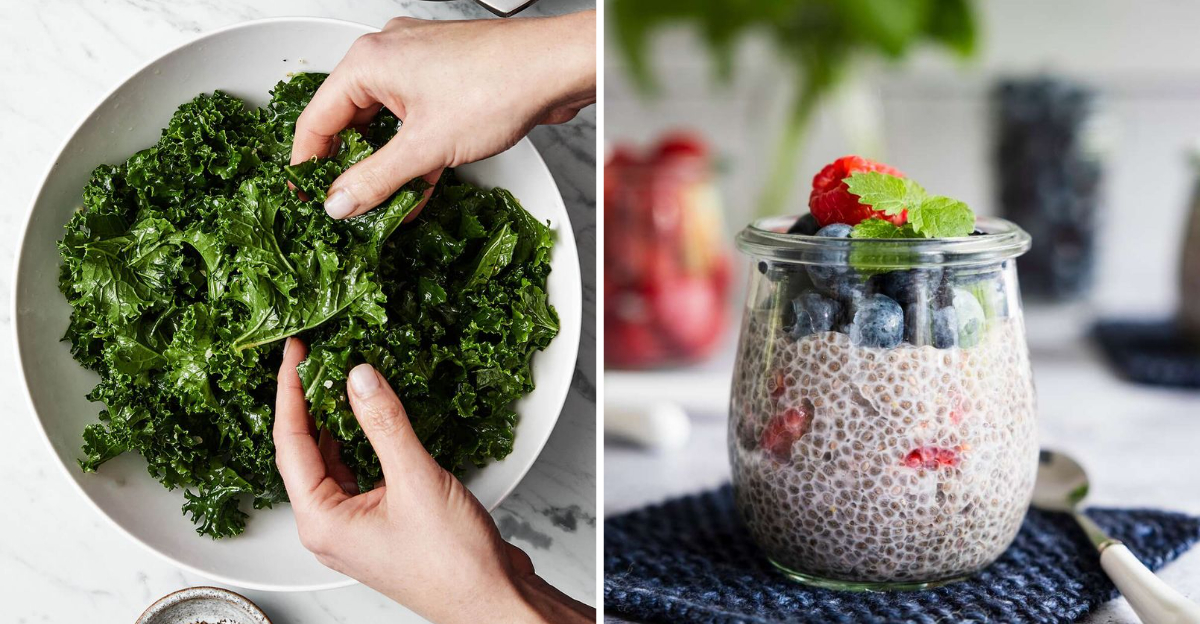
Ready to power up your meals without complicated recipes or endless prep? These nutrient-packed superfoods make it simple to boost energy, support immunity, and feel satisfied.
You will find easy ways to add them to breakfasts, lunches, and quick snacks so healthy choices feel natural. Let’s dive into delicious staples you can count on every week.
1. Blueberries
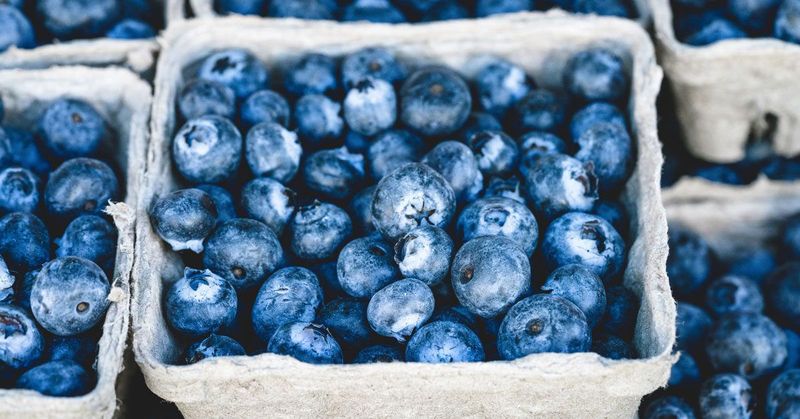
Blueberries bring bold flavor and powerful antioxidants to your plate. They are rich in vitamin C, fiber, and anthocyanins that support brain health and combat oxidative stress.
Toss them into yogurt, oatmeal, or salads for a sweet pop without added sugar.
You can keep a frozen bag ready for smoothies or quick sauces. They thaw fast and maintain most nutrients, making weekday planning easy.
Pair with nuts for steady energy, or stir into chia pudding for a satisfying breakfast.
Choose firm, deeply colored berries and store them dry. Rinse just before eating to prevent spoilage.
2. Spinach
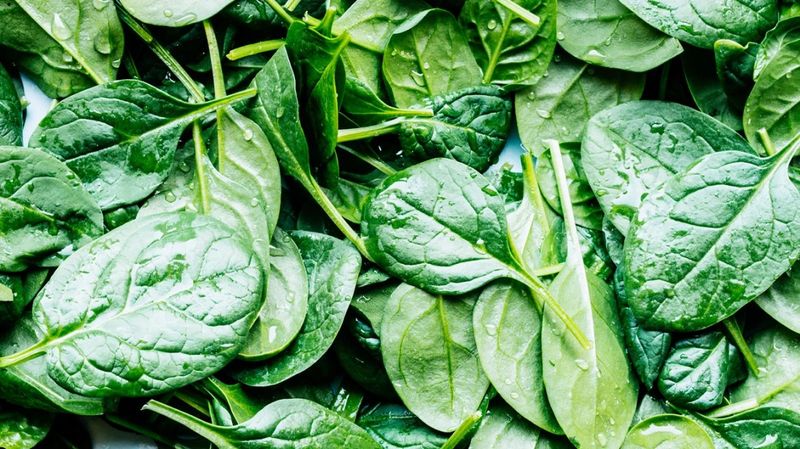
Spinach is a go-to leafy green loaded with iron, folate, vitamin K, and magnesium. It wilts quickly into eggs, soups, or grain bowls, adding nutrients with minimal calories.
You get a mild flavor that works in smoothies without overwhelming fruit.
To reduce oxalates, lightly sauté or steam, then squeeze out moisture. This simple step helps your body access minerals more effectively.
Use baby spinach for tender salads and standard bunches for cooking.
Store unwashed leaves in a breathable bag with a paper towel. Wash right before use.
Rotate with kale and arugula for variety.
3. Salmon
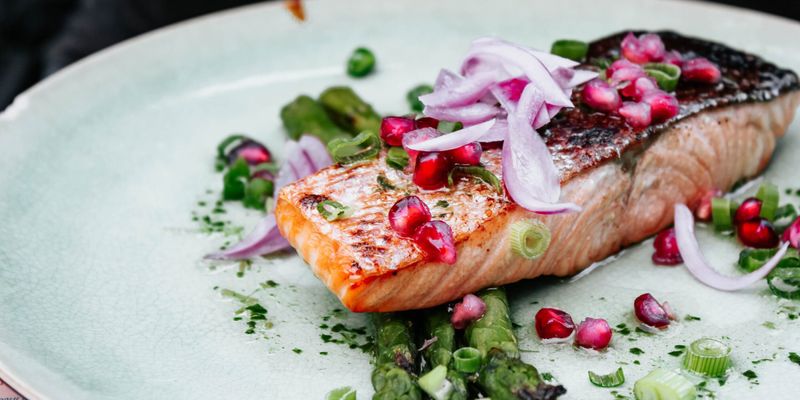
Salmon delivers omega-3 fats EPA and DHA to support heart and brain health. It is also a great source of high-quality protein, selenium, and vitamin D.
Roast a fillet on a sheet pan with vegetables for a fast, balanced dinner.
Choose wild-caught when possible and aim for two servings a week. If fresh is unavailable, canned salmon is affordable and convenient.
Mix it into salads or salmon cakes with oats and herbs.
Season simply with salt, pepper, lemon, and olive oil. Avoid overcooking to keep it moist.
Leftovers flake nicely into grain bowls.
4. Greek Yogurt
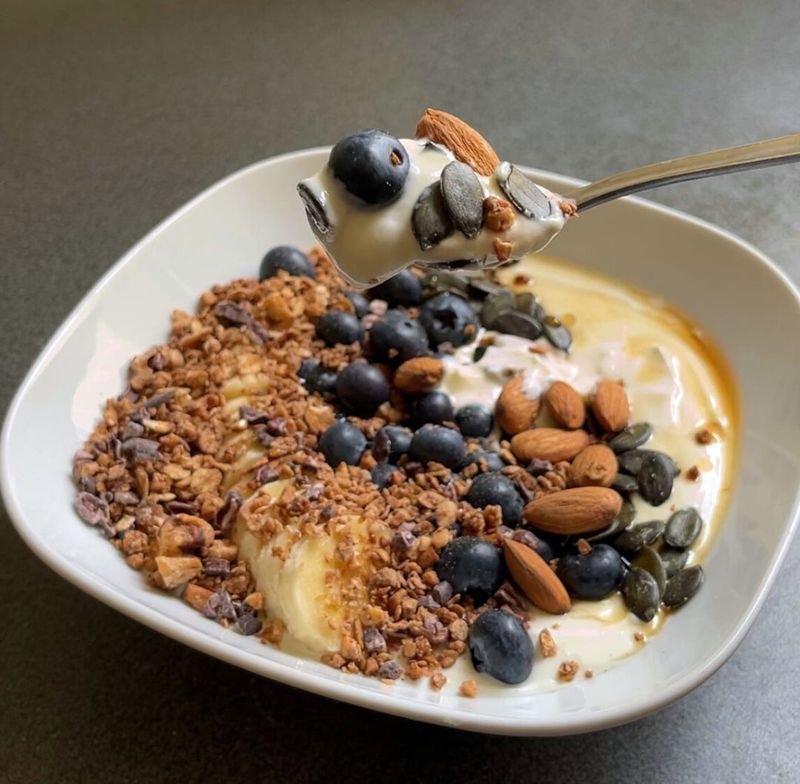
Greek yogurt is a protein-dense staple that keeps you full and satisfied. Its creamy texture works for both sweet and savory dishes, from parfaits to tzatziki.
You also get calcium and probiotics that support gut health.
Pick plain versions to avoid added sugar, then sweeten naturally with fruit or cinnamon. Stir in chia seeds for extra fiber and omega-3s.
Use as a substitute for sour cream in tacos and baked potatoes.
For meal prep, portion into small jars with berries and nuts. Keep refrigerated and enjoy within the week.
It is a reliable grab-and-go snack.
5. Avocado
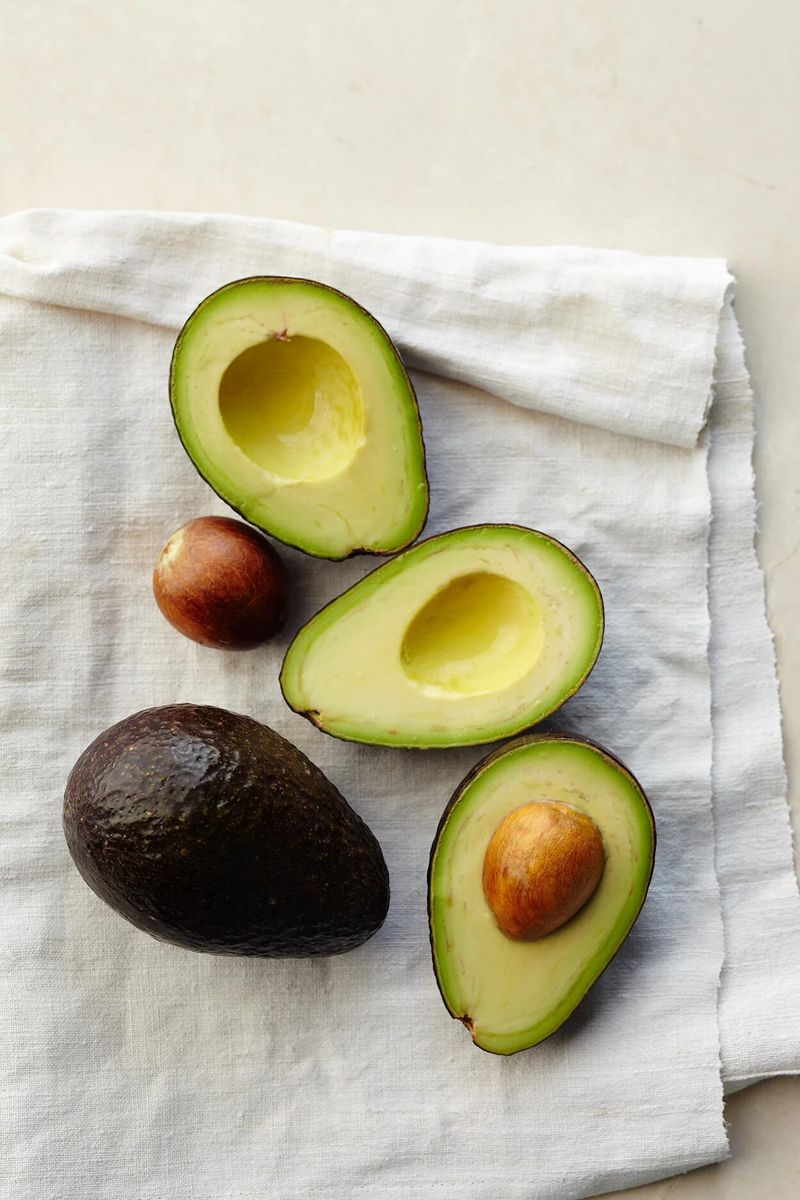
Avocados offer heart-healthy monounsaturated fats that keep you satisfied. They also provide potassium, fiber, and folate, supporting steady energy and heart function.
Mash onto whole-grain toast, slice into salads, or blend into smoothies for creaminess without dairy.
To ripen faster, place in a paper bag with a banana. Once ripe, store halved avocados with lemon and a tightly pressed wrap.
This slows browning so you waste less.
Season simply with salt, pepper, and chili flakes. Combine with tomato, onion, and lime for quick guacamole.
Add to tacos and bowls for richness.
6. Quinoa
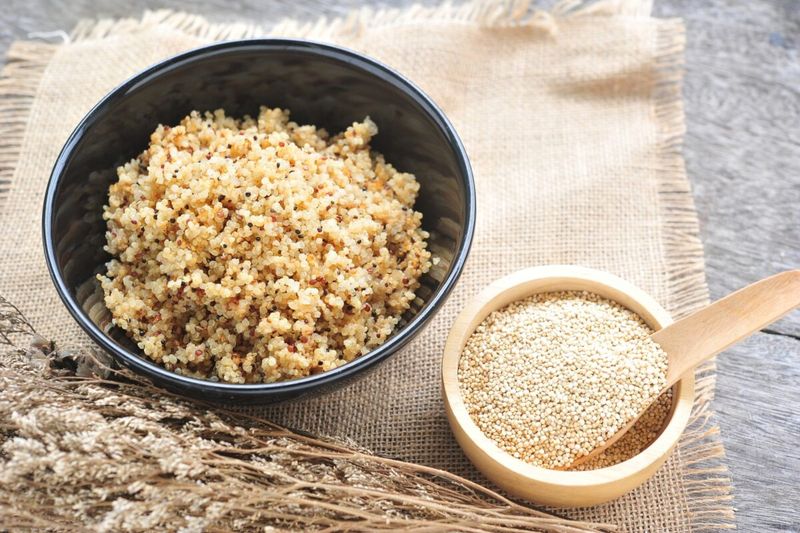
Quinoa is a complete plant protein containing all nine essential amino acids. It cooks quickly and holds up well in meal prep, making it a reliable base for bowls.
You also gain fiber, magnesium, and iron that support steady energy.
Rinse thoroughly to remove saponins that taste bitter. Then simmer in broth for extra flavor and fluff with a fork.
Mix with roasted vegetables, chickpeas, and a lemony dressing for an easy lunch.
Make a double batch on Sunday and freeze portions. It reheats beautifully.
Use leftovers as a stuffing for peppers.
7. Chia Seeds
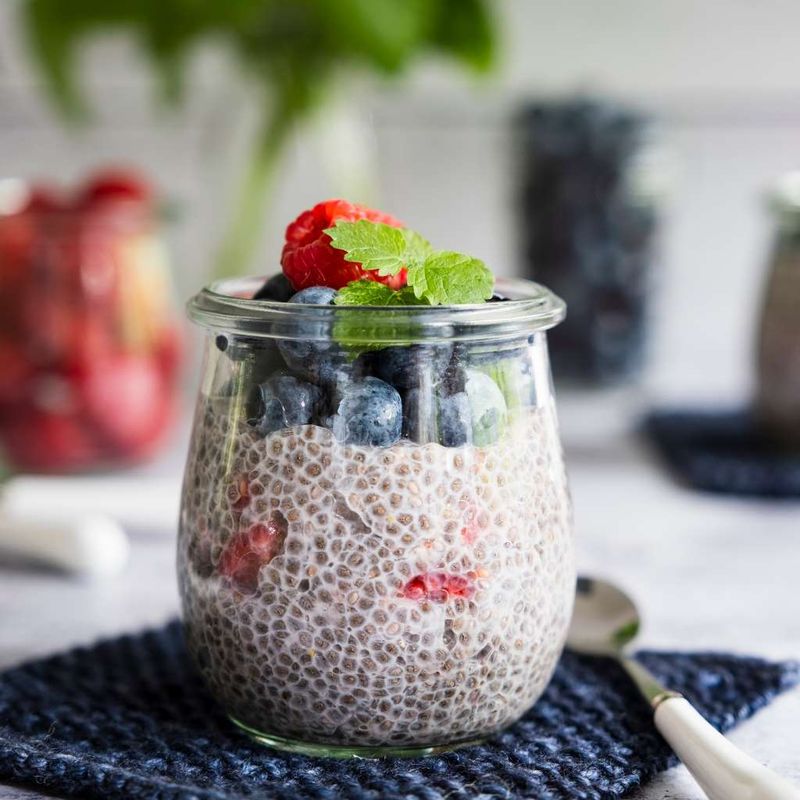
Chia seeds pack fiber, omega-3s, protein, and minerals in tiny shells. When soaked, they form a gel that keeps you full and supports digestion.
Stir into yogurt, blend into smoothies, or make overnight chia pudding with almond milk.
Start with one to two tablespoons to see how your body responds. Add vanilla, cocoa, or cinnamon for variety without extra sugar.
They provide an easy crunch on salads and oatmeal.
Store in an airtight jar away from heat. The seeds keep well for months.
Hydrate properly and drink water to avoid discomfort.
8. Broccoli
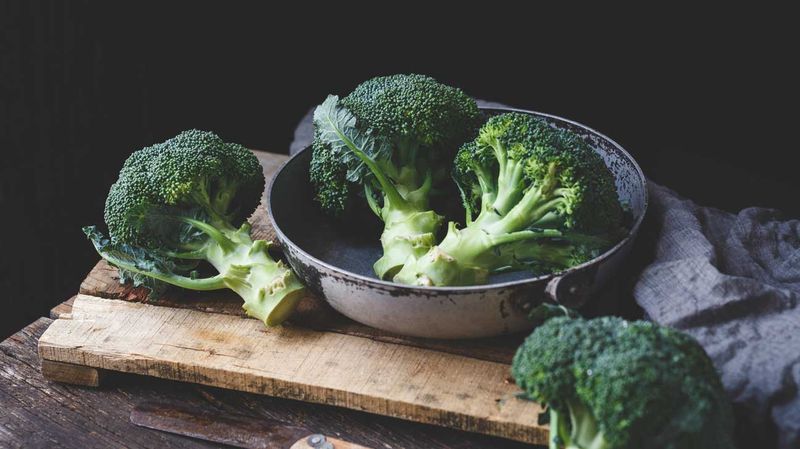
Broccoli brings vitamin C, vitamin K, fiber, and sulforaphane, a powerful phytochemical. Lightly steaming preserves crunch while boosting bioavailability of key compounds.
Add to stir-fries, pasta, or sheet-pan dinners for an easy nutrient lift.
Cut florets evenly to ensure quick, consistent cooking. Do not discard the stems; peel and slice them for slaws or sautéing.
A squeeze of lemon and olive oil finishes it beautifully.
Meal prep by blanching and chilling, then reheat briefly during the week. It pairs well with garlic, chili, and sesame.
Keep it vibrant, not mushy.
9. Almonds
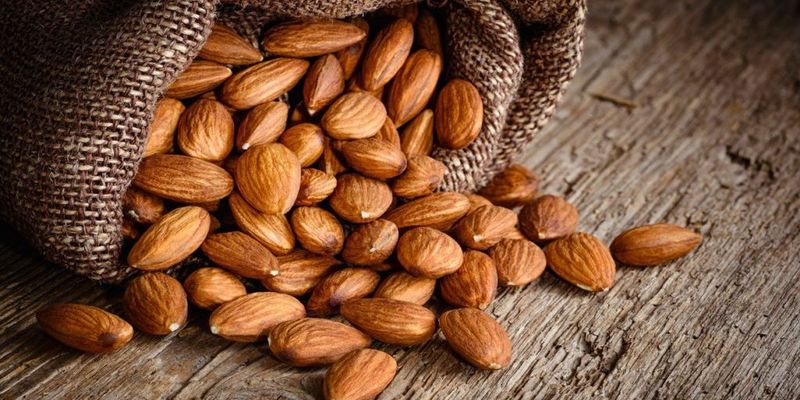
Almonds are a portable snack packed with vitamin E, magnesium, and healthy fats. A small handful supports satiety and stable energy between meals.
Keep pre-portioned bags in your desk or car to avoid vending machine runs.
Toast lightly to enhance flavor and crunch. Sprinkle over yogurt, salads, and roasted vegetables for texture.
Almond butter on apple slices makes a quick, satisfying bite.
Choose unsalted varieties to control sodium. Store in the fridge or freezer to prevent rancidity.
If baking, grind into flour for gluten-free treats with nutty richness.
10. Oats
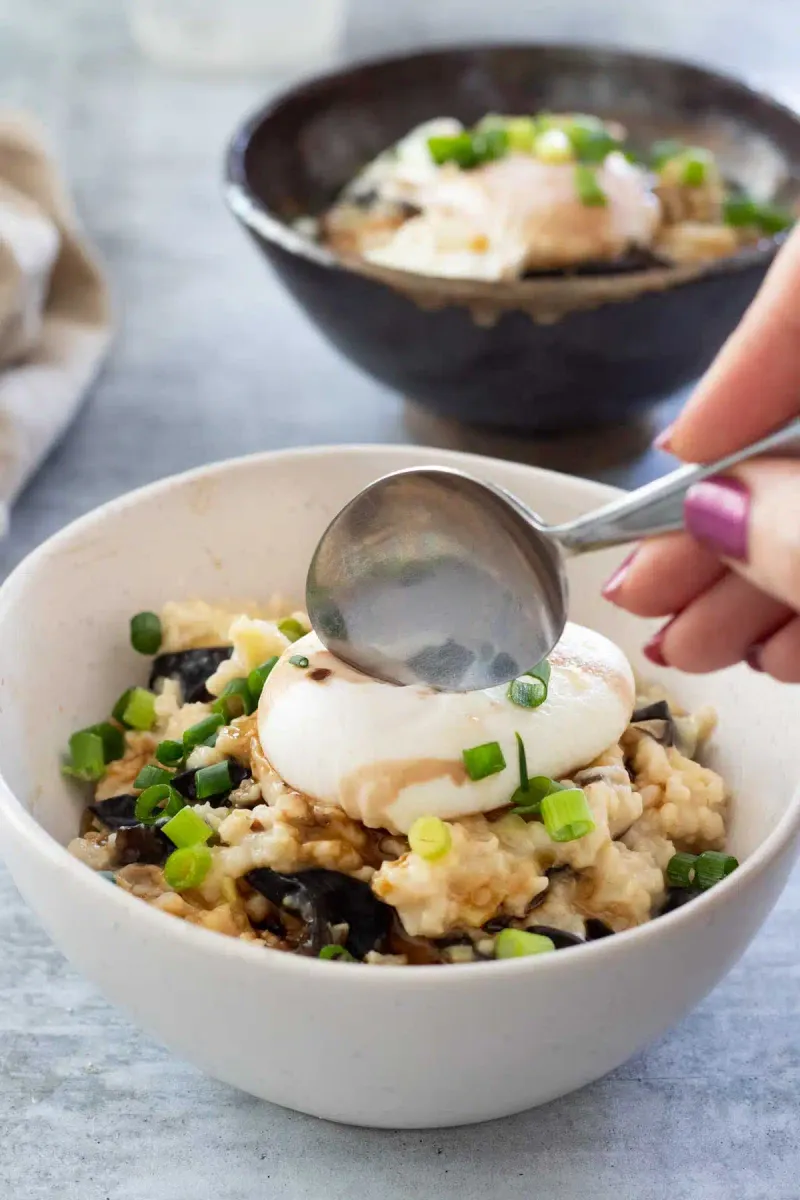
Oats deliver beta-glucan fiber that supports heart health and steady blood sugar. They are an affordable base for breakfasts that actually keep you full.
Make overnight oats, warm porridge, or bake into bars for on-the-go mornings.
Use rolled oats for texture or quick oats when time is tight. Add Greek yogurt for protein and fruit for natural sweetness.
A pinch of salt enhances flavor more than extra sugar.
For savory oats, stir in spinach, egg, and parmesan. Batch-cook and portion for the week.
Top with nuts and seeds for crunch.
11. Kale
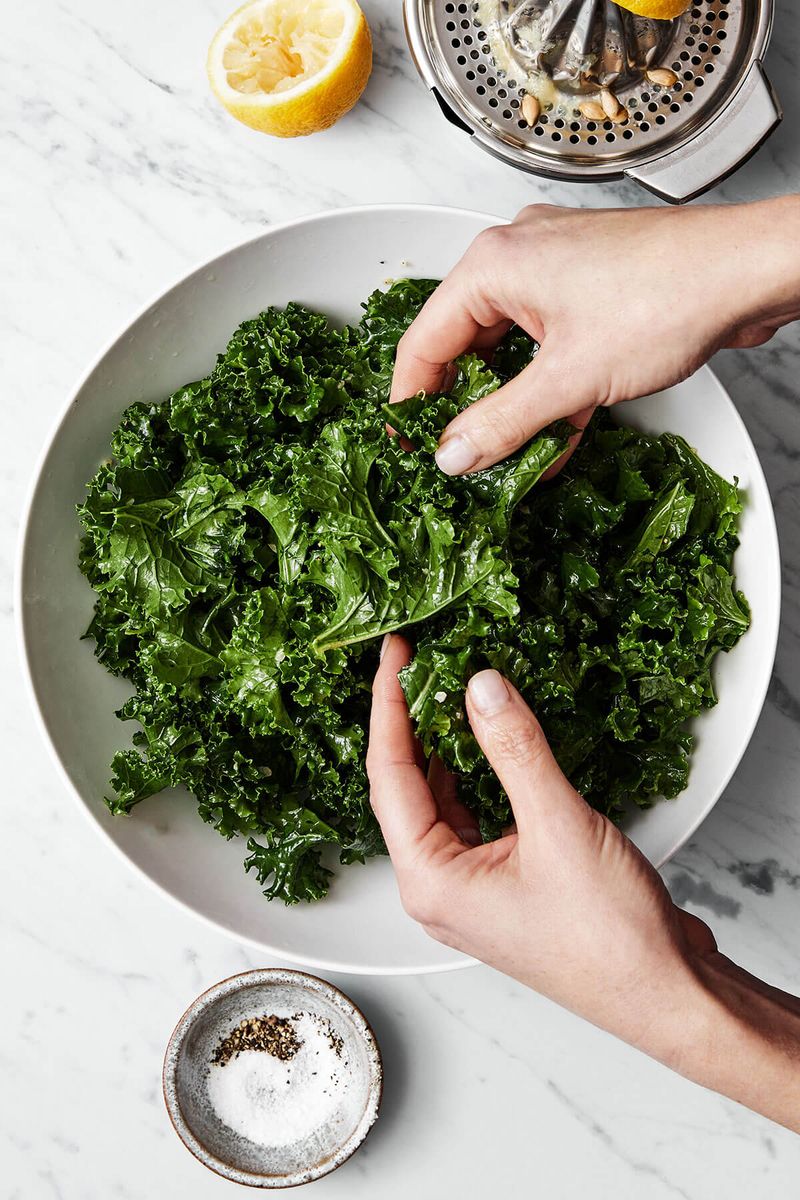
Kale is a nutrient powerhouse rich in vitamins A, C, K, and antioxidants. Massage raw leaves with olive oil and lemon to soften for salads.
Or sauté with garlic for a quick side that pairs with almost anything.
Remove tough stems and chop finely for better texture. Add to soups and stews near the end to keep color.
You can bake chips in minutes for a salty, crispy snack.
Rotate with other greens to diversify nutrients. Store unwashed leaves wrapped in paper towels.
Wash right before using for maximum freshness.
12. Eggs
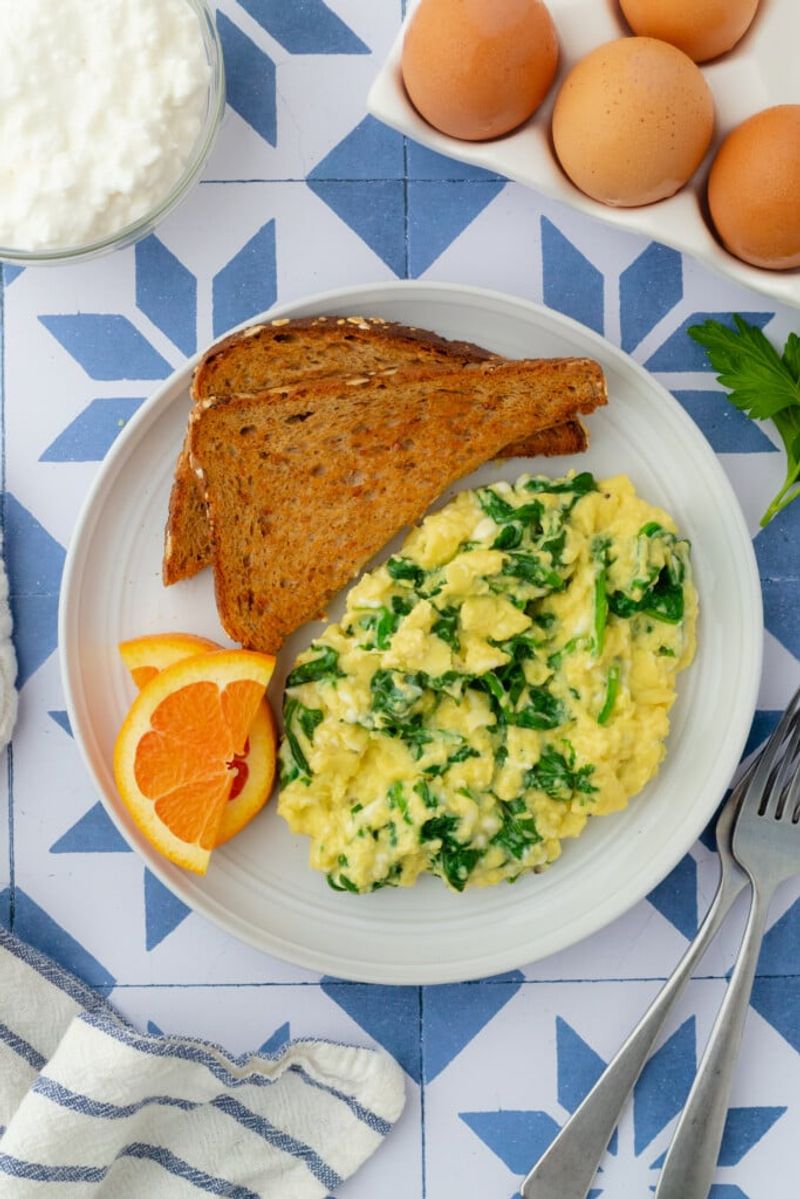
Eggs are an affordable protein source with choline, B vitamins, and essential amino acids. They work for breakfast, lunch, or dinner and cook in minutes.
Hard-boil a batch on Sunday for effortless snacks and salad toppers.
Scramble with spinach, bake into veggie frittatas, or poach over grain bowls. You control portion and flavor easily.
If cholesterol is a concern, talk with your healthcare provider for personalized guidance.
Look for pasture-raised when possible. Keep refrigerated and use within a few weeks.
They are incredibly versatile for busy weeks.
13. Sweet Potatoes

Sweet potatoes offer complex carbs, fiber, and beta-carotene for steady energy and eye health. Roast cubes for crisp edges that reheat well during the week.
They balance spicy dishes and pair nicely with tahini or yogurt sauce.
Pierce and bake whole for easy stuffed potatoes with beans and greens. The skins add extra fiber, so keep them on.
Cinnamon and chili create a sweet-savory combo you will crave.
Store in a cool, dark place, not the fridge. Prep extra and freeze mashed portions.
They make satisfying breakfasts, lunches, and sides.
14. Lentils
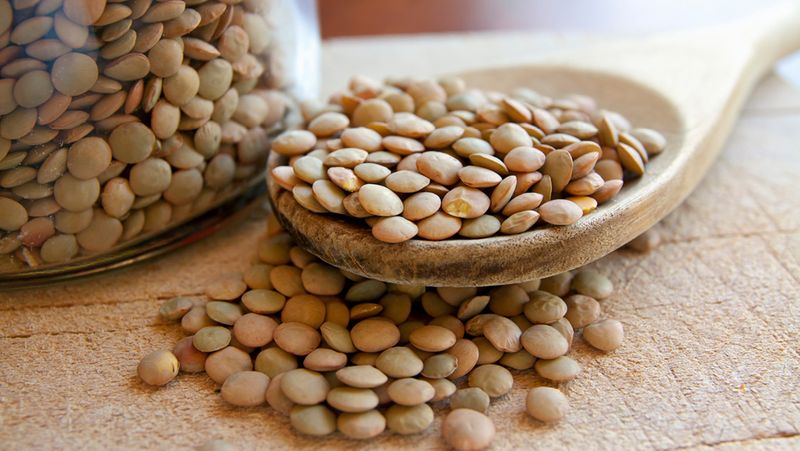
Lentils are budget-friendly legumes packed with protein, fiber, iron, and folate. They cook faster than most beans and require no soaking.
Use them in soups, curries, salads, or hearty tacos for plant-powered meals.
Rinse and simmer with aromatics like onion, garlic, and bay leaf. Red lentils break down into creamy soups, while green or brown hold shape.
Add vinegar or lemon at the end for brightness.
Batch-cook and freeze in flat bags for quick portions. They keep texture well.
Pair with whole grains to round out amino acids and stay full longer.
15. Turmeric

Turmeric brings warm color and curcumin, a compound studied for its anti-inflammatory potential. Add to soups, roasted vegetables, eggs, and smoothies for gentle earthiness.
Pair with black pepper and fat to boost absorption.
Make a quick golden milk using milk of choice, turmeric, ginger, pepper, and honey. Start with small amounts to find your preferred flavor.
It stains easily, so mind your countertops and clothes.
Store powder in a cool cabinet and fresh roots in the fridge. Grate or blend roots into pastes.
Consistent small servings fit easily into weekly cooking.
16. Garlic
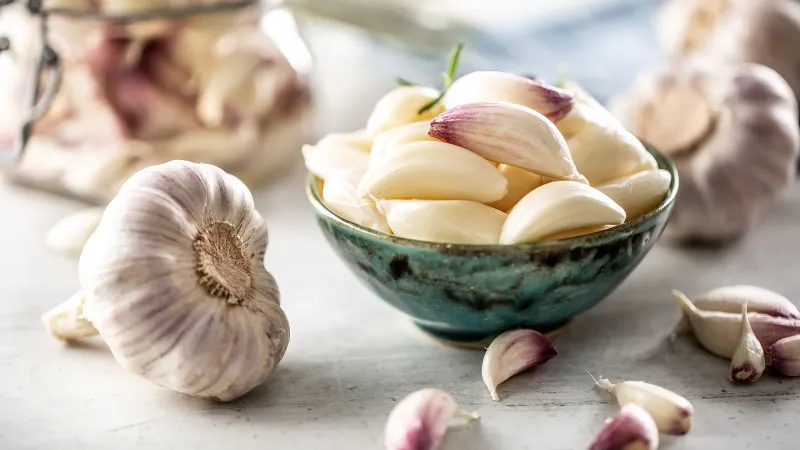
Garlic adds bold flavor while delivering allicin and helpful sulfur compounds. Crush or chop and let it rest a minute to activate more benefits.
Sauté gently to avoid bitterness and release aroma that makes simple meals sing.
Use in sauces, dressings, marinades, and roasted vegetables. A whole roasted head spreads like butter over toast or potatoes.
Keep minced garlic in olive oil for quick weeknight cooking.
Store bulbs in a cool, dry place with airflow. Avoid the fridge to prevent sprouting.
Fresh, sticky cloves with tight skin signal quality.
17. Tomatoes
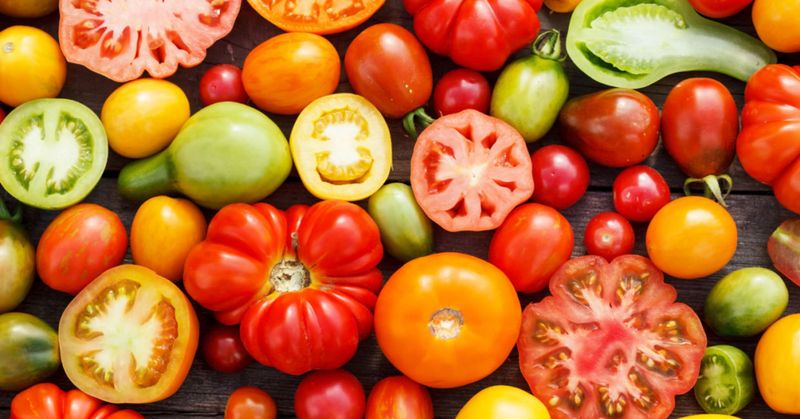
Tomatoes provide lycopene, vitamin C, and potassium in a juicy, versatile package. Cooking them with olive oil enhances lycopene absorption.
Use in sauces, salsas, and quick sheet-pan meals for fresh brightness.
Choose deeply colored, fragrant tomatoes that feel heavy for their size. In off-season, opt for canned crushed tomatoes with no added sugar.
They taste great and simplify dinner planning.
Slice into sandwiches, toss with mozzarella, or roast with garlic. A sprinkle of salt awakens flavor.
Keep at room temperature for better taste, then refrigerate cut leftovers.
18. Walnuts
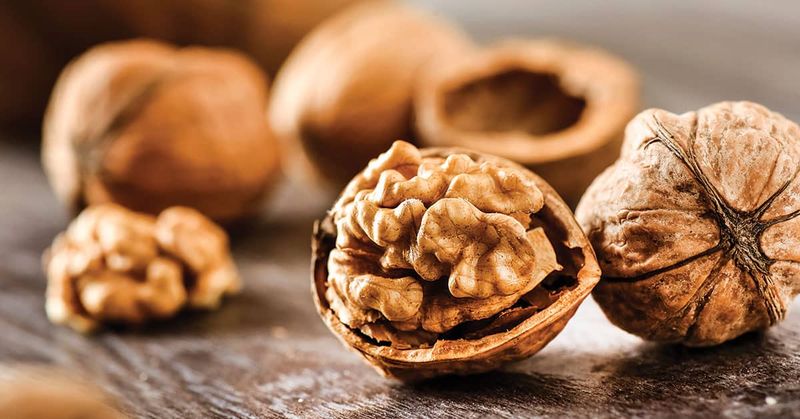
Walnuts are rich in plant-based omega-3 ALA, antioxidants, and minerals. A small handful supports heart health and satiety.
Their slightly bitter, toasty flavor pairs well with fruit, dark chocolate, and leafy salads.
Toast lightly to bring out aroma and crunch. Blend into pesto for a budget-friendly twist.
Add to oatmeal or yogurt for staying power without fuss.
Store in the freezer to preserve oils and prevent rancidity. Buy halves for quality checks.
If baking, chop just before mixing to keep texture.
19. Green Tea

Green tea offers gentle caffeine and catechins like EGCG that support metabolism and focus. It is a soothing ritual that pairs well with afternoon slumps.
Brew at lower temperatures to avoid bitterness and preserve delicate notes.
Try loose-leaf for aroma and flavor, or quality bags for convenience. Add lemon to enhance antioxidants and skip the sugar.
Cold-brew a pitcher for refreshing sips throughout the week.
Rotate sencha, matcha, and jasmine to keep things interesting. Store leaves in a cool, dark container.
Consistent sipping adds up to benefits.
20. Beans (Black or Pinto)
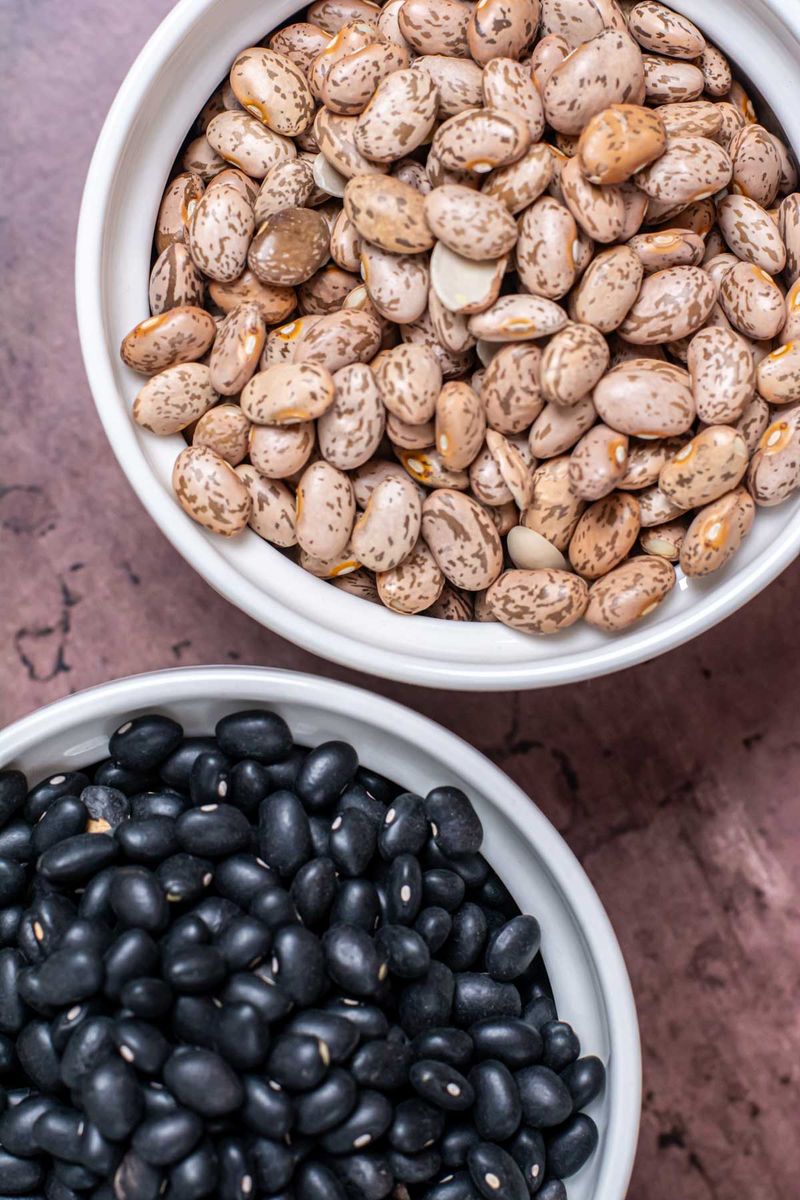
Beans deliver fiber, protein, potassium, and folate, helping you stay full and support gut health. Black and pinto beans are versatile in bowls, tacos, soups, and dips.
Canned beans save time, while dried beans are more economical.
Rinse canned beans to reduce sodium and improve taste. Simmer with onion, cumin, and bay leaf for extra depth.
Finish with lime and cilantro for brightness and balance.
Batch-cook and freeze flat for fast portions. Mix with rice or quinoa for complete protein.
They are weeknight heroes that make meals satisfying.