20 Prohibited Foods In Certain Countries You Should Know About
Ever wondered why some everyday treats vanish the moment you cross a border? Food laws vary wildly, and what is normal at home might be illegal elsewhere for health, ethics, or environmental reasons. This guide helps you navigate surprising bans so you avoid fines, awkward moments, and wasted snacks. Keep reading to discover the backstory behind these prohibitions and what to eat instead when you travel.
1. Haggis (Sheep Lung) – United States
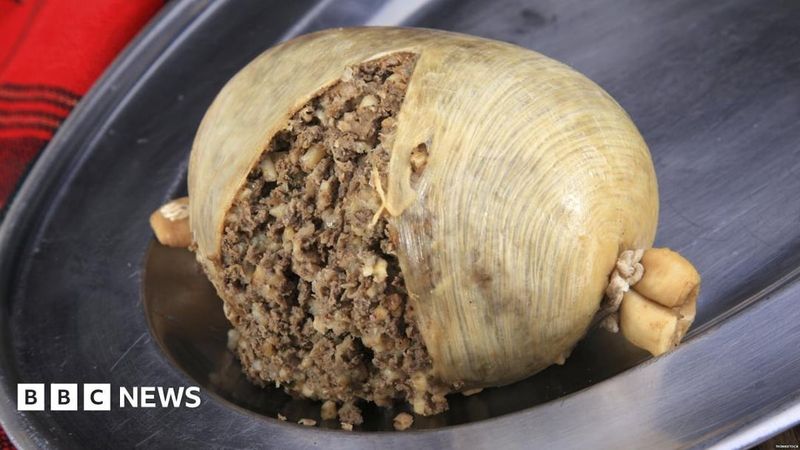
Haggis is Scotland’s iconic savory pudding, traditionally made with sheep heart, liver, and lung mixed with oats and spices. In the United States, importing haggis containing sheep lung is prohibited due to USDA rules about lung tissue and potential contaminants. You might find American-made versions, but authentic lung-included haggis remains off-limits.
When visiting Scottish festivals in the U.S., you will likely see modified recipes. If you crave the real deal, plan to try it in Scotland. Until regulations change, check labels and ask vendors exactly what parts are used so you stay compliant and informed.
2. Kinder Surprise Eggs – United States
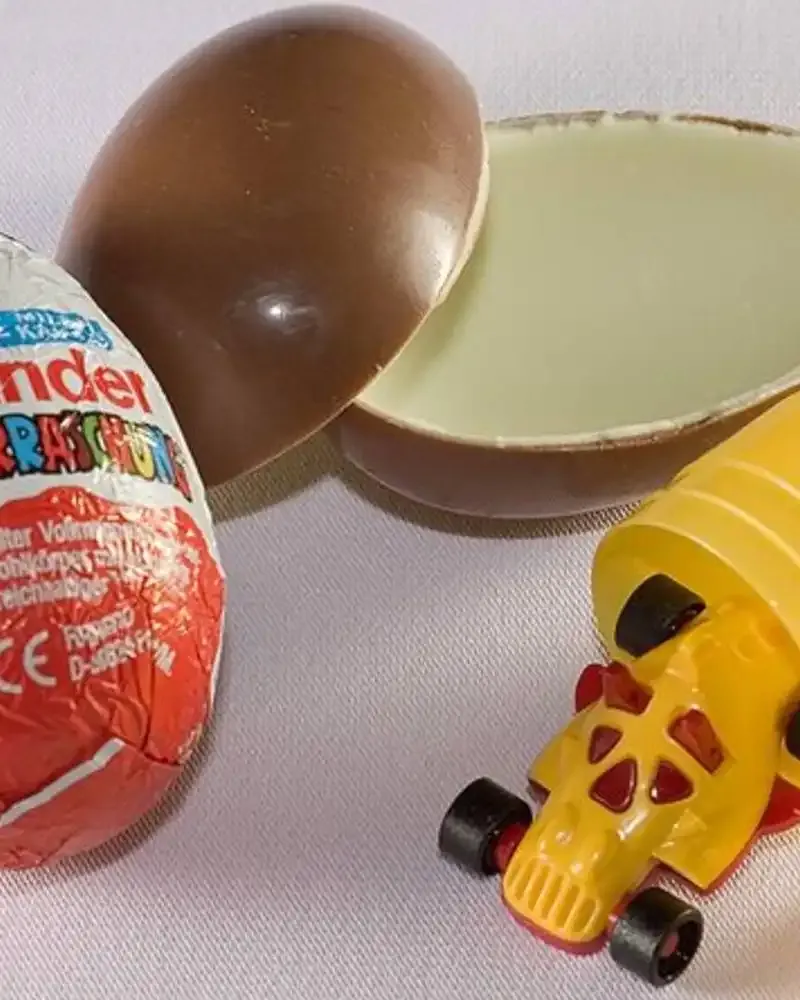
Kinder Surprise Eggs hide a small toy inside a chocolate shell, making them beloved in many countries. In the United States, they are banned because embedding a non-nutritive object in candy violates FDA regulations meant to prevent choking hazards. Customs often confiscates them, even as lookalike alternatives appear.
Do not confuse them with Kinder Joy, which separates the toy from the treat and is allowed. If you are traveling from Europe, avoid packing Surprise Eggs as souvenirs. Save the nostalgia for places where they are legal, and pick safer, compliant treats for kids at home.
3. Absinthe (Traditional Thujone Levels) – Some Countries
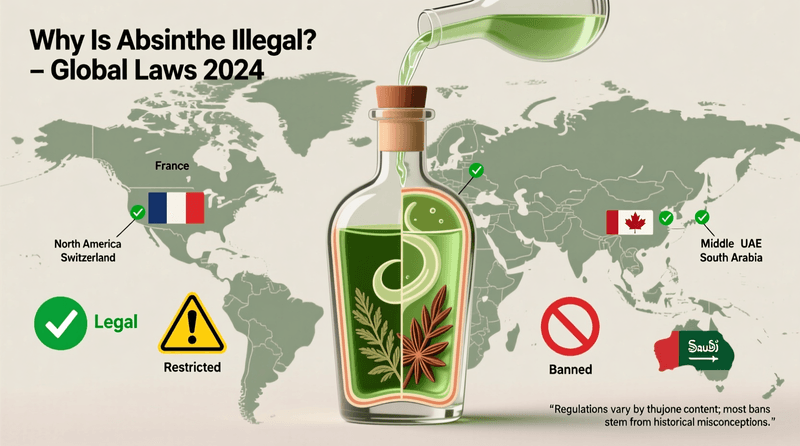
Absinthe earned a notorious reputation for hallucinations, mostly myth. The real issue is thujone content from wormwood, which is regulated differently around the world. Some countries once imposed outright bans; others allow only low-thujone versions. Labels matter, and enforcement can vary by brand and region.
If you want the classic louche ritual, check local rules before ordering or packing a bottle. Modern absinthe is usually legal at controlled levels, but older-style, high-thujone recipes may be restricted. Ask bartenders about compliance and stick to reputable producers. Enjoy the drama without risking confiscation or fines at customs.
4. Fugu (Pufferfish) – Several Countries
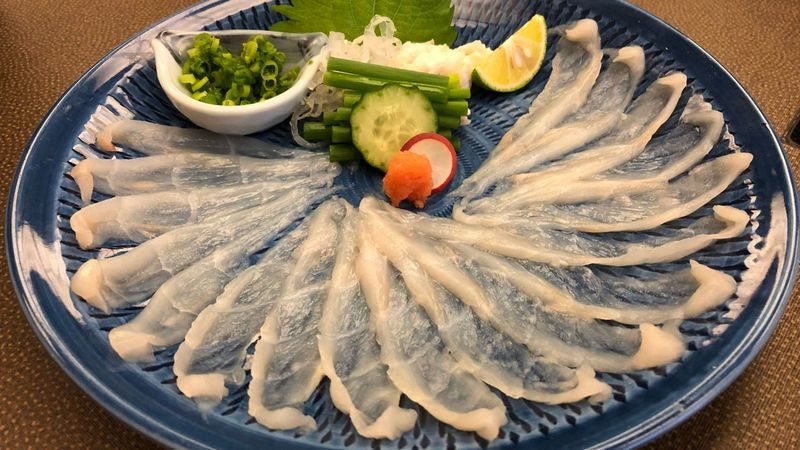
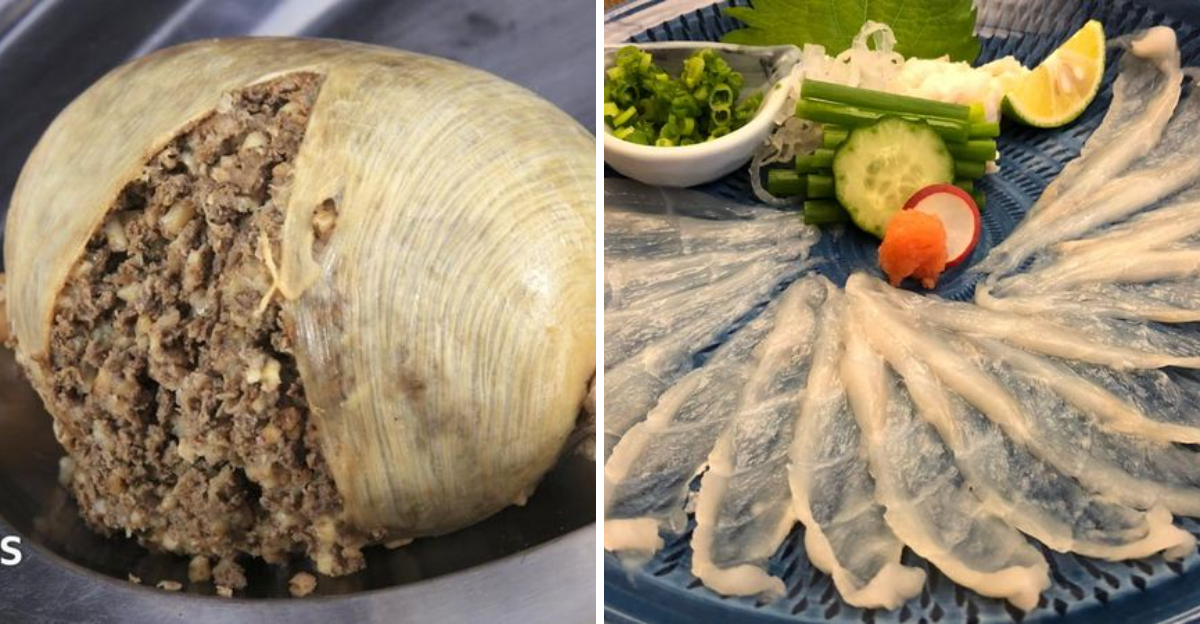
Fugu is exquisite and deadly if prepared incorrectly due to tetrodotoxin in organs and skin. Japan licenses trained chefs, but many countries restrict or ban import and sale to reduce poisoning risks. Even where legal, it is tightly regulated, with strict sourcing and documentation requirements.
If curiosity tempts you, only eat fugu at reputable, licensed establishments. Avoid informal offers and street vendors. Travel insurance will not help if regulations are broken. Ask to see the chef’s certification, and consider safer alternatives like hirame or tai. The thrill is real, but so is the risk and potential legal trouble.
5. Raw Milk – United States (varies by state) and Others
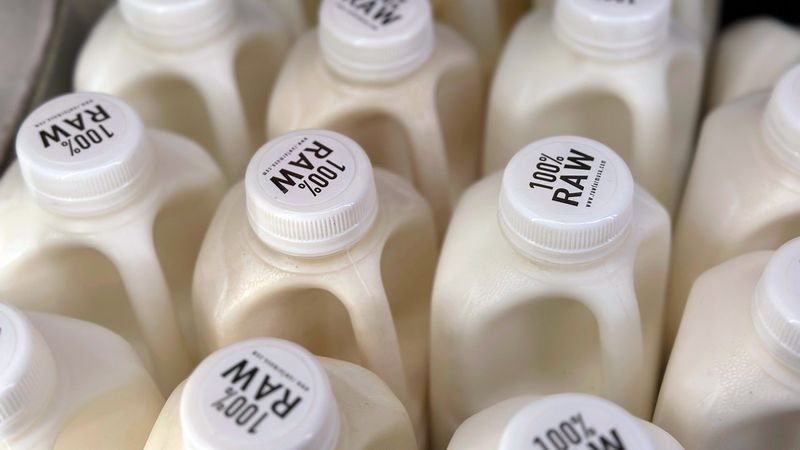
Raw milk divides opinion. Fans love the flavor and probiotics, while regulators warn about pathogens like Listeria and E. coli. In the United States, interstate sales are banned, and state laws vary from farm-gate sales to outright prohibitions. Other countries impose strict controls or forbid retail distribution entirely.
Before buying, check local rules and ask producers about testing protocols. Pasteurized alternatives offer similar nutrition with lower risk. If you still want raw milk, bring clean containers and consume promptly. Remember, transporting it across borders or state lines can be illegal, and penalties can include fines or product seizure.
6. Sassafras Oil (Safrole) – United States and EU

Sassafras oil once flavored root beer, but safrole, its key compound, is linked to carcinogenic risks. The U.S. and EU restrict safrole-containing flavorings in foods and beverages. You might see “sassafras flavor” that is safrole-free, produced through selective extraction or synthetic replication to meet regulations.
When you crave old-timey sarsaparilla vibes, choose products clearly labeled safrole-free. Homemade extracts are risky and potentially illegal if safrole is present. Check ingredient lists and avoid importing concentrated oils. The nostalgic taste can be recreated legally, so you get the aroma without violating food safety laws or customs rules.
7. Horse Meat – United States (limited), UK supermarkets controversy
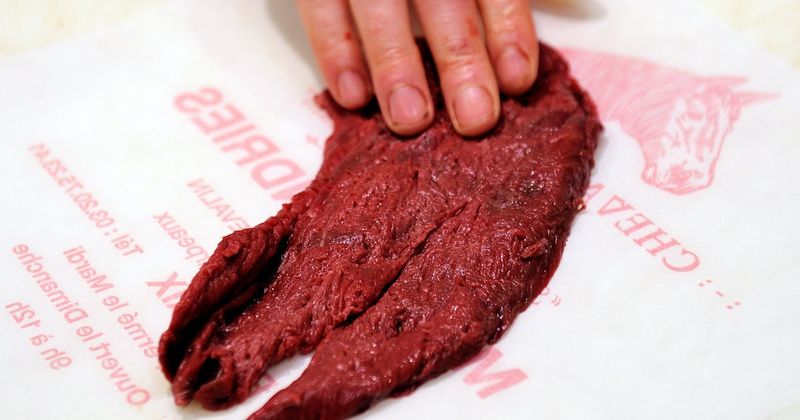
Horse meat is eaten in parts of Europe and Asia, but it is controversial and restricted elsewhere. In the United States, slaughter for human consumption has effectively halted due to inspection funding bans, making legal supply scarce. The UK faced a notable scandal where horse meat entered beef products, intensifying scrutiny.
Travelers should avoid assuming interchangeability across borders. If you see unfamiliar cuts, ask for species verification. Ethical concerns, medication residues, and traceability drive prohibitions. Stick with reputable butchers and transparent labeling. When in doubt, choose alternatives like beef or lamb that meet local inspection and documentation standards.
8. Foie Gras – California and Some Countries
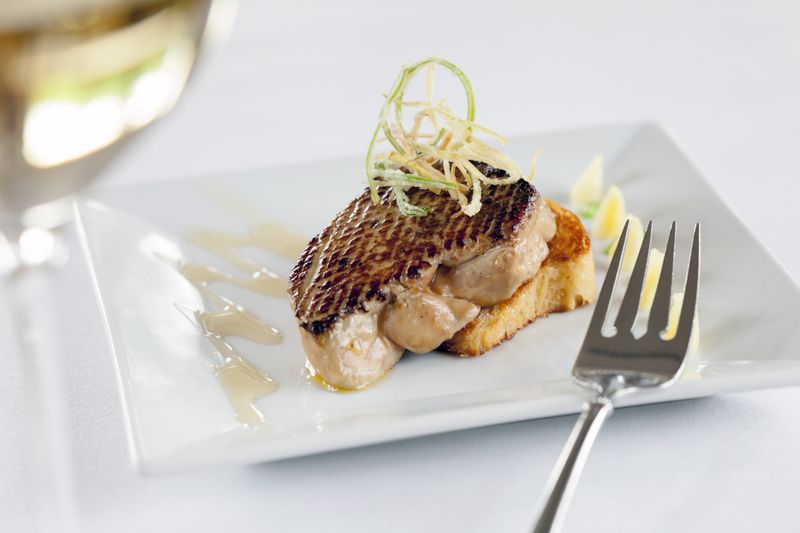
Foie gras, made from fattened duck or goose liver, sparks intense ethical debates. California has banned its sale due to animal welfare concerns, with legal challenges shaping enforcement. Some countries restrict force-feeding practices or prohibit production entirely, while import rules vary. Restaurants sometimes offer workarounds that may not be compliant.
Ask about sourcing and legality before ordering. If you value animal welfare or want zero legal risk, choose pâtés without force-feeding claims. Food laws evolve, so check recent rulings. You can still enjoy rich flavors through mushroom terrines or chicken liver parfaits that keep you within ethical and legal boundaries.
9. Beluga Caviar – United States (import restrictions)
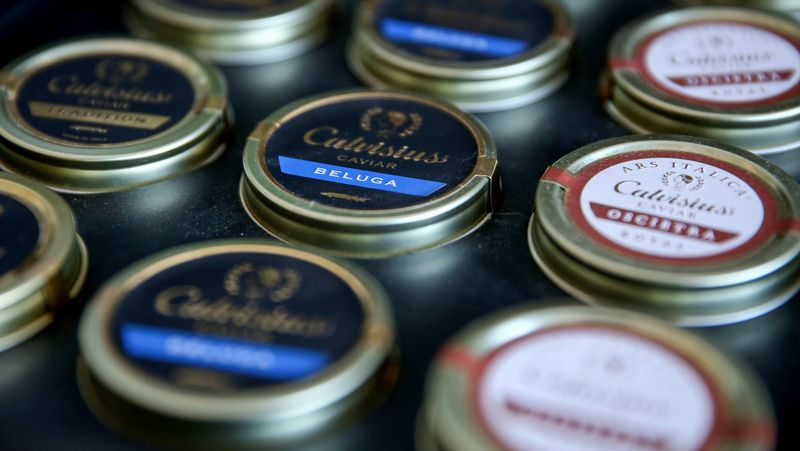
Beluga sturgeon are critically endangered, so importing beluga caviar into the United States has faced strict restrictions under CITES and related rules. Some exceptions exist for aquaculture sources with permits, but availability is limited and expensive. Alternatives like osetra or sevruga are more accessible and often legal.
If you love caviar, verify the species on the label and ask for documentation. Smuggling poses serious penalties. Many restaurants highlight sustainable options, which taste outstanding without harming fragile populations. Your palate still wins when you support conservation-minded producers and avoid products likely to be confiscated at customs.
10. Samosa – Somalia (historical ban)
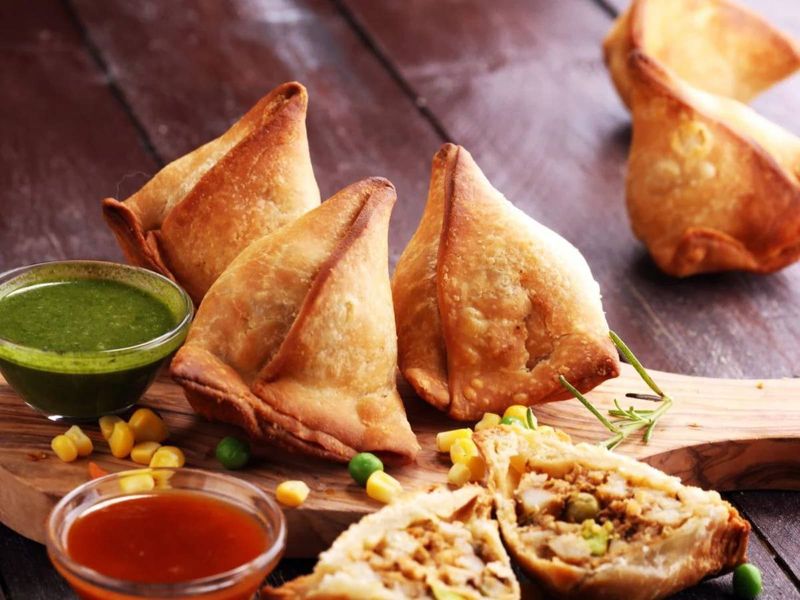
There was a period when samosas were reportedly banned in parts of Somalia by extremist groups, citing cultural or symbolic reasons. While not a formal national food law, enforcement was real in certain regions, making the beloved snack risky. These bans reflected broader attempts to control daily life and public expression.
Travelers should understand context matters. A food can become restricted due to politics rather than health. Always respect local conditions and ask locals about what is acceptable. If safety is a concern, choose alternative snacks or eat in private spaces. Situations change, so current information is essential.
11. Chewing Gum – Singapore

Singapore restricts the sale and import of chewing gum to keep public spaces spotless and transit systems running smoothly. Therapeutic dental gums are allowed with strict controls, but regular gum can land you in trouble if you import or sell it without permission. Enforcement focuses on cleanliness and deterrence rather than punishing casual chewers.
As a visitor, skip packing gum and choose mints instead. You can still enjoy an ultra-clean city without sticky sidewalks. Respect local rules and dispose of any allowed products properly. Simple swaps keep you compliant and help maintain Singapore’s famously tidy urban vibe.
12. Casu Marzu – Italy (illegal to sell)
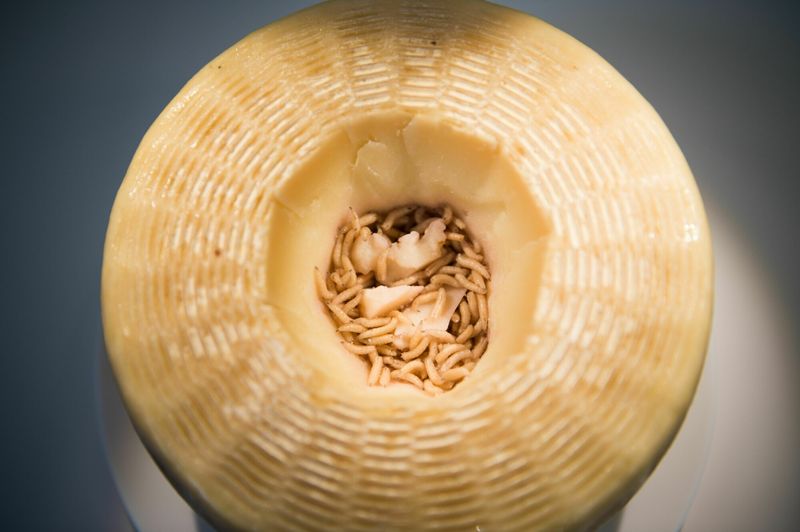
Casu marzu, a Sardinian cheese fermented with live insect larvae, is legendary and controversial. Italian and EU food safety laws prohibit selling it because of sanitation and health risks, though it persists underground as cultural heritage. Locals may quietly share it at private gatherings, but tourists should tread carefully.
If someone offers you a taste, understand the legal and hygiene concerns. Declining politely is acceptable. For a safer experience, try pecorino sardo, the cheese from which casu marzu begins. You get intense flavor without flirting with fines or gastrointestinal fallout that could ruin your trip.
13. Ortolan Bunting – France (banned)

The ortolan bunting, once a secretive French delicacy, is protected due to severe population declines. Hunting, sale, and consumption are banned, though stories of clandestine feasts persist. The traditional ritual, eating under a napkin, romanticizes a practice now considered unethical and illegal.
If French gastronomy intrigues you, choose sustainable game birds like quail from certified farms. Ask restaurants about sourcing transparency and seasonal restrictions. You can savor tradition without harming threatened species. Respecting conservation laws safeguards biodiversity and keeps culinary culture evolving responsibly for future travelers and food lovers.
14. Ackee (Unripe) – United States and EU
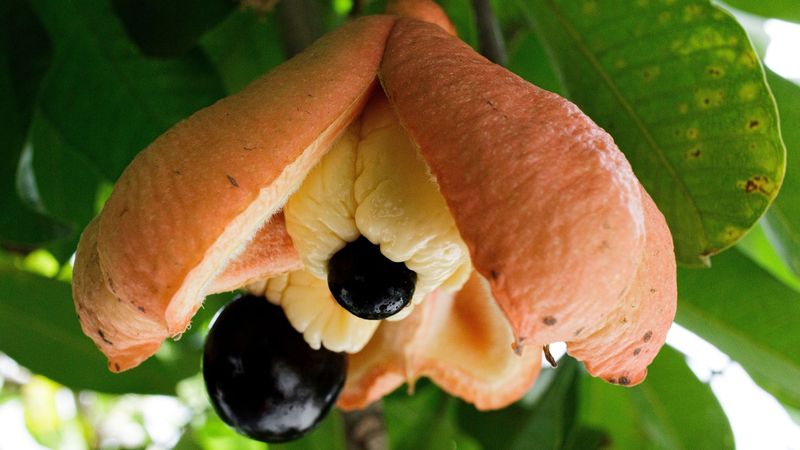
Ackee is Jamaica’s national fruit, delicious when properly ripe. Unripe ackee contains hypoglycin A, which can cause dangerous vomiting illness. The U.S. and EU tightly control imports, allowing only processed, ripe forms that meet toxin limits. Fresh pods are usually prohibited due to ripeness verification challenges at borders.
When cooking ackee and saltfish abroad, use approved canned products and follow trusted recipes. Never force open unripe pods. If you are traveling to Jamaica, eat ackee only when the fruit has naturally opened. Safety first makes the dish just as satisfying, with no hospital visits or customs issues.
15. Sassami Chicken (Raw) – Some Countries
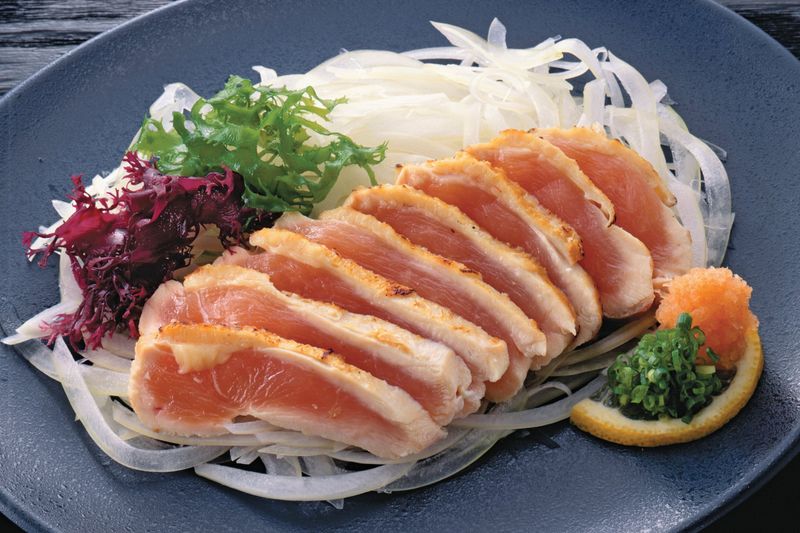
Raw chicken dishes, including chicken sashimi or tataki, appear in some Japanese eateries but are prohibited or heavily discouraged in many countries due to Salmonella and Campylobacter risks. Health authorities often forbid restaurants from serving undercooked poultry. Even where allowed, guidelines demand strict sourcing and handling.
Curiosity aside, you are safer choosing fully cooked yakitori or karaage. Ask staff about internal temperature standards and supplier certifications. If a menu lists raw chicken abroad, assume it might violate local codes. Respect the rules and protect your stomach so your trip stays focused on fun, not food poisoning.
16. Shark Fin – Many Countries and U.S. States
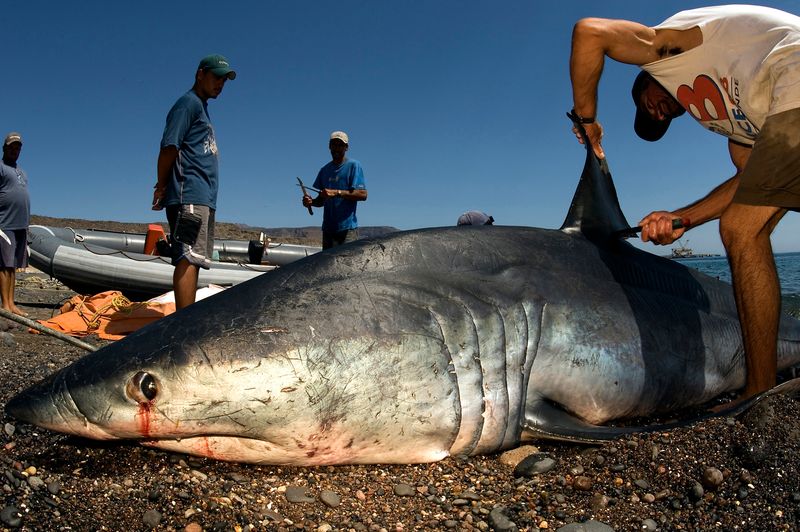
Shark fin soup carries cultural significance but drives unsustainable finning practices. Many countries and several U.S. states prohibit possession, sale, or trade of shark fins to protect shark populations. Enforcement targets trafficking networks and restaurant menus, with growing support for alternatives.
If you are invited to a banquet, politely request fin-free versions using gelatin or plant-based textures. Celebrate tradition without harming ecosystems. Ask venues about compliance and choose restaurants publicly supporting conservation. Your choices send signals that help shift demand away from threatened species and toward responsible seafood.
17. Trans Fats (Partially Hydrogenated Oils) – United States and Others
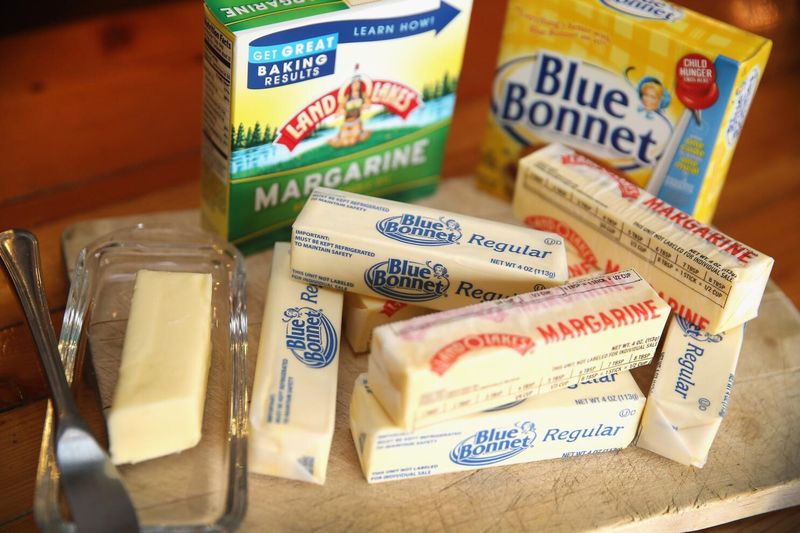
Industrial trans fats, formed by partial hydrogenation, increase heart disease risk. The United States determined they are not generally recognized as safe, effectively eliminating them from foods. Many countries followed with bans or limits, forcing reformulations of baked goods, spreads, and fried snacks. Labels now emphasize zero trans fat claims.
When traveling, you will notice cleaner ingredient lists and different textures. If you have older recipes, switch to high-oleic oils or butter. Ask bakeries about shortening choices and look for natural fats. Your arteries will thank you, and you will stay compliant with modern nutrition policies across borders.
18. Red Dye No. 3 – California and EU Restrictions
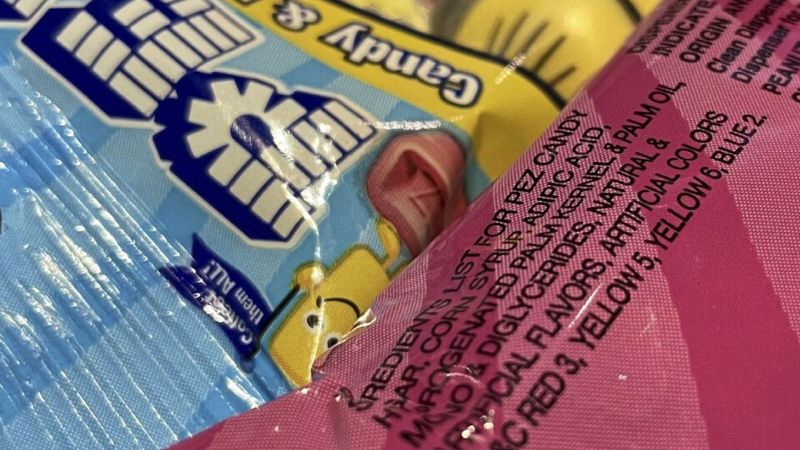
Red Dye No. 3, also called erythrosine, faces restrictions due to potential health concerns. The EU has long limited certain synthetic dyes, and California recently passed rules restricting foods with some additives, pressuring national manufacturers. You may see reformulations or warning labels depending on jurisdiction, especially for candies and icings.
Check ingredient panels when shopping on trips. If you are sensitive to dyes, choose natural colorants like beet or paprika. Retailers often highlight dye-free lines now. Regulations evolve, so keep an eye on announcements to avoid surprises and ensure your favorite snacks remain accessible wherever you go.
19. Sassafras Root Beer (Traditional) – Restricted
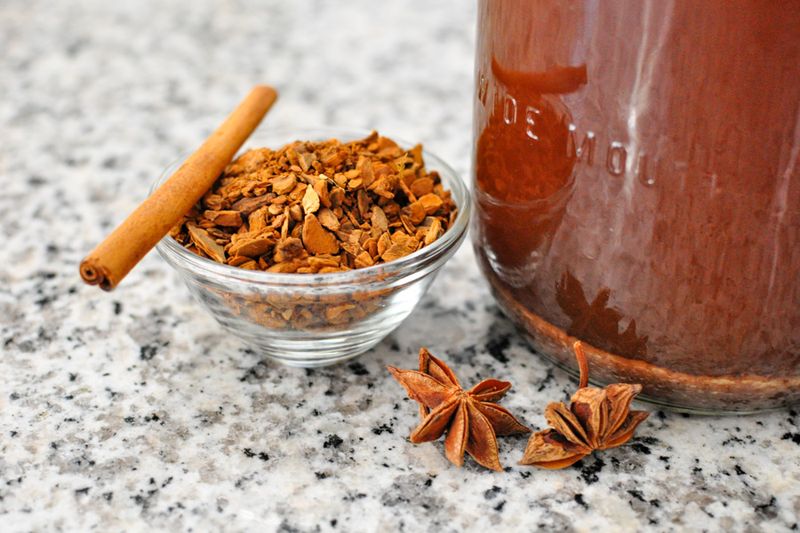
Old-school root beer recipes sometimes relied on safrole-rich sassafras, which is restricted in foods. Modern sodas use safrole-free extracts or other botanicals to comply with regulations in the U.S. and EU. Homemade brews using raw bark or oil may be illegal and risky due to carcinogenic concerns.
If you love craft sodas, look for producers stating safrole-free on labels. Experiment with wintergreen, sarsaparilla, and vanilla for depth. You can capture classic flavors without violating rules. Bring bottles across borders only when ingredients are compliant, and keep receipts in case customs asks for verification.
20. Hákarl (Fermented Greenland Shark) – Some Import Restrictions
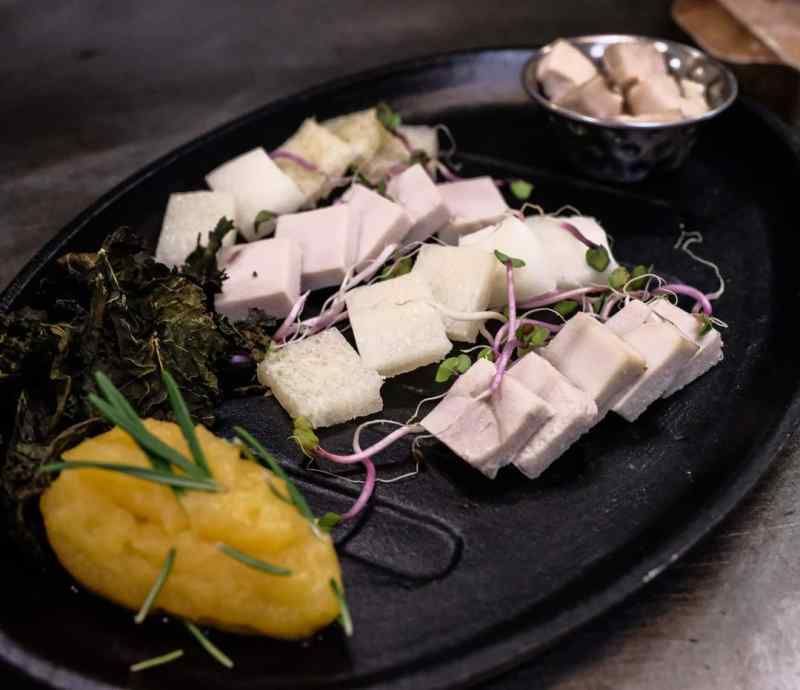
Hákarl, Iceland’s fermented shark, is safe locally thanks to traditional processing that neutralizes toxins. However, importing shark products can face restrictions, especially for protected species or unsupported sourcing. Some countries discourage sale due to sustainability concerns, not just flavor shock.
Sampling in Iceland is your best bet. Ask about species and legal status before buying vacuum-packed souvenirs. Choose small tasting portions at reputable shops. If you want a daring bite without customs headaches, try local cured fish alternatives that travel easier and avoid conservation issues.