20 Sandwich-Building Missteps That Change The Whole Bite
A great sandwich feels effortless, but it is really a small stack of smart decisions. One off move can turn lunch into a soggy, sliding mess or a dry, chewy letdown.
Use this guide to spot the simple fixes that change everything from first bite to last. Read on so every layer works for you, not against you.
1. Using bread that is too soft for the fillings
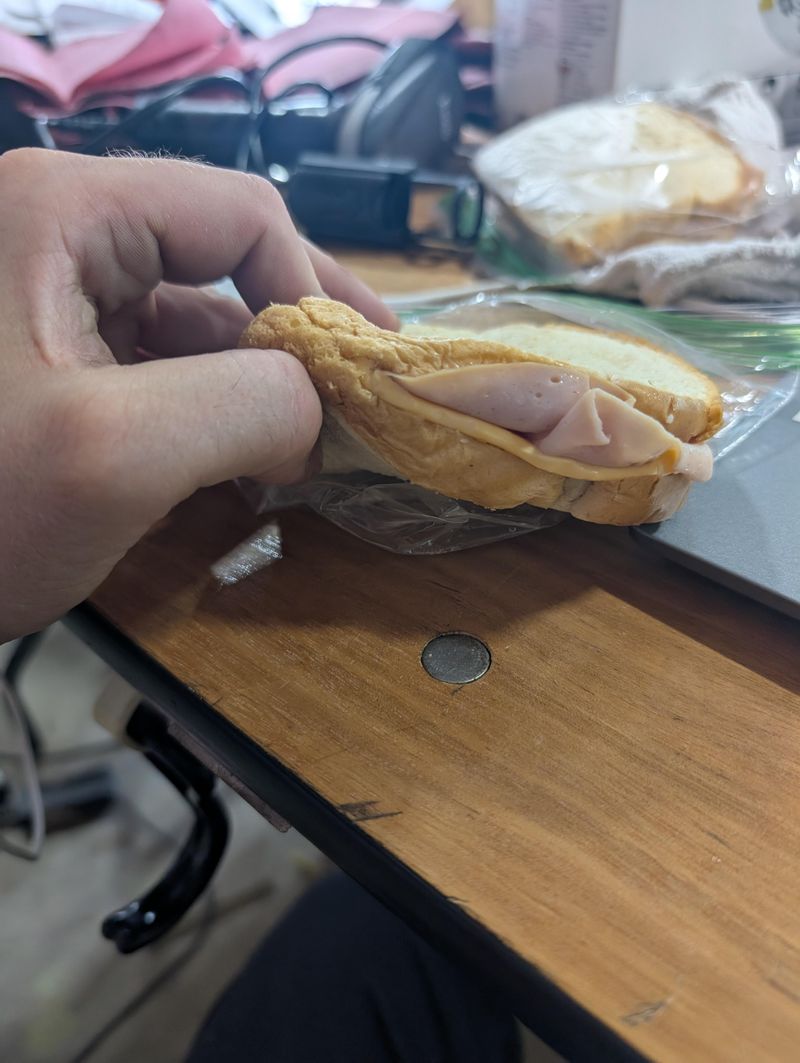
Soft bread has its place, but load it with juicy tomatoes or saucy meat and it turns to mush fast. You want structure that stays tender yet holds shape, like a seeded roll, ciabatta, baguette, or thick sourdough.
Give a gentle squeeze at the store: if it compresses into a doughy pancake, your fillings will steamroll it.
Think about moisture and weight. Tuna salad, meatballs, tomatoes, and slaws all need sturdier bread or a toasted surface.
If you prefer softer bread, keep fillings drier, add a moisture barrier, and avoid hot items that release steam.
Match texture with texture. When the bread keeps integrity, every bite lands balanced, clean, and satisfying.
2. Not toasting when the sandwich needs it
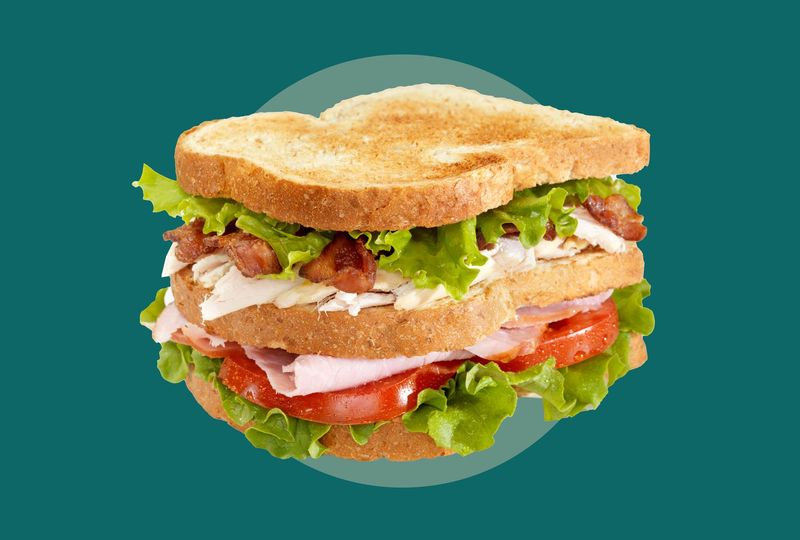
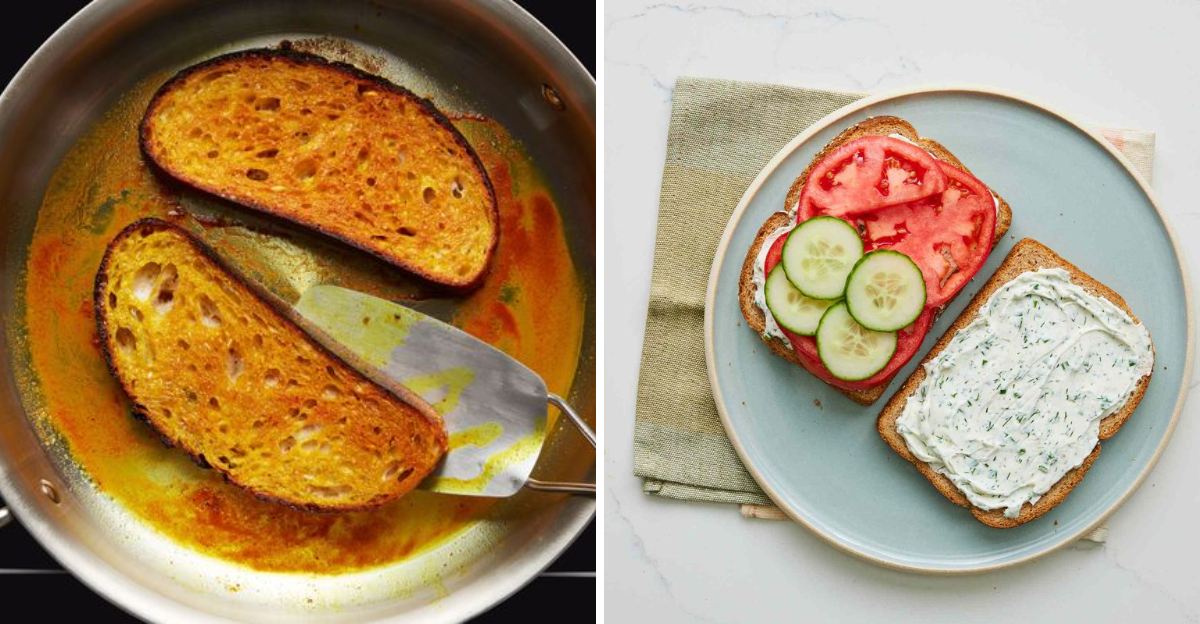
Toasting is more than flavor. It forms a thin, protective crust that resists tomato juice, vinaigrette, and steamy fillings while adding a little crunch.
Even a light toast turns floppy slices into something that bites cleanly and carries spreads without soaking through.
Think of it as building a tiny raincoat for the bread. A golden edge also wakes up aroma and creates contrast with creamy or tender textures.
If the fillings are warm, toasting gives you that hot-cold interplay that keeps things interesting.
You do not always need a deep crunch. A gentle kiss of heat might be enough.
When in doubt, toast lightly and let the fillings shine without sinking.
3. Toasting too much and turning the bread into a mouth-scraper
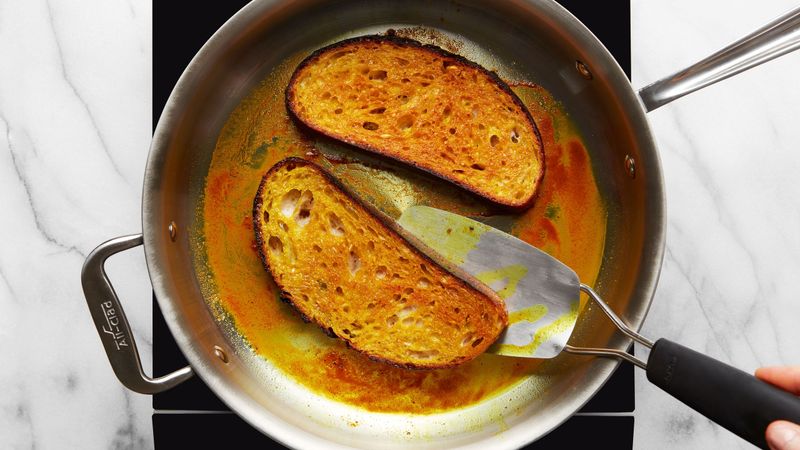
There is a line between crisp and punitive. Over-toasted bread shatters, scrapes, and soaks up moisture so aggressively the whole bite tastes dry.
Instead of complementing fillings, it dominates them with hardness and bitterness.
Dial back the heat and time. Aim for a light to medium golden color with a little give when pressed.
You want audible crunch, not a jaw workout. If you have a thin loaf, toast even more gently to avoid brittleness.
Butter or a thin spread before toasting can soften rough edges, but do not rely on sauce to rehydrate bricks. Preserve tenderness.
The best crunch supports, never steals, the show.
4. Skipping a moisture barrier
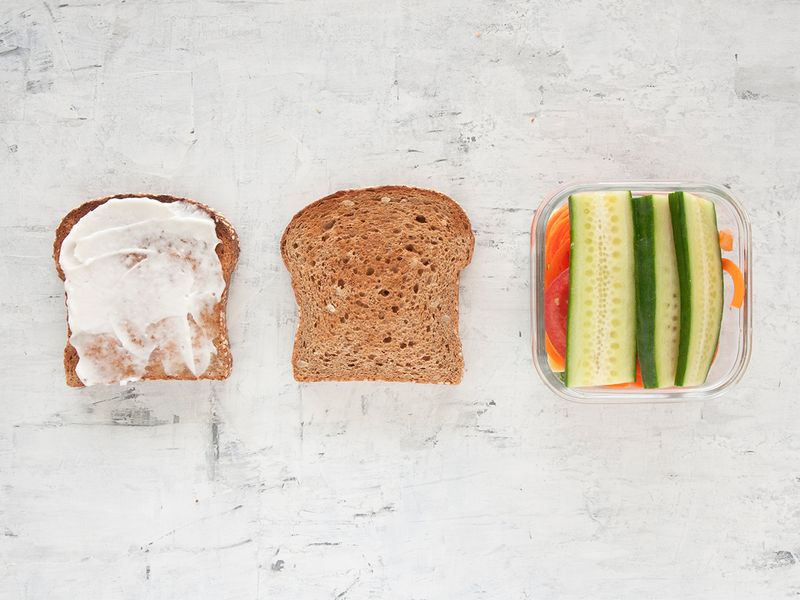
A thin layer of mayo, butter, mustard, pesto, or cream cheese works like armor against sogginess. Fat repels water, so spreads slow seepage from tomatoes, pickles, and salads.
The barrier also helps flavors travel evenly from end to end.
Go edge to edge. That tidy coverage prevents dry corners and squishy centers.
If you are avoiding mayo, try hummus, tahini, mashed avocado, or olive tapenade. For hot sandwiches, buttered toast or cheese melted to the bread seals things beautifully.
Build smart: barrier, then wetter items, then greens. You will notice cleaner bites and better next day durability.
Small step, big upgrade, especially for travel and packed lunches.
5. Putting tomatoes directly on the bread
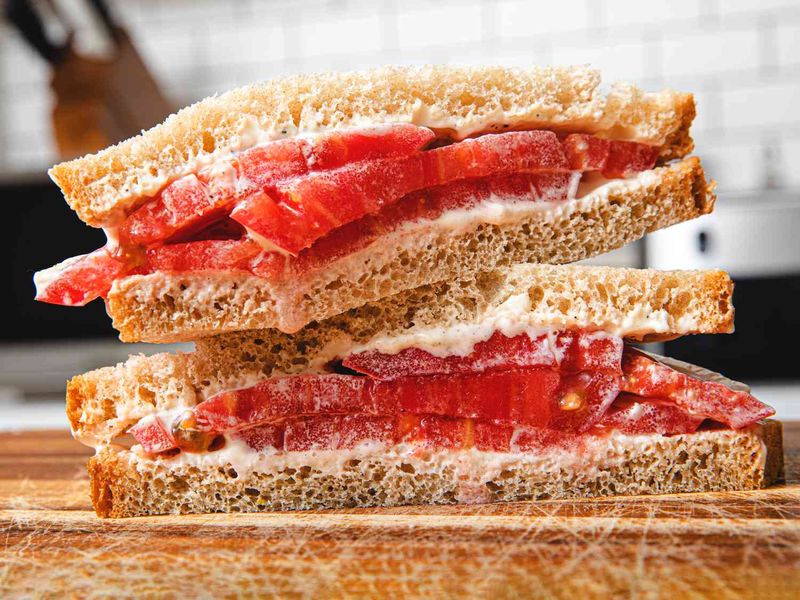
Tomatoes are delicious leak machines. Lay them straight on bread and you invite instant sog.
Instead, sandwich tomato slices between cheese, lettuce, or meat so their juice gets caught by something sturdy.
Pat slices dry and salt lightly to wake up flavor and draw quick surface moisture you can blot. If using soft bread, toast or add a fat-based spread first.
Placing tomato near the center stabilizes the stack and protects crumb.
Think of tomatoes as a juicy middle layer, not a foundation. With the right neighbors, you keep freshness without waterlogging.
The payoff is a bright, clean pop in every bite, not a damp disappointment.
6. Not salting tomatoes or cucumbers
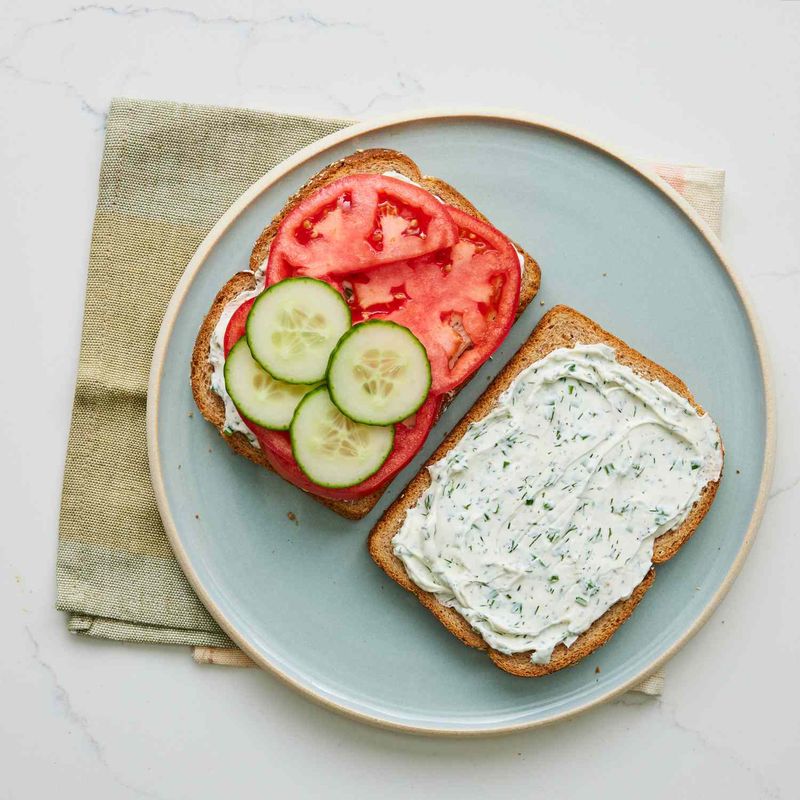
A tiny pinch of salt transforms watery slices into flavor bombs. Salt wakes up sweetness and acidity while pulling a little moisture to the surface.
Blot that moisture, and you get brighter taste without sogging up bread.
Season right before building so texture stays snappy. Add a crack of pepper or a splash of vinegar if you want extra lift.
Even basic turkey plus salted tomato feels like a different sandwich entirely.
Do not overdo it. A pinch on each slice is enough, especially if pickles or cured meats are involved.
The goal is vivid, balanced bite, not brine overload. Small seasoning, huge return.
7. Using too much sauce
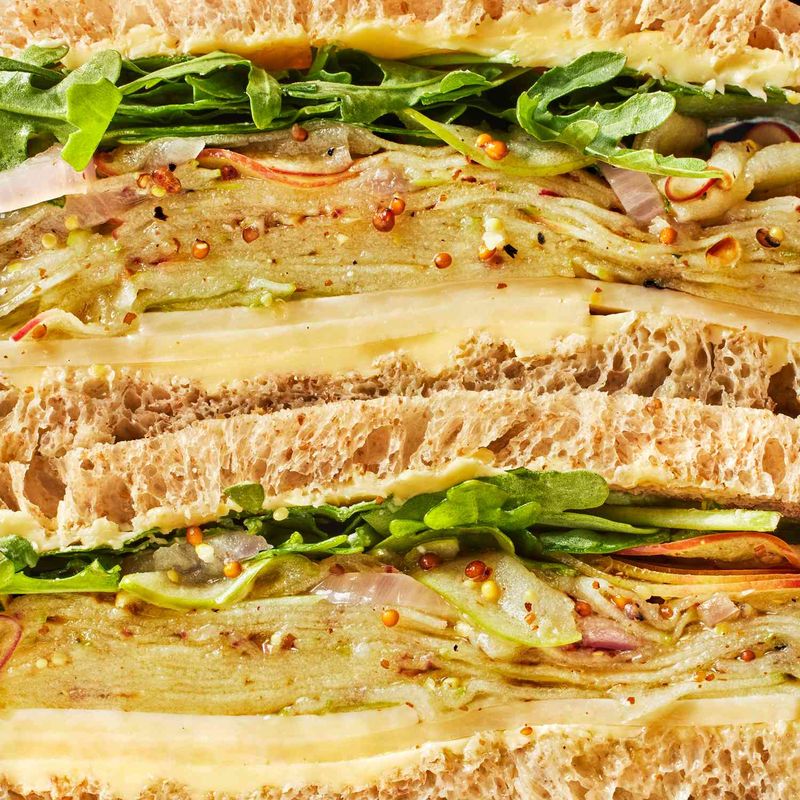
Sauce should support, not drown. When spreads gush, they mute textures, blur flavors, and turn the stack into a slip-and-slide.
You end up tasting only mayo or mustard while fillings skid out the back.
Use a thin, even coat on both slices to control distribution. If you crave more, add a drizzle between sturdy layers like cheese or meat, not against slick lettuce.
Choose bolder sauces so you need less volume.
Think balance. You want moisture, tang, and cohesion without drips.
Let the bread and fillings breathe. A tidy smear sharpens the bite, keeps grip, and saves your sleeves from disaster.
8. Using too little sauce
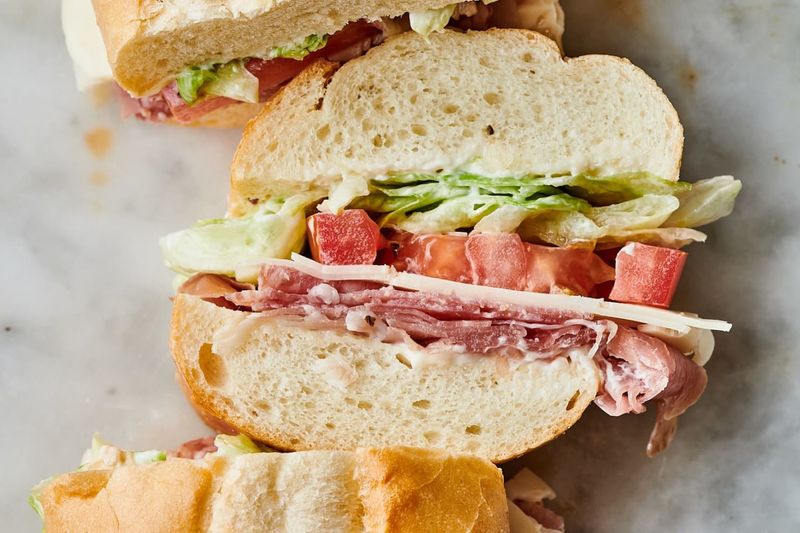
Dry sandwiches are almost always a sauce problem. Without a little fat or acidity, bread tastes stale and fillings feel chalky.
A thin layer of mayo, mustard, vinaigrette, or olive oil ties textures together and carries flavor to every corner.
Spread edge to edge, then taste and adjust. Creamy plus sharp works wonders: mayo with mustard, yogurt with lemon, tahini with vinegar.
If meat is lean, add a juicy element like tomato or a small slaw to balance.
Resist flooding it. Aim for barely glossy surfaces and no dry crumbs.
When moisture meets seasoning, everything clicks into place and the bite becomes effortless and satisfying.
9. Spreading condiments unevenly

Random globs create random bites. One corner screams mustard while another tastes like plain bread.
You want consistent flavor and moisture from edge to edge so every bite delivers the same experience.
Use an offset spatula or the back of a spoon to sweep an even, thin coat all the way to the crust. Do both slices for best coverage and cohesion.
If adding a second sauce, layer lightly across the base instead of piling in the middle.
Precision pays off. Even spreading prevents dry edges, runaway drips, and lopsided seasoning.
Small habit, huge improvement, especially when packing for later where distribution matters even more.
10. Overstuffing the sandwich
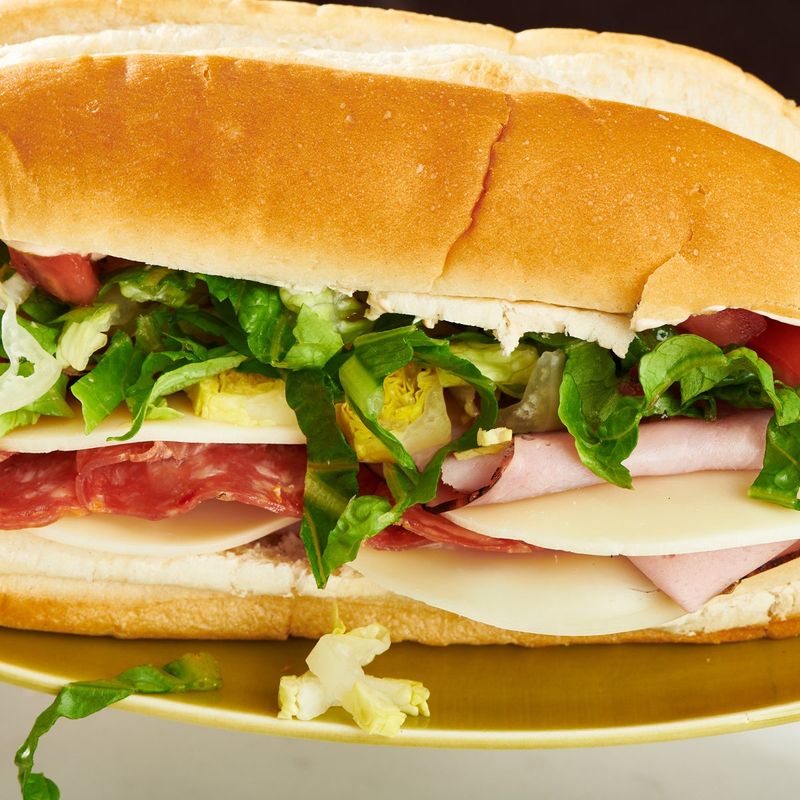
Big looks fun until the first bite explodes into your lap. Overstuffing makes layers unstable, bread slides apart, and textures blur into chaos.
You chew and chase instead of enjoying.
Edit ruthlessly. Choose a star filling, then add two or three supporting elements for crunch, brightness, and moisture.
Compress gently while building to gauge height and grip. If you need more, make two smaller sandwiches instead of one skyscraper.
Cut thoughtfully to improve manageability. Clean layers mean cleaner bites.
You will taste each component, not just a storm of debris, and the sandwich will hold from start to finish.
11. Underfilling the sandwich
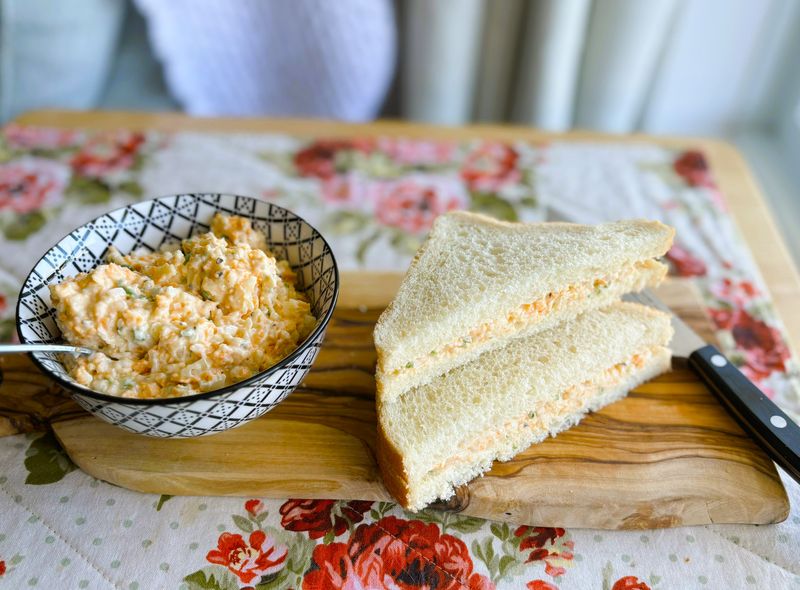
Too little filling leaves you chewing bread with a side of disappointment. Even great loaves need partners that bring flavor, texture, and contrast.
When the ratio is off, every bite feels boring and dry.
Aim for balanced layers that reach the edges. Add a creamy element, something crunchy, and a bright accent to wake up the base filling.
If bread is oversized, trim the slice or pick a smaller roll so proportions make sense.
Think harmony, not density. A modest but thoughtful stack beats a skimpy spread every time.
You will get full flavor without feeling like you ordered air between two slices.
12. Stacking slippery ingredients so everything slides
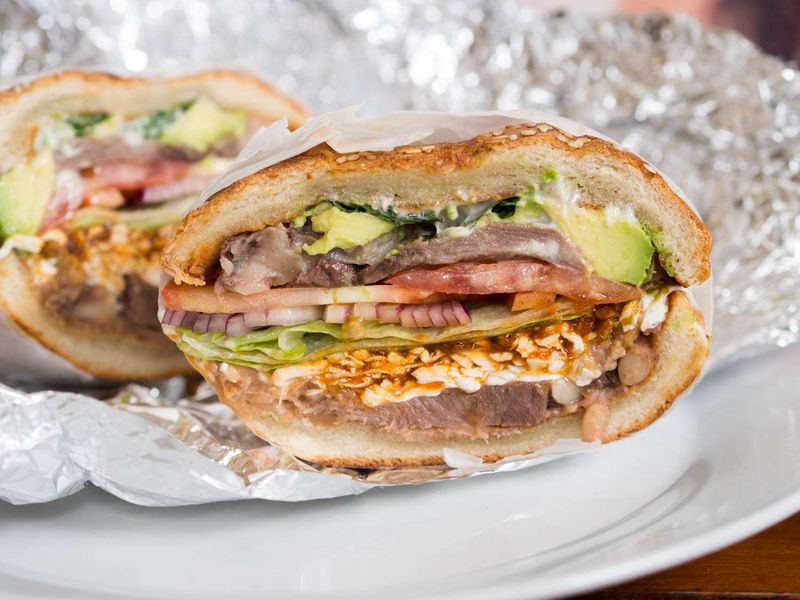
Tomato on mayo on lettuce is an ice rink. Slippery meets slippery and the whole stack shoots sideways.
You need grippy buffers like cheese, meat, or mashed avocado between slick ingredients.
Alternate textures: wet next to tacky, smooth next to rough. Pat tomatoes and pickles dry, and avoid overdressing greens.
If you love extra sauce, place it against bread with a barrier or on a cheese layer so it clings instead of skates.
Press and set the sandwich for a minute to let layers settle. With strategic stacking, bites stay aligned and you taste the combo you built, not your plate.
13. Forgetting something crunchy
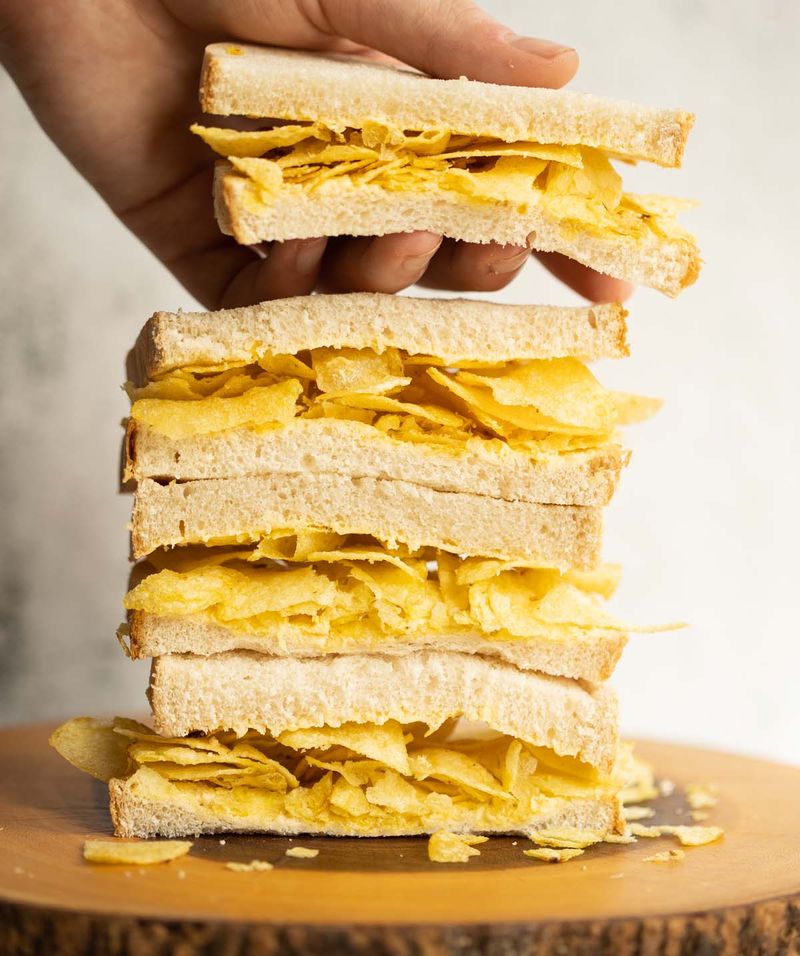
Without crunch, a sandwich can feel mushy and one note. Add contrast and everything pops.
Crisp lettuce, shaved cabbage, pickles, thin onion, toasted nuts, or kettle chips deliver snap that wakes up soft, rich fillings.
Keep pieces thin and even so they integrate without dominating. A quick slaw with vinegar and a touch of sugar brings texture and brightness in one move.
If moisture is a concern, pat greens dry or add them at the end.
Think of crunch as punctuation. It makes simple combos sing and helps hot sandwiches avoid steam slump.
Your mouth will thank you for the extra dimension in every bite.
14. Adding crunch that is too thick or sharp

Crunch should complement, not bulldoze. Thick onion slabs, woody stems, or jagged croutons hijack texture and scrape the palate.
Instead, slice onions paper thin, trim tough greens, and crush chips lightly for a friendly snap.
If raw onion is too intense, soak slices briefly in cold water or vinegar to tame the bite. Choose shredded cabbage over chunky carrots, and break pickles lengthwise or into coins to distribute evenly.
Test a bite before building the whole stack. You want crisp edges that play nice, not sharp shards demanding attention.
Gentle crunch makes every layer easier to chew and enjoy.
15. Not balancing rich with acidic
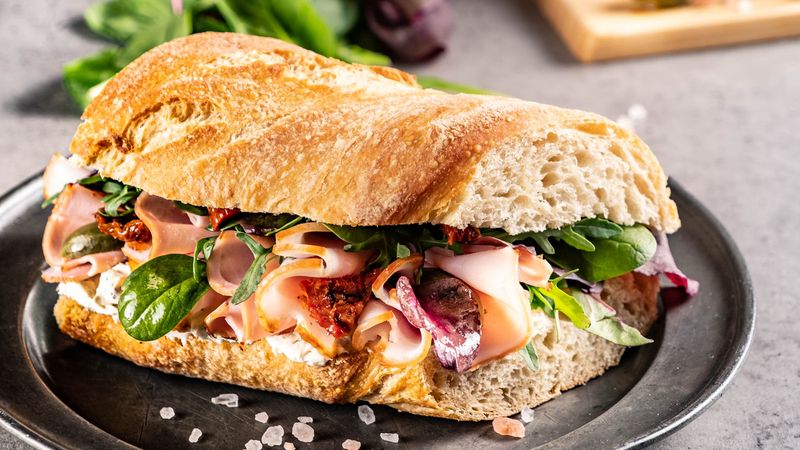
Fat needs a spark. Cheese, mayo, and rich meats taste heavier without acidity to cut through.
Add pickles, mustard, vinegar, hot sauce, pepperoncini, or a squeeze of lemon to slice through richness and make flavors pop.
Think contrast, not punishment. A thin swipe of Dijon or a splash of red wine vinegar is enough.
Balance sweet with sharp if using barbecue sauce or caramelized onions. Even a few capers can electrify a tuna melt.
Build with intent: one creamy, one crunchy, one acidic. That trio keeps bites lively and prevents palate fatigue.
You will finish the sandwich still wanting another bite, not water.
16. Using cold cheese in a sandwich that wants melt

Cold cheese can taste muted and firm, especially in melts. When the sandwich wants goo, bring cheese to room temp or pre-melt it.
Warmer cheese fuses layers, seasons every nook, and delivers that stretchy, comforting bite.
Shred for faster melt, and cover the pan to trap heat. Place cheese against the bread so it melts into the crumb and acts as a seal.
If fillings are thick or cold, preheat them slightly so the cheese does not have to do all the work.
Choose melt friendly varieties like cheddar, jack, provolone, or mozzarella. When cheese flows, the whole stack unifies beautifully.
17. Using warm fillings with cold, watery toppings
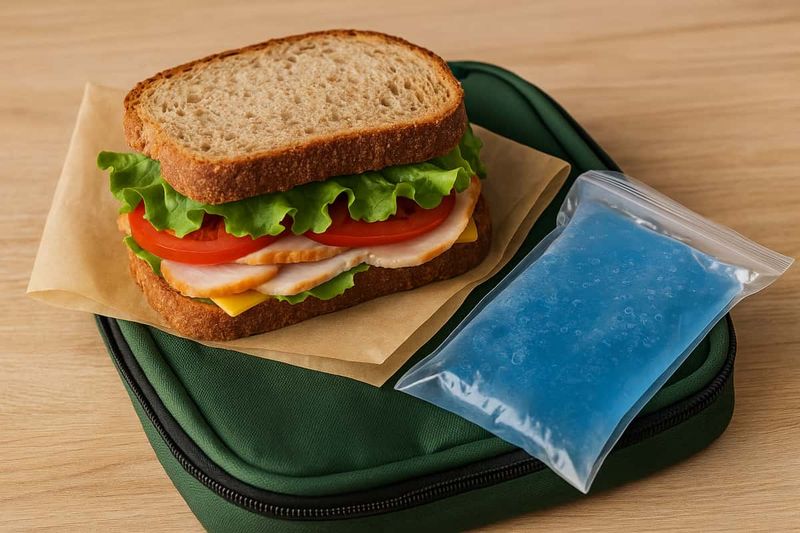
Hot meat meeting cold tomato creates instant condensation. That steam turns bread damp and dulls crunch.
Either let hot fillings rest briefly or add delicate toppings at the very end, right before eating.
Pat watery items dry and keep sauces light. If building to-go, pack lettuce and tomato separately and add later.
For melts, keep greens on the outside after grilling, or swap for sturdier slaw that handles heat better.
Control temperature zones. Warm plus crisp beats hot plus wet every time.
Managing steam is the fastest way to keep texture sharp and bread intact.
18. Not seasoning the fillings
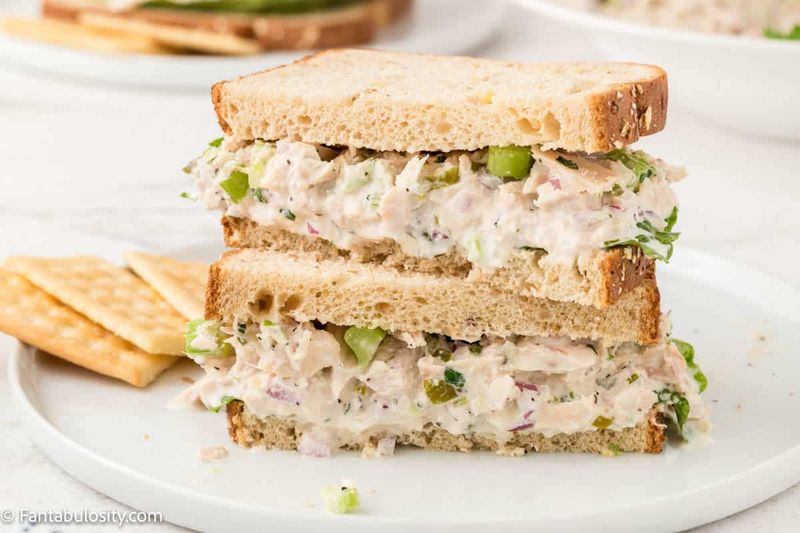
Bread and condiments cannot fix bland fillings. Season chicken, tuna, egg salad, or roasted vegetables with salt, pepper, acid, and herbs so they taste great on their own.
A squeeze of lemon, a dash of paprika, or chopped pickles can wake everything up.
Taste before assembling. Adjust with salt first, then balance with acidity or a hint of sweetness.
If using cured meats, ease up to avoid oversalting. Even simple turkey benefits from a quick pepper grind and mustard kiss.
Think layers of flavor, not reliance on one sauce. When fillings sing, the rest of the sandwich only needs light support to feel complete and memorable.
19. Cutting the sandwich the wrong way for the bread
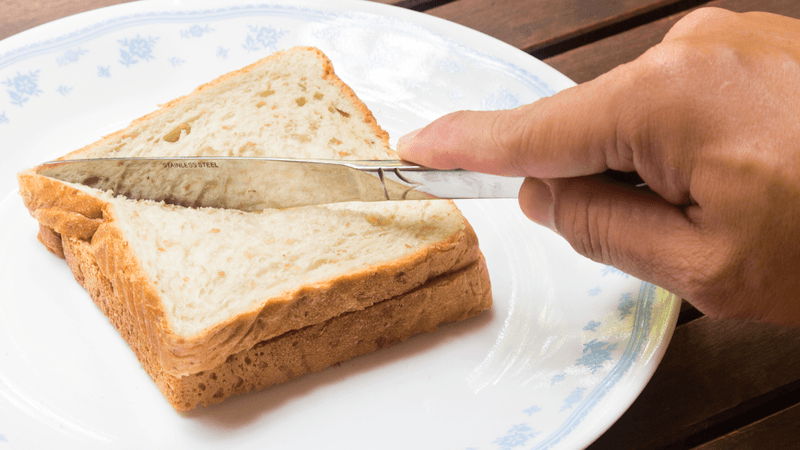
The cut changes bite and structure. Wide slices benefit from a diagonal that creates a pointed first bite and better filling exposure.
Narrow rolls hold tighter with a straight cut, keeping ingredients corralled and easier to share.
Consider crumb and crust. Very crusty loaves often prefer a firm straight cut to prevent shattering.
Softer breads slice cleaner on the bias. Use a sharp serrated knife and a gentle saw, not a press, to protect layers.
Match cut to shape and destination. Lunchbox portability, dipping plans, and photo appeal all matter.
A smart slice keeps everything where it belongs.
20. Wrapping and resting improperly
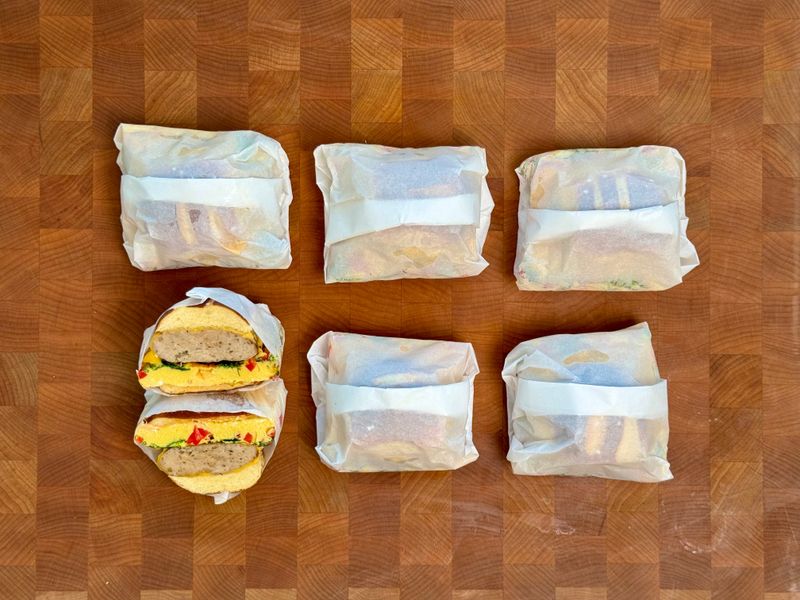
Trap steam and bread turns squishy. Wrap a hot sandwich too tight and you lose crispness within minutes.
Let it rest briefly on a rack to vent, then wrap if needed. For cold sandwiches, wrap snugly in parchment or foil to prevent drying and shifting.
Choose materials wisely: parchment for breathability, foil for heat retention, plastic only if everything is cool and dry. For road trips, pack wet items separately and assemble at the stop.
Timing matters. Rest just long enough for juices to settle but not so long that heat fades.
Smart wrapping preserves crunch, keeps shape, and delivers the bite you built.