20 Science-Backed Natural Foods That Can Help Reduce Blood Pressure
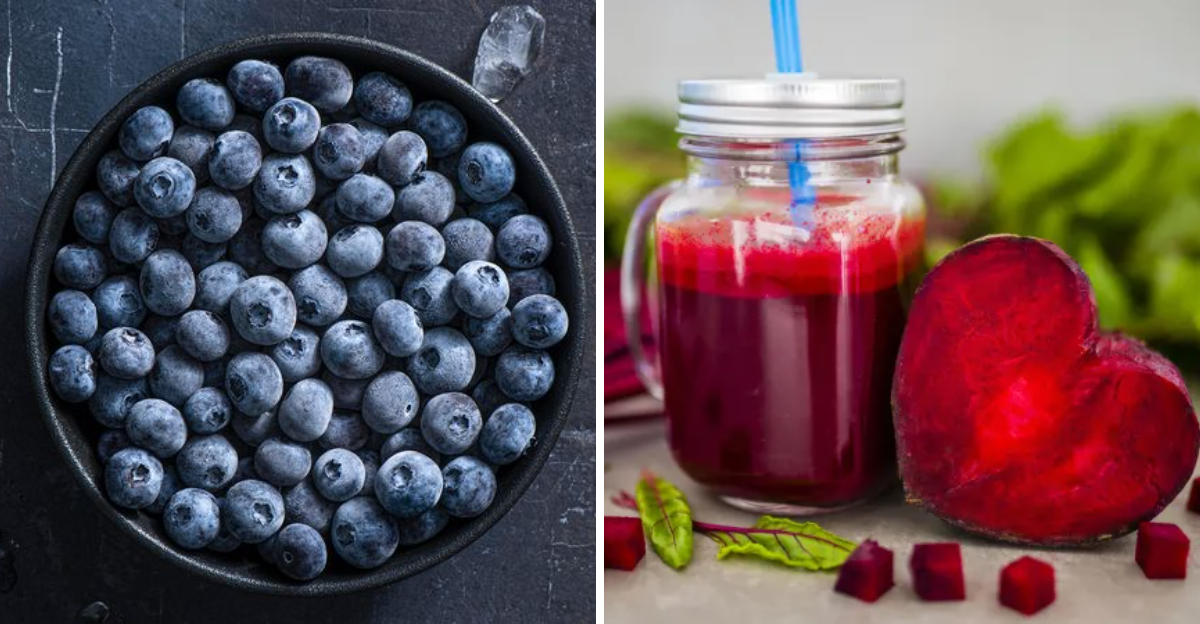
If your numbers have been creeping up, small food choices can make a real difference. These science-backed options are delicious, simple to add to your routine, and supported by credible research. You will learn why specific nutrients help relax blood vessels and rebalance sodium sensitivity. Keep reading to stock your kitchen with tasty allies for healthier pressure.
1. Leafy Greens
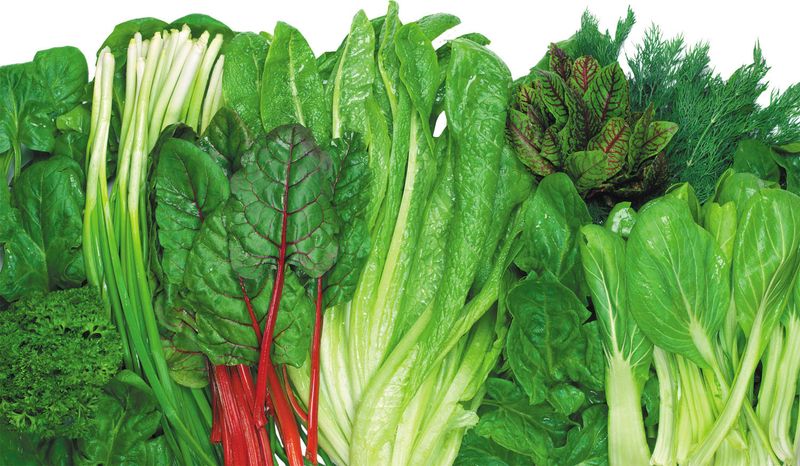
Leafy greens like spinach, kale, and Swiss chard deliver potassium, magnesium, and nitrates that support healthier blood pressure. Potassium helps the body excrete extra sodium, easing fluid retention and lowering strain on vessels. Nitrates convert to nitric oxide, encouraging better vasodilation.
Toss a handful into smoothies, sauté with garlic, or build a colorful salad you will actually crave. Canned or lightly steamed options are budget friendly and convenient. Aim for a daily serving to steadily nudge numbers downward while boosting fiber and antioxidants.
2. Beets
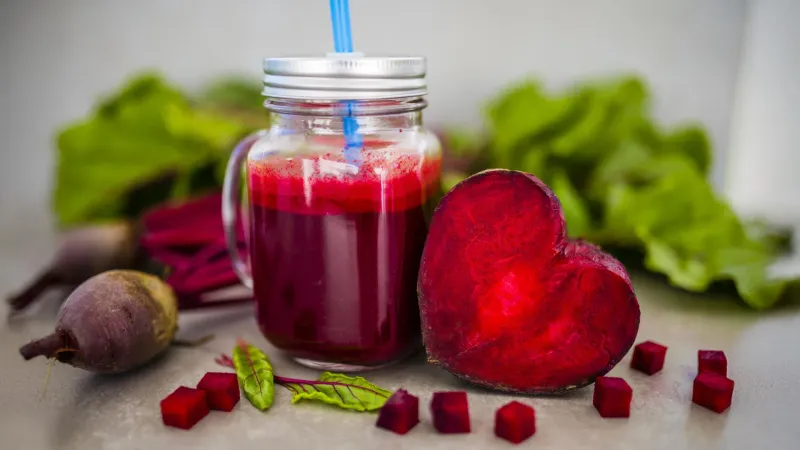
Beets are nitrate powerhouses that your body converts into nitric oxide, helping arteries relax and improve blood flow. Several trials show beetroot juice can reduce systolic pressure within hours, with modest yet meaningful effects. The color comes packed with betalains that add antioxidant support.
Juice them, roast them, or grate them into salads for a sweet earthy crunch. If juice tastes strong, dilute with citrus and water. Consistent intake matters more than perfection, so include beets a few times weekly for sustained benefits.
3. Berries
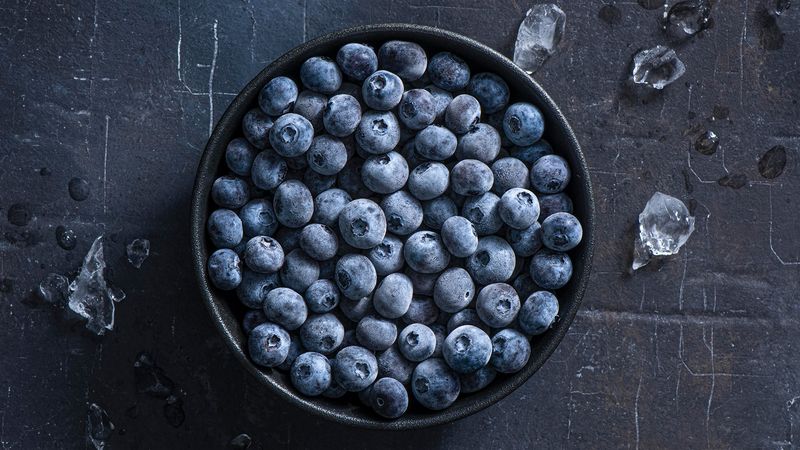
Berries bring anthocyanins and polyphenols that support healthier endothelial function. Studies link regular blueberry intake with small but significant blood pressure reductions. Their fiber content supports a heart friendly weight, while natural sweetness satisfies cravings without added sugar.
Toss blueberries on oatmeal, blend strawberries into yogurt, or snack on raspberries after dinner. Frozen berries are cost effective and just as nutritious. A cup a day is a simple habit that stacks up subtle improvements over time.
4. Garlic
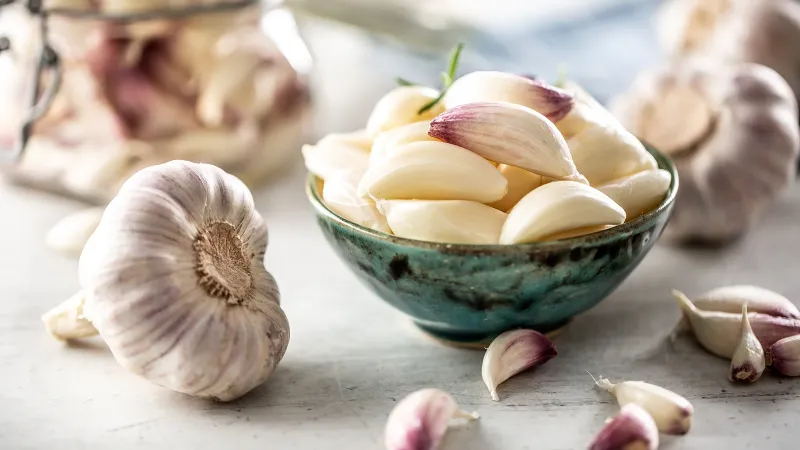
Garlic contains allicin, a compound formed when cloves are crushed that supports vasodilation and improved blood flow. Meta analyses suggest aged garlic extract can reduce both systolic and diastolic readings. It may also nudge cholesterol downward, creating a supportive heart health package.
Crush or chop garlic, let it rest briefly to activate allicin, then add to sauces, soups, or roasted vegetables. Aged garlic supplements exist, but flavorful cooking is an easy first step. Keep portions moderate if stomach sensitivity appears.
5. Oats
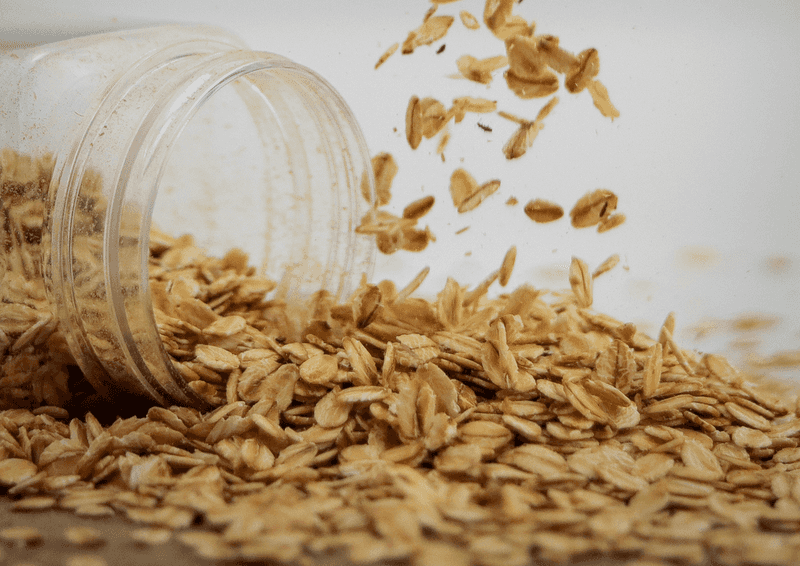
Oats offer beta glucan fiber that helps improve arterial flexibility and supports healthier cholesterol levels. Better vascular function can ease pressure on the heart and contribute to modest blood pressure reductions. Oats also deliver magnesium, a mineral linked with smoother muscle relaxation in vessel walls.
Build a bowl with berries, nuts, and a pinch of cinnamon for a satisfying breakfast. Overnight oats make weekday mornings easy. Choose minimally processed steel cut or old fashioned oats to maximize fiber and steady energy.
6. Fatty Fish
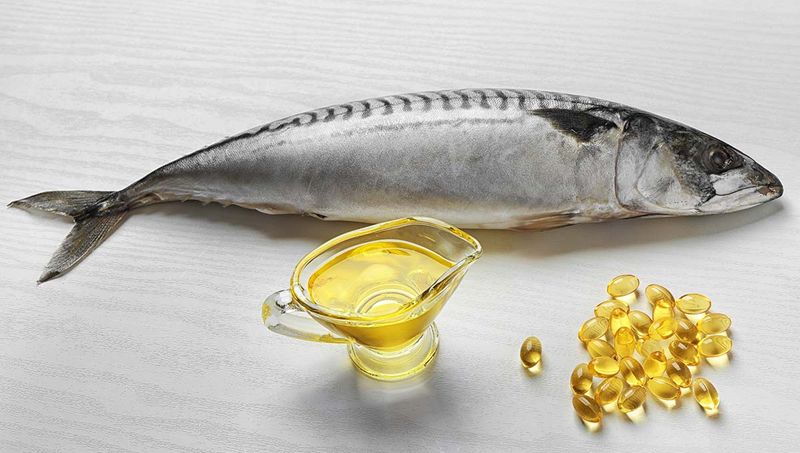
Fatty fish like salmon, mackerel, and sardines supply omega 3s EPA and DHA that support endothelial function and reduce inflammation. Research shows regular intake can lower blood pressure slightly, especially in people with elevated levels. The protein and satiety also help weight management, an important pressure lever.
Grill, bake, or poach with herbs and lemon for a simple weeknight dinner. Canned sardines or salmon are affordable pantry staples. Aim for two servings weekly to build heart protective habits.
7. Yogurt
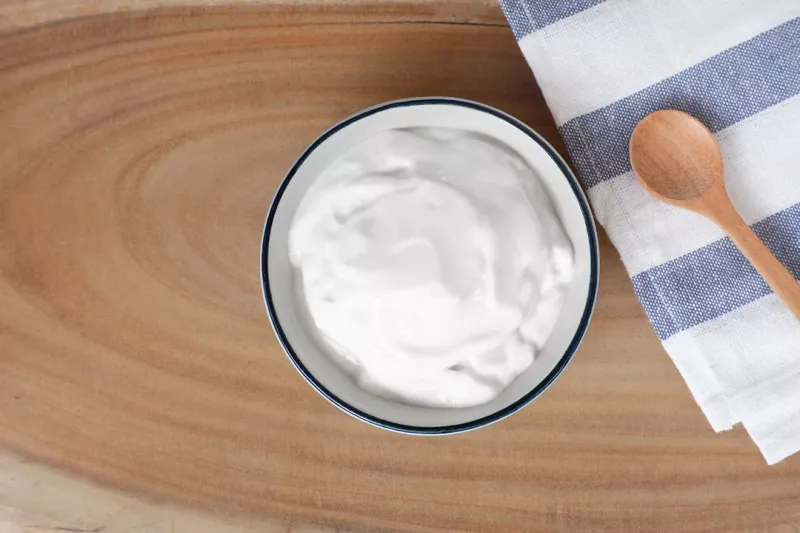
Plain yogurt brings a trio of calcium, potassium, and probiotics that together support blood pressure control. Calcium aids vascular tone, potassium offsets sodium, and probiotics may improve nitric oxide availability. Observational studies link routine yogurt eaters with lower hypertension risk.
Choose unsweetened varieties and add fruit or cinnamon for natural sweetness. If dairy sensitive, try lactose free or cultured kefir. A small daily bowl is a simple habit that fits breakfast, snacks, or dessert.
8. Pistachios

Pistachios are rich in potassium, magnesium, and beneficial fats that may help relax blood vessels. Controlled trials show pistachios can modestly reduce systolic pressure, possibly by improving vascular reactivity. The act of shelling also slows snacking, helping portion control.
Sprinkle them on salads, yogurt, or oatmeal for crunch. A small handful a day goes far, especially alongside a balanced DASH style diet. Choose unsalted versions to keep sodium in check and flavor them with herbs or spices instead.
9. Bananas
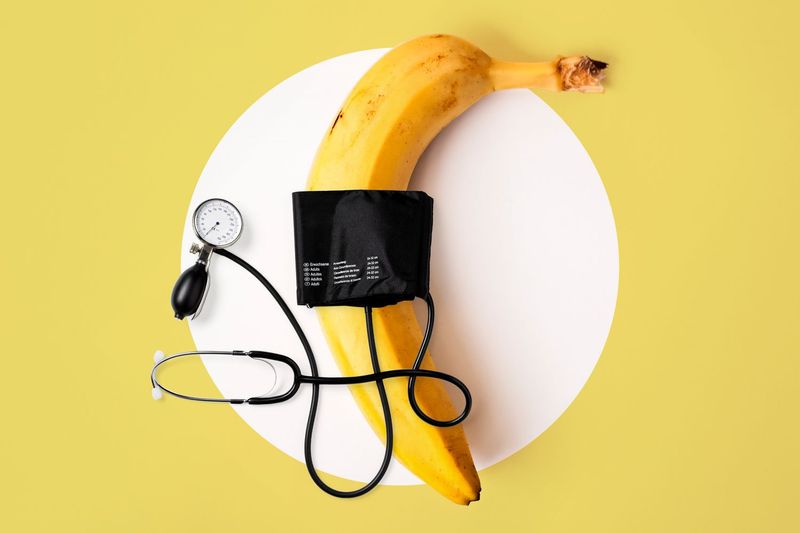
Bananas deliver potassium that supports the body in excreting excess sodium, a key mechanism for lowering blood pressure. They also offer fiber and a touch of magnesium, supporting heart rhythm and digestive comfort. Their portable convenience makes consistent intake easy.
Slice into oatmeal or yogurt, blend into smoothies, or enjoy as a pre workout snack. Watch portion sizes if managing blood sugar. One medium banana most days is a practical target for many people.
10. Citrus Fruits
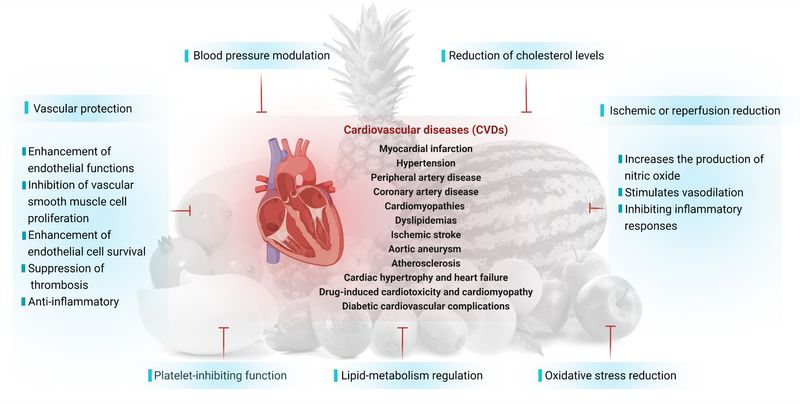
Citrus fruits pack vitamin C, flavonoids, and potassium that support vascular health and nitric oxide availability. Some studies suggest citrus polyphenols can help lower blood pressure and reduce arterial stiffness. Fresh segments beat sugary juices for fiber and steady glucose.
Add orange slices to salads, squeeze lemon over fish, or sip lime infused water. If on certain medications like statins, discuss grapefruit with your clinician. Enjoy a daily serving to brighten meals while supporting heart goals.
11. Dark Chocolate
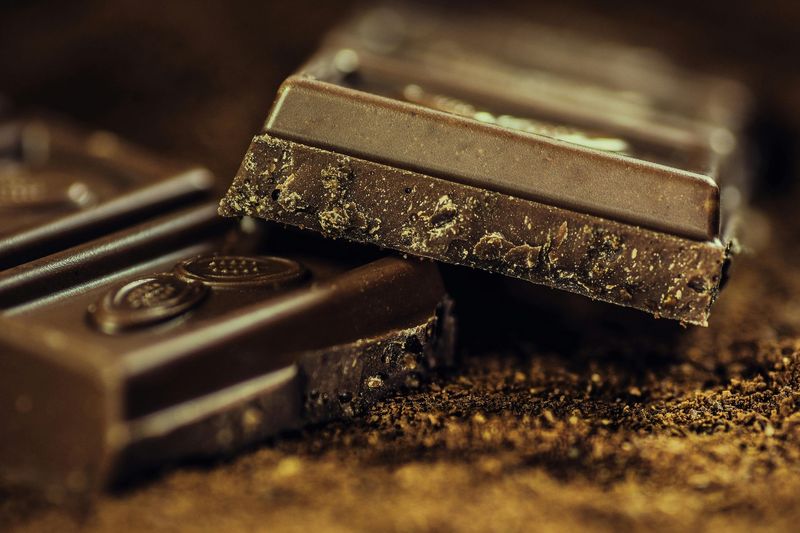
High cacao dark chocolate contains flavanols that enhance nitric oxide production and support endothelial function. Meta analyses show small reductions in blood pressure with consistent intake of quality dark chocolate. The key is portion control and choosing bars with minimal added sugar.
Enjoy a square or two after dinner, or melt a bit into warm milk. Look for 70 percent cacao or higher to maximize benefits. Let it be a mindful treat, not an everyday free for all.
12. Tomatoes
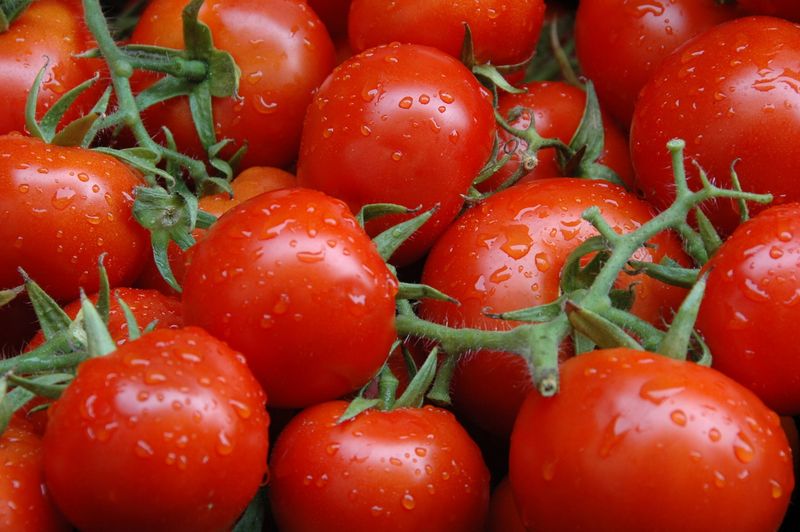
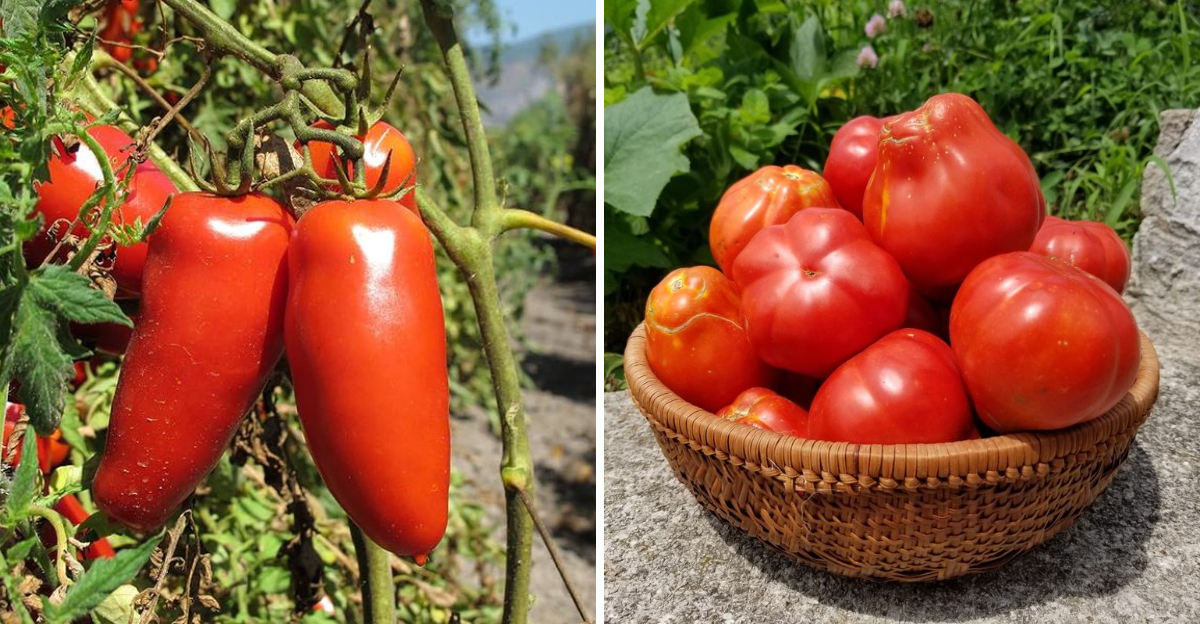
Tomatoes bring lycopene and potassium, nutrients linked with improved vascular health. Some trials associate tomato products with modest blood pressure improvements, possibly via antioxidant and nitric oxide pathways. Cooking tomatoes increases lycopene bioavailability.
Simmer tomato sauce with olive oil and garlic, or snack on cherry tomatoes with hummus. Choose low sodium canned options if using packaged sauces. Consistency across the week matters more than any single serving.
13. Olive Oil
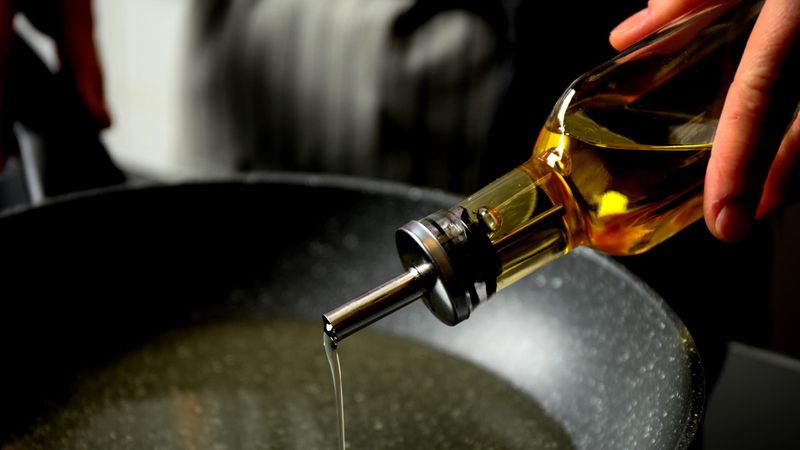
Extra virgin olive oil is rich in polyphenols that support endothelial function and reduce oxidative stress. Substituting it for saturated fats may help lower blood pressure while improving overall lipid patterns. The Mediterranean diet, with generous olive oil, repeatedly shows heart protective outcomes.
Drizzle over salads, roasted vegetables, and fish, or whisk into lemony dressings. Choose fresh, peppery oils in dark glass bottles. Keep heat moderate to preserve flavor and nutrients.
14. Pumpkin Seeds
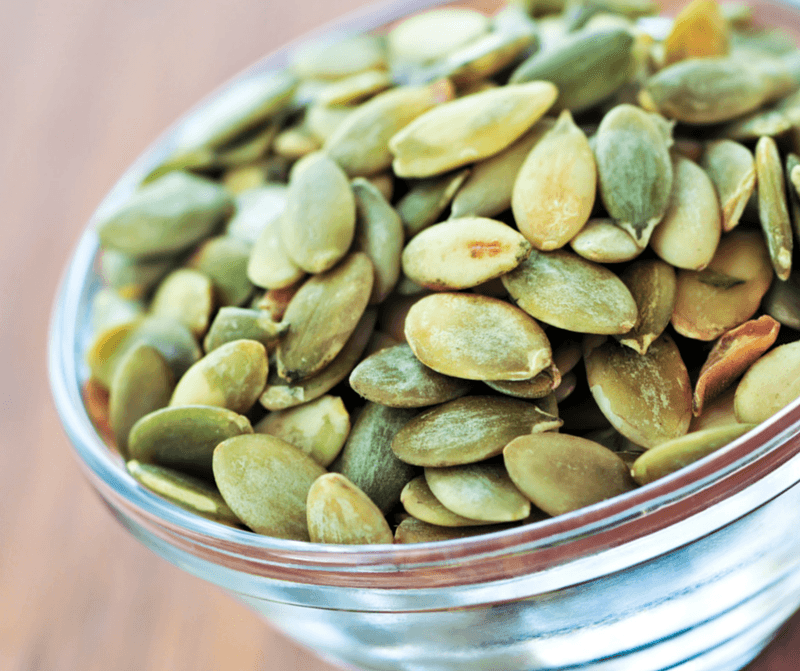
Pumpkin seeds offer magnesium, zinc, and arginine that support smooth muscle relaxation and nitric oxide production. Research in people with hypertension shows magnesium supplements can reduce blood pressure modestly. Seeds deliver magnesium in a tasty package alongside beneficial fats.
Snack on a small handful or sprinkle over soups and salads. Choose unsalted roasted seeds or make your own with herbs. Consistency is key, so include them several times weekly.
15. Pomegranates
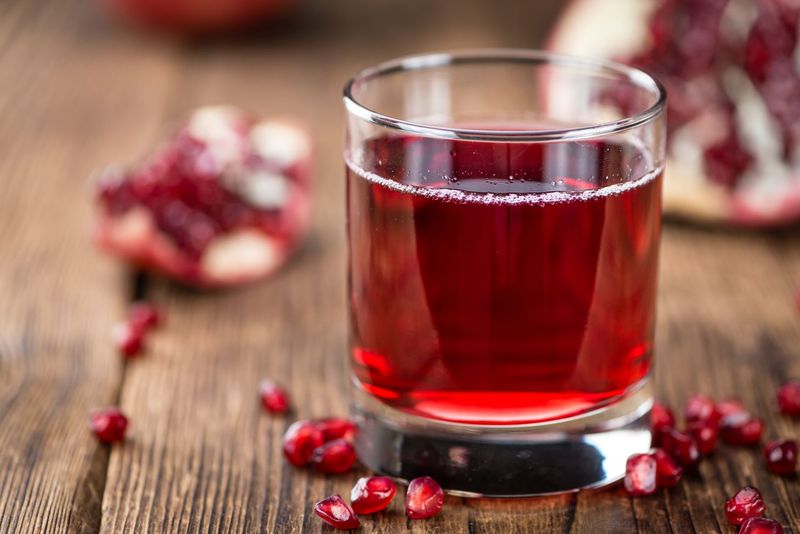
Pomegranate juice contains polyphenols that enhance endothelial function and may reduce oxidative stress. Small studies report reductions in systolic blood pressure with daily intake. The tart sweetness also pairs well with savory dishes.
Sip a small glass diluted with water, or scatter arils over salads and yogurt. Choose unsweetened juice to avoid added sugars. Make it a colorful accent to a balanced routine rather than a cure all.
16. Beans and Lentils
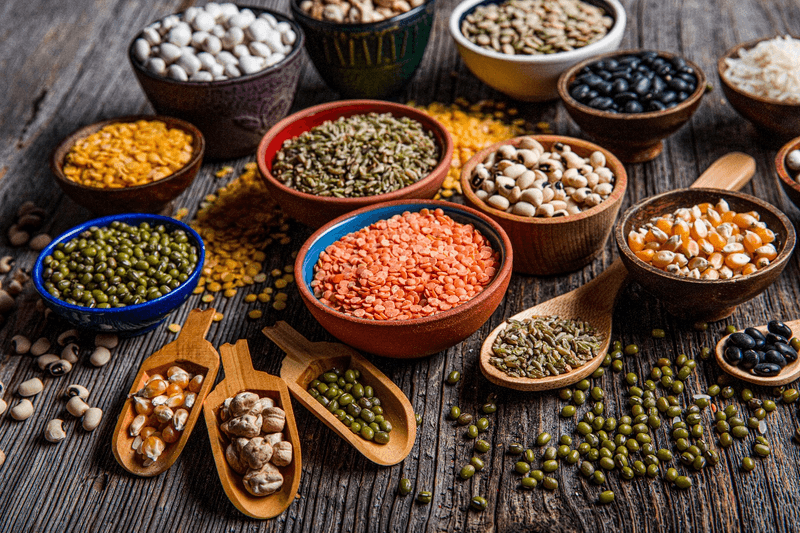
Beans and lentils deliver potassium, magnesium, and fiber that support lower blood pressure and better cholesterol profiles. Their plant proteins assist with weight management by promoting fullness. Studies show pulses can reduce blood pressure when replacing refined carbs or processed meats.
Add lentil soup to lunch, stir chickpeas into salads, or swap black beans for part of ground meat. Rinse canned beans to reduce sodium. Build a few legume based meals each week for steady benefits.
17. Avocado
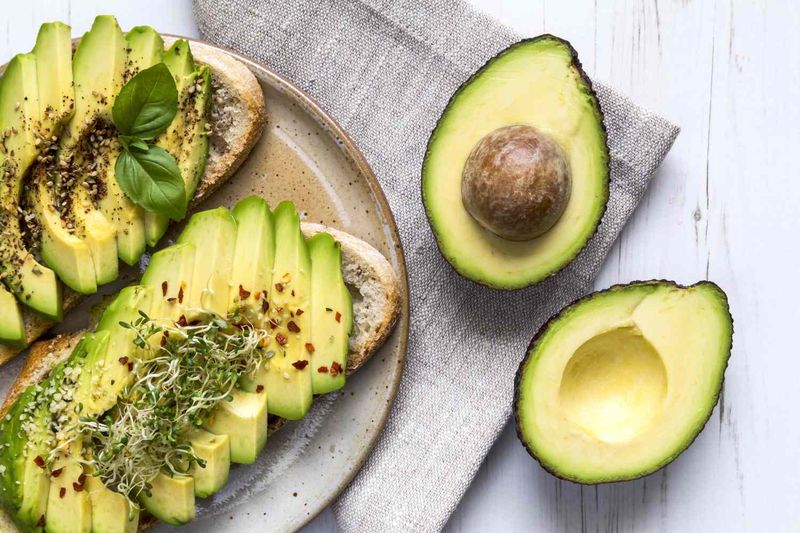
Avocado provides potassium, fiber, and heart friendly monounsaturated fats that support vascular health. Replacing saturated fats with avocado can improve lipid markers and may help pressure by supporting endothelial function. Its creaminess satisfies without heavy sauces.
Mash onto whole grain toast, blend into smoothies, or cube over salads with citrus. Watch portions since calories are concentrated. Half a medium avocado a few times weekly is a practical target.
18. Cocoa Powder
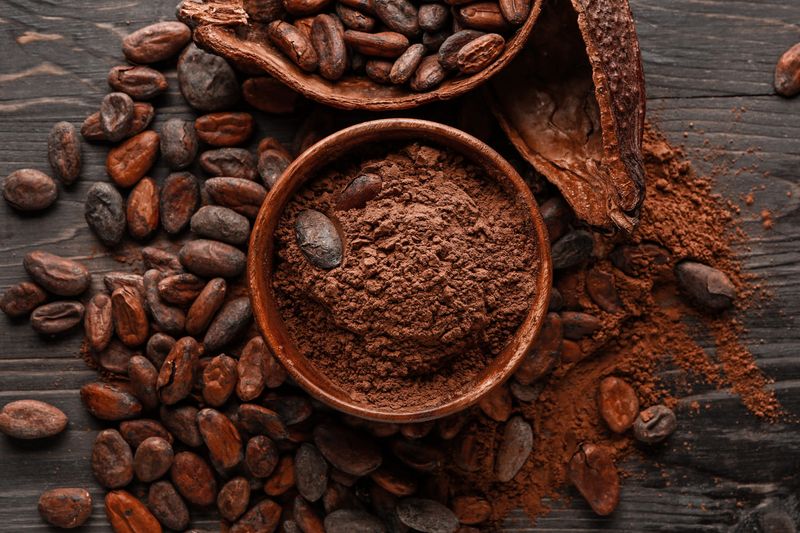
Unsweetened cocoa powder delivers cocoa flavanols that support nitric oxide and vascular flexibility. Trials suggest modest blood pressure reductions with consistent intake of high flavanol cocoa. Skip sugary mixes and use pure cocoa to stay aligned with heart goals.
Whisk into warm milk, blend into smoothies, or stir into overnight oats. Add a pinch of cinnamon or vanilla for depth. Keep daily portions small but regular for cumulative benefits.
19. Celery
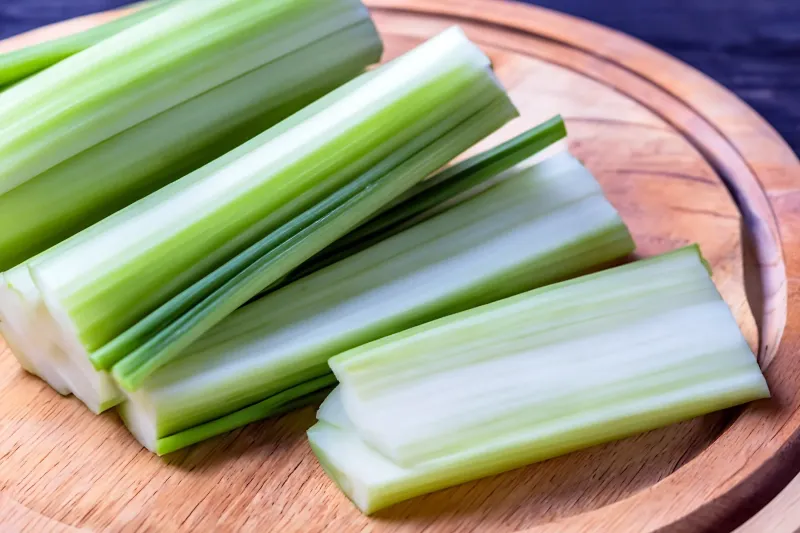
Celery contains phthalides that may help relax artery walls by influencing calcium channels and smooth muscle tone. It also provides potassium and plenty of hydration, which can support steady pressure. While evidence is modest, celery is a low calorie crunchy addition to heart friendly eating.
Snack with hummus, dice into soups, or sauté with onions and carrots for flavor. Use celery seed as a salt conscious seasoning. Keep variety high and sodium low for the best results.
20. Hibiscus Tea
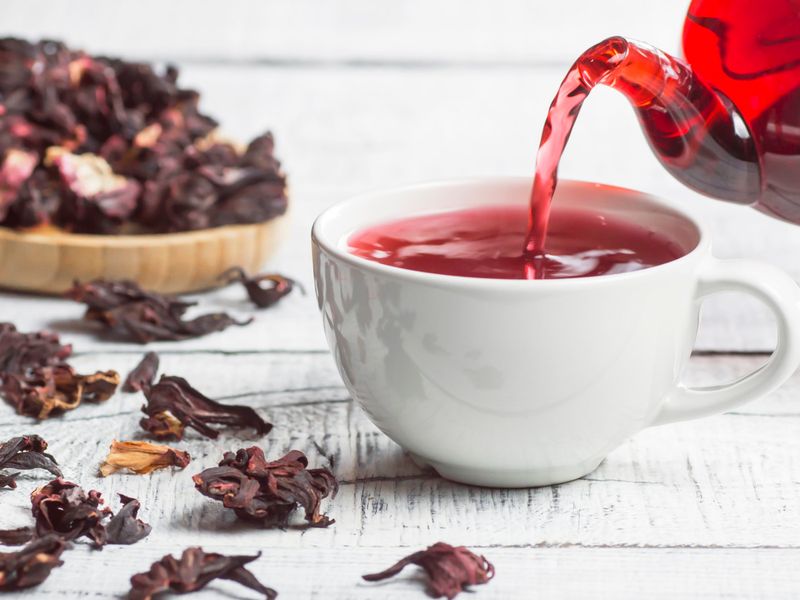
Hibiscus tea has anthocyanins and acids that may act as natural ACE inhibitors. Several randomized trials report reductions in systolic and diastolic pressure with daily cups. It is caffeine free and refreshing hot or iced.
Steep strongly for 5 to 10 minutes, then sweeten lightly with honey if desired. If on blood pressure medication, check with your clinician due to additive effects. Make it an evening ritual to unwind while supporting your numbers.