
20 Top Foods That Support People With Arthritis

Living with arthritis can feel like a daily tug-of-war, but smart food choices can tip the balance in your favor. The right nutrients help calm inflammation, ease stiffness, and support joint health over time.
If you have wondered what to put on your plate to feel better, this guide simplifies it. Let’s explore delicious, science-backed foods that can help you move with more comfort and confidence.
1. Fatty Fish (Salmon, Sardines, Mackerel)

Fatty fish bring you omega-3s that help reduce joint inflammation and morning stiffness. EPA and DHA support your body’s anti inflammatory pathways, potentially easing swelling.
You will also get vitamin D for bone strength and immune balance.
Try eating salmon or sardines twice per week, baked or grilled with olive oil. Canned options are convenient and affordable.
Pair with leafy greens and whole grains for a complete, joint friendly meal you will actually look forward to.
2. Extra Virgin Olive Oil

Extra virgin olive oil delivers oleocanthal, a natural compound with ibuprofen like effects that may help reduce inflammation. Its monounsaturated fats support heart and joint health together.
The peppery finish hints at beneficial polyphenols.
Use it as your daily cooking and finishing oil. Drizzle over vegetables, fish, or warm whole grains.
For the biggest benefits, choose fresh, high quality EVOO and keep it away from heat and light to protect the antioxidants you are counting on.
3. Berries (Blueberries, Strawberries)

Berries pack anthocyanins, potent antioxidants that help quiet inflammatory signals. Their natural sweetness satisfies cravings while supporting joint comfort.
You will also get vitamin C for collagen formation, which cushions and stabilizes joints.
Blend blueberries into smoothies or top yogurt with sliced strawberries. Frozen berries are just as nutritious and budget friendly.
Aim for a daily handful to build a steady antioxidant habit that tastes like a treat instead of a chore.
4. Leafy Greens (Spinach, Kale)

Leafy greens provide vitamins K, C, and folate, plus magnesium to support muscle and nerve function around sore joints. Their carotenoids act as antioxidants that protect tissues.
Greens also deliver fiber, helping with weight management that lightens joint load.
Toss spinach into omelets, sauté kale with garlic, or blend both into soups. Start with a handful at lunch and dinner.
Consistency matters: small, daily portions add up to steadier energy and more comfortable movement over time.
5. Turmeric (Curcumin)

Turmeric’s active compound curcumin supports your body’s anti inflammatory response and may reduce joint tenderness. It works best with black pepper, which boosts absorption.
Many people feel steadier comfort when they use it consistently.
Stir turmeric into soups, curries, and golden milk. Add a pinch of black pepper and some fat, like coconut milk or olive oil, to enhance bioavailability.
If considering supplements, talk with your healthcare provider, especially if you take blood thinners.
6. Ginger

Ginger contains gingerols and shogaols that help calm inflammatory pathways and may reduce joint discomfort. Many people also notice digestive ease, which supports overall wellbeing.
Its warm, peppery flavor makes healthy meals feel satisfying.
Grate fresh ginger into stir fries, salad dressings, or tea. Keep peeled coins in the freezer for easy grating.
Start with small daily amounts and build up, letting your taste buds guide you while your joints enjoy the steady support.
7. Walnuts

Walnuts offer plant based omega-3 ALA, antioxidants, and minerals that help protect joints from oxidative stress. Their healthy fats make meals more satisfying, supporting weight control that eases pressure on knees and hips.
A handful delivers big benefits.
Sprinkle walnuts over oatmeal, yogurt, or salads. Toast them lightly to deepen flavor.
If you are snacky in the afternoon, a small portion can steady hunger and energy while quietly working behind the scenes to support your joints.
8. Chia and Flax Seeds
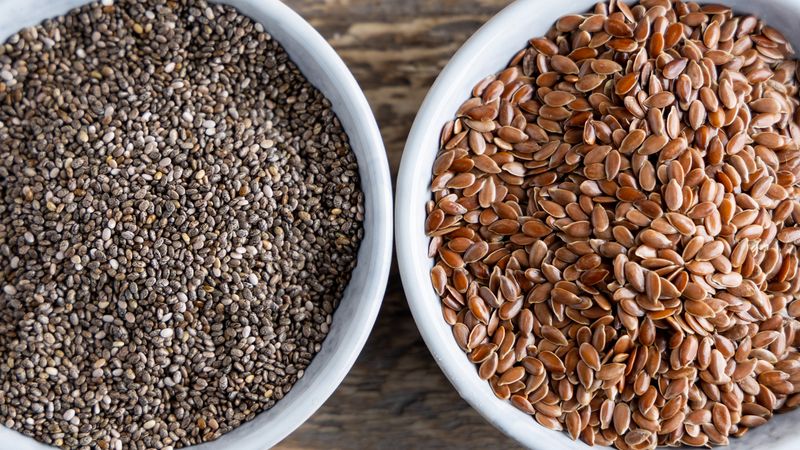
Chia and flax deliver plant omega-3s, fiber, and lignans that support anti inflammatory balance. Ground flax improves absorption, while chia forms a gel that helps digestion.
These tiny seeds make it easy to upgrade everyday meals without much effort.
Stir ground flax into smoothies, oats, or muffin batter. Sprinkle chia over yogurt or mix into overnight oats.
Start with one to two tablespoons daily, paired with water, and watch how small changes can add up for your joints.
9. Tomatoes

Tomatoes provide lycopene, an antioxidant that may help tame chronic inflammation linked to joint pain. Cooking with olive oil boosts lycopene absorption.
You will also get vitamin C and potassium to support overall wellness.
Enjoy tomato sauce, roasted tomatoes, and fresh slices in salads. If nightshades bother you, track symptoms and adjust.
For most people, tomatoes are a flavorful, flexible way to bring more anti inflammatory power onto the plate.
10. Garlic
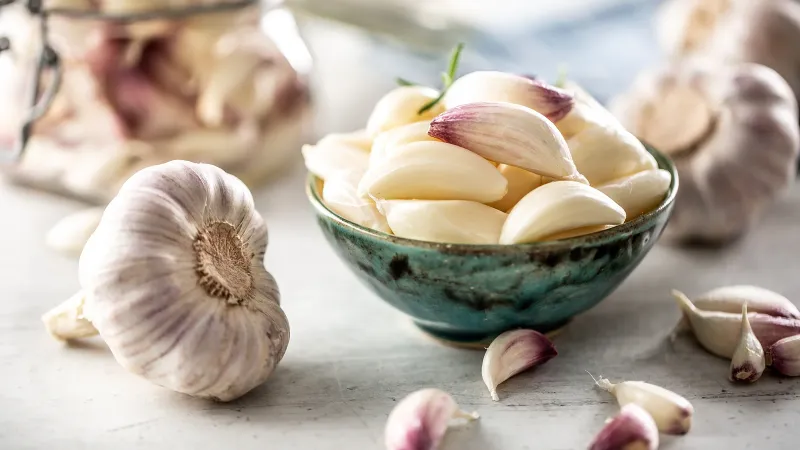
Garlic contains sulfur compounds like allicin that may reduce inflammatory activity. It also supports immune balance and adds punchy flavor that helps you rely less on salt.
When meals taste great, healthy habits stick.
Crush or mince garlic and let it sit for a minute to activate enzymes before cooking. Use it in sautés, soups, and marinades.
If raw garlic feels too strong, roast whole bulbs until sweet and spreadable, then swirl into mashed vegetables.
11. Green Tea
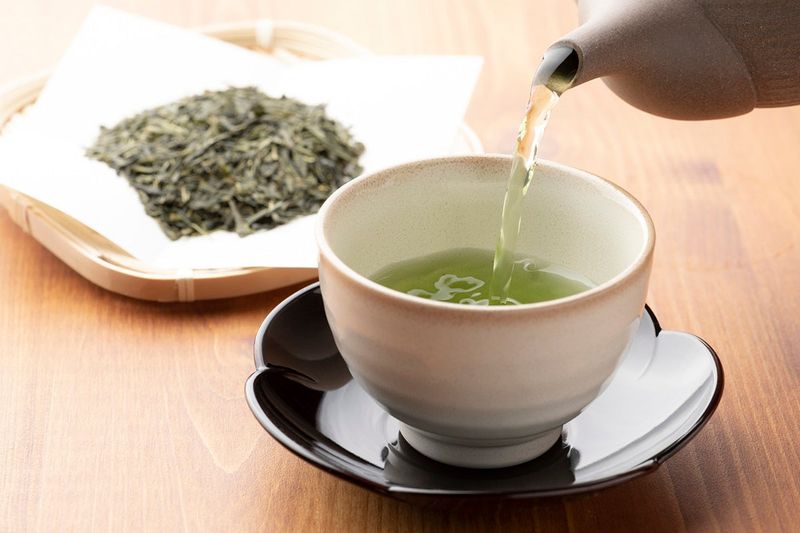
Green tea delivers catechins, especially EGCG, which help manage inflammation and oxidative stress. Sipping it regularly can support joint comfort while replacing sugary drinks.
The gentle caffeine may boost alertness without the jitters.
Brew two to three cups daily, steeping for two to three minutes to avoid bitterness. Add lemon for extra antioxidants and flavor.
Make iced green tea for a refreshing alternative and keep a pitcher handy so staying hydrated feels easy.
12. Whole Grains (Oats, Quinoa)
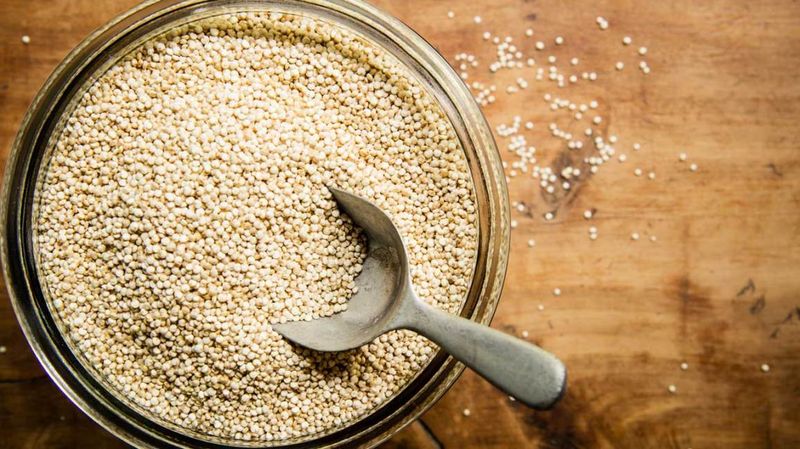
Whole grains provide fiber that feeds gut bacteria linked to lower inflammation. They also steady blood sugar, which supports energy and weight control.
Oats and quinoa are versatile foundations for savory or sweet meals.
Build breakfast bowls with oats, berries, and walnuts. Use quinoa in salads with vegetables, herbs, and olive oil.
Swap refined grains for whole versions most of the time, and your joints may feel the difference as inflammation quiets down.
13. Broccoli and Crucifers

Broccoli, cauliflower, and Brussels sprouts contain sulforaphane, which may help block inflammatory enzymes. They bring vitamin C, fiber, and protective plant compounds that support cartilage health.
Light cooking keeps their crunch and benefits intact.
Steam, roast, or sauté with garlic and olive oil. Add shredded Brussels sprouts to salads for extra texture.
Aim for a serving most days, and rotate different crucifers to keep flavors interesting while your joints get steady support.
14. Avocado
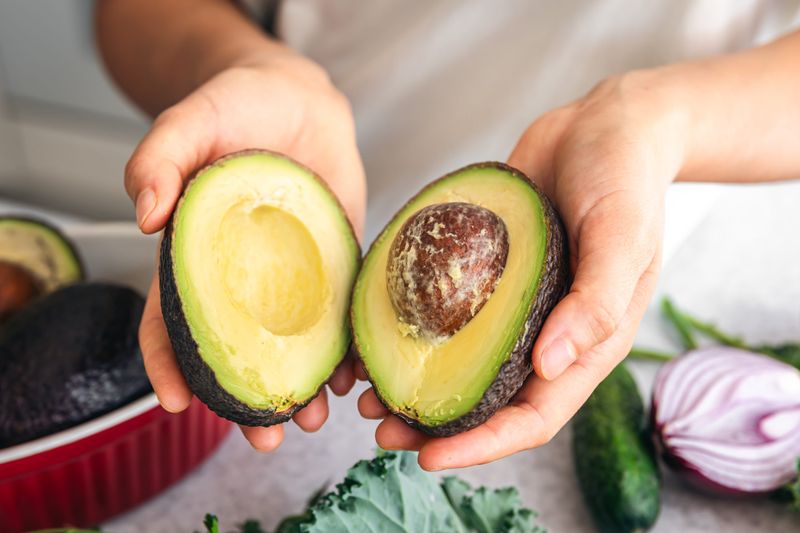
Avocados provide monounsaturated fats, potassium, and antioxidants that help calm inflammation and nourish joints. Their creamy texture makes healthy eating feel indulgent.
Fiber helps manage weight, easing pressure on hips and knees.
Mash avocado on whole grain toast, blend into smoothies, or dice into salads. Add lime, herbs, and a pinch of salt for simple flavor.
A half to one avocado a day fits many plans and pairs perfectly with tomatoes and leafy greens.
15. Yogurt and Kefir

Yogurt and kefir bring probiotics that support a healthy gut, which can influence inflammation throughout the body. Calcium and protein help preserve bone and muscle around vulnerable joints.
Choose unsweetened options to avoid added sugars.
Enjoy yogurt with berries and walnuts, or sip kefir as a snack. If dairy bothers you, try lactose free or cultured plant based versions with live cultures.
Consistent, small servings can shift your gut environment toward better joint comfort.
16. Citrus Fruits

Citrus fruits deliver vitamin C for collagen formation and antioxidant protection. Their bright flavors make hydration and healthy snacks easier.
A daily dose can support joint cushioning and overall immune balance.
Eat an orange, squeeze lemon over greens, or add grapefruit segments to salads. If you take certain medications, check for grapefruit interactions.
Otherwise, citrus is a cheerful, refreshing way to keep inflammation in check and cravings satisfied.
17. Dark Chocolate (70 percent plus)

Dark chocolate with at least 70 percent cocoa contains flavanols that fight oxidative stress. Enjoyed in modest portions, it can support vascular health that nourishes joints.
The treat factor makes long term eating patterns sustainable.
Have a small square after meals or melt into warm milk alternatives. Check labels for minimal added sugar and simple ingredients.
Keep portions mindful so benefits stay front and center, not the sugar or calories that can strain joints.
18. Beans and Lentils
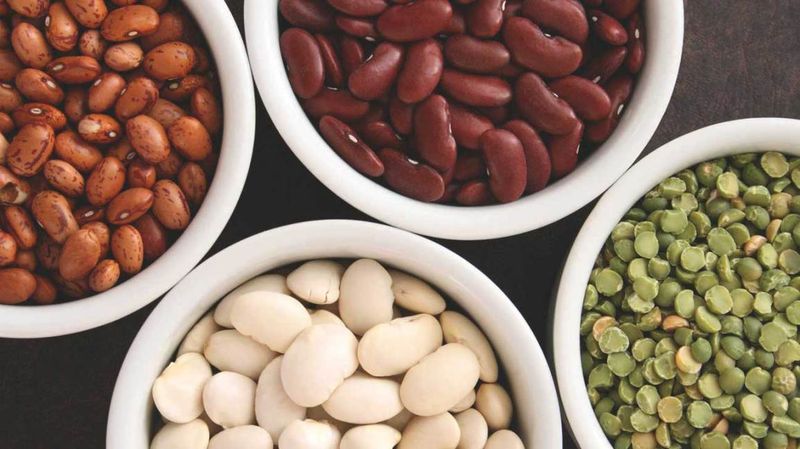
Beans and lentils offer plant protein, fiber, magnesium, and polyphenols that help steady inflammation. They support muscle maintenance around joints without excess saturated fat.
Budget friendly and filling, they make healthy choices stick.
Simmer lentil soup, add chickpeas to salads, or build bean bowls with vegetables and olive oil. Rinse canned beans to reduce sodium.
With a few pantry staples, you can create satisfying meals that love your joints back.
19. Bone Broth
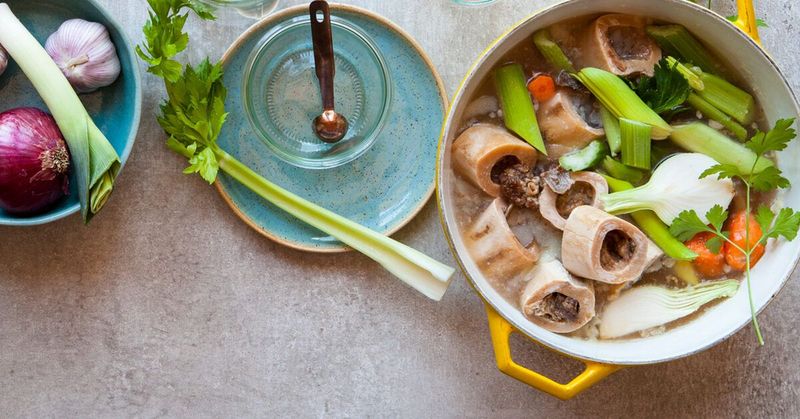
Bone broth provides collagen, gelatin, and minerals that may support joint integrity and gut health. Warm, savory sips can be comforting on stiff days.
While research is mixed, many people report easier movement with regular use.
Sip a cup daily or use it as a base for soups and grains. Choose low sodium versions or make your own.
Slow, consistent habits matter most, so build it into routines you already enjoy.
20. Pineapple (Bromelain)

Pineapple contains bromelain, an enzyme that may help reduce swelling and discomfort after activity. Its natural sweetness makes anti inflammatory eating feel fun.
You also get vitamin C and hydration in every juicy bite.
Enjoy fresh pineapple or add frozen chunks to smoothies. If you consider bromelain supplements, check with your clinician for interactions.
For everyday use, a cup here and there brings bright flavor and gentle support for sore joints.